Historic Textiles

Fragments of ancient textiles from Italy and Central Asia, featuring intricate patterns and rich materials like silk and gold, reflecting the craftsmanship of historical fabrics.
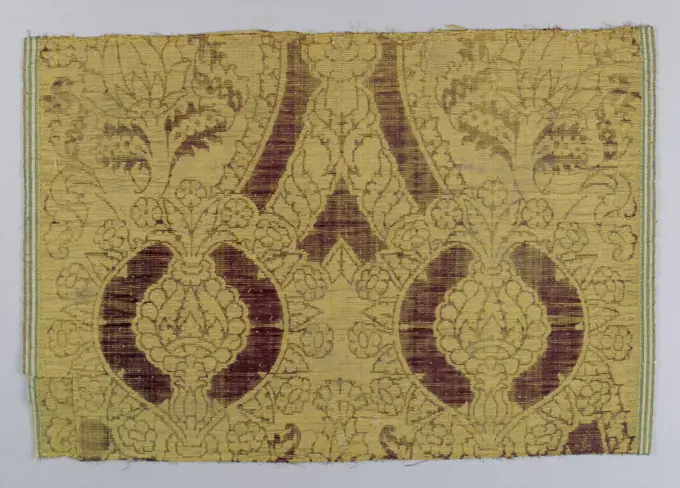
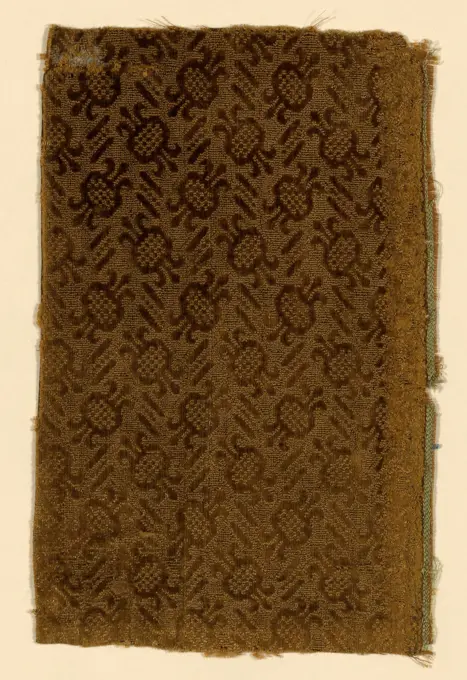
Panel, Medium: silk, metallic threads Technique: supplementary warp in plain weave foundation with continuous supplementary wefts (velvet), Pomegranate pattern in mauve and gold., Spain, 15th century, woven textiles, Panel
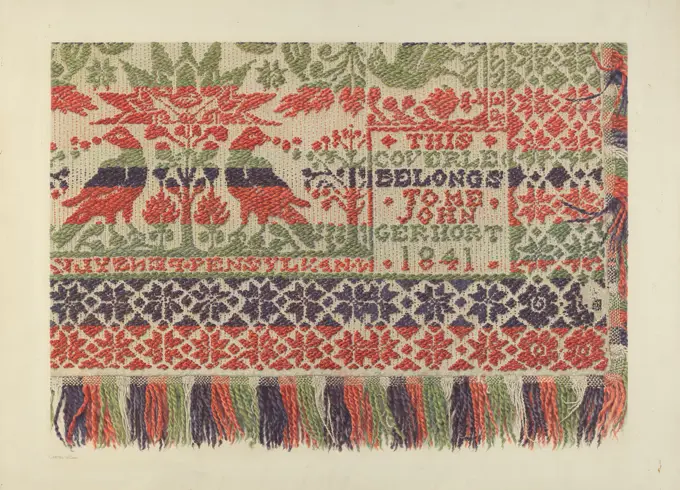
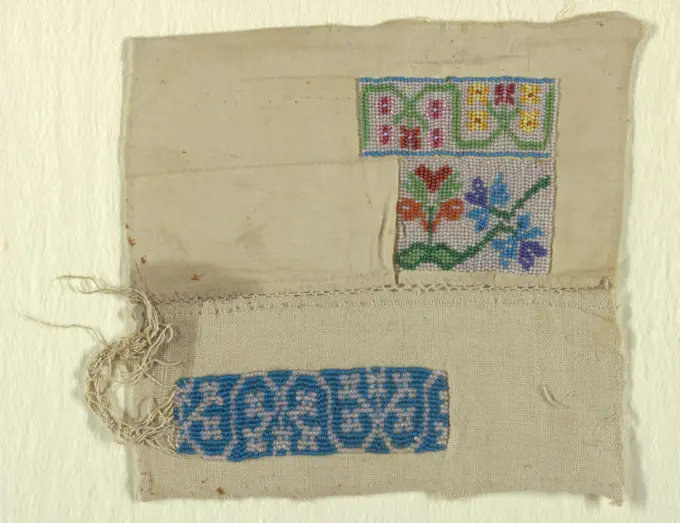
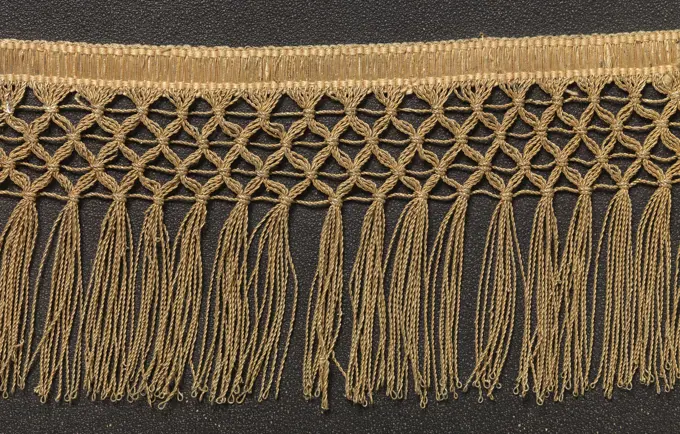
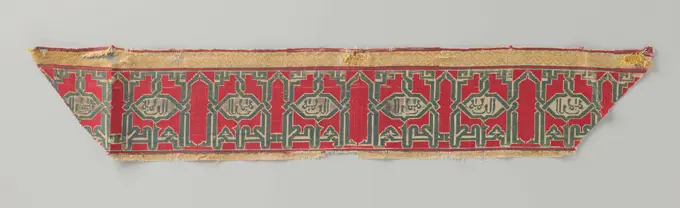
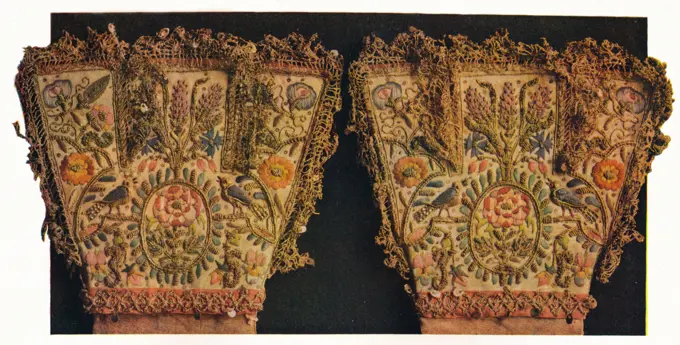
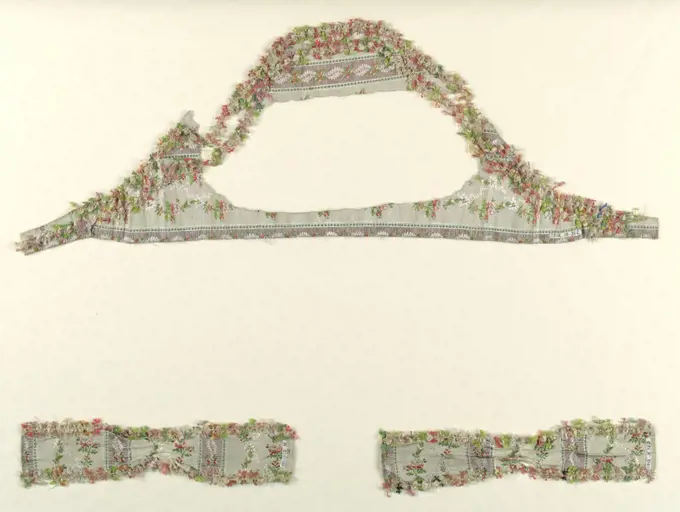
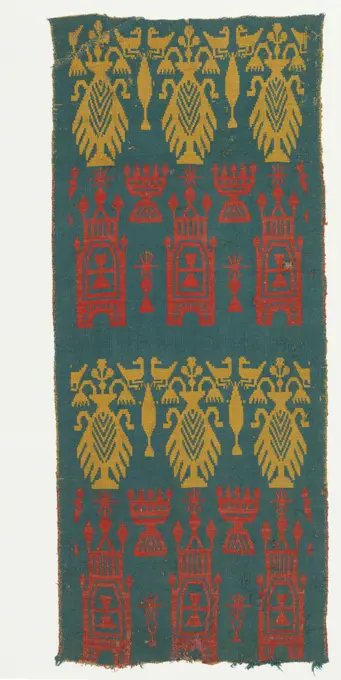
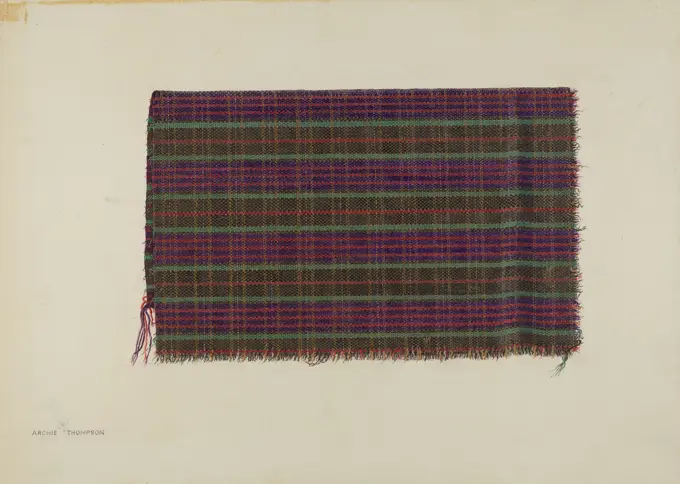
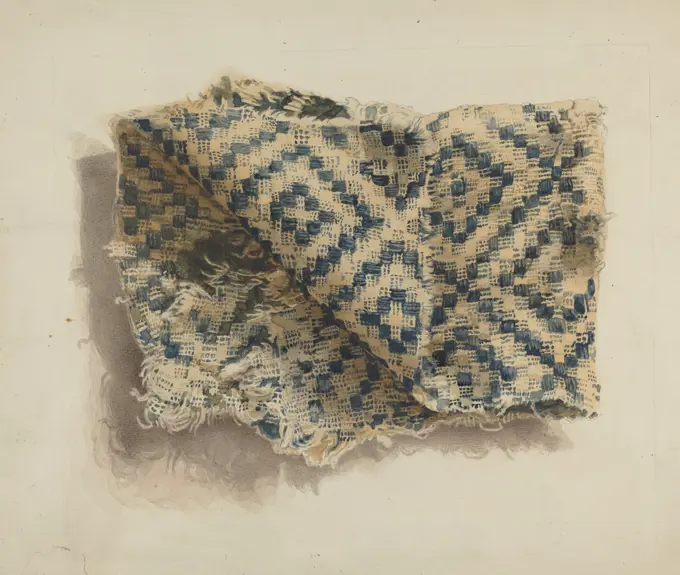
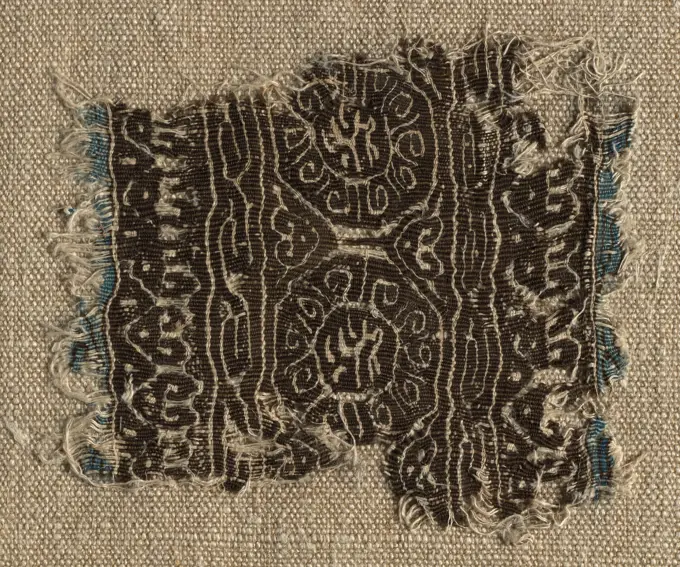
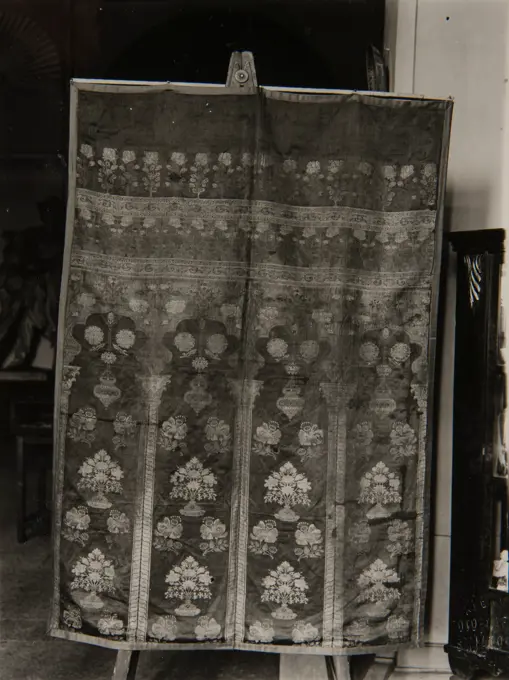
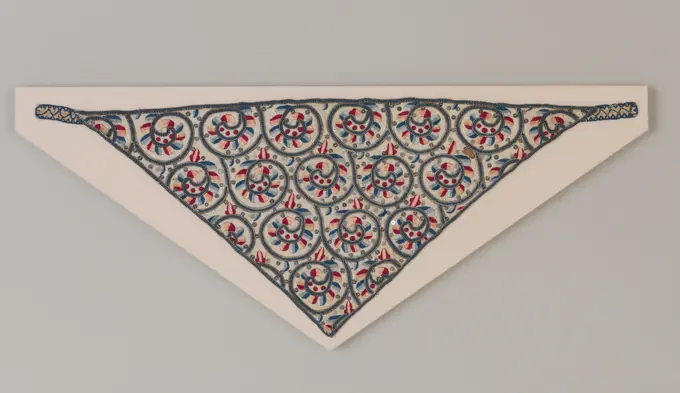
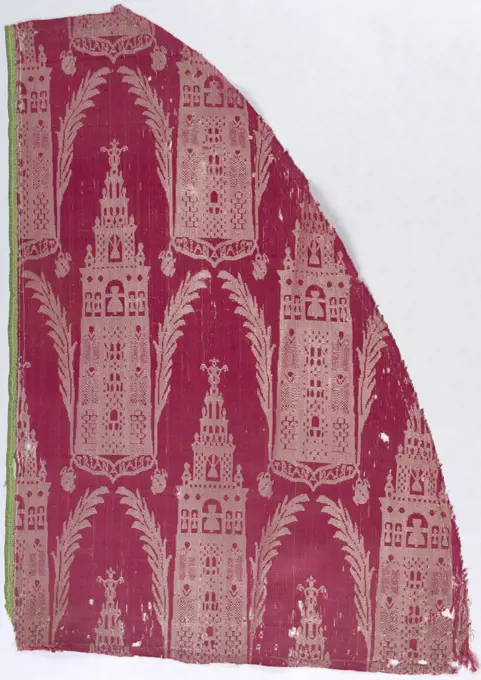
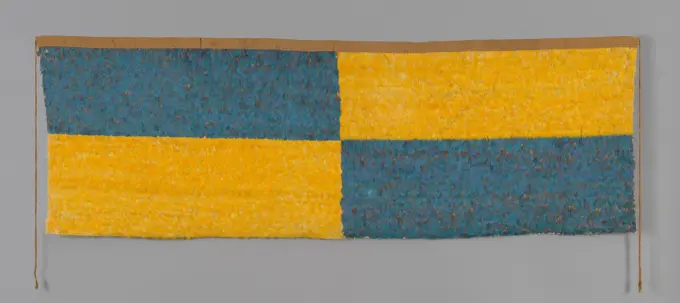
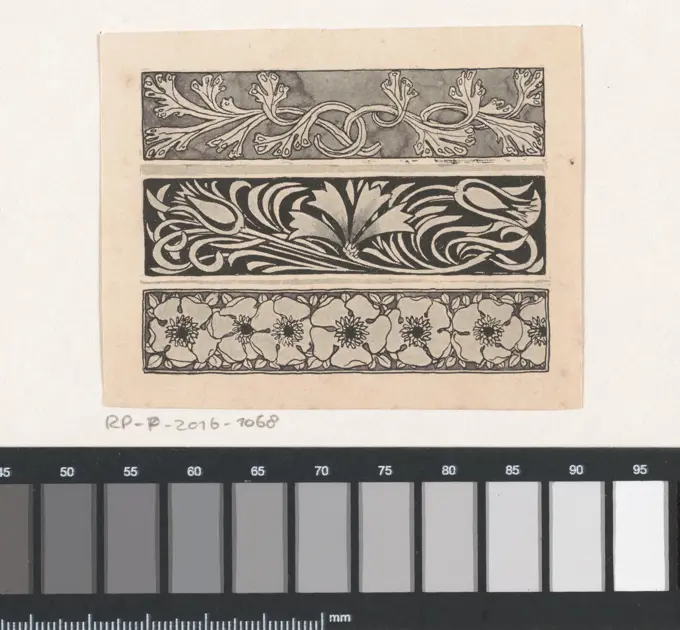
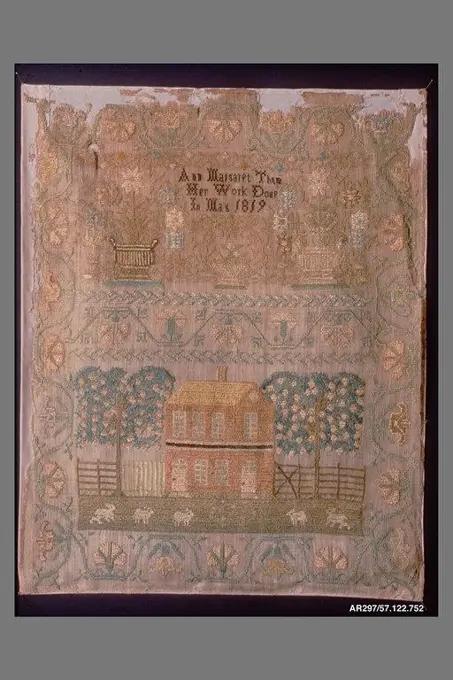
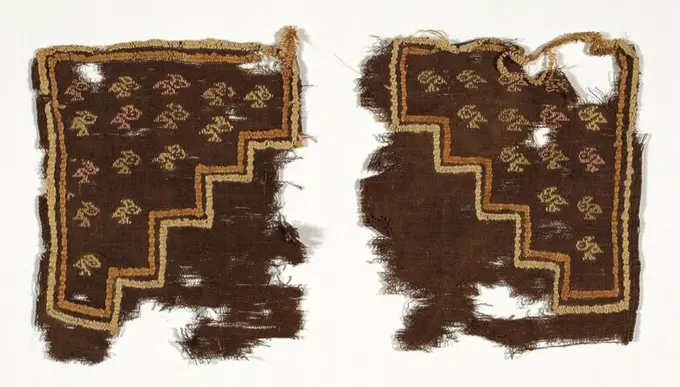
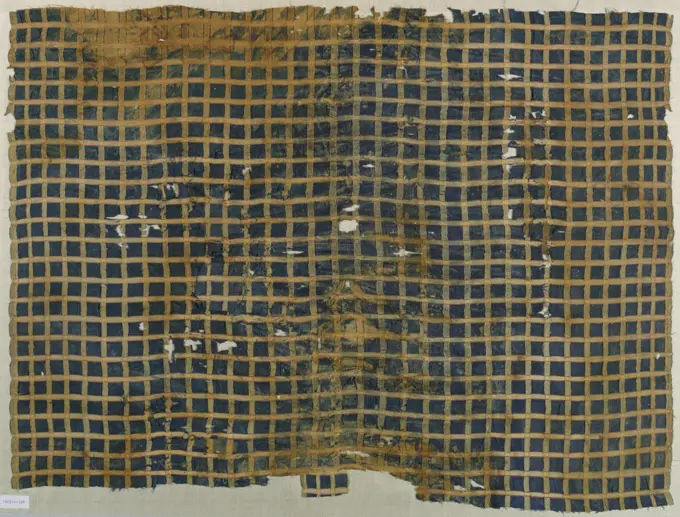
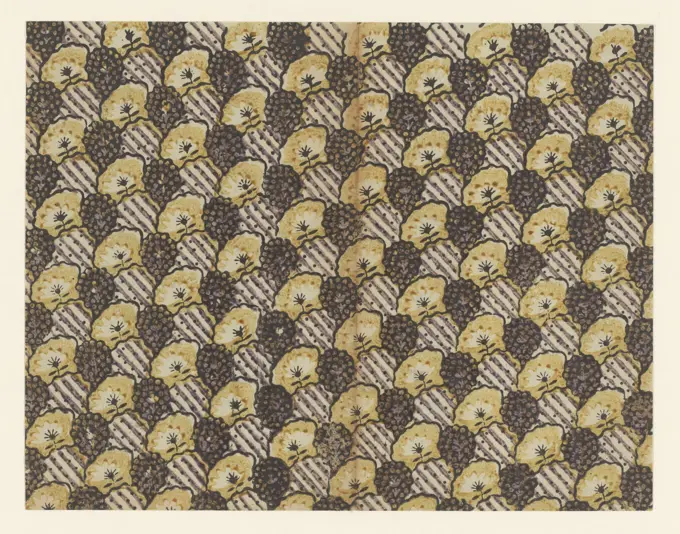
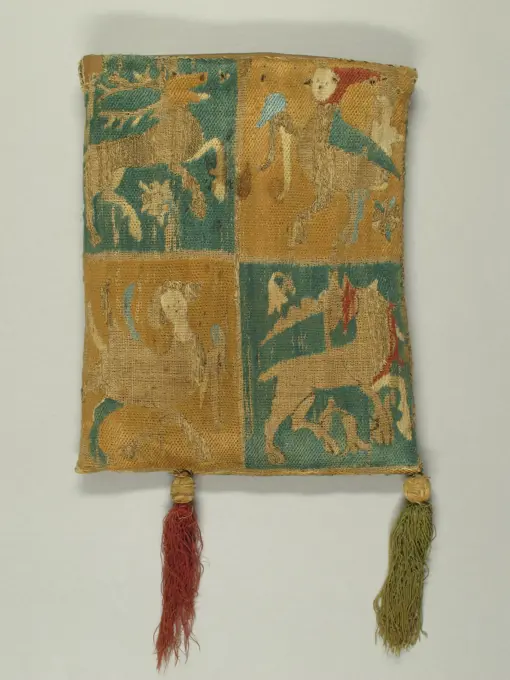
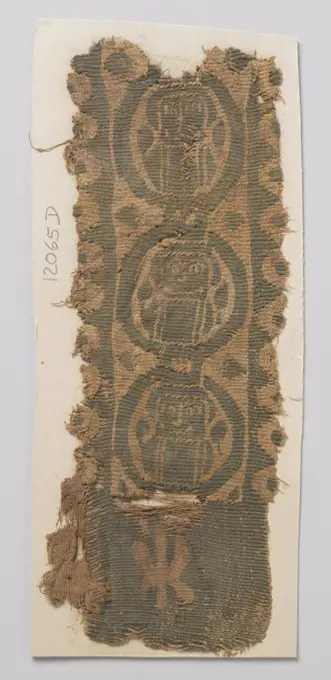
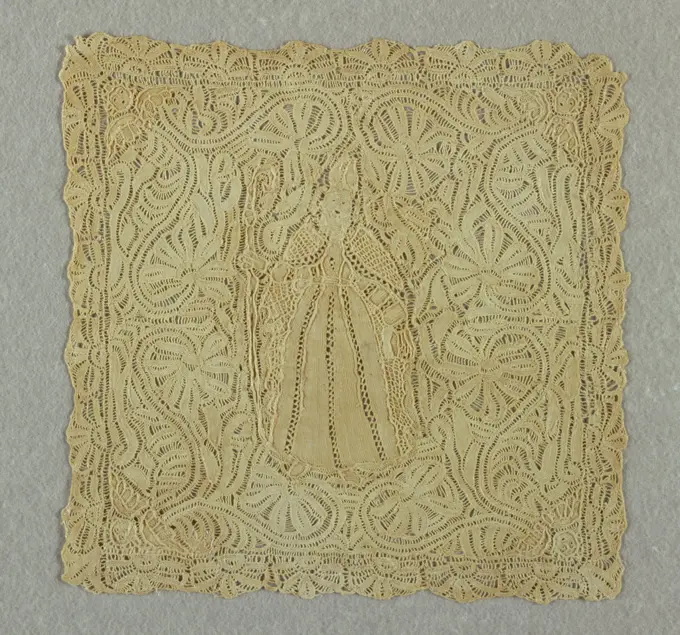
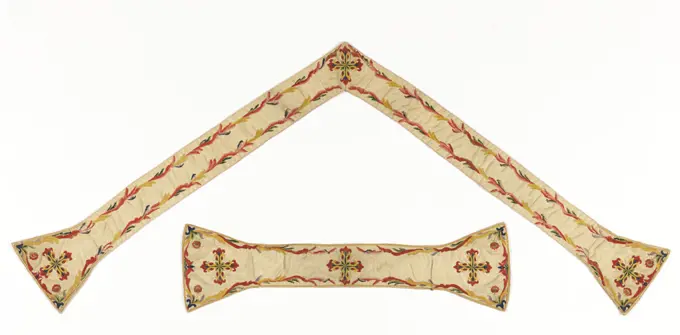
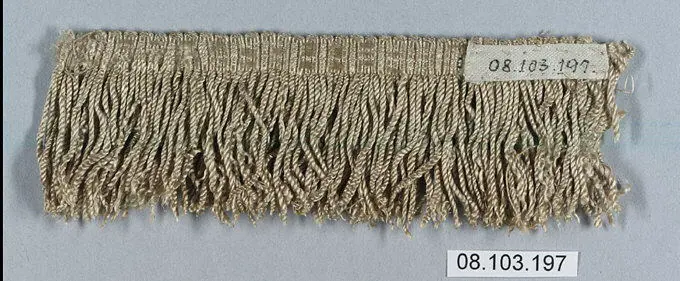
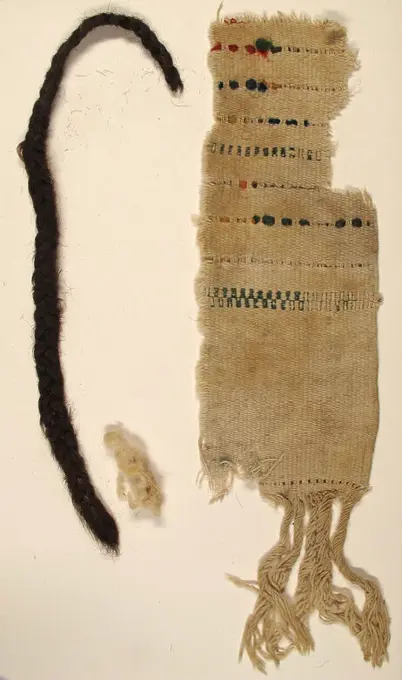
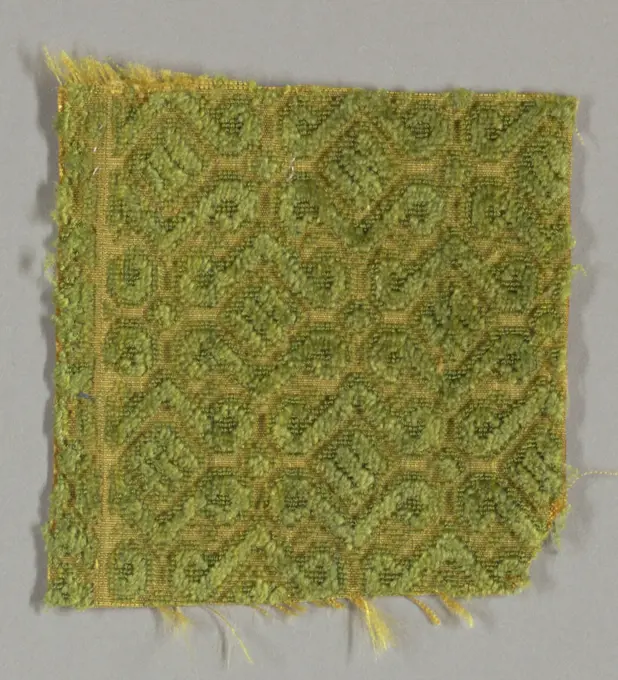
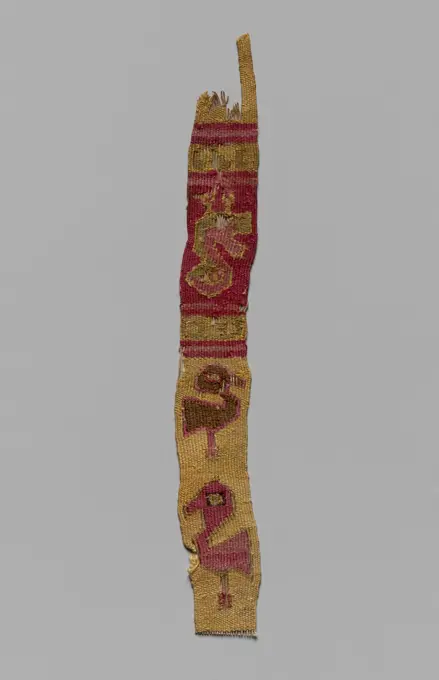
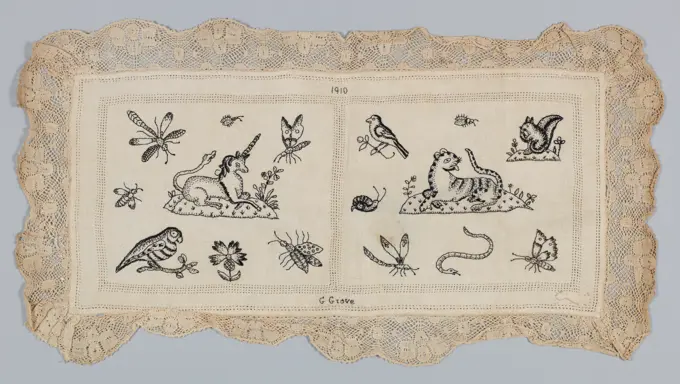
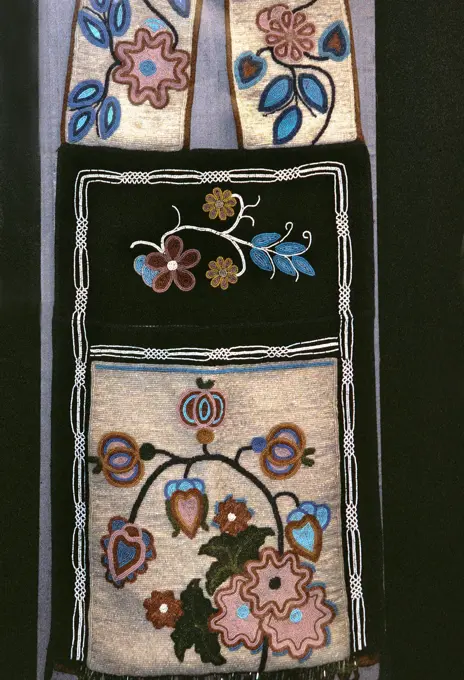
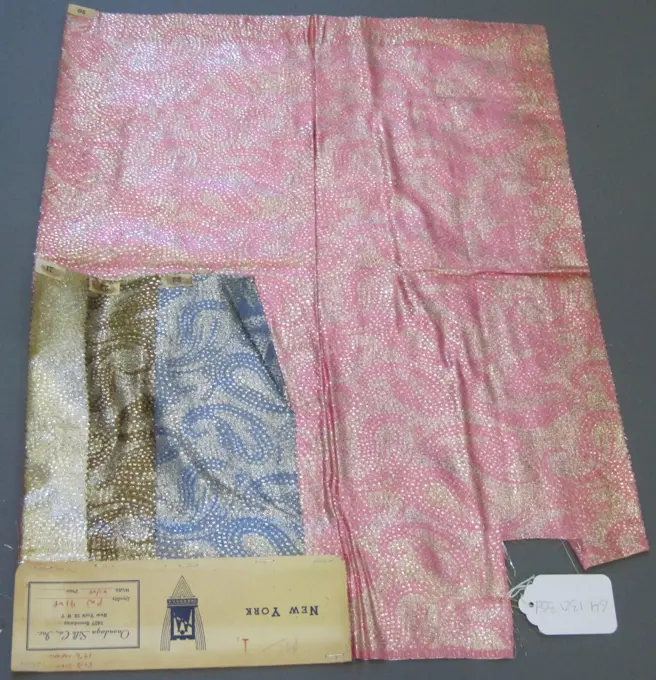
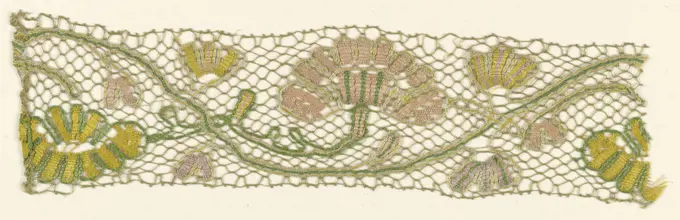
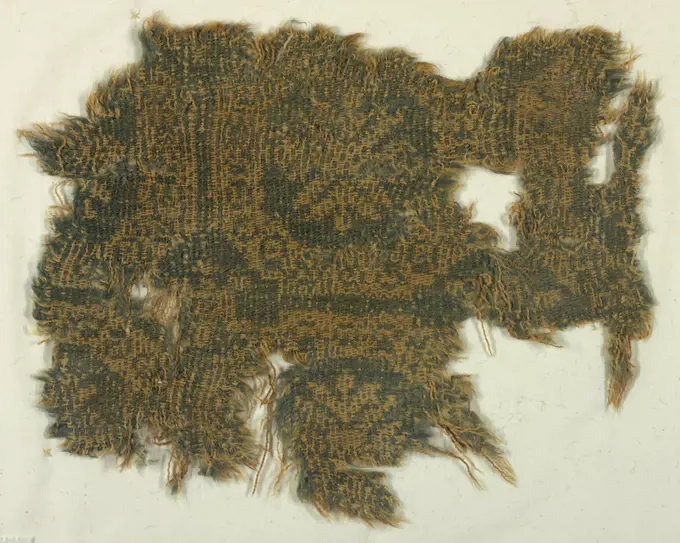
Seven golden passes on cardboard. Cardboard with seven gold colored passes made with gold thread. On the cardboard stand next to the strips from top to bottom letters A to g.Fragment (England); wool on cottonPiece 18th century Japan. Piece. Japan. 18th century. Silk / Compound weave. Edo period (1615-1868). Textiles-WovenBorder fragment, Medium: cotton, silk Technique: double weave (two woven structures interchange), Border of medallions (four in the repeat) meant to look 'antique'., Europe, 19th century, woven textiles, Border fragmentCollar. Belgium, Brussels, 1850-1900. Costumes. Cotton bobbin lace applique on machine netBand Fragment; silk. metallic, linenFragment (Italy); linenRibbon, Medium: silk, metallic, Leaf motif in black and silver, Europe, 17th century, woven textiles, RibbonFragment Made 1601-1625 Italy. Silk, cut, uncut velvet against twill weave foundation .Carmel Wilson, Woven Coverlet, c 1940 Woven CoverletTextile FragmentsSampler, Medium: cotton, glass beads Technique: embroidered with beads on plain weave foundation, Two small, incomplete beadwork samplers joined with needlework. Each has rectangles with floral borders executed in colored beadwork., Mexico, 19th century, embroidery & stitching, SamplerFragment early 19th century Romanian, Banat district. Fragment. Romanian, Banat district. early 19th century. Metal thread. Textiles-EmbroideredFrill of gold.frill or gold.Fragment red lamp axle with geometric pattern of green tape work with arabic text. Fragment with red fond. A Repeating Geometric Pattern or Green Tape Work With Arabic Text in hexagons.Band 5th-6th century. Band 445715Textile Fragment 5th century. Textile Fragment 443548Tapestry Fragment 15th-16th century Inca (). Tapestry Fragment 308083Theodore Pfitzer, Woven Coverlet, c 1937 Woven Coverlet'Gauntlets of a pair of gloves, believed to have belonged to Prince Rupert', c17th century Artist: Unknown.STOPLAP of multicolored silk and linen on linen, anonymous, c. 1760 - c. 1780  The embroidery has several stops. Netherlands (possibly) linen (material). silk embroideringDress fragments, Medium: silk Technique: plain compound cloth brocaded with trimming, France, 1750-99, woven textiles, Dress fragmentsTrimming fragment, Medium: silk Technique: woven, Curving scroll ending in a flower. In yellows on red., France, ca. 1830, woven textiles, Trimming fragmentPiece 18th-19th century Japan. Piece. Japan. 18th-19th century. Silk. Textiles-WovenFragment; wool, linen/Coverlet (Blanket). Dated: c. 1936. Dimensions: overall: 40.5 x 25.6 cm (15 15/16 x 10 1/16 in.) Original IAD Object: 86" long; 75" wide. Medium: watercolor, gouache, and graphite on paper. Museum: National Gallery of Art, Washington DC. Author: Ralph Atkinson.Sample early 19th century French. Sample 224689Cap crown 18th century Flemish. Cap crown 227662Archie Thompson, Woolen Textile, 1940 Woolen TextileFragment of a Band 5th century. Fragment of a Band 445752Fringe European 19th centuryTextile; silkFragment. Italy. Date: 1601-1700. Dimensions: . Origin: Italy. Museum: The Chicago Art Institute, Chicago, USA.Alois E Ulrich, Shaker Coverlet, 1935 1942 Shaker CoverletDarning sampler (unfinished), Medium: cotton, wool Technique: embroidered in running (pattern darning) stitches on plain weave foundation, Fourteen darning patches., Germany, mid-19th century, embroidery & stitching, Darning sampler (unfinished)Down or silly ball shoe or bridal shoe made of cream -colored satin with gold bobbun, anonymous, c. 1820 Ball shoe or bridal shoe, not yet sewn or so -called, made of cream -colored satin with gold boring. Model: Hackless model with square nose; Only indicated in circumference with row wire on a rectangular piece of satin that is attached to a lining of mul. On the cover sheet a palmet in a pointed arch embroidered from, among other things, Cannetille gold thread. In the fashion of the Restoration. The Netherlands, Ca. 1820. Netherlands (possibly) satin. embroidering Ball shoe or bridal shoe, not yet sewn or so -called, made of cream -colored satin with gold boring. Model: Hackless model with square nose; Only indicated in circumference with row wire on a rectangular piece of satin that is attached to a lining of mul. On the cover sheet a palmet in a pointed arch embroidered from, among other things, Cannetille gold thread. In the fashion of the Restoration. The Netherlands, Ca. 1820. Medieval ornamentNeck Insert Made 1701-1800 Levkás. Linen, plain weave; embroidered in eyelet hole, hem, Italian hem, and satin stitches; edged with linen, needle lace twill oblique interlacing tape and ties .Fragment of a Tiraz-Style Textile, 1130 - 1149. Egypt, Fatimid period, Caliphate of al-Hafiz, AH 524-544, 12th Century. Tapestry (originally inwoven in a tabby ground); linen and silk; overall: 7.4 x 6.4 cm (2 15/16 x 2 1/2 in.).Kraków  Sukiennice  Exhibition of Muhammads, Asian and European ceramics; February April 1934 Światowida Photo AgencyForehead cloth 1600-1630 British. Forehead cloth. British. 1600-1630. Linen worked with silk and metal thread, spangles; satin, long -and-short, braid, buttonhole, and couching stitches. Textiles-EmbroideredFragment, Medium: silk (red warp, white weft) Technique: 4&1 satin damask, Bell tower with palm fronds on either side with text., Seville, Spain, 17th-18th century, woven textiles, FragmentFeathered Panel A.D. 600-900 Wari The discovery of an ancient burial or ceremonial site in the upriver region of the Churunga Valley, in far south Peru, received little attention in the turbulent world of 1943. Decades later, it would take two generations of Andean scholars to painstakingly piece together the puzzling story of this discovery, which included the largest and most spectacular find of Precolumbian Peruvian feather work to date.Protected from decay by being rolled, placed into large ceramic jars, and buried in the arid soil, the cache included an estimated ninety-six panels, each densely covered with tens of thousands of small glossy macaw body feathers, primarily from the blue and yellow macaw (Ara ararauna). Although these panels were found in the dry western foothills of the Andes, the birds home is the Amazonian rainforest, far to the east. The effort required to secure such a mind-bogglingly large supply of either feathers or live birds suggests that colorful feathersTextile (Egypt); linen; Warp x Weft: 14.8 x 15.6 cm (5 13/16 x 6 1/8 in.); 1945-32-2Marion Gaylord, Purse, 1935 1942 PurseFragment of Coptic fabric unknownOrnaments with flowers, Anonymous, After Willem Wenckebach, 1870 - 1937 photomechanical print Three designs for ornaments with (stylized) flower motifs in the form of horizontal decorative tires.  paper printing block flowers ~ ornamentLeaf with pattern of leaves and flowers, anonymous, 1850 - 1920  Leaf with pattern of branches leaves, flowers (tulips), and berries.  paper.  ornament derived from plant formsTapiser;  End of the 16th century (1580-00-00-1600-00-00);arrasy, gobelinyEmbroidered sampler 1819 Ann Margaret Thum. Embroidered sampler 14071Piece 16th century probably Spanish. Piece 226398Towel or Napkin Made 1801-1900 Turkey. Embroidered .Multicolored Silk Stopplap on Linen., Anonymous, 1713 Silk stop patch on linen. The embroidery has the crowned initials AB and the year 1713. Netherlands silk. linen (material) embroidering Silk stop patch on linen. The embroidery has the crowned initials AB and the year 1713. Netherlands silk. linen (material) embroideringTextile Fragment 3rd-4th century. Textile Fragment 443279Design for a Bracelet, Pen and brown ink, gray wash, green, yellow watercolor, traces of graphite Support: off-white wove paper, Italy, Italy, 1800-1825, jewelry, Drawing, DrawingTissue fragment with Sigilla. Natural linen tissue fragment consisting of two pieces with two sowed sigilla. The large circle has a dancing naked figure with a green veil in the lifted hands raised above the head. There around a red ground leaf garlands that form windows in which small circles with stylized leafwork in green, natural color and red. Yellow surrounded by a border with wavy leaf ornament with animal cups in yellow on dark brown soil. The fragment of the small circle consists of similar motifs.Piece 17th century China or Japan. Piece 71832Fragment Made 1601-1700 Italy. Silk and gold gilt strip wound around silk fiber core, warp-float faced satin weave with supplementary patterning wefts tied by supplementary binding warps in twill interlacing .Fragment with Cross and Geometric Decoration Coptic. Fragment with Cross and Geometric Decoration, 5th-7th century C.E. Flax, wool, 6 1/4 x 10 in. (15.9 x 25.4 cm).   Egyptian, Classical, Ancient Near Eastern Art 5th-7th century C.E.Tube Skirt, 20th century, 40 x 33 1/16 in. (101.6 x 83.98 cm), Cotton, Myanmar (Burma), 20th centurySleeve Fragments (Spain); wool, linen, cottonBand Fragment 11th-12th century. Band Fragment. 11th-12th century. Wool. Attributed to Egypt. Textiles-WovenFragment (Egypt); warp; s-spun linen. wefts; s-spun linen, s-spun woolAnn Belle N Eubank, Coverlet, c 1940 CoverletMargaret Linsley, Autographed Quilt, c 1940 Autographed QuiltFragment (From Poncho). Possibly Santa Clara, Virú Valley, north coast, Peru. Date: 1000-1532. Dimensions: 22.9 x 17.8 cm (9 x 7 in.). Simple cloth, embroidery in cotton. Origin: Peru. Museum: The Chicago Art Institute, Chicago, USA.Fragment, Medium: silk Technique: plain weave, Plaid of dark blue, tan and red., 13th century, woven textiles, FragmentSample (France)Silk Textile, 1600s. Italy, 17th century. Lampas weave (), silk; overall: 39.3 x 25.1 cm (15 1/2 x 9 7/8 in.).Ventana I. Sheila Hicks (American, born 1934); Mexico. Date: 1963. Dimensions: 62.8 x 70.6 cm (24 3/4 x 27 7/8 in.). Wool, plain weave of discontinuous wefts with areas of open work and weft wrapping. Origin: Mexico. Museum: The Chicago Art Institute, Chicago, USA.Purse. Dated: c. 1938. Dimensions: overall: 24.5 x 30.5 cm (9 5/8 x 12 in.). Medium: watercolor, gouache, and graphite on paper. Museum: National Gallery of Art, Washington DC. Author: Raymond Manupelli.Sari, 19th century, W.44 x L.221-1/2 in., silk; needlework, India, 19th centurySampler Made 1801-1900 Spain. Cotton and linen, plain weave; embroidered in cross and darning stitches .Tissue fragment with two clavi, anonymous, c. 600 - c. 799 Linen tissue fragment with two sown multicolored (blue, red, light blue, pink, green, yellow, light green and ocher) Clavi with in turn to the left and to the right of prancing horses with rider. These have a lance in hand and a halo around the head. The clavi are trimmed with natural edges with a red rank motif with leaves on the one hand and a narrow edge with successive blue, yellow and red motifs. Egypt Ketting an element: Linen (material). Entry: Wool tapestry / sewing Linen tissue fragment with two sown multicolored (blue, red, light blue, pink, green, yellow, light green and ocher) Clavi with in turn to the left and to the right of prancing horses with rider. These have a lance in hand and a halo around the head. The clavi are trimmed with natural edges with a red rank motif with leaves on the one hand and a narrow edge with successive blue, yellow and red motifs. Egypt Ketting an element: Linen (material). Entry: Wool tLeaf with alternating straw pattern of flower pattern, anonymous, c. 1700 - c. 1850  Leaf with alternating straw pattern of flower pattern and shapes with stripes and bunches. Used as a cover.  paper. block printing (relief printing process) ornament derived from plant forms. fantasy ornamentBurse (Italy); silk, linen, metallic trimPurse with Two Figures under a Tree 14th century French. Purse with Two Figures under a Tree 466694Dress of climbing side with one whole circle between four half and four quarter circles. Natural genuese climbing dress. Rectangular model. The dress is shared in four with a horizontal and vertical line. Around every corner of the four smaller rectangles that arise so, a circle has been made with six leaves such as spokes in a wheel. Only the circle in the center of the dress is very. In the corners of the dress, only a quarter of the circles can be seen and half circles along the sides. The circles are connected in the center of the smaller rectangles by a diamond between four leaves. The motifs are made with braids and in leaf-shaped shape stroke. The sides of the dress are finished with a border that consists of two rows of square meshes, on the outer edge with picots.Frisian with white moresken and arabesken on a black fond. In the middle there is an oval between two rectangles with middle up and in the middle under semicircular bulges.Tissue Fragment with clavus, Anonymous, c. 700 - c. 899Textile, Medium: silk, metallic thread Technique: plain and twill weave, reversible, Wedge-shaped fragment of dark green with pattern in dark yellow-gold. Horizontal band at bottom in cream-color, light red and tan. Design has a small-scale pattern of eight-pointed star framing petals, alternating with rosette in a circle. Narrow green line about band. Pattern in band of small confronted lions and Kufic script., Spain, 11th-12th century, woven textiles, TextileChalice cover, Medium: linen Technique: needle lace, Design consists of a figure of a bishop, surrounded by floral scrolls terminating in angel heads at each of the four corners. Border is comprised of stylized floral forms., Burano, Italy, 17th century, lace, Chalice coverVestments, Medium: wool on wool; lined with glazed linen Technique: embroidered on plain weave, White wool plain cloth ground embroidered in design of floral serpentines with polychrome wools. Lined with glazed pink linen., Spain, 19th century, costume & accessories, VestmentsFringe European 19th centuryTextile Fragments and braid. Culture: Coptic. Dimensions: Overall ((a) fragment): 12 1/2 × 3 1/2 in. (31.8 × 8.9 cm)Overall ((b) braid of hair): 14 × 3/4 in. (35.6 × 1.9 cm)Overall ((c) piece of cotton): 2 in. (5.1 cm). Date: 4th-7th century. Museum: Metropolitan Museum of Art, New York, USA.Fragment, Medium: silk Technique: velvet, 16th-17th century, woven textiles, FragmentBanner, 1700s. Spain, 18th century. Crimson silk brocade; scalloped border with fringe; overall: 124.5 x 108 cm (49 x 42 1/2 in.).Leaf with tifles with flowers and fruits, pointed, anonymous, 1700 - 1750 brocade paper Leaf with tendrils with flowers and fruits, with point stock. Used as a cover. Germany paper. cardboard. paint (coating) relief printing ornament derived from plant formsTextile Fragment 4th-6th century. Textile Fragment 447600Birdband.   Maker: UnknownSampler 1910 British. Sampler. British. 1910. Silk on linen. Textiles-EmbroideredFragment; silkSampler Made 1791 Netherlands. Twelve samples of darning in colored silkElaborately beaded Shawnee shoulder bag and strap with floral designs, circa late 1800'sFragments (Spain); silk, linenFragment of the fabric;  1 PO. XVII century (1600-00-00-1650-00-00);clothTextile Swatches Onondaga Silk Company, Inc. (1925-1981). Textile Swatches, 1948-1959. 81 silk; 19 metal, (a) - (c): 9 x 4 in. (22.9 x 10.2 cm).    1948-1959Trimming Fragment (France); silkFragment, Medium: silk Technique: bobbin lace, Multicolored pattern of a serpentine stem with branching flowers., Europe, 17th century, lace, FragmentFragment, Medium: wool Technique: taquete (plain weave, complementary wefts and inner warps), Fragment with ground divided into octagons each enclosing a rosette. Design in tan and green. No selvage., Egypt, 5th-6th century, woven textiles, Fragment