Historic Tool Artifacts

Images of old tools and utensils, including crossbow bolts and metal drills, reflecting craftsmanship from the 16th to 17th century.

Pewter spoon with flat handle, small size, teaspoon table spoon equipment ground find tin metal, Small pewter spoon with flat handle. Light oval spoonball. Butt lobed with two notches Rat tail under the tray Marked on scallop next to the rat tail Mark: crowned Tudor rose partly legible archeology
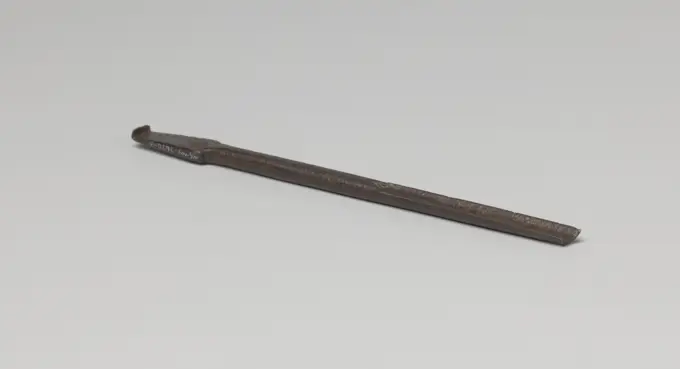
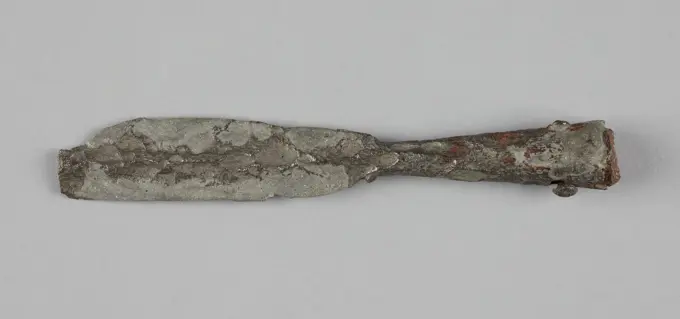
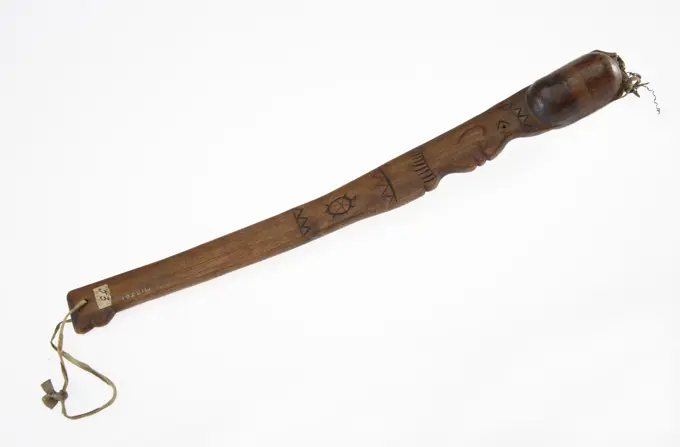
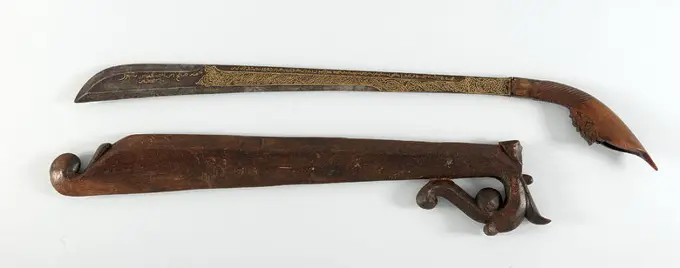
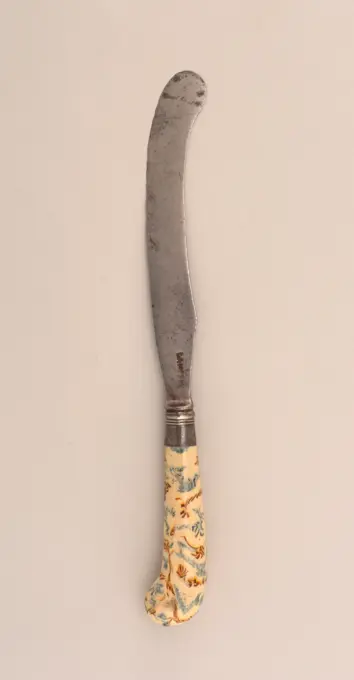
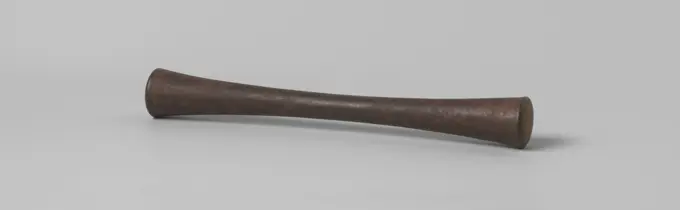
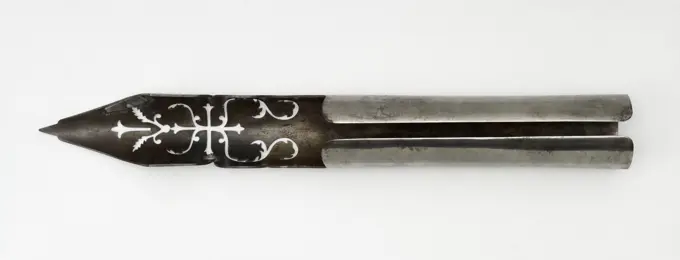
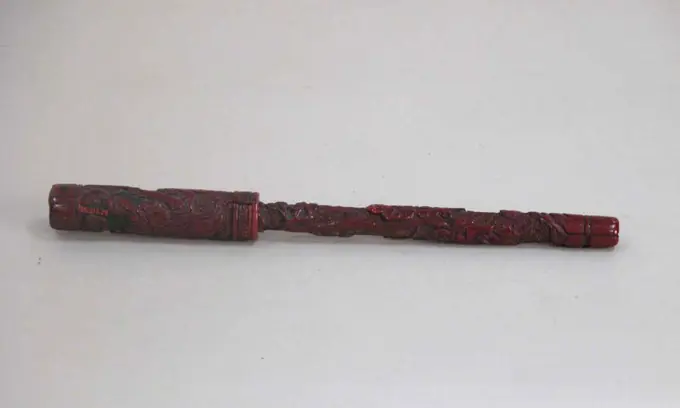
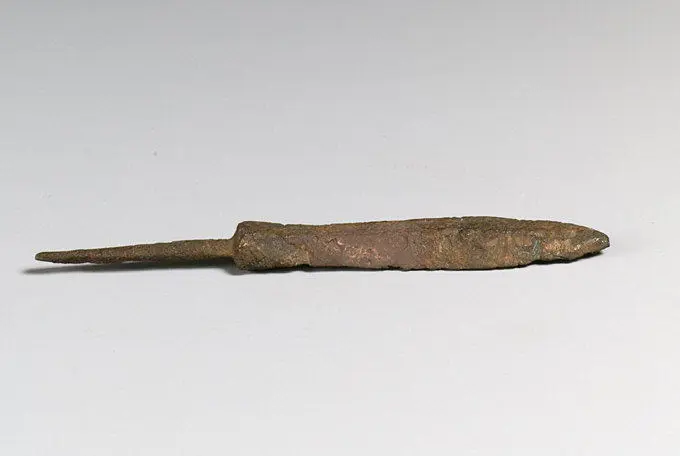
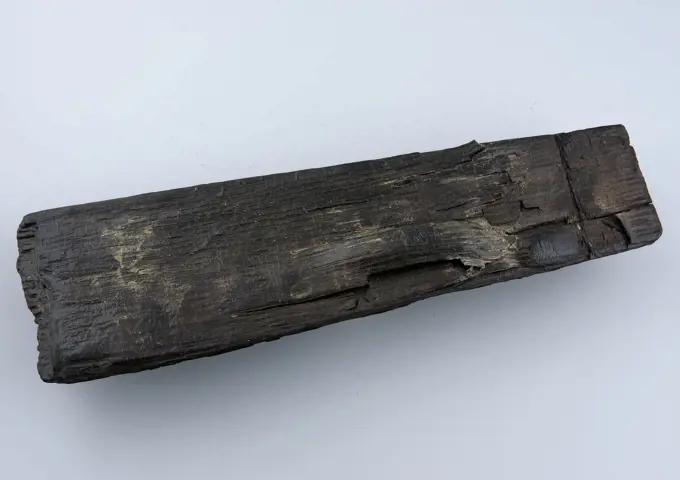
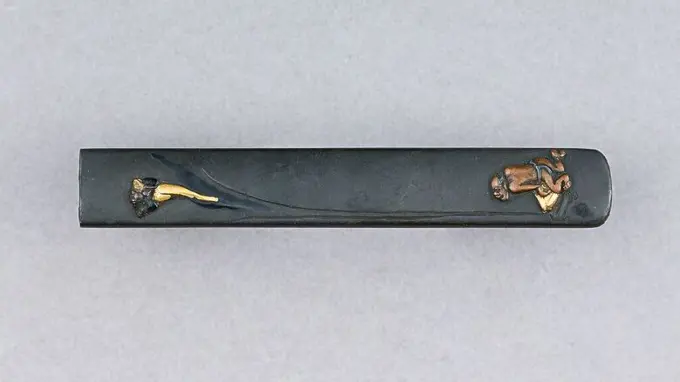
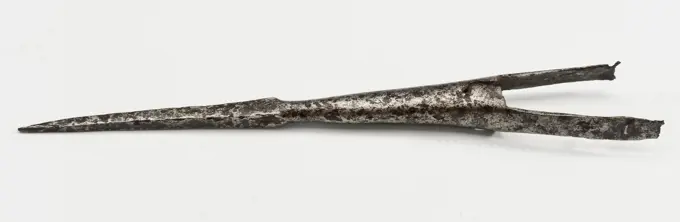
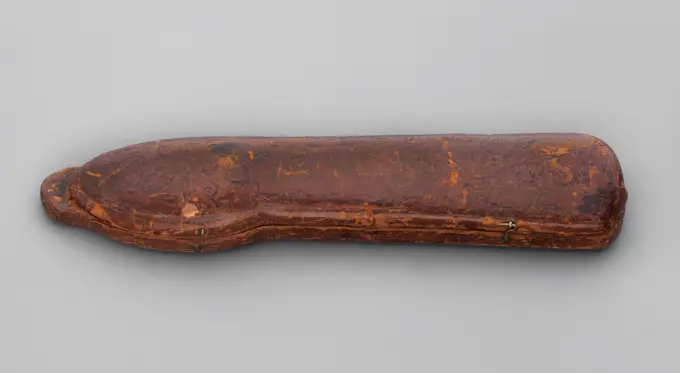
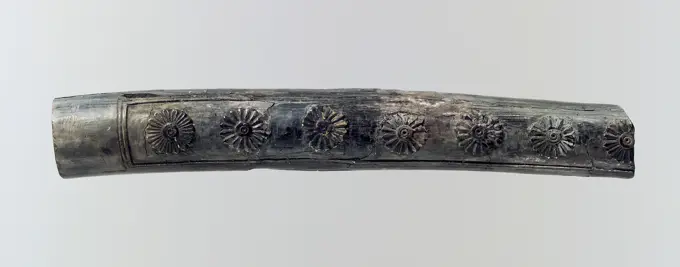
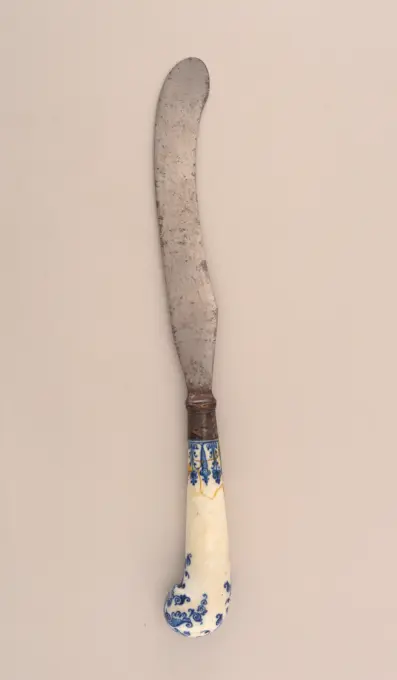
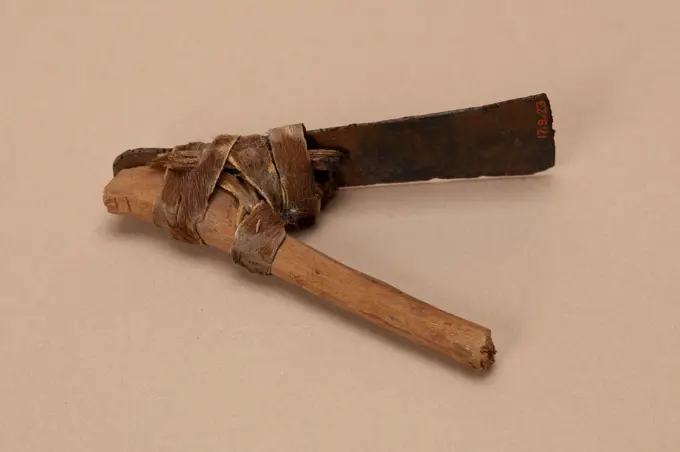
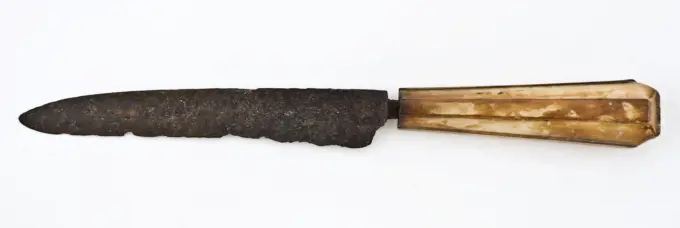
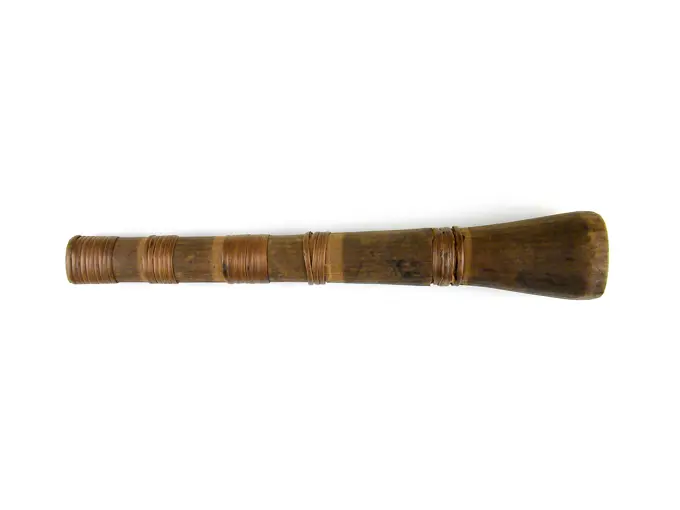
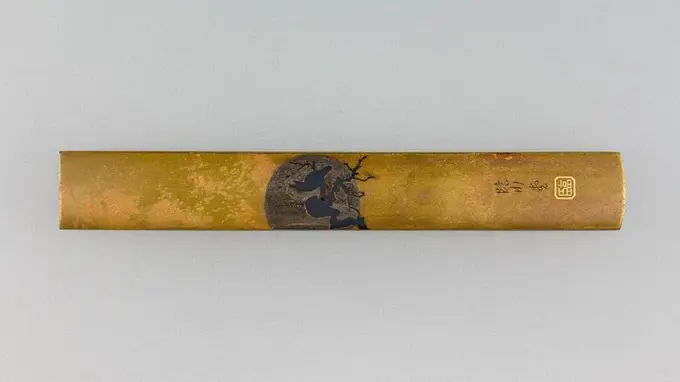
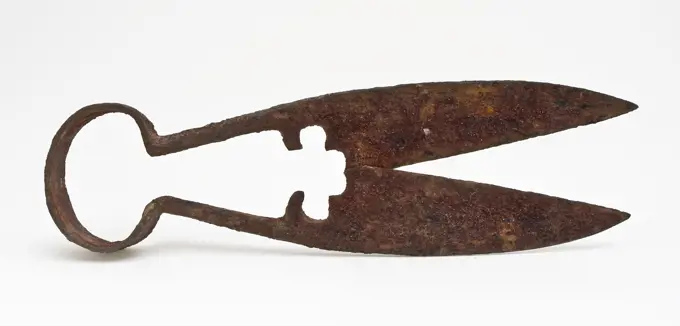
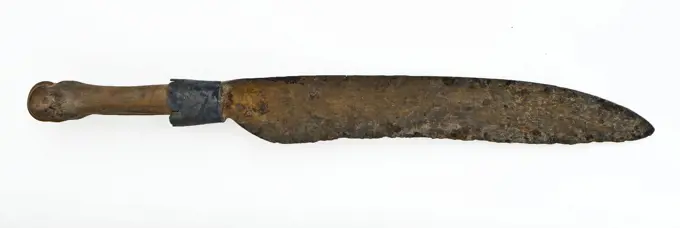
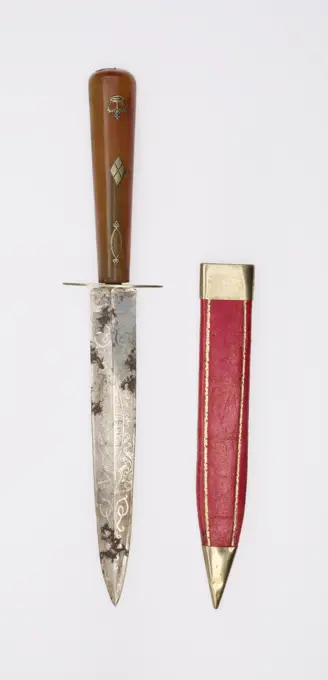
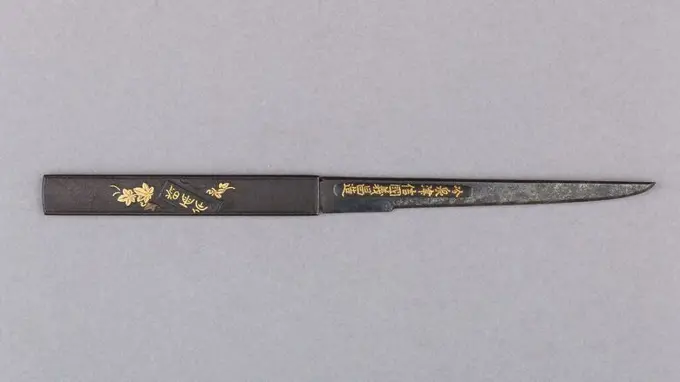
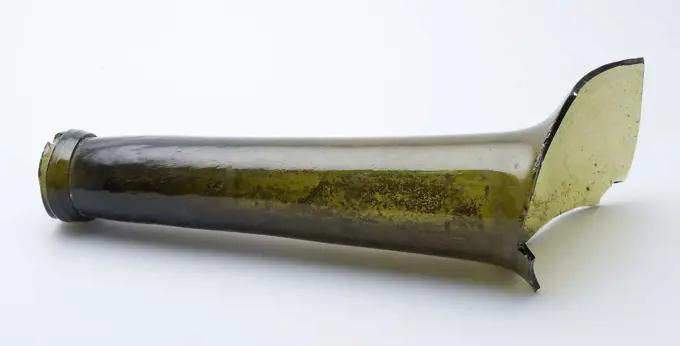
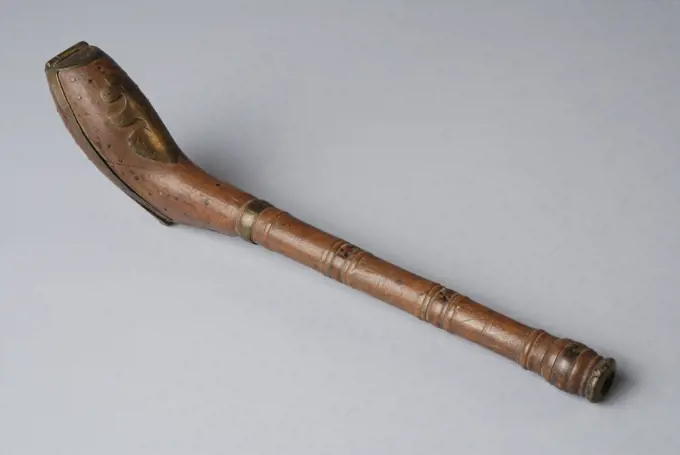
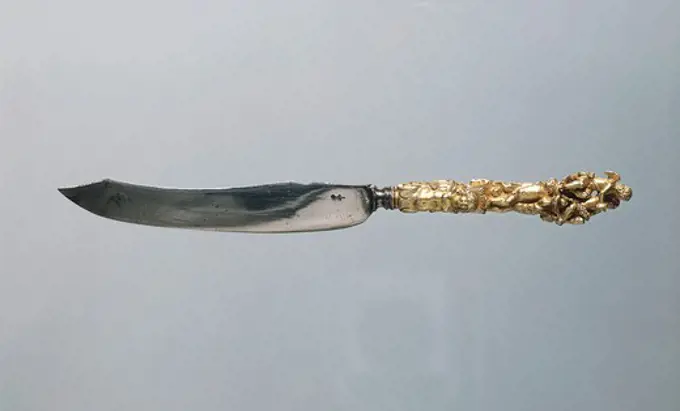
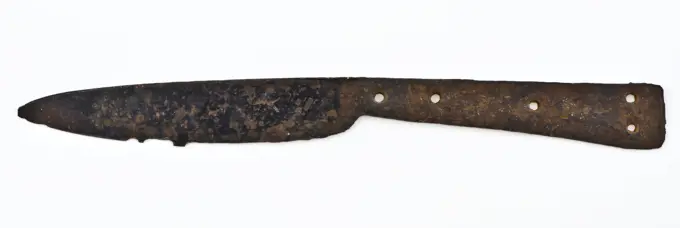
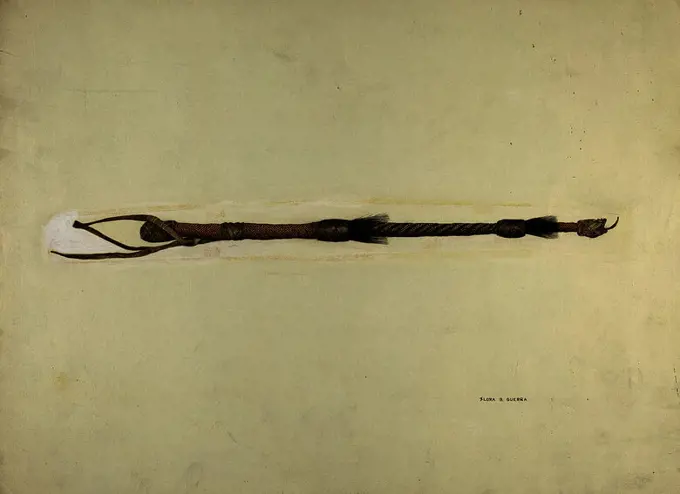
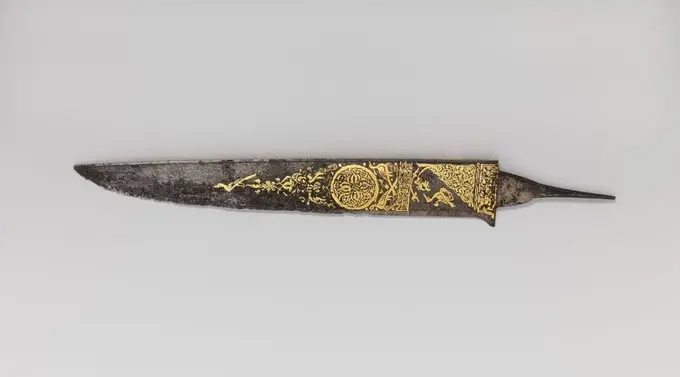
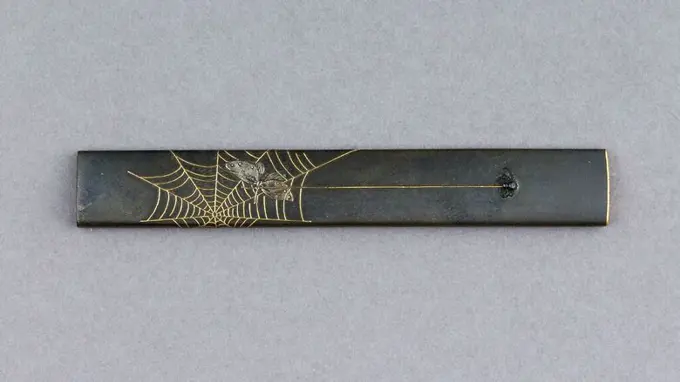
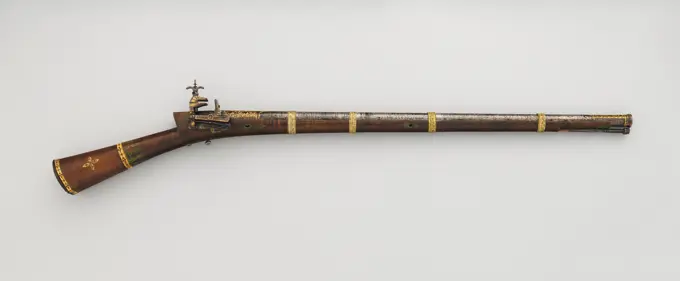
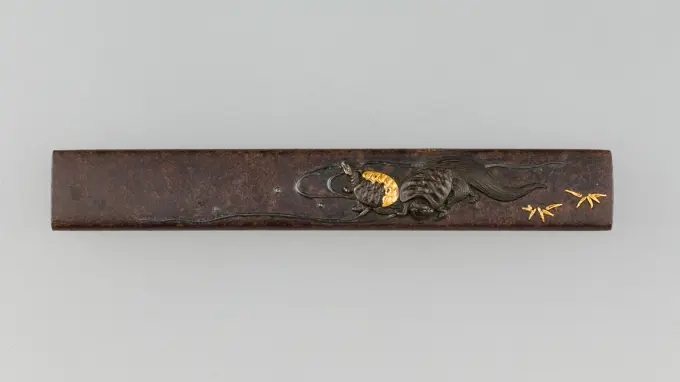
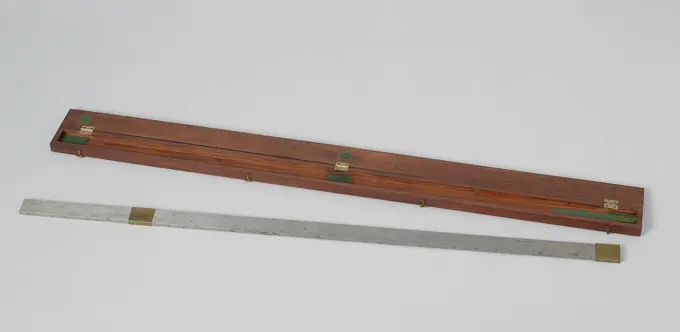
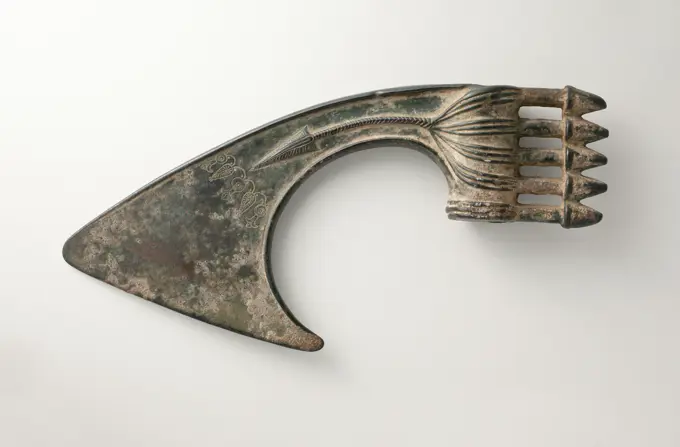
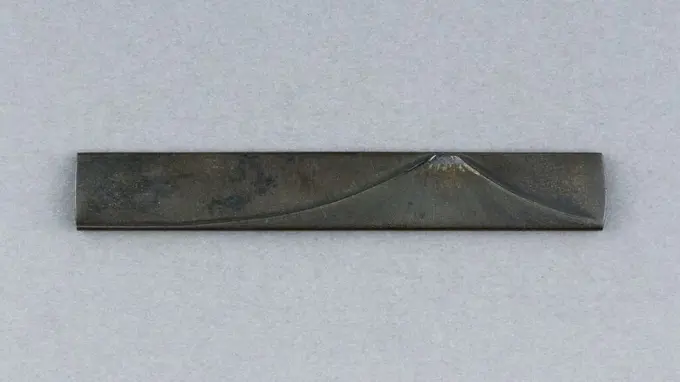
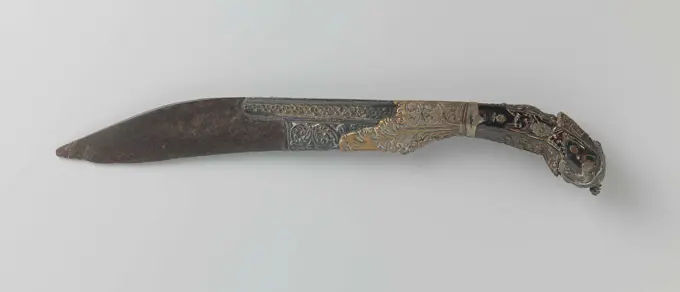
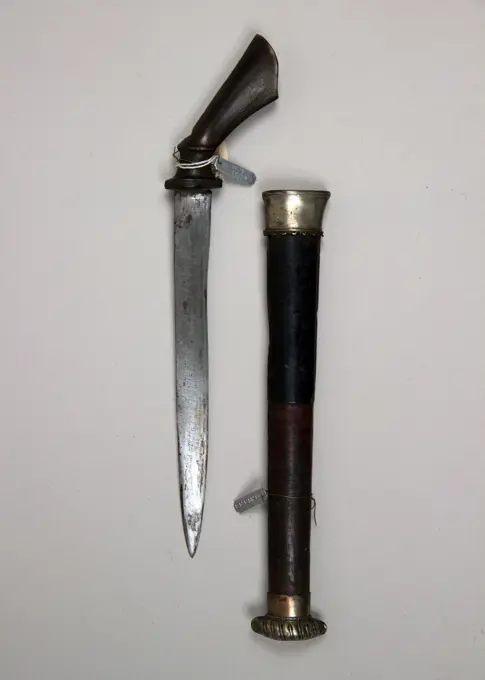
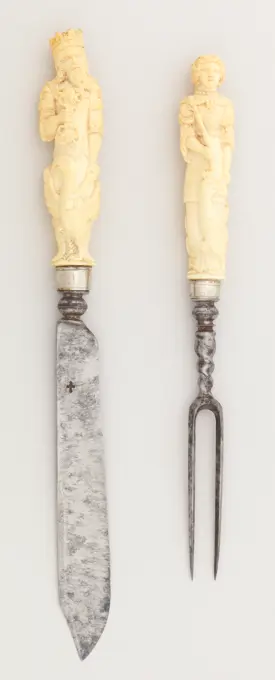
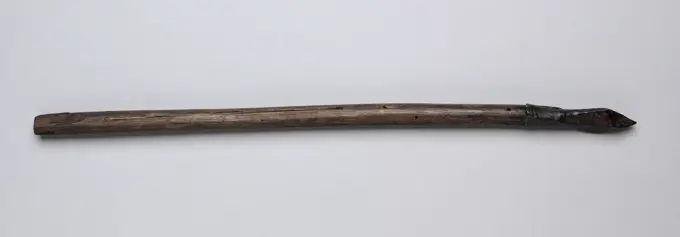
Crossbow Bolt, 1500s-1600s. Germany, 16th-17th century. Wood, leather, steel; average: 37.2 cm (14 5/8 in.).Fragment of a slit (like a guts) at one end and rectangular flat, anonymous, c. 1590 - c. 1596 drill Fragment of driller, at one end a slit (like a guts) and rectangular flat at the other end. The fragment has been part of a fret drill rather than a drill.  iron (metal) forging  Nova Zembla. Saving HuysFile, half round without handle, with parallel reversions. File, half round without handle, with parallel reversions. The file is grater shaped with sharp dots.Sweatwoman (attributed title). Iron. Carnavalet museum, history of Paris.Pewter spoon with flat handle, small size, teaspoon table spoon equipment ground find tin metal, Small pewter spoon with flat handle. Light oval spoonball. Butt lobed with two notches Rat tail under the tray Marked on scallop next to the rat tail Mark: crowned Tudor rose partly legible archeologyScissors. China. Date: 618 AD-907 AD. Dimensions: L. 20.7 cm; (8.1 in.). Silver with chased and ringmatted decoration. Origin: China. Museum: The Chicago Art Institute, Chicago, USA.Koess of iron with a point and two flat degraded wings at the bottom end at the bottom and at the top end. This crowbar is probably used as standard of a roasting spit. (derived from the fact that the space between the two wings is worn around).Club -Sword (Rudus) and Scabbard. Culture: Malaysian, Kampung Payang and Sumatran, Aceh. Dimensions: L. with scabbard 33 1/8 in. (84.1 cm); L. without scabbard 31 1/4 in. (79.4 cm); W. 5 5/16 in. (13.5 cm); Wt. 1 lb. 8 oz. (683.2 g); Wt. of scabbard 12.5 oz. (354.4 g). Inlayer: Muhammad Salih of Terumon (Malaysian, active Kampung Payang, ca. 1835). Date: dated 1835.The sword is exceptional for the gold decoration inlaid on its blade, which includes a date and an inscription identifying the artist as "Muhammad Salih of the state of Terumon... in the village of Payung." While the place names appear to refer to Peninsular Malaysia, the form of the hilt, blade, and scabbard are distinctive to a region of northern Sumatra inhabited by the Aceh and Pakpak peoples. These elements suggest that the sword was made in Sumatra and then decorated in neighboring Malaysia. Museum: Metropolitan Museum of Art, New York, USA.Grasshopper. Nephritis. China, early 12th century. av. Paris, Cernuschi museum. China, Grasshopper, Nephritis, Nephritis, Object, Object, Sauterelle, ChinaKnife (England); steel, silver, earthenware; L x W: 21.3 x 2.8 cm (8 3/8 x 1 1/8 in.); The Robert L. Metzenberg Collection, gift of Eleanor L. Metzenberg; 1985-103-211Steel of a spoon or fork from V.O.C. ship De 'Witte Leeuw', Anonymous, 1613 spoon Steal from a pewter spoon or fork.  tin (metal)Elephant Prod (), Early 1900s. Africa, Central Africa, Angola, Early 20th century. Wood, wire, upholstery studs, and metal; overall: 3.2 cm (1 1/4 in.).Mortar and Pestle, Cornelis Ouderogge, 1637 Stamper of cast iron. This becomes slightly wider towards the ends. Rotterdam cast iron casting Stamper of cast iron. This becomes slightly wider towards the ends. Rotterdam cast iron castingAlternate view. 16 inch Long Exhibition Pen Nib. Giant pen nib for trade display purposes.Writing Brush China. Writing Brush 60944Knife -Arrowhead ca. 480-330 B.C. Greek, Cypriot. Arrowhead 244221Tapered wooden clapplate of tub or barrel, fairing barrel of tubular foundations timber, sawn planed Wooden clapboard of tub or barrel with notch on the underside for attachment to the bottom Tapered Clear grain of wood in the longitudinal direction of the object . Part upper layer of wood on the inside is curled up. Greenish varnish layer archeology Rotterdam City Triangle Groenendaal underground pit cooperage cooper store transport store archaeological find in the soil Rotterdam underground pit Groenendaal at 115 meters from 15th century dirt day 1975-09-22.Needle Cypriot. Needle 244382Knife Handle (Kozuka). Culture: Japanese. Dimensions: L. 3 13/16 in. (9.7 cm); W. 9/16 in. (1.4 cm); thickness 3/16 in. (0.5 cm); Wt. 1 oz. (28.3 g). Date: ca. 1615-1868. Museum: Metropolitan Museum of Art, New York, USA.Mosaic one hundred;  4,000 BC ; culture Uruk (-4000-00-00--3001-00-00);Culture Uruk (approPeak point of Spanish infantry peak square in diameter and pointed outwards, infantry peak peak pile weapon weapon soil find iron metal, forged Square pointed tapered stitching tapered sock two langets Completely one piece. Remains of shaft in sock archeology Rotterdam City Triangle Hoogstraat arm militaria Soil discovery: Hoogstraat Rotterdam November 1952.Player leather for art;  the 1930s (1730-00-00-1739-00-00);Wierzejski, Tadeusz (1892-1974) - collection, baroque (style), gift (provenance)Guts or hollow chisel with sloping sliding cut and a chisel with border frame. Guts or hollow chisel. Seat chisel with sloping sliding cut and chisel with an edge frame. The wooden handle is missing.Spoon with oval bowl, flat handle ends in pied-de-biche, spoon cutlery soil find tin metal, w spoon tray 4,5, tray 6,0 archeology Valckensteyn Poortugaal Albrandswaard archaeological find in the soil Poortugaal Castle ValckensteynWhite clay pipe, unnoticed, with smooth handle, clay pipe smoking equipment smoke floor earthenware ceramics pottery, pressed finished baked White clay pipe unnoticed with smooth handle. Boiler shows shrinkage or pressure cracks in pottery archeology smoking tobaccoCayado para coger ovejas. Museu Català de les Arts i Tradicions Populars.Persian knife without a scabbardOblong, narrow blade with narrowed sting, blade knife cutlery soil find iron metal, archeology foodobject on white - tool hammer close upStrip fragment ca. 9th-8th century B.C. Assyrian This narrow strip is decorated with a row of rosettes carved in relief set within a border of two raised lines. The strip is broken at one end, so its original length is not known. Carved ivory pieces such as this were widely used in the production of elite furniture during the early first millennium B.C. They were often inlaid into a wooden frame using joinery techniques and glue, and could be overlaid with gold foil or inlaid with colored glass or stone pieces to create a dazzling effect of gleaming surfaces and bright colors. This strip is scored with a cross-hatching pattern on the back, probably to help the glue join the surface of the ivory to another element made out of wood or ivory. Built by the Assyrian king Ashurnasirpal II, the palaces and storerooms of Nimrud housed thousands of pieces of carved ivory. Most of the ivories served as furniture inlays or small precious objects such as boxes. While some of them were carved in thPedj-aha (bent) staff ca. 1981-1802 B.C. Middle Kingdom. Pedj-aha (bent) staff. ca. 1981-1802 B.C.. Wood, cord. Middle Kingdom. From Egypt, Middle Egypt, Meir, Tomb of Ukhhotep or Hapiankhtifi, Khashaba excavations, 1910-11; Probably from Tomb of Ukhhotep or Hapiankhtifi. Dynasty 12Knife (Kard) with Sheath 18th-19th century Turkish. Knife (Kard) with Sheath 31707Foedraal voor een mes van hout en beslag van tin.Wooden case for a knife, where the blade can be inserted into the sheath. The tin attachment is decorated with ornaments and has openings, so that the wood is visible. At the opening of the case, sideways of a man and a woman can be seen, the back has an impetus to get a cord through it. The bottom of the capacity is decorated with dragon head.Knife with narrow elongated blade and profiled wooden handle with round cross-section, knife cutlery soil find wood tin steel metal w 19,5, archeology Rotterdam City triangle Delftsevaart Soil discovery of the partial reclamation of the Delftse Vaart in Rotterdam for the purpose of making the lift over the Vaart in the summer of 1928.Roman surgical instrument 1st century AD. Folding knifeKnife (France); steel, silver, porcelain; L x W: 27.5 x 3 cm (10 13/16 x 1 3/16 in.); The Robert L. Metzenberg Collection, gift of Eleanor L. Metzenberg; 1985-103-228Fork (France); Manufactured by Charles Victor Gibert (French); silver; L x W x D: 16.2 x 4.3 x 1.9 cm (6 3/8 x 1 11/16 x 3/4 in.)Model adze ca. 1981-1802 B.C. Middle Kingdom. Model adze. ca. 1981-1802 B.C.. Copper, wood. Middle Kingdom. From Egypt, Middle Egypt, Asyut (Lykopolis), Tomb of Ankhef (Tomb 9), Khashaba excavations. Dynasty 12Knife with legs raises with hexagonal cross-section, tapered, knife cutlery soil find leg iron metal, archeologyCarpenter's Scribe; boneMusical horn -Knife with inlaid handle, ending in closed fist, knife cutlery soil find metal iron copper palm wood timber amber semi-precious stone glass, forged Blade with iron blade with handle of palm Wood all-round inlaid with round pieces of red-orange-red (barn) Stone or glass ending in closed fist. Marked Inlaid with copper or gold inlaid part on the transition to the handle on the blade: dagger and cross masterpieces archeology Rotterdam City Triangle Delftware cutting food Soil discovery of the partial reclamation of the Delftse Vaart here for the purpose of making the lift over that Vaart in the summer of 1928.Knife Handle (Kozuka). Culture: Japanese. Dimensions: L. 3 7/8 in. (9.8 cm); W. 9/16 in. (1.4 cm); thickness 3/16 in. (0.5 cm); Wt. 1 oz. (28.3 g). Date: 1721-77. Museum: Metropolitan Museum of Art, New York, USA.Iron scissors, squeeze scissors, pinch cutter scissor cutting tool soil finds iron metal, archeology cutPistol Dagger. Dated: c. 1941. Dimensions: overall: 37.2 x 49.3 cm (14 5/8 x 19 7/16 in.). Medium: watercolor and goauche on paper. Museum: National Gallery of Art, Washington DC. Author: Anne B. Trepagnier.Handle with a flawwork, c. 1400 - c. 1950   iron (metal)   iron (metal)Small copper signal horn, horn musical instrument sound medium soil find brass metal, cast soldered Copper horn curved funnel and soldered eye in the middle. Sound is generated by screwed viwating plate Most likely coming from the marine marine archeology Rotterdam music communication sound calls gather status rank militaria marine Soil discovery Rotterdam.Chopper 19th century Indian, Assam, Naga Hills. Chopper. Indian, Assam, Naga Hills. 19th century. Wood, metal. Naga Hills, Assam. Shafted WeaponsBronze Mount from a "Shawabty Bundle": Arm with Scribe's Palette, c. 1336-1256 BC. Egypt, Thebes, Wadi Qubbanet el-Qirud, New Kingdom, Late Dynasty 18 or early Dynasty 19. Bronze with traces of gilding; overall: 4.9 cm (1 15/16 in.).Leather case for cutlery. unknown, authorFibula. Italy, Etruscan, circa 750-700 B.C.. Jewelry and Adornments; pins. BronzeDagger with Horse-Head Pommel 1601-1800 India. Steel, jade .Flail. Dated: c. 1937. Dimensions: overall: 15.3 x 26.1 cm (6 x 10 1/4 in.). Medium: watercolor and graphite on paperboard. Museum: National Gallery of Art, Washington DC. Author: Frank Eiseman.Knife with elongated blade, metal handle protector and short, legs handle, knife cutlery soil find iron bone copper metal, archeology cutting repair reuseCandlestick. Iran, early 14th century. Metal. Brass, engraved and inlaid with silverGauntlet for the Left Hand Italian, probably Milan ca. 1450-60 This is part of a large find of medieval armor discovered in 1840 in the ruins of the fortress of Chalcis, on the Greek island of Euboea (then a Venetian colony called Negroponte). The fortress had been captured and destroyed by the Turks in 1470. Now divided largely between the Ethnological Museum, Athens, and The Metropolitan Museum of Art, the Chalcis hoard contains many rare and unusual elements of fourteenth- and fifteenth-century armor. Of particular importance are the variety of headpieces and the many fragments of brigandines (armor for the torso constructed of small plates riveted to layers of fabric), some of which retain portions of their original velvet covering. The Chalcis armor provides a unique picture of the armament used in the Aegean, one of the easternmost military outposts of the Venetian empire. View more. Gauntlet for the Left Hand. Italian, probably Milan. ca. 1450-60. Steel. probably Milan. Armor foBeitel, tapstoelopend.Chisel, tapestast, the ends protruding above the block are slightly bent toward the block.Hornbill Hornbill, Lumentxa cave, Lekeitio, Arkeologi Museoa, Aqueologico museum, Bilbao, Bizkaia, Basque Country, Spain Copyright: xZoonar.com/Tolox 22845461Dagger with a sheathKnife Handle (Kozuka) with Blade. Culture: Japanese. Dimensions: L. including blade 8 1/2 in. (21.6 cm); L. excluding blade 3 13/16 in. (9.7 cm); W. 9/16 in. (1.4 cm); thickness 3/16 in. (0.5 cm); Wt. 1.9 oz. (53.9 g). Date: 18th century. Museum: Metropolitan Museum of Art, New York, USA.Fragment of shoulders, neck and lip of bottle, bottle holder soil found glass, free blown and formed Fragment of part of shoulders neck and lip of (long neck) bottle in clear green glass. Convex shoulders to very long, rejuvenated (5.0 - 2.7 cm) neck with irregularly imposed all-round flat glass wire and slightly flared flattened lip archeology wrappingHinge. Dated: c. 1939. Dimensions: overall: 25.4 x 45.7 cm (10 x 18 in.). Medium: graphite on paper. Museum: National Gallery of Art, Washington DC. Author: Gordon Sanborn.Pipe box in the shape of Gouda pipe, sheath holder wood copper brass, Sheath to transport pipe. Form of Gouda pipe underside of the head hinges open so that the stem of the pipe first disappears in the casing and then the head can be closed brown wood with brass decoration. On tape around the contours of the opened head, text Was ich koste ist balt ver .. kaufe mich ich bin es wast. 1757 smoking store pipeFedral for a pipe, with initials dr, anonymous, 1650 - 1700 A wooden pipe fow, at the end silver batter with floral motifs, dating: anno 1661, and inscription: D.R. The head has a silver batter with flower and leaf motifs. The closure works with a pin on a chain that can be attached to an eye. The shaft has within two openings. At the bottom an eye to which an iron attachment with a long rope with the same confirmation at the end. Netherlands silver (metal). wood (plant material). mahogany (wood). rope. iron (metal) cutting A wooden pipe fow, at the end silver batter with floral motifs, dating: anno 1661, and inscription: D.R. The head has a silver batter with flower and leaf motifs. The closure works with a pin on a chain that can be attached to an eye. The shaft has within two openings. At the bottom an eye to which an iron attachment with a long rope with the same confirmation at the end. Netherlands silver (metal). wood (plant material). mahogany (wood). rope. iron (metal) cuttingKnife with Sheath 18th-19th century Malayan. Knife with Sheath 31569Silversmith's art, Italy, 16th century. Silver-gilt knife, from Florence.Blade with pointed end and plate gouge, knife cutlery foundations iron metal, archeology Rotterdam City Center Stadsdriehoek Delftsevaart Soil discovery of the partial reclamation of the Delftse Vaart from here for the purpose of making the lift over the Vaart in the summer of 1928.Quirt. Dated: c. 1939. Dimensions: overall: 33.5 x 45.8 cm (13 3/16 x 18 1/16 in.) Original IAD Object: 18" long. Medium: watercolor, graphite, and gouache on paper. Museum: National Gallery of Art, Washington DC. Author: Flora G. Guerra.gift (provenance), Japanese (culture), containers, Japanese artKnife Blade. Culture: Afghanistani. Dimensions: L. 6 3/8 in. (16.2 cm); W. 11/16 in. (1.7 cm); Wt. 0.5 oz. (14.2 g). Date: 11th-13th century.The finely damascened gold ornament on this diminutive blade identifies it as belonging to a small and only recently recognized group of similarly decorated knives. Based on the style of decoration, they have been attributed to the Ghaznavid or Seljuq dynasties, which once ruled parts of present-day Iran, Afghanistan, and northern India. Museum: Metropolitan Museum of Art, New York, USA.Sudan knife in the vaginaBattle Axe, c. 1800. India, Sind, Kach tribe. Steel; overall: 61.6 cm (24 1/4 in.); blade: 18 cm (7 1/16 in.).Knife -Knife Handle (Kozuka). Culture: Japanese. Dimensions: L. 3 13/16 in. (9.7 cm); W. 9/16 in. (1.4 cm); thickness 3/16 in. (0.5 cm); Wt. 1.1 oz. (31.2 g). Date: ca. 1615-1868. Museum: Metropolitan Museum of Art, New York, USA.Steel hooking pen for tambouring work in a leg holder, anonymous, c. 1800 - c. 1900 Steel hooking pen for tambouring work in a leg holder. The end of the button is cut as a thread. Netherlands (possibly) Hook: Steel (Alloy). Holder: Bone (Material) forging / cutting Steel hooking pen for tambouring work in a leg holder. The end of the button is cut as a thread. Netherlands (possibly) Hook: Steel (Alloy). Holder: Bone (Material) forging / cuttingA black feather displayed on a blue backgroundMolding; wood, carvedMiquelet Gun dated A.H. 1199/A.D. 1784-85 Turkish The Ottomans were quick to learn the advantages of firearms from the Europeans and were already manufacturing handguns and artillery in the fifteenth century. The Turkish armies were originally equipped with matchlock muskets, which were replaced in the late seventeenth century with those with a miquelet mechanism (a Spanish or Italian form of flintlock). The gold-damascened barrel of this example is inscribed with the name of Cezayirli Hasan Pasha, grand admiral of the Ottoman navy from 1770 to 1790.. Miquelet Gun 30605Strigil. Egypt, Roman Period (30 BCE - 395 CE) or later. Tools and Equipment. BronzeImprovement renovation at home tool power drill for concrete cement mixingKnife Handle (Kozuka) early 18th century Furukawa Jochin Japanese A kozuka is a handle of a by-knife that is part of a sword mounting. It is kept in a slot on the reverse of a katana scabbard, often with a matching kgai (hairdressing tool).. Knife Handle (Kozuka). Japanese. early 18th century. Copper-silver alloy (shibuichi). Sword Furniture-KozukaWeapons of leadership from the Democratic Republic of Congo. Dated 19th CenturyFragment, ca. 1830; brass; L x W: 13.1 × 3.5 cm (5 3/16 × 1 3/8 in.)Knife Handle (Kozuka) late 18th-early 19th century Japanese A kozuka is a handle of a by-knife that is part of a sword mounting. It is kept in a slot on the reverse of a katana scabbard, often with a matching kgai (hairdressing tool).. Knife Handle (Kozuka). Japanese. late 18th-early 19th century. Iron, silver, gold. Sword Furniture-KozukaStandard Metre Rule.Iron meters with two brass slide in a wooden box with green cloth lining. The first decimeter is divided into millimeters. Stamped in 1819 by the Commission from the first class of the Royal Netherlands Institute.MountSpike - butted Axehead. Iran, Luristan, circa 1350-1000 B.C.. Arms and Armor; axes. Bronze, castKnife of a King's Son (). Egypt, New Kingdom, 18th Dynasty, 1569-1315 B.C.. Arms and Armor; knives. BronzeKnife Handle (Kozuka). Culture: Japanese. Dimensions: L. 3 13/16 in. (9.7 cm); W. 9/16 in. (1.4 cm); thickness 3/16 in. (0.5 cm); Wt. 1 oz. (28.3 g). Date: 19th century. Museum: Metropolitan Museum of Art, New York, USA.Excerpt or part of the wreck of the East Indians Hollandia, Anonymous, Before 1743 fragment. part Varied parts or fragments, bar(-shaped) fragments; fragm, heavily eroded, broken, sim. 80H1763. Netherlands iron (metal)   SecondMusket size of brass with a leather sleeve and leather ears, anonymous, c. 1590 - c. 1596  Musket size of brass with a leather sleeve and leather ears. The musket size only has brass at the bottom.  brass (alloy). leather striking (metalworking)  Nova Zembla. Saving Huysobject on white - tool hammer close upSiermes.Ornamental knife. This type of ornamental knives was worn in the Kingdom of Ceylon in the Kingdom of Ceylon, dominant by members of Aristocracy. Hie noble the material from which it was made, the higher the nobleman that it was allowed to wear. No noble materials have been processed in this knife; It therefore belonged to a member of the lower nobility.Old small axe on reflective backgroundHunting Knife ca. 1600 French. Hunting Knife 25152Knife with Sheath 18th-19th century Malayan. Knife with Sheath 31602Fork (possibly Germany), ca. 1600-1700; steel, silver, ivory; L x W: 18.7 x 2 cm (7 3/8 x 13/16 in.); The Robert L. Metzenberg Collection, gift of Eleanor L. Metzenberg; 1985-103-176-cDrawing pant with a pencil shaft on one leg. Signpassel with a pens shaft with ink on one leg. The legs are slightly bent at the hinge. A leg has been broken down.