Historic Tool Artifacts

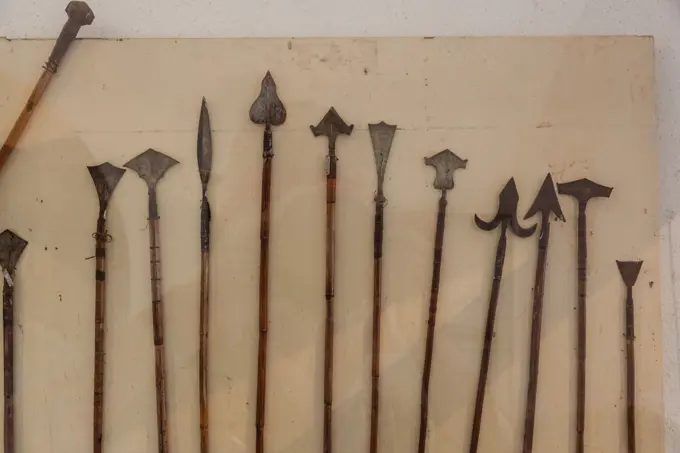
Images of old tools and utensils, including crossbow bolts and metal drills, reflecting craftsmanship from the 16th to 17th century.

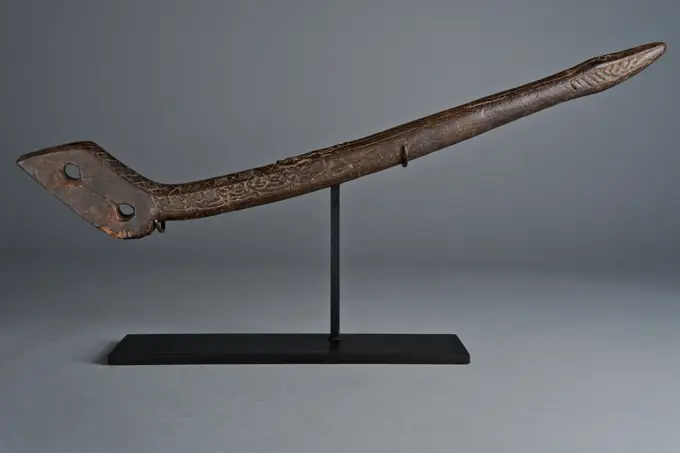
Pewter spoon with flat handle, small size, teaspoon table spoon equipment ground find tin metal, Small pewter spoon with flat handle. Light oval spoonball. Butt lobed with two notches Rat tail under the tray Marked on scallop next to the rat tail Mark: crowned Tudor rose partly legible archeology
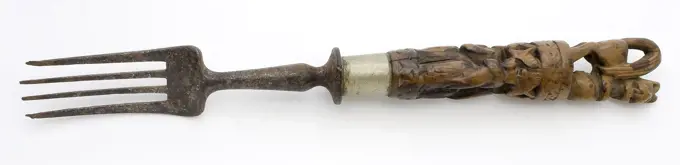
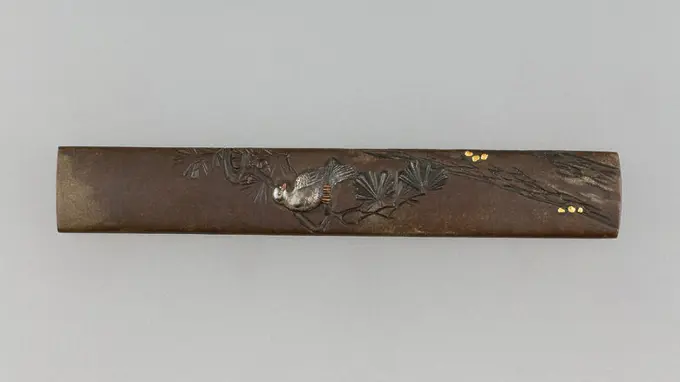
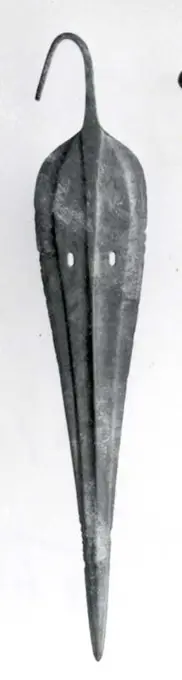
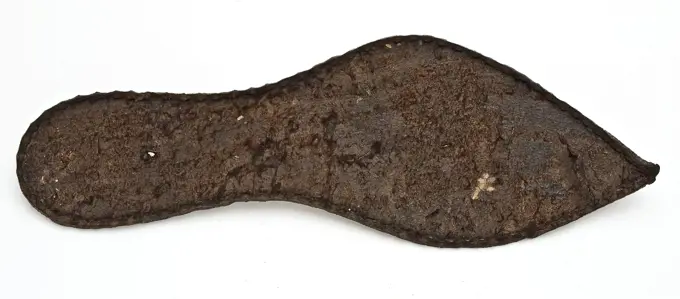
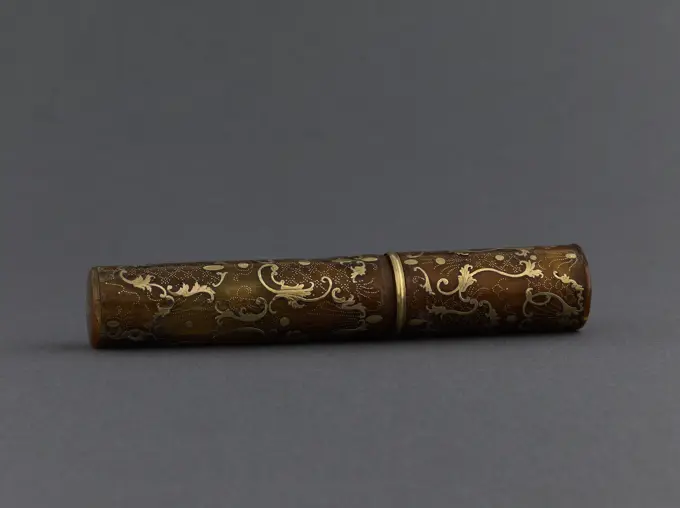
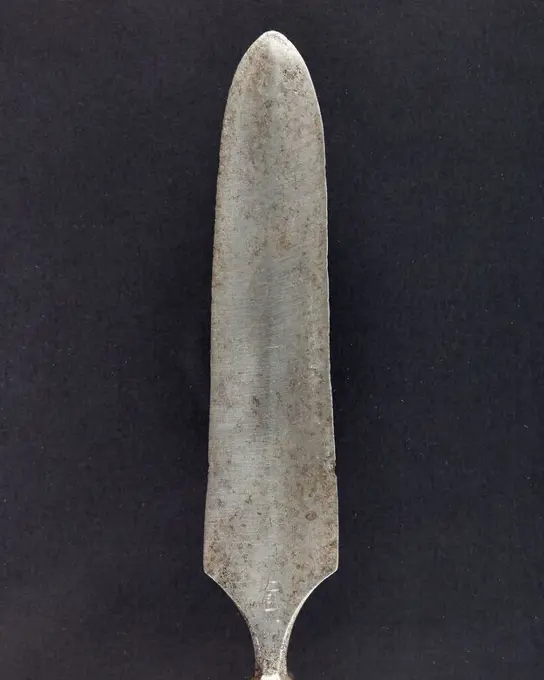
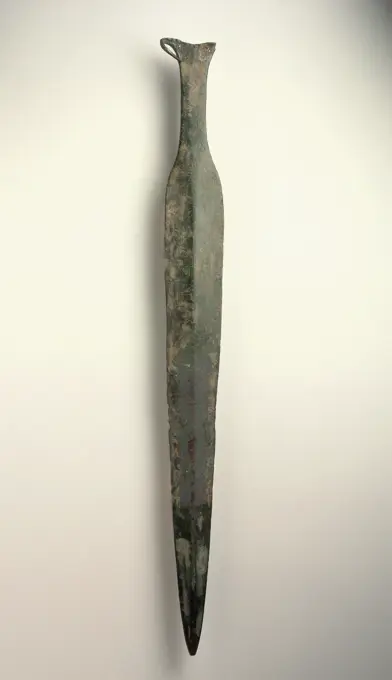
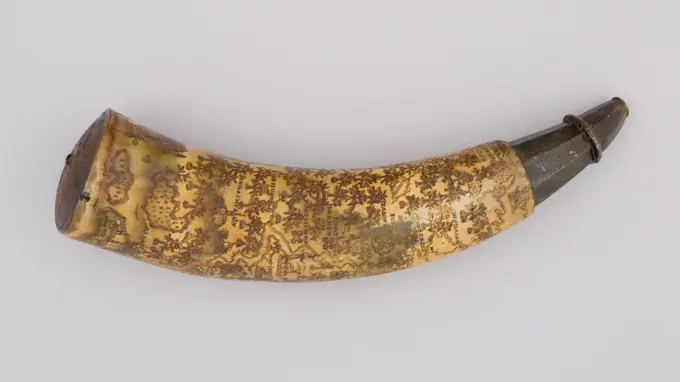
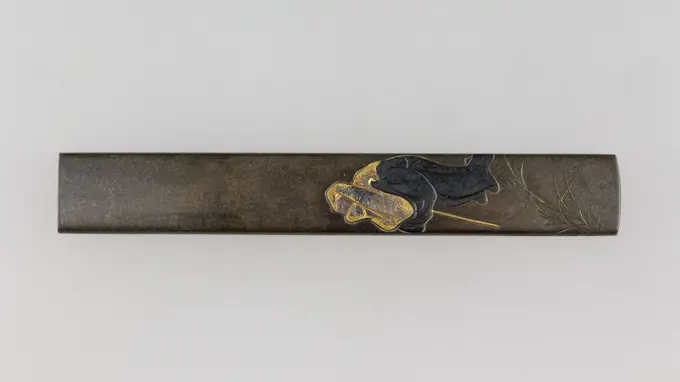
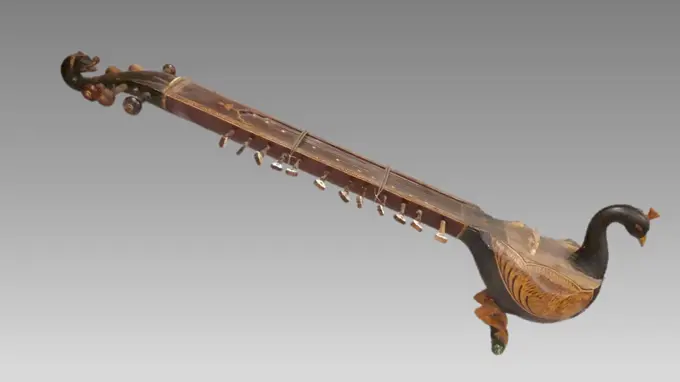
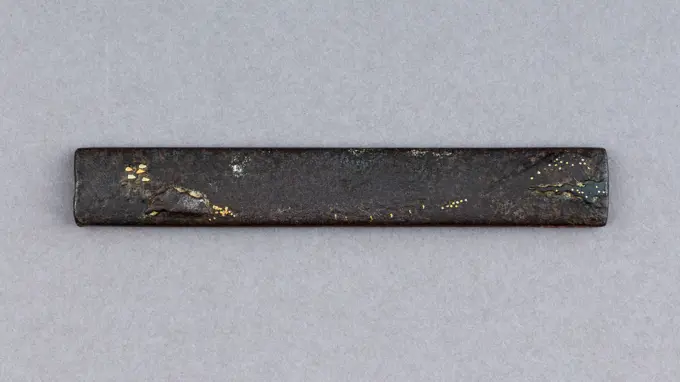
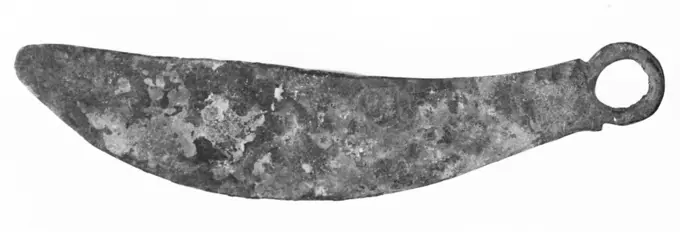
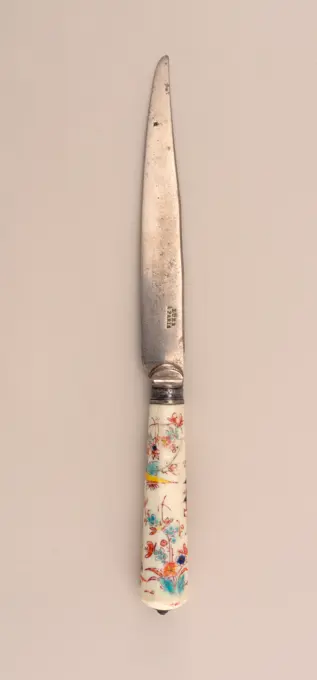
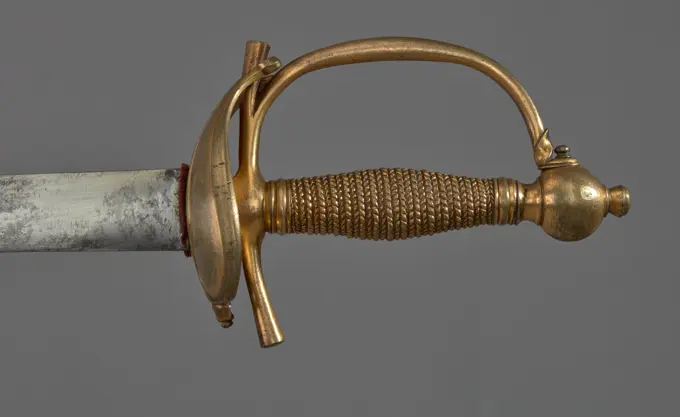
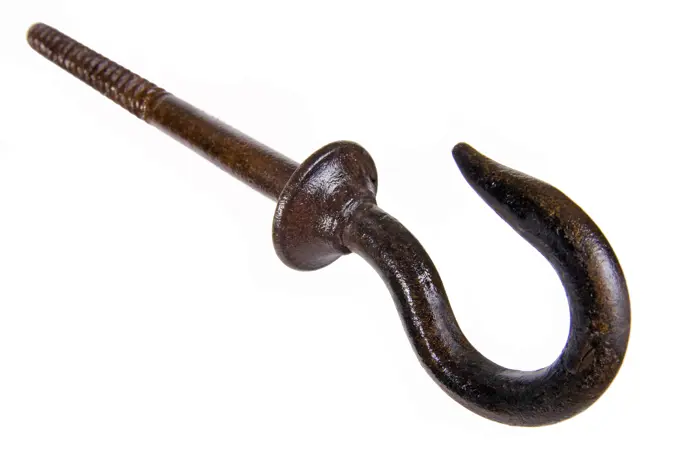
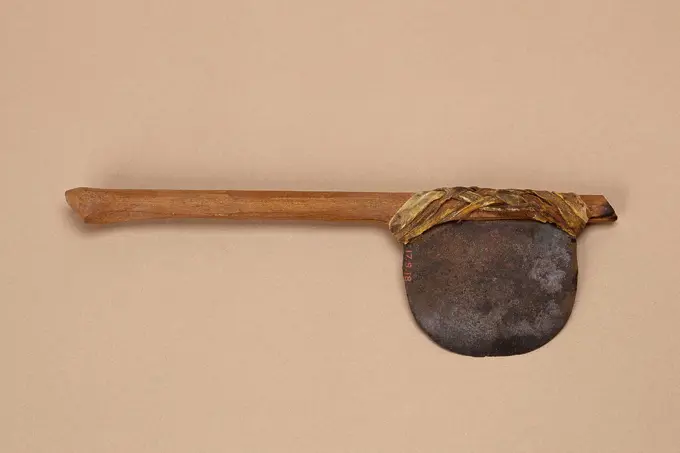
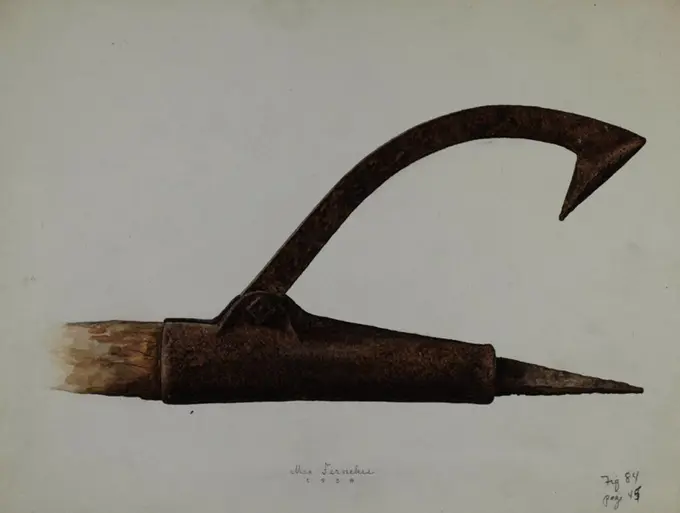
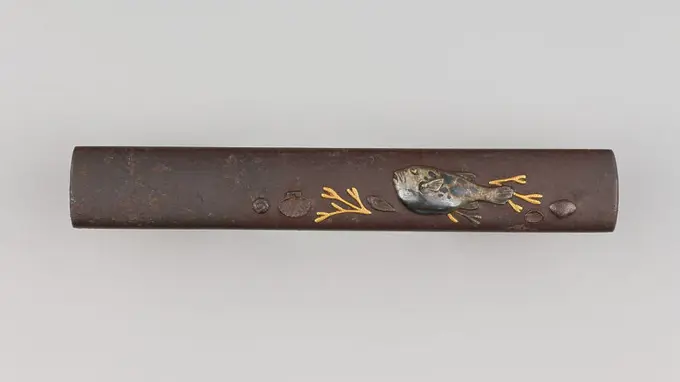
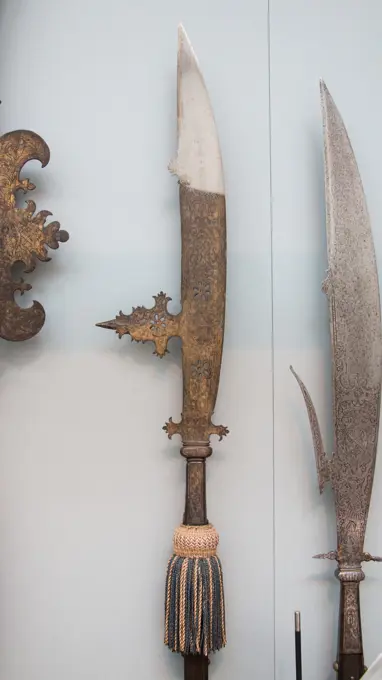
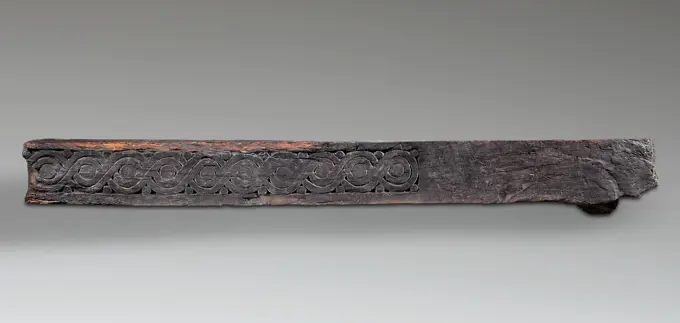
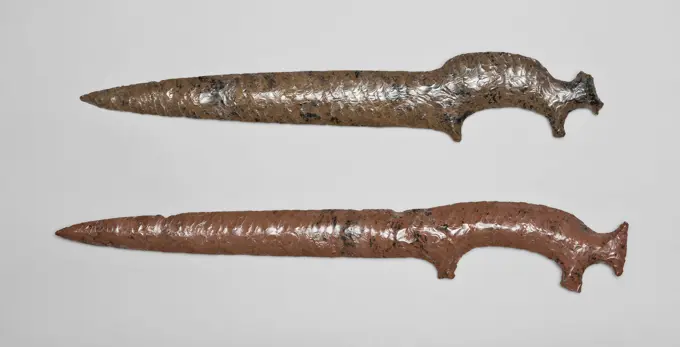
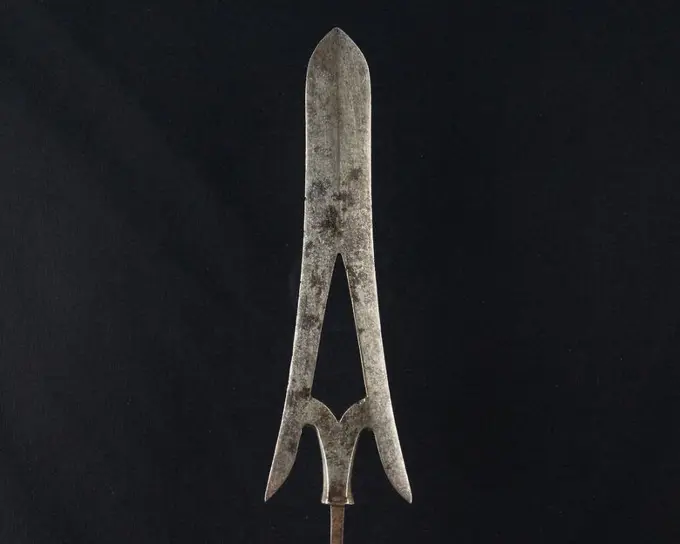
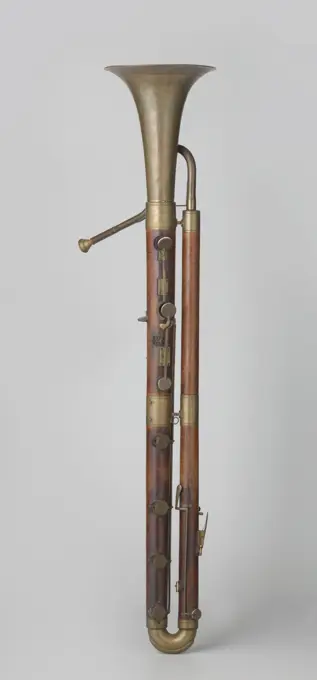
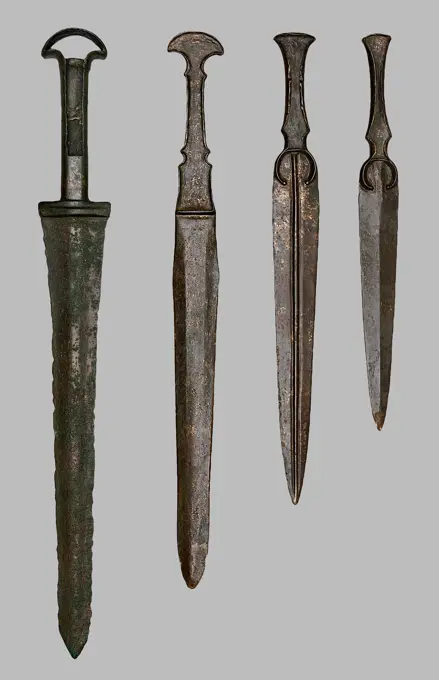
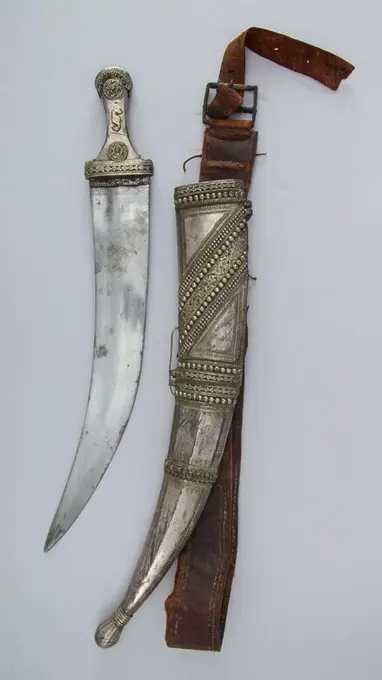
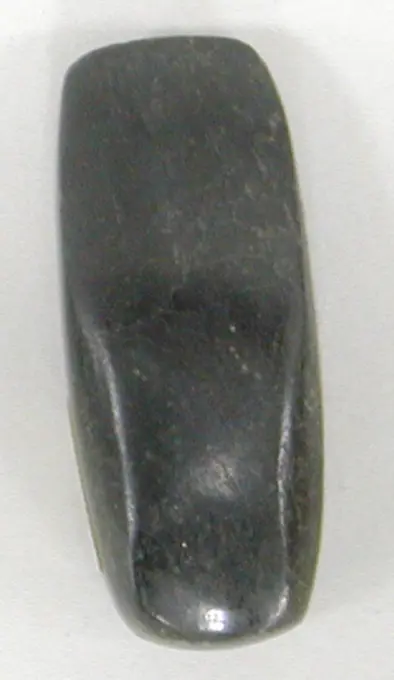
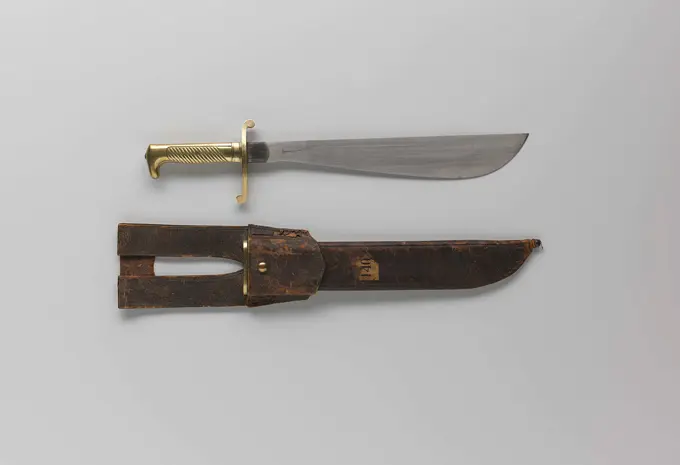
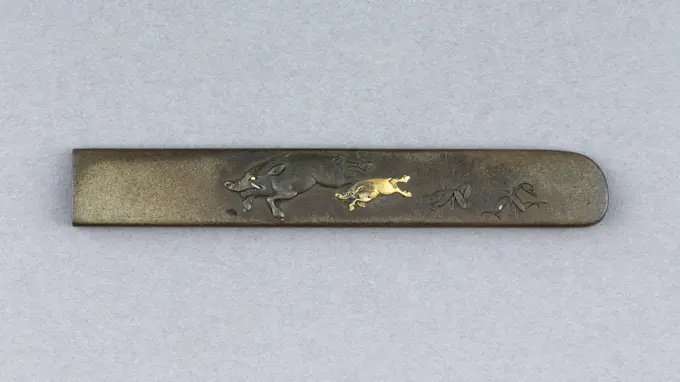
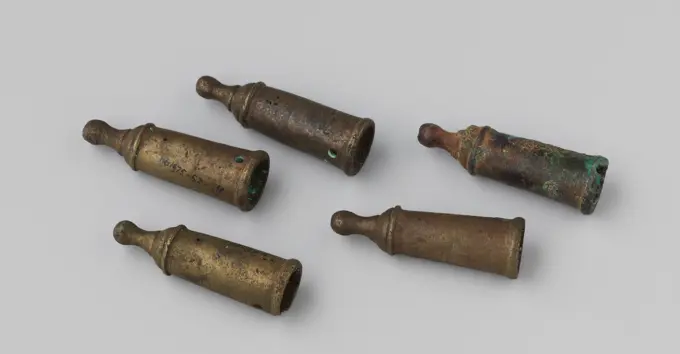
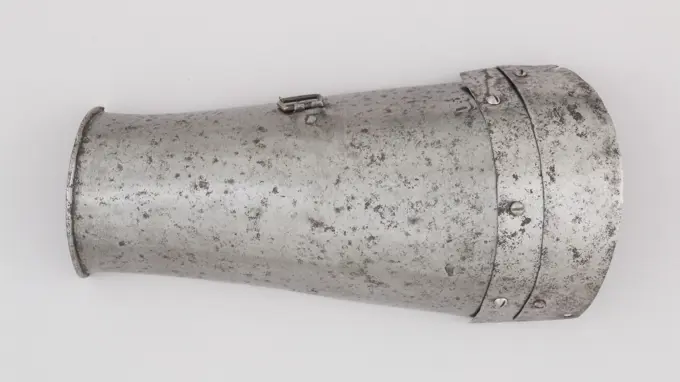
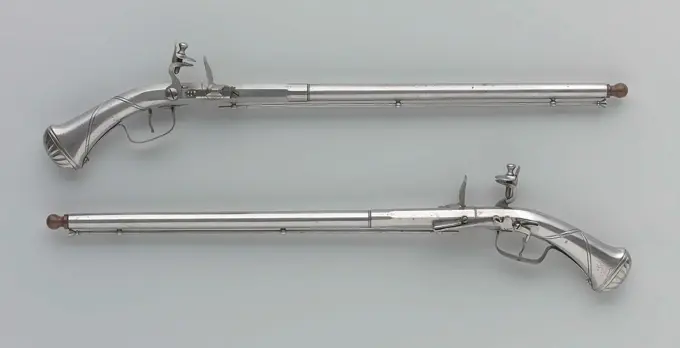
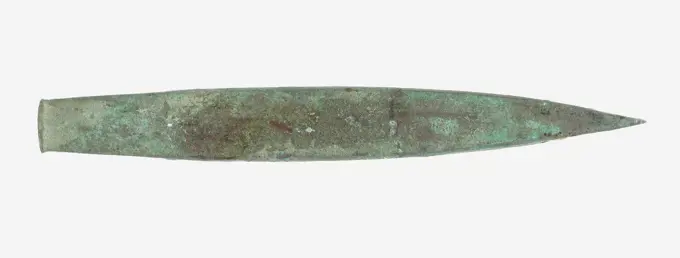
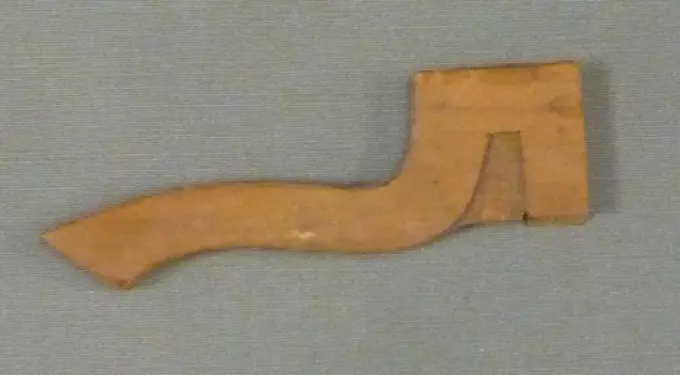
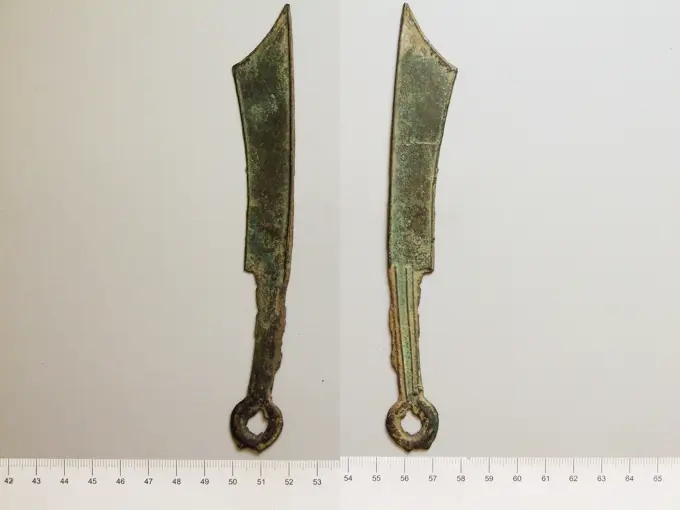
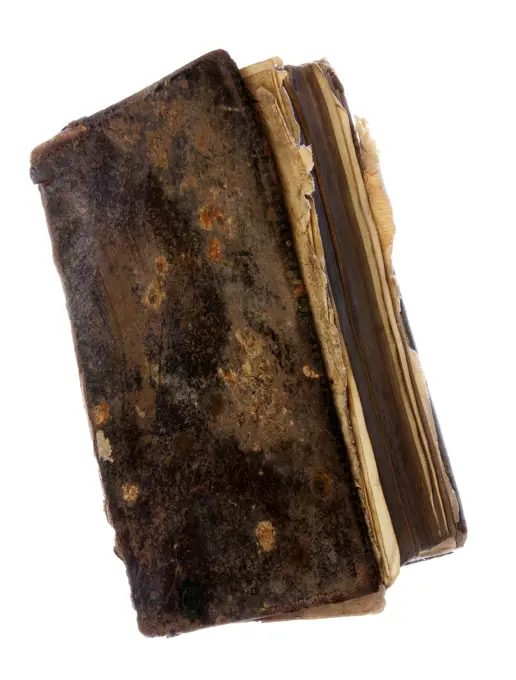
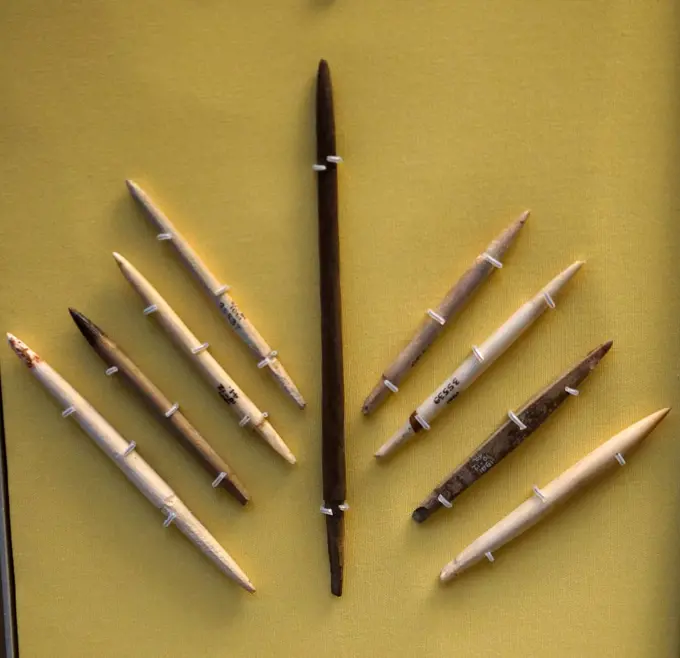
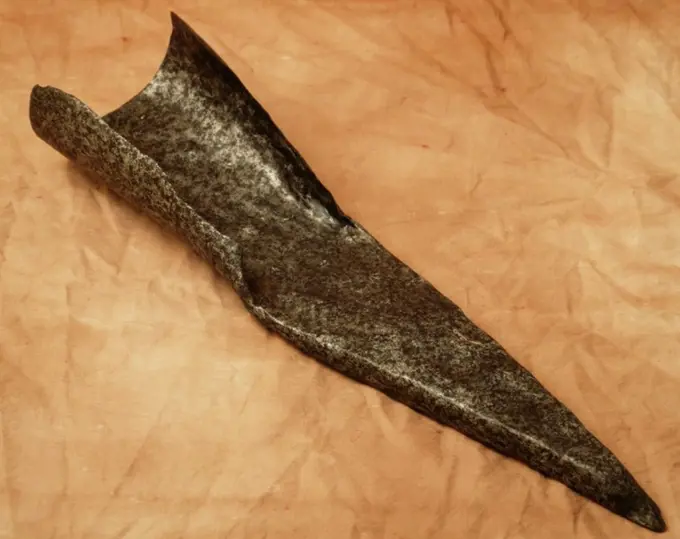
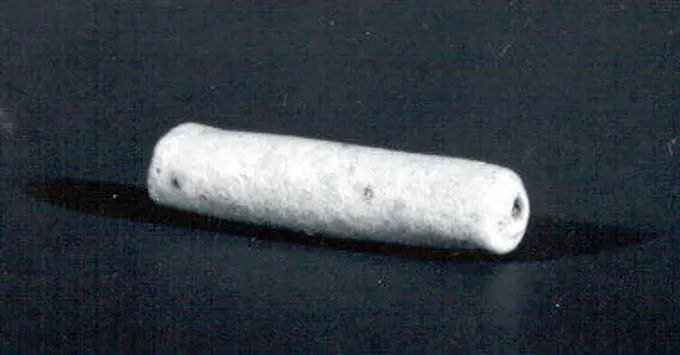
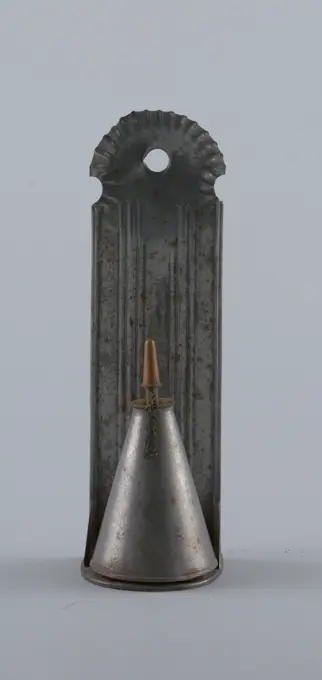
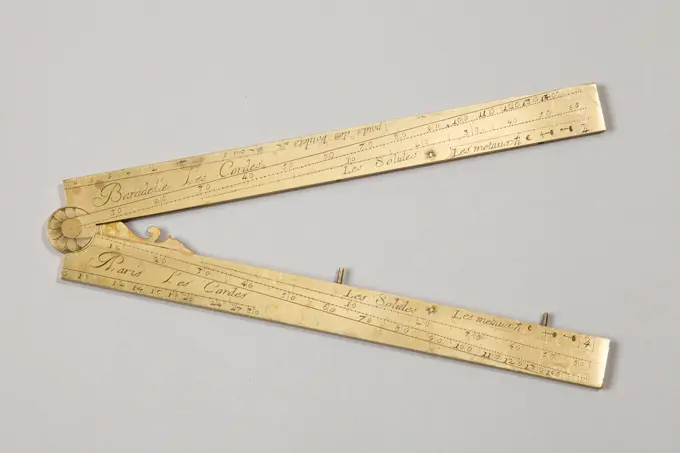
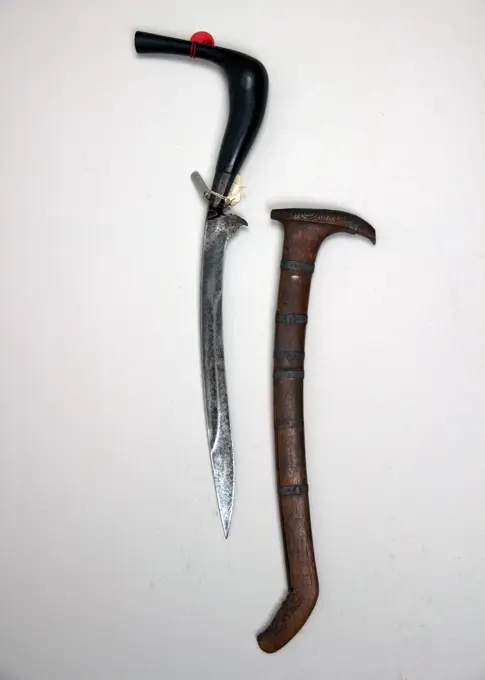
AdzeHandleFork with carved wooden handle, on top of lion, fork cutlery cutlery soil find metal iron copper silver wood, cut Four-fork fork Baluster in the stem disc under the attachment with the handle Silver plated Cuff around the base of the lift. Carved handle with the personifications of Faith Hope and Love depicted and on top of the lion with his forepaws on the globe archeology food pricksChimney hook, c. 1400 - c. 1950 An iron fire hook. (cremidére)  iron (metal) An iron fire hook. (cremidére)  iron (metal)Captured Ordnance, anonymous, c. 1750 - c. 1850 lilla Bronze front loader on Mik. The loop is caught in two pieces of bamboo from mouth to Zundgat and completely with rattan. The round loop has a trumpet -shaped mouth and the rear section is thicker. The tail is hollow for a wooden bowel. A target button on the mouth. The eyes of the mik are completely forged around the taps, so that the piece cannot be lifted out of the mik. Indonesian Archipelago (possibly) bamboo. rattan. bronze (metal)Knife Handle (Kozuka). Culture: Japanese. Dimensions: L. 3 13/16 in. (9.7 cm); W. 9/16 in. (1.4 cm); thickness 1/4 in. (0.6 cm); Wt. 0.9 oz. (25.5 g). Date: 18th century. Museum: Metropolitan Museum of Art, New York, USA.Langchalsvase. Gift of the artistSpearhead with bent tang and slotted blade ca. 2300-2000 B.C. Hattian. Spearhead with bent tang and slotted blade 324460Shoe fragment, consisting of pointy sole of the left shoe, rather small size, sole shoe footwear clothing part soil finding leather, archeology Rotterdam City Triangle Groenendaal underground pit Soil discovery Rotterdam underground pit Groenendaal from 15th century cesspool 1975-09-11.Student in blonde flap encrusted with gold. 1730-1740. Paris, Cognacq-Jay museum. 56020-3 Blonde, ecaille, case, close, encrust, goldRattle 19th century Native American (Sioux). Rattle 501342The Ancient Jama-Coaque Culture. Northern coast of Ecuador. 500 BC-500 AD. Loom weight. 7 x 1,5 cm. Private collection.Arrowhead (Yanone). Culture: Japanese. Dimensions: L. 12 7/8 in. (32.7 cm); L. of head 7 in. (17.8 cm); W. 1 1/2 in. (3.8 cm); Wt. 3.7 oz. (104.9 g). Date: 18th century. Museum: Metropolitan Museum of Art, New York, USA.Sword. India, Uttar Pradesh, Ganges River Valley, circa 1500-1000 B.C.. Arms and Armor; swords. Copper alloyPowder Horn dated 1759 Colonial American A powder horn, a container usually made from an animal horn, is used for carrying gunpowder. This example is engraved with the owner's name, Peter Myer; the British coat of arms, and a map of the forts in the Hudson and Mohawk valleys. Listen to experts illuminate this artwork's story Listen Play or pause #4455. Kids: Powder Horn Supported by Bloomberg Philanthropies We're sorry, the transcript for this audio track is not available at this time. We are working to make it available as soon as possible.. Powder Horn. Colonial American. dated 1759. Horn (cow), wood. New York. Firearms Accessories-Powder HornsPipe cooker made of palmhout, cut with hunting scene, anonymous, 1690 - 1700 Pipes of Palmhout, cut with hunters, dogs and different game; the two ends end in animal heads.  Boxwood. screw: copper (metal) Pipes of Palmhout, cut with hunters, dogs and different game; the two ends end in animal heads.  Boxwood. screw: copper (metal)Yeah one hundred; Tauron-Parisot (couples; Factory; 1839-); 1. PO. 19th century (1850-00-00-1850-00-00);Ge (Dagger-Axe), c. 1600-1050 BC. China, Shang dynasty (c.1600-c.1046 BC). Bronze, inlaid with turquoise; overall: 40.3 cm (15 7/8 in.).Kris with Sheath. Culture: Madurese. Dimensions: L. with sheath 13 5/16 in. (33.8 cm); L. without sheath 13 in. (33 cm); L. of blade 10 3/8 in. (26.4 cm); W. 2 in. (5.1 cm); D. 1 in. (2.5 cm); Wt. 3.8 oz. (107.7 g); Wt. of sheath 2.7 oz. (76.5 g). Date: 16th-19th century. Museum: Metropolitan Museum of Art, New York, USA.Knife with elongated, pointed blade and palm wood handle with oval cross-section and notched end, knife cutlery soil find steel palm wood wood metal, archeology Rotterdam City Triangle Delftware Soil discovery of the partial reclamation of the Delftse Vaart here for the purpose of making the lift bridge over the Vaart in the summer of 1928.Knife Handle (Kozuka) 18th century Japanese A kozuka is a handle of a by-knife that is part of a sword mounting. It is kept in a slot on the reverse of a katana scabbard, often with a matching kōgai (hairdressing tool).. Knife Handle (Kozuka) 29740Lalis late 19th century Melanesian. Lalis 501855Knife Coin China. Knife Coin 61143Game call -Brass frame, horny with glass spraying on profiled foot, anonymous, c. 1700 - c. 1900 Brass frame, associated with glass syringe on a profiled foot Amsterdam brass (alloy) Brass frame, associated with glass syringe on a profiled foot Amsterdam brass (alloy)MouthpieceTaūs (mayuri) Indian late 19th centuryPendant () before 16th century Olmec. Pendant () 317379Harpoon 1500-500 B.C. India. Harpoon 50608Necklace of Stone Beads 1st-mid-16th century Peru; north coast (). Necklace of Stone Beads 309246Balkan rock shotgun Racheti, I.Knife Handle (Kozuka) 19th century Japanese A kozuka is a handle of a by-knife that is part of a sword mounting. It is kept in a slot on the reverse of a katana scabbard, often with a matching kōgai (hairdressing tool).. Knife Handle (Kozuka) 26115D.V., Two-piece bronze mold for sneb of jug with initials D V, mold casting tool tools equipment base metal bronze wood iron, Rotterdam tin casting tin tin Meeuws Druy craft Shapes are from the originally 18th century Rotterdam tinnegieter J Druy. The large molds that were not signed or dated were the property of the tinker guild and were rented to the small tin caster.Celt before 16th century Maya () Greenstone axe heads, commonly known as “celts,” were some of the most important works of art across ancient Mesoamerica and Central America. Created from jadeite mined from the Motagua River Valley of southern Guatemala, or using local green stones from highland Mexico, celts were first created by the Olmec peoples of the Gulf Coast after 1000 B.C. The Olmec conceived of green celts as sprouts of maize and thus “planted” celts in dedicatory offerings, activating ceremonial spaces and perpetuating agricultural fertility. For the later Maya peoples, celts also served as dedicatory materials, but more so as adornments for the royal bodies of kings and queens. Often the celts would be thinned into celt-shaped plaques, strung together in pairs and triads in order to create belt assemblages that would have clinked with the sound of jades striking one another. Tombs from the Classic Period (ca. AD 250-900) contain celts of jadeite and various greenstones froKnife Blade. UnknownTextile Fragment 5th century. Textile Fragment 443733Knife (France); Manufactured by Chantilly Porcelain Manufactory (France); porcelain, steel, silver; L x W: 24.9 x 2 cm (9 13/16 x 13/16 in.); The Robert L. Metzenberg Collection, gift of Eleanor L. Metzenberg; 1985-103-230Sword knife hilt, anonymous, 1600 - 1900 Decorated with two dragonflies in silver against a dark background. Japan iron (metal). silver (metal). gold (metal) Decorated with two dragonflies in silver against a dark background. Japan iron (metal). silver (metal). gold (metal)Fishing rod -Small sword with scabbard of Gideon Laudon (1717-1790), Austrian Field Marshalalte schraube haken screw hook LicenseRF Copyright: xZoonar.com/MilanxVasicekx 1554729Pair of Knives with Sheath. Culture: Indian. Dimensions: Knife (a); L. with sheath 10 1/4 in. (26 cm); L. without sheath 8 9/16 in. (21.7 cm); L. of blade 5 in. (12.7 cm); W. 11/16 in. (1.7 cm); Wt. 1.6 oz. (45.4 g); knife (b); L. 8 9/16 in. (21.7 cm); L. of blade 5 in. (12.7 cm); W. 11/16 in. (1.7 cm); Wt. 1.7 oz. (48.2 g); sheath (c); Wt. 1.1 oz. (31.2 g). Date: 18th-19th century. Museum: Metropolitan Museum of Art, New York, USA.Model ax. Dimensions: L. 4.5 cm (1 3/4 in). Dynasty: Dynasty 12. Date: ca. 1981-1802 B.C.. Museum: Metropolitan Museum of Art, New York, USA.Knife (England); Made by Ephraim How; steel, silver, agate; L x W: 18.8 x 1.5 cm (7 3/8 x 9/16 in.); The Robert L. Metzenberg Collection, gift of Eleanor L. Metzenberg; 1985-103-112Peavy. Dated: 1938. Dimensions: overall: 26.8 x 35.5 cm (10 9/16 x 14 in.) Original IAD Object: 14" long, 3" wide. Medium: watercolor and graphite on paperboard. Museum: National Gallery of Art, Washington DC. Author: Max Fernekes.Knife Handle (Kozuka). Culture: Japanese. Dimensions: L. 3 3/4 in. (9.5 cm); W. 9/16 in. (1.4 cm); thickness 1/4 in. (0.6 cm); Wt. 1.1 oz. (31.2 g). Date: 18th century. Museum: Metropolitan Museum of Art, New York, USA.Glaive of the Rota Family ca. 1600 Italian, Venice. Glaive of the Rota Family. Italian, Venice. ca. 1600. Steel, gold, wood. Venice. Shafted WeaponsBone pins found in a grave and a bog. Neolithic Period. National Museum of Denmark. Copenhagen. Denmark.Bronze Age. Island of Crete. Bronze sheets from ritual swords. Crete, Greece. Heraklion Archaeological Museum. Crete, Greece.Old vintage pair of compasses on a dark background. Old vintage pair of compasses on dark backgroundMessenheft from the wreck of the East Indians Hollandia, 1700 - in or before 1743  Knife, handle, cylindrical: tapering; id. NG 1979-403H, ferrules, id. NG 1980-27H426. Netherlands wood (plant material). copper (metal)   SecondVegadeo Group. Diadem and brooch. 3rd-1st centuries BC. Gold. Castro culture. From Vegadeo (Asturias, Spain). National Archaeological Museum. Madrid. Spain.Kris with Sheath. Culture: Balinese. Dimensions: L. with sheath 25 7/8 in. (65.7 cm); L. without sheath 21 1/4 in. (54 cm); L. of blade 16 in. (40.6 cm); W. 4 in. (10.2 cm); Wt. 15.2 oz. (430.9 g); Wt. of sheath 8.2 oz. (232.5 g). Date: 16th-19th century. Museum: Metropolitan Museum of Art, New York, USA.A fragment of the Wyokienego beam; Unknown Nubian workshop; VII-VIII century (620-00-00-710-00-00);Faras (Sudan), relief decorations, architectural elements, braid, Polish excavations in Faras (Sudan)Table knife 18th century possibly Southern German. Table knife. possibly Southern German. 18th century. Steel, mother-of-pearl, silver. Metalwork-SteelCeremonial Knife 100 CE-300 CE Colima. Obsidian . ColimaArrowhead (Yanone). Culture: Japanese. Dimensions: L. 19 1/2 in. (49.5 cm); L. of head 7 in. (17.8 cm); W. 2 1/4 in. (5.7 cm); Wt. 4.3 oz. (121.9 g). Date: 18th century. Museum: Metropolitan Museum of Art, New York, USA.Tubular Bead before 16th century Maya. Tubular Bead 317358Chromatic bass horn mouthpiece, Johann Heinrich Gottlieb Streitwolf, 1790 - 1837 Copper mouthpiece Göttingen copper (metal) Copper mouthpiece Göttingen copper (metal)Get back in the knife drawer Description: Three knives with holder and cover. Objects are sometimes unexpectedly found amongst bundles of papers. The origin of these items is unknown. Date: 17th-18th century knives, specialcollections, saferoomSerrated Harpoon 1500-500 B.C. India. Serrated Harpoon. India. 1500-500 B.C.. Copper. MetalworkSample of Steel, John Heaton, 1868 sample Heaton's steel sample, made of medium iron. It is a rod with a square average of ½ English thumb, the ends broken off or torn. United Kingdom steel (alloy)Lluís Masriera / Broche con piedras preciosas, siglo XX. Colección privada. Author: LLUÍS MASRIERA I ROSÉS.Lid of tobacco box from the wreck of the East Indians Hollandia, Anonymous, 1700 - in Or Before 1743 lid Tobacco box; fragm, lid, oval flat, plain, grooved rim, five-lugged hinge. Netherlands copper (metal)   SecondForearm Defense (Vambrace) ca. 1450-70 Italian This is part of a large find of medieval armor discovered in 1840 in the ruins of the fortress of Chalcis, on the Greek island of Euboea (then a Venetian colony called Negroponte). The fortress had been captured and destroyed by the Turks in 1470. Now divided largely between the Ethnological Museum, Athens, and The Metropolitan Museum of Art, the Chalcis hoard contains many rare and unusual elements of fourteenth- and fifteenth-century armor. Of particular importance are the variety of headpieces and the many fragments of brigandines (armor for the torso constructed of small plates riveted to layers of fabric), some of which retain portions of their original velvet covering. The Chalcis armor provides a unique picture of the armament used in the Aegean, one of the easternmost military outposts of the Venetian empire.. Forearm Defense (Vambrace). Italian. ca. 1450-70. Steel. Armor PartsLurist's dagger, dagger; Unknown median workshop, unknown Lurista workshop; IX-VIII century BC (-900-00-00--701-00-00), IX-VI century BC ; period of Iron II (-900-00-00-501-00-00), IX-VI century BC ; period II (-900-00-00--501-00-00);White weapons, Luristan browns, daggers, purchase (provenance)Dagger (Jambiya) with Sheath and Belt. Culture: Arabian. Dimensions: H. with sheath 20 5/8 in. (52.4 cm); H. without sheath 20 in. (50.8 cm); W. 2 1/2 in. (6.4 cm); Wt. 12.5 oz. (354.4 g); Wt. of sheath 1 lb. 6.6 oz. (640.7 g). Date: 19th century. Museum: Metropolitan Museum of Art, New York, USA.Celt before 16th century Maya () Greenstone axe heads, commonly known as “celts,” were some of the most important works of art across ancient Mesoamerica and Central America. Created from jadeite mined from the Motagua River Valley of southern Guatemala, or using local green stones from highland Mexico, celts were first created by the Olmec peoples of the Gulf Coast after 1000 B.C. The Olmec conceived of green celts as sprouts of maize and thus “planted” celts in dedicatory offerings, activating ceremonial spaces and perpetuating agricultural fertility. For the later Maya peoples, celts also served as dedicatory materials, but more so as adornments for the royal bodies of kings and queens. Often the celts would be thinned into celt-shaped plaques, strung together in pairs and triads in order to create belt assemblages that would have clinked with the sound of jades striking one another. Tombs from the Classic Period (ca. AD 250-900) contain celts of jadeite and various greenstones froCutlass and Scabbard. Cap knife with short click with straight back and curved cut. The hilt is entirely of selector, with a grooved handle and baffle plate with end buttons. The underneath with end button is sewn entirely within the leather sheath, so that only the button protrudes. The brass topband has a copper carrying knob for the carrying strap, which must be worn to a belt.Sword (Shamshir) with Scabbard 18th-19th century Persian. Sword (Shamshir) with Scabbard. Persian. 18th-19th century. Steel, gold, leather. Swordsshort double-edged sword, 5th century BC, Etxauri deposit, first iron age, Museum of Navarra, Pamplona, Navarra,Spain.HOZ NEOLITICA PROCEDENTE DEL ACEBUCHAL EN CARMONA (SEVILLA). Location: MUSEO ARQUEOLOGICO NACIONAL-COLECCION. MADRID. SPAIN.Jungle Knife with Sheath 18th-19th century Philippine, Yakan. Jungle Knife with Sheath. Philippine, Yakan. 18th-19th century. Steel, wood, brass, cane (rattan). Basilan. KnivesKnife Handle (Kozuka) ca. 1615-1868 Japanese A kozuka is a handle of a by-knife that is part of a sword mounting. It is kept in a slot on the reverse of a katana scabbard, often with a matching kōgai (hairdressing tool).. Knife Handle (Kozuka) 34670Clamps from the wreck of the East Indians Hollandia, Anonymous, 1700 - in or Before 1743  Terminals; cylindrical, tapering, domed stepped upper end with inverted baluster-shaped top raised lower rim with 2 circular holes on diametrically opposite sides, 2 small circular holes under the shoulder. Netherlands copper (metal)Pipe Case with Design of Flowers and Butterflies 19th century Tamakaji Zōkoku Japanese. Pipe Case with Design of Flowers and Butterflies 58289Outer Plate of a Right Forearm Defense (Vambrace) ca. 1400 Italian This is part of a large find of medieval armor discovered in 1840 in the ruins of the fortress of Chalcis, on the Greek island of Euboea (then a Venetian colony called Negroponte). The fortress had been captured and destroyed by the Turks in 1470. Now divided largely between the Ethnological Museum, Athens, and The Metropolitan Museum of Art, the Chalcis hoard contains many rare and unusual elements of fourteenth- and fifteenth-century armor. Of particular importance are the variety of headpieces and the many fragments of brigandines (armor for the torso constructed of small plates riveted to layers of fabric), some of which retain portions of their original velvet covering. The Chalcis armor provides a unique picture of the armament used in the Aegean, one of the easternmost military outposts of the Venetian empire.. Outer Plate of a Right Forearm Defense (Vambrace) 23095Vuursteenpistool met ijzeren kolf.Entirely iron flint gun; Part of a couple. The final mechanism is entirely on the outside; The pan and the spring are hidden behind a housing engraved with a blossom branch. The three upper surfaces of the loop are engraved on the back of tulips. The flask consists of an iron handle that forms an extension of the loop; The handle is deeply incised with two pairs of sloping lines that cross each other, and at the bottom with two blossom branches; The kolknop is decorated with a pattern of radiating ribs. The iron attachment consists of three to the loop soldered eyes in the form of buttons as loading bokekers, and a flat trigger bracket engraved with a rose; The loading stick is made of steel.Sugar spoon mid-19th century French. Sugar spoon. French. mid-19th century. Silver. Metalwork-SilverTurkey dagger, 19. centuryCarpenter's Chisel ca. 1390-1353 B.C. New Kingdom. Carpenter's Chisel. ca. 1390-1353 B.C.. Bronze. New Kingdom. From Egypt, Upper Egypt, Thebes, Malqata, Palace of Amenhotep III, MMA excavations, 1911-12. Dynasty 18Prehistory, Italy, Eneolithic. Punches. From Argentina Valley.Model Meskhetyu Implement from the Foundation Deposit for Hatshepsut's Tomb ca. 1479-1458 B.C. New Kingdom This model of a meskhetyu implement was among the objects discovered in a foundation deposit in front of the tomb of Hatshepsut (KV 20) in the Valley of the Kings. For more information on this deposit, see 30.8.6. The meskhetyu implement was used in the "opening of the mouth" ceremony.. Model Meskhetyu Implement from the Foundation Deposit for Hatshepsut's Tomb. ca. 1479-1458 B.C.. Wood. New Kingdom. From Egypt, Upper Egypt, Thebes, Valley of the Kings, Tomb of Hatshepsut (KV 20), Foundation deposit, Davis/Carter excavations, 1903-04. Dynasty 18Knife from Board ofRevenue.  Mint: Board of Revenue Artist: UnknownStibnite. minerals. Asia; Japan; Ehime Prefecture; Saij, Ichinokawa Community Center; Ichinokawa mineLancet; leatherEcclesiastical Rattle. Dated: c. 1939. Dimensions: overall: 24.4 x 35.3 cm (9 5/8 x 13 7/8 in.). Medium: watercolor and graphite on paper. Museum: National Gallery of Art, Washington DC. Author: R. J. De Freitas.The ancient book The ancient book on a light background Copyright: xZoonar.com/ValeryxxSibrikovx 2476823Collection of ivory and ebony arrowheads used by the King of Abydos. Dated 30th Century BCAfrica, Angola, Luanda. Close-up shot of traditional weaponry at Angola's National Museum of Anthropology.Costume Ornament 11th-12th century Central coast (). Costume Ornament. Central coast (). 11th-12th century. Silver. Peru. Metal-OrnamentsBomard. Cannon used in medieval times. 13th-14th century. Crown of Castile. Spain.REJA DE ARADO. (INV. 21-IN-27).(EXPOSICION EL LEGADO CIENTIFICO DE AL-ANDALUS) (DEPOSITO: MUSEO PARROQUIAL LIETOR).Knife Handle (Kozuka). Culture: Japanese. Dimensions: L. 3 13/16 in. (9.7 cm); W. 9/16 in. (1.4 cm); thickness 3/16 in. (0.5 cm); Wt. 1.1 oz. (g). Date: ca. 1615-1868. Museum: Metropolitan Museum of Art, New York, USA.Case (Austria), 19th century; leather, paper; L x W: 11.7 x 4.6 cm (4 5/8 x 1 13/16 in.); The Robert L. Metzenberg Collection, gift of Eleanor L. Metzenberg; 1985-103-276-aOrnament ca. late 3rd millennium B.C.. Ornament 326083Sugar tongs, Silver, gilding, London, England, 1825, metalwork, Decorative Arts, Sugar tongsLamps W/ Sconces, Wall; tinDivision compass Baradelle, JacquesDaggers from Castione Marchesi fraction of Fidenza (province of Parma)Moulded Single-Edged Curved Knife (Bade-bade) with Sheath 16th-19th century Sumatran, possibly Acheen. Moulded Single-Edged Curved Knife (Bade-bade) with Sheath 31860