Historic Tool Artifacts

Images of old tools and utensils, including crossbow bolts and metal drills, reflecting craftsmanship from the 16th to 17th century.

Pewter spoon with flat handle, small size, teaspoon table spoon equipment ground find tin metal, Small pewter spoon with flat handle. Light oval spoonball. Butt lobed with two notches Rat tail under the tray Marked on scallop next to the rat tail Mark: crowned Tudor rose partly legible archeology
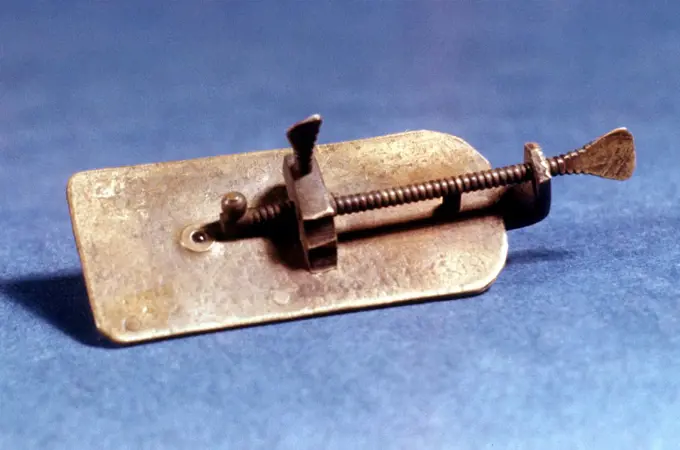
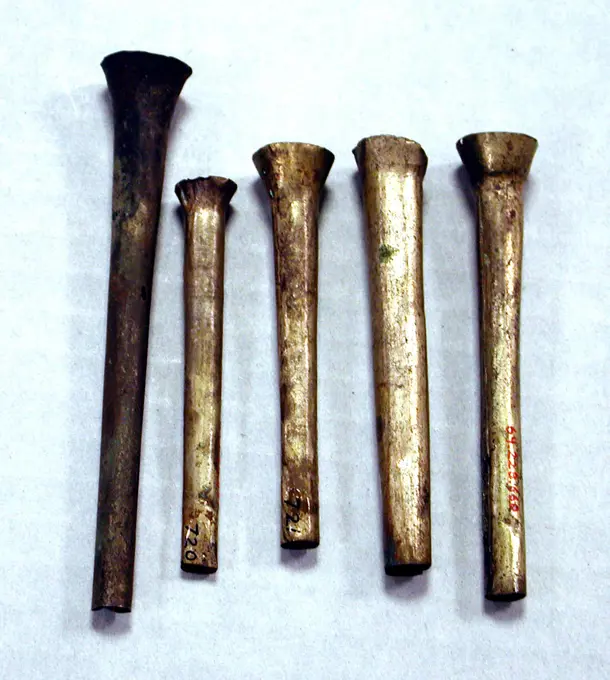
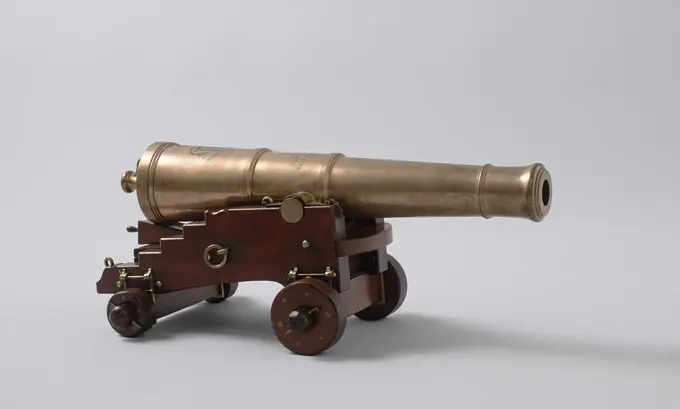
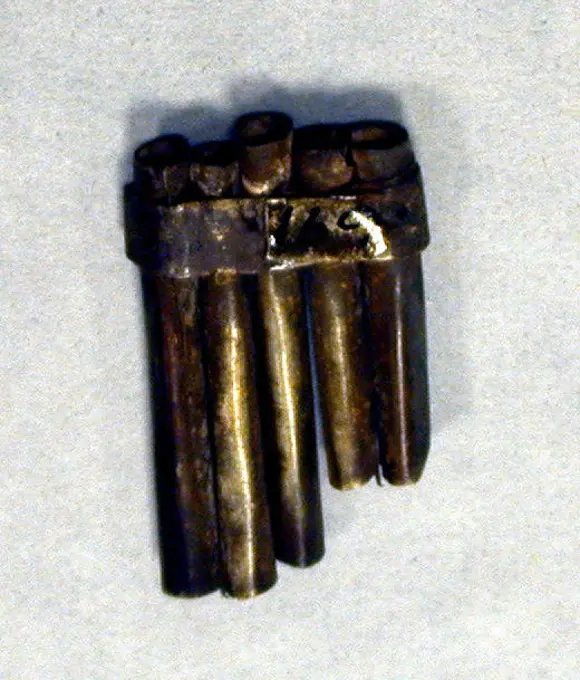
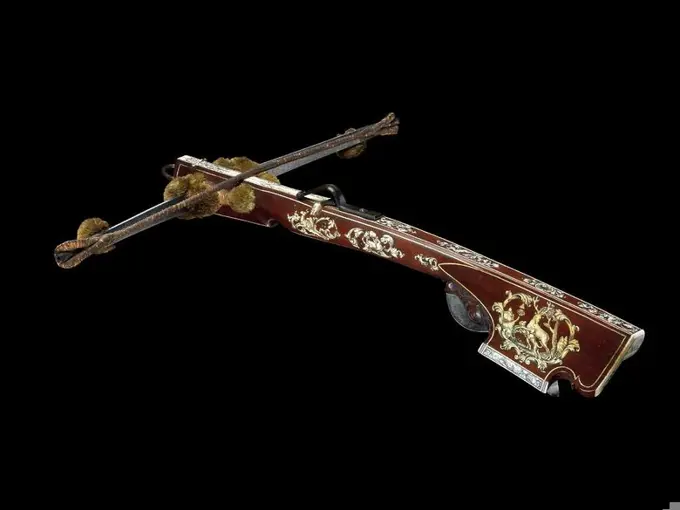
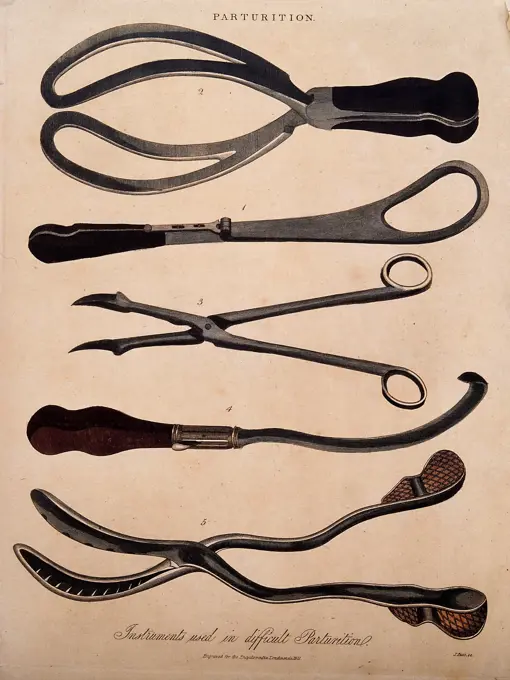
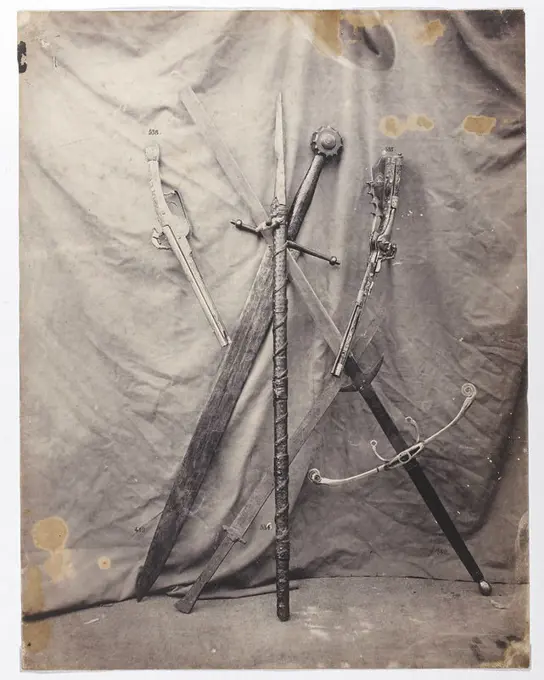
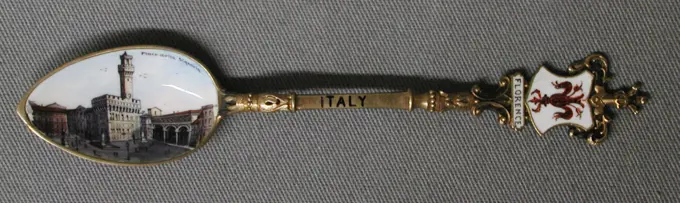
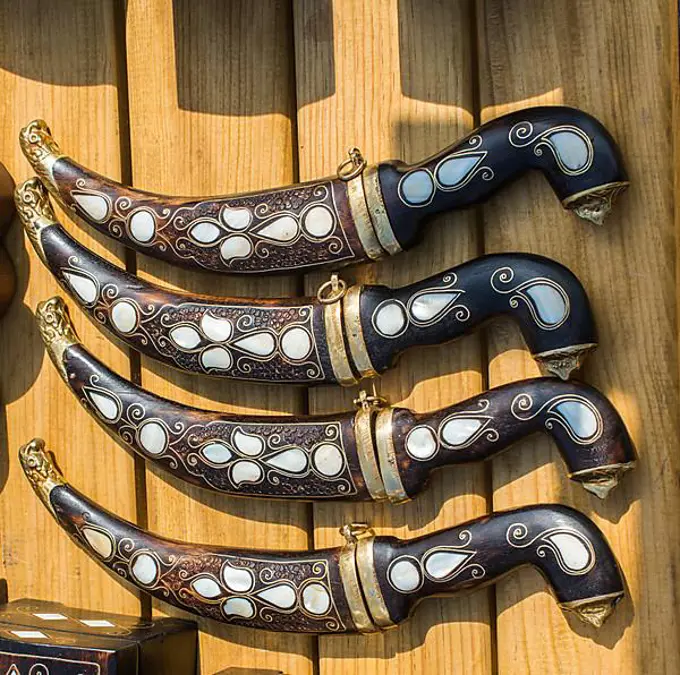
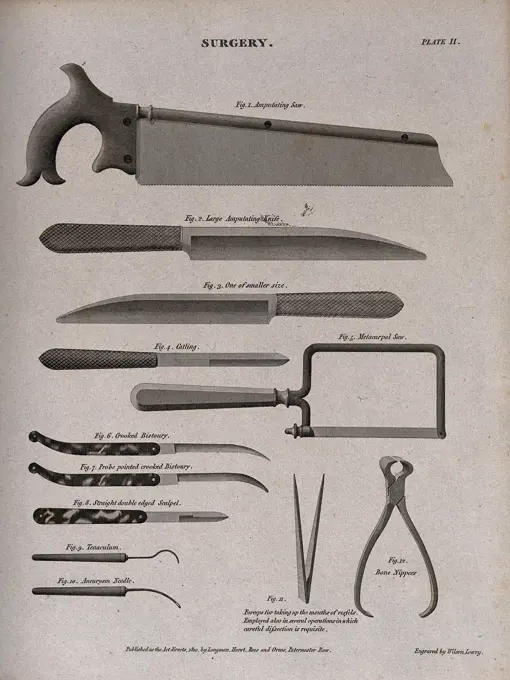
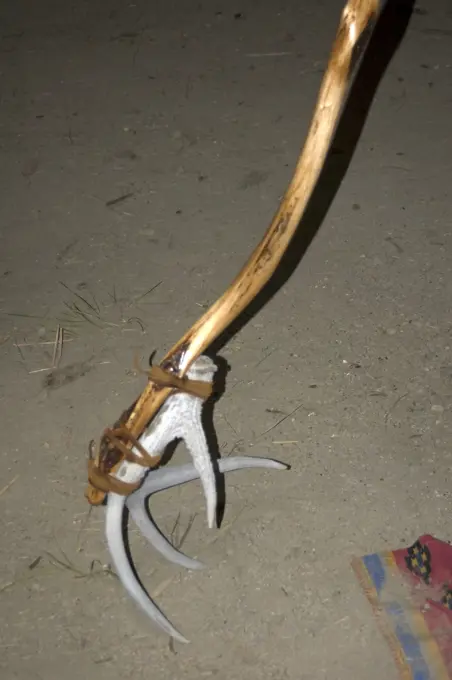
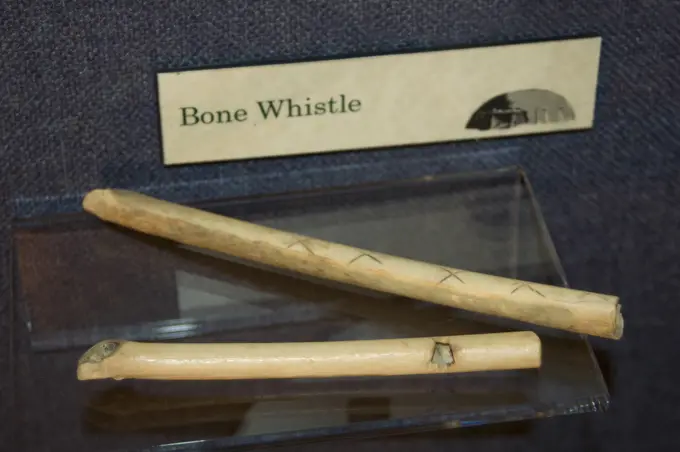
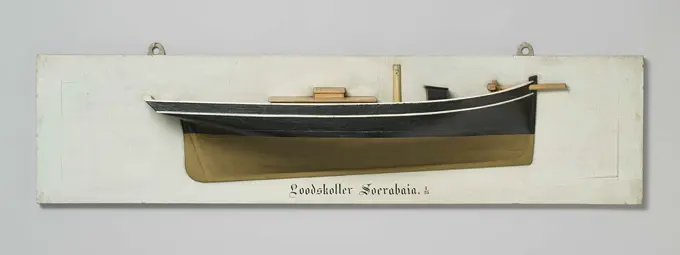
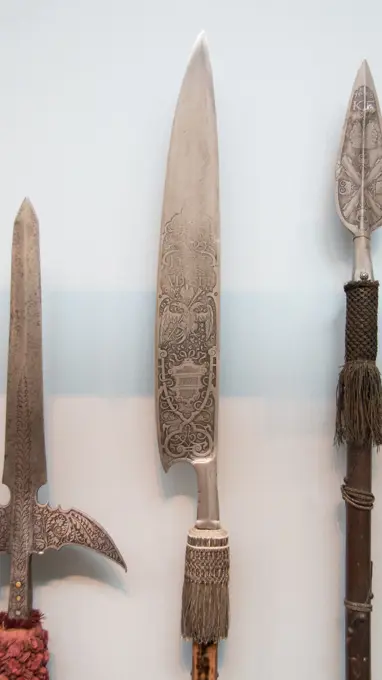
Glaive of Emperor Rudolf II (reigned 1576-1612) dated 1577 Hans Stromair German The knife-like blade is similar to another in the Metropolitan Museum's collection (04.3.97). Two-thirds of each side are etched with a dense strapwork design on a dotted and blackened ground, with traces of gilding. The decoration includes the insignia of Emperor Rudolf II: on the left side, from top to bottom, the date 1577 and the emperor's motto AD SIT (literally "He God be with me," but also an acronym for the motto Auxilium Domini Sit Iniquis Terror, "The assistance of God is a terror to the evil ones"), a double-headed eagle surmounted by an imperial crown and holding an arrow in his right talon, the Bindenschild of Austria, and the number 24; on the right side the letter R surmounted by an imperial crown, and surrounded by a sword, scepter, orb, and cross above a shield bearing the arms of Hungary and Bohemia. Etched at the base of the left side of tha blade, near the back, is the etcher's monogra`Straight sabre` (straight backsword) in leather sheath, owned by Zdzisław Wolski ; drawing for the publication: Dominika Jeżewskiego Skarbiec Zabytków Polskich znajdujących się w prywatnych zbiorach Warszawy, malował z natury Władysław Sztolcman od r. 19. Sztolcman, Władysław Roman (1873-1950), painterMicroscope by Anton Van Leeuwenhoek (1632-1723) Dutch scientist and microscopist.Hammered Silver Fluted Tube 8th-mid-16th century Peru; north coast (). Hammered Silver Fluted Tube 309186Candle-wick trimmers (scissors) early 18th century French. Candle-wick trimmers (scissors) 191839Hammered Silver Rattle Beaker 8th-mid-16th century Peru; north coast (). Hammered Silver Rattle Beaker 309013Close-up of a keySet -  1730-60 (1730-00-00-1760-00-00);Szreniawa (coat of arms), baroque (style), coats of arms, plant (ornament), purchase (provenance)Model of a 30-pounder cannon on a gun carriage.The heavy artillery on naval ships consisted of cannon mounted on gun carriages. The calibre - or fire power - of naval cannon was expressed in pounds, according to the weight of the projectiles. The set on this plank represents guns of decreasing calibre, ranging from 36 pounds (far left), 30, 24 and 18 pounds to 12 pounds.An Arched Wooden Harp from ThebesModel Artillery with Field Carriage Made 1580-1600 France. A mask, the open mouth of which acts as a vent for the cannon, is chiseled in relief at the breech end of the barrel. Inscribed above the mask is the name Dodeman, which could be the name of either the artist or the owner of the cannon. Skillfully chased and sculpted on a stippled ground are relief figuresóa warrior in classical armor holding a shield and wielding a sword, a figure of Fame standing on a helmet and breastplate under a canopy, and a figure of Victory. A rare feature of this finely cast and chased bronze cannon is the field carriage with old nails that appears to be original.. Bronze, wood, and iron . Germain PilonSurgical instruments. Engraving with etching.Ancient sabre. A smart variant of the fighting weaponHammered Silver Panpipe 8th-mid-16th century Peru; north coast (). Hammered Silver Panpipe 309156Small Crossbow (Schnepper), Probably for a Woman or Child. Culture: German, Dresden. Dimensions: L. 22 7/32 in. (56.4 cm); W. 16 15/16 in. (43 cm); Wt. 1 lb. 14 1/2 oz. (866 g). Maker: Johann Gottfried Hänisch the Elder (German, Dresden, 1696-1778). Date: dated 1738.Made by the court crossbow-maker to the dukes of Saxony, this crossbow has an elegant and finely engraved inlay that distinguishes it as a weapon of high quality intended for use at the court in Dresden or in one of the other nearby ducal residences. The theme of the decoration might suggest that it was used for hunting small game, but the delicate size of this crossbow indicates that it probably was used by a lady or a child for shooting competitions, some of which would have been held indoors. Museum: Metropolitan Museum of Art, New York, USA.Sweden, Blekinge, Blekinge, Karlskrona, Karlskrona, external marina (depicted, town).Sweden, Blekinge, Blekinge, Karlskrona, Karlskrona, External War Gogs (depicted, City)Surgical instruments for use in difficult childbirth procedures: five figures. Coloured engraving by J. Pass, 1821.`Firearms and live arms` - workshop print of photograph from table XXVIII of the `Photography album of the Exhibition of Ancient Art and Monuments by the imperial and royal scientific society of Cracow, 1858 and 1859`, publ. by K. Beyer, Warsaw 1859. Beyer, Karol (1818-1877), photographerSouvenir spoon with view of the Place della Signoria, Florence European late 19th centuryOttoman Turkish style daggers with mother of pearl inlaysSurgical instruments, including an amputating saw, an amputating knife, scalpels and bone nippers. Engraving by Wilson Lowry, 1810.The Mandan, Hidatsa and Arikara would make farming tools such as this deer antler horn rake that would be used on their cropsBashkir's Childs Coach with Wheels of Solid Wood Pierced By Burning. Original caption: National Museum. Bashkir's childs coach. Wheels of solid wood pierced by burning. Body and arched top of bark. State: Washington, D.C.Eagle bone whistles would be played with a high pitched shrill during the Mandan Okipa ceremony which is also known as the Sundance.Half model or a Pilot Cutter.Polychromed block model () (Starboard) of a one-mast cutter. Vertical defit. Overhanging fence with small, flat gateboard; Stir with round roaring (American rudder) and rounded stir sheet. On deck building and a rise. The seam goes on something to both ends, a Reehout. V-shaped underwater ship with a lot of steering load. The bowsprit is next to the vent. Scale 1:25 (Scale by model).