Historic Tools and Artifacts

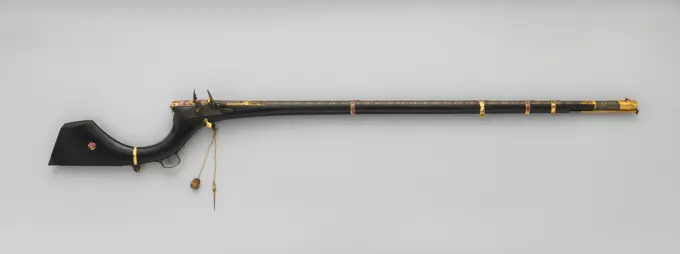
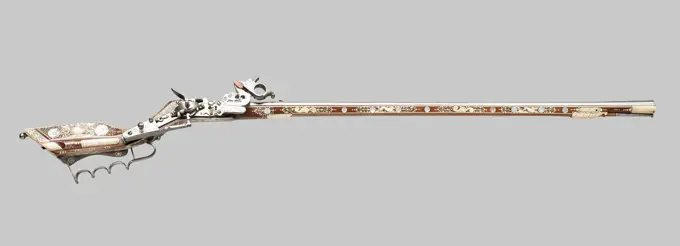
Images of ancient tools and weaponry, featuring intricate designs and craftsmanship that reflect historical significance and artistry.

Rapier with iron basket and button and wide pare bar, anonymous, c. 1550 - c. 1600 rapier Rapier with iron basket and button and wide pare bar. Wooden hilt, partly still with copper wire. Very rusted. Soil find Haarlemmermeer. Europe kling, korf: iron (metal). greep: wood (plant material). copper (metal)   Haarlemmermeer
Rapier with iron basket and button and wide pare bar, anonymous, c. 1550 - c. 1600 rapier Rapier with iron basket and button and wide pare bar. Wooden hilt, partly still with copper wire. Very rusted. Soil find Haarlemmermeer. Europe kling, korf: iron (metal). greep: wood (plant material). copper (metal) Haarlemmermeer
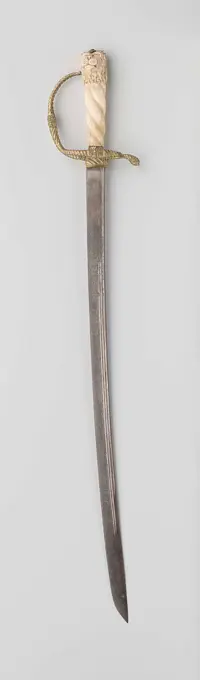
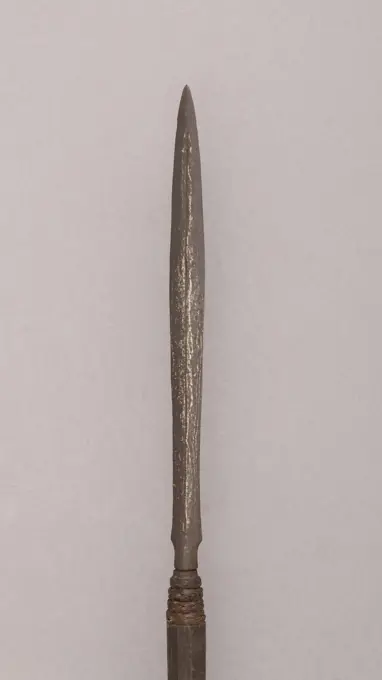
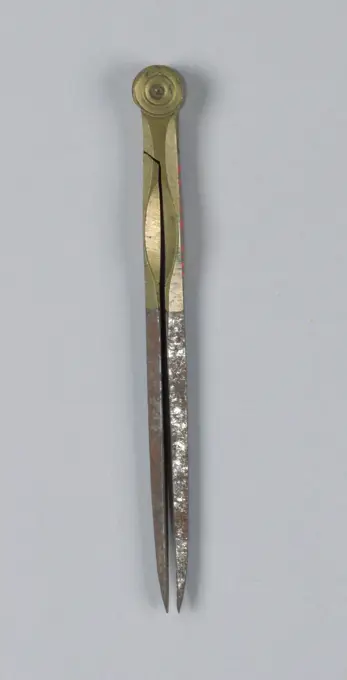
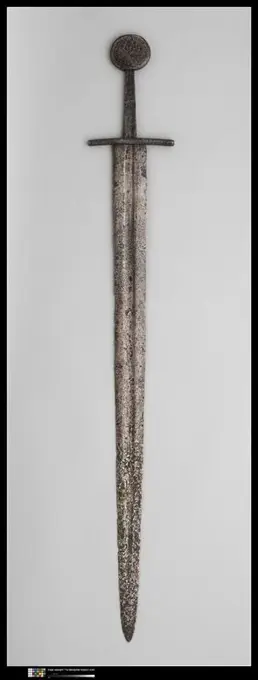
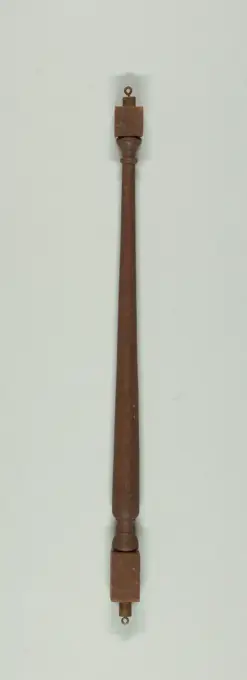
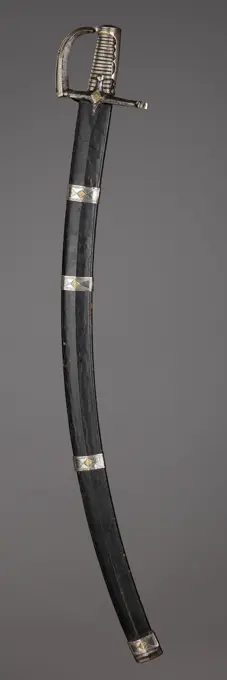
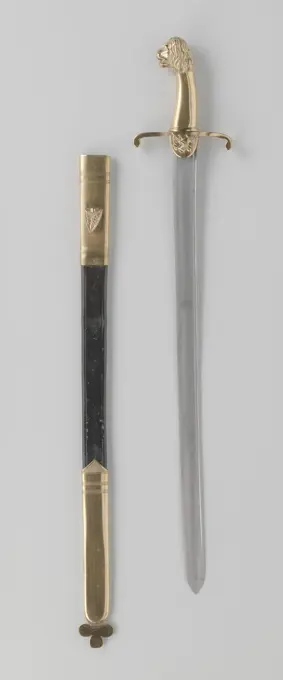
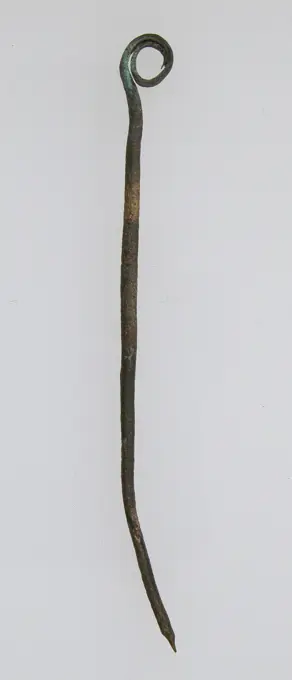
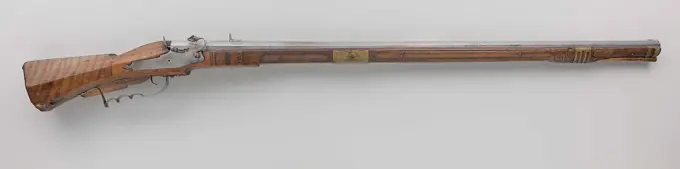
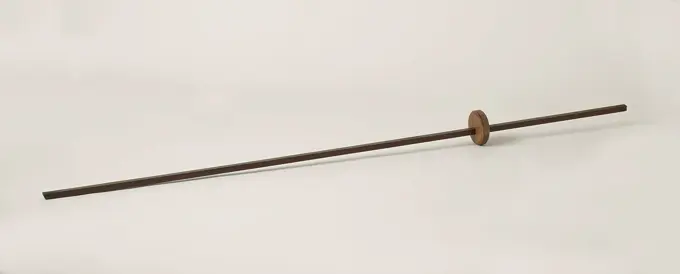
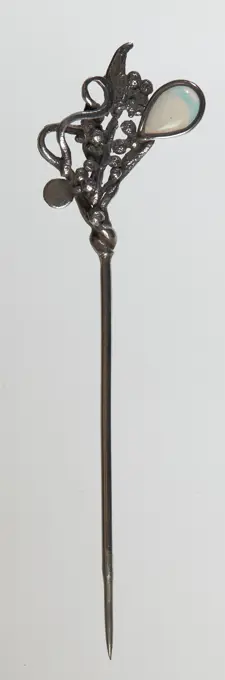
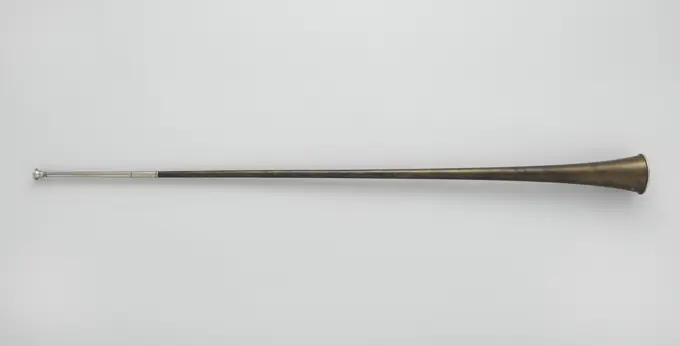
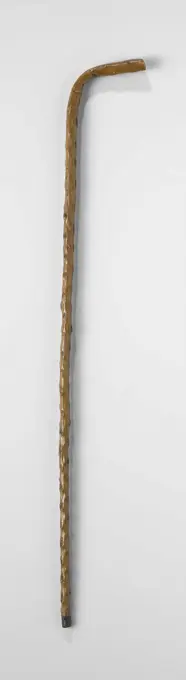
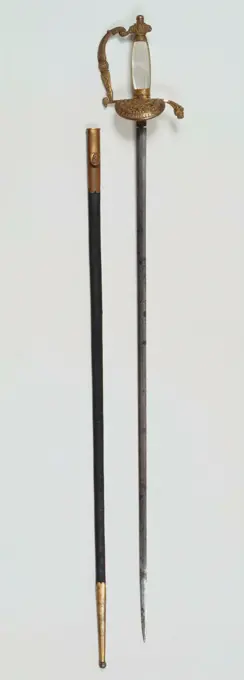
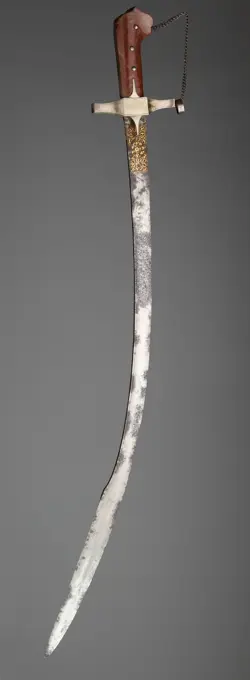
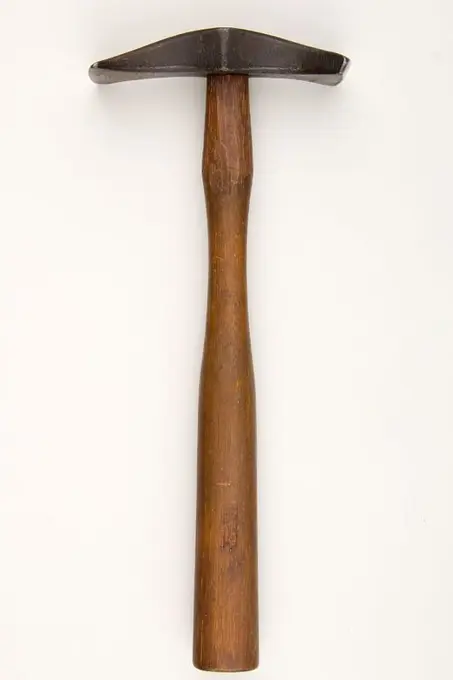
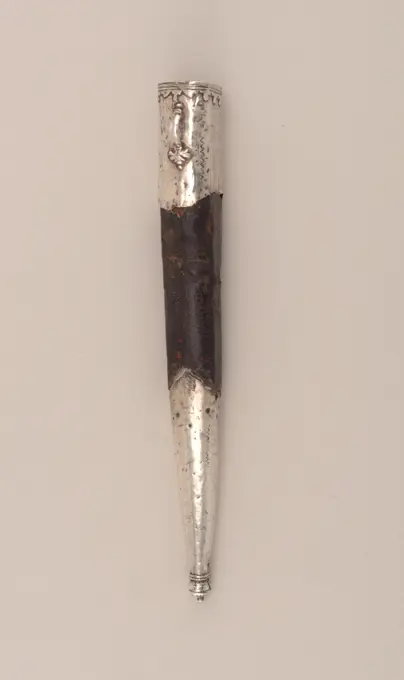
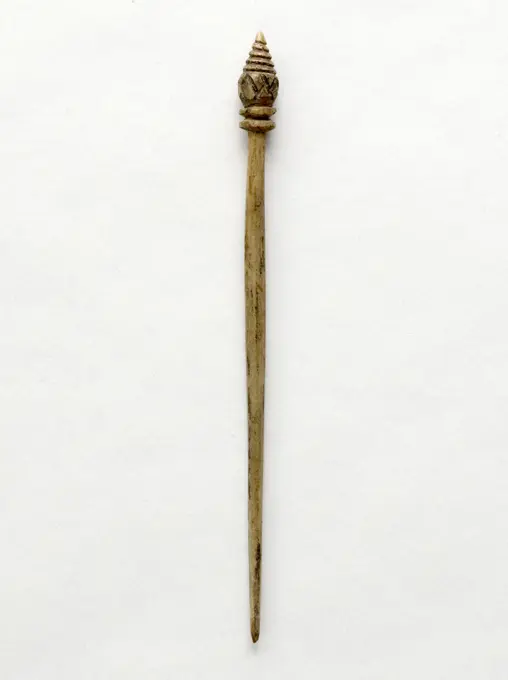
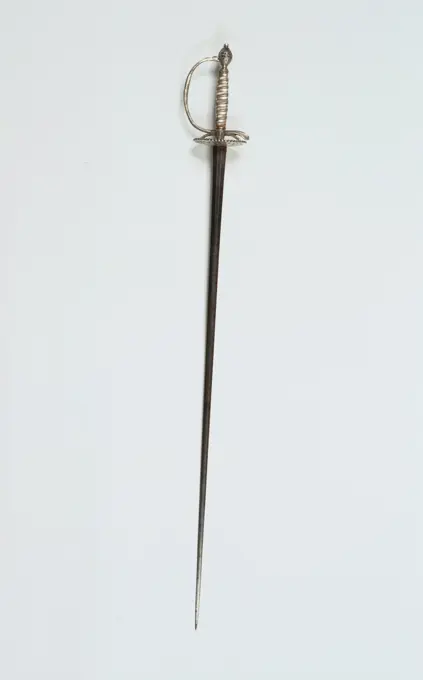
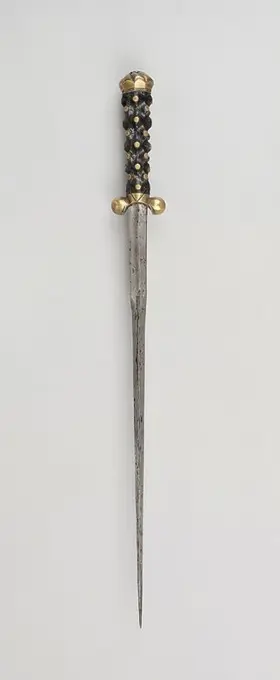
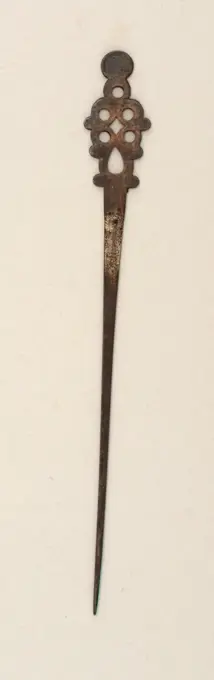
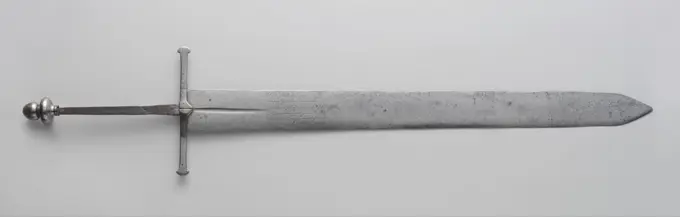
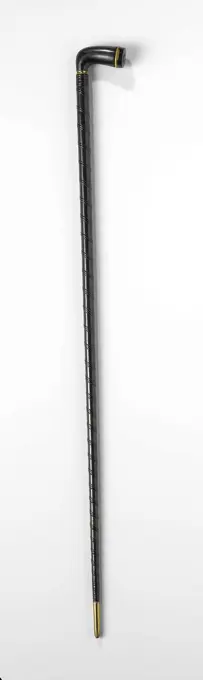
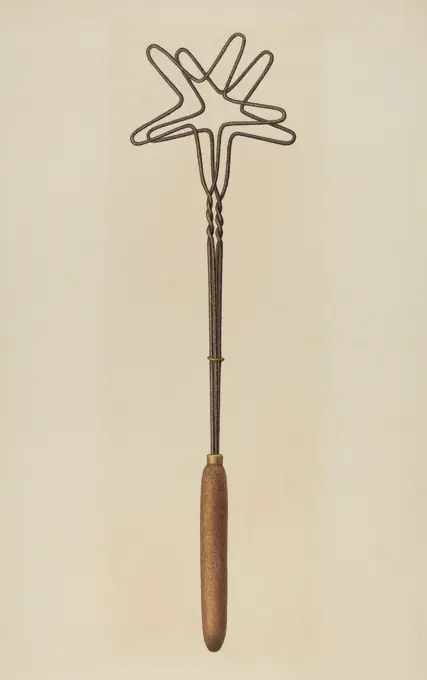
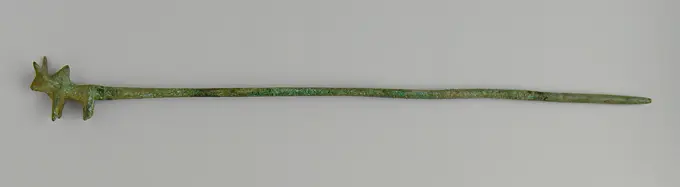
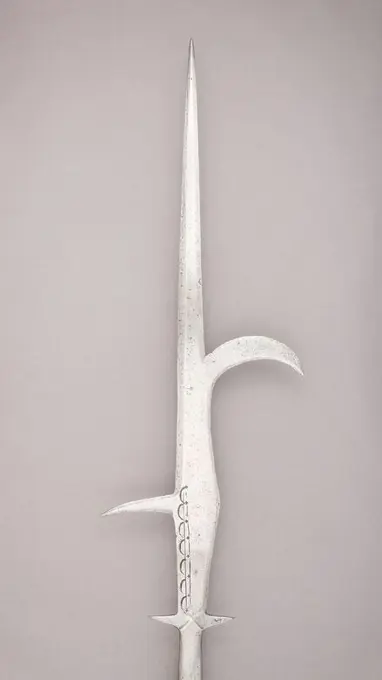
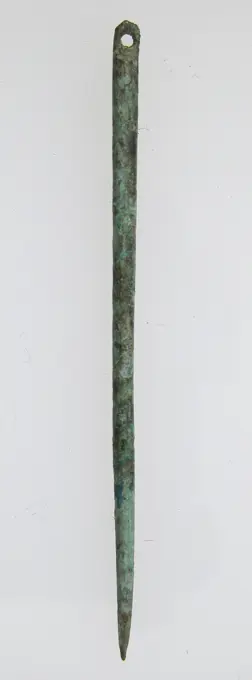
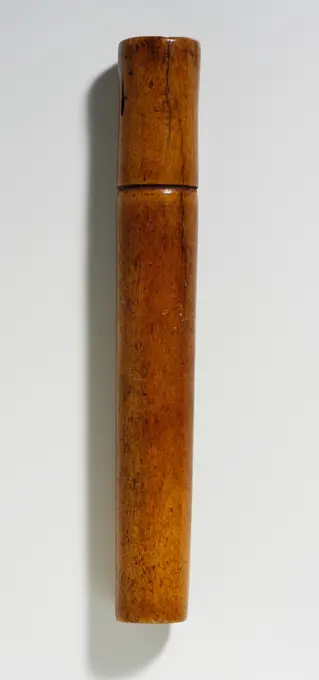
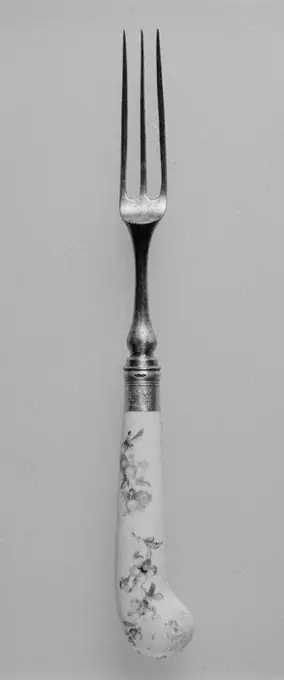
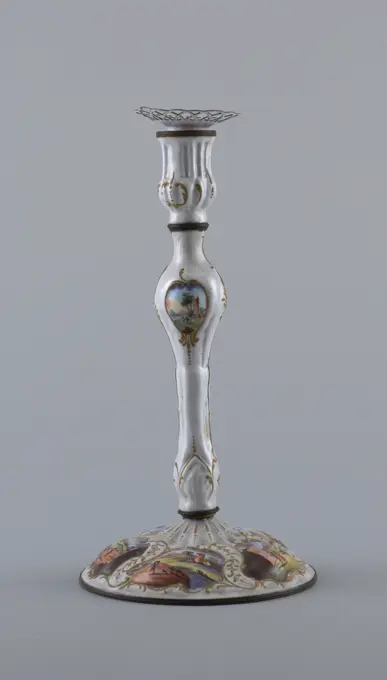
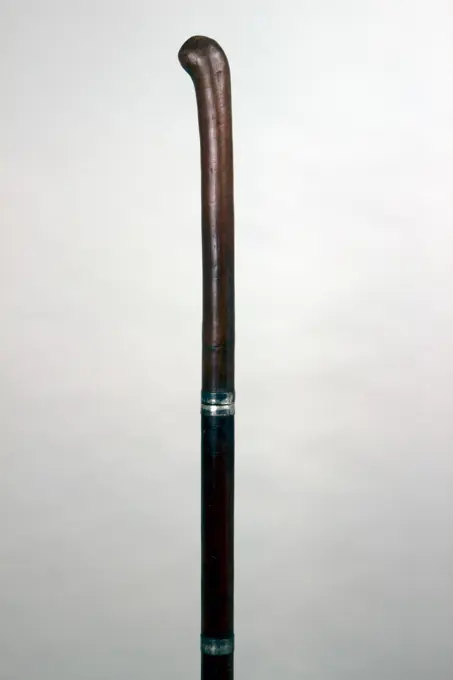
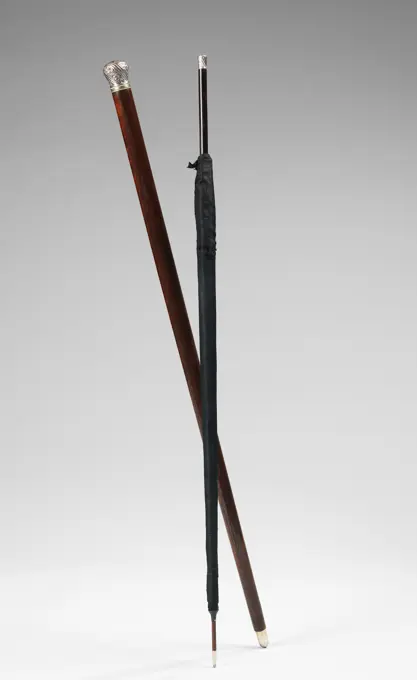
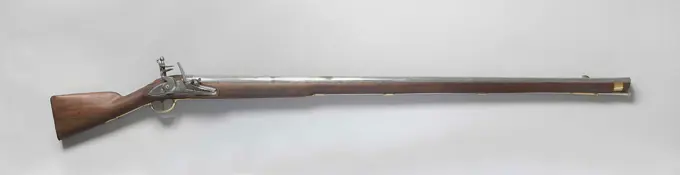
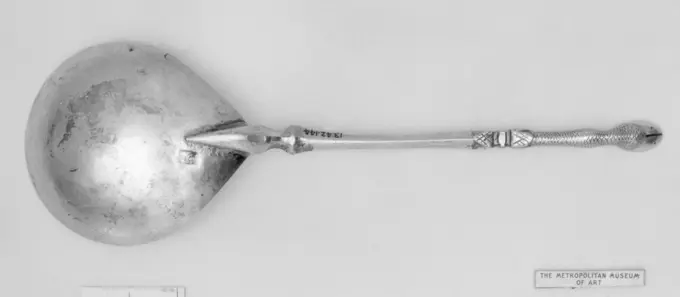
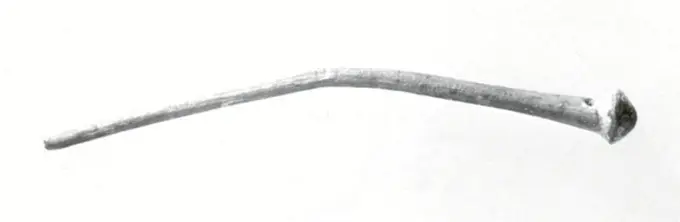
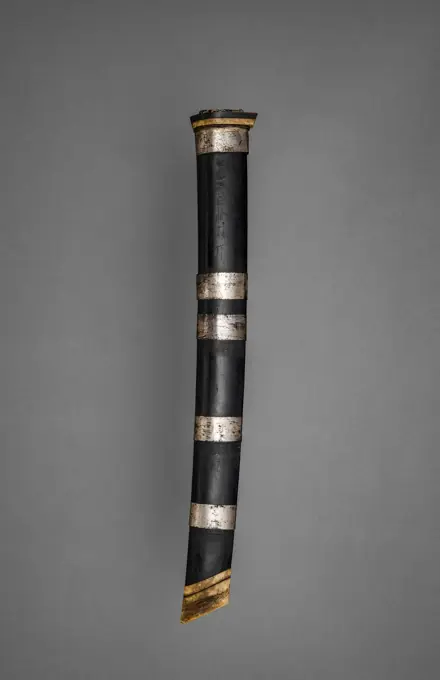
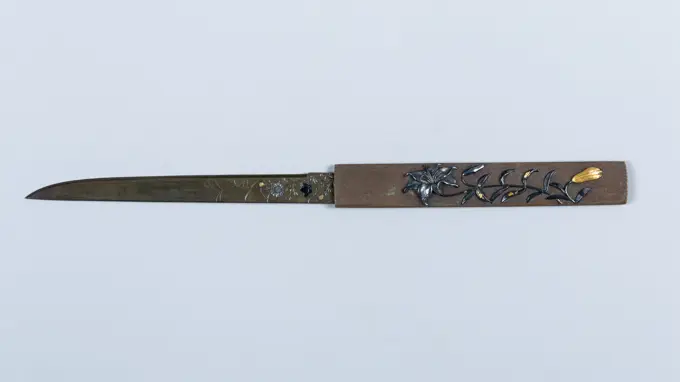
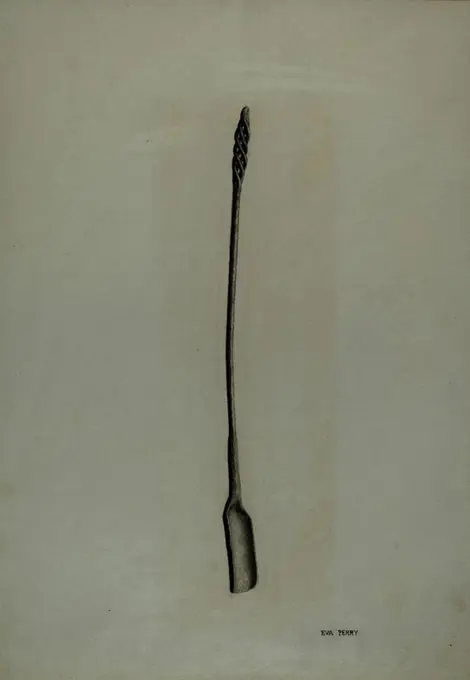
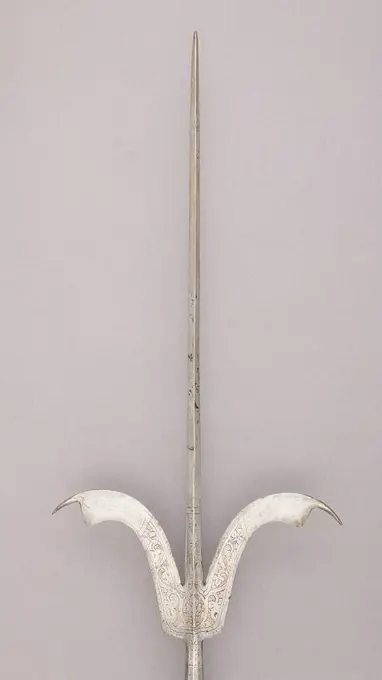
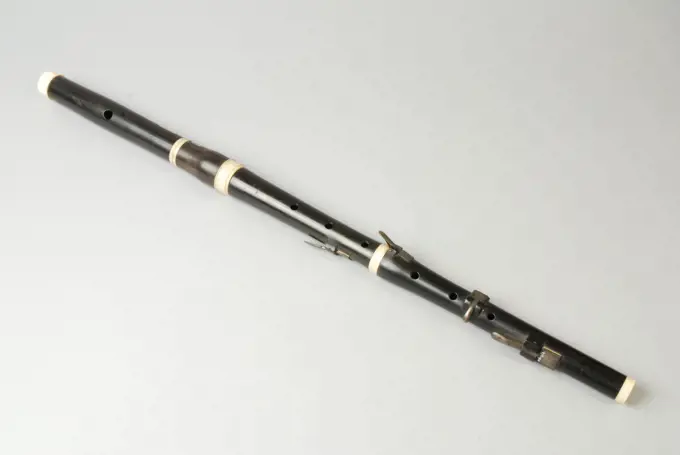
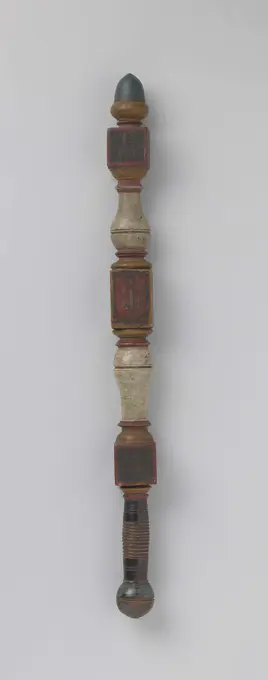
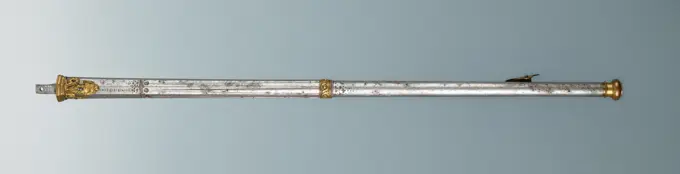
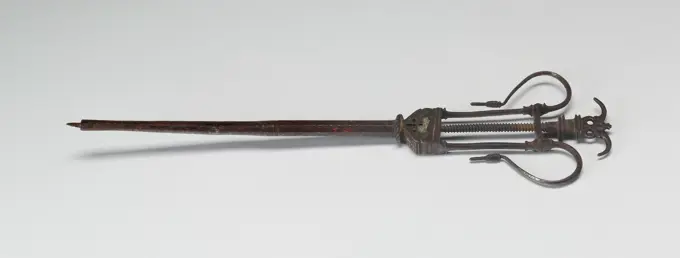
Schede van een hartsvanger.Leather sheath of a heart catcher with space for hunting deck on the sheath. Gold-plated top and bottom strap with animal and plant motifs decorated.Sabel.Sable with hilt from ivory. Button in the form of lion head and gold-plated pearl rod.Pin 10th century Irish. Pin 468285Spear 18th-19th century Malayan. Spear 30649Tool, Calipers or Similar Tool; steelSword. Culture: French. Dimensions: L. 36 1/8 in. (91.8 cm); L. of blade 29 3/4 in. (75.6 cm); W. 5 1/8 in. (13 cm); Wt. 1 lb. 14 oz. (850.5 g). Date: 13th century. Museum: Metropolitan Museum of Art, New York, USA.Baluster; wood, turnedPrzeszo Przyszoci unknownRapier with iron basket and button and wide pare bar, anonymous, c. 1550 - c. 1600 rapier Rapier with iron basket and button and wide pare bar. Wooden hilt, partly still with copper wire. Very rusted. Soil find Haarlemmermeer. Europe kling, korf: iron (metal). greep: wood (plant material). copper (metal)   HaarlemmermeerSierdegen with the weapon of Oranje Nassau., Jean Horst, c. 1699 - c. 1899 small-sword Sierdegen with silver hilt and bump plate, steel lemet, on which inscription engraved, representing the weapon of Oranje Nassau and the words: 'Jean Horst Mr. Gravity sweeper à venlo '. Marked by hilt: MVI. Venlo iron (metal)   VenloSabel with sheath for Tamboer major, c. 1820 - c. 1850 sabre Sabel with steel blade with trench, brass hilt with lion's head and shot covered with felt. Black leather sheath with brass batter and cloverleaf -shaped towing plate.  steel (alloy). brass (alloy). leather forging / welding / sewing / casting / engraving / sawing  Netherlands. BelgiumHairpin 1st-4th century Roman. Hairpin 465107 Roman, Hairpin, 1st4th century, Copper alloy, Overall: 3 3/8 x 1/4 x 1/8 in. (8.5 x 0.7 x 0.3 cm). The Metropolitan Museum of Art, New York. Gift of J. Pierpont Morgan, 1917 (17.191.59)Walbuks.Walbuks with octagonal drawn loop. The tray is made of wood and has been edited with incised curl motifs. At the end of the tray a copper drawer strap. Halfway through the loop a square copper drawer tape between which insert an iron pin buzz. The flat slot is made of iron to which the font holder and the pan that can be opened sideways are attached, the fan holder is fixed with a copper screw, on the other side of the lock there are two iron tightening screws. The flask is made of wood and has a copper kolf cap that is attached with an iron round pin. The trigger bracket is made of iron and is curved for the handle of the carrier's hand. The tractor is attached to Ajour batter with curled motifs. Under the drawer a wooden loading stick that has a different color than the Walbuks. On the course there is an iron vizier keep.Hellaard with short lancet -shaped point, sickle -shaped ax and short wide hook, anonymous, c. 1500 - c. 1600 Halberd Hellebaard with short lancet -shaped point, sickle -shaped ax and short wide hook.  iron (metal)Javelin shaft (see 36.3.207a). Dimensions: L. 74 cm (29 1/8 in). Dynasty: Dynasty 18. Reign: Joint reign of Hatshepsut and Thutmose III. Date: ca. 1479-1458 B.C.. Museum: Metropolitan Museum of Art, New York, USA.Bore Measuring Rod.Counter stick with a brass measuring flat on one side and a round wooden disc at one end. The end where the disc is rounded is rounded to follow the bottom of the room of the gun. The measuring flat is divided into 100 cm at the other end.Pile for clothingCoach Horn in C ca. 1825-89 European. Coach Horn in C. European. ca. 1825-89. Brass, nickel-silver. Aerophone-Lip Vibrated-hornArrow, Before 1922. Philippines. Bamboo shaft, wood tip; average: 104.1 cm (41 in.).From 1795 the young and fashionable Incroyables in Paris used a gnarled branch as a walking stick. They nicknamed it the arbre de la liberté: tree of liberty, in reference to the French Revolution (1789). The Netherlands was rechristened the Batavian Republic on 19 January 1795. A liberty tree was raised in Amsterdam on the Plein der Revolutie’, Dam Square. Whether the stick was dubbed the same in the Netherlands is unknown.Club ('U'u) Marquesan (Enata) people 19th century View more. Club ('U'u). Marquesan (Enata) people. 19th century. Wood. Marquesas Islands. Wood-ImplementsDegen van Official Kostuum of Mayor Hoytema, c. 1900 - c. 1977 civil servant's sword Degen with floramotives etched iron blade. The sheath is made of black leather with a steel mouth band. The bus has a round button at the end. The hilt is made of silver and consists of a side -warste pararer's bracket, a downward shot and a mother -of -pearl grip. On the shot in relief two lions on both sides of a shield. Netherlands (possibly) kling: iron (metal). gevest: silver (metal). greep: mother of pearl etching  ScherpenzeelDegen van Gala Costume of member honorary guard during the inauguration of Queen Juliana. Those in Black Sheath with Hilt or Brass and Mother-of-Pearl Without Carrying Strap, in Cover with Handle. Degen is not out of sheath. WORN BY ERREST HARTMANN, MEMBER HONORARY COUNCIL, During the Inauguration of Queen Juliana on September 6, 1948.Przeszo PrzyszociSnow beater -Hairpin China. Hairpin 60851Cornelis van Houten, Pewter spoon with fig-shaped bowl, stem with round cross section and knob-shaped end, small size, spoon cutlery soil find tin metal, molded Small spoon with almost round scoop blade shallow and thin straight stem ending in knob. Marked in the middle of the leaf at the bottom Crowned rose brand in which the letters: CVH archeologyEllemaat with handle, anonymous, 1800  Length of 1 tbsp with handle and metal dived. V.z.v. stamp. Netherlands Wood (plant material). Dook: Metal   NetherlandsArmorer's Hammer. Culture: German or French. Dimensions: H. 12 in. (30.5 cm); W. of head 5 in. (12.7 cm); Wt. 14.9 oz. (422.4 g). Date: 18th-19th century.This hammer is among the 644 pieces that make up the very specialized outillage (set of tools) brought from Paris to New York by the armorer Daniel Tachaux (1857-1928) in 1909, when he was hired to repair and maintain the Museum's arms and armor collection. Hammer heads and stakes of many different sizes, shapes, and weights are necessary to create the complex forms of different weapons and pieces of armor. Tachaux trained in Paris under the German armorer Ludwig Klein (about 1830-1882) and inherited his teacher's tools, which he combined with his own. The set, possibly the most complete of its kind in existence, was purchased by the Metropolitan Museum in 1912 at the request of the Arms and Armor Department's founding curator Bashford Dean. Museum: Metropolitan Museum of Art, New York, USA.Object ID #18803643; silver, leather, brass; L x W: 18.1 x 2.5 cm (7 1/8 x 1 in.); The Robert L. Metzenberg Collection, gift of Eleanor L. Metzenberg; 1985-103-101-aSheath of Algerian Sable of Cornelis Tromp ..Baluster; wood, turnedBow, anonymous, c. 1700 - c. 1800 Cannaarded bow rowing with five sticks (BK-NM-11430-34-A to BK-NM-11430-34-F).  wood (plant material) Cannaarded bow rowing with five sticks (BK-NM-11430-34-A to BK-NM-11430-34-F).  wood (plant material)Pine cone -headed headdress. Gallo-Roman time. Bone. Paris, Carnavalet museum. Accessory linked to set and hairstyle, hairpin with bulbiform heads (bulb -shaped) with a engraved decor, in bone. The head is placed on two discs. The engraved decor combines two different patterns The paunch of the bulb is decorated with oblique streaks drawing x or inverted V points while the summit has a continuous twist. Epingle, Gallo-Roman, Gallo-Roman time, bone, pine apple head, archeological vestigeDegen, Anonymous, c. 1770 sword Degen with silver-plated copper () Hilt with A-Jour button. Wooden with silver () Wrong handle. Oramamentated front bracket, donkey, rikasso, half parent bar and a-journey shot with pearl edge. Iron blade with etched ornamentation on both sides. On the heel of one side: Recte Faciendo Meninem Times. Amsterdam (possibly) kling: iron (metal). gevest: silver (metal). greep: wood (plant material) engraving  AmsterdamStaff, 46 3/4 x 2 1/4 x 1 3/4 in. (118.7 x 5.7 x 4.4 cm), Wood, NigeriaEllemaat from Utrecht, Anonymous, c. 1800  Length of 1 tbsp with handle from Utrecht. V.z.v. Stamp and label. Utrecht wood (plant material)   UtrechtBreech-Loading Gun, Robert System, Joseph Alexandre Robert, 1832 - 1835 rifle Rear loading rail with internal percussion slot and bayonet with sheath. Smooth run. The room is opened by folding an arm on the flask forward, which at the same time stretches the rooster. The rooster is brought down and hits up against a small inflammatory tube of the paper pattern. Paris iron (metal). brass (alloy). wood (plant material). leatherBallock Dagger. North European, possibly French, Bourgogne. Date: 1500-1533. Dimensions: L. 47.3 cm (18 5/8 in.)Blade L. 36 cm (14 1/8 in.)Wt. 10 oz. Wood and brass. Origin: Bourgogne. Museum: The Chicago Art Institute, Chicago, USA.Hair Pin; goldPrzeszo Przyszoci unknownSable for officer of the carabinners respectively Kurassiers with hilt 'à Garde de Bataille' Royal Dutch Army (after 1825). Sable with copper basket, Front bracket with four egbuids side brackets. Korf with a jour shell. Half pearl rod. Engraved handle cap. Black leather, with copper wire wrapped, which knotted dragon from silver wire. Iron straight etched blade on a side heel marked: fungalbusch & son, on another side heel: A Solingen. With silver tarragon.War Hammer Made 1480-1520 Germany. Steel, iron, brass, and beechwood .Ceremonial Paddle, 1800s. Polynesia, Ra'ivavae, Austral Islands, 19th century. Wood; overall: 21.6 cm (8 1/2 in.). Fine, chip-carved patterns cover the blades and shafts of Austral Islands ceremonial paddles. Squatting human figures carved around the butt are called tiki tiki tangata, meaning man-gods. The shafts of early paddles are usually round in cross-section; 19th-century examples are sometimes square.Knife, Agate, silver, steel, Eight-panelled agate haft with scalloped, engraved ferrule below a flaring, square-ended steel blade., London, England, late 17th century, cutlery, Decorative Arts, KnifeExecutioners sword used to behead Oldenbarnevelt, anonymous, 1600 - 1625 executioner's sword An iron battle sword with a blade of 7.5 cm wide at the parent bar, narrowing to 6 cm at the end and then ends up in a blunt point. Behind the handle a double button. Inscription: Spledible debtless half / disastrous Oldebarneveldt / This Graakes through your neck the state / a deep wound in its advice / then on the Moortschasrot / your dear life in The Hague. Marked. Netherlands iron (metal) forging / engraving  The HagueRun from a percussion weather, anonymous, c. 1800 - c. 1825  Rifle, belonging to a front loading gun with percussion slot, sparingly inlaid with copper and damped. Europe whole: Iron (metal). Copper (Metal)Walking stick covered with black balein. The button in the shape of a pipe is from horn.Walking stick by Nicolaas Montauban van Swijndregt, walking stick wood ivory metal brass iron, walking stick with wooden cylindrical handle ivory round button and metal point walking physical tool clothing accessory animal materialNicholas Amantea, Toaster, c 1940 ToasterTextile manufacturing tool ca. 1295-1070 B.C. New Kingdom, Ramesside. Textile manufacturing tool. ca. 1295-1070 B.C.. Bronze. New Kingdom, Ramesside. From Egypt, Memphite Region, Lisht North, Late New Kingdom Settlement, MMA excavations, 1920-22. Dynasty 19-20Musket.Musket with lont lock: flat, narrow and rectangular lock plate, secured with two lock screws. Loop is octagonal, with visor (tube) and open-worked grain. On the drawer leaf trick decoration of inlaid brass wire and pieces of mother-of-pearl. Two dense brass drawer tires. On the flask leaf stain decoration of inlaid brass wire and pieces of mother-of-pearl, the largest with engraved twigs. Flask. Marked on lock plate. Trekker bracket renewed.Walking stick of a gnarled branch, with curve hook.walking stick of a gnarled branch, with curve hook. Metal Plate - Without Inscription - Coded.Range of shooters wz. 1807 with a bayonetFlintlock Wall Piece.Flint fortress rifle (Walbuks) with battery lock; Profile tire with room; elongated half oval iron vizier grain; No visor keep; marked on loop; flat lock plate and rooster with beveled sides; bottom lock plate concave; nutshell French flask; brass band to tray; four brass loading stick carriers whose front trumpets; wide round trigger bracket; brass flask; Iron loading stick with thicker front part; Brass counterclock plate accolade shaped. In 1830 in usePin. Northwestern Iran, Luristan bronzes, circa 1350-800 B.C.. Jewelry and Adornments; pins. Bronze, castKrzyż do błogosławienia. unknown, authorOpenwork PinRoncone. Culture: Italian. Dimensions: L. 97 1/2 in. (247.7 cm); L. of head 35 in. (88.9 cm); W. 11 3/8 in. (28.9 cm); Wt. 4 lbs. 13 oz. (2182.9 g). Date: ca. 1500. Museum: Metropolitan Museum of Art, New York, USA.Spatula. Spatula 250608 Spatula, Bronze, Other: 6 13/16 in. (17.3 cm). The Metropolitan Museum of Art, New York. Rogers Fund, 1917 (17.230.75)Plain Needle 200-500 Roman. Plain Needle 464916 Roman, Plain Needle, 200500, Copper alloy, Overall: 2 11/16 x 1/16 in. (6.8 x 0.2 cm). The Metropolitan Museum of Art, New York. Gift of J. Pierpont Morgan, 1917 (17.191.215)Robert Jygges, Apostle Spoon: Saint John, 1628/29, silver.Alto Recorder, Abraham van Aardenberg, c. 1700 Altoblok flute, marked v. Aardenberg. Amsterdam maple (wood). brass (alloy) painting Altoblok flute, marked v. Aardenberg. Amsterdam maple (wood). brass (alloy) paintingTubular Object. Egypt, New Kingdom (circa 1569 - 1081 BCE). Tools and Equipment. IvorySpoon probe Cypriot. Spoon probe 244394Piece of flatware (from a group of 64 sets) possibly Italian 19th century View more. Piece of flatware (from a group of 64 sets). possibly Italian. 19th century. Porcelain. Ceramics-PorcelainFork (possibly Germany); ivory, steel, gold (); L x W: 18.9 x 2 cm (7 7/16 x 13/16 in.); The Robert L. Metzenberg Collection, gift of Eleanor L. Metzenberg; 1985-103-152Candlestick; enamelSword Cane with Two Blades and Sheath 19th century Burmese. Sword Cane with Two Blades and Sheath. Burmese. 19th century. Wood, silver. SwordsCornetto. Altzink (also called Cornetto) from Palmhout covered with leather. The instrument has six feet of the front and one inch hole at the rear. Decorated all around with brildings. A piece has been broken down by the top as a result of woodworm stool.Officer defects with sheath of general model, 1820-1855. Following, fire gathering and ornamented. The hilt consists of a button, front bracket, half pearl rod and two bug leaves, one foldable. The wooden handle is partly lined with sheet iron. With iron blued, fired, etched blade with trench. Iron sheath with fire-gulbed copper top and medium strap with support rings and ditto button. From Blankenheim, Captain (Snouckaert).Cane 1880-89 American or European Canes were an elegant accessory in the 19th century, when the afternoon promenade gave members of the fashionable set occasion to display their finery and genteel manners. This novelty cane contains a miraculously slender umbrella, thus tripling its functionality for looking chic, walking steadily, and protecting the user from an inclement turn in the weather. Constructing an umbrella this slim required refined mechanical technology, an advancement on which umbrella manufacturers prided themselves in the late 19th century. While similar devices are still manufactured today, the beautifully slim and tapered line of the earlier pieces is no longer seen.. Cane 155984Flintlock Wall Piece.Forting rifle or flint of WHALBus, front loader. The loop is not held with brackets to the tray, but has a small eye down, where pens are inserted, which also go through the tray. The rifle has an iron loading stick.Hoof-top spoon probably mid-17th century Dutch. Hoof-top spoon. Dutch. probably mid-17th century. Silver. Metalwork-SilverFork 1700-1730 Girolamo Maltraversi. Fork 192227Pin ca. 3rd-7th century A.D. Sasanian. Pin. Sasanian. ca. 3rd-7th century A.D.. Bronze. Sasanian. Iran, Qasr-i Abu NasrScabbard, Before 1916. Indonesia, Sulawesi (Celebes). overall: 50.8 cm (20 in.); blade: 38.8 cm (15 1/4 in.).Fork;  19th century (1800-00-00-1810-00-00);Runka ca. 1500 Italian. Runka 25925Tromba Marina 18th century () German or Swiss. Tromba Marina. German or Swiss. 18th century (). Wood. Germany or Switzerland. Chordophone-Lute-bowed-unfrettedKnife Handle (Kozuka) 19th century Inscribed by Ju Masayoshi Japanese This kozuka features a design of a lily.. Knife Handle (Kozuka). Japanese. 19th century. Copper-gold alloy (shakud), copper-silver alloy (shibuichi), gold. Sword Furniture-KozukaPrzeszo Przyszoci unknownPin ca. 3rd-7th century A.D. Sasanian. Pin. Sasanian. ca. 3rd-7th century A.D.. Bronze. Sasanian. Iran, Qasr-i Abu NasrFire Shovel. Dated: c. 1941. Dimensions: overall: 35 x 24.2 cm (13 3/4 x 9 1/2 in.). Medium: watercolor and graphite on paper. Museum: National Gallery of Art, Washington DC. Author: Eva Perry.Cornetto in D or C early 17th century () Probably French. Cornetto in D or C. Probably French. early 17th century (). Wood, leather. France. Aerophone-Lip Vibrated-trumpet / tromboneSabels with sheath for Tamboer major, anonymous, c. 1820 - c. 1850 sabre Saber with straight steel blade. Both sides with Geul. Copper hilt, grabbed a button in the shape of a lion's head. Pare rod with curls bent down. Two bumps, the outer of which is equipped with a weapon trophy. Black leather sheath with partly profiled top tire. Carrying button in the form of Acanthus leaf. Profiled and engraved lower tire with clover -shaped towing plate, in which gap.  iron (metal). steel (alloy). copper (metal). leather forging / welding / sewing / casting / engraving / sawing  Netherlands. BelgiumKorseke. Culture: Italian. Dimensions: L. 8 ft. 8 7/8 in. (266.4 cm); L. of head 28 7/8 in. (73.3 cm); W. 12 3/16 in. (31 cm); Wt. 4 lb. 14 oz. (2200 g). Date: ca. 1550. Museum: Metropolitan Museum of Art, New York, USA.J. Mandt, Ebony flute in four parts, flute flute aerobic musical instrument acoustic wood ebony silver copper metal ivory, rotated drilled Wooden flute in four parts with ivory spacers The pedestal, has six tonalities, three of which are provided with silver flap: the flap at the bottom of the other two probably for half-tone distances The middle part, has four tone holes: three for the fingers plus tonal hole with flap Between the center piece and the mouth piece an extra piece is fitted without tone holes connecting the nozzle piece. The flute is marked on mouthpiece (C) and middle piece, Marked on mouthpiece: JMANDT ROTTERDAM and mark (crown) On centerpiece JMANDT and mark flutes orchestra art leisure relaxation concert musicCeremoniële staf.Wooden ceremonial staff; round of shape with different thicknesses, interrupted by three square blocks, above and below round button; handle part with cut circles; completely painted with different colors except handle; On top block: 1686-MBD-Anno-IDN; On second block in each area a coat of arms, two with tree, two with sword four stars and cross (probably the city pavement of Haarlem), lower block with two planes: IFI-DII (), On two other surfaces each a roset.Gun barrel with a circular lock Bähr, H. (Ca 1585 1627)Fork (Netherlands); Designed by Carel J. Begeer; Produced by Begeer (Netherlands); silver; cm: L: 18.2 x W: 1.5Surgeon's Probe 1600-1699 Europe. Steel and brass .Flintlock Gun second quarter of the 19th century Indian, Sindh (now Pakistan); lock, British Guns of this type, with sharply curved flaring butts and mounts in enameled gold of Iranian manufacture, are typical of Sind, now a province of southern Pakistan. The British lock is inscribed "H. M.," possibly referring to the well-known London gunmaker Harvey Walklate Mortimer (1753-1817). It may be a remnant of the firearms given to the mirs, rulers of Sind, by the British government. The barrel, possibly made locally, is of boldly patterned Damascus steel. The gilt muzzle is in the shape of a dragon's head, the eyes set with rubies and emeralds.. Flintlock Gun 24483Blade for a Sword (Katana). Culture: Japanese. Dimensions: L. 41 in. (104.2 cm); L. of cutting edge 31 7/8 in. (80.8 cm); D. of curvature 9/16 in. (1.4 cm). Swordsmith: Blade inscribed by Iyonojo Munetsugu (Japanese, active 17th century). Date: early-mid-17th century.This long, wide blade emulates long swords made in the fourteenth century. Museum: Metropolitan Museum of Art, New York, USA.Oboe, Coenraad Rijkel, c. 1690 - c. 1700 Hobe of palmhout with leg mounted and with three valves made of silver. The third and fourth gap are double. Two voice holes in the cup. A metal ring on the top. Marked on the upper parts: two fleur de lis /c. Rijkel in Banderol / Fleur de Lis. Marked on the middle part: C.Rijkel in Banderol / Fleur de Lis. Amsterdam boxwood. bone (material). kleppen: silver (metal) Hobe of palmhout with leg mounted and with three valves made of silver. The third and fourth gap are double. Two voice holes in the cup. A metal ring on the top. Marked on the upper parts: two fleur de lis /c. Rijkel in Banderol / Fleur de Lis. Marked on the middle part: C.Rijkel in Banderol / Fleur de Lis. Amsterdam boxwood. bone (material). kleppen: silver (metal)Spearhead 2nd-1st millennium B.C. Iran. Spearhead. Iran. 2nd-1st millennium B.C.. Bronze. Iron Age. IranEllemaat met handvat.Length of 1 tbsp with handle. V.Z.V. 3 stamps near handle and damaged label (illegible).Officer walks of office with sheath M 1912.Offici walking table M 1912. Chromed ornamental degree, black with gold-plated lifts. In the native inscription: 'iron houwer'. A more cushion is part of the degen.Wheellock Birding Rifle (Tschinke) Made 1640-1660 Teschen. Steel, fruitwood, staghorn, bovine horn, and mother-of-pearl .Halberd ca. 1550 Italian. Halberd. Italian. ca. 1550. Steel, wood (cherry), brass. Shafted Weapons