Historic Tools and Artifacts

Images of ancient tools and weaponry, featuring intricate designs and craftsmanship that reflect historical significance and artistry.

Rapier with iron basket and button and wide pare bar, anonymous, c. 1550 - c. 1600 rapier Rapier with iron basket and button and wide pare bar. Wooden hilt, partly still with copper wire. Very rusted. Soil find Haarlemmermeer. Europe kling, korf: iron (metal). greep: wood (plant material). copper (metal)   Haarlemmermeer
Rapier with iron basket and button and wide pare bar, anonymous, c. 1550 - c. 1600 rapier Rapier with iron basket and button and wide pare bar. Wooden hilt, partly still with copper wire. Very rusted. Soil find Haarlemmermeer. Europe kling, korf: iron (metal). greep: wood (plant material). copper (metal) Haarlemmermeer
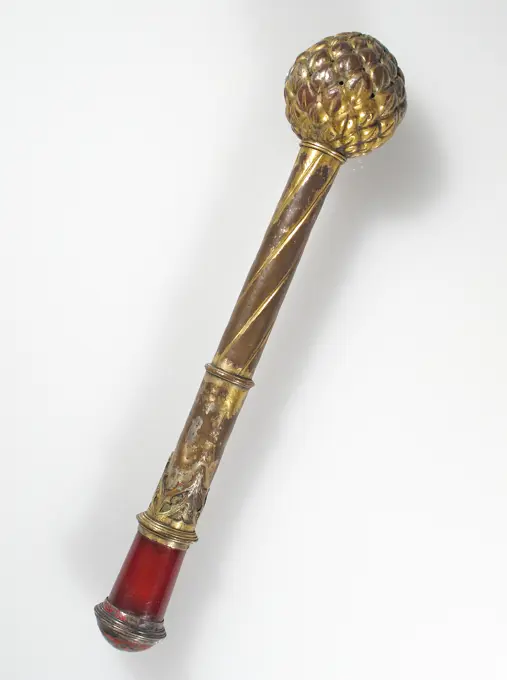
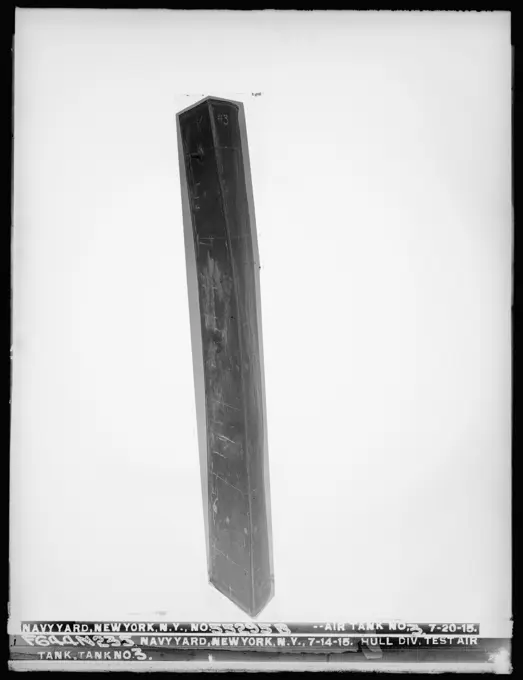
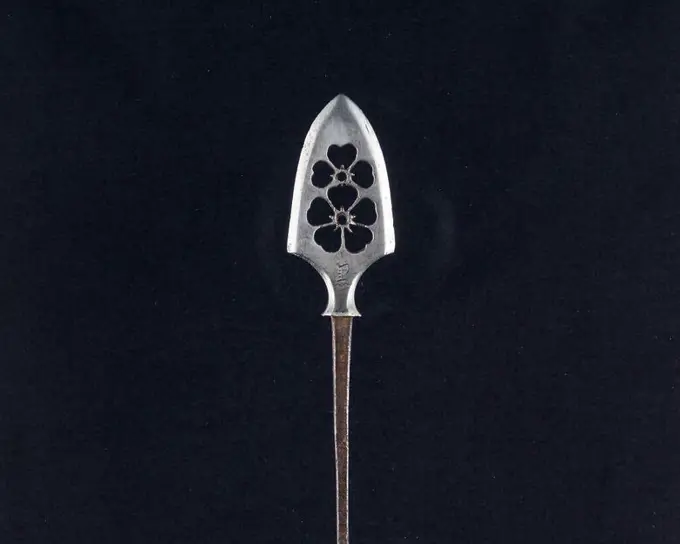
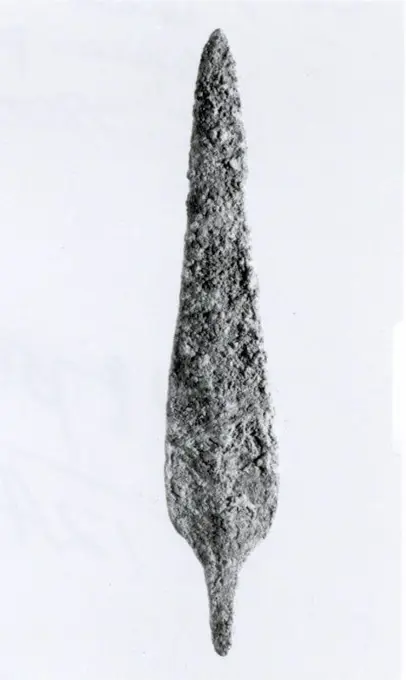
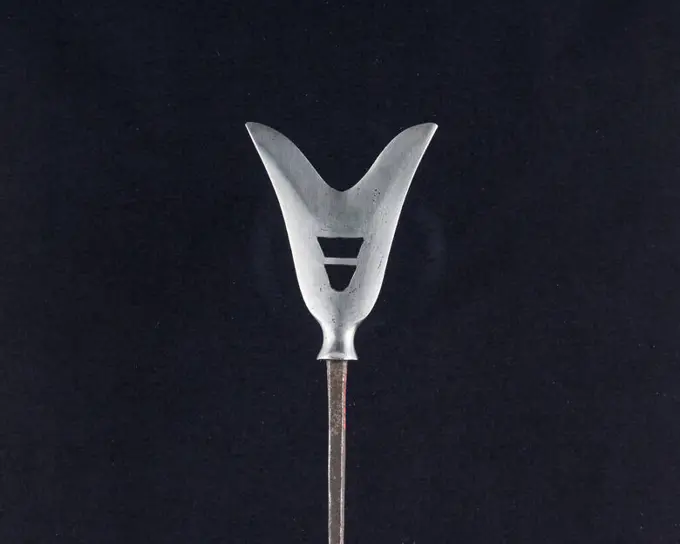
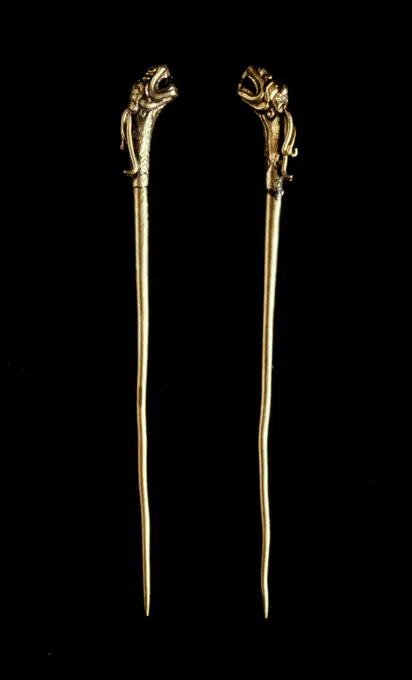
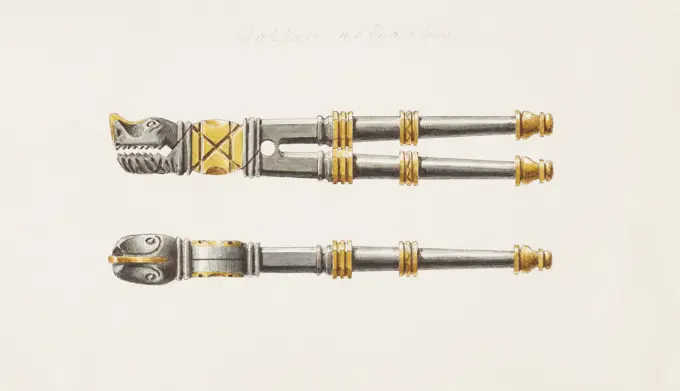
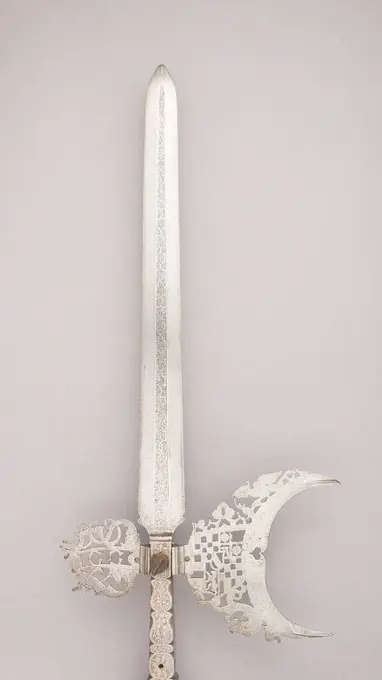
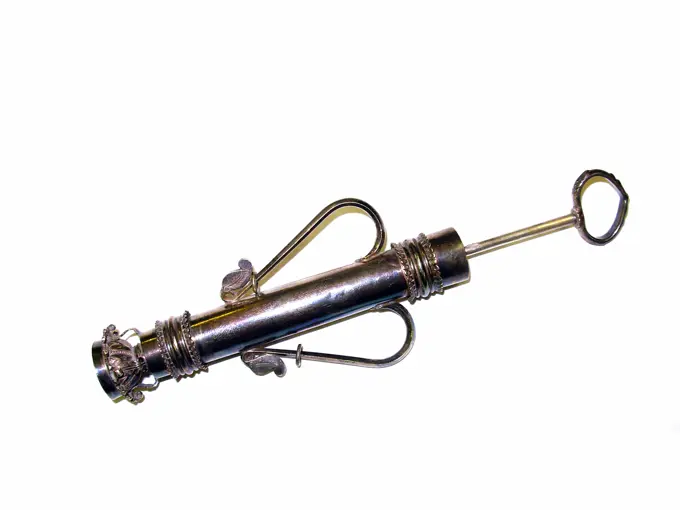
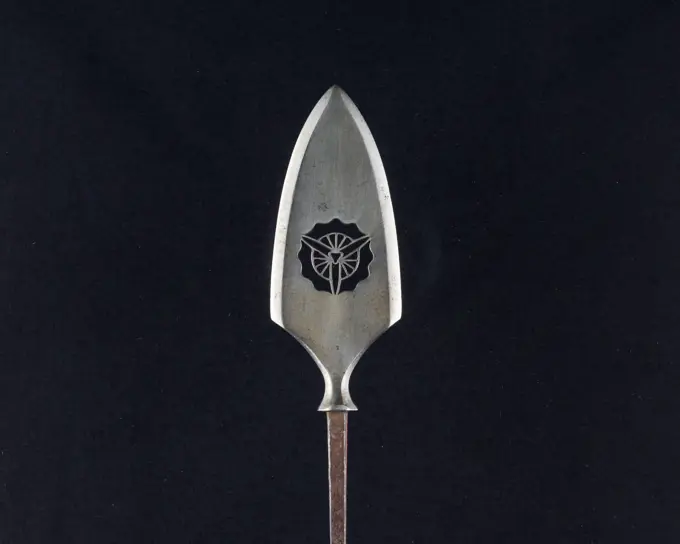
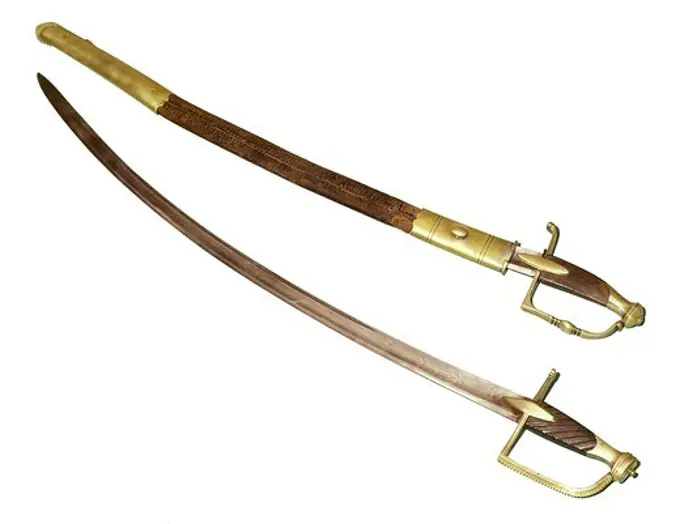
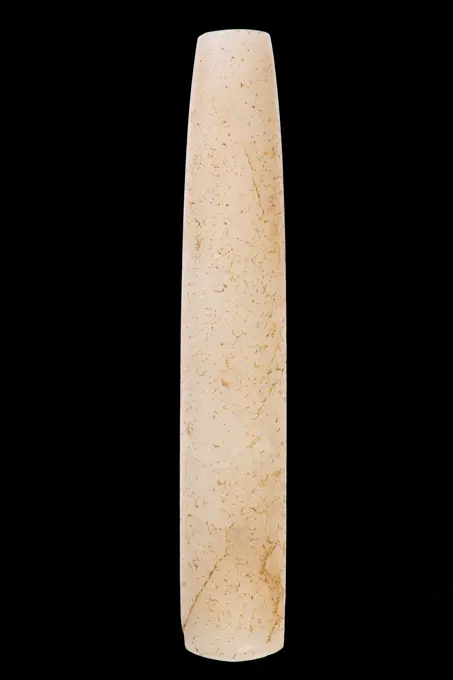
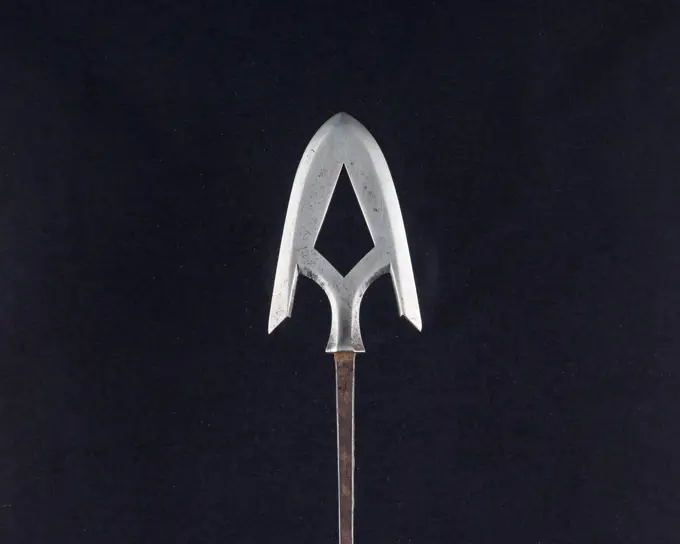
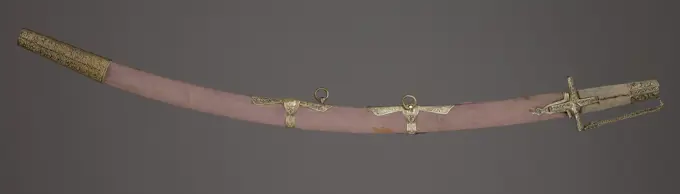
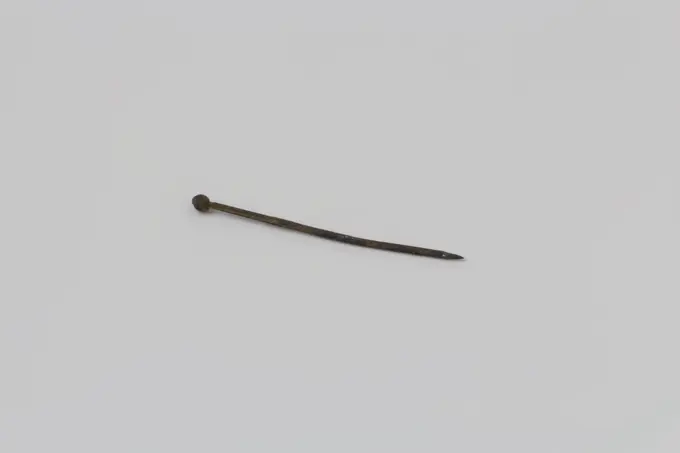
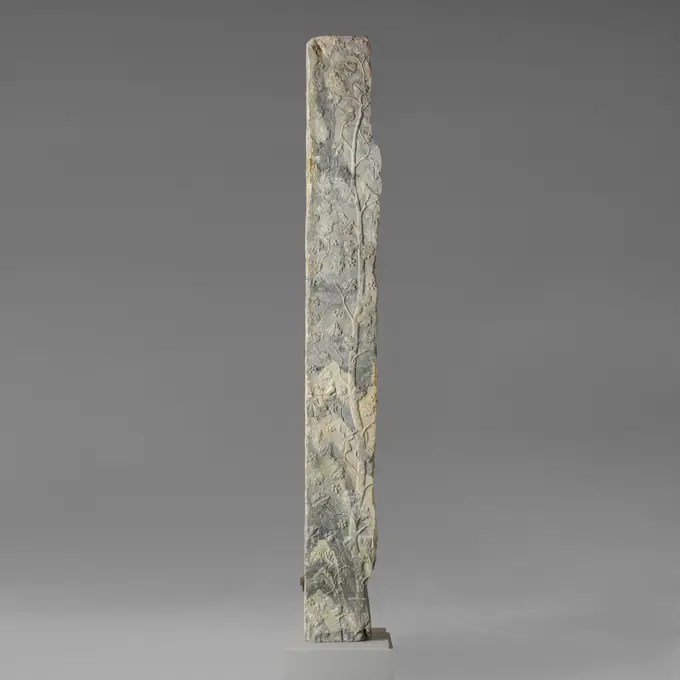
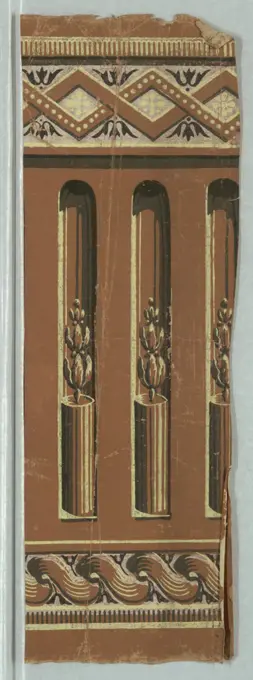
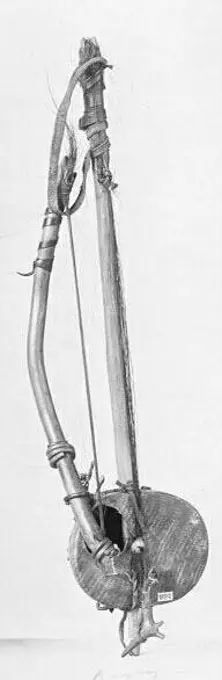
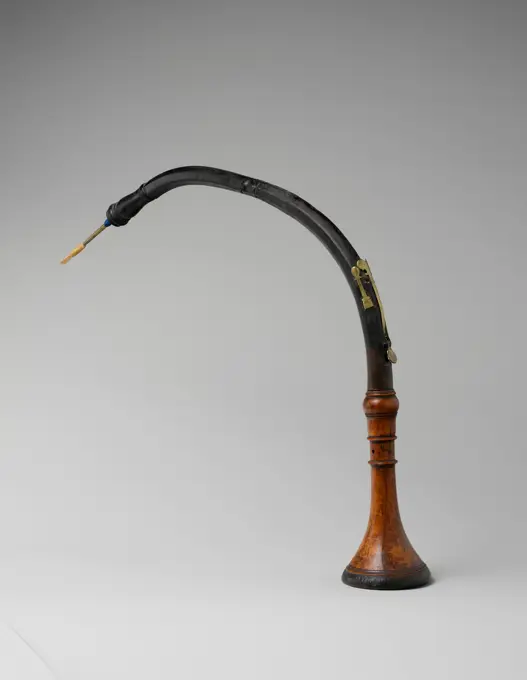
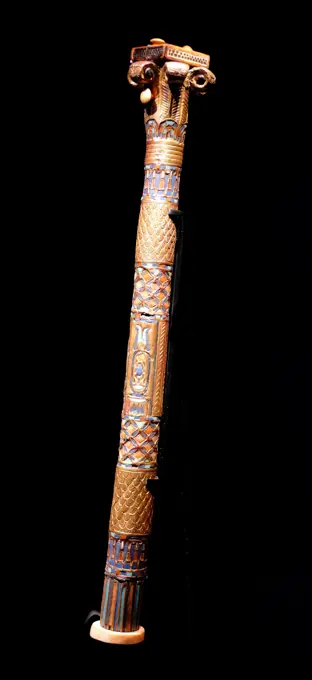
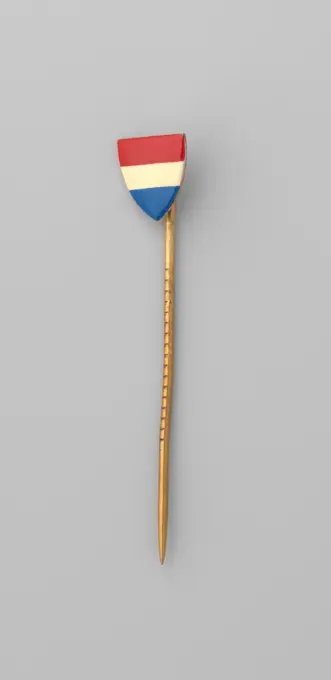
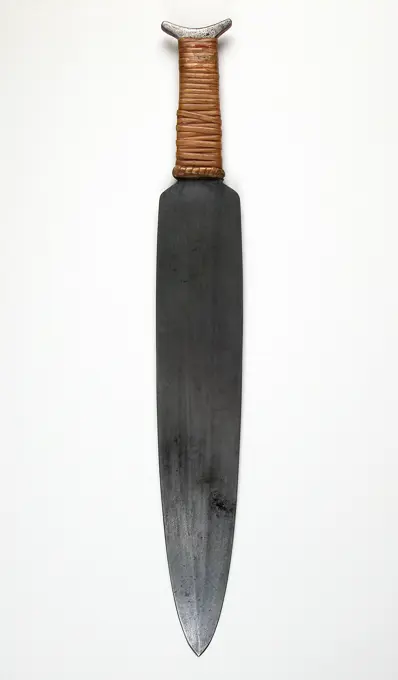
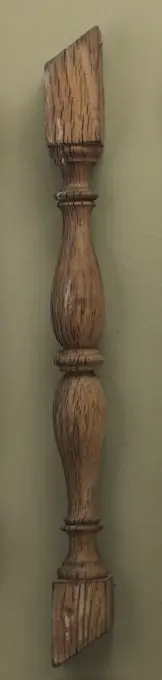
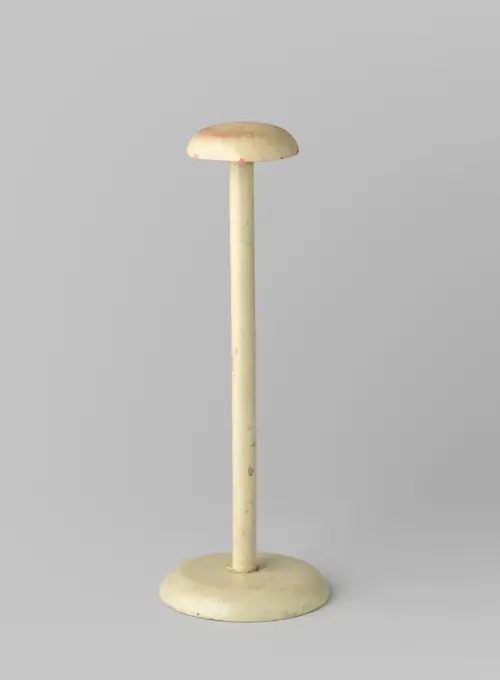
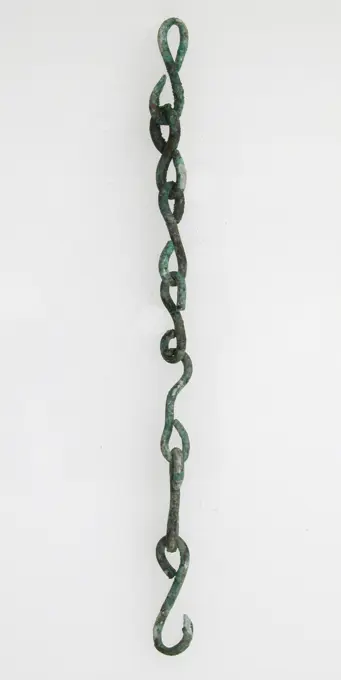
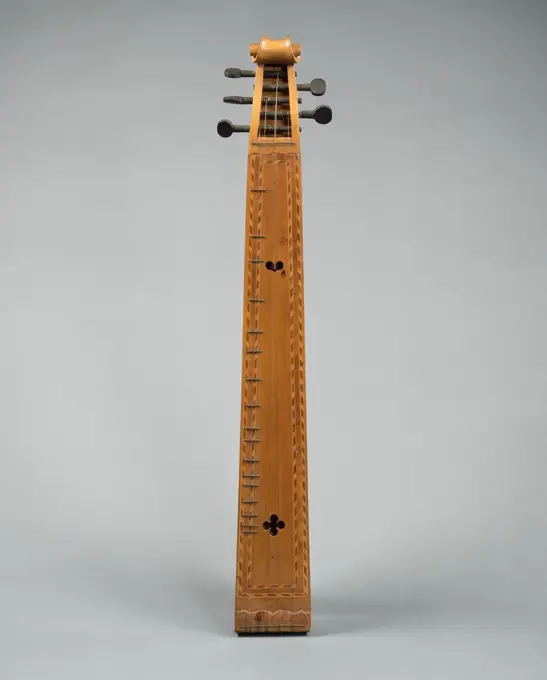
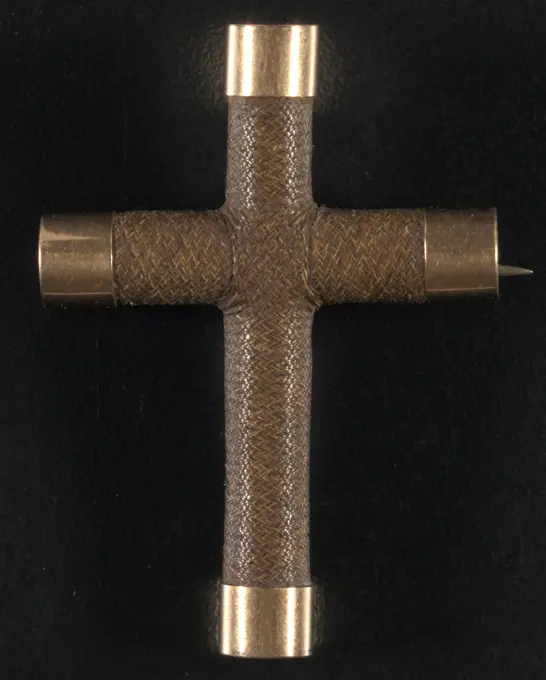
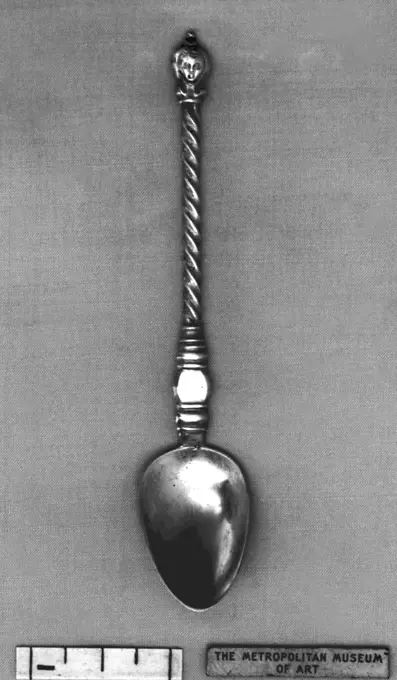
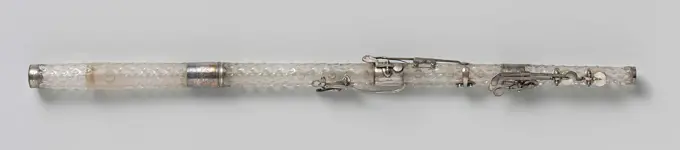
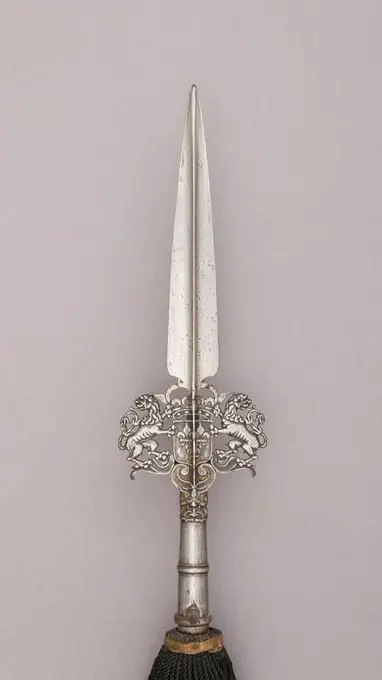
Arrowhead (Yanone). Culture: Japanese. Dimensions: L. 8 1/2 in. (21.6 cm); L. of head 3 in. (7.6 cm); W. 1 3/16 in. (3 cm); Wt. 1 oz. (28.3 g). Date: 18th century. Museum: Metropolitan Museum of Art, New York, USA.Strut from a Model Bed ca. 1550-1295 B.C. New Kingdom. Strut from a Model Bed. ca. 1550-1295 B.C.. Wood. New Kingdom. From Egypt. Dynasty 18Asperges 15th century French. Asperges. French. 15th century. Copper gilt, silver, amber, and enamel. Metalwork-CopperHull Division Test Air Tank, Tank No. 3. Glass Plate Negatives of the Construction and Repair of Buildings, Facilities, and Vessels at the New York Navy Yard.Flute glass. The inscription above the arms of Stadtholder William III reads: Vive le Prince d’orange’ (Long live the Prince of Orange).Blade and Mounting for a Sword (Katana) blade, 16th century; mounting, mid-late 19th century Japanese A katana is a sword with a curved blade longer than 60 cm fitted with an uchigatana-style mounting and worn in a waist sash with the cutting edge facing up.. Blade and Mounting for a Sword (Katana). Japanese. blade, 16th century; mounting, mid-late 19th century. Steel, wood, laquer, gold, enamel. SwordsSounding Lead.In the bottom with noose. The upper part is made of iron and has a slot and holes for fixing a countdown. Under in a hole for taking soil samples.Candle crown with eight arms consisting of broken acanthus volutes with fruit curves, anonymous, 1700 Candle crown of gilded Lindehout. The eight arms consist of broken acanthus fillets with fruit curves; Candle holders and fat catchers are decorated with grunts. The vase -shaped trunk is covered with a lambrequin and is crowned by acanthus leaves with a fruit as a button. The rod of twisted iron has gilded, edited buttons. The candle holders are made of copper. See also BK-NM-9804-B/C. Northern NetherlandsNetherlands wood (plant material). linden. gilding (material). copper (metal). iron (metal) gilding Candle crown of gilded Lindehout. The eight arms consist of broken acanthus fillets with fruit curves; Candle holders and fat catchers are decorated with grunts. The vase -shaped trunk is covered with a lambrequin and is crowned by acanthus leaves with a fruit as a button. The rod of twisted iron has gilded, edited buttons. The candle holders are made of copper. See also BK-NM-9804-B/CArrowhead (Yanone). Culture: Japanese. Dimensions: L. 6 7/8 in. (17.5 cm); L. of head 1 7/8 in. (4.8 cm); W. 7/8 in. (2.2 cm); Wt. 0.5 oz. (14.2 g). Date: 18th century. Museum: Metropolitan Museum of Art, New York, USA.Spearhead ca. 2800 B.C. Iran This bronze spearhead has a narrow tang which would have fit into a wooden shaft. It was discovered in a grave at Yarim Tepe in northeastern Iran, six miles south of the modern town of Gonbad-e Kavus. Yarim Tepe was a small settlement, inhabited from the Neolithic to the Parthian period, with many interruptions. This spearhead dates to the Early Bronze Age, when this region served as an important link between the emerging cities of Mesopotamia and Afghanistan, one of the few sources of both tin and lapis lazuli in the ancient Near East.. Spearhead 325601Needle sheath 17th century Italian. Needle sheath. Italian. 17th century. Bone. Textiles-Methods and MaterialsSpoon late 18th-early 19th century Austrian. Spoon 188228 Austrian, Spoon, late 18thearly 19th century, Silver, 5 1/4 in. (13.3 cm). The Metropolitan Museum of Art, New York. Gift of Mrs. Samuel P. Avery, 1897 (97.2.204)Germany, Hessen, Frankfurt, Chisel in factoryArrowhead ca. 3100-2900 B.C. Early Dynastic Period. Arrowhead. ca. 3100-2900 B.C.. Ivory. Early Dynastic Period. From Egypt, Northern Upper Egypt, Abydos, Umm el-Qaab, Tomb of Djer, Egypt Exploration Fund excavations. Dynasty 1Instrument (Stylus Fragment). UnknownGauntlet Dagger. Culture: Indian, South Indian. Dimensions: L. 22 in. (55.9 cm); W. 7 3/8 in. (18.7 cm); Wt. 1 lb. 14.8 oz. (873.2 g). Date: 19th century. Museum: Metropolitan Museum of Art, New York, USA.Rod with two points, c. 1400 - c. 1950 Iron rod with two points. Rusty.  iron (metal) Iron rod with two points. Rusty.  iron (metal)Bootsanker Small 4kg 9 lbs folding grapnel boat anchor isolated on white Copyright: xZoonar.com/J.xSandvikx 1258290Sword Cane. Culture: Philippine, Moro. Dimensions: L. with scabbard 38 7/8 in. (98.7 cm); L. without scabbard 29 1/4 in. (74.3 cm); L. of blade 24 1/4 in. (61.6 cm); W. 2 5/8 in. (6.7 cm); Wt. 1 lb. 1.1 oz. (484.8 g); Wt. of scabbard 1 lb. 5.9 oz. (620.9 g). Date: 18th-19th century. Museum: Metropolitan Museum of Art, New York, USA.Arrowhead (Yanone). Culture: Japanese. Dimensions: L. 8 3/8 in. (21.3 cm); L. of head 2 1/8 in. (5.4 cm); W. 1 3/4 in. (4.5 cm); Wt. 0.9 oz. (25.5 g). Date: 18th century. Museum: Metropolitan Museum of Art, New York, USA.Arrow Point, 1700s. Japan, Edo period (1615-1868). Steel; overall: 17 cm (6 11/16 in.); head: 5.8 cm (2 5/16 in.).Clarinet in C Clementi & Co. British ca. 1802 The composer and pianist Muzio Clementi (born Rome, Italy 23 January 1752, died Evesham/Worcestershire 10 March 1832) established in 1802 a piano manufacture in London. He also sold woodwind instruments (Waterhouse, NLI, 65).Overall size: 605Bore: c-hole 13.2; f-hole 13.6.Technical description: Boxwood with integral wooden ferrules and brass keywork. Six pieces: mouthpiece, barrel, upper section, middle section for the fingers of the right hand, lower section with keys, bell. Long tenon ebony mouthpiece stamped "I. WOOD FECIT" presumably original to the instrument. The stamp is on the reed side of the mouthpiece indicating that it is played with the reed to the upper lip. English-style flask shaped barrel. Speaker, throat A and bascule key mounted in square turned wooden rings. Speaker liner projects almost to the centre of the bore. Levers for L4, tone-hole and key for R4 mounted in a bell-shaped swelling. Zig-zag F3/C5 lever guided in aFragment tin from the wreck of the East Indiesman Hollandia. Parts or artifacts; eroded fragments: Materials; tin.Gauntlet Dagger 19th century Indian, South Indian. Gauntlet Dagger 31719Empty picture frameThe Common Slug Snake Pareas monticola a snail eating snake from Nagaland The Common Slug Snake Pareas monticola a snail eating snake from Nagaland Copyright: xZoonar.com/RealityImagesx 22205245Hand-and-a-Half Sword, c.1540-80. Germany, 16th century. Steel; wood, leather, sharkskin grip; overall: 116.8 cm (46 in.); blade: 94.8 cm (37 5/16 in.); quillions: 31 cm (12 3/16 in.); grip: 21 cm (8 1/4 in.).Piccolo Flute.Piccolo of palm wood with a valve.PlungerAlexander Ziegler, Marrow Scoop, 1800/1801, silver.Paper Knife (USA); various metals; Overall: 19 x 2.5 cm (7 1/2 x 1 in.)Mouky human shaped figure carved from wood. Dated 20th Centurynipple on the wheel on a white backgroundHairpin, one of a pair, 17th-19th century, 4 1/2 in. (11.43 cm), Gold, China, 17th-19th centuryPipe Bowl and Stem ca. 1885 Ojibwa. Pipe Bowl and Stem 319017Bronze pen with a split-nib used with carbon ink, found at Vindolanda, a Roman auxiliary fort south of Hadrian's Wall. Dated 5th Century.National cavalry saber with vaginaClarinet, Johann Gottfied Heintze (possibly), c. 1750 Buxush wood clarinet with two valves. Marked igh. Leipzig (possibly) boxwood (hardwood). brass (alloy) Buxush wood clarinet with two valves. Marked igh. Leipzig (possibly) boxwood (hardwood). brass (alloy)Candlestick, ca.1800, Cast brass and iron, 8 3/8 in. (21.3 cm), Made in England, British, 19thcentury, LightingDevicesNutcracker with mosy ornaments, in the collections of the ads of Sztolcana in 1914 - views from the side and in advance in a 1: 1 scale; Sztolcman, W Adys Aw Roman (1873-1950); 1914 (not after November 14, 1914) (1914-00-00-1914-00-00);Halberd of the Bodyguard of Philip II, Margrave of Baden-Baden (1559-1588). Culture: German. Dimensions: L. 55 1/2 in. (141 cm); L. of head 29 1/2 in. (75 cm); W. 13 3/8 in. (34 cm); Wt. 7 lbs. 8.3 oz. (3410.4 g). Date: ca. 1580. Museum: Metropolitan Museum of Art, New York, USA.Water Sprayer (Pichkari) 1701-1900 India. Silver .Ferret 7th century Frankish. Ferret 465649 Frankish, Ferret, 7th century, Copper alloy, Overall: 2 15/16 x 1/2 x 3/8 in. (7.5 x 1.3 x 0.9 cm). The Metropolitan Museum of Art, New York. Gift of J. Pierpont Morgan, 1917 (17.193.314)Arrowhead (Yanone) 18th century Japanese Although today Japanese warriors are renowned most for their swordsmanship, archery, especially from horseback, has been an essential part of samurai warfare and culture for centuries. Arrows were fitted with heads of varying shape according to their intended use in war, the hunt, or target practice. Arrowheads made for use on the battlefield incorporated different designs intended for specialized purposes such as the piercing of armor or to cause maximum damage to horses and unarmored personnel.Large arrowheads, pierced and elaborately chiseled with landscapes, birds, flowers, dragons, and Buddhist divinities, were created to be admired for the beauty of their metalwork and design rather than for use in archery. Such highly elaborate examples may have been made for presentation or as a votive offerings to a shrine.. Arrowhead (Yanone). Japanese. 18th century. Steel. Archery Equipment-ArrowheadsTransverse Flute In D or C: ca. 1800 C.F. Starck. Transverse Flute In D or C:. German. ca. 1800. wood, ivory, brass. Germany. Aerophone-Blow Hole-side-blown flute (transverse)Curved sabers formerly belonging to army officials. SPAIN. BASQUE COUNTRY. ALAVA. Vitoria. Museum of the ArmerÕa (armoury).Quiver cover. Dimensions: 5.31 x 21.26 in. (13.49 x 54 cm). Date: ca. 9th-8th century B.C.. Museum: Metropolitan Museum of Art, New York, USA.Labret in rock crystal. Mali, Neolithic. 4,6 cm.Arrowhead (Yanone) 18th century Japanese Although today Japanese warriors are renowned most for their swordsmanship, archery, especially from horseback, has been an essential part of samurai warfare and culture for centuries. Arrows were fitted with heads of varying shape according to their intended use in war, the hunt, or target practice. Arrowheads made for use on the battlefield incorporated different designs intended for specialized purposes such as the piercing of armor or to cause maximum damage to horses and unarmored personnel.Large arrowheads, pierced and elaborately chiseled with landscapes, birds, flowers, dragons, and Buddhist divinities, were created to be admired for the beauty of their metalwork and design rather than for use in archery. Such highly elaborate examples may have been made for presentation or as a votive offerings to a shrine.. Arrowhead (Yanone). Japanese. 18th century. Steel. Archery Equipment-ArrowheadsSabre of the Tatar type chechuga with scabbard unknownBracelet (Pahunchi) 19th century This bracelet (pahunchi) is decorated on the exterior with seed-shaped ornaments. These small motifs are often understood as symbols of reproduction and fertility. Along with other plant components such as flowers, leaves, and vines, such forms are often found ornamenting Indian jewelry. View more. Bracelet (Pahunchi). 19th century. Silver. Attributed to India. JewelryPin from the wreck of the East Indies' t Vliegend Hart ,, 1700 - 1735  Copper pin with head. Something crooked. Pin. Middelburg copper (metal)Bed warmer -Price pen with the weapon of Amsterdam and the year 1755, Hendrik Hop, 1755 Price pins of silver in the form of a goose feather with the applianed gilded silver weapon of Amsterdam with 1758. Amsterdam silver (metal). gilding (material) casting / gilding Price pins of silver in the form of a goose feather with the applianed gilded silver weapon of Amsterdam with 1758. Amsterdam silver (metal). gilding (material) casting / gildingBadge of the Society of Polish Anesthesiologists Laryngoscope unknown labelSouvenir of Józef Czapski  Pastel Pencil Pastel Caran d'acheWeaving Implement 6th-9th century Wari. Weaving Implement. Wari. 6th-9th century. Wood. Peru. Wood-ImplementsWeave shuttle Weave shuttle with pink thread Copyright: xZoonar.com/IvonnexWierinkx 7547052Two marble pilasters ca. A.D. 117-138 Roman Decorated on three sides with ivy vines in low relief, these twin pillars exemplify the lavish use of colored marble and elaborate carving in Roman architecture. Branches of young ivy and clusters of berries issue from the central stalk that rises vertically from an ornate calyx krater at the base. Birds, insects, and reptiles inhabit the trailing lush foliage, all carved in a vivid, naturalistic manner that evokes a garden in springtime. The pillars are made of cipollino verde (also known as marmor carystium), a precious striated greenish marble desired for its polychromy. Exotic colored marbles conveyed elevated status and were reserved for imperial and prestigious public buildings. The high-quality craftsmanship of the relief also suggests an imperial commission. The pillars probably come from emperor Hadrians villa at Tivoli, outside Rome, where similar pillars supported garden buildings. Reused at a later period as doorjambs, they were Dado, Block-printed on joined sheets, Wide central band of cabled fluting or chandelles. A narrow band of diamond diaper runs above, while an equal band of a wave motif runs below. Printed in yellow, pink and black on a brown ground., H#590, France, 1815-35, Wallcoverings, DadoBlack watercolor brush strokeHalabardaKoumdyeh late 19th century Sarakole People Sierra Leone, Africa. Koumdyeh 501095Copper -Oboe da caccia in F 1720-40 H. C. Strisce (C. Strisch). Oboe da caccia in F 504847Handscreen, Engraved paper leaf with applied lithograph, turned wood handle, Shield-shaped handscreen, round center medallion shows a woman dancing and playing the tambourine before the king and court; a soldier holds a standard reading 'Simplicité, Constance', early 19th century, costume & accessories, HandscreenMosaic one hundred;  2. PO. 4. thous. BC (-3500-00-00--3001-00-00);Culture Uruk (approCane ca. 1900 American. Cane. American. ca. 1900. no medium availableGilded wooden and ivory pen case. Tutankhamun would have used it to store reed pens. Tutankhamun (c. 1341 - c. 1323 BC), was an ancient Egyptian pharaoh who was the last of his royal family to rule during the end of the 18th Dynasty.Iron, silver, and bronze sword 6th century B.C. Cypriot The blade was either of iron or possibly steel and is now almost completely mineralized; it preserves traces of its scabbard that was made of wood, possibly covered with leather. At the handle end of the blade, the tang was edged with silver and revetted with ivory. The single surviving rivet is of bronze, with silver over the head.. Iron, silver, and bronze sword. Cypriot. 6th century B.C.. Iron, silver, and bronze. Cypro-Archaic II. BronzesWhisk, Germany, EuropeRevers pin with the Dutch flag in email in the form of a coat of arms, c. 1940 - c. 1945 Revers pin with the Dutch flag in email in the form of a coat of arms. From an ensemble of eleven pieces by Miss Henriquez de Castro. Netherlands metal. Revers pin with the Dutch flag in email in the form of a coat of arms. From an ensemble of eleven pieces by Miss Henriquez de Castro. Netherlands metal.13th century key with two attached chimera figures. The Arts of the Middle Ages and at the Period of the Renaissance by Paul Lacroix, 1874Knife -Wild strawberries on strawTwo forks ca. 1735 Chantilly The gift of the Hans Syz Collection in 1995 endowed the Museum with nearly three hundred examples of European and Asian ceramics meticulously acquired by Swiss-born collector Dr. Syz (1894-1991) to chart the migration of models and patterns from East to West. Documenting a continuous process of influence and adaptation, these pieces provide a discriminating review of the nuances of stylistic change resulting from three centuries of trade.. Two forks 208419Bass Ophicleide in C ca. 1825 Belgian. Bass Ophicleide in C 505058Baluster early 18th century British. Baluster. British. early 18th century. Oak. WoodworkHammered Copper Tweezers 1st-mid-16th century Peru; north coast (). Hammered Copper Tweezers 308880Gypsum. minerals. North America; USA; Arkansas; Independence County; Cushman; Swindler Cavevintage boxwood and brass ruler over white, clipping pathHat standard of light green painted wood, c. 1950 Hat standard of light green painted wood. The straight strain rests on a smooth round base, and bears a sphere support. West-Europa wood (plant material) Hat standard of light green painted wood. The straight strain rests on a smooth round base, and bears a sphere support. West-Europa wood (plant material)Laqin 19th century Chinese. Laqin 503630Sword (Parang Ginah). Culture: Malayan. Dimensions: H. 22 1/2 in. (57.2 cm); H. of blade 14 in. (35.6 cm); W. 1 1/4 in. (3.2 cm); Wt. 1 lb. 7.6 oz. (669 g). Date: 18th-19th century. Museum: Metropolitan Museum of Art, New York, USA.Chain 6th-7th century Frankish. Chain 465720 Frankish, Chain, 6th7th century, Copper alloy, Overall: 5 1/8 x 3/16 x 3/16 in. (13 x 0.5 x 0.5 cm). The Metropolitan Museum of Art, New York. Gift of J. Pierpont Morgan, 1917 (17.193.38b)Staff, 19th century, 19 1/2 x 2 1/4 x 3 1/4 in. (49.5 x 5.7 x 8.3 cm), Wood, Democratic Republic of the Congo, 19th centuryÉpinette des Vosges late 19th century Amant Constant (Amé) Lambert French The épinette des Vosges is a traditional plucked zither used in areas of the Vosges mountains of France. It can be documented as early as the eighteenth century. This example has five wire strings, two used to play the melody and three drone strings. There are five wood lateral strings in the scroll pegbox. Seventeen wire staple frets under the two melody strings. Heart and quatrefoil shaped soundholes pierce the soundboard. Inlaid multi-colored wood strips border the soundboard.. Épinette des Vosges. French. late 19th century. Wood, metal. Valdajol, France. Chordophone-Zither-pluckedCross-shaped brooch wrapped with the hair of Rebecca Pomroy.. Liljenquist Family Collection of Civil War Photographs , pp/liljmem. Pomroy, Rebecca, 1817-1884, Associated objects, Crosses, 1880-1890, United States, History, Civil War, 1861-1865, Women, Union.Middle Ages. Olifant, or hunting horn. Engraving, 19th century.Coffee spoon early 19th century German, Lübeck. Coffee spoon 188272 German, Lbeck, Coffee spoon, early 19th century, Silver, 4 in. (10.2 cm). The Metropolitan Museum of Art, New York. Gift of Mrs. Samuel P. Avery, 1897 (97.2.249)Ceremonial club -Dwarsfluit, door koning Lodewijk Napoleon geschonken aan Louis Drouet.Flute made up of four cylindrical pieces of crystal, on which ground diamond forms in which ovals. Connection pieces, ends and valves of silver. On the connecting piece at the nozzle, the inscription is engraved: Donnée Par S. M. Le Roi de Hollande, / and Son Palace à Utrecht, / à M. S. DROUET PRE RE Flute de la Musique de Sa Majesté. Marked; On silver parts: (ax: small silverware 1807 - 1815) Other brands unclear. Signed; At nozzle: C. Laurent. Dated at nozzle: 1807.Fender ca. 1850 American or British. Fender. American or British. ca. 1850. Cast iron. Possibly made in England; Possibly made in United StatesArrowhead possibly 15th-17th century probably Tibetan. Arrowhead. probably Tibetan. possibly 15th-17th century. Iron. Ngari. Archery Equipment-ArrowheadsAuger drill, vintage engraved illustration. Industrial encyclopedia E.-O. Lami - 1875.Closeup of a colorful zipper on linen canvasPartisan. Culture: French. Dimensions: L. 93 5/8 in. (237.8 cm); L. of head 16 3/4 in. (42.5 cm); W. 4 1/2 in. (11.4 cm); Wt. 3 lb. 3.3 oz. (1454.3 g). Date: 18th century. Museum: Metropolitan Museum of Art, New York, USA.Streamers From Dancer's Costume 19th century China. Streamers From Dancer's Costume 70473Oriental lamp Oriental style lamp isolated with clipping path included Copyright: xZoonar.com/Baloncicix 7157454