Historic Tools and Artifacts

Images of ancient tools and weaponry, featuring intricate designs and craftsmanship that reflect historical significance and artistry.

Rapier with iron basket and button and wide pare bar, anonymous, c. 1550 - c. 1600 rapier Rapier with iron basket and button and wide pare bar. Wooden hilt, partly still with copper wire. Very rusted. Soil find Haarlemmermeer. Europe kling, korf: iron (metal). greep: wood (plant material). copper (metal)   Haarlemmermeer
Rapier with iron basket and button and wide pare bar, anonymous, c. 1550 - c. 1600 rapier Rapier with iron basket and button and wide pare bar. Wooden hilt, partly still with copper wire. Very rusted. Soil find Haarlemmermeer. Europe kling, korf: iron (metal). greep: wood (plant material). copper (metal) Haarlemmermeer
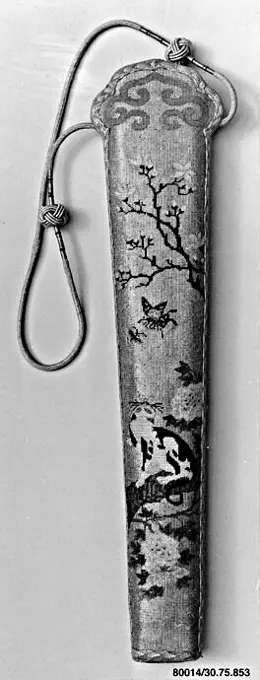
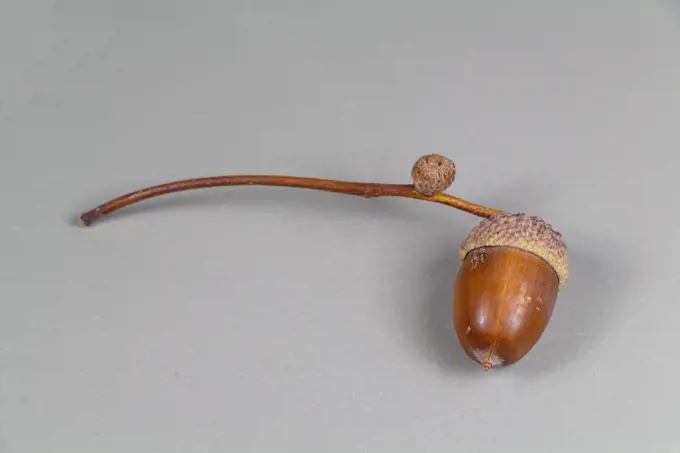
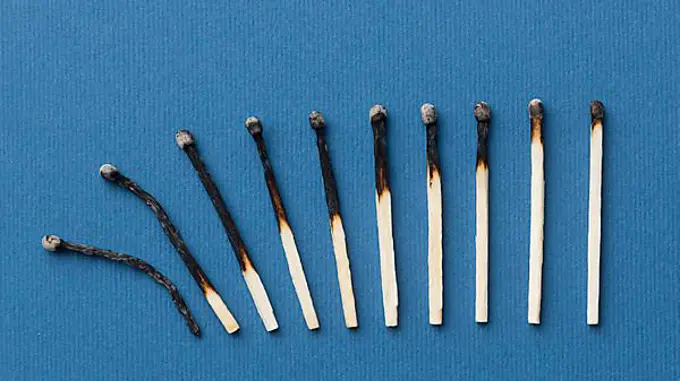
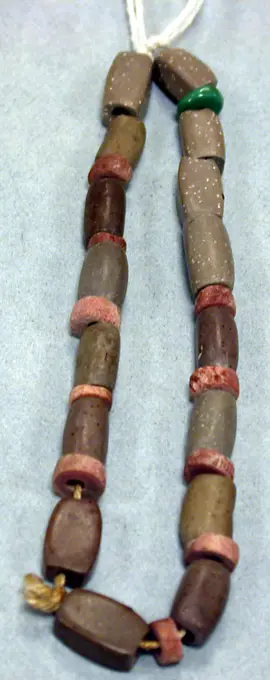
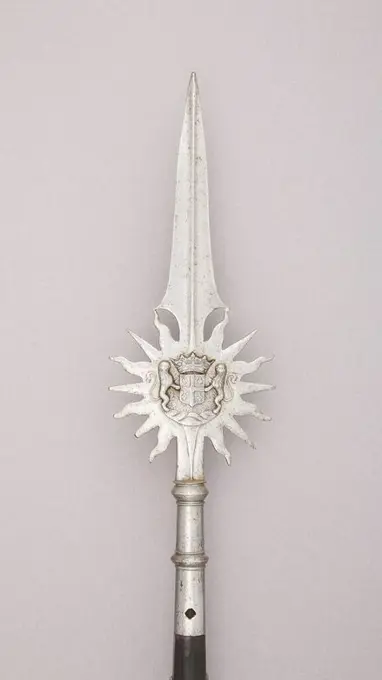
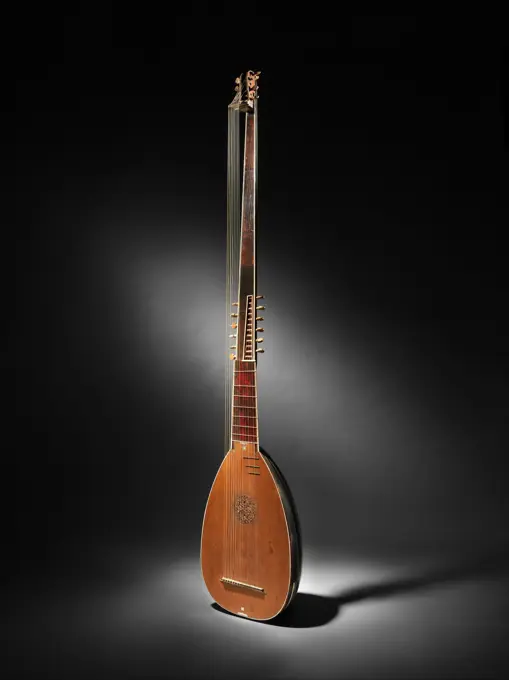
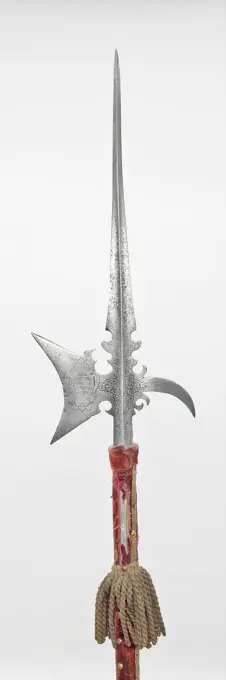
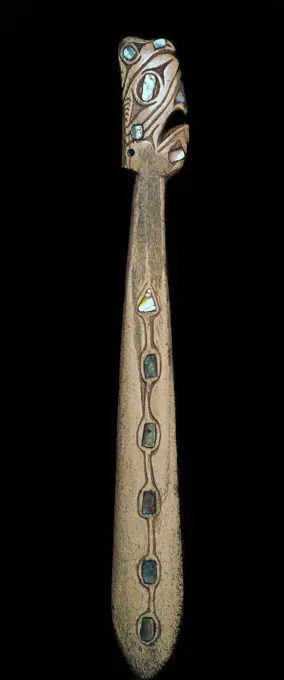
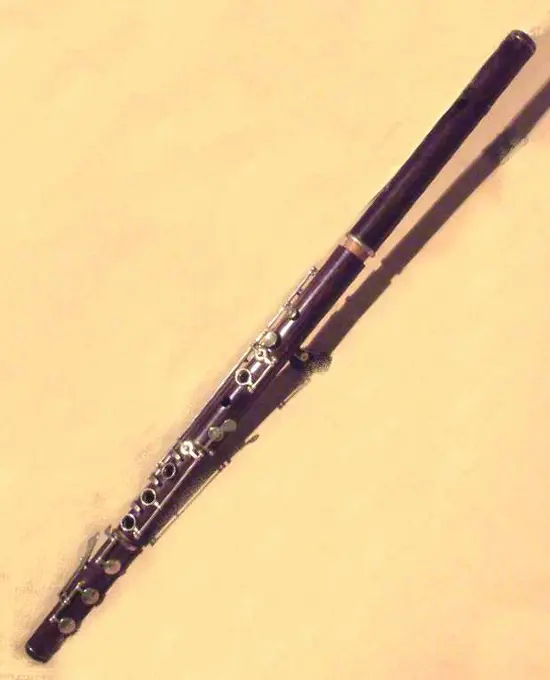
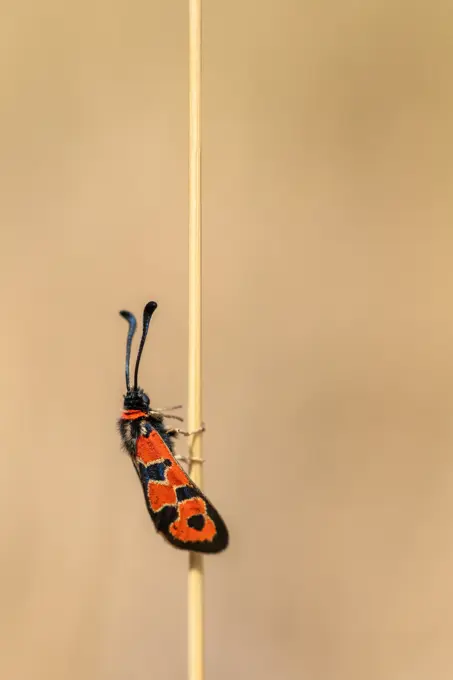
Zygaena (Zygaena fausta) on a grass stem. Saint-Jurs, Alpes-de-Haute-Provence, FranceÉtui 18th century probably French In eighteenth-century Europe, Paris led the production of high-quality luxury goods. Parisian goldsmiths made a wide range of small, personal articles such as snuffboxes; étuis to hold sealing wax, tweezers, or utensils for sewing; souvenirs, which contained thin ivory tablets for note taking; and shuttles for knotting lace. Gold snuffboxes and boxes decorated with portrait miniatures were prized and frequently given as royal gifts, often to ambassadors or members of the court in lieu of cash payments for their services. Coveted and admired, these boxes were produced from a variety of materials. The best were skillfully made of gold and embellished with diamonds, enameled decoration, lacquer, and other luxurious materials. By the middle of the century, the taking of snuff had become an entrenched social ritual, and the snuffbox, too, had become an important social prop. Snuffboxes were considered highly fashionable accessories, with some merchants adveOboe, Dolnet Lefevre, c. 1850 - c. 1899 Hobo van Rozenhout with twelve silver valves and three open rings. The third gap is double. The finger support is shrewed on the middle part. Marked on the upper part and on the cup: coat of arms with a crown above it / dolnet gefevre / & pigis / mantes in an oval / dlp / breaking s.g.d.g. Marked on the middle part: coat of arms with a crown above it / dolnet gefevre / & pigis / mantes in an oval / dlp. In the original suitcase, covered with textiles on the outside and purple velvet on the inside.  rosewood (wood). silver (metal). koffer: leather. koffer: velvet (fabric weave) Hobo van Rozenhout with twelve silver valves and three open rings. The third gap is double. The finger support is shrewed on the middle part. Marked on the upper part and on the cup: coat of arms with a crown above it / dolnet gefevre / & pigis / mantes in an oval / dlp / breaking s.g.d.g. Marked on the middle part: coat of arms with a crown above it / dolnet gefevre / & piStaff, 36 3/8 x 3 3/8 x 1 5/16 in. (92.4 x 8.6 x 3.3 cm), Wood, cloth, cord, Democratic Republic of the CongoFan Holder 18th-19th century China. Fan Holder 68841single silver candle holder over white brick wall backgroundAcorn with cupule on a gray backgroundTop view burnt matches arrangementNecklace of Stone and Shell Beads 1st-mid-16th century Peru; north coast (). Necklace of Stone and Shell Beads 309245Antique carpenter's scale / measuring rulePartisan. Culture: French. Dimensions: L. 89 in. (226 cm); L. of head 17 1/4 in. (43.8 cm); W. 5 3/8 in. (13.7 cm); Wt. 3 lbs. 13 oz. (1729.3 g). Date: ca. 1690. Museum: Metropolitan Museum of Art, New York, USA.Archlute ca. 1725 David Tecchler Austrian, active Italy Sometime after the invention of the chitarrone ("large kithara") in Florence around 1585, various local forms of long-necked lutes were developed. One variant appearing in Rome at the end of the sixteenth century, dubbed the Roman arch lute, accommodated unfretted diatonic bass strings and was tuned to a pitch standard of about 386 hertz (a full step below the modern pitch standard), and was used in many churches. Only ten such instruments are known today, of which this example is the latest and one of the most beautiful. By the end of the through bass period, in the middle of the eighteenth century, the arch lute had become an indispensable instrument of the orchestra.This example was built by the most prominent Roman luthier of the early eighteenth century, David Tecchler, who was born in Germany and moved from Augsburg to Rome in 1698 where he lived until his death. Renowned for his violins, and especially, his cellos, TecchleBronze strigil used to cleanse the body, with concave and curved spoon, tin plate handle and decoration with dancing satyr, Pompeii, Campania, Italy. Roman civilisation, 1st century AD. Detail.State Halberd 1609 Saxony. Steel, brass, wood, and velvet weave, attached tassel .Nootka Tribe Native American whalebone club. Artist: UnknownShadow Puppet (Wayang Kulit) of LembingRicikanShadow Puppet (Wayang Kulit) of PutriYadnyawatiTransverse Flute ca. 1840 Boehm & Greve, German German. Transverse Flute 505801