Historic Weapons and Tools

A collection of historical metalwork including swords, a bayonet, and a pin, showcasing a mix of iron and intricate designs from various periods.

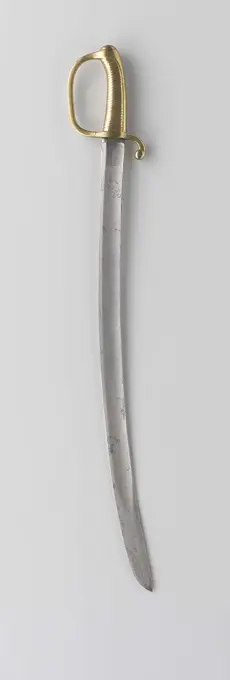
Sabelbayonet of the Navy, Anonymous, c. 1700 - c. 1900 sword bayonet Bayonet table of the navy, on which (the inscription) 'Marine'.  iron (metal)
Sabelbayonet of the Navy, Anonymous, c. 1700 - c. 1900 sword bayonet Bayonet table of the navy, on which (the inscription) 'Marine'. iron (metal)
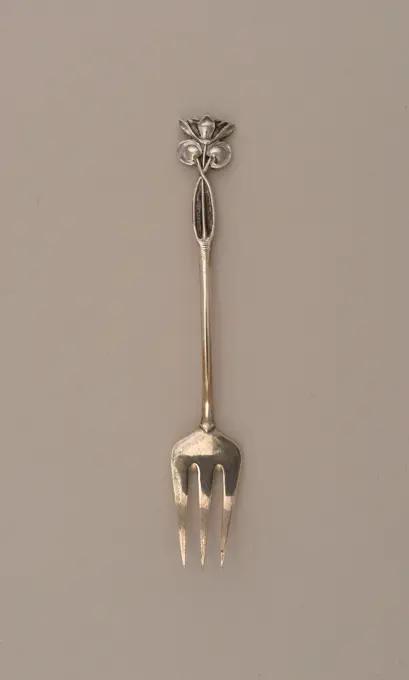
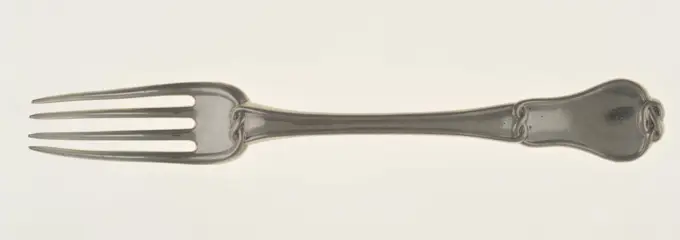
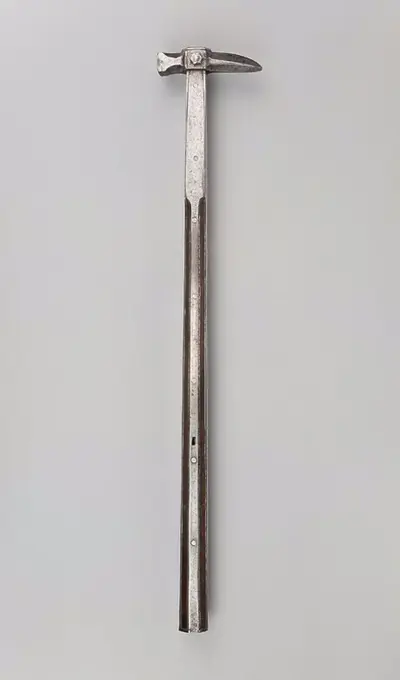
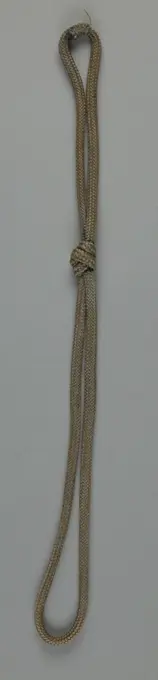
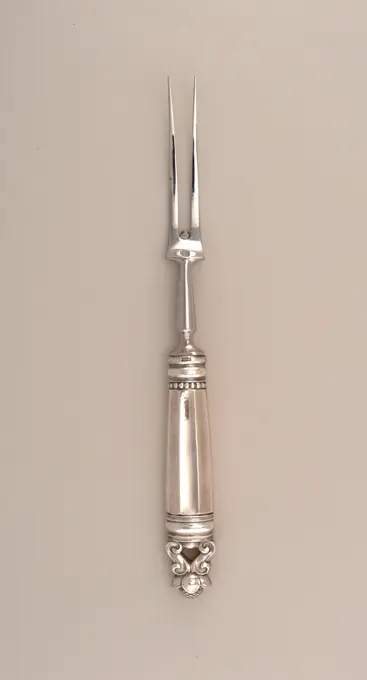
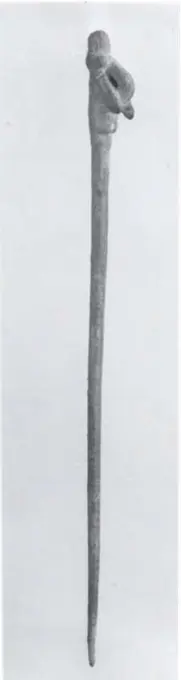
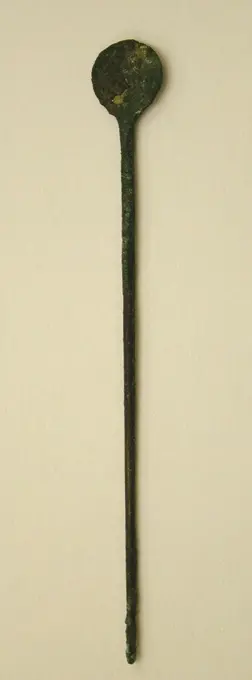
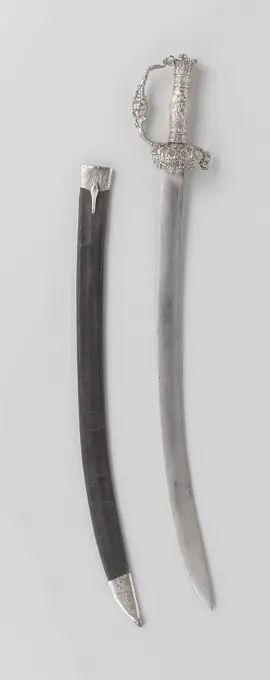
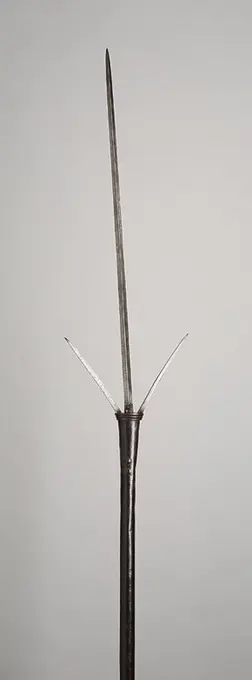
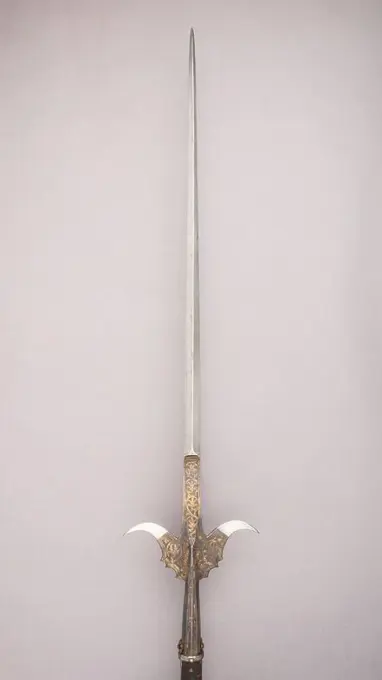
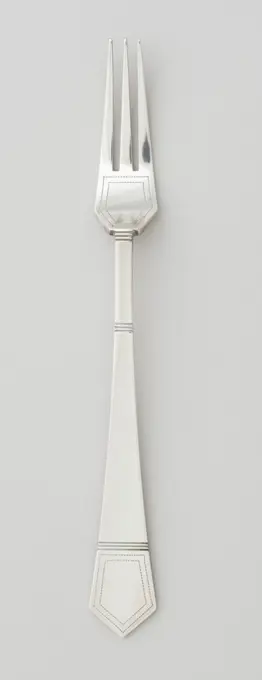
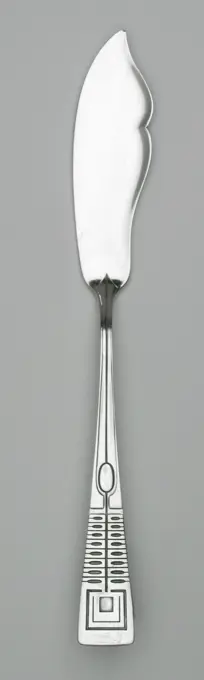
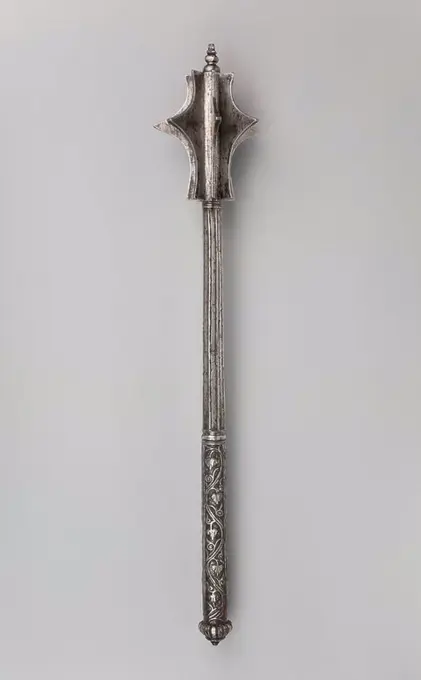
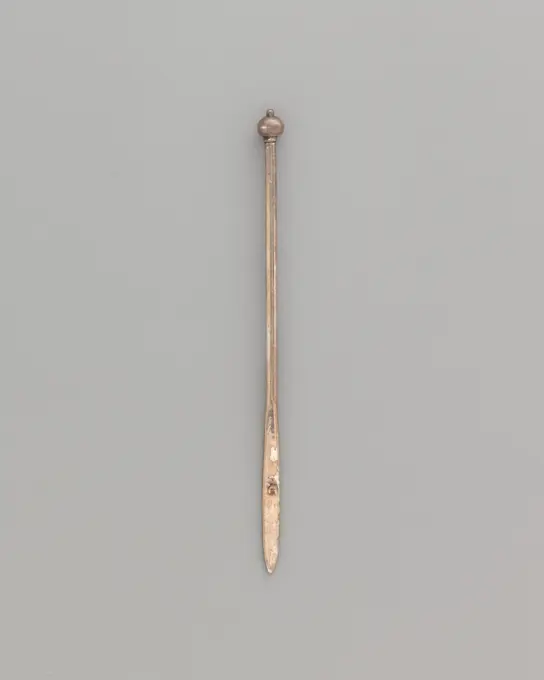
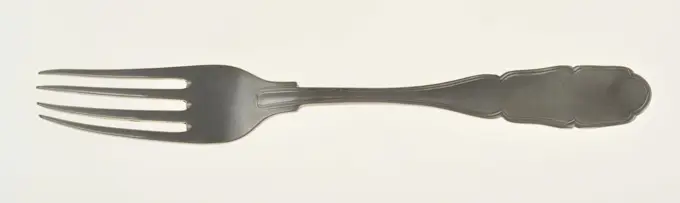
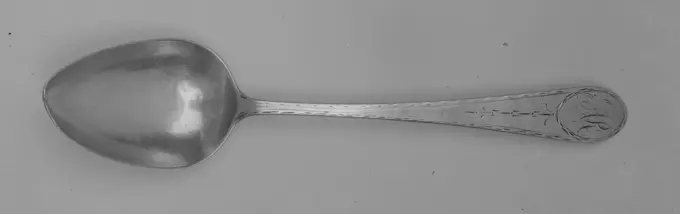
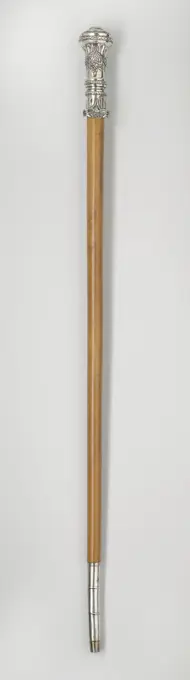
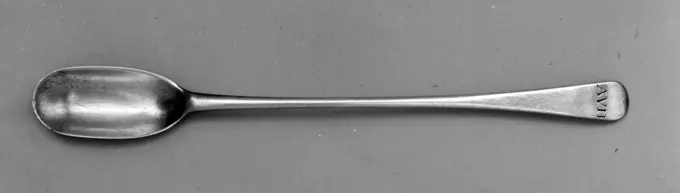
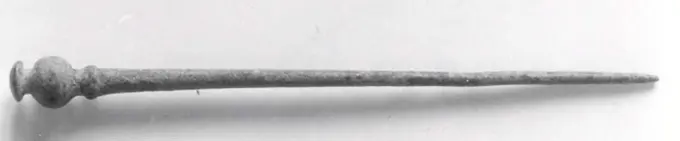
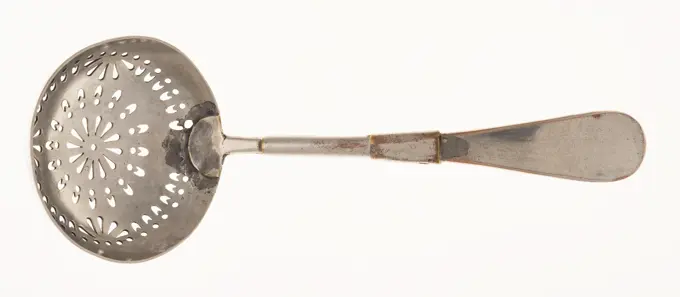
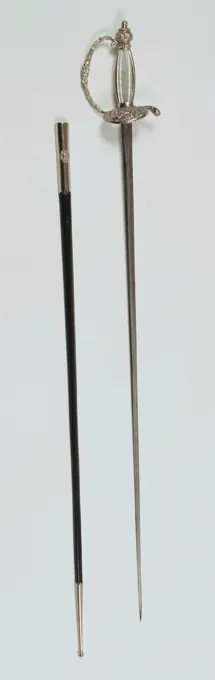
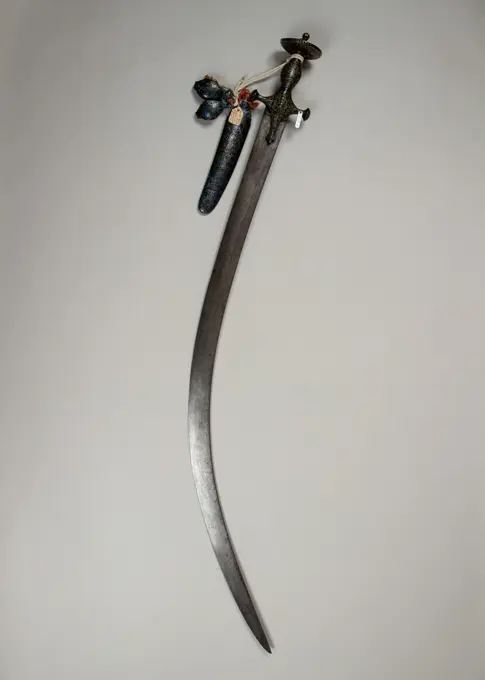
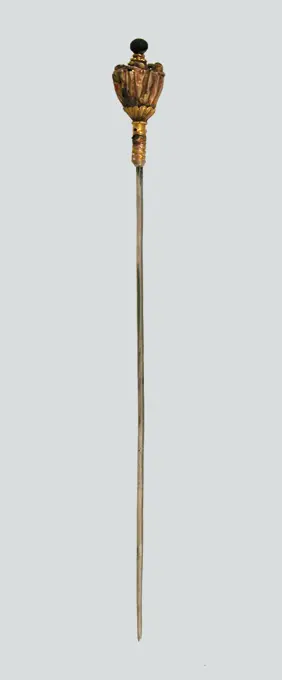
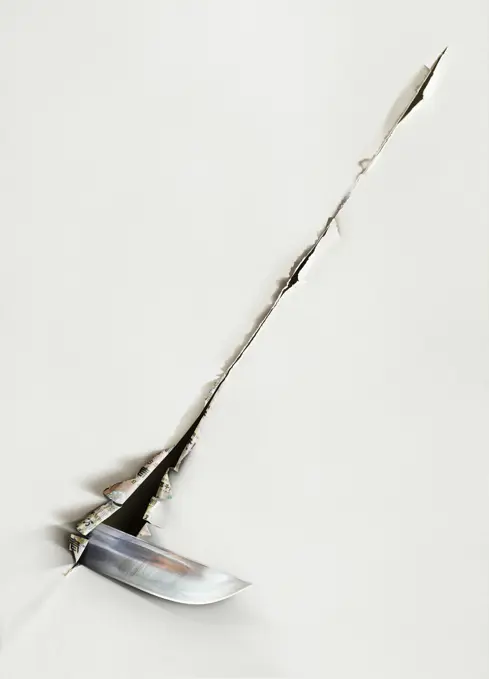
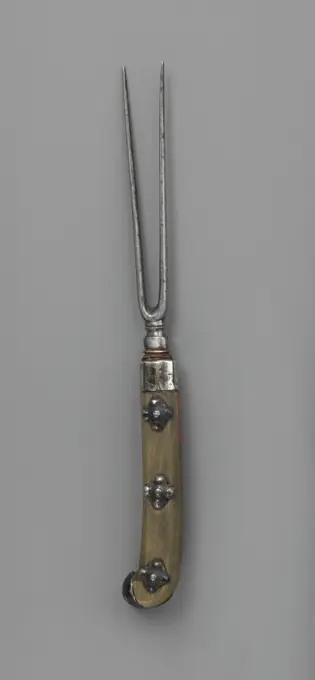
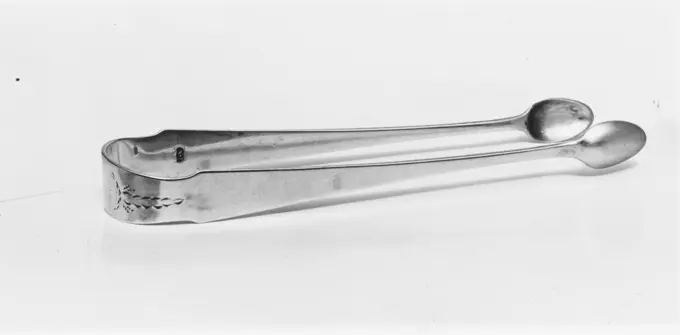
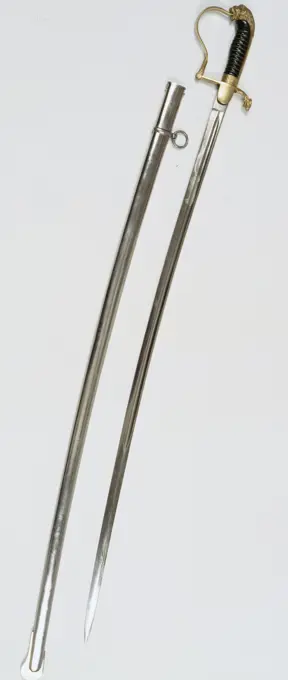
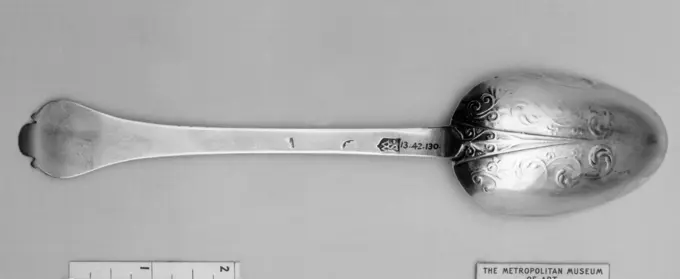
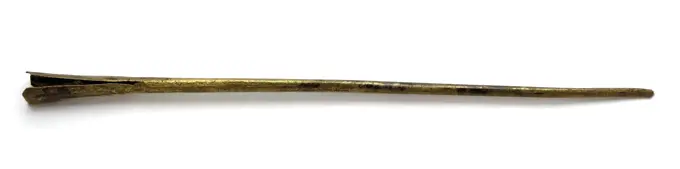
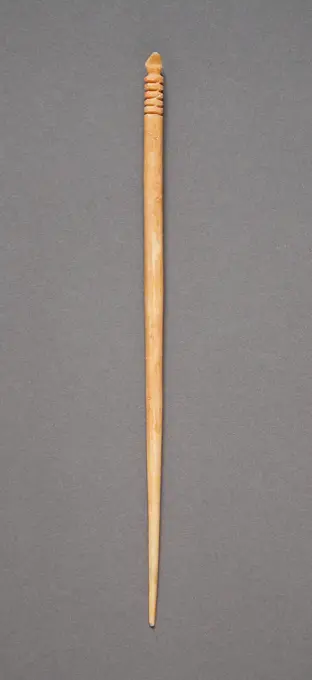
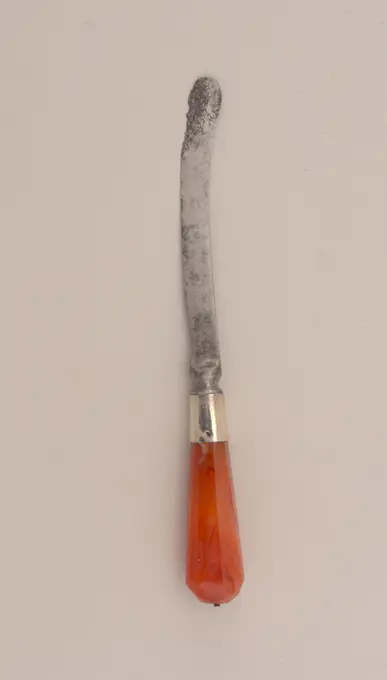
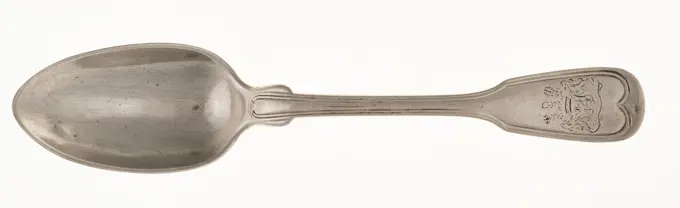
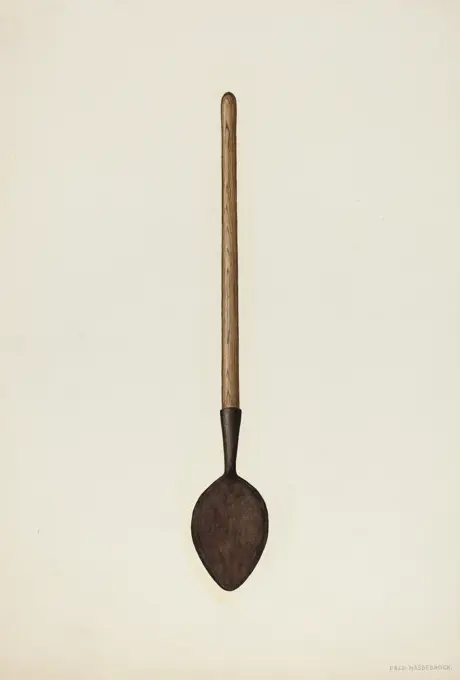
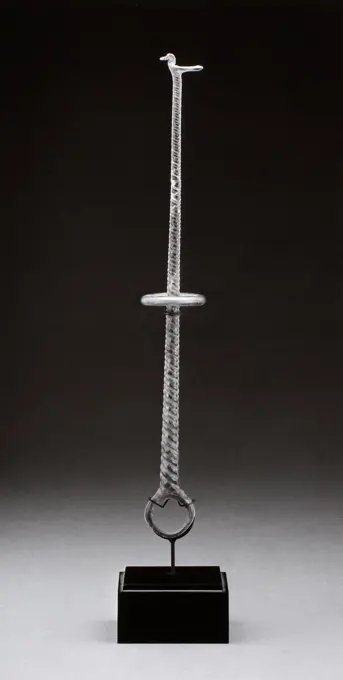
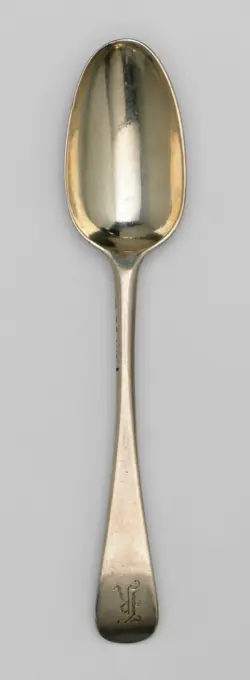
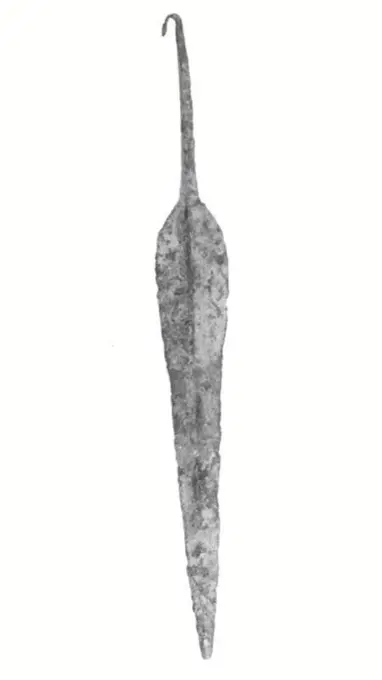
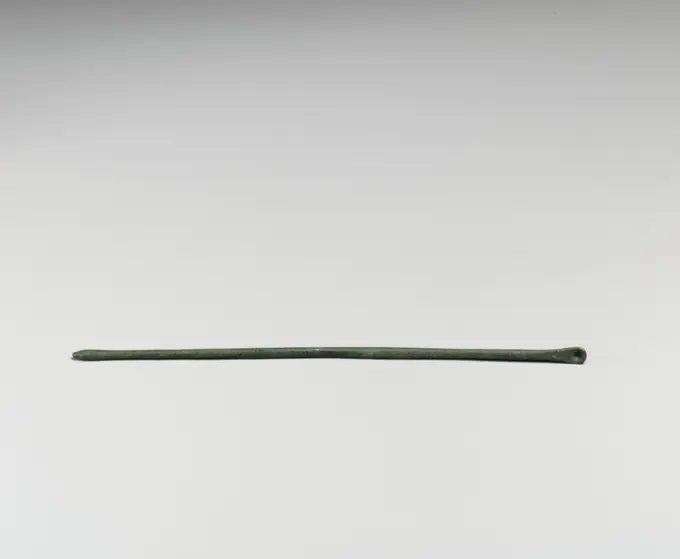
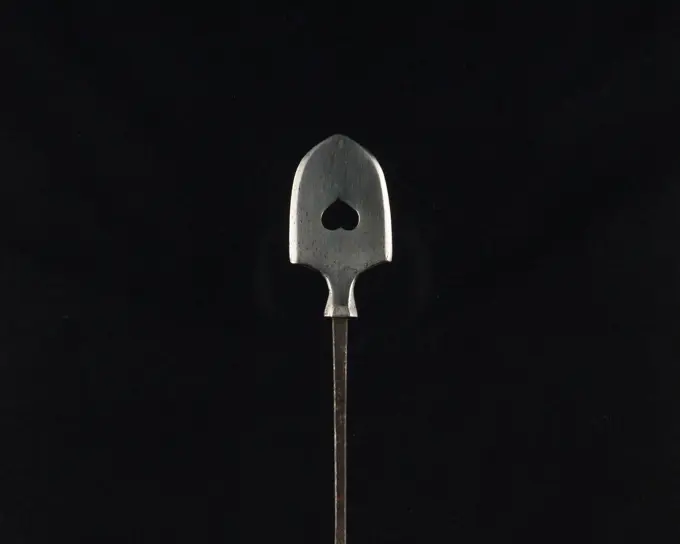
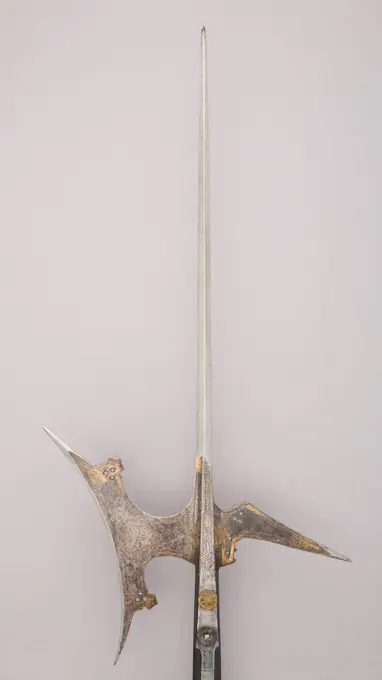
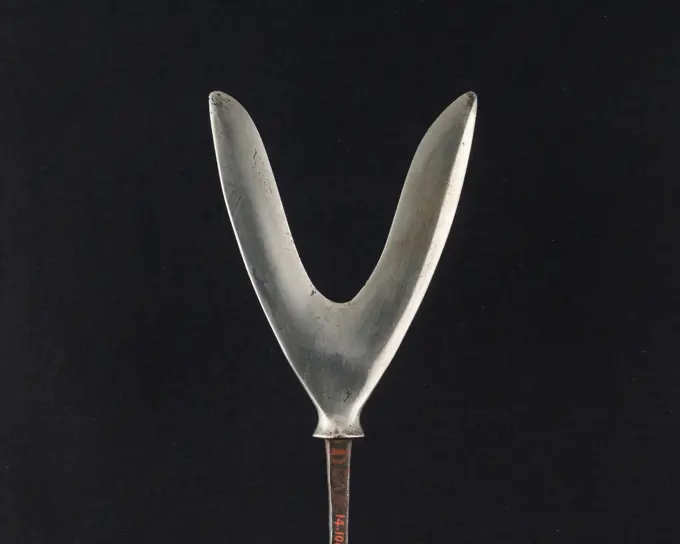
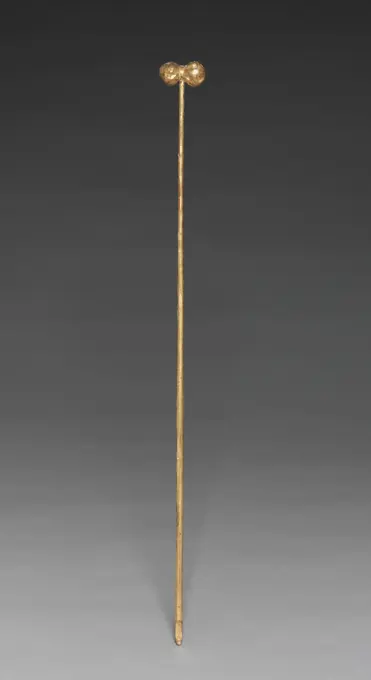
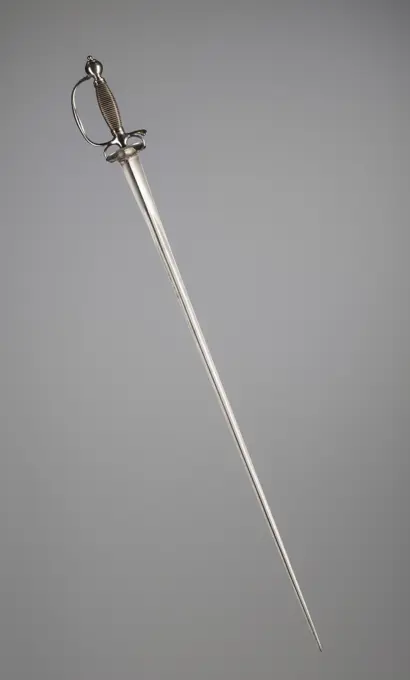
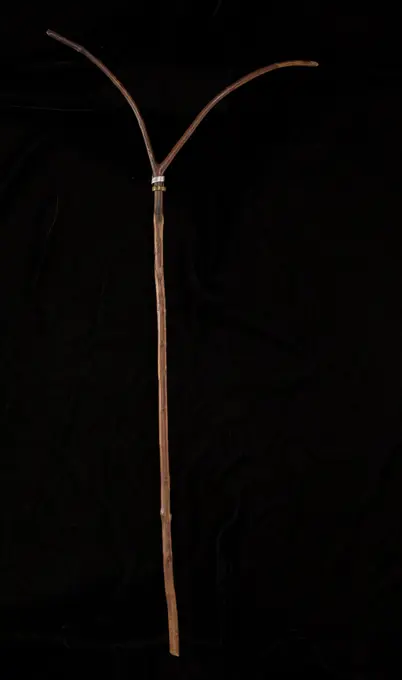
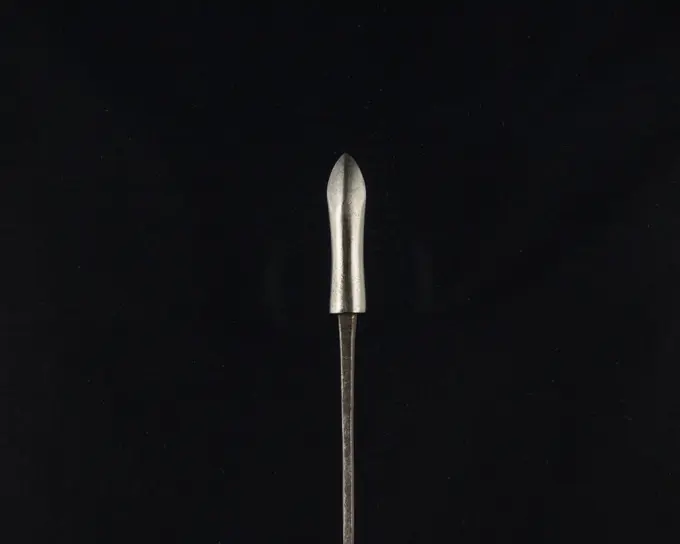
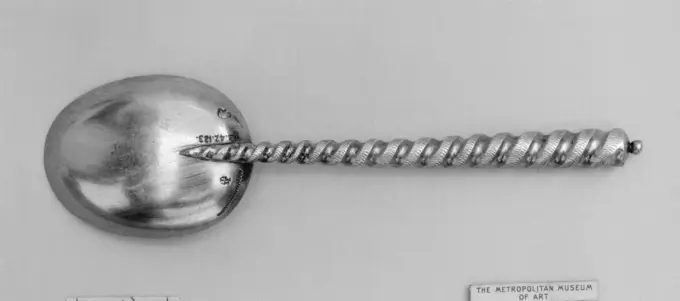
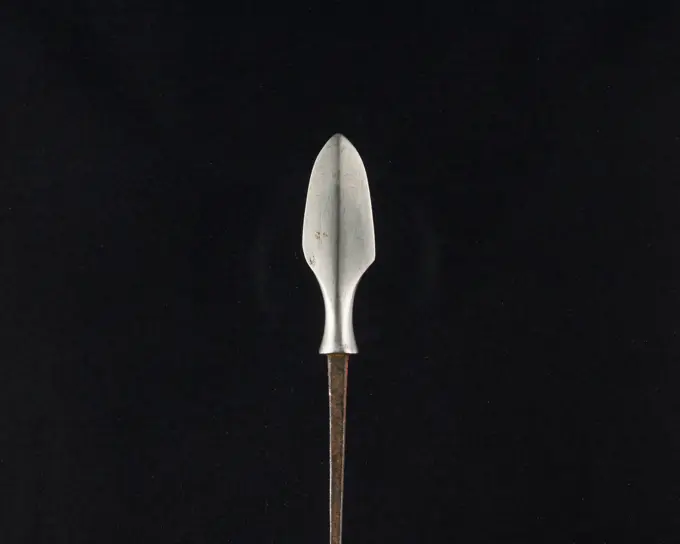
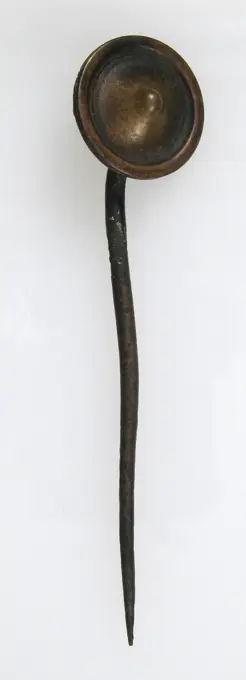
Sabelbayonet of the Navy, Anonymous, c. 1700 - c. 1900 sword bayonet Bayonet table of the navy, on which (the inscription) 'Marine'.  iron (metal)Pin 9th century () Irish. Pin 468282Wallonian swordSword - Troved  TrovedFork (Netherlands); Designed by J.J. van Goor (Dutch, 1874 - 1956); Produced by Begeer (Netherlands); silver; cm: L: 10 x W: 1.5Tablespoon. Thomas Edwards (United States, Massachusetts, Boston, 1702-1755). United States, Massachusetts, Boston, circa 1745. Furnishings; Serviceware. SilverHairpin Late Roman 3rd-4th centuryKnife (Kard). Culture: Persian. Dimensions: L. 14 15/16 in. (37.9 cm); L. of blade 9 1/2 in. (24.1 cm); W. 1 5/8 in. (4.1 cm); Wt. 11.2 oz. (317.5 g). Date: 18th-19th century. Museum: Metropolitan Museum of Art, New York, USA.Steel hook with button and section, Imra, c. 1900 - c. 1950 A steel hook with a button and section. Address: Imra / Geschützt. Germany (possibly) whole: Steel (Alloy) A steel hook with a button and section. Address: Imra / Geschützt. Germany (possibly) whole: Steel (Alloy)STOP fork; Malcz, Karol (1797-1867), Silver Products Factory K.F. Malcza (Warsaw; Sreber label; 1828-1864); 1852 (1852-00-00-1860-00-00);War Hammer. German. Date: 1490-1540. Dimensions: L. 58.4 cm (22 15/16 in.)Wt. 1 lb. 11 oz. Steel and wood. Origin: Germany. Museum: The Chicago Art Institute, Chicago, USA.Joseph Richardson Sr., Teaspoon, c. 1770, silver.Craft cord (for a whistle) for a scout uniform unknown labelBumbass late 19th century German or American. Bumbass 501590Acorn Fork; Designed by Georg Arthur Jensen (Danish, 1866-1935), Johan Rohde (Danish, 1856 - 1935); Manufactured by Georg Jensen Sølvsmedie (Denmark); Denmark; silver, stainless steel; cm: L: 29 x W: 3Pin ca. 8th-7th century B.C. Iran This cast bronze pin has a head in the form of a horned animal, possibly an antelope, with a tubular snout and pointed ears. It was excavated at Surkh Dum, a settlement site in Luristan in the Zagros Mountains of western Iran. It was found in a structure interpreted as a sanctuary and was thus probably an offering to a god. Such pins were probably used to fasten clothing and as objects of adornment in their own right. Many have been attributed to Luristan, but this is one of the few examples from an archaeological excavation.. Pin. Iran. ca. 8th-7th century B.C.. Bronze. Iron Age II. Iran, Luristan, Surkh DumTupu (pin) Before 17th century Tiwanaku () This object is a tupu, a Quechua word for pin (pithu in Aymara and alfiler in Spanish). Women in the Andes wear tupus in order to fasten textile garments. Tupus usually consist of two parts: a head and a stem. In this case, the head is circular. Its shape is distinct from tupus like Metropolitan Museum of Art 64.228.702 whose head is more elliptical in shape. Another difference is that a perforation is not seen on the present example. Often, people may wear tupus and other ornaments or tools along a cord or ribbon (see Rowe 1998, fig. 132 and Vetter 2009, fig. 6 for recent examples of this way of wearing tupus and Bjerregaard 2007, 111-13, no. CMA 1795, for an Inca example). The stem of the tupu is circular in cross section. While its end does not appear pointed, corrosion may be masking the shape with which it was designed. The stems of other tupus (e.g., Metropolitan Museum of Art 1987.394.603) clearly become narrower farther from the head,Sabel met schede, mogelijk van Maarten Harpertszn. Tromp.Sable with sheath, possible from Maarten Harpertszn. Tromp. Sabel with driven silver hilt, on which 2 times a woman playing on the zither. On the baffle plate a resting hunter. Furthermore attributes for hunting. Cling of flat and crooked. No brands or inscriptions. Leather sheath with engraved silver frame. (not in the arrangement)Brandistock. Italian (Milanese). Date: 1580. Dimensions: Staff L. 91 cm (35 13/16 in.)Central blade L. 78.5 cm (30 7/8 in.)Wt. 3 lb. 13 oz. Iron. Origin: Italy, northern. Museum: The Chicago Art Institute, Chicago, USA.PuiForcat (Paris after 1857 (1857-00-00-1900-00-00);Korseke. Culture: Italian, probably Venice. Dimensions: L. 8 ft. 11 in. (271.8 cm); L. of head 34 5/8 in. (88 cm); W. 7 1/2 in. (19 cm); Wt. 5 lbs. 8.8 oz. (2517.4 g). Date: ca. 1550. Museum: Metropolitan Museum of Art, New York, USA.Marine's Cutlass.Ship cable No. 2 in sheath. Curved blade with wide blood stuff, glass hilt with curved front bracket and hanging pearl rod with end button. On both sides, rough an anchor is engraved on the blade. The identification of this saber remains uncertain because it has been found without an inventory number. The front bracket has been lightly bent and broken where it turns into pearer rod.Knife with a Standing Bear on the Handle 7th-6th century B.C. Northeast China. Knife with a Standing Bear on the Handle 59439Miniature shovel (part of a set) ca. 1720-30 David Clayton British. Miniature shovel (part of a set). David Clayton (British, active 1689). British, London. ca. 1720-30. Silver. Metalwork-Silver-MiniatureFork (Netherlands); Manufactured by J.M. van Kempen and Son, Voorschoten (Netherlands); silver; cm: L: 14 x W: 1.5Fish Knife. Peter Behrens (Germany, 1868-1940)Rückert, M.J. (Germany, Mainz). Germany, 1901. Furnishings; Serviceware. SilverMace. German, possibly Italian. Date: 1530-1560. Dimensions: L. 62.9 cm (24 3/4 in.)Wt. 3 lb. 8 oz. Iron. Origin: Germany. Museum: The Chicago Art Institute, Chicago, USA.Miniature poker ca. 1720-30 David Clayton British. Miniature poker. British, London. ca. 1720-30. Silver. Metalwork-Silver-MiniatureLion Sejant Spoon, A B 1638STOP fork; Klinkosch, Josef Carl von (1822-1888); 1872-88 (1890-00-00-1890-00-00);Endui of the Minister of Minister Jan van den Tempel, Anonymous, 1939 dress sword Endui of Degen in Schede belonging to the official costume of Jan van den Tempel worn at the opening of the States General when he was Minister of Social Affairs. Netherlands felt (textile)   NetherlandsSpoon ca. 1800 John Burger. Spoon. American. ca. 1800. Silver. Made in New York, New York, United StatesRattan stick with a driven silver button and eye, with copper point, anonymous, c. 1775 - c. 1800 Rotting or walking stick of rattan stick with driven silver button and eye. Decoration: At the bottom of the Canelures and garlands button. Narrow aphids form the transition to the upper part with flower and leaf stones. The bay leaf and a leaf frame enclose the upper surface with driven rosette. A silver eye with a quoted floral ornament is applied under the button. The stick with silver is mounted above the copper point. Brands and a crucifix on the button. Netherlands (possibly) Stok: Rattan. Button: Silver (Metal). Eye: Silver (Metal). Point: Copper (Metal) cutting / striking (metalworking) Rotting or walking stick of rattan stick with driven silver button and eye. Decoration: At the bottom of the Canelures and garlands button. Narrow aphids form the transition to the upper part with flower and leaf stones. The bay leaf and a leaf frame enclose the upper surface with driven rosette. A Spoon 1780-90 Myer Myers American. Spoon. American. 1780-90. Silver. Made in New York, New York, United StatesSpatula or curette. Spatula or curette 250594 Spatula or curette, Bronze, Other: 6 9/16 in. (16.7 cm). The Metropolitan Museum of Art, New York. Rogers Fund, 1917 (17.230.61)a hundred;  19th-20th centuries (1800-00-00-1850-00-00);Pin early 1st millennium B.C. Iran. Pin. Iran. early 1st millennium B.C.. Bronze. Iron Age II-III. Iran, probably from LuristanSieve;  XIXW. (1801-00-00-1900-00-00);Pitch Ruis, FrancescoSpoon ca. 9th-10th century A.D. Islamic. Spoon. Islamic. ca. 9th-10th century A.D.. Bronze. early Islamic. Iran, Qasr-i Abu NasrMace 18th-19th century Persian. Mace. Persian. 18th-19th century. Steel, silver. Shafted WeaponsMaceDegen from Burgemeester Hooytema office suit. Degen with floram motifs etched iron blade. The sheath is made of black leather with a steel mouth band. The bus has a round button at the end. The hilt is made of silver and consists of a side-tailed pairer bracket, a downstick plate and a pearl grip. On the baffle plate in relief two lions on weather of a shield.Sword (Shamshir) with Scabbard Chape and Sling Straps 19th century Indian. Sword (Shamshir) with Scabbard Chape and Sling Straps 30986Knife with gun-shaped handle. Knife with gun-shaped blade and gun-shaped handle. The knife has not been marked. The knife is equal to five blades with the Invnrs. BK-NM-11177-237, BK-NM-11177-238, BK-NM-11177-239, BK-NM-11177-240 and BK-NM-11177-241.Hairpin 6th century Frankish. Hairpin. Frankish. 6th century. Silver, gold foil, paste cabochons, filigree. Made in Northern France. Metalwork-SilverForket, anonymous, 1600 - 1699  The musket fork or furket is a support for resting a musket. The shaft is made of oak. The head is made of iron and includes the fork in the form of a U-turn with curly ends to the outside. The shoe is also made of iron.  oak (wood). iron (metal)Halberd 1450-1550 Germany. Steel and oak .Fork, Silver, Small fork has four flat tines, square shoulders. Foliate handle with three ribs in center, volute scroll end., Naples, Italy, 1704, cutlery, Decorative Arts, ForkKnife cutting through Chinese currency paperProbe . Probe  251908 Probe , Bronze, Other: 4 3/4 in. (12.1 cm). The Metropolitan Museum of Art, New York. Fletcher Fund, 1925 (25.78.128)Table fork 18th century Swiss. Table fork. Swiss. 18th century. Steel, wood, silver. Metalwork-SteelTongs ca. 1800 John Vernon. Tongs. American. ca. 1800. Silver. Made in New York, New York, United StatesPublic hiking label with Schede M 1912, Anonymous, 1912 small-sword Officer walking label M 1912. Chromed Sierdegen, black with gilded handle. On the Deg Inscription: 'IJzerhouwer'. The sword belongs to a sweetheart. Netherlands chromiumPrzeszo Przyszoci unknownSpoon ca. 1680-90 William Scarlett. Spoon. British, London. ca. 1680-90. Silver. Metalwork-SilverFork; Unknown, Fraget, Józef (Warsaw; Silver and Plated Products Factory; 1824-1945); Years of the 19th century (1850-00-00-1859-00-00);Hunting Spear. Culture: German. Dimensions: L. 95 1/2 in. (232.6 cm); L. of head 55 in. (139.7 cm); W. 2 1/8 in. (5.4 cm); Wt. 4 lbs. 14 oz. (2211.3 g). Date: ca. 1560. Museum: Metropolitan Museum of Art, New York, USA.Cooking stones with flattened handle. A covers of steel with flattened handle. Address: Imra / Schützt.Yellow meat steward, four-part end, meat stalk soil found copper metal, beaten sawn yellow copper meat stew Conical pin with point crosswise sawn on the end. The four end pieces are slightly bent out, resulting in four parts to clamp up decoration material. Archeology underground pit Rotterdam City Triangle Blaak serving serving feast decoration Soil discovery: underground pit next to Blaakstation 1978.a hundred;  19th century (1800-00-00-1810-00-00);Fork with Porcelain Handle, steel, silver; soft paste porcelain, vitreous enamel, Three curved tines, rounded shoulders. Baluster-shaped neck. Silver ferrule with scalloped edge. Pistol-shaped handle decorated in relief with floral sprays and a parrot's head at the top of the handle., England, ca. 1750, cutlery, Decorative Arts, fork, forkCosmetic Applicator or Pin. Afghanistan, 3rd century. Jewelry and Adornments; pins. IvoryArrow Point, 1700s. Japan, Edo period (1615-1868). Steel; overall: 22 cm (8 11/16 in.).Fork;  19th century (1800-00-00-1810-00-00);Agate-handled knife and fork, with sharkskin sheath Knife; England; steel, silver, agate; L x W: 11.8 x 1.3 cm (4 5/8 x 1/2 in.); The Robert L. Metzenberg Collection, gift of Eleanor L. Metzenberg; 1985-103-109a hundred;  XIX-XX century (1800-00-00-1810-00-00);Glass pin 1st century A.D. Roman Translucent amber brown.Circular cross section; upper end tooled into a large flat disk; lower end tapering sharply to a fine rounded point.Intact; striations and a few pinprick bubbles; pitting and iridescent weathering.. Glass pin 249015Fred Hassebrock, Turpentine Dip Iron, c 1940 Turpentine Dip IronTongs 1795-1815 American. Tongs. American. 1795-1815. Brass, iron. Made in New York, New York, United StatesFork (France); porcelain, steel, silver; L x W: 20.6 x 2 cm (8 1/8 x 13/16 in.); The Robert L. Metzenberg Collection, gift of Eleanor L. Metzenberg; 1985-103-226Distaff. Unknown, Roman Empire, Near East, 2nd century. Tools and Equipment. Tooled, pale olive green glassSponton met geëtst stadhouderlijk wapen (Willem IV of V).The round shaft is from oak. The head is made of iron and has an ajour edited base with an andriesschruit flanked by half mane; The double-edged blade is etched on both sides with a stadhopheric coat of arms of Prince Willem IV or V on top of a Get Striofe with flags, military musical instruments and acceptors; Banderol underneath is the motto of the Princes of Orange since Willem de Zwijger: Ie Maintiendrai. The shoe is made of iron.Silversmith: Johannes Jansen, Silver marrow drill, marrow drill bit kit silver, w 1.4 food preparation kitchenFork, steel, bone, brass, wood, Fork has two long pointed tines, rounded shoulders. Baluster-shaped neck, octagonal in section, gilded and laminated wood, steel, brass socket. Bone pistol-shaped handle, inlaid with brass wire and small wooden bands in diaper pattern. Lozenges filled with wooden dots and brass wire. End of handle inlaid with rozette., England, ca. 1600, cutlery, Decorative Arts, ForkKorseke ca. 1550 Italian. Korseke. Italian. ca. 1550. Steel, wood, gold. Shafted WeaponsTeaspoon (Three of six). England, circa 1760. Furnishings; Serviceware. SilverBlade early 2nd millennium B.C. Iran This copper blade was once part of a spear or dagger. It was excavated at Tepe Hissar, near the modern city of Damghan in northern Iran. Tepe Hissar was primarily an agricultural settlement, with buildings made of mudbrick or simply mud walls. The blade probably dates to the early 2nd millennium B.C., as similar such blades are known from this period elsewhere in Iran and Anatolia.Although 97.8%% copper, the blade also contains 1.06%% arsenic. Arsenic was frequently alloyed with copper in order to make weapons or tools, but it is nearly impossible to determine whether this small amount of arsenic was added intentionally or was present naturally in the copper ore used to make the blade. Arsenic is quite poisonous, and smelting it produced toxic gas; thus tin began to replace arsenic as the main alloy for bronze-working in the third millennium B.C. However, tin was not always available, and the use of arsenic persisted in many parts of the ancient worFolding Knife (Probably Carlsbad); silver, gold; L x W: 19 x 1.4 cm (7 1/2 x 9/16 in.); The Robert L. Metzenberg Collection, gift of Eleanor L. Metzenberg; 1985-103-265Linstock ca. 1590 Swiss. Linstock. Swiss. ca. 1590. Steel, wood. Shafted WeaponsPitchEar probe. Ear probe 251902 Ear probe, Bronze, Other: 5 11/16 in. (14.4 cm). The Metropolitan Museum of Art, New York. Fletcher Fund, 1925 (25.78.122)Arrowhead (Yanone) 18th century Japanese Although today Japanese warriors are renowned most for their swordsmanship, archery, especially from horseback, has been an essential part of samurai warfare and culture for centuries. Arrows were fitted with heads of varying shape according to their intended use in war, the hunt, or target practice. Arrowheads made for use on the battlefield incorporated different designs intended for specialized purposes such as the piercing of armor or to cause maximum damage to horses and unarmored personnel.Large arrowheads, pierced and elaborately chiseled with landscapes, birds, flowers, dragons, and Buddhist divinities, were created to be admired for the beauty of their metalwork and design rather than for use in archery. Such highly elaborate examples may have been made for presentation or as a votive offerings to a shrine.. Arrowhead (Yanone). Japanese. 18th century. Steel. Archery Equipment-ArrowheadsHalberd ca. 1550 Italian. Halberd 26764Arrowhead (Yanone) 13th-18th century Japanese Although today Japanese warriors are renowned most for their swordsmanship, archery, especially from horseback, has been an essential part of samurai warfare and culture for centuries. Arrows were fitted with heads of varying shape according to their intended use in war, the hunt, or target practice. Arrowheads made for use on the battlefield incorporated different designs intended for specialized purposes such as the piercing of armor or to cause maximum damage to horses and unarmored personnel.Large arrowheads, pierced and elaborately chiseled with landscapes, birds, flowers, dragons, and Buddhist divinities, were created to be admired for the beauty of their metalwork and design rather than for use in archery. Such highly elaborate examples may have been made for presentation or as a votive offerings to a shrine.. Arrowhead (Yanone). Japanese. 13th-18th century. Steel. Archery Equipment-ArrowheadsFigure-top spoon second half 19th century Dutch. Figure-top spoon 188246Altarpiece with Relics - Sponge, lower left, c. 1735-1740. Joseph Matthias Götz (German, 1696-1760), and Workshop. Gilded wood, with relics in niches: gilded wood, mother-of-pearl, ebony, red silk, gold wire, seed pearls, rock crystal, pen and ink on paper;John Burt, Sword, 1729, silver.Beulszwaard van het Gerechtshof, Den Haag.Expulsion sword with coat of arms of Holland and a learning hilt, on both sides sharp cutting portion, at the top button, bottom protrusions. Signature. From the court, The Hague.Staff, 1900-1950, 32 × 13 11/16 × 1 1/4 in. (81.28 × 34.77 × 3.18 cm), Wood, metal, Ethiopia, 20th centuryNavigation, Claes Andrieszoon Goutum (attributed to), c. 1590 - c. 1596  Graadstok, a wooden stick with a square cross -section. Complementary degrees of 0-90 degrees were scratched on two opposite sides. In addition to numbers, inscriptions are stamped in addition to numbers, which shows which side was used for reading the height (when observing the height of the pole star) and which for the top distance (when observing the sun height). The slider, which must have been 43.4 cm long, is missing. The stick that must have been 85 cm has been broken down. Amsterdam wood (plant material). ebony (wood) cutting  Nova Zembla. Saving HuysArrowhead (Yanone) 18th century Japanese Although today Japanese warriors are renowned most for their swordsmanship, archery, especially from horseback, has been an essential part of samurai warfare and culture for centuries. Arrows were fitted with heads of varying shape according to their intended use in war, the hunt, or target practice. Arrowheads made for use on the battlefield incorporated different designs intended for specialized purposes such as the piercing of armor or to cause maximum damage to horses and unarmored personnel.Large arrowheads, pierced and elaborately chiseled with landscapes, birds, flowers, dragons, and Buddhist divinities, were created to be admired for the beauty of their metalwork and design rather than for use in archery. Such highly elaborate examples may have been made for presentation or as a votive offerings to a shrine.. Arrowhead (Yanone). Japanese. 18th century. Steel. Archery Equipment-ArrowheadsUmbrella with a gray side deck in a tube of Esdoornhout, with gold -plated copper batter and a silk cord with ditto rosette, J.C. Vickery, in or after 1909 Umbrella with a gray side deck cut into a tube of wood as bamboo, with gilded copper batter and a silk cord with ditto rosette. Model: Mouse -gray silk parasoldek. Wooden point. The metal handle of the parasol is screwed into the top of the wooden tube. The lid is closed at the bottom. Decoration: The tube is cut in the form of bamboo. On a thick golden cord a gray silk rosette with a heart of knotted cord. Regent Street deck: Silk. frame: metal. Tube: Wood (plant material). Batter: Copper (Metal) cutting Umbrella with a gray side deck cut into a tube of wood as bamboo, with gilded copper batter and a silk cord with ditto rosette. Model: Mouse -gray silk parasoldek. Wooden point. The metal handle of the parasol is screwed into the top of the wooden tube. The lid is closed at the bottom. Decoration: The tube is cut in the form of bamSpoon 1674 Michael Hafner. Spoon 192273Sabel with sheath for Tamboer major, c. 1820 - c. 1850 sabre Sabel with steel blade with trench, brass hilt with lion's head and bump plate. Black leather sheath with brass batter and cloverleaf -shaped towing plate.  iron (metal). steel (alloy). brass (alloy). leather forging / welding / sewing / casting / engraving / sawing lion's head ~ ornament Netherlands. BelgiumDessert Fork (France); Manufactured by Charles Victor Gibert (French); silver; L x W x D: 18.2 x 2.9 x 2.8 cm (7 3/16 x 1 1/8 x 1 1/8 in.)tea; Werner and S-ka (Warsaw; Wytwórnia Z Otnicz; 1864-1939); 1887 (1852-00-00-1852-00-00);Rockledge Silver Service Butter Knife; Designed by George Washington Maher (American, 1864-1926); Manufactured by Gorham Manufacturing Company (United States); Client: Ernest L. and Grace King; USA; silver; L x W x D: 15.4 x 2.3 x 0.5 cm (6 1/16 x 7/8 x 3/16 in.)Thymiaterion. unknown, authorArrowhead (Yanone) 18th century Japanese Although today Japanese warriors are renowned most for their swordsmanship, archery, especially from horseback, has been an essential part of samurai warfare and culture for centuries. Arrows were fitted with heads of varying shape according to their intended use in war, the hunt, or target practice. Arrowheads made for use on the battlefield incorporated different designs intended for specialized purposes such as the piercing of armor or to cause maximum damage to horses and unarmored personnel.Large arrowheads, pierced and elaborately chiseled with landscapes, birds, flowers, dragons, and Buddhist divinities, were created to be admired for the beauty of their metalwork and design rather than for use in archery. Such highly elaborate examples may have been made for presentation or as a votive offerings to a shrine.. Arrowhead (Yanone). Japanese. 18th century. Steel. Archery Equipment-Arrowheads