Historical and Decorative Rings

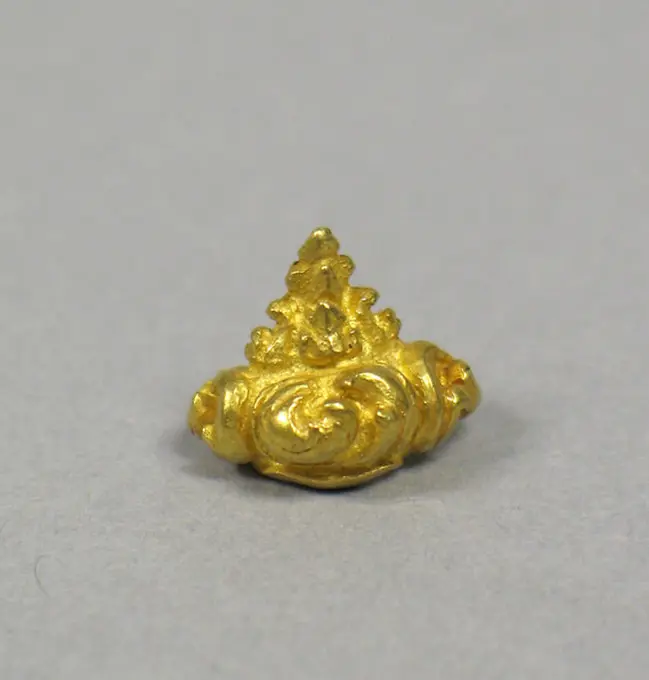
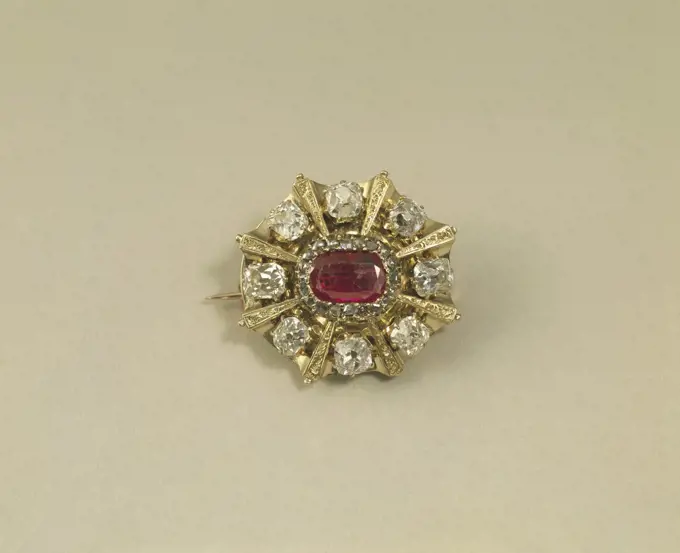
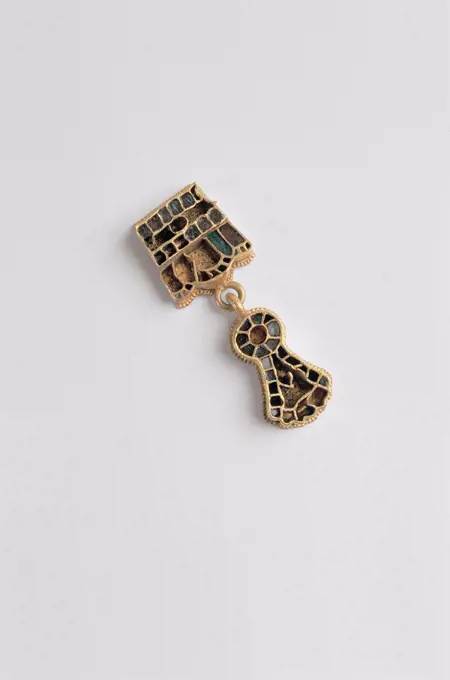
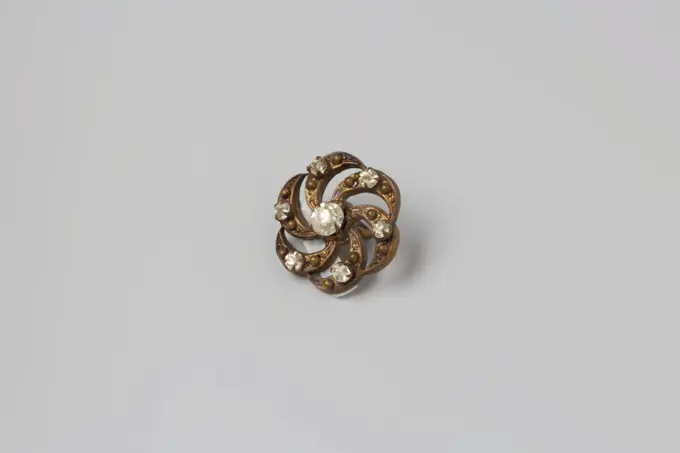
Collection of antique rings and earrings, showcasing intricate designs and gemstones, highlighting craftsmanship from ancient civilizations.

For Ostrog Ziembowski, Aleksander
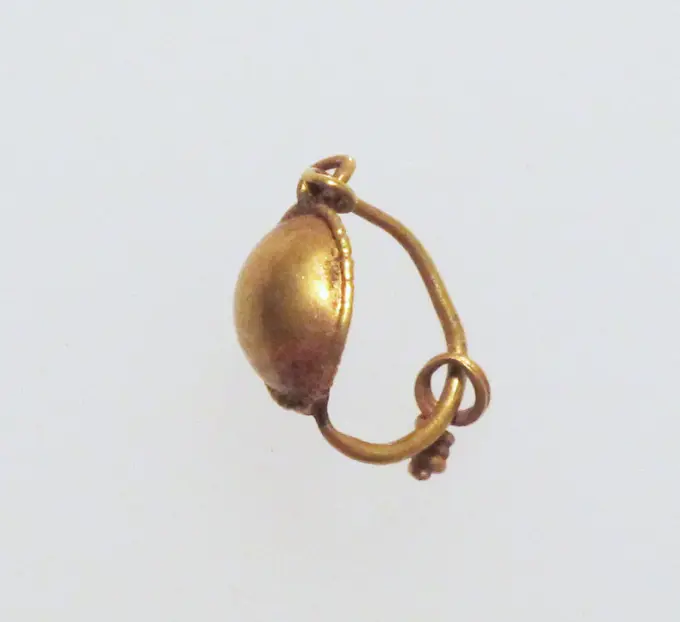
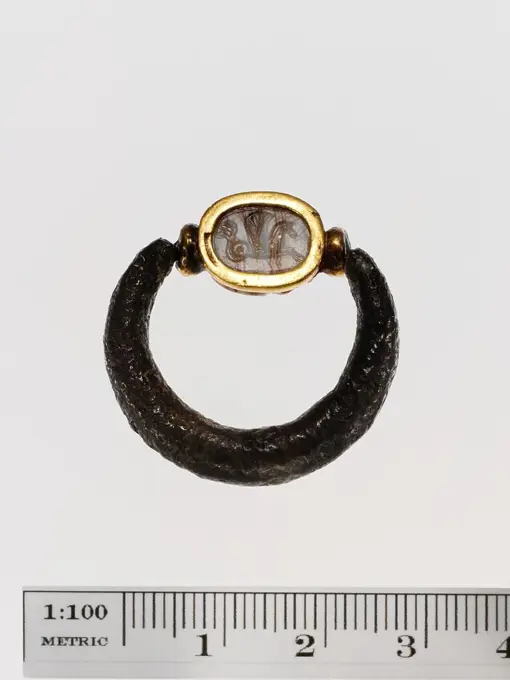
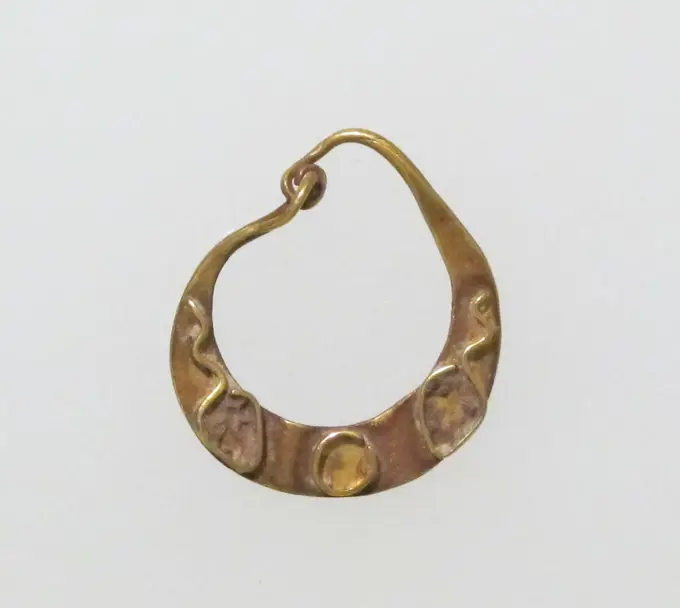
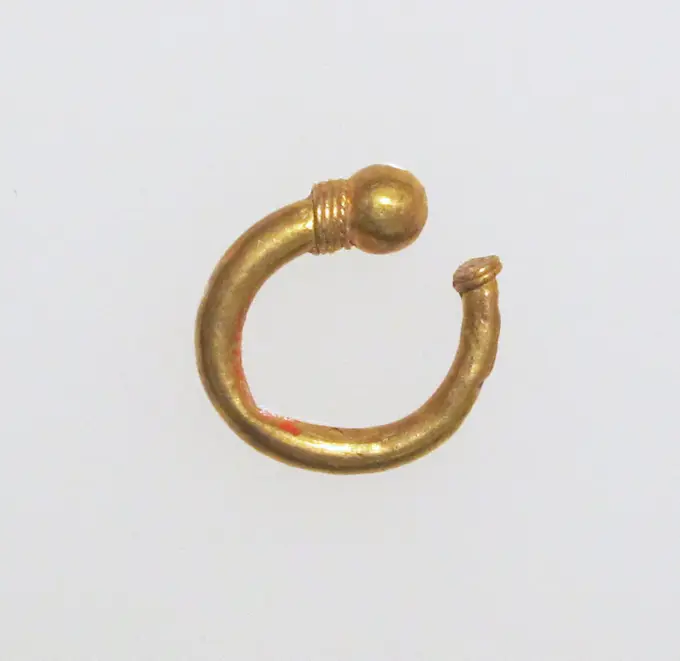
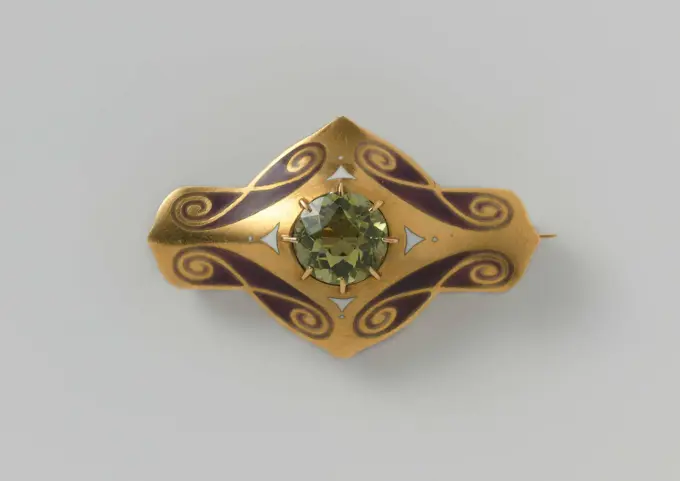
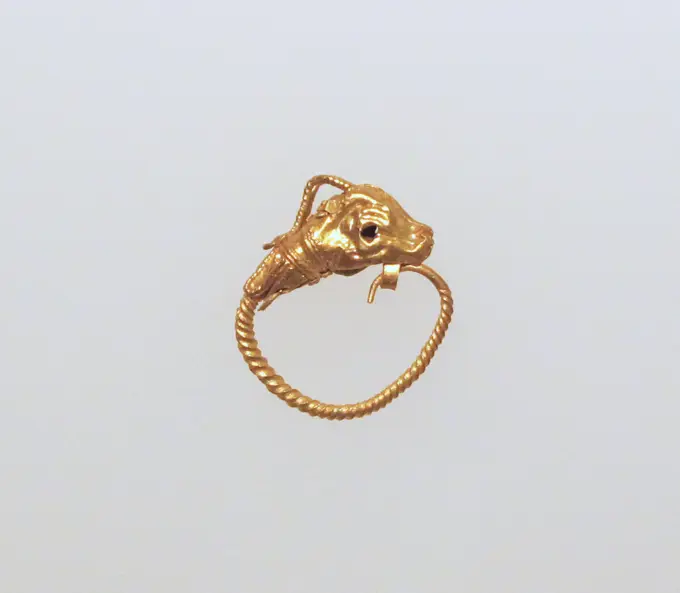
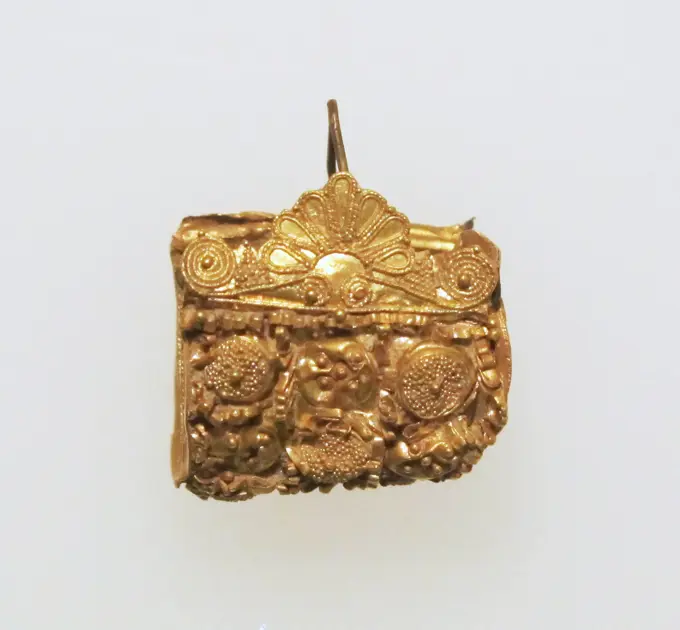
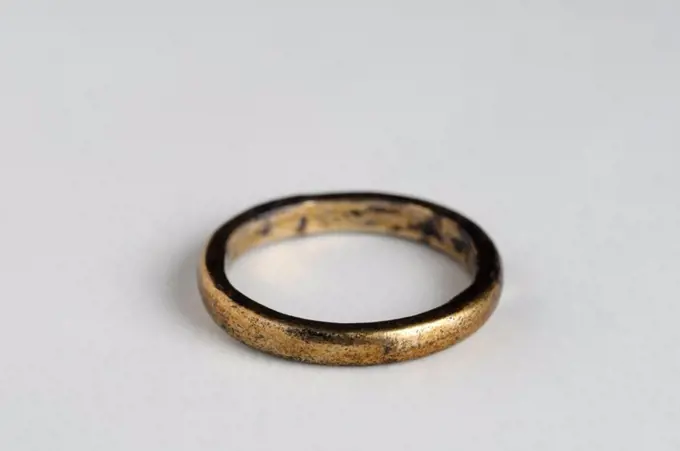
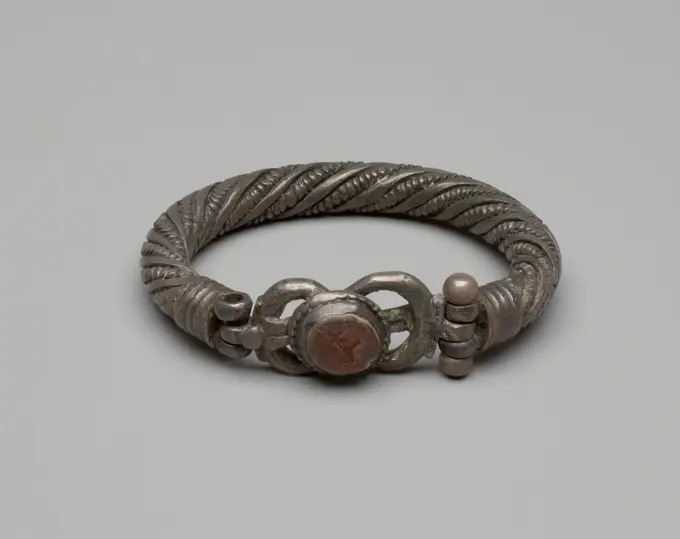
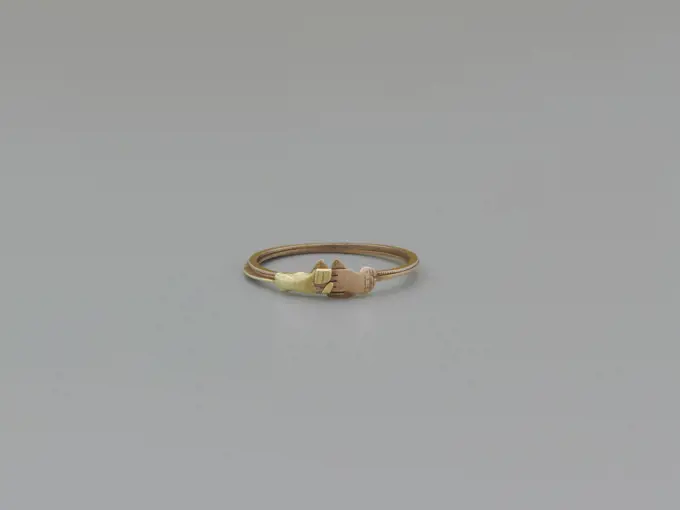
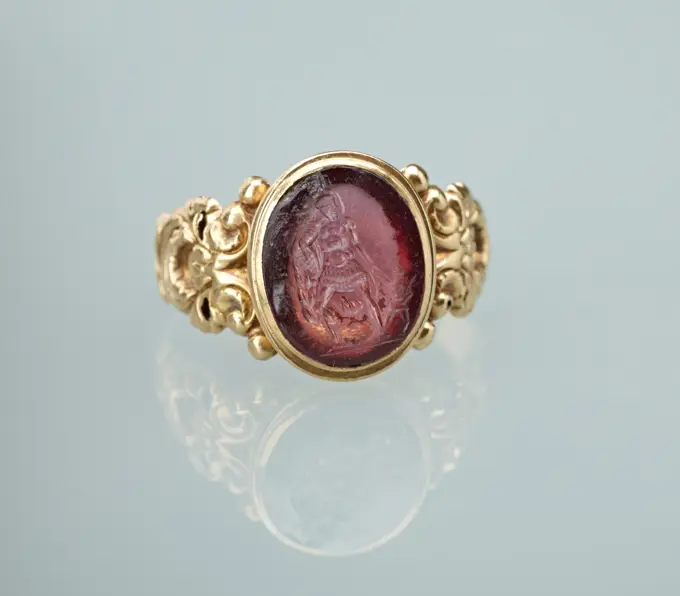
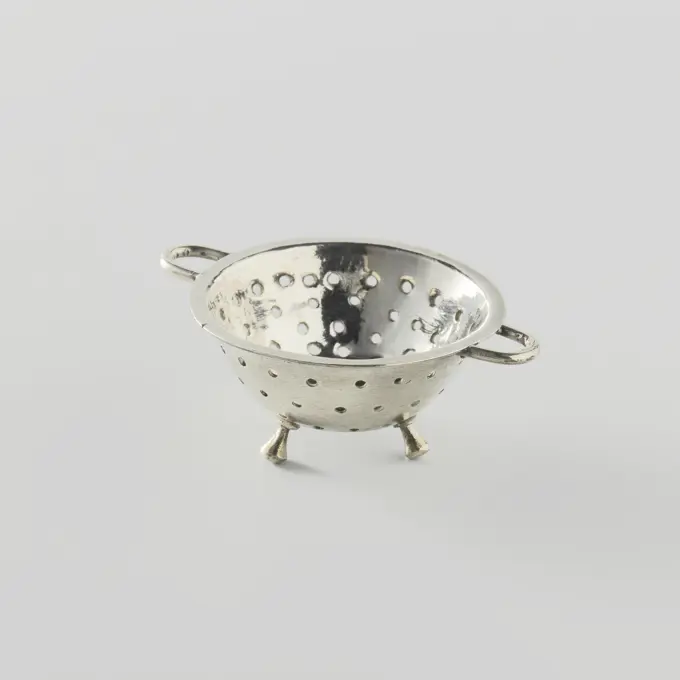
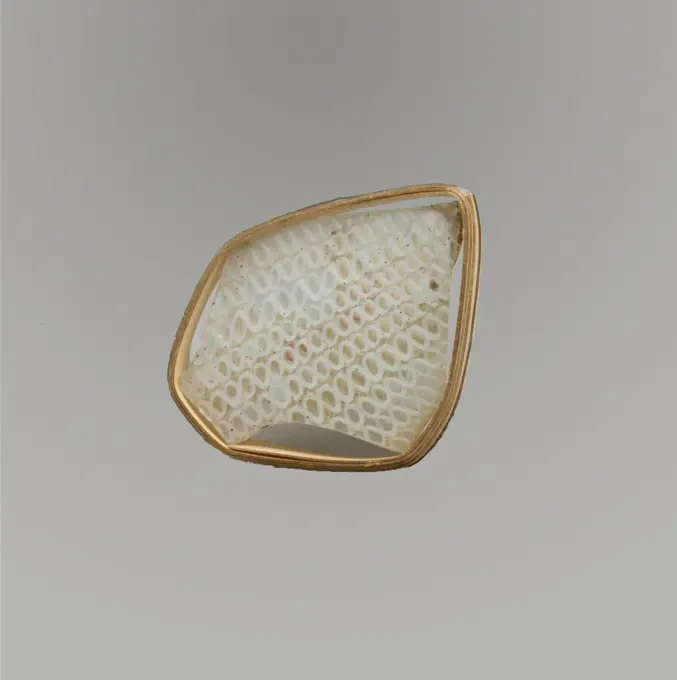
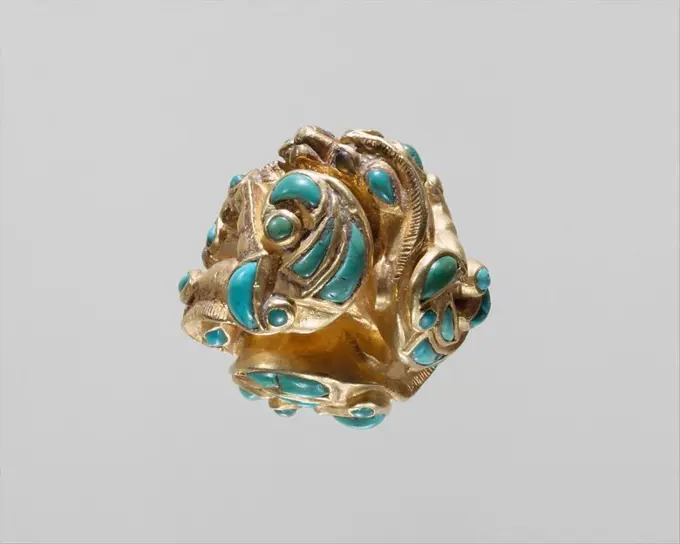
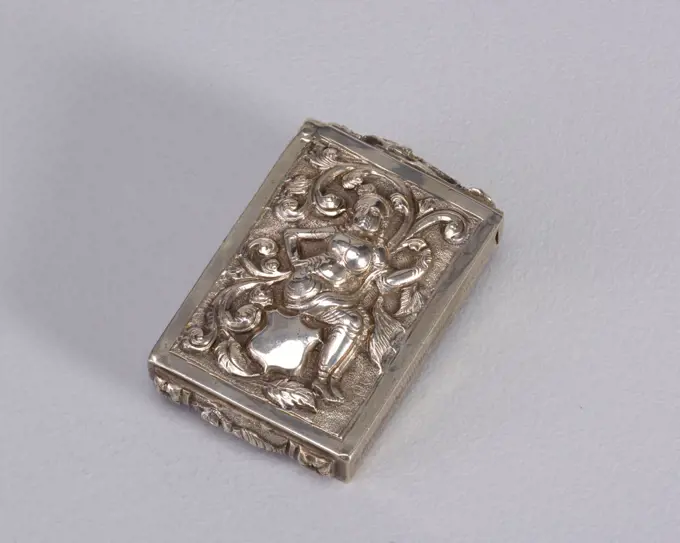
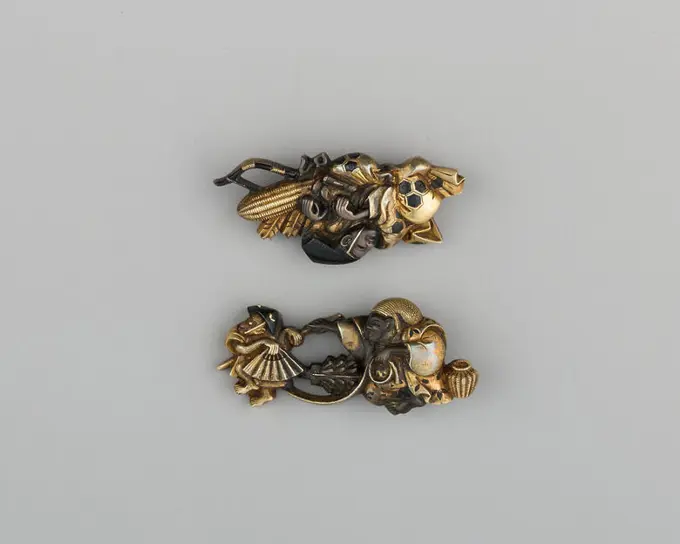
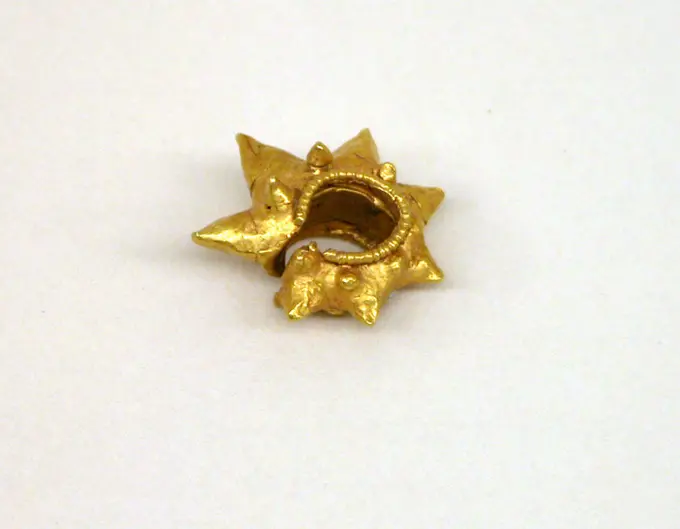
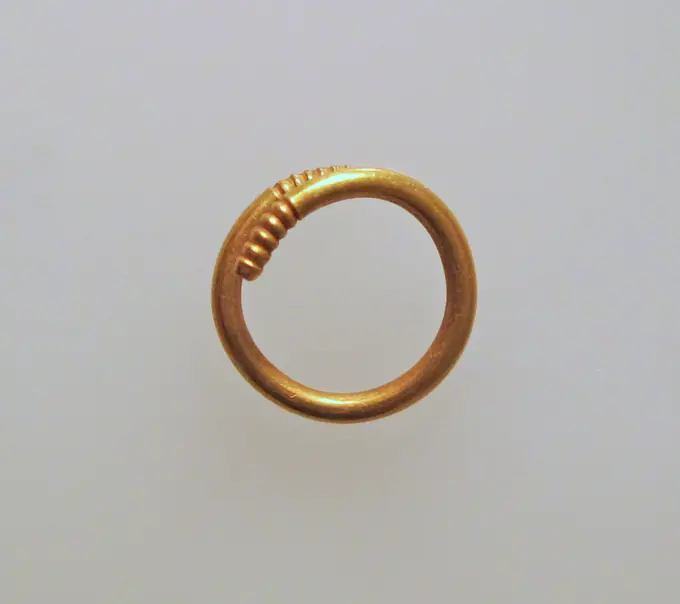
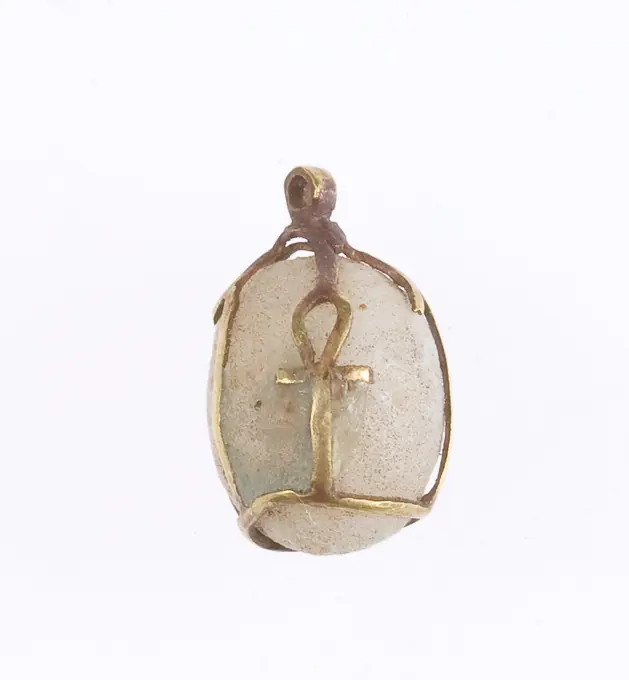
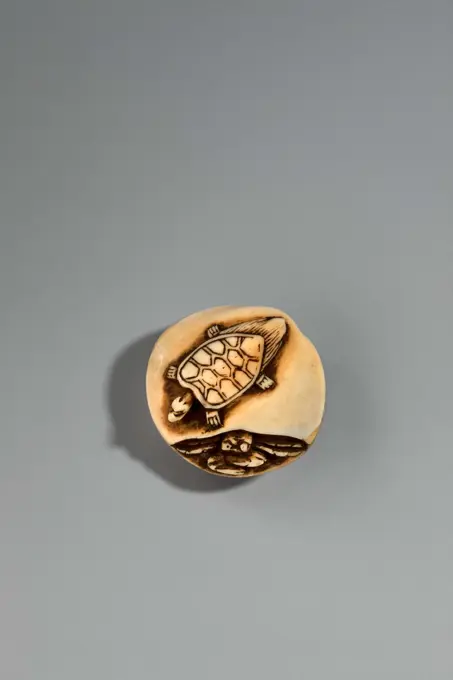
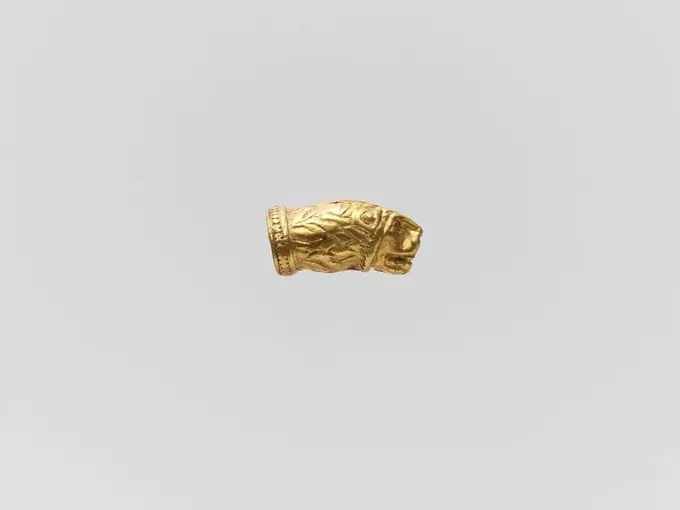
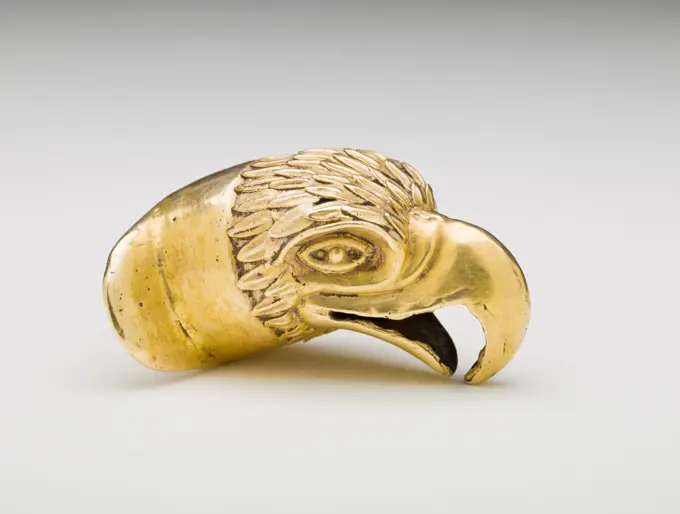
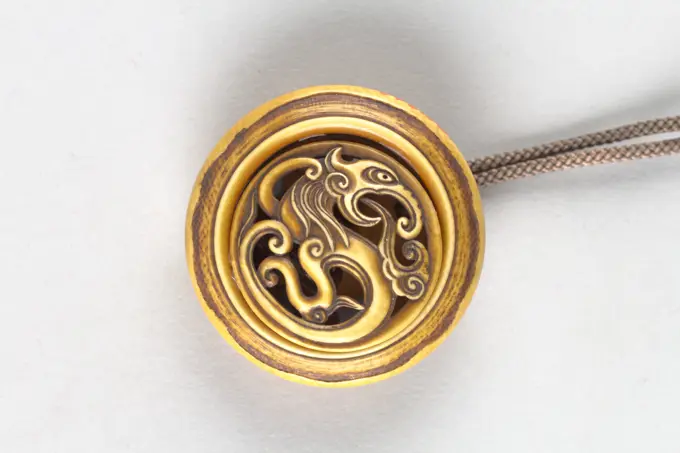
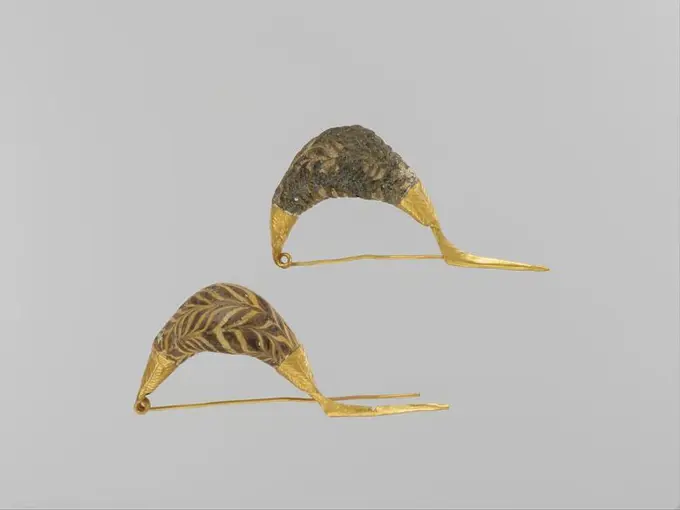
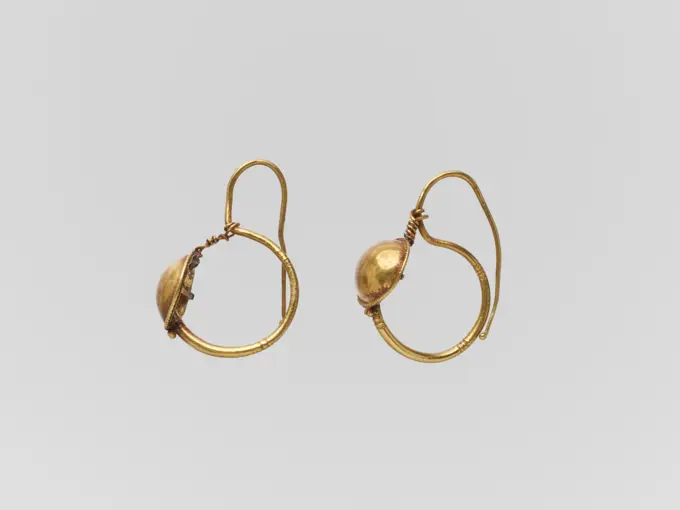
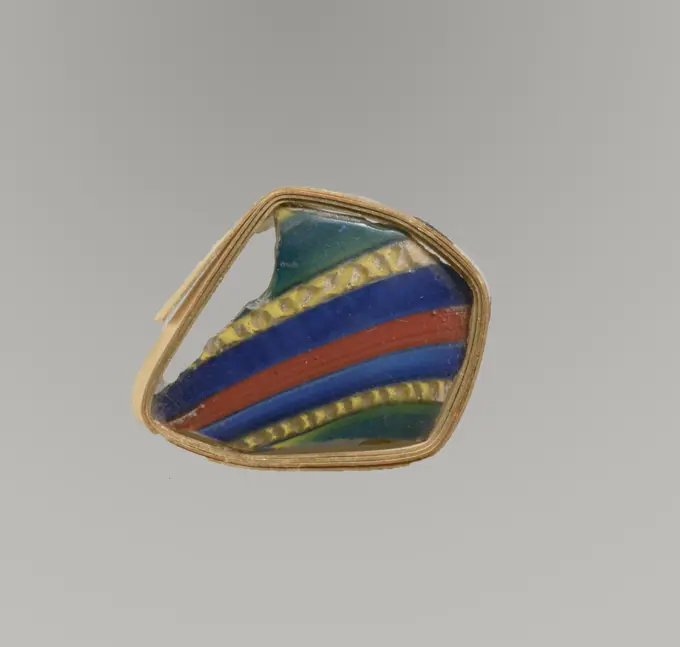
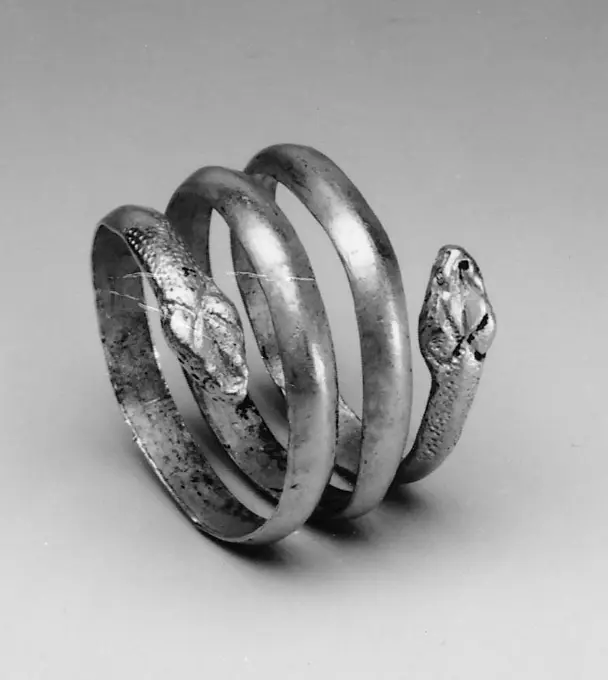
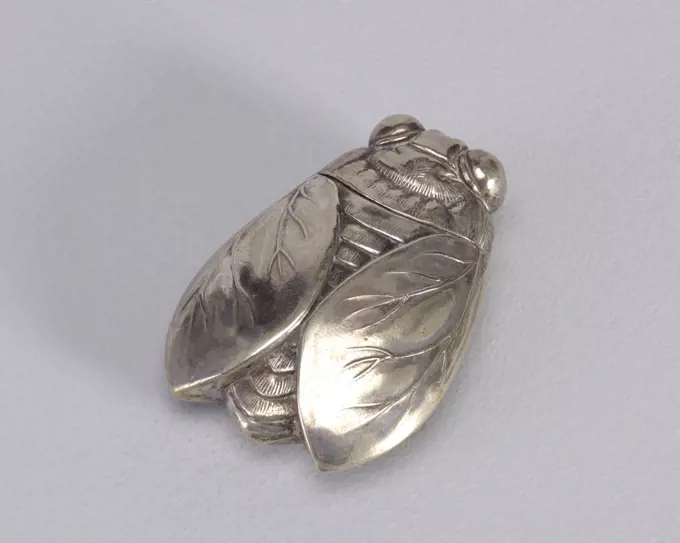
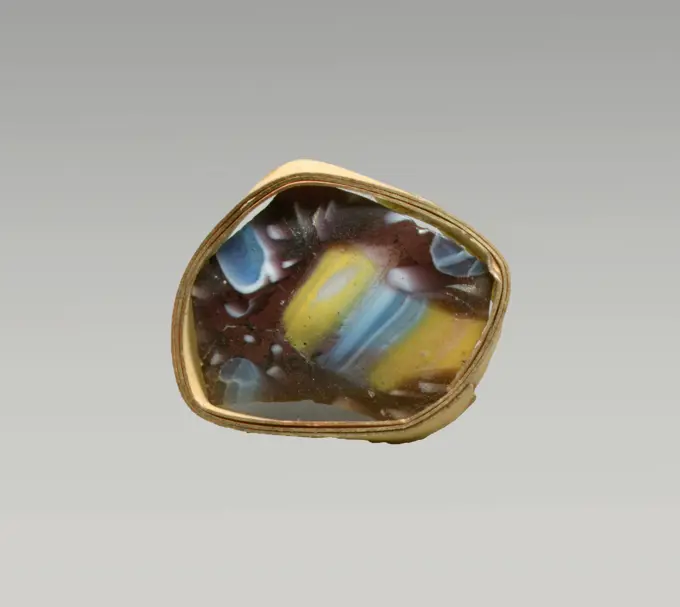
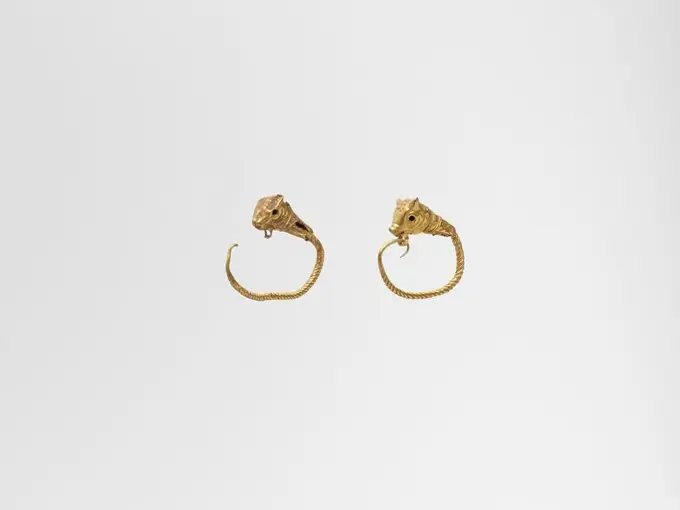
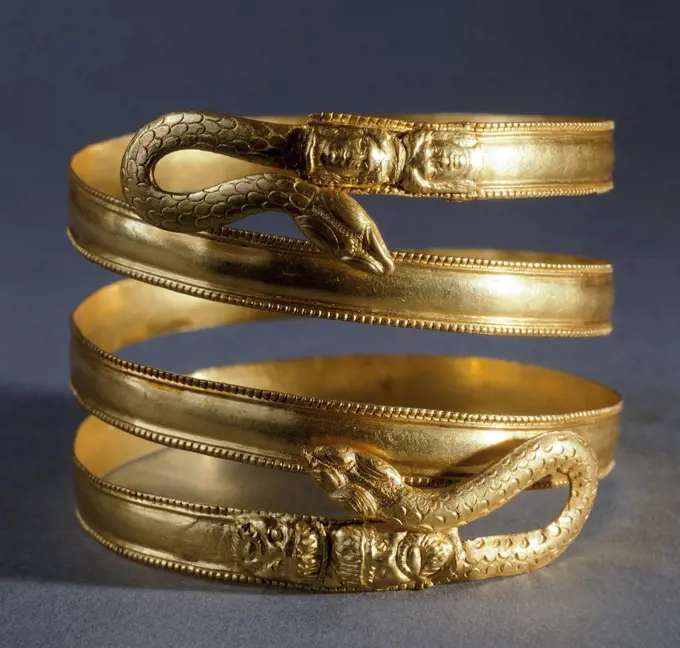
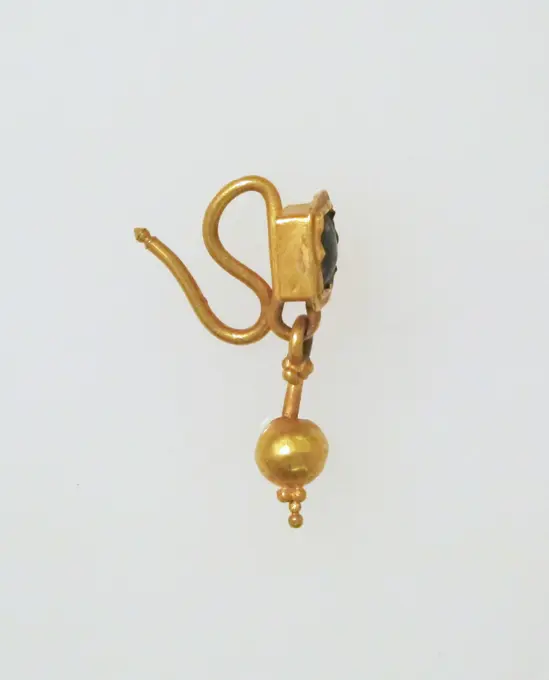
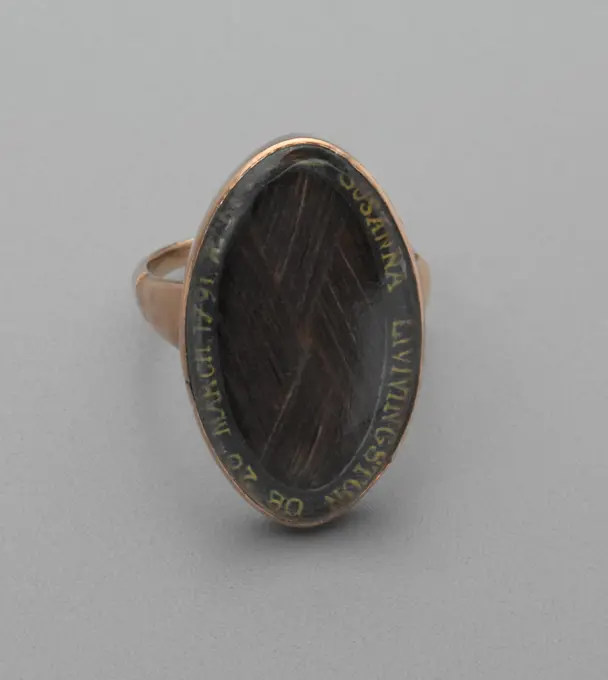
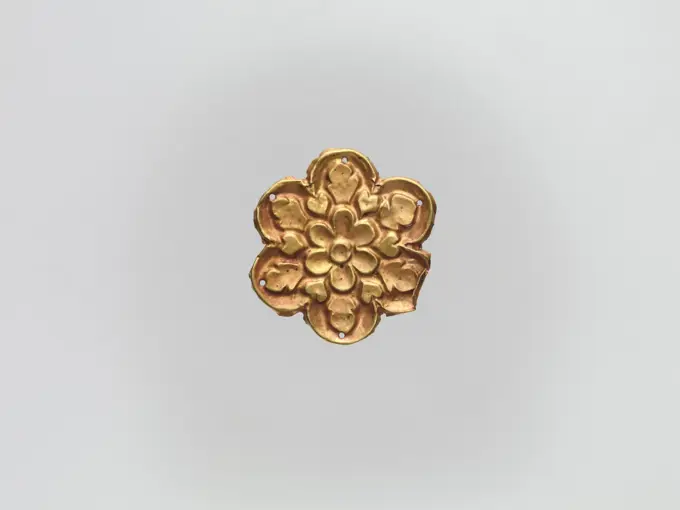
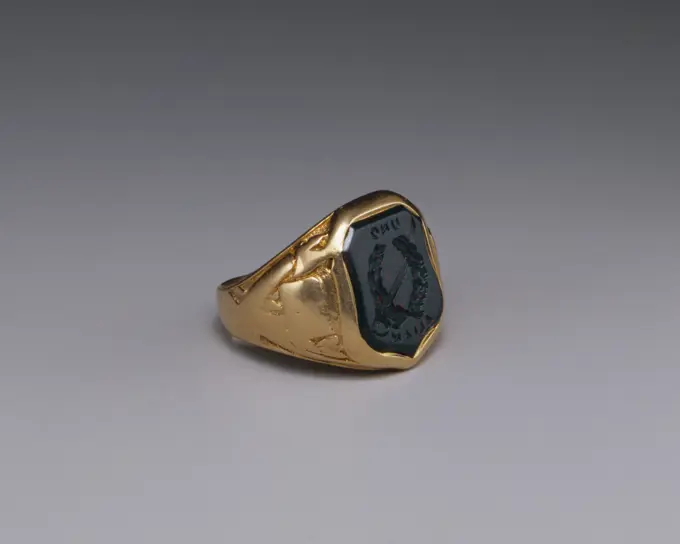
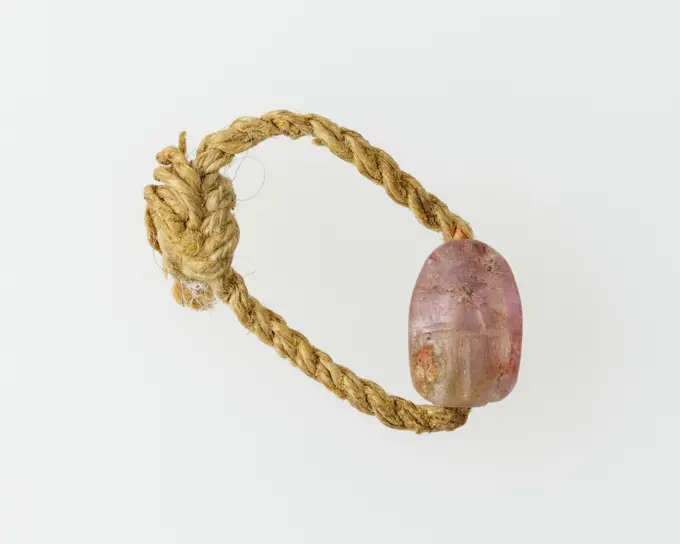
Ring of gilded silver set with seven diamonds, anonymous, 1650 - 1690 Gilded silver ring set with seven diamonds in the form of a bow. The band or hoop of the ring is made up of different ornaments. The larger central diamond is rose -slipped (Antwerp rose) and the six smaller diamonds each have three facets (three -flakes). Netherlands (possibly) silver (metal). diamond (mineral). diamond (mineral) grinding / gilding Gilded silver ring set with seven diamonds in the form of a bow. The band or hoop of the ring is made up of different ornaments. The larger central diamond is rose -slipped (Antwerp rose) and the six smaller diamonds each have three facets (three -flakes). Netherlands (possibly) silver (metal). diamond (mineral). diamond (mineral) grinding / gildingGold earring with disc and pendant (missing) 2nd century A.D. Roman. Gold earring with disc and pendant (missing) 243170Scarab. Culture: Cypriot. Dimensions: Diam.: 7/16 in. (1.1 cm)Other: 3/16 in. (0.5 cm).Scarab in gold band setting, mounted in silver swivel ring; hippocamp. Museum: Metropolitan Museum of Art, New York, USA.Ring, spiral with snakes heads. Ring, spiral with snakes heads. Gold. Gold and SilverEarring, crescent-shaped. Earring, crescent-shaped 243319Bracelet. Bracelet of gold with diamonds. The bracelet consists of a ribbed band that is held together at the ends by a large ring and is furthermore surrounded by a number of smaller rings. The three largest rings are decorated with diamonds occupied floral motifs. A striking aspect is that the tire is interrupted by a spring, which means that the width is flexible.Spirals Cypriot. Spirals 242540Earring-loop type. Earring-loop type. Gold. Gold and SilverEarring, trumpet-shaped 5th-3rd century B.C. Etruscan. Earring, trumpet-shaped 245954For Ostrog Ziembowski, AleksanderEarring Etruscan Ring shaped with granulated ball at each end.. Earring. Etruscan. Gold. Gold and SilverFinger ring, anonymous, c. 1750 Finger ring (Anguthi) of gold with an oval red stone. Surat gold (metal) Finger ring (Anguthi) of gold with an oval red stone. Surat gold (metal)Ring. Gold ring decorated with windows.. Brooch of gold, brown and white email, with a Peridot-Olivine.Gold earring with head of an antelope 4th3rd century B.C. Greek Consisting of a circlet of gold wire, twisted or plain, which tapers from an animal's head at the front end to a hooked point which passes through a loop below the animal's throat.. Gold earring with head of an antelope 242916Gold buckle LeopardZegelring, anonymous, c. 1000 - c. 1900 Copper ring with oval stamp on which and creux a sitting woman with child on her lap, very vague. The ring itself has only flattened the shape of a rope, abstract motifs are engraved on either side of the stamp. Letters AVI  copper (metal) engraving / forging Copper ring with oval stamp on which and creux a sitting woman with child on her lap, very vague. The ring itself has only flattened the shape of a rope, abstract motifs are engraved on either side of the stamp. Letters AVI  copper (metal) engraving / forgingPart of a Shoe Buckle late 5th century Frankish (). Part of a Shoe Buckle 468994Earring, baule type 7th-5th Century B.C. Etruscan. Earring, baule type. Etruscan. 7th-5th Century B.C.. Gold. Gold and SilverSilver ring with gold plated. Diameter 0,90 mm Width: 0, 30 cm. (1st - 4 th CE ) - Roman period, from the " Villa del Val" - Archaeological site of Complutum in Alcalá de Henares ( Madrid ). SPAIN.Golden ring isolated on the white backgroundEarring with disc, chain and bird's head 1st-2nd century A.D. Roman. Earring with disc, chain and bird's head. Roman. 1st-2nd century A.D.. Gold. Gold and SilverSilverBraceletPeace of Breda. Oval box of driven silver. Decorated with the Dutch virgin on one side, England trimmed, to the ride a clearance on the peace of Breda.Stirrup-shaped Ring with Red Stone set in Square Mount Second half of the 8th-second half of the 10th century Indonesia (Java). Stirrup-shaped Ring with Red Stone set in Square Mount. Indonesia (Java). Second half of the 8th-second half of the 10th century. Gold with red stone. Central Javanese period. JewelryRing, ca.1800, Gold, 7/8 × 1/16 in. (2.22 × 0.16 cm, 1g), Made in United States, American, 18th-19thcentury, JewelryRingColander, anonymous, 1738 Round colander on three legs with two horizontal C-shaped handles. The colander is marked: stk. = Amsterdam, Jrl. = D (1738) and an illegible master sign. Amsterdam silver (metal) Round colander on three legs with two horizontal C-shaped handles. The colander is marked: stk. = Amsterdam, Jrl. = D (1738) and an illegible master sign. Amsterdam silver (metal)Dish. Round dish with scalloped edge. The dish belongs under a terrine (BK-NM-11177-153-B). The terrine is noticed, but the dish is not. The dish and vegetable scale are equal to two copies with Invnrs. BK-NM-11177-252 and BK-NM-11177-253.Fibula, bow-shaped Italic. Fibula, bow-shaped 245989Openwork Fitting 7th-9th century China (Xinjiang Autonomous Region, Central Asia) The nomadic communities of Central Asia used such plaques to embellish clothing and horse trappings. As these nomadic cultures herded animals and were constantly moving, their artistic production was expressed in portable objects that marked the wearers status and wealth. The outstanding preservation of these fragile ornaments suggests they were used in conjunction with burials, where the body was aggrandized with valuable textiles and augmented with gold. Although it is difficult to date and place these objects geographically, their presence in Central Asia and has a long, established history.. Openwork Fitting 65325Glass network mosaic fragment late 1st century B.C.-early 1st century A.D. Roman Body fragment.Colorless, with opaque white.Convex side.Ten narrow vertical canes decorated with two spirally twisted threads.Pinprick bubbles; rough edges and exterior polished, with pitting of surface bubbles; patches of creamy weathering on interior and edges.. Glass network mosaic fragment. Roman. late 1st century B.C.-early 1st century A.D.. Glass; cast. Early Imperial. GlassPair or Bracelets (Churi). Bracelet (Churi) consisting of a turtle carved with a hinge and a golden lock. Enclosed by a simple gold band fittings. Forms a pair with AK-NM-7053-A.Pommel in the shape of coiled animals. Culture: Sarmatian. Dimensions: H. 1 in. (2.5 cm). Date: ca. 3rd-1st century B.C.. Museum: Metropolitan Museum of Art, New York, USA.Octopus and Sea Star Matchsafe; Manufactured by George W. Shiebler & Co. (American, 1876 - 1910); USA; silver; 6.2 x 3.5 x 1.3 cm (2 7/16 x 1 3/8 x 1/2 in. )Silver gilt ring late 6th-early 5th century B.C. Etruscan The bezel, in the form of a cartouche, is decorated with a winged lion, a siren, and a flying scarab beetle.. Silver gilt ring 256206Gold spiral. Culture: Cypriot. Dimensions: L. 1 3/16 in. (3.1 cm). Date: ca. 1600-1100 B.C..Of plain wire with two turns. Museum: Metropolitan Museum of Art, New York, USA.Gilt bronze spiral with lion-griffin terminal. Culture: Greek, Cypriot. Dimensions: 1 5/16 x 13/16in. (3.3 x 2cm). Date: ca. 400-350 B.C..This typically Cypriot element of jewelry, usually found in pairs, served either as a hair spiral or an earring. Museum: Metropolitan Museum of Art, New York, USA.Gold ring with five amethists in box with lid, Gerritsen and Van Kempen, 1951 Gold ring with five amethists. Five amethists are placed around a curl of wire work, rising in size. Box of dark red plastic with glitter and golden edge. Inside lid: Rikkoert Hof supplier Schoonhovens Silverhuys Haven 1-13 (0182) 382651. Velvet lining. Zeist gold (metal). amethyst (mineral) grinding Gold ring with five amethists. Five amethists are placed around a curl of wire work, rising in size. Box of dark red plastic with glitter and golden edge. Inside lid: Rikkoert Hof supplier Schoonhovens Silverhuys Haven 1-13 (0182) 382651. Velvet lining. Zeist gold (metal). amethyst (mineral) grindingBrooch, part of a demi-parure, anonymous, c. 1840 - c. 1849 Brooch of gold, diamond, pearl and email. Decorated with floral motifs and snakes. Germany (possibly) gold (metal). diamond (mineral). pearl. Brooch of gold, diamond, pearl and email. Decorated with floral motifs and snakes. Germany (possibly) gold (metal). diamond (mineral). pearl.RingSeated Hindu Goddess, Silver, Rectangular, featuring raised decoration of Eastern Indian goddess seated on undecorated shield, surrounded by swirling foliate motifs. Reverse features goddess standing next to palm tree. Female with upraised arms on lid, as well as bottom. Lid hinged on side. Striker on each vertical side., probably India, late 19th century, containers, Decorative Arts, Matchsafe, MatchsafePair of Sword-Grip Ornaments (Menuki). Culture: Japanese. Dimensions: Menuki (a); L. 1 3/8 in. (3.4 cm); Wt. 0.3 oz. (8.5 g); menuki (b); L. 1 5/16 in. (3.3 cm); Wt. 0.3 oz. (8.5 g). Date: 18th century. Museum: Metropolitan Museum of Art, New York, USA.Earring with head of goat 3rd century B.C. or later Greek. Earring with head of goat. Greek. 3rd century B.C. or later. Gold, garnet. Hellenistic. Gold and SilverGeneral Ulysses S. Grant, Plated brass, In the shape of Ulysses S. Grant's head in profile, with 4-star epaulet at shoulder, identical on reverse. Lid, hinged on side, flips opens at bottom when small button at neck is depressed. Striker on bottom of lid., ca. 1890, containers, Decorative Arts, Matchsafe, MatchsafePair of Ear Clips in the Shape of a Starfruit Second half of the 8th-second half of the 10th century Indonesia (Java). Pair of Ear Clips in the Shape of a Starfruit. Indonesia (Java). Second half of the 8th-second half of the 10th century. Gold. Central Javanese period. JewelryRing, anonymous, c. 1725 - c. 1750 Gold ring with corrugated edges. Decorated with filigin tires in the middle, and curls on either side of it. Netherlands (possibly) gold (metal) filigree Gold ring with corrugated edges. Decorated with filigin tires in the middle, and curls on either side of it. Netherlands (possibly) gold (metal) filigreeSpirals Cypriot. Spirals 242534Kolsty salt shaker; Pogorzelski (Warsaw; Wytwórnia Z Otnicz; 1845-1914); The ninth of the nineteenth century (1890-00-00-1899-00-00);Banking Foundation Leopolda Kroneneberg (Warsaw - 1996-) - collection, gift (provenance), spices, spices (vessel), salt (vessel)Metal button, half ball of brass with fixed eye, knot clothing accessory clothing soil find copper brass metal, cast brass knot with fixed eye at the back. Half round slightly flattened archeology dress adorn closeGold snuff box, oval with straight walls. On the front and back an engraved pumpkin branch with fruit and four leaves, Laurens Potmans, 1784 - 1786 Oval snuff box of gold, with straight walls. The top of the lid and the bottom of the bottom are engraved. A pumpkin branch with a fruit and 4 leaves is engraved on the front and back of the box. Middelburg gold (metal) Oval snuff box of gold, with straight walls. The top of the lid and the bottom of the bottom are engraved. A pumpkin branch with a fruit and 4 leaves is engraved on the front and back of the box. Middelburg gold (metal)Amulet with ankhs ca. 1981-1640 B.C. Middle Kingdom. Amulet with ankhs. ca. 1981-1640 B.C.. Quartz, gold. Middle Kingdom. From Egypt, Memphite Region, Lisht North, Tomb 954, Burial 954L, MMA excavations, 1921-22. Dynasty 12-13Tortoise and crab protruding from a seashell; netsuke. unknown, sculptorGold finial ending in a lion's head. Culture: Cypriot. Dimensions: Other: 13/16 in. (2.1 cm). Date: 5th-4th century B.C..The object may have been one of the finials of a bracelet with an animal's head at each end of the hoop. This type of jewelry was common through much of the Mediterranean world including Cyprus. Museum: Metropolitan Museum of Art, New York, USA.Labret in the Form of an Eagle Head. Mexico, Western Oaxaca or Puebla, Mixtec-Puebla or International style, 1200-1500. Metal. GoldOpenwork Fitting. Culture: China (Xinjiang Autonomous Region, Central Asia). Dimensions: H. 1 in. (2.5 cm); W. 1 in. (2.5 cm); D. 1/2 in. (1.3 cm). Date: 7th-9th century.The nomadic communities of Central Asia used such plaques to embellish clothing and horse trappings. As these nomadic cultures herded animals and were constantly moving, their artistic production was expressed in portable objects that marked the wearer's status and wealth. The outstanding preservation of these fragile ornaments suggests they were used in conjunction with burials, where the body was aggrandized with valuable textiles and augmented with gold. Although it is difficult to date and place these objects geographically, their presence in Central Asia and has a long, established history. Museum: Metropolitan Museum of Art, New York, USA.Hat pin unknownBracelet, one of a pair, 4 x 3 3/4 x 1 in. (10.16 x 9.53 x 2.54 cm), Silver, ChinaNetsuke with Kagamabuta-stylized Baku 19th century Japan. Netsuke with Kagamabuta-stylized Baku. Japan. 19th century. Ivory carved in openwork. Edo (1615-1868) or Meiji period (1868-1912). NetsukeTumor to the semi -characteristic hat of the seventh rank (or lower);  19th century (1801-00-00-1900-00-00);Golden ring isolated on the white backgroundGold sanguisuga-type fibulae (safety pins) with glass paste bows. Culture: Etruscan. Dimensions: Other: 3 9/16 in. (9 cm). Date: late 8th-early 7th century B.C..Glass was a rare and expensive commodity in archaic Italy. A number of fibulae with bows made of glass paste have been excavated at Etruscan sites from Bologna to Veii but all of these have bronze pins and catch plates. Our examples,the only ones known to employ gold, must have significantly enhanced their owner's status. Museum: Metropolitan Museum of Art, New York, USA.Gold earring with convex disc 2nd century A.D. Roman Convex disc in front of the fastening.. Gold earring with convex disc. Roman. 2nd century A.D.. Gold. Imperial. Gold and SilverGlass striped mosaic bowl fragment late 1st century B.C.-early 1st century A.D. Roman Body fragment.Translucent blue, purple appearing opaque brick red, turquoise blue appearing green, yellow, and white, with colorless glass.Convex curving side. Striped mosaic pattern formed from lengths of different canes in regular, parallel bands: yellow, green, colorless with two overlapping spiral yellow threads, blue, red, blue, colorless with two overalapping spiral yellow threads, and green.Pinprick bubbles; exterior polished, with pitting of surface bubbles; pitting and creamy weathering on interior and jagged edges.This type of Roman mosaic glass combines stripes of translucent colored glass with canes of network glass.. Glass striped mosaic bowl fragment. Roman. late 1st century B.C.-early 1st century A.D.. Glass; cast. Early Imperial. GlassGold snake ring ca. 330-300 B.C. Greek Gold snake ring, ending in serpents' heads, part of the Madytos Jewelry.This group of jewelry is said to have come from a tomb at Madytos on the European side of the Hellespont. The gold diadem is richly worked in repousse with an elaborate floral pattern. Dionysos, the god of wine, and his wife, Ariadne, sit in the center; muses playing musical instruments perch among the vines and along the sides. The tiny figure of a must playing a lyre also appears just above the crescent form on each of the boat-shaped earrings. The seedlike pendants of the earrings are identical to those on the elaborate necklace.. Gold snake ring 247591Cicada, Plated metal, In the form of a cicada, with bulging eyes on head, large veined wings, and ribbed body. Reverse features underside of insect, textured belly probably intended as striker. Head serves as lid, hinged on reverse (underside) allowing it to open by flipping back., probably Japan, late 19th century, containers, Decorative Arts, Matchsafe, MatchsafePair of Charro Rowel Spurs 19th century Mexican These spurs, made for a Mexican charro (the Mexican cowboy), are decorated with foliage and geonetrical motifs, pierced, chiseled and inlaid with silver. Charros were originally land, horse and cattle owners who had an high social and economical status. They would meet during ceremonies and festivals and demonstrate their skills through several kind of rodeo games called charrería. Charros and charrería are still an important part of Mexican traditional culture, and horses are a central aspect of it. During these festive events, charros like to display splendidly decorated horse tack and spurs, the latter being one of the main symbols of their culture.. Pair of Charro Rowel Spurs. Mexican. 19th century. Iron alloy, silver, copper alloy. Equestrian Equipment-SpursGold ring with inscription 1st century B.C.-3rd century A.D. Roman. Gold ring with inscription 243520Gold earring with head of an antelope 3rd-2nd century B.C. Greek Consisting of a circlet of gold wire, twisted or plain, which tapers from an animal's head at the front end to a hooked point which passes through a loop below the animal's throat.. Gold earring with head of an antelope 256136Ring. Date: 12th-13th century. Museum: Metropolitan Museum of Art, New York, USA.Nose Ornament, c. 400-1000. Colombia, Sinú style, 5th-11th century. Hammered gold; overall: 2.1 x 4.3 x 1.9 cm (13/16 x 1 11/16 x 3/4 in.).Pendant or Ornament with Symmetrical Design Second half of the 8th-second half of the 10th century Indonesia (Java). Pendant or Ornament with Symmetrical Design 50425Pair of Sword-Grip Ornaments (Menuki) 18th century Japanese Menuki are a pair of ornamental sword fittings attached to either side of a sword hilt.. Pair of Sword-Grip Ornaments (Menuki). Japanese. 18th century. Copper-gold alloy (shakud), copper-silver alloy (shibuichi), silver, gold. Sword Furniture-MenukiRing with Inset Circular Red Stone Second half of the 8th-second half of the 10th century Indonesia (Java). Ring with Inset Circular Red Stone. Indonesia (Java). Second half of the 8th-second half of the 10th century. Gold with red stone. Central Javanese period. JewelryPair of Ear Ornaments, Lunates 8th-12th century Indonesia (Central Java). Pair of Ear Ornaments, Lunates. Indonesia (Central Java). 8th-12th century. Gold. JewelryNeo-Egyptian Motifs, Watrous Manufacturing Company, Silver, Rectangular, rounded corners, with relief decoration on lid of winged scarabs, stylized lotus blossoms, and other Egyptian motifs on body; plain reserve of irregular hexagonal shape, monogram incised in reverse reserve. Lid hinged on side. Striker on bottom., Wallingford, Massachusetts, USA, ca. 1900, containers, Decorative Arts, Matchsafe, MatchsafeGlass mosaic fragment late 1st century B.C.-early 1st century A.D. Roman Translucent purple and blue, opaque white and yellow, and colorless.Part of flat bottom and convex curving side expanding upward.Mosaic pattern formed from sections of two or more canes: one in a purple ground with white dots around a blue center outlined in white, and another in parallel bands of yellow, partially mixed with colorless, and blue and white stripes.Polished exterior; pitting of surface bubbles and joins between canes; dulling, pitting, and slight iridescent weathering on interior and edges.. Glass mosaic fragment. Roman. late 1st century B.C.-early 1st century A.D.. Glass; cast. Early Imperial. GlassSirih Box. A sirihpot 'Goela Klapa', part of a couple (A and B) with gold-plated lid from the 18th century with Louis XVI decoration with tassels and garlands in driven silver. A peacock c.q. bird motif is applied to the golden caps and not, as one would expect, the motif of a dying garden. The lid is attached to the pot with a chain. The pot is round and stands on a foot.One of a Set of Four Earrings 8th-12th century Indonesia (Central Java). One of a Set of Four Earrings 64439Knot of gold and light green email, with a ruby, Louis Willem van Kooten (II), c. 1908 - c. 1911 Button of gold and light green email, with a ruby. Amsterdam gold (metal). ruby (mineral). Button of gold and light green email, with a ruby. Amsterdam gold (metal). ruby (mineral).Belted Tobacco Pouch, Silver, Rectangular, with curved sides featuring raised, trompe l'oeil decoration simulating a soft, textured, belted, tobacco pouch, folded over with flap at front, as well as match and one dime tucked into belt; reverse decoration simulates pinched belt loop with belt running through it; remnant of red color on match tip. Upper part of pouch or lid hinged on left side. Striker on bottom., ca. 1890, containers, Decorative Arts, Matchsafe, MatchsafeRingGold earring with head of a bull. Culture: Greek. Dimensions: Diam.: 11/16 in. (1.7 cm). Date: 4th-3rd century B.C..This is one of the most widespread types of earring during the later Classical and early Hellenistic period throughout the Greek world. Museum: Metropolitan Museum of Art, New York, USA.Ear Ornament Garuda, Meru 8th-12th century Indonesia (Central Java). Ear Ornament Garuda, Meru 64403Close-up of a gold brooch with a ruby and diamondsNecklace pendant, by Ostrogothic Work, 6th Century, gold and enamel. Italy, Piemonte, Turin, Sabauda Gallery. Whole artwork. Pendant necklace.Knot of silver -colored metal and stras, anonymous, c. 1800 - c. 1900 Button of silver -colored metal and stras. Six rotating, ajour, spalls of metal with three rhinestones are around a large middle stone. Copy of an eighteenth century button. France (possibly) Completely: Metal. Decoration: Paste (Glass) forging / grinding Button of silver -colored metal and stras. Six rotating, ajour, spalls of metal with three rhinestones are around a large middle stone. Copy of an eighteenth century button. France (possibly) Completely: Metal. Decoration: Paste (Glass) forging / grindingSword-Hilt Collar (Fuchi). Culture: Japanese. Dimensions: H. 1 3/8 in. (3.5 cm); Wt. 0.6 oz. (17 g). Date: ca. 1615-1868. Museum: Metropolitan Museum of Art, New York, USA.Spiral gold bracelet, Italy. Goldsmith art. Greek civilization, Magna Graecia.Earring-hook type with pendants and paste setting 2nd century A.D. Roman. Earring-hook type with pendants and paste setting 243374Assorted Shells Matchsafe; Manufactured by George W. Shiebler & Co. (American, 1876 - 1910); USA; silver; 6.5 x 3.4 x 1.3 cm (2 9/16 x 1 5/16 x 1/2 in. )Bracelet, Gold, 4th century, Russia, St. Petersburg, Collection of Peter the Great State Hermitage, BC D 7-8Pendant in the form of Hathor's headButtonsMourning Ring Honoring Susanna SmithLivingston. Honorand: Susanna Smith Livingston, American, 1729-1791Flower-Shaped Clothing Plaque 7th-9th century China (Xinjiang Autonomous Region, Central Asia) The nomadic communities of Central Asia used such plaques to embellish clothing and horse trappings. As these nomadic cultures herded animals and were constantly moving, their artistic production was expressed in portable objects that marked the wearers status and wealth. The outstanding preservation of these fragile ornaments suggests they were used in conjunction with burials, where the body was aggrandized with valuable textiles and augmented with gold. Although it is difficult to date and place these objects geographically, their presence in Central Asia and has a long, established history.. Flower-Shaped Clothing Plaque. China (Xinjiang Autonomous Region, Central Asia). 7th-9th century. Gold. Period of Tibetan Empire. MetalworkSignet Ring 1864 Ball, Black & Co. American This class ring was made by prominent New York City jewelers, Ball, Black & Co., and was acquired by John K. Elliott upon his graduation from the United States Military Academy in 1864. The shield-shaped bloodstone intaglio features a crossed laurel wreath and sword, and the chosen motto of the class of 1864, Uno Aliam.” The design and motto are engraved in reverse, allowing the gem to function as a seal. The shoulders of the ring, which are worn from use, feature military trophies. The inside of the ring is engraved John K. Elliott Graduating Class 1864.” Following his graduation, Pennsylvanian John K. Elliot fought in the Civil War. He was severely wounded and died from complications of his injury on April 18th, 1871 at the age of 29.. Signet Ring. American. 1864. Gold and bloodstone. Made in New York, New York, United StatesPulsera, obra de Jaume Mercadé i Queralt, siglo XX. Colección privada.Earring with nail head pendant, 12 Cypriot. Earring with nail head pendant, 12 242654Scarab ring ca. 1750-1700 B.C. Middle Kingdom-Early New Kingdom. Scarab ring. ca. 1750-1700 B.C.. Amethyst. Middle Kingdom-Early New Kingdom. From Egypt, Memphite Region, Lisht North, cemetery, Pit 995, MMA excavations, 1921-22. Dynasty 13, mid