Historical Animal Figurines

A collection of antique animal sculptures in various materials, including bronze and ivory, showcasing artistic craftsmanship from different cultures.

Mary and Little Lamb' still bank, 1901, 4 1/4 x 4 1/2 x 2 1/16 in. (10.8 x 11.43 x 5.24 cm), Iron, pigment, United States, 20th century
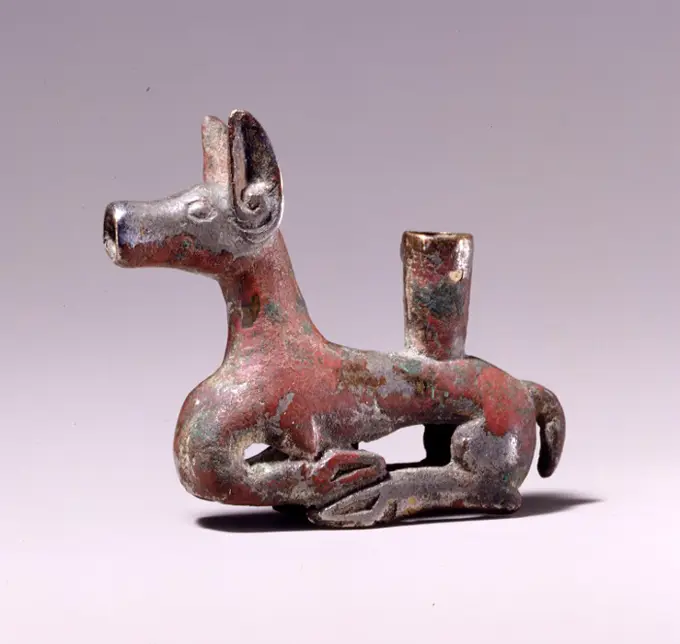
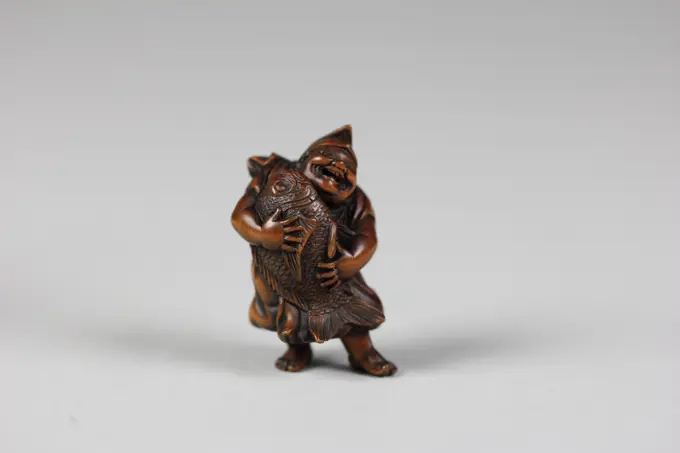
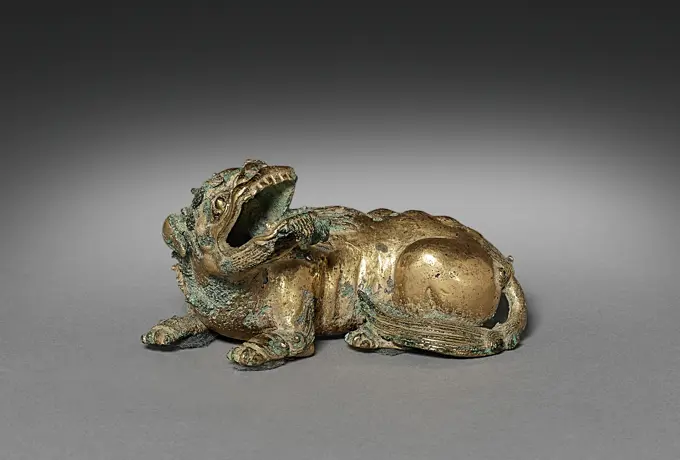
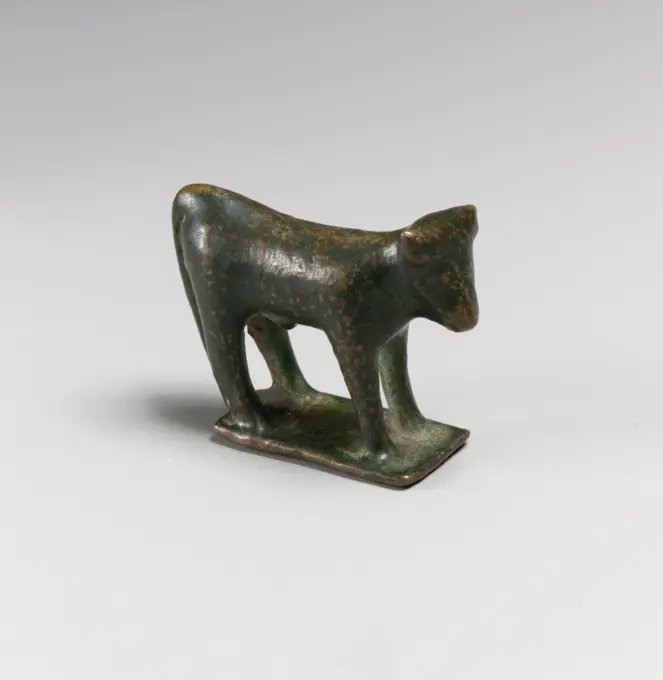
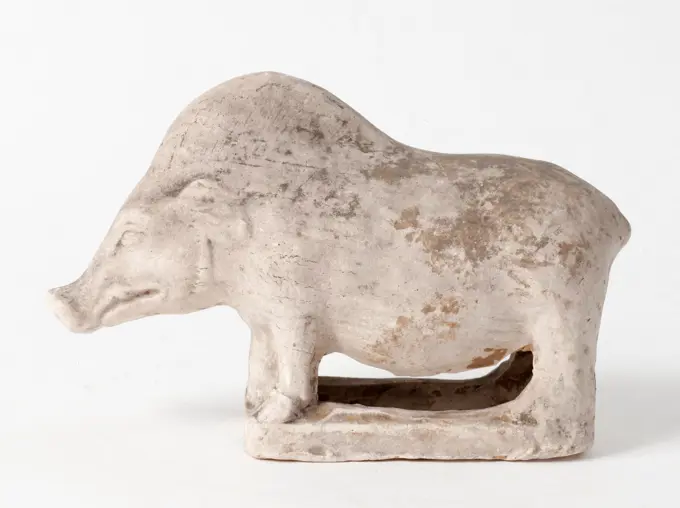
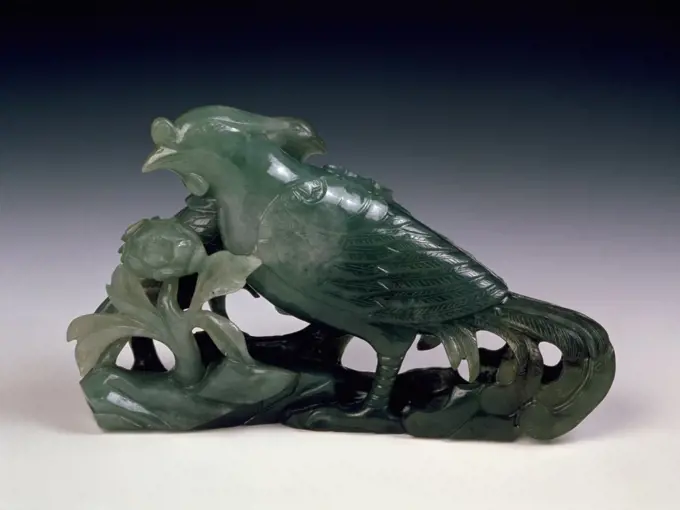
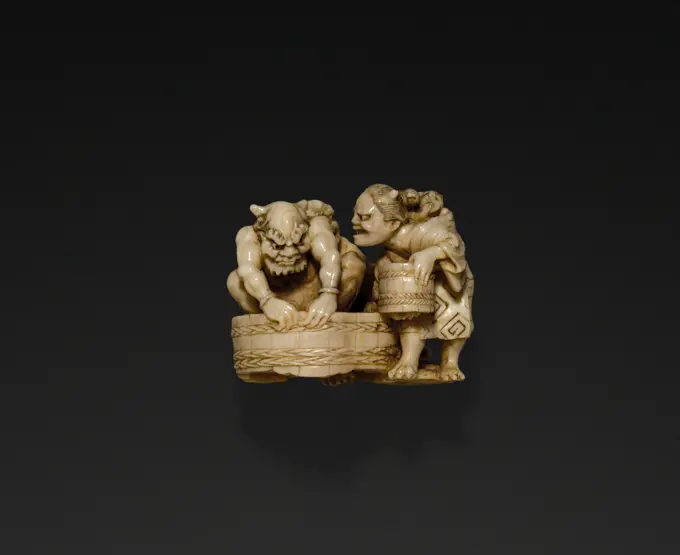
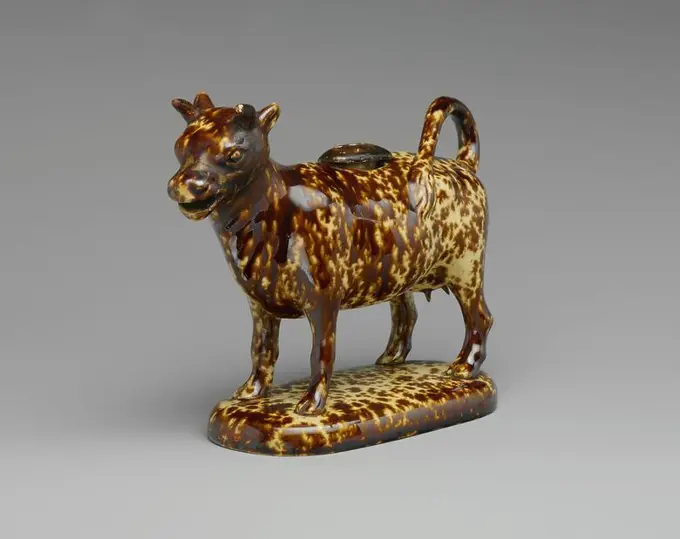
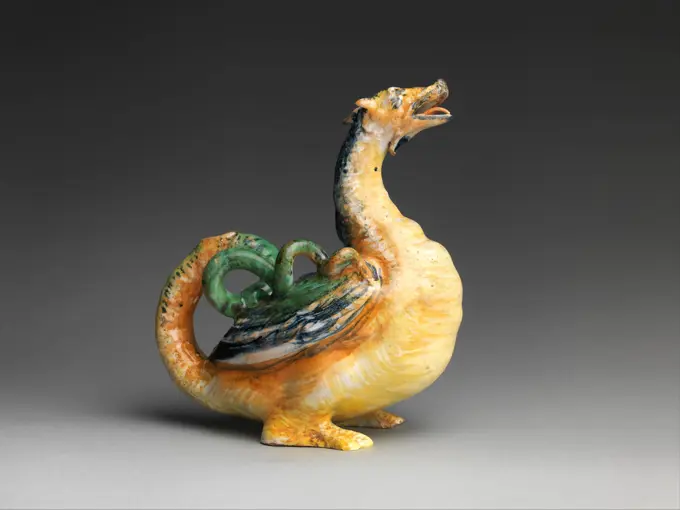
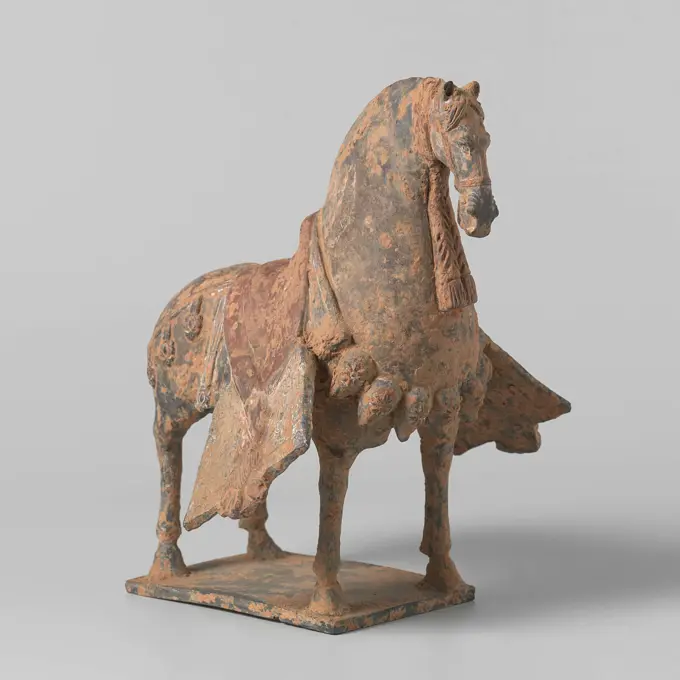
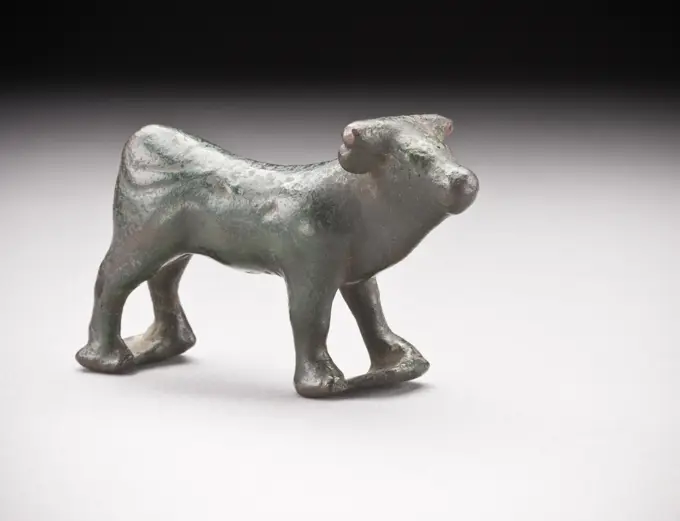
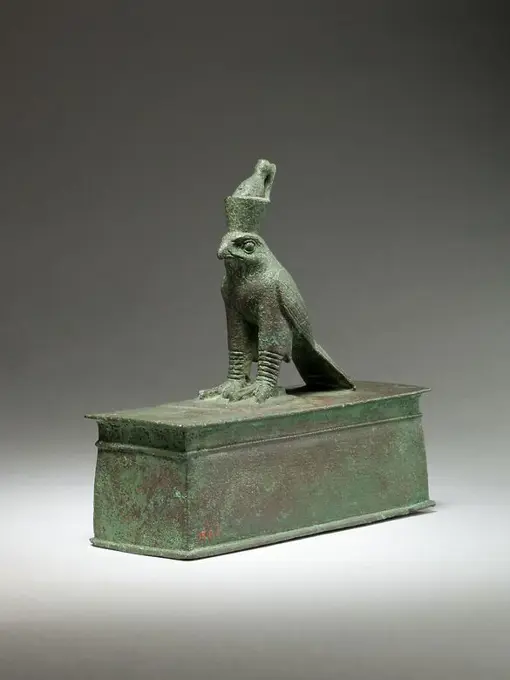
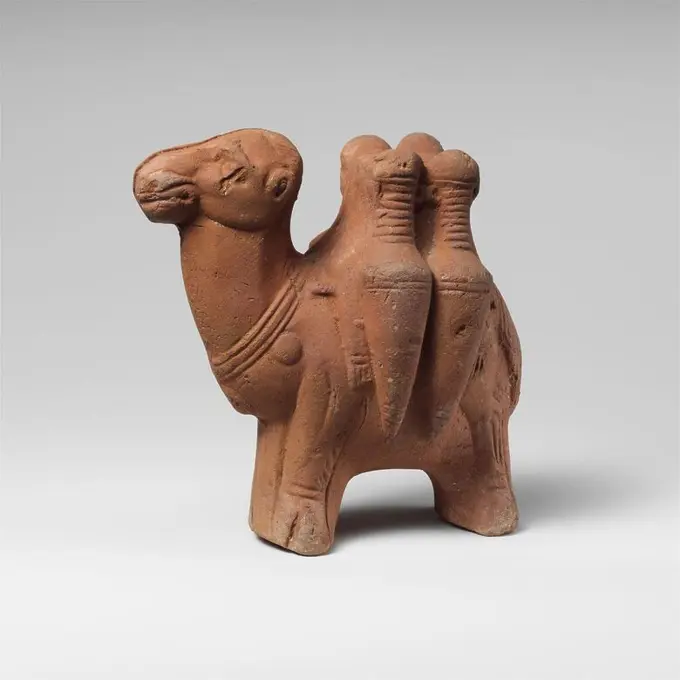
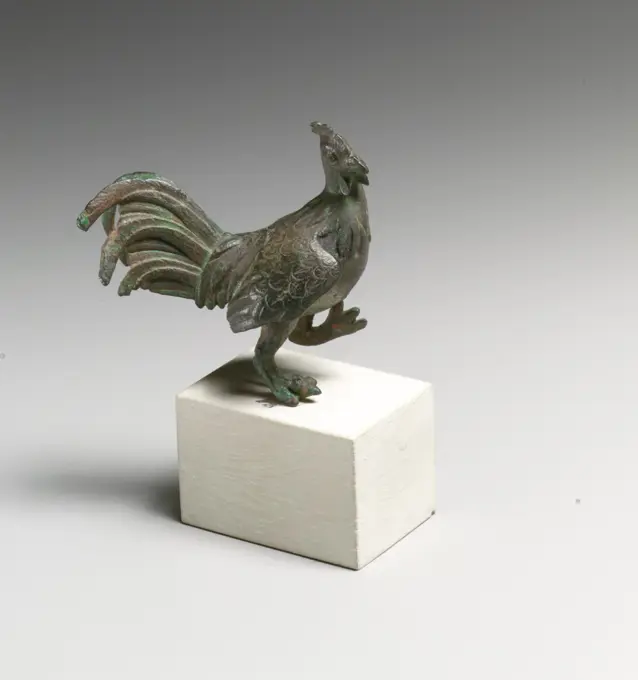
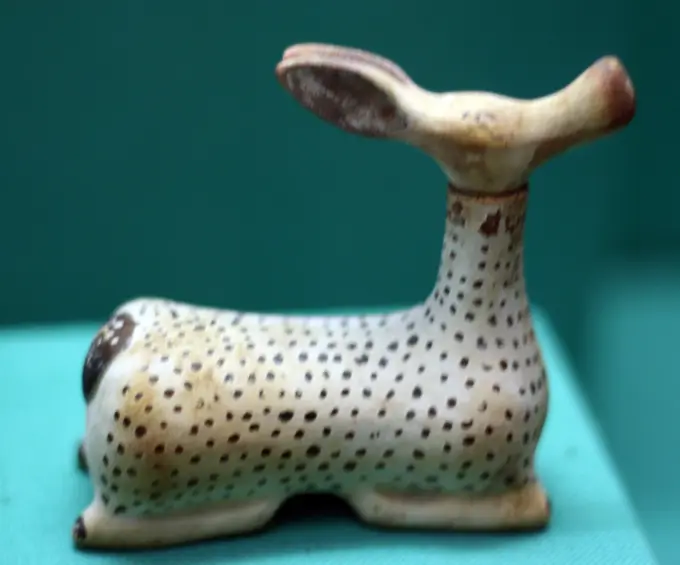
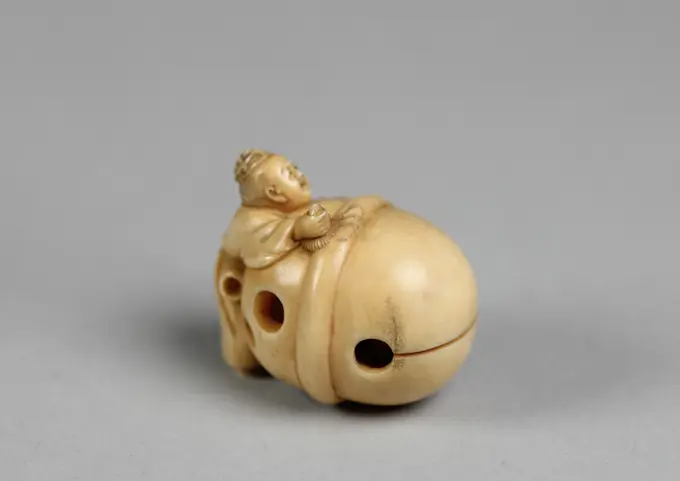
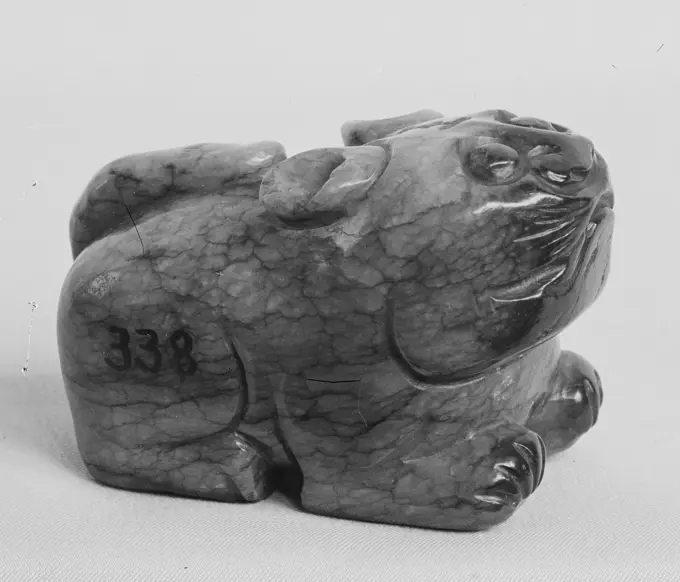
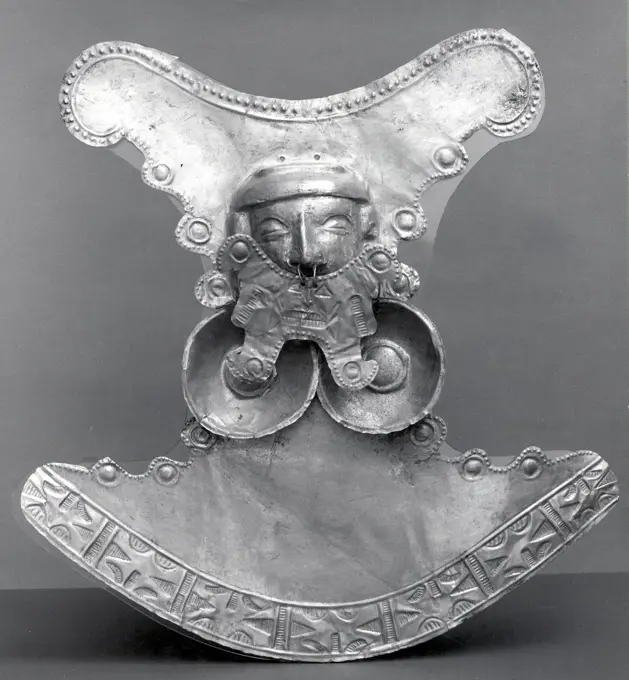
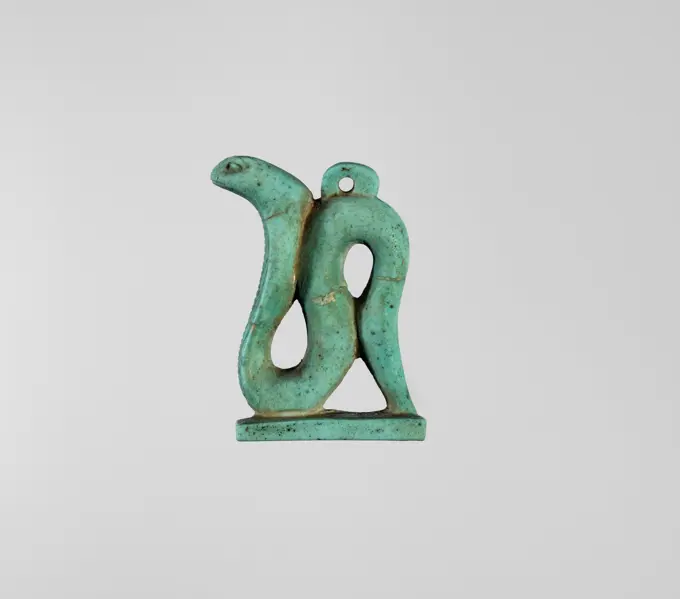
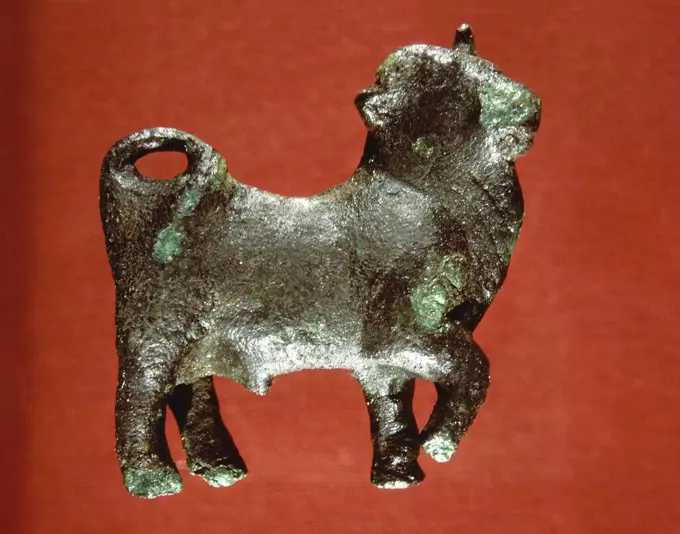
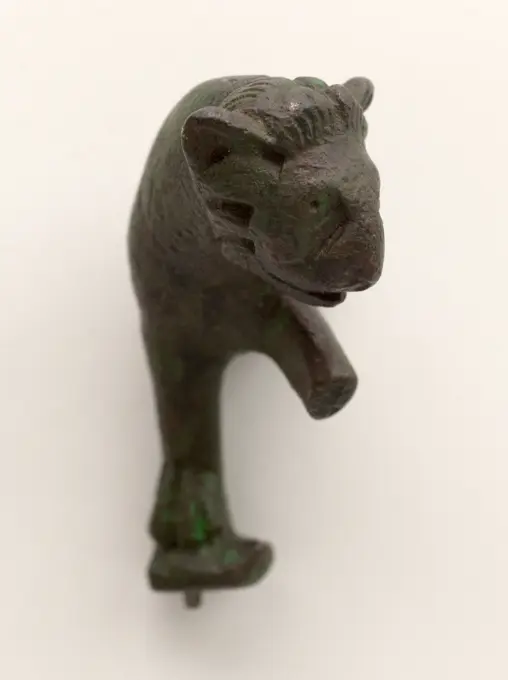
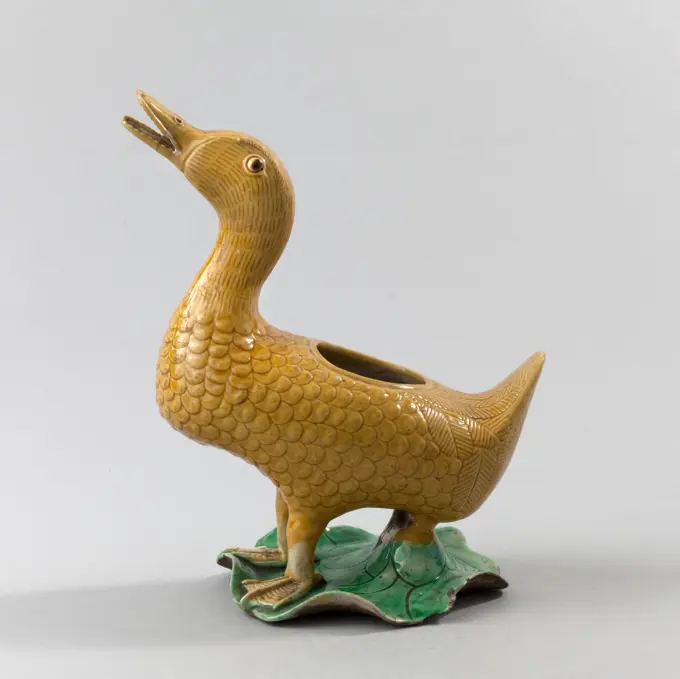
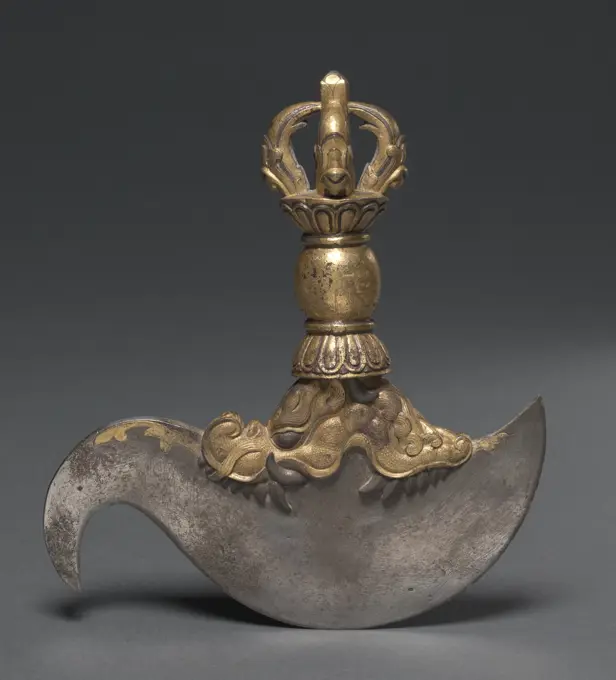
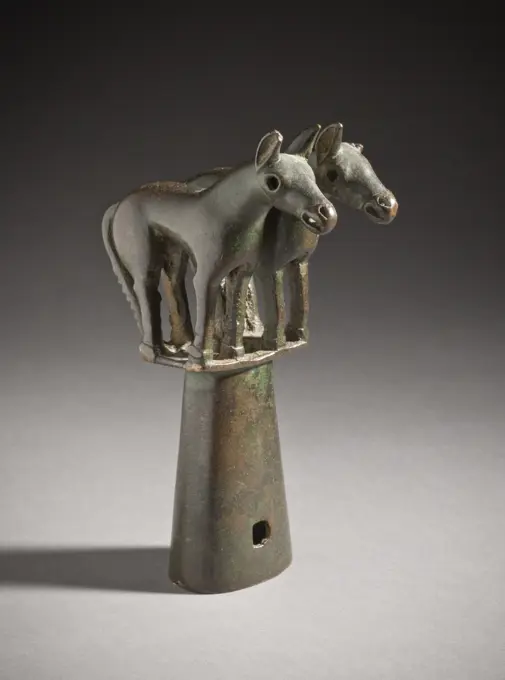
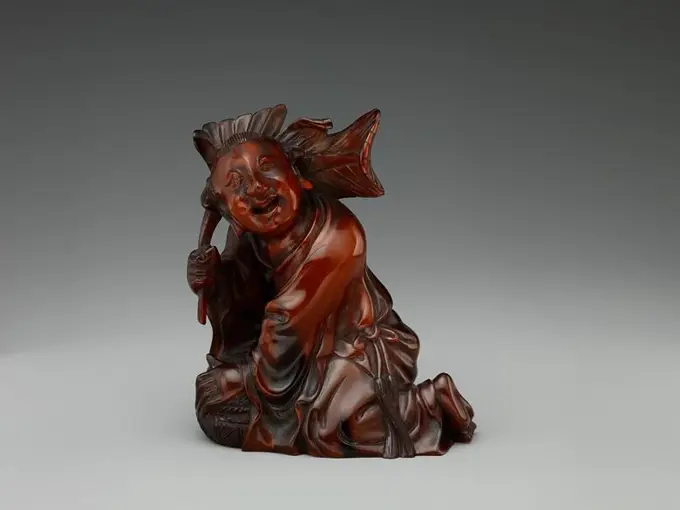
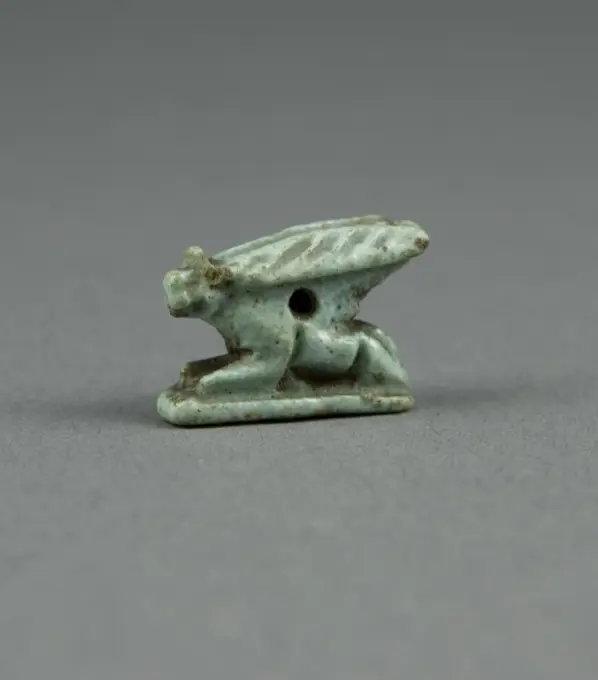
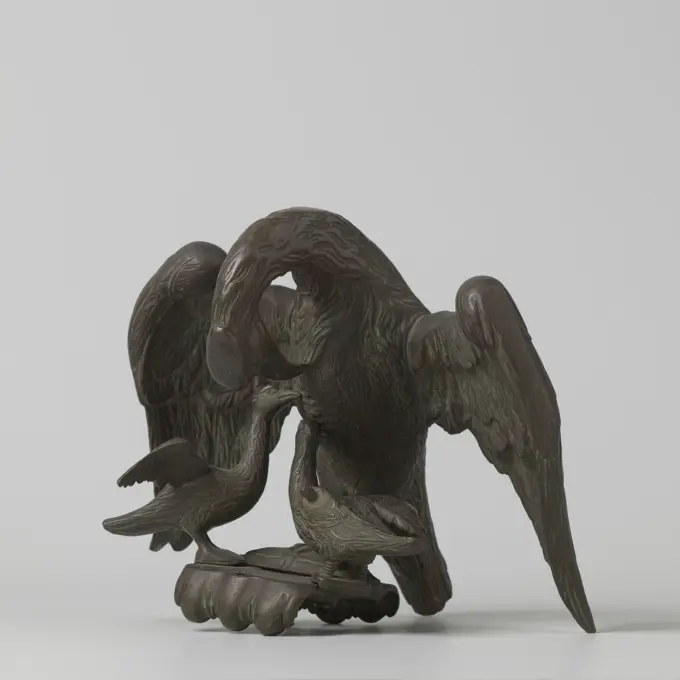
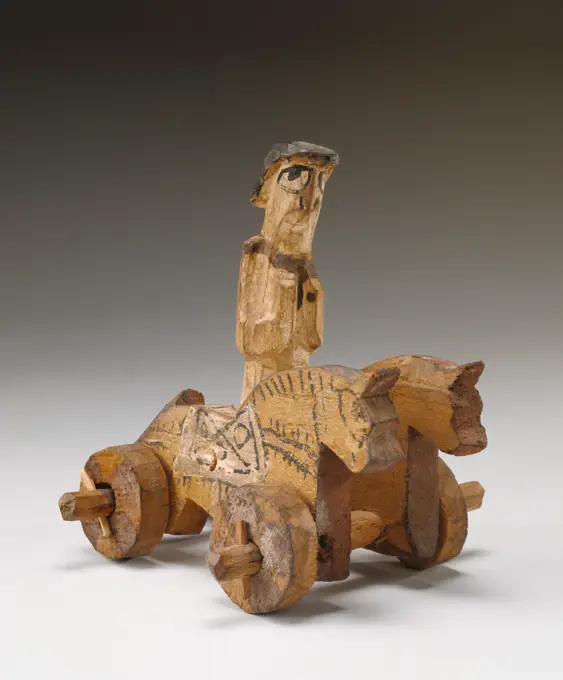
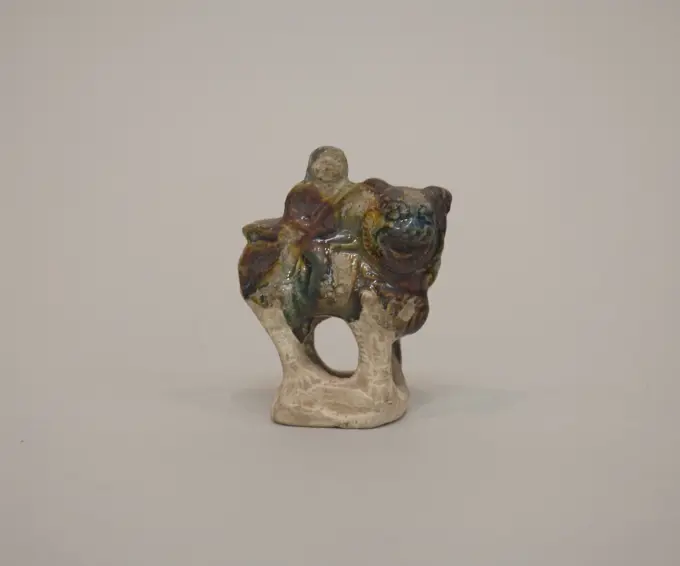
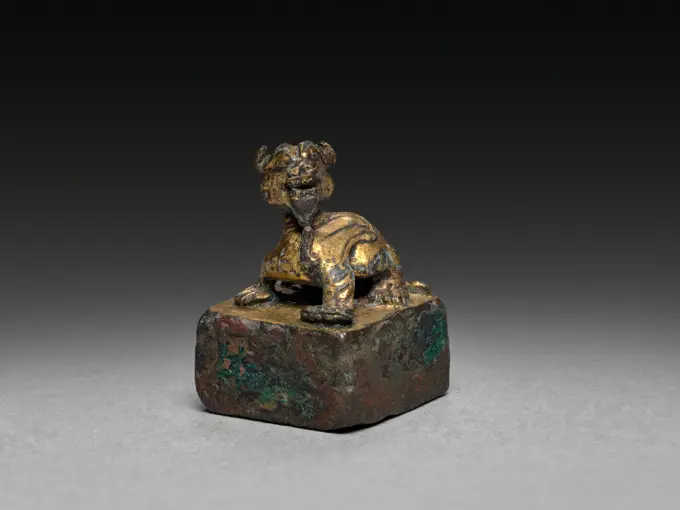
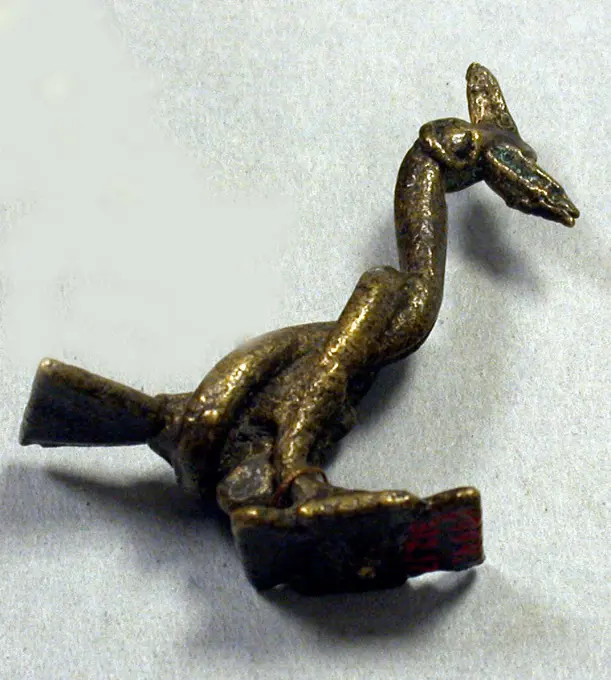
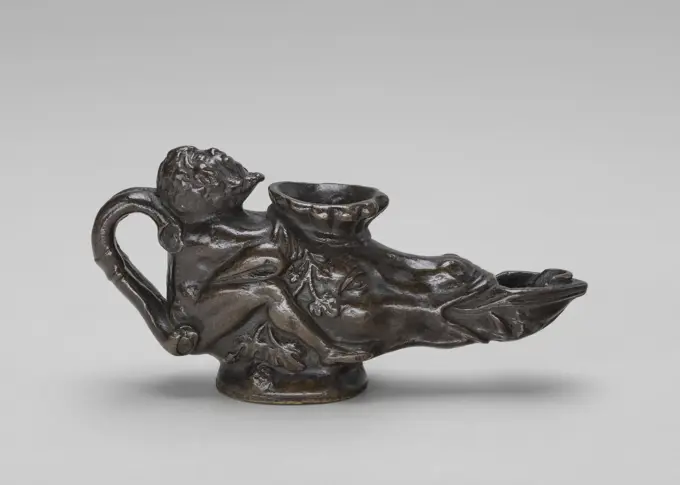
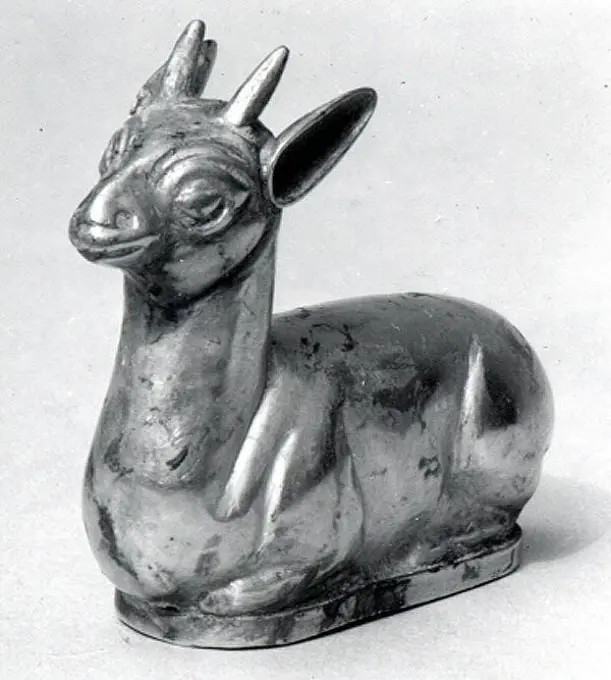
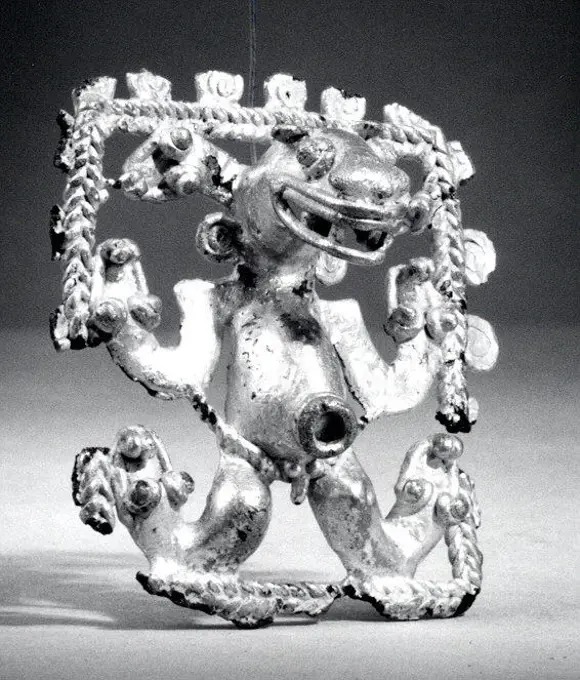
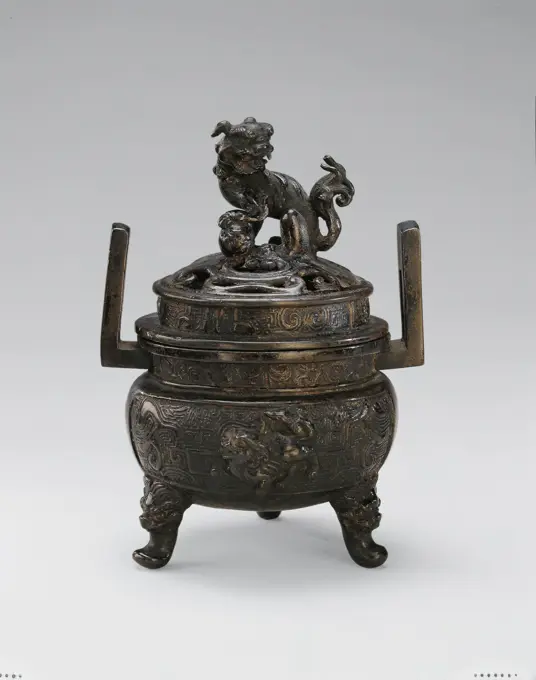
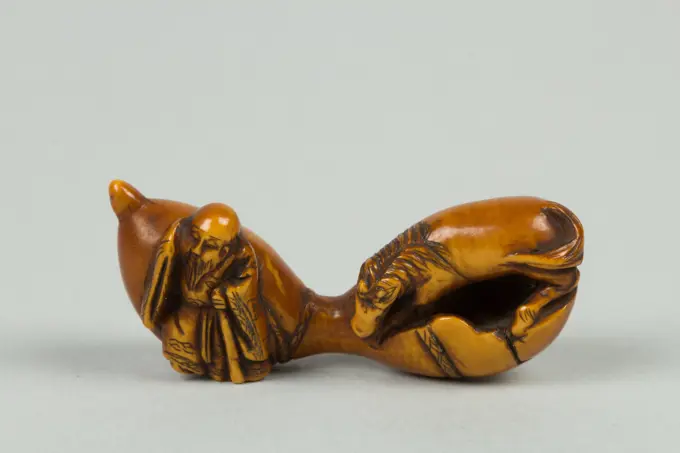
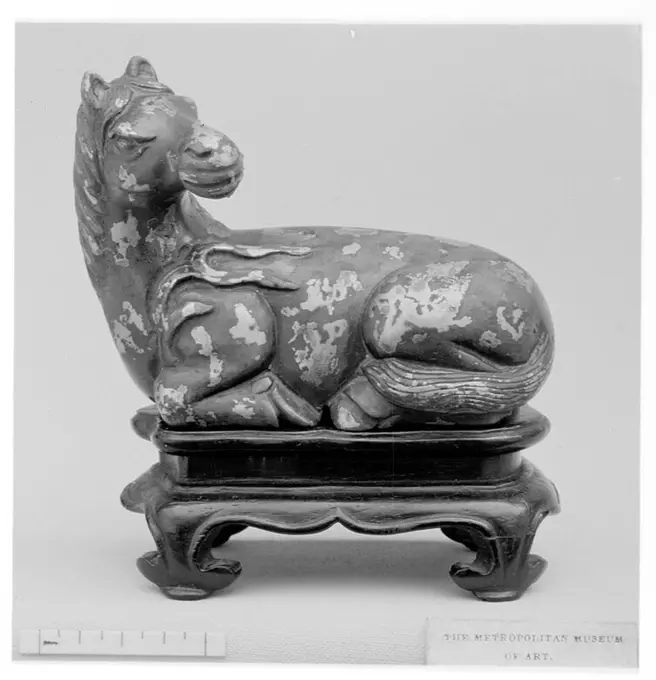
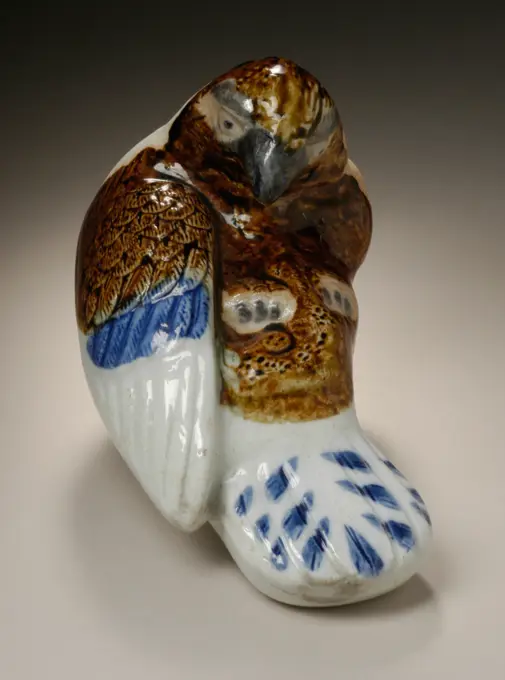
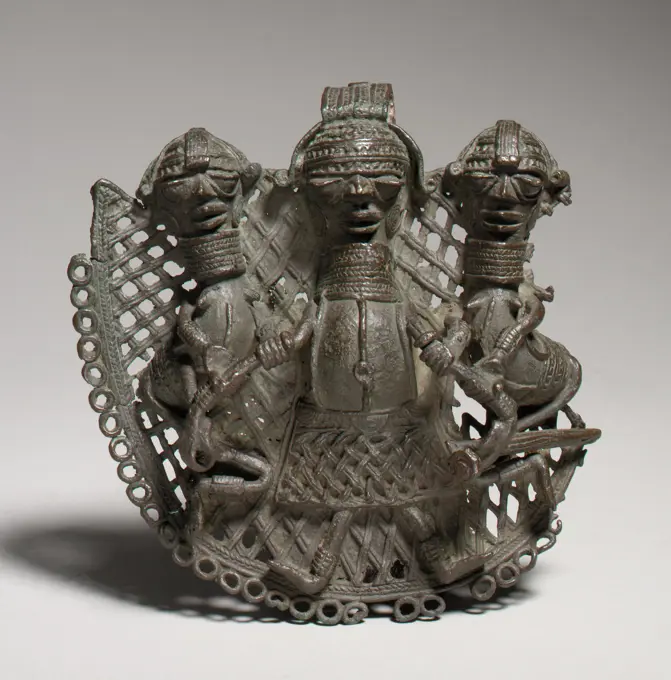
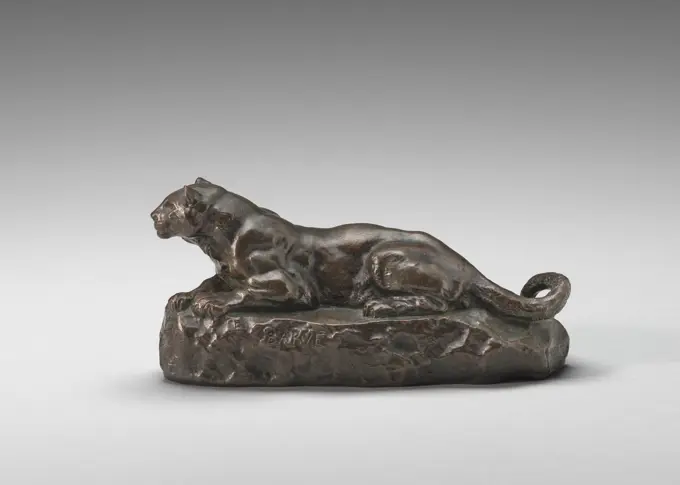
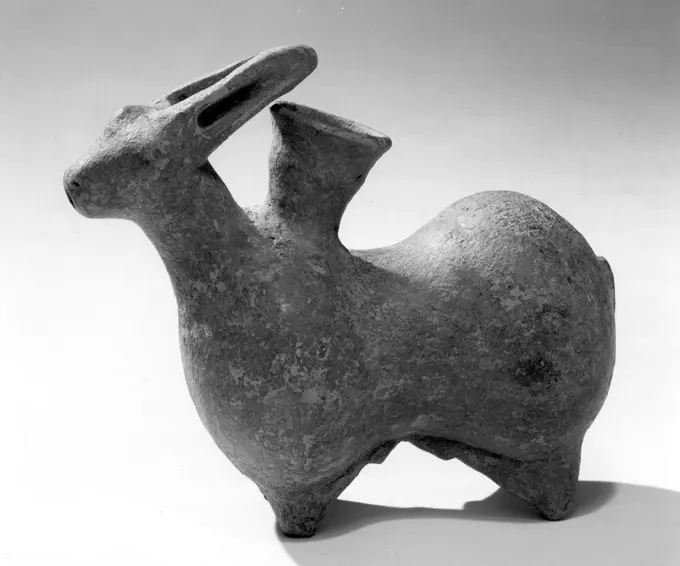
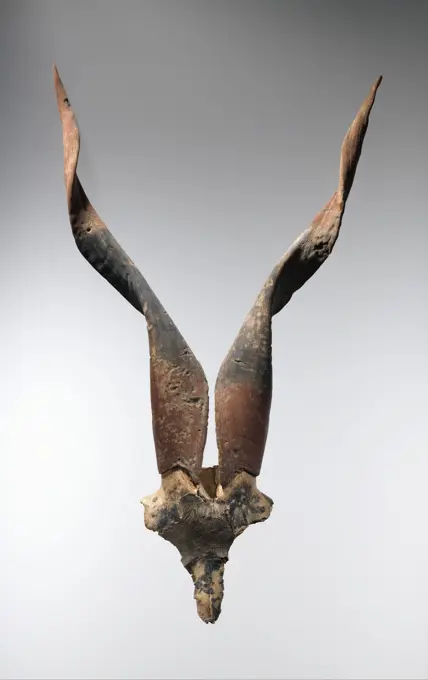
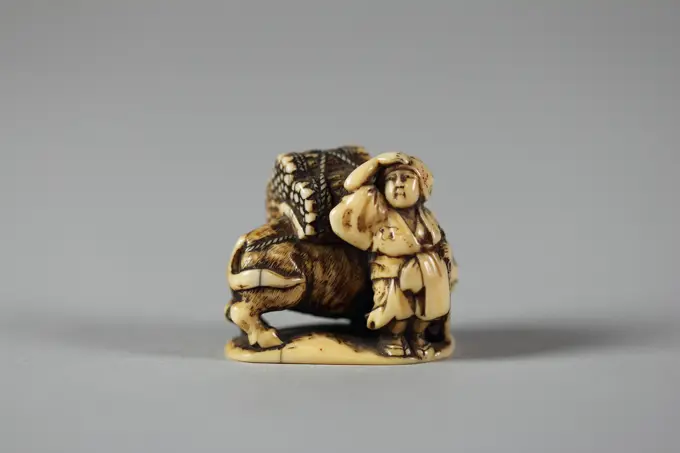
Netsuke of Man Leading an Ox with Bundles of Wood on its Back 19th century Japan. Netsuke of Man Leading an Ox with Bundles of Wood on its Back 59885Zun in the Shape of a Ram, 206 BC - AD 220. China, Han dynasty (202 BC-AD 220) - Six Dynasties (265-587). Bronze;Howling Panther. Roman, 1st century B.C.-A.D. 2nd century. Sculpture. Bronze, castYoke Ornament in the Shape of a Doe 5th-4th century B.C. Northwest China. Yoke Ornament in the Shape of a Doe 59499Profile Face 6th-7th century Moche (Loma Negra). Profile Face 313436Pendant, 400-700. Panama, International style, 5th-7th century. Cast gold; overall: 7.5 x 4.2 cm (2 15/16 x 1 5/8 in.).Mary and Little Lamb' still bank, 1901, 4 1/4 x 4 1/2 x 2 1/16 in. (10.8 x 11.43 x 5.24 cm), Iron, pigment, United States, 20th centuryPlaque. Southern Siberia, 5th-3rd century B.C.. Sculpture; plaques. Bronze, castNetsuke of Ebisu 19th century Japan. Netsuke of Ebisu 59133Curly-Tailed Animal Pendant. Culture: International Style. Dimensions: H. 2 1/4 x W. 1 1/8 in. (5.7 x 2.8 cm). Date: 5th-10th century. Museum: Metropolitan Museum of Art, New York, USA.Dog-shaped Paperweight, 676-935. Korea, Unified Silla period (676-935). Gilt bronze; overall: 5 x 2.7 cm (1 15/16 x 1 1/16 in.). This small object in the shape of a hybrid dog-lion is believed to have been used as a paperweight. Since the Three Kingdoms period (57 BC668), mercury amalgam gilding had been widely employed to embellish metal objects as well as to make their surface resistant to acids. This technique involves mixing pure gold powder with liquid mercury to form a paste-like mixture. As heat is applied, the mercury evaporates, but an opaque layer of gold remains on the surface. This coating must be polished by first rubbing it with dried rice seedlings, then processing it in ash lye to eliminate impurities; next, the piece is washed and rinsed in a plum vinegar bath.Bronze statuette of a bull early 5th century B.C. Greek A dedication to Poseidon is inscribed on the left side of the body.. Bronze statuette of a bull 255389Cauldron handleStand in the Form of a Crouching Lion 265 CE-299 CE China. This crouching leonine animal may be a fanciful depiction of a lionóan animal not indigenous to China but initially introduced under the patronage of Buddhism, where it appeared as an emblem for the historical Buddha and as guardian of the faith. This small but imaginative form, carefully modeled with long beard and curled mane, likely served as a candlestand.. Yue ware; stoneware with underglaze molded decoration .Vase yu d dit the tigress. Bronze. Par musée musée malée. 51554-13 Bronze, Chinese, tigress, yu vaseBronze pendant in shape of animal, from Chiucchiari (Basilicata region, Italy)Statuette of a Horse and Rider. UnknownOlive lamp converted into a "fertilizer;  End of the 19th century (1885-00-00-1890-00-00);Netsuke Oni with box, 19th century, Unknown Japanese, 1 1/8 x 7/8 x 1 3/8in. (2.9 x 2.2 x 3.5cm), Ivory, Japan, 19th centuryMingqi: pork animal "terracotta, traces of green lead glaze. Han dynasty (206 BC-220 AD). Paris, Cernuschi museum. Chinese art, Chinese ceramic, minqqi, pork, funeral substitute, terracotta, animalBull Dog, Standing, Coin on Tongue' mechanical bank, c. 1887, H. L. Judd Manufacturing Company, Wallingford, Connecticut, c. 1830-1960s, 3 1/2 x 6 11/16 x 2 9/16 in. (8.89 x 16.99 x 6.51 cm), Iron, pigment, 19th centuryNetsuke of Lion on a Stand 19th century Japan. Netsuke of Lion on a Stand. Japan. 19th century. Ivory. Edo (1615-1868) or Meiji period (1868-1912). NetsukeHorse 7th-8th century China. Horse 47184Statuette of a Seated Lion. UnknownFlying-Fish Pendant TolimaPaper button in the mythical shape of the unicorn - Qilina;  19th century (1801-00-00-1900-00-00);Paderewski, Ignacy Jan (1860-1941), Paderewski, Ignacy Jan (1860-1941)-collection, qing (style), Chinese (culture), gift (provenance), qilin (iconogr.), Chinese artJadeite carving of two birds, Chinese ArtSilver nose cover from a helmet. Goldsmith art. Scythian Civilization, 4th Century BC.Netsuke with Demon Bathing, c. 1890. Japan, Meiji period (1868-1912). Ivory; overall: 2.6 cm (1 in.).Carved wooden lion with sword and city coat of arms of Leiden, wood carving sculpture visual material wood paint, Carved wooden standing lion with sword one leg resting on block with crossed keys (coat of arms Leiden) heraldry Dutch lion driving car status decorate LeidenBuddhist Bell. Japan, 19th century. Costumes; Accessories. Bamboo rootCream Jug. Culture: American. Designer: Probably designed by Daniel Greatbatch (active 1838-ca. 1861). Dimensions: 5 1/4 x 7 in. (13.3 x 17.8 cm). Manufacturer: Manufactured by United States Pottery Company (1852-58). Date: 1852-58. Museum: Metropolitan Museum of Art, New York, USA.Bronze horse 8th century B.C. Greek The clarity and elegance of form epitomize Greek Geometric art at its most accomplished.. Bronze horse. Greek. 8th century B.C.. Bronze. Geometric. BronzesSeated Male FigureCenser in the shape of lion on a wooden stand. unknown, craftsmanFox Ornament. Culture: Moche (Loma Negra). Dimensions: H. 3 13/16 x W. 5 3/4 in. (9.7 x 14.6 cm). Date: 390-450. Museum: Metropolitan Museum of Art, New York, USA.Incense Container (Kōgō) in the Shape of a Mandarin Duck, c. 1700-1868. Japan, Edo period (1615-1868). Stoneware with glaze and incised decoration; overall: 4.5 x 7.1 cm (1 3/4 x 2 13/16 in.).Flowers base - an elephant figure;  19th century (1801-00-00-1900-00-00);Cup 19th century, after ca. 1630-45 original Elkington & Co. British This electrotype is after a seventeenth-century original (ca. 1630-45) in the Treasury of the Kremlin, Moscow.. Cup 208913Ewer in the form of a dragon ca. 1600 Italian, probably Urbino Beginning in the second half of the sixteenth century, especially in Urbino, potters elaborated standard vessel types into sculptural forms. Given its relatively small volume, this ewer may have been intended more as a collectors item than as a functional vessel. Nonetheless, it can be filled with liquid through an opening in the dragons tail and then emptied through its mouth.. Ewer in the form of a dragon 188900 Italian, probably Urbino, Ewer in the form of a dragon, ca. 1600, Maiolica (tin-glazed earthenware), Overall (confirmed): 8 1/16 ? 7 1/4 ? 3 13/16 in. (20.5 ? 18.4 ? 9.7 cm). The Metropolitan Museum of Art, New York. Rogers Fund, 1904 (04.9.16)Feline Vessel, 1-700. Central Andes, North Highlands, Recuay, Early Intermediate Period (1-700). Ceramic, red and white slips, black pigment; overall: 20.3 x 10.1 x 15.2 cm (8 x 4 x 6 in.).Possibly a MedicineHornHorse and oxcart. In ancient China, oxcarts were vehicles used by wealthy people. Model carts found in tombs formed part of therepresentation of the deceaseds daily life. The horse is several centuries older and has a small, finely modelled head characteristic of the period. The blanket over the saddle shows that at the time the animal was represented, it did not have a rider.Bronze fountain spout shaped as lion's head, From ErcolanoKadzielnica with a rooster figurine on the cover unknownGong wine vessel, late 13th century BCE, 7 × 9 5/16 × 2 1/16 in., 2.9 lb. (17.78 × 23.65 × 5.24 cm, 1.3 kg)3 7/8 × 3 1/16 in. (9.84 × 7.78 cm) (object part, foot), Bronze, China, 13th century BCE, The gong is a type of ritual vessel used to serve wine. It was produced primarily during the reigns of King Wu and King Zhao in the late Shang (c. 1300-1046 BCE) and early Western Zhou (c. 1046-977 BCE,) dynasties.Bull. Roman, A.D. 1st-2nd century. Sculpture. Bronze, castFalcon surmounting box for an animal mummy. Dimensions: H. 12.2 cm (4 13/16 in.); W. 4.5 cm (1 3/4 in.); L. 12.4 cm (4 7/8 in.). Date: 664-30 B.C..The falcon god Horus stands with his wings swept back. He wears the double crown of Egypt, a royal crown that symbolizes the union of Lower and Upper Egypt, and highlights Horus' role as the legitimate ruler of the entire land. The crown's elements are distinct and well made: the red crown of Lower Egypt, lacking only its curling spiral at the front, and the white crown of Upper Egypt. The falcon wears the double crown because Horus and the concept of kingship were closely tied, as early as the Predynastic Period. The falcon stands on a rectangular, shrine-shaped box that would have held an animal mummy. The falcon and box were fashioned separately. The falcon stands on a thin trapezoidal base, now joined with the top of the box. Such falcon mummy boxes, or sarcophagi, would have been offered for deposition in animal necropoleis, not just Bull's-Head Cup with a Liner; East Greece; 100 B.C.-A.D. 100; Silver with leaf gilding; 9 × 12.1 × 10.7 cm, 0.274 kg (3 9,16 × 4 3,4 × 4 1,4 in., 0.6041 lb.);Terracotta figurine of a camel carrying transport amphorae. Culture: Roman, Egyptian. Dimensions: H.: 4 5/8 in. (11.8 cm). Date: late 2nd-early 3rd century A.D..With four amphorae strapped to his back. Museum: Metropolitan Museum of Art, New York, USA.Eagle still bank, late 19th-early 20th century, 4 3/4 x 3 5/8 x 2 5/8 in. (12.07 x 9.21 x 6.67 cm), Papier-mché, pigment, United States, 19th-20th centuryBronze cock ca. 3rd-1st century B.C. Greek Birds often served as finials for staves or scepters, pieces of furniture or utensils such as incense burners. While this example may have been created to stand alone, it is likely to have embellished a functional object.. Bronze cock 251077 Greek, Bronze cock, ca. 3rd1st century B.C., Bronze, H.: 2 in. (5.1 cm). The Metropolitan Museum of Art, New York. Rogers Fund, 1921 (21.88.51)Incense Burner in Shape of Lion (one of a pair) early 14th century China. Incense Burner in Shape of Lion (one of a pair) 42484Pottery bottle shaped as a female deer for perfume. The head is the stopper and is removable. Greek made in Italy. Etruscan circa 600-550 BCFIGURA DE TORO: TORO DE COLLADO DE LOS JARDINES. IBERICO ESCULTURA. (DEPOSITO: MUSEO ARQUEOLOGICO NACIONAL).Netsuke in the form of a Bell with a Boy 18th-19th century Japan. Netsuke in the form of a Bell with a Boy. Japan. 18th-19th century. Ivory. Edo (1615-1868) or Meiji period (1868-1912). NetsukeSeal amulet in the shape of hedgehog 664-332 B.C. Late Period. Seal amulet in the shape of hedgehog. 664-332 B.C.. Egyptian blue. Late Period. From Egypt. Dynasty 26-30PinheadGirdle appendage ca. 13th century China. Girdle appendage. China. ca. 13th century. Nephrite. JadePectoral with Face 1st-7th century Calima (Yotoco). Pectoral with Face 312716Amulet - ureusz. unknown, authorEXCAVACION IRIA FLAVIA - TORO ROMANO-. Location: MUSEO DE ARTE SACRO. Padrón. Coruña. SPAIN.Lioness. Copper alloy. Gallo-Roman. Paris, Carnavalet museum. 51541-1 Copper alloy, Gallo-Roman time, feline, Gallo-Roman, lionessZoomorphic burn. Yellow and green glaze porcelain. Paris, Cernuschi museum. 78841-4 Asian art, burn-brurge, old ceramic, covered, email, glacide, refinement, terracotta, terracotta emailleeRitual Flaying Knife, c. 1407-1410. Sino-Tibetan, Derge School, Yongle period (1403-1427). Iron alloy with gold and silver inlay; overall: 17.4 cm (6 7/8 in.).Finial (Kulan). Southern Siberia, 6th-5th century B.C.. Architecture; Architectural Elements. BronzeBed Figure. Culture: Michoacan. Dimensions: L. 3 3/4 in. (9.5 cm). Date: 3rd century B.C.-A.D. 4th century.This figure features a modelled human figure complete with appliqued facial features, coiffure, and ear spools lying stretched out on a flat surface supported on four legs at the corners, hence the name bed figures. The figure appears to be strapped to the bed with a wide decorated band across the midsection. Across the top and bottom ends of the bed are arches, and an additional cover stretching over the top and bottom arches. The bed has modelled and incised decoration and remains of red and white pigment. Museum: Metropolitan Museum of Art, New York, USA.Dancer's Headpiece in the Form of a Panjurli Bhuta (boar spirit deity). India, Kerala, 18th century. Costumes; Accessories. Copper alloyBoy with leaves and box. Culture: China. Dimensions: H. inc. base 3 1/2 in. (8.9 cm); W. 2 1/2 in. (6.4 cm); D. 1 1/2 in. (3.8 cm). Date: 19th century.Two boys holding a lotus or leaf and a box are popular New Year's images symbolic of harmony and union. Known as the hehe twins, in reference to the characters for these virtues both of which are read he, this pair is also thought to have been inspired by the legendary Tang dynasty (618-907) Buddhist monks Hanshan and Shide. Museum: Metropolitan Museum of Art, New York, USA.Siren in amber (view 1), ancient Rome, 6th century BC .. Museum of Fine Arts in the city of Paris, Petit Palais. 79210-1 Amber, archeology, sculptic object, ancient Rome, sirene, life century before J.CAmulet of a Hare 1070 BCE-656 BCE Egypt. Faience . Ancient EgyptianPelikanenjong, anonymous, c. 1750 Image of a pelican boy. Concerns a group of Pelikaan with two youngsters, see also BK-NM-9443-A and C. The group symbolizes the Christian faith. Netherlands brass (alloy) Image of a pelican boy. Concerns a group of Pelikaan with two youngsters, see also BK-NM-9443-A and C. The group symbolizes the Christian faith. Netherlands brass (alloy)Toy in the Shape of a Rider and Two Horses on Wheels. UnknownStaff Head, 400-1000. Colombia, Sinú style, 5th-10th Century. Cast gold; overall: 6.7 x 3 x 8.2 cm (2 5/8 x 1 3/16 x 3 1/4 in.).Minature figure of a lion and rider 8th century China. Minature figure of a lion and rider. China. 8th century. Earthenware with three color (sancai) glaze. Tang dynasty (618-907). Tomb PotteryChimera with Seal, c. 3rd Century. China, Eastern Han dynasty (25-220). Bronze; overall: 1.8 x 1.2 cm (11/16 x 1/2 in.).Hubcap or horn with feline head, Bronze, made with lost wax, End of the 7th century BC. to early 6th century BC. Necropolis of "La Joya", Huelva Museum, Huelva, Andalusia, Spain.Gold Weight 18th-19th century Akan peoples For centuries, peoples throughout West Africa, the Sudan, and beyond the Sahara Desert have created precious objects from gold dust obtained in mines controlled by the Akan kingdoms of present-day Ghana. For the Akan peoples, gold not only brought fabulous prosperity through trade but was also considered the earthly counterpart to the sun and the material embodiment of kra, or life force. To better control and regulate the trade in gold, Akan merchants and rulers developed brass weights called abrammuo (sing. mrammuo) that set standard units of measure. While the earliest weights were cast in geometric forms that reflected the gold trade's intimate links to North African Islam, later examples displayed figurative imagery inspired by the great wealth of Akan proverbs.Proverbs in Akan society communicate accepted truths and practical advice, and many of those that inspired gold weights are still in use today. For example, the elephant weight refWater Coupe in the Shape of a Mouse 18th century China. Water Coupe in the Shape of a Mouse. China. 18th century. Porcelain painted in enamels on the biscuit. China, Qing dynasty (1644-1911). CeramicsProbably Paduan 16th Century, Lamp in the Form of an Ass' Head, 1525 1550 Lamp in the Form of an Ass' HeadChinese Lion Dance Mask. Yūsō (Japan, active late 19th century). Japan, late 19th century. Costumes; Accessories. Wood with red and gold lacquer, inlaysReclining doe ca. 2600-2500 B.C. Sumerian. Reclining doe 324409Lid. UnknownAnthropomorphic Animal Pendant 11th-16th century Chiriqui This pendant is an anthropomorphic jaguar with serpents sprouting from its heads and limbs, surrounded by a braided frame. Composite creatures consisting of human figures with pronounced animal features occur throughout Costa Rica, signaling that beliefs and their expressions were shared by many groups. Local styles developed distinctive characteristics, however. Metalwork from the Diquis Delta area in southwestern Costa Rica is ornate and replete with detail. Spirals and twisted and braided rope proliferate, and danglers, tinkling like bells and glittering in the sunlight, sometimes conceal the figures behind them.Costa Rica is the most northerly of the Precolumbian goldworking areas, which run from southern Peru and Bolivia on the west side of South America, along the Andean Mountain chain to Ecuador and Colombia, and from there across onto the Isthmus of Panama. This generally continuous region, in which ancient American goldIncense burner with Chinese lions, 16th century, Unknown Japanese, 6 1/8 × 3 15/16 × 3 7/8 in. (15.56 × 10 × 9.84 cm), Bronze, Japan, 16th century, This incense burner, used in Buddhist rituals, mirrors the shape of an ancient Chinese three-legged vessel called a ding and features several Chinese lions, a semimythical animal. The lion on top rests his left paw on an orbthe wish-granting jewel of Buddhismin a protective gesture.Table decoration in the form of a peacock. Culture: Hungarian, Munkcs. Dimensions: Overall: 7 3/16 x 12 in. (18.3 x 30.5 cm). Date: 1787.The peacock stands with its head slightly tilted, mischievously observing his surroundings. The artist has capture in silver the temperament and characteristic posture of a mature male peacock, an extremely territorial bird. The object's plain oval base, with its convex frame decorated with Baroque flowers and scrolled leaves, is in sharp contrast to the combination of a terrain plinth and stylized Neoclassical garlands on the stands of the pair of peacocks also in the museum's collection, acc. nos. 2010.110.64a, b and .65a, b.LiteratureWorks of Art. Sale cat., Sotheby's, London, December 8, 1983, p. 30, no. 91.Judit H. Kolba. Hungarian Silver: The Nicolas M. Salgo Collection. London, 1996, p. 122, no. 99.ReferencesElemr Koszeghy. Magyarorszgi tvsjegyek a kzpkortl 1867-ig / Merkzeichen der Goldschmiede Ungarns vom MittelNetsuke of Small Gourd with Horse and Man 19th century Japan. Netsuke of Small Gourd with Horse and Man. Japan. 19th century. Ivory. Edo (1615-1868) or Meiji period (1868-1912). NetsukeToy Cow. Ōhara Mitsusada (Japan, active 19th century). Japan, 19th century. Costumes; Accessories. Ivory with staining, sumiPaperweight in the form of a horse. Culture: China. Dimensions: H. 2 3/16 in. (5.6 cm); W. (head to tail) 3 in. (7.6 cm); W. (knee to tail) 2 3/4 in. (7 cm); D. 1 11/16 in. (4.3 cm). Date: late 16th-early 17th century. Museum: Metropolitan Museum of Art, New York, USA.Statuette of a hippopotamus, Egypt, Middle Kingdom, 21st-17th centuries B.C., Faience, Miho Museum, designed by I.M. Pei, Shiga Prefecture, JapanHanging Flower Vase in the Form of a Hawk. Japan, 19th century. Ceramics. Hirado Mikawachi ware; porcelain with brown and blue glazesProtective Pendant 15th-19th century Lower Niger Bronze Industry This semicircular ornament was likely the property of a provincial chief allied to the Benin kingdom, in what is today southern Nigeria. As the Benin kingdom expanded its territory, it disseminated its courtly traditions among the ethnically diverse peoples who were incorporated into its political structure. Regional rulers frequently appropriated and reconfigured Benin's symbols of power for their own use at the local level. In this example, a standard motif from Benin royal art, a central chief flanked by two attendants who support his arms, has been represented in a distinctive style.This depiction of a leader as he appears in public emphasizes the idea of a ruler's reliance on the support of his subjects. Appearing at a chiefly court far removed from the kingdom of Benin's center, however, the motif may have been adopted as a straightforward symbol of chiefly power demonstrating connections to royal authority. The styBronze statuette of a bull and an acrobat. Minoan, Greek; Minoan, 1550-1450 BCStanding Male FiguresRecumbent Bull, 700s. China, Tang dynasty (618-907). Gilt bronze; overall: 3.5 x 7 cm (1 3/8 x 2 3/4 in.).Antoine Louis Barye, Reclining Tunisian Panther, model 1840 Reclining Tunisian PantherTerracotta Ram with Lotus-shaped Manger 2nd A.D.Bear Standing, Slot in Chest' mechanical bank, c. 1900, Kenton Hardware Manufacturing Co., Kenton, Ohio, 1890-1950, 6 9/16 x 3 x 2 13/16 in. (16.67 x 7.62 x 7.14 cm), Iron, pigment, 19th-20th centuryRhyton in the shape of a rabbit ca. 900 B.C. Iran. Rhyton in the shape of a rabbit 327354Bucranium ca. 1640-1550 B.C. Second Intermediate Period. Bucranium 559397