Historical Animal Figurines

A collection of antique animal sculptures in various materials, including bronze and ivory, showcasing artistic craftsmanship from different cultures.

Mary and Little Lamb' still bank, 1901, 4 1/4 x 4 1/2 x 2 1/16 in. (10.8 x 11.43 x 5.24 cm), Iron, pigment, United States, 20th century
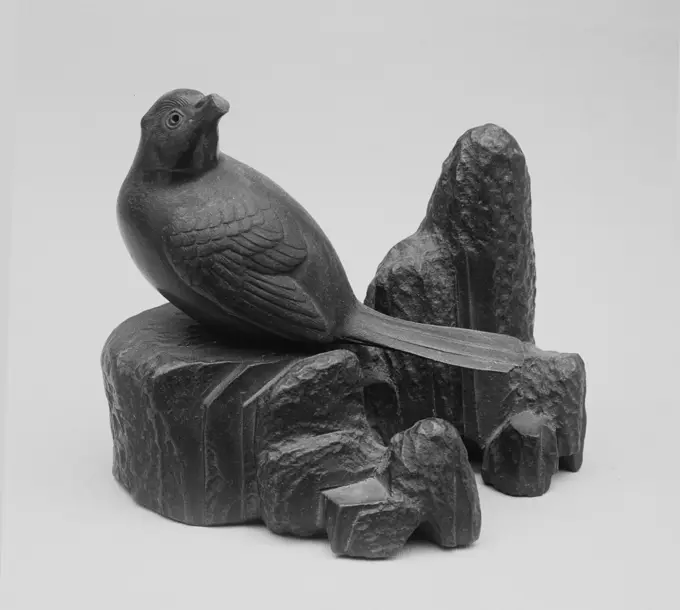
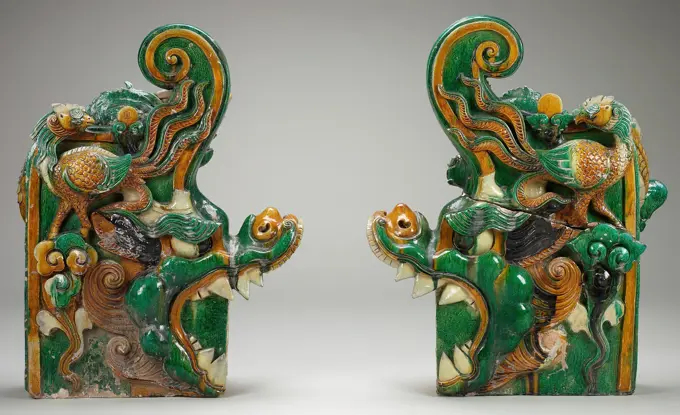
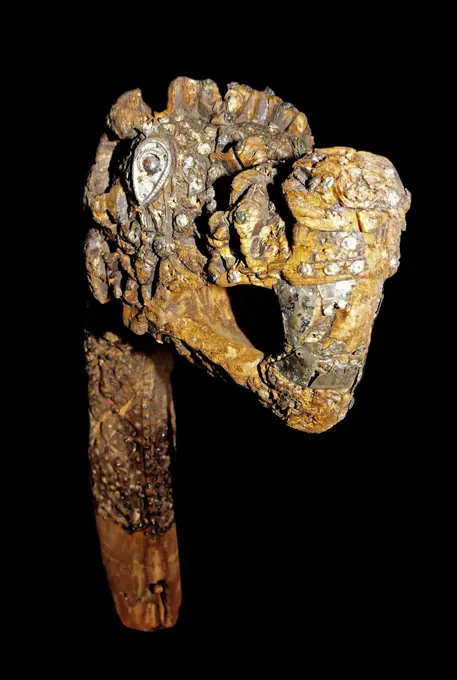
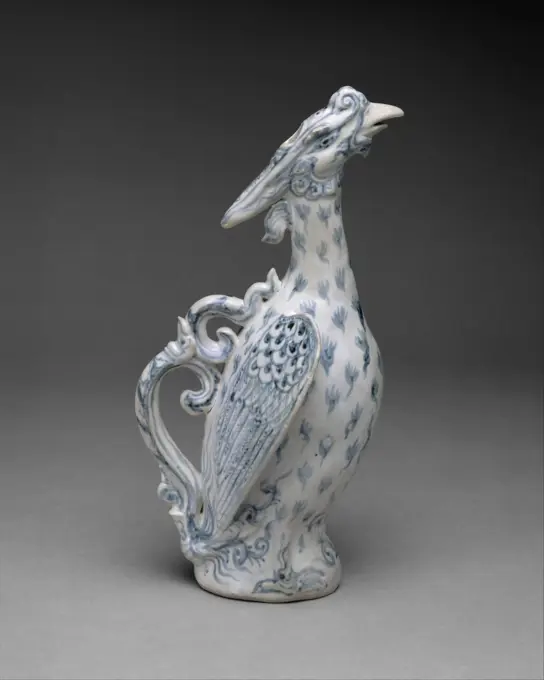
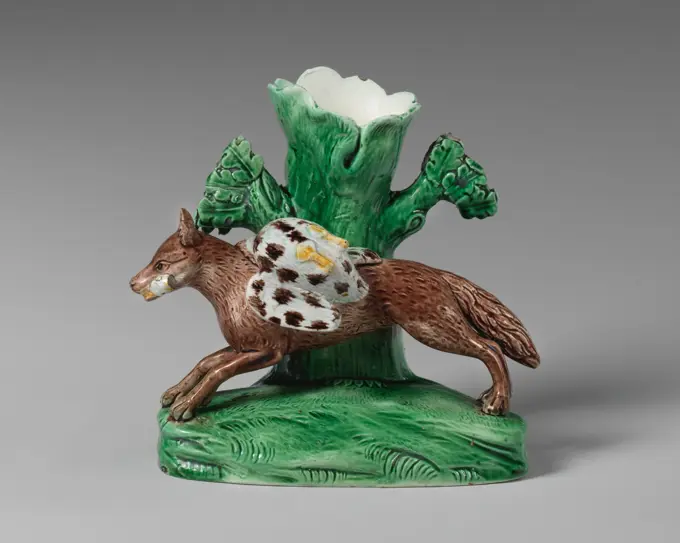
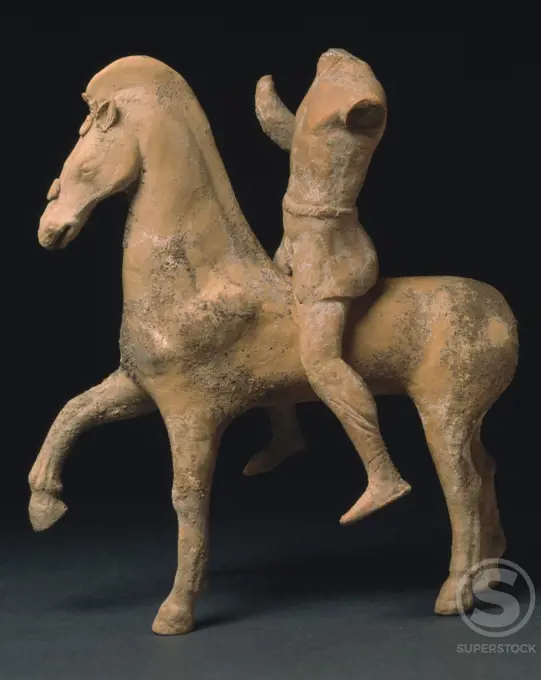
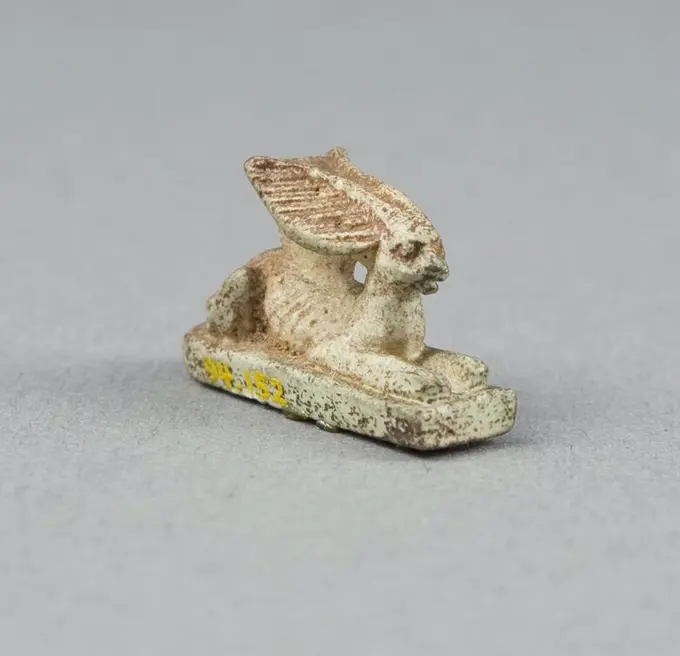
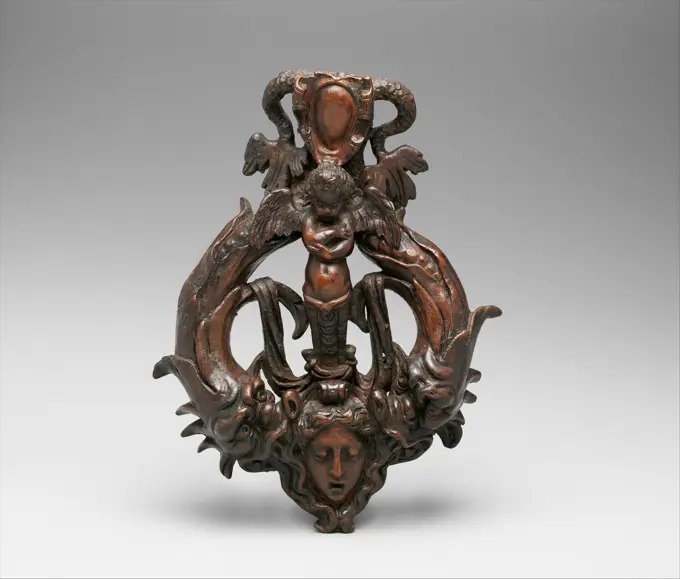
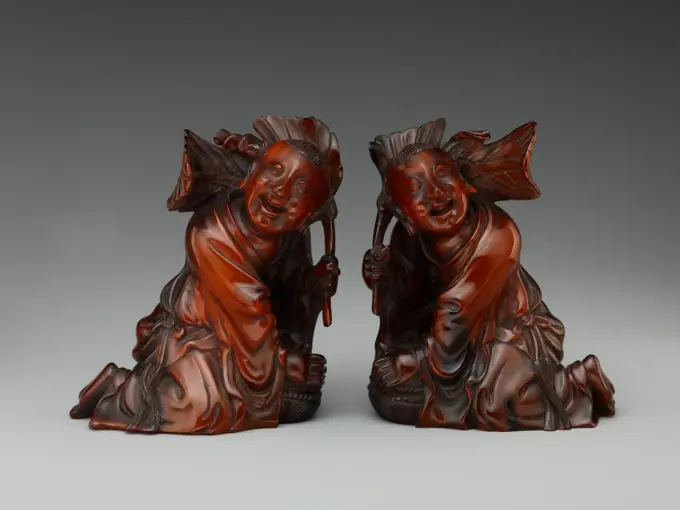
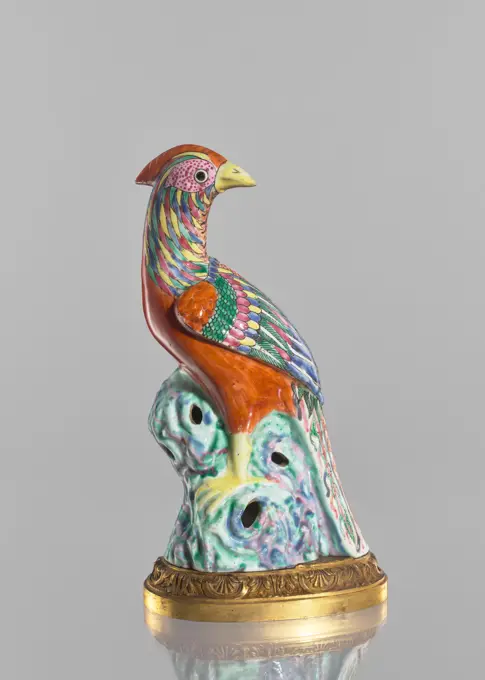
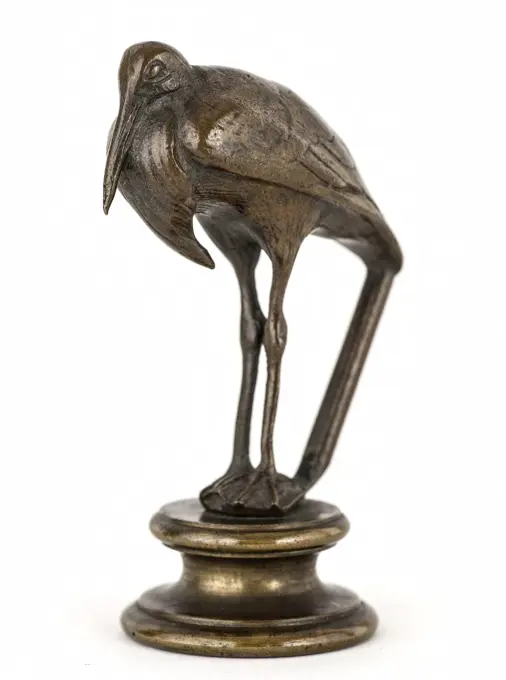
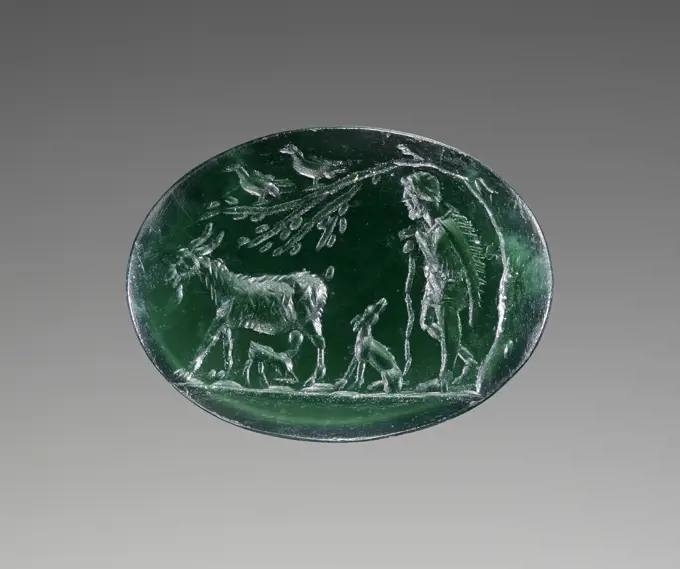
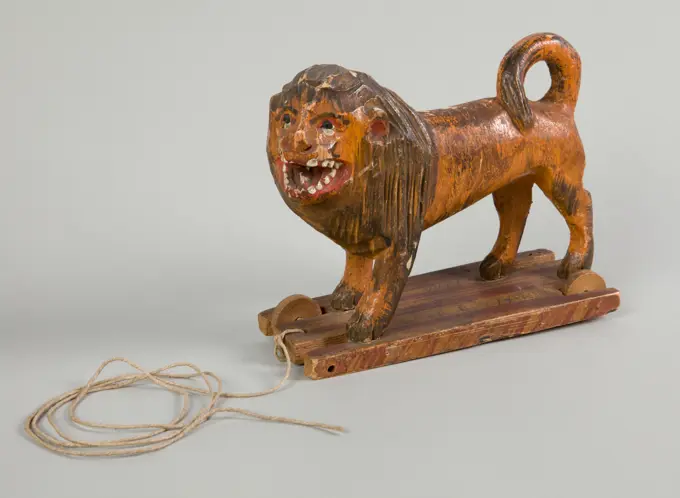
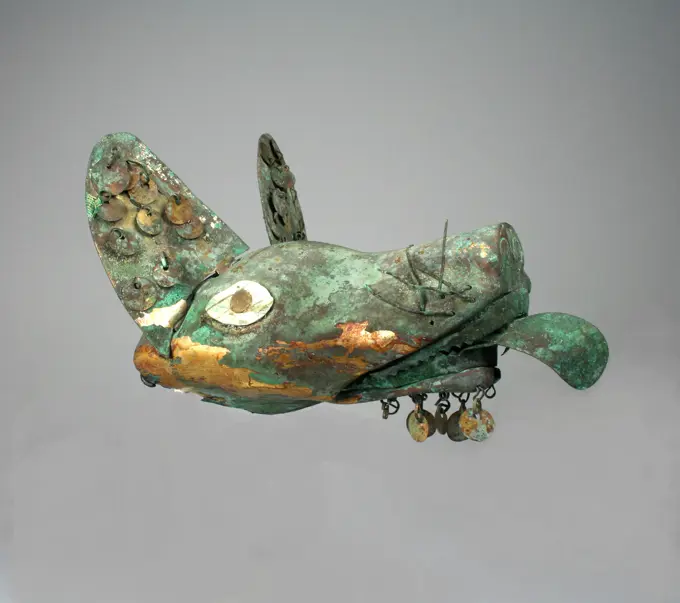
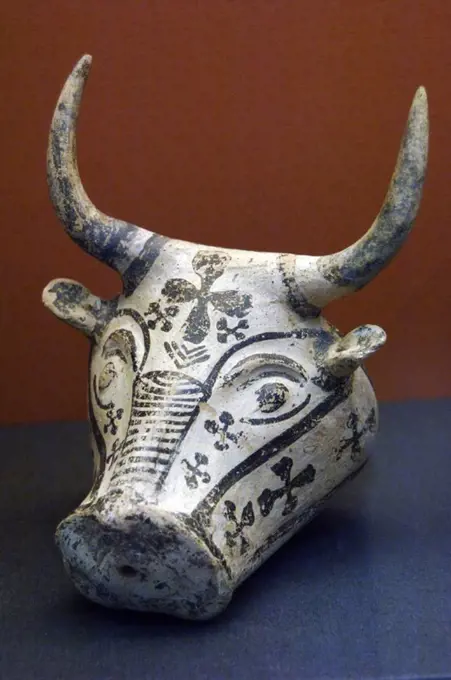
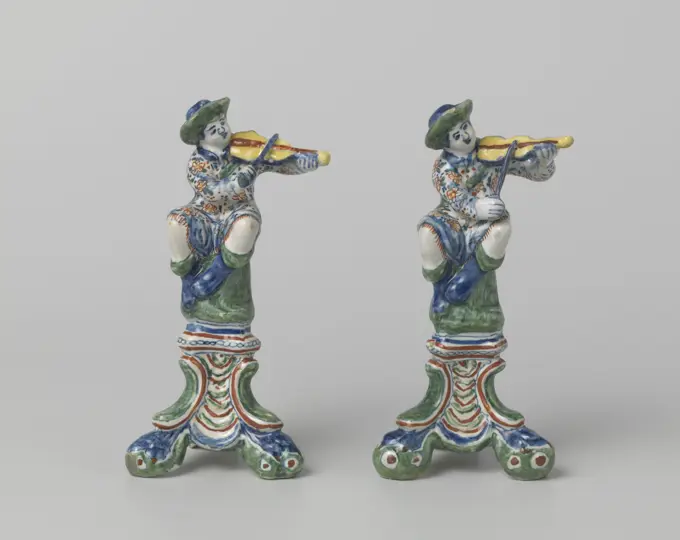
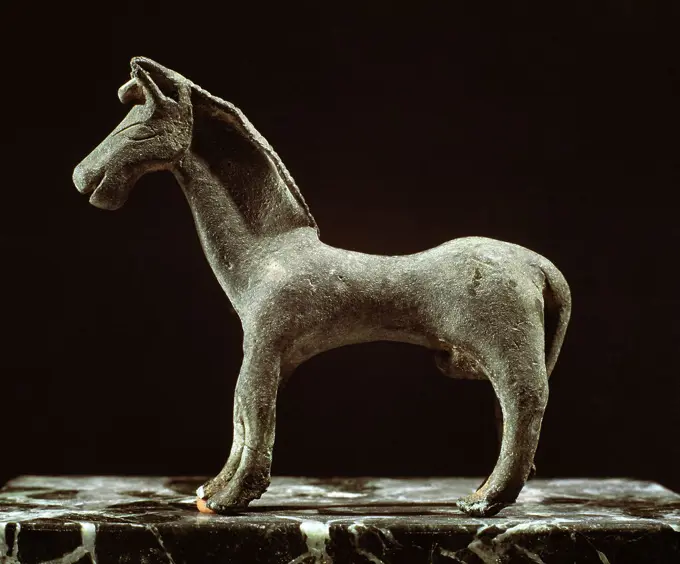
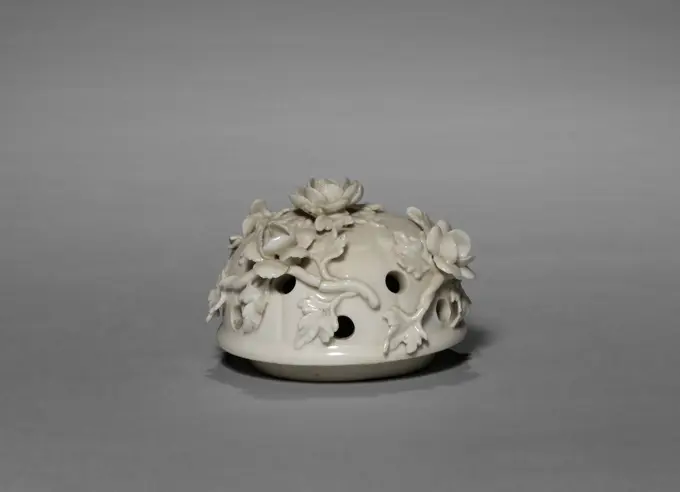
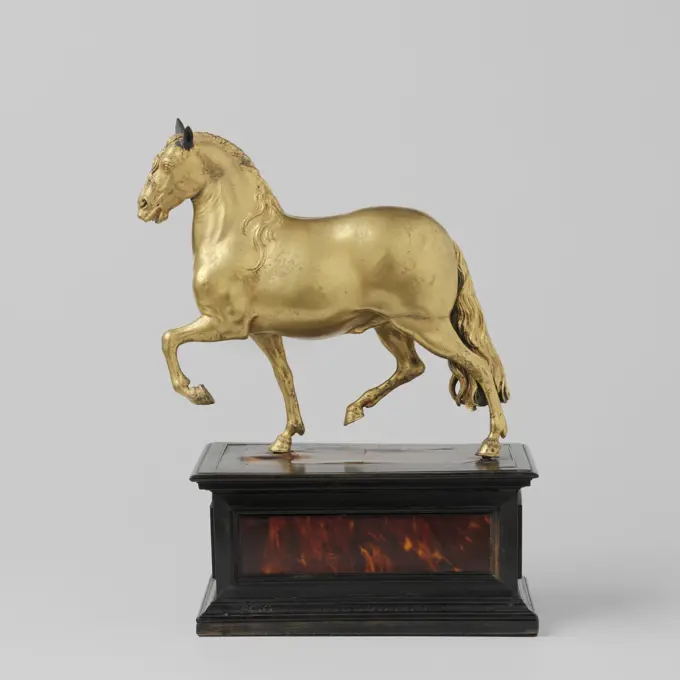
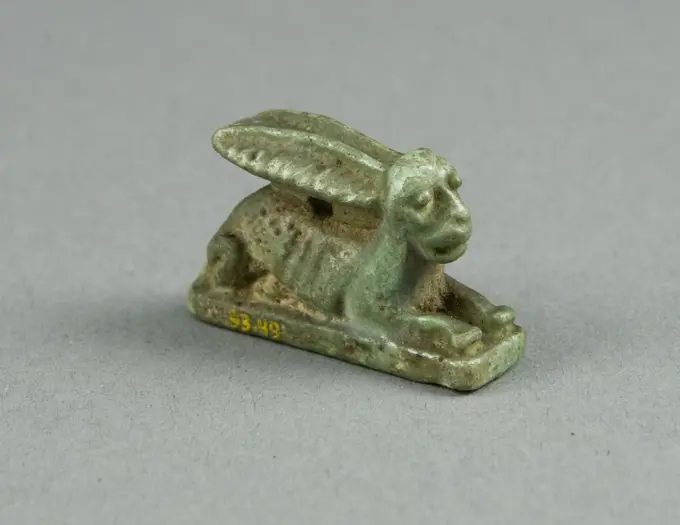
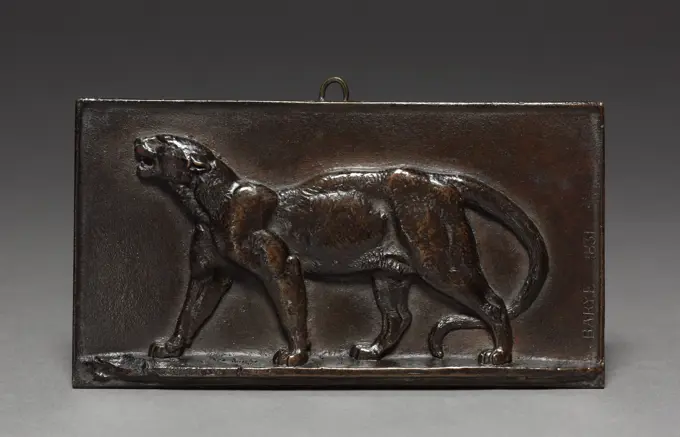
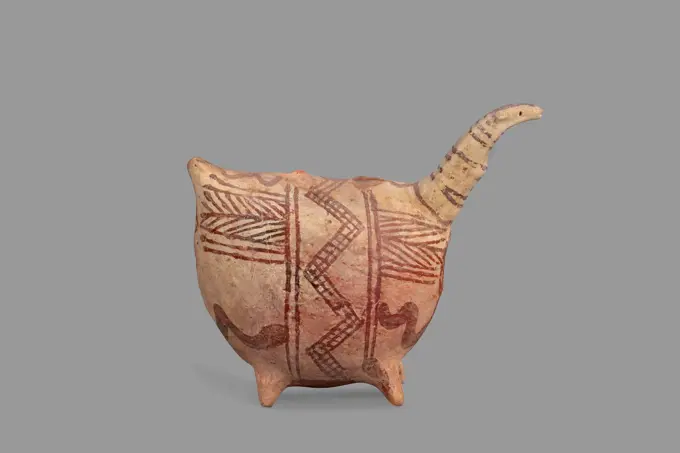
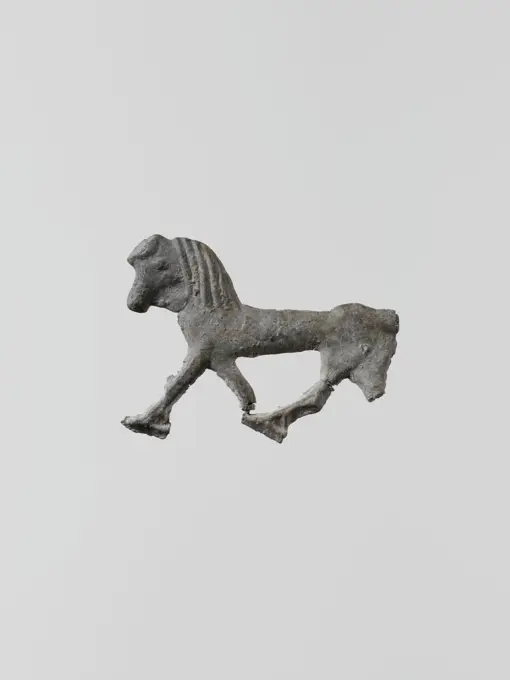
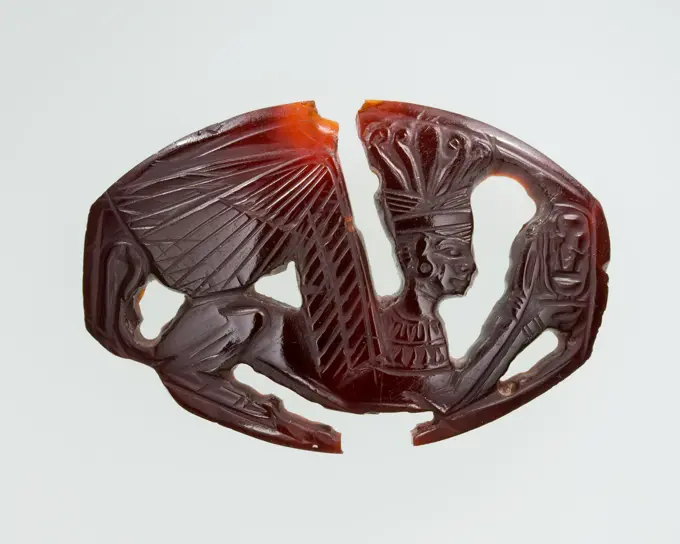
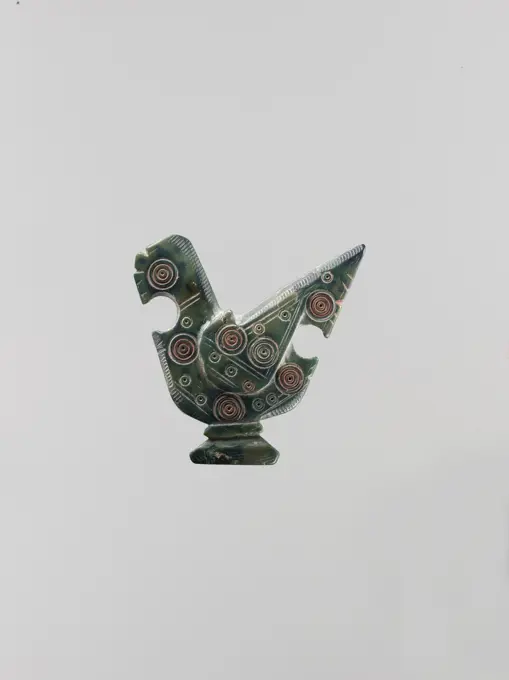
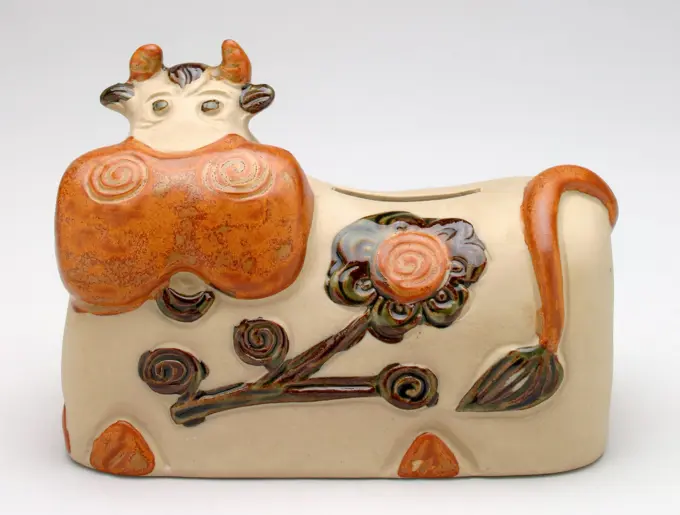
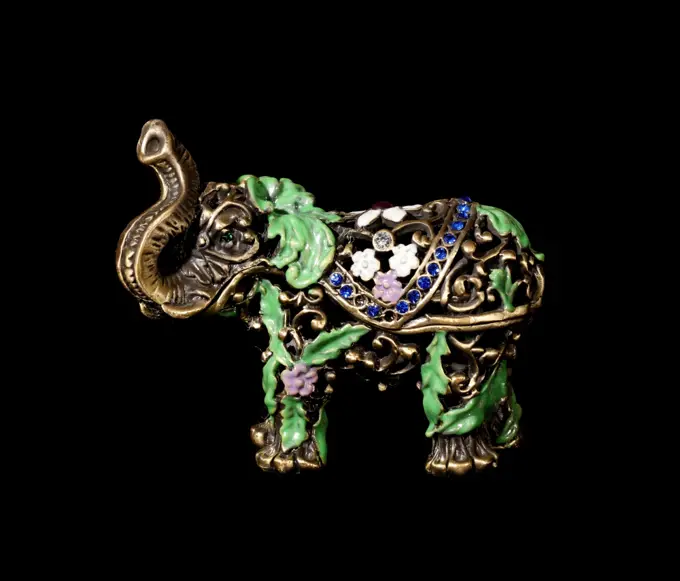
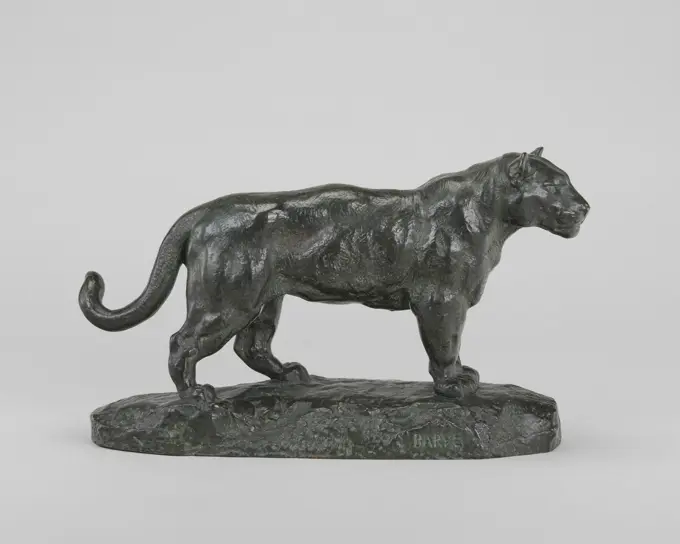
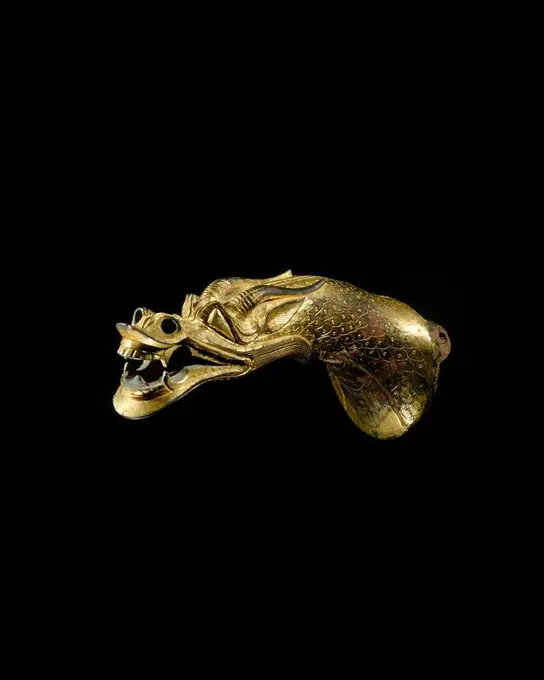
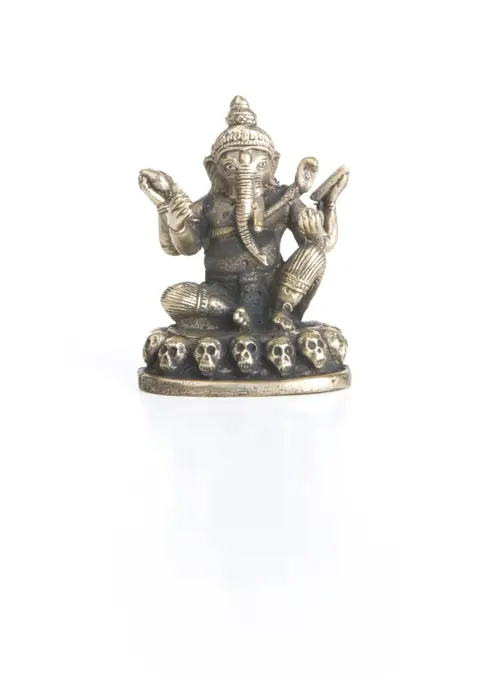
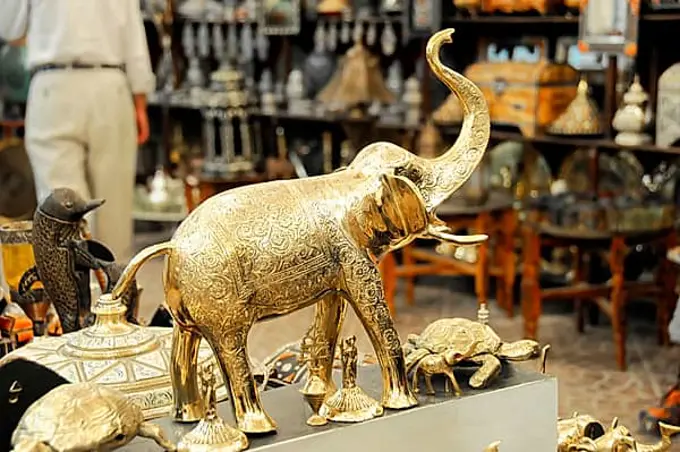
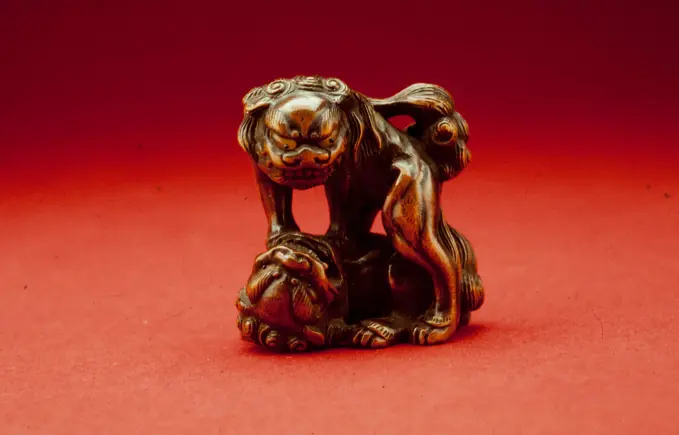
Two Chinese Lions Wrestling, 18th century, Unknown Japanese, 2in. (5.1cm), Ivory, Japan, 18th centurypipa dfe madera, siglo XVIII, casa torre de Etxaburu, Arkeologi Museoa, museo aqueologico, Bilbao, Bizkaia, Pais Vasco, Spain.Satyrijfje with young satyr, candlestick, Andrea Briosco (School of), c. 1400 - c. 1950   bronze (metal)   bronze (metal)CowCreamerOrnament in the Shape of a Pigeon on a Rock 1750 Japan. Ornament in the Shape of a Pigeon on a Rock. Japan. 1750. Clay covered with a thin glaze (Bizen ware). Edo period (1615-1868). CeramicsEgyptian cat statue Egyptian cat statue isolated on white background Copyright: xZoonar.com/AndreyxEreminx 2287841Roof Ornament, one of a pair, 16th-17th century, a:(lower section) H.18-1/2 x W.9-1/2 x D.23-9/16 in.; b:(upper section) H.15-5/8 x W.9-1/4 x D.23 in., Glazed earthenware, China, 16th-17th centuryGolden panther. Gold, hematite and opaque glass. Late 7th century BC. Kelermes, Krasnodar, Kuban bassin, Russia. Hermitage Museum.Excavation of Oseberg Viking age ship discovered in a large burial mound at the Oseberg farm near Tønsberg in Vestfold County, Norway began in 1903. The Oseberg ship dated from 834 AD, was pulled ashore and used as a burial ship for the two ladies. That site also contained numerous richly decorated objects in wood. The characteristic motif of the style is gripping beasts. The gripping beast motif is what clearly distinguishes the early Viking art from the styles that preceded it.Ewer in the Form of a Phoenix ca. 15th-16th century Vietnam Fanciful shapes, including vessels in the form of birds, animals, and human figures, as well as abstract designs characterize blue-and-white and other ceramic wares produced in Vietnam for domestic use and export in the fifteenth and sixteenth century. An elaborate crest caps the pronounced head of this phoenix-shaped ewer. His detailed wings cling to the sides of the body, which is decorated with scattered featherlike clumps painted in underglaze blue. A whimsical two-part handle is placed along the back. This is one of several such vessels found in Indonesia, an active market for Chinese and Southeast Asian wares. In addition to figural and other vessels, the Vietnamese kilns also produced tiles for the decoration of mosques and other Indonesian buildings.. Ewer in the Form of a Phoenix 37558Flower holder ca. 1780-90 Ralph Wood the Younger. Flower holder. British, Burslem, Staffordshire. ca. 1780-90. Lead-glazed earthenware. Ceramics-PotteryFigure of a mule for the Nativity Potal isolated on a white backgroundGreek Terracotta Figure of a Horse and a Rider  c. 4th C. B.C.  Greek Art Turtle Pendant. Culture: Veraguas. Dimensions: H. 2 1/4 x W. 1 5/8 in. (5.7 x 4.1 cm). Date: 11th-16th century. Museum: Metropolitan Museum of Art, New York, USA.Head with elephant spoils 3rd century B.C. Greek, Egypt Attachment; head wearing the spoils of an elephant.. Head with elephant spoils 254826 Greek, Egypt, Head with elephant spoils, 3rd century B.C., Bronze, Overall: 2 x 1 3/4 x 1 3/4 in. (5.1 x 4.4 x 4.4 cm). The Metropolitan Museum of Art, New York. Rogers Fund, 1955 (55.11.12)Deer. Italian, Padua. Date: 1760-1800. Dimensions: 14 x 11.4 x 3.2 cm (5 1/2 x 4 1/2 x 1 1/4 in.). Bronze. Origin: Italian. Museum: The Chicago Art Institute, Chicago, USA.Elizabeth Fairchild, Rocking Horse, c 1938 Rocking HorseAmulet of a Cape Hare. Egyptian. Date: 664 BC-332 BC. Dimensions: 1.25 × 2.25 × .75 cm (1/2 × 1/4 × 3/8 in.). Faience. Origin: Egypt. Museum: The Chicago Art Institute, Chicago, USA. Author: Ancient Egyptian.Door knocker 19th century, after 16th century original Elkington & Co. British This electrotype is after a sixteenth-century Italian original in the Botkine collection, St. Petersburg, at the time of reproduction.. Door knocker 186667Winged Bird Woman Figurine. Egypt, probably Roman Period (30 BCE - 395 CE) or later. Sculpture. BronzeTerracotta rhyton (vase for libations or drinking). Culture: Greek, Attic. Dimensions: length 5 9/16 in. (14.2 cm); diameter of lip 4 in. (10.2 cm). Date: ca. 460 B.C..Youths with lyre and double flutesThe vase is in the form of the head of a lamb, and the artists have taken great pains to render the short, tightly curled wool, the projecting ears and undeveloped horns, and especially the beautiful large eyes. The scene of the cuff may well depict youths at school. One must wonder whether the combination of a lamb and schoolboys is intentional. Museum: Metropolitan Museum of Art, New York, USA.Gold rhyton in the shape of a goat's head with the figures of Hera, Artemis, Apollo and Nike decotating the neck, from the Treasures of Panagjuriste, Plovdiv Region, Bulgaria. Goldsmith art. Thracian Civilization, 4th-3rd Century BC.Boys with leaves and boxes 19th century China Two boys holding a lotus or leaf and a box are popular New Years images symbolic of harmony and union. Known as the hehe twins, in reference to the characters for these virtues both of which are read he, this pair is also thought to have been inspired by the legendary Tang dynasty (618-907) Buddhist monks Hanshan and Shide.. Boys with leaves and boxes. China. 19th century. Horn. Qing dynasty (1644-1911). HornPheasant figurine;  19th century (1801-00-00-1900-00-00);Figure 3rd-12th century. Figure 447343Antoine-Louis Bare (1795-1875). "Stork on a pedestal". Bronze, red brown patina. Around 1860. Museum of Fine Arts of the City of Paris, Petit Palais. Statuette, 19th XIXth 19th 19th 19th 19th century, animalEngraved Gem with a Goatherd; A.D. 50-100; Green chalcedony; 1.5 × 1.1 × 0.3 cm (9,16 × 7,16 × 1,8 in.)Toy  lion figurineReclining Child 16th century China. Reclining Child 39838Stool 16th century and 19th or early 20th century Italian, Tuscany. Stool 460625Animal Ornament 6th-7th century Moche (Loma Negra). Animal Ornament 314539Pottery rhyton in form of a bull's head. Late Helladic III. 1425 BC-1300 BC. Karpathos Island, Greece. British Museum. London, England, United Kingdom.Strike plate 18th century French. Strike plate. French. 18th century. Iron. Metalwork-IronTwo Figurines, De Metaale Pot, c. 1700 - c. 1715 There is a violin -playing man with hat on a triangular and triple pedestal. The image is of multicolored (blue, green, yellow and red) painted faience. The image is marked. Delft earthenware. tin glaze. There is a violin -playing man with hat on a triangular and triple pedestal. The image is of multicolored (blue, green, yellow and red) painted faience. The image is marked. Delft earthenware. tin glaze.Broche, obra de Joan-Josep Tharrats, 1979. Colección privada.CABALLO DE BRONCE - EXVOTO IBERICO PROCEDENTE DE DESPEÑAPERROS. Location: MUSEO ARQUEOLOGICO NACIONAL-COLECCION. MADRID. SPAIN.Spiritlamp;  2 after. XIX W (1801-00-00-1900-00-00);Griffons, Gilt bronze, Pair of seated griffons with outstretched paws and raised wings., France, ca. 1830, metalwork, Decorative Arts, GriffonsCover for a Potpourri Vase, 1860-1880. France. Blanc-de-chine porcelain; gilt bronze mount; overall: 7.1 x 11.2 cm (2 13/16 x 4 7/16 in.).Trotting Horse, Pietro Tacca, c. 1620 - c. 1640 Stapping stallion, from bronze. On a pedestal. Florence bronze (metal) Stapping stallion, from bronze. On a pedestal. Florence bronze (metal)Amulet of a Hare 1070 BCE-656 BCE Egypt. Faience . Ancient EgyptianShaving Mug ca. 1853 E. & W. Bennett Pottery. Shaving Mug 7411Walking Leopard, 1831. Antoine-Louis Barye (French, 1796-1875). Bronze; overall: 7.7 x 14.2 cm (3 1/16 x 5 9/16 in.).Figure of a horse 7th-8th century China. Figure of a horse 48838Netsuke,, 1700-1900 Imagination of a large wicker basket with removable lid. A small man at the height of the basket holds a large fish in his left hand. Japan ivory Imagination of a large wicker basket with removable lid. A small man at the height of the basket holds a large fish in his left hand. Japan ivoryLion Statue warsaw park, Isolated on White background with clipping pathPlaque ca. 4th-7th century A.D. (). Plaque 325105Naczynie w formie zwierzęcia. warsztat cypryjskiUnknown, Pair of Andirons: Rearing Horses, brass.Hawk perched on a rock. unknown, sculptorPair of Bridal Sandals, early 20th century, 6 1/2 x 9 1/4 in. (16.5 x 23.5 cm), Wood, silver, early 20th centuryLead figure of a horse 6th-5th century B.C. Greek, Laconian Small flat votive figurines of cast lead have been found in great quantities at the ancient sanctuaries of Laconia; over one hundred thousand, dating from the seventh century B.C. to the Classical period, were dedicated to the goddess Artemis Orthia in Sparta.. Lead figure of a horse 251668 Greek, Laconian, Lead figure of a horse, 6th5th century B.C., Lead, Length: 1 3/16 in. (3.1 cm). The Metropolitan Museum of Art, New York. Gift of A. J. B. Wace, 1924 (24.195.102)Bell withSinghaWorkshop of the Sarachi () / 'Large vase in the shape of a dragon or ''caquesseitío'''. Ca. 1626. Rock crystal / Hyaline quartz, Enamel, Gold. Museum: Museo del Prado, Madrid, España. Author: TALLER DE LOS SARACHI.Lotus Mandala with Eight Mother Goddesses. Nepal, 13th-14th century. Sculpture. Copper with traces of devotional paintSpice container, late 19th century, 6-13/16 x 3-1/4 x 4-3/4 in. (17.3 x 8.3 x 12.1 cm), Silver, 19th centuryCarved Plaque from a Bracelet ca. 1390-1352 B.C. New Kingdom Openwork representation of a female sphinx whose human hands present a cartouche with the prenomen of Amenhotep III Neb-Maat-Re. This sphinx is often identified as Queen Tiye whose name is indeed in some cases written beside a sphinx image. It is, however, also possible that the creature on this bracelet plaque represents a mythic being of a more general nature. Wings, headdress and jewelry point to close connections with foreign lands (Nubia, Asia, Shasu Bedouins), and the presentation of the king's name was a ritual that another, closely connected bracelet plaque (26.7.1340) shows in connection with the king's jubilee (Heb Sed).. Carved Plaque from a Bracelet. ca. 1390-1352 B.C.. Sard. New Kingdom. From Egypt, Upper Egypt, Thebes. Dynasty 18Egypt figures miniature of a hawk bronze 26th dynasty Kestner Museum Hanover,Figurine of quail. unknown, craftsmanKohl Flask probably 10th-12th century This charming object was designed to hold kohl, a black cosmetic powder applied around the eyes. In the past, kohl was widely used by men and children as well as women. It was thought not only to accentuate the beauty of the eyes, but also to guard against the glaring sun, ward off evil, and discourage eye disease. The narrow drill hole at the top of this flask would have accommodated a slender stick to collect the cosmetic.. Kohl Flask. probably 10th-12th century. Serpentine; carved, incised. Made in Iran or Central Asia. StoneRocking Horse. Dated: c. 1939. Dimensions: overall: 38.2 x 54.5 cm (15 1/16 x 21 7/16 in.) Original IAD Object: 50" long. Medium: watercolor, graphite, and gouache on paperboard. Museum: National Gallery of Art, Washington DC. Author: Harriette Gale.Anonymous / 'Horus falcon'. 664 a.C. - 332 a.C.. Basalt, Agate. Museum: Museo del Prado, Madrid, España.Ceramic pots of culture Lima 200 AD-700 AD.Huaca Pucllana. Miraflores district. Lima city. Peru.Archaeological site.Cow still bank, 20th century, 3 3/8 x 4 7/16 x 2 3/8 in. (8.57 x 11.27 x 6.03 cm), Ceramic, United States (probably), 20th centuryTwo fulcra (headrest) attachments in the form of mule's heads ca. late 3rd-1st century B.C. Greek Ornaments from a couch.. Two fulcra (headrest) attachments in the form of mule's heads. Greek. ca. late 3rd-1st century B.C.. Bronze. Hellenistic. BronzesBeautiful tiger isolated on white background with clipping pathMount, ca. 1815; stamped, cast and chased gilt bronzeIndonesian Shadow Puppet.Chinese Taoist wisdom brass dragon statue against orange wall.Cummings Art Treasures, Bogota Gold Museum Jewels. Photographs of Marshall Plan Programs, Exhibits, and PersonnelMetal elephant with crystals on the black background (souvenir)The Jim Thompson House is a museum in Bangkok. It is a complex of various old Thai structures that the American businessman Jim Thompson collected from all parts of Thailand in the 1950s and 60s. James (Jim) Harrison Wilson Thompson (born March 21, 1906 in Greenville, Delaware - unknown) was an American businessman who helped revitalize the Thai silk industry in the 1950s and 1960s. A former U.S. military intelligence officer, Thompson mysteriously disappeared from Malaysia's Cameron Highlands while going for a walk on Easter Sunday, March 26, 1967. Sun Wagon , Celtic. From Trondholm. DENMARK.Antoine Louis Barye, Standing Jaguar, model nd, cast 1860 1873 Standing JaguarGold escutcheon emblem, 7th century BC. Museum: HERMITAGE, SAN PETERSBURGO, RUSSIA.Silver rhyton decorated depicting a knight on horseback, 5th-4th century BC, Armenia. Detail.Saudi Arabia, Riyadh, Diriyah. Model of a horse in the At-Turaif museum. (Editorial Use Only)unknown artist, (Scottish Pearlware), Jockey and Racehorse: he in black cap, blue jacket, pink waistcoat and white breeches; the horse, sponged black with purple saddle cloth (reins missing), 1830. Scottish pearlware figure.Handle in the Form of a Dragon's Head. Culture: China. Dimensions: H. 2 1/2 in. (6.4 cm); W. 2 in. (5.1 cm); L. 5 3/4 in. (14.6 cm). Date: 1st-2nd century.The dragon in China is an auspicious emblem of nature's creative forces. Visualized as a composite creature, this sleek example, with its elongated neck, flared nostrils, and gaping mouth, may have been inspired by the "heavenly" horses thought to dwell in Central Asia. Museum: Metropolitan Museum of Art, New York, USA.GeneshBrass figures at a market, including an elephant and other animal sculptures, Fez, northern Morocco, Morocco, Africa