Historical Armor and Artifacts

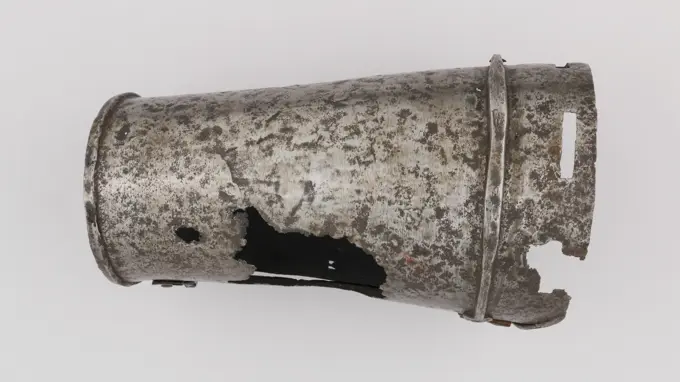
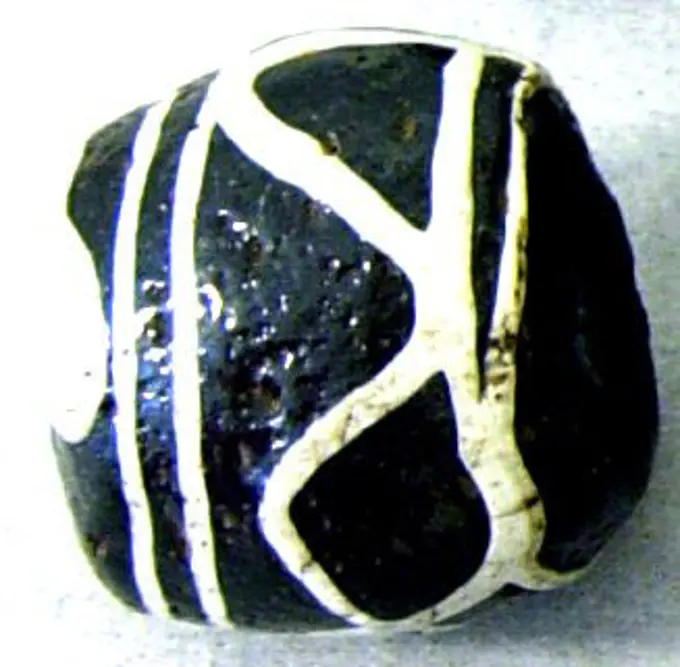
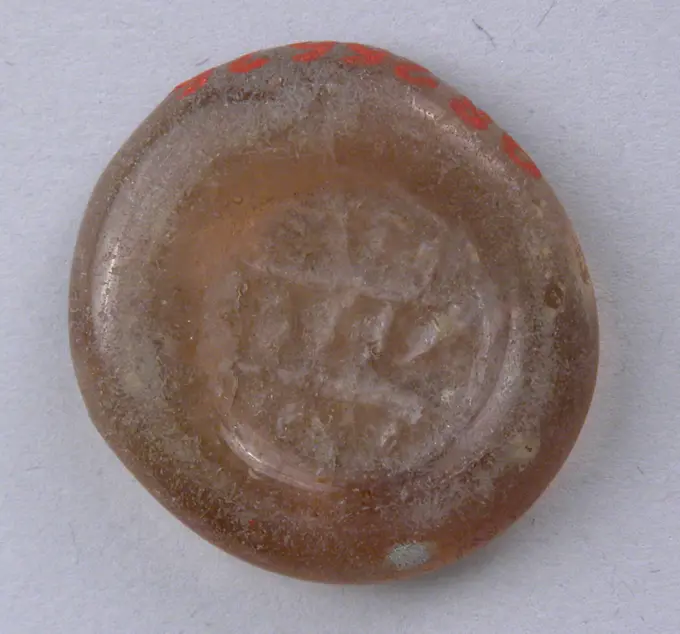
Artifacts from medieval armor, including a brigandine plate and various buttons made from bone and glass, reflecting historical craftsmanship.
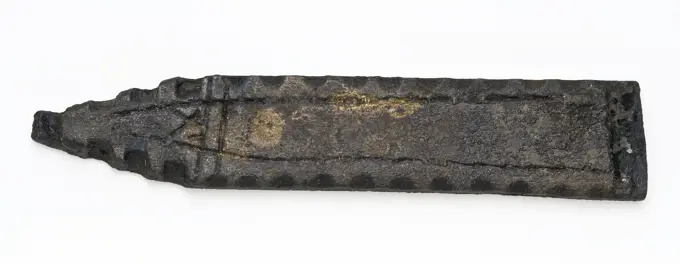
Copper decorative fittings with linear decoration, decorative fittings soil find copper metal, cast engraved Oblong strip copper in point ending Lobed and toothed edges Contour following engraved lines cross on the slant archology adorn
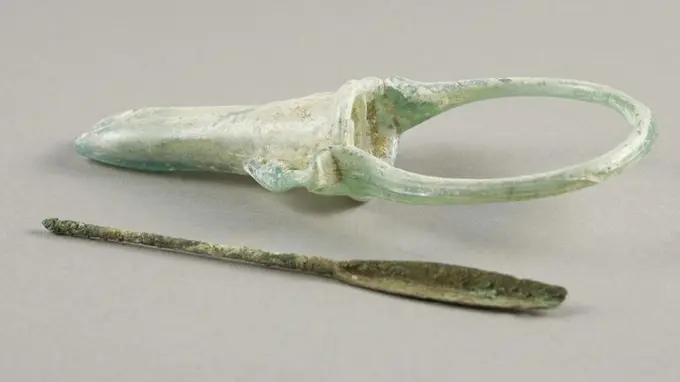
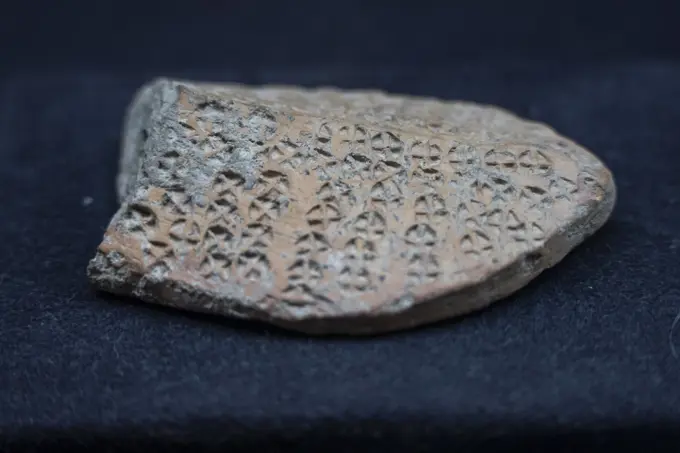
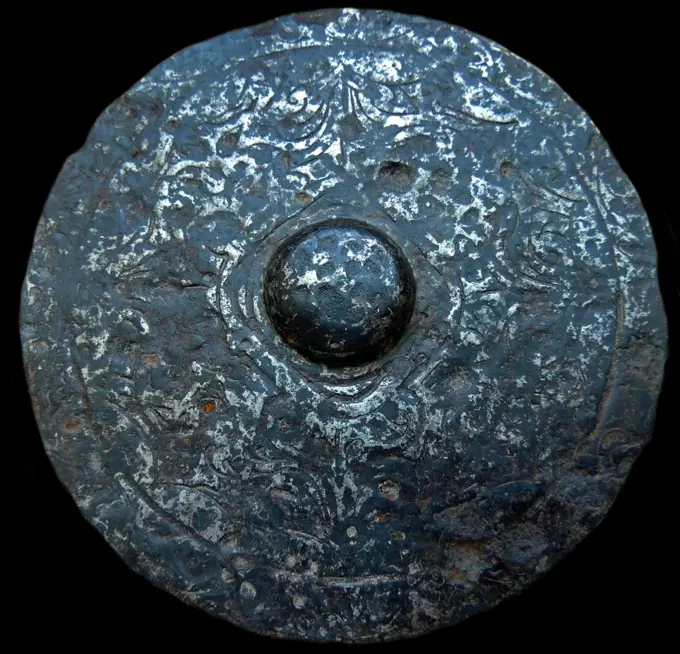
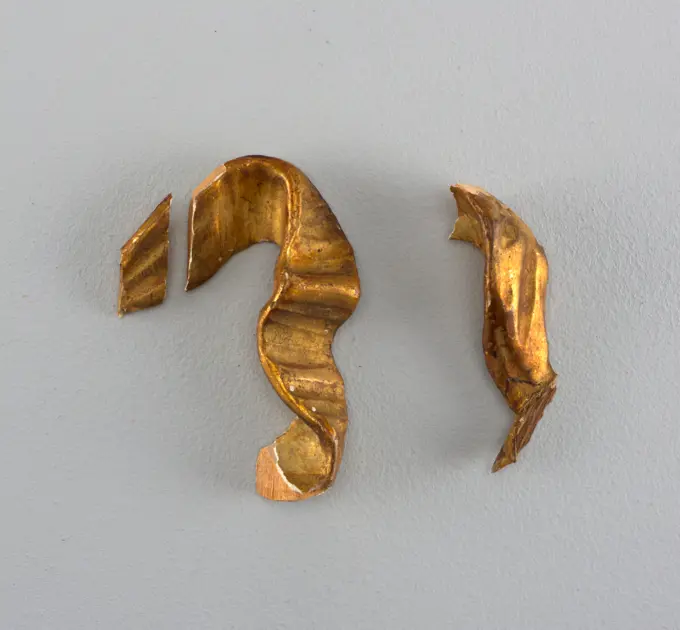
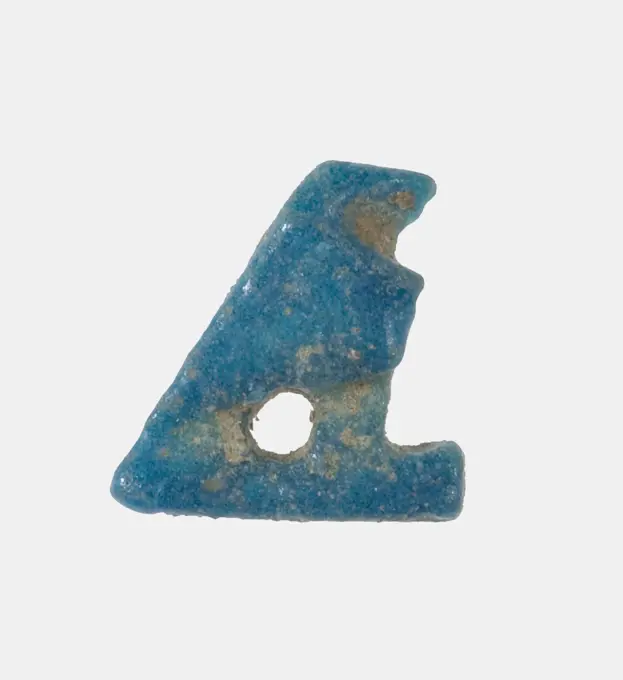
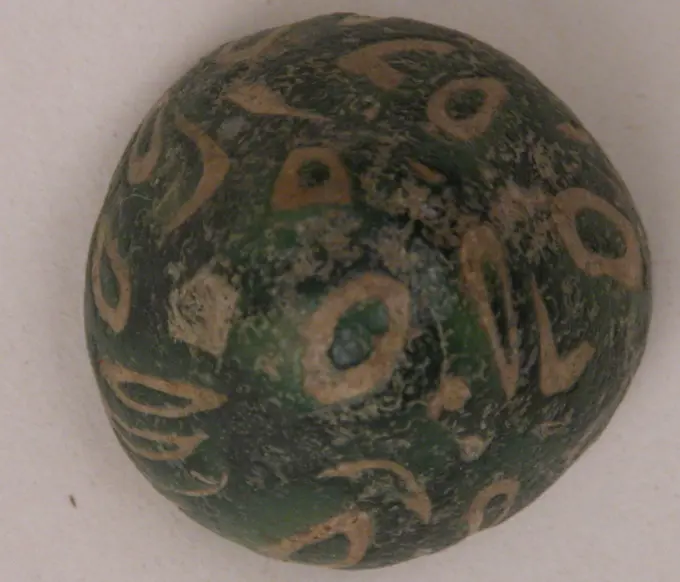
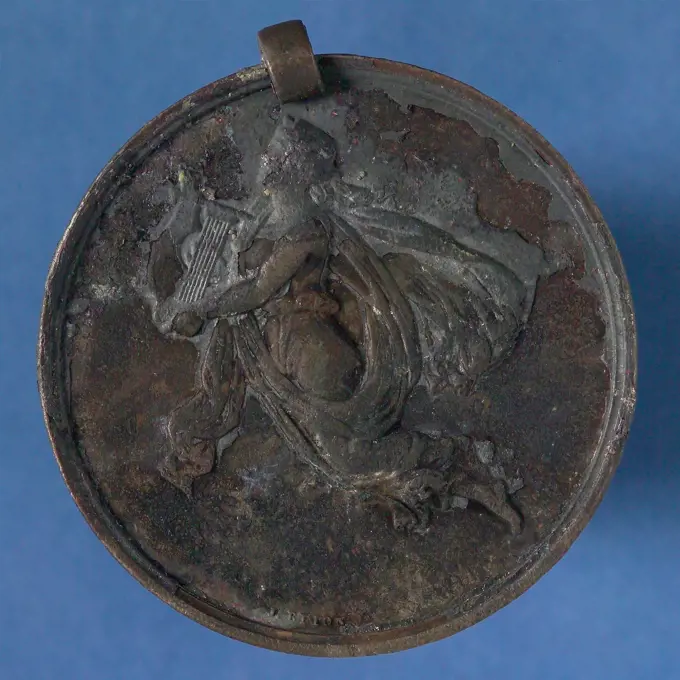
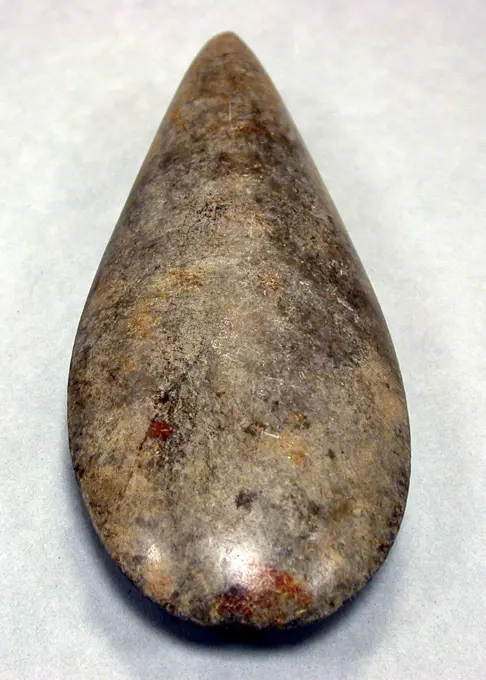
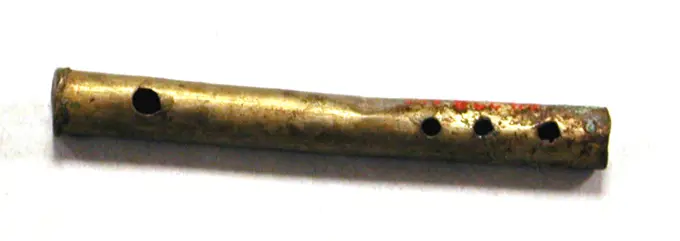
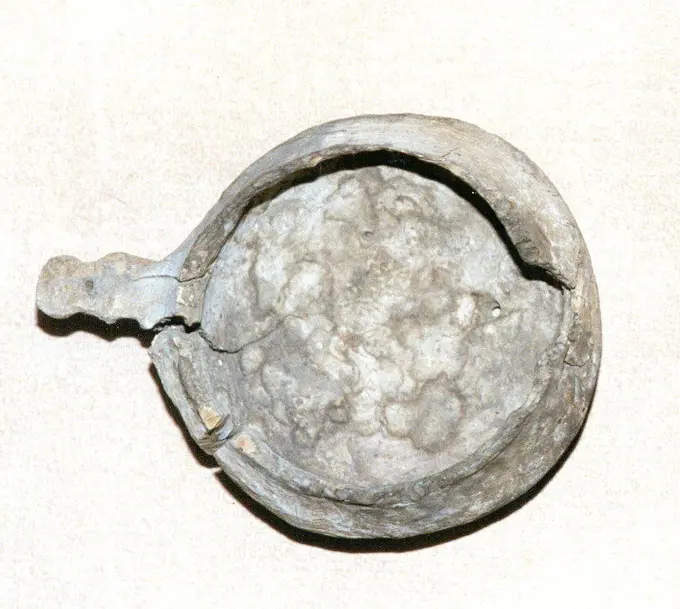
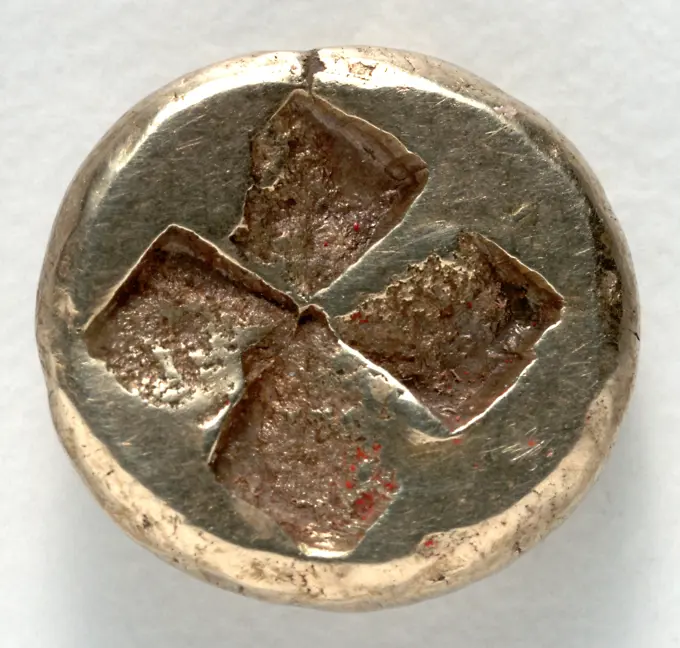
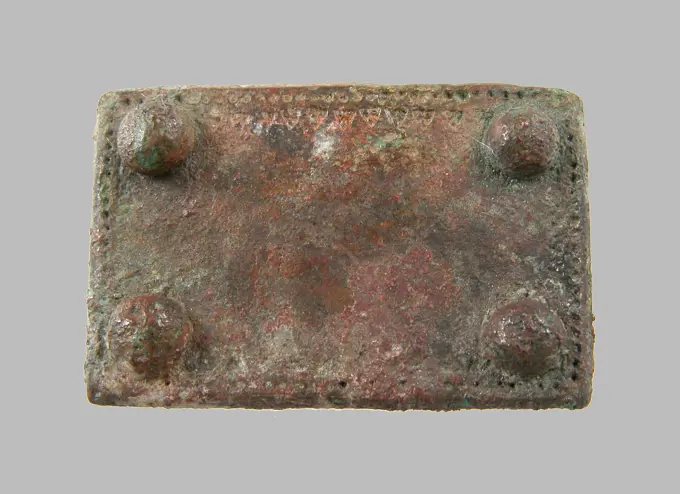
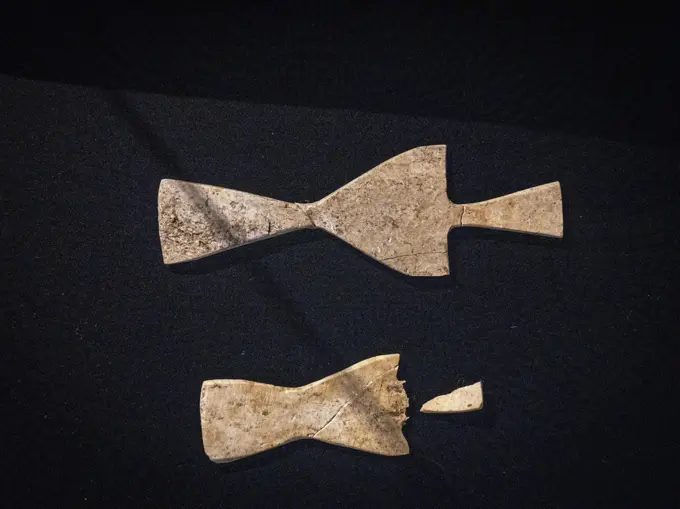
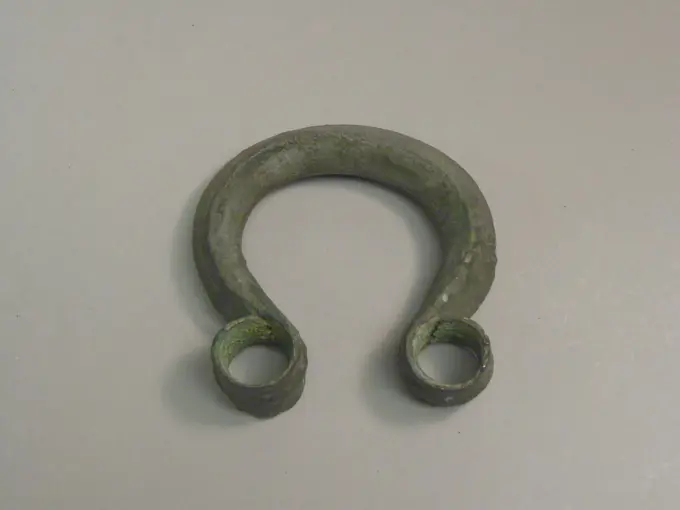
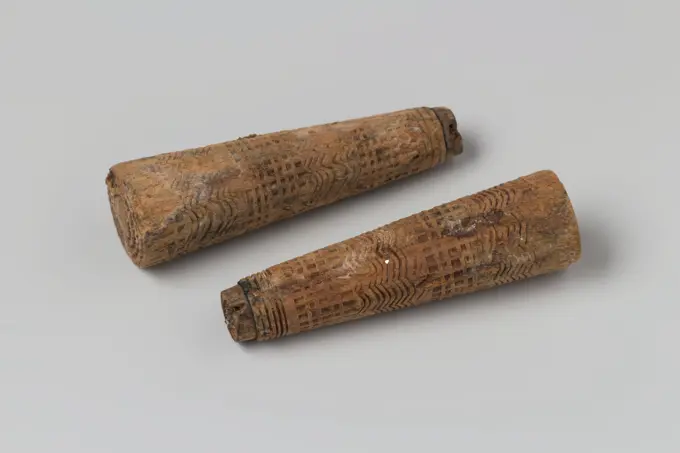
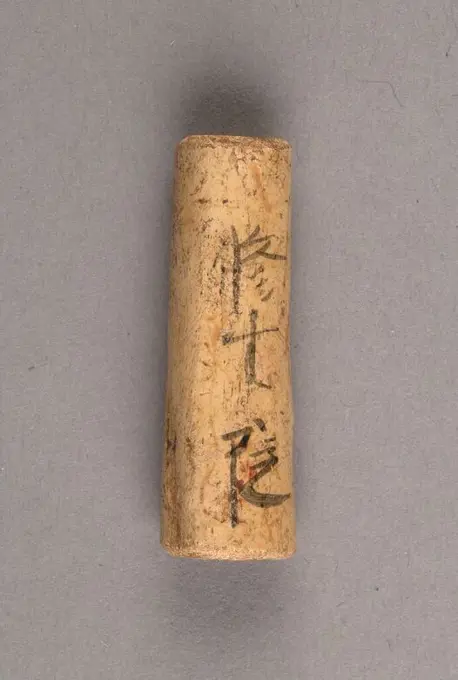
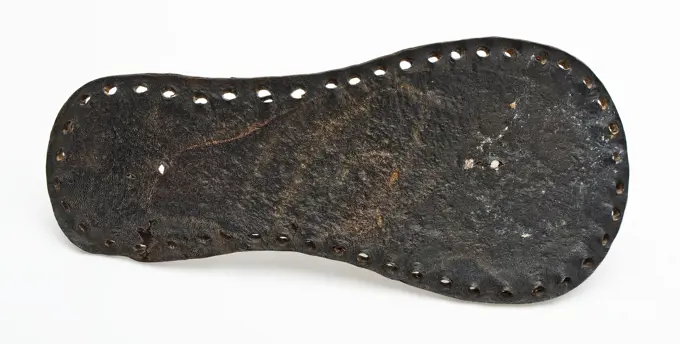
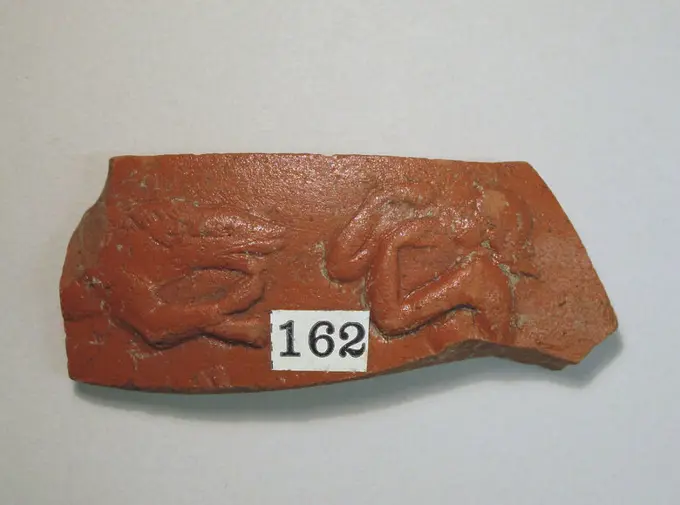
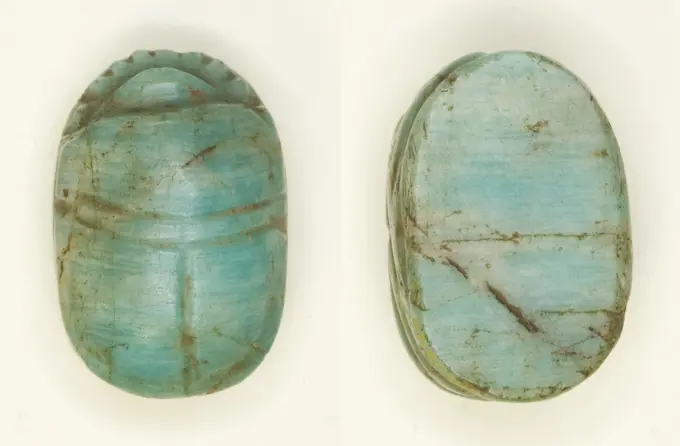
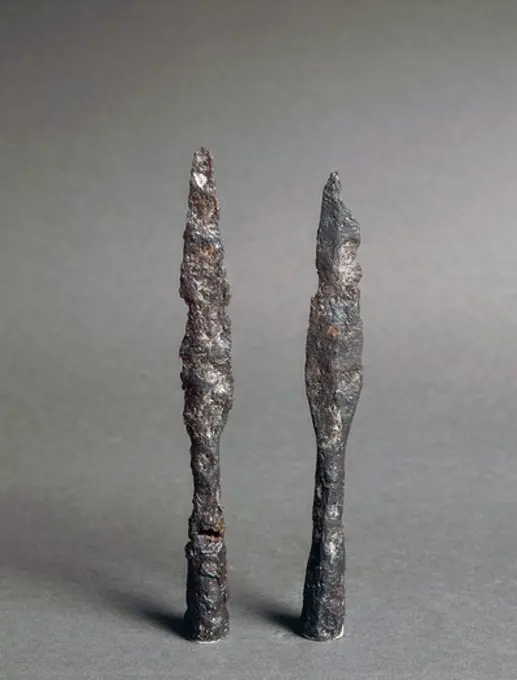
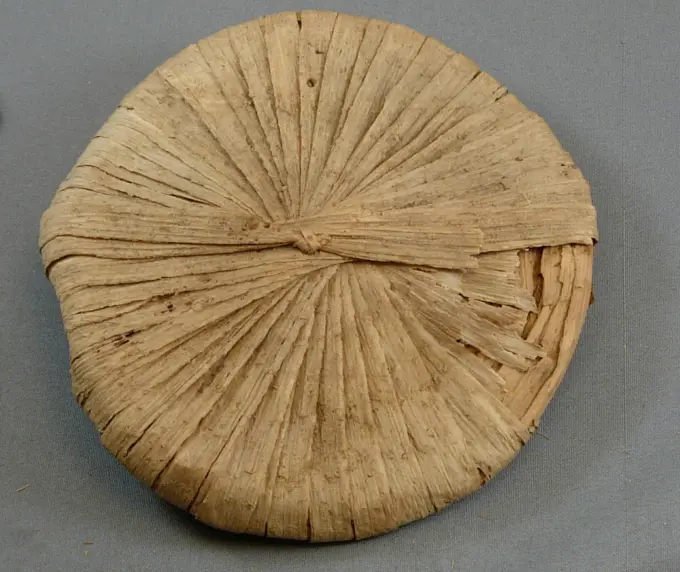
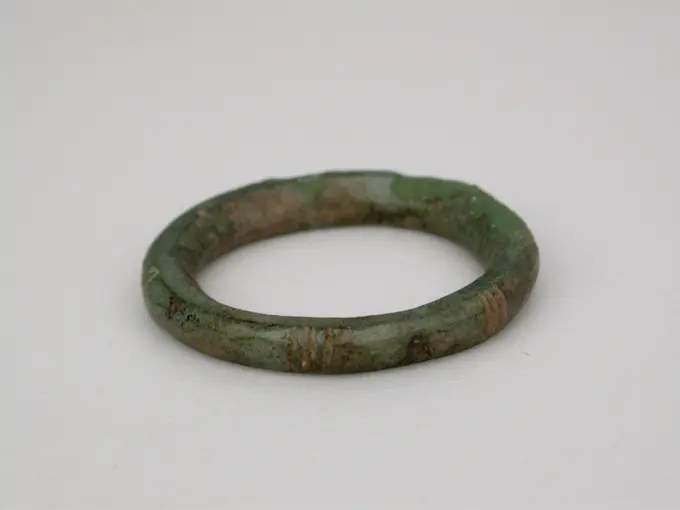
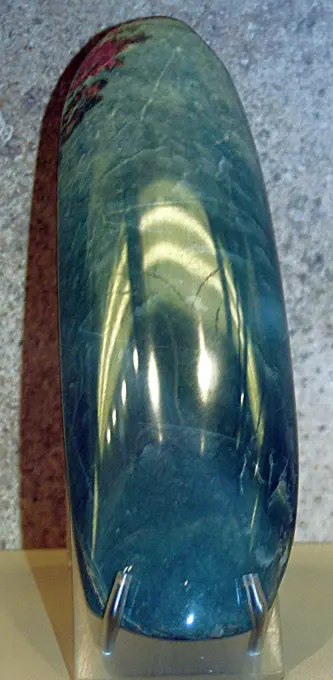
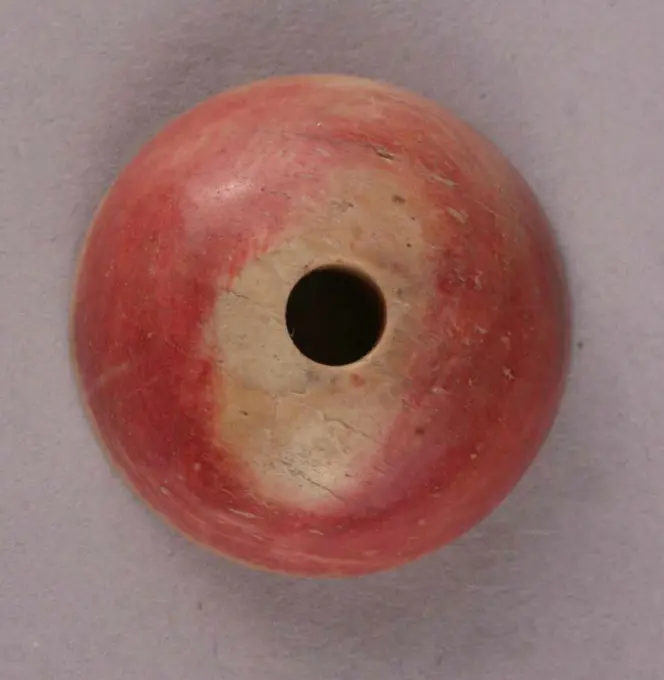
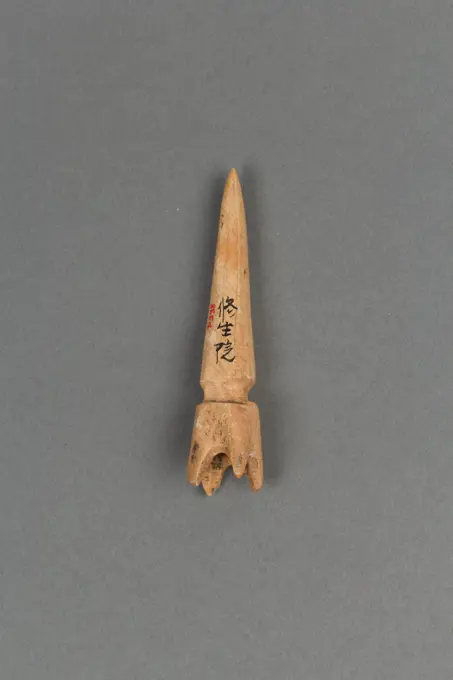
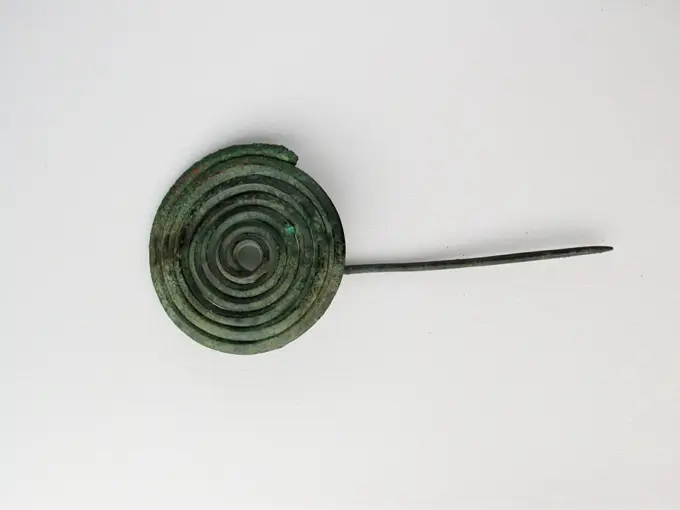
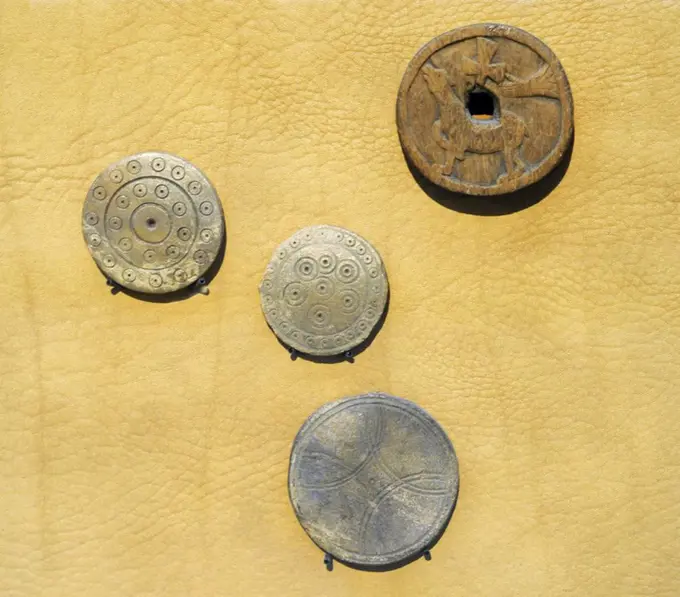
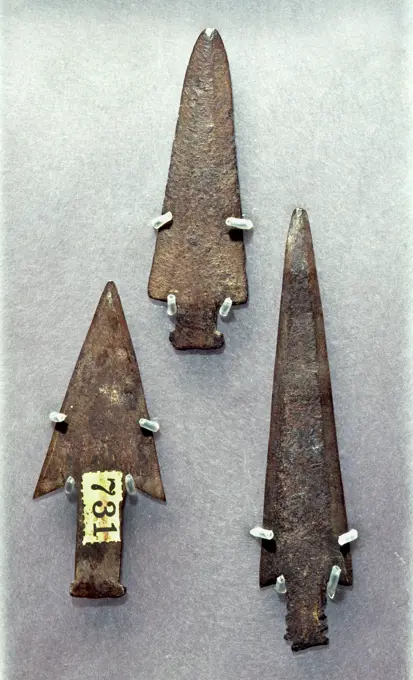
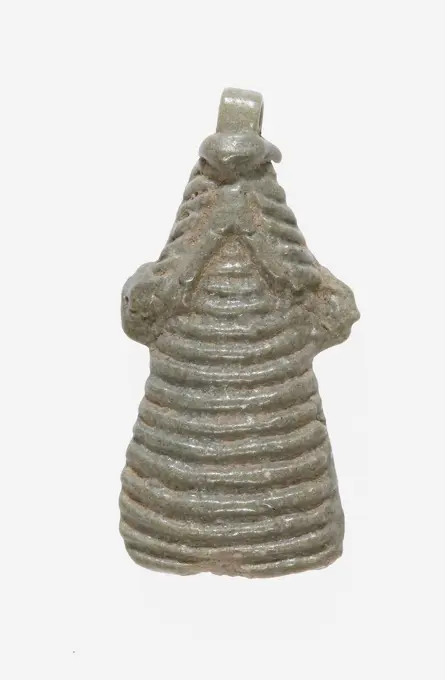
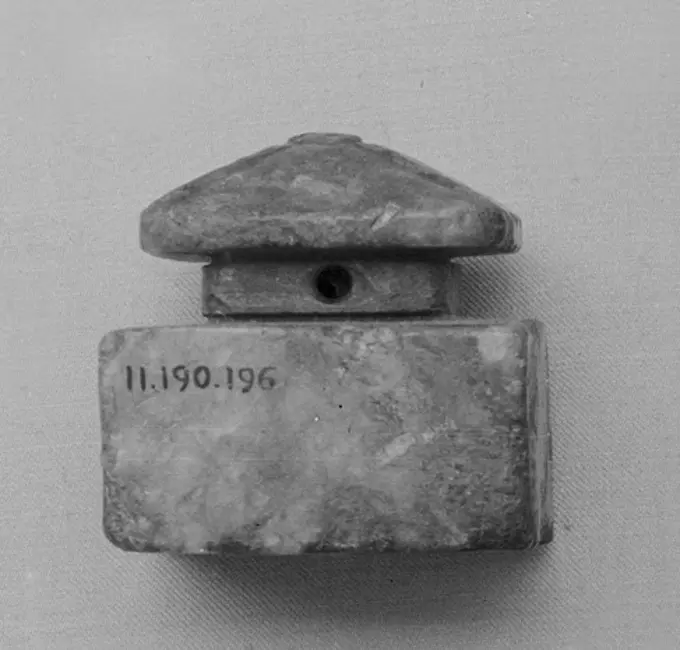
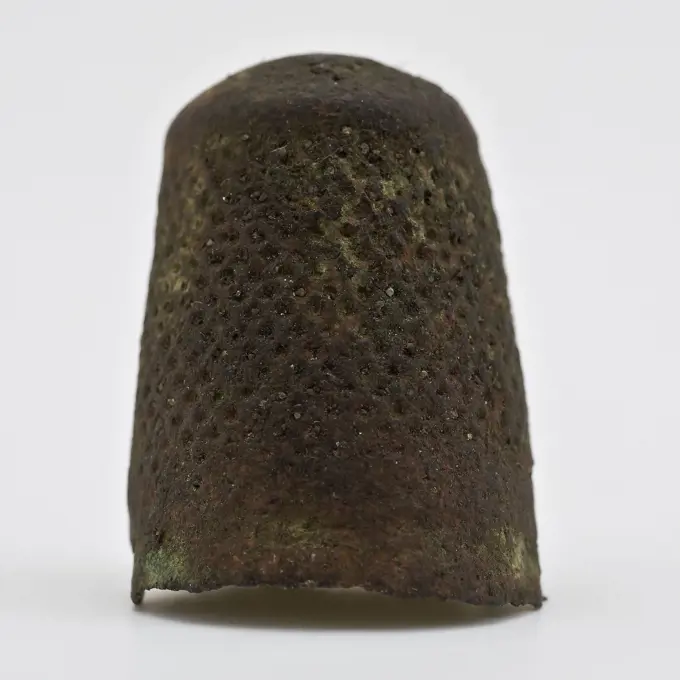
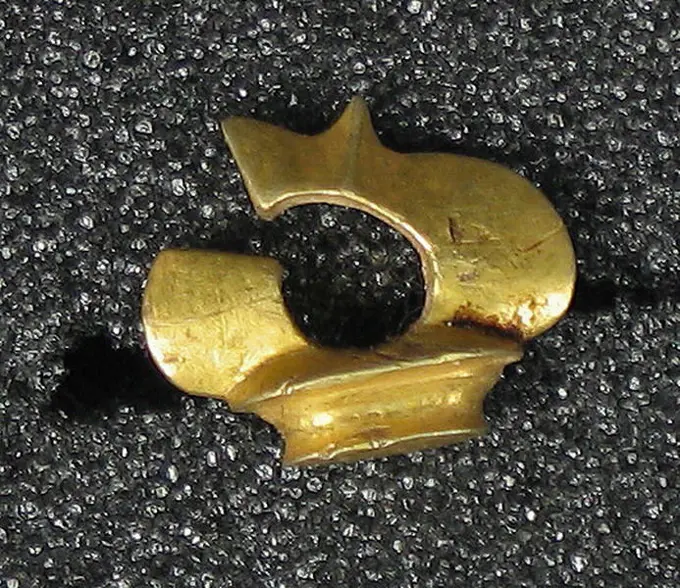
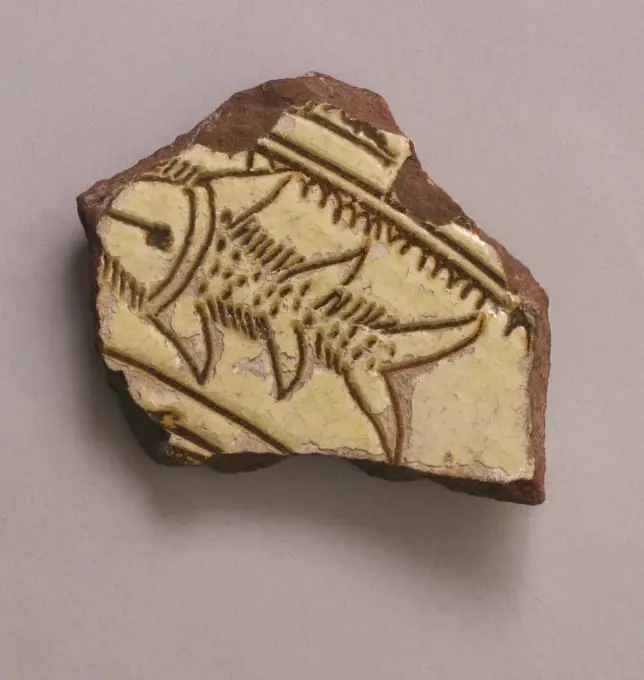
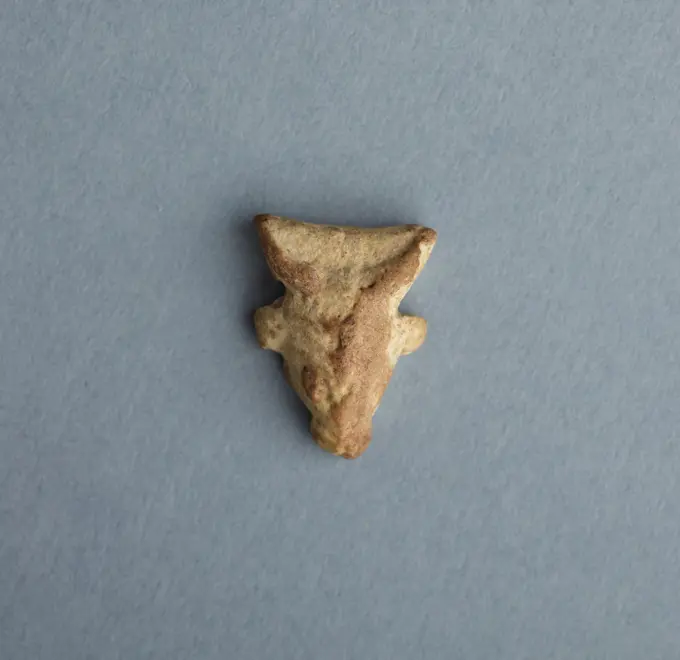
Foot of a Vessel. Culture: Syrian. Dimensions: L. 1 1/2 in. (3.8 cm). Date: 13th century. Museum: Metropolitan Museum of Art, New York, USA.Fragment. Culture: European or Middle Eastern. Dimensions: L. 1 1/2 in. (3.8 cm). Date: ca. 1150-ca. 1250. Museum: Metropolitan Museum of Art, New York, USA.Cosmetic Container and Applicator. Roman; Eastern Mediterranean. Date: 301 AD-400 AD. Dimensions: Tube: 16.2 × 7.3 × 3.2 cm (6 3/8 × 2 7/8 × 1 1/4 in.); Spatula: 13 × 1.1 × 0.5 cm (5 1/8 × 7/16 × 3/16 in.). Glass and bronze. Origin: Italy. Museum: The Chicago Art Institute, Chicago, USA. Author: ANCIENT ROMAN.Fragment ca. 1150-ca. 1250 European or Middle Eastern. Fragment 695237Fragment. Culture: European or Middle Eastern. Dimensions: L. 1 3/4 in. (4.5 cm). Date: ca. 1150-ca. 1250. Museum: Metropolitan Museum of Art, New York, USA.Bronze arrowhead ca. 1600-1050 B.C. Cypriot Flat leaf-shaped blade, midrib and a long four-sided tang.. Bronze arrowhead 244209Cymbal 30 B.C.-A.D. 364 Roman Period. Cymbal 551063Fragment 9th century. Fragment 452686gestempelter Votivfuß aus der iberischen Kultur stamped votive foot from Iberian Culture, Valladolid Museum - Provincial Museum of Antiquities, Autonomous Community of Castile and Leon, Spain Copyright: xZoonar.com/BartomeuxBalaguerxRotgerx 22539382Arrowhead Japan. Arrowhead 62425Iron mirror with silvered back. Han dynasty (206 BC-AD 220). Due to their advanced metallurgical technology, the Chinese were able to heat-treat cast iron to reduce its brittleness and make a wide range of tools and weapons from iron and steel.Fragment. Culture: European or Middle Eastern. Dimensions: L. 1 3/4 in. (4.5 cm). Date: ca. 1150-ca. 1250. Museum: Metropolitan Museum of Art, New York, USA.Pendants, nail head, from earrings Cypriot. Pendants, nail head, from earrings 242662Fragment, Ribbon; wood, gilded; 1908-13-18Bead. Bead 243016Lamp 7th-8th century. Lamp 454755Stone Earflare before 16th century Mexican. Stone Earflare 317334Copper Scale Balance 12th-15th century Chimú. Copper Scale Balance 315366The Wedjat-Eye, the left eye of the god Horus, symbolising light and provides protection against the evil eye.Falcon Amulet ca. 1802-1450 B.C. Late Middle Kingdom-Early New Kingdom. Falcon Amulet. ca. 1802-1450 B.C.. Faience. Late Middle Kingdom-Early New Kingdom. From Egypt, Memphite Region, Lisht North, Cemetery south of pyramid, House A1, so-called "faience factory", MMA excavations, 1920-22. Dynasty 13-18, earlyPlaque for a Collar or Necklace 8th century. Plaque for a Collar or Necklace 454677Gaming Piece 9th-10th century Caliphal decrees prohibited the playing of chess (the pieces of which are customarily figural) for iconoclastic reasons as early as the eighth century. It is likely that chess pieces of the abstract type, such as those exhibited here, replaced the figural ones in order to circumvent those decrees.The dot-in-circle motif recalls designs presumed to be of magical significance, most likely an abstract eye to ward off the evil-eye, which serves an apotropaic function. Easily reproduced with a tool and visible in many cultures and times, this symbol may have lost its meaning, and become simply a decorative pattern, or may have one that we have not yet discovered.. Gaming Piece 452330Fragment 15th century. Fragment 445445Ceremonial Knife (Tumi) before 16th century Peruvian. Ceremonial Knife (Tumi) 315345Fragment European or Middle Eastern ca. 1150-ca. 1250Price medal Royal Liedertafel Art and Science in Amsterdam, price token bearer penny identification bearer bronze, F: unclearly affected by fire, KONINKL. LIEDERTAFEL ARTS AND SCIENCE AMSTERDAM CONCOURS 1870 (omschrift) music singing Rotte's Male Choir war World War II bombardment May 1940 May days fire Doele Doelen Rotterdam City triangle Haagseveer In the Doelezaal on May 14, 1940 burnt and recovered in the ruins.Hairpin Knob 1st-4th century Roman. Hairpin Knob 465139 Roman, Hairpin Knob, 1st4th century, Bronze-gilt, Overall: 13/16 x 5/8 in. (2.1 x 1.6 cm). The Metropolitan Museum of Art, New York. Gift of J. Pierpont Morgan, 1917 (17.191.88)Celt 7th-10th century Taíno The most numerous category of polished stone sculpture emerging from the Taíno world of the ancestral Caribbean islands are ceremonial axes and blades, which take many forms and may have been an important medium of exchange. Axes feature abstract zoomorphic forms in stone, or consisted of wooden handles with stone blades hafted to them. Stone axe handle-shaped figures may have been ceremonial scepters. Ceremonial blades made of different types of greenstone, both local and imported, have been recovered in large numbers. These axes, known as petaloid celts for their resemblance to flower petals, could have served as dedicatory offerings, which have a long history on the Caribbean mainland in Mesoamerica.. Celt 317743Hammered Silver Miniature Flute 8th-mid-16th century Peru; north coast (). Hammered Silver Miniature Flute 309167Circular wooden drinking cup ca. 7th-9th century A.D. Alanic. Circular wooden drinking cup. Alanic. ca. 7th-9th century A.D.. Wood (maple tree, burl). Caucasus regionHecte (1/6 Stater): Incuse square, quartered (reverse), 500-300 BC. Greek, minted at Phokaia (Ionia). Electrum (gold-silver alloy); diameter: 0.9 cm (3/8 in.).Amulet - DuamutefDisk Brooch late 6th-early 7th century Frankish. Disk Brooch 464830 Frankish, Disk Brooch, late 6thearly 7th century, Gold, silver, niello, paste, iron core, Overall: 1 3/16 x 3/8 in. (3 x 0.9 cm). The Metropolitan Museum of Art, New York. Gift of J. Pierpont Morgan, 1917 (17.191.139)Miniature Kyathos. UnknownFragment. Culture: European or Middle Eastern. Dimensions: L. 1 3/16 in. (3 cm). Date: ca. 1150-ca. 1250. Museum: Metropolitan Museum of Art, New York, USA.Costume ornament 8th-mid-16th century Peru; north or central coast (). Costume ornament 308949Molded Faience Cow's Foreleg. Egypt, New Kingdom - Late Period (1569 - 333 BCE). Sculpture. FaienceCarnavalet Museum, Medals CollectionTile Fragment 1334-1434. Tile Fragment 450550macro shooting of natural mineral rock specimen - polished hydrogoethite gemstone on dark granite background from Eupatoria district, CrimeaFragment of a Cup 14th-15th century. Fragment of a Cup 445627Fragment 9th century. Fragment 451561Anklet 500 B.C.-A.D. 300 Vietnam. Anklet 53878Fragment. Culture: European or Middle Eastern. Dimensions: L. 1 3/8 in. (3.5 cm). Date: ca. 1150-ca. 1250. Museum: Metropolitan Museum of Art, New York, USA.Fragment. Culture: European or Middle Eastern. Dimensions: L. 1 5/8 in. (4.1 cm). Date: ca. 1150-ca. 1250. Museum: Metropolitan Museum of Art, New York, USA.Fragment of a Bowl or Cup 13th-16th century. Fragment of a Bowl or Cup 452433Rectangular Plaque middle of 6th century Frankish. Rectangular Plaque. Frankish. middle of 6th century. Copper alloy. Made in Niederbreisig, Germany. Metalwork-Copper alloyIdols Tritriangular Idols Triatic Idols, Bone, 3300-2900 BC, Periodes, Reguengos de Monsaraz, Évora, Portugal, Huelva Museum, Huelva, Andalusia, SpainTile Fragment 1334-1434. Tile Fragment 453490Zoomorphic Figure 12th-16th century Middle Niger civilization. Zoomorphic Figure 318013Pellet Bangle with Textile Remnant ca. 300 B.C.-A.D. 200 Indonesia (Ban Chiang). Pellet Bangle with Textile Remnant 58429Messen Lifts from the wreck of the East Indians Hollandia, Anonymous, 1700 - in Or Before 1743  Knife, handle, cylindrical: tapering; id. NG 1979-403H. Netherlands wood (plant material)   SecondLlave romana de bronce procedente del yacimiento arqueológico de Torre Llauder. Can Serra Museu de Mataró.Arrowheads, needles, hooks and harpoons. Culture: Japan. Dimensions: W. 3/8 in. (1 cm); L. 1 1/4 in. (3.2 cm). Museum: Metropolitan Museum of Art, New York, USA.Forearm Defense (Vambrace) ca. 1450-70 Italian This is part of a large find of medieval armor discovered in 1840 in the ruins of the fortress of Chalcis, on the Greek island of Euboea (then a Venetian colony called Negroponte). The fortress had been captured and destroyed by the Turks in 1470. Now divided largely between the Ethnological Museum, Athens, and The Metropolitan Museum of Art, the Chalcis hoard contains many rare and unusual elements of fourteenth- and fifteenth-century armor. Of particular importance are the variety of headpieces and the many fragments of brigandines (armor for the torso constructed of small plates riveted to layers of fabric), some of which retain portions of their original velvet covering. The Chalcis armor provides a unique picture of the armament used in the Aegean, one of the easternmost military outposts of the Venetian empire.. Forearm Defense (Vambrace) 23107AmuletLeather sole in children's shoes, round heel, wide round nose, around sewing details, shoe footwear children's clothing clothes soil finding leather, archeology child underground pit Rotterdam City Triangle Groenendaal Soil discovery: underground pit Groenendaal 11 September 1975 15th century cesspool.String of Beads 9th-19th century. String of Beads 457876Vase fragment. Culture: Roman, Gaul. Dimensions: 1 5/16 × 3 × 3/8 in. (3.3 × 7.7 × 0.9 cm).Upper part of man and animal. Museum: Metropolitan Museum of Art, New York, USA.Toggle - SealScarab Uninscribed 2055 BCE-1773 BCE Egypt. Amazonite . Ancient EgyptianCostume Ornament. Culture: Chimú. Dimensions: D. 1 3/8 in. (3.5 cm). Date: 14th-15th century. Museum: Metropolitan Museum of Art, New York, USA.Prehistory, Italy, Iron Age. Golasecca culture. Spear heads, 450 b.C.Papyrus Lid ca. 1336-1327 B.C. New Kingdom Part of Tutankhamun's "embalming cache," this was one of about 25 lids found inside a group of large jars that may have held food or drink used for the king's funeral ceremony. The jar it originally covered, with which it was no longer associated, may have contained food, or may have held embalming materials. This is one of six lids made by folding lengths of papyrus back and forth across a center point to create a flat circle.. Papyrus Lid. ca. 1336-1327 B.C.. Papyrus fiber. New Kingdom. From Egypt, Upper Egypt, Thebes, Valley of the Kings, Embalming Cache of Tutankhamun (KV 54), Davis/Ayrton excavations, 1907-08. Dynasty 18Foot of a Vessel 4th century Coptic. Foot of a Vessel 479197Harness Ring 800 BCE-600 BCE Thessaly. This precious bronze object is a votive, or devotional gift, made as an offering to the gods. They come in many forms, such as animals, beads and brooches. Many seem once to have been attached to something else. Votives were hung from sacred trees or placed in sanctuaries around Greece. Once a shrine was full, the votives were ceremonially buried to make room for more offerings.. Bronze . Ancient GreekLid 9th-10th century. Lid. 9th-10th century. Earthenware; slip covered and unglazed. Excavated in Iran, Nishapur. CeramicsBell beakers. Necropolis of Ciempozuelos. Early Bronze Age. Ciempozuelos, Madrid, Spain. National Archaeological Museum, Madrid. Spain.Votive Axe made out of jade. Olmec, Mexico 1200-400 BC. Pre-Columbian Mesoamerican Mythology ArtefactSpindle Whorl 9th-10th century Spindle whorls aided in the making of thread by maintaining the momentum of the spindle. This rose-toned, semi-spherical shaped bone spindle whorl with a flat bottom was excavated at Nishapur. The rose surface color has worn off in places. Hundreds of spindle whorls were excavated at Nishapur, providing further evidence that the city possessed a thriving textile industry. Their incised designs exhibit a wide variety of motifs ranging from geometric forms to zoomorphic figures.. Spindle Whorl. 9th-10th century. Bone; tinted, incised, and inlaid with paint. Excavated in Iran, Nishapur. Ivories and BoneOjime 19th century Japan. Ojime. Japan. 19th century. Edo period (1615-1868). OjimeBody ornament ca. 2000 B.C. Japan These implementsan arrowhead, fishhooks, needle, and harpoonwere skillfully carved from bone, a material worked by Japanese artisans since Paleolithic times. They were found in the Obara Shell Mound at Ofunato Bay in Iwate Prefecture. According to information gleaned from shell mounds, or middens, the people of the Jomon period relied on a variety of strategies to obtain food. The large number of fishhooks, fashioned with and without barbs, together with the rich array of marine remains found in these rubbish heaps since very early times indicate that some fifty species of fish and shellfish constituted an essential dietary staple. Toggle-head harpoons, a later innovation, facilitated the hunting of sea mammals. Attaching a line to the toggle allowed the hunter to draw in his prey once the toggle had broken away from the harpoon shaft. Further evidence gathered from these refuse dumps suggests that the Jomon people also relied heavily on nuts, collecSpindle Whorl, from a group of thirteen, 9/16 x 7/8 in. (1.43 x 2.22 cm), Earthenware, MexicoRoman bronze phallic amulet, 2nd century. Artist: UnknownLink; silverFragment ca. 1150-ca. 1250 European or Middle Eastern. Fragment. European or Middle Eastern. ca. 1150-ca. 1250. Glass, ceramic. Glass-VesselsCoin Weight 9th-10th century. Coin Weight 454679KnifeFragment ca. 1150-ca. 1250 European or Middle Eastern. Fragment 696561Costume Ornament 11th-12th century Peru; central coast (). Costume Ornament 308681Fragment ca. 1150-ca. 1250 European or Middle Eastern. Fragment 695354Glass Fragment 14th century European. Glass Fragment. European. 14th century. Pot metal glass. Glass-StainedFragment ca. 1150-ca. 1250 European or Middle Eastern. Fragment 695315Spiral Fibula 800 BCE-700 BCE Thessaly. This precious bronze object is a votive, or devotional gift, made as an offering to the gods. They come in many forms, such as animals, beads and brooches. Many seem once to have been attached to something else. Votives were hung from sacred trees or placed in sanctuaries around Greece. Once a shrine was full, the votives were ceremonially buried to make room for more offerings.. Bronze . Ancient GreekFragment. Culture: European or Middle Eastern. Dimensions: L. 1 1/2 in. (3.8 cm). Date: ca. 1150-ca. 1250. Museum: Metropolitan Museum of Art, New York, USA.Scandinavia. Middle Ages. Probably from a popular board game in Europe of the 13th century, called Alquerque (ladies). Bone and wood.Historical Museum. Oslo. Norway.The Shawnee Indians traded for valuable European metal goods such as these metal spearheadsLily Pendant ca. 1390-1353 B.C. New Kingdom. Lily Pendant. ca. 1390-1353 B.C.. Faience. New Kingdom. From Egypt, Upper Egypt, Thebes, Malqata, Palace of Amenhotep III, MMA excavations, 1910-11. Dynasty 18Seal China. Seal. China. Jade. Han dynasty (206 B.C.-A.D. 220). JadeCopper pressed thimble, thimble sewing kit soil find copper metal, pressed Copper pressed thimble with wells archeology Rotterdam railway tunnel seamstress tailor sewing textile processing clothing needle and thread repair Soil discovery: trajectory rail tunnel Rotterdam.Cast Earring, Oval Centre 8th-12th century Indonesia (Central Java). Cast Earring, Oval Centre 64339Fragment ca. 1150-ca. 1250 European or Middle Eastern. Fragment 694395Textile Ornament. Culture: Chimú. Dimensions: D. 1 3/8 in. (3.5 cm). Date: 14th-15th century. Museum: Metropolitan Museum of Art, New York, USA.Fragment 14th-15th century. Fragment 445204Tea Jar 18th century Japan. Tea Jar. Japan. 18th century. Clay covered with a blue glaze (Seto ware). Edo period (1615-1868). CeramicsFragment. Culture: European or Middle Eastern. Dimensions: L. 1 1/2 in. (3.8 cm). Date: ca. 1150-ca. 1250. Museum: Metropolitan Museum of Art, New York, USA.Amulet - Head of a BullGoldweight Scorpion, 19th-20th century, 1 1/16 x 1 1/16 x 2 in. (2.7 x 2.7 x 5.08 cm), Brass, Ghana, 19th-20th centuryScaraboid Frog 1295 BCE-1069 BCE Egypt. Lapis lazuli . Ancient EgyptianFragments 4th-7th century Coptic. Fragments. Coptic. 4th-7th century. Copper alloy. Made in Kharga Oasis, Byzantine Egypt. Metalwork-Copper alloy