Historical Armor and Artifacts

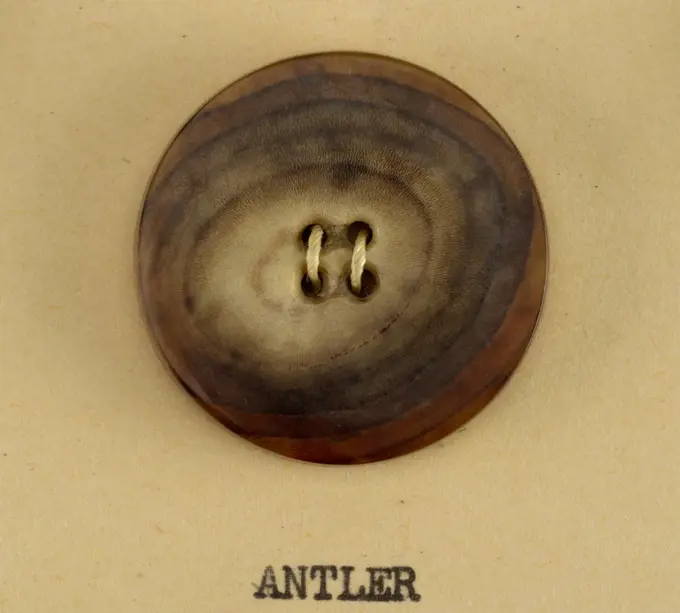
Artifacts from medieval armor, including a brigandine plate and various buttons made from bone and glass, reflecting historical craftsmanship.
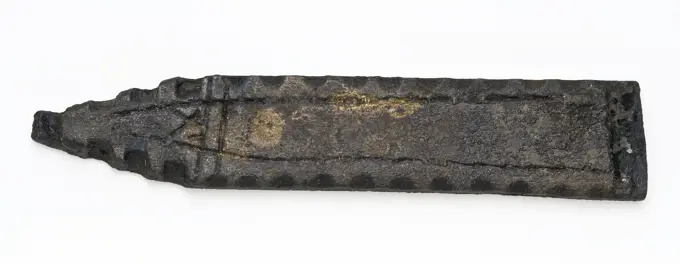
Copper decorative fittings with linear decoration, decorative fittings soil find copper metal, cast engraved Oblong strip copper in point ending Lobed and toothed edges Contour following engraved lines cross on the slant archology adorn
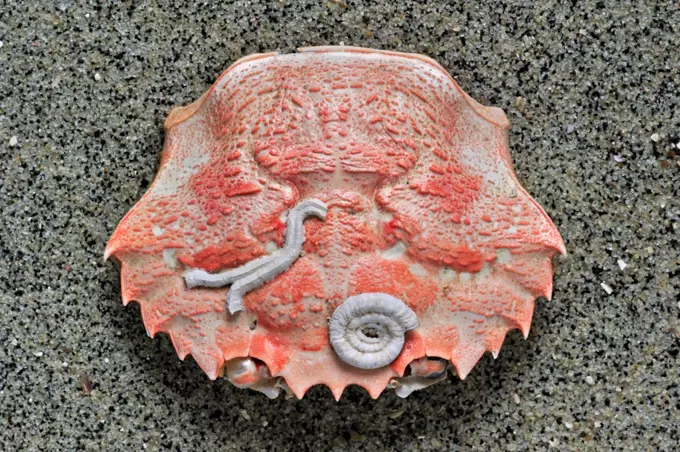
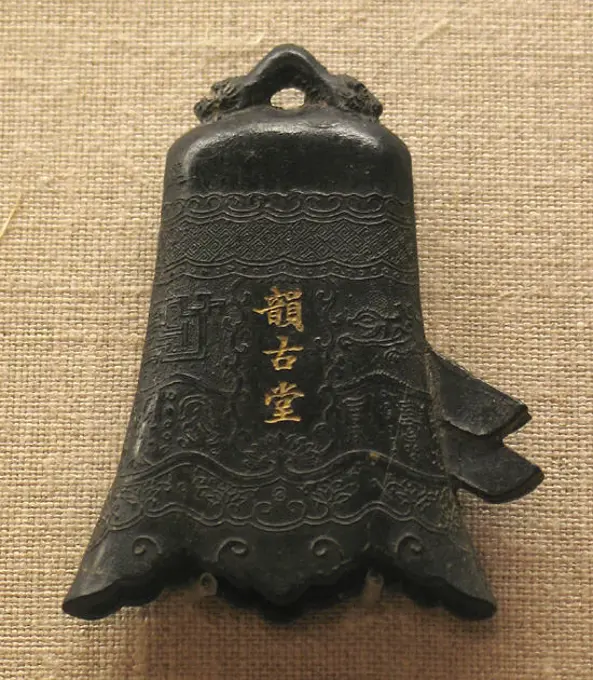
Ananiah Gives Yehoishema a House Aramaic. Ananiah Gives Yehoishema a House, March 10, 402 B.C.E. Papyrus, ink, mud, linen, Glass: 15 3/8 x 19 1/2 in. (39.1 x 49.5 cm).   Egyptian, Classical, Ancient Near Eastern Art March 10, 402 B.C.E.Spider 6th-7th century Moche (Loma Negra). Spider. Moche (Loma Negra). 6th-7th century. Gilded copper, shell. Peru. Metal-OrnamentsRing: Figure of a Fish. Egyptian. Date: 1390 BC. Dimensions: W. 0.3 cm (1/8 in.); diam. 1.9 cm (3/4 in.). Faience. Origin: Egypt. Museum: The Chicago Art Institute, Chicago, USA. Author: Ancient Egyptian.EarringTube of a Serpulid Worm (Spirobranchus polytrema) and tube of Spirorbis species fixed on crab's shell on beach. North Sea coast, Belgium, February.Blackfeet rawhide bull roarer used as an instrument to call attention for a meeting or camp gatheringFragment ca. 1150-ca. 1250 European or Middle Eastern. Fragment 694214Hall of Ancient Airs late 19th-early 20th century Workshop of Jian Guzhai Chinese This ink tablet is from a sixty-four-tablet set (30.76.216-.279) commissioned by the Jiaqing emperor from the Studio for Appreciating the Antique (Jiangu Zhai) manufactory of the Wang Jinsheng family in Huizhou, Anhui Province. Each ink tablet commemorates a hall or pavilion in one of the imperial gardens. Each sites name is written in gilt characters on one side; a view of the site is presented on the other. Such inks were purely decorative and not intended for use.. Hall of Ancient Airs 41847Ceramic fragment. Dimensions: 3.24 cm x 5.1 cm. Date: 8th-12th century. Museum: Metropolitan Museum of Art, New York, USA.Belt Fitting 9th-10th century This belt fitting was excavated at the site of Tepe Madrasa in Nishapur. Nishapur was a vital city in the early and middle Islamic periods, located along one of the main trajectories that connected Iran and West Asia Islamic lands with Central Asia and China. These itineraries are often referred by the term Silk routes but were in fact crucial to the movement of constellations of materials and objects, as well as people and ideas. The diverse population of Nishapur and its surroundings, from the better-researched elite groups of merchants, land-owning aristocracy, and literates, to the less-known artisans, farmers, miners, and servants, were instrumental in adapting global cultural trends to create their own distinctive visual languages. This is seen in the material remains of everyday life in medieval Nishapur  from pots and pans to lighting devices, inkwells, textiles and trimmings, jewelry, games and toys, talismanic devices, weapons, coins, and architeFragment ca. 1150-ca. 1250 European or Middle Eastern. Fragment 694243Sand Dollar (Echinarachnius parma) shell on beach, Little Saint Simon's Island, GeorgiaButtons, bone, 4 circular buttons of bone showing brown concentric rings; four holes for sewing., Components -a,-b are on card 2, Component -i is on Cooper Union Exhibition card 4, USA, late 19th century, costume & accessories, Decorative Arts, Buttons