Historical Art Objects

Artifacts including mosaic inlays, ancient coins, and jade pendants. Each piece tells a story from different eras and civilizations.

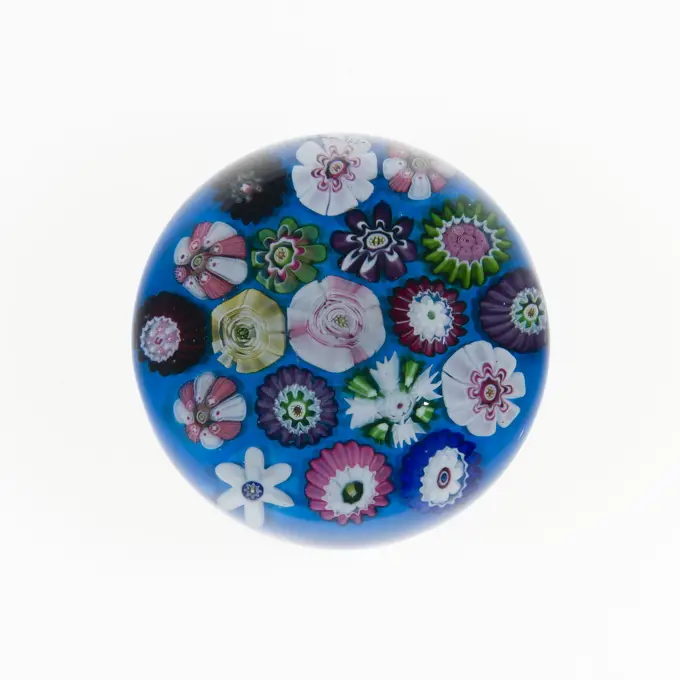
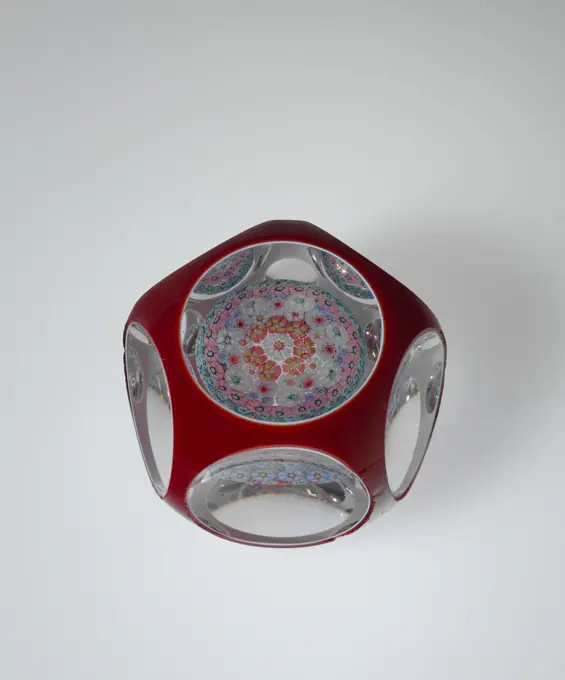
Paperweight, c. 1850, Baccarat Glass Works, 2 1/8 x 3 1/8 x 3 1/8 in. (5.4 x 7.94 x 7.94 cm), Glass, France, 19th century
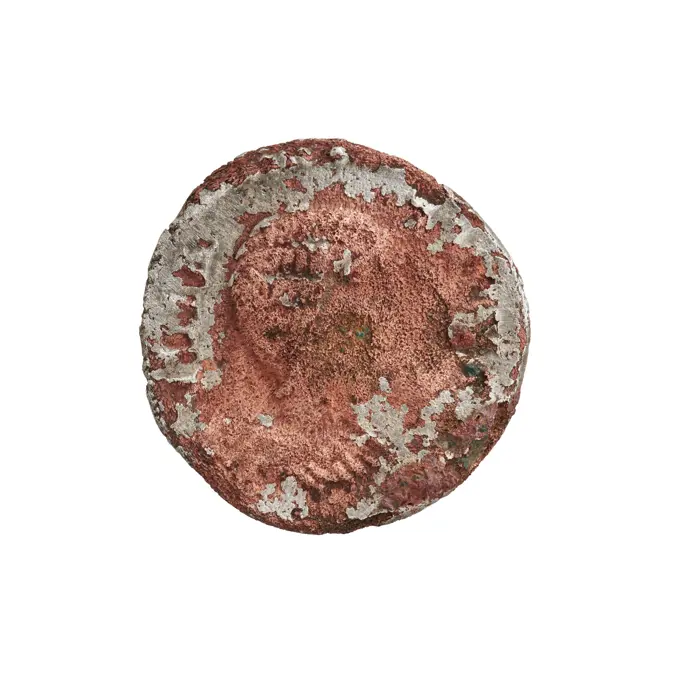
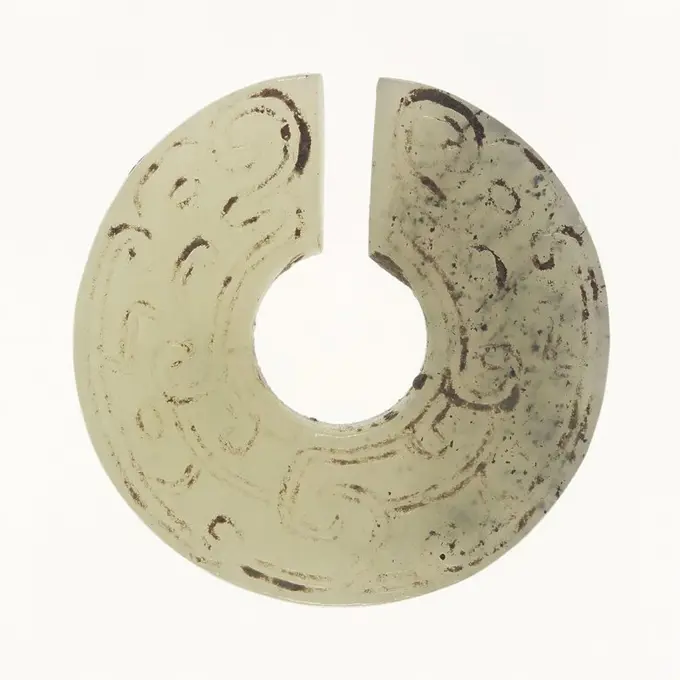
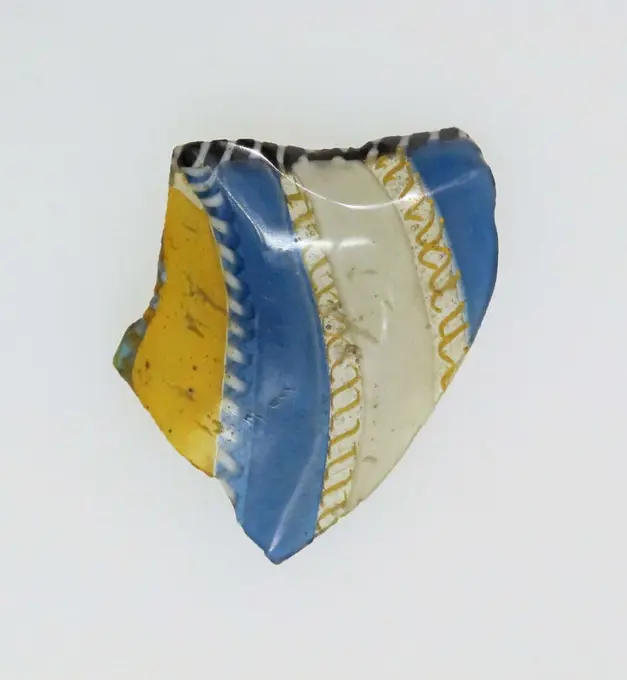
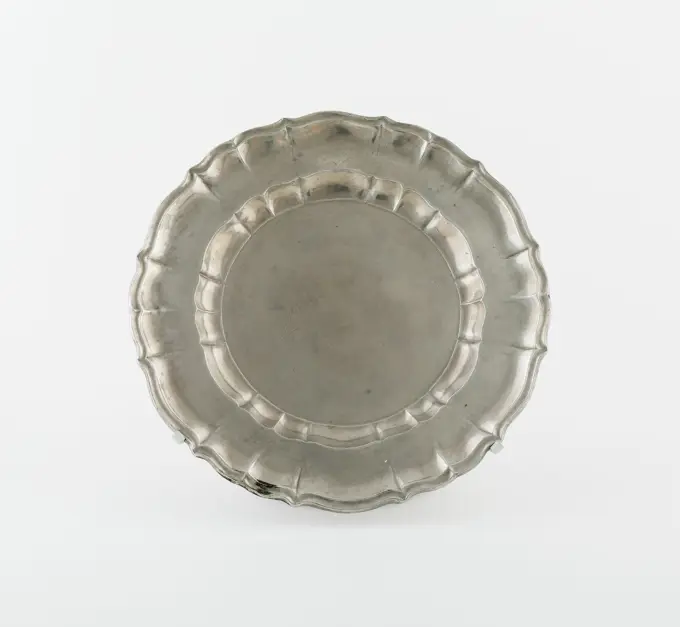
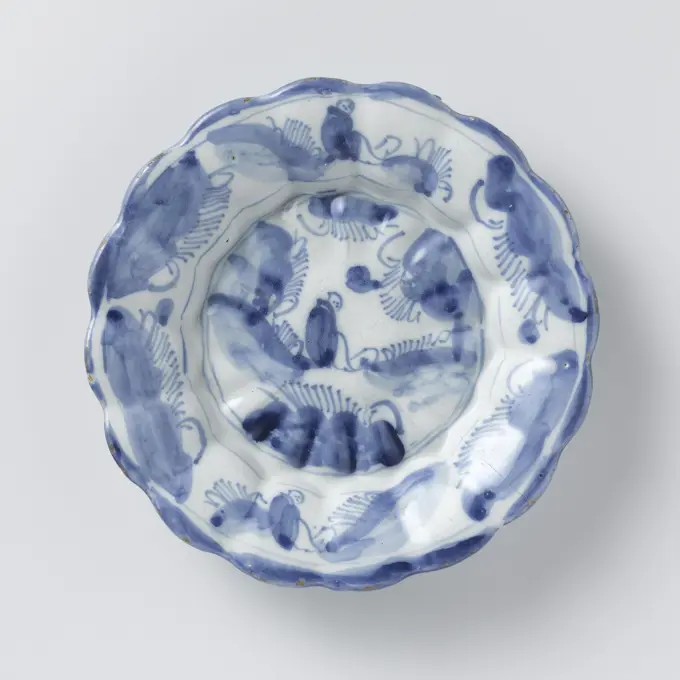
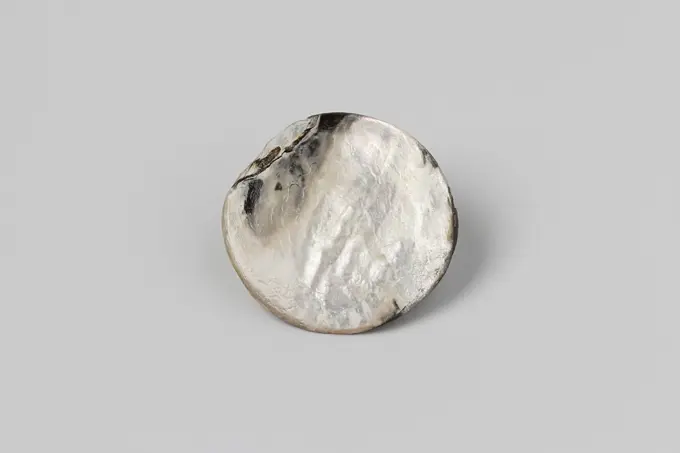
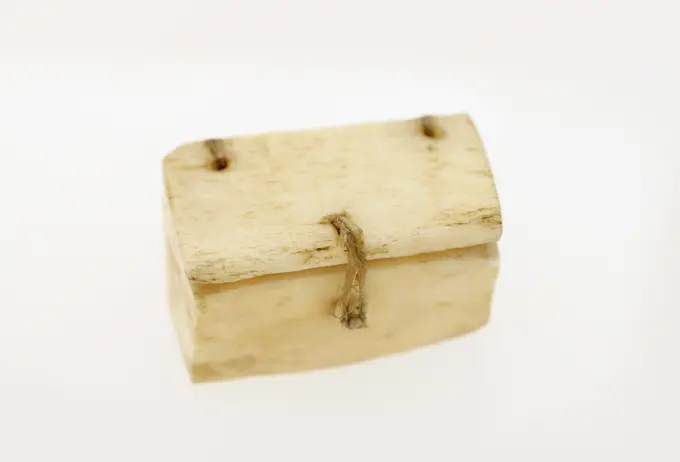
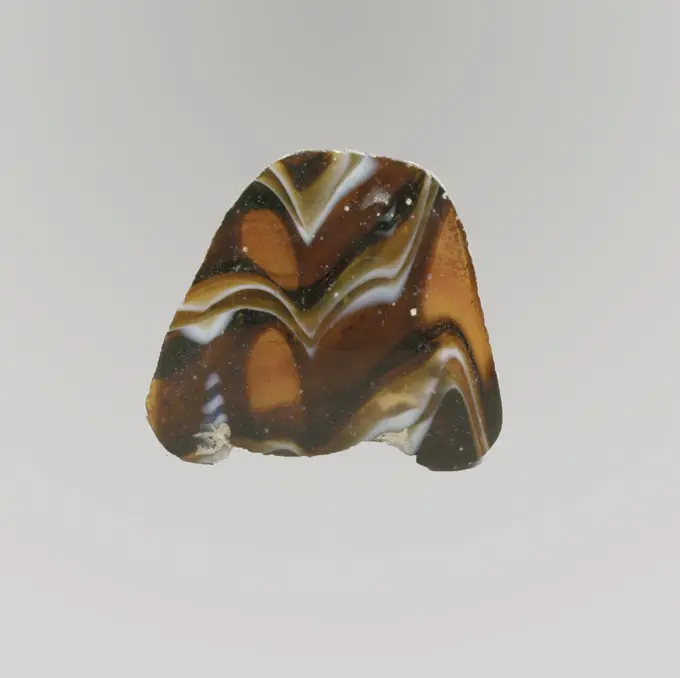
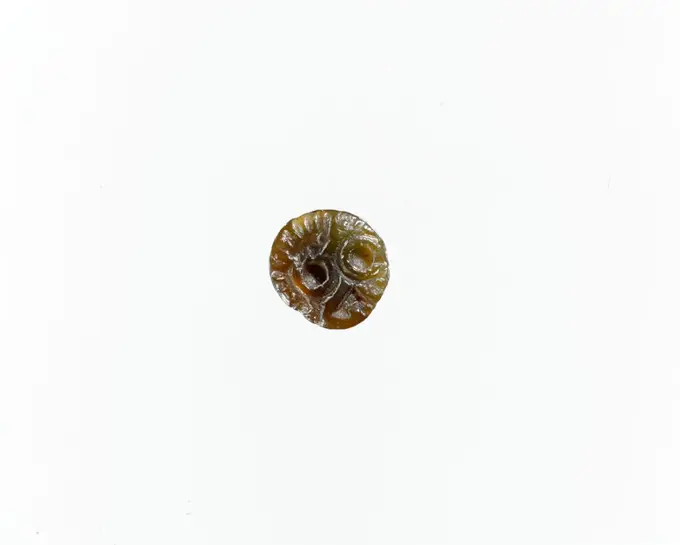
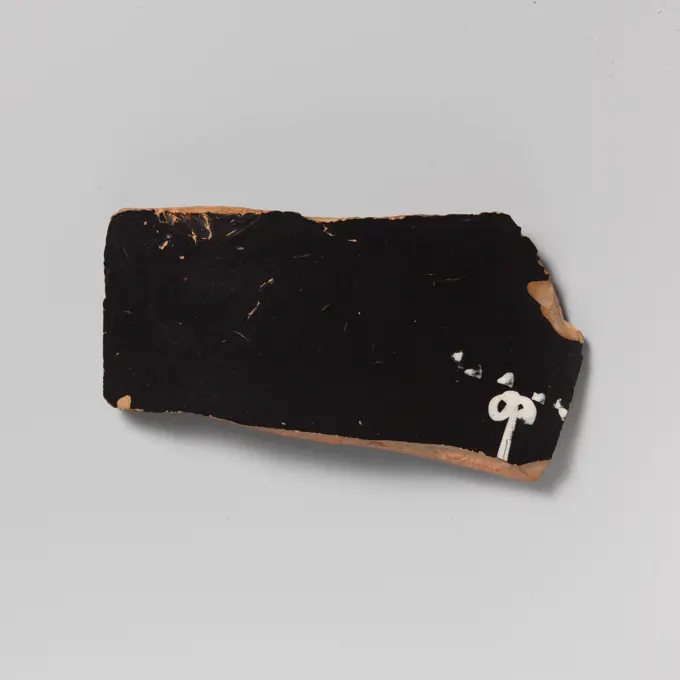
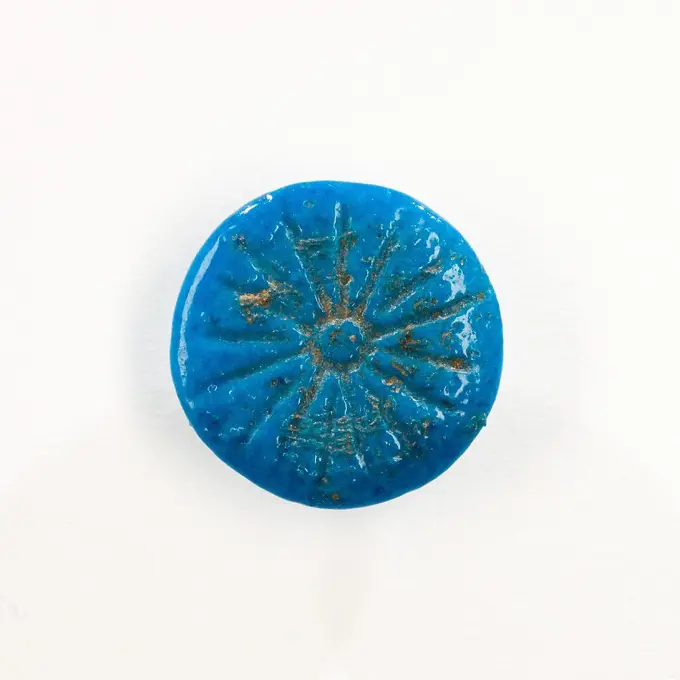
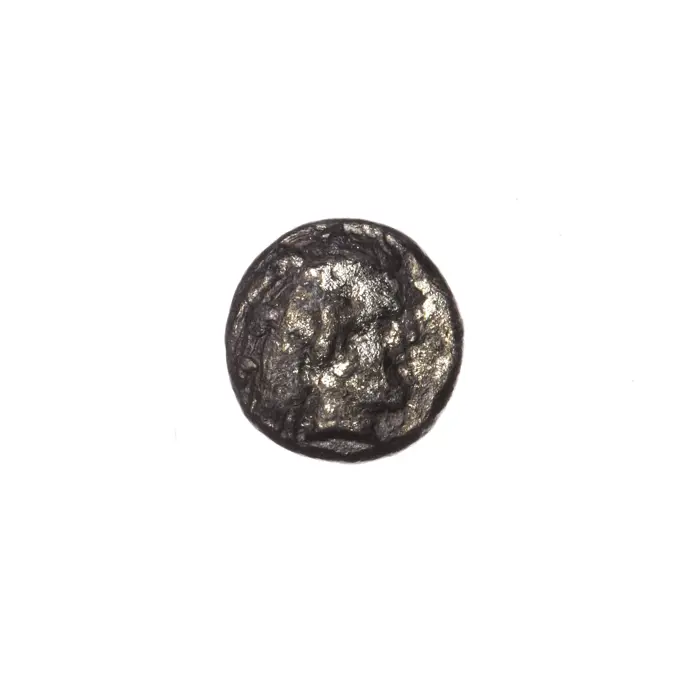
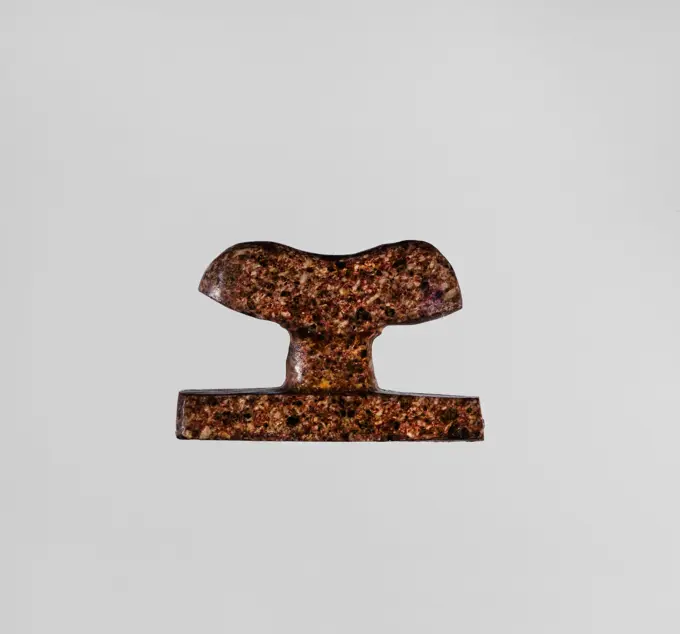
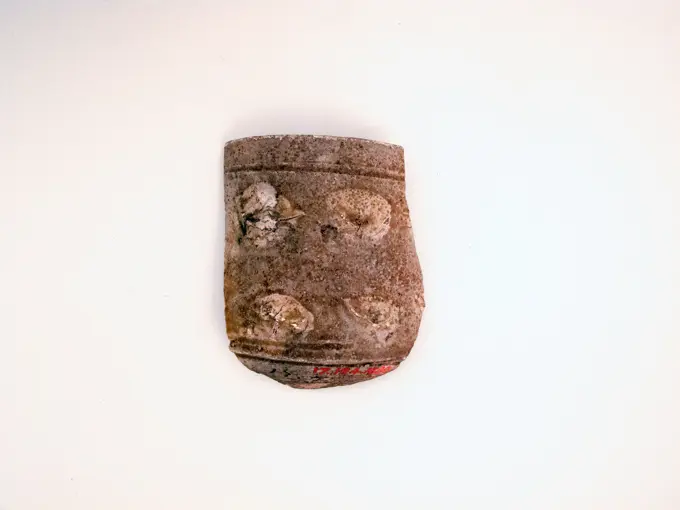
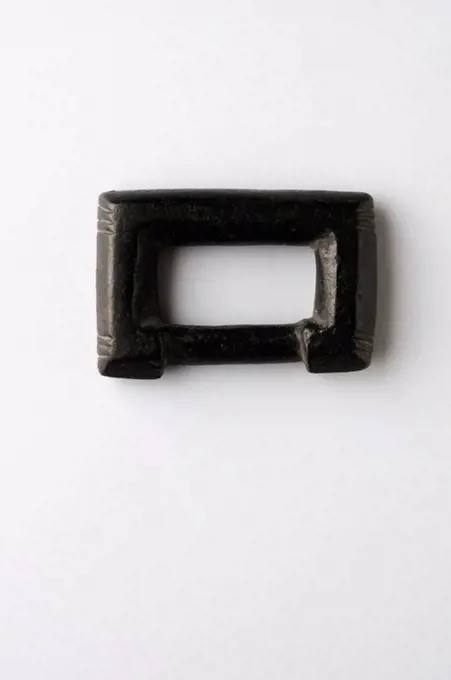
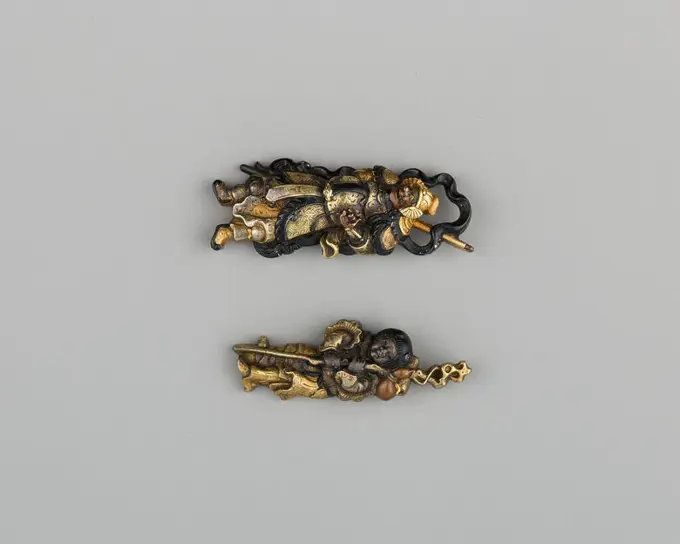
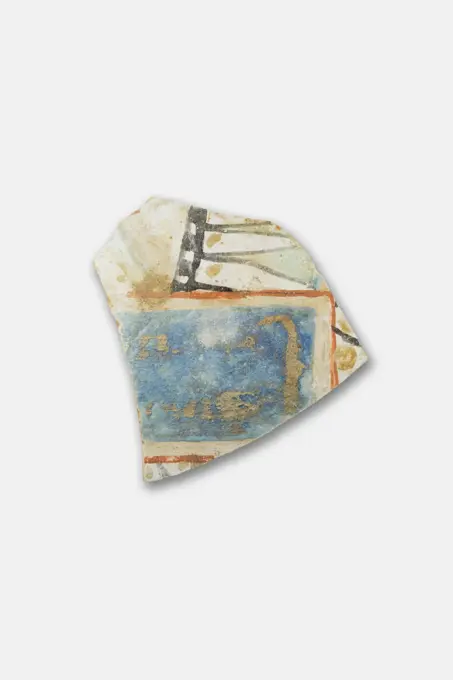
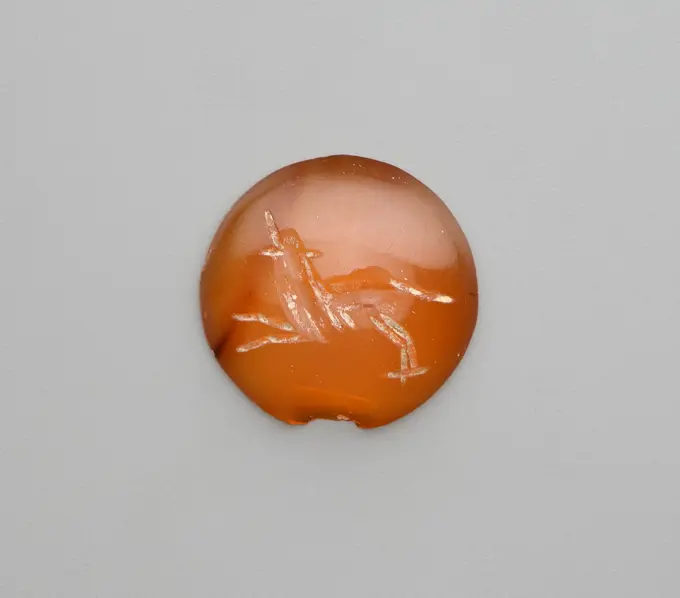
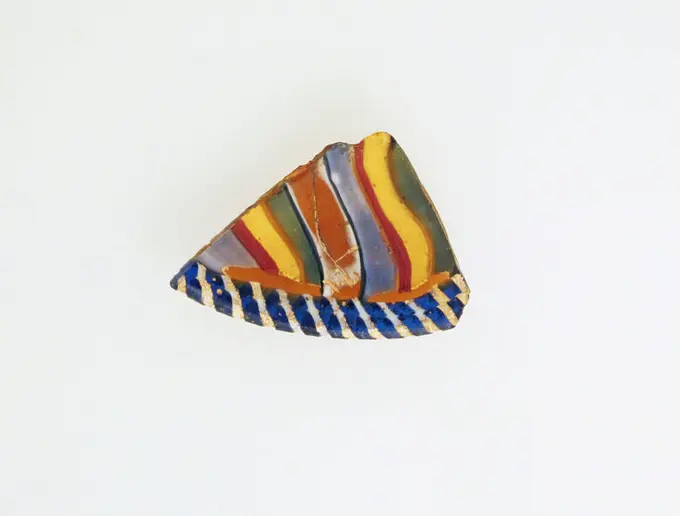
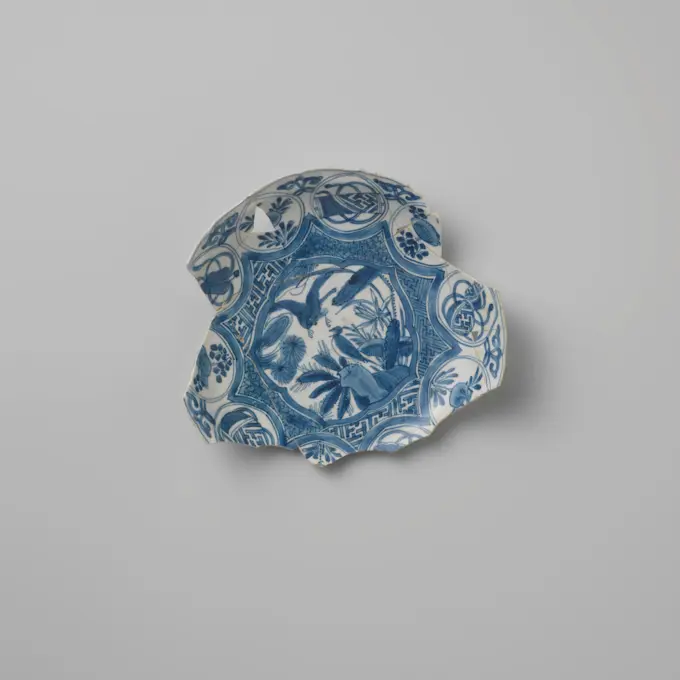
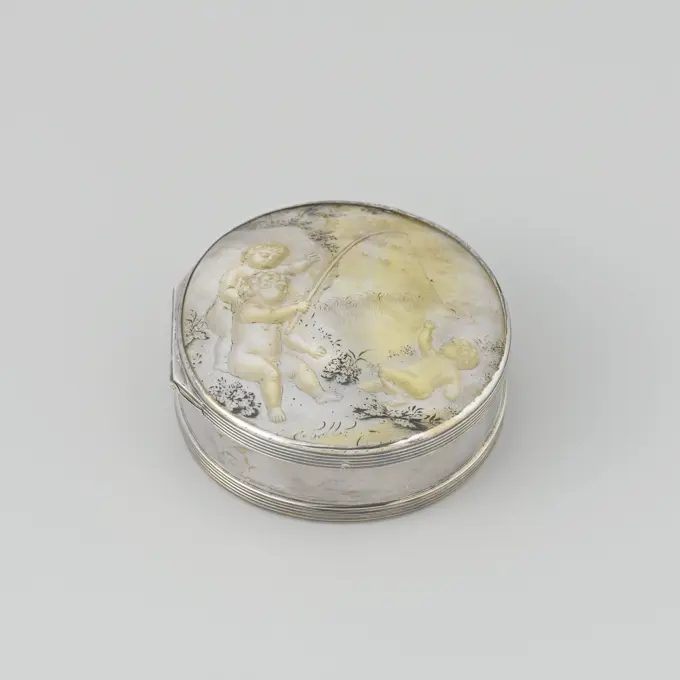
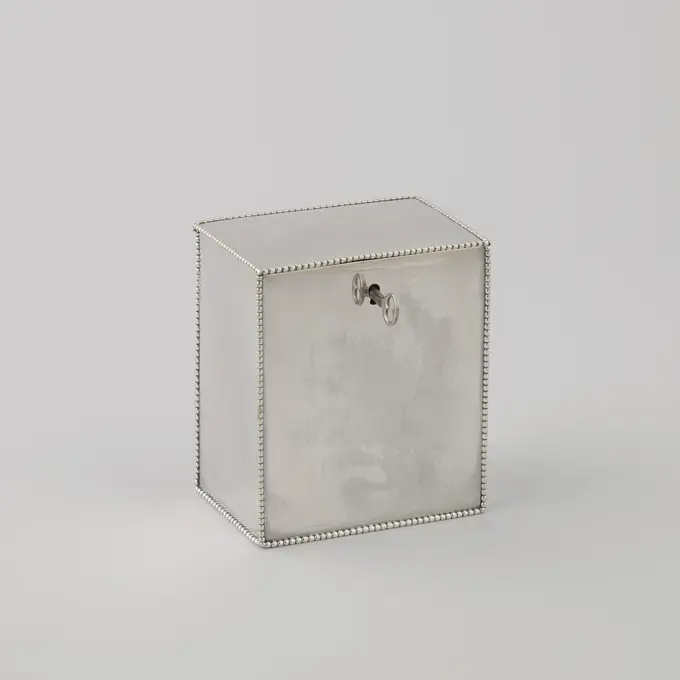
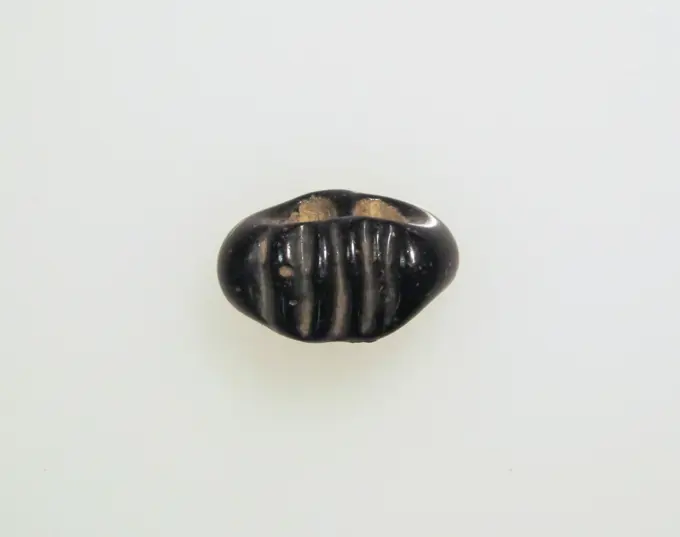
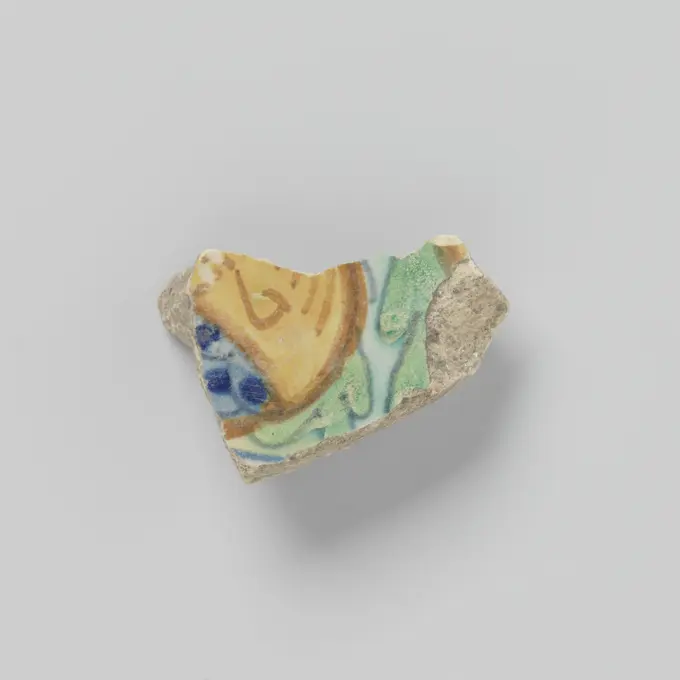
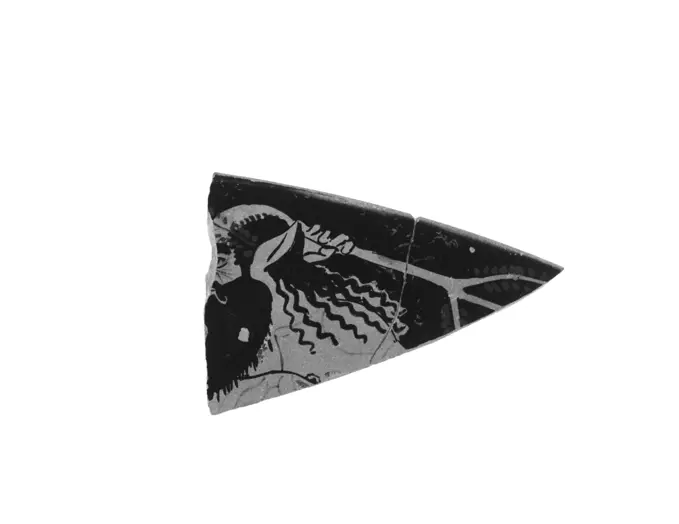
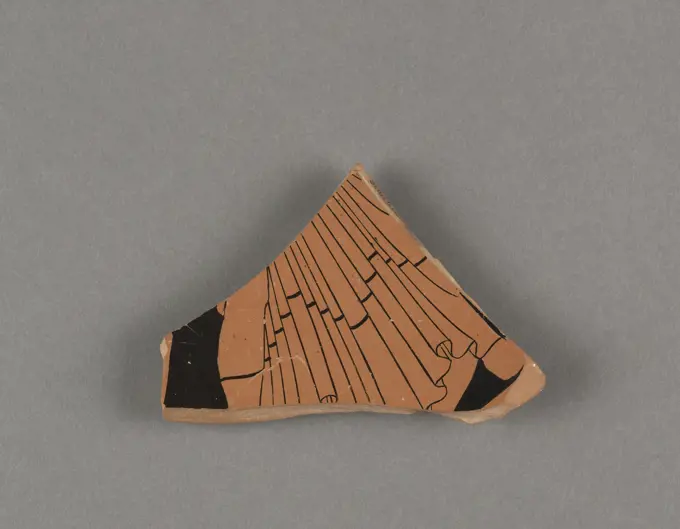
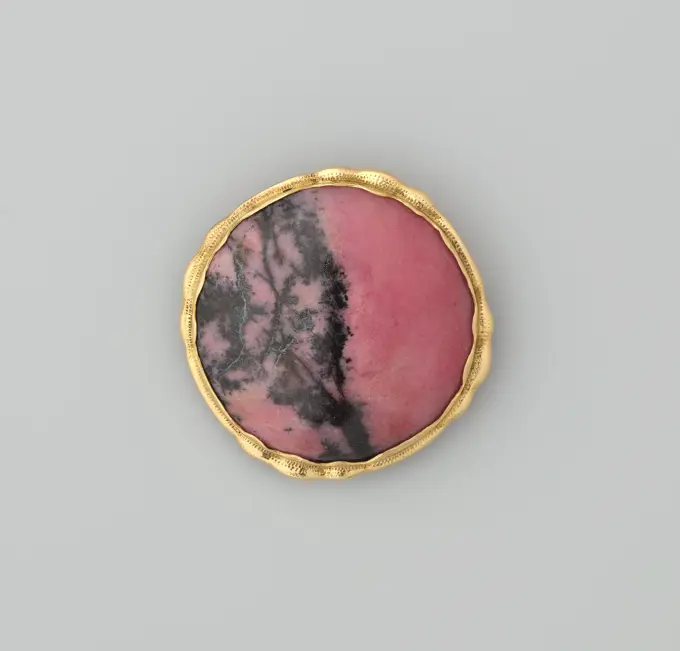
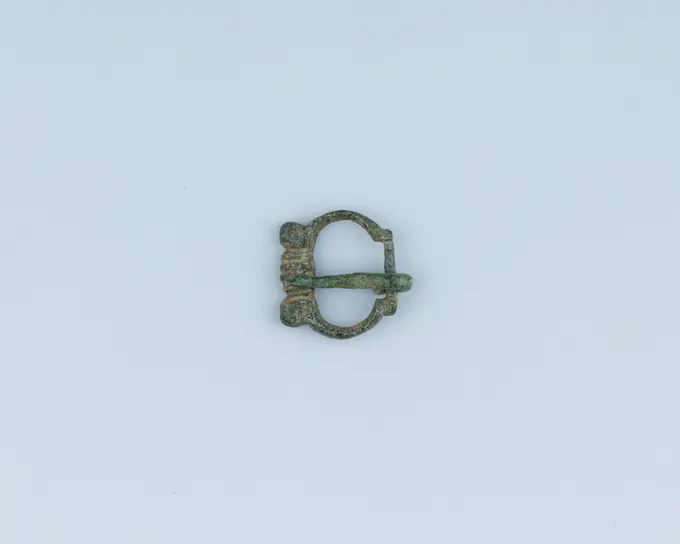
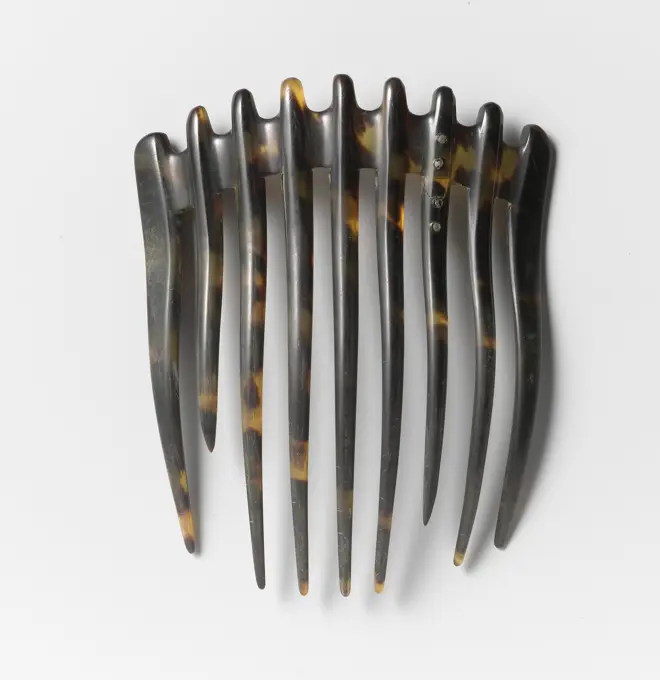
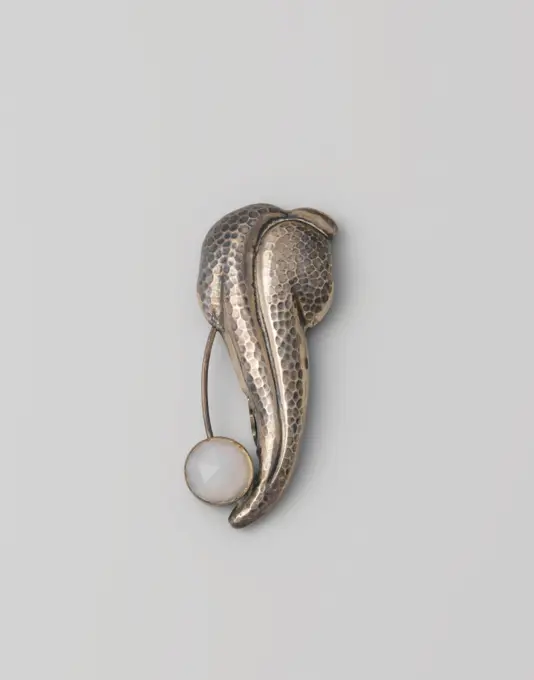
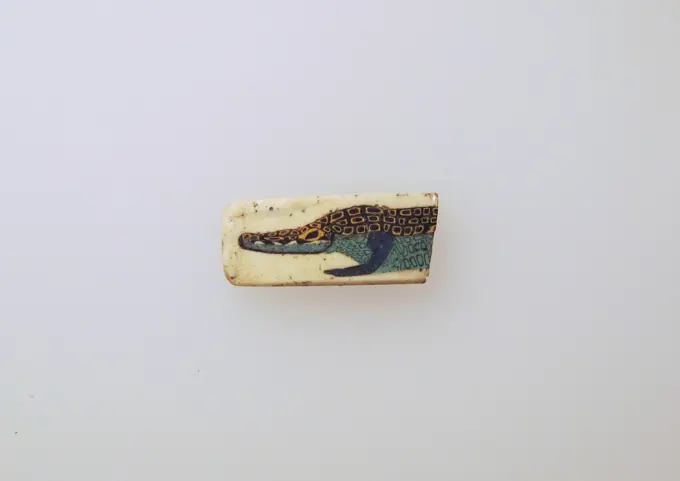
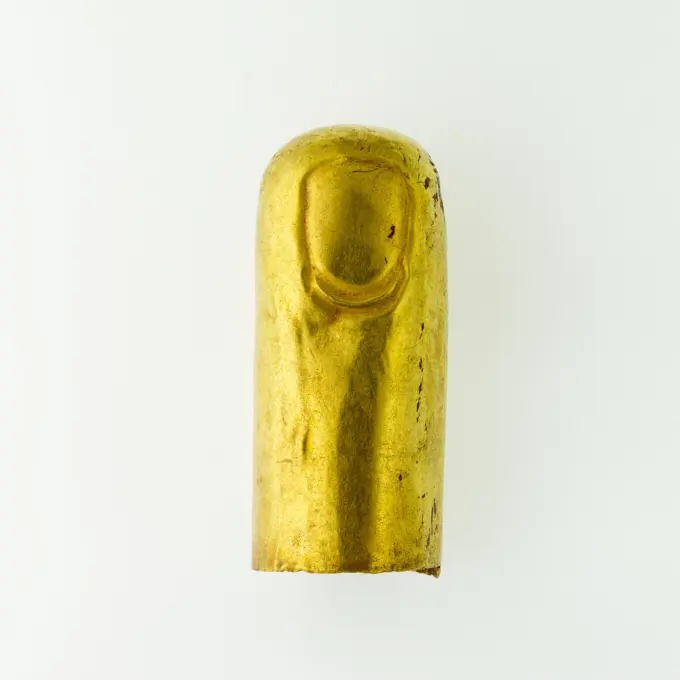
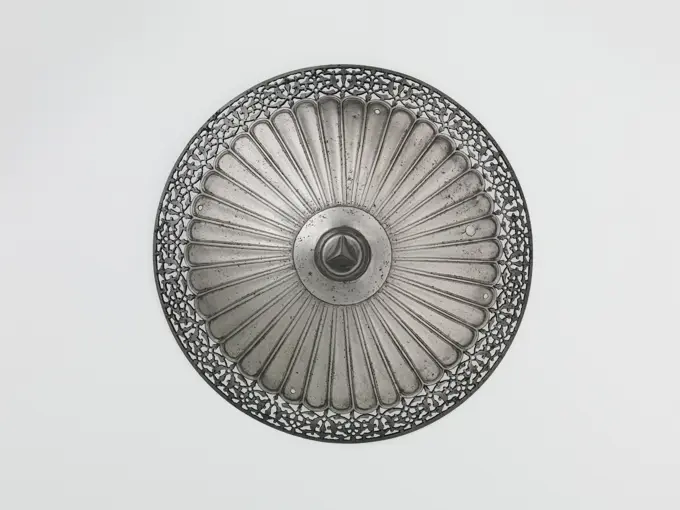
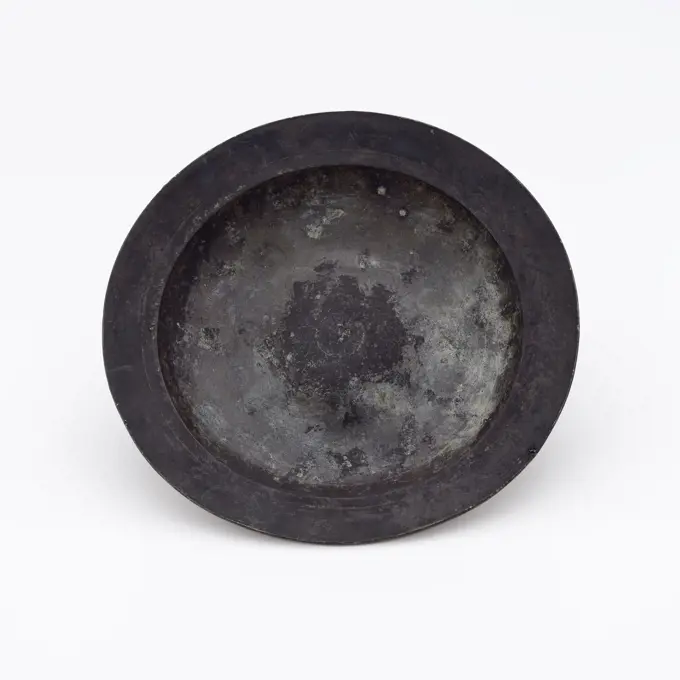
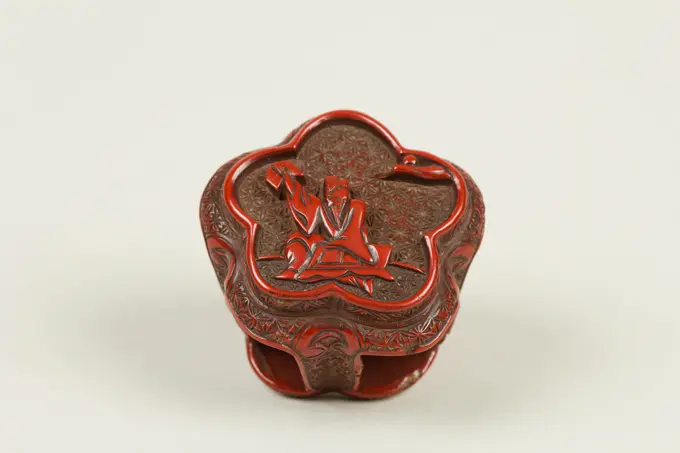
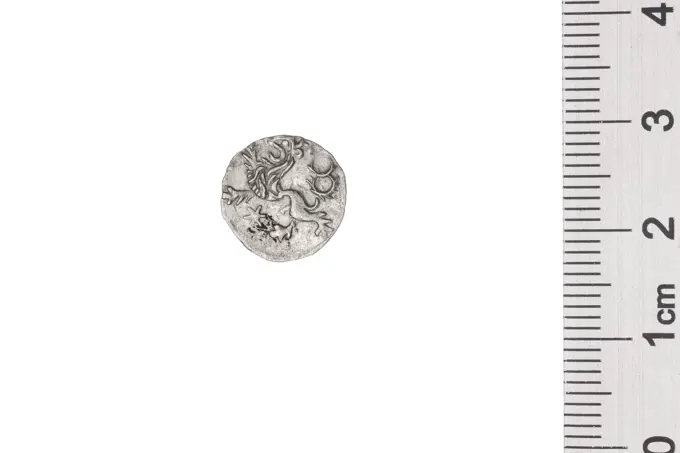
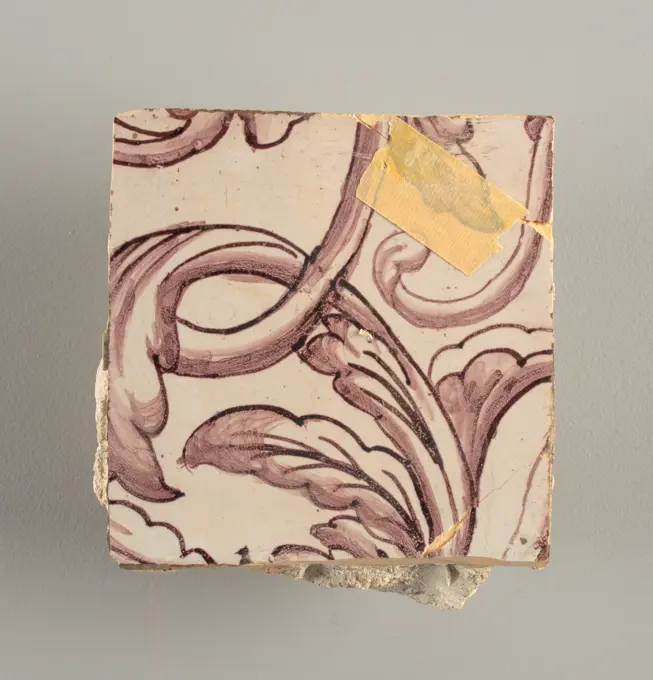
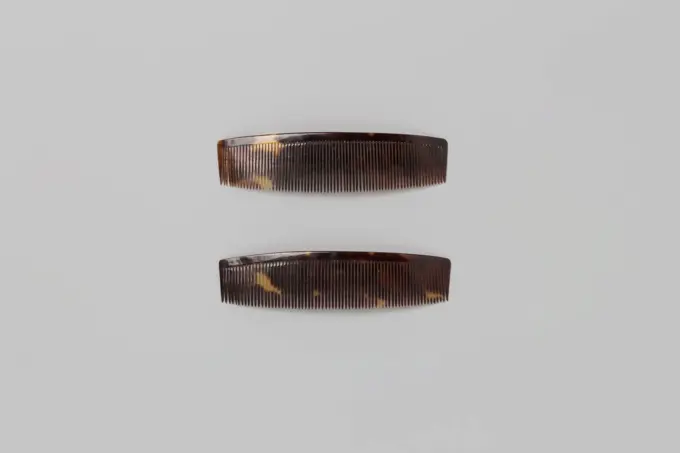
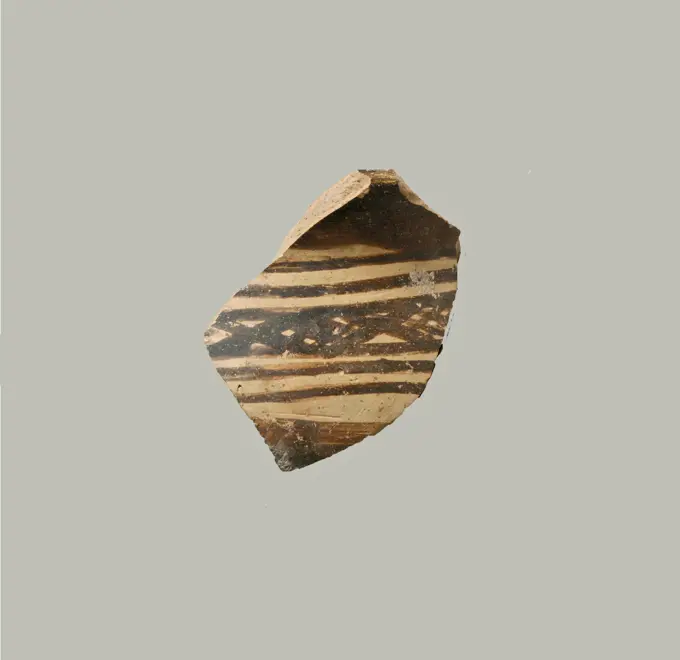
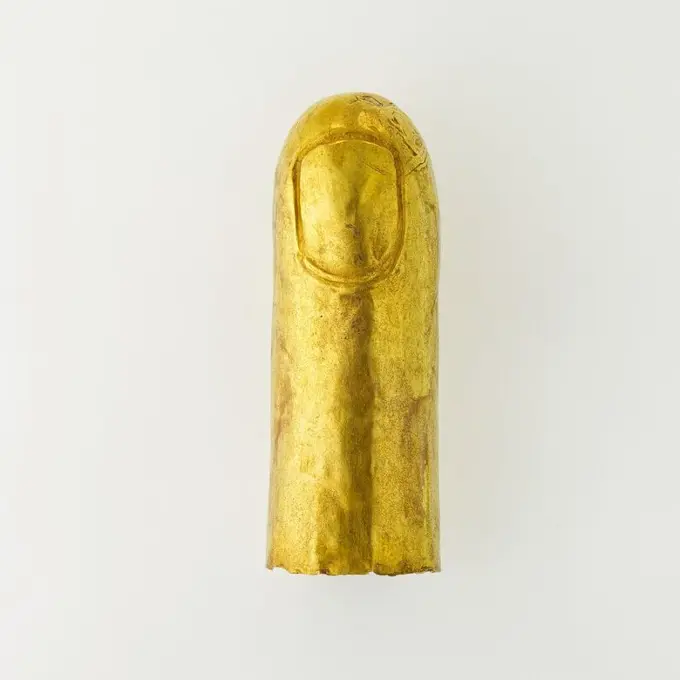
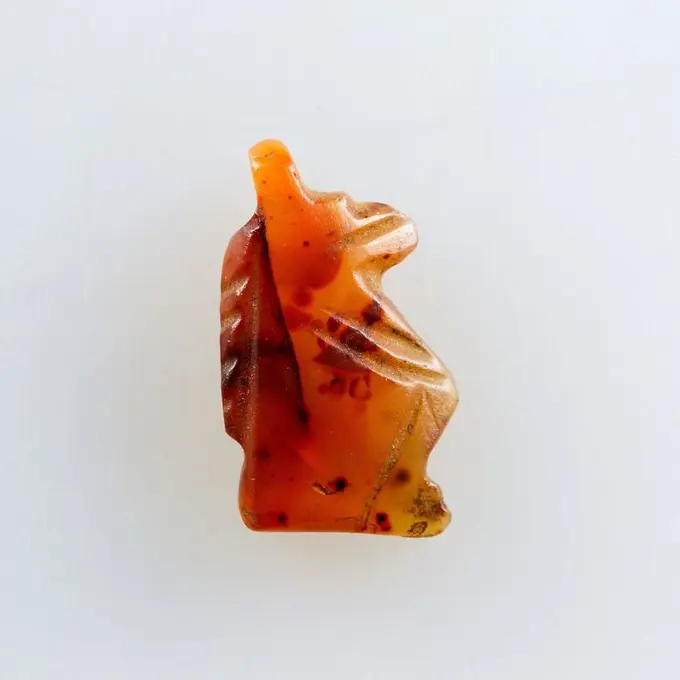
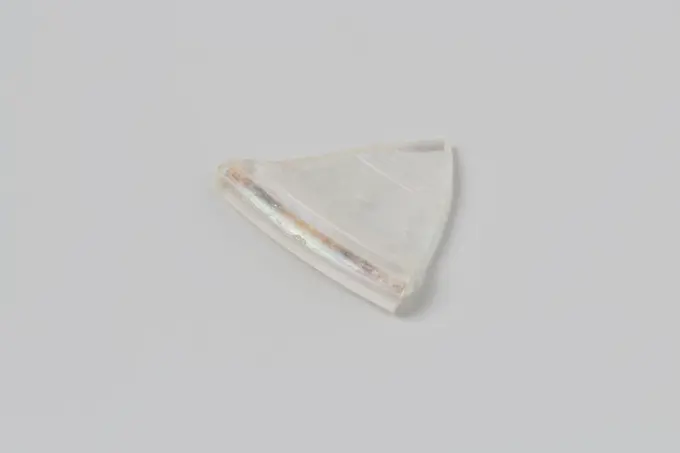
Mosaic block inlay late 1st century B.C.-1st century A.D. Roman. Mosaic block inlay. Roman. late 1st century B.C.-1st century A.D.. Glass. GlassDenar (Subaerat); Julia Domna (Ca 160-217; Roman Empress 193-211); ca. 193-211 (193-00-00-211-00-00);Toad Pendant. China. Date: 1300 BC-900 BC. Dimensions: 3.3 × 3.6 × 0.5 cm (1 5/16 × 1 3/8 × 3/16 in.). Jade. Origin: China. Museum: The Chicago Art Institute, Chicago, USA.Button, Konisch with ribs and leaf -shaped eye, anonymous, c. 1590 - c. 1596 button Button, Konisch in shape with six ribs that come together in a point and a leaf -shaped eye. Amsterdam tin (metal) casting  Nova Zembla. Saving HuysAttic Red-Figure Calyx Krater Fragment. UnknownPaperweight, c. 1850, Baccarat Glass Works, 2 1/8 x 3 1/8 x 3 1/8 in. (5.4 x 7.94 x 7.94 cm), Glass, France, 19th centurySlit Ring (jue). China. Date: 800 BC-600 BC. Dimensions: Diam. 1 13/16 in.; 3/32 in. average thickness. Jade. Origin: China. Museum: The Chicago Art Institute, Chicago, USA.Glass striped mosaic bowl fragment. Culture: Roman, probably Italian. Dimensions: 1 11/16 × 1 9/16 × 1/8 in. (4.3 × 3.9 × 0.3 cm). Date: late 1st century B.C.-early 1st century A.D..Translucent deep purple appearing black, cobalt blue, light blue, and honey yellow, opaque white and yellow, and colorless.Rounded rim and side, forming irregular shape with bulge in side below rim that is partially turned inward.Striped pattern formed from parallel lengths of different, repeated canes: one composite cane comprising in a central white stripe encasing colorless, flanked to either side by a colorless network wound with double yellow thread, a plain blue length encasing white, and a blue network with a white spiral thread; another length in plain yellow encasing colorless; and a third in light blue network with a honey yellow spiral thread. A purple network cane wound with a white spiral thread is attached as a rim.Polished exterior; slight pitting of surface bubbles on exterior; dulling, Attic Black-Figure Oinochoe Fragment. UnknownNapkin from white Linnamast ,, 1640 - 1650 White Linnamasten napkin with pattern of stripped flowers and insects, brand Kroon IB 24. Northern Netherlands (Possible) linen (material) damask White Linnamasten napkin with pattern of stripped flowers and insects, brand Kroon IB 24. Northern Netherlands (Possible) linen (material) damaskPlate 1740-1750 Austria. Pewter . Anton SingerPinhead. Pinhead. Glass. GlassGlass mosaic fragment late 1st century B.C.-early 1st century A.D. Roman Body fragment.Translucent purple, turquoise blue appearing deep blue green, opaque white, yellow, and brick red.Convex curving side, with one long edge trimmed into a straight line.Composite pattern formed from polygonal sections of three canes: one in a purple ground with a hollow white circle and a small, inner yellow circle around blue () ground with a central white rod; a second in a turquoise blue ground outlined in white and a circle of white dots around a red circle and central yellow rod, and the third in a turquoise blue ground with a circle of yellow dots around red and white circle and a central yellow rod.Polished exterior; pitting of surface bubbles on exterior; dulling, pitting, and creamy iridescent weathering on interior and jagged edges.. Glass mosaic fragment. Roman. late 1st century B.C.-early 1st century A.D.. Glass; cast. Early Imperial. GlassPortrait of a womanheller. Kożuchów, issuerBord, anonymous, c. 1650 - c. 1680 Round plate of blue painted faience, with a ribbed and scalloped edge. A sitting figure is painted in a landscape on the flat and two sitting figures on the edge. The painting is roughly and volatile. Delft earthenware. tin glaze. Round plate of blue painted faience, with a ribbed and scalloped edge. A sitting figure is painted in a landscape on the flat and two sitting figures on the edge. The painting is roughly and volatile. Delft earthenware. tin glaze.Button from the Ost-Indied Distress wreck. Flying heart. Pearl nuts knot.Kneegesp from the wreck of the East Indians Hollandia, Anonymous, 1700 - in Or Before 1743  Kniegesp. Buckle, chape buckle, knee buckle; (4)fragm(1): (1) ring, rectangular outline (3.2x2.5, 0.4t), three-faceted upper side, (1) spindle, (1) tongue, (1) anchor, broken, with mark, eroded I VS. Netherlands tin (metal)   SecondMiniature box -Vase fragment Greek, South Italian, Apulian Decorated with leaf in white.. Vase fragment. Greek, South Italian, Apulian. Terracotta. VasesGlass mosaic bowl fragment late 1st century B.C.-early 1st century A.D. Roman Body fragment.Translucent deep honey brown, cobalt blue, and opaque white.Part of convex side.Spiral mosaic pattern formed from sections of a single cane in brown ground with white and blue threads in parallel horizontal lines.Polished exterior; pitting of surface bubbles and weathering of small chipped areas; dulling and creamy weathering on interior and edges.The fragment appears to have been cut down into this shape in antiquity.. Glass mosaic bowl fragment. Roman. late 1st century B.C.-early 1st century A.D.. Glass; cast. Early Imperial. GlassPaperweight 1840-1865 France. Glass . Compagnie de Saint LouisSeal. Culture: Minoan. Dimensions: Other: 11/16 x 7/16 in. (1.7 x 1.1 cm). Museum: Metropolitan Museum of Art, New York, USA.Calyx-krater, fragments ca. 360-340 B.C. Greek, South Italian, Apulian Portion of a garland.Gnathian is a conventional term principally used for Apulian pottery in which polychrome decoration is applied to a black-glaze ground. The representation of the ransom of Hector was inspired by Aischylos' tragedy of the same name. The action is occurring on a stage, indicated by the horizontal lines below Hector's couch and footstool and the vertical tent supports. Priam kneels, clasping the legs of Achilles in supplication. The reverse shows figures executed in incision, with added white and yellow details.. Calyx-krater, fragments. Greek, South Italian, Apulian. ca. 360-340 B.C.. Terracotta; added color. Late Classical. VasesDraufsicht Schönheitselemente Konzept mit Kopierraum Draufsicht Schönheitselemente Konzept mit Kopierraum LicenseRF Copyright: xZoonar.com/OleksandrxLatkunx 23386179Finger cloth of Linnamast with Dessin Marguerite, Cornelis van der Sluys, c. 1904 Linnamast finger cloth with a flower pattern: Motif Marguerite, Dessin No. 500. The finger cloth belongs to eleven finger cloths, thirteen napkins and a tablecloth. Eindhoven linen (material) damask Linnamast finger cloth with a flower pattern: Motif Marguerite, Dessin No. 500. The finger cloth belongs to eleven finger cloths, thirteen napkins and a tablecloth. Eindhoven linen (material) damaskheller. Kożuchów, issuerVotive Ornament. Dimensions: Diam. 1.6 cm (5/8 in.). Dynasty: Dynasty 18. Date: ca. 1479-1458 B.C.. Museum: Metropolitan Museum of Art, New York, USA.Obol; Pantikapaion; 340-330 BC (340-00-00-330-00-00);Nadczarzyorze, Satyr (Mitol.), Terlecki, Ignacy (1860-1916), Terlecki, Ignacy (1860-1916)-collection, laurel branch (iconogr.), Lions, Protom lion (iconogr.), Purchase (provenance), animalsAmulet - wezgłowie. unknown, authorVase fragment Roman Fragment of yellowish-green enamelled vase with raised leaf decoration.. Vase fragment. Roman. Terracotta. VasesExcerpt of a plate, painted in blue under the glaze with a border with flowers and a double piping on the flat, anonymous, 1600 - 1650 plate (dishes) Fragment of a plate of earthenware, painted in blue under the glaze with an edge with flowers and a double piping on the flat. Northern Netherlands earthenwareFibula, fragment 7th-6th century B.C. Etruscan With one hole through center.. Fibula, fragment. Etruscan. 7th-6th century B.C.. Amber. Archaic. Miscellaneous-AmberKey, c. 1400 - c. 1950 Key with a handle formed by a down-desired C-Voluten by four bars connected to the keyboard. The beard is decorated with the sun sign. Rome bronze (metal) Key with a handle formed by a down-desired C-Voluten by four bars connected to the keyboard. The beard is decorated with the sun sign. Rome bronze (metal)Bronze belt buckle rectangular.Length 43 mm Width 28 mm Thickness 8mm ( 6th - 7 th CE ) - Visigoth period, from the "Afflicted Necropolis -"Archaeological site of Complutum in Alcalá de Henares ( Madrid ). SPAIN.Excerpt deep plate from v.o.c.-ship De 'Witte Leeuw', Anonymous, Before 1613 plate (dishes) Fragment deep plate from V.O.C. ship De 'Witte Leeuw', 45 present. Jingdezhen bone china (material)   Sint-HelenaPair of sword-Grip Ornaments (Menuki). Culture: Japanese. Dimensions: Menuki (a); L. 1 1/8 in. (2.9 cm); Wt. 0.2 oz. (5.7 g); menuki (b); L. 1 5/16 in. (3.3 cm); Wt. 0.2 oz. (5.7 g). Date: 18th century. Museum: Metropolitan Museum of Art, New York, USA.Glass mosaic bowl fragment. Culture: Roman. Dimensions: 1 9/16 × 9/16 × 1/16 in. (4 × 1.5 × 0.2 cm). Date: late 1st century B.C.-early 1st century A.D..Translucent purple, light blue green appearing green, opaque white and yellow.Concave curving side, thin-walled.Mosaic pattern formed from polygonal sections of two canes: one in a purple ground with a white circle surrounding a central white outlined in green and yellow rings, and the other in a purple ground around a circular cluster of blue wedge-shaped rods outlined in yellow with a central white rod.Polished interior; slight pitting of surface bubbles on interior; deep weathering, dulling and creamy iridescence on exterior; iridescent weathering on jagged edges. Museum: Metropolitan Museum of Art, New York, USA.Engraved Gem. UnknownBox and lid, Stoneware, glazed enamel, Cover of curled-up cat with the head in high relief, decorated with black and yellow enamel markings. Ground glaze of small crackle orange-yellow., Japan, 19th century, ceramics, Decorative Arts, Box and lidDecorated jar fragment with inscription ca. 1390-1352 B.C. New Kingdom. Decorated jar fragment with inscription. ca. 1390-1352 B.C.. Pottery and ink, paint. New Kingdom. From Egypt, Upper Egypt, Thebes, Malqata, Palace of Amenhotep III, MMA excavations. Dynasty 18Carved Intaglio Gemstone with a Running and BarkingDogGlass striped mosaic lens-shaped dish fragment. Culture: Roman. Dimensions: Other: 1 × 1 7/16 × 1/8 in. (2.6 × 3.7 × 0.3 cm)Estimated diameter: 3 9/16 in. (9 cm). Date: late 1st century B.C.-early 1st century A.D..Translucent amber brown, cobalt blue partially appearing grey blue and green, opaque yellow, white, and red, and colorless ().Upright, rounded rim; shallow, convex curving side.Striped mosaic pattern formed from lengths of two composite canes laid side by side in parallel rows, both laid on a thick brown ground: one in blue layered with yellow appearing green, yellow, red, and grey blue stripes, and the other in white outlined in blue. A broad blue network cane with a white spiral thread is attached as a rim.Heavily ground and polished on exterior, polished on interior; minor pitting and weathering of surface bubbles. Museum: Metropolitan Museum of Art, New York, USA.Fragmented dish of Chinese porcelain from the wreck of the Dutch East Indiaman Witte Leeuw, anonymous, before 1613 plate (dishes) Fragment sign from V.O.C. ship De 'Witte Leeuw', 45 present. Jingdezhen bone china (material)   Sint-HelenaCopper batter of a powder horn. Portion of the copper batter of a powder, from both sides crooked upwards, with two cut heads in oval, covered in the oval, left chest piece from man to the right, right roof of a woman to the left, afloos oval with rider on a rider, With the right hand lifting.Sale of earthenware, Neale & Palmer Black Basalt, Neale & Palmer (Hanley), c. 1790 - c. 1825 Round scale of earthenware, Black Basalt. The edge of the bowl is ribbed along the inner edge and has a silver -colored leaf shelf along the outer edge. Hanley earthenware Round scale of earthenware, Black Basalt. The edge of the bowl is ribbed along the inner edge and has a silver -colored leaf shelf along the outer edge. Hanley earthenwareBead Roman. Bead. Roman. Glass. GlassFragment Come from V.O.C. ship De 'Witte Leeuw', Anonymous, Before 1613 bowl Fragment Come from V.O.C. ship De 'Witte Leeuw', 75 present. Shatou porcelain   Sint-HelenaSnuff Box with a Lid Representing Fishing Putti, Cornelis Bellekin, c. 1660 - c. 1700 Silver sniff box with a mother -of -pearl lid, on which the presentation of three amorettes in engraving and relief work. Against a hilly background, overgrown with trees is a boy with a rod in the right hand on a puddle on the left. Behind him is a child who has put his right hand on his shoulder. On the right in the foreground is a third child, who lights his left hand. A fish has just bothered. Plant in the foreground, in the background trees; The water is surrounded by reeds. Amsterdamsilversmith: unknown mother of pearl. silver (metal) engraving Silver sniff box with a mother -of -pearl lid, on which the presentation of three amorettes in engraving and relief work. Against a hilly background, overgrown with trees is a boy with a rod in the right hand on a puddle on the left. Behind him is a child who has put his right hand on his shoulder. On the right in the foreground is a third child, who lighTeabus, rectangular, with pearl edges, Reynier Brandt (attributed to), 1782 The rectangular tea bus has a flat, hinged lid. Parel lists have been applied along all edges. The bus is equipped with a lock, the key missing. Amsterdam silver (metal) The rectangular tea bus has a flat, hinged lid. Parel lists have been applied along all edges. The bus is equipped with a lock, the key missing. Amsterdam silver (metal)Glass spacer bead ca. 4th century A.D. Roman Uncertain color, appearing opaque black.Elongated oval, plano-convex shape; two large holes side by side.On upper face, five tooled grooves forming four ribs across surface.Intact; slight weathering and encrustation within holes.. Glass spacer bead. Roman. ca. 4th century A.D.. Glass; rod-formed and tooled. Late Imperial. GlassFragment of a dish decorated with a pomegranate, anonymous, c. 1620 - c. 1650 Fragment of blue, green, orange and yellow painted majolica, decorated with a pomegranate. England (possibly) earthenware. tin glaze majolica Fragment of blue, green, orange and yellow painted majolica, decorated with a pomegranate. England (possibly) earthenware. tin glaze majolicaAttic Black-Figure Vase Fragment. UnknownShabti of Siptah ca. 1194-1188 B.C. New Kingdom, Ramesside. Shabti of Siptah. ca. 1194-1188 B.C.. Travertine (Egyptian alabaster). New Kingdom, Ramesside. From Egypt, Upper Egypt, Thebes, Valley of the Kings, Tomb of Siptah (KV 47), Davis excavations, 1912. Dynasty 19Silver box, partially gilded, with lid of mother -of -pearl with sliced relief with representation of Diana and Callisto, Anonymous, Ian Bernhard Barckhuysen, 1732 Oval box of silver, partially gilded and with pearl lid. The silver is unadorned. The lid is cut into relief and shows the representation of Diana and Callisto. The lid is signed and dated.  silver (metal). gilding (material). mother of pearl gilding Oval box of silver, partially gilded and with pearl lid. The silver is unadorned. The lid is cut into relief and shows the representation of Diana and Callisto. The lid is signed and dated.  silver (metal). gilding (material). mother of pearl gildingGlass bead. Culture: Roman. Dimensions: Diam.: 1 7/16 in. (3.6 cm). Date: ca. 3rd-5th century A.D..Translucent deep blue green; blobs or crumbs in opaque white, red, yellow, and grey blue.Flattened doughnut shape; off-center vertical hole, larger on one side than the other.Numerous blobs of varying sizes applied randomly over entire surface, most marvered but a few in relief.Intact, except for one chip in edge of hole; pitting of some blobs, dulling, and small patches of creamy weathering. Museum: Metropolitan Museum of Art, New York, USA.Stand for a Covered Box, 1100s. China, Hebei province, Quyang, Northern Song dynasty (960-1127) to Jin dynasty (1115-1234). diameter: 10.6 cm (4 3/16 in.).Attic Red-Figure Kylix Fragment. Attributed to Epiktetos (Greek (Attic), active about 520 - 490 B.C.)Attic Red-Figure Plate Fragment; Phintias; Athens, Greece; 530 - 470 B.C; Terracotta; 8.6 cm (3 3,8 in.)Yuan Disc, 1600-1100 BCE, 4 7/8 x 1/8 in. (12.38 x 0.32 cm) (outer diameter)2 5/8 x 1/8 in. (6.67 x 0.32 cm) (inner diameter), Calcified jade with remnants of green clouds and red pigments, China, 16th-11th century BCERound brooch with gold and Rhodonite, Frans Zwollo (I), 1915 - 1930 Round brooch with gold and rhodonite cut around Cabochon. Netherlands gold (metal). rhodonite grinding Round brooch with gold and rhodonite cut around Cabochon. Netherlands gold (metal). rhodonite grindingCarnavalet museum, medal collection Henri V head right; Reverse branch of three fulfilled lilies.Household ring ca. 1295-1070 B.C. New Kingdom, Ramesside. Household ring 559495Buckle 15th-16th century European. Buckle. European. 15th-16th century. Bronze. Miscellaneous-Buckles & Ornament. Blade of porcelain, four-leaf, multicolored painted with tires with flower bouquets respectively on a gold-driven background and a round each other wavy leaf garland and a pink ribbon on a gold and orange shaded background, separated by tires with golden flower branches on a white fond. Part of tea service.Straight Steel of glass from the wreck of the East Indians Hollandia, Anonymous, 1700 - in Or Before 1743 drinking glass Glass, stem glass, stems, plain; fragm, id. NG 1980-27H798. Netherlands glass   SecondHair comb made of turtle with narrow back on which a rounded pinacle, anonymous, c. 1850 - c. 1900 Hair comb made of turtle with a narrow back on which a rounded pinacle above each tooth. Nine teeth, two of which are shorter. In the inside a engraving: Gauvard. Netherlands (possibly) . sawing / filing / polishing Hair comb made of turtle with a narrow back on which a rounded pinacle above each tooth. Nine teeth, two of which are shorter. In the inside a engraving: Gauvard. Netherlands (possibly) . sawing / filing / polishingSilver clip, 'Aronskelk' with faceted milky -white chalcedone, c. 1935 - c. 1936 Silver Clip, 'Aronskelk', with faceted milky -white chalcedone. Schoonhoven silver (metal). chalcedony hammering / faceting Silver Clip, 'Aronskelk', with faceted milky -white chalcedone. Schoonhoven silver (metal). chalcedony hammering / facetingRosette 14th century Italian. Rosette. Italian. 14th century. Bronze. Miscellaneous-Buckles & OrnamentCarrying sign of the association of non-commissioned officers of the Artillery Schutterij in Amsterdam (O.D.A.S.T.A), in the form of a pin, Anonymous, c. 1885 medal Silver carrying sign in the form of a pin.  Pin: Silver (Metal)Globen. Plated spherical body, one side of which is inserted.Mosaic glass inlay late 1st century B.C.-1st century A.D. Roman, probably Egyptian Opaque white ground; decoration in opaque white, yellow, and blue, partly translucent purple and blue green, and colorless glass appearing blue.Thin, rectangular plaque, cut from a mosaic composite bar, with flat upper and lower faces, and vertical straight sides, with rounded corners; design extends uniformly through the thickness of the plaque.Front half of crocodile, facing left; front leg in blue; underside of body and jaw in small blue green canes outlined with colorless glass, and bottom of jaw outlined in purple; teeth in white; upper body in purple with yellow scales.Broken across one end, with rear half of crocodile missing, and some chips along top edge; all surfaces ground and polished; pitting of surface bubbles.. Mosaic glass inlay. Roman, probably Egyptian. late 1st century B.C.-1st century A.D.. Glass. Late Hellenistic or Early Imperial. GlassBuckle 15th-16th century European. Buckle. European. 15th-16th century. Bronze. Miscellaneous-Buckles & OrnamentToe stall ca. 1479-1425 B.C. New Kingdom. Toe stall 576565Shield Boss 16th-17th century probably Turkish. Shield Boss 27336Plaque; Wedjat Eye 664-332 B.C. Late Period. Plaque; Wedjat Eye 550981Sauver-dish with the arms of the Zurmegede family, anonymous, c. 1755 - c. 1760 Sharp of porcelain bowl with scalloped edge, painted on the glaze in blue, red, pink, green, yellow, black and gold. Rand fragment weapon porcelain with email colors. China porcelain. glaze. gold (metal) painting / gilding / vitrification Sharp of porcelain bowl with scalloped edge, painted on the glaze in blue, red, pink, green, yellow, black and gold. Rand fragment weapon porcelain with email colors. China porcelain. glaze. gold (metal) painting / gilding / vitrificationPaperweight 1801-1900 Clichy. Glass . Clichy GlasshouseTile (USA); Manufactured by J. & J. G. Low Art Tile Works; glazed stoneware; 10.5 x 10.5 x 1.1 cm (4 1/8 x 4 1/8 x 7/16 in. )Belaying slots Beluity slotsTin plate, plate crockery holder tin, cast Deep plate middle arched reinforced bottom edge profile at bottom. Concentric circles on rim medallion with no mark on the bottom and bottom of the bottomAskos in the shape of atortoiseNetsuke of Miniature Stand 19th century Japan. Netsuke of Miniature Stand. Japan. 19th century. Red lacquer. Edo (1615-1868) or Meiji period (1868-1912). Netsukeheller. Zygmunt Luksemburski (cesarz rzymsko-niemiecki ; 1419-1437), ruler, Wrocław, issuerToe stall. Dimensions: L. 4.6 cm (1 13/16 in.); W. 2 cm (13/16 in.). Dynasty: Dynasty 18. Reign: reign of Thutmose III. Date: ca. 1479-1425 B.C.. Museum: Metropolitan Museum of Art, New York, USA.Wood Basket BottomWall Facing (Holland); tin-glazed earthenware, underglazeTit sign inlay Third Intermediate Period-Late Period ca. 1070-525 B.C. View more. Tit sign inlay. ca. 1070-525 B.C.. Red jasper. Third Intermediate Period-Late Period. From Egypt, Upper Egypt, Thebes, Southern Asasif, Unfinished Temple Site, MMA excavations, 1920-22. Dynasty 21-26Glass mosaic ribbed bowl fragment late 1st century B.C.-early 1st century A.D. Roman Rim fragment.Translucent blue and purple, opaque white and yellow.Vertical, rounded rim; straight side.Composite mosaic pattern formed from polygonal sections of one or more canes: in a purple ground with white circles enclosing blue decorated with a ring of yellow rods, and a central white rod surrounded by purple; on exterior, flattened top of a single broad rib.Polished on interior with pitting of surface bubbles; dulling, pitting, and faint iridescence on exterior, rim, and jagged edges.. Glass mosaic ribbed bowl fragment. Roman. late 1st century B.C.-early 1st century A.D.. Glass; cast and tooled. Early Imperial. GlassDouble hair comb or comb from plain fine turtle, with a long row of narrow teeth, anonymous, c. 1800 - c. 1899 Double hair comb or comb from plain fine turtle, with a long row of narrow teeth. Netherlands (possibly) . sawing / filing / polishing Double hair comb or comb from plain fine turtle, with a long row of narrow teeth. Netherlands (possibly) . sawing / filing / polishingTerracotta rim fragment with horizontal bands and cross-hatching ca. 2600-2300 B.C. Helladic Dark lines with band of cross-hatching on light ground.. Terracotta rim fragment with horizontal bands and cross-hatching. Helladic. ca. 2600-2300 B.C.. Terracotta. Early Helladic II. VasesFinger stall. Dimensions: L. 4.7 cm (1 7/8 in.); W. 1.7 cm (11/16 in.). Dynasty: Dynasty 18. Reign: reign of Thutmose III. Date: ca. 1479-1425 B.C.. Museum: Metropolitan Museum of Art, New York, USA.Disk with Twelve Animals of the ChineseZodiacAmulet, Taweret. Dimensions: H. 1.9 × W. 1.1 × D. 0.5 cm (3/4 × 7/16 × 3/16 in.). Dynasty: Dynasty 6-12. Date: ca. 2649-1640 B.C.. Museum: Metropolitan Museum of Art, New York, USA.Scent bottle with cranes and flowering plants, anonymous, c. 1800 - c. 1899 Porcelain smell, painted on the glaze in blue, pink, green, yellow and black. Decorated on the wall with a pond in which two cranes stand between flowering plants. The lid with loose flower branches and a kind of flowering bamboo. The bottle is equipped with a copper frame, to which the lid is also attached. The frame comes with a small cork with a glass or crystal button. Europe Porcelain. Glaze. frame: copper (metal) painting / vitrification Porcelain smell, painted on the glaze in blue, pink, green, yellow and black. Decorated on the wall with a pond in which two cranes stand between flowering plants. The lid with loose flower branches and a kind of flowering bamboo. The bottle is equipped with a copper frame, to which the lid is also attached. The frame comes with a small cork with a glass or crystal button. Europe Porcelain. Glaze. frame: copper (metal) painting / vitrificationGlass shard from the wreck of the East Indians' t Vliegend Hart ,, 1700 - 1735  Sharf of white glass with edge. The shard is triangular in shape. Vessel Part: Rim. Netherlands glassCowroid ca. 1504-1447 B.C. New Kingdom. Cowroid. ca. 1504-1447 B.C.. Faience. New Kingdom. From Egypt, Upper Egypt, Thebes, Asasif, Tomb of Neferkhawet (MMA 729), west chamber A, Burial of Rennefer (II), inside bowl 35.3.76, MMA excavations, 1934-35. Dynasty 18, earlyPaperweight ca. 1850 Designed by William Leighton Sr.. Paperweight 5527Buckle ca. 100 B.C.-ca. 500 A.D. Ibero-Roman. Buckle. Ibero-Roman. ca. 100 B.C.-ca. 500 A.D.. Bronze, patina. Miscellaneous-Buckles & Ornamentbracteate heller. Świdnica, issuer