Historical Art Objects

Artifacts including mosaic inlays, ancient coins, and jade pendants. Each piece tells a story from different eras and civilizations.

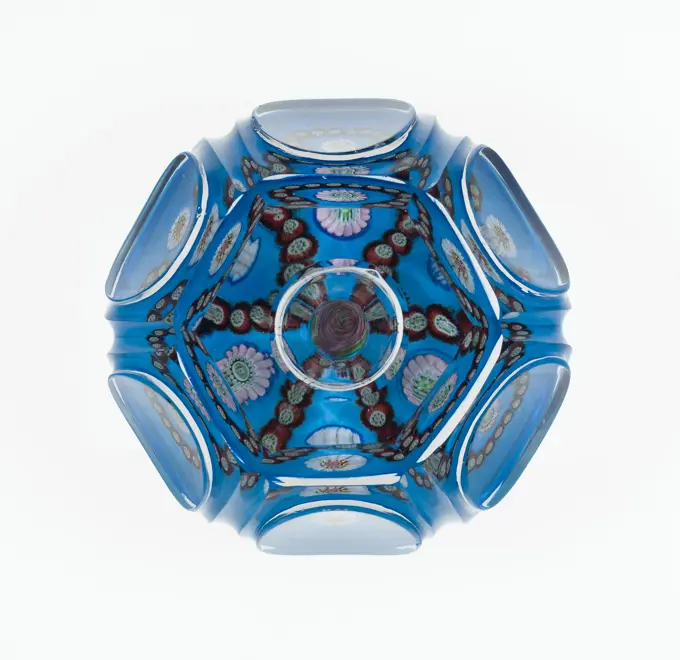
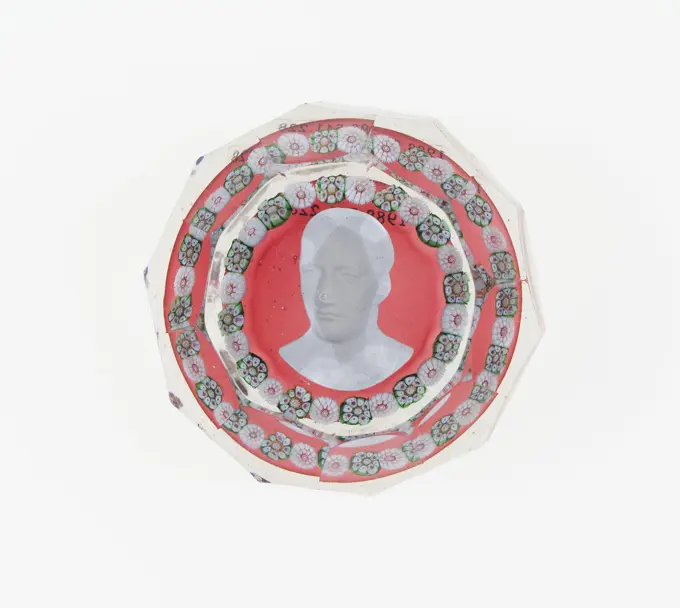
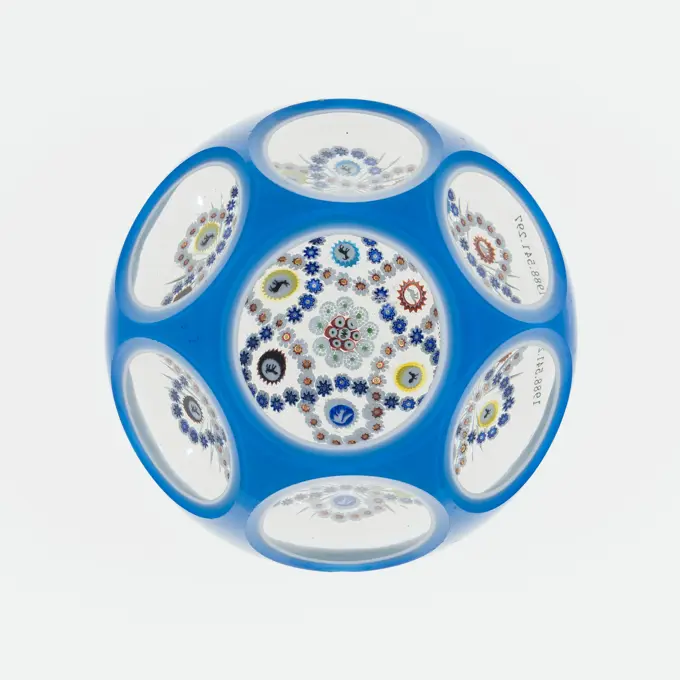
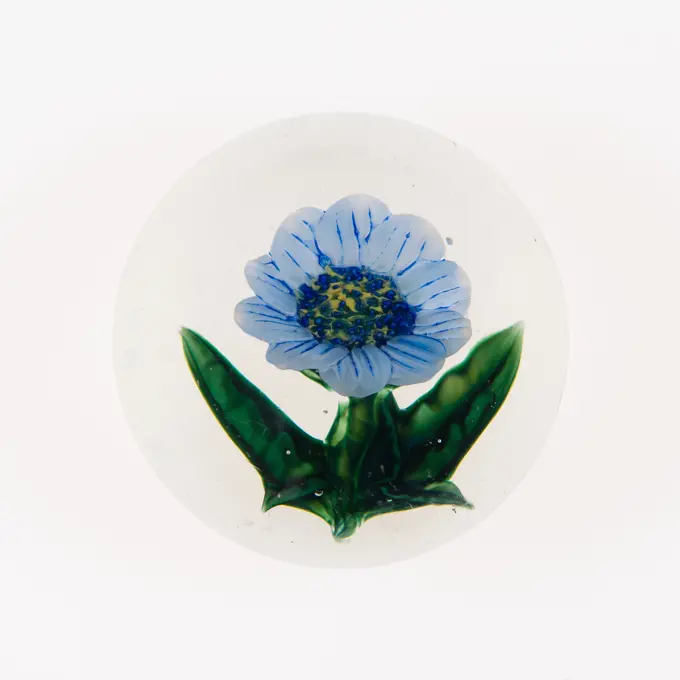
Paperweight, c. 1850, Baccarat Glass Works, 2 1/8 x 3 1/8 x 3 1/8 in. (5.4 x 7.94 x 7.94 cm), Glass, France, 19th century
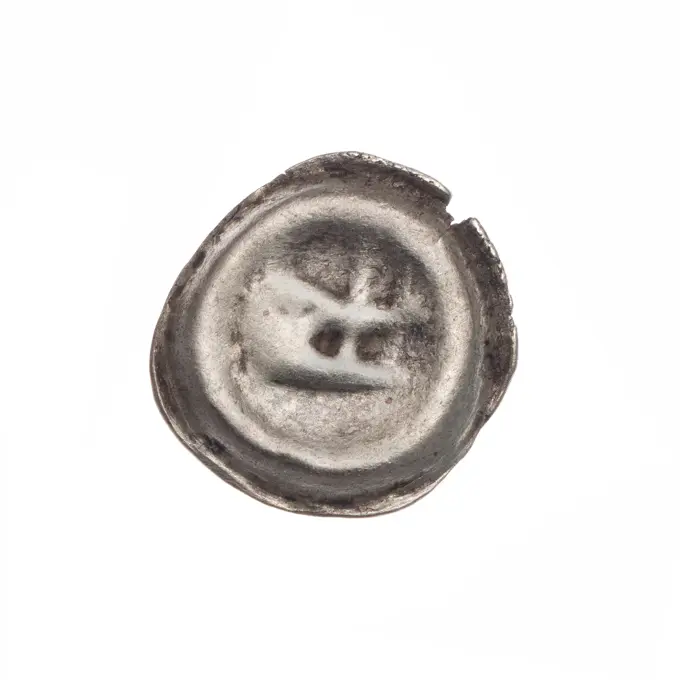
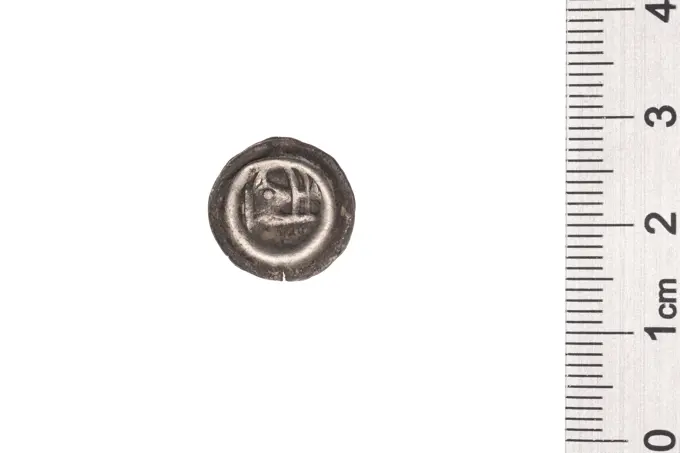
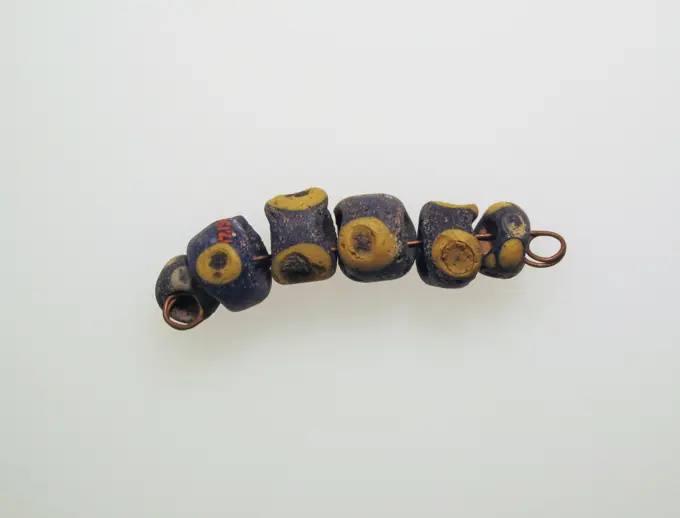
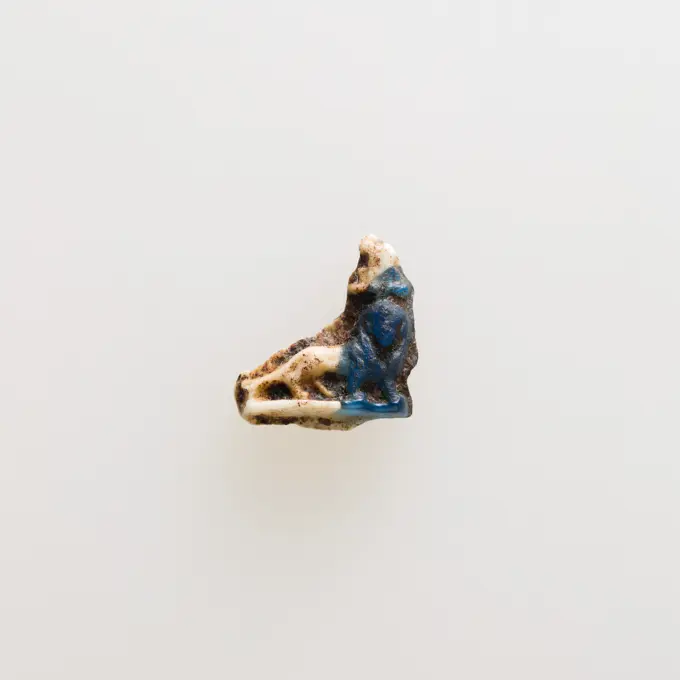
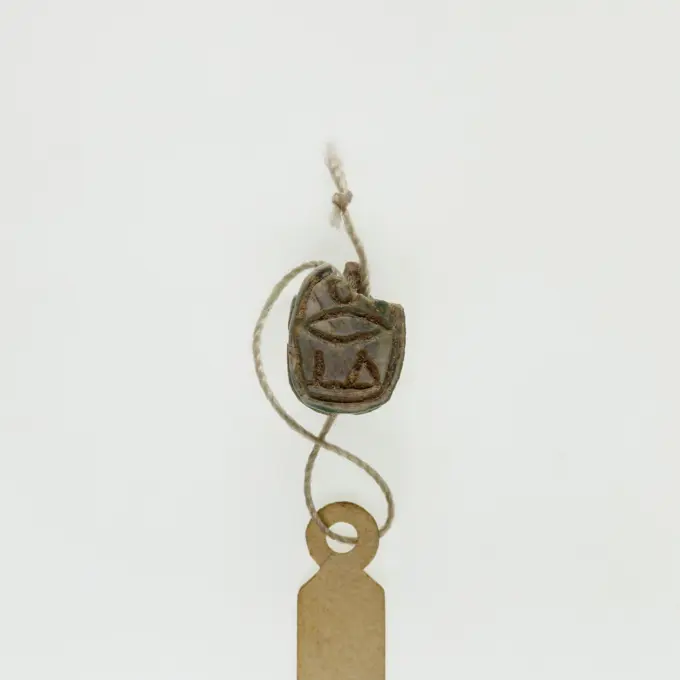
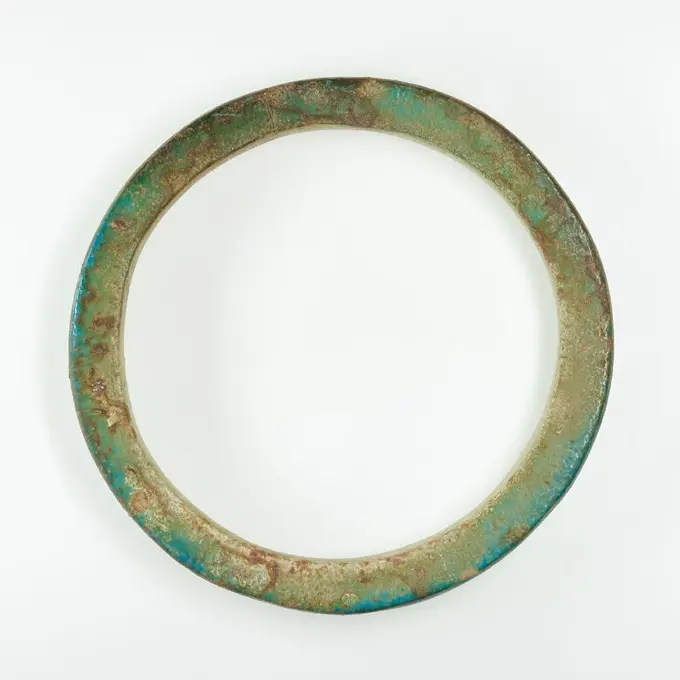
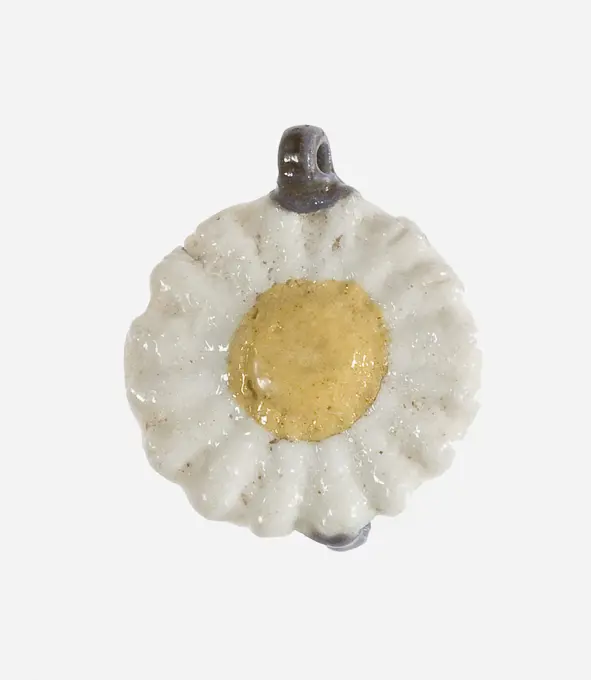
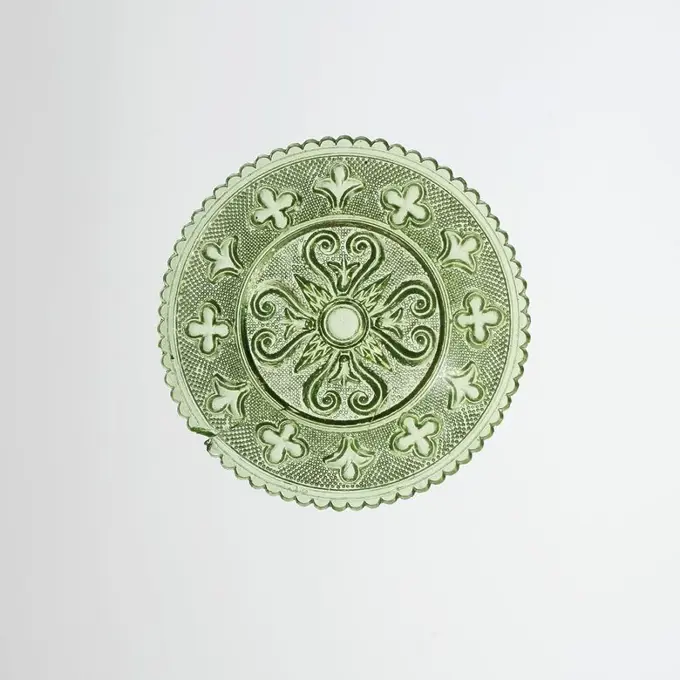
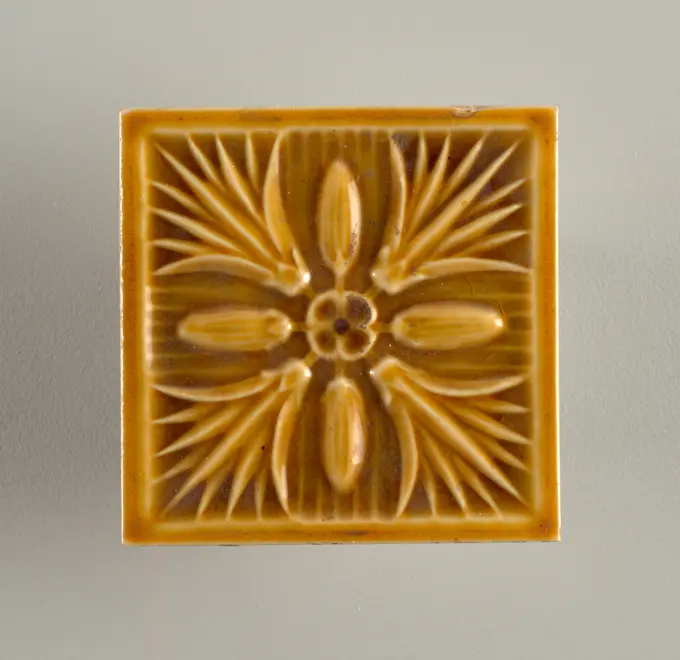
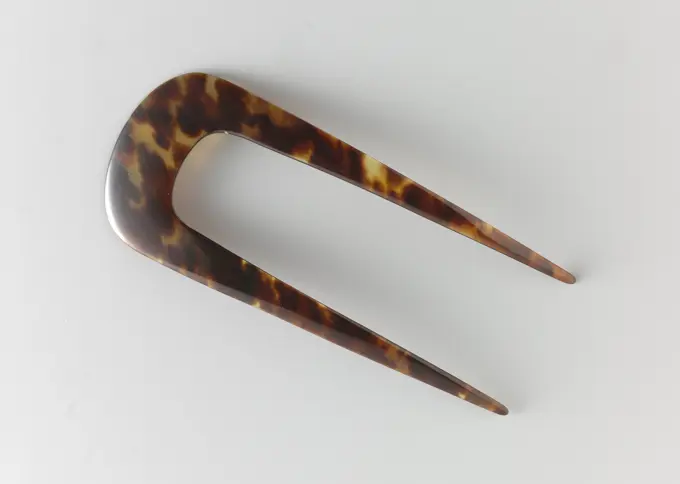
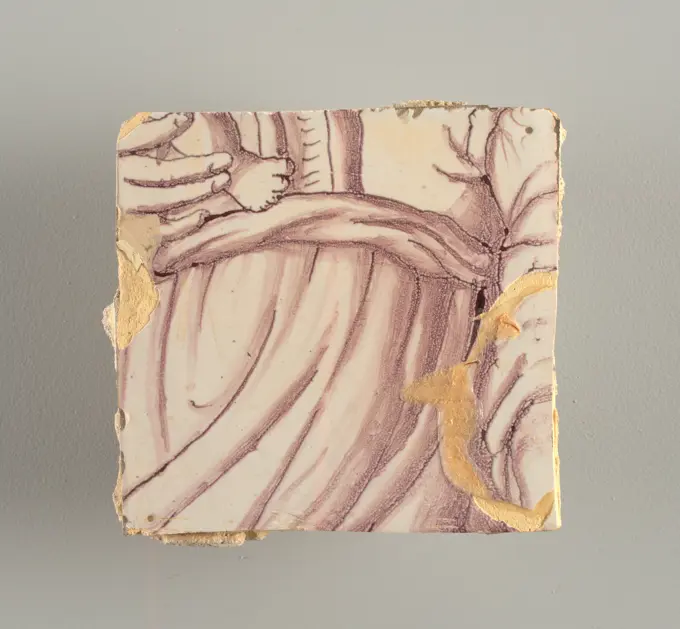
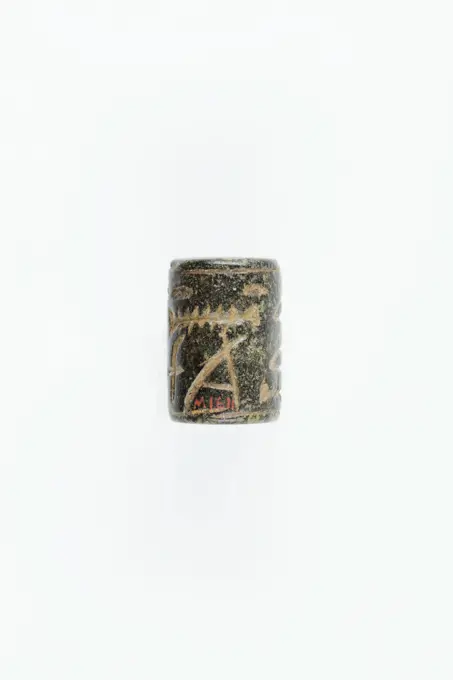
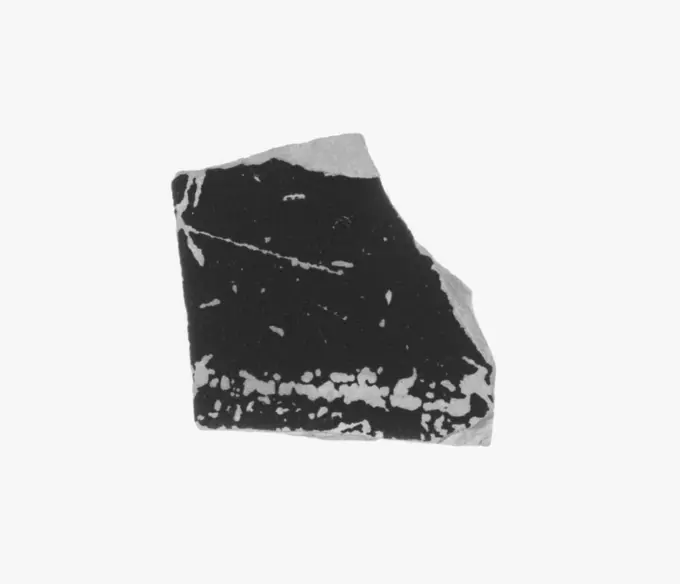
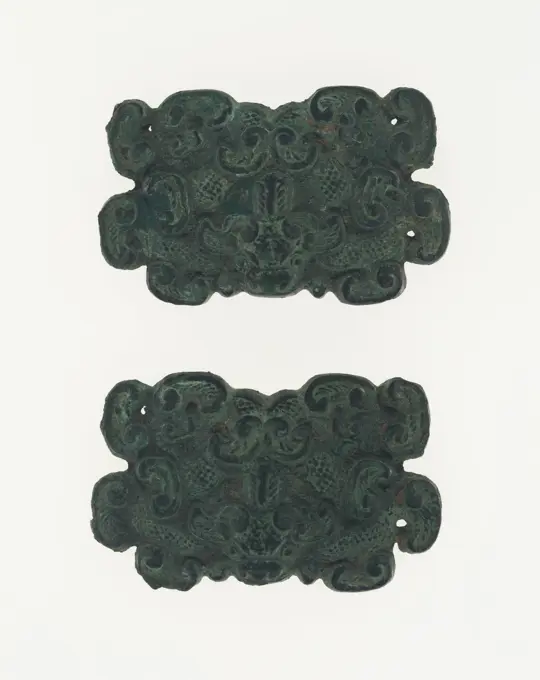
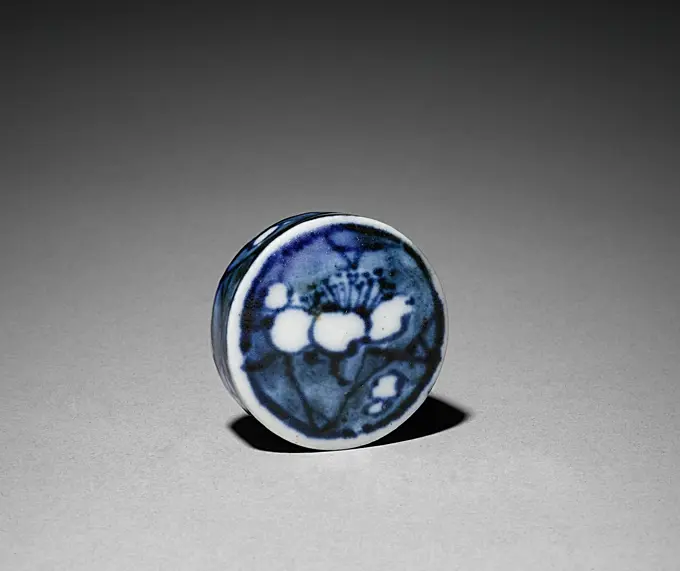
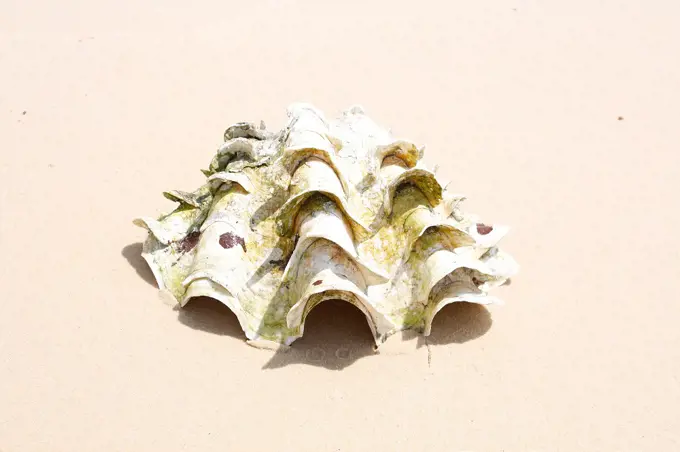
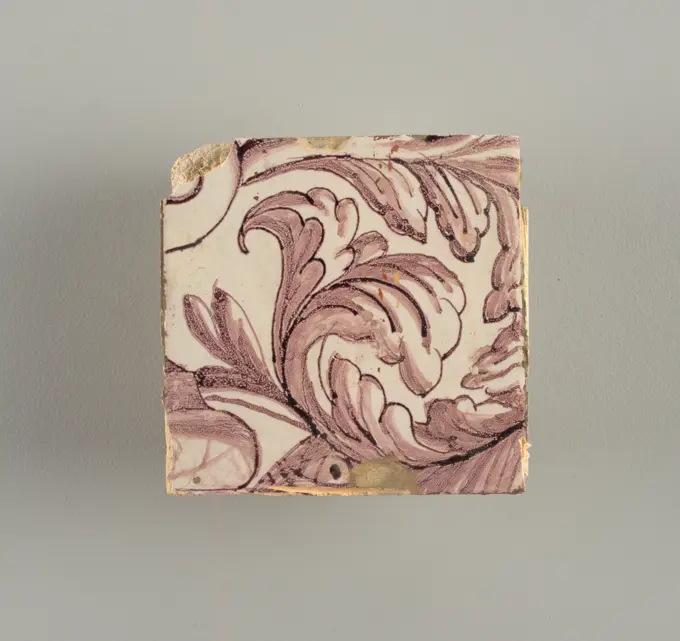
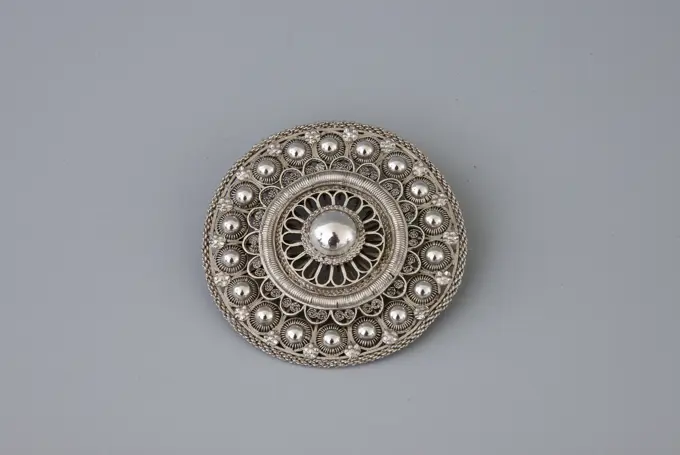
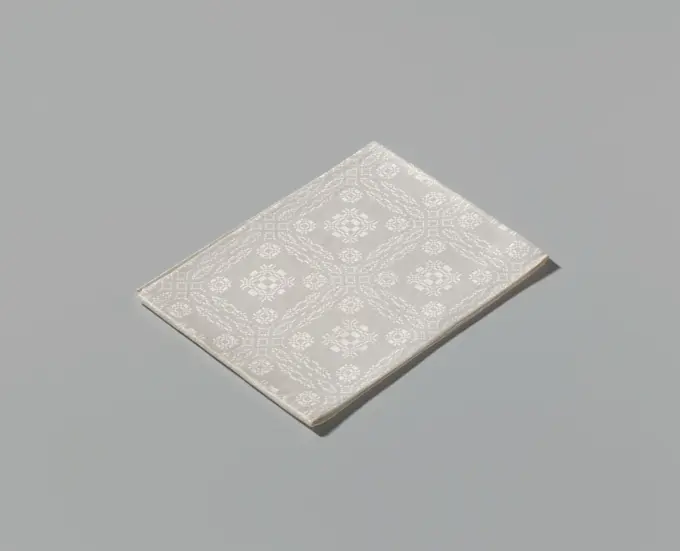
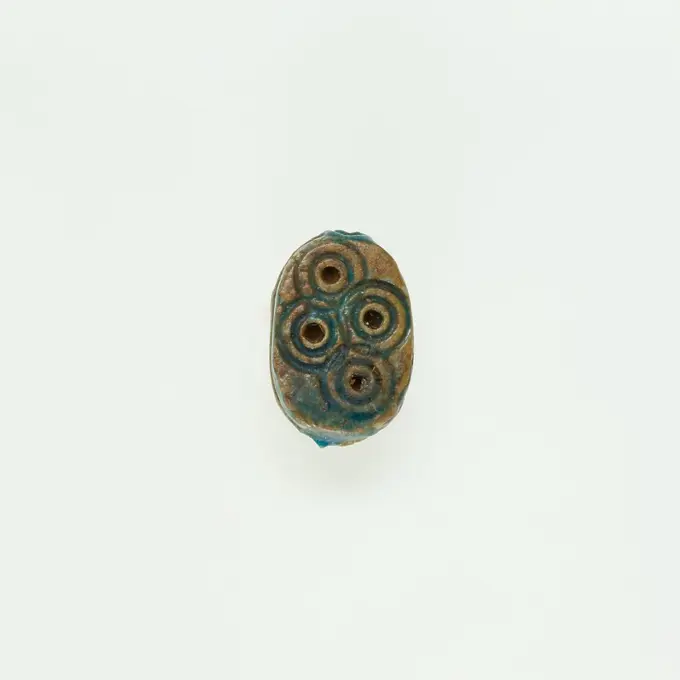
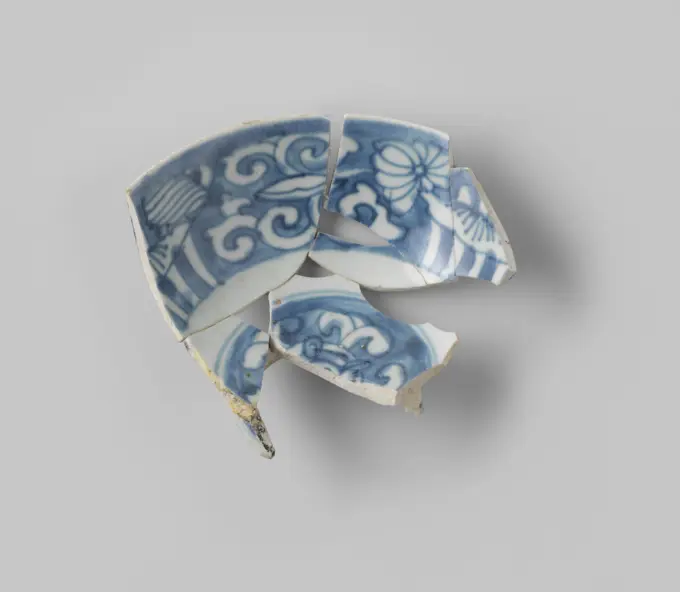
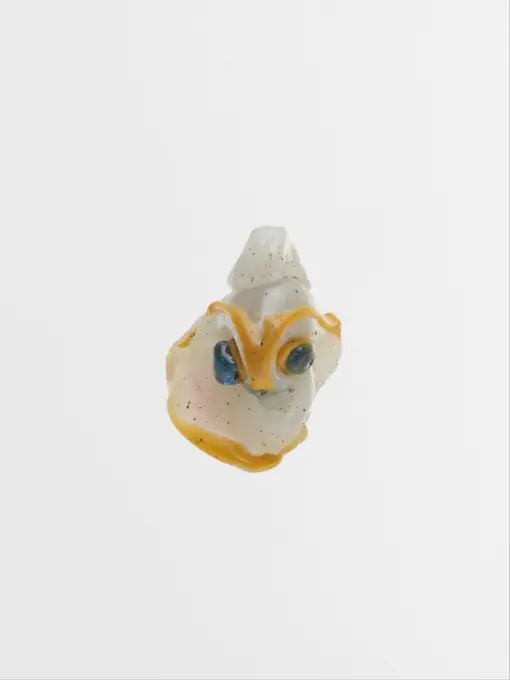
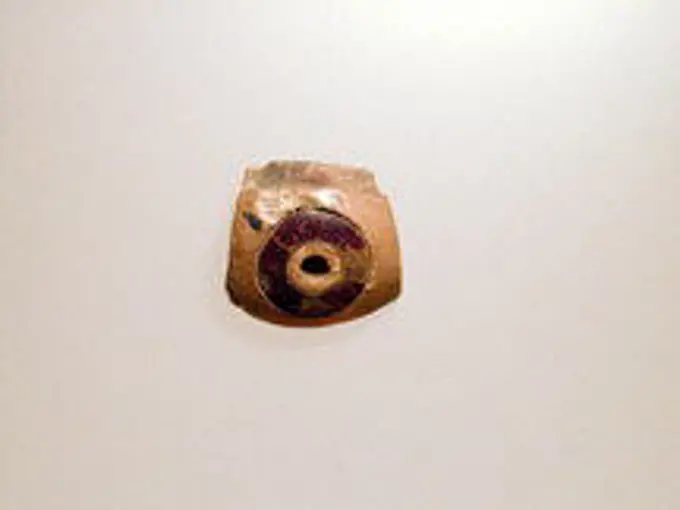
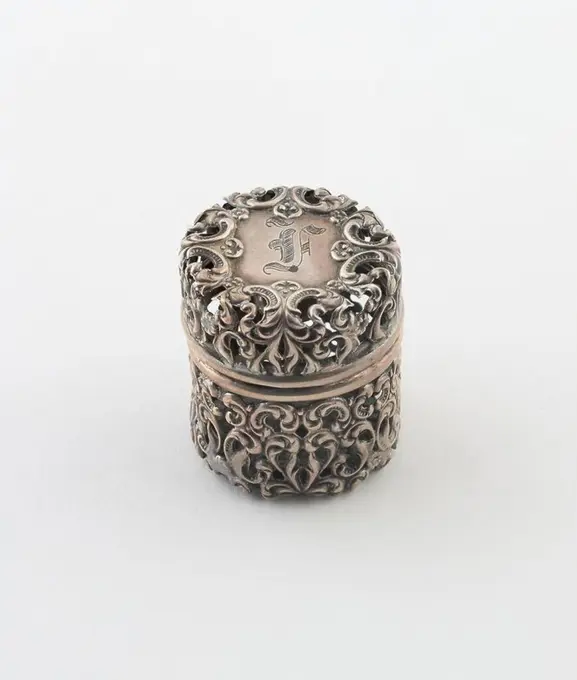
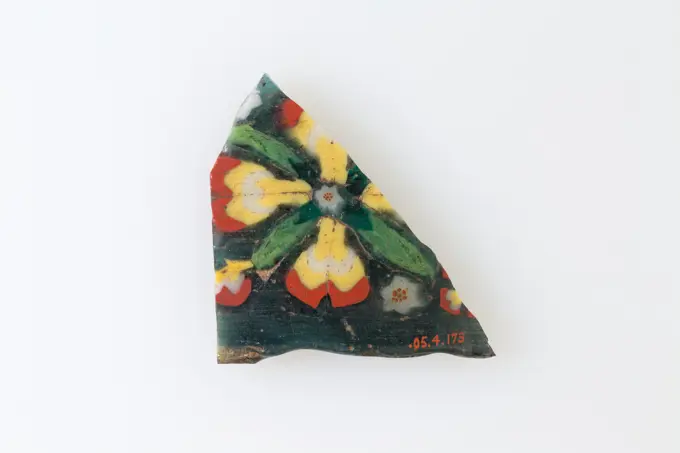
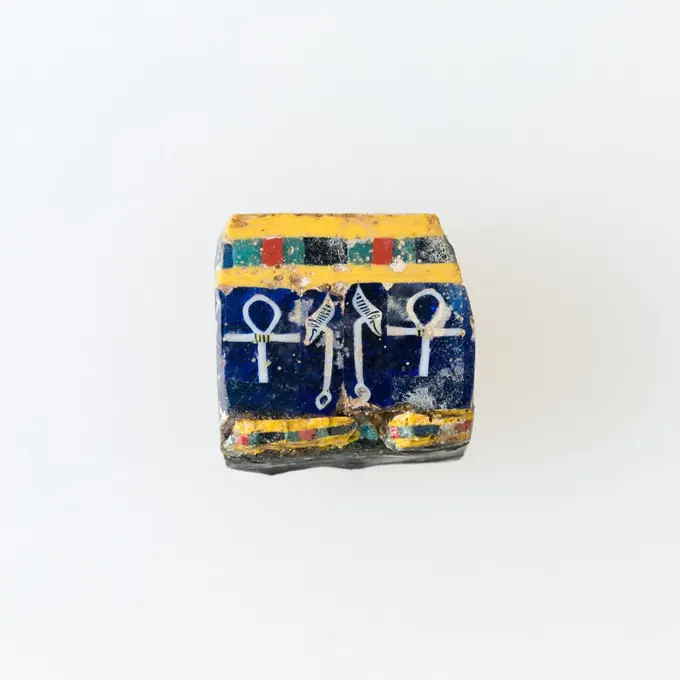
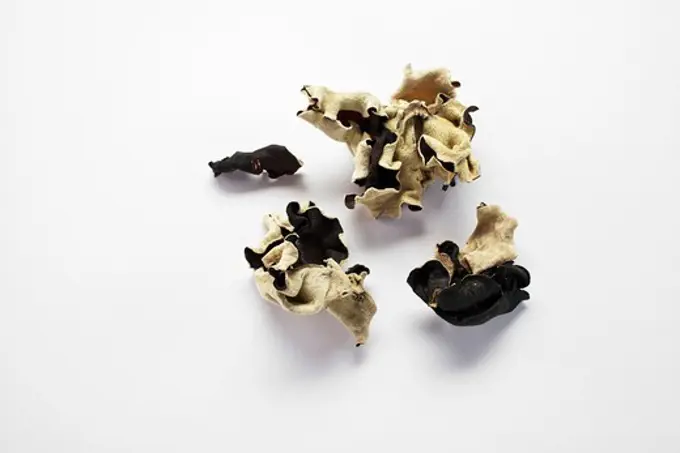
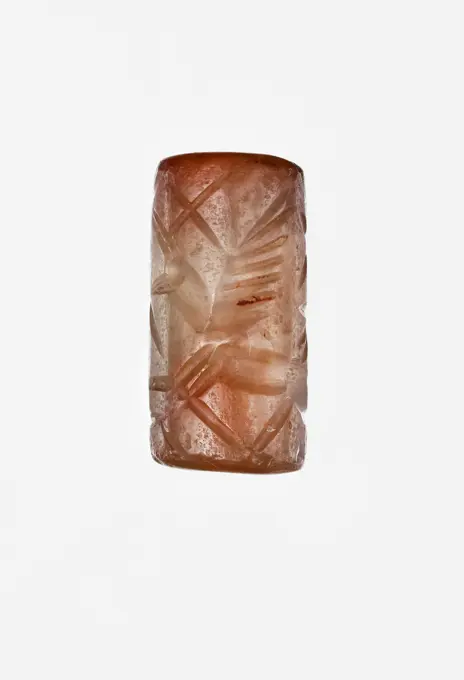
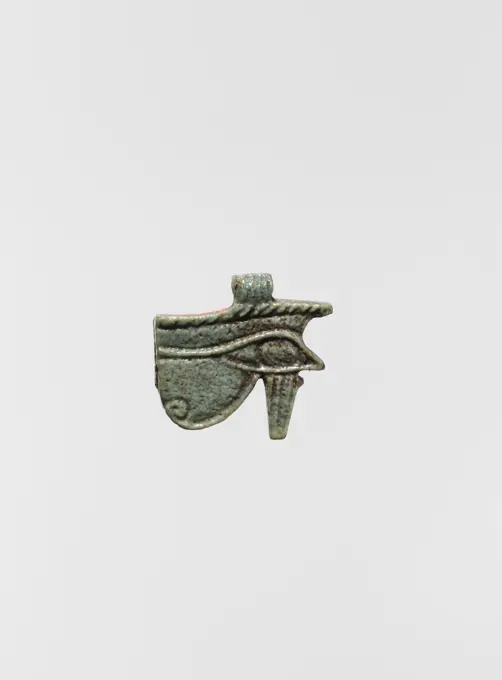
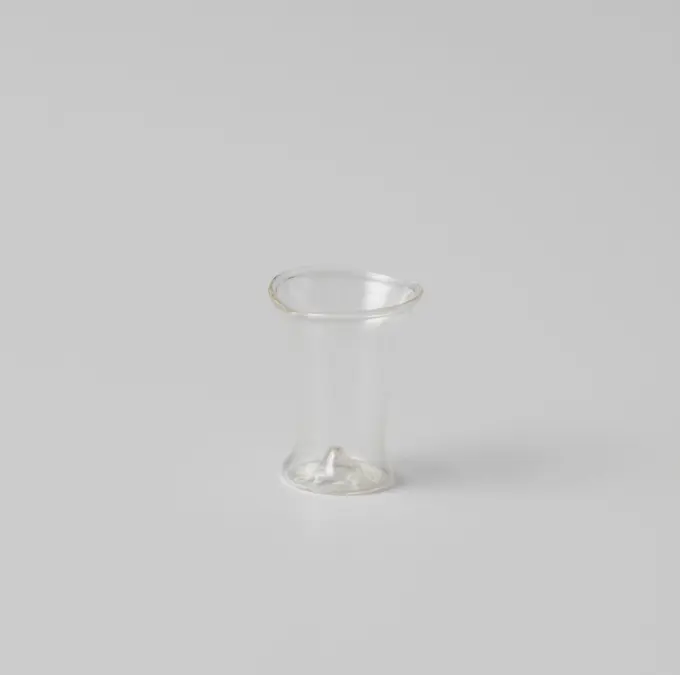
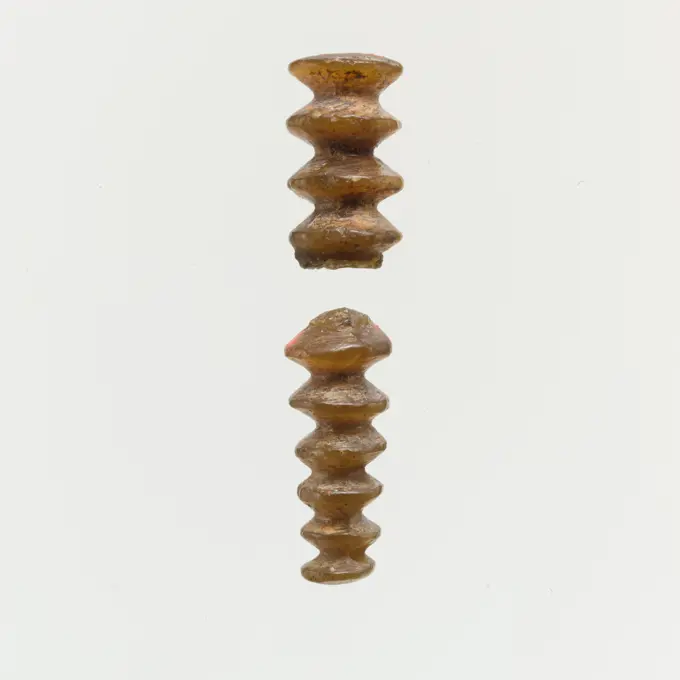
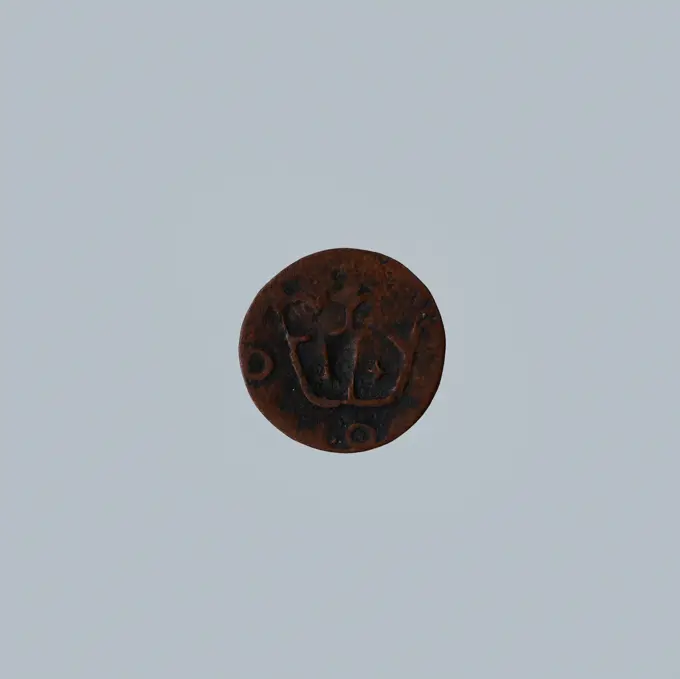
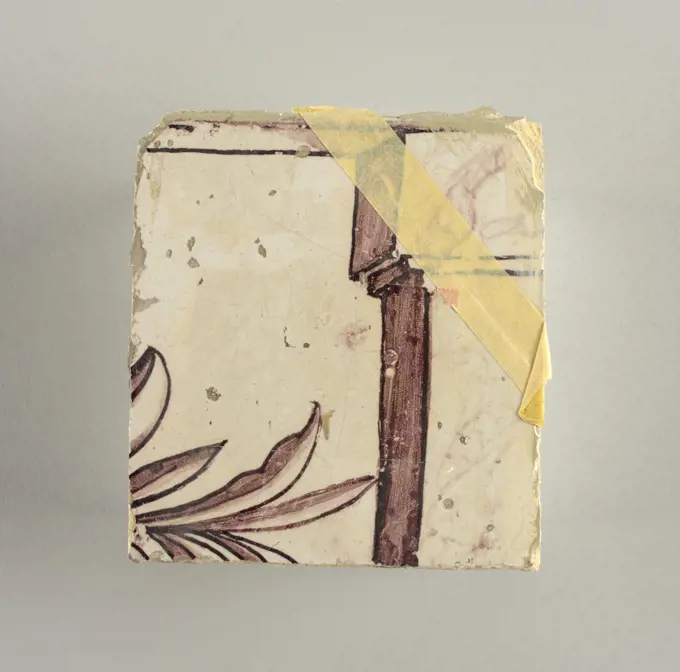
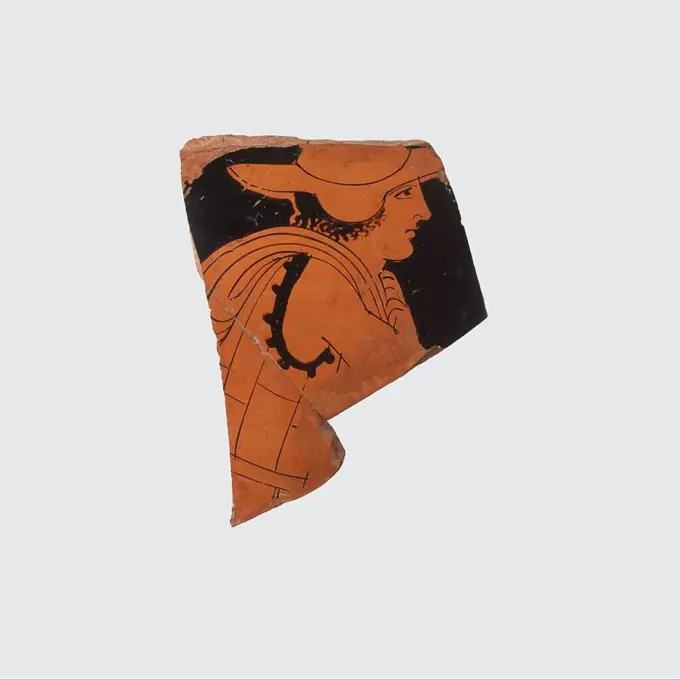
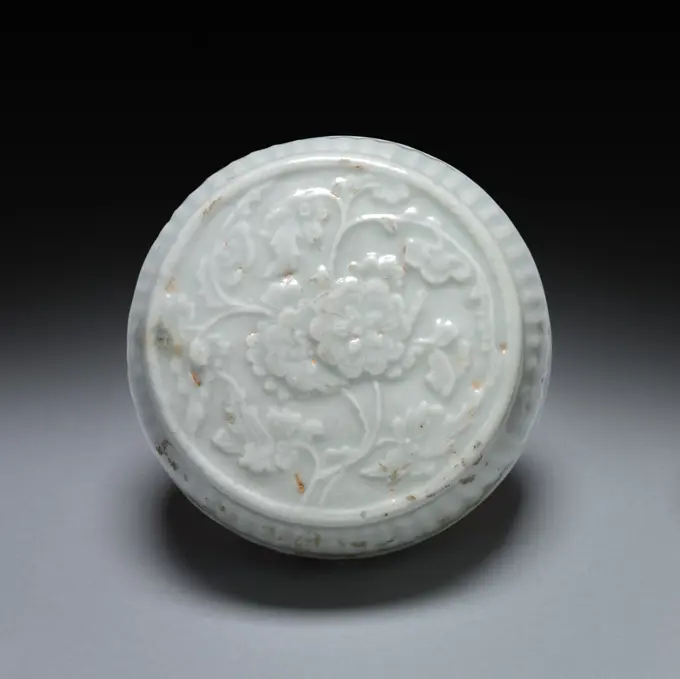
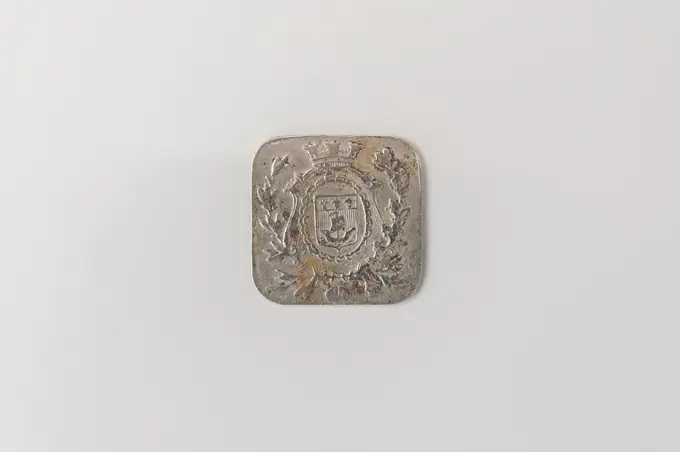
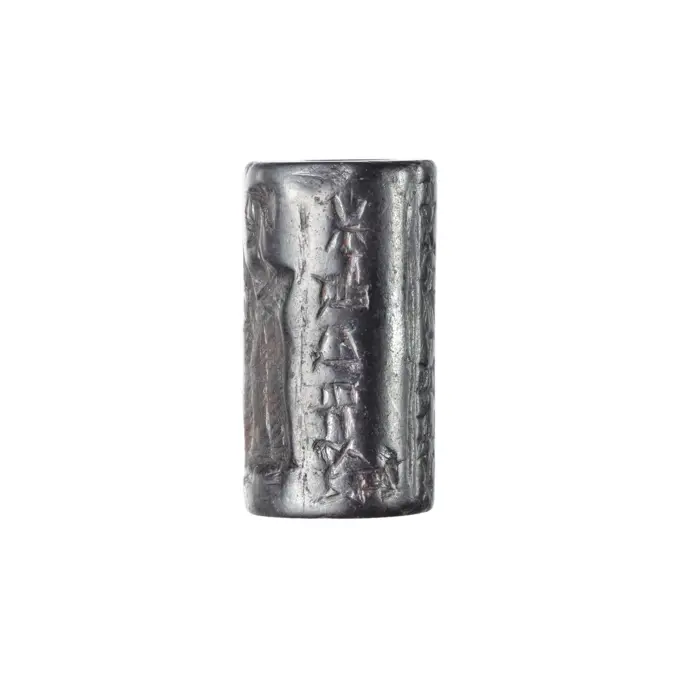
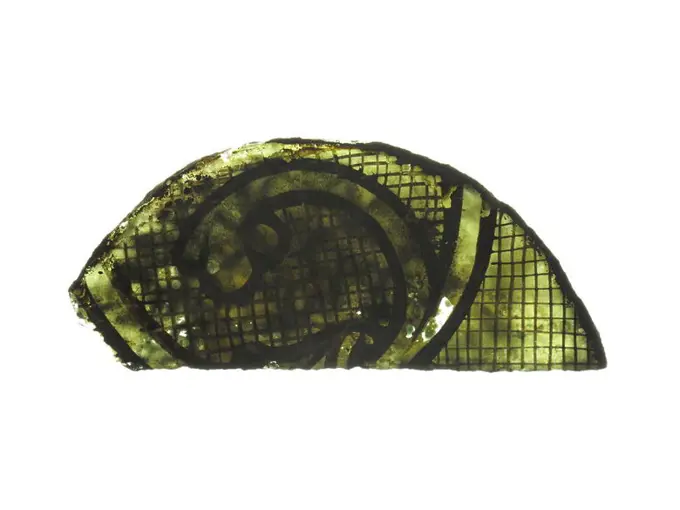
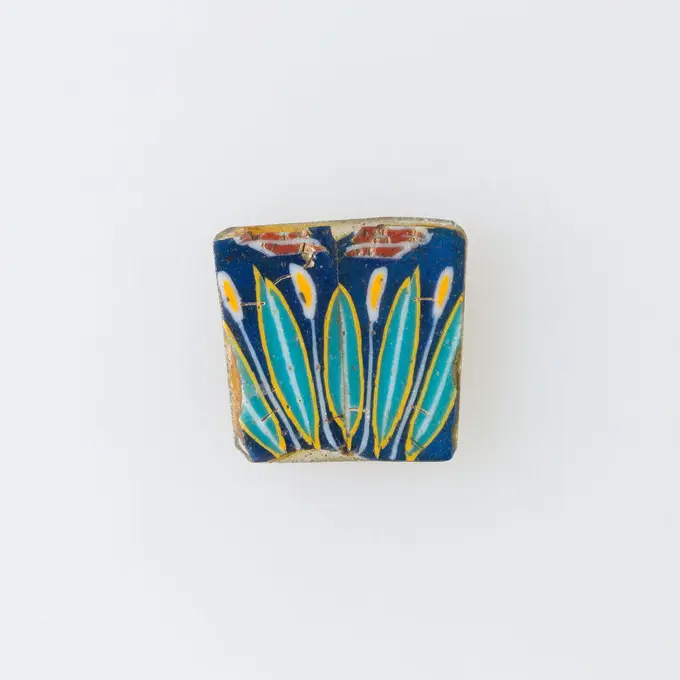
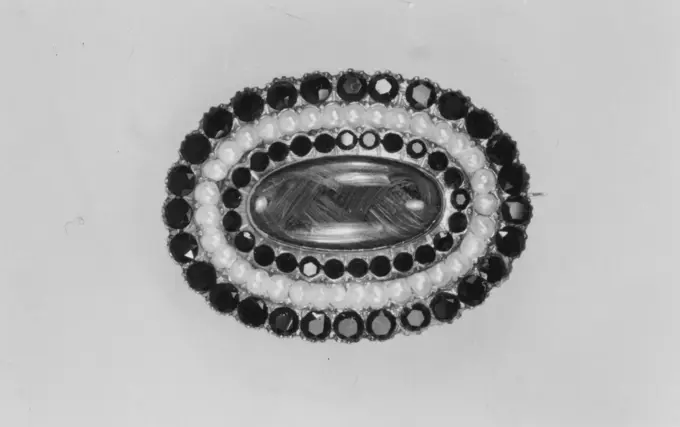
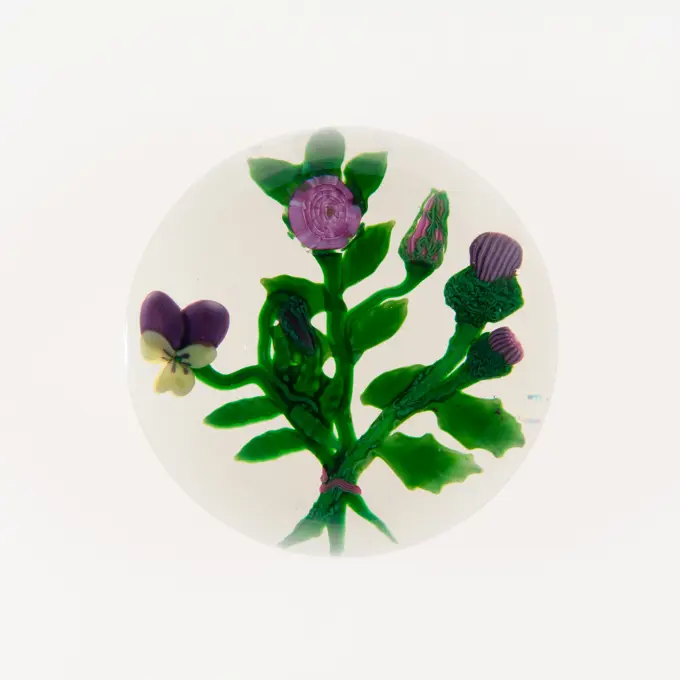
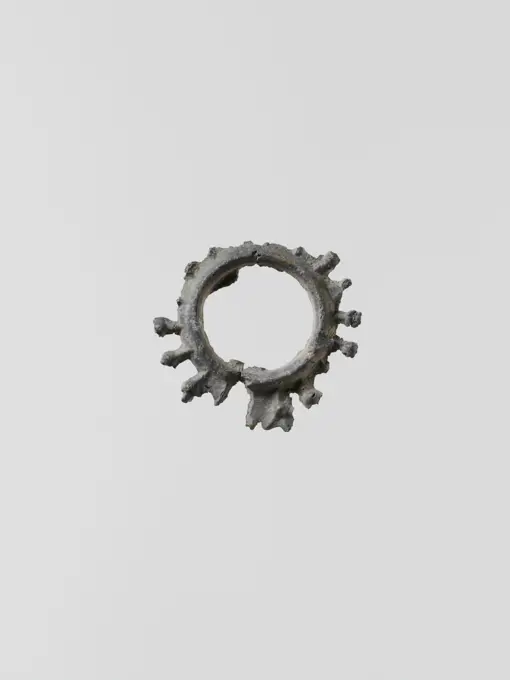
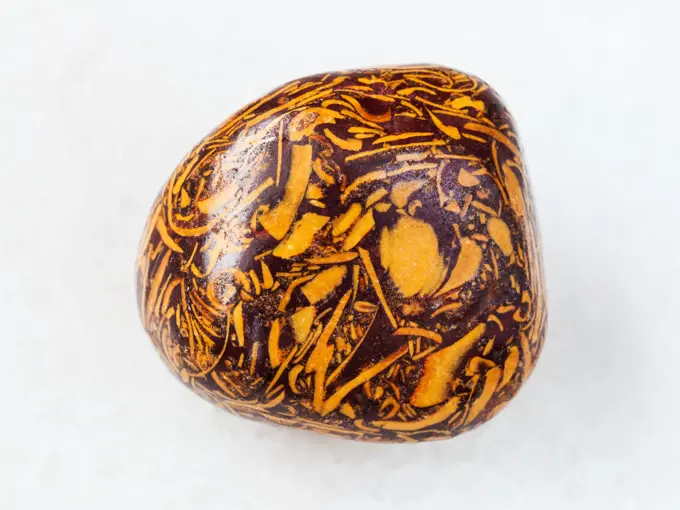
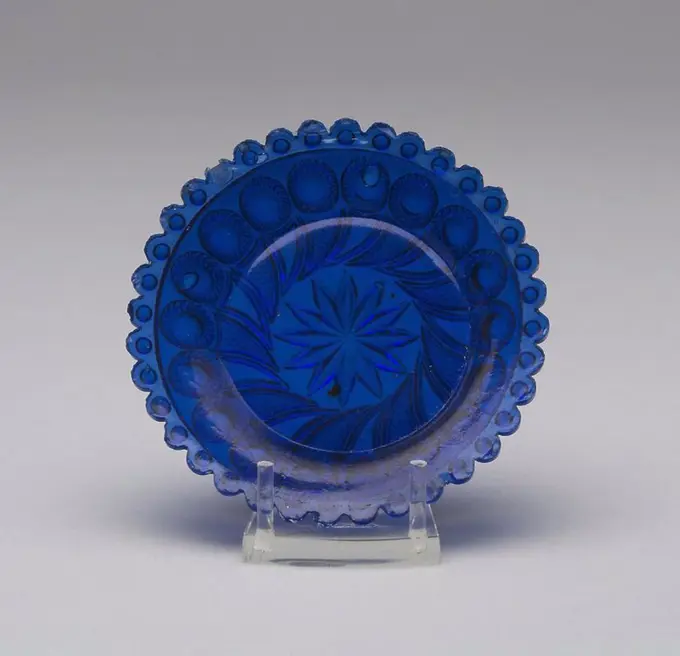
Cup plate. American; Probably Pittsburgh, Pennsylvania. Date: 1830-1835. Dimensions: diam. 8.6 cm (3 3/8 in.). Pressed glass. Origin: Pittsburgh. Museum: The Chicago Art Institute, Chicago, USA.Brakedate Halter; 15th century (1401-00-00-1500-00-00);Dzik's head (iconogr.), Unilateral coins, city coinsbracteate heller. Świdnica, issuerGlass pendant in the form of a bird 8th-7th century B.C. Greek, possibly Rhodian Translucent purple.Shaped like a stylized bird, with large hole horizontally through body from side to side; tooled to form head and upturned slender tail.Intact, except for tip of tail; pitting of surface bubbles, some dulling, and iridescence.. Glass pendant in the form of a bird. Greek, possibly Rhodian. 8th-7th century B.C.. Glass; rod-formed and tooled. GlassPaperweight 1800-1899 Clichy. Glass . Clichy GlasshouseRound brooch of silver with flower, Before 1948 Round brooch made of silver with flour with a cannon closure. Voorschoten silver (metal) Round brooch made of silver with flour with a cannon closure. Voorschoten silver (metal)Beads, 6. Beads, 6. Glass. GlassAmulet of Tutu 400-30 BC Ptolemaic Period Starting in the later Late Period and continuing through the Ptolemaic Period, a type of glass amulet cast by pressing the glass into a shallow open mold appears. The back was left rough, and the amulets may look ragged because glass overflowed the mold around the edges. The earlier amulets are monochrome, bi- or multicolor amulets supplement the repertoire during the Ptolemaic Period. Some of the amulets can be specifically tied to spells of the Book of the Dead - for example, acc. no. 17.194.2526 - and most are clearly funerary amulets, presumably meant to be wrapped between the bandages of the mummy where the presence of the amulet would do its job irrespective of its degree of finish. While amulets do exist of Tutu, he is not particularly known as a funerary deity.. Amulet of Tutu. 400-30 BC. Glass. Ptolemaic Period. From EgyptPaperweight 1840-1865 France. This paperweight uses a traditional glass-making technique called millefiori to great effect. Italian for ìone thousand flowers,î millefiori was first developed in fifteenth-century Venice. In the nineteenth century, French glassmakers revived the technique with a cultural twist. Arranged to evoke traditional French gardens such as the Tuileries in Paris, paperweights like this example brought a little of this landscaping magic indoors.From the late 1840s to early 1860s, French manufacturers of fine glass and crystalósuch as Baccarat (Alsace), Clichy (Paris), and Saint-Louis (Lorraine)ócatered to the vast public enthusiasm for beautiful yet functional desk accessories. Paperweights, which were designed to secure loose papers against drafts, were among their most popular products.. Glass . Clichy GlasshouseHedgehog Scaraboid Inscribed with a Blessing Related to Re ca. 1850-1640 B.C. Middle Kingdom. Hedgehog Scaraboid Inscribed with a Blessing Related to Re 557088Armlet of Neferkhawet. Dimensions: Diam. 10.2 cm (4 in.); inner diam. 8.1 c (3 3/16 in.); Th. 1.1 cm (7/16 in.); D. 1.3 cm (1/2 in.). Dynasty: Dynasty 18, early. Reign: reign of Thutmose I-early sole Thutmose III. Date: ca. 1504-1447 B.C.. Museum: Metropolitan Museum of Art, New York, USA.Vinaigrette holder. Vinaigrette holder of partially gold-plated silver, rectangular with beveled corners. It consists of 2 parts of equal size, which are hinged to each other on one of the long sides.Bead in the Form of a daisy ca. 1390-1352 B.C. New Kingdom. Bead in the Form of a daisy. ca. 1390-1352 B.C.. Faience. New Kingdom. From Egypt, Upper Egypt, Thebes, Malqata, Palace of Amenhotep III, MMA excavations, 1910-11. Dynasty 18Cup Plate. Culture: American. Dimensions: Dimensions unavailable. Date: 1825-60. Museum: Metropolitan Museum of Art, New York, USA.Ornament China. Ornament. China. Nephrite, rose quartz, onyx. Qing dynasty (1644-1911), Qianlong period (1736-95). JadeScarab depicting a griffin ca. 1786-1482 B.C. Second Intermediate Period-Early New Kingdom. Scarab depicting a griffin 552452Attic Black-Figure Band Cup Fragment. UnknownTile (USA); Manufactured by J. & J. G. Low Art Tile Works; glazed stoneware; 10.5 x 10.5 x 1.1 cm (4 1/8 x 4 1/8 x 7/16 in. )Netsuke 18th century Japan. Netsuke 59267Hair comb made of imitation turtle, U-shaped with smooth, rounded back, anonymous, c. 1885 - c. 1900 Hair comb made of imitation turtle, U-shaped with smooth, rounded back. Netherlands (possibly) celluloid (cellulosic). cellulose acetate filing / polishing Hair comb made of imitation turtle, U-shaped with smooth, rounded back. Netherlands (possibly) celluloid (cellulosic). cellulose acetate filing / polishingTile Wall Facing (Holland); tin-glazed earthenware, underglazeflat bead from nacre shell on white marble macro shooting of natural mineral rock specimen - flat bead from nacre shell on white marble background Copyright: xZoonar.com/ValeryxVoennyyx 11947626Cylinder seal ca. 2960-2649 B.C. Early Dynastic Period. Cylinder seal. ca. 2960-2649 B.C.. Stone. Early Dynastic Period. From Egypt. Dynasty 2-3Cameo with Hercules 1775-1799 Burslem. Stoneware (jasperware) . Wedgwood Manufactory (Manufacturer)Rosette ca. 1540 French. Rosette. French. ca. 1540. Brass. Miscellaneous-Buckles & OrnamentPaperweight 1840-1865 France. Technological improvements to optical scientific instruments in the mid-nineteenth century spurred a veritable obsession across Europe with identifying and classifying the natural world. Amateur botanists were eager to collect and preserve floral specimens, which they intently researched and catalogued. In response to this broad appeal, French glassmakers made paperweights that portrayed the very botanical subjects that were so enthusiastically sought. Many weights represented specimens with horticultural correctness, but others were entirely fanciful creations. Paperweights like this example speak to the periodís fascination with taxonomic systems.From the late 1840s to early 1860s, French manufacturers of fine glass and crystalósuch as Baccarat (Alsace), Clichy (Paris), and Saint-Louis (Lorraine)ócatered to the vast public enthusiasm for beautiful yet functional desk accessories. Paperweights, which were designed to secure loose papers against drafts, weBalla, Andreas .Attic Red-Figure Vase Fragment. UnknownPair of Ornaments Artist's working dates 399 BCE-200 BCE China. Bronze .Dish, purple red fond with golden piping. Dish of porcelain, part of a coffee set, with purple red fond and golden piping along the edge a wide golden trim in which a engraved leaf drink. No brand.Tea Container (lid) with Plum Blossoms, early 1800s. Aoki Mokubei (Japanese, 1767-1833). Porcelain with underglaze blue; overall: 7.7 x 4.8 cm (3 1/16 x 1 7/8 in.). Aoki Mokubei, born into a family of restaurateurs, was a potter, calligrapher, painter, and scholar, and is considered one of the three masters of later Edo period Kyoto ceramics. He specialized in porcelains fashioned after Chinese prototypes, and created works for steeped tea (sencha) such as these matching tea caddies decorated in an underglaze blue called sometsukeliterally “with applied dye.” He signed them on their bottoms. They also have intricately patterned silk sleeves to both beautify and protect them. On the exterior of the lid of the outer wooden box that contains them, it is written that Mokubei inscribed and painted an image on the box. On the interior of the lid, the signature and seals of a former owner are written. Mokubei has signed the lid of the inner box, and a charming ink and light color compositioShellsSample of "False Jade() Limestone" 20th century China. Sample of "False Jade() Limestone" 62126ball from black coat Anthracite isolated macro shooting of ball from black coat Anthracite natural mineral stone isolated on white background Copyright: xZoonar.com/ValeryxVoennyyx 9006823Wall Facing (Holland); tin-glazed earthenware, underglazeStone wall number 5 FIVE 3D stone walls number 5 FIVE 3DBroochTile wall facing, Tin-glazed earthenware, underglaze, Horizontal rectangle. Thirty tiles wide and twenty-three tiles high with opening for fireplace eleven tiles wide and ten high. Foliage arabesques disposed about three vertical axes from which are emphazised by urns at center and right, and at left by the figure of a standing woman carrying an infant on her arm and accompanied by two children., Possibly Rotterdam, Holland, Possibly Delft, Netherlands, ca. 1725, tiles, Decorative Arts, Tile wall facingScherf van Glas from V.O.C. ship De 'Witte Leeuw', 1613 drinking glass. fragment Sharp of glass with diagonal, vertical and horizontal relief lines.  glassNapkin van Linen with peel pattern ,, 1690 - 1710 White linen napkin with peel pattern, Brand Kroon G 36 Northern Netherlands (Possible) linen (material) White linen napkin with peel pattern, Brand Kroon G 36 Northern Netherlands (Possible) linen (material)False coin, crown shilIIng, John II Casimir (1649 1668)Scarab with geometric pattern. Dimensions: L. 1 cm (3/8 in.). Dynasty: Dynasty 12-18. Date: ca. 1981-1295 B.C.. Museum: Metropolitan Museum of Art, New York, USA.Fragment frame of a packaging from the wreck of the East Indieschief Hollandia. Container, RIM; Fragm, ID. NG 1980-27H129, Very eroded.Fragment porcelain come from v.o.c.-ship the 'Witte Leeuw', Before 1613 bowl Fragment porcelain come from v.o.c. ship the 'Witte Leeuw'. Six fragments glued together. Jingdezhen porcelain   Sint-HelenaTile. Culture: American. Dimensions: 4 1/4 x 4 1/4 in. (10.8 x 10.8 cm). Maker: J. and J. G. Low Art Tile Works (1877-1907). Date: ca. 1882-84. Museum: Metropolitan Museum of Art, New York, USA.Fragment of a vessel. A low curvature of the glass fragment allows the assignment to a vessel. The dark brown glass is crossed by a grid of white lines reminiscent of bee honeycombs. In the fields there are flowers in millefiori technology, which consist of circular yellow dots. For the production different colored glasses to tubes and rods were formed. These were compressed and heated, causing a long bar. The glass sliced now had different amorphous or floral patterns. Thereafter, several of these platelets were merged, heated again and shaped. Burry for the elaborate manufacturing process and its fragility included glass of the luxury articles of antiquity.Glass pendant in the form of a demonic mask 6th-5th century B.C. Phoenician Semi-opaque white, with additions in opaque yellow and translucent cobalt blue.Conical, splayed at bottom with rounded edge; large circular suspension loop applied to top; rod hole underneath.Applied large eyebrows in yellow, eyes as blue knobs applied over yellow circles, and yellow edge (beard) at bottom.Intact except for chip to proper left side of face; slight dulling and pitting, with encrustation inside rod hole.. Glass pendant in the form of a demonic mask 249974Sweden, Blekinge, Blekinge, Karlskrona, Karlskrona, external marina (depicted, town).Sweden, Blekinge, Blekinge, Karlskrona, Karlskrona, External War Gogs (depicted, City)Fibula, fragment 7th-6th century B.C. Etruscan Pierced with hole in center.. Fibula, fragment. Etruscan. 7th-6th century B.C.. Amber. Archaic. Miscellaneous-AmberAttic Red-Figure Amphora Fragment. Eucharides Painter (Greek (Attic), active about 500 - 470 B.C.)Tape Measure Drum. Possibly United States. Date: 1885-1895. Dimensions: 3.2 x 2.5 cm (1 1/4 x 1 in.). Silver. Origin: United States. Museum: The Chicago Art Institute, Chicago, USA.Shards of Kraaikoppen from V.O.C. ship De 'Witte Leeuw', Anonymous, Before 1613 bowl Shards of Kraaikoppen from V.O.C. ship the 'Witte Leeuw'. Soil clips. Jingdezhen bone china (material)   Sint-HelenaSteatite triangular prism. Culture: Minoan. Dimensions: L. 1.2 cm; W. of each side 1 cm. Date: ca. 2400-1750 B.C..Bull's head; dog; water fowl. Museum: Metropolitan Museum of Art, New York, USA.Fragment of floral plaque 100 BC-100 AD Ptolemaic Period-Roman Period This fragment was part of a glass floral plaque for wall or furniture inlay like 26.7.1249.. Fragment of floral plaque. 100 BC-100 AD. Glass. Ptolemaic Period-Roman Period. From Egypt, Middle Egypt, Oxyrhynchus (Bahnasa), EEF excavations 1904-05Inlay fragment, ankh and was scepters. Dimensions: H. 1.5 × W. 1.5 cm (9/16 × 9/16 in.). Date: 100 BC-100 AD.A mosaic glass technique allowed multiples of an image to be created: a figural or design composition was made by bundling colored glass canes, which were then drawn out into a long bar. The bar was then sectioned at right angles, probably by striking the bar with appropriate tools, to produce small inlay tiles. The tile would then be smoothed and polished on the face intended to appear outwards. Museum: Metropolitan Museum of Art, New York, USA.Paperweight 1841-1860 Baccarat. Glass . Baccarat GlassworksAttic Vase Fragment. UnknownAttic Red-Figure Lekythos Fragment. UnknownPaperweight 1840-1865 Baccarat. The colorful geometric clusters embedded in this paperweight reflect the nineteenth-century European fascination with optical effects. Sir David Brewster invented the kaleidoscope in 1815, and its colorful and changing patterns brought great visual entertainment. Paperweights such as this example reformed this childlike pastime for a sophisticated adult audience. Depicted in glass were tiny glittering flowers, small black and blue cameos of figures, and even miniature bottlecaps. These were delicately arranged within the orb for the observant eye to discover.From the late 1840s to early 1860s, French manufacturers of fine glass and crystalósuch as Baccarat (Alsace), Clichy (Paris), and Saint-Louis (Lorraine)ócatered to the vast public enthusiasm for beautiful yet functional desk accessories. Paperweights, which were designed to secure loose papers against drafts, were among their most popular products.. Glass . Baccarat GlassworksNetsuke of Snail on Eggplant 19th century Japan. Netsuke of Snail on Eggplant 59330Dried jelly ear fungusMaker: John Noyes, American, 1674-1749, Clasp, Gold, 7/8 × 3/4 × 3/16 in. (2.2 × 1.91 × 0.48cm), Made in Boston, Massachusetts, American, 18thcentury, JewelryPieczęć cylindryczna. unknown Neobabylonian workshop, workshopPendant 14th century French. Pendant. French. 14th century. Brass. Miscellaneous-Buckles & OrnamentWedjat Eye Amulet 664-332 B.C. Late Period One of the most popular amulets in ancient Egypt, the wedjat eye represents the healed eye of the god Horus. It depicts a combination of a human and a falcon eye, since Horus was often associated with a falcon. Its ancient Egyptian name, wedjat, means "the one that is sound." In Egyptian mythology Horus eye was injured or stolen by the god Seth and then restored by Thoth. The wedjat eye embodies healing power and symbolizes rebirth. An amulet in this shape was thought to protect its wearer and to transfer the power of regeneration onto him or her. It was used by the living as well as for the dead.Link to a blogThe Mummy of Nesmin: A Closer Look. Wedjat Eye Amulet. 664-332 B.C.. Faience. Late Period. From EgyptGlass ornament in the form of a bird Roman. Glass ornament in the form of a bird. Roman. Glass. GlassCup, upwards, with inserted soil, anonymous, c. 1675 - c. 1699 Cup of clear colorless glass, upwards, with inserted bottom. Amsterdam (possibly) glass Cup of clear colorless glass, upwards, with inserted bottom. Amsterdam (possibly) glassSerpentine () pendant fragments with transverse grooves ca. 3rd-early 2nd millennium B.C. Minoan Spiraled.. Serpentine () pendant fragments with transverse grooves. Minoan. ca. 3rd-early 2nd millennium B.C.. Serpentine. Early or Middle Bronze Age. Miscellaneous-StonePair of Sword-Grip Ornaments (Menuki) 18th century Japanese Menuki are a pair of ornamental sword fittings attached to either side of a sword hilt.. Pair of Sword-Grip Ornaments (Menuki). Japanese. 18th century. Copper-gold alloy (shakud), gold, copper-silver alloy (shibuichi), copper. Sword Furniture-MenukiPaperweight 1843-1860 France. Technological improvements to optical scientific instruments in the mid-nineteenth century spurred a veritable obsession across Europe with identifying and classifying the natural world. Amateur botanists were eager to collect and preserve floral specimens, which they intently researched and catalogued. In response to this broad appeal, French glassmakers made paperweights that portrayed the very botanical subjects that were so enthusiastically sought. Many weights represented specimens with horticultural correctness, but others were entirely fanciful creations. Paperweights like this example speak to the periodís fascination with taxonomic systems.From the late 1840s to early 1860s, French manufacturers of fine glass and crystalósuch as Baccarat (Alsace), Clichy (Paris), and Saint-Louis (Lorraine)ócatered to the vast public enthusiasm for beautiful yet functional desk accessories. Paperweights, which were designed to secure loose papers against drafts, weFalse coin, Jagiellonian pennyKnot of braided fabric. Knot of braided fabric, presumably made from white / yellow cotton. The knot is slightly globe at the top.Glass beads 2nd century A.D. Roman, Egypt, Alexandria. Glass beads. Roman, Egypt, Alexandria. 2nd century A.D.. Glass. Imperial. GlassWall facing, tin-glazed earthenware, underglaze, Running design for a frieze or a dado, composed of scrolls of foliage and strapwork, and four repeating motifs--a seated woman in a small upright oval medallion, a putto seated on a rocailled base, and strapwork in axial pattern. The various panels, A to F, show various repeats of the same design, all being five tiles high and a varying number of tiles wide., Possibly Rotterdam, Holland, Possibly Delft, Netherlands, ca. 1725, tiles, Decorative Arts, Wall facingDice (set of five) ca. 1750-75 British, Staffordshire. Dice (set of five) 197578Fragment of a terracotta column-krater (bowl for mxing wine and water). Culture: Greek, Attic. Dimensions: Overall: 3 1/4 x 2 3/4in. (8.3 x 6.9cm). Date: ca. 460-450 B.C..Upper body of a youthThe figure may be a charioteer. Museum: Metropolitan Museum of Art, New York, USA.Cartoon illustrationBracelet;  19th century (1801-00-00-1900-00-00);Circular Box: Qingbai Ware (lid), 1200s-1300s. China, Southern Song Dynasty (1127-1279) - Yuan Dynasty (1271-1368). Glazed porcelain; diameter: 5.2 cm (2 1/16 in.).Attic Red-Figure Amphora Fragment. Eucharides Painter (Greek (Attic), active about 500 - 470 B.C.)Paperweight 1840-1865 France. Glass . Compagnie de Saint LouisColorful big dot with different size polka dotsCovered Box: Ding ware (lid), 1000s-1100s. China, Hebei province, Ch'ü-yand District, Northern Song dynasty (960-1127). White porcelain; diameter: 7.6 cm (3 in.); overall: 7.3 cm (2 7/8 in.).Container. unknown, craftsmanCarnavalet museum, tokens collectionBake  cylindrical from the scenes presentation; Unknown Babilo SKI workshop; XX-XIX century BC (-2000-00-00--1801-00-00);Siniddinam (Fl. CA 2000-Ca 1901 A.C.), D.NIN-SI4-AN-NA (MITOL. , Kaunakes (iconogr.), Headgear with one pair of horns, Isin-Lars' period (around 2000-okPendant in the form of Hathor's head. Pendant in the form of Hathor's head 242692Hat still life on a white background.Glass Fragment. Culture: French. Dimensions: Overall: 2 5/8 x 5 7/8 in. (6.7 x 14.9 cm). Date: 13th century. Museum: Metropolitan Museum of Art, New York, USA.Inlay, floral. Dimensions: H. 2.3 × W. 2.4 cm (7/8 × 15/16 in.). Date: 100 BC-100 AD. Museum: Metropolitan Museum of Art, New York, USA.Mourning Pin 1862 American. Mourning Pin 5257Paperweight 1840-1865 France. Technological improvements to optical scientific instruments in the mid-nineteenth century spurred a veritable obsession across Europe with identifying and classifying the natural world. Amateur botanists were eager to collect and preserve floral specimens, which they intently researched and catalogued. In response to this broad appeal, French glassmakers made paperweights that portrayed the very botanical subjects that were so enthusiastically sought. Many weights represented specimens with horticultural correctness, but others were entirely fanciful creations. Paperweights like this example speak to the periodís fascination with taxonomic systems.From the late 1840s to early 1860s, French manufacturers of fine glass and crystalósuch as Baccarat (Alsace), Clichy (Paris), and Saint-Louis (Lorraine)ócatered to the vast public enthusiasm for beautiful yet functional desk accessories. Paperweights, which were designed to secure loose papers against drafts, wePaperweight 1841-1860 Saint-Louis. Glass . Compagnie de Saint LouisGreat cross of the Order of the Netherlands Lion, Van Wielik BV, 1948 - 1958 button Barrier of the Grand Cross of the Order of the Netherlands Lion. The carrier is a ribbon made in rosette shape to which a beam of gold galon is attached. Back side Black button with inscription: Van Wielik La Haye. The Hague plastic (organic material). textile materials   NetherlandsPaperweight 1801-1900 Clichy. Technological improvements to optical scientific instruments in the mid-nineteenth century spurred a veritable obsession across Europe with identifying and classifying the natural world. Amateur botanists were eager to collect and preserve floral specimens, which they intently researched and catalogued. In response to this broad appeal, French glassmakers made paperweights that portrayed the very botanical subjects that were so enthusiastically sought. Many weights represented specimens with horticultural correctness, but others were entirely fanciful creations. Paperweights like this example speak to the periodís fascination with taxonomic systems.From the late 1840s to early 1860s, French manufacturers of fine glass and crystalósuch as Baccarat (Alsace), Clichy (Paris), and Saint-Louis (Lorraine)ócatered to the vast public enthusiasm for beautiful yet functional desk accessories. Paperweights, which were designed to secure loose papers against drafts, weWreaths, 6 Greek, Laconian. Wreaths, 6. Greek, Laconian. Lead. Miscellaneous-LeadButton (USA); jet with metal shankspolished Mariam Stone gemstone on white macro shooting of natural mineral rock specimen - polished Mariam Stone Mariam Jasper, Mariyam Jasper, Mariyam Agate, Script stone gemstone on white marble background from India Copyright: xZoonar.com/ValeryxVoennyyx 11949641Glass beads. Glass beads. Glass. Glass. Hair comb of turtle and horn with narrow, undeciled rounded back, which stuck a piece on both sides of the teeth. Eleven teeth.