Historical Art Objects

Artifacts including mosaic inlays, ancient coins, and jade pendants. Each piece tells a story from different eras and civilizations.

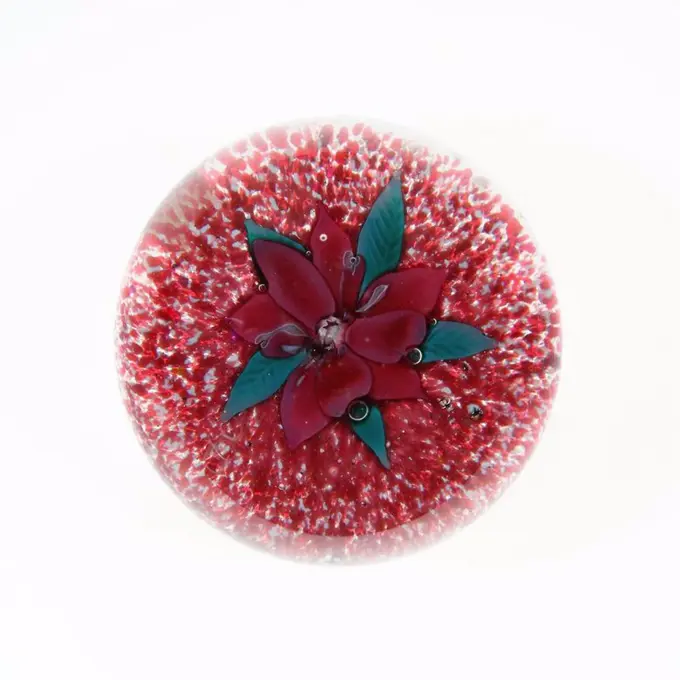
Paperweight, c. 1850, Baccarat Glass Works, 2 1/8 x 3 1/8 x 3 1/8 in. (5.4 x 7.94 x 7.94 cm), Glass, France, 19th century
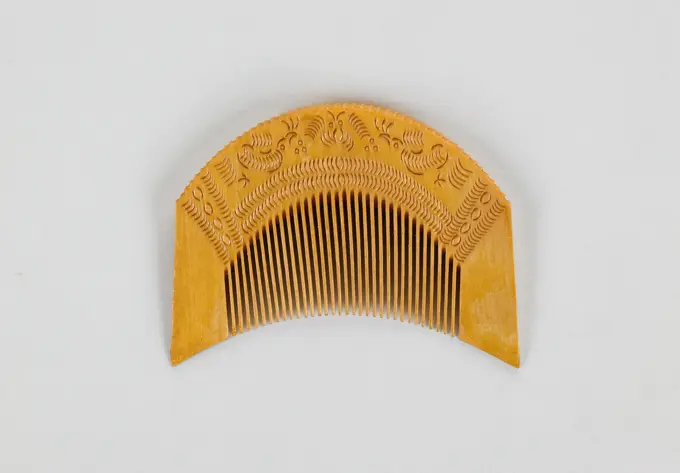
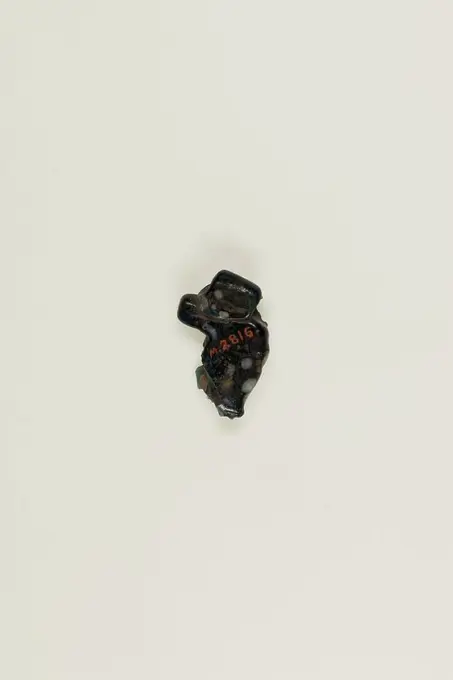
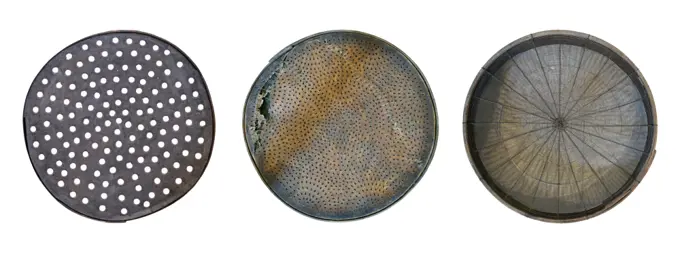
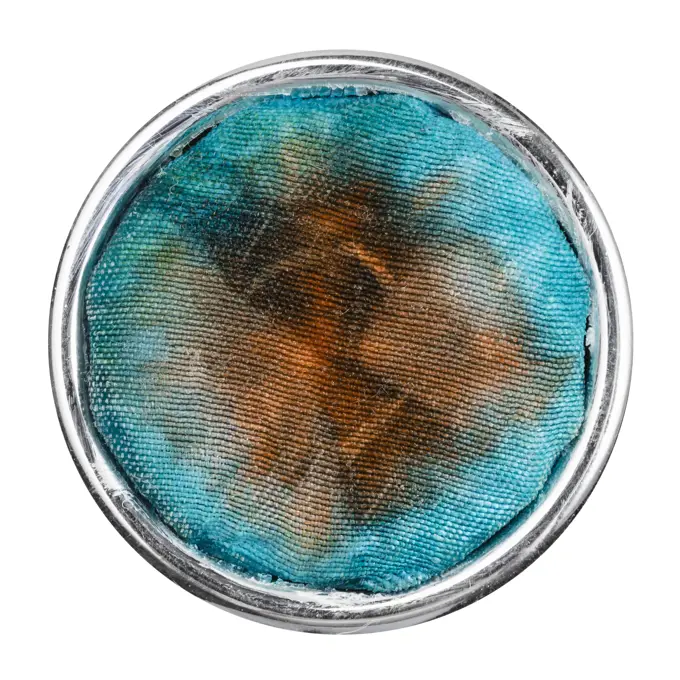
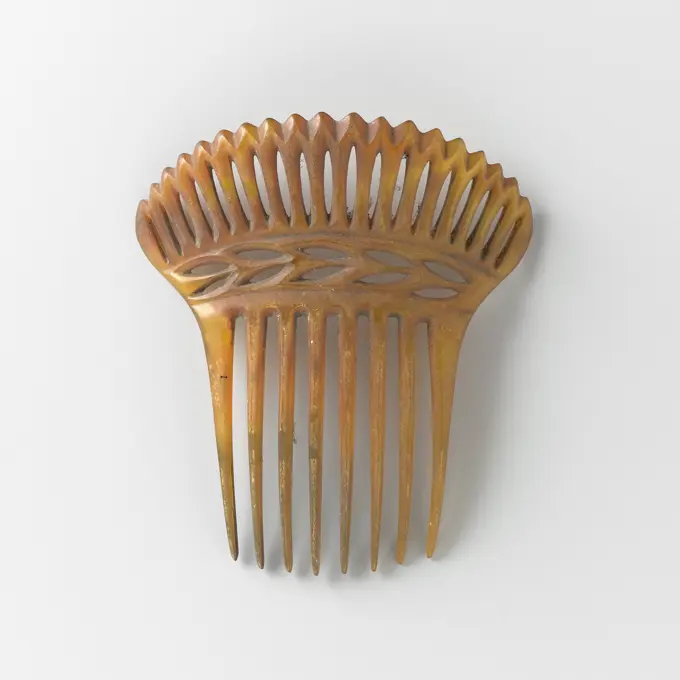
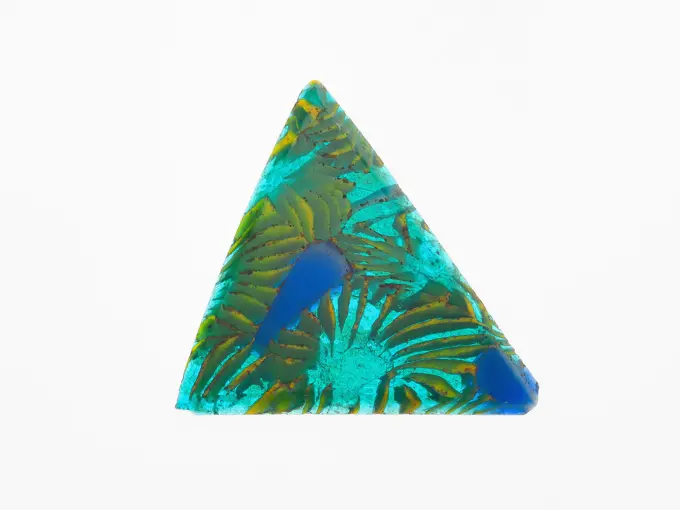
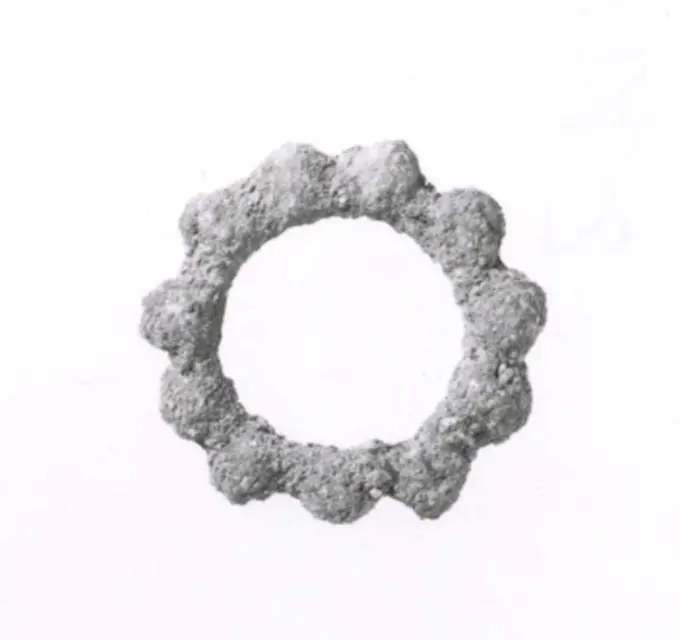
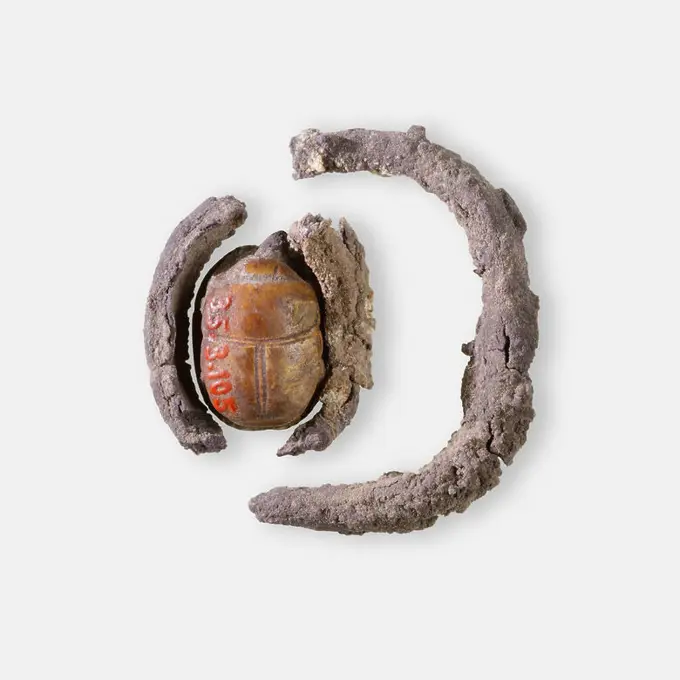
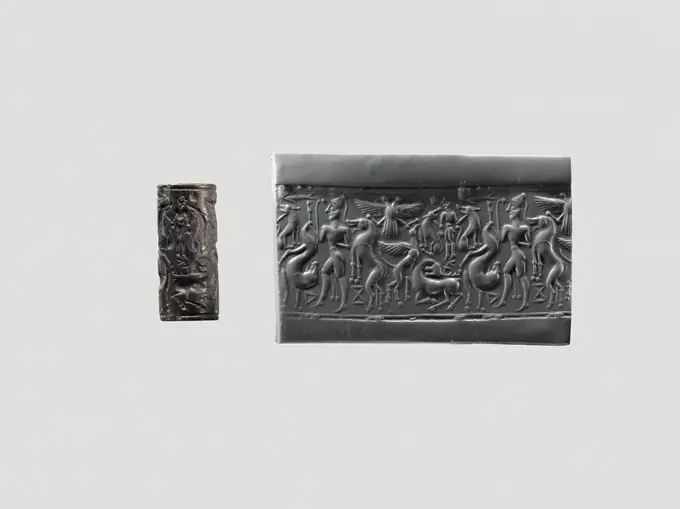
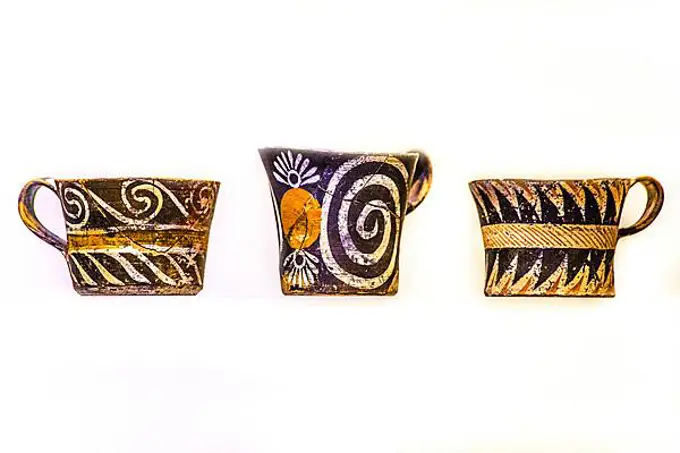
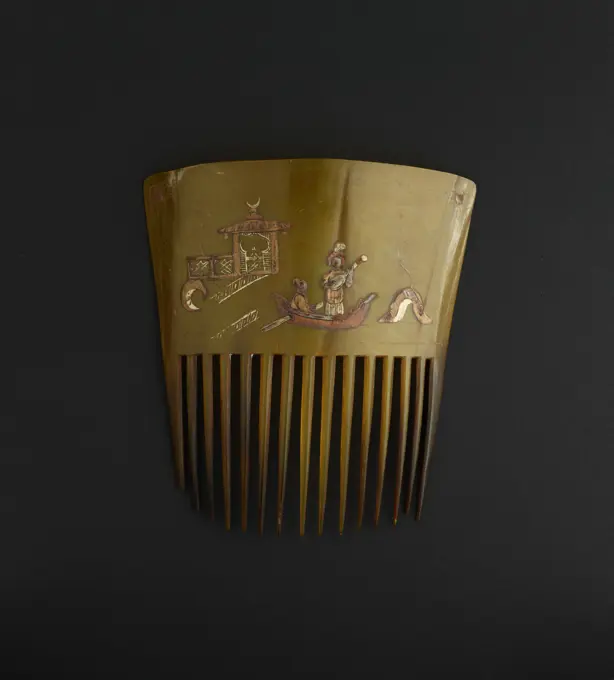
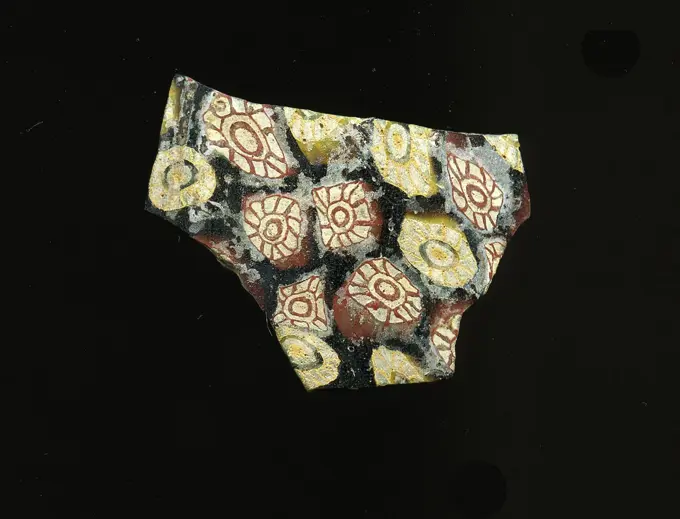
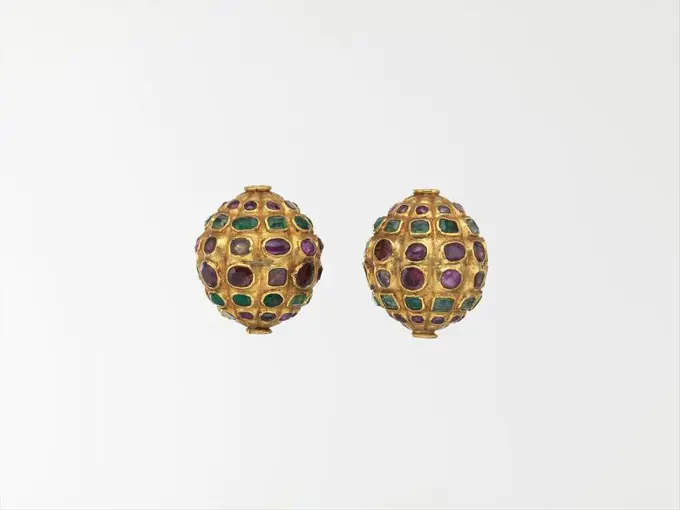
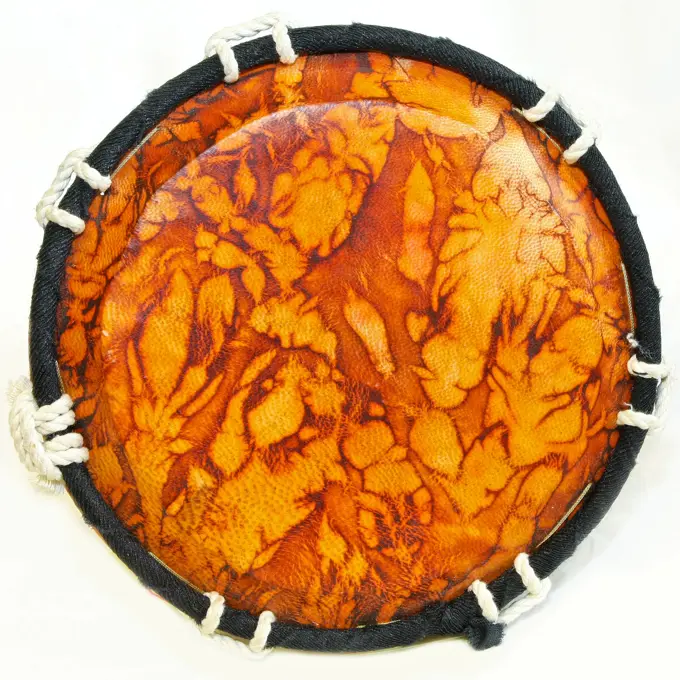
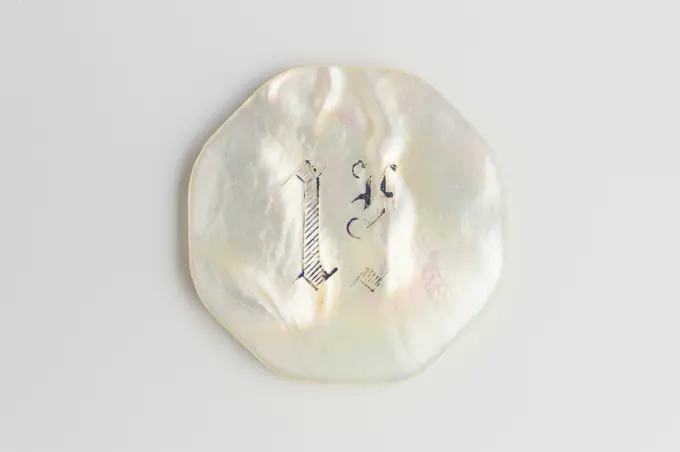
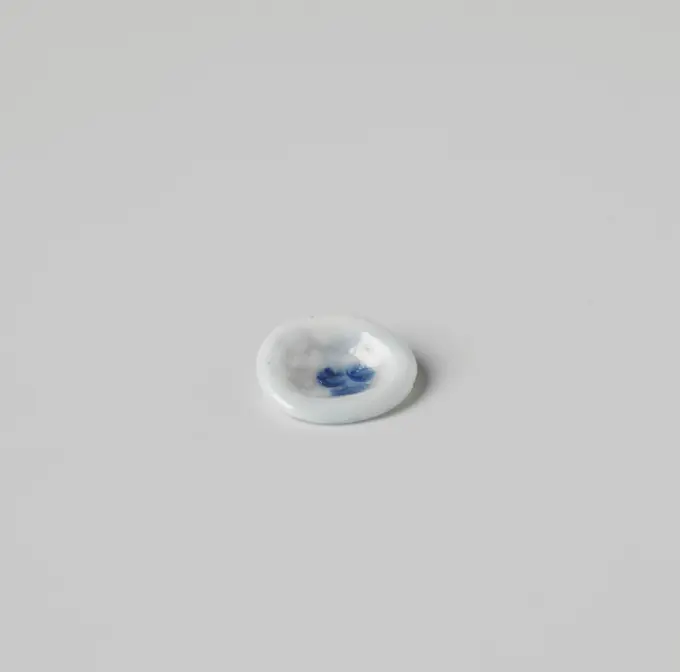
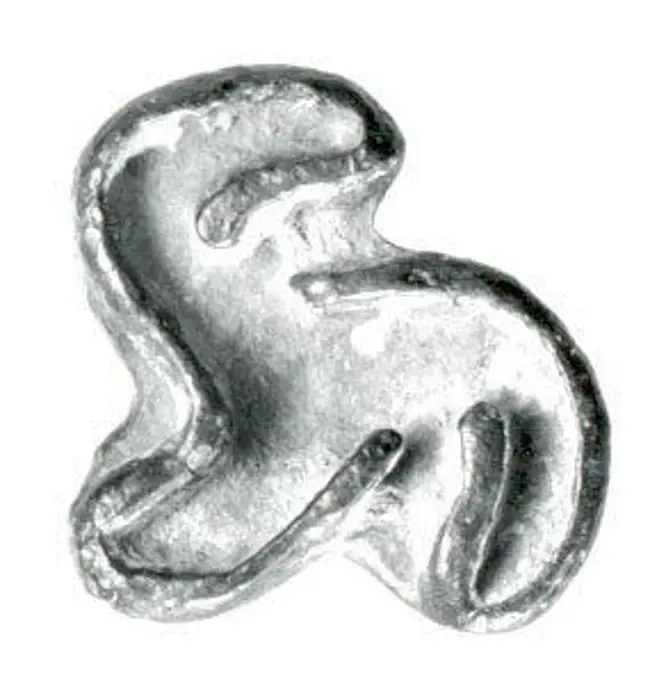
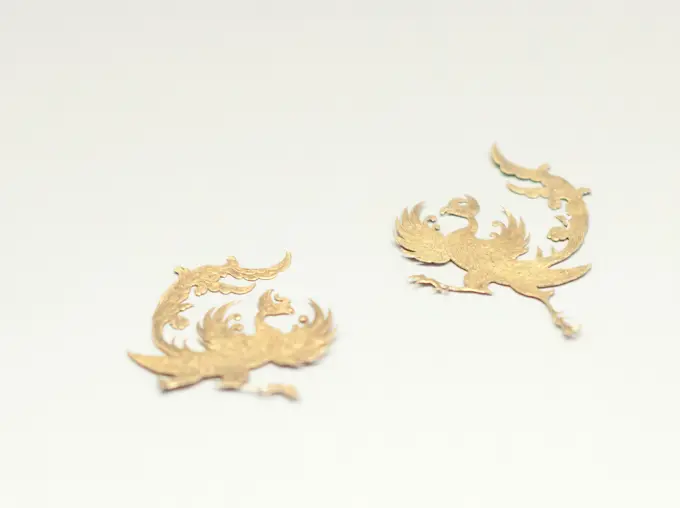
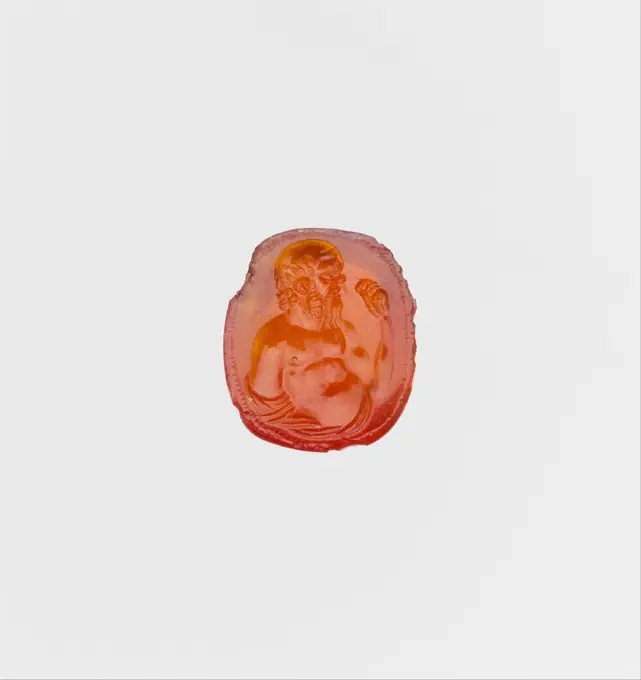
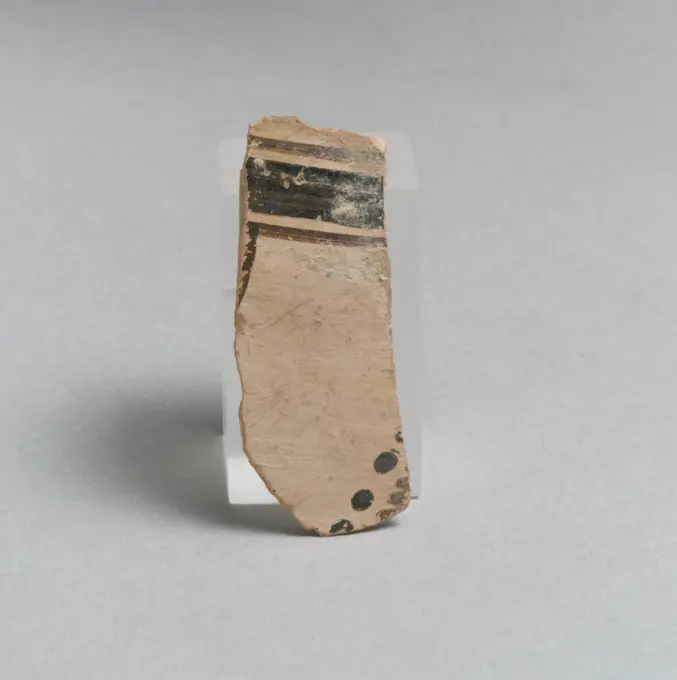
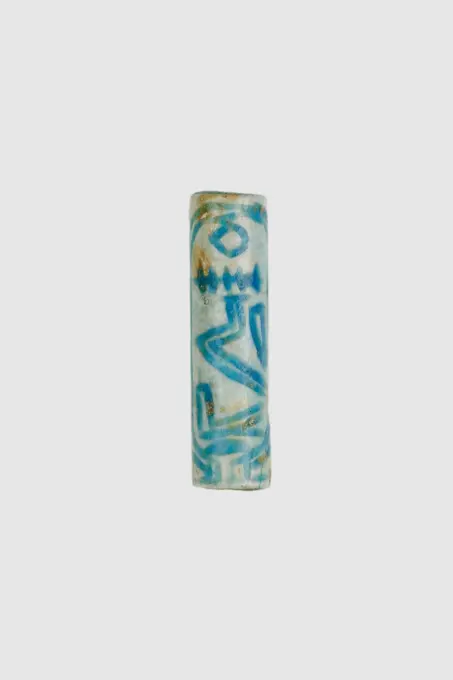
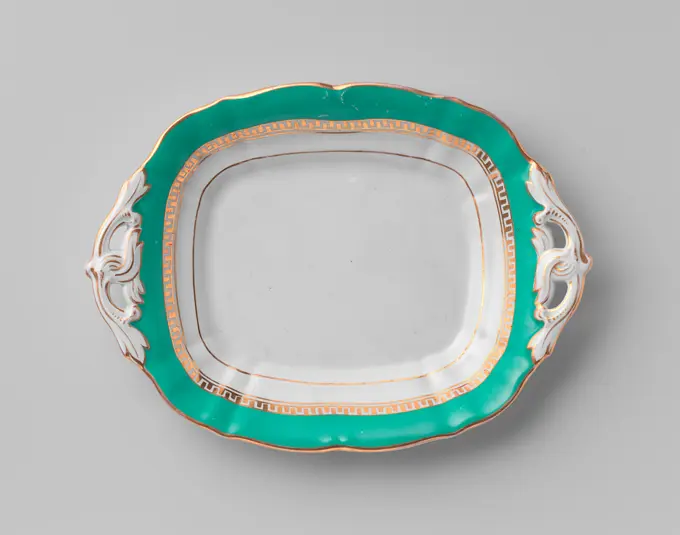
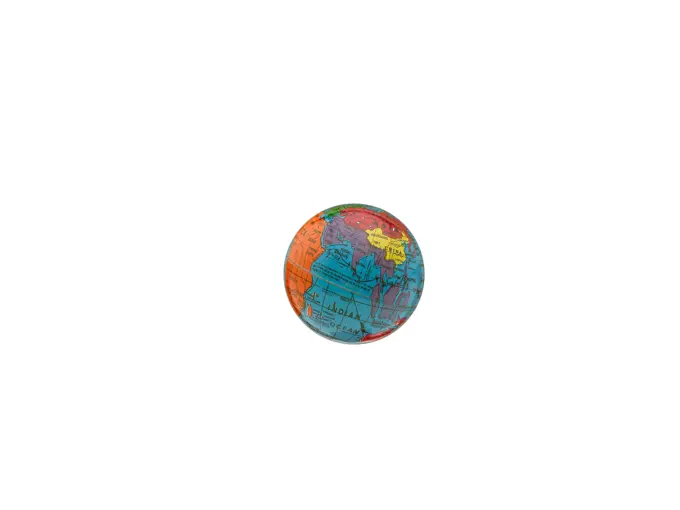
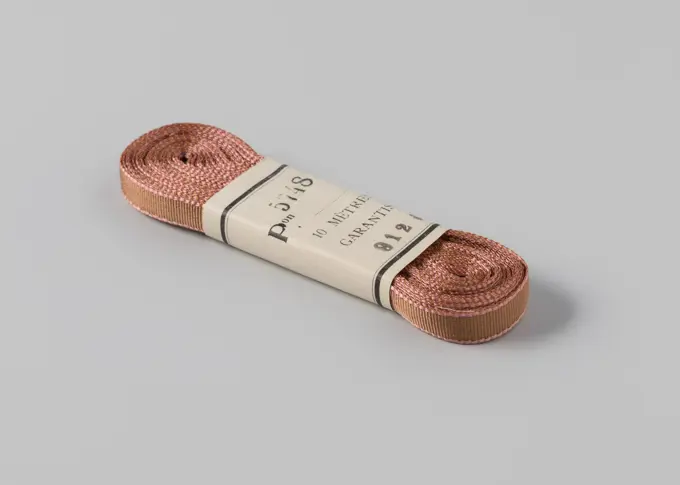
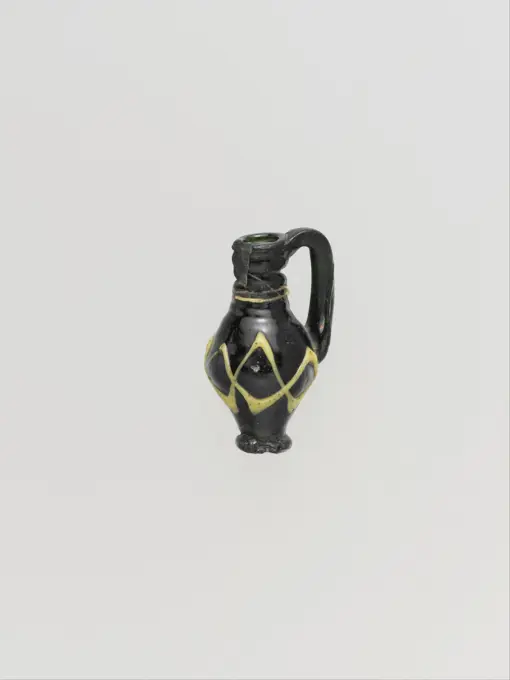
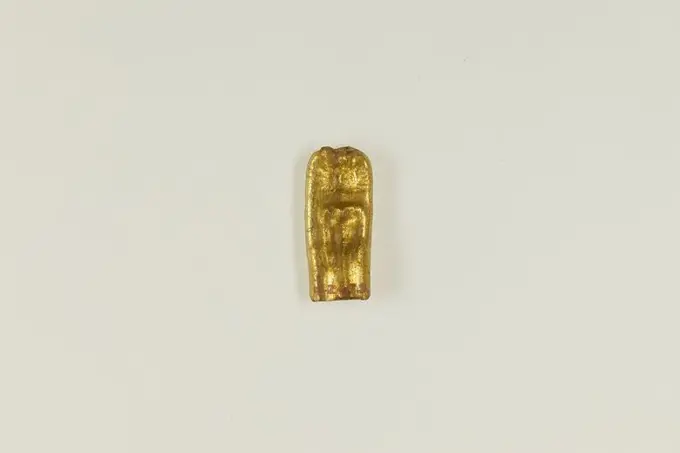
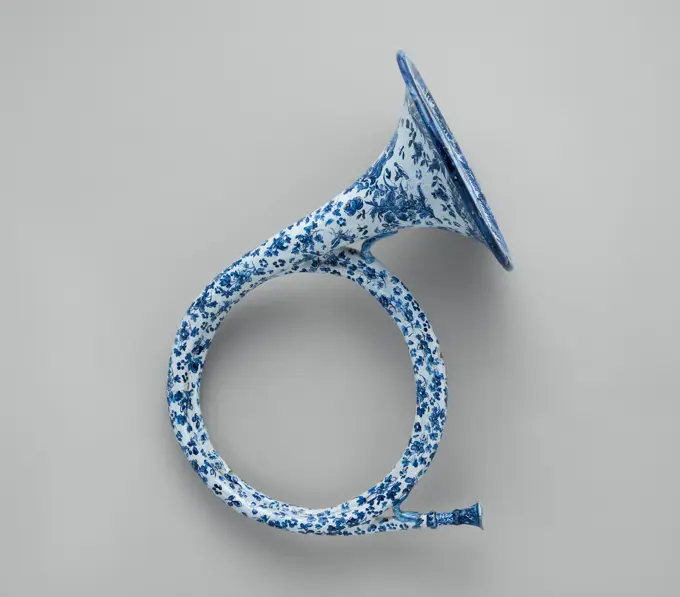
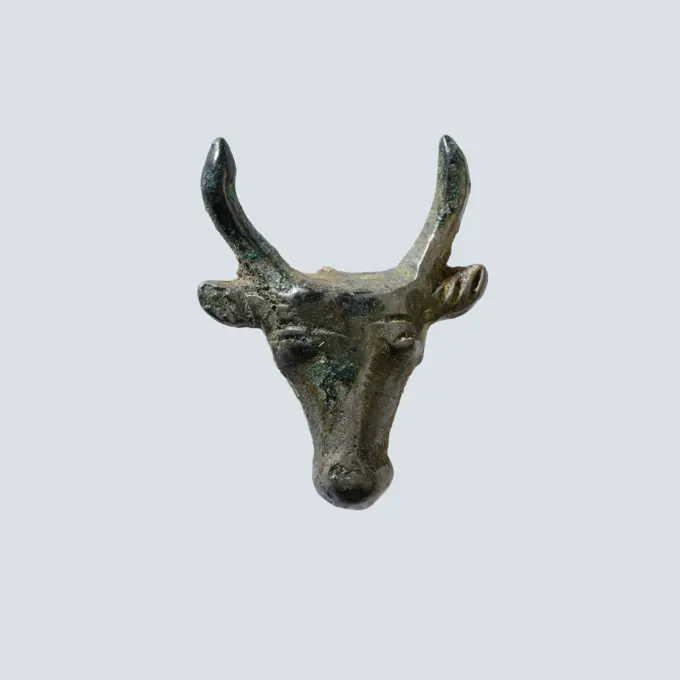
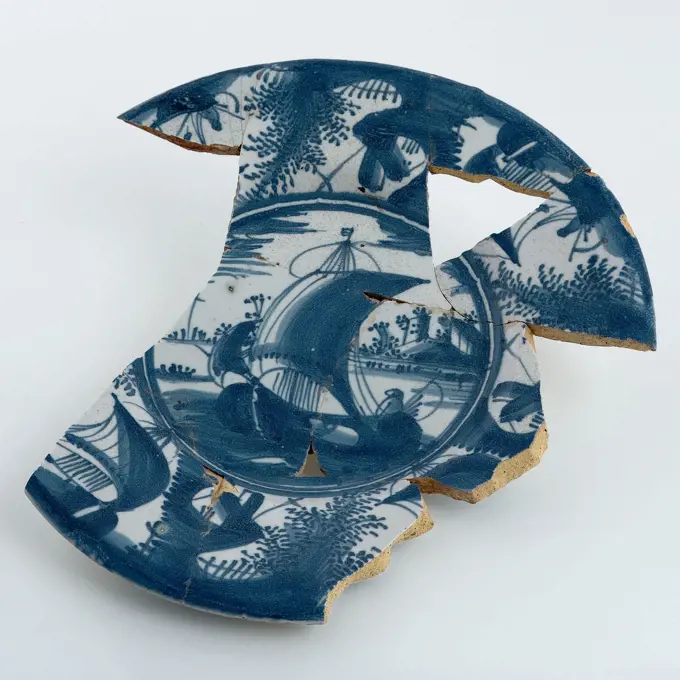
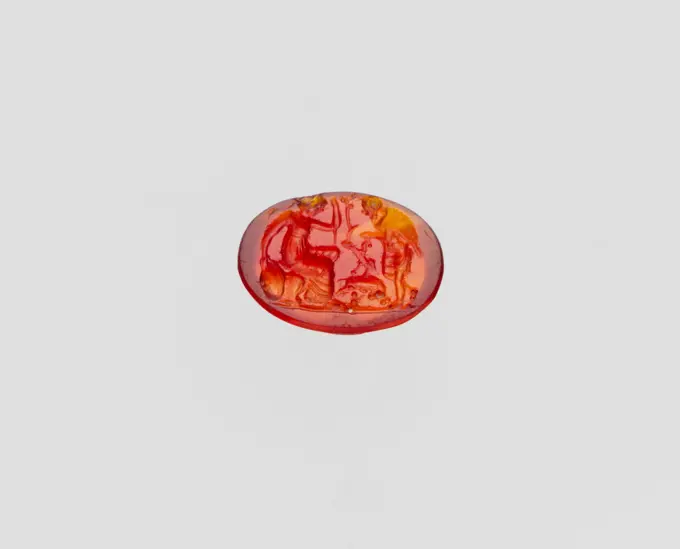
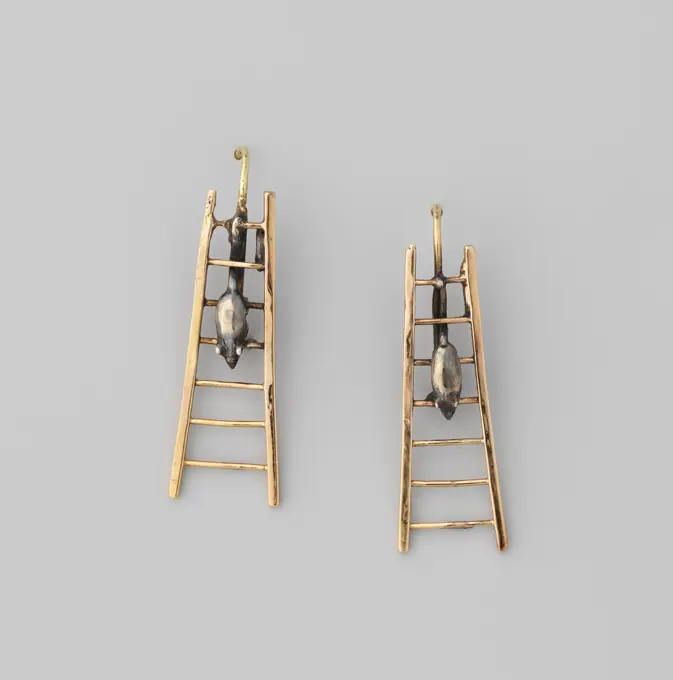
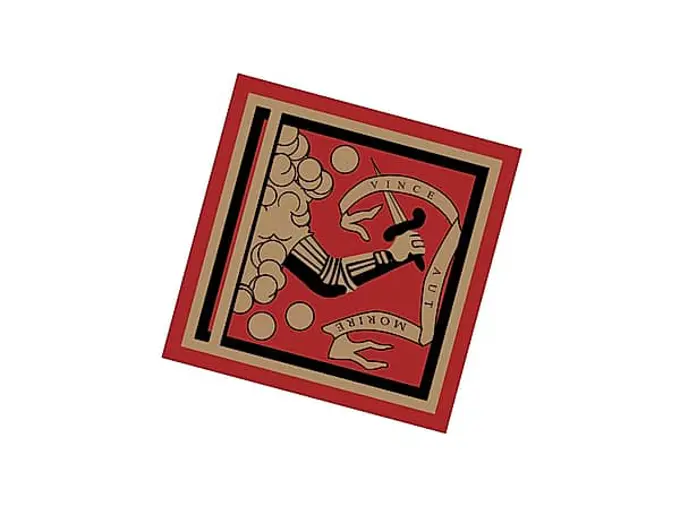
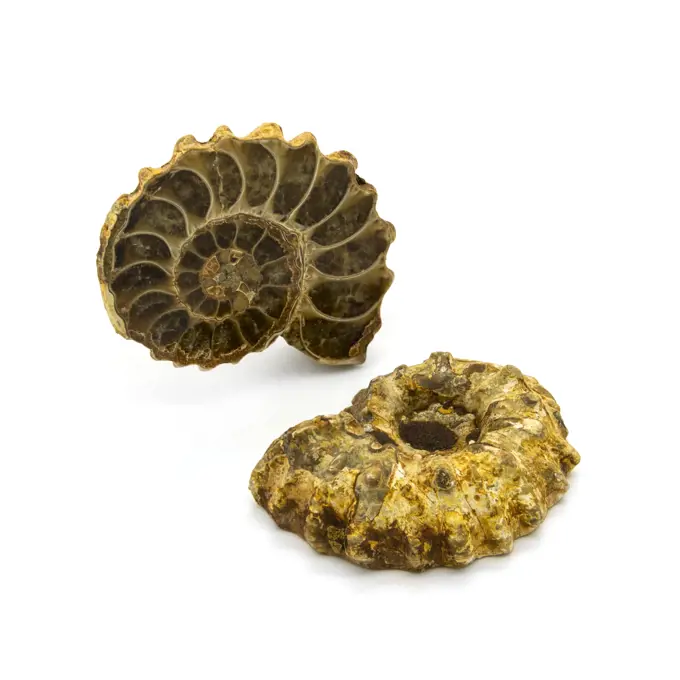
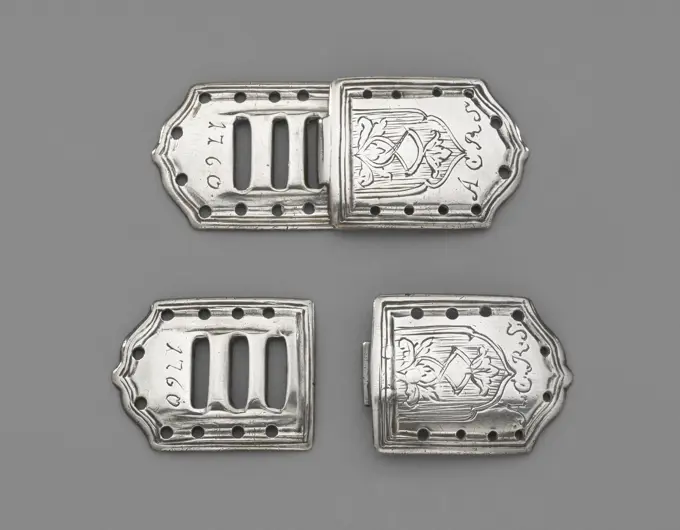
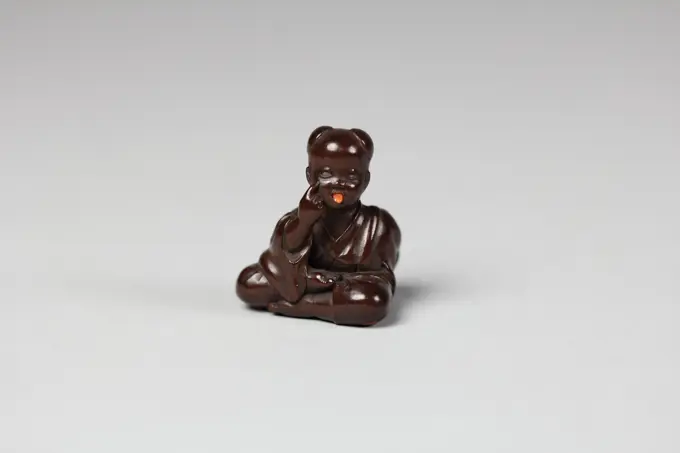
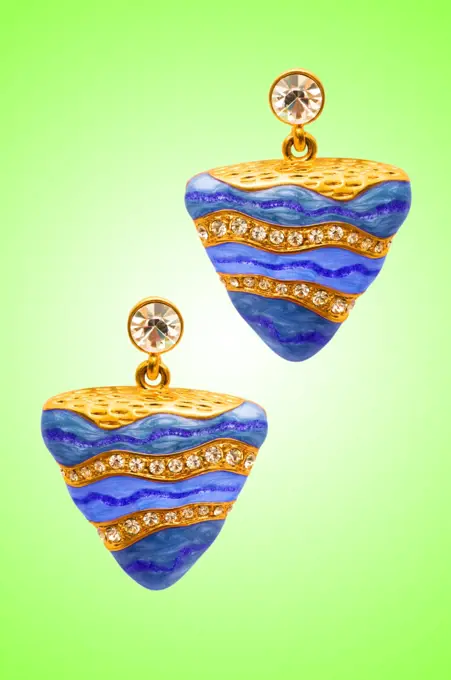
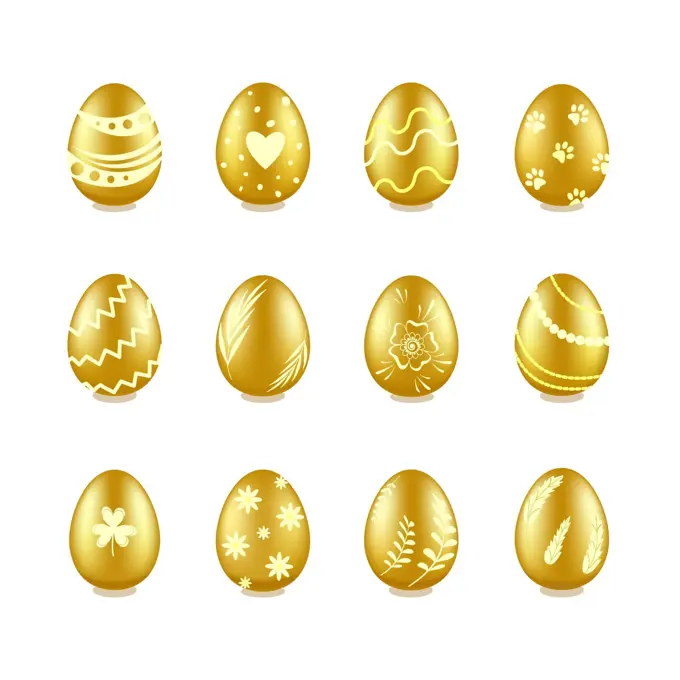
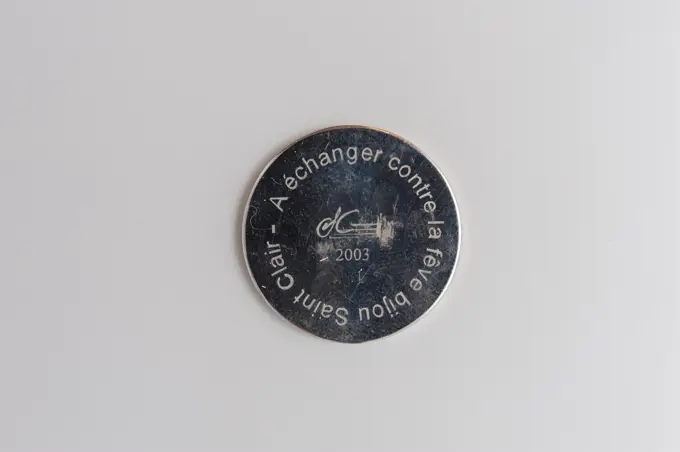
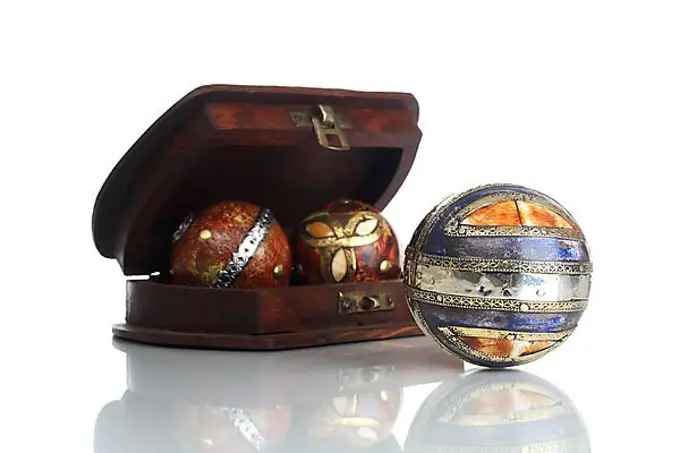
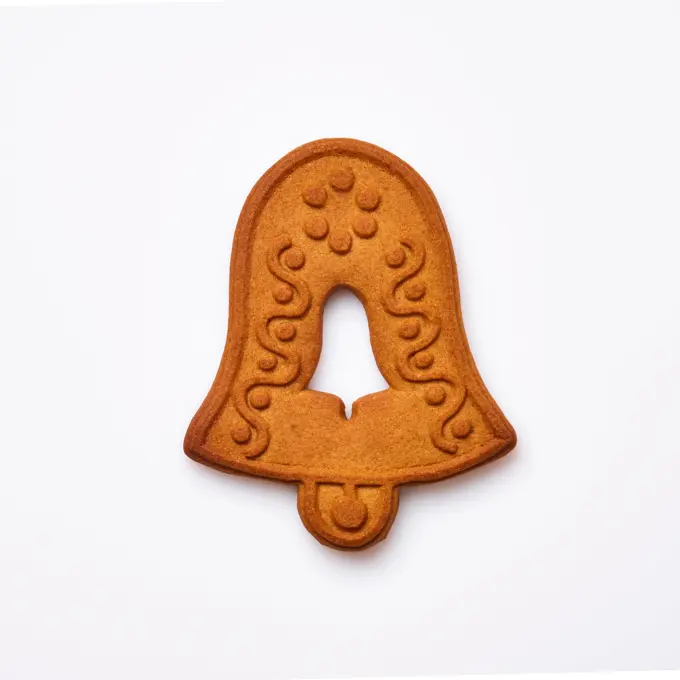
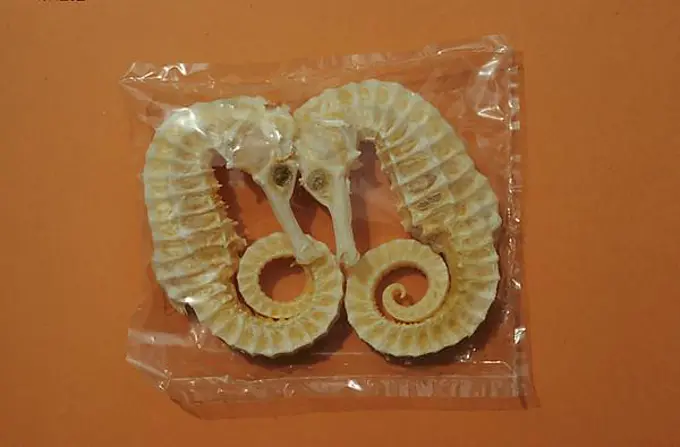
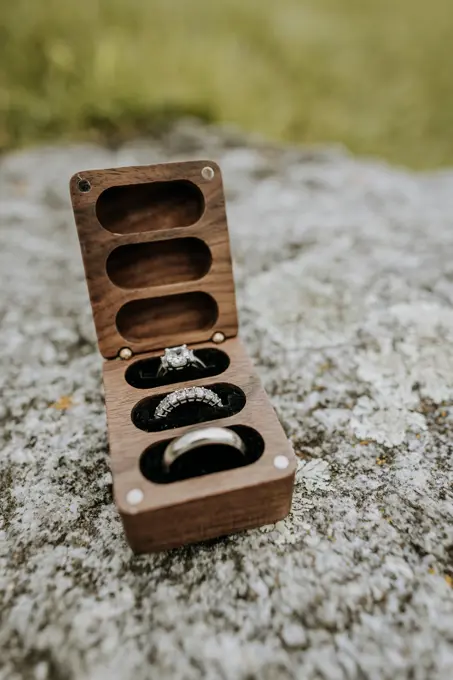
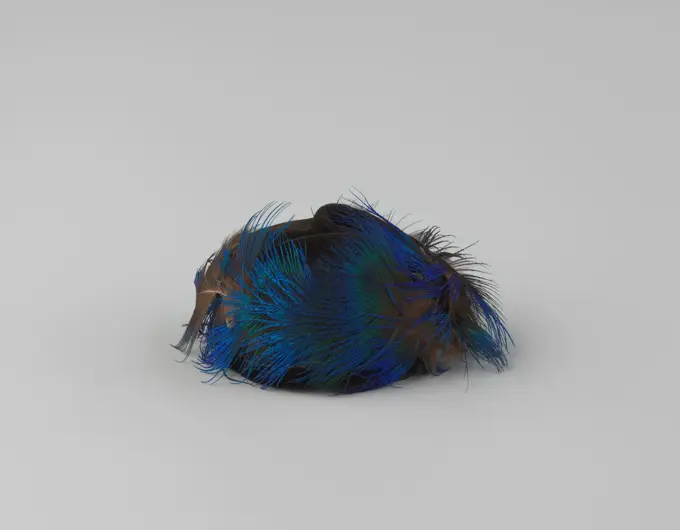
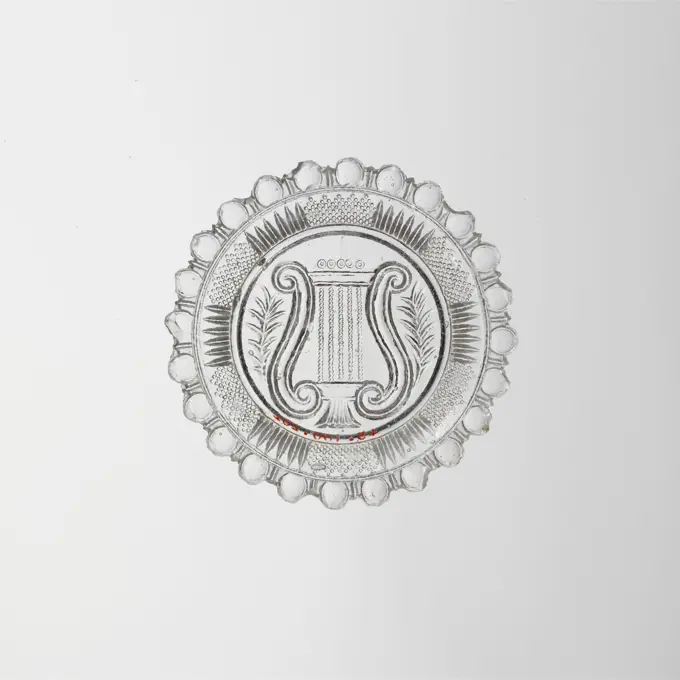
Rectangular scale of hard-baked pottery; Staffordshire .. Rectangular scale of hard-baked pottery, covered with a flamed lead glaze in gray with some blue, green, yellow and manganese. The scale includes a second bowl with Invnr. BK-1987-37-b.Tasty texture of cosmetic gel on a golden background. High quality photo.Pinion of old clock mechanism, isolated on white background Pinion of old clock mechanism, isolated on white background Copyright: xZoonar.com/OleksandrxKostiuchenkox 9785420Sparrow dancers, 19th century, Unknown Japanese, 7/8 x 1 11/16 in. (2.2 x 4.29 cm), Metal, ivory, rope, Japan, 19th centuryGlass mosaic face bead 1st century B.C.-1st century A.D. Roman, Eastern Mediterranean Translucent deep blue green ground, with details in opaque white and red, and translucent purple, appearing black.Section of an irregular oval mosaic composite bar; flat with rough edges; hole horizontally through bead.Circular face, with variations on either side; hair rendered as alternating vertical black and white stripes on forehead; almond-shaped eyes, eyebrows, nose, and open mouth in black with red lips; thick red stripe around chin; circular frame in white.Intact; pitting and severe weathering of some details.. Glass mosaic face bead. Roman, Eastern Mediterranean. 1st century B.C.-1st century A.D.. Glass. Eraly Imperial. GlassWoman's Comb, 20th century, 3 7/16 x 4 9/16 x 1/2 in. (8.7 x 11.6 x 1.3 cm), Wood, China, 20th centuryMelting euro coinPine cones on a piece of cut wood on a light brown backgroundPaperweight Made 1848-1855 Lunéville. Glass . Baccarat GlassworksAmulet, Taweret. Dimensions: l. 2.1 × w. 1.3 cm (13/16 × 1/2 in.). Date: 100 BC-100 AD. Museum: Metropolitan Museum of Art, New York, USA.Letter OConcha Belt, c. 1950, 49 1/2 in. (125.73 cm), Silver, leather, United States, 20th centurythree greek ancient bakery tools isolated over whiteWooden beads on white background. Top view. Copyright: xNehaxSadaye/DinodiaxPhotoxSaucer with household items, anonymous, c. 1775 - c. 1799  Porcelain dish with a straight wall, painted on the glaze in red, sepia and gold. A gold medallion on the flat. The inner wall is divided into courses with a scene in red and sepia alternately. The scenes show household items such as a stool, broom, pan, can, tons and bottle. Golden band on the outer edge. Paris porcelain. glaze. gold (metal) painting / gilding / vitrificationround brooch with batik hand-dyed silk insert round silver brooch with batik hand-dyed silk insert isolated on white background Copyright: xZoonar.com/ValeryxVoennyyx 18225845Paperweight 1801-1900 Clichy. This paperweight uses a traditional glass-making technique called millefiori to great effect. Italian for ìone thousand flowers,î millefiori was first developed in fifteenth-century Venice. In the nineteenth century, French glassmakers revived the technique with a cultural twist. Arranged to evoke traditional French gardens such as the Tuileries in Paris, paperweights like this example brought a little of this landscaping magic indoors.From the late 1840s to early 1860s, French manufacturers of fine glass and crystalósuch as Baccarat (Alsace), Clichy (Paris), and Saint-Louis (Lorraine)ócatered to the vast public enthusiasm for beautiful yet functional desk accessories. Paperweights, which were designed to secure loose papers against drafts, were among their most popular products.. Glass . Clichy GlasshouseTitle print for "C. Mucius Cordus, or the redemption of Rome", by Rhijnvis Feith, 1795, Reinier Vinkeles (I), 1795 print  Amsterdam paper etching Freedom, Liberty; 'Libertí' (Ripa) (+ symbolical representation of concept)Hair comb from Hoorn, with eight teeth and an ajour worked back with vertical openings, anonymous, c. 1850 Hair comb from Hoorn, with eight teeth and an ajour worked back with vertical openings ending in a zigzag list Netherlands (possibly) horn (animal material) sawing / filing / polishing Hair comb from Hoorn, with eight teeth and an ajour worked back with vertical openings ending in a zigzag list Netherlands (possibly) horn (animal material) sawing / filing / polishingShoot;  18th century (1701-00-00-1800-00-00);Paperweight 1825-1875 Bohemia. Glass .Bowl Fragment 100 BCE-100 CE Italy. In ancient Rome, there was a high demand for colorful glass that could dazzle banquet guests alongside the expensive silver and gold serving wares meant to impress. Fragments like this one would have once been a part of larger mosaic dishes. The mosaic pattern was made by sagging molten glass into bowl-shaped molds, a technique used on many of these fragments is similar to millefiori, ìthousand flowersî in Italian, a modern glass-making method in which tiny rods of colored glass are bundled together, wrapped in a sheet of glass, fused, and then thinly sliced to reveal swirls of a flower-like patterns. They were arranged side by side, sometimes together with bits of colored glass, and fused together with heat.. Glass, mosaic glass technique . Ancient RomanRing ca. 9th century B.C. Iran. Ring 325030Cigarette butts in an ashtrayWine cork front view, vector illustrationScarab Finger Ring of Neferkhawet. Dimensions: L. 1.2 cm (1/2 in.); W. 0.9 cm (3/8 in.); H. 0.7 cm (1/4 in.); W. of ring 2.7 cm (1 1/16 in.). Dynasty: Dynasty 18, early. Reign: reign of Thutmose I-early sole Thutmose III. Date: ca. 1504-1447 B.C.. Museum: Metropolitan Museum of Art, New York, USA.Cylinder seal and modern impression: hunter holding a lion; griffin attacking a stag; Master of Animals; double-headed eagle. Dimensions: 0.83 in. (2.11 cm). Date: ca. 14th century B.C..Although engraved stones had been used as early as the seventh millennium B.C. to stamp impressions in clay, the invention in the fourth millennium B.C. of carved cylinders that could be rolled over clay allowed the development of more complex seal designs. These cylinder seals, first used in Mesopotamia, served as a mark of ownership or identification. Seals were either impressed on lumps of clay that were used to close jars, doors, and baskets, or they were rolled onto clay tablets that recorded information about commercial or legal transactions. The seals were often made of precious stones. Protective properties may have been ascribed to both the material itself and the carved designs. Seals are important to the study of ancient Near Eastern art because many examples survive from every period and canPaperweight. Boston & Sandwich Glass Co.; American, 1826-1888. Date: 1870. Dimensions: Diam. 6.8 cm (2 11/16 in.). Glass. Origin: Sandwich. Museum: The Chicago Art Institute, Chicago, USA. Author: Boston and Sandwich Glass Company.Cups decorated in white and polychrome Kamares style (1800-1700 BC), Archaeological Museum with most important finds of the Minoan culture, Heraklion, Crete, Heraklion, Crete, Greece, EuropePaperweight 1843-1853 France. The colorful geometric clusters embedded in this paperweight reflect the nineteenth-century European fascination with optical effects. Sir David Brewster invented the kaleidoscope in 1815, and its colorful and changing patterns brought great visual entertainment. Paperweights such as this example reformed this childlike pastime for a sophisticated adult audience. Depicted in glass were tiny glittering flowers, small black and blue cameos of figures, and even miniature bottlecaps. These were delicately arranged within the orb for the observant eye to discover.From the late 1840s to early 1860s, French manufacturers of fine glass and crystalósuch as Baccarat (Alsace), Clichy (Paris), and Saint-Louis (Lorraine)ócatered to the vast public enthusiasm for beautiful yet functional desk accessories. Paperweights, which were designed to secure loose papers against drafts, were among their most popular products.. Glass . Baccarat GlassworksGlasherz in Watte Glasherz in Watte Copyright: xZoonar.com/lantapixx 5694150Canteen.Comb unknownFlash disk usb artwork design Royalty Free Vector ImageFragment of a vessel. A low curvature of the glass fragment allows the assignment to a vessel, possibly a shell. The black shard shows two different types of flowers in Millefiori technique: the one consist of a white point with red, white and red border to group the red dots circular as petals, the others consist of a yellow point with white, black and yellow border to represent the white dots with yellow contour the petals. For the production, different colored glasses were molded into tubes and rods. These were compressed and heated, causing a long bar. The glass sliced now had different amorphous or floral patterns. Thereafter, several of these platelets were folded together, heated again and pressed into the vascular shape. Burry for the elaborate manufacturing process and its fragility was one of the luxury articles of antiquity.Bead. Dimensions: LengtH. 1 in. (2.5 cm.)Diameter: 13/16 in. (2.1 cm). Date: 18th century.Because this bead and 1981.5.19 are the only beads of their type known to us, we can only speculate as to how they were used in combination with other elements; it is likely, however, that they were strung as a necklace and separated by pearls in multiple strands, as was common in many seventeenth- to nineteenth-century Moroccan necklaces. Although this type of pushed-up setting on a repoussé ground of thin metal is typical of Moroccan jewelry, the fine workmanship and design, including the dense setting of stones in graduated rows on the melonlike form, create an effect unparalleled in the work of this school. Museum: Metropolitan Museum of Art, New York, USA.Fragment stoneware jug with cartouche, brown glazed, dated, jug holder soil find ceramic stoneware glaze salt glaze, w 8.5 hand-turned glazed fried Fragment of stoneware jug with oval cartouche brown glazed. Cartouche shows under the year the top of coat of arms in the middle of armor and plumes. year in cartouche: 1599 archeology Rotterdam City Triangle Schielandshuis uitheems pottery import packaging store drink transport Soil discovery: Schielandshuis Rotterdam.Moroccan drum Traditional Moroccan drum made from camel leather Copyright: xZoonar.com/Baloncicix 7046614Paullinia cupana, GuaranaPlanets-manager. Cornalet Collection Sites 2013-2016. Numismatic.Dish, white, painted in blue, anonymous, c. 1675 - c. 1699 Saucer of milk glass with blue email paint painting; Double layer and hollow on the inside. Amsterdam (possibly)Haarlem (possibly) glass Saucer of milk glass with blue email paint painting; Double layer and hollow on the inside. Amsterdam (possibly)Haarlem (possibly) glassRound wooden saw cut cylinder shape on beige background abstract background. Minimal box and geometric podium. Scene with geometrical forms. Empty showcase for eco cosmetic product presentationShard of a plate from the wreck of the East India hollandiaia. Porcelain, plate, type 2; Fragm or Rim, SIM. NG 1980-27H2624H.Stamp seal ca. late 3rd-early 2nd millennium B.C. Bactria-Margiana Archaeological Complex. Stamp seal. Bactria-Margiana Archaeological Complex. ca. late 3rd-early 2nd millennium B.C.. Copper alloy. Bronze Age. Bactria-MargianaHair comb of turtle with plain, half oval back and scaly edge, seven teeth, anonymous, c. 1800 - c. 1824 Hair comb made of turtle with plain, parabolic back in which two jobs in relief, four teeth. Netherlands (possibly) . sawing / filing / polishing Hair comb made of turtle with plain, parabolic back in which two jobs in relief, four teeth. Netherlands (possibly) . sawing / filing / polishingOrnament, one of four, 7th-10th century, 2 x 1 1/2 in. (5.1 x 3.8 cm), Gold, China, 7th-10th centuryCarnelian engraved gem with a portrait of Sokrates. Culture: Roman. Dimensions: Overall: 9/16 x 7/16 in. (1.4 x 1.1 cm). Date: ca. 1st century B.C.-1st century A.D..The fifth century B.C. Greek philosopher Sokrates is represented reclining with one hand raised. He is bearded and bald and has the broad bulbous nose that is said to have likened him to a silenus. The type of head resembles that generally identified as a work of the early Hellenistic period, perhaps by Lysippos. Museum: Metropolitan Museum of Art, New York, USA.Halloween skull on white background Stack of dice, Elevated ViewDish with Abstract Design second half of the 17th century Japan. Dish with Abstract Design 52271Round wooden saw cut cylinder shape on blue background. Minimal box and geometric podium. Empty showcase for eco cosmetic product presentationVase fragment Greek, Laconian. Vase fragment 251283 Greek, Laconian, Vase fragment, Terracotta, 2 3/8 x 7/8in. (6 x 2.2cm). The Metropolitan Museum of Art, New York. Gift of A. J. B. Wace, 1923 (23.119.7). Golden watch with white enamel dial. An adornment in translucid email in the middle with a medallion with roses and forget-me-staples.colorful jasper in front of white backgroundCylinder seal with name of Amenemhat III ca. 1981-1640 B.C. Middle Kingdom. Cylinder seal with name of Amenemhat III. ca. 1981-1640 B.C.. Bright blue glazed steatite. Middle Kingdom. From Egypt, Memphite Region, Lisht South, tomb of Senwosretankh, Surface burial 55, MMA excavations, 1932-33. Dynasty 12-13Scale, elongated, with green edge and golden Greek band. Scale of pottery, elongated, scalloped, with green edge and golden Greek tie.Three golden heart-shaped gift boxes, stackedGlobe on white background Copyright: xVirenxDesai/DinodiaxPhotoxRibbon in paper tire, light brown on both sides pink, c. 1890 - c. 1935 Ribbon in paper tire, light brown on both sides pink. NijmegenFrance (possibly) textile materials. paper Ribbon in paper tire, light brown on both sides pink. NijmegenFrance (possibly) textile materials. paperGlass pendant in the form of a miniature jug 4th-5th century A.D. Roman Semi-opaque dark green, appearing opaque black; handle in same color; trails in opaque yellow.Biconical body; rounded rim; slender cylindrical neck with spiral ribbing; pad base; handle applied to body over decoration, drawn up vertically, turned in, and attached to rim.Fine trail wound twice round lower part of neck; on body, double zigzag trails forming lozenge pattern.Body intact, but chip in neck and rim and in base; faint dulling and slight pitting.One-handled vase; opaque black with yellow threads applied plastically.. Glass pendant in the form of a miniature jug 245314Paper boatBead with figure. Dimensions: H. 2.2 × W. 1 cm (7/8 × 3/8 in.). Date: 100 BC-100 AD.Gold glass beads were a Hellenistic development. They were created by combining drawn tubes of colorless glass with gold foil. The earliest examples were finished bead by bead. These are all modern stringings; most ancient stringing patterns are lost as the string decays. Museum: Metropolitan Museum of Art, New York, USA.An Easter biscuitCeramic Horn late 18th or early 19th century French This hunting horn of glazed earthenware was intended for decorative display and bears an unidentified coat of arms.. Ceramic Horn. French. late 18th or early 19th century. Glazed pottery. France. Aerophone-Lip Vibrated-hornBraceletBull's head 664-30 B.C. Late Period-Ptolemaic Period This bull's head - termed a boukranion - is flat on the back except for a loop. The purpose is unknown; terracotta boukrania were used as coffin ornaments at Naukratis, a Greek-Egyptian emporium in the Egyptian western Delta, and metal ones are used as appliqués in Greek culture.. Bull's head. 664-30 B.C.. cupreous metal. Late Period-Ptolemaic Period. From EgyptBlue-white faience plate on stand, river views as decor, underside Wanli decor, plate crockery holder soil find ceramic earthenware glaze tin glaze, hand turned fried glazed painted baked Faience plate on stand In the soul and along the edge decorated with blue decor sailing ships in river landscape In tube fried Little upright rim and wide flag. Decorated with Chinese decor in the style of the period wanli archeology Rotterdam Stadscentrum Stadsdriehoek Nieuwehaven indigenous pottery serving serve serving food Soil discovery: Nieuwe Haven 1st cesspool (around) 21-08-1980Carnelian oval engraved gem 1st century B.C.-1st century A.D. Roman The Roman she-wolf suckles Romulus and Remus under a tree, in the presence of the goddess Roma and the shepherd Faustulus.. Carnelian oval engraved gem. Roman. 1st century B.C.-1st century A.D.. Carnelian. Late Republican or Early Imperial. GemsFew earrings "mousetrap", anonymous, c. 1947 - c. 1960 Ear hangers of silver and gold. The individual earrings consist of a golden staircase with a mouse of silver on it, with a hook. No responsibility signs, different soldering. United Kingdom gold (metal). silver (metal) soldering Ear hangers of silver and gold. The individual earrings consist of a golden staircase with a mouse of silver on it, with a hook. No responsibility signs, different soldering. United Kingdom gold (metal). silver (metal) solderingPaperweight, c. 1850, Saint Louis Glass Works, 2 3/8 x 3 3/8 x 3 3/8 in. (6.03 x 8.57 x 8.57 cm), Glass, France, 19th centuryRotated to right, US Flag 1775 Bedford, Logocircle daisy flower budsTwo ammonites on a white background.Ear Ornament, c. 4th century BCE - 1st century CE, 1-1/2 x 1 x 3/8 in. (3.8 x 2.5 x 1 cm), Glass, Thailand, 5th century BCE - 1st century CEPair of two-partbuckles.   Maker: Philip Syng, Jr., American, 1703-1789Netsuke 18th century Japan. Netsuke 59115Paperweight 1840-1865 France. Technological improvements to optical scientific instruments in the mid-nineteenth century spurred a veritable obsession across Europe with identifying and classifying the natural world. Amateur botanists were eager to collect and preserve floral specimens, which they intently researched and catalogued. In response to this broad appeal, French glassmakers made paperweights that portrayed the very botanical subjects that were so enthusiastically sought. Many weights represented specimens with horticultural correctness, but others were entirely fanciful creations. Paperweights like this example speak to the periodís fascination with taxonomic systems.From the late 1840s to early 1860s, French manufacturers of fine glass and crystalósuch as Baccarat (Alsace), Clichy (Paris), and Saint-Louis (Lorraine)ócatered to the vast public enthusiasm for beautiful yet functional desk accessories. Paperweights, which were designed to secure loose papers against drafts, weRed airplane and crumpled paper on a white backgroundSticker of human intestines. Vintage anatomy engraving sketch organ isolated on white background. Good idea design retro medicine poster in hand drawn style. Anatomical body part vector illustrationJewellery concept with nice earringsRealistic golden Easter eggs with floral and geometric patternsCarnavalet Museum, Medals CollectionFortune balls in boxNeujahrs-Lebkuchen oder Weihnachtsglocken förmige Kekse isoliert auf weißem Hintergrund. Quadratisches Bild. Ansicht von oben. Neujahrs-Lebkuchen oder Weihnachtsglocken förmige Kekse isoliert auf weißem Hintergrund. Quadratisches Bild. Ansicht von oben. LicenseRF Copyright: xZoonar.com/KatsiarynaxHuravax 23305633Christmas decorationSeahorse (dried)engagement ring and wedding bands in wood box on rock outsideElectrical outlet covered with grass against white backgroundTacksHat with Blue Feathers, Anonymous, 1870 - 1880 Hat with blue feathers. Belonging to POP 15444.  velvet (fabric weave) Hat with blue feathers. Belonging to POP 15444.  velvet (fabric weave)Cup Plate 1825-60 American. Cup Plate 2942Silver and gold Easter Eggs Set, Silver trendy style eggs Set, Clipping path