Historical Artifact Fragments

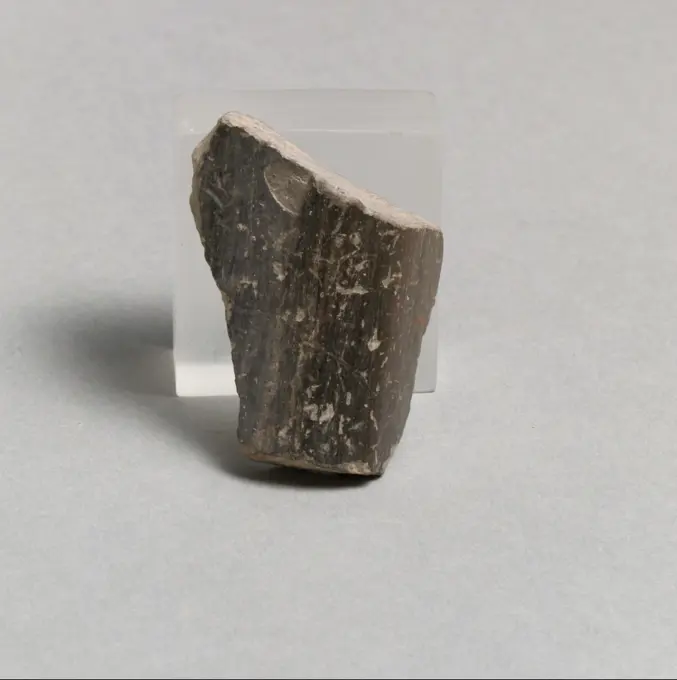
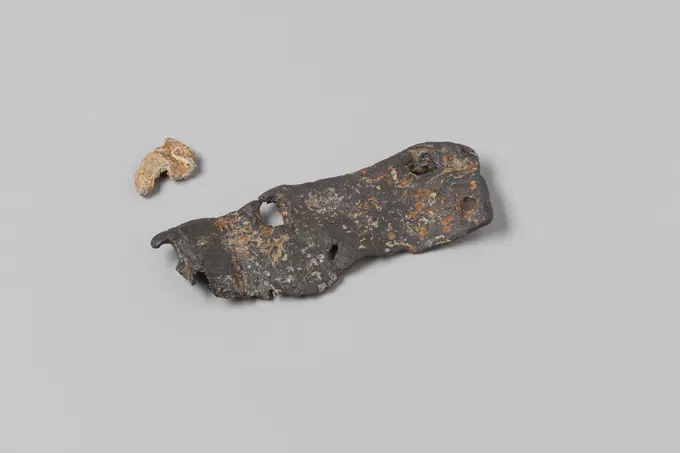
Collection of historical metal and wood fragments, showcasing eroded materials from different periods, including copper and wood artifacts.
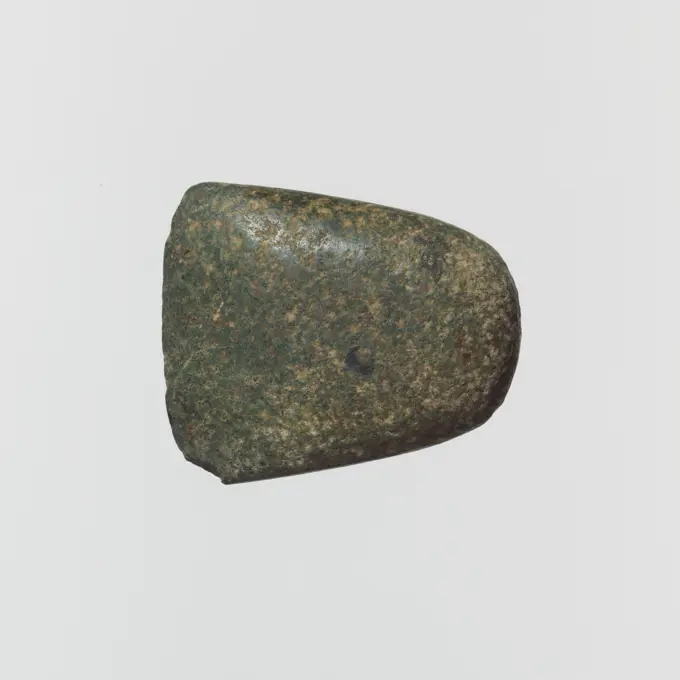
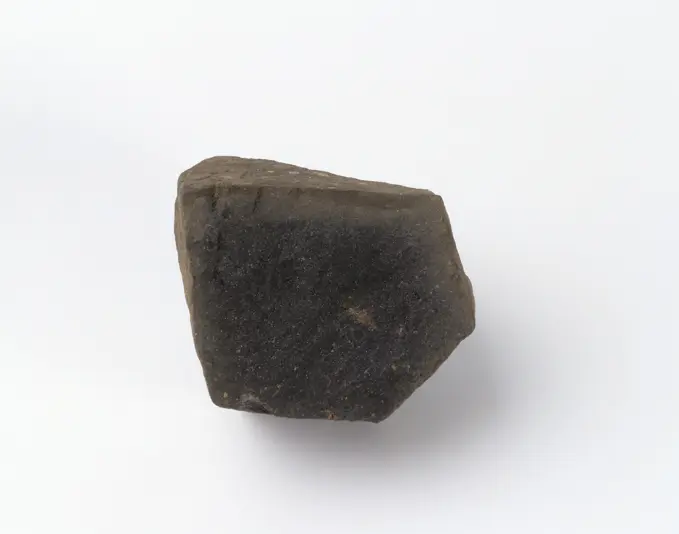
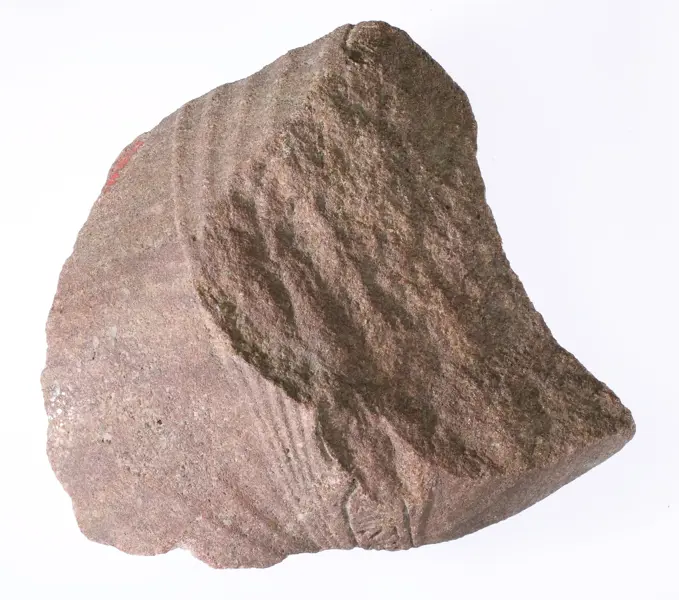
Small stone axe 5th-3rd millennium B.C. Greek Neolithic Celt.. Small stone axe. Greek Neolithic. 5th-3rd millennium B.C.. Stone. Neolithic. Miscellaneous-Stone
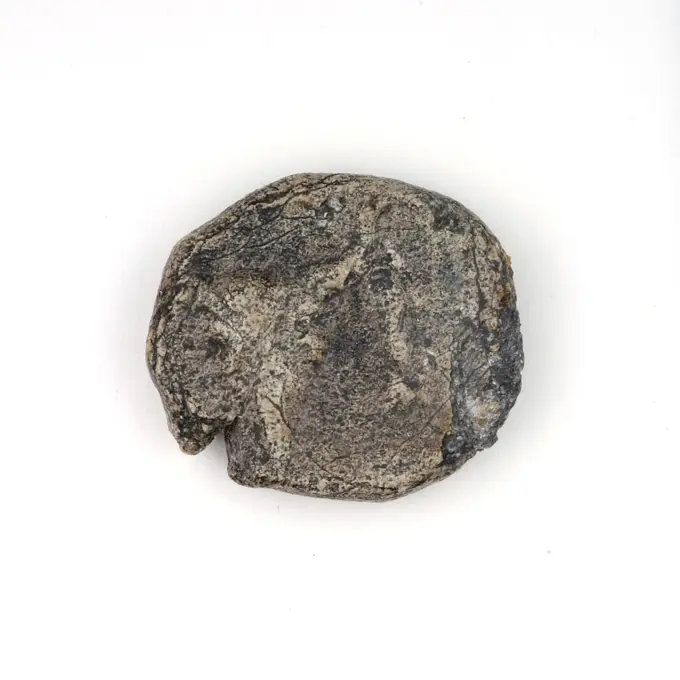
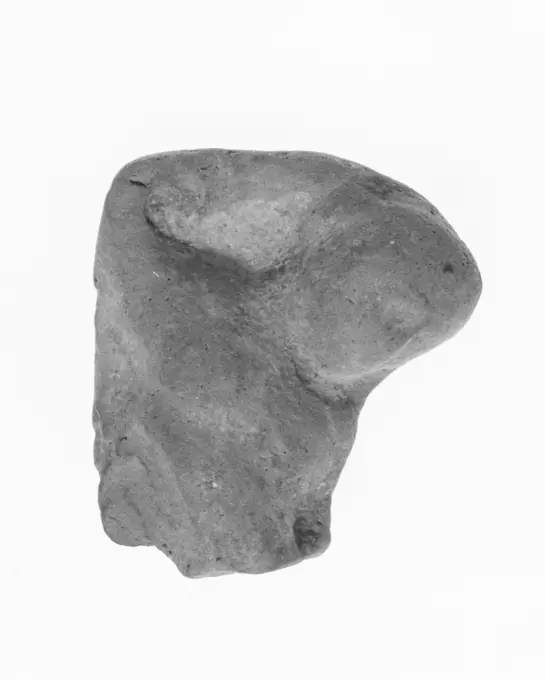
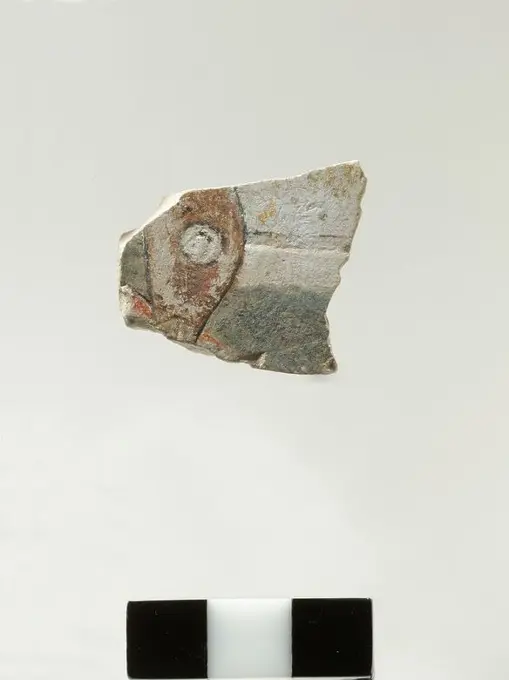
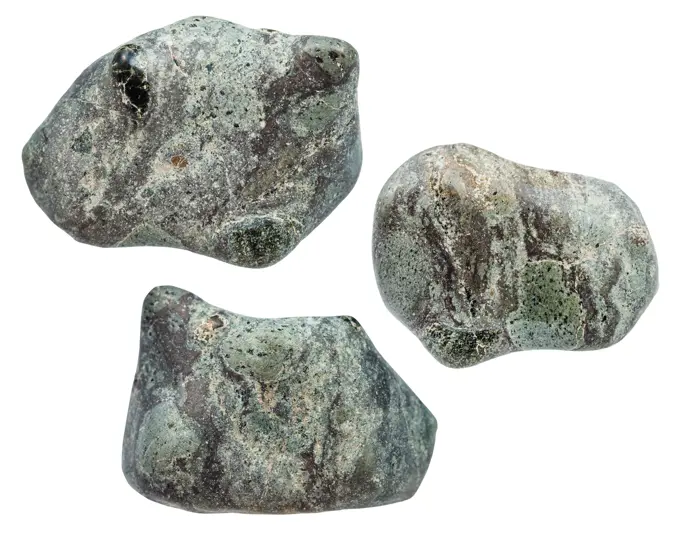
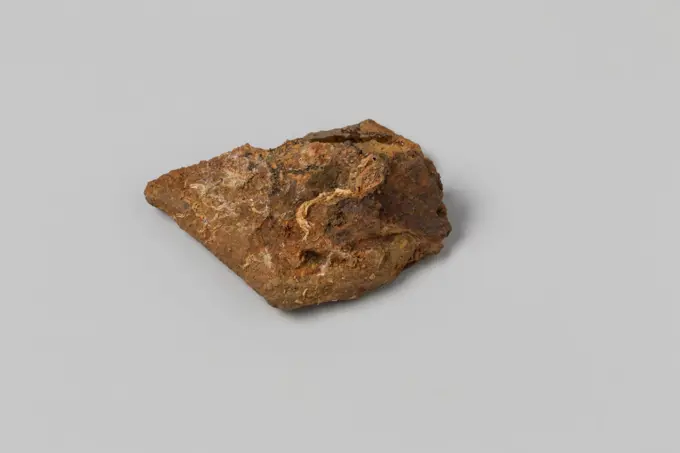
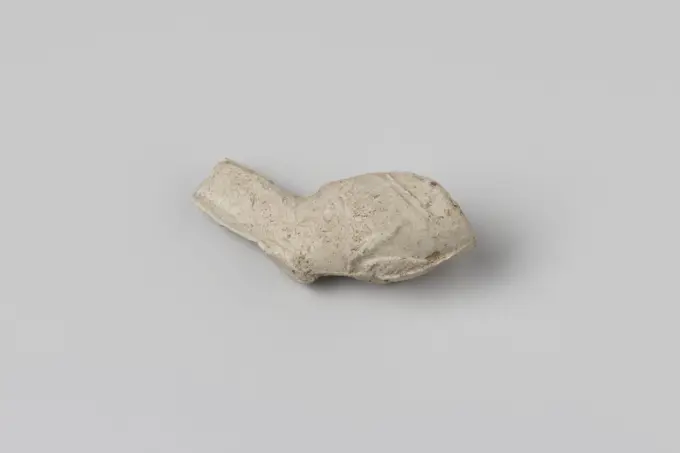
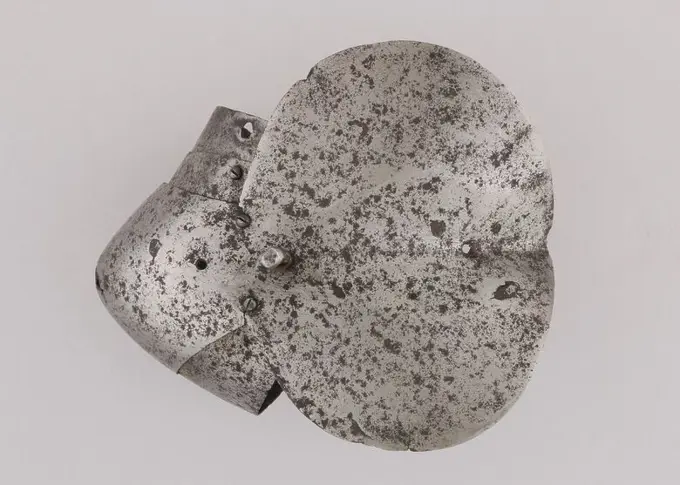
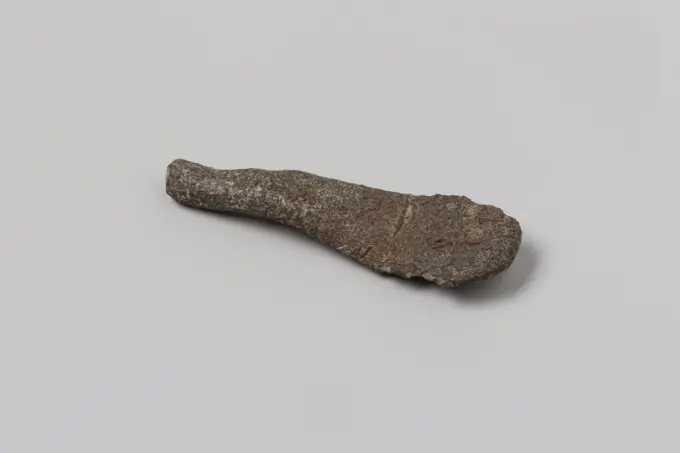
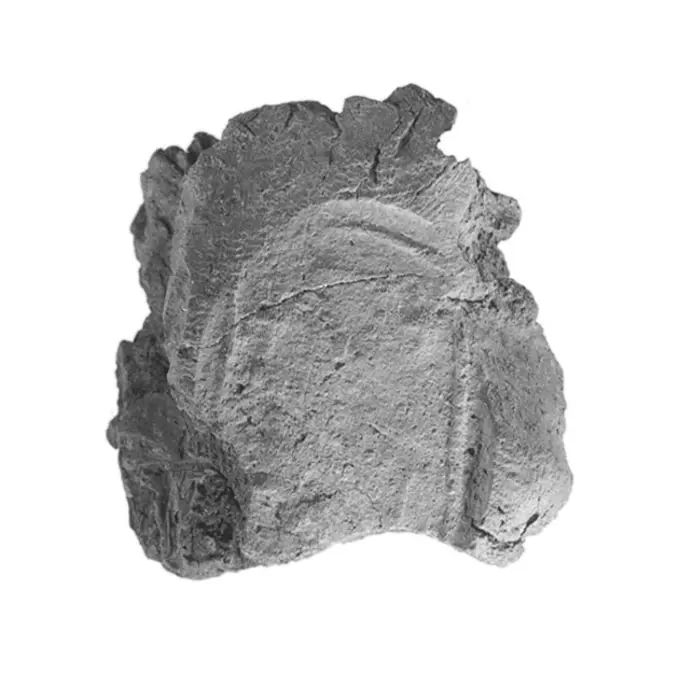
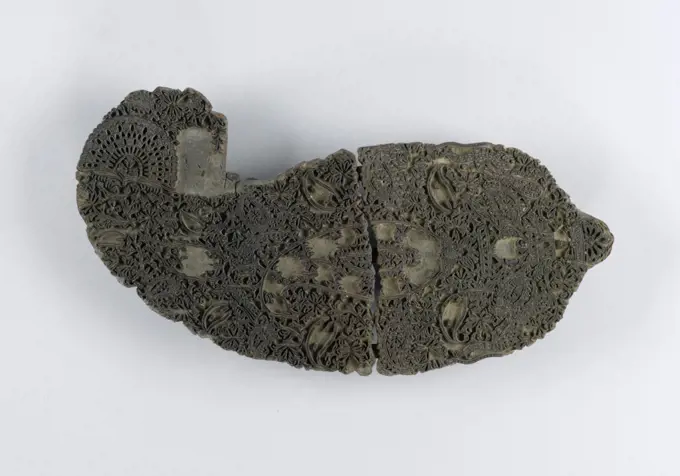
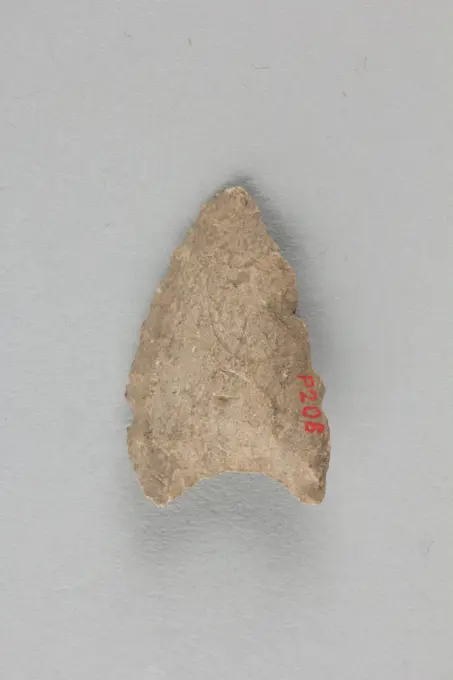
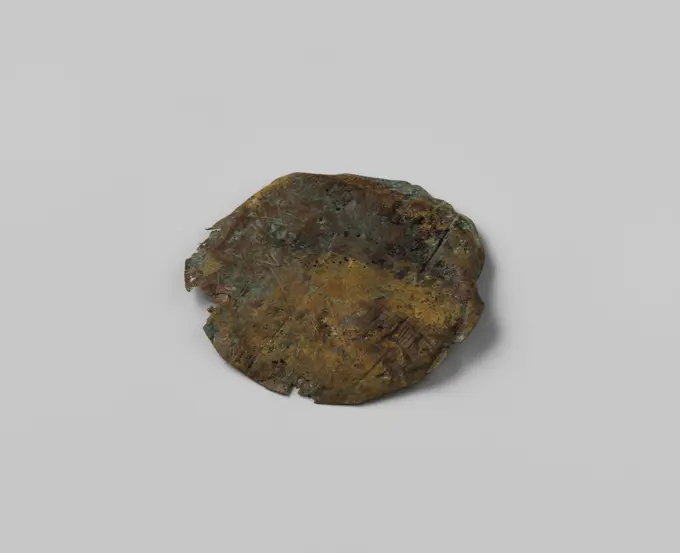
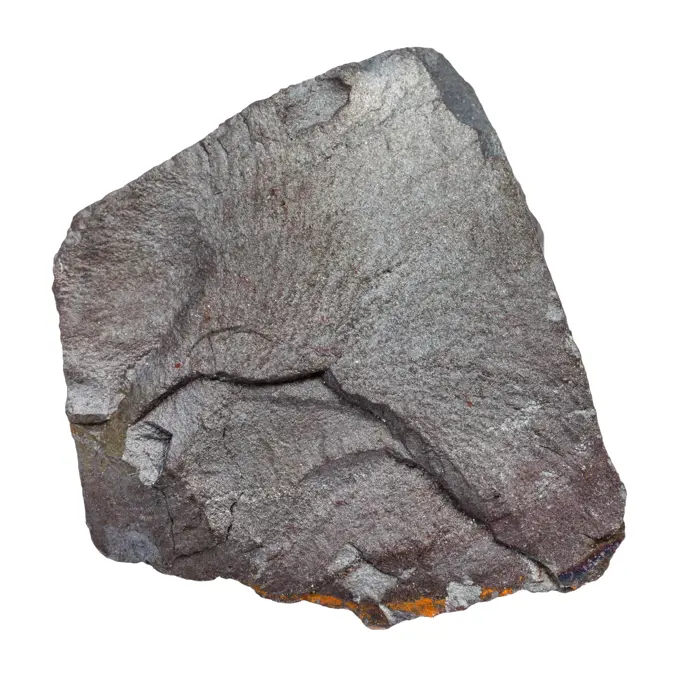
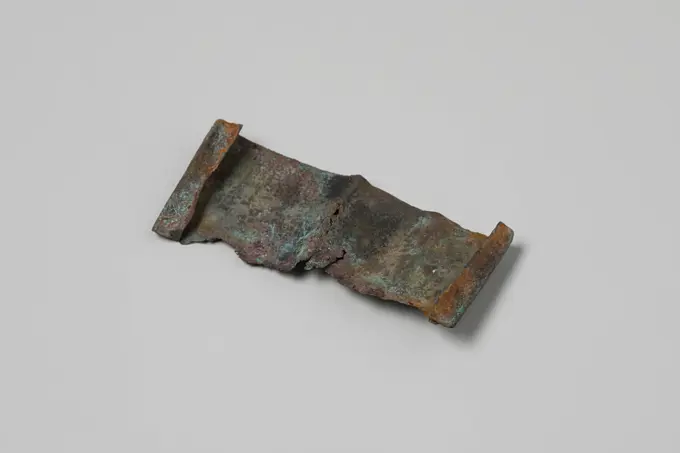
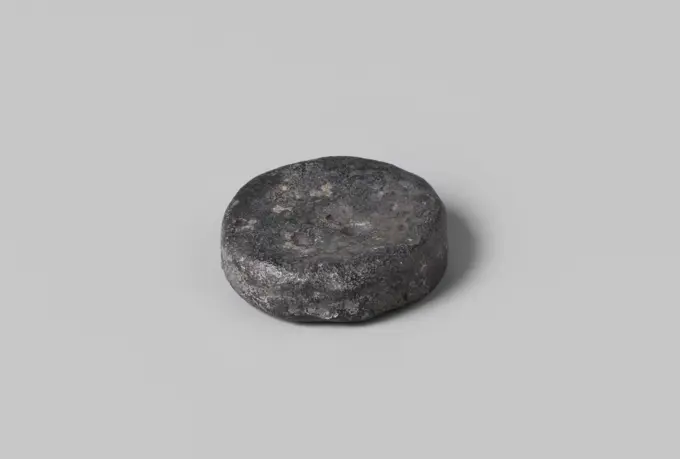
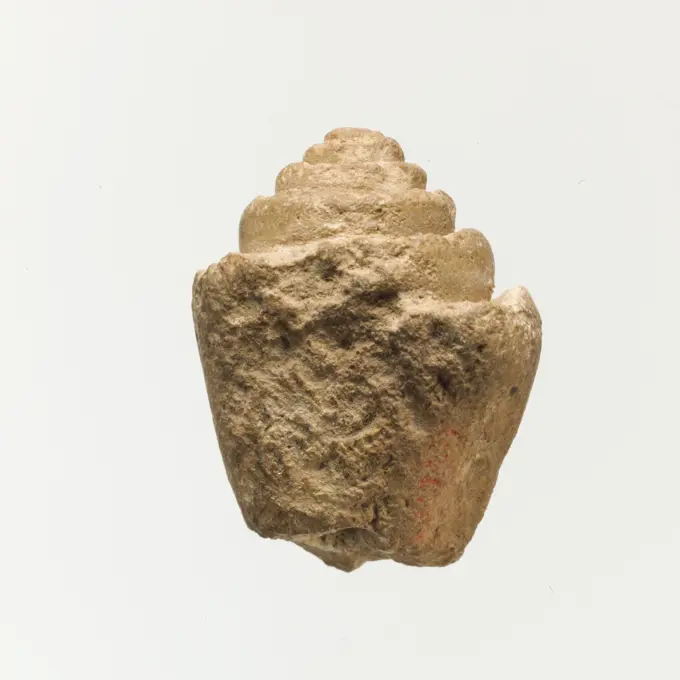
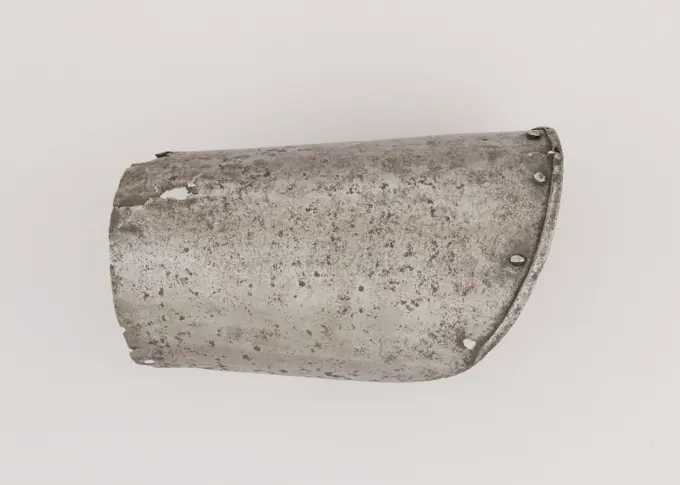
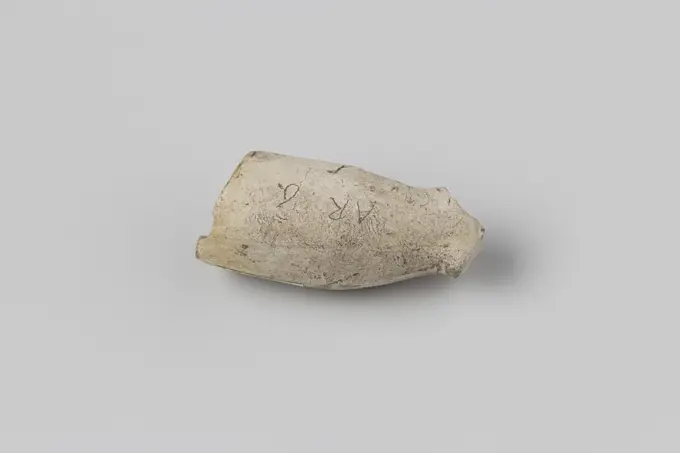
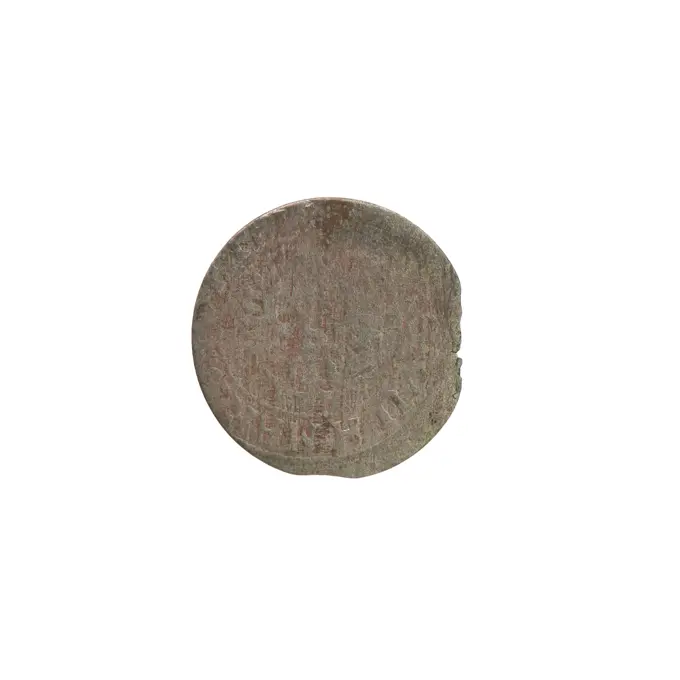
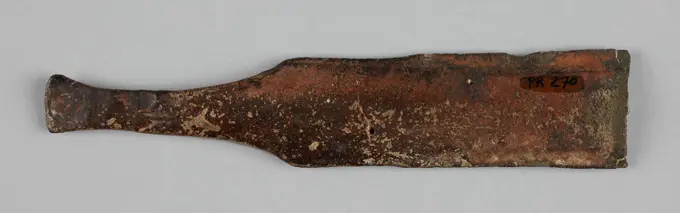
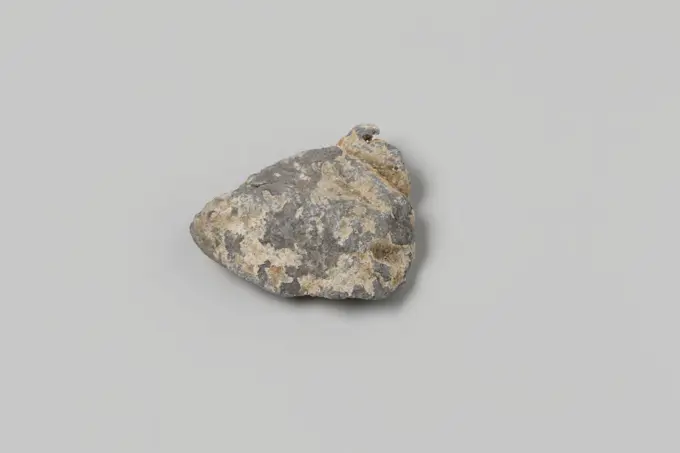
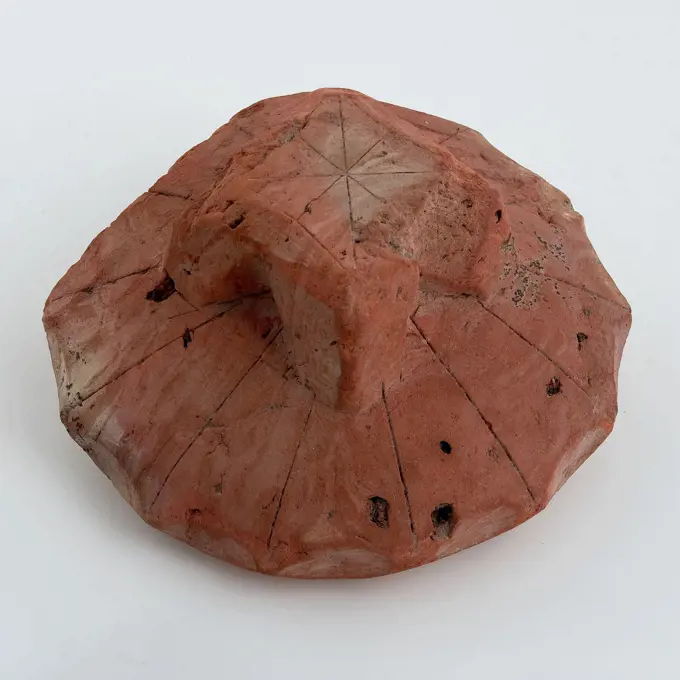
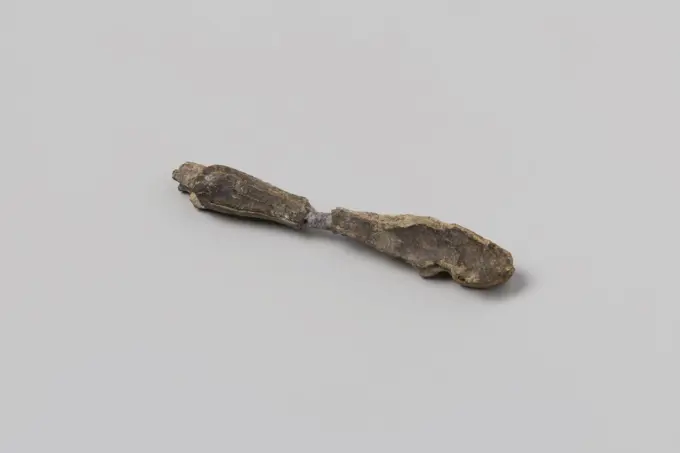
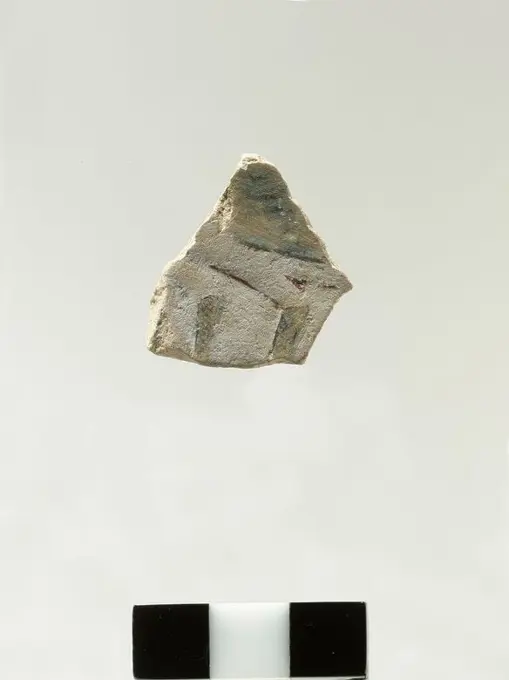
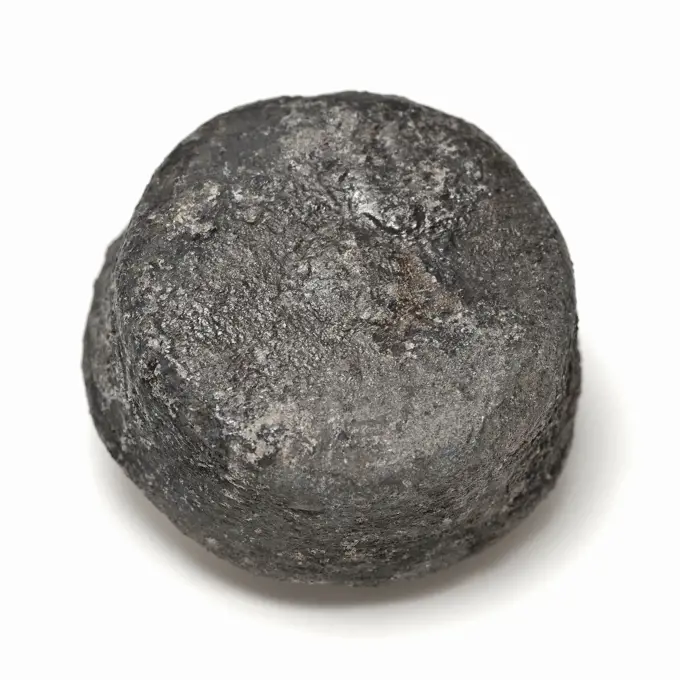
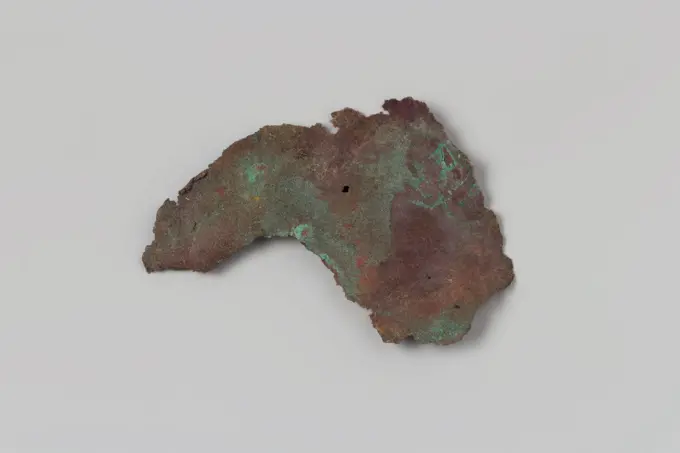
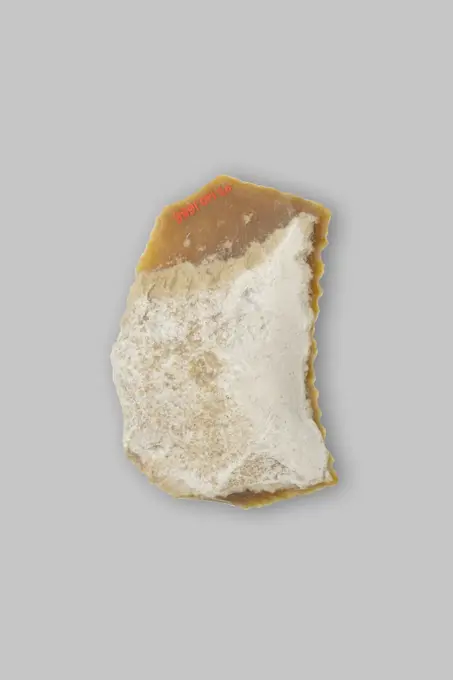
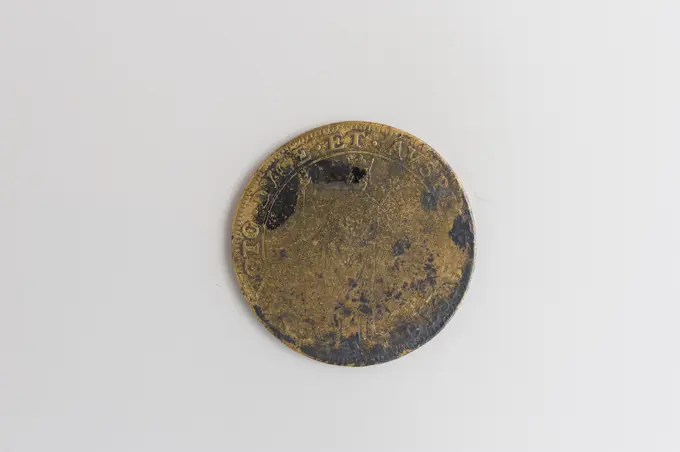
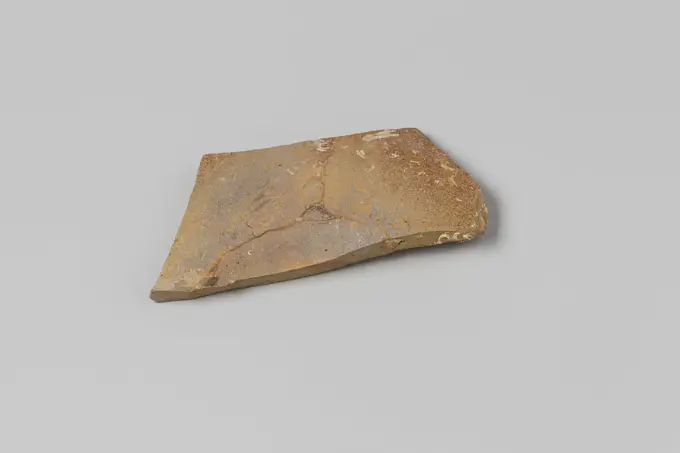
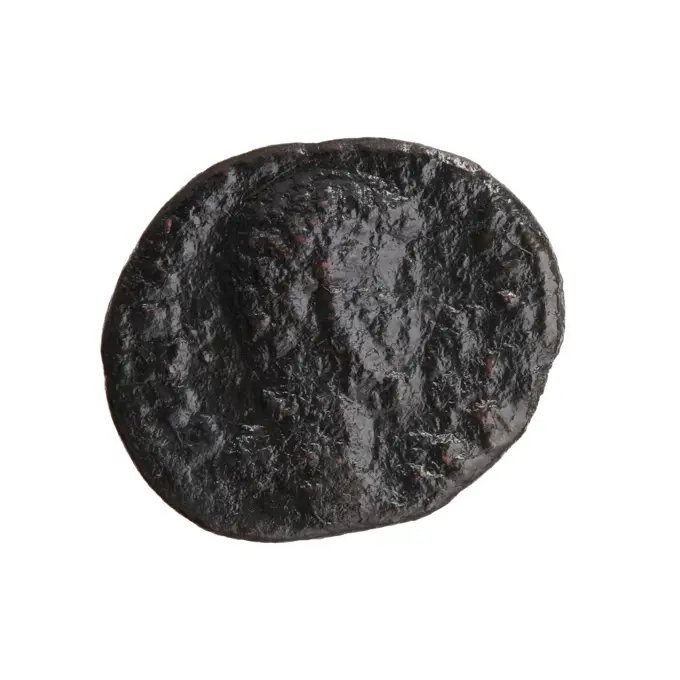
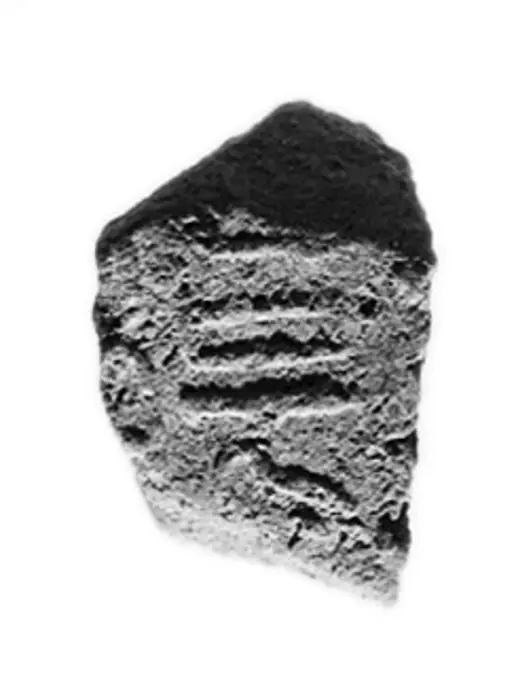
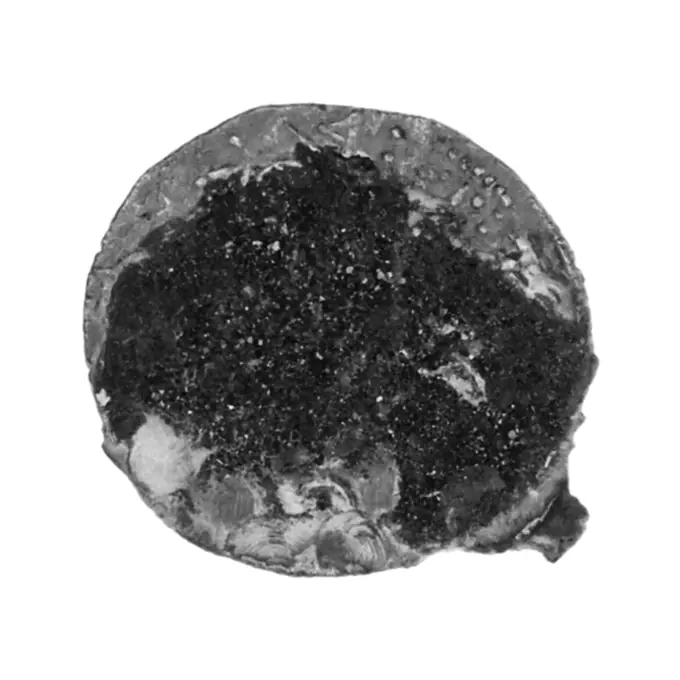
Excerpt of copper from the wreck of the East Indians Hollandia, 1700 - in or before 1743  Parts of artefacts; eroded fragments: materials; copper. Netherlands copper (metal)   SecondFragment; (possibly) belonging to the retable of Soest, c. 1475 - c. 1499   wood (plant material)   wood (plant material)tessera; Chersonez; II century BC (-200-00-00--101-00-00);Nadczarzyorze, Terlecki, Ignacy (1860-1916), Terlecki, Ignacy (1860-1916)-collection, bukranion (iconogr.), Dolphins, purchase (provenance), animalsDrohiczy seal;  XI-XIII century (1090-00-00-1110-00-00);guild seals, customs seals, touches, seals of customs chambers, official seals, seals with a crossFragment of buyer from the wreck of the East India Hollandia.parts or artifacts; eroded fragments: Materials; Copper.Small stone axe 5th-3rd millennium B.C. Greek Neolithic Celt.. Small stone axe. Greek Neolithic. 5th-3rd millennium B.C.. Stone. Neolithic. Miscellaneous-StoneFigure Fragment. UnknownFragment of buyer from the wreck of the East India Hollandia.parts or artifacts; eroded fragments: Materials; Copper.Attachment. UnknownRelief fragment from the tomb of Meketre. Dimensions: H. 3.1 cm (1 1/4 in.); W. 2.7 cm (1 11/16 in.); D. 0.8 cm (5/16 in.). Dynasty: Dynasty 12. Reign: reign of Amenemhat I, early. Date: ca. 1981-1975 B.C.. Museum: Metropolitan Museum of Art, New York, USA.set of various suevite rock minerals isolated set of various suevite rock minerals isolated on white background Copyright: xZoonar.com/ValeryxVoennyyx 9926987Glass Fragment 13th century French. Glass Fragment. French. 13th century. Colorless glass. Made in Paris, France. Glass-StainedFragment slate from the wreck of the East Indians Hollandia, 1700 - in Or Before 1743  Parts of artefacts; eroded fragments: materials; slate. Netherlands slate (rock)   SecondFragment tobacco pipe, anonymous, 1630 - 1645 Fragment tobacco pipe. Of the excavations on the Hofstede Arentsburg 1827-1831 under the supervision of Professor Reuvens. Gouda (possibly) pipe clay Fragment tobacco pipe. Of the excavations on the Hofstede Arentsburg 1827-1831 under the supervision of Professor Reuvens. Gouda (possibly) pipe clayUnattributed Trebizond Coin. UnknownElbow Defense (Couter). Culture: Italian. Dimensions: H. 6 1/2 in. (16.5 cm); W. 5 in. (12.7 cm); D. 7 3/8 in. (18.7 cm); Wt. 11.1 oz. (314.7 g). Date: ca. 1430-40. Museum: Metropolitan Museum of Art, New York, USA.Fragment Steel van Fork or Spoon from the wreck of the East Indians Hollandia, Anonymous, 1700 - in Or Before 1743 spoon Cutlery, fragment: stem of fork or spoon; fragm, sim. NG 1980-27H67. Netherlands tin (metal)   SecondExcerpt of copper from the wreck of the East Indians Hollandia, 1700 - in or before 1743 fragment Varied parts or fragments, strips and strip-shaped fragments; fragm. Netherlands copper (metal)   SecondSealing ca. 2030-1640 B.C. Middle Kingdom. Sealing 562021Fragment of a Foot Indonesia (Kalimantan) ca. 8th century View more. Fragment of a Foot. Indonesia (Kalimantan). ca. 8th century. Bronze. SculpturePrinting block, Medium: wood Technique: wood carved in relief Label: wood carved in relief, Two blocks for printing textiles in a 'boteh' motif joined together at a later date to form a decorative hanging., India, 19th century, appliances & tools, Printing blockFragment basement bottle from the wreck of the East Indians' t Vliegend Hart, 1700 - 1735  Soil of a basement bottle, originally of green glass but shiny metallic purple discolored. Case Bottle.  .Arrowhead Japan. Arrowhead 62393Fragment of a Statue of a Youth; Greece, Europe; late 5th century B.C; Marble; 22.5 x 23 x 25 cm (8 7,8 x 9 1,16 x 9 13,16 in.)Disc -shaped fragment from the wreck of the East Indians Hollandia, Anonymous, 1700 - in Or Before 1743 fragment Varied parts or fragments, discs and disc-shaped fragments; eroded; flat, circular, plain. Netherlands copper (metal)   SecondAS; Kommodus (161-192; Roman emperor 177-192);  (164-00-00-169-00-00);Greece, Egypt, Ptolemy II (285-246), Alexandria , before ca. 261/2 BC, bronze (AE) Mint Alexandria, Ptolemeusz II Philadelfos (285 246)Shield boss. Dimensions: Diam.: 1 5/8 in. (4.1 cm). Museum: Metropolitan Museum of Art, New York, USA.raw Hematite ore isolated on white macro shooting of natural rock specimen - raw Hematite ore isolated on white background from Brazil Copyright: xZoonar.com/ValeryxVoennyyx 12148943Batter from the wreck of the East Indiesman Hollandia. Fittings, bands and bracing, flat; Fragm, eroded, id. NG 1980-27H3053.Weight from the wreck of the East Indies Hollandia, Anonymous, 1700 - in Or Before 1743 weight Disc-shaped weight, id. NG 1980-27H2773, eroded. Netherlands lead (metal)   SecondTerracotta shell ca. 2200-1050 B.C. Minoan Pendant in the shape of a clay shell.. Terracotta shell 252337 Minoan, Terracotta shell, ca. 22001050 B.C., Clay, L. 7/8 in. (2.2 cm). The Metropolitan Museum of Art, New York. Bequest of Richard B. Seager, 1926 (26.31.411)Fragment buyer from the wreck of the East Indieschief Hollandia. Parts or artifacts; eroded fragments: Materials; Copper.Wall casing 664-610 B.C. Late Period, Saite see 23.3.468. Wall casing 548133Igneous rock , BasaltUpper Arm Defense (Rerebrace) ca. 1430-40 Italian This is part of a large find of medieval armor discovered in 1840 in the ruins of the fortress of Chalcis, on the Greek island of Euboea (then a Venetian colony called Negroponte). The fortress had been captured and destroyed by the Turks in 1470. Now divided largely between the Ethnological Museum, Athens, and The Metropolitan Museum of Art, the Chalcis hoard contains many rare and unusual elements of fourteenth- and fifteenth-century armor. Of particular importance are the variety of headpieces and the many fragments of brigandines (armor for the torso constructed of small plates riveted to layers of fabric), some of which retain portions of their original velvet covering. The Chalcis armor provides a unique picture of the armament used in the Aegean, one of the easternmost military outposts of the Venetian empire.. Upper Arm Defense (Rerebrace) 23128Vase fragment Minoan. Vase fragment 247787Pijpenkop. Pipes head with leftover tinglaze. Of the excavations at the Hofstede Arentsburg 1827-1831 under the supervision of professor Reuvens.Scherf of a bowl from V.O.C. ship De 'Witte Leeuw', Anonymous, Before 1613 bowl Scherf of a bowl from V.O.C. ship the 'Witte Leeuw'.  porcelain   Sint-HelenaDatplood from the wreck of the East Indians Hollandia, Anonymous, 1700 - in Or Before 1743 sounding lead Tools and instruments, navigation, sounding lead; fragm, id. NG 1980-27H3129. Netherlands lead (metal)   SecondDrohiczy seal;  XI-XIII century (1090-00-00-1110-00-00);guild seals, customs seals, touches, seals of customs chambers, official seals, seals with a cross, seal with the image of the faceInscribed side of back pillar from head of Akhenaten in blue crown ca. 1353-1336 B.C. New Kingdom, Amarna Period. Inscribed side of back pillar from head of Akhenaten in blue crown 549633szel g; Pfahler, Ernest; 1629 (1629-00-00-1629-00-00);Fragment iron from the wreck of the East Indians Hollandia, 1700 - in Or Before 1743 fragment Parts of artefacts; eroded fragments: materials; iron. Netherlands iron (metal)   SecondDjampel of Kingdom Majopahit on Java ,, 1290 - 1520 coin Silver dish -shaped mint. Front: Load in Devanagari script Maa. Downside, figuration flower. Java silver (metal) striking (metalworking)AS; Marek Aureliusz (121-180; Roman emperor 161-180); 164-165 (164-00-00-165-00-00);Good for a soup to philanthropic society, Louis-Philippe Good for a soup to philanthropic society, Louis-Philippe ". Brass.Piece of silk sword (common name). Bronze. Carnavalet museum, history of Paris. Sword blade base. The sword's blade is broken halfway up the blade. Silk is preserved.Shipwreck find from the wreck of the East Indians Hollandia, 1700 - in Or Before 1743  Parts of artefacts; eroded fragments: materials; lead. Netherlands lead (metal)   SecondPottery dover with square, incised button, carved decoration, submerged heating floor finding ceramic pottery, molded carved baked sgraffito Dover with square knob with slanted sides Decorated with carvings and wavy edge In the base of the button four cut out triangles Decoration consists of star-shaped cross on the bud and thirteen lines to the edge Red shard on the underside partially yellow discolored by frequent heating Shrinking and drying cracks in the ceramics archeology Rotterdam City center Stadsdriehoek Oostplein underground pit indigenous pottery deaf fireplace kitchen room heating Soil discovery Rotterdam underground pit Oostplein from lower layer 1976.Fragment of the waist area of the king bending forward, Aten cartouches on the belt ca. 1353-1336 B.C. New Kingdom, Amarna Period. Fragment of the waist area of the king bending forward, Aten cartouches on the belt 567642Ritual ObjectJeton. UnknownCoin probably 8th-9th century. Coin. probably 8th-9th century. Copper. Excavated in Iran, Nishapur. CoinsFragment Steel van Fork or Spoon from the wreck of the East Indians Hollandia, Anonymous, 1700 - in Or Before 1743 spoon Cutlery, fragment: stem of fork or spoon; fragm, heavily corroded. Netherlands tin (metal)   SecondExcerpt of copper from the wreck of the East Indians Hollandia, 1700 - in or before 1743  Parts of artefacts; eroded fragments: materials; copper. Netherlands copper (metal)   SecondRelief fragment from the tomb of Meketre. Dimensions: H. 2.8 cm (1 1/8 in.); W. 2.7 cm (1 1/16 in.); D. 0.8 cm (5/16 in.). Dynasty: Dynasty 12. Reign: reign of Amenemhat I, early. Date: ca. 1981-1975 B.C.. Museum: Metropolitan Museum of Art, New York, USA.Attic Black-Figure Vase Fragment. UnknownLead weight, conical in shape, weight ground find lead metal, grams cast Disc shaped slightly tapered solid metal object. Not single set of brands or calibrated archeology Rotterdam rail tunnel roads Soil discovery: trajectory Rotterdam rail tunnel.Excerpt of copper from the wreck of the East Indians Hollandia, 1700 - in or before 1743  Parts of artefacts; eroded fragments: materials; copper. Netherlands copper (metal)   SecondDrohiczy seal;  XI-XIII century (1090-00-00-1110-00-00);guild seals, customs seals, touches, seals of customs chambers, official seals, seals with a cross, seal with the image of the faceSickle Insert ca. 1186-1070 B.C. New Kingdom, Ramesside This small piece of flint was a key element to a successful agricultural season in ancient Egypt. Grain was a staple of the economy, as bread and beer made from grain were consumed daily. They also formed the foundation of eternal sustenance, as funerary offerings. Ancient Egyptians used sickles made from flint and wood to reap grain. Pieces of flint such as this one were shaped to fit into a wooden haft along with a number of other such inserts, and secured with an adhesive. The flint pieces provided a sharp edge to cut the grain stalks. With use, the flint would wear down and develop a shiny gloss. The flint inserts could be re-sharpened or replaced as needed. Sickle inserts could be made in a variety of ways. The earliest were fully bifacially retouched, then later they were made on blades (long narrow pieces of flint). Starting in the 2nd millennium BC, some sickle inserts were made on large flakes, such as this one. Flint, raFemale Head. UnknownCarnavalet Museum, Medals CollectionGlass Fragment 4th-early 5th century Coptic. Glass Fragment 477304Drohiczyn seal. unknown, managerLead weight from the wreck of the Dutch East India ship Hollandia, dated 1743, anonymous, 1700 - in or before 1743 weight Ring-handle weight, top, oval disc, concave underneath with round shaft in centre, hollow core square, flat top with 2 holes for handle, 3 inscriptions (VIII), coat of arms on either side eroded (cf.NG1980-27H3325b). Netherlands lead (metal)   SecondSealing ca. 7th century A.D. Sasanian. Sealing 323409Shard from one can be from the wreck of the East Indiesman Hollandia. Stoneware, rhenish, frechen-ware, jug; Fragm or body.Drohiczy seal;  XI-XIII century (1090-00-00-1110-00-00);guild seals, customs seals, touches, seals of customs chambers, official seals, seals with a cross, seal with the image of the facedupondius; Lucius Werus (130-169; Roman emperor 161-169); 163-164 (163-00-00-164-00-00);Sealing ca. 1981-1640 B.C. Middle Kingdom. Sealing 560502Unattributed Trebizond Coin. UnknownBead ca. 3rd-7th century A.D. Sasanian. Bead. Sasanian. ca. 3rd-7th century A.D.. Glass. Sasanian. Iran, Qasr-i Abu NasrCoin 5th-14th century. Coin. 5th-14th century. Copper. Excavated in Iran, Nishapur. CoinsDenar - Brakteat; approx. 1307/1308- 1317/1318 (1307-00-00-1318-00-00);Stucco Fragment probably 8th-12th century. Stucco Fragment. probably 8th-12th century. Stucco (mortar); carved; painted. Excavated in Iran, Nishapur. StuccoVase fragment Greek, Laconian. Vase fragment 251277 Greek, Laconian, Vase fragment, Terracotta, 11/16  1 7/16  1 15/16 in. (1.7  3.6  4.9 cm). The Metropolitan Museum of Art, New York. Gift of A. J. B. Wace, 1923 (23.119.1)Fragment wood from the wreck of the East Indians Hollandia, 1700 - in or before 1743 fragment Parts of artefacts; eroded fragments: materials; wood. Netherlands wood (plant material)   SecondFragment pipe head. Fragment pipe head with a crown and the letters I h n and n pictured. Of the excavations at the Hofstede Arentsburg 1827-1831 under the supervision of professor Reuvens.Drohiczyn seal. unknown, managerDenar (Subaerat); 193-211 (193-00-00-211-00-00);Septymiusz Sewer (Roman emperor - 146-211), Septimiusz Sewer (Roman emperor - 146-211) - iconography, bust, bust of the rulerVase fragment ca. 3000-2200 B.C.. Vase fragment. ca. 3000-2200 B.C.. Terracotta. Early Helladic. VasesClose up detailed, multicolored boulder opal on gray backgroundAttic Black-Figure Amphora Fragment. UnknownAttic Red-Figure Statuette Kantharos Fragment (comprised of 4 joined fragments). Attributed to Onesimos (Greek (Attic), active 500 - 480 B.C.)Pipes head. Fragment of tobacco pipe.Vase fragment Minoan. Vase fragment 247862Blade ca. 4600-3600 B.C. Ghassulian. Blade 326555Saksonia , The Cross Denar, between 1025 and 1060 unknownDrohiczyn seal. unknown, managerRitual Object (Bi) mid-3rd millennium B.C. China. Ritual Object (Bi) 44757Fragments sheet metal from the wreck of the East India Hollandia. Parts or artifacts; eroded fragments: Materials; Lead.Sealing ca. 1981-1640 B.C. Middle Kingdom. Sealing 560463denarius; W ADSY AW III WARNE Czyk (Polish king; 1434-1444); 1434-1444 (1434-00-00-1444-00-00);Fragment maski stiukowej. unknown, authordenarius; W ADSAW II JAGIEC (King of Poland; 1386-1434); 1386-1434 (1386-00-00-1434-00-00);Fragments of silver from the wreck of the East India hollandia.parts or artifacts; eroded fragments: Materials; Silver.Ornament 9th-17th century Mali. Ornament 315898Drohiczyn seal. unknown, manager