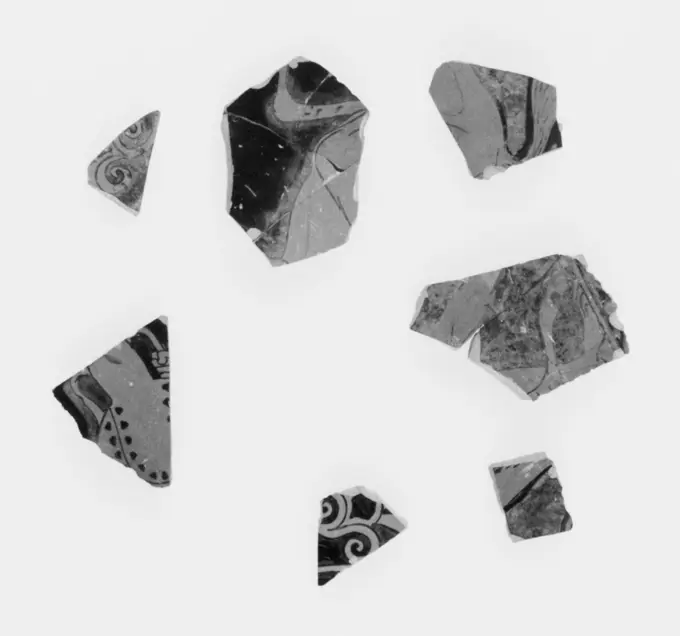
Historical Artifact Fragments

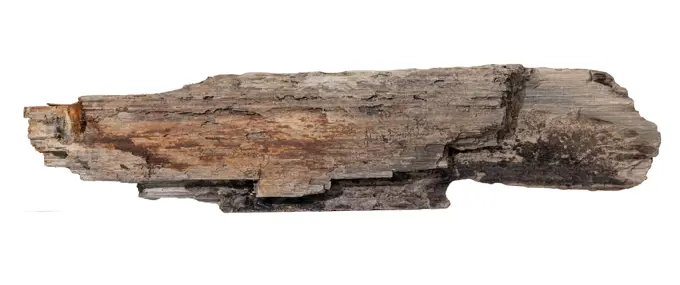
Collection of historical metal and wood fragments, showcasing eroded materials from different periods, including copper and wood artifacts.
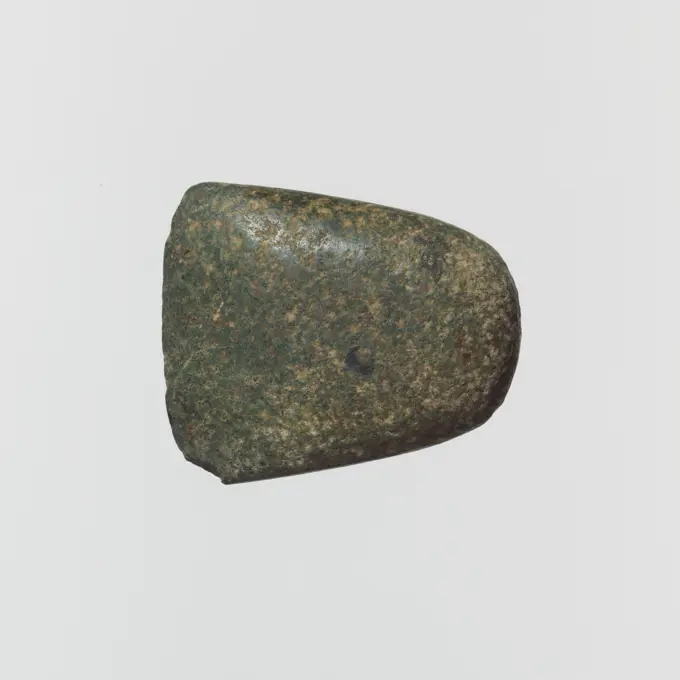
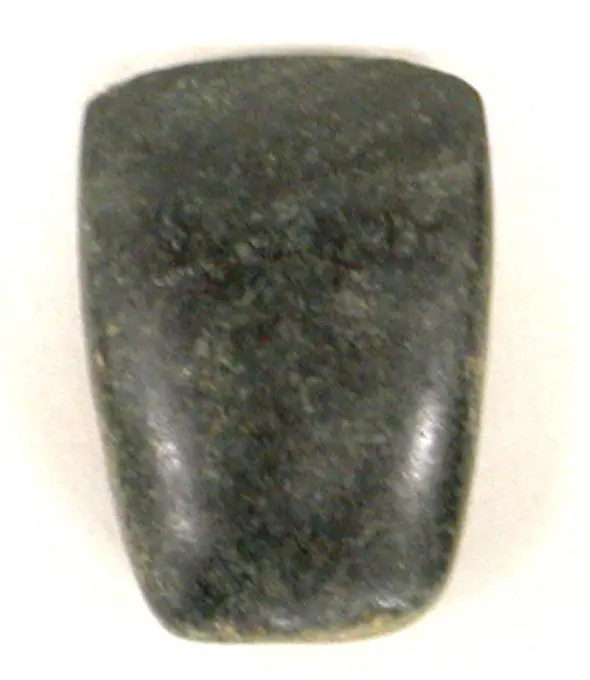
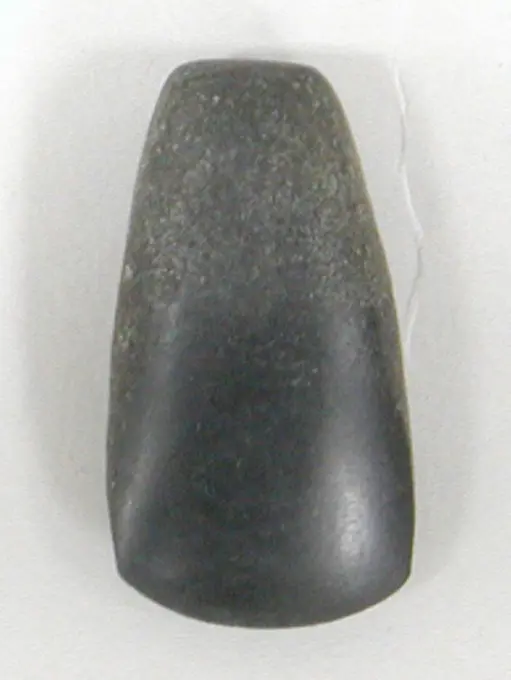
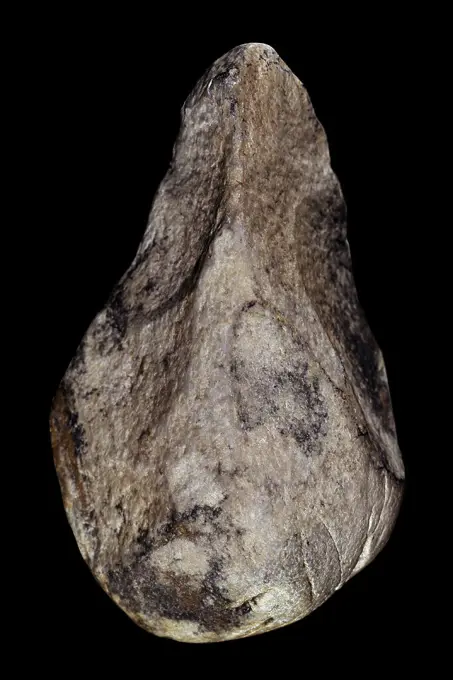
Small stone axe 5th-3rd millennium B.C. Greek Neolithic Celt.. Small stone axe. Greek Neolithic. 5th-3rd millennium B.C.. Stone. Neolithic. Miscellaneous-Stone
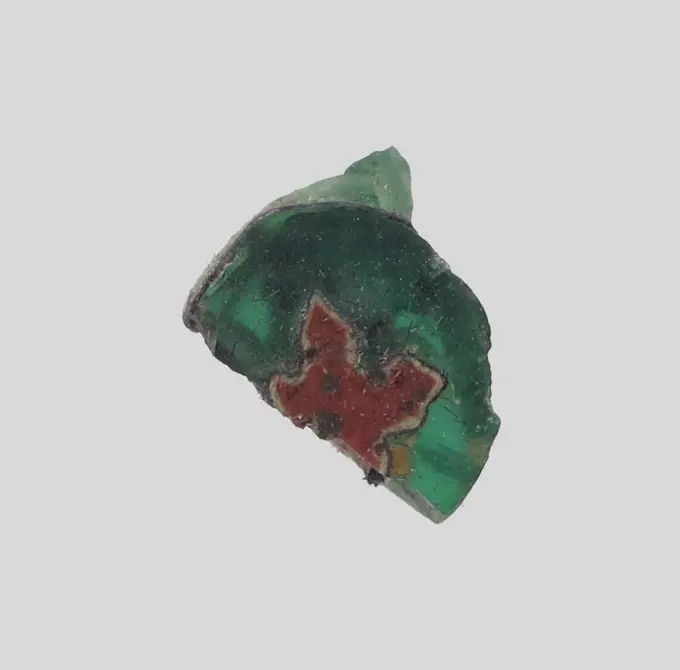
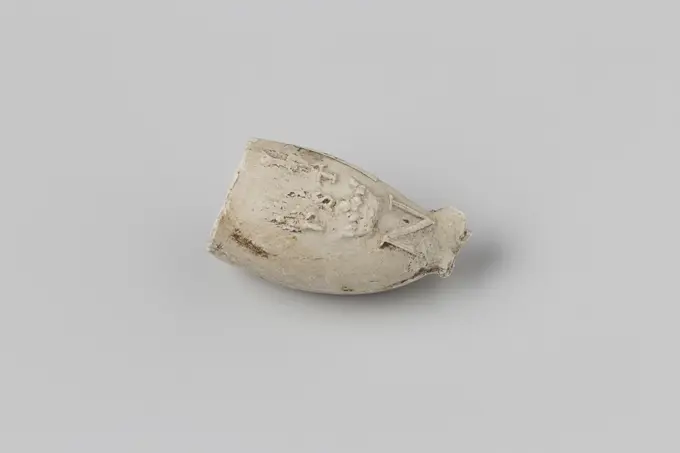
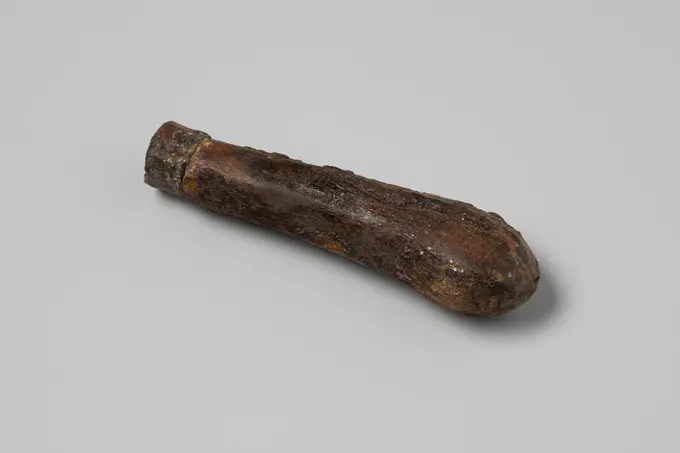
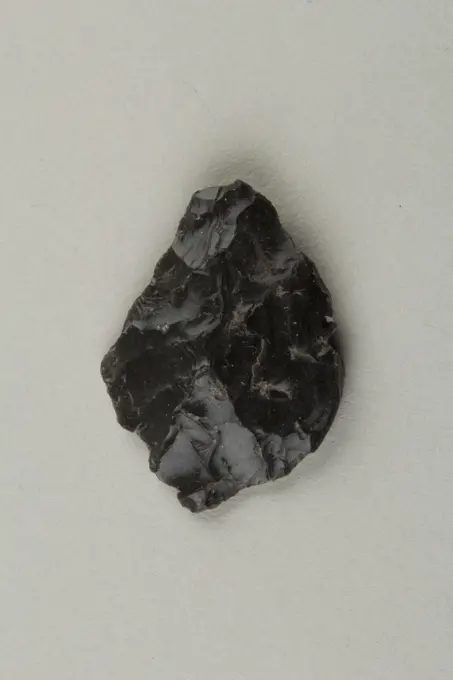
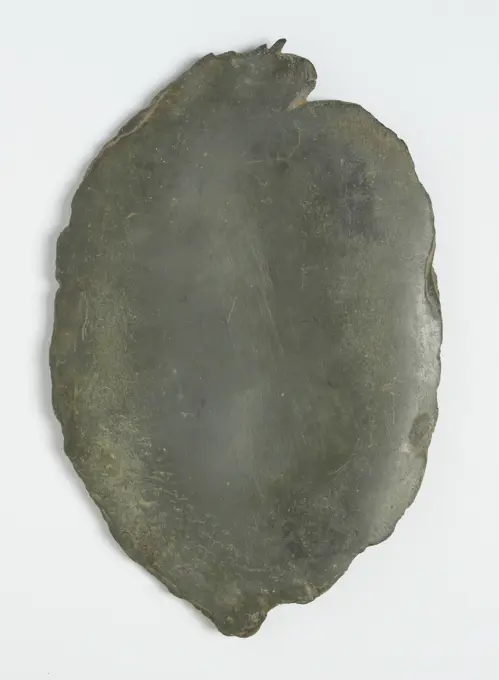
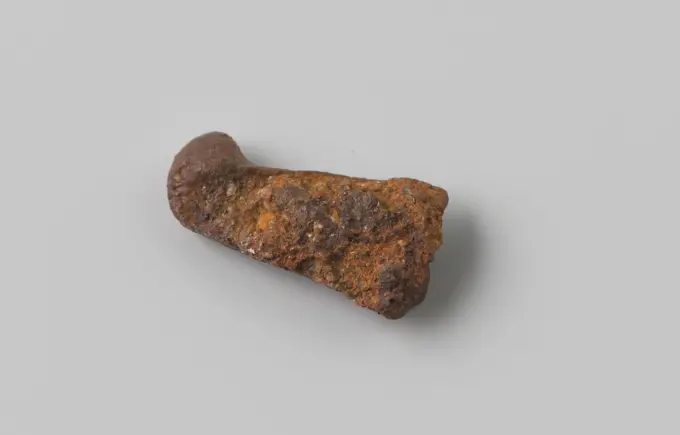
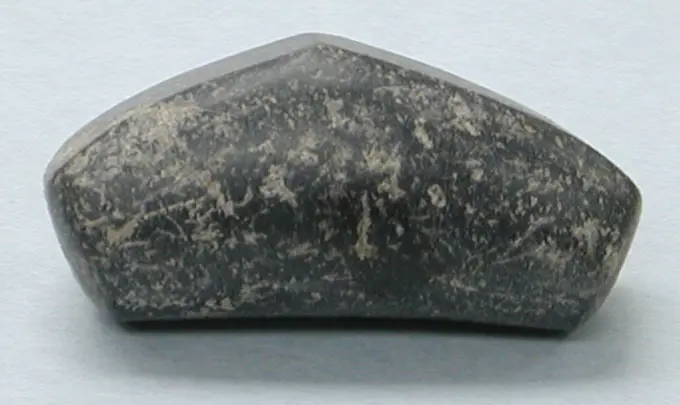
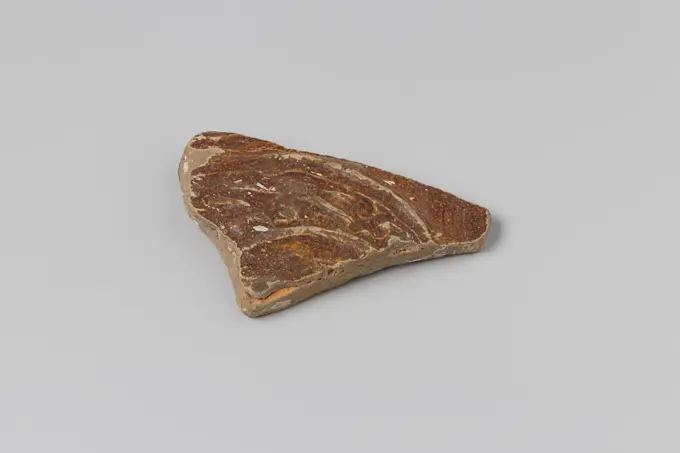
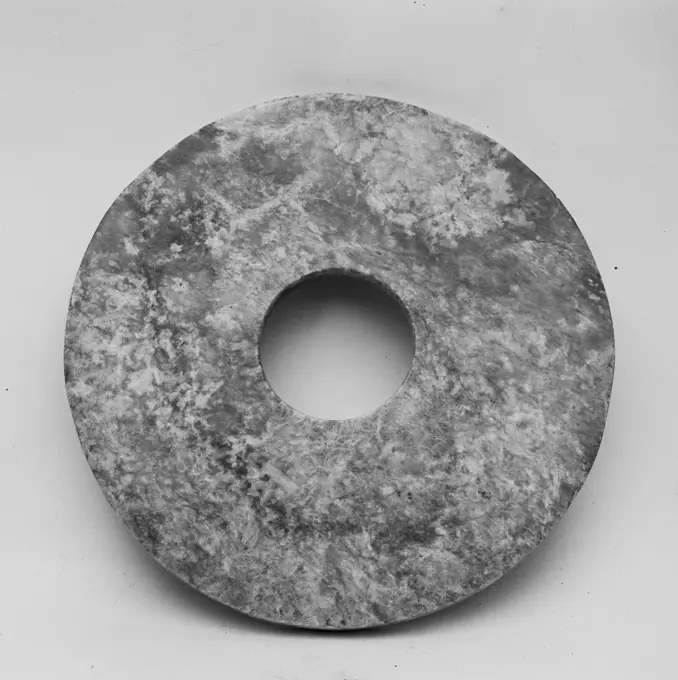
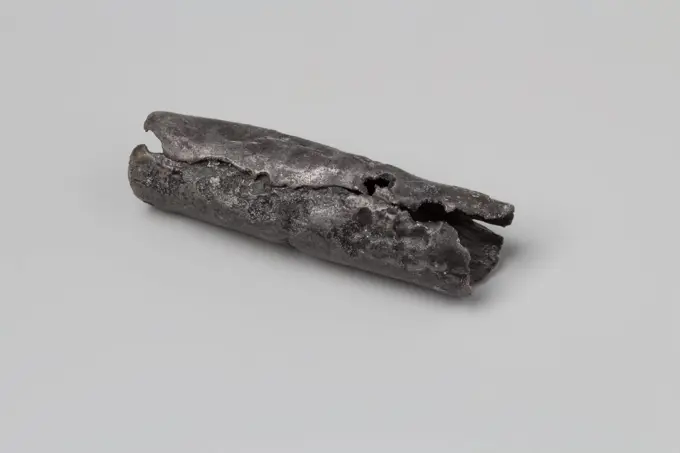
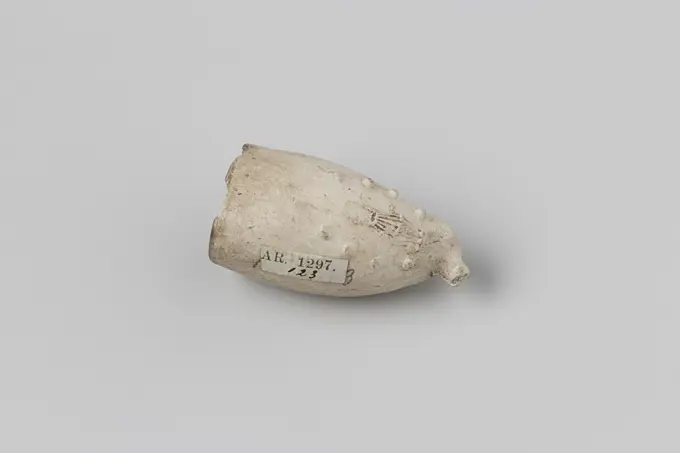
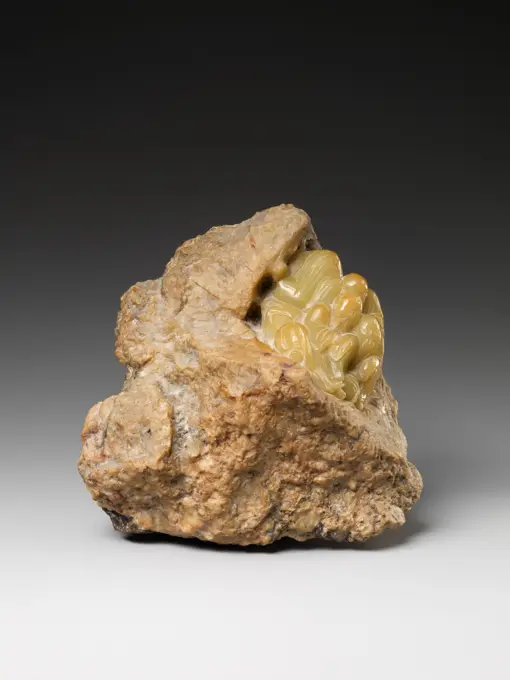
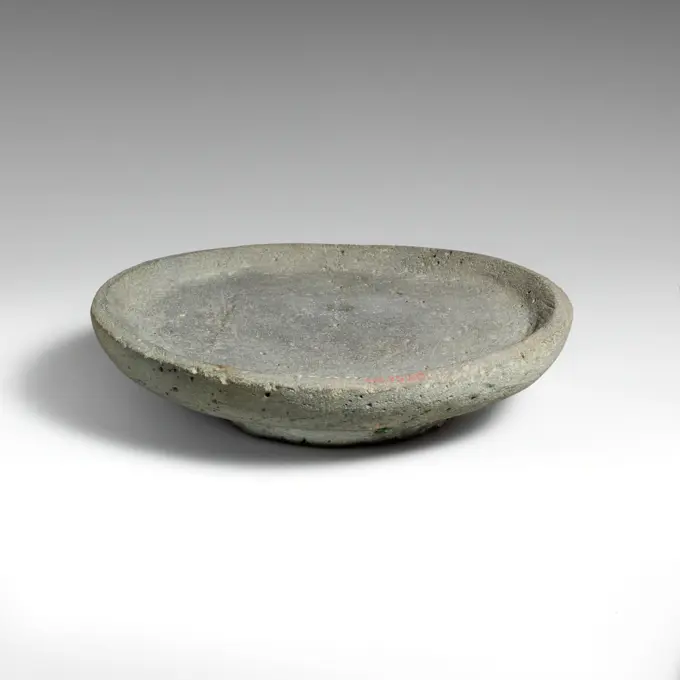
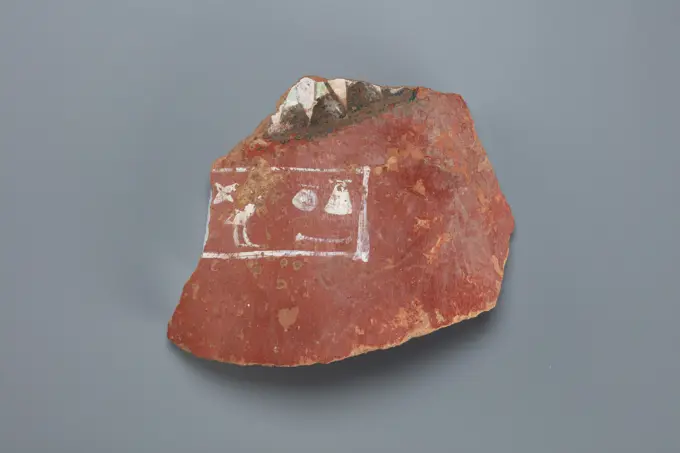
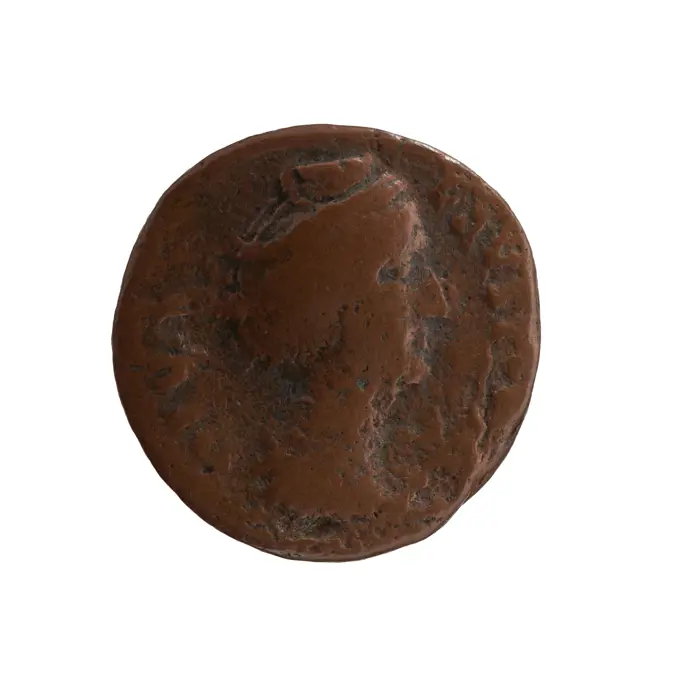
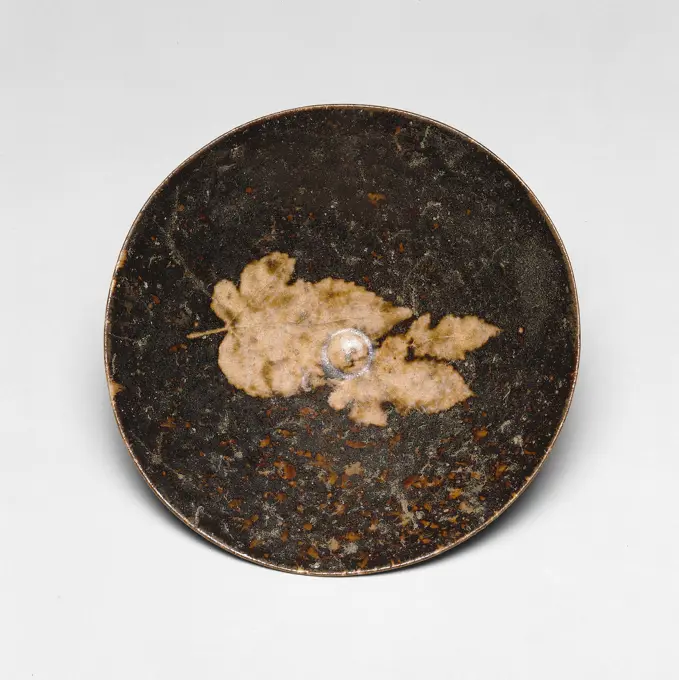
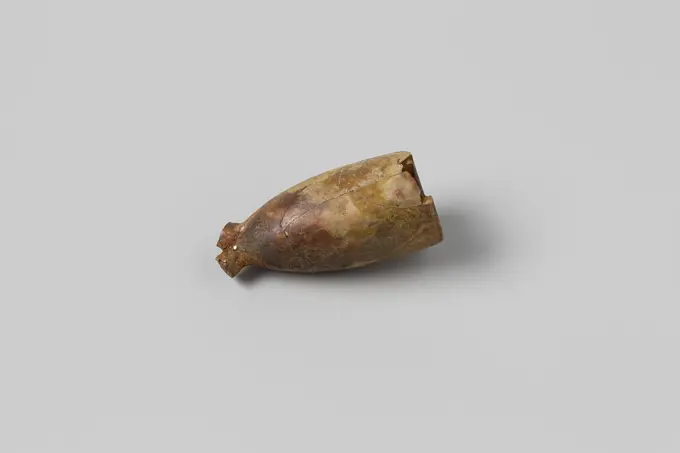
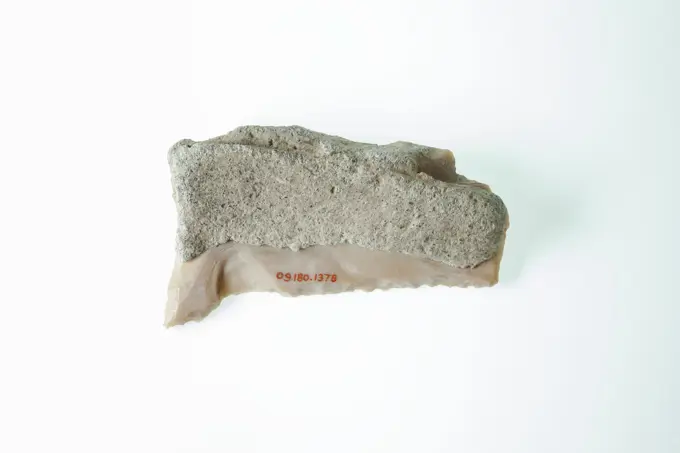
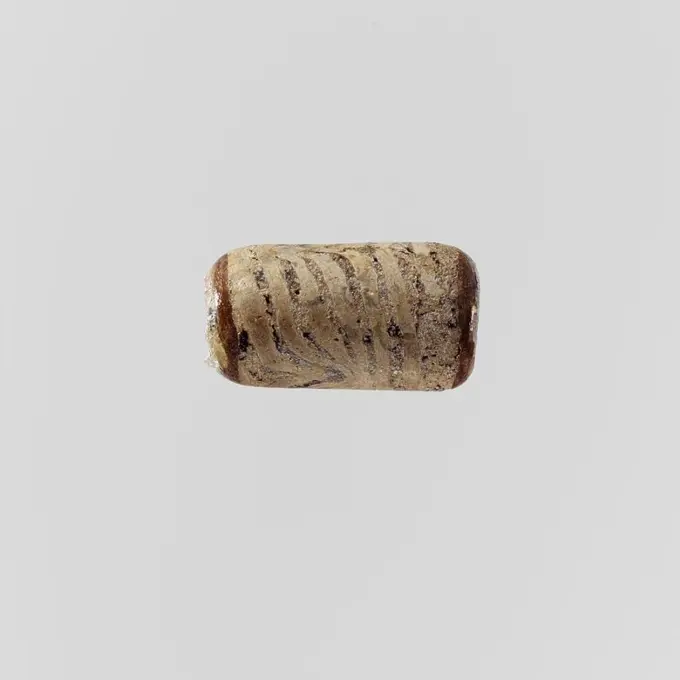
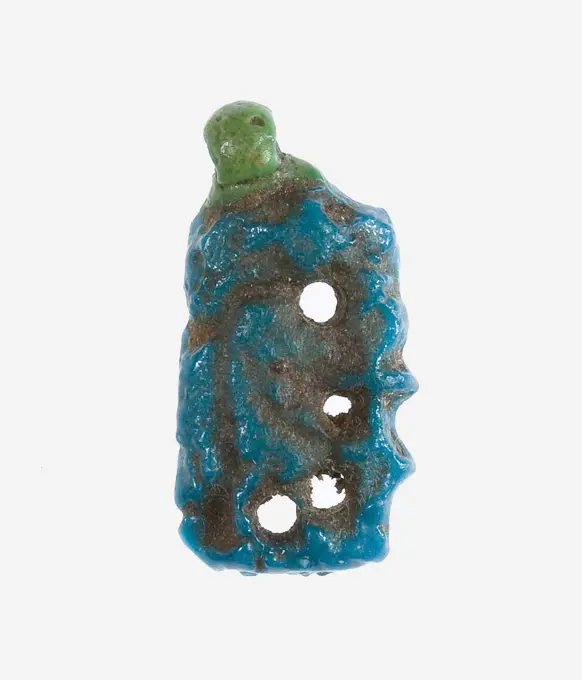
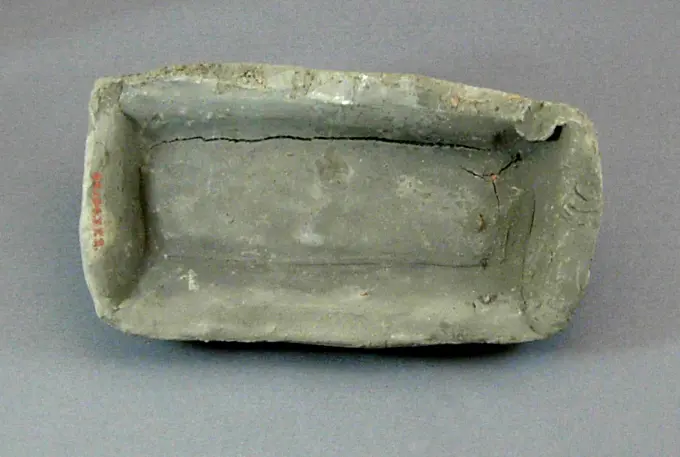
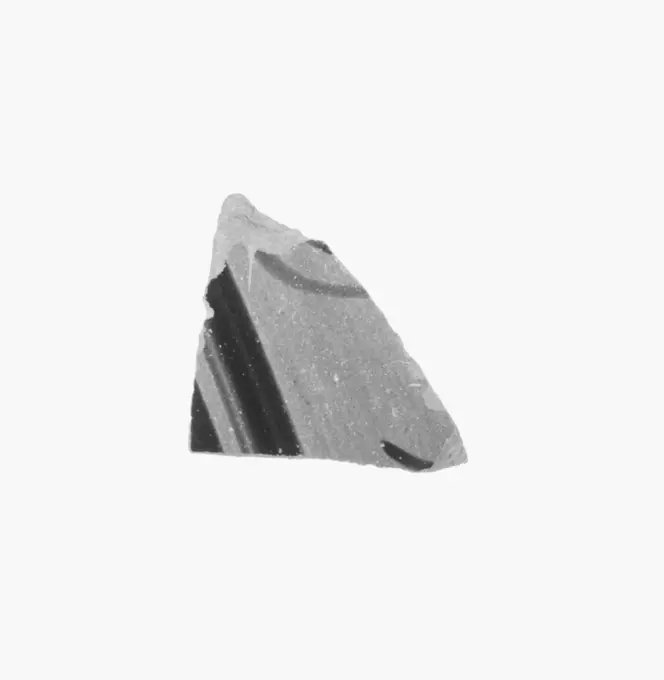
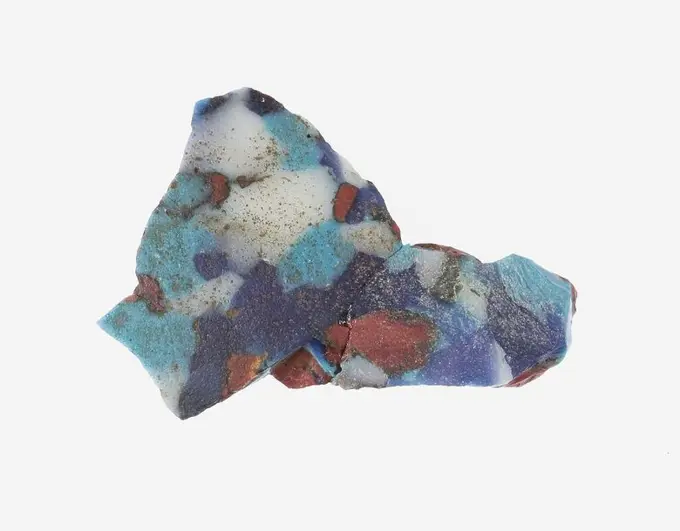
Drohiczyn seal. unknown, managerunpolished Talc Soapstone rock isolated closeup of sample of natural mineral from geological collection - unpolished Talc Soapstone rock isolated on white background Copyright: xZoonar.com/ValeryxVoennyyx 14990895Fragment of a Flower 11th century French. Fragment of a Flower 464539 French, Fragment of a Flower, 11th century, Cloisonn enamel, gold, Overall: 3/16 x 1/8 x 1/16 in. (0.4 x 0.3 x 0.1 cm). The Metropolitan Museum of Art, New York. Gift of J. Pierpont Morgan, 1917 (17.190.667)Fragment pijpenkop.Fragment pipe head with a crown and the letters P S t and n pictured. Of the excavations at the Hofstede Arentsburg 1827-1831 under the supervision of professor Reuvens.Pijpenkop from V.O.C. ship De 'Witte Leeuw', Before 1613  Pijpenkop from V.O.C. ship the 'Witte Leeuw'. Octagonal. A hole in one side. Sravely lines.  wood (plant material)   Sint-HelenaArrowhead ca. 9th century B.C. Iran. Arrowhead 325195Drohiczyn seal. unknown, managerKnife lift from the wreck of the East India Hollandia. Knife, Pistol-Grip-Shaped ID. NG 1979-260H2233, Ferrule.Arrowhead ca. 9th century B.C. Iran. Arrowhead 325196Arrowhead Japan. Arrowhead 62446Drohiczyn seal. unknown, managerFragment of buyer from the wreck of the East India Hollandia.parts or artifacts; eroded fragments: Materials; Copper.Lead Role from the wreck of the East Indies' t Vliegend Hart ,, 1700 - 1735 lead Tubes rolled plates. Black-gray and silver gray of color. Roll of Lead. Middelburg lead (metal)Rod. Medal matrix. The Princess of Salerne. Metal, steel. Nineteenth century. Museum of Fine Arts of the City of Paris, Petit Palais. 58761-11 Steel, matrix, medal, metal, numismatics, princess, 19th centuryOstracon New Kingdom, Ramesside ca. 1295-1070 B.C. View more. Ostracon. ca. 1295-1070 B.C.. pottery, ink. New Kingdom, Ramesside. From Egypt, Upper Egypt, Thebes, Valley of the Kings, Davis excavations. Dynasty 19-20Fragment Tobacco Pipe, Jan Smit (pipe manufacturer), 1780 - 1810 Fragment tobacco pipe with a fish and a crown depicted. Of the excavations on the Hofstede Arentsburg 1827-1831 under the supervision of Professor Reuvens. Schoonhoven pipe clay Fragment tobacco pipe with a fish and a crown depicted. Of the excavations on the Hofstede Arentsburg 1827-1831 under the supervision of Professor Reuvens. Schoonhoven pipe clayDrohiczyn seal. unknown, managerCuneiform tablet: fragment, Ebabbar archive ca. 7th-4th century B.C. Babylonian or Achaemenid. Cuneiform tablet: fragment, Ebabbar archive 321857Axe, Neolithic Period. Found in Worcestershire, EnglandFood Model Amulet: Calf's Head, 1295-1069 BC. Egypt, New Kingdom, Dynasties 19-20. Turquoise faience; overall: 3 cm (1 3/16 in.).Fragment Pijpenkop, Pieter de Leeuw, 1745 - 1785 Fragment piping head with the letters p d l and a kwispedoor. Of the excavations on the Hofstede Arentsburg 1827-1831 under the supervision of Professor Reuvens. Schoonhoven pipe clay Fragment piping head with the letters p d l and a kwispedoor. Of the excavations on the Hofstede Arentsburg 1827-1831 under the supervision of Professor Reuvens. Schoonhoven pipe clayMiniature figurine, 1500 BCE, 1 5/16 in. (3.3 cm), Earthenware, Mexico, Pre-ClassicFragment stem from fork or spoon from the wreck of the East Indiesman Hollandia. Cutlery, fragment: voice or fork or spoon; Fragm, Heavily Corroded.Hemidirachm fromThasos. Mint: Thasos Artist: UnknownPalette. Egypt, Pre-Dynastic Period (circa 5500 - 3050 BCE). Tools and Equipment; palettes. SlateDOMIIEN SESTERce, 81-96 Anonymous. Domitian sesterce (reverse), 81-96. Bronze.Excerpt of copper from the wreck of the East Indians Hollandia, 1700 - in or before 1743 fragment Varied parts or fragments, strips and strip-shaped fragments; fragm. Netherlands copper (metal)   SecondFragment stem from fork or spoon from the wreck of the East Indiesman Hollandia. Cutlery, fragment: voice or fork or spoon; Fragm, Sim. NG 1980-27H67.Bifacial Sickle Insert ca. 6900-3100 B.C. Neolithic-Predynastic Period This small piece of flint was a key element to a successful agricultural season in ancient Egypt. Grain was a staple of the economy, as bread and beer made from grain were consumed daily. They also formed the foundation of eternal sustenance, as funerary offerings. Ancient Egyptians used sickles made from flint and wood to reap grain. Pieces of flint such as this one were shaped to fit into a wooden haft along with a number of other such inserts, and secured with an adhesive. The flint pieces provided a sharp edge to cut the grain stalks. With use, the flint would wear down and develop a shiny gloss. The flint inserts could be re-sharpened or replaced as needed. Bifacial sickle inserts like this constitute some of the earliest evidence for farming in Egypt. They were made mainly during the 5th- 4th millennia BC, after which they were replaced by sickle inserts made on thin blades with less invasive retouch. The sickIvory die ca. 1st-3rd century A.D. Roman Cubical in form.. Ivory die 246448Antel in bronze, imitation of Claude II Antel in Bronze, Imitation of Claude II. Bronze. 270 AV. J-c.Two fragments of a fire hose ring from the wreck of the East India Hollandia. Fire Engine, Firehose; Fragments, ID. NG-1975-20-H-1271-A, Squashed.Botje of a pig leg from the wreck of the East Indians Hollandia, 1700 - in Or Before 1743  Faunal remains: bones; pig bones (Sus); fragm of phalanx I (part of foot).  bone (material)   SecondPart of a brick from the wreck of the East Indied Flying Heart. Part of a brick, red-brown klubble, uniform. Brick.Stone Pulidor before 16th century Mexican. Stone Pulidor. Mexican. before 16th century. Stone. Mexico, Mesoamerica. Stone-ImplementsShard of a storage jar from the wreck of the East India Hollandia.Stoneware, Rhenish, Langerwehe-Ware, Storage-Jar; Fragm or body with medallion appliqué, SIM. NG 1980-27H909.Drohiczyn seal. unknown, managerRitual Object (Bi) mid-3rd millennium B.C. China Listen to experts illuminate this artwork's story Listen Play or pause #7330. Ritual Object (Bi), Part 1 Play or pause #8979. Ritual Object (Bi), Part 2 Supported by Bloomberg Philanthropies We're sorry, the transcript for this audio track is not available at this time. We are working to make it available as soon as possible.. Ritual Object (Bi). China. mid-3rd millennium B.C.. Jade (nephrite). Neolithic period, Liangzhu culture (ca. 3200-2000 B.C.). JadeEmpty round cork coaster, isolated on grey background. Perfect as food display.Stamp Seal. Northern Syria, circa 3000 B.C.. Tools and Equipment; seals. Greenish gray serpentinedenarius; W ADSY AW III WARNE Czyk (Polish king; 1434-1444); 1434-1444 (1434-00-00-1444-00-00);Fragment imadła amfory z fragmentem stempla. unknown, potter's workshopLead Role from the wreck of the East Indies' t Vliegend Hart ,, 1700 - 1735 lead Tube rolled lead picture. Black-gray to silver gray in color. Rroll or lead. Middelburg lead (metal)Stamp;  XIXW. (1801-00-00-1900-00-00);Bird Plaque Ornament. Culture: Vicús. Dimensions: H. 2 x W. 2 in. (5 x 5 cm). Date: 3rd century B.C.-A.D. 2nd century. Museum: Metropolitan Museum of Art, New York, USA.Pendant: Female Head. UnknownFragment pijpenkop.Fragment blowjob with two dotted flowers. Of the excavations at the Hofstede Arentsburg 1827-1831 under the supervision of professor Reuvens.Boulder with three figures late 18th-early 19th century China. Boulder with three figures 39850Vesicular basalt mortar or plate ca. 1600-1050 B.C. Cypriot The plate has a ring foot and a low, in-curving rim.. Vesicular basalt mortar or plate 243920Fragment. Dimensions: Max. H. 2 1/16 in. (5.2 cm)Max. W. 2 11/16 in. (6.9 cm). Date: 9th-10th century. Museum: Metropolitan Museum of Art, New York, USA.Square Plaque. Culture: Vicús. Dimensions: Height 1-7/16 in. (3.6 cm). Date: 3rd century B.C.-A.D. 2nd century. Museum: Metropolitan Museum of Art, New York, USA.Drohiczyn seal. unknown, managerLazio Viterbo Viterbo Museo Civico18. Hutzel, Max 1960-1990 Views of paintings (Middle Ages through 18th c.), frescoes, a tabernacle, coffin, sculpture reliefs, portal fragments, busts, sculpture, tapestry found in the Pinacoteca, Second floor gallery and Second floor cloister sequences. Antiquities: Many views of Etruscan and Roman fragments, sculpture, sarcophagi, pottery, masks, jewelry and other objects found in the Storeroom sequence (inventory numbers on back of prints), and the Cloister, Second floor Cloister, Valle Giulia, Sala Romana and Sala Etrusca sequences. General Notes: There are eight separate numerical sequences for this location. The cloister as an architectural structure, rather than museum site, is documented in the record and file for S. Maria della Verita, Cloister, all views of which are stored in Medieval core collection. Five views from the Museo Civico Second floor cloister sequence are stored in Medieval. German-born photographer and scholar Max Hutzel (1911-Jar Label ca. 1390-1352 B.C. New Kingdom. Jar Label. ca. 1390-1352 B.C.. Pottery and ink, paint. New Kingdom. From Egypt, Upper Egypt, Thebes, Malqata, Palace of Amenhotep III, MMA excavations. Dynasty 18Vase fragment ca. 4000-3000 B.C. Neolithic, Gonia. Vase fragment 253271 Neolithic, Gonia, Vase fragment, ca. 40003000 B.C., Terracotta, length 1 7/8in. (4.8cm). The Metropolitan Museum of Art, New York. Anonymous Gift, 1930 (30.119.66)as/dupondius; Antoninus Pius (86-161; Roman emperor 138-161), Faustina older (98-141; Roman Empress 138-141); after 141 (141-00-00-166-00-00);Ivory Fragment. UnknownCypraecassis testiculus from v.o.c.-ship the 'white lion'. Shell from v.o.c.-ship the 'white lion'.Drohiczyn seal. unknown, managerCelt before 16th century Maya () Greenstone axe heads, commonly known as “celts,” were some of the most important works of art across ancient Mesoamerica and Central America. Created from jadeite mined from the Motagua River Valley of southern Guatemala, or using local green stones from highland Mexico, celts were first created by the Olmec peoples of the Gulf Coast after 1000 B.C. The Olmec conceived of green celts as sprouts of maize and thus “planted” celts in dedicatory offerings, activating ceremonial spaces and perpetuating agricultural fertility. For the later Maya peoples, celts also served as dedicatory materials, but more so as adornments for the royal bodies of kings and queens. Often the celts would be thinned into celt-shaped plaques, strung together in pairs and triads in order to create belt assemblages that would have clinked with the sound of jades striking one another. Tombs from the Classic Period (ca. AD 250-900) contain celts of jadeite and various greenstones froCeramic ca. 1150-ca. 1250 European or Middle Eastern. Ceramic 35955Brick from the wreck of the East Indied Flying Heart. Whole brick, brown red, rectangular. Brick.Soil of KAN or VAT from the wreck of the East Indians Meresteijn, Anonymous, 1690 - 1702  Round bottom of a jug or barrel with a flattened edge, turned green, dented. Netherlands bronze (metal)   Cape of Good HopeRound Plaque 3rd century B.C.-A.D. 2nd century Vicús. Round Plaque 315589Silver spiral. Culture: Cypriot. Dimensions: L. 1. 1/2 in. (3.8 cm). Date: ca. 1600-1050 B.C..With two turns.Of silver wire with two turns. Museum: Metropolitan Museum of Art, New York, USA.Sample of Siberian Nephrite. Culture: China. Dimensions: H. 3/8 in. (1 cm); W. 1 1/8 in. (2.9 cm); L. 2 1/4 in. (5.7 cm). Date: 20th century. Museum: Metropolitan Museum of Art, New York, USA.Fragment pin out of the wreck of the East Indians Hollandia, Anonymous, 1700 - in Or Before 1743  Tools and instruments, sewing and sailmaking, pin; fragm of shaft, id. NG 1980-27H3265, concreted. Netherlands copper (metal)   SecondSea drift wood plank isolated on white background. Template mockup Sea drift wood plank isolated on white background. Template mockup Copyright: xZoonar.com/AndresxVictorerox 21476631Conical Bowl with Decoration of Three Leaves 1101-1299 China. Jizhou ware; glazed stoneware with kiln transmutations .Blowjob from the wreck of the East Indieschief Hollandia. Pipe, Bowl, Healmar: Crowned 91; Fragment, 1HSM1.Model chisel. Dimensions: H. 4.7 cm (1 7/8 in.); W. 0.8 cm (5/16 in.). Dynasty: Dynasty 2. Reign: reign of Khasekhemui. Date: ca. 2650 B.C.. Museum: Metropolitan Museum of Art, New York, USA.Stone Chisel before 16th century Maya () Greenstone axe heads, commonly known as “celts,” were some of the most important works of art across ancient Mesoamerica and Central America. Created from jadeite mined from the Motagua River Valley of southern Guatemala, or using local green stones from highland Mexico, celts were first created by the Olmec peoples of the Gulf Coast after 1000 B.C. The Olmec conceived of green celts as sprouts of maize and thus “planted” celts in dedicatory offerings, activating ceremonial spaces and perpetuating agricultural fertility. For the later Maya peoples, celts also served as dedicatory materials, but more so as adornments for the royal bodies of kings and queens. Often the celts would be thinned into celt-shaped plaques, strung together in pairs and triads in order to create belt assemblages that would have clinked with the sound of jades striking one another. Tombs from the Classic Period (ca. AD 250-900) contain celts of jadeite and various greenstSickle Insert ca. 1186-1070 B.C. New Kingdom, Ramesside This small piece of flint was a key element to a successful agricultural season in ancient Egypt. Grain was a staple of the economy, as bread and beer made from grain were consumed daily. They also formed the foundation of eternal sustenance, as funerary offerings. Ancient Egyptians used sickles made from flint and wood to reap grain. Pieces of flint such as this one were shaped to fit into a wooden haft along with a number of other such inserts, and secured with an adhesive. The flint pieces provided a sharp edge to cut the grain stalks. With use, the flint would wear down and develop a shiny gloss. The flint inserts could be re-sharpened or replaced as needed. Sickle inserts could be made in a variety of ways. The earliest were fully bifacially retouched, then later they were made on blades (long narrow pieces of flint). Starting in the 2nd millennium BC, some sickle inserts were made on large flakes, such as this one. Flint, raTwo parts of coconut from V.O.C. ship De 'Witte Leeuw', Before 1613 coconut (fruit) Two parts of coconut from V.O.C. ship the 'Witte Leeuw'. Roughly half, the top, and a piece from the wall.  coconut shell   Sint-HelenaMint: Teos, Tetartemorion fromTeos, 520-478, Silver, 0.19 g, 6.5mm, Made in Teos, Ionia, Greek, 6th-5th century B.C., NumismaticsGlass bead. Dimensions: L. 7/8 in. (2.2 cm)diameter 7/16 in. (1.1 cm).Uncertain color, probably translucent deep purple, appearing black; trails in opaque red and white.Cylindrical, with rounded edges at both ends; pierced lengthwise; opaque red trail around each end; body covered with white trails in feather pattern.Intact; surface weathering. Museum: Metropolitan Museum of Art, New York, USA.Drohiczyn seal. unknown, managerStożek mozaikowy. unknown, authorTaweret Amulet ca. 1390-1353 B.C. New Kingdom. Taweret Amulet. ca. 1390-1353 B.C.. Faience. New Kingdom. From Egypt, Upper Egypt, Thebes, Malqata, Palace of Amenhotep III, MMA excavations, 1910-11. Dynasty 18Arrowhead in cut stone with peduncle and wings. Neolithic period. North Africa. 3,1 cm.Model Dish from Tutankhamun's Embalming Cache ca. 1336-1327 B.C. New Kingdom. Model Dish from Tutankhamun's Embalming Cache. ca. 1336-1327 B.C.. Unbaked clay. New Kingdom. From Egypt, Upper Egypt, Thebes, Valley of the Kings, Embalming Cache of Tutankhamun (KV 54), Davis/Ayrton excavations, 1907-08. Dynasty 18Round Plaque 3rd century B.C.-A.D. 2nd century Vicús. Round Plaque 315552Nicolas Brenet (1728-1792). Medal. MP for mayors of Paris in Schoenbrünn. Metal, bronze. 2nd half of the 18th century. Museum of Fine Arts of the City of Paris, Petit Palais. 58767-17 2nd half, bronze, medal, metal, numero inventory, numismatics, reverse, 18th centuryAttic Black-Figure Vase Fragment. UnknownFragment of a Bowl 1201-1400 Istanbul. Ceramic . ByzantineWith rubber stuffed concretion of a nail from the wreck of the East Indied Flying Heart. Rubber casting, free square, elongated, could have been part of a nail.Round Plaque 3rd century B.C.-A.D. 2nd century Vicús. Round Plaque 315579HACHA PALEOLITICA DE MANZANARES. Location: MUSEO ARQUEOLOGICO NACIONAL-COLECCION. MADRID. SPAIN.Sword Guard (Tsuba) ca. 3rd century-710 Japanese A tsuba is a sword guard and part of a sword mounting. It is mounted between the swords blade and grip to protect the users hands.. Sword Guard (Tsuba) 35127Austria, Vienna, Naturhistorisches Museum, Engraved bone utensil from WillendorfOrnament ca. 1981-1640 B.C. Middle Kingdom. Ornament. ca. 1981-1640 B.C.. Gold. Middle Kingdom. From Egypt, Memphite Region, Lisht North, Tomb 954, Burial 954L, MMA excavations, 1921-22. Dynasty 12-13Fragment of a Dish of Polychrome Mosaic Glass. Dimensions: L. 2.4 cm (15/16 in), w. 2.2 cm (7/8 in). Dynasty: Dynasty 18. Reign: reign of Amenhotep III. Date: ca. 1390-1353 B.C..Among the glass fragments found at the site of Malqata during the Museum's excavations from 1910-1912 were nine pieces of mosaic glass that probably come from the same dish (11.215.724-.732). The dish was made in a mold and, judging from a rim fragment (11.215.727) and a base fragment (11.215.729), it was about 15 cm (5 7/8 in) in diameter. Museum: Metropolitan Museum of Art, New York, USA.Round Plaque 3rd century B.C.-A.D. 2nd century Vicús. Round Plaque 315562Attic Vase Fragment. UnknownMoulded bread, elevated viewtoes from left foot of a statue ca. 1353-1336 B.C. New Kingdom, Amarna Period. toes from left foot of a statue 561647Brick from the wreck of the East Indians Hollandia, Anonymous, 1700 - in or before 1743 brick (clay product) Constructional elements, brick; rectangular. Netherlands brick (clay product)   SecondDrohiczyn seal. unknown, managerArrowhead Japan. Arrowhead. Japan. Sandstone, chert or flint. Late Jmon period (ca. 1500-1000 B.C.). StoneAttic Red-Figure Statuette Kantharos Fragment. Attributed to Onesimos (Greek (Attic), active 500 - 480 B.C.) 490 - 480 B.C. Ext. Tendrils from base of a palmette. Interior: black.