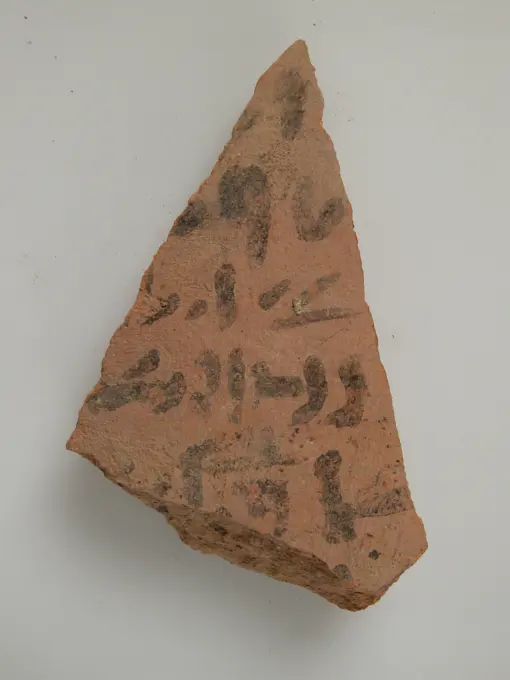
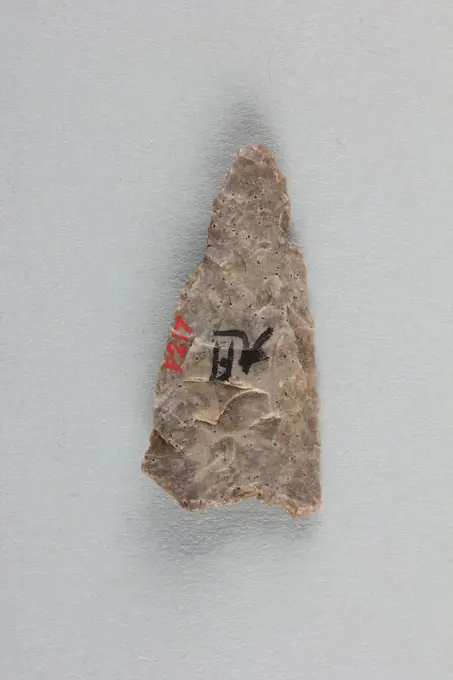
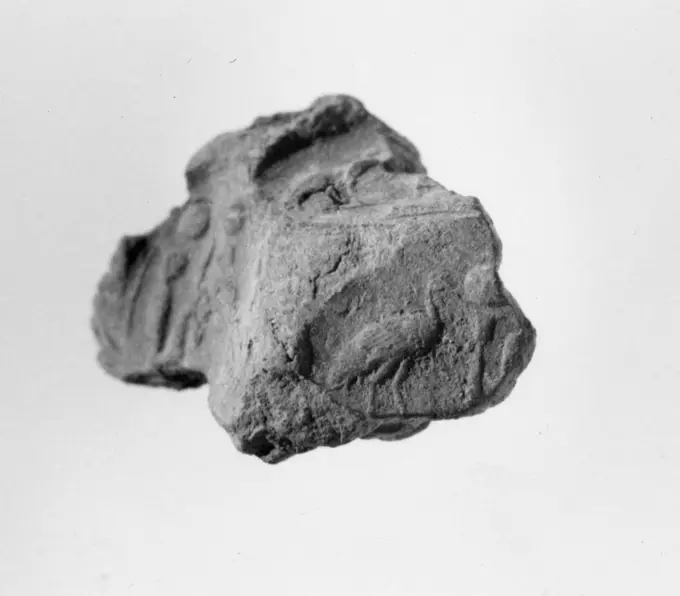
Historical Artifact Fragments

A selection of ancient artifact fragments, including seals and head sculptures, reflecting rich history and craftsmanship through diverse materials.
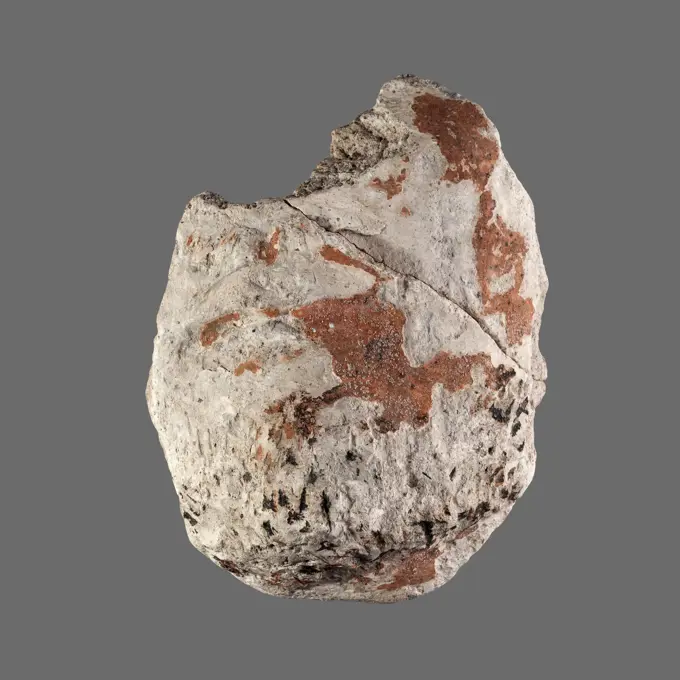
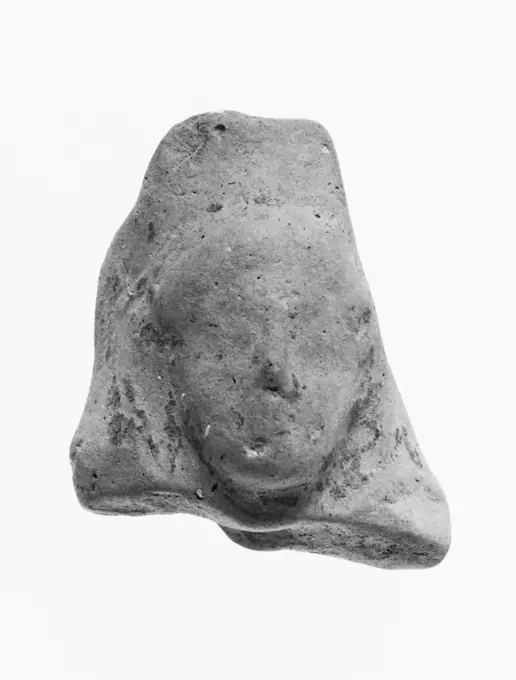
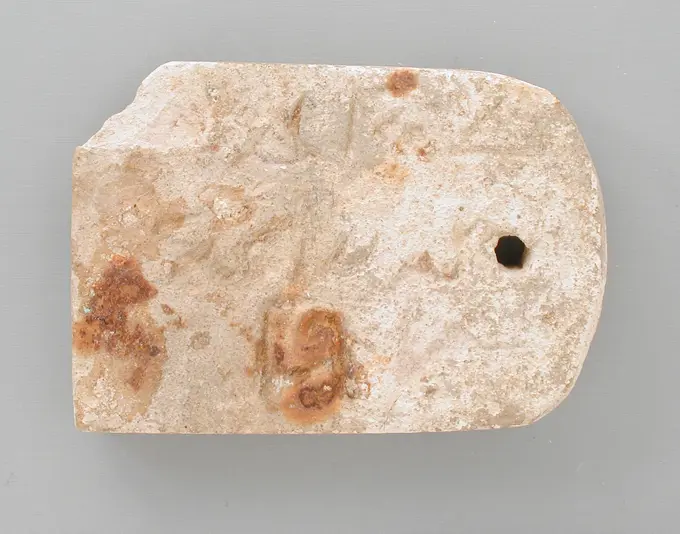
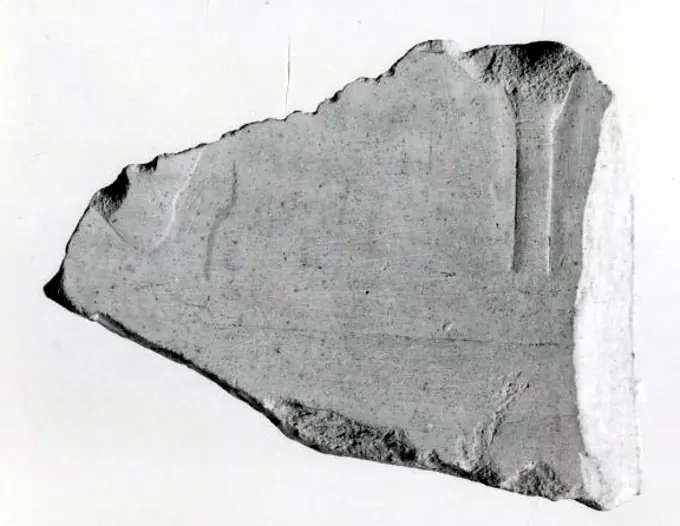
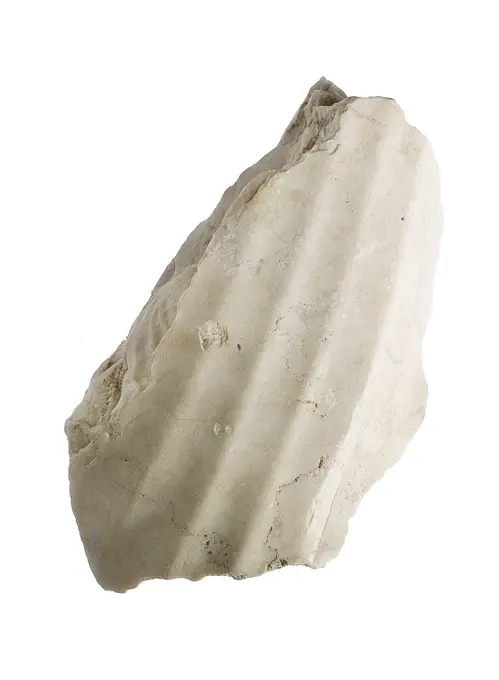
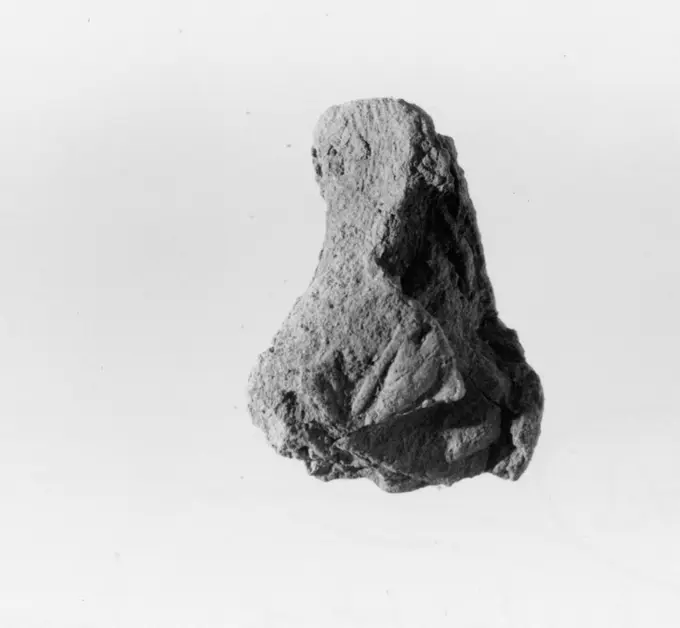
Fragment of the stucco mask;  2nd century; Roman period (101-00-00-200-00-00);Genius, Mieczysław (1852-1920), Geniusz, Mieczysław (1852-1920)-collection, gift (provenance), fragments of sarcophagus, masks, faces
Fragment of the stucco mask; 2nd century; Roman period (101-00-00-200-00-00);Genius, Mieczysław (1852-1920), Geniusz, Mieczysław (1852-1920)-collection, gift (provenance), fragments of sarcophagus, masks, faces
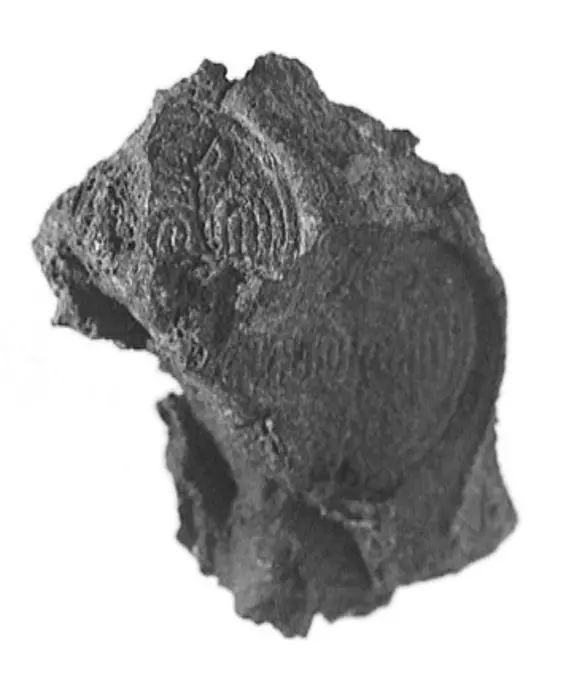
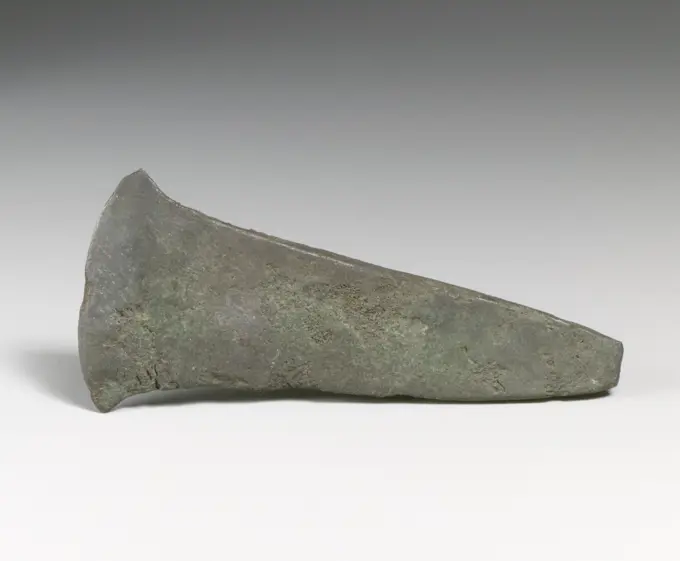
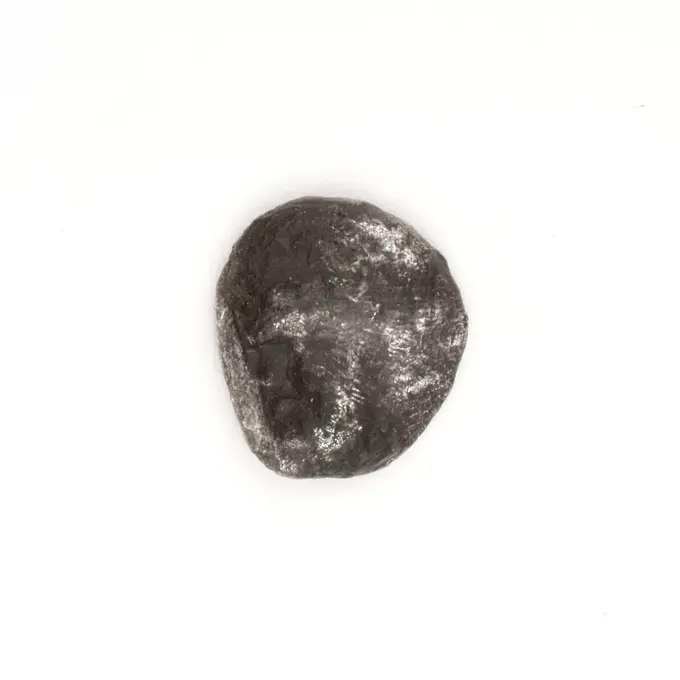
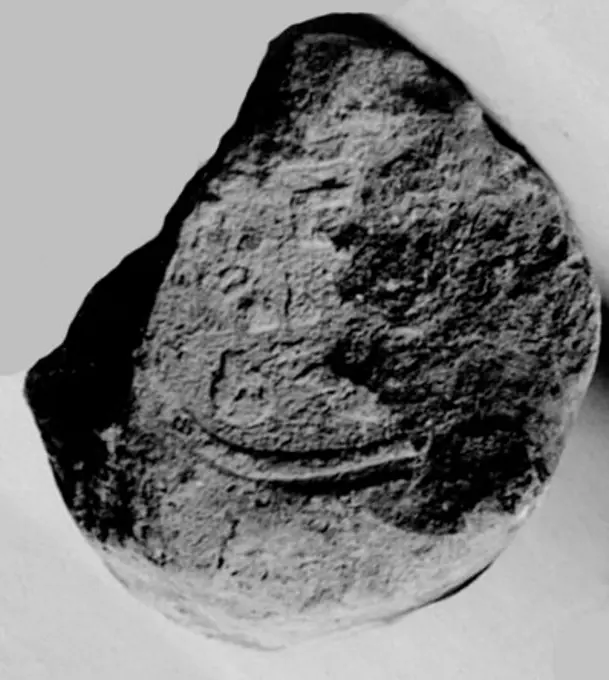
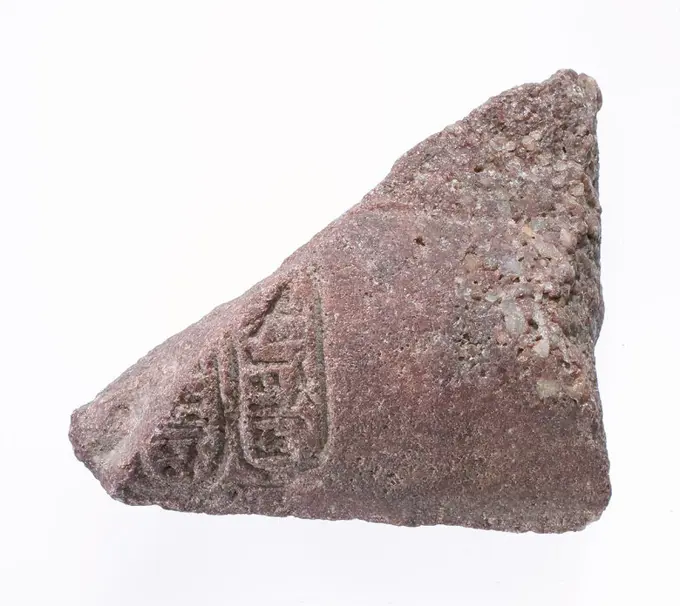
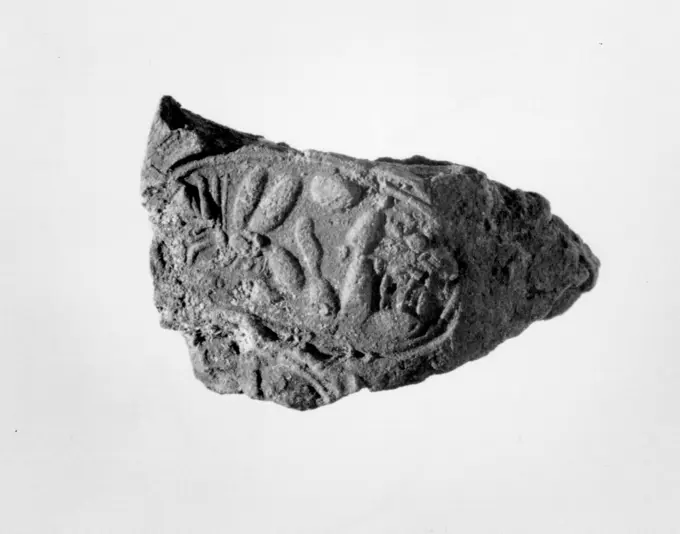
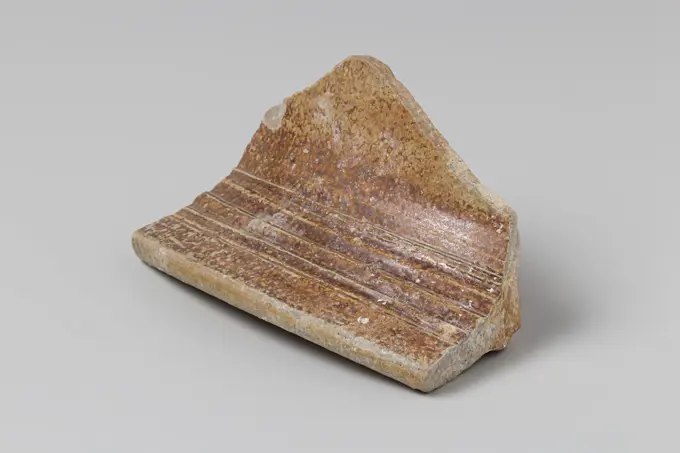
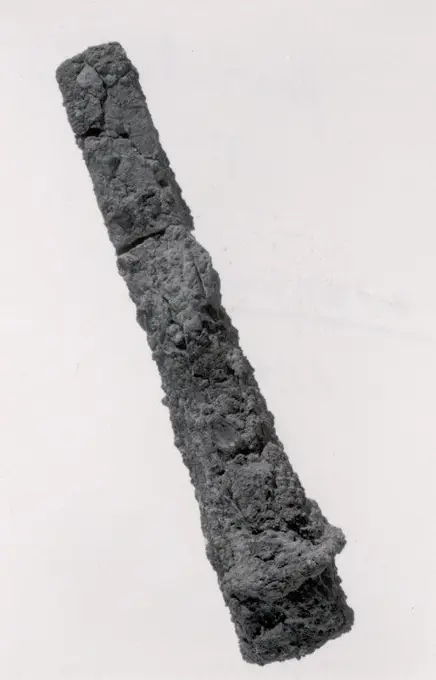
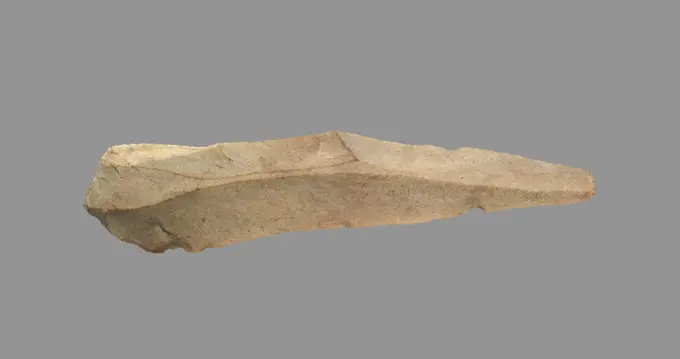
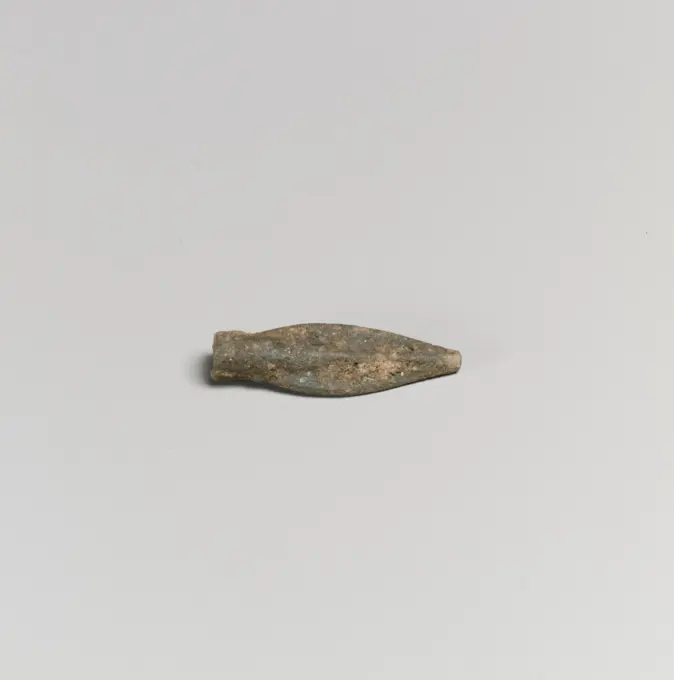
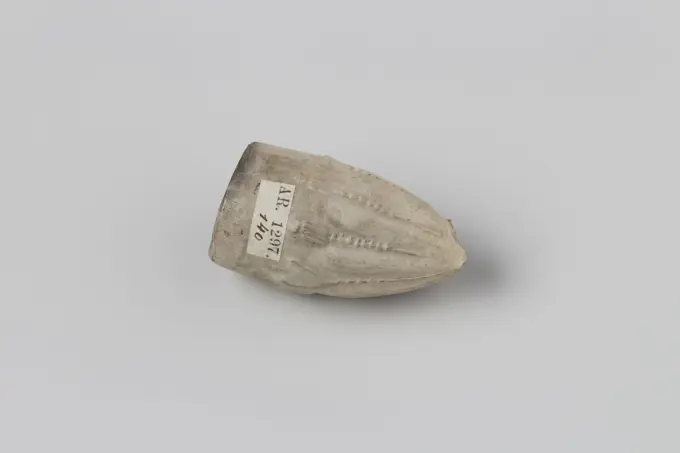
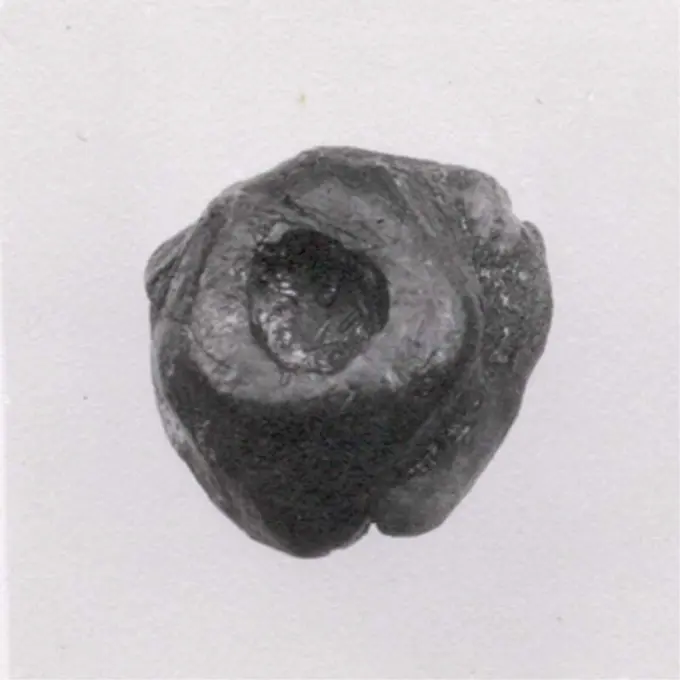
Drohiczy seal;  XI-XIII century (1090-00-00-1110-00-00);guild seals, customs seals, touches, seals of customs chambers, official seals, seals with a crossFemale Head. UnknownDrawing 664-610 B.C. Late Period, Saite see 23.3.468. Drawing. 664-610 B.C.. Limestone, varnish. Late Period, Saite. From Egypt, Upper Egypt, Thebes, Deir el-Bahri, Tomb of Nespekashuty (TT 312, MMA 509), 1st chamber W. wall; N. section, MMA excavations, 1922-23. Dynasty 26Fragment; (possibly) belonging to the Retable of Soest. .Vase fragment Minoan. Vase fragment 247841Relief from the tomb of Meketre ca. 1981-1975 B.C. Middle Kingdom. Relief from the tomb of Meketre 545332Fragment of the stucco mask;  2nd century; Roman period (101-00-00-200-00-00);Genius, Mieczysław (1852-1920), Geniusz, Mieczysław (1852-1920)-collection, gift (provenance), fragments of sarcophagus, masks, facesFragment of buyer from the wreck of the East India Hollandia.parts or artifacts; eroded fragments: Materials; Copper.Sealing ca. 2030-1640 B.C. Middle Kingdom. Sealing 565422Female Head Fragment. UnknownChisel ca. 4600-3600 B.C. Ghassulian. Chisel 326525Pipes head. Pipes head. Of the excavations at the Hofstede Arentsburg 1827-1831 under the supervision of professor Reuvens.Exposed sole of foot of Akhenaten or Nefertiti ca. 1352-1336 B.C. New Kingdom, Amarna Period. Exposed sole of foot of Akhenaten or Nefertiti 549760Sealing ca. 2030-1640 B.C. Middle Kingdom. Sealing 565428Playing Task from the wreck of the East India Hollandia. Rectangular, Square, Flat, Engraved Diagonal Cross on One Side, Game token.Knee Defense (Poleyn) ca. 1430-40 Italian This is part of a large find of medieval armor discovered in 1840 in the ruins of the fortress of Chalcis, on the Greek island of Euboea (then a Venetian colony called Negroponte). The fortress had been captured and destroyed by the Turks in 1470. Now divided largely between the Ethnological Museum, Athens, and The Metropolitan Museum of Art, the Chalcis hoard contains many rare and unusual elements of fourteenth- and fifteenth-century armor. Of particular importance are the variety of headpieces and the many fragments of brigandines (armor for the torso constructed of small plates riveted to layers of fabric), some of which retain portions of their original velvet covering. The Chalcis armor provides a unique picture of the armament used in the Aegean, one of the easternmost military outposts of the Venetian empire.. Knee Defense (Poleyn) 23179Ostracon 400-30 B.C. Late Period-Ptolemaic Period. Ostracon 588359Sealing Sasanian ca. 7th century CEArrowhead. Culture: Japan. Dimensions: W. 5/8 in. (1.6 cm); L. 1 1/4 in. (3.2 cm). Museum: Metropolitan Museum of Art, New York, USA.Drawing 664-610 B.C. Late Period, Saite see 23.3.468. Drawing. 664-610 B.C.. Limestone, varnish. Late Period, Saite. From Egypt, Upper Egypt, Thebes, Deir el-Bahri, Tomb of Nespekashuty (TT 312, MMA 509), 1st chamber W. wall; 2nd register, MMA excavations, 1922-23. Dynasty 26ARTE PREHISTORICO. PALEOLITICO. ESPAÑA. INSTRUMENTO O UTENSILIO DE HUESO (PALEOLITICO MEDIO). Datado en el-48.000 aproximadamente. Procede del yacimiento del "Abric Romaní" (Abrigo Romaní) en Capellades. Museu-Molí Paperer de Capellades. Provincia de Barcelona. Comarca de l'Anoia. Cataluña.Document Sealing With Multiple Seal Impressions ca. 1390-1353 B.C. New Kingdom. Document Sealing With Multiple Seal Impressions. ca. 1390-1353 B.C.. Mud. New Kingdom. From Egypt, Upper Egypt, Thebes, Malqata, MMA excavations, 1910-12; Possibly from King's Palace, West magazine. Dynasty 18Vase fragment. Culture: Aegean. Dimensions: 1 5/8 × 2 3/8 × 3/16 in. (4.1 × 6.1 × 0.4 cm). Museum: Metropolitan Museum of Art, New York, USA.Saddle quern with rubbing stone used for grinding corn. From Wales. Dated 6th Century BCSealing ca. 1981-1640 B.C. Middle Kingdom. Sealing 560450Fragments lead from the wreck of the East Indiesman Hollandia. Parts or artifacts; eroded fragments: Materials; Lead.Mummy Label with Demotic Inscription. Egypt, late Ptolemaic - early Roman Period (100 BCE - 100 CE), perhaps reign of Augustus (30 BCE - 41 CE). Tablets. LimestoneFragment of an Archaic Kline Monument. UnknownA piece of a brick, partly glazed. A piece of a brick, partly glazed.Female Head. UnknownHACHA PULIMENTADA DE LA SEPULTURA Nº 44 DE LOS MILLARES. CALCOLITICO AJUAR. (DEPOSITO: MUSEO ARQUEOLOGICO NACIONAL).Fragment of Tin from the wreck of the East Indians Hollandia, Anonymous, 1700 - in Or Before 1743 fragment Varied parts or fragments, sheet metal fragments: worked; fragm, broken off; flat, egg-shaped, one straight steppend end, curved. Netherlands tin (metal)   SecondDrohiczy seal;  XI-XIII century (1090-00-00-1110-00-00);guild seals, customs seals, touches, seals of customs chambers, official seals, seals with a cross, seal with the image of the faceSealing ca. 2030-1640 B.C. Middle Kingdom. Sealing. ca. 2030-1640 B.C.. Clay (unfired). Middle Kingdom. From Egypt, Memphite Region, Lisht South, South of the tomb of Imhotep, north of the royal causeway, MMA excavations, 1930-31. Dynasty 12-13Sunk relief fragment 664-610 B.C. Late Period, Saite see 23.3.468. Sunk relief fragment. 664-610 B.C.. Limestone, mortar traces. Late Period, Saite. From Egypt, Upper Egypt, Thebes, Deir el-Bahri, Tomb of Nespekashuty (TT 312, MMA 509), Lunette, 2nd chamber, MMA excavations, 1922-23. Dynasty 26Fragment buyer from the wreck of the East Indieschief Hollandia. Parts or artifacts; eroded fragments: Materials; Copper.Lips from a statue of king or queen ca. 1353-1336 B.C. New Kingdom, Amarna Period. Lips from a statue of king or queen 549636Point in the shape of a laurel leaf in cut stone. Neolithic period. North Africa. 6 cm.Female Head. UnknownAxehead ca. 3200-2000 B.C. Cypriot. Axehead. Cypriot. ca. 3200-2000 B.C.. Bronze. Early Bronze Age. BronzesTerracotta vessel fragment with incised lines and punctations ca. 3600-3100 B.C. Cretan From Knossos, CreteGray ware, decorated with incised lines and punctured dots.. Terracotta vessel fragment with incised lines and punctations 248522Fragment of a lead plate from the wreck of the East Indied Flying Heart. Triangular piece plating, without holes. Sheet fragments.Sealing ca. 2030-1640 B.C. Middle Kingdom. Sealing 565350Bliżej Kultury Władysław Jagiełło (CA 1351 1434), Mint of KrakówRelief fragment, tomb of Meketre ca. 1981-1975 B.C. Middle Kingdom. Relief fragment, tomb of Meketre 562104Small metabauxite axe 5th-4th millennium B.C. Cretan Celt.. Small metabauxite axe 252420 Cretan, Small metabauxite axe, 5th4th millennium B.C., Stone, 1 7/8 in. x 1 3/4 in. (4.7 x 4.4. cm). The Metropolitan Museum of Art, New York. Bequest of Richard B. Seager, 1926 (26.31.500)Sealing ca. 2030-1640 B.C. Middle Kingdom. Sealing 546520Fragment pipe head. Fragment pipe head with a horn. Of the excavations at the Hofstede Arentsburg 1827-1831 under the supervision of professor Reuvens.Plaque fragment ca. 9th century B.C. Iran. Plaque fragment 325742Obol; Pantikapaion; 1. W. 4th century BC (-400-00-00--376-00-00);Nadczarzyorze, satir (mitol.), Terlecki, Ignacy (1860-1916), Terlecki, Ignacy (1860-1916)-collection, lions, protom lion (iconographer), crescent, purchase (provenance), animalsDrohiczy seal;  XI-XIII century (1090-00-00-1110-00-00);guild seals, customs seals, touches, seals of customs chambers, official seals, seals with a cross, seal with the letterBLIŻEJ KULTURY Mint of Kraków, Władysław Jagiełło (King of Poland, 1386 1434)Fragment of a Bowl 100 BCE-100 CE Roman Empire. In ancient Rome, there was a high demand for colorful glass that could dazzle banquet guests alongside the expensive silver and gold serving wares meant to impress. Fragments like this one would have once been a part of larger mosaic dishes. The mosaic pattern was made by sagging molten glass into bowl-shaped molds, a technique used on many of these fragments is similar to millefiori, ìthousand flowersî in Italian, a modern glass-making method in which tiny rods of colored glass are bundled together, wrapped in a sheet of glass, fused, and then thinly sliced to reveal swirls of a flower-like patterns. They were arranged side by side, sometimes together with bits of colored glass, and fused together with heat.. Glass, mosaic technique . Ancient RomanSealing ca. 2030-1640 B.C. Middle Kingdom. Sealing 565333Coin 767-75. Coin. 767-75. Copper. Excavated in Iran, Nishapur. CoinsSealing ca. 2030-1640 B.C. Middle Kingdom. Sealing. ca. 2030-1640 B.C.. Clay (unfired). Middle Kingdom. From Egypt, Memphite Region, Lisht South, Pyramid complex of Senwosret I, north temple gateway, MMA excavations, 1913-14. Dynasty 12-13Ivory Fragment. UnknownGarment fragment, probably sash kilt at knee ca. 1353-1336 B.C. New Kingdom, Amarna Period. Garment fragment, probably sash kilt at knee 549776Glass Fragment 14th-15th century French. Glass Fragment. French. 14th-15th century. Colorless glass. Glass-StainedFunerary Cone of the Scribe of the Treasury Senu ca. 1550-1295 B.C. New Kingdom. Funerary Cone of the Scribe of the Treasury Senu. ca. 1550-1295 B.C.. Pottery. New Kingdom. From Egypt, Upper Egypt, Thebes, Khokha, Tomb of Nebamun and Ipuky (TT 181), courtyard and nearby, MMA excavations, 1910. Dynasty 18Document Sealing With the Throne Name of Amenhotep III ca. 1390-1353 B.C. New Kingdom. Document Sealing With the Throne Name of Amenhotep III. ca. 1390-1353 B.C.. Mud. New Kingdom. From Egypt, Upper Egypt, Thebes, Malqata, King's Palace, West magazine, MMA excavations, 1910-12. Dynasty 18Vase fragment 7th century B.C. East Greek Fragment of a kantharos with part of the handle root.. Vase fragment. East Greek. 7th century B.C.. Terracotta. Archaic. VasesVase fragment 4th century B.C. Greek, South Italian, Apulian. Vase fragment. Greek, South Italian, Apulian. 4th century B.C.. Terracotta; red-figure. Late Classical. VasesFragments of copper from the wreck of the East Indians Hollandia, 1700 - in Or Before 1743  Parts of artefacts; eroded fragments: materials; copper. Netherlands copper (metal)   SecondBrick from the wreck of the East India Hollandia. Construction Elements, Brick; Rectangular.Glass Fragment British 14th century View more. Glass Fragment. British. 14th century. Colorless glass. Glass-StainedUpraised arm from offering scene with Aten cartouches. Dimensions: H. 8.5 × W. 9.7 × D. 3.2 cm (3 3/8 × 3 13/16 × 1 1/4 in.); arm between incise lines: W. 5.3 cm (2 1/16 in.); cartouche: W. 1.6 cm (5/8 in.). Dynasty: Dynasty 18. Reign: reign of Akhenaten. Date: ca. 1353-1336 B.C.. Museum: Metropolitan Museum of Art, New York, USA.Bowl; Unknown Night -Tamanian workshop; approx. 2600 2350 BC ; Early period D Azira III (-2600-00-00--2350-00-00);AS; Faustina younger (CA 130-176; Roman Empress 161-176); 152-153 CE (152-00-00-153-00-00);Axe head ca. 2300-2000 B.C. Hattian. Axe head 324472Document Sealing With the Throne Name of Amenhotep III ca. 1390-1353 B.C. New Kingdom. Document Sealing With the Throne Name of Amenhotep III. ca. 1390-1353 B.C.. Mud. New Kingdom. From Egypt, Upper Egypt, Thebes, Malqata, Southern rubbish mounds, MMA excavations, 1910-12. Dynasty 18Shard of a storage jar from the wreck of the East India Hollandia.Stoneware, Rhenish, Langerwehe-Ware, Storage-Jar; Fragm or Rim, SIM. NG 1980-27H909, Everted, Oblique, with Relieved Bands on the exterior.Vase fragment Minoan. Vase fragment 247811Ferrule () ca. 9th century B.C. Iran. Ferrule () 326200Sickle Blade, 1980-1801 BC. Egypt, Middle Kingdom, Dynasty 12. Flint; overall: 5 cm (1 15/16 in.).Bronze arrowhead 6th-4th century B.C. or later Greek or Achaemenid With midrib and socket.. Bronze arrowhead 252868 Greek or Achaemenid, Bronze arrowhead, 6th4th century B.C. or later, Bronze, Other: 1 9/16 in. (3.9 cm). The Metropolitan Museum of Art, New York. Gift of The American Society for the Excavation of Sardis, 1926 (26.199.305)Fragments of lead plate from the wreck of the East Indians' t Vliegend Hart ,, 1729 - 1735 sheet lead Three pieces of lead, corroded and bushed, without holes. Sheet fragments. Middelburg lead (metal)Attic Red-Figure Stamnoid Fragment. Attributed to the Brygos Painter (Greek (Attic), active about 490 - 470 B.C.)Oracle bone fragment. Culture: China. Dimensions: H. 7 1/2 in. (19.1 cm); W. 3 3/8 in. (8.6 cm); D. 3/4 in. (1.9 cm). Museum: Metropolitan Museum of Art, New York, USA.PIEDRA PROCEDENTE DE LAS CUEVAS DE PETRA. Location: EXTERIOR. PETRA.Vase fragment Minoan. Vase fragment 247809Mechanical part of the wreck of the East Indians Hollandia, Anonymous, 1700 - in Or Before 1743 part Varied parts or fragments, mechanical parts; fragm, of small pulley wheel, eroded; circular, everted rim on both sides, concave outer edge, small tube with everted ends in centre, 4 circular holes around central axis. Netherlands copper (metal)   SecondFragment Pijpenkop, Anonymous, 1750 - 1780 Fragment piping head with eight grunts (floral -sainted motif) between which pearl rows ends in alternating hearts, windows and 'schedules' (). Of the excavations on the Hofstede Arentsburg 1827-1831 under the supervision of Professor Reuvens. Netherlands pipe clay Fragment piping head with eight grunts (floral -sainted motif) between which pearl rows ends in alternating hearts, windows and 'schedules' (). Of the excavations on the Hofstede Arentsburg 1827-1831 under the supervision of Professor Reuvens. Netherlands pipe clayFemale Head. UnknownFragment; (possibly) belonging to the Retable of Soest. .Sealing ca. 7th century A.D. Sasanian. Sealing 323294Glass marbled mosaic inlay fragment 1st half of 1st century A.D. Roman Fragment of revetment plaque.Opaque orange with streaks of opaque red.Flat inlay.Marbled mosaic pattern.Polished upper side; pitting of surface bubbles on upper side; thick black and creamy weathering on underside; creamy weathering on jagged edges.. Glass marbled mosaic inlay fragment. Roman. 1st half of 1st century A.D.. Glass; cast. Early Imperial, Julio-Claudian. GlassPhallus Pendant. UnknownInlay () in form of a Cartouche. Egyptian. Date: 1199 BC-1185 BC. Dimensions: 1.6 × 1 × 0.3 cm (5/8 × 3/8 × 1/8 in.). Ceramic. Origin: Egypt. Museum: The Chicago Art Institute, Chicago, USA. Author: Ancient Egyptian.Raised relief fragment 664-610 B.C. Late Period, Saite see 23.3.468. Raised relief fragment. 664-610 B.C.. Limestone, varnish. Late Period, Saite. From Egypt, Upper Egypt, Thebes, Deir el-Bahri, Tomb of Nespekashuty (TT 312, MMA 509), 1st chamber N. door, MMA excavations, 1922-23. Dynasty 26Sharf of a sign from the wreck of the East Indians' t Vliegend Hart ,, 1700 - 1735 plate (dishes) One shard yellow -baking earthenware that has been part of a plate, pale blue with vague drawing. Netherlands tin glazePottery Fragment 4th-7th century Coptic. Pottery Fragment 479330Fragments from buyer from the wreck of the East India Hollandia.parts or artifacts; eroded fragments: Materials; Copper.Sickle Blade, 1980-1801 BC. Egypt, Middle Kingdom, Dynasty 12. Flint; overall: 5 cm (1 15/16 in.).Joint, probably a knee ca. 1353-1336 B.C. New Kingdom, Amarna Period. Joint, probably a knee 567618coal isolated on white backgroundVase fragment ca. 3000-2200 B.C.. Vase fragment. ca. 3000-2200 B.C.. Terracotta. Early Helladic. VasesScherf of a jug of the wreck of the East Indians Hollandia, Anonymous, 1700 - in or Before 1743  Stoneware, Rhenish, Frechen-ware, jug; fragm of body. Cologne stoneware   SecondShawabty of Ditamenpaankh, 715-656 BC. Egypt, Late Period, Dynasty 25. Terracotta; overall: 2.8 x 1.6 x 0.8 cm (1 1/8 x 5/8 x 5/16 in.).Relief fragment, tomb of Meketre ca. 1981-1975 B.C. Middle Kingdom. Relief fragment, tomb of Meketre. ca. 1981-1975 B.C.. Limestone, paint. Middle Kingdom. From Egypt, Upper Egypt, Thebes, Southern Asasif, Tomb of Meketre (TT 280, MMA 1101), MMA excavations, 1920. Dynasty 12