Historical Artifact Fragments

A selection of ancient artifact fragments, including seals and head sculptures, reflecting rich history and craftsmanship through diverse materials.
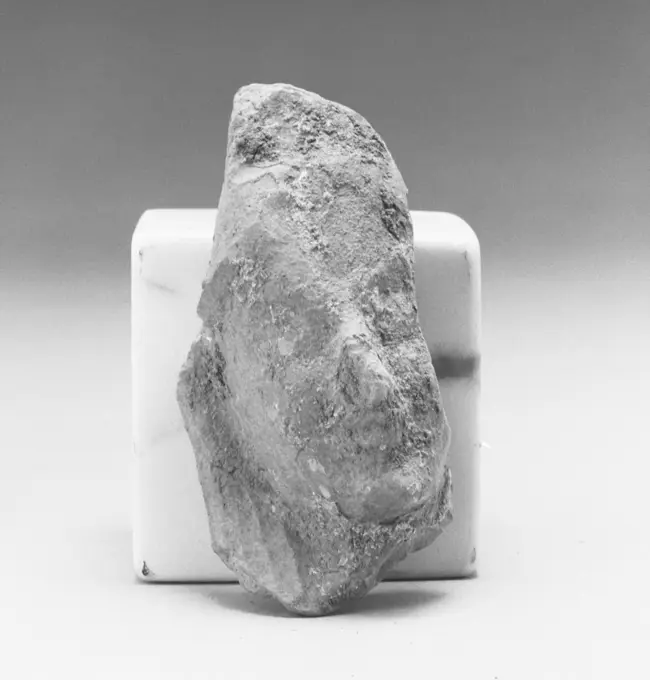
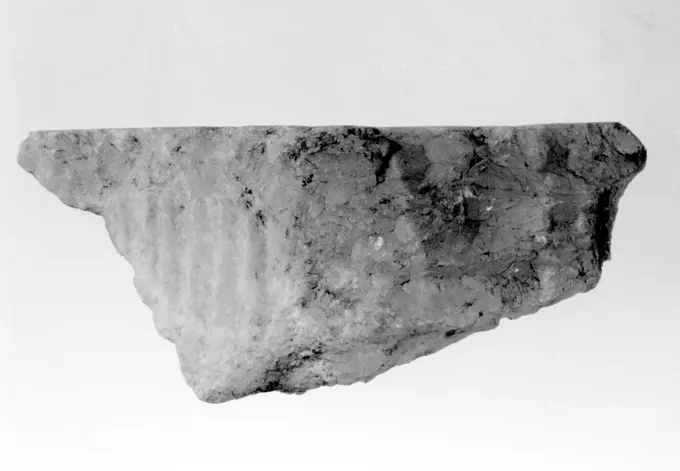
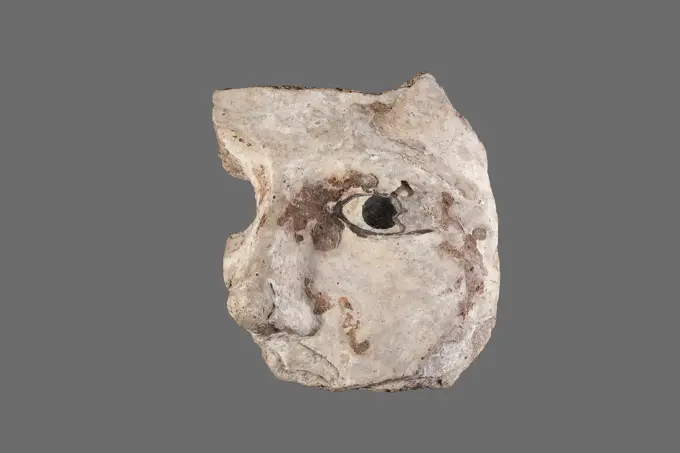
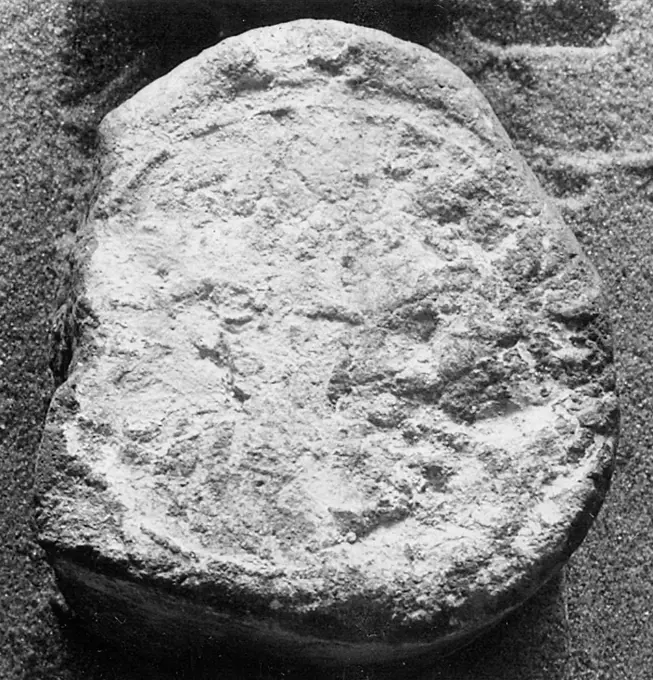
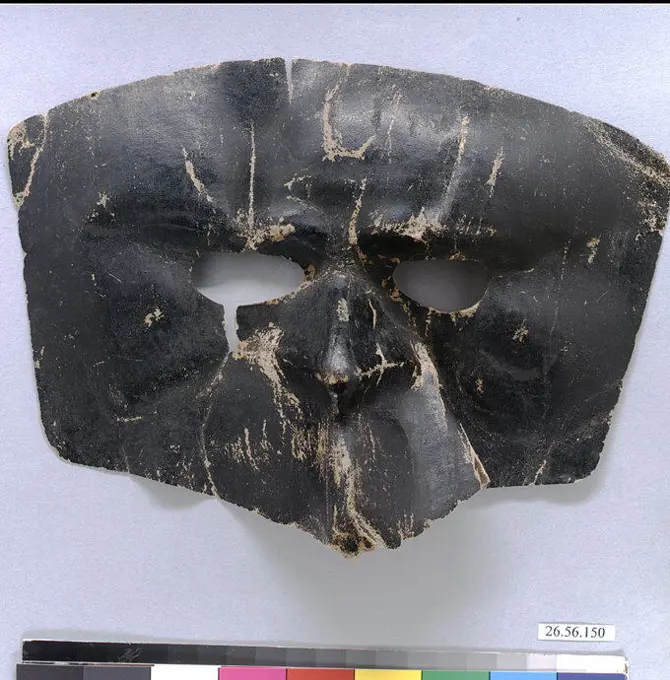
Fragment of the stucco mask;  2nd century; Roman period (101-00-00-200-00-00);Genius, Mieczysław (1852-1920), Geniusz, Mieczysław (1852-1920)-collection, gift (provenance), fragments of sarcophagus, masks, faces
Fragment of the stucco mask; 2nd century; Roman period (101-00-00-200-00-00);Genius, Mieczysław (1852-1920), Geniusz, Mieczysław (1852-1920)-collection, gift (provenance), fragments of sarcophagus, masks, faces
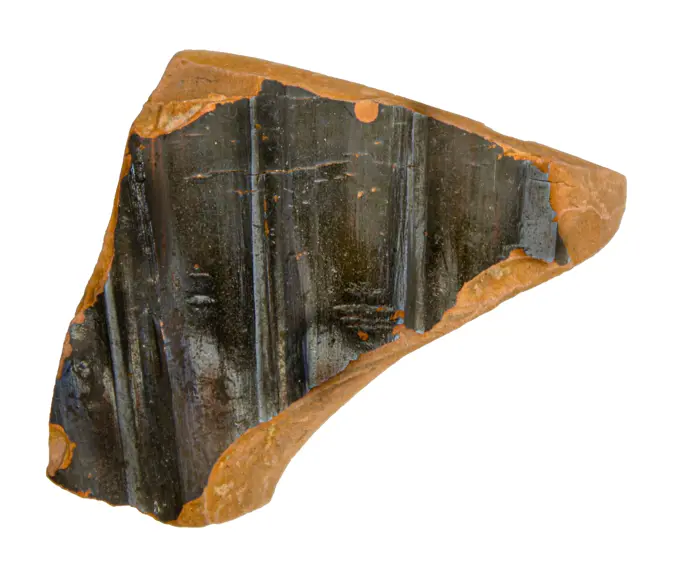
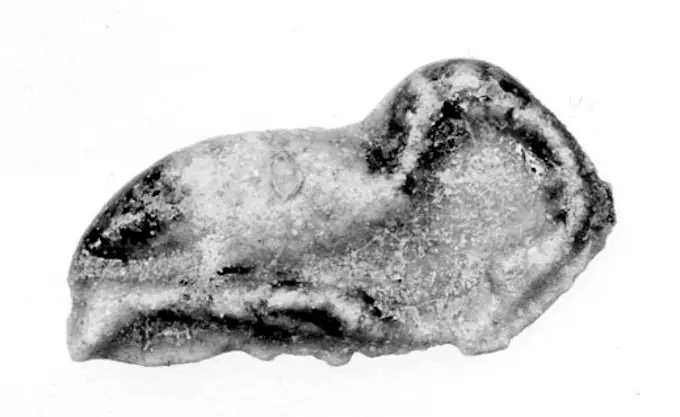
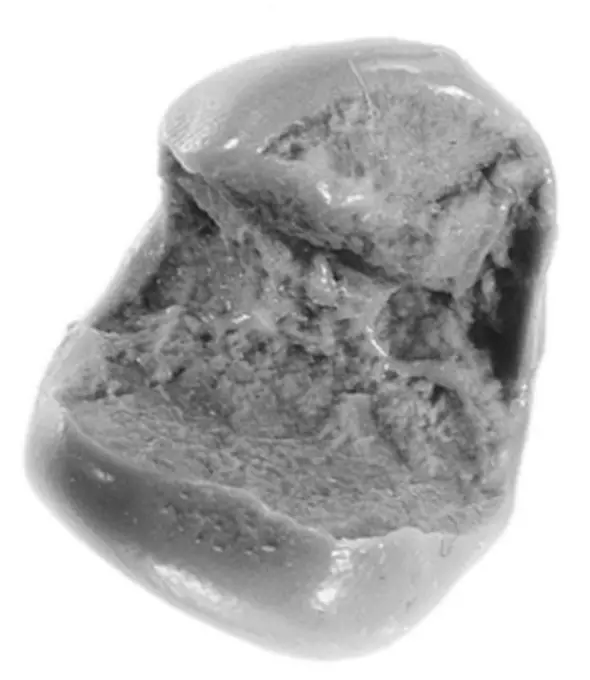
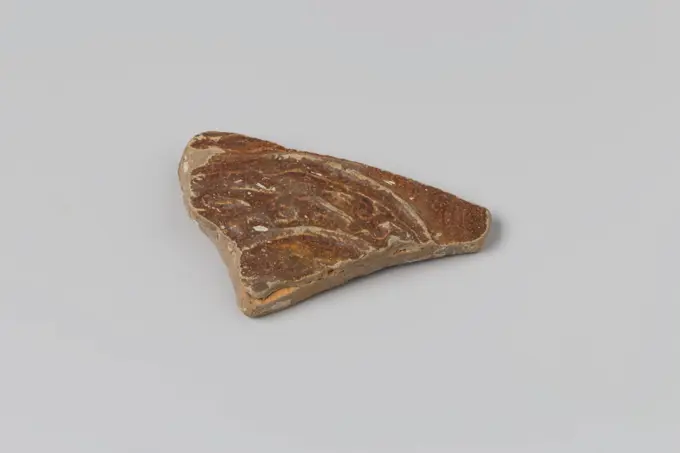
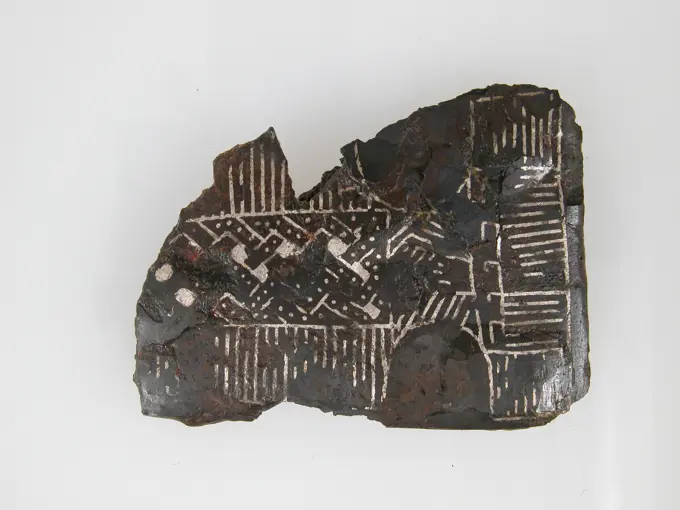
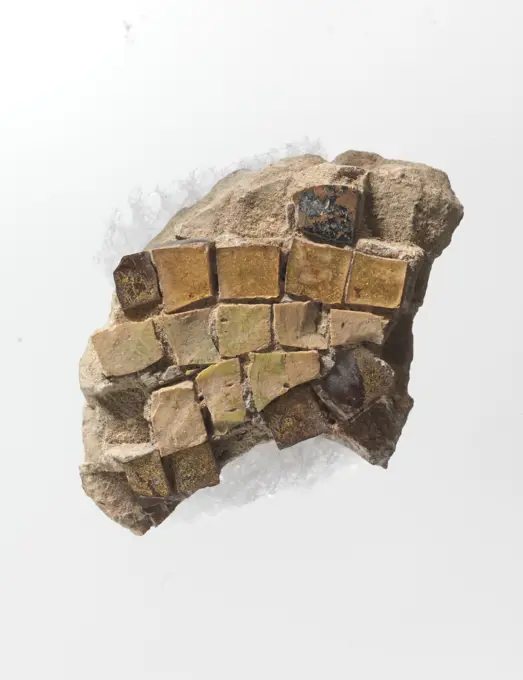
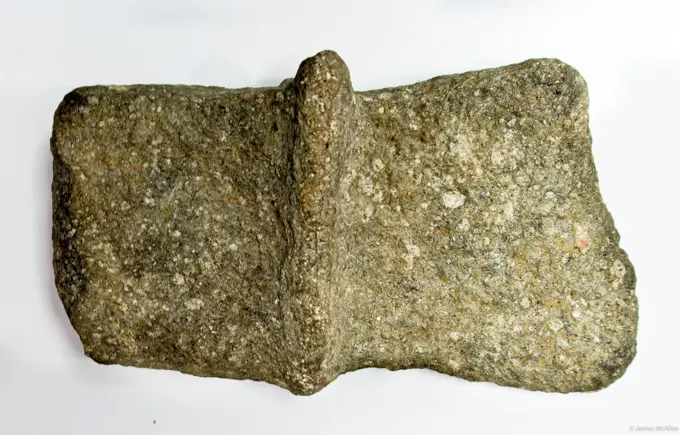
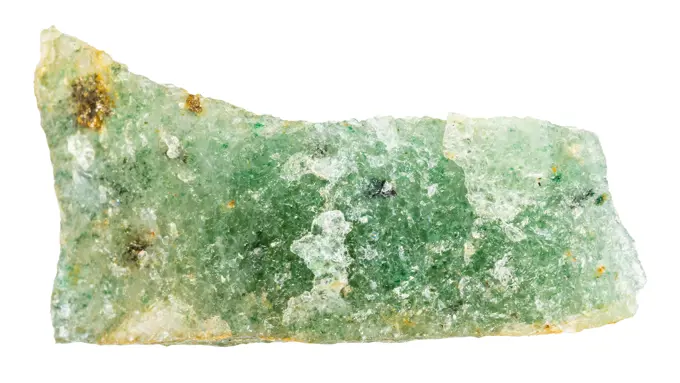
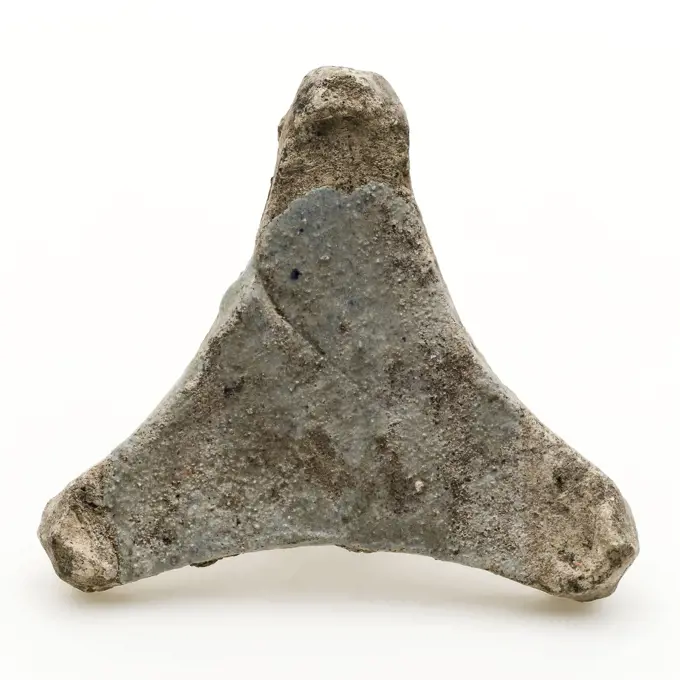
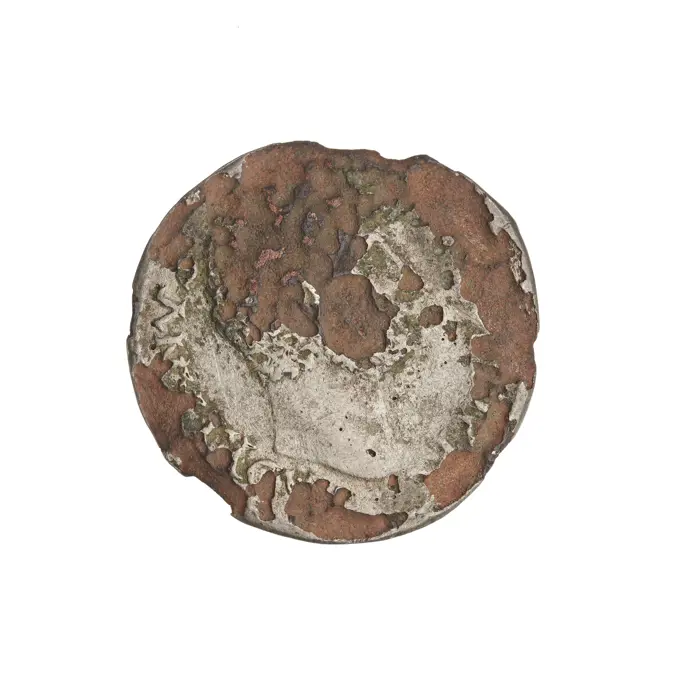
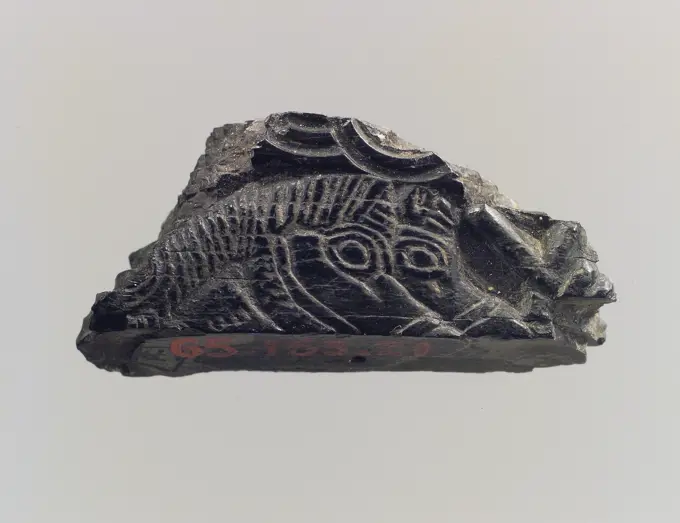
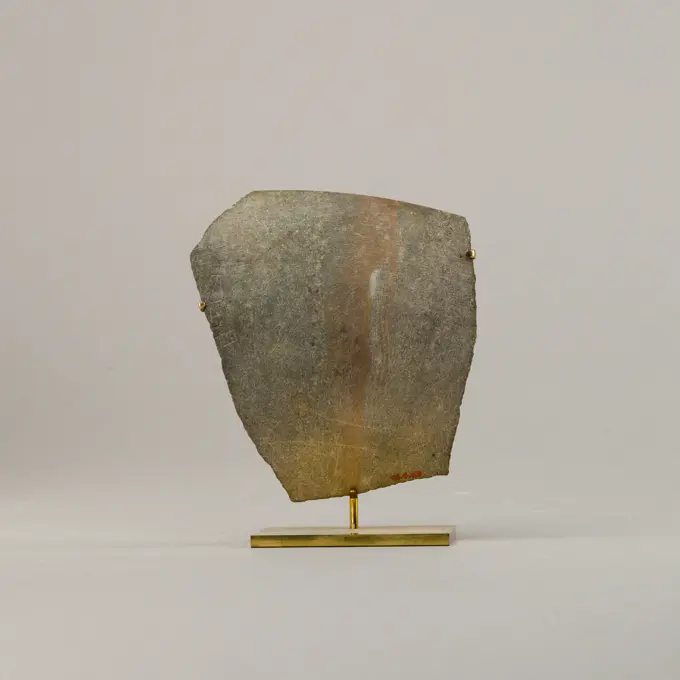
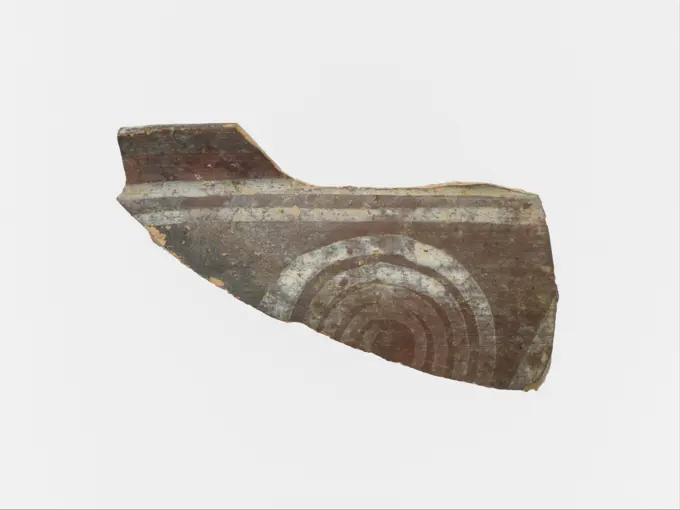
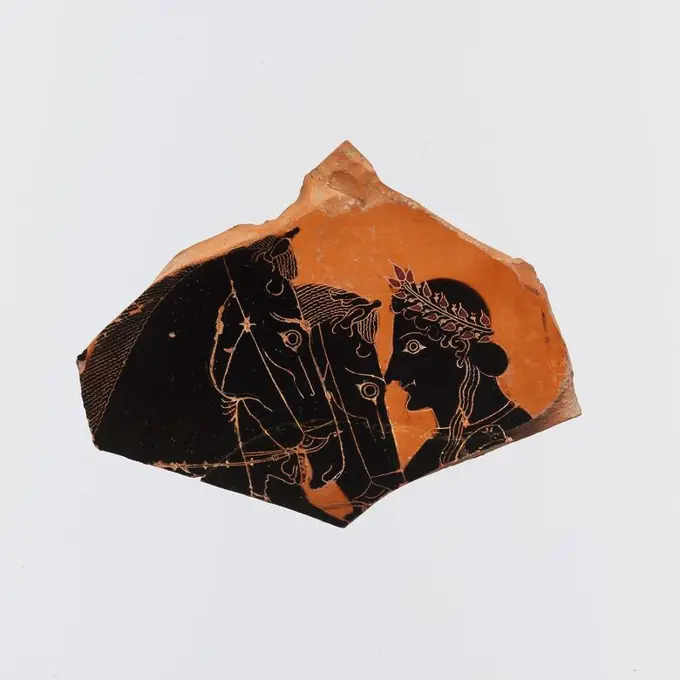
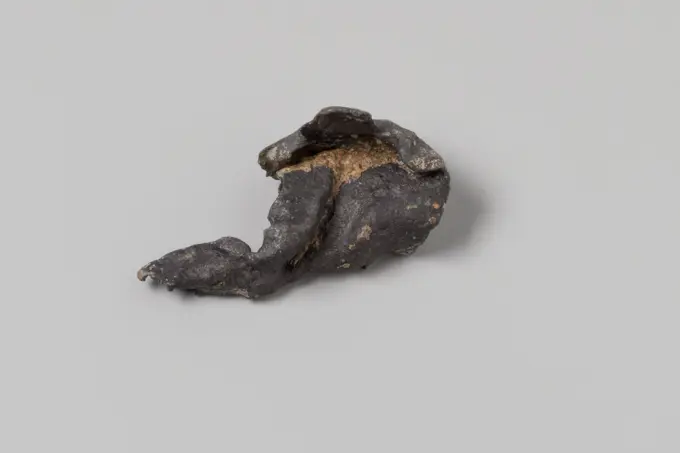
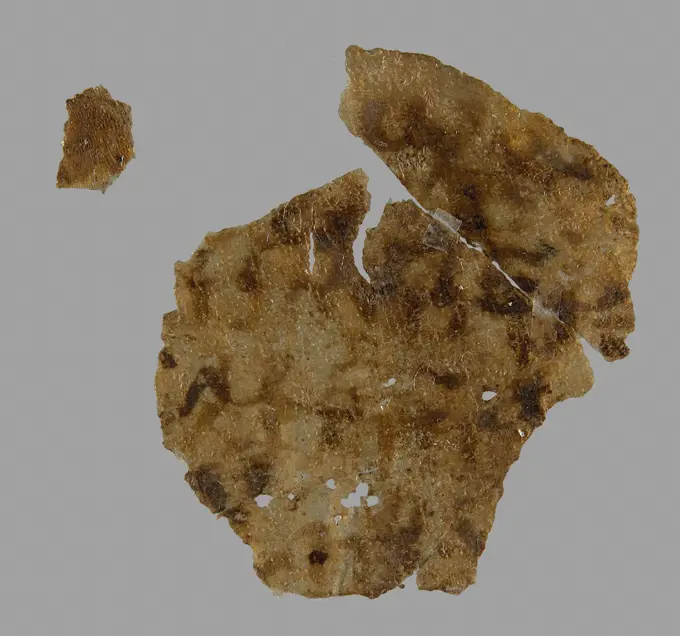
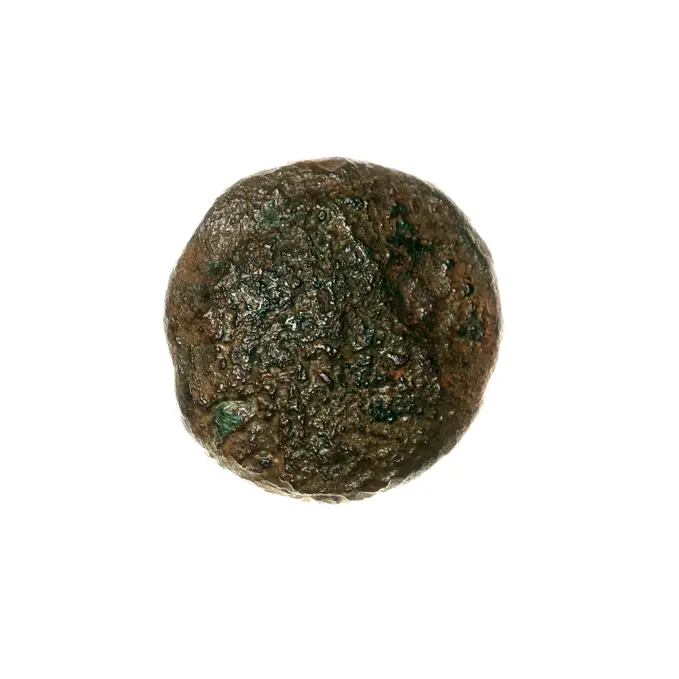
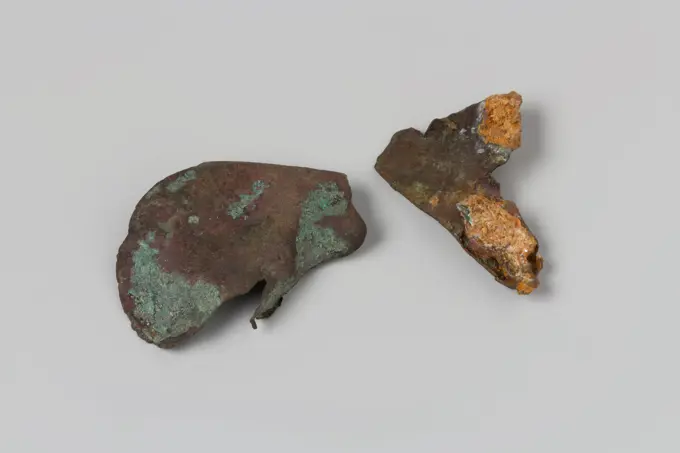
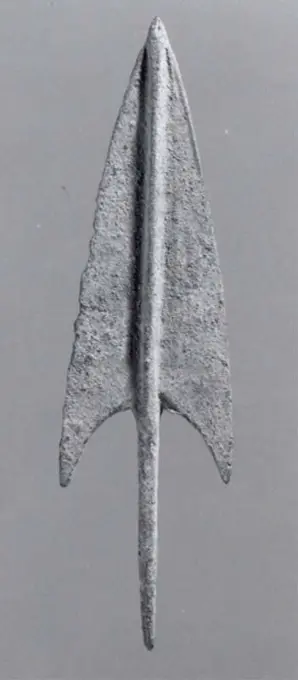
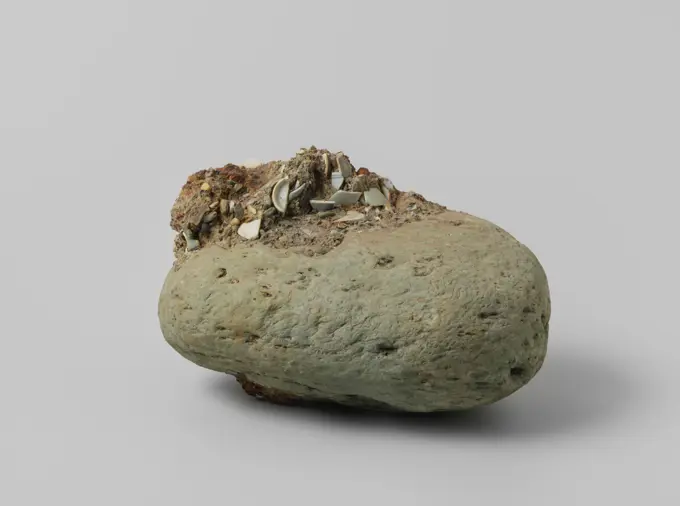
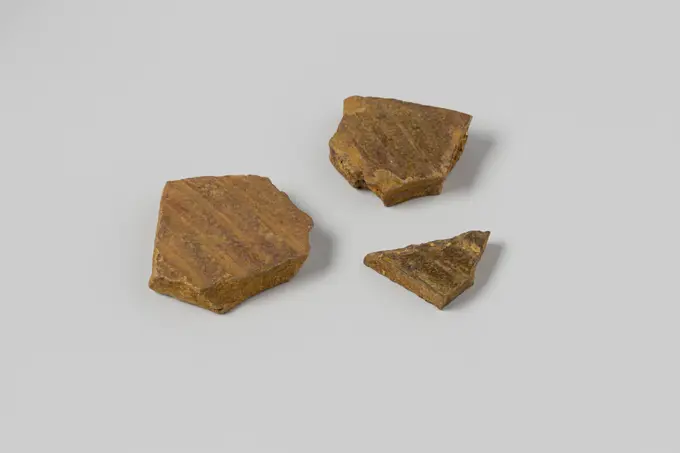
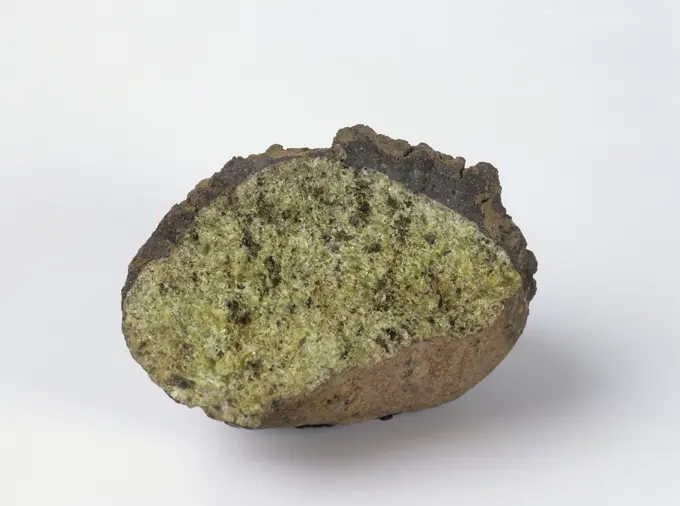
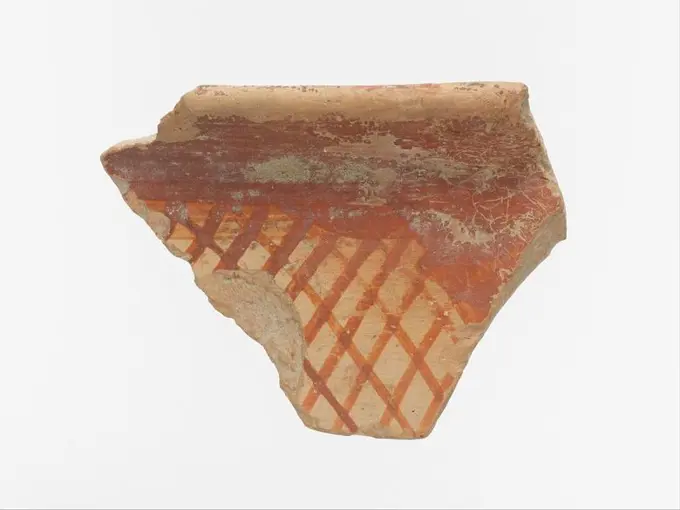
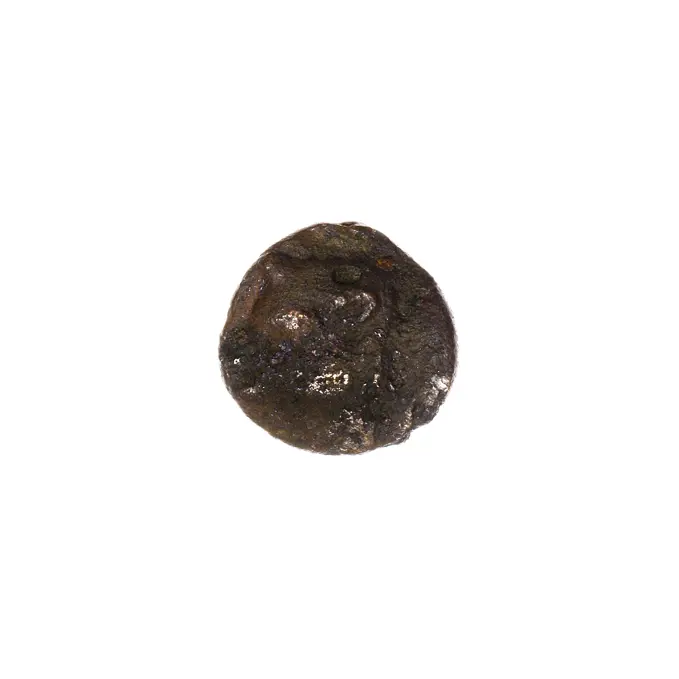
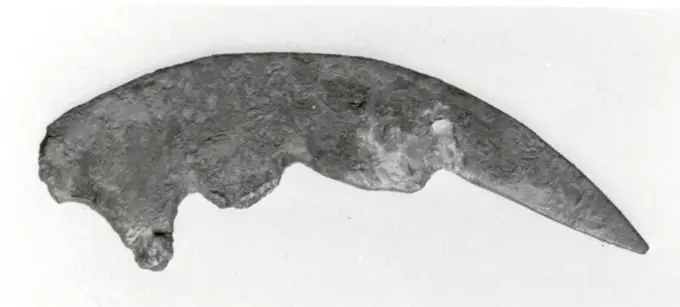
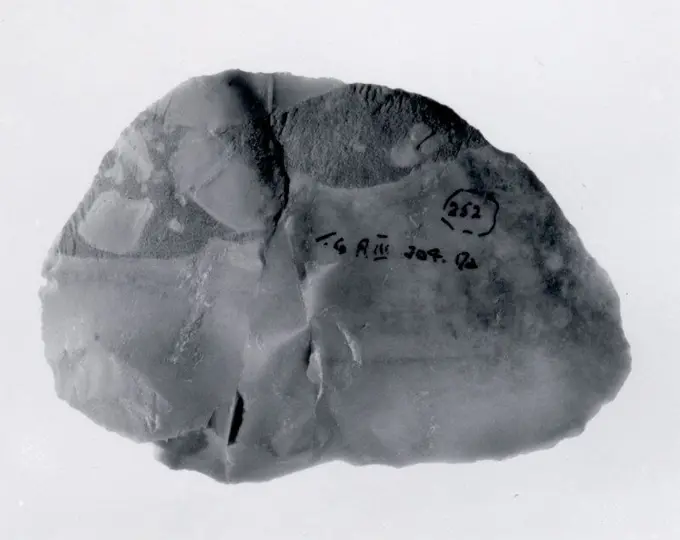
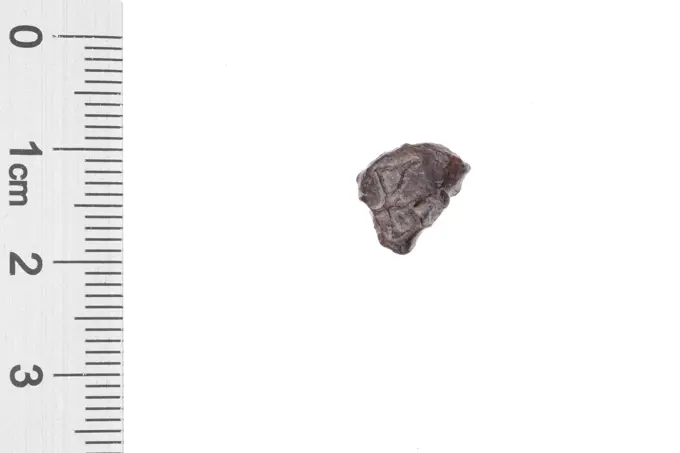
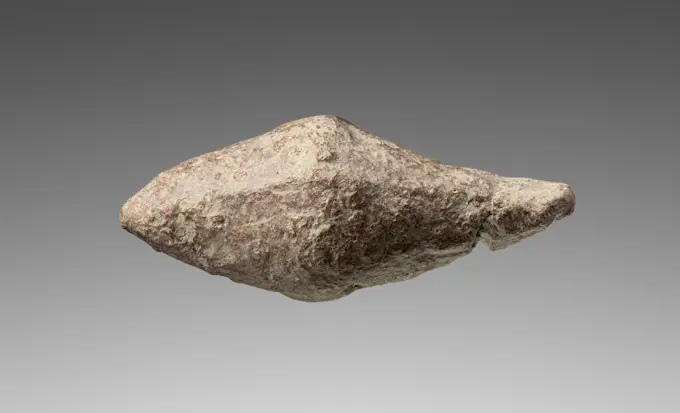
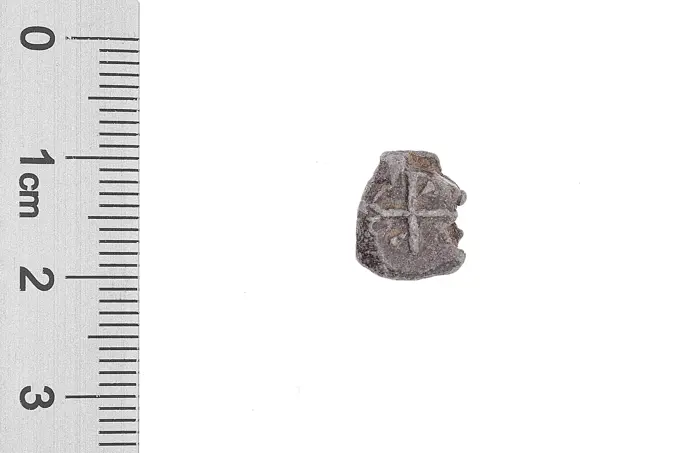
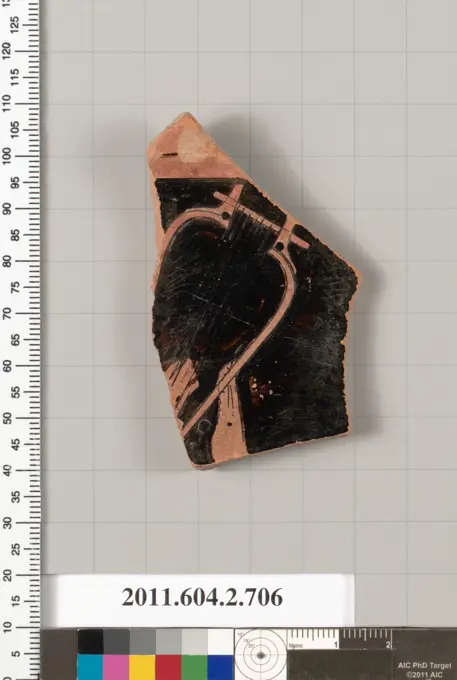
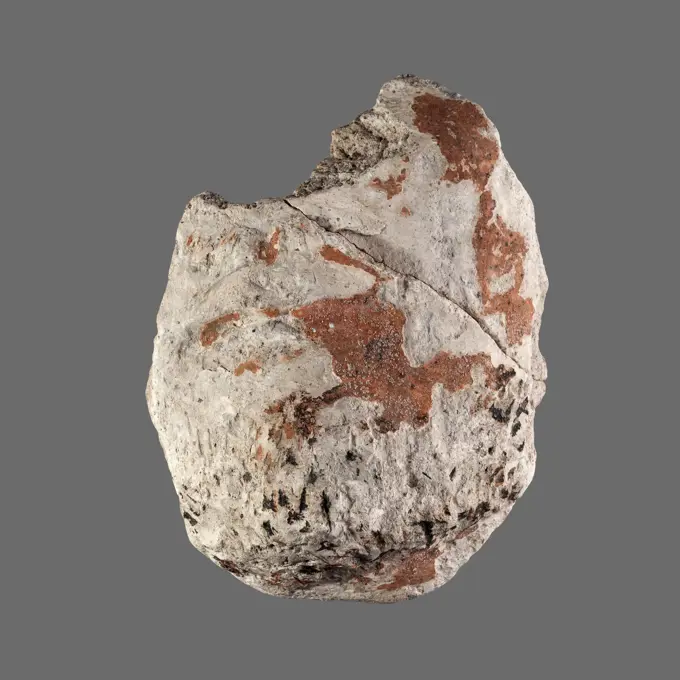
Arrowhead ca. 9th century B.C. Iran. Arrowhead 326195Vase fragment ca. 4000-3000 B.C. Neolithic, Hagiorgetika. Vase fragment. Neolithic, Hagiorgetika. ca. 4000-3000 B.C.. Terracotta. Neolithic, first period. VasesSteatite pendant Minoan ca. 2900-1900 BCE Pendant.Volute-krater fragment 4th century B.C. Greek, South Italian, Apulian. Volute-krater fragment. Greek, South Italian, Apulian. 4th century B.C.. Terracotta; red-figure/black-glaze. Late Classical. VasesBelt Plate 6th century () Frankish. Belt Plate. Frankish. 6th century (). Iron, silver inlay, brass inlay. Metalwork-IronIbis Amulet 400-30 BC Ptolemaic Period Starting in the later Late Period and continuing through the Ptolemaic Period, a type of glass amulet cast by pressing the glass into a shallow open mold appears. The back was left rough, and the amulets may look ragged because glass overflowed the mold around the edges. The earlier amulets are monochrome, bi- or multicolor amulets supplement the repertoire during the Ptolemaic Period. Most are clearly funerary amulets, presumably meant to be wrapped between the bandages of the mummy where the presence of the amulet would do its job irrespective of its degree of finish.. Ibis Amulet 552874Hekte (1/6 Stater) fromSardis. Mint: Sardis Artist: UnknownAx 1500-500 B.C. India. Ax 50617Sealing ca. 2030-1640 B.C. Middle Kingdom. Sealing 565413Scherf of a storage jar from the wreck of the East Indians Hollandia, Anonymous, 1700 - in Or Before 1743  Stoneware, Rhenish, Langerwehe-Jer; Fragm of Body with Medlion-Appliqué, SIM. ng 1980-27h909. Cologne stoneware   SecondKarshapana fromMaurya. Artist: UnknownKnife Part 2500-1500 B.C; A.D. 4th-7th century Frankish. Knife Part 464800 Frankish, Knife Part, 25001500 B.C; A.D. 4th7th century, Flint (), Overall: 1 9/16 x 9/16 x 3/16 in. (4 x 1.4 x 0.5 cm). The Metropolitan Museum of Art, New York. Gift of J. Pierpont Morgan, 1917 (17.191.111)Belt Plate 4th-7th century Frankish. Belt Plate 469769Mosaic fragment ca. 3rd-7th century A.D. Sasanian Written sources state that in 540, the Sasanian emperor Khusraw I (r. 531-79) decorated his palace at Ctesiphon with mosaics commemorating the Sasanian army's siege of the Byzantine city of Antioch. Excavations at the site uncovered fragments of mosaics with vibrant colors and gilding in the palace precinct. The use of a medium associated with Byzantine imperial architecture at the Sasanian capital is an example of the complex cultural and political exchanges made between the two empires.. Mosaic fragment 322789Vase fragment Minoan. Vase fragment 247756Bead ca. 3rd-7th century A.D. Sasanian. Bead. Sasanian. ca. 3rd-7th century A.D.. Glass. Sasanian. Iran, Qasr-i Abu NasrTop of tomahawk ,. WestboroughFragmentary Fibula. UnknownFragment blowjob from the wreck of the East Indieschief Hollandia. Pipe, Bowl.Ring ca. 9th-7th century B.C. Assyrian. Ring 324376Drohiczyn seal. unknown, managerraw green aventurine rock isolated on white close up of sample of natural stone from geological collection - raw green aventurine rock isolated on white background Copyright: xZoonar.com/ValeryxVoennyyx 21467310With light blue glaze, soil found ceramic earthenware glaze leadglaze, w 9.7 mold formed baked yellow shard triangular with curved sides Three supports On the underside light blue glaze archeology Rotterdam City triangle Schielandshuis indigenous earthenware baking platel bakery Soil discovery: Schieland house under Pappegay and garden. Canal filling secondary oven waste.Bronze knife ca. 1600-1050 B.C. Minoan Straight base with three rivet holes, in one of which the rivet is still preserved. The blade is wider in the middle than at the ends.. Bronze knife 247625Volute-krater fragment 4th century B.C. Greek, South Italian, Apulian. Volute-krater fragment. Greek, South Italian, Apulian. 4th century B.C.. Terracotta; red-figure. Late Classical. VasesCystofor; Hadrian (76-138; Roman emperor 117-138); 117-138 (134-00-00-138-00-00);Diana (Mitol.), Jelenia, BustersThree Gold Beads. UnknownPlaque fragment ca. 9th century B.C. Iran. Plaque fragment 325750piece of rough Skarn rock isolated on white closeup of sample of natural mineral from geological collection - piece of rough Skarn rock isolated on white background Copyright: xZoonar.com/ValeryxVoennyyx 14991731Sherd with a serekh ca. 3100-2649 B.C. Early Dynastic Period. Sherd with a serekh. ca. 3100-2649 B.C.. Pottery. Early Dynastic Period. From Egypt, Northern Upper Egypt, Abydos, Umm el-Qaab, Tomb of Peribsen, Egypt Exploration Fund excavations. Dynasty 1Terracotta rim of a cup with spirals and bands ca. 1800-1700 B.C. Minoan From Knossos, CretePart of rim, polychrome, spiral ornament and bands in white on dark ground.. Terracotta rim of a cup with spirals and bands 248536Fragment Pijpenkop, Jan Ophuijzen sr. And Jr., 1750 - 1780 Fragment piping head with the letters I o h enclosed on both sides by flower vines. Of the excavations on the Hofstede Arentsburg 1827-1831 under the supervision of Professor Reuvens. Gorinchem pipe clay Fragment piping head with the letters I o h enclosed on both sides by flower vines. Of the excavations on the Hofstede Arentsburg 1827-1831 under the supervision of Professor Reuvens. Gorinchem pipe clayFragment of a terracotta amphora (jar). Culture: Greek, Attic. Dimensions: Overall: 3 7/16 x 5 1/16in. (8.7 x 12.9cm). Date: ca. 540-530 B.C..Youth steadying horsesThe composition of which this is a part would have been a harnessing scene. Museum: Metropolitan Museum of Art, New York, USA.Female Head. UnknownDrohiczy seal;  XI-XIII century (1090-00-00-1110-00-00);guild seals, customs seals, touches, seals of customs chambers, official seals, seals with a crossBliżej Kultury Władysław Jagiełło (CA 1351 1434), Mint of KrakówFragment of a Female Head. UnknownArrowhead ca. 9th century B.C. Iran. Arrowhead 326199Fish 4th-7th century Coptic. Fish 475427Finial. UnknownCoin probably 10th century. Coin 457628Canopic Chest Lid Fragment ca. 1194-1188 B.C. New Kingdom, Ramesside. Canopic Chest Lid Fragment 561321Empty wooden cutting board for preparing ingredients for preparing a delicious dish Empty wooden cutting board for preparing ingredients for preparing a delicious dish. Kitchen utensils Copyright: xZoonar.com/TetianaxChernykovax 21728425Emilia-Romagna Ferrara Ferrara Museo Civico di Schifanoia62. Hutzel, Max 1960-1990 General Notes: INCOMPLETE RECORD--NEGATIVES PROCESSED, PRINTS FILED German-born photographer and scholar Max Hutzel (1911-1988) photographed in Italy from the early 1960s until his death. The result of this project, referred to by Hutzel as Foto Arte Minore, is thorough documentation of art historical development in Italy up to the 18th century, including objects of the Etruscans and the Romans, as well as early Medieval, Romanesque, Gothic, Renaissance and Baroque monuments. Images are organized by geographic region in Italy, then by province, city, site complex and monument.Maska stiukowa. unknown, authorFragment lead from the wreck of the East Indians Hollandia, 1700 - in or before 1743 fragment Parts of artefacts; eroded fragments: materials; lead. Netherlands lead (metal)   SecondThree fragments of the folio of the Code (jointly framed); unknown scriptor-copyist; IX-XIII century (801-00-00-1300-00-00);Nubian collectionExcerpt of copper from the wreck of the East Indians Hollandia, 1700 - in or before 1743  Parts of artefacts; eroded fragments: materials; copper. Netherlands copper (metal)   SecondVase fragment East Greek/Sardis, Lydian. Vase fragment 252825 East Greek/Sardis, Lydian, Vase fragment, Terracotta, Overall: 2 3/4 x 1 7/8in. (7 x 4.7cm). The Metropolitan Museum of Art, New York. Gift of The American Society for the Excavation of Sardis, 1926 (26.199.261)Attic Black-Figure Neck Amphora Fragment (comprised of 2 Joined Fragments). UnknownBrown coin; Pantikapaion; 330-315 BC (330-00-00-315-00-00);Nadczarzyorze, Pegasus (Mitol.), Satyr (Mitol.), Terlecki, Ignacy (1860-1916), Terlecki, Ignacy (1860-1916)-collection, protom Pegaza (iconogr.), Purchase (provenance)Gray stone isolated on the white backgroundsesterce; Antoninus Pius (86-161; Roman emperor 138-161), Marek Aureliusz (121-180; Roman emperor 161-180); 153-154 (153-00-00-154-00-00);Fragments of copper from the wreck of the East Indians Hollandia, 1700 - in Or Before 1743  Parts of artefacts; eroded fragments: materials; copper. Netherlands copper (metal)   SecondFragment of buyer from the wreck of the East India Hollandia.parts or artifacts; eroded fragments: Materials; Copper.Arrowhead 2nd-1st millennium B.C. Iran. Arrowhead 325226Aggregation of porcelain and other sherds on a lump from the wreck of the Dutch East Indiaman Witte Leeuw, before 1613 porcelain Large rounded gray boulder with concretion with shards of porcelain from V.O.C. ship De 'Witte Leeuw'. On the underside of the stone concretion with iron tracks.  porcelain. iron (metal)Fragment of Tin from the wreck of the East Indians Hollandia, Anonymous, 1700 - in Or Before 1743 fragment Varied parts or fragments, sheet metal fragments: worked; fragm, squashed, eroded, with 3 circular holes. Netherlands tin (metal)   SecondFragment 7th-10th century. Fragment 448724Shards of storage jars from the wreck of the East Indiesman Hollandia. Stoneware, Rhenish, Langerwehe-Ware, Storage-Jar; Fragm or body, sim. NG 1980-27H409.olivineExcerpt of copper from the wreck of the East Indians Hollandia, 1700 - in or before 1743  Parts of artefacts; eroded fragments: materials; copper. Netherlands copper (metal)   SecondWig () ca. 1353-1336 B.C. New Kingdom, Amarna Period. Wig () 549954Drohiczyn seal. unknown, managerMosaic glass fragment. The transparent colorless glass fragment is polluted today and scratched. In Roman times, it used colored, ornamented glass for vessels, mosaics, wall decorations and furniture ornaments. For the production, different colored glasses were molded into tubes and rods. These were compressed and heated, causing a long bar. The glass sliced now had a wide variety of amorphous or floral patterns.Alabastron. UnknownSand stone or rock on blue paper background and have copy space.Funerary Cone of Baki ca. 1550-1295 B.C. New Kingdom. Funerary Cone of Baki. ca. 1550-1295 B.C.. Pottery. New Kingdom. From Egypt, Upper Egypt, Thebes, surface find, MMA excavations, 1912-13; Said to be from Dra Abu el-Naga. Dynasty 18Inlays ca. 8th-7th century B.C. Assyrian. Inlays 325558Material sample -Chlorite pestle ca. 1600-1050 B.C. Cypriot Grinder.. Chlorite pestle. Cypriot. ca. 1600-1050 B.C.. Chlorite. Late Bronze Age. Miscellaneous-StoneFragment of an Archaic Kline Monument. UnknownFragment (Perhaps of a Smoking Pipe). UnknownCoin 8th-9th century. Coin. 8th-9th century. Copper. Excavated in Iran, Nishapur. CoinsStatue Fragment. UnknownRelief fragments from tomb of Meketre ca. 1981-1975 B.C. Middle Kingdom. Relief fragments from tomb of Meketre 669016Figurine Fragment of a Man's Head 306-30 B.C. Ptolemaic Period. Figurine Fragment of a Man's Head. 306-30 B.C.. Pottery. Ptolemaic Period. From Egypt, Upper Egypt, Thebes, Asasif, MMA excavationsStone punch. Neolithic period. North Africa. 4cm.Relief fragment, tomb of Meketre ca. 1981-1975 B.C. Middle Kingdom. Relief fragment, tomb of Meketre. ca. 1981-1975 B.C.. Limestone, paint. Middle Kingdom. From Egypt, Upper Egypt, Thebes, Southern Asasif, Tomb of Meketre (TT 280, MMA 1101), MMA excavations, 1920. Dynasty 12Terracotta rim fragment with cross-hatching beneath band. Culture: Mycenaean. Dimensions: 2 1/16 × 2 3/4 × 3/8 in. (5.3 × 7.1 × 1 cm). Date: ca. 1400 B.C..From MycenaeRim fragment with dark cross-hatching on light ground. Museum: Metropolitan Museum of Art, New York, USA.Furniture element ca. 18th century B.C. Old Assyrian Trading Colony. Furniture element 329689Brown coin; Theodosia (city); beginning of the 4th century BC () (-400-00-00--391-00-00);Nadczarzyorze, bulls, six -pointed star (iconogr.), Stars, bull's head (iconogr.), AnimalsTool 5th-3rd millennium B.C. Iran This copper blade was excavated in 1937 at a prehistoric site in the vicinity of Nishapur in northeastern Iran. While Nishapur itself was founded by the Sasanian king Shapur I (reigned ca. A.D. 241-272), this blade shows that human habitation there goes back to the prehistoric period. Furthermore, the prehistoric pottery from Nishapur has close affinities with ceramic materials from Central Asia rather than with contemporary sites in Iran, meaning that in this period its inhabitants were likely culturally linked to their neighbors to the east. At the same time, Nishapurs location on what later became known as the Great Khorasan Road suggests that it was part of the trade network that facilitated the import of precious stones such as lapis lazuli, carnelian and turquoise from Central Asia to Mesopotamia.. Tool 323702Axe head ca. 7th-6th century B.C. Iran. Axe head 326167Scraper ca. 4600-3600 B.C. Ghassulian. Scraper 326518Close up green Madagascan eldarir stone on gray backgroundCILICIO DE CATALINA CARDONA - NIÑERA DE JUAN DE AUSTRIA. Location: CONVENTO DE LAS CARMELITAS. Toledo. SPAIN.Drohiczyn seal. unknown, managerSling-Bullet. UnknownBowl ca. 7th-6th century B.C. Iran This shallow bronze bowl, now in fragmentary condition, was excavated at Tepe Nush-i Jan, an Iron Age hilltop site about 60 km sound of Hamadan in western Iran. Nush-i Jan was occupied in the 7th and 6th centuries B.C., and its occupants are generally thought to be the Medes, an Iranian people known from Assyrian, Achaemenid and Biblical sources. Though the textual sources portray them as a powerful empire, archaeological evidence for the Medes has yet to sustain this impression. Rather, they seem to have lived in scattered fortified sites in western and central Iran, without any clear capital. Nush-i Jan, one of the best known of these sites, features two temples, a columned hall, and a fort, where the bowl was found.When it was discovered, the bowl contained 231 pieces of silver, including jewelry, ingots and scraps. At the time coins were not yet in use in Iran, and silver bullion was the primary form of money. The form of the silver did not matterDrohiczyn seal. unknown, managerVase fragment Minoan. Vase fragment 247677Fragment blowjob from the wreck of the East Indieschief Hollandia. Pipe, bowl, healermark illegible; fragment.Karte von Litauen auf rostigem Metall - Map of Lithuania on rusty metal Karte von Litauen auf rostigem Metall - Map of Lithuania on rusty metal Copyright: xZoonar.com/lantapixx 9952858Terracotta fragments of a kylix (drinking cup) 530-500 B.C. Greek, Attic Interior, one fragment has part of one eye, and eyebrow, and a bit of the hair of a gorgoneion; two fragments have parts of the hair of a gorgoneion; a fourth fragment has part of the tongue, lower lip, and beard of a gorgoneion; Exterior, one fragment has part of a palmette-lotus frieze; the three other fragments have black glaze. Terracotta fragments of a kylix (drinking cup). Greek, Attic. 530-500 B.C.. Terracotta; black-figure. Archaic. VasesGlass Fragment early 14th century French or British. Glass Fragment. French or British. early 14th century. Colorless glass. Glass-StainedBonk from 2 pennies of the Dutch East Indies, 1805, Batavian Republic, 1805 coin Copper rectangular mint. Front: Within a rectangular list of pearls value indication 2 S. Down side: within a rectangular list of pearls year. Batavia copper (metal) striking (metalworking)Mask ca. 1750 Italian, Venice. Mask 221776Head of a bull ca. late 3rd millennium B.C. Canaanite. Head of a bull 327496Terracotta fragment of a calyx-krater (bowl for mixing wine and water) 470-460 B.C. Greek, Attic At the top, a bit of the offset rim; part of a lyre and hand; on the lyre, an unidentified object. Terracotta fragment of a calyx-krater (bowl for mixing wine and water). Greek, Attic. 470-460 B.C.. Terracotta; red-figure. Classical. Vases