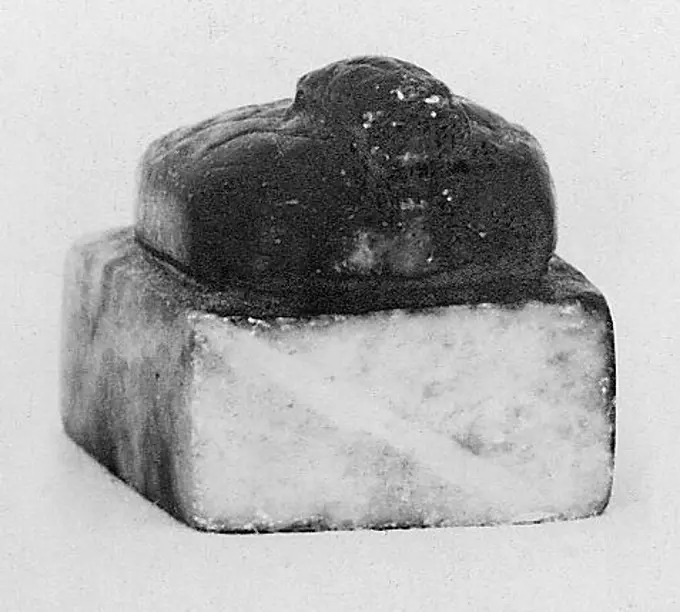
Historical Artifact Fragments

A selection of ancient artifact fragments, including seals and head sculptures, reflecting rich history and craftsmanship through diverse materials.
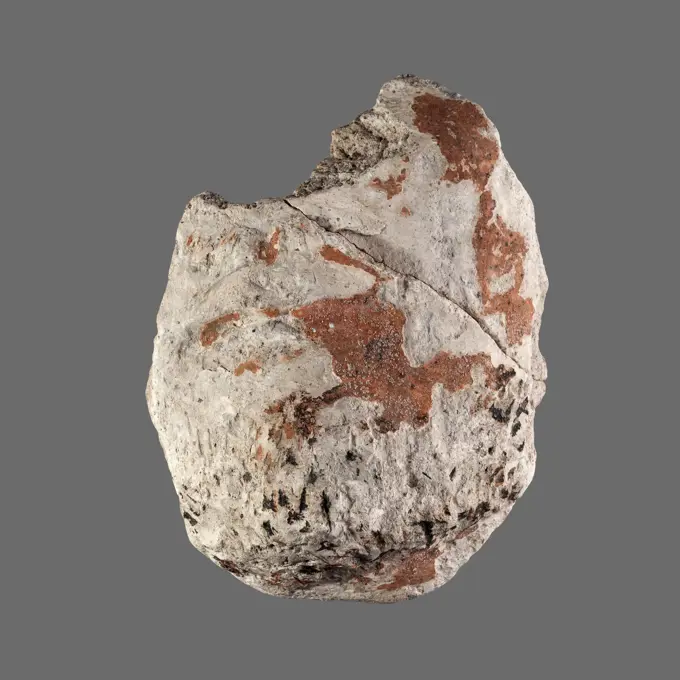
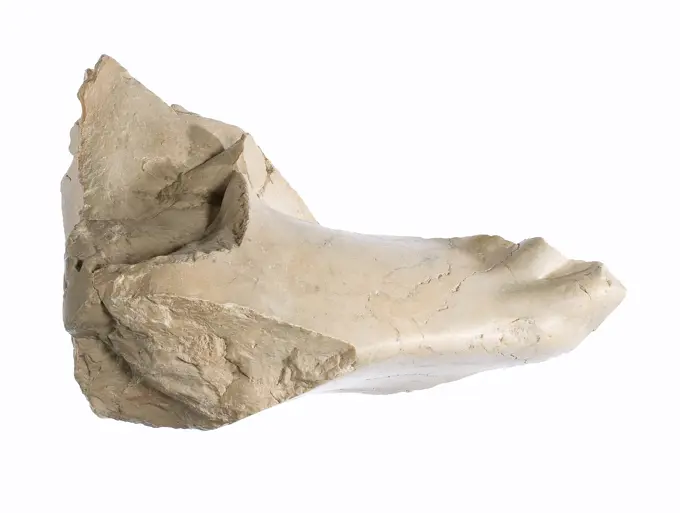
Fragment of the stucco mask;  2nd century; Roman period (101-00-00-200-00-00);Genius, Mieczysław (1852-1920), Geniusz, Mieczysław (1852-1920)-collection, gift (provenance), fragments of sarcophagus, masks, faces
Fragment of the stucco mask; 2nd century; Roman period (101-00-00-200-00-00);Genius, Mieczysław (1852-1920), Geniusz, Mieczysław (1852-1920)-collection, gift (provenance), fragments of sarcophagus, masks, faces
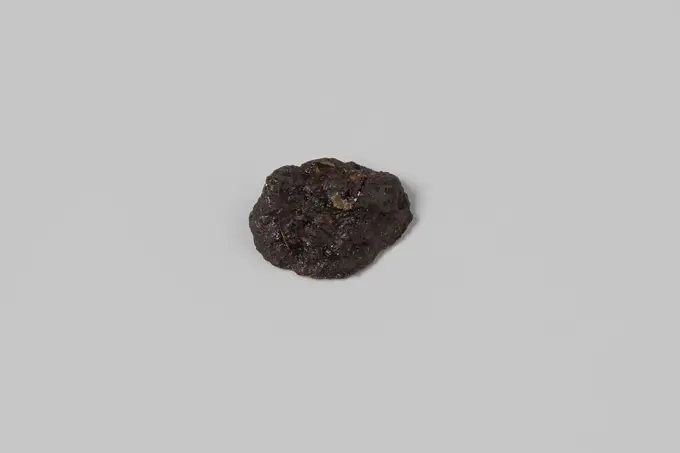
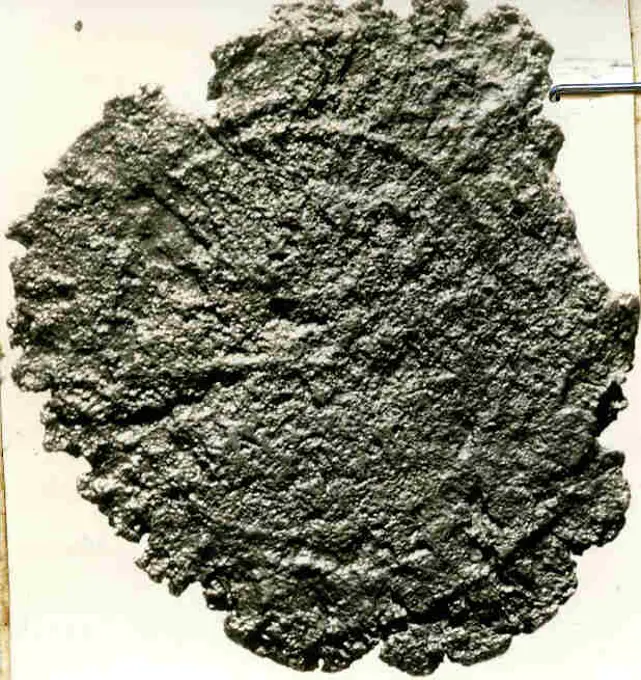
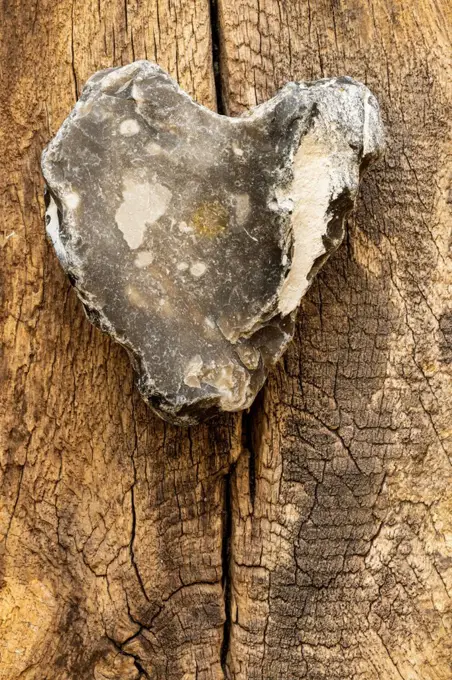
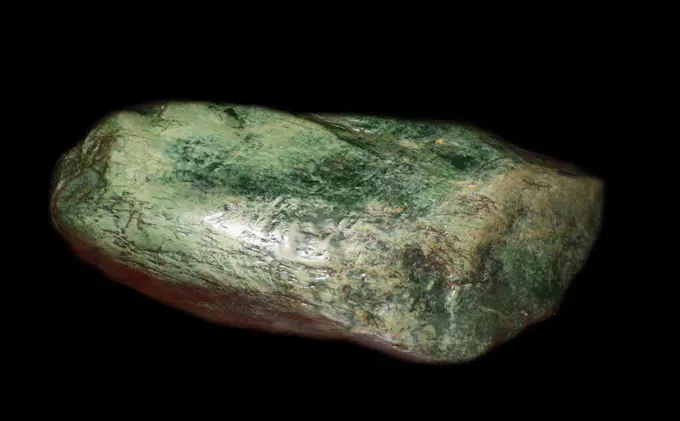
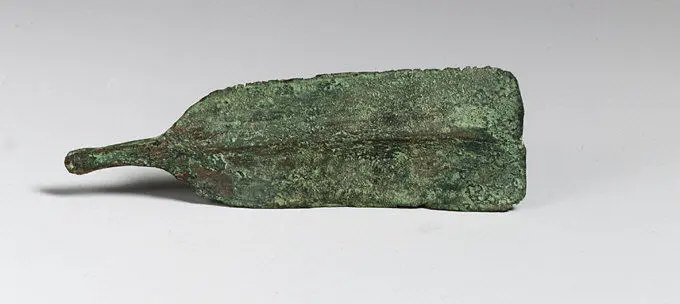
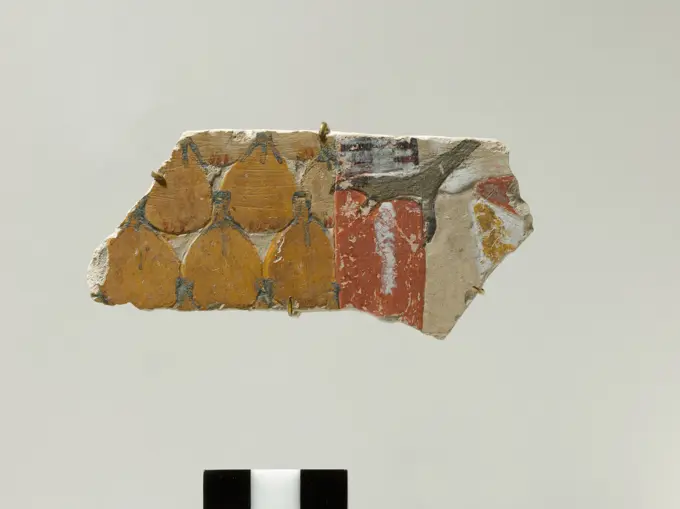
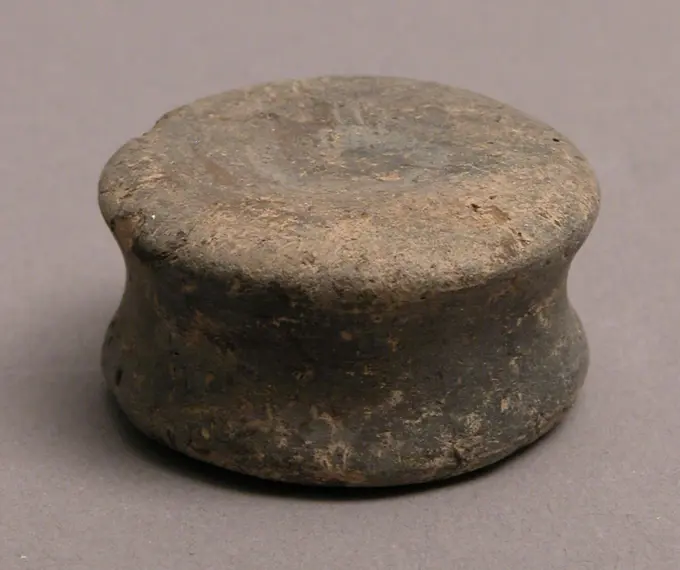
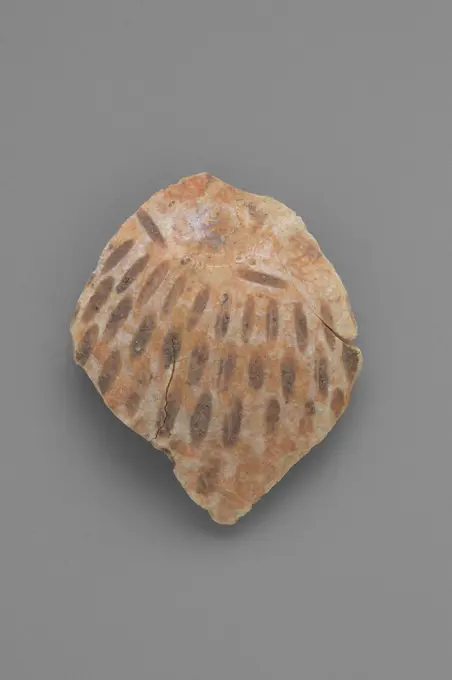
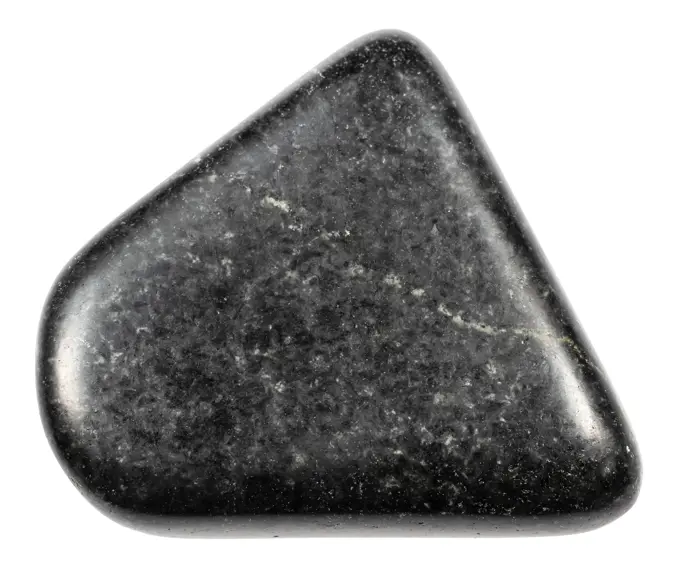
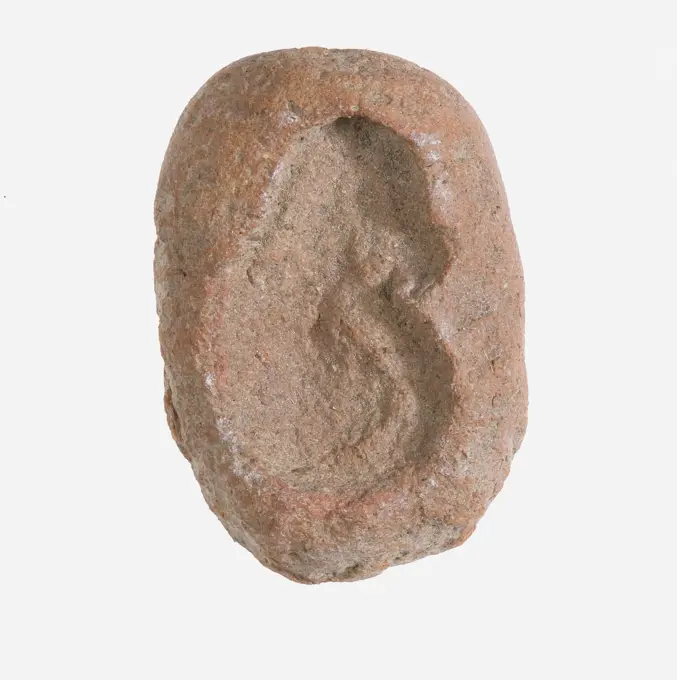
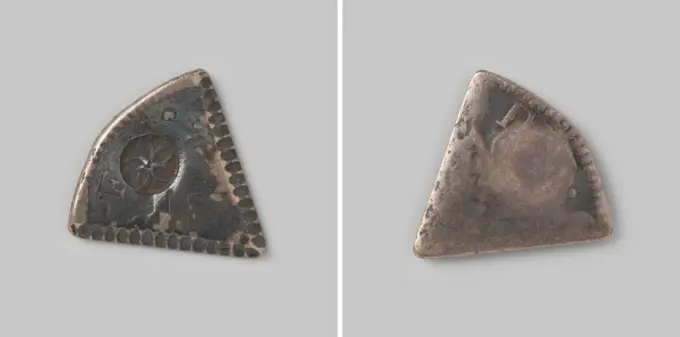
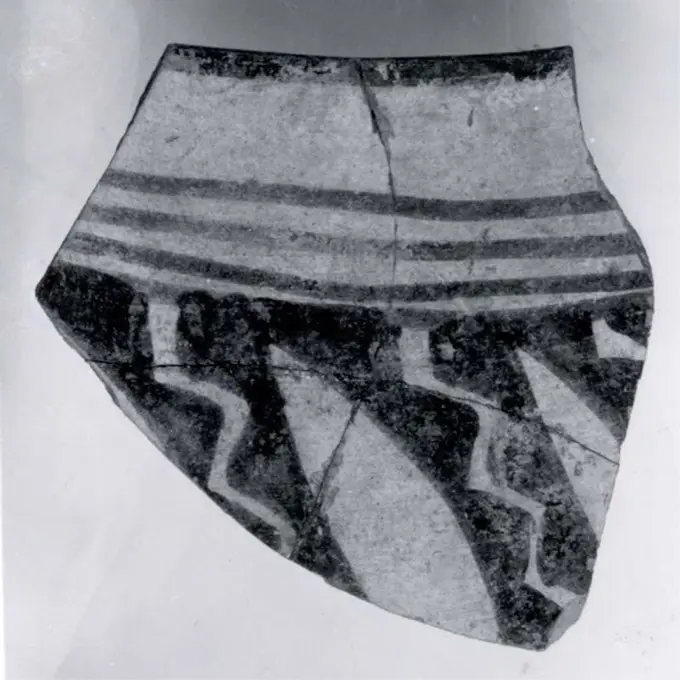
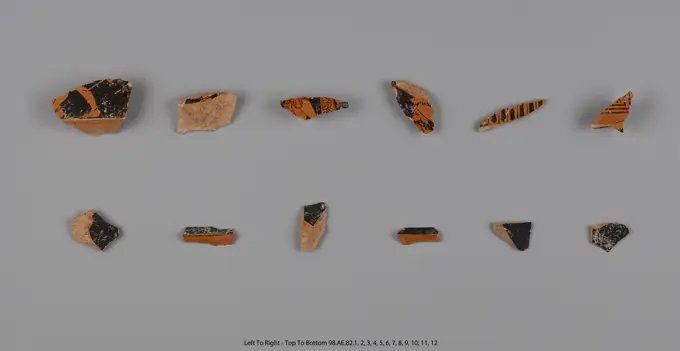
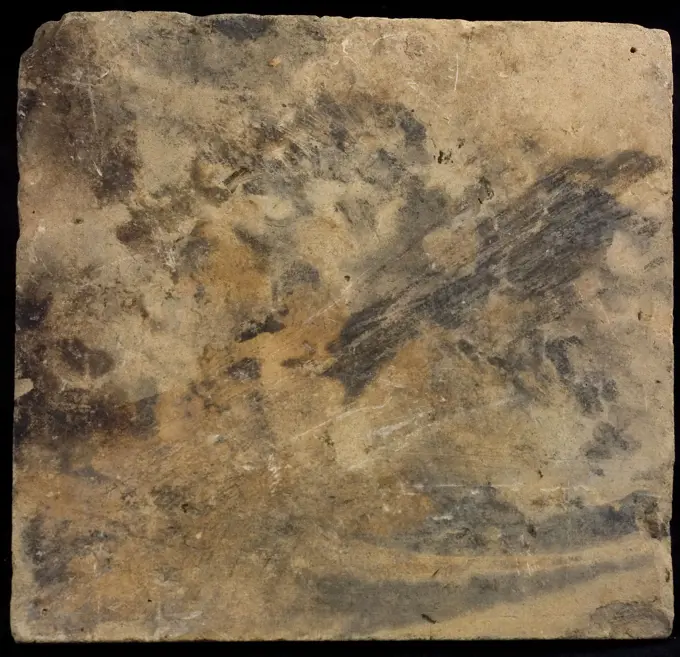
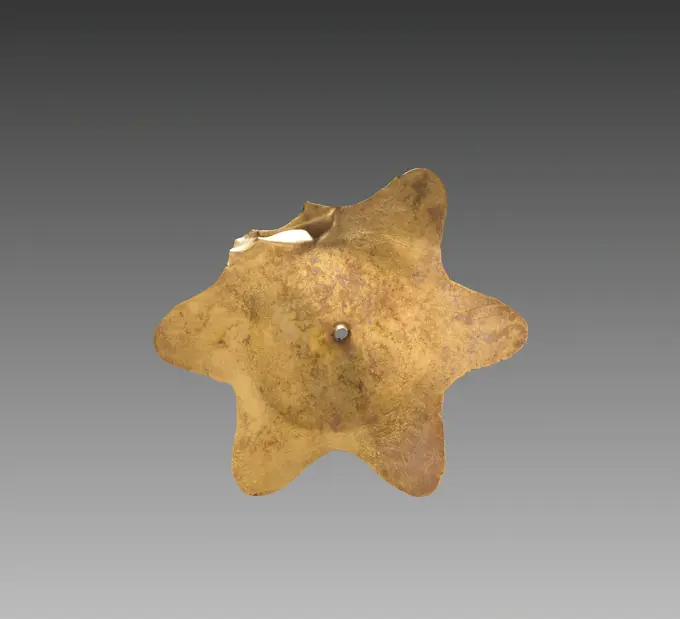
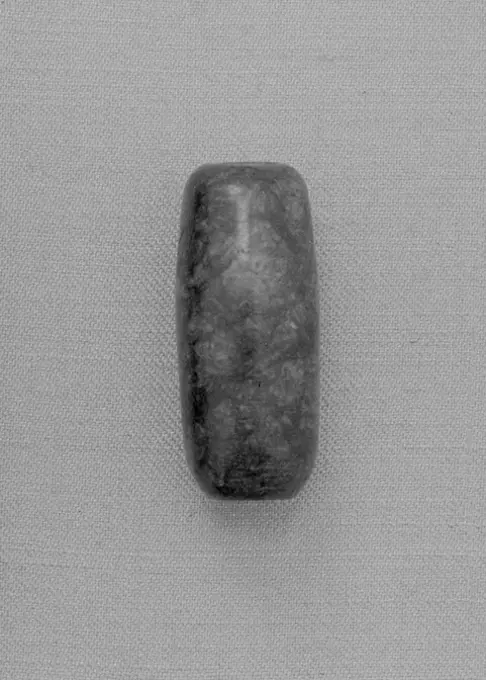
Carnavalet museum, tokens collection Carnj02738_002Fragment of iron from the wreck of the East India Hollandiaia. Parts or artifacts; eroded fragments: Materials; Iron.Head of a Goddess. Afghanistan, 1st century B.C.. Sculpture. TerracottaVase fragment Greek, Lydian. Vase fragment. Greek, Lydian. Terracotta. VasesCoin 8th century. Coin 457569Lead weight with gauge and weapon of Rotterdam, conical in shape, weight of founding ground lead metal h 2,0, cast Conical lead weight with mark and gauge Topside: city weapon of Rotterdam and letter: N in wreath of four dots accurate archeology heraldry Rotterdam roadsBoss ca. 9th century B.C. Iran. Boss 325156Fragment. Culture: Siberia. Dimensions: 10 5/8 × 26 1/4 × 1/16 in. (27 × 66.7 × 0.2 cm). Museum: Metropolitan Museum of Art, New York, USA.Attic Vase Fragment. UnknownDrohiczyn seal. unknown, managerCanosan Oinochoe Fragment. UnknownShard (Study Collection) China. Shard (Study Collection). China. Blue-and-white porcelain. Ming (1368-1644)-Qing (1644-1911) dynasties. CeramicsDrohiczyn seal. unknown, managerDrohiczyn seal. unknown, managerHeart shaped stone on wooden background, still lifeDrohiczyn seal. unknown, managerEmilia-Romagna Bologna Bologna Museo Civico Archeologico Sale III, IV, V. Hutzel, Max 1960-1990 Specific Location: Sale III, IV, V (Egyptian antiquities) Owner: Museo Civico Archeologico Antiquities: III: basalt sculptural fragments; reliefs from the tomb of Horemheb; funerary stele; dynasties XVIII, XIX, XX, Ptolomeic dynasty reliefs, generally in limestone. IV: XVIII, XIX dynasty sculptures in granite, limestone, sarcophagi, statuette in basalt, statuette in wood, statuettes in bronze, statuette faience, mummy mask: V: basalt sculptures of Horus, Sekhmet, limestone stele (Antiq. count: 202); Republican portrait sculpture, Republican cippi with portrait bust, cippus with portraits (single and group), cippi with inscriptions from all periods, architectural fragments, basin with inscription, torso fragment of cuirassed figure of the 1st century AD (Nero) (Antiq. count: 185); disk lamps from the late republic to 6th century, with erotes, animals, erotica, mythological scenes, menorah, peA stone of distinction. Jade is a semi-precious stone that occurs in two forms - jadeite and nephrite. This boulder is an example of nephrite. It weighs 527 kilograms. Jade is not always green, but can be white, and occasionally black or shades of redGrahal-Manzara. Carnavalet 2013-2016 collection sites. Numismatics.Spindle Whorl 10th-16th century () Peruvian. Spindle Whorl 308377Empty wooden cutting board on gray textured concrete background Empty wooden cutting board on gray textured concrete background. Cutlery, preparation for dinner Copyright: xZoonar.com/TetianaxChernykovax 21909411Drohiczyn seal. unknown, managerFragments ship bell from the wreck of the East Indiesman Hollandia. Acoustic, BELL (SHIPs); Fragment of body, very ioded.Draped youth 5th century B.C. Etruscan. Draped youth. Etruscan. 5th century B.C.. Amber. Classical. Miscellaneous-AmberBronze razor ca. 1800-1725 B.C. Cypriot Leaf-shaped blade with tang, without rivet holes.. Bronze razor. Cypriot. ca. 1800-1725 B.C.. Bronze. Middle Cypriot II. BronzesRelief fragment from the tomb of Meketre Middle Kingdom ca. 1981-1975 B.C.Attic Red-Figure Keras Fragment. Unknown 500 - 490 B.C. Tall neck amphora held by a hand. The amphora is adorned with ivy. Interior glazed.Right foot and leg of Akhenaten or Nefertiti prostrate ca. 1352-1336 B.C. New Kingdom, Amarna Period. Right foot and leg of Akhenaten or Nefertiti prostrate 549646Armor plate () ca. late 8th-late 7th century B.C. Assyrian. Armor plate () 324768Game Piece 4th-7th century Coptic. Game Piece 478562GlassObjectTest piece with Balein, c. 1400 - c. 1950 reception piece Test piece with Balein with three -pass form.  baleen   Zeeuwsche UytkyckHieratic Ostracon New Kingdom, Ramesside, later than ca. 1295-1070 B.C., later than View more. Hieratic Ostracon. ca. 1295-1070 B.C., later than. Pottery, ink, paint. New Kingdom, Ramesside, later than. From Egypt, Upper Egypt, Thebes, Valley of the Kings, Davis excavations. Dynasty 19-20polished dolerite mineral isolated on white close up of sample of natural stone from geological collection - polished dolerite mineral isolated on white background from Karelia Copyright: xZoonar.com/ValeryxVoennyyx 21467335Lead spindle or spider stone, spinneret tool kit ground find lead metal, die-cast Lead spindle spindle Disc shaped with one conical side. Decorated with circumferential grooves. Conical hole through the middle archeologyCostume Ornament. Culture: Peru; central coast (). Dimensions: Overall: 1 1/4 in. (3.18 cm). Date: 11th-12th century. Museum: Metropolitan Museum of Art, New York, USA.Fragment 16th century Italian. Fragment 230448Stater (Coin) Depicting a Land Tortoise. Greek; minted on the island of Aegina. Date: 404 BC-350 BC. Dimensions: Diam. 2 cm; 12.28 g. Silver. Origin: Greece. Museum: The Chicago Art Institute, Chicago, USA. Author: ANCIENT GREEK.Rubbing Stone. Dimensions: l. 3-9.5 cm (1 3/16-3 3/4 in). Dynasty: Dynasty 18. Reign: Joint reign of Hatshepsut and Thutmose III. Date: ca. 1479-1458 B.C.. Museum: Metropolitan Museum of Art, New York, USA.Fragment with Basketweave Motif Indonesia (Java) 500 BCE-300 CE View more. Fragment with Basketweave Motif. Indonesia (Java). 500 BCE-300 CE. Bronze. Bronze and Iron Age period. MetalworkMold for an Ear Amulet ca. 1390-1353 B.C. New Kingdom. Mold for an Ear Amulet. ca. 1390-1353 B.C.. Pottery. New Kingdom. From Egypt, Upper Egypt, Thebes, Malqata, Khor west of camp or E. side of S. Village, MMA excavations, probably 1911-12. Dynasty 18Three -part of 3 Realen from a Spanish Pilardollar or Mat for Curacao, 1800 ,, 1800 coin Zilveren coin, a fourth part of a Spanish Pilaardollar, supposedly felled in four parts, supposedly Driekantje. Front: part of the crowned Spanish coat of arms and a column pillar. Stamped in it, knocked: five -leaf rosette with dots between the leaves. Reverse: part of a head to the right. Flower edge and cartel edge.  silver (metal) striking (metalworking)Small fragment majolica dish, blue on white, tops of sailing ship, plate dish crockery holder soil find ceramic earthenware glaze, baked underside covered with greenish tinted lead glaze. Monochrome archeology adorn serving foodGreece, Brucum, Kroton, approx. 400 301 BC KROTON, BrucjumSealing ca. 7th century A.D. Sasanian. Sealing 323343Sealing ca. 1981-1640 B.C. Middle Kingdom. Sealing 560438Heel of a shoe sole from the wreck of the East Indians Hollandia, Anonymous, 1700 - in or Before 1743  Shoe; fragm, heel with pins, sim. NG 1980-27H2232. Netherlands leather. pinnen: wood (plant material)   SecondScale plate ca. 2nd-3rd century A.D. Parthian This bronze plate is round and slightly concave. It has three equidistant holes, probably used for suspension, suggesting it was originally one of a pair of balance weights. It was excavated at Shahr-i Qumis in northern Iran, which has been identified as the ancient city of Hecatompylos, established by the Parthians as their capital by about 200 B.C. In Greek Hecatompylos means a hundred gates,’ suggesting that the city was quite large. Indeed, the modern archaeological site includes several mounds, only a few of which have been excavated, and a vast area covered with potsherds. This plate comes from Site VI, a building which has been interpreted as a fortified garrison.. Scale plate 325983Venus de Gavà, época neolítica (6100-5400 a. C.). Yacimiento de las Minas Prehistóricas de Gavà (Gavà). Museo de Gavà.Beads. Culture: Iran. Dimensions: 1 x 1/16 x 11/16 in. (2.5 x 0.2 x 1.7 cm) - measurements for largest bead. Date: ca. 9th century B.C.. Museum: Metropolitan Museum of Art, New York, USA.Coin probably 8th-9th century. Coin. probably 8th-9th century. Copper. Excavated in Iran, Nishapur. CoinsSherd ca. early to mid-3rd millennium B.C. Indus. Sherd 324716Stone Tripod Vessel before 16th century Mexican. Stone Tripod Vessel 317581Drohiczyn seal. unknown, managerFunerary Cone of the Steward of the Vizier Amenemhat ca. 1550-1295 B.C. New Kingdom This cone has the impression of a stamp seal inscribed for a scribe of the accounts of the grain of Amun named Amenemhat who was also steward of the vizier. Amenemhat's mother Intef is also named on the named on the cone. For a drawing of this impression see http://www.funerarycones.com/, number 129.. Funerary Cone of the Steward of the Vizier Amenemhat Funerary Cone of the Steward of the Vizier Amenemhat ca. 1550-1295 B.C. New Kingdom This cone has the impression of a stamp seal inscribed for a scribe of the accounts of the grain of Amun named Amenemhat who was also steward of the vizier. Amenemhat's mother Intef is also named on the named on the cone. For a drawing of this impression see http://www.funerarycones.com/, number 129.. Funerary Cone of the Steward of the Vizier Amenemhat. ca. 1550-1295 B.C.. Pottery. New Kingdom. From Egypt, Upper Egypt, Thebes. Dynasty 18sesterce; Antoninus Pius (86-161; Roman emperor 138-161); 138-161 (138-00-00-161-00-00);Red-Figure Volute Krater Fragment (part of 77.AE.11). Kleophrades Painter (Greek (Attic), active 505 - 475 B.C.)Mosaic;  ancient period (0-00-00-0-00-00);Daszewski, Wiktor A. (1936-), Daszewski, Wiktor A. (1936-)-collection, gift (provenance)Fragment of a Bowl. Date: 9th-10th century. Museum: Metropolitan Museum of Art, New York, USA.Sherd ca. 3rd-7th century A.D. Sasanian. Sherd 322627Oracle bone China 19th century or earlier View more. Oracle bone. China. 19th century or earlier. Fossilized bone. BoneSealing ca. 1850-1700 B.C. Late Middle Kingdom. Sealing. ca. 1850-1700 B.C.. Mud. Late Middle Kingdom. From Egypt, Memphite Region, Lisht North, cemetery south of pyramid below House A1:2, Pit 884 or 883, MMA excavations, 1920-21. Dynasty 12, late - 13 up to 1700Biscuit tile, semi-finished, wall tile tile footage soil find semi-finished ceramic pottery, in form made baked Biscuit tile Baked earthenware without glaze layer Yellow shard slightly scraped earthenware. Semi-finished products from the tile industry archeology Rotterdam Noord Agniesebuurt Schiekade St. Franciscus Gasthuis indigenous pottery tile factory Soil discovery: when working on the Schiekade on the site of the former St. Franciscus Gasthuis, third waste pit.Ferrule of stick ca. 1850-1750 B.C. Middle Kingdom. Ferrule of stick 557387Egyptian Foundation deposits (weapons of copper, include a hoe blade, a knife and two spearheads.), from royal pyramids. The burial of foundation deposit formed part of a series of ritual acts which were regularly performed at the founding of important buildings in ancient Egypt. Objects from a foundation deposit of King Amani-nete-yerike Napatan Period, about 431-405 BC From Nuri, pyramid Nu 12Selection of Neolithic lance and arrow heads found in IrelandSealing 4th millennium B.C.. Sealing. 4th millennium B.C.. Ceramic. Uruk. Mesopotamia, NippurGlass Fragment 15th century European. Glass Fragment. European. 15th century. Colorless glass. Glass-StainedCostume Ornament 11th-12th century Peru; central coast (). Costume Ornament 308680brick isolated on white backgroundHeaddress Ornament, c. 300 BC-AD 200. Peru, South Coast, Paracas. Hammered and embossed gold-copper alloy; overall: 5.2 x 4.6 cm (2 1/16 x 1 13/16 in.).photo  of dried panther amanitaSealing ca. 1981-1640 B.C. Middle Kingdom. Sealing 560332Copper (Ox-hide) ingot, used in trade exchanges, Cyprus, Greece, 1200 BCAttic Red-Figure Cup Fragment (type B). UnknownSherd ca. 2500-1750 B.C. Iran This sherd is made of a red clay. It is typical of Namazga IV/V ceramics from Turkmenistan, dating to ca. 2500-1750 B.C. It was excavated in 1937 at a prehistoric site in the vicinity of Nishapur in northeastern Iran. While Nishapur itself was founded by the Sasanian king Shapur I (reigned ca. A.D. 241-272), this sherd shows that human habitation there goes back to the prehistoric period. Furthermore, the prehistoric pottery from Nishapur has close affinities with ceramic materials from Central Asia rather than with contemporary sites in Iran, meaning that in this period its inhabitants were likely culturally linked to their neighbors to the east. At the same time, Nishapurs location on what later became known as the Great Khorasan Road suggests that it was part of the trade network that facilitated the import of precious stones such as lapis lazuli, carnelian and turquoise from Central Asia to Mesopotamia.. Sherd. Iran. ca. 2500-1750 B.C.. Ceramic. BronzVase fragment 1st century B.C.-1st century A.D. Roman Lower part of man with sword.. Vase fragment. Roman. 1st century B.C.-1st century A.D.. Terracotta. VasesChunks of concretion with wood and rope fragments and nails from the wreck of the East Indieschief Hollandia. Parts or artifacts; eroded fragments: Materials; Lumps, containing pins, Fragm or Wood.Model ax ca. 1640-1550 B.C. Second Intermediate Period. Model ax 545563Obsidian Blade before 16th century Mexico (). Obsidian Blade 317109Fringe early 19th century French. Fringe 225110Figurka owieczki. nieznany warsztat północno mezopotamski, workshopSet with stones of different shapes isolated on white background. Low poly gray stones. 3D. Vector illustrationClose-up of details of ammonite on display in a museum, Lyme Regis Museum, Jurassic Coast, Lyme Regis, Dorset, EnglandArrowhead. Culture: Japan. Dimensions: W. 1 in. (2.5 cm); L. 1 1/4 in. (3.2 cm). Museum: Metropolitan Museum of Art, New York, USA.Old rusty sheet pile wall element, North beach, Dune island, Heligoland, North Sea, Schleswig-Holstein, Germany, EuropeFragment of a Male Torso with a Tree Trunk 4th-7th century Coptic. Fragment of a Male Torso with a Tree Trunk. Coptic. 4th-7th century. Marble. Made in Kharga Oasis, Byzantine Egypt. Sculpture-StoneStamp seal ca. late 3rd-early 2nd millennium B.C. Bactria-Margiana Archaeological Complex. Stamp seal. Bactria-Margiana Archaeological Complex. ca. late 3rd-early 2nd millennium B.C.. Copper alloy. Bronze Age. Bactria-MargianaBead China. Bead. China. Jade. Han dynasty (206 B.C.-A.D. 220). JadeWeight, inscribed with "8" ca. 1981-1640 B.C. Middle Kingdom. Weight, inscribed with "8". ca. 1981-1640 B.C.. Sandstone. Middle Kingdom. From Egypt, Memphite Region, Lisht North, Cemetery, MMA excavations, 1920-22. Dynasty 12-13Erzhaltiges Gestein, Klostertal, Silvretta Group, Vorarlberg, Austria, EuropeFour empty vintage tin signs on a white background Four empty vintage tin signs on a white background Copyright: xZoonar.com/BorisxZerwannx 16057261Head of Silen or Papposilenos(). UnknownMarble bowl fragment with Phoenician inscription. Culture: Cypriot. Dimensions: Overall: 1 1/4 x 3 3/8 x 1 in. (3.2 x 8.6 x 2.5 cm). Date: ca. 389 B.C.. Museum: Metropolitan Museum of Art, New York, USA.Seal China. Seal 40977Charcoal A Lump of charcoal made of wood on reflective background Copyright: xZoonar.com/J.xSandvikx 1307764Fossilised organic remains on stones. Coloured etching by S. Springsguth.Italy, Rome, Museo Nazionale d'Arte Orientale, Arrow point from Gifu