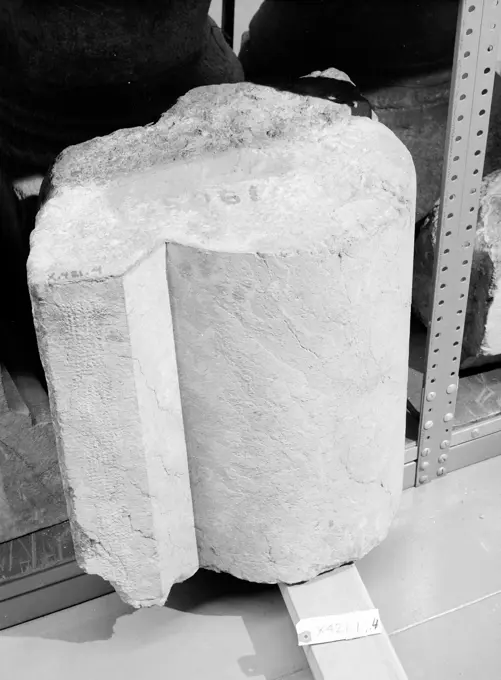
Historical Artifact Fragments

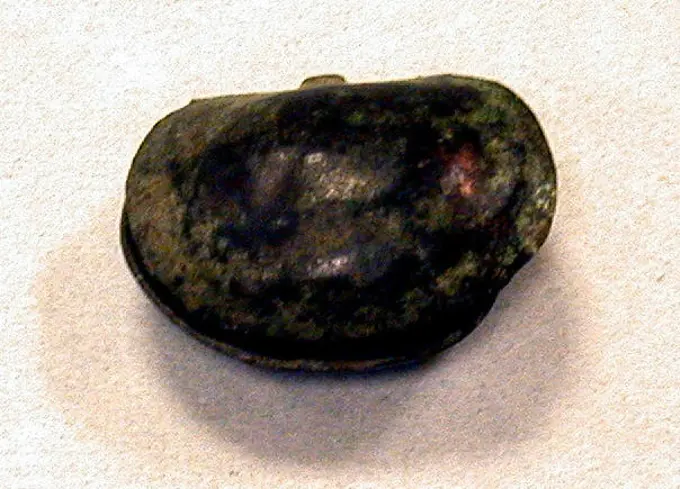
Collection of historical metal and wood fragments, showcasing eroded materials from different periods, including copper and wood artifacts.
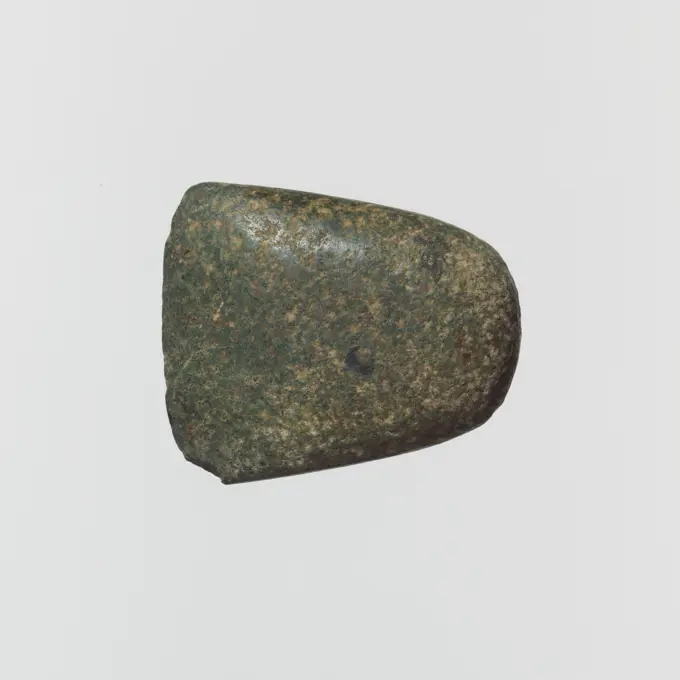
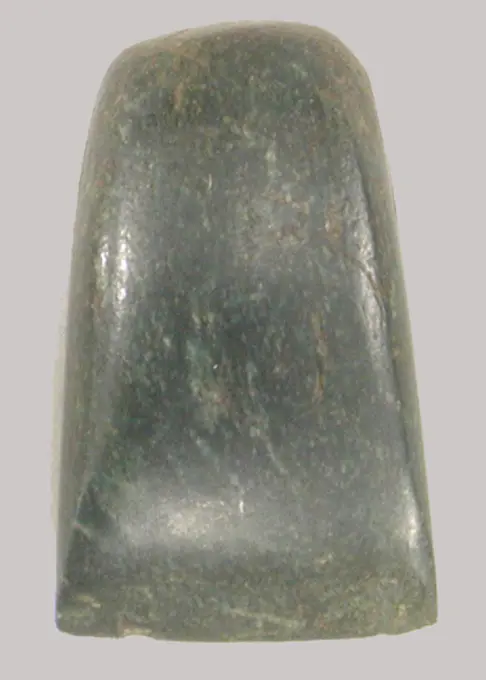
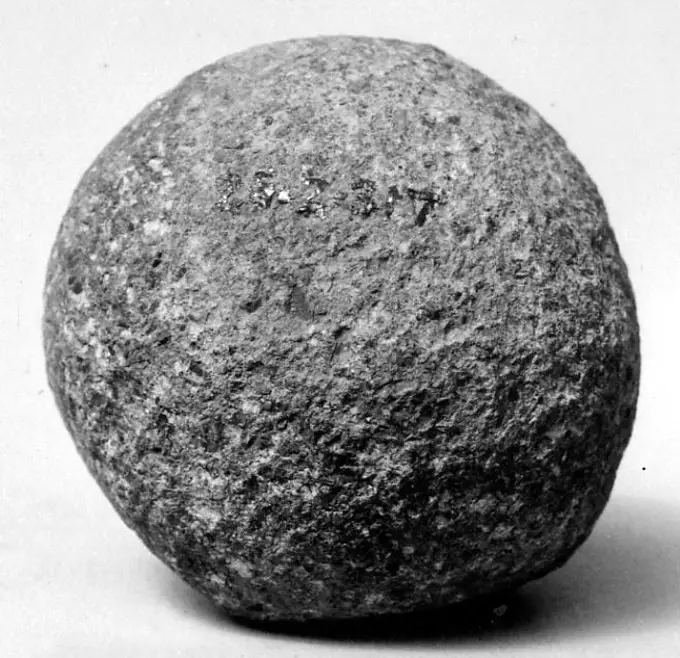
Small stone axe 5th-3rd millennium B.C. Greek Neolithic Celt.. Small stone axe. Greek Neolithic. 5th-3rd millennium B.C.. Stone. Neolithic. Miscellaneous-Stone
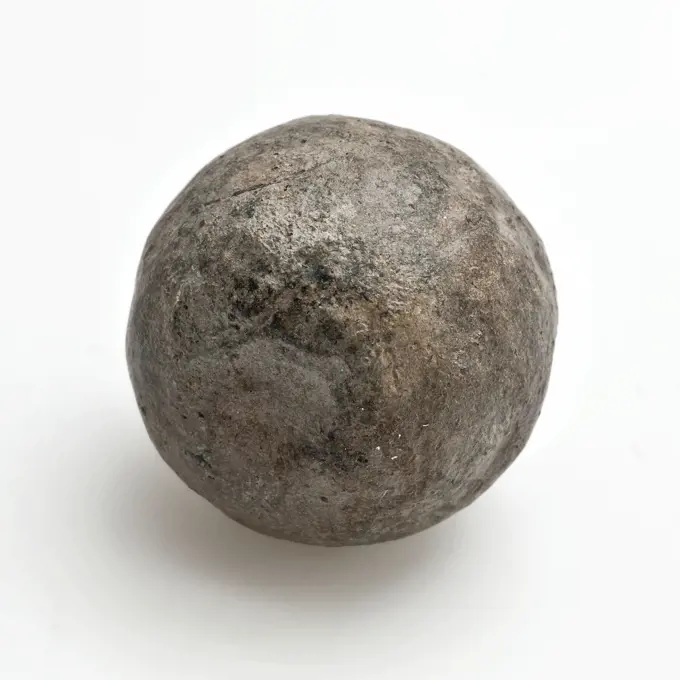
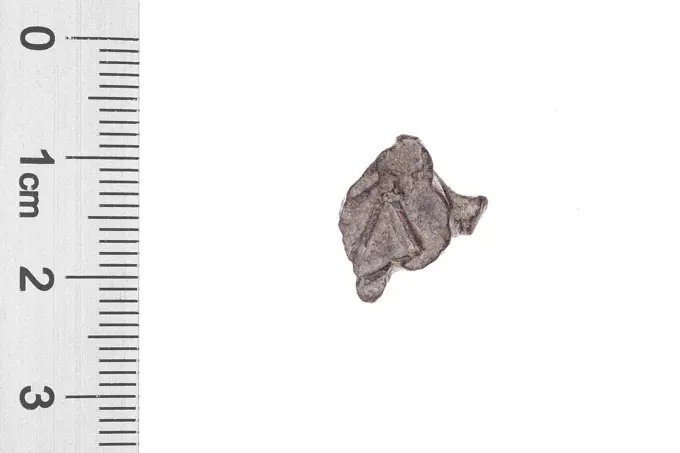
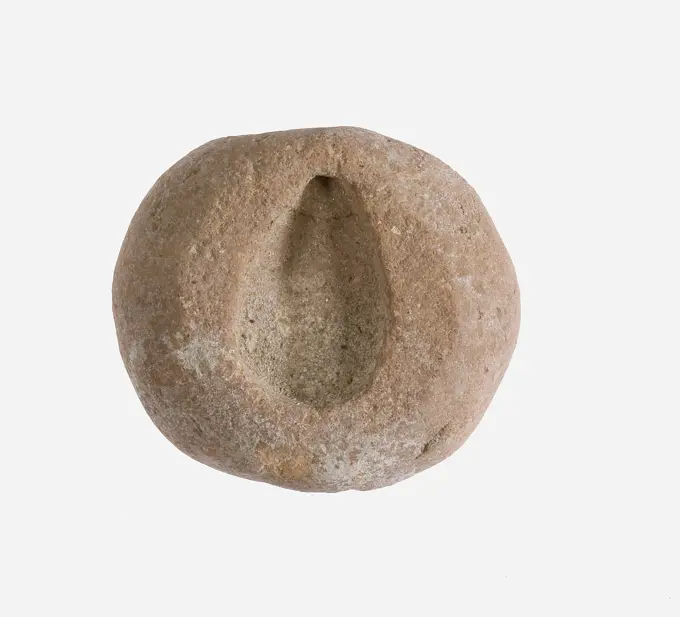
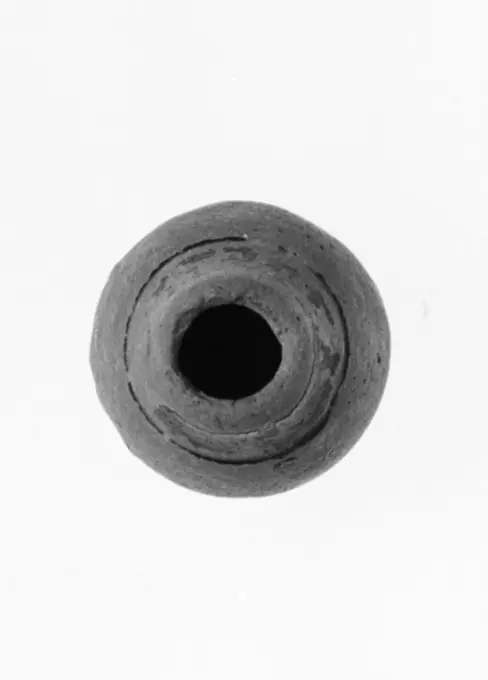
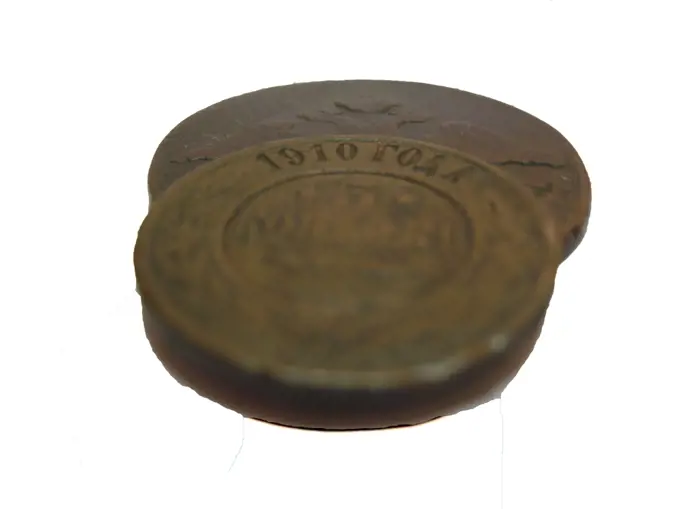
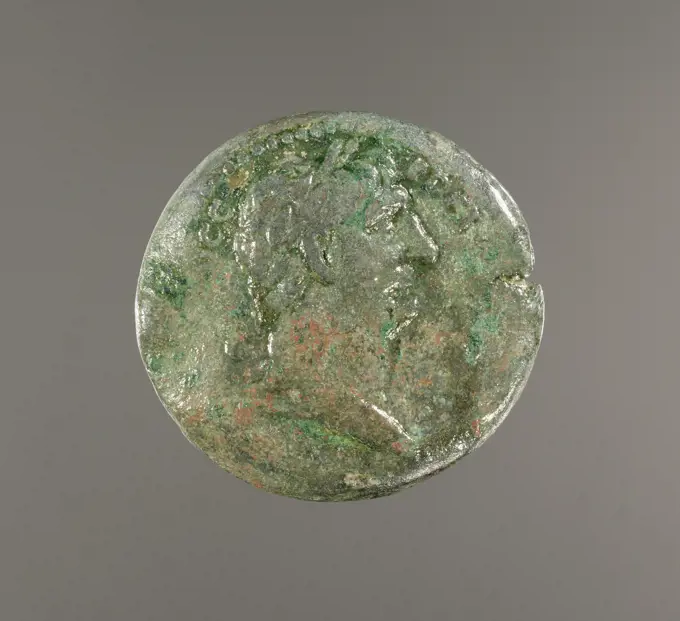
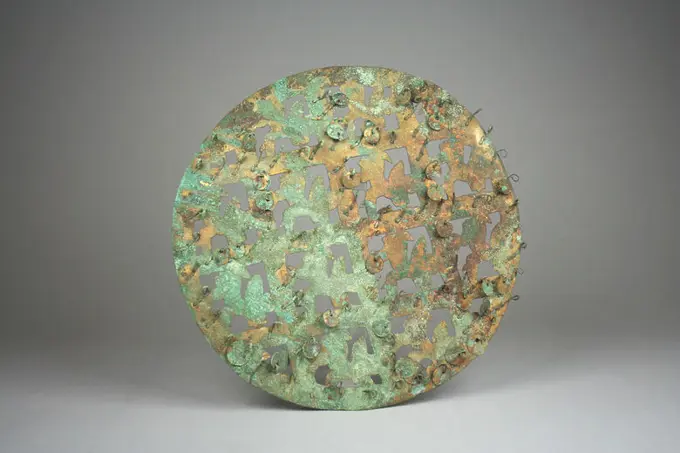
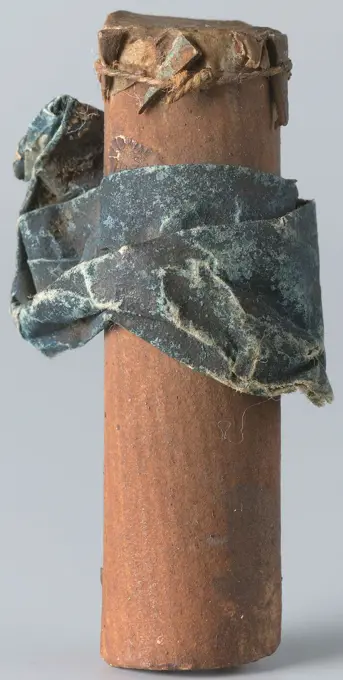
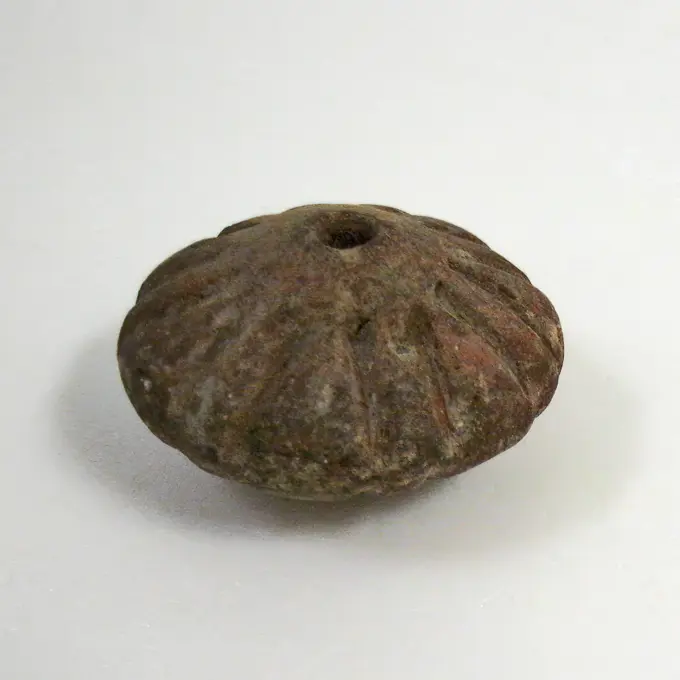
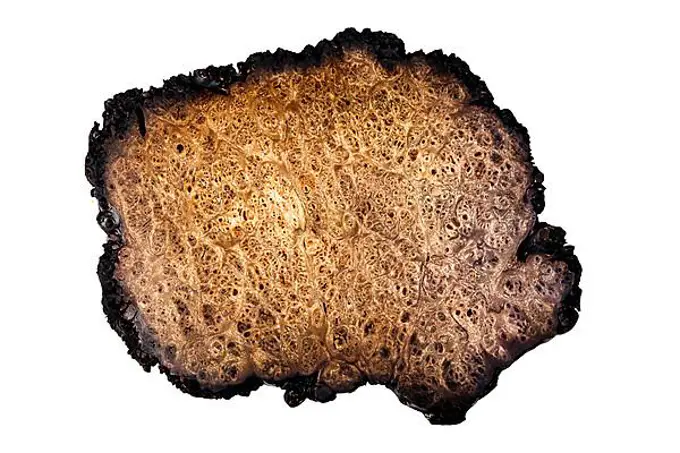
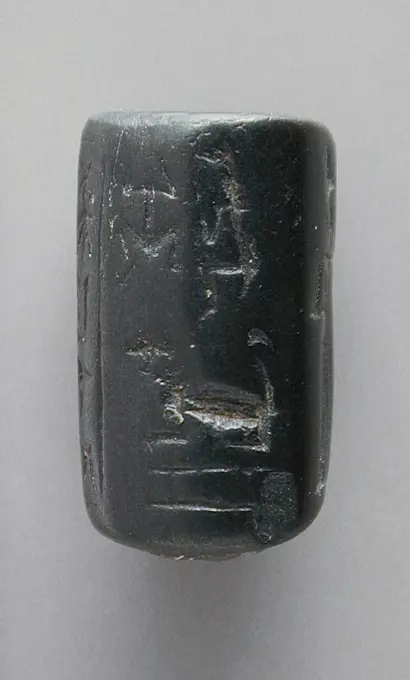
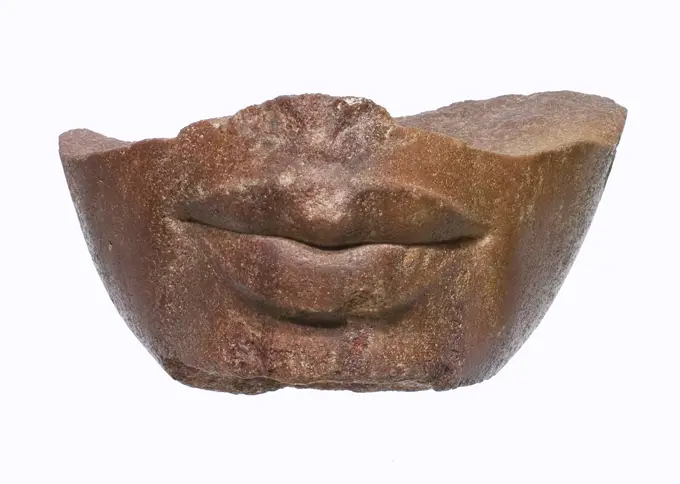
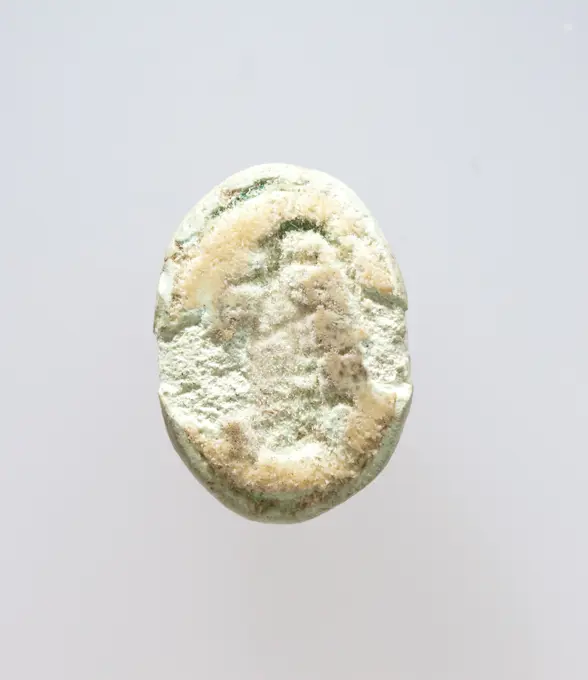
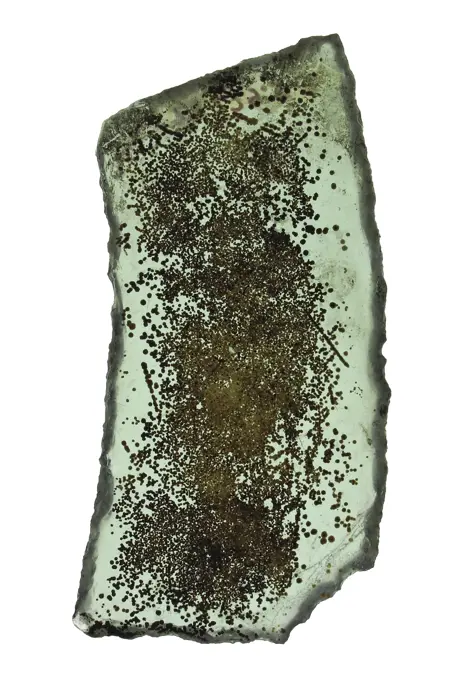
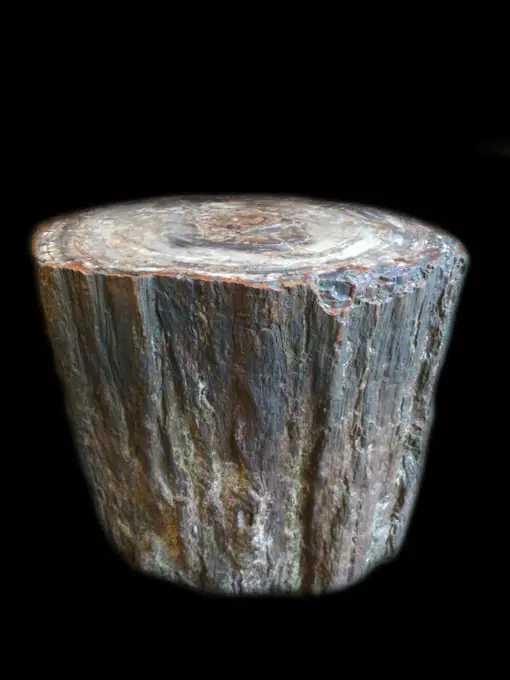
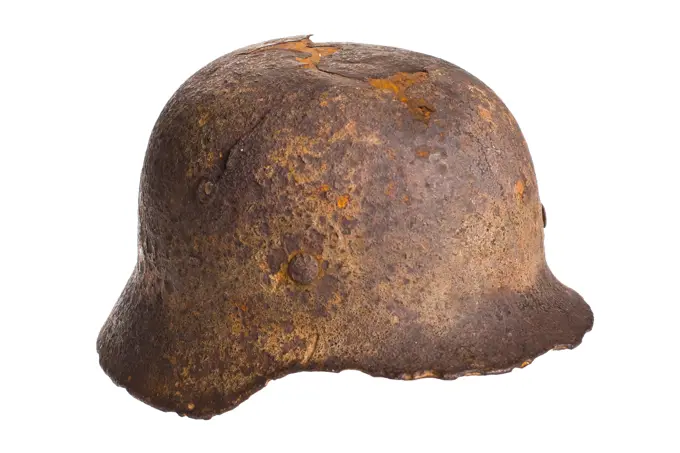
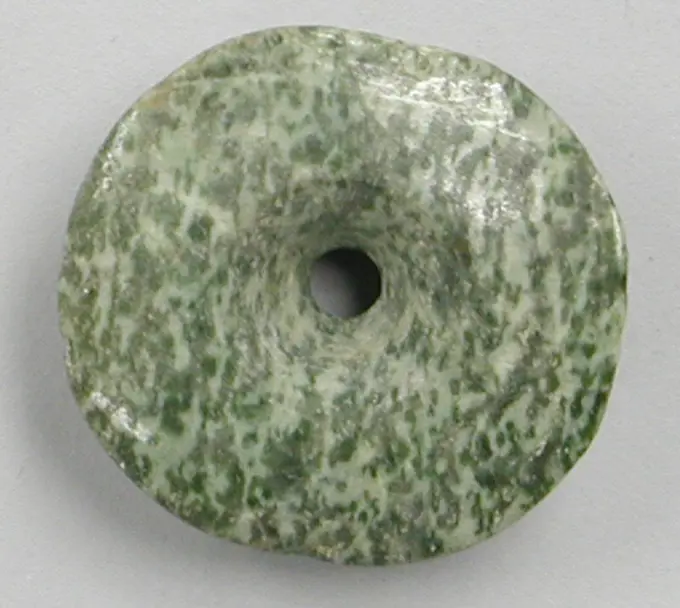
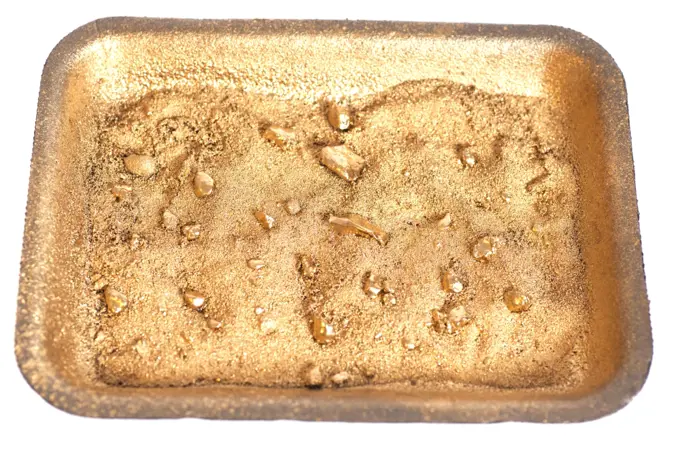
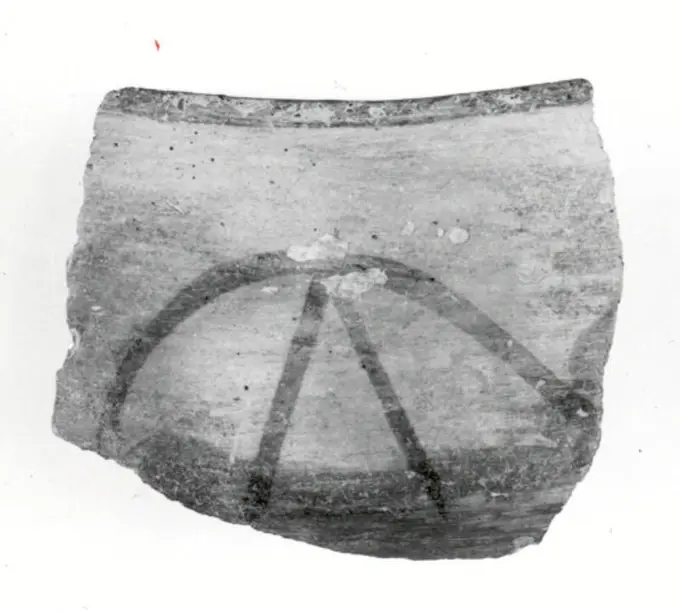
Jet Gaming Dice, 14th-15th Century. Gaming dice, hand-carved from jet, from Weoley Castle site.Celt before 16th century Maya () Greenstone axe heads, commonly known as “celts,” were some of the most important works of art across ancient Mesoamerica and Central America. Created from jadeite mined from the Motagua River Valley of southern Guatemala, or using local green stones from highland Mexico, celts were first created by the Olmec peoples of the Gulf Coast after 1000 B.C. The Olmec conceived of green celts as sprouts of maize and thus “planted” celts in dedicatory offerings, activating ceremonial spaces and perpetuating agricultural fertility. For the later Maya peoples, celts also served as dedicatory materials, but more so as adornments for the royal bodies of kings and queens. Often the celts would be thinned into celt-shaped plaques, strung together in pairs and triads in order to create belt assemblages that would have clinked with the sound of jades striking one another. Tombs from the Classic Period (ca. AD 250-900) contain celts of jadeite and various greenstones froBullet for rifle or small caliber cannon, lead bullet, rifle ball cannonball bullet projectile ammunition founding ground lead metal, cast Bullet for handgun presumably the arquebus. Loden bullet Small dents around something flattened on one side archeology Rotterdam Kralingen-Crooswijk Kralingen East Honingerdijk shooting armed militaria war hunting Soil discovery: Honingerdijk Rotterdam.Drohiczyn seal. unknown, managerPoint stone made on black background in frame.Poppy Petal Mold ca. 1390-1353 B.C. New Kingdom. Poppy Petal Mold. ca. 1390-1353 B.C.. Pottery. New Kingdom. From Egypt, Upper Egypt, Thebes, Malqata, various, MMA excavations, probably 1910-11. Dynasty 18Hammered Silver Ornament 8th-mid-16th century Peru; north coast (). Hammered Silver Ornament 309006Miniature Vase in the Shape of a Pelike. UnknownFragment. Culture: European or Middle Eastern. Dimensions: L. 2 in. (5.1 cm). Date: ca. 1150-ca. 1250. Museum: Metropolitan Museum of Art, New York, USA.Two old russian coins isolateCoin; Alexandria, Egypt; about 98 - 117; BronzeDrohiczyn seal. unknown, managerOrnament ca. late 3rd millennium B.C.. Ornament. ca. late 3rd millennium B.C.. Faience. Early Bronze Age. Mesopotamia, Tell TayaCutout Disk. Culture: Moche (Loma Negra). Dimensions: Diam. 8 1/2 in. (21.5 cm). Date: 390-450. Museum: Metropolitan Museum of Art, New York, USA.Galena from a Smelter's Crucible ca. 1479-1458 B.C. New Kingdom. Galena from a Smelter's Crucible. ca. 1479-1458 B.C.. Galena. New Kingdom. From Egypt, Upper Egypt, Thebes, Deir el-Bahri, Temple of Hatshepsut, forecourt, Foundation Deposit 4 (D), inside 95.3.96a, MMA excavations, 1923-24. Dynasty 18High angle view of a corkImplement ca. 3850-2960 B.C. Predynastic Period. Implement. ca. 3850-2960 B.C.. Stone. Predynastic Period. From Egypt; Said to be from Upper Egypt, Thebes, Dra Abu el-NagaEen from.A separate object from a Diorama of Gerrit Schouten, representing a standing drum wounded with a blue cloth.Spindle Whorl, one of sixteen, 15th century, 3/4 x 1 3/8 in. (1.91 x 3.49 cm), Stone, Mexico, 15th centurywooden board on a white backgroundCylinder Seal. Mesopotamia, Old Babylonian period, circa 2000-1600 B.C.. Tools and Equipment; seals. HematiteLower part of a royal head ca. 1353-1336 B.C. New Kingdom, Amarna Period This lower part of a face represents a member of the Amarna royal family. The wide and full lips and the lack of lines in the face suggest one of the princesses is depicted.The fragment may have come from the Great Aten Temple, like so many others in the collection, but it might also have come from another site such as the Great Palace or the Small Aten Temple, or elsewhere. Statuary in all the temples and palaces at the city of Amarna was hammered into small fragments by Akhenaten's successors.. Lower part of a royal head 545904Knife leftring from the wreck of the East Indiesman Hollandia. Knife-Handle, Ferrule; ID. NG 1980-27H426.Scarab ca. 1479-1458 B.C. New Kingdom. Scarab. ca. 1479-1458 B.C.. Faience. New Kingdom. From Egypt, Upper Egypt, Thebes, Deir el-Bahri, Hatshepsut Hole, Hathor Shrine, MMA excavations, 1922-23. Dynasty 18False coin, crown shilIIng, John II Casimir (1649 1668)Glass Fragment 12th century French. Glass Fragment. French. 12th century. Colorless glass. Made in Bourges (), France. Glass-StainedStone from wood. This is a petrified tree trunk. (Arizona, USA). When a tree dies the wood usually rots, but under certain conditions the plant issue may be replaced by minerals and it turns to stone.Old German fashists helmet of times of the second Great world war on a white background with clipping path. Old German fashists helmet of times of the second Great world war on a white background with clipping path. ,model released, Symbolfoto ,property released Copyright: xZoonar.com/SergeyxxKozoderovx 2141097 ,model released, Symbolfoto ,property releasedEarring. Northeastern Thailand, Ban Chiang culture, 300 B.C.-A.D. 150. Jewelry and Adornments; earrings. Copper alloyStone Earflare before 16th century Mexican. Stone Earflare 317342Macro Close up image of raw material Manganese Ore rock isolated on black reflective backgroundGolden nuggets on grungy wash pan with sand isolatedPyrite, sulphide.washing machine counter weightmetal and stone background metal and stone background Copyright: xZoonar.com/OxanaxRishnyakx 6952150Sherd ca. 3500-3100 B.C. Iran This sherd is made of a red clay, with black painted decoration. It is typical of Namazga II ceramics from Turkmenistan, dating to ca. 3500-3100 B.C. It was excavated in 1937 at a prehistoric site in the vicinity of Nishapur in northeastern Iran. While Nishapur itself was founded by the Sasanian king Shapur I (reigned ca. A.D. 241-272), this sherd shows that human habitation there goes back to the prehistoric period. Furthermore, the prehistoric pottery from Nishapur has close affinities with ceramic materials from Central Asia rather than with contemporary sites in Iran, meaning that in this period its inhabitants were likely culturally linked to their neighbors to the east. At the same time, Nishapurs location on what later became known as the Great Khorasan Road suggests that it was part of the trade network that facilitated the import of precious stones such as lapis lazuli, carnelian and turquoise from Central Asia to Mesopotamia.. Sherd 323654Details and the book. >>Engaged Shaft ca. 1130-40 French. Engaged Shaft. French. ca. 1130-40. Stone. Made in Roussillon, France. Sculpture-Architectural