Historical Artifacts

A selection of historical artifacts including fragments of a porcelain dish, leather shoes, bronze molds, a 16th-century helmet, and a Turkish horse shaffron.

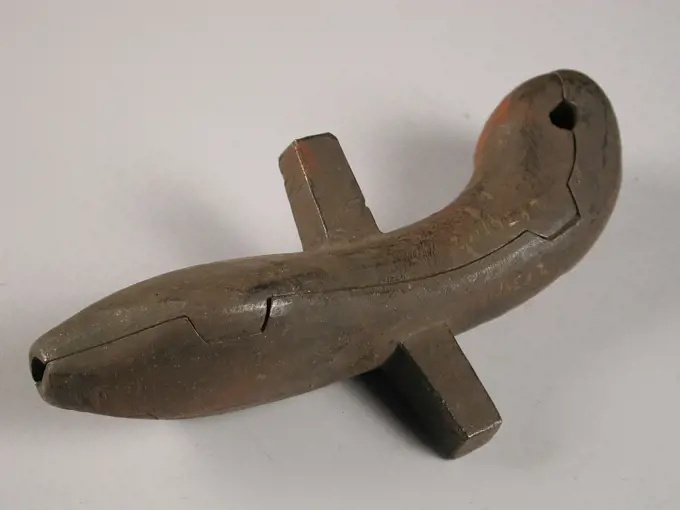
Vissering -Ruiter or Koninginneschaats, G. Vissering, 1891 - 1955  Extended continuous skate with tail. Binding consists of copper heel and footrest and wide heel and toe leather. Designer: Frieslandmanufacturer: Akkrum copper (metal). leather. iron (metal). mahogany (wood)
Vissering -Ruiter or Koninginneschaats, G. Vissering, 1891 - 1955 Extended continuous skate with tail. Binding consists of copper heel and footrest and wide heel and toe leather. Designer: Frieslandmanufacturer: Akkrum copper (metal). leather. iron (metal). mahogany (wood)
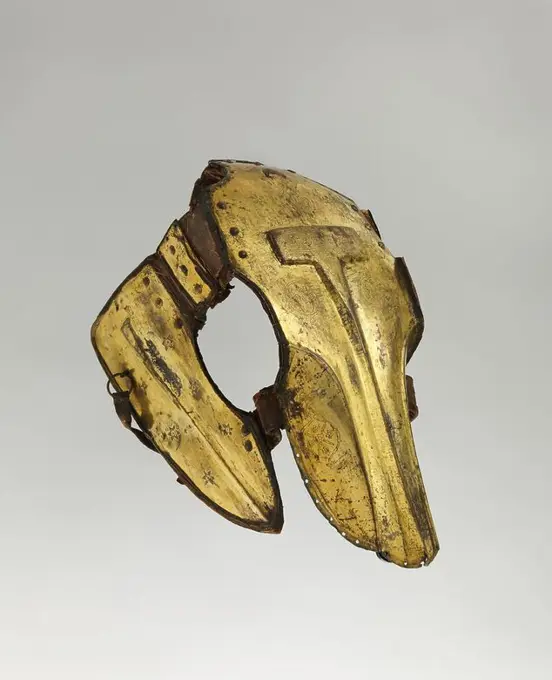
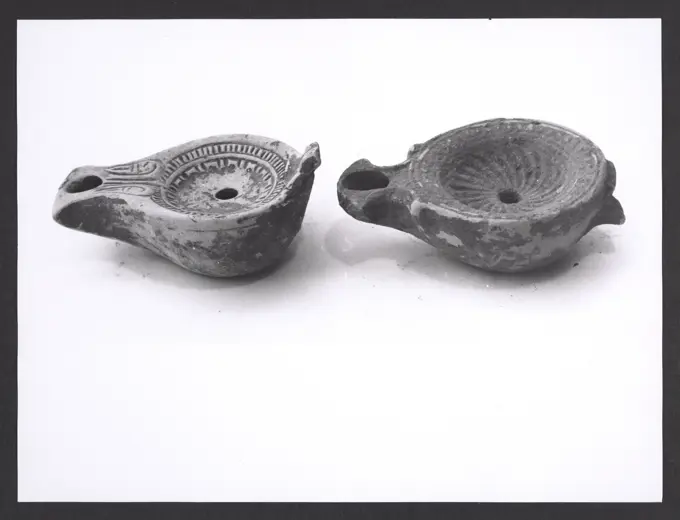
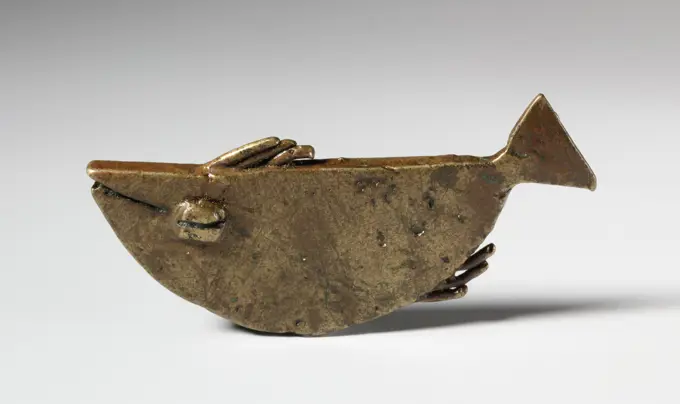
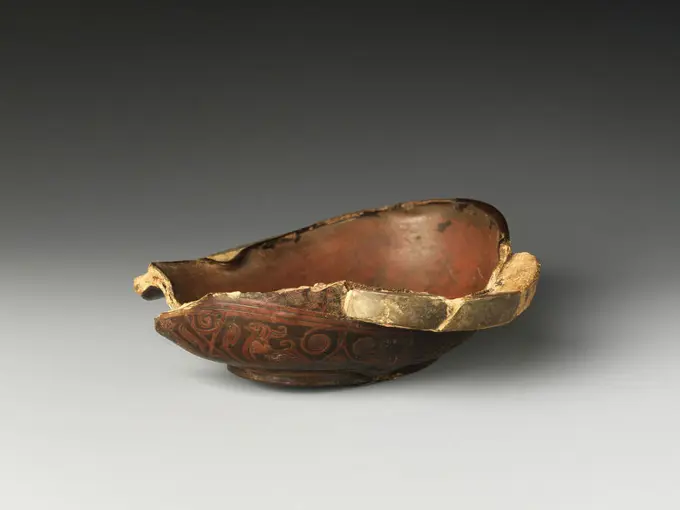
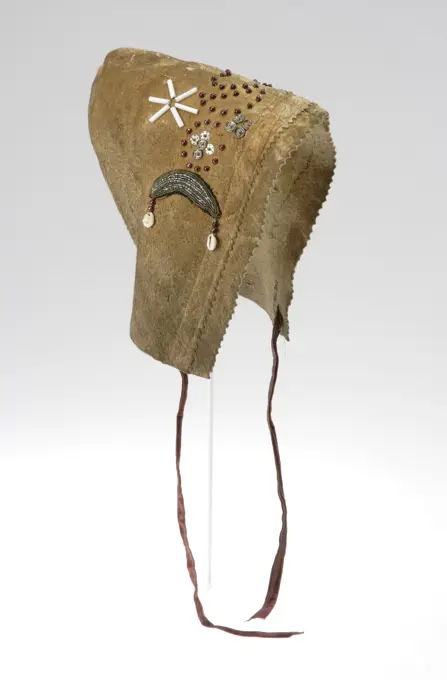
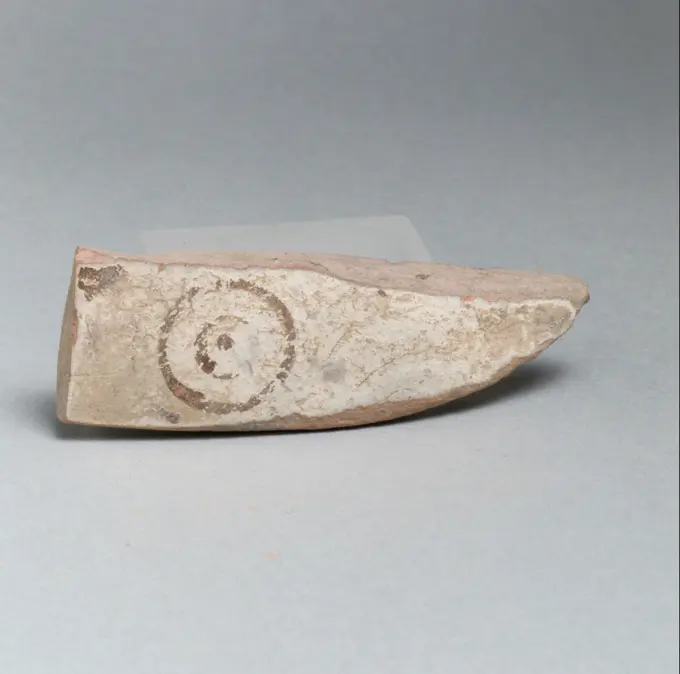
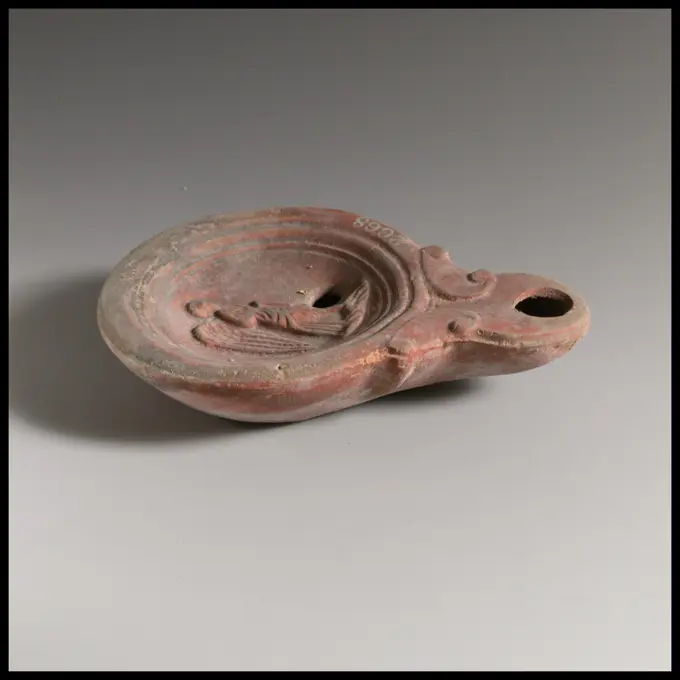
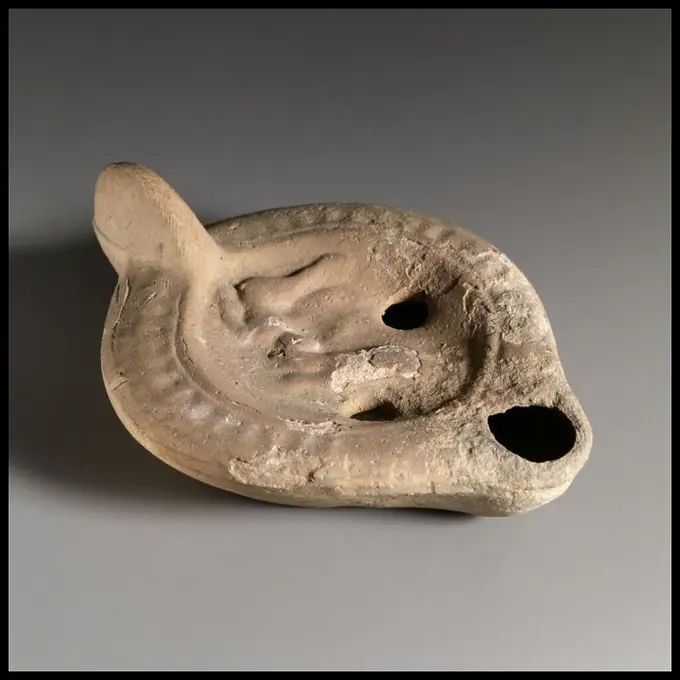
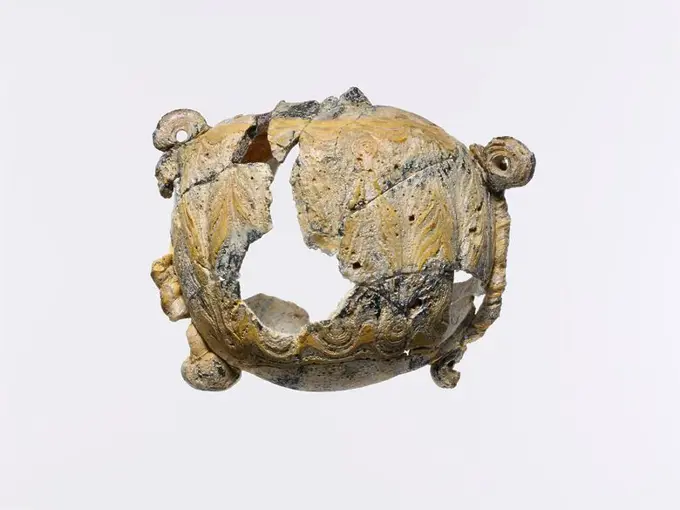
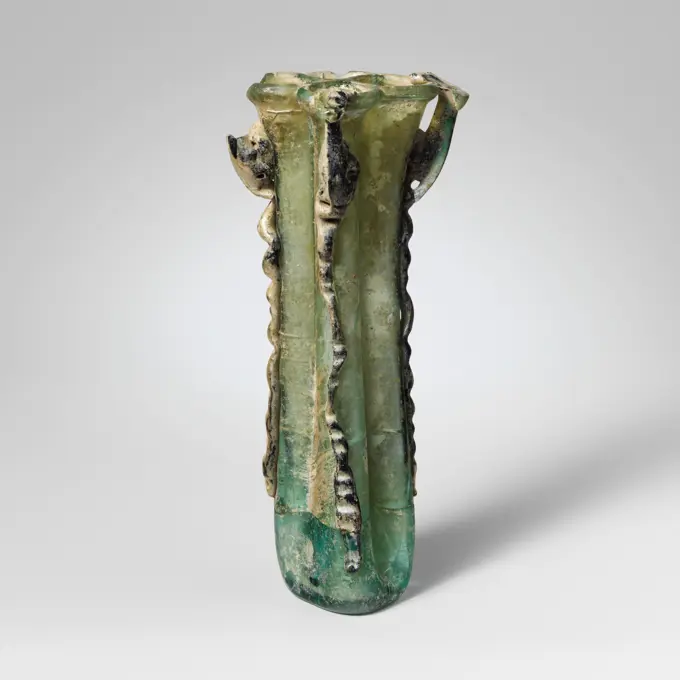
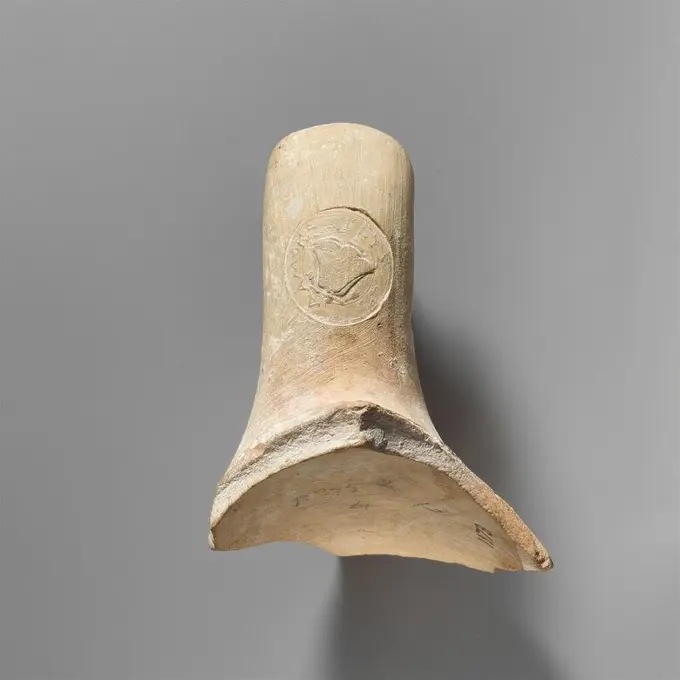
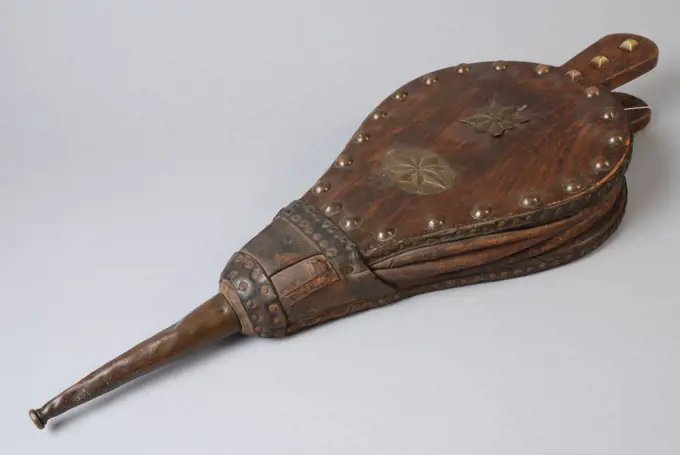
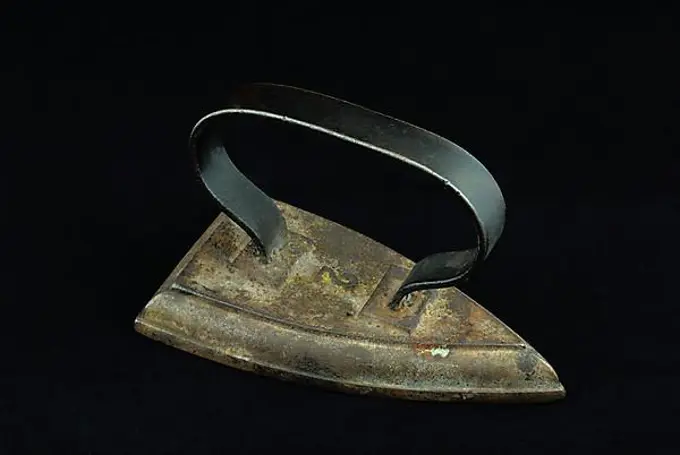
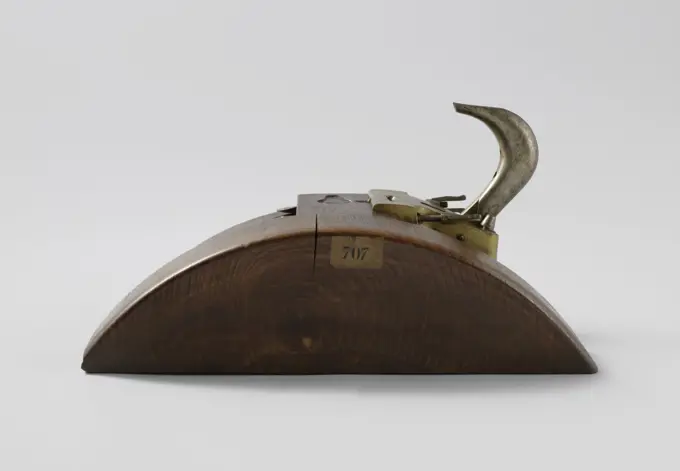
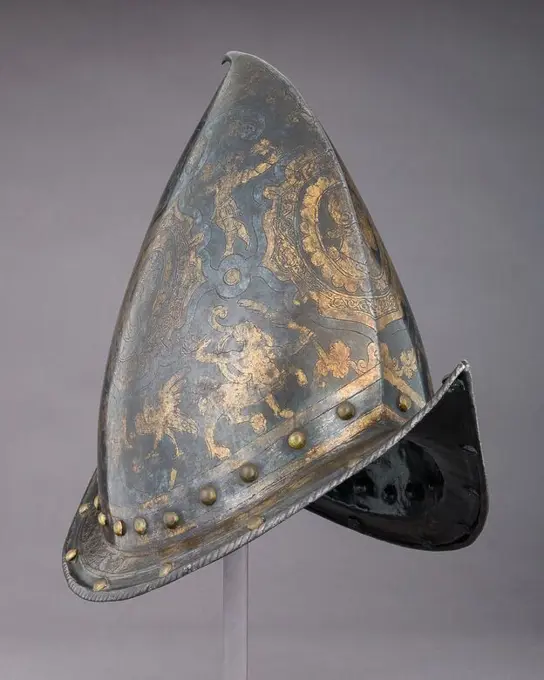
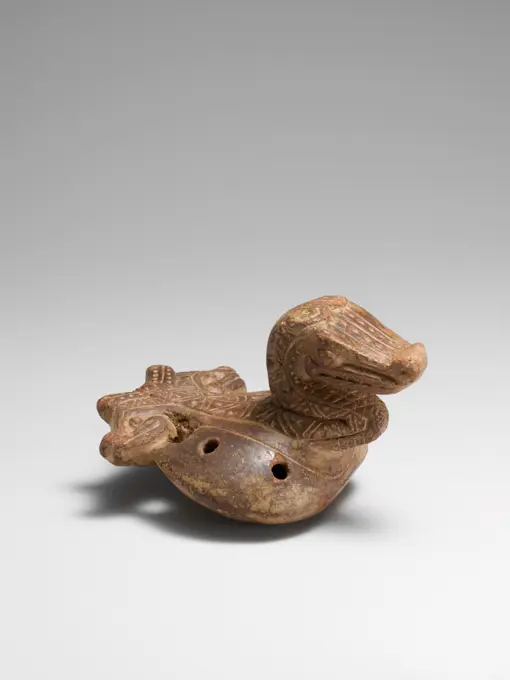
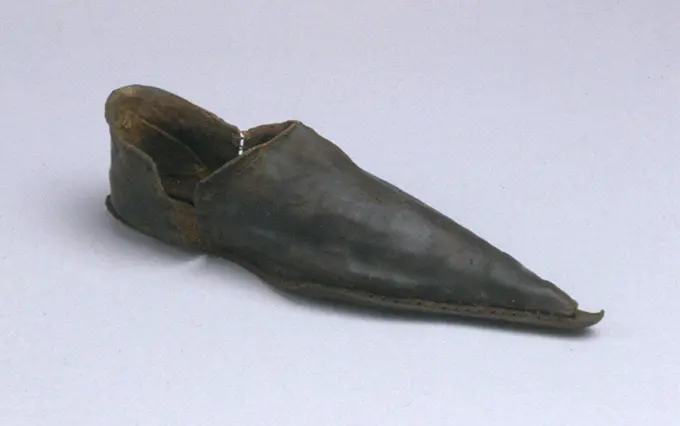
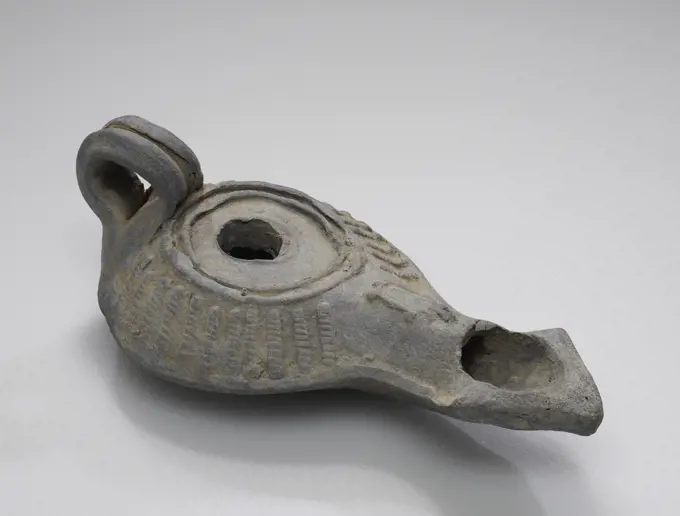
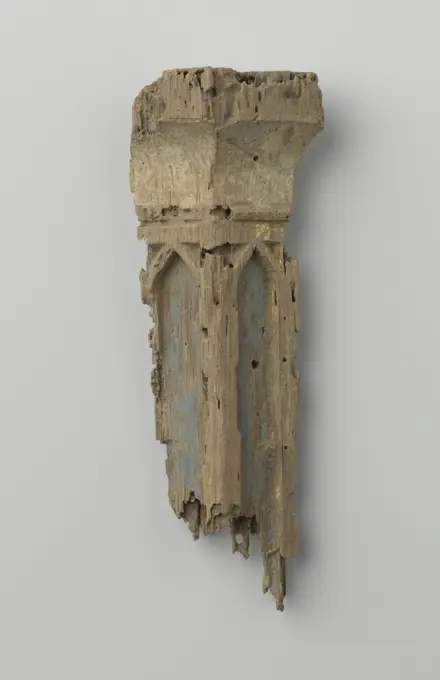
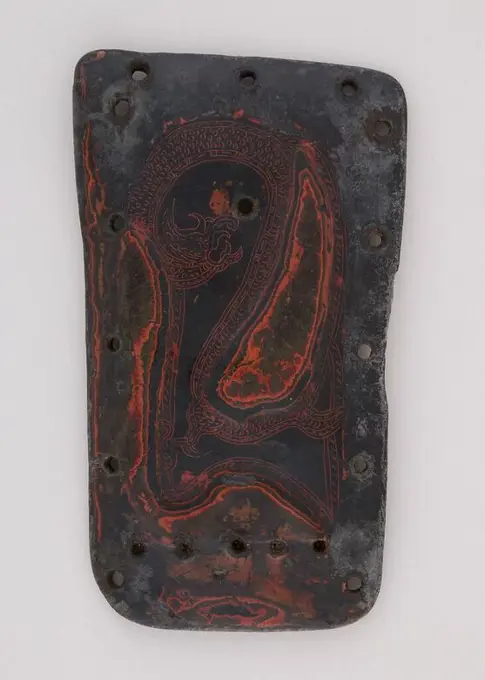
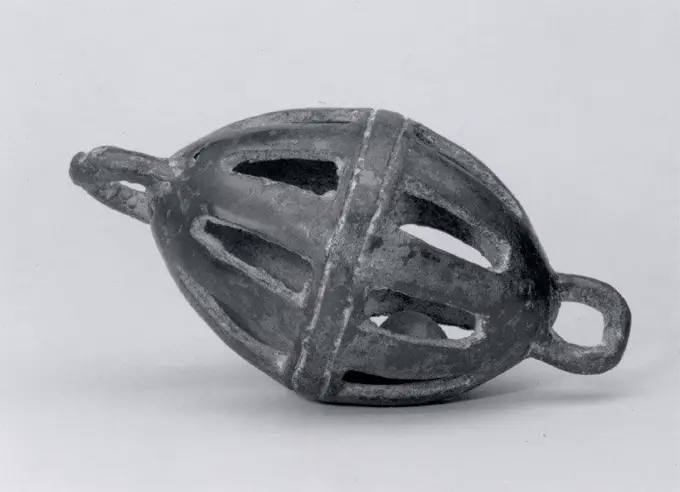
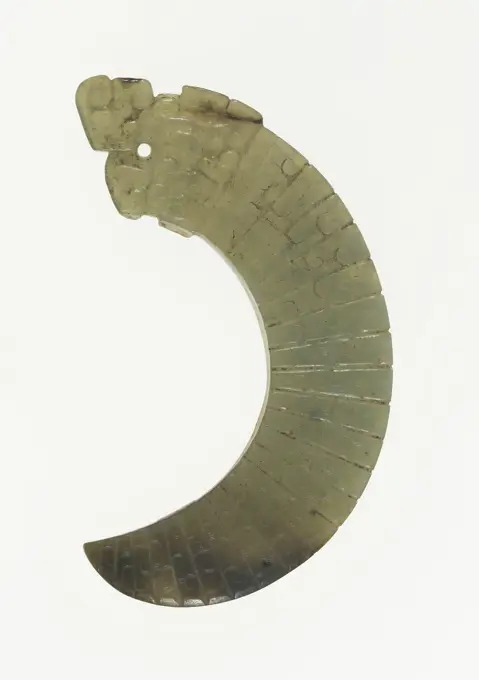
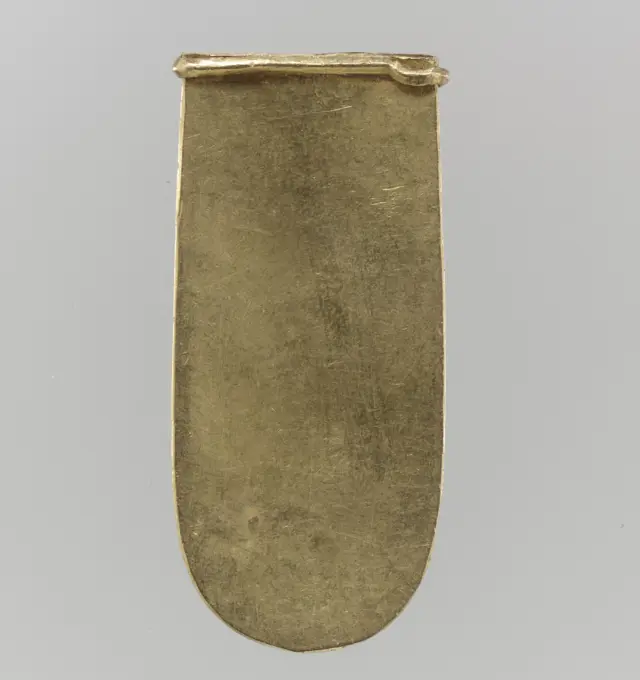
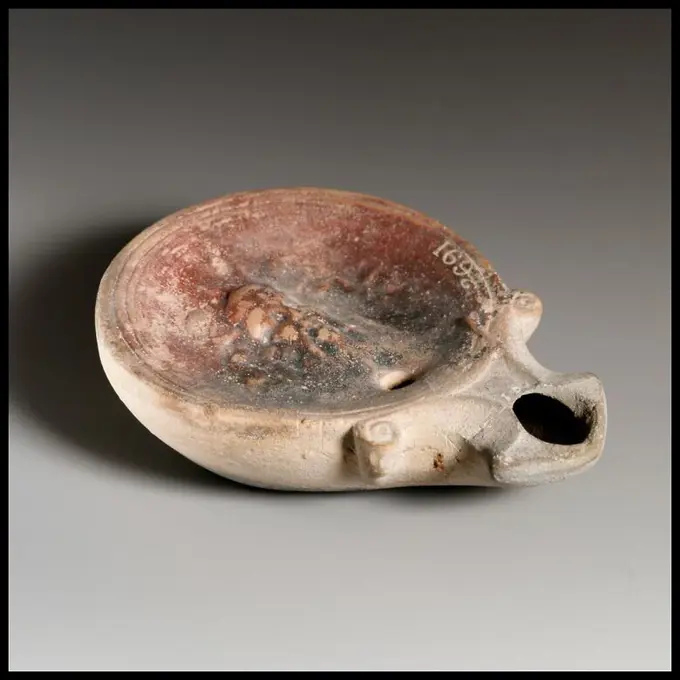
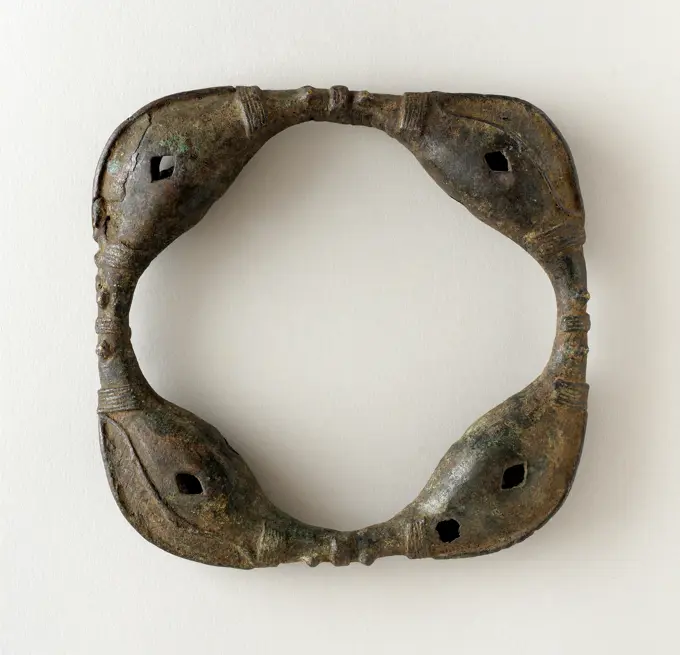
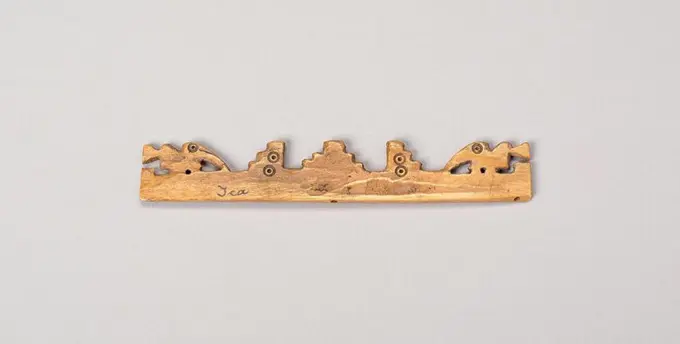
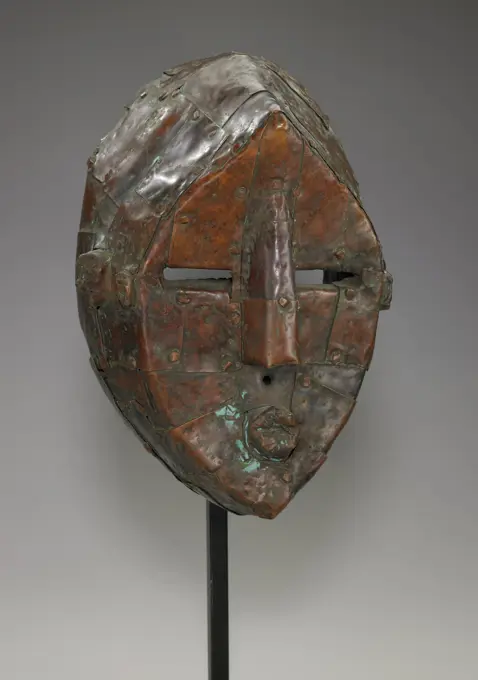
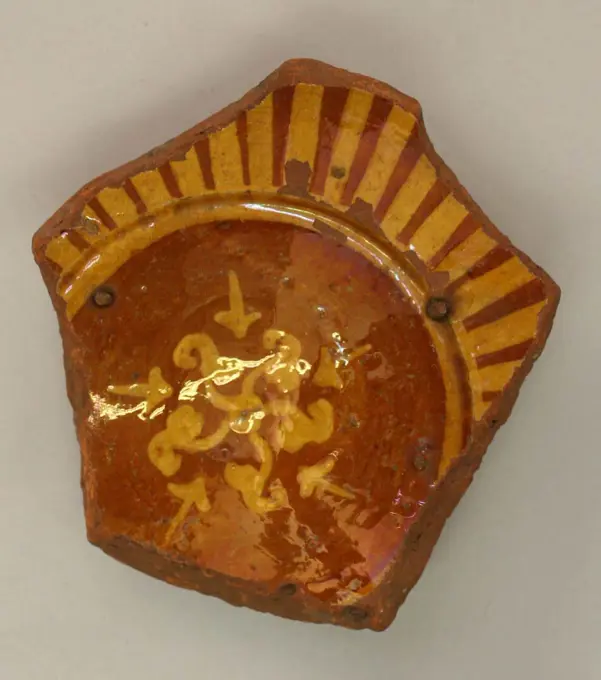
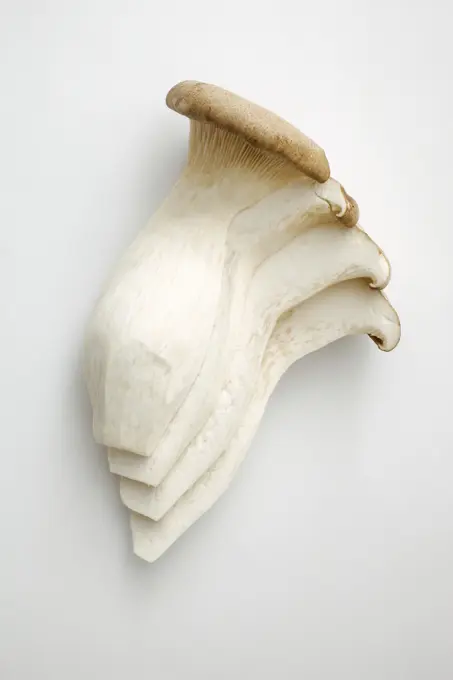
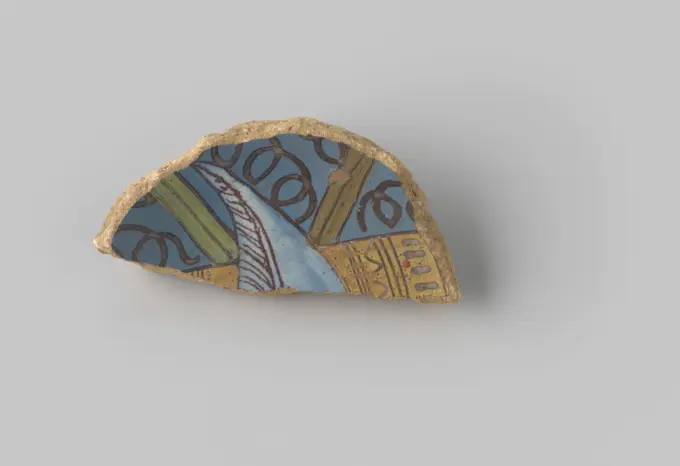
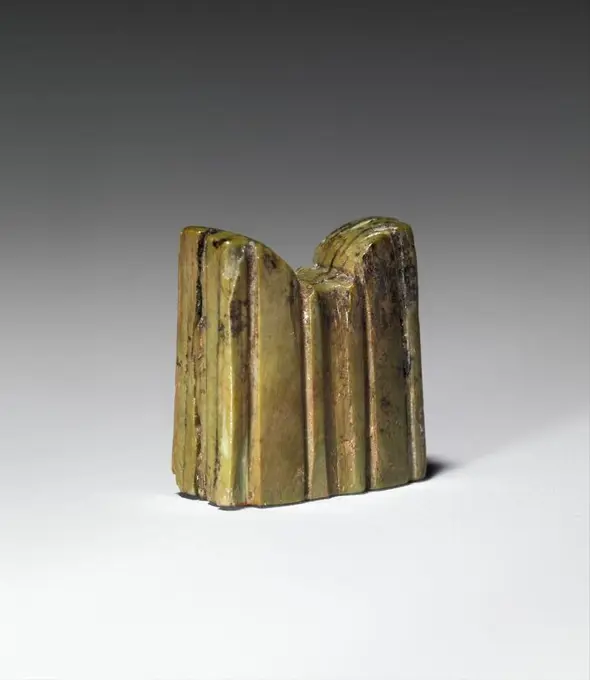
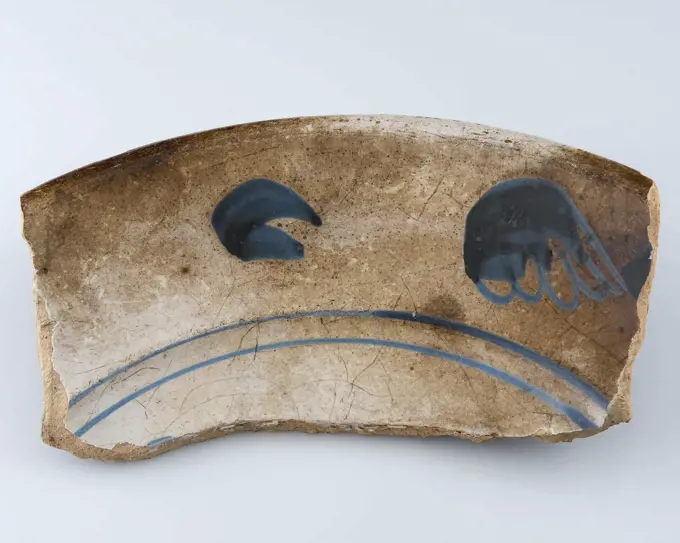
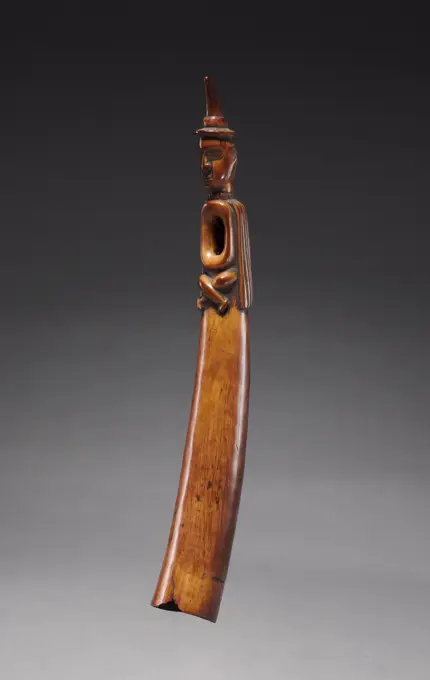
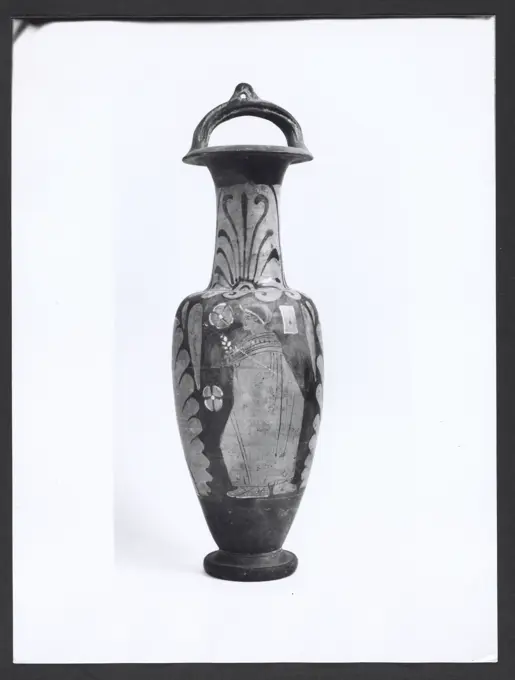
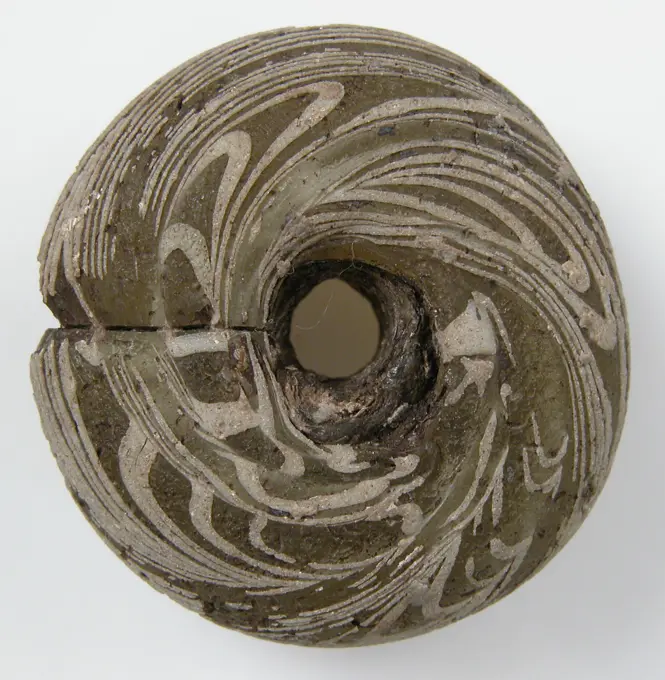
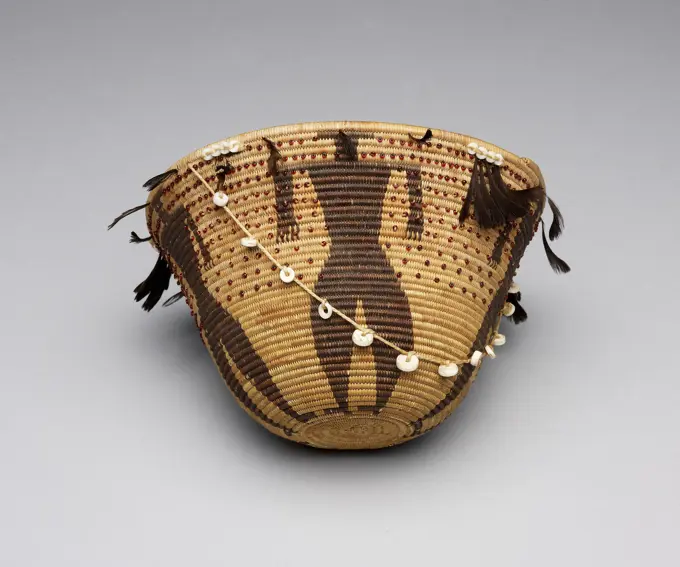
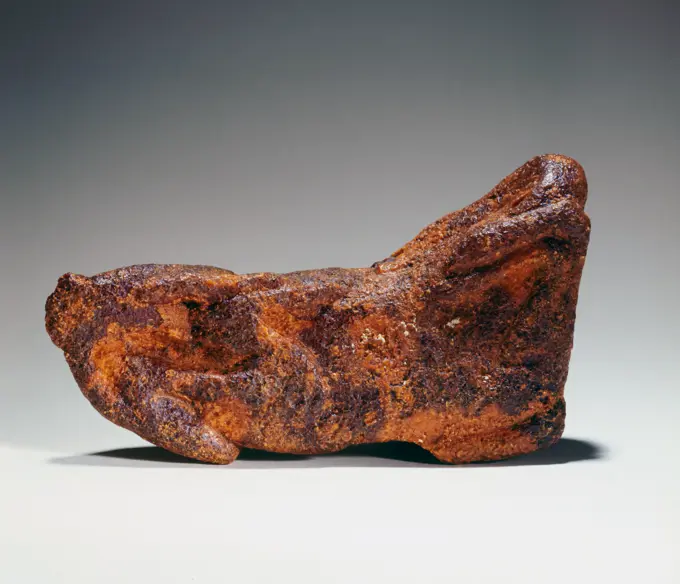
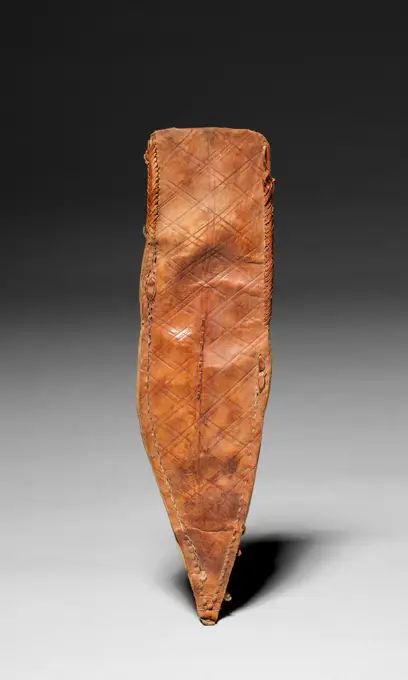
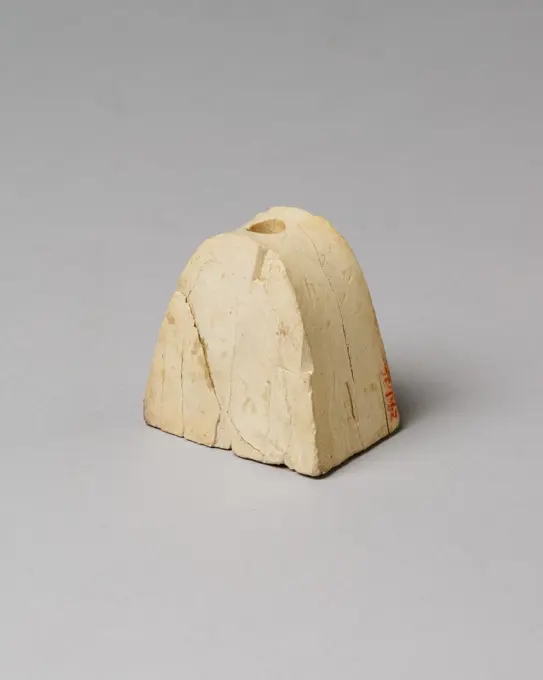
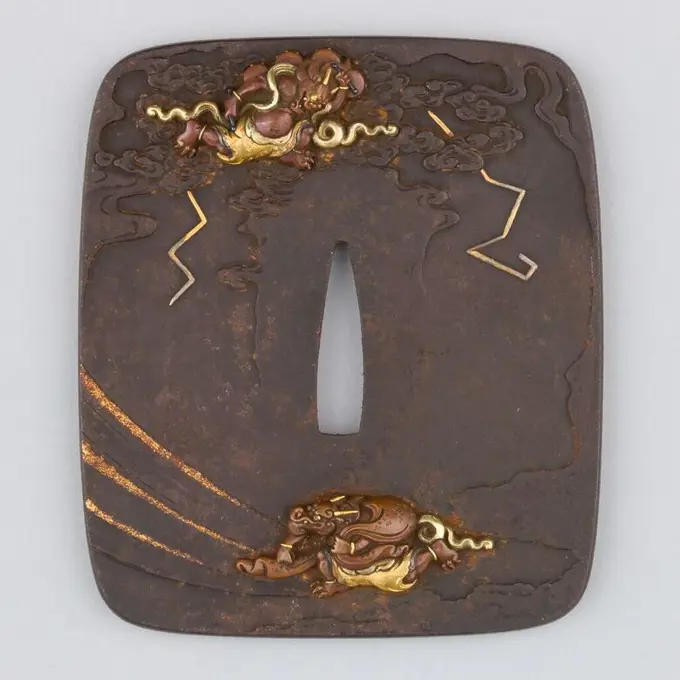
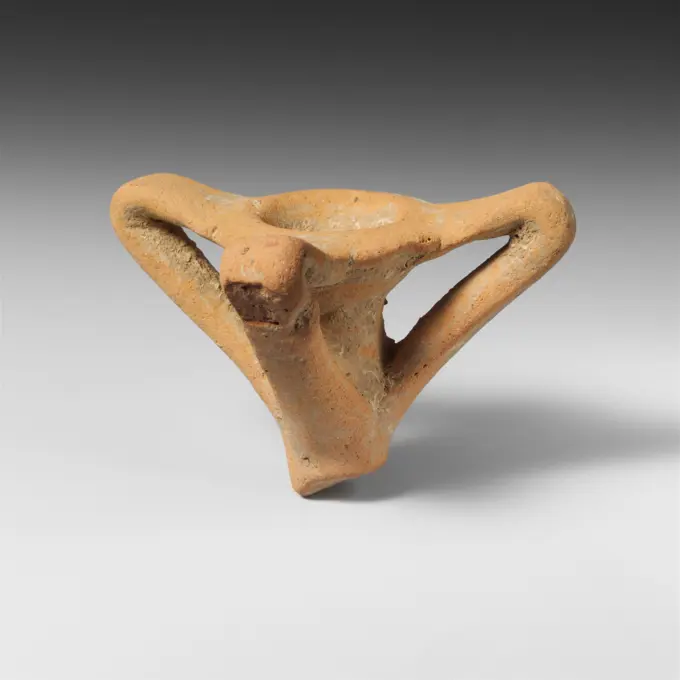
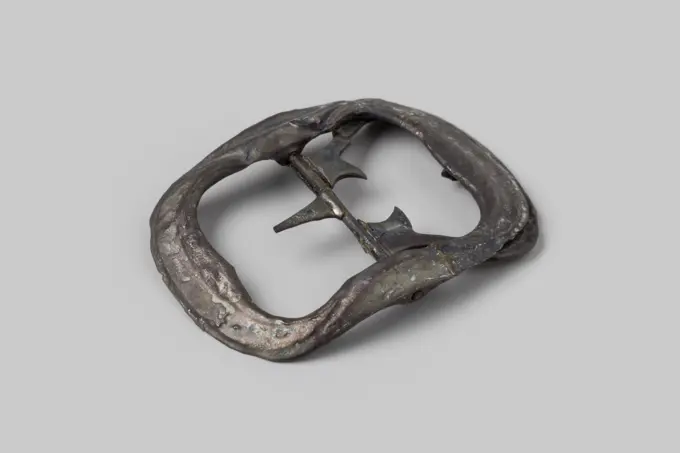
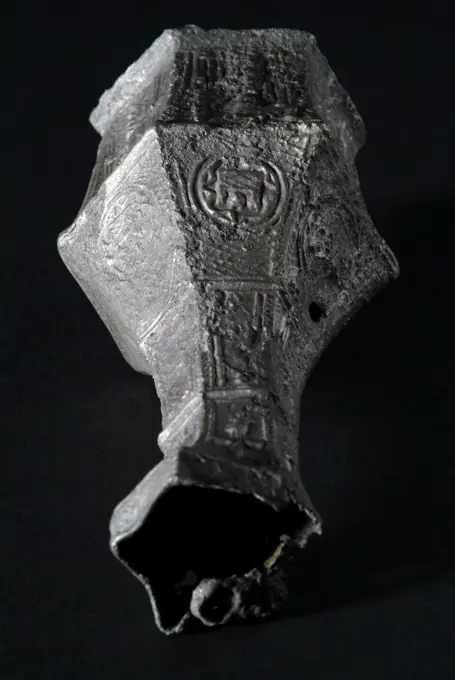
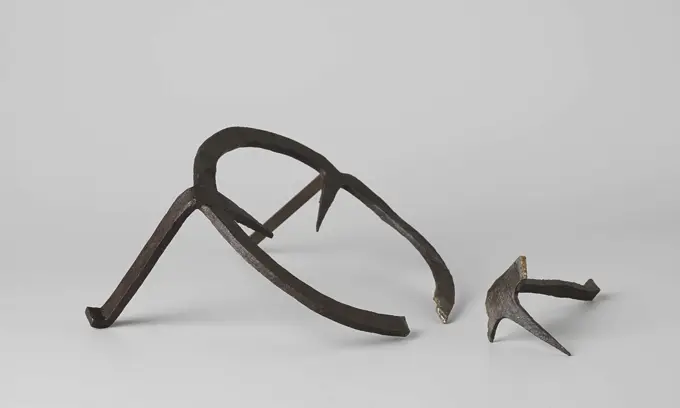
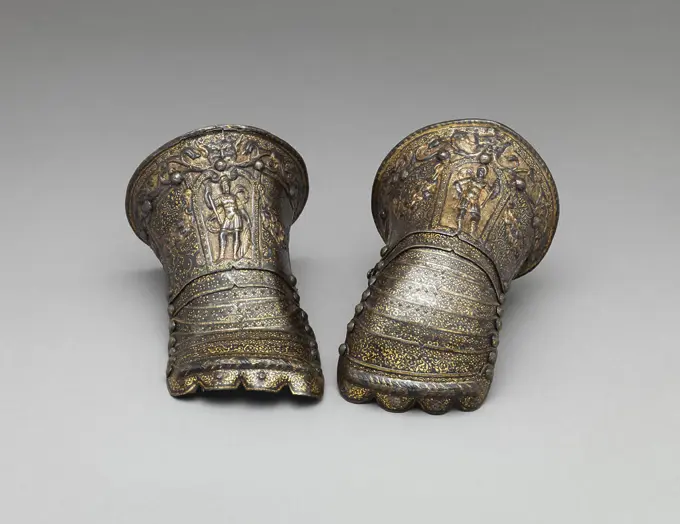
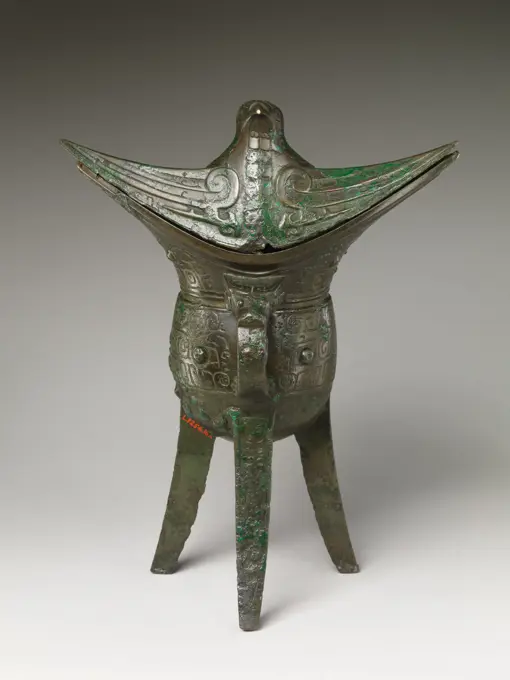
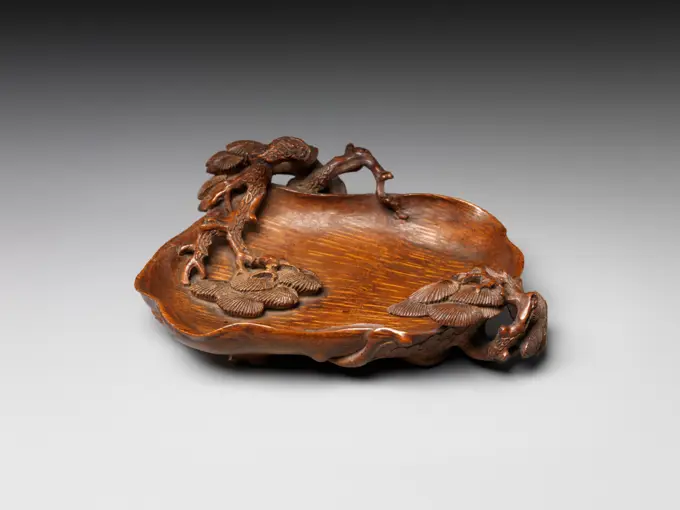
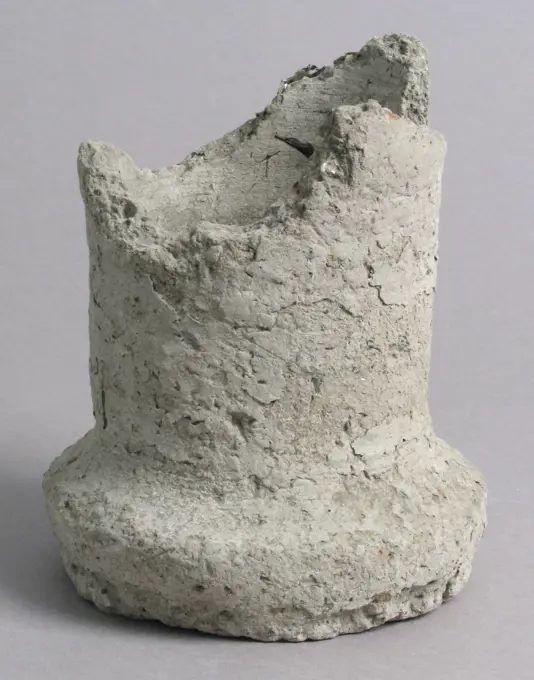
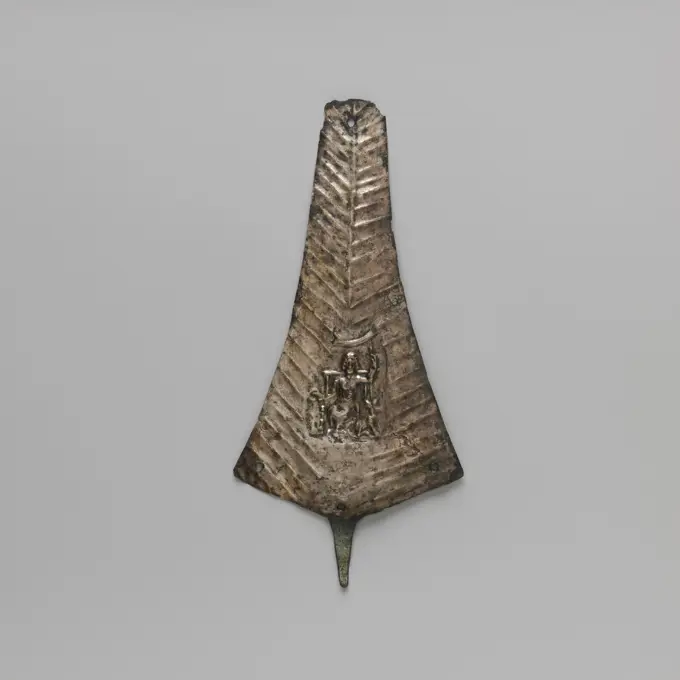
Fragment sign from V.O.C. ship De 'Witte Leeuw', Before 1613 plate (dishes) Fragment sign from V.O.C. ship the 'Witte Leeuw'. Jingdezhen porcelain   Sint-Helena. Muilen van black leather. Model: Low heel, round nose, pretty narrowly rubbed sole. High tray with perforations and reversions, in stripe design.Two parts of three-piece bronze mold for ear of jug, cast molding tool tools base metal bronze wood iron, cast Three-piece bronze mold for casting double S-shaped ear for can Rotterdam tin foundry tin pewter Meeuws Druy craft Molds come from the originally 18th century Rotterdam tinnegieter J Druy. The large molds that were not signed or dated were the property of the tinker guild and were rented to the small tin caster.Electrotype Reproduction of a 16th Century Italian Morion 19th century British. Electrotype Reproduction of a 16th Century Italian Morion 24996Shaffron (Horse's Head Defense). Culture: Turkish. Dimensions: H. 20 3/8 in. (51.8 cm); W. 22 1/4 in. (56.5 cm); Wt. 3 lb. 11 oz. (1684 g). Date: 17th century.This shaffron is unusually complete and is one of the few examples to retain its original cheek plates. It is engraved with tulip designs and inscribed across the forehead: "Made at the order of Emir Yusuf.". Museum: Metropolitan Museum of Art, New York, USA.Lazio Frosinone Casamari Museo Archeologico7. Hutzel, Max 1960-1990 Post-medieval: paintings on canvas, paintings on wood, wooden church furnishings Governing Body: Abbazia di Casamari General Notes: This record is for the pinacoteca which is part of the Museo Archeologico, housed within the Abbey of Casamari. Hutzel assigned it a separate numbering sequence. German-born photographer and scholar Max Hutzel (1911-1988) photographed in Italy from the early 1960s until his death. The result of this project, referred to by Hutzel as Foto Arte Minore, is thorough documentation of art historical development in Italy up to the 18th century, including objects of the Etruscans and the Romans, as well as early Medieval, Romanesque, Gothic, Renaissance and Baroque monuments. Images are organized by geographic region in Italy, then by province, city, site complex and monument.Gold Weight: Fish, 1800s. Africa, Ghana, Asante, 19th century. Copper alloy; overall: 2.8 x 6.6 x 0.4 cm (1 1/8 x 2 5/8 x 3/16 in.). The wealth and power of the Asante kingdom was derived primarily from its massive gold resources. Since at least 1600, small weights in brass and bronze were used to weigh gold dust and nuggets. The royal court had the most elaborate store of weights, while commoners often had about a dozen. Their imagery falls into two broad cateogries: geometric and representational. The latter often refers to proverbs, which used judiciously, marked a wise person.Winged cup. Culture: China. Dimensions: H. 1 3/4 in. (4.4 cm); Width at handle 5 3/8 in. (13.7 cm). Date: 3. Museum: Metropolitan Museum of Art, New York, USA.Vissering -Ruiter or Koninginneschaats, G. Vissering, 1891 - 1955  Extended continuous skate with tail. Binding consists of copper heel and footrest and wide heel and toe leather. Designer: Frieslandmanufacturer: Akkrum copper (metal). leather. iron (metal). mahogany (wood)Hunting bonnet -Vase fragment East Greek/Sardis, Lydian Circle in black.. Vase fragment 252699 East Greek/Sardis, Lydian, Vase fragment, Terracotta, Overall: 3 9/16 x 1 3/16in. (9 x 3cm). The Metropolitan Museum of Art, New York. Gift of The American Society for the Excavation of Sardis, 1926 (26.199.131)Terracotta oil lamp ca. A.D. 40-100 Roman, Cypriot Loeschcke Type 4. Mold-made. Discus: winged, draped siren, standing and facing right, with large bird's claw feet, long wing behind her back, and holding a lyre () at her side; a single filling hole at bottom right; band of lines and grooves towards edge. Incised base ring, and uneven, raised base.Intact.. Terracotta oil lamp 241485Jade Bird Pendant, c. 1000-mid 900s BC. China, Western Zhou dynasty (c. 1046-771 BC). Nephrite; overall: 11.2 cm (4 7/16 in.).Terracotta oil lamp. Culture: Roman. Dimensions: Overall: 1 1/2 x 3 3/4 in. (3.8 x 9.5 cm). Date: 2nd century A.D.. Museum: Metropolitan Museum of Art, New York, USA.Glass lentoid aryballos (perfume bottle). Culture: Greek. Dimensions: 3 7/16 x 2 7/8 x 2 1/16 in. (8.8 x 7.26 x 5.25 cm). Date: late 4th-early 3rd century B.C..Semi-opaque dark blue, with handles, coils, and feet in same color; trails in opaque yellow.Broad sloping horizontal shoulder; flattened globular body, with convex sides; shallow convex bottom; two rolled cylindrical feet on either side of bottom; two vertical ring handles attached to shoulder; two coils running down sides between handles and feet.An unmarvered fine yellow trail attached at the edge of rim-disk; another similar yellow trail wound spirally round neck; on body, a third trail applied to outer edge of shoulder and tooled into a feather pattern with alternating upward and downward strokes, forming vertical ridges in sides; coils decorated with a spiraling yellow trail.Broken and partially restored from fragments, about half of body preserved with several unattached fragments of rim, neck, and body; heavily pittedGlass cosmetic flask with four compartments (kohl tube) 4th-5th century A.D. Roman, Palestine Translucent blue green; handles and trails partly in same color, partly in deep translucent blue, appearing black.Everted tubular rim, folded over and in; body comprising four tubes, side by side in a rough square shape, made from a single inflated gather by pinching and folding sides vertically to make diaphragm; flat bottom with pontil scar; four handles, applied over tops of vertical trails, drawn up and out, and down, then turned inwards and dropped onto top edge of rim.Four trails, one on each tube, applied as a pad below rim, drawn down vertically, and trailed off on lower body, decorated with horizontal tooling indents.Broken and repaired around lower body, weathered chip in rim, and on breaks in tops of handles; pinprick bubbles and blowing striations; dulling, slight pitting, and iridescent weathering.. Glass cosmetic flask with four compartments (kohl tube) 256701Vessel in the Shape of a ConchShell. Artist: UnknownLamp. UnknownTerracotta amphora handle with stamp. Culture: Greek, Rhodian. Dimensions: Other: 4 7/8 in. (12.4 cm). Date: ca. 220-180 B.C..The circular stamp bears the name of the potter Damokrates, with at the center a large rose, symbolizing Rhodes (the Greek word Rhodon means rose). Museum: Metropolitan Museum of Art, New York, USA.Wooden bellows with brass decoration, bellows equipment wood leather brass, Wood decorated with turning brass spinned plates decorated with star Hoogheemraadschap Schieland Eendrachtsweg Rotterdam City center Cool Hoogheemraadschap SchielandTerracotta lid mid-6th century B.C. Attributed to the Group of the Vienna Amphora Bird between panther and goat, panther between two water birds.. Terracotta lid 255624Pelican. Culture: Chumash. Dimensions: H. 3 3/4 x W. 2 in. (9.5 x 5.1 cm). Date: 16th-17th century. Museum: Metropolitan Museum of Art, New York, USA.Vase fragment ca. 4000-3000 B.C. Neolithic, Thessaly. Vase fragment. Neolithic, Thessaly. ca. 4000-3000 B.C.. Terracotta. Neolithic, second period. VasesFragment 14th-15th century. Fragment 445566Pelow cushion, blue-white striped, lined with a green cord. A wave cushion of blue white striped fabric (white linen, blue cotton) filled with down, ombred with a green silk cord finished in a loose piece.Antique ironGunlock (Percussion) on a Dummy Breech of a 36-Pounder Cannon, Rijkswerf Amsterdam, 1836 percussion lock. scale model Percussieslot on wooden kulas of a cannon of 36 pounds. The final plate is mounted on the right -hand side against the final exhibition with two bolts right through it, and two screws in the Kulas. The hammer turns in a right angle in relation to the barrel. The hammer consists of a curved piece of iron, the narrow bent end has a slot for the flame from the Zundgat as fired. In the shaft two holes before the deduction were applied, a disk in the lock plate through which the rope is led backwards. The wooden Kulas is that of an iron cannon of 36 pounds, French model. Amsterdam wood (plant material). iron (metal). brass (alloy)Morion-Cabasset. Culture: Italian. Dimensions: H. 12 in. (30.5 cm); W. 8 7/8 in. (22.5 cm); D. 13 7/8 in. (35.2 cm); Wt. 3 lb. 7.2 oz. (1564.9 g). Date: ca. 1585. Museum: Metropolitan Museum of Art, New York, USA.Ocarina 1300-1500 Tairona People; Gayraca style. Ocarina. Tairona People; Gayraca style. 1300-1500. Ceramic. Pre-Columbian. Sierra Nevada de Santa Marta, Colombia. Aerophone-Whistle Flute-vessel fluteCrakows 1300-1450 British This shoe, part of a larger collection of objects excavated from an archaeological site on the Thames River in London, provides a glimpse of the fashionable shoe style for men from the fourteenth to the mid-fifteenth century. The poulaine, a long pointed shoe, remained the popular footwear, with its overall length expanding and contracting, for almost 150 years. The poulaine's long, exaggerated toe points were often stuffed with moss or other materials for support. Intentional slashing and embossing of the leather were common decorative embellishments. By the late fifteenth century, the poulaine was superceded by an equally exaggerated style of shoe that was unusually broad across the instep and toe. This style was relatively short-lived, however, and was quickly replaced by a shoe that more closely approximated the natural shape of the foot.. Crakows. British. 1300-1450. leatherCarpenter's Plane, early 1600s. Italy, early 17th century. Wood; overall: 62.3 cm (24 1/2 in.).Patroontas uit het wrak van de Oost-Indiëvaarder Hollandia. Cartridge case; fragm of flat curved box, rounded side, other side broken off, rounded base, flat open top, inside 10 vertical circular drilled tubes, fragm of leather cover.Glazed bowl ca. 6th century A.D. Sasanian. Glazed bowl 322989Shaffron (Horse's Head Defense) 15th century Turkish. Shaffron (Horse's Head Defense) 31873Herman O Stroh, Broad Axe Head, 1938 Broad Axe HeadLamp, Ephesos (), Central Anatolia, Anatolia; 2nd - 1st century B.C; Terracotta; 2 x 5.5 x 10.5 cm (13,16 x 2 3,16 x 4 1,8 in.)Cosmetic Box with a Swivel Top ca. 1550-1458 B.C. New Kingdom This small ivory box has a lid that is pegged at one end, allowing it to swivel open and closed. The hole at the other end of the lid once held another peg. When closed, the peg in the lid and the peg protruding from the box could be bound together with string to keep the box from opening. The top of the box has been decorated with incised lines that form a rosette framed by a zig-zag pattern. The rosette was probably made using an early type of compass. The decoration was once filled with a material called Egyptian blue. Boxes similar to this one, made of wood, bone, or ivory, probably held dry cosmetics such as rouge.The box was excavated by the Museum's Egyptian Expedition in 1916. It had been placed near the head of a coffin along with a number of other jars that came to the Museum when the finds were divided with the Egyptian Antiquities Service. These include three jars of Egyptian alabaster (16.10.421, 16.10.423-.424)Fragment (from the altar cabinet); (possibly) belonging to the retable of Soest, c. 1475 - c. 1499   wood (plant material)   wood (plant material)Element from a Lacquered Leather Cuirass. Culture: Yi or Nuosu, China (Yunnan or Sichuan). Dimensions: L. 7 3/4 in. (19.7 cm); W. 4 1/2 in. (11.4 cm). Date: 8th-10th century. Museum: Metropolitan Museum of Art, New York, USA.Shell Vessel. Culture: Colima. Dimensions: Length 10-1/4 in.. Date: 2nd century B.C.-A.D. 3rd century. Museum: Metropolitan Museum of Art, New York, USA.Necklace 200 BCE-800 CE Western Mexico. Jade and stone . ColimaFoot fragment. Foot fragment. Bronze. BronzesOpenwork rattle bell 1st millennium B.C. Iran. Openwork rattle bell 326610Pair of Stirrups 1800-1900 Flanders. Iron with gilding .Pointed Pendant 610 BCE-490 BCE China. Jade .Gold Strap End (Unfinished) 700s Avar The treasure contains an array of belt fittings, some elaborately decorated, some unfinished or defectively cast. Some show no signs of use, while others are quite worn.The AvarsThe Avars were a nomadic tribe of mounted warriors from the Eurasian steppe. The Byzantine emperor Justinian negotiated with them in the sixth century to protect the Empires northern border along the Black Sea. Emboldened by their subjugation of numerous tribes, they unsuccessfully attempted to seize the Empires capital, Constantinople. They remained a scourge of both Byzantium and the Western kingdoms until Charlemagne defeated them through a series of campaigns in the 790s and early 800s.All the money and treasure that the Avars had been years amassing was seized, and no war in which the Franks have ever engaged.. brought them such riches and such booty. Up to that time the Avars had passed for a poor people, but so much gold and silver was found.. that one may well thiBronze handle of a patera (shallow bowl) late 6th-5th century B.C. Greek This handle contrasts well with the more common anthropomorphic types, both male and female, examples of which can be seen nearby.. Bronze handle of a patera (shallow bowl) 251197 Greek, Bronze handle of a patera (shallow bowl), late 6th5th century B.C., Bronze, Other: 9 3/16 in. (23.3 cm). The Metropolitan Museum of Art, New York. Rogers Fund, 1922 (22.139.19)Terracotta oil lamp ca. A.D. 40-100 Roman, Cypriot Loeschcke Type 4. Mold-made. Concave discus: a central filling hole, surrounded by a plain band divided into two sections by a raised line, and an outer band of close-set radiating lines; band of lines and grooves around edge. Small volutes flanking nozzle. Raised, broad base ring, and a flat base.Complete, except for one hole and some crack on underside of body to right of nozzle.. Terracotta oil lamp. Roman, Cypriot. ca. A.D. 40-100. Terracotta. Early Imperial. TerracottasPrimer. Culture: Greek. Dimensions: L. 5 1/2 in. (14 cm); D. 1 1/2 in. (3.8 cm); Wt. 6.5 oz. (184.3 g). Date: 18th century. Museum: Metropolitan Museum of Art, New York, USA.Broche, obra de Manuel Hugué, siglo XX. Colección privada.Corner piece of a book fittings (). Corner piece of a book fittings () Of brass.Knife, 1800s. Africa, 19th century. Steel, leather or rawhide, and horn; blade: 23.5 cm (9 1/4 in.); scabbard: 10.2 cm (4 in.); knife including handle: 40.7 cm (16 in.).Yung-Wey-Sha-Na (rattle) 19th century Native American (Hopi). Yung-Wey-Sha-Na (rattle) 501235Models of shot bundles (grapeshot). A cannon could be loaded with a single cannonball or bundles of smaller projectiles, such as this grapeshot’. Grapeshot consisted of a canvas bag filled with iron balls or metal slugs, tied together so that it resembled a bunch of grapes. It was used to hit living targets - horses and soldiers - at close range. The Dutch word for machine gun (mitrailleur) comes from the French term for grapeshot (boîte à mitraille).ThresholdConsole, from Huis de Voorst, Anonymous, c. 1700 Wooden console, decorated with carving in the form of a standing acanthus leaf and tendrils. Northern Netherlands wood (plant material). linden. stain (coating)   House De Voorst Wooden console, decorated with carving in the form of a standing acanthus leaf and tendrils. Northern Netherlands wood (plant material). linden. stain (coating)   House De VoorstTerracotta oil lamp. Culture: Roman. Dimensions: Overall: 1 x 3 5/8 in. (2.5 x 9.2 cm). Date: 1st century B.C.-1st century A.D..Loeschcke Type 1A. Mold-made. Discus: head of Helios (Sol), bearded. Single filling hole at bottom near nozzle, with a band of lines and grooves around edge. Volutes flanking angular nozzle. Raised base ring, and uneven base.Intact, but some loss of surface on and around base ring. Museum: Metropolitan Museum of Art, New York, USA.Ankletvintage jeweler wooden vise holder over white, clipping pathPendant 2nd-3rd century Ostrogothic. Pendant 465227 Ostrogothic, Pendant, 2nd3rd century, Gold, rock crystal, Overall: 1 13/16 x 13/16 x 1/2 in. (4.6 x 2 x 1.2 cm) gold pendant: 11/16 x 3/8 x 3/8 in. (1.7 x 1 x 1 cm). The Metropolitan Museum of Art, New York. Gift of J. Pierpont Morgan, 1917 (17.192.167)Balance-Beam Scale with Cut-Out Bird and Step Motifs. Possibly Nazca or Ica; South coast, Peru. Date: 500 AD-1400. Dimensions: 14.1 x 2.4 cm (5 9/16 x 15/16 in.). Bone with pigment. Origin: Peru. Museum: The Chicago Art Institute, Chicago, USA.Mvondo Mask, 1900-1925, 11 1/8 x 7 5/8 x 7 in. (28.26 x 19.37 x 17.78 cm) (without mount), Wood, copper, Democratic Republic of the Congo, 20th centuryTerracotta oil lamp ca. A.D 5090 Roman, Italian. Terracotta oil lamp. Roman, Italian. ca. A.D 5090. Terracotta; mold made. Early Imperial. TerracottasFragment of a Bowl 14th-15th century. Fragment of a Bowl 445547Oil lamp. 17, rue Nicole (1882), coll. MAGNE. Terracotta. High Empire. Delphiniform. Paris, Carnavalet museum. 50053-5 Delphiniform, High Empire, oil lamp, terracottaKing Trumpet Mushrooms on a White BackgroundSharf of ross -baking earthenware, with blue glaze at the top, on which part of an unknown performance is depicted in yellow, orange, white and brown, anonymous, 1600 - 1650  Northern Netherlands earthenware. glaze majolica  Northern Netherlands earthenware. glaze majolicaChess Piece, Rook. Dimensions: H. 13/16 in. (2 cm)L. 3/8 in. (1 cm)W. 5/8 in. (1.6 cm). Date: 9th-12th century. Museum: Metropolitan Museum of Art, New York, USA.Border fragment of majolica dish decorated with monochrome decor, misbaksel, dish tableware holder fragment earthenware pottery earthenware glaze tin glaze lead glaze, hand turned baked 2x majolica Edge fragment of majolica dish decorated with monochrome decor Simple blue figures over the flag with thick brush applied. Double blue piping in the shoulder Misbaksel broken during baking in which liquid glaze ended up in the fracture surfaces. underside covered with bright lead glaze darkened by staying in the soil archeology Rotterdam Heliport terrain indigenous pottery handicraft stewter bakeware soil find: Heliport site Rotterdam June 1978.Oliphant (Side-Blown Trumpet), late 1800s-early 1900s. Africa, Central Africa, Democratic Republic of Congo (most likely), Cabinda, or Republic of the Congo, probably Yombe-style maker. Ivory; overall: 32 x 4 x 6 cm (12 5/8 x 1 9/16 x 2 3/8 in.).Campania Caserta Capua Museo Campano063. Hutzel, Max 1960-1990 Medieval: Byzantine architectural fragments; parchment fragments with miniatures (12th century) from Montecassino; painted wooden crucifix (13th century); Carolingian crucifixes; Bishop's miter (11th century) of gold and silver damask; fresco (13th century). Post-medieval: Architecture (15th century). Formerly the Palazzo Antignano. Unusual Catalan/Moorish-style portal; Paintings on panel and canvas (15th-18th centuries); marble intarsia (16th century); marble sculpture: busts of Christ and Mary (17th century); sculpture of saints in marble and in wood (15th century); painted and gilded sculpture in wood; marble grave sculpture (16th century); sarcophagus with allegorical carvings; gold reliquary "Rosa d'Oro"; crucifix made of elephant tusk Specific Location: Pianterreno Antiquities: Italic sculpture (seated women holding babies); inscription. Photo campaign #1: 533 photos. Roman relief and sculpture; cinerary urns; Greek aCircular Bead 500-600 Frankish Beads from Frankish necklaces exhibit a stunning variety of patterns, colors, and forms. Though the beads seen here were made in the seventh century, the particular combination in which they were strung together is a creation of the late nineteenth century, when the beads were first found in graves.. Circular Bead 464795 Frankish, Circular Bead, 500600, Glass, Overall: 1 7/16 x 11/16 in. (3.6 x 1.8 cm). The Metropolitan Museum of Art, New York. Gift of J. Pierpont Morgan, 1917 (17.191.107)Figured Gift Basket Made 1885-1895 California. Vegetable fibers, glass and clamshell beads, and quail feathers . PomoAnonymous. "Lion lying devouring an animal". Amber. -600/500 BC .. Museum of Fine Arts in the city of Paris, Petit Palais. 99937-31 Amber, antiquity, VIEM LIFE VI 6th 6th 6 CENTURY BEFORE AV. JC, ancientMountScabbard, early 1900s. Africa, Somali, 20th century. Rawhide or leather; scabbard: 7.7 cm (3 1/16 in.); knife including handle: 6.1 cm (2 3/8 in.).Papyrus burnisher ca. 1981-1802 B.C. Middle Kingdom. Papyrus burnisher 555875Terracotta oil lamp ca. A.D. 40-100 Roman, Cypriot Loeschcke Type 4. Mold-made. Discus: winged gryphon, facing left, standing on ground line. Raised base ring; concave base with central letter I.. Terracotta oil lamp. Roman, Cypriot. ca. A.D. 40-100. Terracotta; mold-made. Early Imperial. TerracottasTwo-piece bronze mold for handle, cast molding tool tools base metal bronze, cast Two-piece bronze mold for casting handle top: 2834 181 Rotterdam tin foundry tin stainer tin Meeuws Druy craft Shapes are from the van origins 18th century Rotterdam tinnegieter J Druy. The large molds that were not signed or dated were the property of the tinker guild and were rented to the small tin caster.Sword Guard (Tsuba). Culture: Japanese. Dimensions: H. 3 3/8 in. (8.6 cm); W. 3 in. (7.6 cm); thickness 3/8 in. (1 cm); Wt. 7.6 oz. (215.5 g). Date: ca. 1615-1868. Museum: Metropolitan Museum of Art, New York, USA.Terracotta finial with three flanges 7th-6th century B.C. Greek, Laconian From the sanctuary of Artemis Orthia at SpartaTwo handles, traces of white paint.. Terracotta finial with three flanges 251764 Greek, Laconian, Terracotta finial with three flanges, 7th6th century B.C., Terracotta, H. 2 3/16 in. (5.6 cm). The Metropolitan Museum of Art, New York. Gift of A. J. B. Wace, 1924 (24.195.198)Shoe spacer from the wreck of the East Indies Hollandia, Anonymous, 1700 - in Or Before 1743  Schoengesp. Buckle, chape buckle, shoe buckle; (3) fragment (1): (1) ring (5.8x4.8, 0.3t), moulded, (1) spindle with tongue, (1) single-pronged loop, marks legible GV, I, coat of arms of Amsterdam Netherlands silver (metal)   SecondTiger-Shaped Pillow with Floral Spray 1115-1234 China. Cizhou ware; slip-coated earthenware with underglaze iron brown and amber painting .Anonymous. Pear -shaped box; Decor gold on a adventurous background; Gold bronze frame. Lacquer. Museum of Fine Arts of the City of Paris, Petit Palais. Box, bronze, adventurine background, lacquer object, gold, pearSharf of ross -baking earthenware, with blue glaze at the top, decorated with a painted flower shape in brown, filled with white and ocher yellow, anonymous, 1600 - 1650  Northern Netherlands earthenware. glaze majolica  Northern Netherlands earthenware. glaze majolicaSpoon, c. 1880, 12 in. (30.48 cm), Mountain goat horn, Dall's sheep horn, abalone shell, United States, 19th centuryTin Communion Cruet. Found at Weoley Castle, Birmingham, a Birmingham Museums Trust heritage siteTreeft, ringvormig met drie spitse naar beneden gebogen pootjes.Trief, ring-shaped with three pointed down paws. A treaf is a coaster for a pan but can also mean roasting grille. TREEBER OR LEFT means etymological tripod.Fragment Tobacco Pipe, Anonymous, 1750 - 1785 Fragment tobacco pipe with twelve grunts with outlines (floral -sainted motif) and a coat of arms with lion. Of the excavations on the Hofstede Arentsburg 1827-1831 under the supervision of Professor Reuvens. Schoonhoven (Possible) pipe clay Fragment tobacco pipe with twelve grunts with outlines (floral -sainted motif) and a coat of arms with lion. Of the excavations on the Hofstede Arentsburg 1827-1831 under the supervision of Professor Reuvens. Schoonhoven (Possible) pipe clayLadiesmuil made of blue leather, decorated with silver thread, anonymous, c. 1740 - c. 1760 Muil, made of blue leather, decorated with silver wire in flower pattern. Hak and lining of white leather. Model: wide rounded forefoot and high hold heel, ending in trapezoidal sole. Some poned stars on the sole. Netherlands whole: Leather. Decoration: Silver thread Muil, made of blue leather, decorated with silver wire in flower pattern. Hak and lining of white leather. Model: wide rounded forefoot and high hold heel, ending in trapezoidal sole. Some poned stars on the sole. Netherlands whole: Leather. Decoration: Silver threadPair of Gauntlets for a Child. Armorer: Lucio Piccinino (Italian, Milan, active ca. 1575-90). Culture: Italian, Milan. Dimensions: L. of each 7 1/8 in. (18.1 cm); W. of each 4 1/2 in. (12.4 cm); D. of each 4 3/8 in. (11.1 cm); Wt. of each 8 oz. (226.8 g). Date: ca. 1585.These gauntlets belong to an armor presented by the Spanish governor of Milan to the future Philip III of Spain (1578-1621, reigned from 1598). Museum: Metropolitan Museum of Art, New York, USA.Covered Wine Cup (Jiao) China. Covered Wine Cup (Jiao) 61219Dish with pine trees 17th century China. Dish with pine trees 39868Mirror 6th century B.C. Greek, Cypriot. Mirror 244283InkVessel 4th-7th century Coptic. Vessel 478735Alabastron. UnknownSilver votive plaque late 2nd-3rd century A.D. Roman Similar votives, made of thin sheets of silver, cut and impressed to look like leaves or feathers, are known from many different provinces of the Roman Empire. They were pinned up in temples or shrines as votives to a variety of deities, who are usually named in a dedication. This example, however, is uninscribed, but the seated god can be identified as Pluto, God of the Underworld, because he is accompanied by the three-headed guard dog Cerberus.. Silver votive plaque. Roman. late 2nd-3rd century A.D.. Silver. Mid or Late Imperial. Gold and SilverArcher's wrist guard ca. 1981-1550 B.C. Middle Kingdom-Early New Kingdom Archers in ancient Egypt would have worn guards such as this one to protect their wrists from the end of the arrow as they pulled it back to shoot, and from the rebound of the bowstring. This example was found at Gebelein, on the body of a soldier.Link to a blog about soldiers in Ancient EgyptIn Honor of Pharaoh's Fighters. Archer's wrist guard. ca. 1981-1550 B.C.. Leather. Middle Kingdom-Early New Kingdom. From Egypt; Said to be from Southern Upper Egypt, Gebelein (Krokodilopolis). Dynasty 12-18Half Model of a 14-Gun Brig.Blanked mold model (starboard) of a tweemaster. The deck is closed and the location of the shutters is indicated. Round fore ship with almost vertical deflect. Wrecked mirror, hollow wulf, the fence is missing, no side gallery, no stir. Side backwards, one Barkhout and two reans. Peaked round trip.