Historical Artifacts

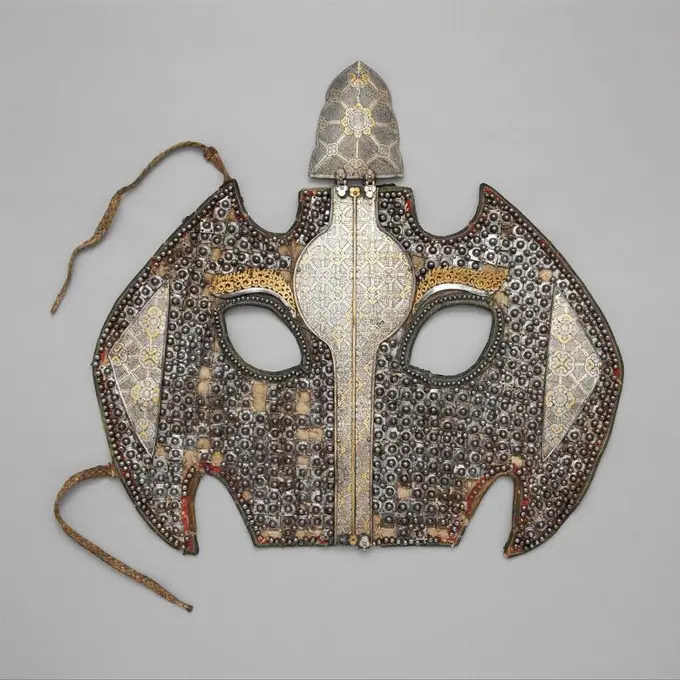
A selection of historical artifacts including fragments of a porcelain dish, leather shoes, bronze molds, a 16th-century helmet, and a Turkish horse shaffron.

Vissering -Ruiter or Koninginneschaats, G. Vissering, 1891 - 1955  Extended continuous skate with tail. Binding consists of copper heel and footrest and wide heel and toe leather. Designer: Frieslandmanufacturer: Akkrum copper (metal). leather. iron (metal). mahogany (wood)
Vissering -Ruiter or Koninginneschaats, G. Vissering, 1891 - 1955 Extended continuous skate with tail. Binding consists of copper heel and footrest and wide heel and toe leather. Designer: Frieslandmanufacturer: Akkrum copper (metal). leather. iron (metal). mahogany (wood)
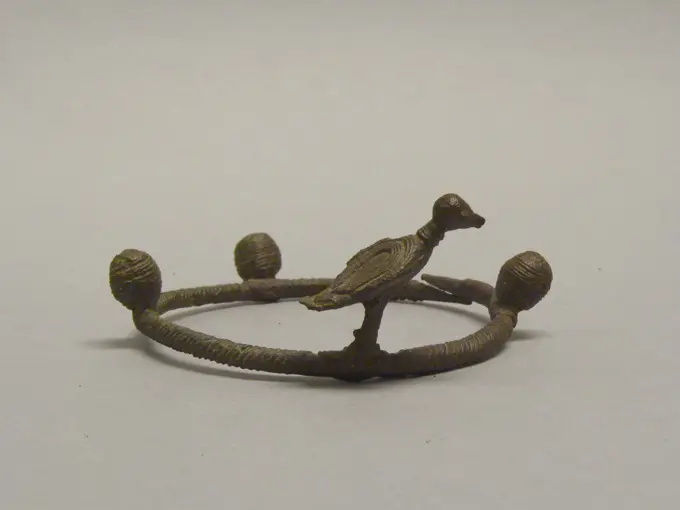
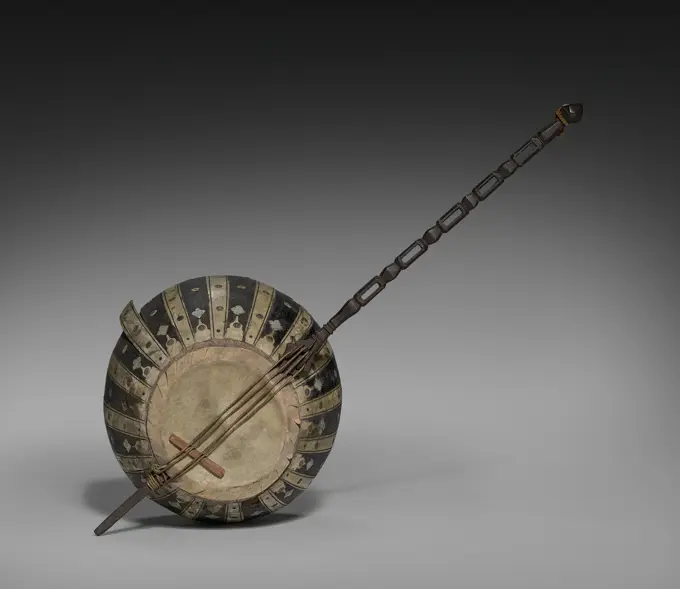
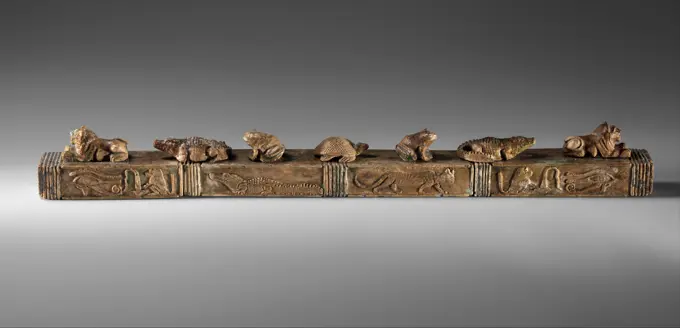
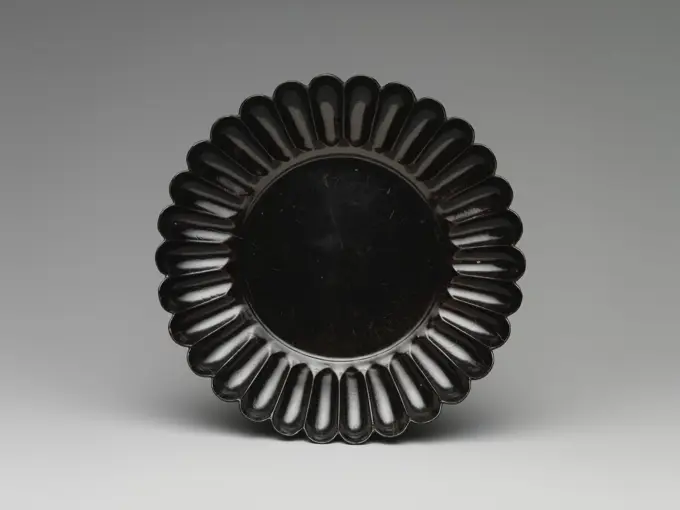
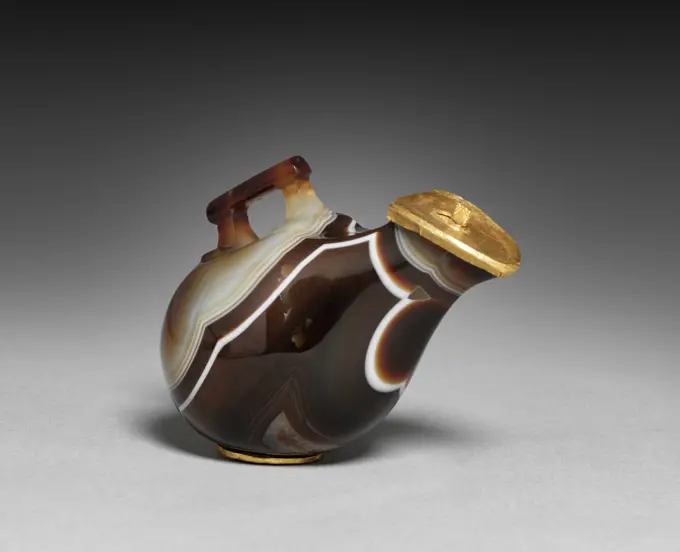
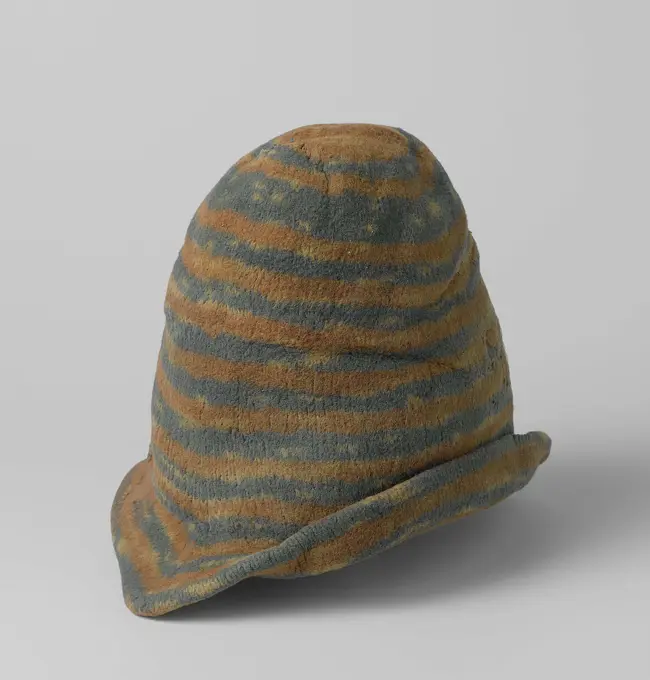
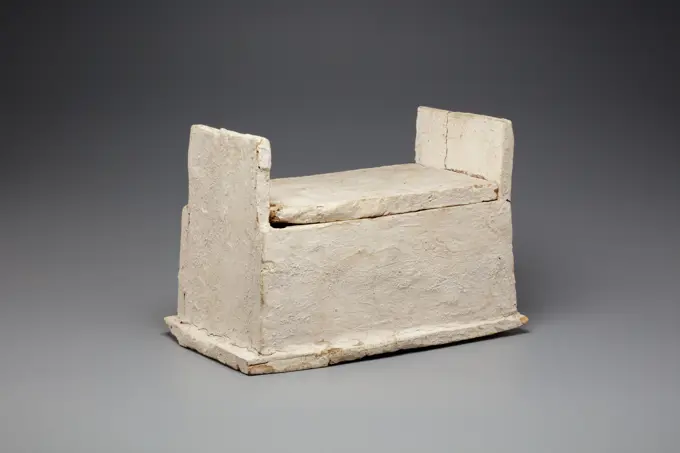
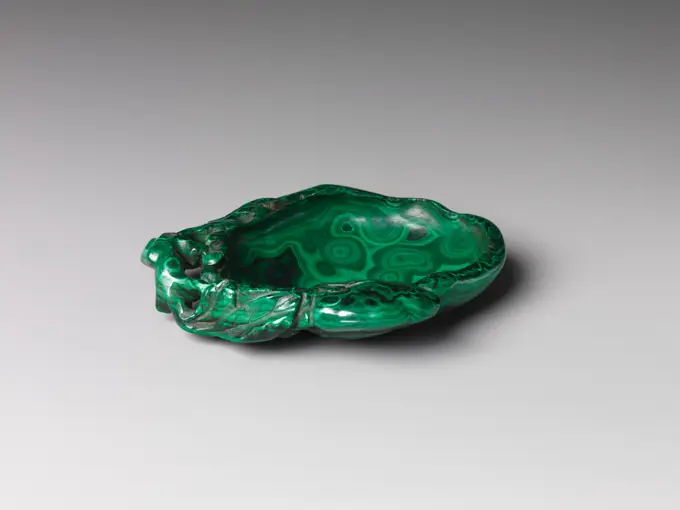
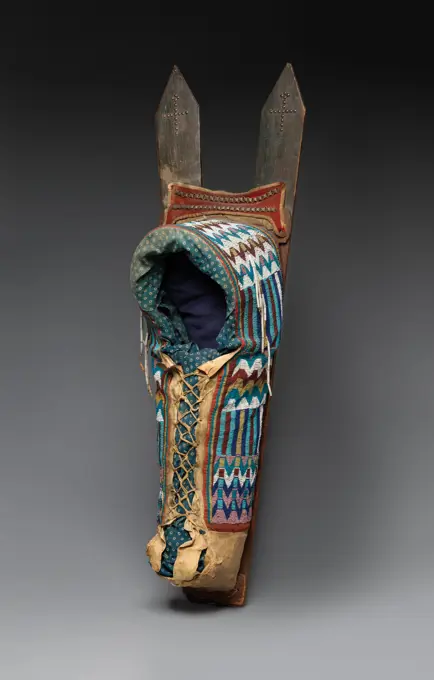
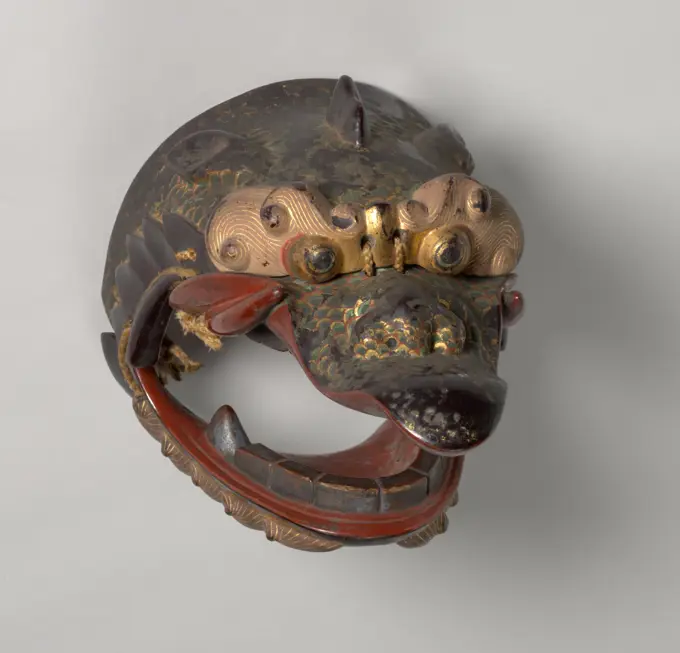
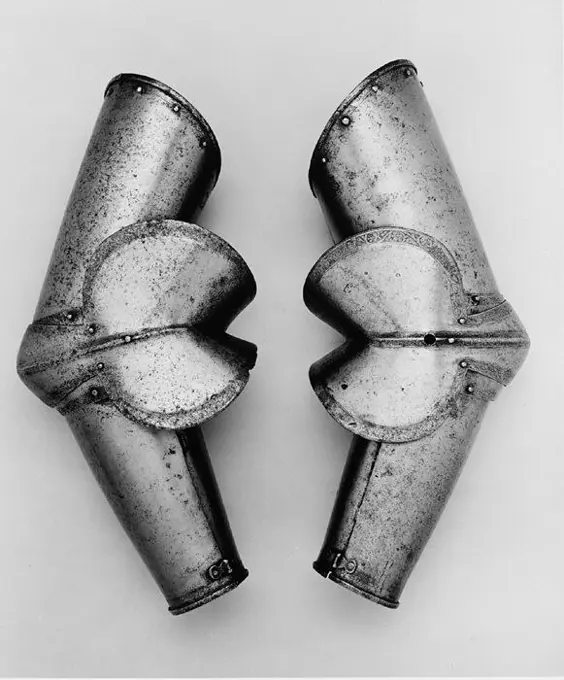
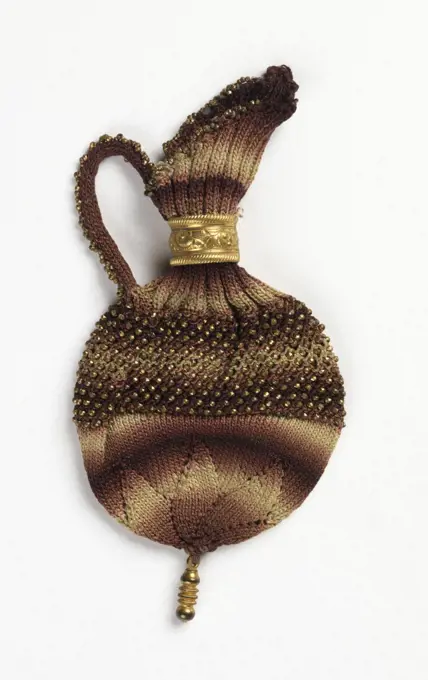
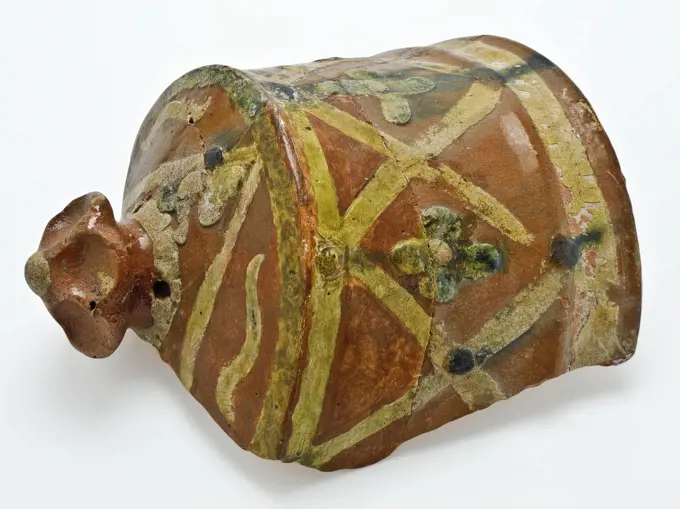
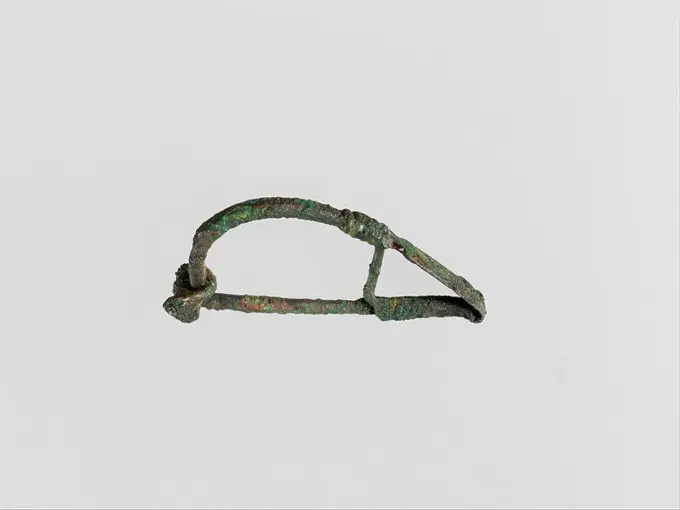
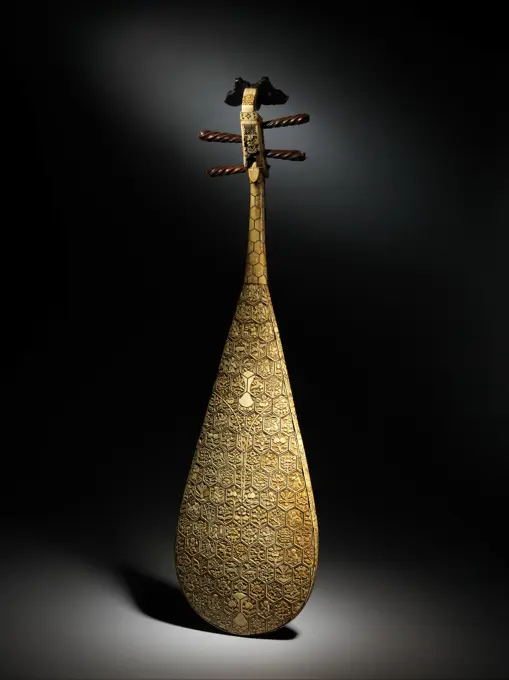
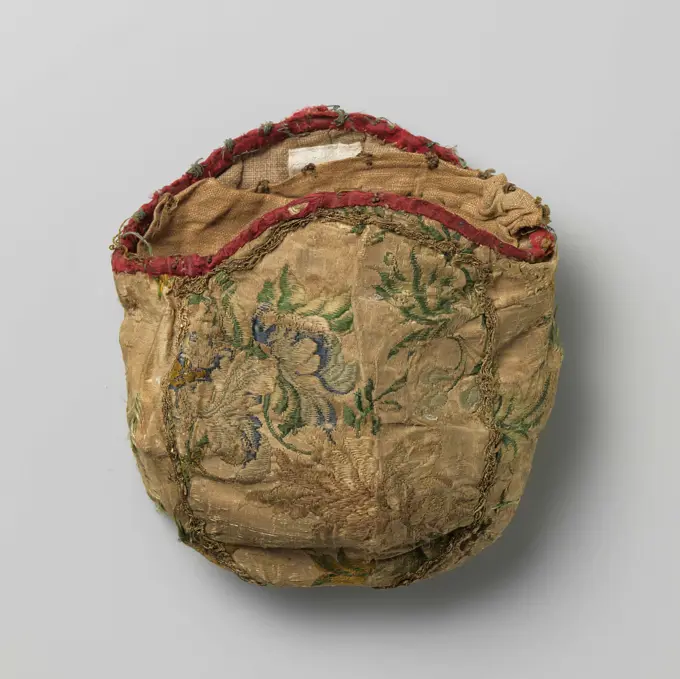
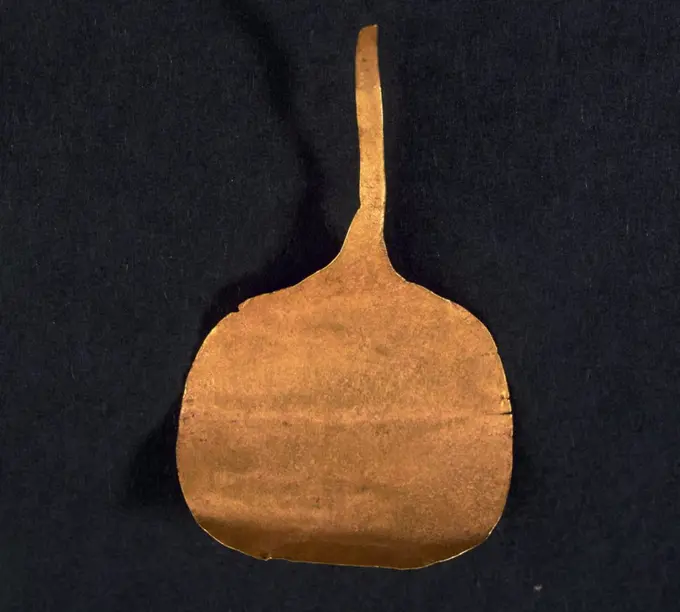
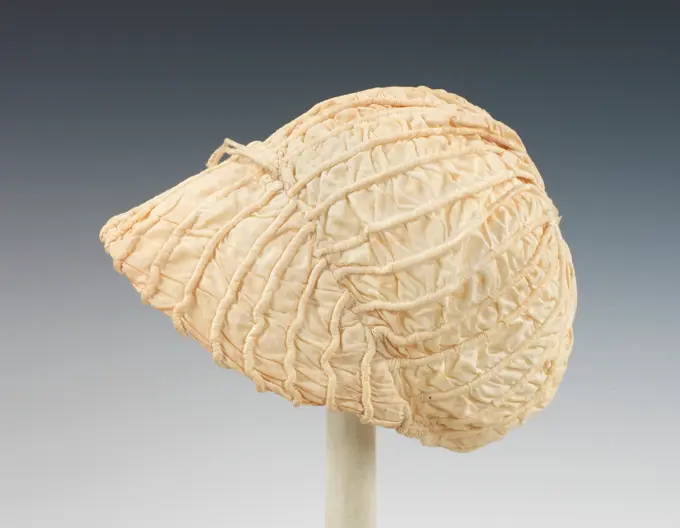
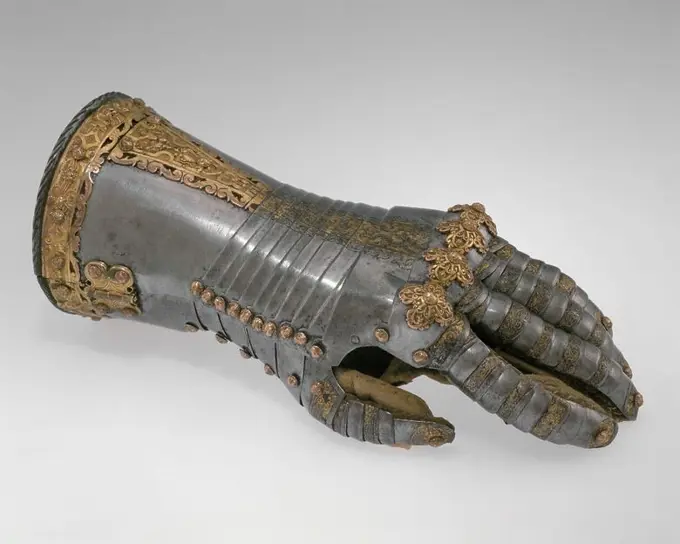
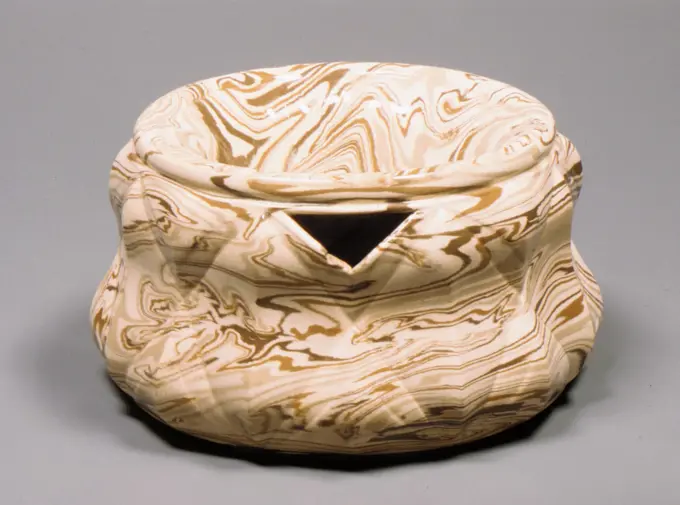
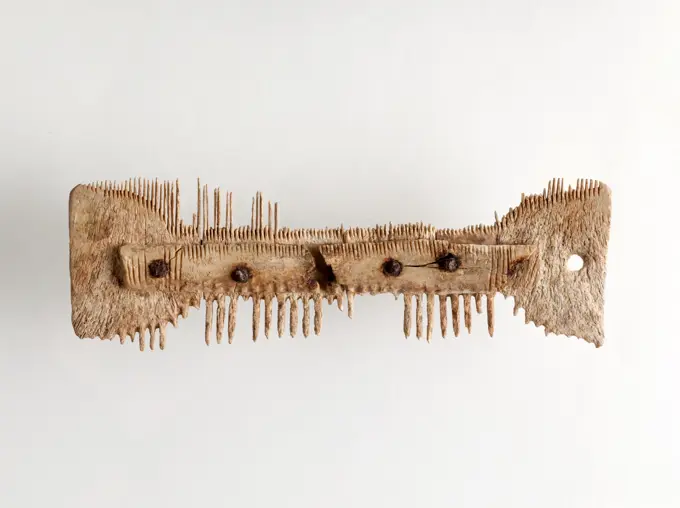
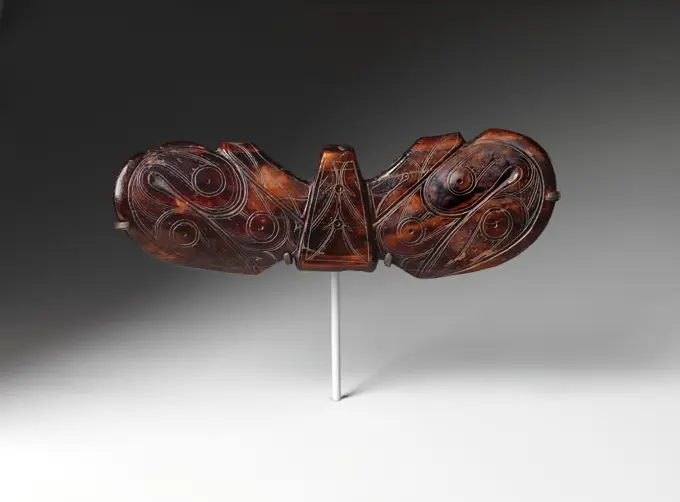
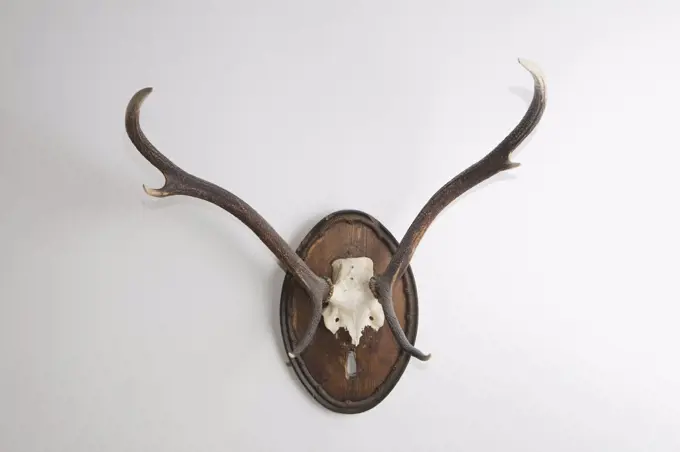
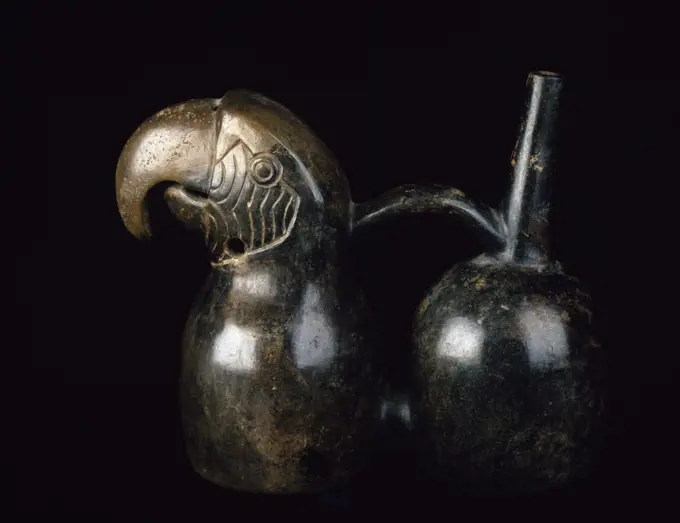
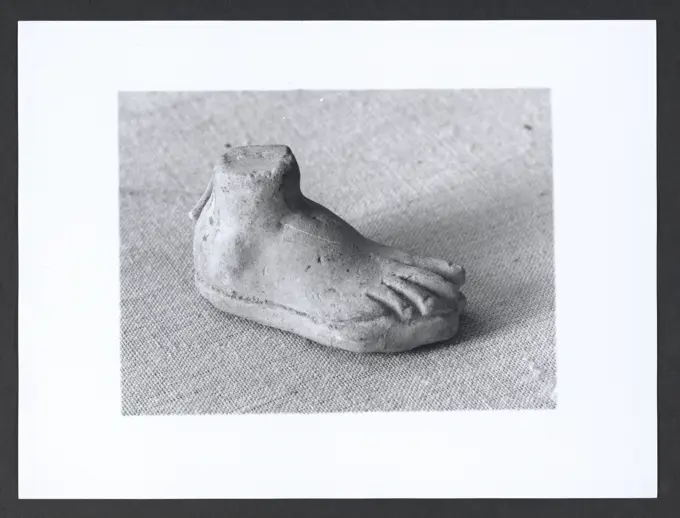
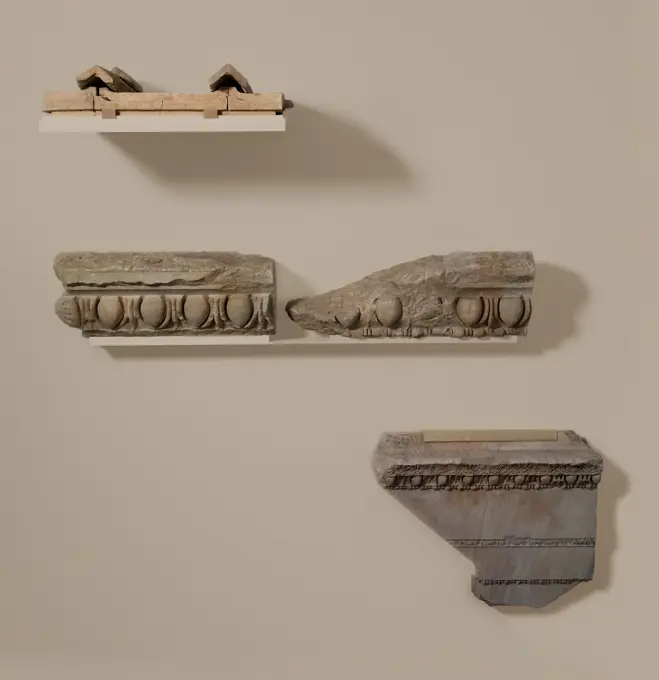
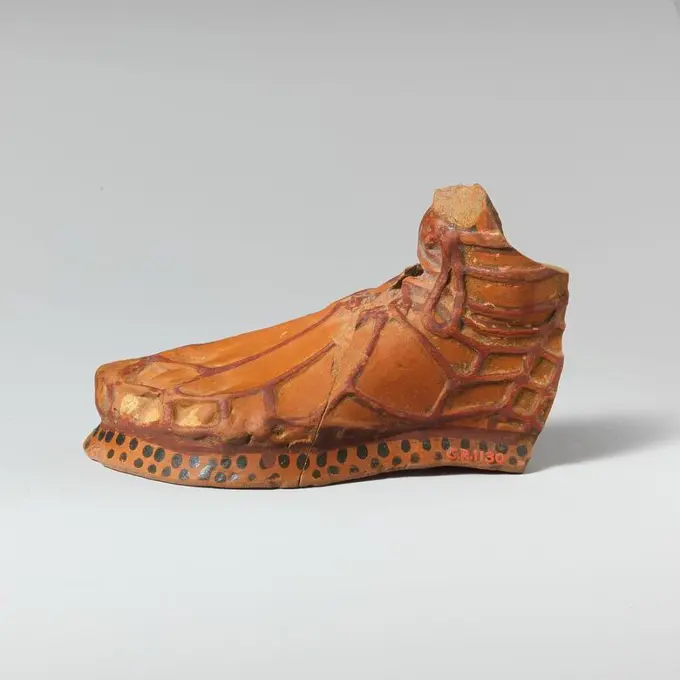
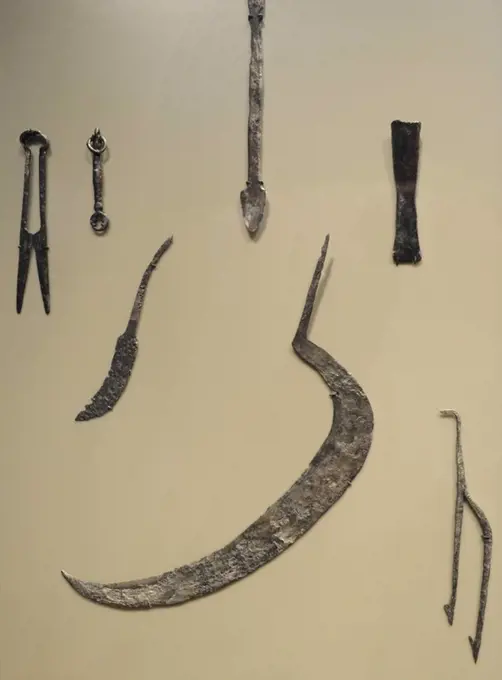
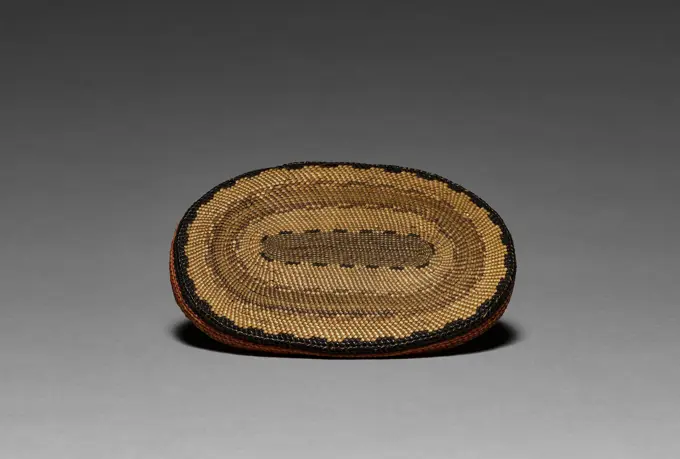
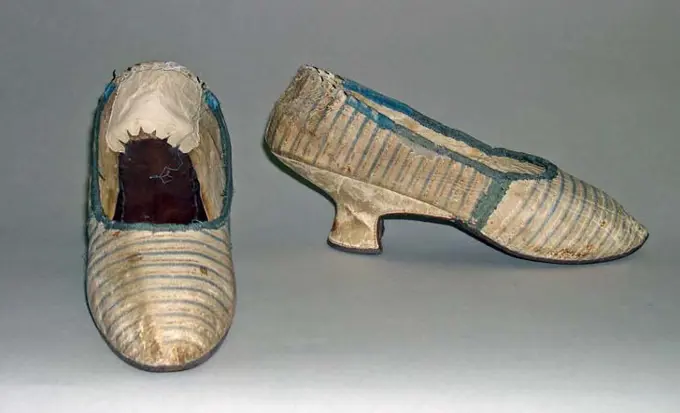
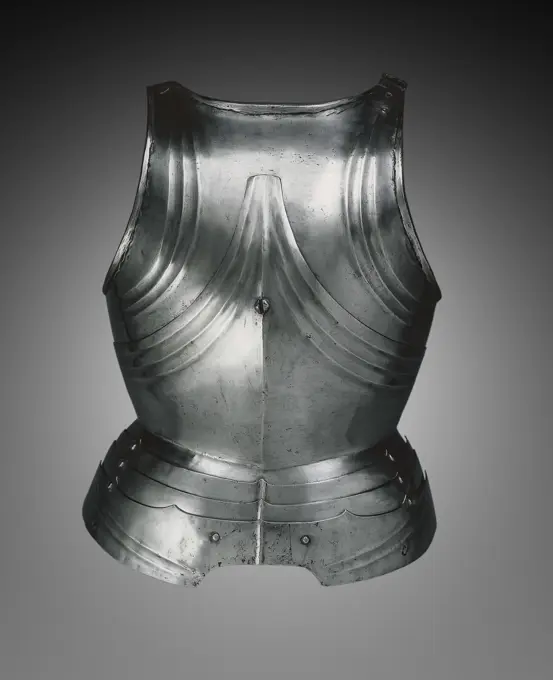
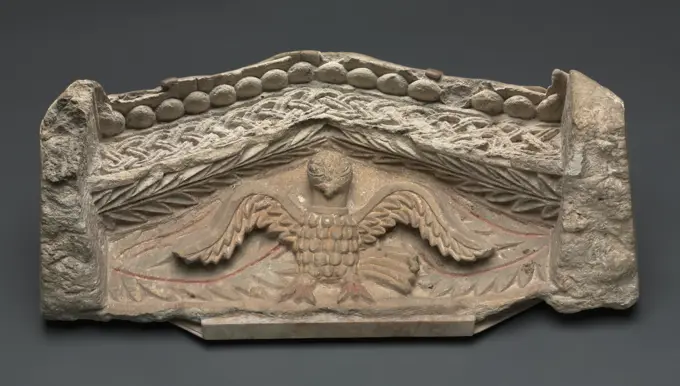
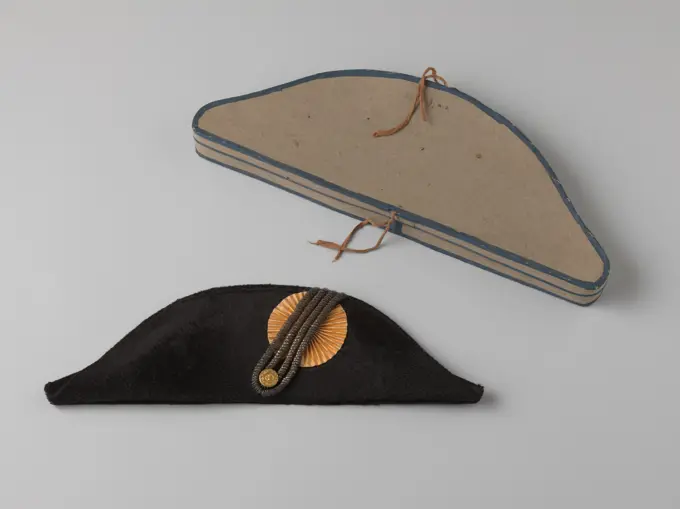
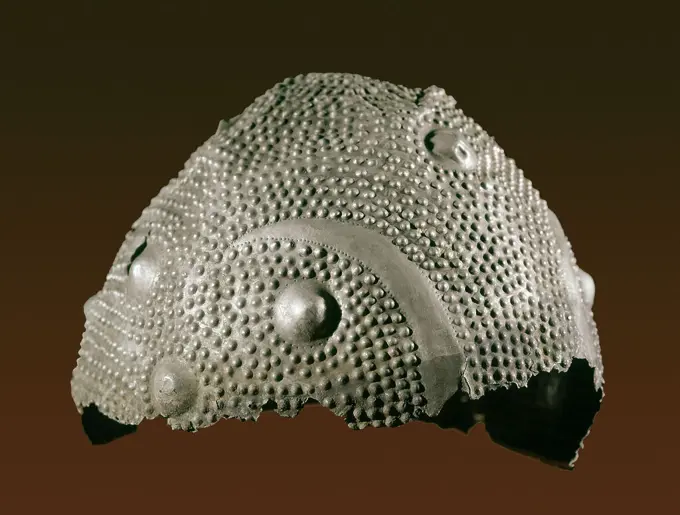
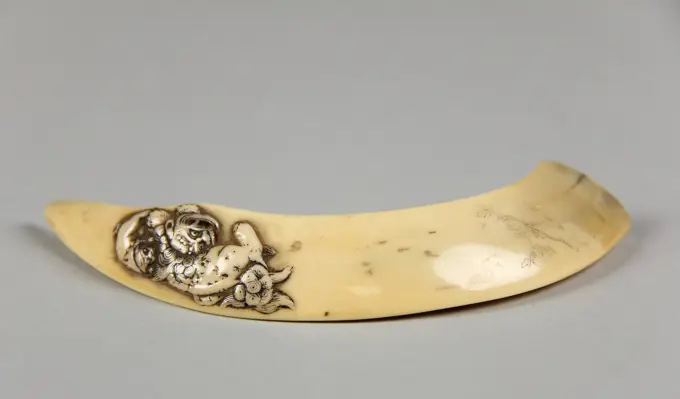
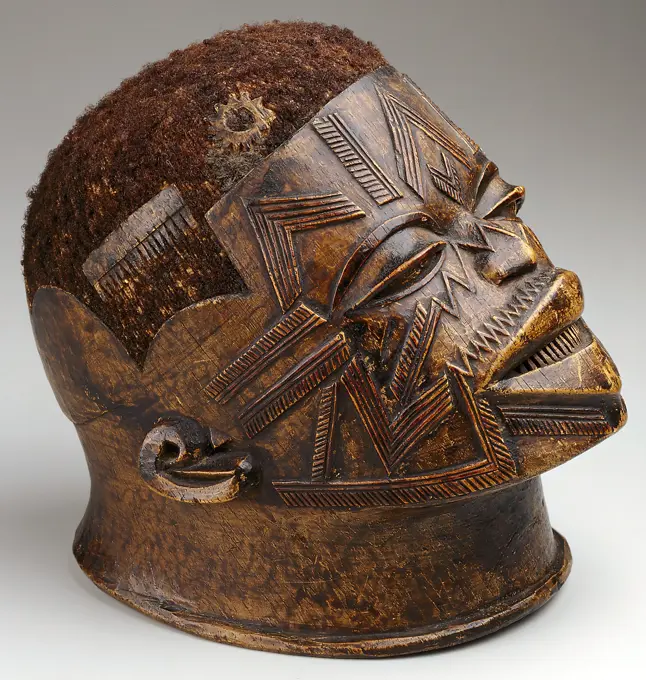
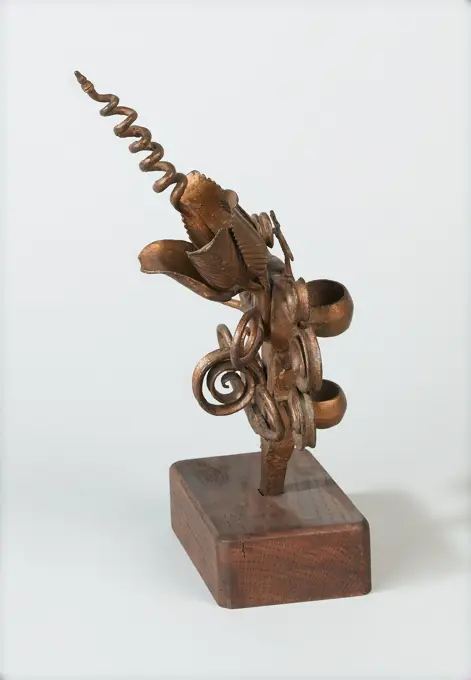
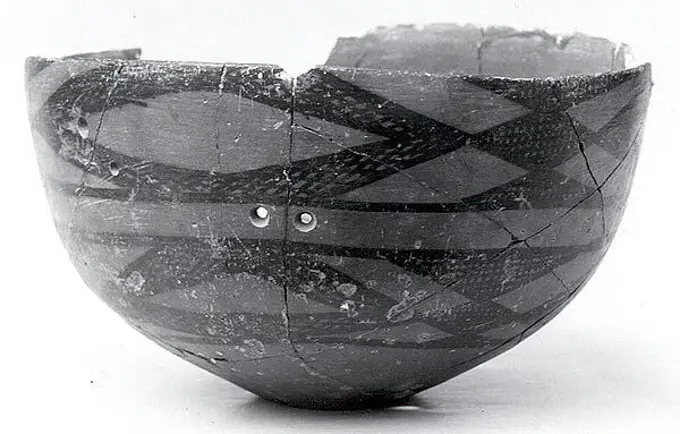
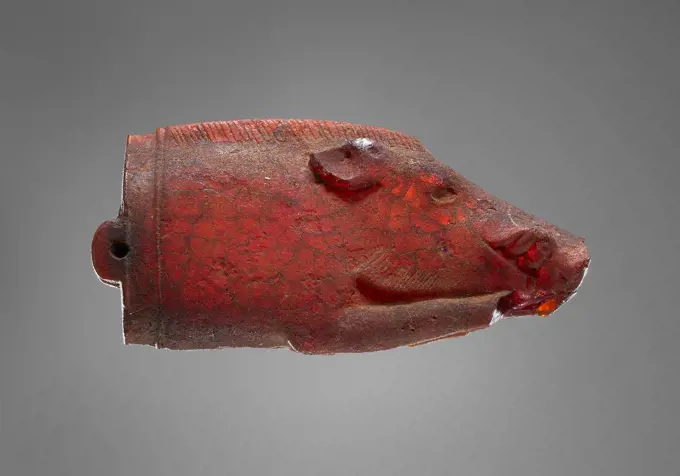
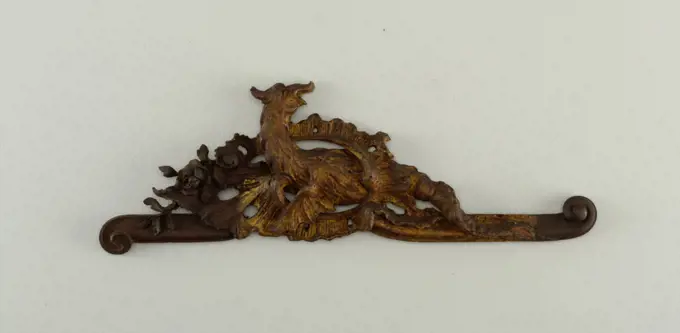
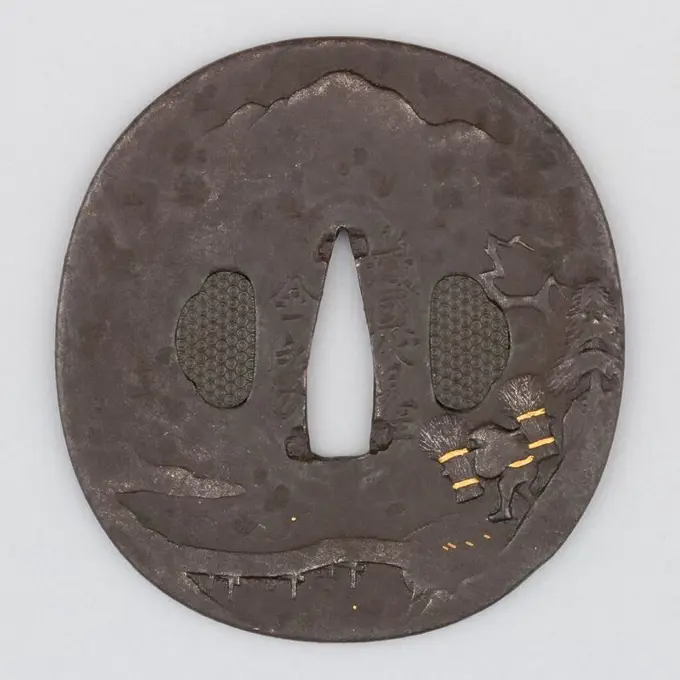
Morion-Cabasset Helmet, possibly ca. 1575; decoration, ca. 1875 Italian. Morion-Cabasset 32812Face Beaker 12th-15th century Chimú. Face Beaker 307470Harry King, Cradle, c 1940 CradleCampania Caserta Capua Museo Campano56. Hutzel, Max 1960-1990 Medieval: Byzantine architectural fragments; parchment fragments with miniatures (12th century) from Montecassino; painted wooden crucifix (13th century); Carolingian crucifixes; Bishop's miter (11th century) of gold and silver damask; fresco (13th century). Post-medieval: Architecture (15th century). Formerly the Palazzo Antignano. Unusual Catalan/Moorish-style portal; Paintings on panel and canvas (15th-18th centuries); marble intarsia (16th century); marble sculpture: busts of Christ and Mary (17th century); sculpture of saints in marble and in wood (15th century); painted and gilded sculpture in wood; marble grave sculpture (16th century); sarcophagus with allegorical carvings; gold reliquary "Rosa d'Oro"; crucifix made of elephant tusk Specific Location: Pianterreno Antiquities: Italic sculpture (seated women holding babies); inscription. Photo campaign #1: 533 photos. Roman relief and sculpture; cinerary urns; Greek anClay object. Clay object. Clay. Miscellaneous-ClayEmpty wooden cutting board for preparing ingredients for preparing a delicious dish. Kitchen utensilsMan's Cap, 1600s. Denmark, 17th century. Linen with cotton design; overall: 19.5 x 21 x 20 cm (7 11/16 x 8 1/4 x 7 7/8 in.).Spider Ornament 6th-7th century Moche (Loma Negra). Spider Ornament 314709Anklet with a Bird and Balls 500 B.C.-A.D. 300 Thailand. Anklet with a Bird and Balls 53379USA, Alaska, Lower Kalskag, Pair of walruses carved from cottonwood barkKamānche, 1875-1900. Caucasus or northern Iran. Skin-covered sounding-box; overall: 58.5 x 26.8 cm (23 1/16 x 10 9/16 in.). Kamnche is a Persian term first used in the 10th century to describe an instrument that is sounded with a bow. From there, bowed instruments spread to Byzantium, Central Asia, the Far East, and then to Europe. In Egypt, it is known as the rabb, a term known throughout the Islamic world from North Africa to Southeast Asia. The names of musical instruments often reveal origin, context, or musical function. In Europe, North Africa, and Asia where contact with Middle Eastern culture occurred, variations of Arabic and Persian terms for instruments are widespread. Usually, related names refer to similar instruments; however, this is not always true. Among these "floating terms" are the names zrna, rabb, kmanja, ny, and dombak.Tin ink, along the edge of the pen tray and on the inkpot lid inlaid with green stones. Tin ink set. The pen tray is oval with the rear round than the front. The front is decorated with three turquoise stones. The oval inkwell is located against the rear, which is closed with a single-case hinge with a reverse conical lid ending in a cap with turquoise stone. The outside of the ink pot and lid is decorated with five vertically imposed tires. The cap has five volutes on the outside. A small, loose inner container is placed in the ink pot.Apotropaic rod ca. 1878-1640 B.C. Middle Kingdom Composed of four joining segments, this so-called magic rod is the only completely preserved example of its type. Perhaps related to the four "birthing bricks" arranged for the protection of mother and child during delivery, the rod was used to ward off harmful spirits. Some of the protective motifsfeline predators, crocodiles, toads, a turtle, wedjat eyes, and baboons with flaming torcheswere also depicted on apotropaic wands and feeding cups, objects with the same defensive function. Listen to experts illuminate this artwork's story Listen Play or pause #1119. Magic rod with animals on top Supported by Bloomberg Philanthropies We're sorry, the transcript for this audio track is not available at this time. We are working to make it available as soon as possible.. Apotropaic rod. ca. 1878-1640 B.C.. Glazed steatite. Middle Kingdom. From Egypt. Dynasty 12Ten dishes with chrysanthemum petal rim 14th century China. Ten dishes with chrysanthemum petal rim. China. 14th century. Lacquer. Yuan dynasty (1271-1368). LacquerAskos, 1st-2nd Century BC. Greece, Ptolemaic Dynasty. Agate and gold; overall: 6.5 cm (2 9/16 in.).Painted Bowl with Pointed Base Nasca 4th-6th century. In 1980 archaeologists investigated the graves of 185 Dutchmen - whale hunters, and workers at whale oil refineries - who had died on or near Spitsbergen in the 17th century. Many skeletons were still wearing their knitted woollen head coverings. These caps were highly personal. The men were bundled up against the severe cold and could only be recognized by the colours and patterns of their caps. Presumably this is the reason why the caps went with them into their graves.KnifeSheathShabti Box of Nauny ca. 1050 B.C. Third Intermediate Period Seven shabti boxes were interred with Nauny; five came to New York in the division of finds (30.3.26-.30) and two are now in the Egyptian Museum, Cairo. All are made of sycomore wood and have high ends and flat lids that were meant to slide into grooves, although only one box (Cairo JE 55044) actually had these made. A white stucco wash was applied after the lids were closed. A total of 392 faience shabtis were divided between the boxes, in most cases packed tightly in an upright position. They are of two types: foremen and workers, with an average ratio of one foreman to ten workers. This box contained 5 supervisors and 45 workers.. Shabti Box of Nauny. ca. 1050 B.C.. Sycomore, stucco, paint. Third Intermediate Period. From Egypt, Upper Egypt, Thebes, Deir el-Bahri, Tomb of Meritamun (TT 358, MMA 65), first corridor, burial of Nauny, MMA excavations, 1928-29. Dynasty 21Dish in the shape of a peach late 18th-early 19th century China. Dish in the shape of a peach 44176A saw sawing through woodCradleboard ca. 1875 Kiowa, Native American In most historical Plains cultures, a new mothers relatives made a cradleboard for the baby. The complex and colorful beaded panels on this example are part of traditional Kiowa designs created by women, though many tribes favored the painted and brass-tacked frames produced by men. The cradleboard allowed the baby to be carried on the mothers back, suspended from her saddle, or propped against the tipi. This one shows considerable use: preceding generations likely passed it down.. Cradleboard. Kiowa, Native American. ca. 1875. Tanned leather, rawhide, wood, pigment, glass beads, wool cloth, cotton cloth, brass tacks, and brass link chain. Made in Oklahoma, United StatesShoulder Piece for a Gigaku Costume in the Form of a Dragon Head, 1200s to early 1300s. Japan, Kamakura period (1185-1333). Lacquered wood with color and gold; overall: 17.5 cm (6 7/8 in.).Fragment sheet metal from the wreck of the East Indians Hollandia, Anonymous, 1700 - in Or Before 1743 fragment Varied parts or fragments, sheet metal fragments: worked, with folded rims; fragm, squashed; one straight rim. Netherlands copper (metal)   SecondBiconical Bead Necklace 800 BCE-600 BCE Greece. These precious bronze objects are votives, or devotional gifts, which were offered to the gods. They come in many forms. Some are miniature sculptures of animals, primarily horses, deer, and birds. Others are items of personal adornment, including beads and brooches. Many seem once to have been attached to something else. This assemblage is characteristic of the thousands of votives that were hung from sacred trees or placed in sanctuaries around Greece. Once a shrine was full, the votives were ceremonially buried to make room for more offerings.. Bronze . Ancient GreekCarpenter and Cabinet Maker Ink Line, 19th century, 4 1/16 x 8 1/8 x 5 1/4in. (10.3 x 20.6 x 13.3cm), Pine, elm, brass, copper, China, 19th centuryLamp with Griffin-Head Handle, 300s-400s. Byzantium, Syria, early Byzantine period, 4th-5th century. Bronze; overall: 14.7 x 22.6 x 7 cm (5 13/16 x 8 7/8 x 2 3/4 in.).Lazio Frosinone Casamari Museo Archeologico1. Hutzel, Max 1960-1990 Post-medieval: paintings on canvas, paintings on wood, wooden church furnishings Governing Body: Abbazia di Casamari General Notes: This record is for the pinacoteca which is part of the Museo Archeologico, housed within the Abbey of Casamari. Hutzel assigned it a separate numbering sequence. German-born photographer and scholar Max Hutzel (1911-1988) photographed in Italy from the early 1960s until his death. The result of this project, referred to by Hutzel as Foto Arte Minore, is thorough documentation of art historical development in Italy up to the 18th century, including objects of the Etruscans and the Romans, as well as early Medieval, Romanesque, Gothic, Renaissance and Baroque monuments. Images are organized by geographic region in Italy, then by province, city, site complex and monument.Arm Defenses ca. 1510 Both arms marked by Domenico Negroli Italian. Arm Defenses 26584Tray 18th century China. Tray. China. 18th century. Bluish-grey agate. HardstonePurse (pence jug), Medium: silk Technique: knitted, Small purse in the form of a jug, in ombre stripes from brownish-red to white. With bronze-colored beads, a gilt ring at neck, and gilt drop at botton., France, 1830-60, costume & accessories, Purse (pence jug)Red earthenware fire bell, fire clock clock soil find ceramic earthenware glaze lead glaze, hand turned decorated glazed fried lemonade Fragment. Red earthenware interior glazed unglazed outside. On top: button with five finger impressions under the button air holes archeology Ridderkerk Bolnes Kievitsdonk doven archaeological find in the soil Kievitsdonk Bolnes.Boss and Nail 15th-16th century European. Boss and Nail. European. 15th-16th century. Iron. Metalwork-IronDetached Flintlock 1750-1800 Europe. Steel .birch bark birch bark isolated on white background Copyright: xZoonar.com/RuslanxNassyrovx 7123026Fibula. Culture: Etruscan. Dimensions: Other: 2 3/4 in. (7 cm). Date: 7th century B.C..The end of the foot is twisted spirally around the bow. Museum: Metropolitan Museum of Art, New York, USA.Pipa (琶 ) late 16th-early 17th century Chinese The pear-shaped lute slowly migrated from Central Asia into China during the Han and Sui dynasties (1st-7th century). It eventually became the pipa; the term describes the original playing motion of the plectrum held in the performer's right hand: p'i, "to play forward" (toward the left), and p'a, "to play backward" (toward the right). Until the mid-tenth century, the pipa was held horizontally (guitar style), and its twisted silk strings were plucked with a large triangular plectrum. Toward the end of the Tang dynasty, musicians began using their fingernails to execute the exuberant and programmatic repertory that was gaining popularity and that became the national style. To facilitate the use of the fingers, the instrument began to be held in a more upright position. In addition to its use in the opera and in storytelling ensembles, the pipa has a solo repertory of highly programmatic, virtuosic music. The spectacular back and sides of Exhibition consisting of four equal peel-shaped parts of woven white satin on which two different patterns of floral patterns embroidered in multicolored silk and silver decassination along the edges. Fair consisting of four equal turilous parts of woven white satin on which two different patterns floral motifs embroidered in multicolored silk. On two parts from a horn of flower drinks and flowers in blue, green and red tones. A black-embroidered crowned monogram (), Embraced by two branches that have been tied together with a light pink bow, decorates the other two buildings. The parts are straight at the top and form a round point at the bottom. Along the edges and the opening silver decassination. A locking cord of silver thread is located directly below the edge, to which three knotted brushes. The stock market is lined with a green side.Pouch in a semicircular shape, from a light yellow side with woven flowers and branches. Pouch in a semicircular shape, from a light yellow side with woven flowers and branches in blue, red, green and white. The bag is composed of several pattes, with a border of gold galon along a patte. Along the top edge a red trim. Inside the bag is divided into two compartments by a coarse linen spacer. The lining is also of coarse linen.7 fragments of vessels, glass, seven of originally twenty-six miscellaneous fragments selected for types of decoration, variation in color of glass, and irisescence. / * For other accessioned fragments from the original group of 26 fragments in this accession number see: 1928-15-4-a,b, c, g, h, m and n., Syria, 1st century BC-5th century AD, glasswares, Decorative Arts, 7 fragments of vesselsARTE PREHISTORICO. EDAD METALES. ESPAÑA. CALCOLITICO-BRONCE ANTIGUO (2.000-1.500 a.C.). PRIMERA METALURGIA. PUÑAL VOTIVO EN ORO que formaba parte de un ajuar funerario hallado en un sepulcro colectivo del yacimiento de Ribafrecha (La Rioja). Museo de La Rioja. Logroño.Cap ca. 1820 American Dating from the first quarter of the 19th century, this infant cap provides a strong example of how infant clothing followed adult fashion forms. Even in traditional baby garments such as christening gowns, which share the characteristics of color, material and shape throughout the decades, it is possible to date the garments based upon the surface decoration or cut of the bodice, which often resemble adult styles. In this particular piece, the visor-like brim closely relates to the current fashion in women's hats in the 1820s.. Cap 156260Scherf Majolica with decoration in blue, anonymous, 1500 - 1699  Majolic screen. Northern Netherlands earthenware. glazeBrush washer. Culture: China. Dimensions: W. 3 1/4 in. (8.3 cm); L. 4 5/8 in. (11.7 cm). Date: 18th-19th century. Museum: Metropolitan Museum of Art, New York, USA.Cuneiform tablet: hire contract ca. 545 B.C. Babylonian. Cuneiform tablet: hire contract 325269Gauntlet for the Left Hand. Culture: German, Augsburg. Dimensions: L. 12 in. (30.5 cm). Goldsmith: Gilt copper ornament attributed to Jörg Sigman (German, Augsburg, 1527-1601). Date: ca. 1557.The decoration of this gauntlet matches that of a complete armor (now in the Art History Museum, Vienna) that was made for Archduke Maximilian (later Emperor Maximilian II) in 1557. The applied bands of gilt copper ornament are attributed to the Augsburg goldsmith Jörg Sigman (about 1527-1601). Museum: Metropolitan Museum of Art, New York, USA.Hippopotamus amulet ca. 3850-2960 B.C. Predynastic Period. Hippopotamus amulet. ca. 3850-2960 B.C.. Limestone (pink). Predynastic Period. From EgyptArched Harp 19th century possibly Fang people. Arched Harp 501163Paw from Statue of a Lion. UnknownPriklee. Man with stab, sitting on a snap slide. In both hands the man has a finger stick. The image is marked with an unreadable brand and a dolphin.Cuspidor 1849-56 United States Pottery Company. Cuspidor. American. 1849-56. Mottled brown earthenware. Made in Bennington, Vermont, United StatesOld hammer, studio shot, France, EuropeSix Models of Buoys, Rijkswerf Enkhuizen, 1869 demonstration model Models of six buoys of different sizes with a conical body with sharp ends and round of average. Like barrels, she is composed of stuff and hoops. On top is an eye, as well as at the bottom of a long point in front of the anchor chain. Model is marked with crossed anchors. Scale 1:10 (archives). Enkhuizen wood (plant material). iron (metal)Anonymous. Comb. OS with iron rivets. VIIIth century. Paris, Carnavalet museum. Bone, comb, rivet iron, archeological vestigeMasks with the theatre conceptNgombi (arched Harp) Fang/Kele people 19th century Ngombi (ombi) with fiber strings.Unlike the triangular European harp, the arched harp consists of two elements, a soundbox with a curved neck rising from it. Strings made of gut or plant fiber rise diagonally from the soundtable.Harpoon counterweight 300-500 A.D. Old Bering Sea III, Native American Technologically sophisticated, the harpoon was an essential tool for hunting on the Bering Sea. Carvers used walrus ivory to make components of the long, spear-like instrument, including its counterweights, or stabilizers, sometimes referred to as "winged objects" due to their shape. The elegant sculptural form of this example is complemented by the engraved curvilinear designs. The top and outer edges may be inscribed with animal features.. Harpoon counterweight. Old Bering Sea III, Native American. 300-500 A.D.. Walrus ivory. Made in Alaska, United StatesVolute-krater fragment ca. 360-340 B.C. Greek, South Italian, Apulian. Volute-krater fragment. Greek, South Italian, Apulian. ca. 360-340 B.C.. Terracotta; red-figure. Late Classical. VasesSlippers 1830-40 American. Slippers 104120Antlers on the wallParrot Double-Chambered Stirrup Vessel from Viru' Valley,  Peru,  USA,  Florida,  Jacksonville,  The Museum of Contemporary Art,  Moche Pre-Columbian Collection,  circa 200-500 A.D.Dishwill of earthenware with white tinglaze on the underside and white tinglaze on the top and a decoration in blue, damaged, anonymous, 1500 - 1799   earthenware. tin glaze   earthenware. tin glazeCampania Caserta Capua Museo Campano64. Hutzel, Max 1960-1990 Medieval: Byzantine architectural fragments; parchment fragments with miniatures (12th century) from Montecassino; painted wooden crucifix (13th century); Carolingian crucifixes; Bishop's miter (11th century) of gold and silver damask; fresco (13th century). Post-medieval: Architecture (15th century). Formerly the Palazzo Antignano. Unusual Catalan/Moorish-style portal; Paintings on panel and canvas (15th-18th centuries); marble intarsia (16th century); marble sculpture: busts of Christ and Mary (17th century); sculpture of saints in marble and in wood (15th century); painted and gilded sculpture in wood; marble grave sculpture (16th century); sarcophagus with allegorical carvings; gold reliquary "Rosa d'Oro"; crucifix made of elephant tusk Specific Location: Pianterreno Antiquities: Italic sculpture (seated women holding babies); inscription. Photo campaign #1: 533 photos. Roman relief and sculpture; cinerary urns; Greek anMarble roof tiles from the Temple of Artemis at Sardis ca. early 3rd century B.C. Greek These fragments have been pieced together to exemplify the size and arrangement of the original tiles used to roof the temple. In antiquity, most roof tiles were made of terracotta. The use of local marble for those of this massive temple is but one indication of its lavishness and of the tremendous expense afforded in its construction.The tiles have the usual form of separate pan and cover tiles (see drawing) but are larger than most known roof tiles from mainland Greece. The flat pan tiles with raised rims were laid one next to the other, atop wooden rafters in overlapping rows. The triangular cover tiles fit over the raised rims of the pan tiles and protected the joints. The underside of the cover tiles have a knob at the front, and the tops of the corresponding cover tiles are notched at the back (see drawing). This measure ensured that the cover tiles fit together and did not slip out of place.Double Kohl Tube ca. 1400-1200 B.C. New Kingdom. Double Kohl Tube 548216Ancient Egyptian Heart scarabs from the reigns of Thutmose III and Ramesses II. The dung beetle was one of the creatures with the greatest symbolic weight in ancient Egyptian culture.Terracotta aryballos in the form of a sandaled foot. Culture: East Greek. Dimensions: length 3 9/16in. (9.1cm). Date: 6th century B.C..Sandled left foot with ankle. Museum: Metropolitan Museum of Art, New York, USA.Quadripartite Kohl Tube. UnknownPassementerie 17th century French. Passementerie. French. 17th century. Silk. Textiles-TrimmingsElements of an Armor Garniture. Culture: German, Augsburg. Dimensions: H. of helmet (27.160.1) 10 1/2 in. (31.8 cm); face guard with umbril (27.160.2): 7 1/2 x 8 in. (19.1 x 20.3 cm); reinforcing buffe (27.160.3): 9 1/2 x 12 in. (24.1 x 30.5 cm); shoulder defense (27.160.4): 11 x 11 in. (27.9 x 27.9 cm); L. of each leg defense (27.160.5, .6) 28 in. (71.1 cm); L. of gauntlet (27.160.7) 9 1/2 in. (24.1 cm); Diam. of vamplate (27.160.8) 10 1/2 in. (31.8 cm). Date: 1560. Museum: Metropolitan Museum of Art, New York, USA.Three-Spouted Oil Lamp 12th-13th centuryIron tools. Scissors, key, knife, spoon auger, chisel, fishing spear and sickle. 11th-12th centuries. Neues Museum (New Museum). Berlin. Germany.Woollen caps worn by Dutch whalers, anonymous, c. 1600 - c. 1800  Hat, coarsely knitted of green wool, with ear valves and a five centimeter wide border with dark blue and light brown horizontal stripes and dark blue rectangular blocks.  wool knitting  Spitsbergen. Zeeuwsche UytkyckLidded Bowl, c 1900- 1925. Northwest Coast, Vancouver Island, early 20th century. Twined grass; overall: 5.5 x 10.8 cm (2 3/16 x 4 1/4 in.).Model reconstruction of a single-masted ship excavated at Capelle. In 1822 the remains of a ship and an anchor were un-earthed at Capelle in the province of Noord Brabant. The single-masted vessel had been deployed during the siege of the nearby town of Geertruidenberg in 1593. This was the first archaeological excavation of a ship in the Netherlands. This model is a reconstruction of the vessel. Quite remarkably, it was made of wood recovered from the excavated ship.Emilia-Romagna Ferrara Ferrara Museo Civico di Schifanoia42. Hutzel, Max 1960-1990 General Notes: INCOMPLETE RECORD--NEGATIVES PROCESSED, PRINTS FILED German-born photographer and scholar Max Hutzel (1911-1988) photographed in Italy from the early 1960s until his death. The result of this project, referred to by Hutzel as Foto Arte Minore, is thorough documentation of art historical development in Italy up to the 18th century, including objects of the Etruscans and the Romans, as well as early Medieval, Romanesque, Gothic, Renaissance and Baroque monuments. Images are organized by geographic region in Italy, then by province, city, site complex and monument.CERAMICA DE BAGHDAD HACIA 4000 AC.black older punch pads for boxing training on dark backgroundShaffron (Horse's Head Defense). Culture: Tibetan or Mongolian. Dimensions: H. 22 1/2 in. (57.2 cm); W. 24 7/8 in. (63.2 cm); Wt. 8 lb. 6.7 oz. (3818.7 g). Date: late 15th-early 17th century.Tibetan shaffrons are relatively rare, the majority of surviving examples having been acquired by museums in the early twentieth century. This shaffron is by far the most elaborately decorated of any recorded up to this point. The quality and execution of its lavish gold and silver damascening rank among the best examples of Tibetan decorated ironwork of this kind, suggesting that it was made for a very high ranking general, if not a king. A carbon-14 test of one of its leather laces resulted in a date range of 1450-1650, coinciding almost exactly with the period of the last two secular Tibetan monarchies: the Rinpung (1435-1565) and the Kings of Tsang (1566-1641). Museum: Metropolitan Museum of Art, New York, USA.Terracotta fragments of an amphora (jar) 530-520 B.C. Greek, Attic The largest fragment shows the part of the mane, ears, and bridge of nose of a horse to right; head of a warrior wearing a helmet to left, with a round shield, with ivy as a shield device, and a spear; start of handle root; a second fragment shows part of the outer rim of the round shield of the warrior; a third fragment depicts part of the mane, neck, and chest of a frontal horse with a red chest band; a fourth fragment shows the elbow and part of the torso of an archer to left with a bow and a large quiver, ornamented with spirals; bent right arm and hand of a second figure to left; in front of the archer, part of a horse; the fifth fragment has part of a helmet crest and two lotus buds. Terracotta fragments of an amphora (jar). Greek, Attic. 530-520 B.C.. Terracotta; black-figure. Archaic. VasesSword-Hilt Collar (Fuchi), 1700-1850. Japan, Edo period (1615-1868). Shakudo; average: 3.9 x 2.3 cm (1 9/16 x 7/8 in.).Slippers 1780 American or European. Slippers 112670Ink Tablet In Shape of a Demon China. Ink Tablet In Shape of a Demon 41861Chess Piece, Rook 8th-10th century. Chess Piece, Rook 451936Bat, stuffed animal, in a coffinGothic Breastplate, c. 1485. South Germany or Austria. Steel; overall: 50.5 x 35.8 x 15.8 cm (19 7/8 x 14 1/8 x 6 1/4 in.). Individual armor elements, like this breastplate, were shaped in ways that would make their surfaces as deflecting as possible. The contours of this breastplate, along with the pronounced vertical ridge down its center, were for precisely this purpose.Pediment with an Eagle, 400s. Egypt, 5th century, Coptic period. Limestone; overall: 30.2 x 71.9 x 29.4 cm (11 7/8 x 28 5/16 x 11 9/16 in.).Men's hat of gray cardboard, trimmed with blue piping of paper, anonymous, c. 1800 - c. 1900 Hats box of gray cardboard, trimmed with blue piping of paper. West-Europa Completely: Cardboard. whole: Paper Hats box of gray cardboard, trimmed with blue piping of paper. West-Europa Completely: Cardboard. whole: PaperHelmet from the Hallstatt period made of beaten silver. Found in Caudete de las Fuentes (Valencia). Madrid, Valencia de Don Juan Institute. Location: INSTITUTO VALENCIA DE DON JUAN-COLECCION. MADRID. SPAIN.Vase fragment ca. 1100-700 B.C. Greek, Laconian. Vase fragment 251766 Greek, Laconian, Vase fragment, ca. 1100700 B.C., Terracotta, 1 3/4  1 3/4  1/4 in. (4.5  4.4  0.6 cm). The Metropolitan Museum of Art, New York. Gift of A. J. B. Wace, 1924 (24.195.200)Tusk with Shishi first half 19th century Japan The front of this boar tusk netsuke is decorated with a shishi (guardian lion) and a cub. The back is embellished with a series of finely incised roundels of poet portraits and poems.. Tusk with Shishi. Japan. first half 19th century. Ivory. Edo period (1615-1868). NetsukeNose Ornament with Birds. Culture: Peru or Ecuador. Dimensions: W. 3 7/8 in. (9.8 cm). Date: 200 B.C.-A.D. 200. Museum: Metropolitan Museum of Art, New York, USA.Mask, 1950s, 8 5/8 x 6 x 9 1/4 in. (21.9 x 15.2 x 23.5 cm), Wood, hair, Mozambique, 19th-20th century, Before Mozambique won its independence from Portuguese colonialism in 1975, Makonde men and women significantly modified their bodies in the name of beauty, as shown on this mask. The modification began at puberty as an important step toward maturity and cultural belonging, enlivening the face and framing the features with tattoos, chipped teeth, and a shaved hairline. Men wore wooden masks like this one at public dance performances, accompanied by drummers and a chorus. The carved hair comb and barrette on the mask show that not all the facial decoration was permanent.Flagpost holder, anonymous, c. 1700 - c. 1850  Flagpole holder decorated with eleven -ramped flat spirals and a tulip from which a pulled out spiral originates. The holder is bronze. With two rings in which the flag stew can be placed. Netherlands wrought iron (iron alloy). wood (plant material) forgingBowl with cross-hatched decoration ca. 5300-4300 BC Iran This bowl comes from a site in the area of Tehran called Cheshmeh Ali, near a freshwater spring, where the earliest permanent settlement dates to 6000-5000 B.C. Excavations conducted at the site in 1934-1936 uncovered distinctive orange-reddish pottery from this early period painted with designs in dark brown or black. This example is decorated with a finely painted geometric pattern of hatched diamond shapes in two bands encircling the outside of the bowl. Like much of the pottery from Iran in the Chalcolithic Period (ca. 5500-3000 B.C.), this piece is very skillfully made. It was formed by hand from a slab of clay, before the invention of the potters wheel, and the extremely thin, even walls demonstrate the great skill of the artisans who made it. Delicate pottery is fragile and breaks easily, and it appears that this bowl broke and was subsequently repaired in the ancient past. At several points on the bowl, a pair of holes hPendant: Foreparts of a Recumbent Boar; Italy; 525 - 480 B.C; Amber; 24.5 × 50 × 13 mm, 9.3 g (15,16 × 1 15,16 × 1,2 in., 0.0205 lb.);Fragment of ornament for panel, Gilded wood, Ornament for a panel; dragon entwined in rocaille foliage and frills., France, ca. 1750, Decorative Arts, Fragment of ornament for panelNatural horn (hunting horn), Václav Frantisek et Fils Cervény, c. 1876 - c. 1896 Jachthoorn (Parforce-Hoorn) in D. on the cup engraved 'V. F. Cervény et Fils à Königgrätz and Boheme '. A wreath of new silver has been laid around the cup. Three turns. The stirring is bent inwards. The mouthpiece is devastated with a chain on the head tube. Königgrätz German silver Jachthoorn (Parforce-Hoorn) in D. on the cup engraved 'V. F. Cervény et Fils à Königgrätz and Boheme '. A wreath of new silver has been laid around the cup. Three turns. The stirring is bent inwards. The mouthpiece is devastated with a chain on the head tube. Königgrätz German silverSword Guard (Tsuba). Culture: Japanese. Dimensions: H. 3 3/16 in. (8.1 cm); W. 3 in. (7.6 cm); thickness 3/16 in. (0.5 cm); Wt. 4.3 oz. (121.9 g). Date: possibly 18th century. Museum: Metropolitan Museum of Art, New York, USA.. BOA of bleached white and brown-black ostrich. On both ends finished with silk brushes in white and black.