Historical Artifacts

A selection of historical artifacts including fragments of a porcelain dish, leather shoes, bronze molds, a 16th-century helmet, and a Turkish horse shaffron.

Vissering -Ruiter or Koninginneschaats, G. Vissering, 1891 - 1955  Extended continuous skate with tail. Binding consists of copper heel and footrest and wide heel and toe leather. Designer: Frieslandmanufacturer: Akkrum copper (metal). leather. iron (metal). mahogany (wood)
Vissering -Ruiter or Koninginneschaats, G. Vissering, 1891 - 1955 Extended continuous skate with tail. Binding consists of copper heel and footrest and wide heel and toe leather. Designer: Frieslandmanufacturer: Akkrum copper (metal). leather. iron (metal). mahogany (wood)
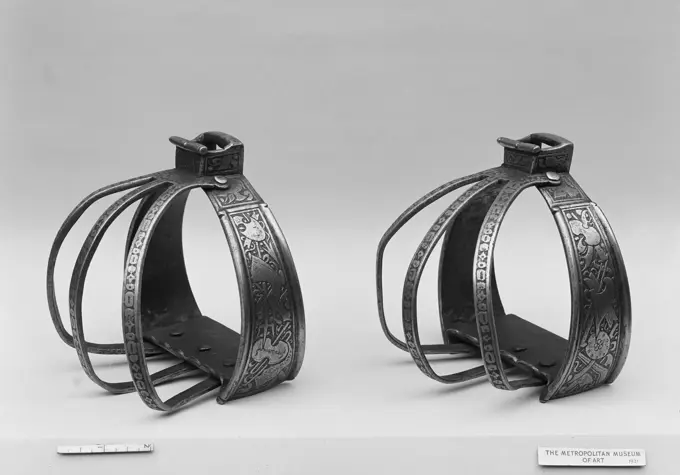
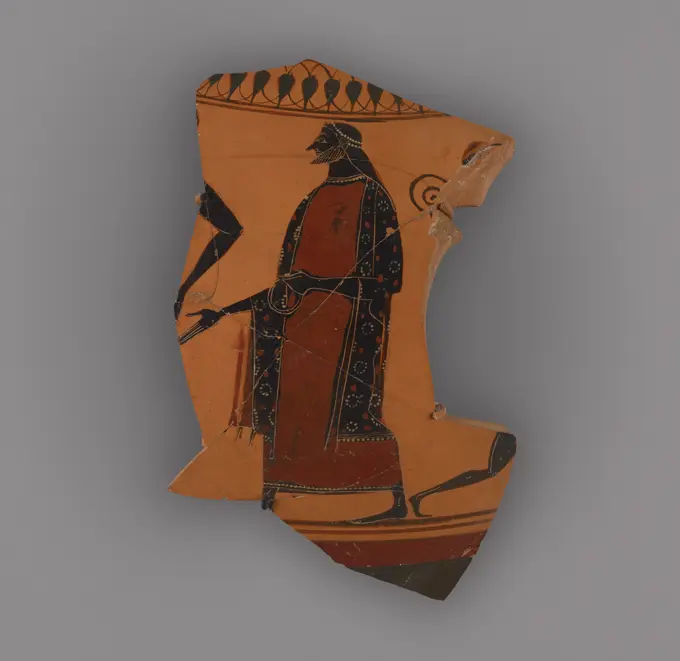
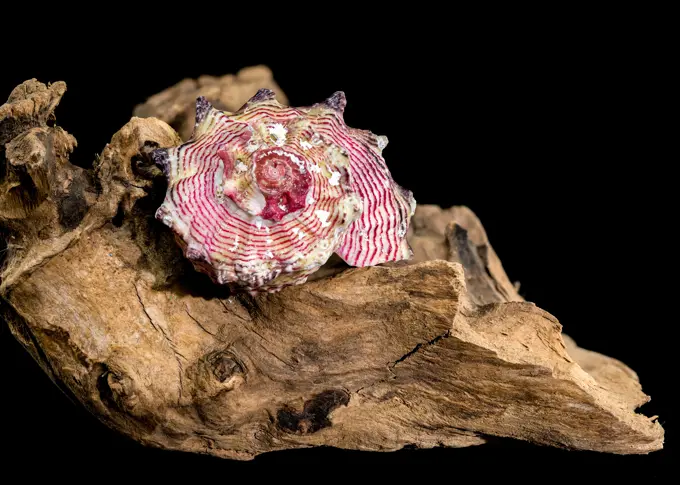
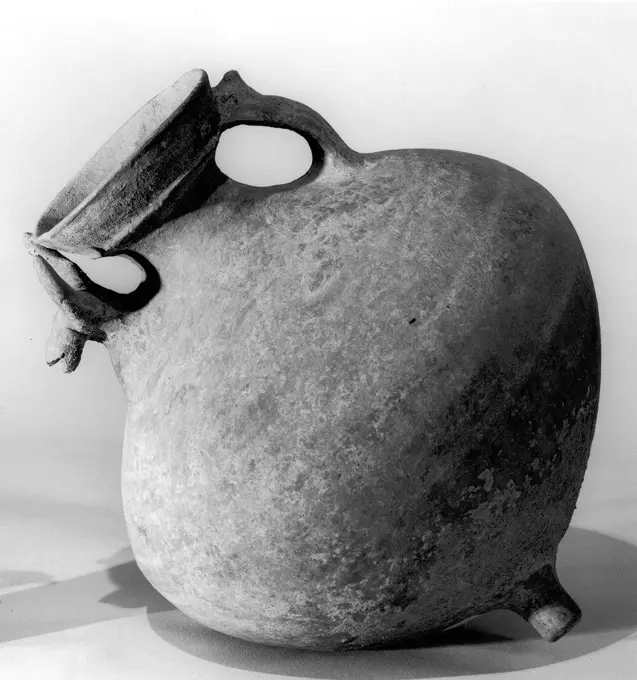
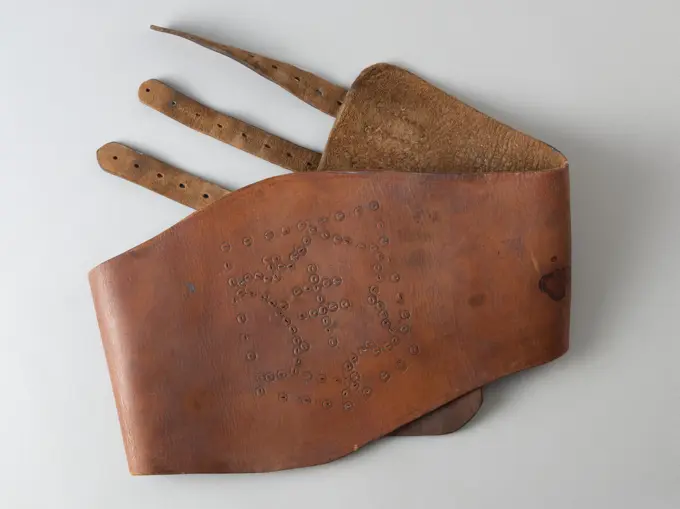
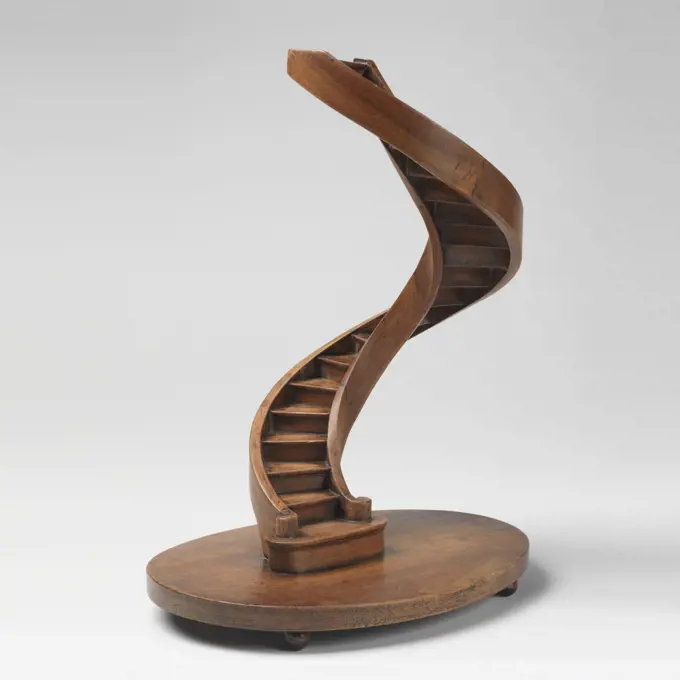
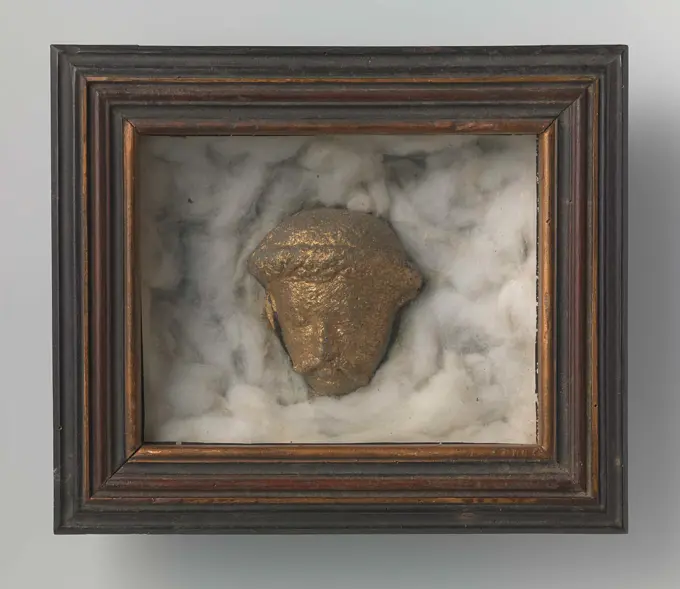
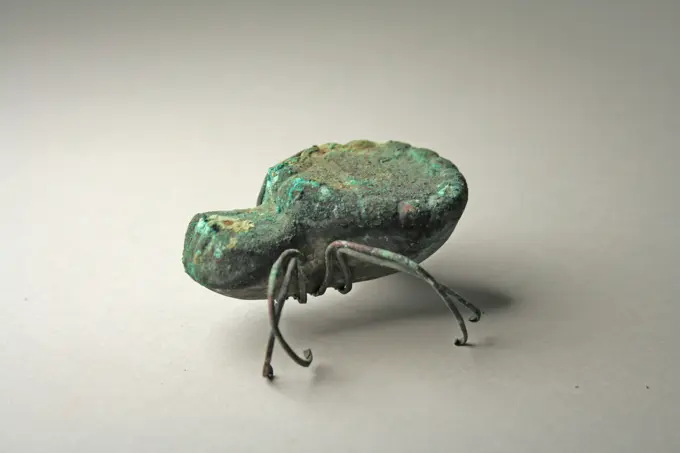
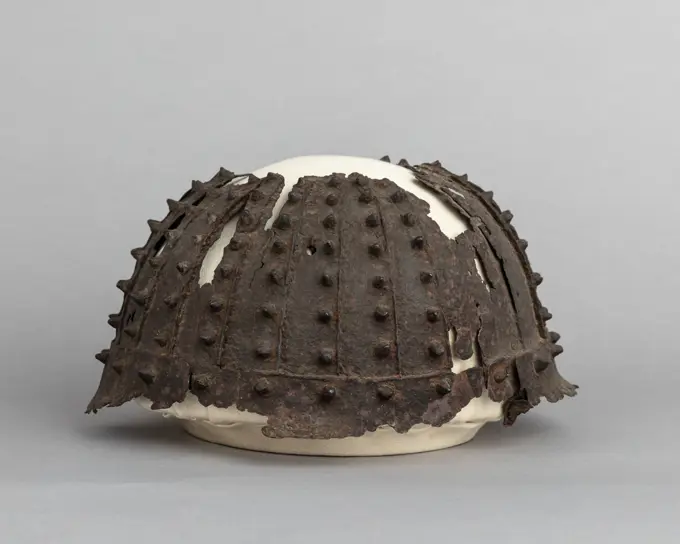
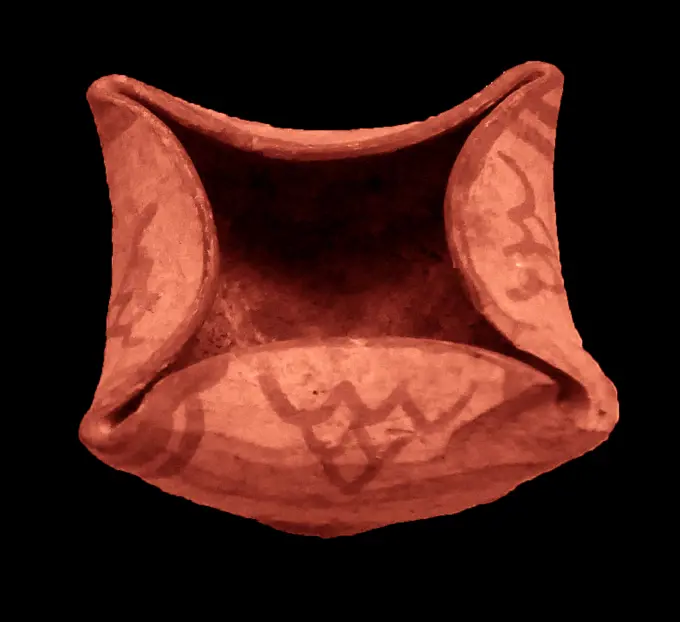
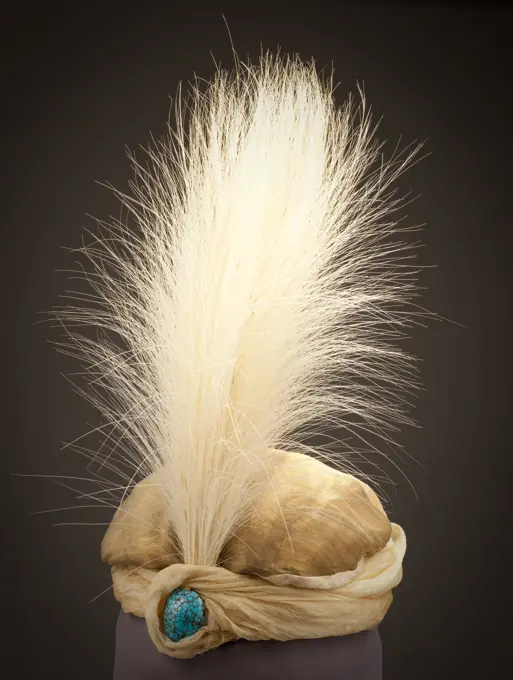
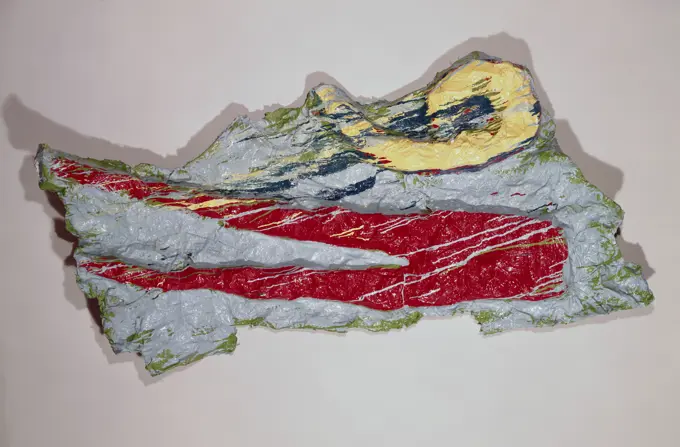
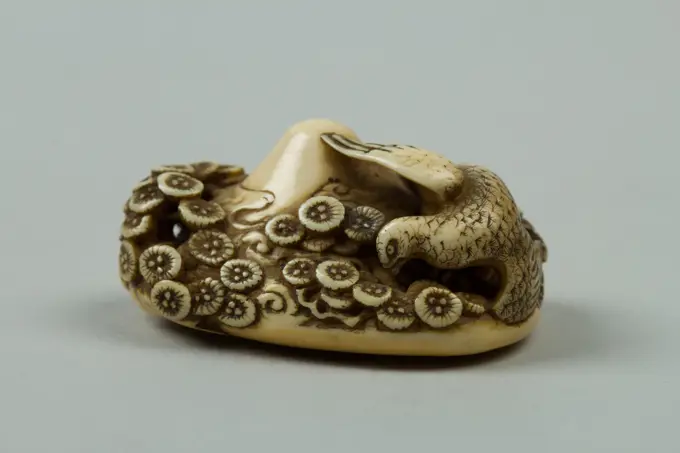
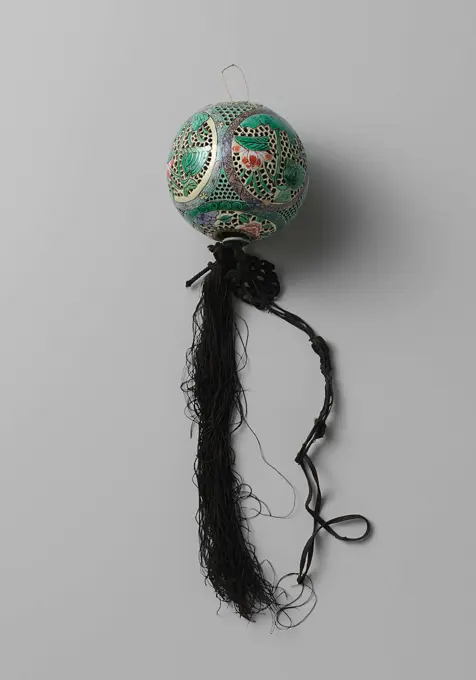
Group of Eleven Nested Baskets, 20th century, 9 1/2 x 6 1/2 x 6 1/2in. (24.1 x 16.5 x 16.5cm), Fiber, leather, wood, Burkina Faso or Mali, 20th centuryCoffin with various, nine copper ornaments.coffin with various, Nine Copper Ornaments.Marble left hand holding a scroll. Culture: Roman. Dimensions: Other: 12 in. (30.5 cm). Date: 1st or 2nd century A.D..Left hand holding a scroll. Museum: Metropolitan Museum of Art, New York, USA.Pair of Stirrups from a Horse Armor Made for a Member of the Collalto Family ca. 1560 Italian, probably Milan These stirrups belong to a horse armor (acc. no. 21.139.2), dating from about 1560, which is one of the few complete examples of its period to be preserved. It comes from the armory of the counts Collalto at the castle of San Salvatore, near Treviso, where it was presumably kept from the late sixteenth until the early twentieth century. The bands of etched ornament include classically inspired trophies of arms and armor and musical instruments. These were standard decorative motifs on Italian armor of the period, but here they are depicted with much more precision, on a larger scale, and in far greater detail and variety than usual. The high quality of the horse armor and its elaborate decoration indicate that it must have belonged to a leading member of the Collalto family, perhaps Collatino Collalto (1523-1569), who was famous both as a soldier and as a man of letters.The assFashion, Italy, 20th century. Ceremonial hat made in pleated tissue paper and sprayed gold. Design by the Art Institute Piero della Francesca, Arezzo.Attic Black-Figure Neck Amphora Fragment. Attributed to Affecter (Greek (Attic), about 540 - 520 B.C.)Fragment of a terracotta krater or dinos (bowl for mixing wine and water) ca. 570 B.C. Attributed to Sophilos Two satyrs; inscribed.. Fragment of a terracotta krater or dinos (bowl for mixing wine and water) 255600Sperm Whale (Physeter macrocephalus) teeth carved with scrimshaw artwork of whales and whaling vesselsElegant strawberry snail on black background Elegant strawberry snail on driftwood on a black backgroundPair of leather shoes unknownTwin-spouted vessel with animal head spout ca. late 1st millennium B.C. Iran. Twin-spouted vessel with animal head spout 327543War 1939-1945. Large leather belt for motorcyclists 2nd dB. General Leclerc Museum of Hauteclocque and the Liberation of Paris, Jean Moulin Museum. 75314-19 2nd 2nd DB Blindee division, clothing accessory, French army, armament, belt, Blindee division, Cuirasee division, Leclerc division, Military Equipment, War 1939-1945, War 39-45, Object, Second World WarBourse. GAL1965.44.27Model of a Buoy. Model of a buoy with a conical body with sharp tips and round of diamother. Such as a barrel she is composed of dolls and hoops. On top is an eye, as well as at the bottom of a long point for the anchor chain. Marked with crossed anchors. Model belongs to series of six buoys of different formats. Scale 1:10 (archive).Staircase Model, Planed, joined, and veneered pearwood, walnut, Spiral staircase model with curved stringboards, on a circular base on bun feet. This style was popularized by the important master of compagnonnage Agricole Perdiguier., France, ca. 1820-40, models and prototypes, Decorative Arts, Staircase ModelHungary, Budapest, Cauldron with handles in the shape of mushroomsGlass eye beads. Glass eye beads. Glass. GlassStone cup of man with beard and mustache in a cupboard. Stone cup of man with beard and mustache (A) in a cupboard (B). The cup itself is plated and laid in a cabinet covered with a glass plate. The bottom of the cupboard is covered with a layer of wools.Man with wheelbarrow, W. Freen, c. 1856 - c. 1858 On an elongated plate, engraved with a diamond pattern, a man stands behind a wheelbarrow. The man wears a knee pants and a stitch. His right hand has been lifted. The image is marked with a dolphin and a master sign. Dordrecht silver (metal) On an elongated plate, engraved with a diamond pattern, a man stands behind a wheelbarrow. The man wears a knee pants and a stitch. His right hand has been lifted. The image is marked with a dolphin and a master sign. Dordrecht silver (metal)Spider 6th-7th century Moche (Loma Negra). Spider 314481Korean Traditional ToolHelmet Bowl (Hoshi-Kabutobachi) 12th-13th century Japanese The riveted plate style helmet (hoshi-kabuto) emerged around the turn from the 10th to the 11th century (early Heian period) and constitutes the earliest indigenous Japanese helmet form. This helmet, which dates to the 12th-13th century (late Heian to early Kamakura period), would have originally been decorated with a gilt copper plate (nihjiro) on its front and back, respectively, each featuring three arrow-shaped elements (shinodare). Although in fragmentary condition, the helmet is a rare example, with relatively few of this type existing today.. Helmet Bowl (Hoshi-Kabutobachi). Japanese. 12th-13th century. Steel. HelmetsCollection of terracotta Harappa ceramics from the Indus Valley Civilisation at Mohenjo-Daro, Pakistan. The Indus Valley Civilisation was a Bronze Age culture, (33001300 BCE; mature period 26001900 BCE) mainly in the north-western regions of South Asia, extending from what today is northeast Afghanistan to Pakistan and northwest IndiaWoman's Turban. Paul Poiret (France, 1879-1944)Poiret (France, Paris, 1903 - 1929). France, 1911. Costumes; Accessories. Silk and metallic-thread plain weave, silk plain weave, turquoise cabochon, and egret feathersRed, gray and yellow by Claes Oldenburg, sculpture, born 1929Netsuke of Mountain with Flowers and a Bird 18th-19th century Japan. Netsuke of Mountain with Flowers and a Bird. Japan. 18th-19th century. Ivory. Edo (1615-1868) or Meiji period (1868-1912). NetsukePierced Fragrance Ball With Silk Tassel. Openwork porcelain smells ball with silk brush, painted on biscuit in red and turquoise and on the glaze blue, red, green, yellow, eggplant, turquoise and black. The wall of the globe with ajour work with six medallions saved in this with a decorative band. On the wall the medallions are opened with a lotus plant in this. The top and bottom with peonies saved in the medallion. The brush is attached to a loose lid with a cord. Email sur biscuit with famille verte.Sārindā Indian late 19th century The sārindā's bi-partite body is carved from a single block tun (Cedrela toona) wood and the lower section is covered with parchment. This elaborate version is decorated with ivory and bone. It's four melody strings sound when bowed activating the twenty-four sympathetic strings which are guided through the lower part of the bridge to holes in the fingerboard. Double-chested fiddles are found in South Asia and southern Afghanistan and is derived from qobuz of Central Asia. It is used to accompany dance, flute and vocal music.Terracotta left foot and ankle with sandal. Culture: Greek, South Italian. Dimensions: h. 3 1/16 in (7.8 cm); w. 7 1/16 in. (18 cm). Date: 2nd half of the 4th century B.C..Left foot and ankle in a sandal. Museum: Metropolitan Museum of Art, New York, USA.Fibula with SpiralDesigncommissioning jamon leg prepared for cutting woodCap. Egypt, Mamluk Dynasty (1250-1517), 14th century. Costumes. Silk satin with silk supplementary-weft patterning bound in plain weave (lampas), silk embroideryRugby Ball