Historical Artifacts

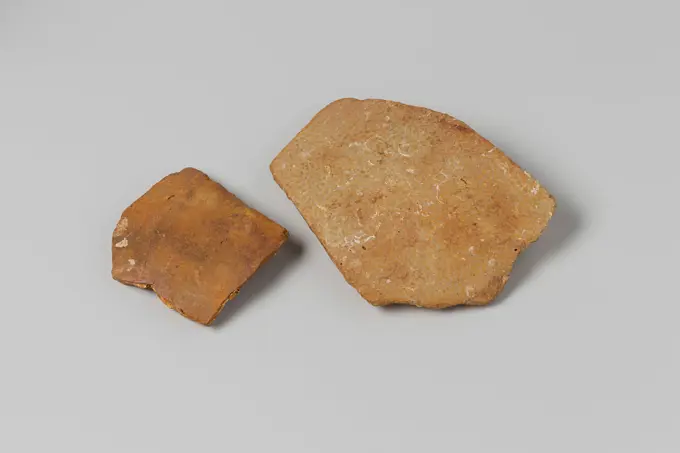
Includes fragments and lids from various cultures, showcasing ancient ceramics from Europe and the Middle East, emphasizing historical craftsmanship.

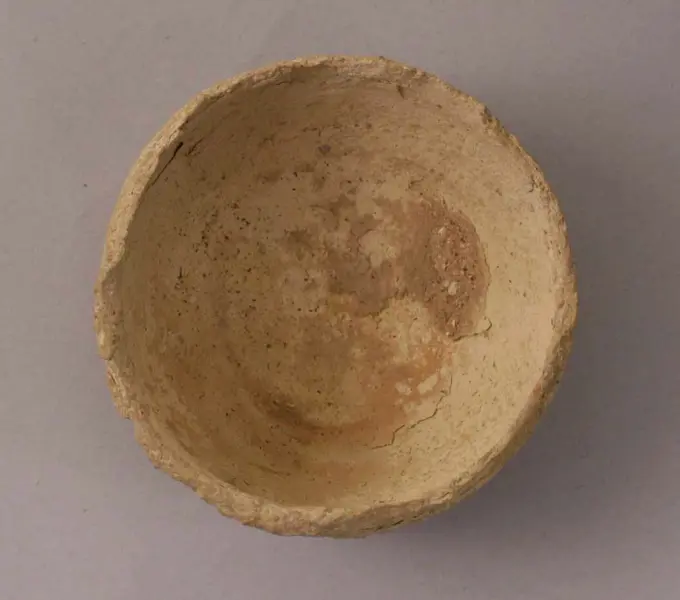
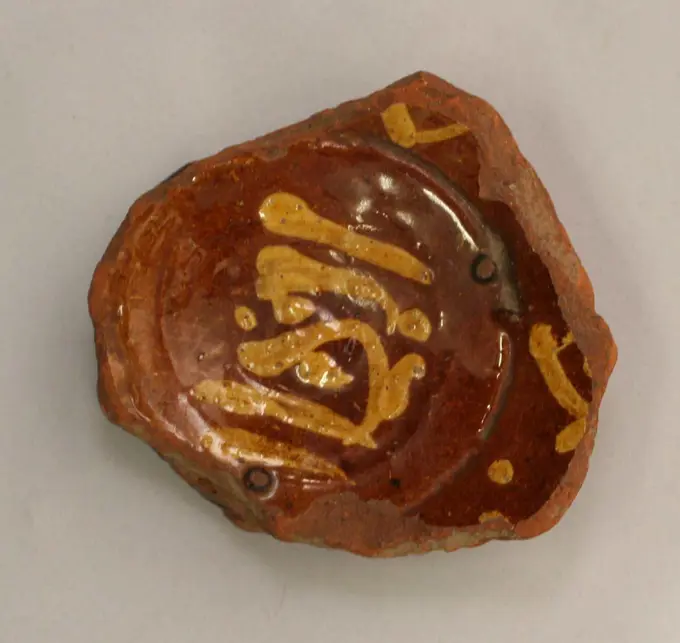
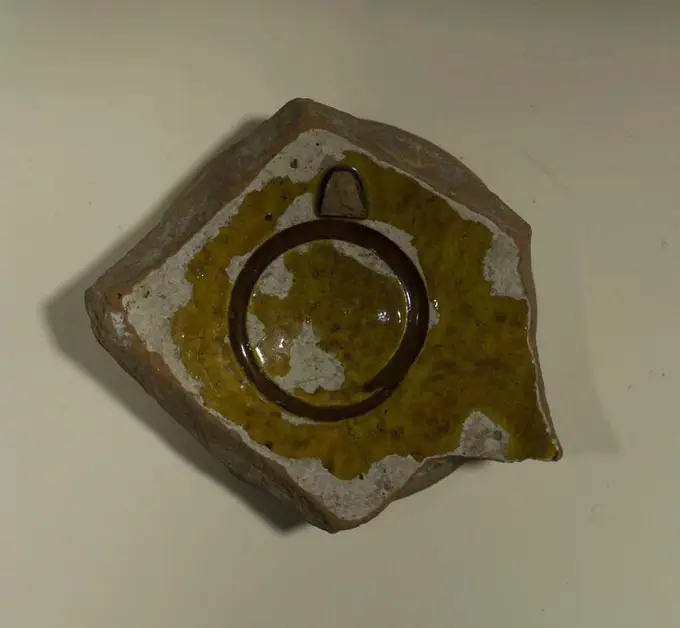
Dish, Deep 15th-16th century French. Dish, Deep 465897 French, Dish, Deep, 15th16th century, Earthenware, Overall: 1 1/2 x 4 in. (3.8 x 10.2 cm). The Metropolitan Museum of Art, New York. Gift of J. Pierpont Morgan, 1917 (17.194.2210)
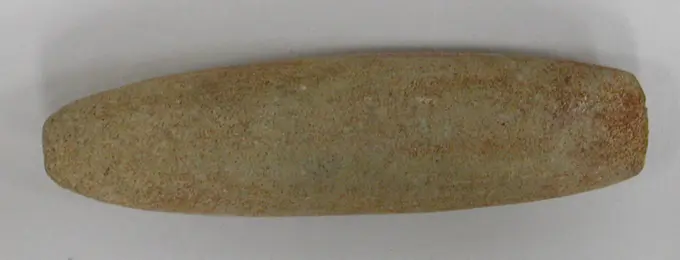
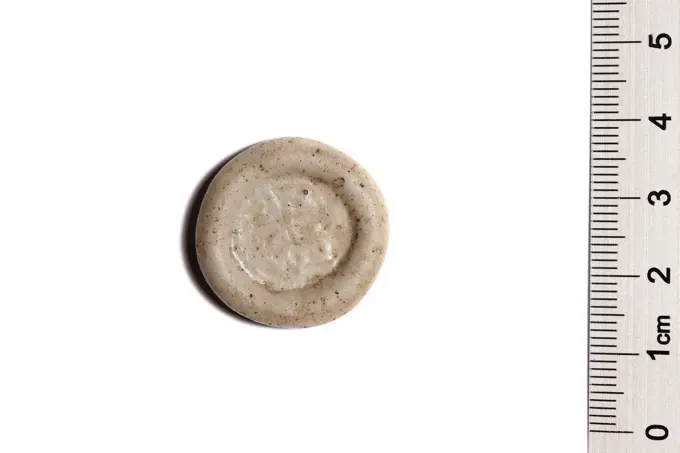
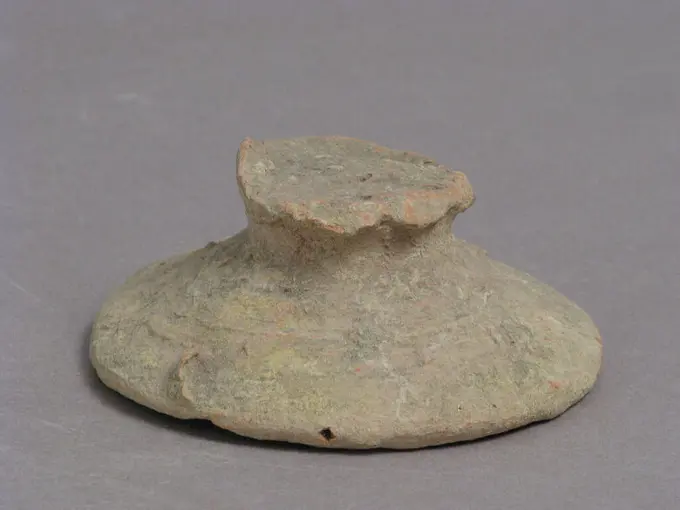
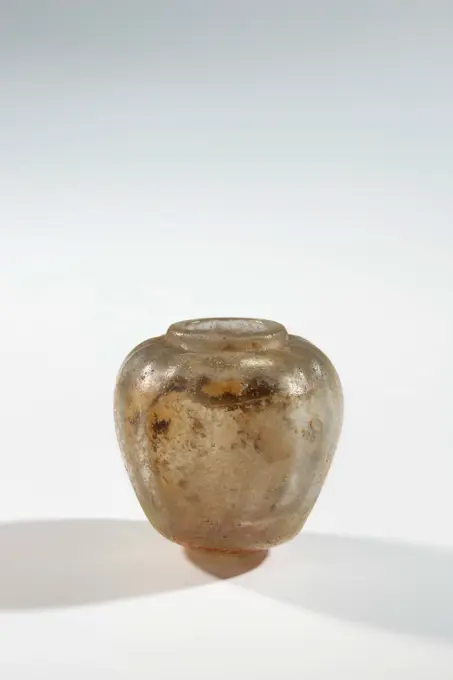
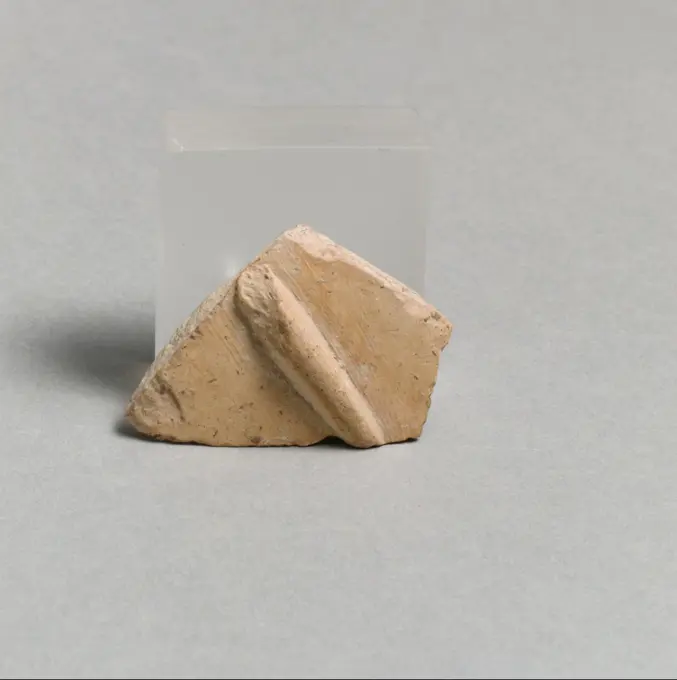
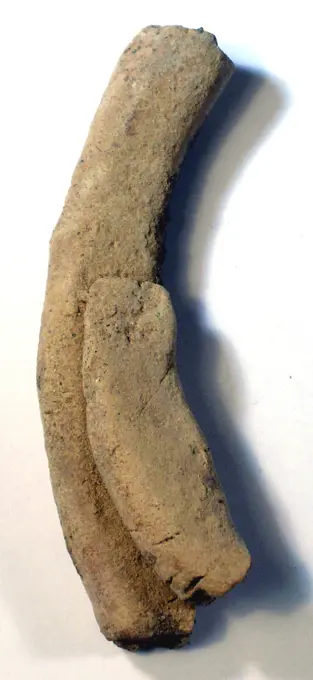
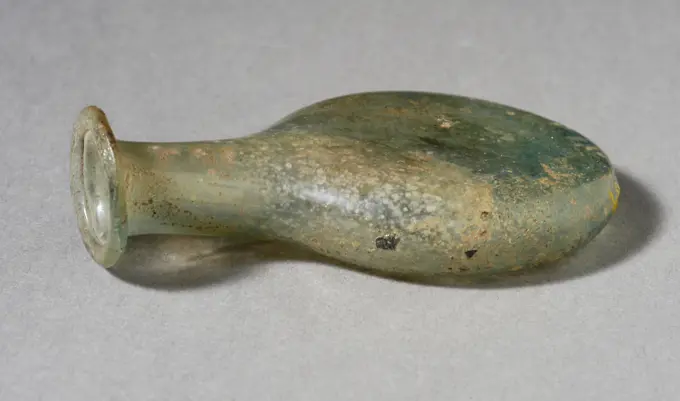
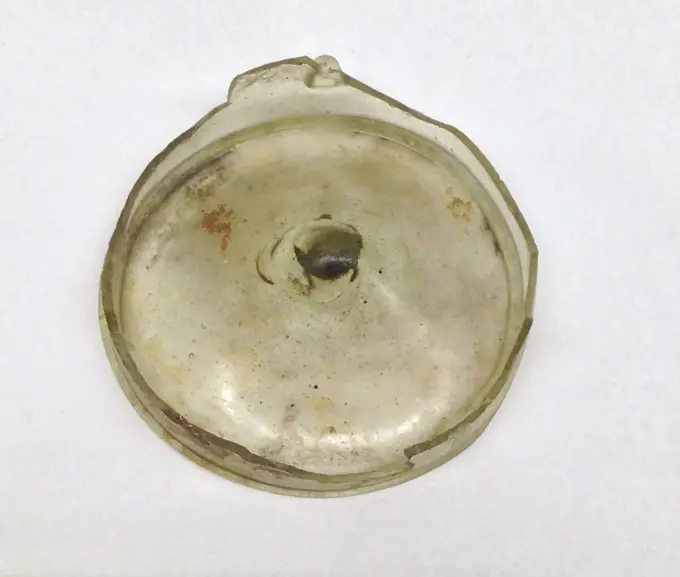
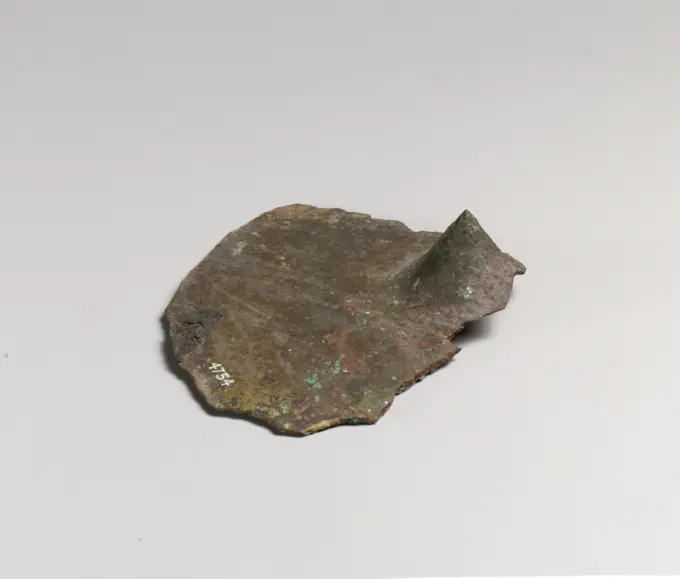
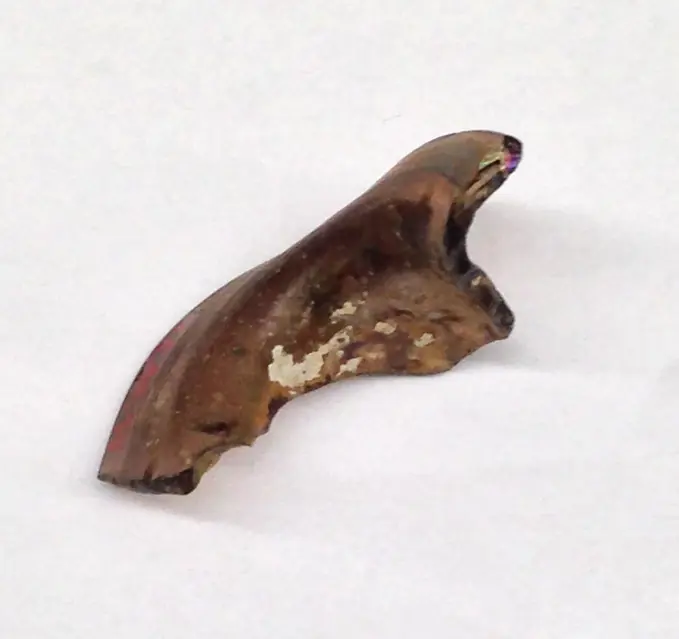
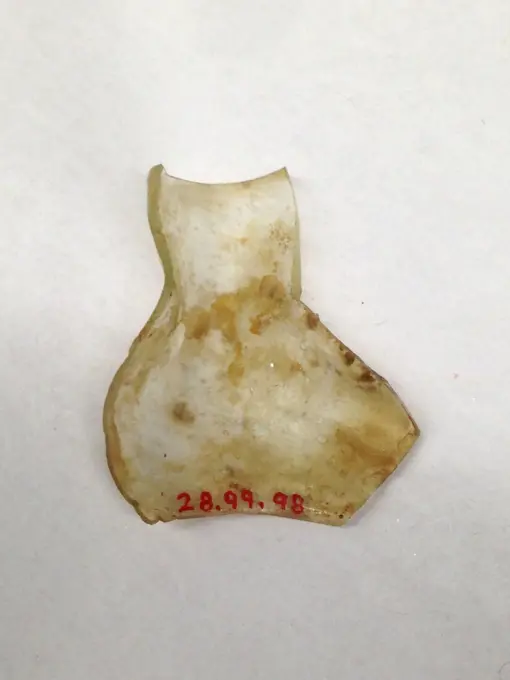
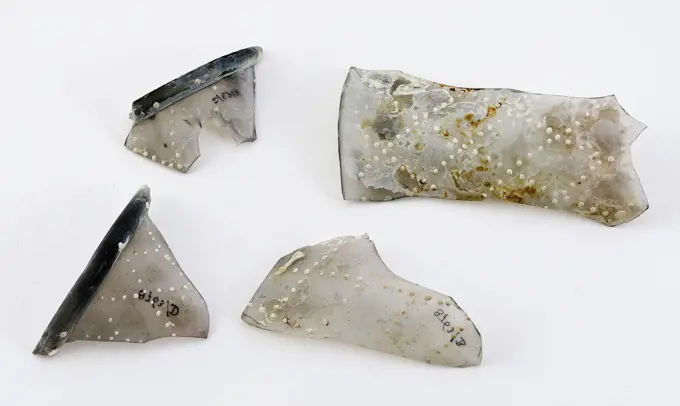
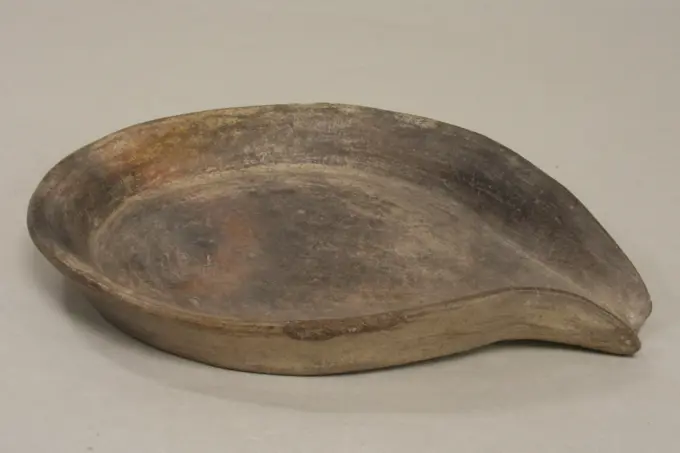
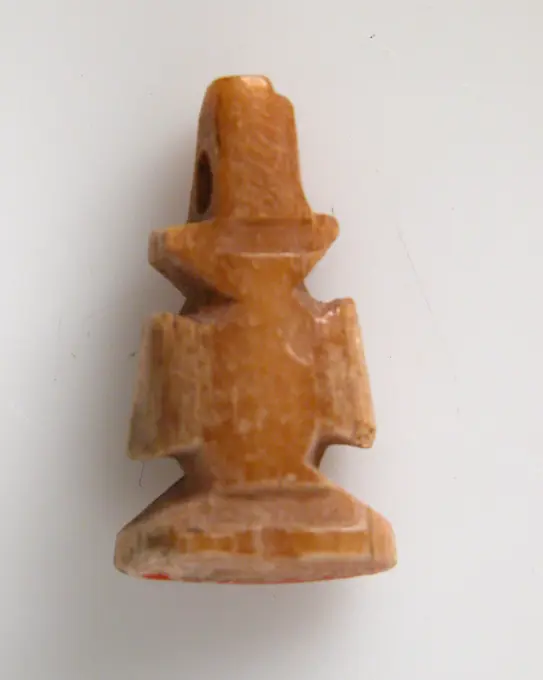
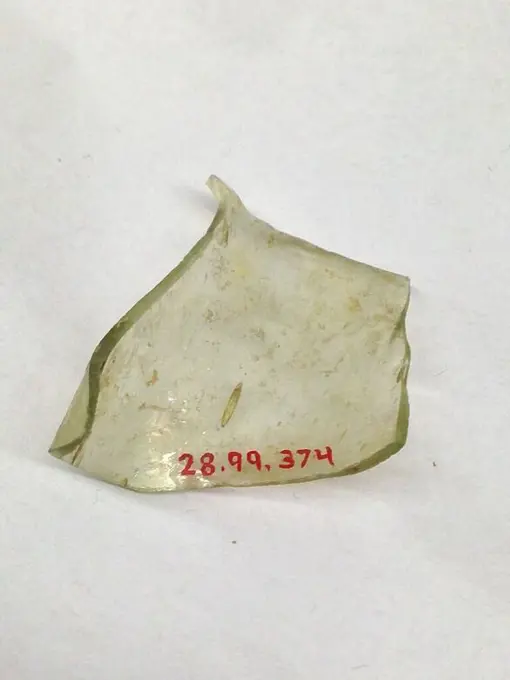
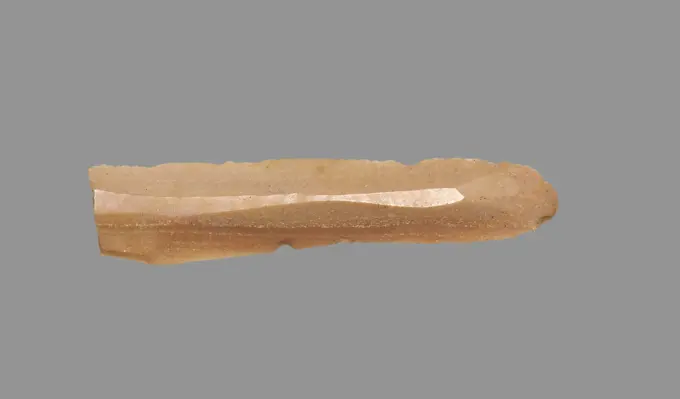
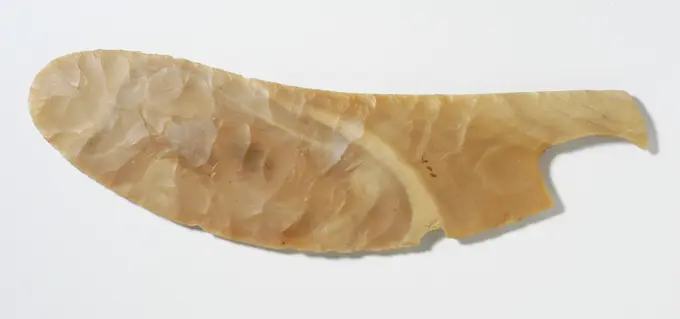
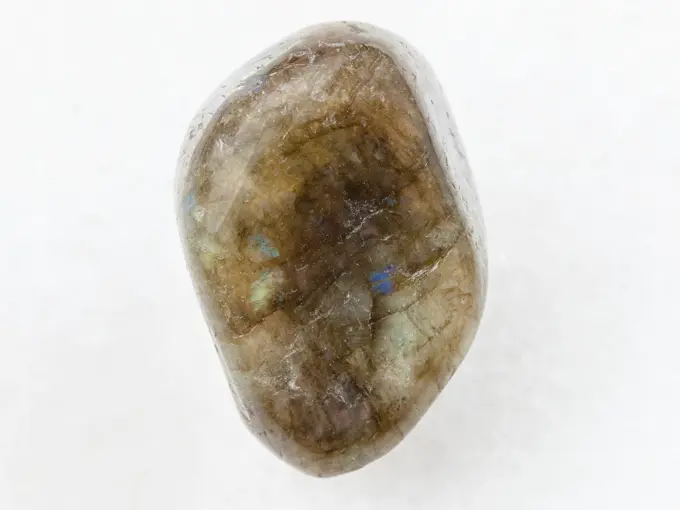
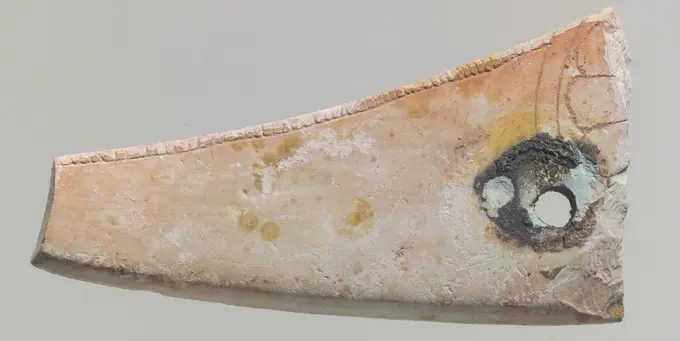
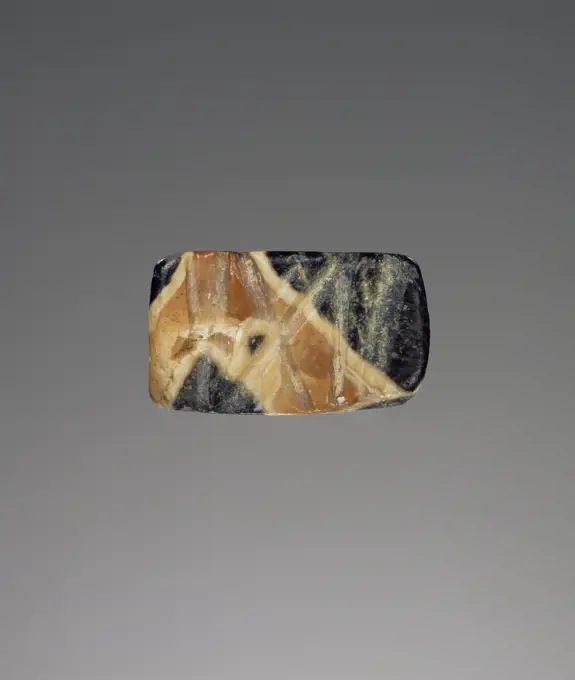
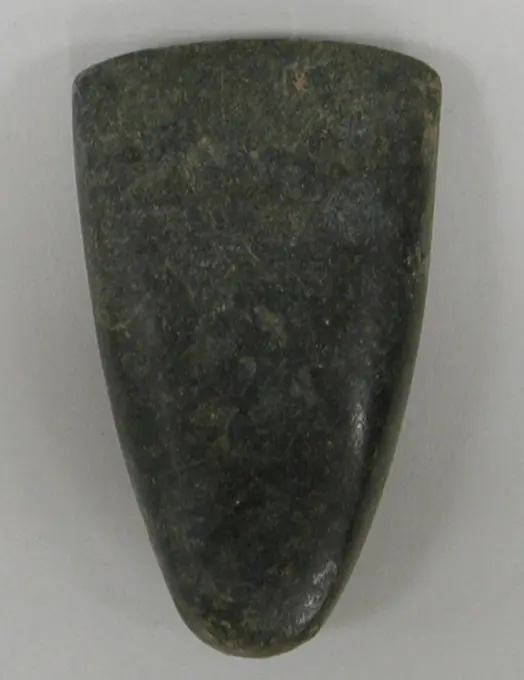
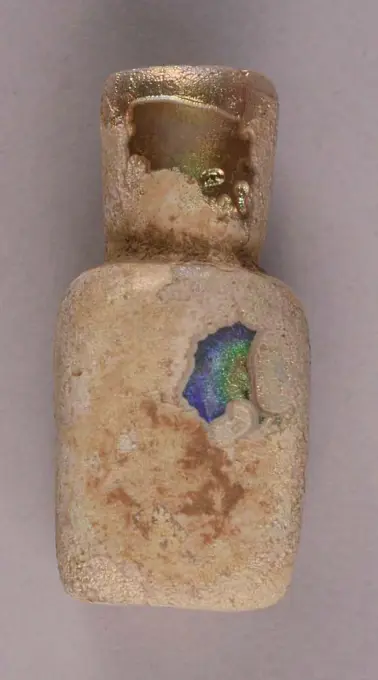
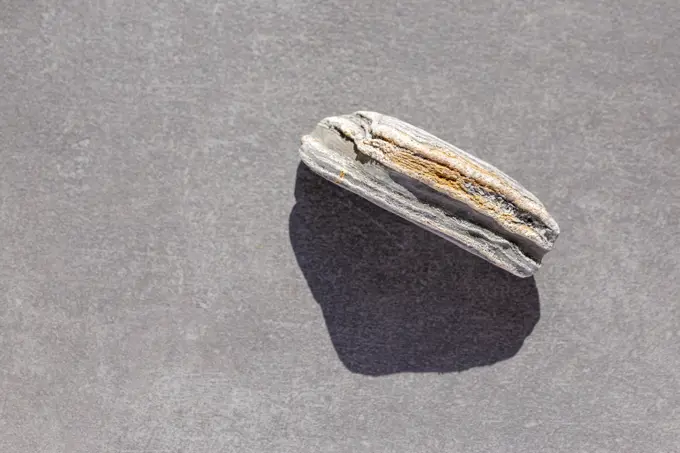
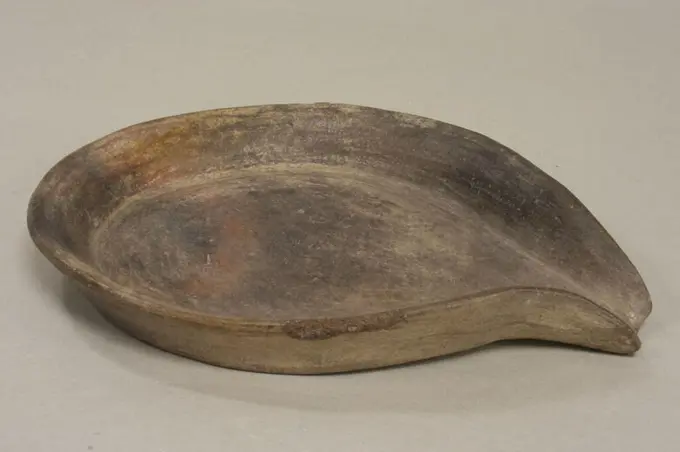
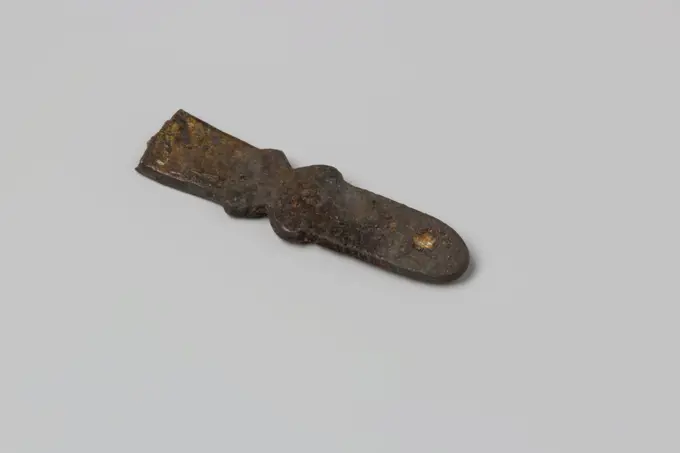
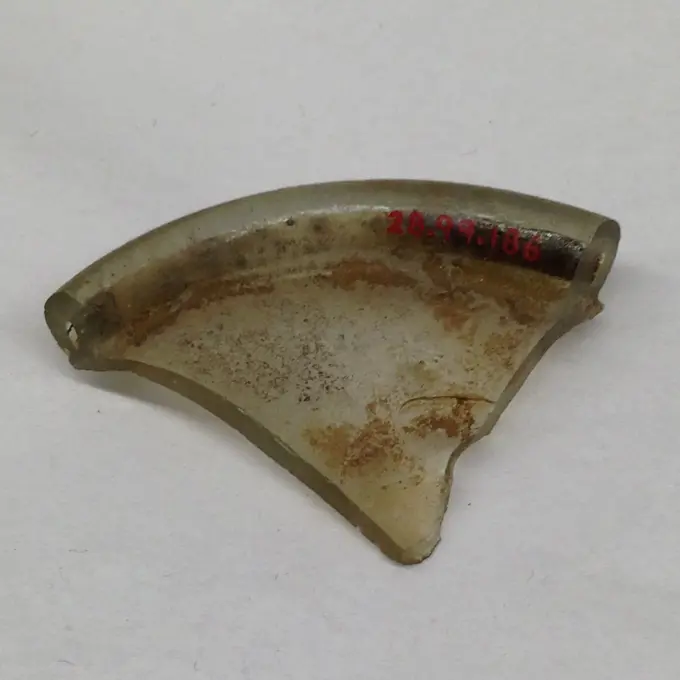
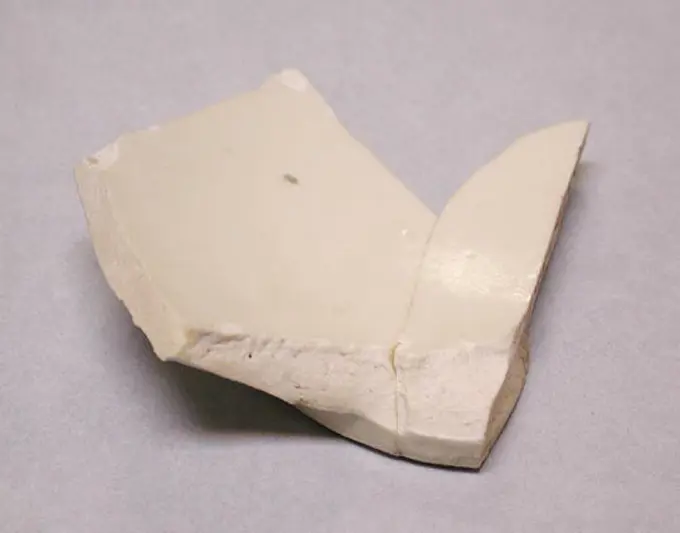
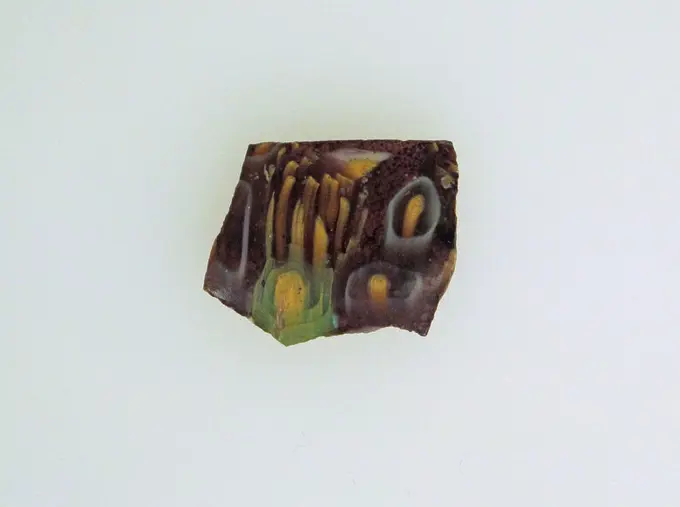
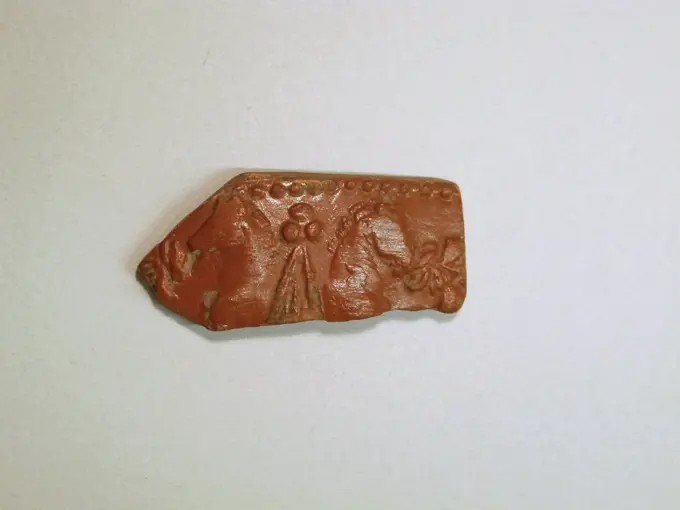
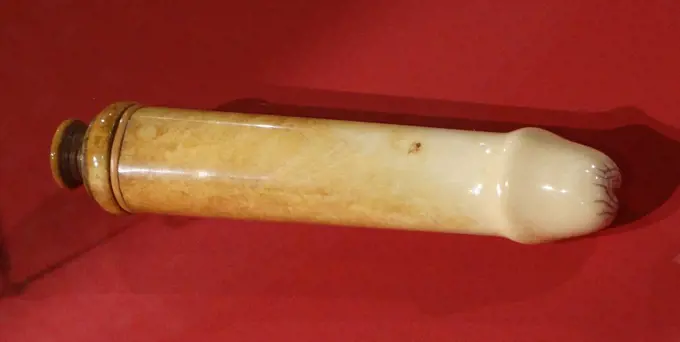
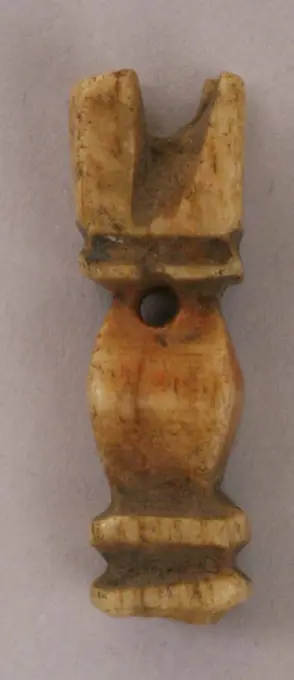
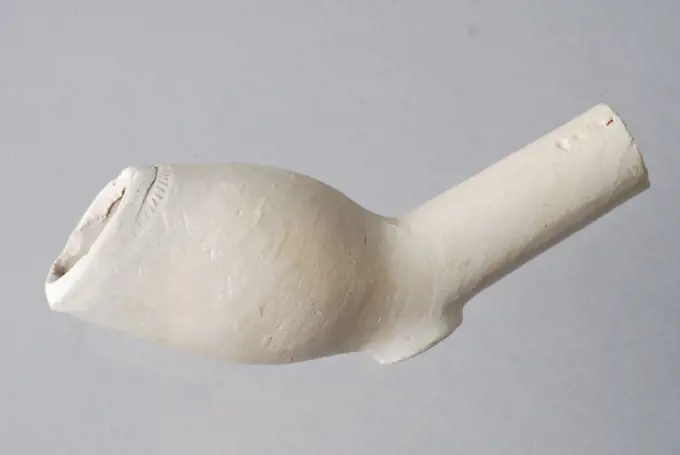
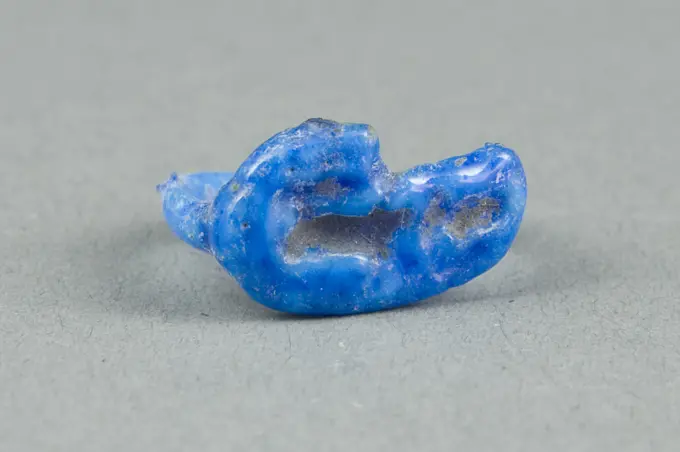
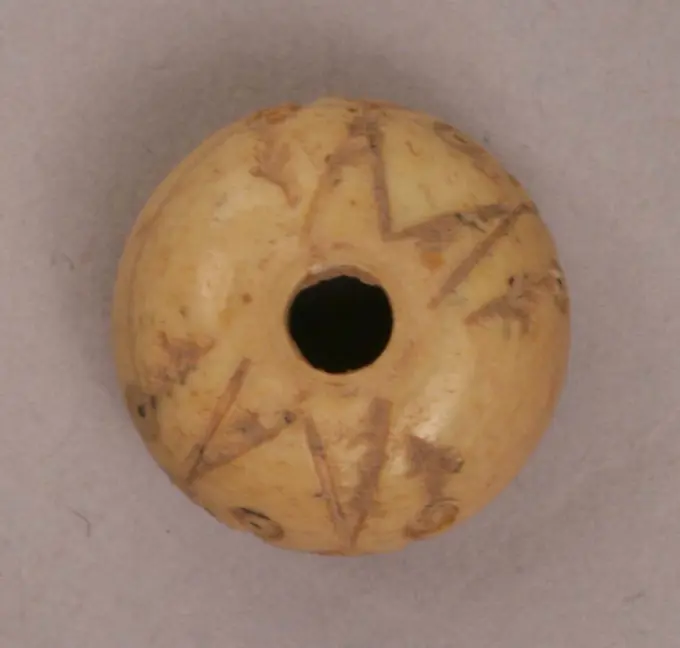
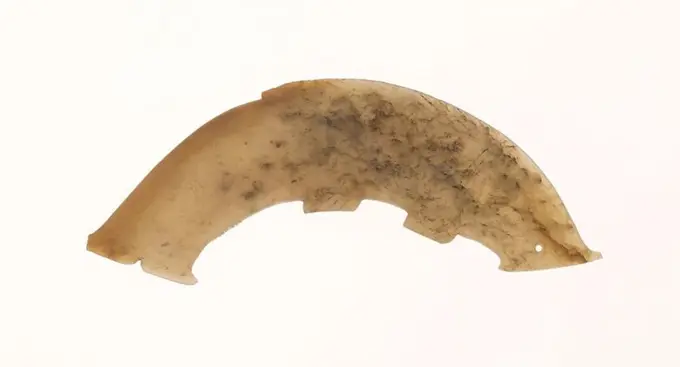
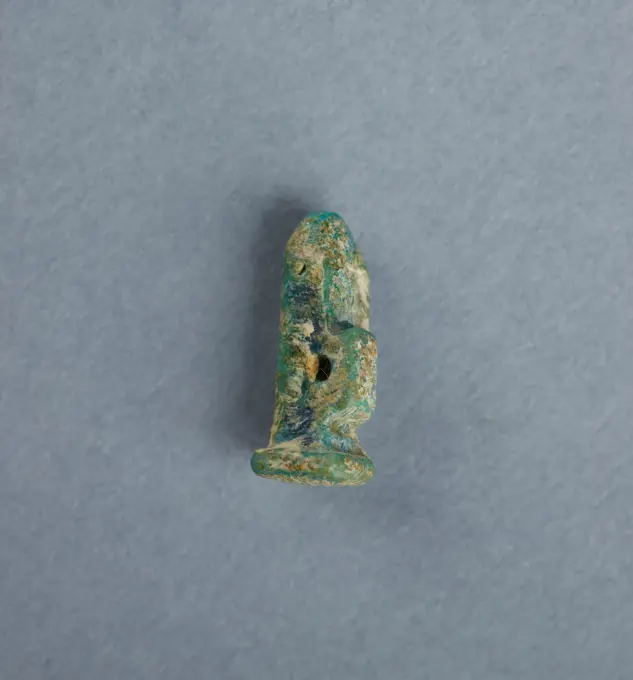
Fragment ca. 1150-ca. 1250 European or Middle Eastern. Fragment 695142Lid. Culture: Coptic. Dimensions: Overall: 1 1/8 x 2 5/8 in. (2.9 x 6.7 cm). Date: 4th-7th century. Museum: Metropolitan Museum of Art, New York, USA.Fragment of a Bowl 14th-15th century. Fragment of a Bowl 446398Vial. unknown, craftsmanLid 4th-7th century Coptic. Lid 478900Dish, Deep 15th-16th century French. Dish, Deep 465897 French, Dish, Deep, 15th16th century, Earthenware, Overall: 1 1/2 x 4 in. (3.8 x 10.2 cm). The Metropolitan Museum of Art, New York. Gift of J. Pierpont Morgan, 1917 (17.194.2210)Dragon Pendant with Small Blade 1300 BCE-1000 BCE China. Jade .Fragment ca. 1150-ca. 1250 European or Middle Eastern. Fragment 695236Vase fragment ca. 3000-2200 B.C.. Vase fragment 251313 Vase fragment, ca. 30002200 B.C., Terracotta, 1 11/16 x 1 1/4in. (4.3 x 3.2cm). The Metropolitan Museum of Art, New York. Gift of Gisela M. A. Richter, 1923 (23.121.13)Faience workshop refuse ca. 1802-1450 B.C. Late Middle Kingdom-Early New Kingdom. Faience workshop refuse. ca. 1802-1450 B.C.. Low-fired whitish clay. Late Middle Kingdom-Early New Kingdom. From Egypt, Memphite Region, Lisht North, Cemetery south of pyramid, House A1, so-called "faience factory", MMA excavations, 1920-22. Dynasty 13-18, earlyFragment ca. 1150-ca. 1250 European or Middle Eastern. Fragment 695252Pair of red jasper earrings Egyptian. Pair of red jasper earrings. Egyptian. Carnelian. New Kingdom. Gold and SilverScherf van Kist bottle from V.O.C. ship De 'Witte Leeuw', Before 1613  Sharf of Kist bottle from V.O.C. ship De 'Witte Leeuw', Bottles of green glass with coral-like attack.  .   Sint-HelenaFragment 13th century Crusader. Fragment 475335Polishing Stone (pulidor) before 16th century Mexican. Polishing Stone (pulidor) 317051Flask with Depiction of Horus. Egypt, Late Period - Ptolemaic Period (724 - 31 BCE). Tools and Equipment; flasks. GlassFragment ca. 1150-ca. 1250 European or Middle Eastern. Fragment. European or Middle Eastern. ca. 1150-ca. 1250. Glass, ceramic. Glass-VesselsFragment ca. 1150-ca. 1250 European or Middle Eastern. Fragment. European or Middle Eastern. ca. 1150-ca. 1250. Glass, ceramic. Glass-VesselsFragment of a Jar 9th century. Fragment of a Jar. 9th century. Earthenware; unglazed. Found Iraq, Basra. CeramicsShield boss. Shield boss 244565Fragment of a Bowl 14th-15th century. Fragment of a Bowl 446476Bottle Neck 10th-11th century. Bottle Neck. 10th-11th century. Glass; free blown. Attributed to probably Iran. GlassFragment. Culture: European or Middle Eastern. Dimensions: L. 1 1/2 in. (3.8 cm). Date: ca. 1150-ca. 1250. Museum: Metropolitan Museum of Art, New York, USA.Fragment ca. 1150-ca. 1250 European or Middle Eastern. Fragment 694193Foot Fragment 4th-7th century Coptic. Foot Fragment 478559Fragment ca. 1150-ca. 1250 European or Middle Eastern. Fragment 694197Fragments of soil, stand ring and smooth cup wall, drinking cup drinking glass drinking utensils tableware holder soil find glass, free blown and shaped Four fragments of bottom stand ring and smooth cup wall in clear colorless glass Lightly lit bottom with all around flattened convex glass wire as stand ring with regularly spaced white dots Almost vertically ascending smooth wall with grid of crosswise placed diagonal rows of white dots in enamel paint archeology Rotterdam IJsselmonde drink serve wine beer Soil discovery: Castle IJsselmonde pit 1 and 2 Rotterdam 1972.08.30.Polishing Stone (pulidor) before 16th century Mexican. Polishing Stone (pulidor). Mexican. before 16th century. Stone. Mexico, Mesoamerica. Stone-ImplementsPolishing Stone (pulidor) before 16th century Mexican. Polishing Stone (pulidor) 317046Fragment. Culture: European or Middle Eastern. Dimensions: L. 2 1/2 in. (6.4 cm). Date: ca. 1150-ca. 1250. Museum: Metropolitan Museum of Art, New York, USA.Stamp, one of a group of three, 1 3/8 x 1 1/4 x 1 1/4 in. (3.49 x 3.18 x 3.18 cm), Earthenware, MexicoButton or Bead 9th-10th century This object was excavated at Nishapur.Nishapur was a vital city in the early and middle Islamic periods, located along one of the main trajectories that connected Iran and West Asia Islamic lands with Central Asia and China. These itineraries are often referred to by the term Silk routes’ but were in fact crucial to the movement of constellations of materials and objects, as well as people and ideas. The diverse population of Nishapur and its surroundings, from the better-researched elite groups of merchants, land-owning aristocracy, and literates, to the less-known artisans, farmers, miners, and servants, were instrumental in adapting global cultural trends to create their own distinctive visual languages. This is seen in the material remains of everyday life in medieval Nishapur - from pots and pans to lighting devices, inkwells, textiles and trimmings, jewelry, games and toys, talismanic devices, weapons, coins, and architectural fragments.Nishapur lFragment of a tobacco pipe., Anonymous, c. 1400 - c. 1950   earthenware. pipe clay   Slot Loevestein   earthenware. pipe clay   Slot LoevesteinPlain Ceramic Spouted Tray 12th-9th century B.C. Tlatilco. Plain Ceramic Spouted Tray 310706Pendant Cross 5th-7th century This small cross would haven been strung on a necklace or string and worn around the neck. Crosses were everywhere in the early Byzantine world. They marked religious, secular, and domestic buildings, public works, clothes and jewelry, and objects in the home. The cross was a sign of Christ's triumph over death and the hope of eternal life and was frequently ascribed apotropaic, or protective, powers by the faithful.. Pendant Cross 446236Fragment of pedestal of pipe sculpture with AVE M, sculpture visual material soil finds ceramic pipe earth, in mold formed baked Part of pedestal of pipes image. Hexagonal fragment In the pedestal Gothic letters Small part of the further structure remains. Hand and fingerprints under the image on the inside linen structure On pedestal: AVE M (ave Maria) archeology Rotterdam railway tunnel indigenous pottery devotion Maria bible worship adorn religion archaeological find in the soil Rotterdam tracé rail tunnel.Fragment. Culture: European or Middle Eastern. Dimensions: L. 1 7/8 in. (4.8 cm). Date: ca. 1150-ca. 1250. Museum: Metropolitan Museum of Art, New York, USA.Lamp Fragment 13th century Syrian or Crusader. Lamp Fragment 729811Stone Chisel before 16th century Costa Rica. Stone Chisel 317278Fedral for walking button, Zecharie Neau (attributed to), 1751 Brown Leather Fedral for Walking Stug button. Amsterdam leather Brown Leather Fedral for Walking Stug button. Amsterdam leatherFragment ca. 1150-ca. 1250 European or Middle Eastern. Fragment 695144Sickle Blade, 1980-1801 BC. Egypt, Middle Kingdom, Dynasty 12. Flint; overall: 5 cm (1 15/16 in.).Seal Stamp dated A.H. 1171/ A.D. 1757-1758. Seal Stamp 452241Cicero Portrait FreySmall Knife. Egypt, Archaic Period or later. Arms and Armor; knives. FlintShards of jugs from the wreck of the East India Hollandia. Stoneware, rhenish, frechen-ware, jug; Fragm or bodies.Whetstone ca. 1550-1458 B.C. New Kingdom This whetstone is part of a set of toiletry equipment (26.7.837a-d) that included a razor, tweezers and a mirror, and a kohl tube (26.7.1447), all found in a rush basket.. Whetstone 547608Fragment of a Mosaic Glass Vessel. Unknown 1st century A.D.polished labradorite gem stone on white marble macro shooting of natural mineral rock specimen - polished labradorite gem stone on white marble background from Finland Copyright: xZoonar.com/ValeryxVoennyyx 11951389Furniture element ca. 18th century B.C. Old Assyrian Trading Colony. Furniture element 329696Pyramidal seal; Crete, Greece; about 2300 B.C. - 2000 B.C; Breccia; 1.4 × 1.1 × 0.7 cm (9,16 × 7,16 × 1,4 in.)Foot fragment ca. 1353-1336 B.C. New Kingdom, Amarna Period. Foot fragment 549209Vase fragments ca. 1600-1450 B.C. Minoan. Vase fragments 247709Post-Talaiotic culture. Ear of bull. 5th-3rd centuries BC. Bronze. From the Shrine of Predio de Son Corro (Costitx, Majorca, Balearic Islands, Spain). National Archaeological Museum. Madrid. Spain.Fragment of a Bowl. Byzantine; Greece, Thessaloniki. Date: 1201-1400. Dimensions: 2.4 × 7 × 6.4 cm (15/16 × 2 3/4 × 2 1/2 in.). Ceramic. Origin: Istanbul. Museum: The Chicago Art Institute, Chicago, USA.Bottom of a Vessel 4th-early 5th century Coptic. Bottom of a Vessel 479117Magic Amulet inscribed with a Protective Prayer. UnknownFragment. Culture: European or Middle Eastern. Dimensions: L. 1 1/2 in. (3.8 cm). Date: ca. 1150-ca. 1250. Museum: Metropolitan Museum of Art, New York, USA.Chess Piece, King 9th-12th century. Chess Piece, King 449843Celt before 16th century Maya () Greenstone axe heads, commonly known as “celts,” were some of the most important works of art across ancient Mesoamerica and Central America. Created from jadeite mined from the Motagua River Valley of southern Guatemala, or using local green stones from highland Mexico, celts were first created by the Olmec peoples of the Gulf Coast after 1000 B.C. The Olmec conceived of green celts as sprouts of maize and thus “planted” celts in dedicatory offerings, activating ceremonial spaces and perpetuating agricultural fertility. For the later Maya peoples, celts also served as dedicatory materials, but more so as adornments for the royal bodies of kings and queens. Often the celts would be thinned into celt-shaped plaques, strung together in pairs and triads in order to create belt assemblages that would have clinked with the sound of jades striking one another. Tombs from the Classic Period (ca. AD 250-900) contain celts of jadeite and various greenstones froBottle 8th-10th century. Bottle 449440Peeble on gray backdrop A nice peeble with a harsh sun shadow on a gray backdrop Copyright: xZoonar.com/AlainxdexMaximyx 18774221Plain Ceramic Spouted Tray. Culture: Tlatilco. Dimensions: H x W: 5 5/8 x 6 5/8in. (14.3 x 16.8cm). Date: 12th-9th century B.C.. Museum: Metropolitan Museum of Art, New York, USA.Fragment handle of a lamp from the wreck of the East Indies Hollandia, Anonymous, 1700 - in or before 1743 lamp Suspension lamp, gimbalring handle; fragm, semicircular end, id. NG 1980-27H900. Netherlands copper (metal)   SecondFragment ca. 1150-ca. 1250 European or Middle Eastern. Fragment 694340Fragments of a Bowl 9th-10th century. Fragments of a Bowl 454005Fragment stop of Vaatwerk from the wreck of the East Indians Hollandia, Anonymous, 1700 - in Or Before 1743  Vessel part, stopper; Fragm, ID. ng 1979-527H, Finial. Netherlands glass   SecondAmulet - Disc BoneGlass mosaic dish fragment. Culture: Roman. Dimensions: 13/16 × 1 1/16 × 1/16 in. (2.1 × 2.7 × 0.2 cm)Estimated diameter: 7 1/2 in. (19 cm). Date: late 1st century B.C.-early 1st century A.D..Translucent purple, light blue green appearing green, opaque white and yellow.Vertical, rounded rim; shallow side curving in towards bottom, thin-walled.Mosaic pattern formed from polygonal sections of three canes: one in a purple ground with a white circle and central yellow rod comprising a tiny spiral, another in a purple ground with a cluster of yellow rods, and the third in a blue ground with a yellow spiral and a central tight yellow spiral. On interior, a single horizontal groove 3/16 in. (0.5 cm) below rim.Polished exterior; slight pitting of surface bubbles on exterior; deep weathering, dulling and creamy iridescence on interior; iridescent weathering on jagged edges. Museum: Metropolitan Museum of Art, New York, USA.Knee Fragment 4th-7th century Coptic. Knee Fragment 478939Polishing Stone (pulidor) before 16th century Mexican. Polishing Stone (pulidor) 317034Fragment ca. 1150-ca. 1250 European or Middle Eastern. Fragment 695406Coin weight. unknown, craftsmanFragment of a Glass Bottle 13th century Syrian. Fragment of a Glass Bottle 729830Orlando museum oblong pendant jade pre-Columbian. 10th - 15th century AD. MexicoGaming Piece 9th-10th century This object was excavated at Nishapur.Nishapur was a vital city in the early and middle Islamic periods, located along one of the main trajectories that connected Iran and West Asia Islamic lands with Central Asia and China. These itineraries are often referred to by the term Silk routes’ but were in fact crucial to the movement of constellations of materials and objects, as well as people and ideas. The diverse population of Nishapur and its surroundings, from the better-researched elite groups of merchants, land-owning aristocracy, and literates, to the less-known artisans, farmers, miners, and servants, were instrumental in adapting global cultural trends to create their own distinctive visual languages. This is seen in the material remains of everyday life in medieval Nishapur - from pots and pans to lighting devices, inkwells, textiles and trimmings, jewelry, games and toys, talismanic devices, weapons, coins, and architectural fragments.Nishapur losVase fragment 1st century B.C.-1st century A.D. Roman Horses.. Vase fragment 250431An ivory penis for use as an aid during sex. French, 1701-1800.Vase fragment Aegean. Vase fragment 248521Spindle Whorl 10th-16th century () Peruvian. Spindle Whorl 308376Pendant 30 B.C.-A.D. 364. Pendant 444844A zen rock garden macro detailPolishing Stone (pulidor) before 16th century Mexican. Polishing Stone (pulidor) 317023Fragment tobacco pipe. Fragment tobacco pipe with a crown and letters I v h and n shown. Of the excavations at the Hofstede Arentsburg 1827-1831 under the supervision of professor Reuvens.Powder Horn. Culture: Colonial American, Lunenberg, Massachussetts. Dimensions: L. 12 1/4 in. (31.1 cm); Diam. 3 in. (7.6 cm); Wt. 4.9 oz. (138.9 g). Date: 1759. Museum: Metropolitan Museum of Art, New York, USA.Pointed Stone Blade before 16th century Woodland. Pointed Stone Blade 317283Stone Pulidor before 16th century Mexican. Stone Pulidor. Mexican. before 16th century. Stone. Mexico, Mesoamerica. Stone-ImplementsHendrick Jansz., Clay pipe, unnoticed, from the waste from Rotterdam pipe making, clay pipe smoking equipment smoking ground find ceramic pottery h 2,9, pressed finished baked Clay pipe unnoticed from the waste of Rotterdam pipe making archeology Rotterdam Hillegersberg-Schiebroek Hillegersberg Noord Hillegersberg Zuid Rottekade indigenous pottery craft workplace smoking tobacco Hendrick Jansz archaeological find in the soil: Judge Rottekade Rotterdam at number 71 in 1976.Round Plaque 3rd century B.C.-A.D. 2nd century Vicús. Round Plaque 315567macro shooting of natural mineral rock specimen - pebble of Irnimite gemstone isolated on white background from Dzhavodinskoye mine, Khabarovsk Krai, RussiaFragment probably 13th-14th century. Fragment 451586Close-up of a stack of pebblesFragment of an Animal 4th-7th century Coptic. Fragment of an Animal 478485Ring Hieroglyphs 1350 BCE Egypt. Faience . Ancient EgyptianBead ca. late 8th millennium B.C.. Bead 327182Button or Bead 9th-10th century The dot-in-circle motif recalls designs presumed to be of magical significance, most likely an abstract eye to ward off the evil-eye, which serves an apotropaic function. Easily reproduced with a tool and visible in many cultures and times, this symbol may have lost its meaning, and become simply a decorative pattern, or may have one that we have not yet discovered. Button or Bead 449263Fish Pendant. China. Date: 1300 BC-900 BC. Dimensions: 3 3/8 × 1 1/16 × 1/16 in. Jade. Origin: China. Museum: The Chicago Art Institute, Chicago, USA.Fragment of a Bowl 10th-11th century. Fragment of a Bowl 450920Weight. unknown, craftsmanAmulet - Obelisk