Historical Artifacts

Includes fragments and lids from various cultures, showcasing ancient ceramics from Europe and the Middle East, emphasizing historical craftsmanship.

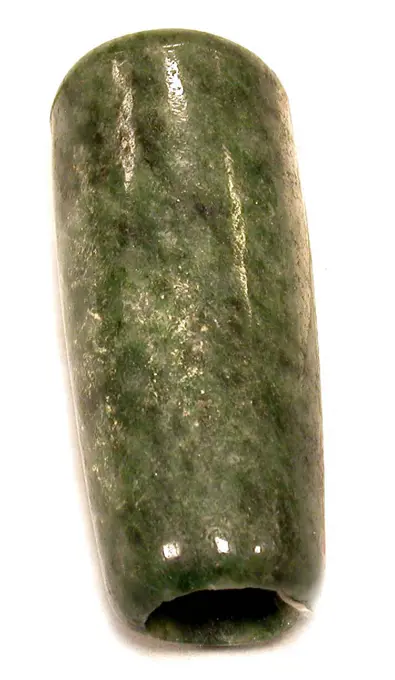
Dish, Deep 15th-16th century French. Dish, Deep 465897 French, Dish, Deep, 15th16th century, Earthenware, Overall: 1 1/2 x 4 in. (3.8 x 10.2 cm). The Metropolitan Museum of Art, New York. Gift of J. Pierpont Morgan, 1917 (17.194.2210)
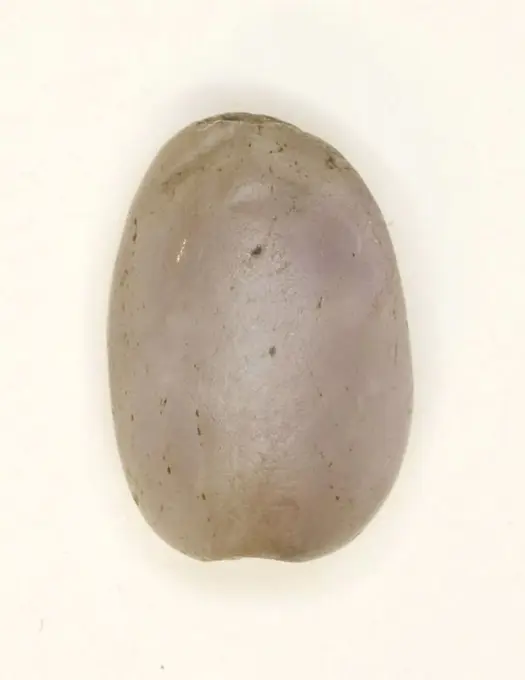
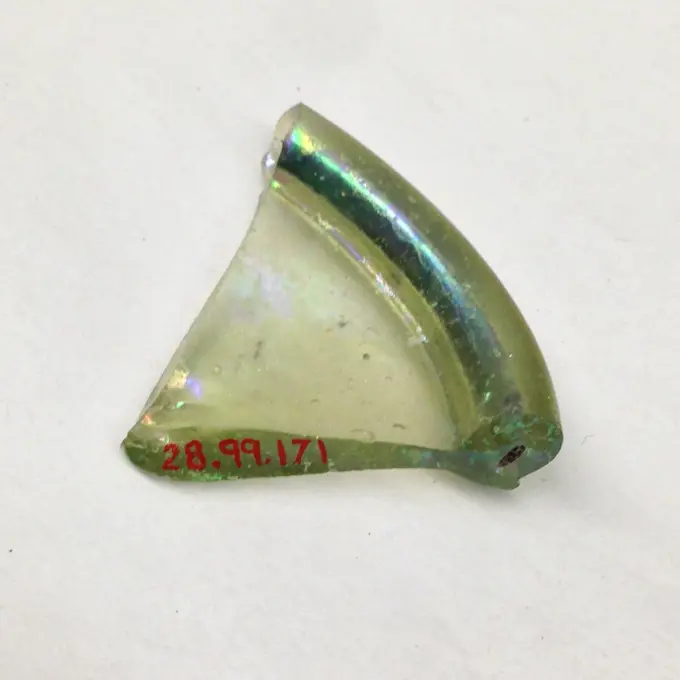
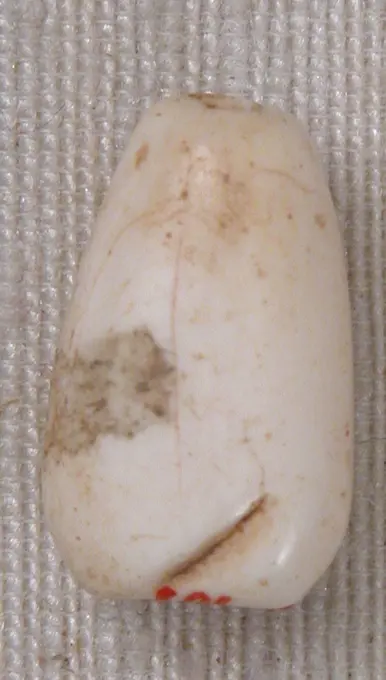
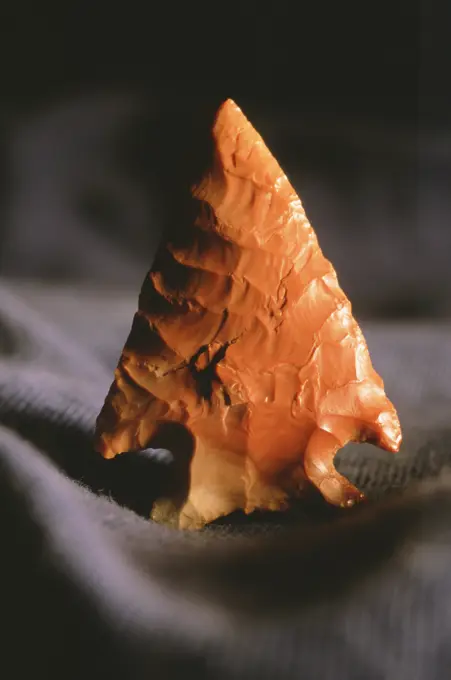
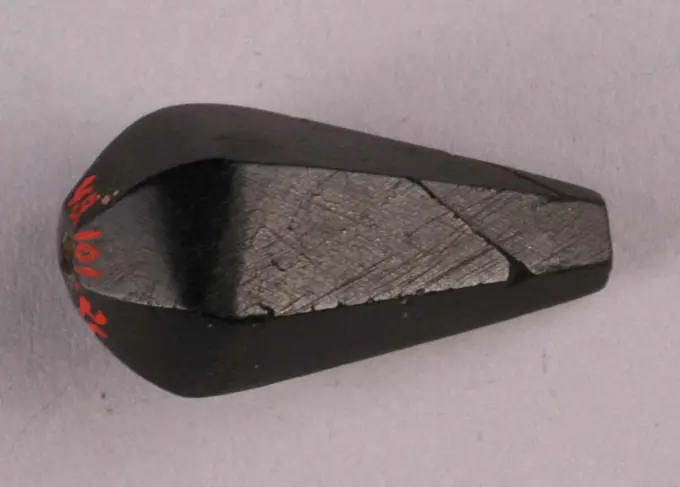
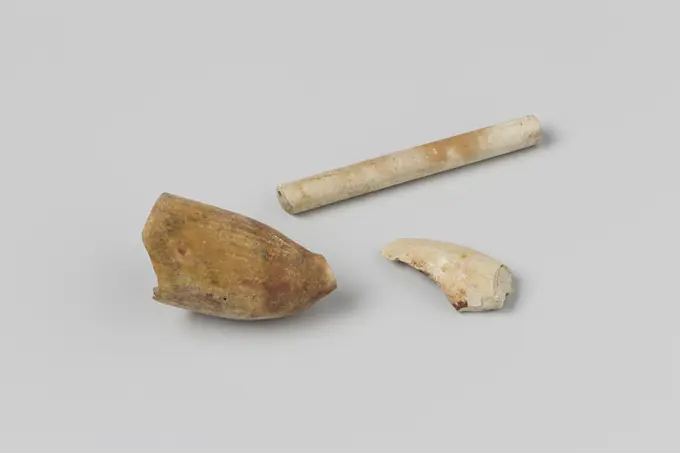
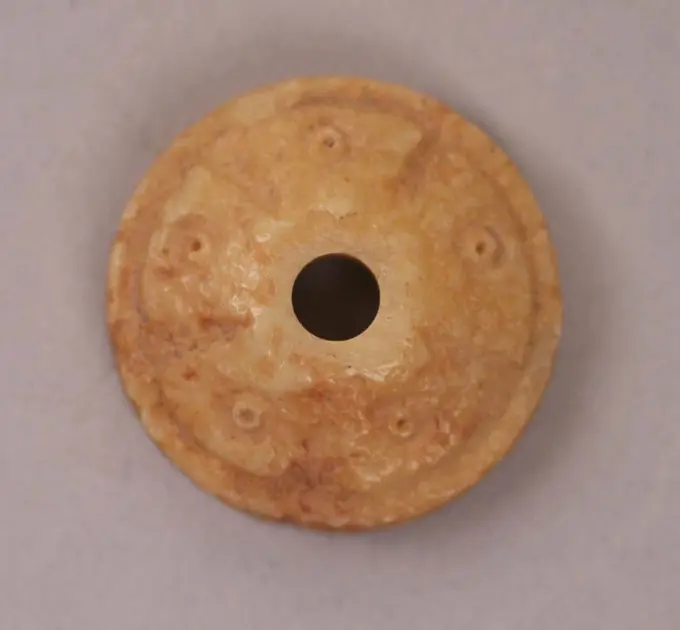
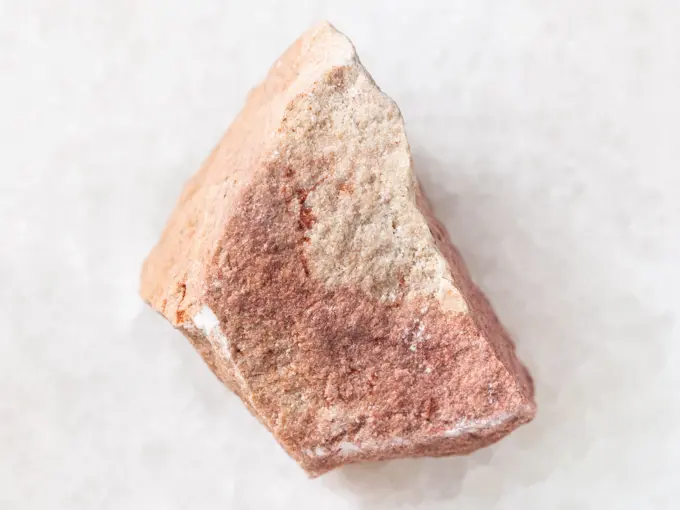
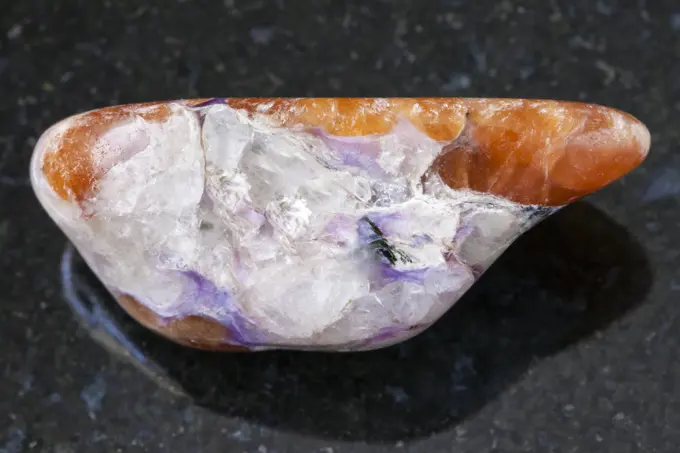
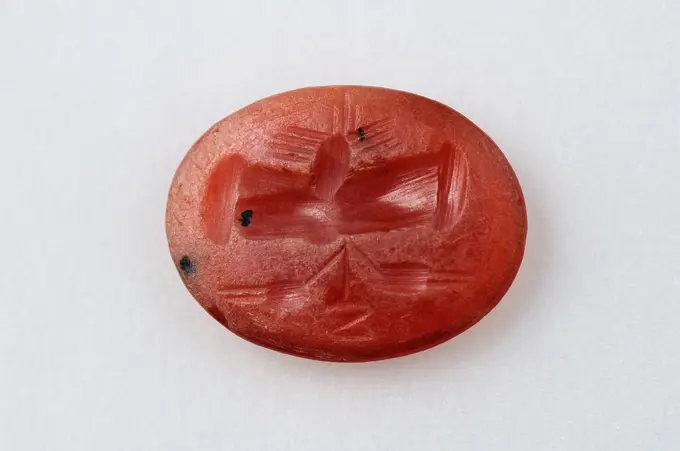
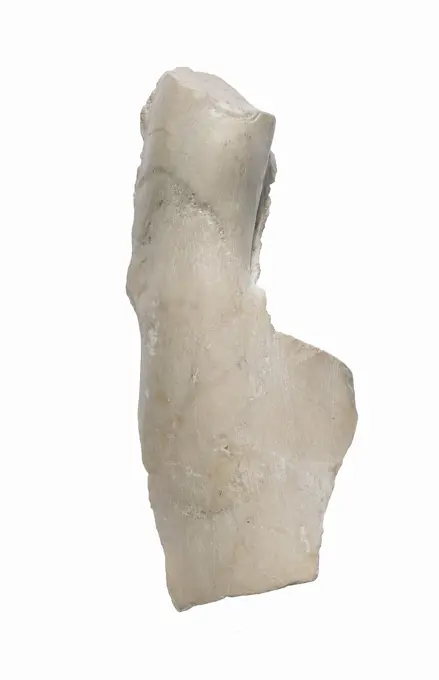
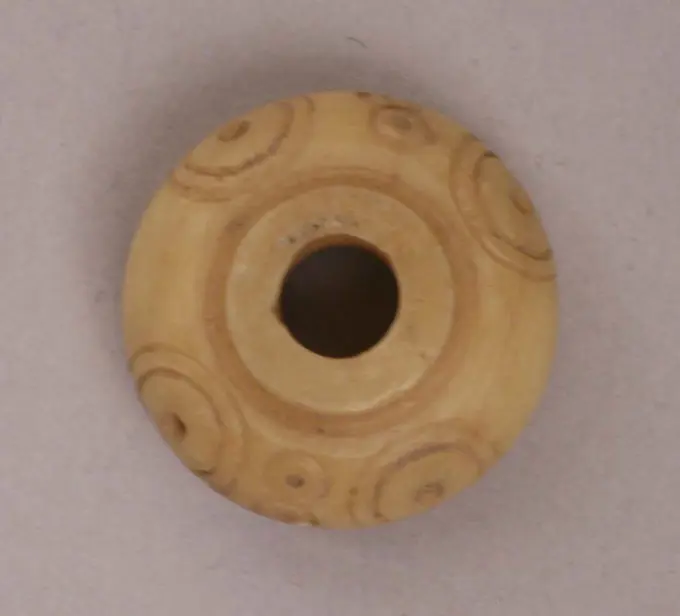
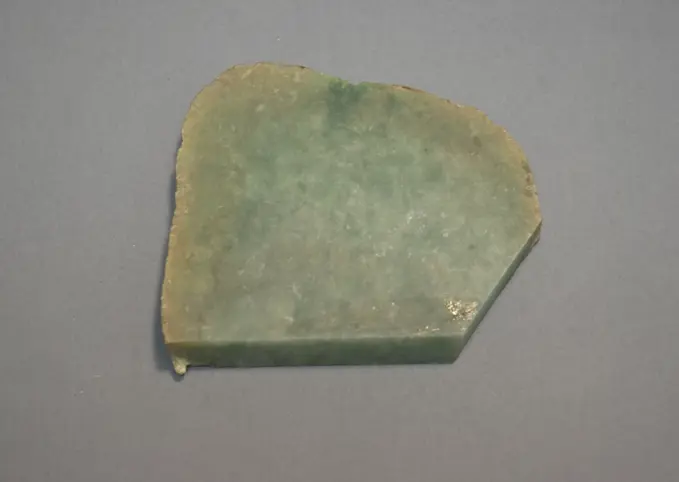
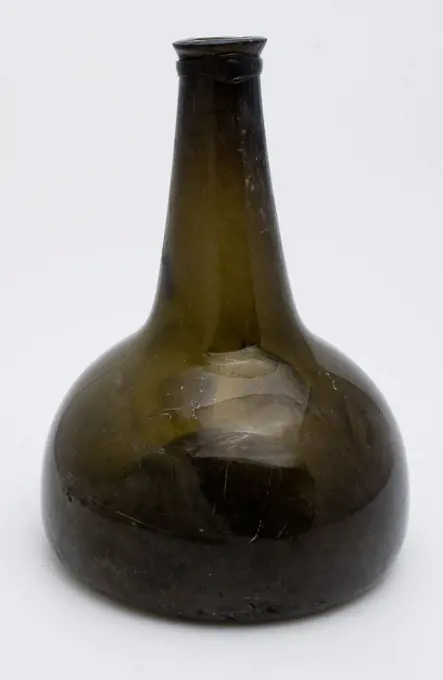
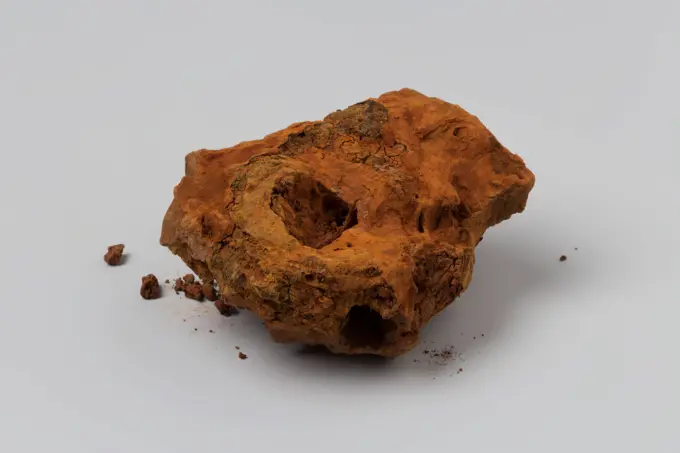
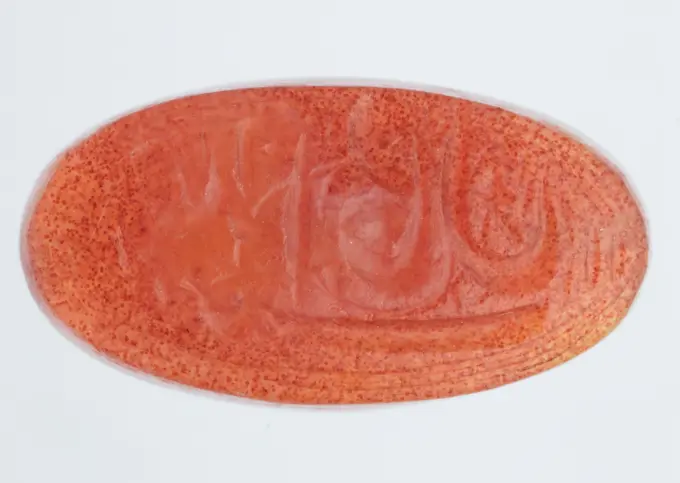
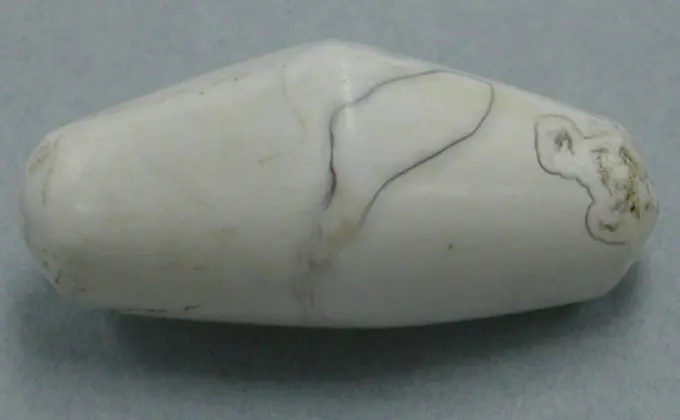
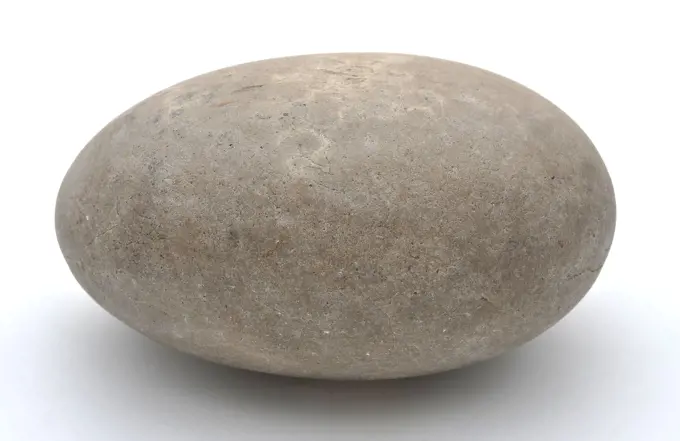
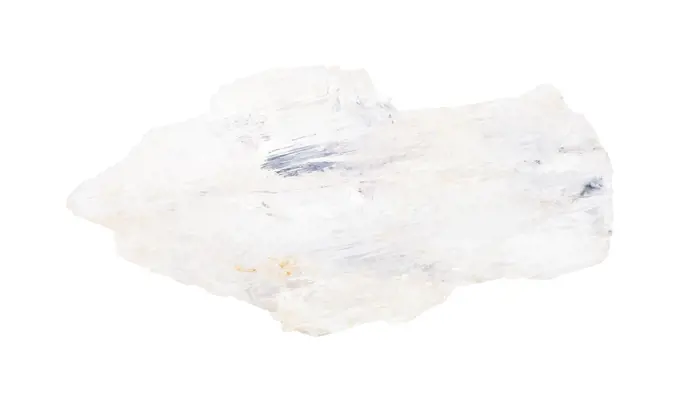
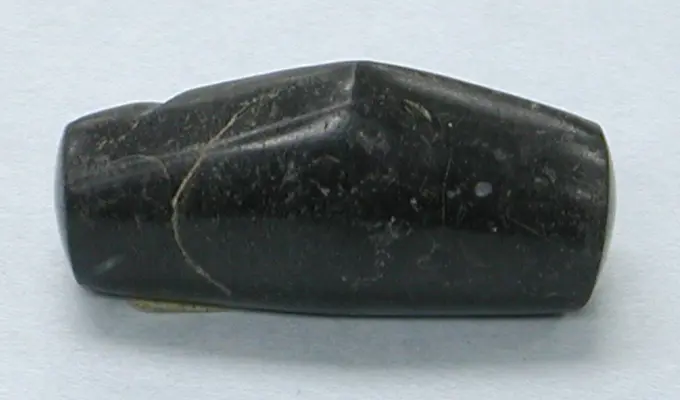
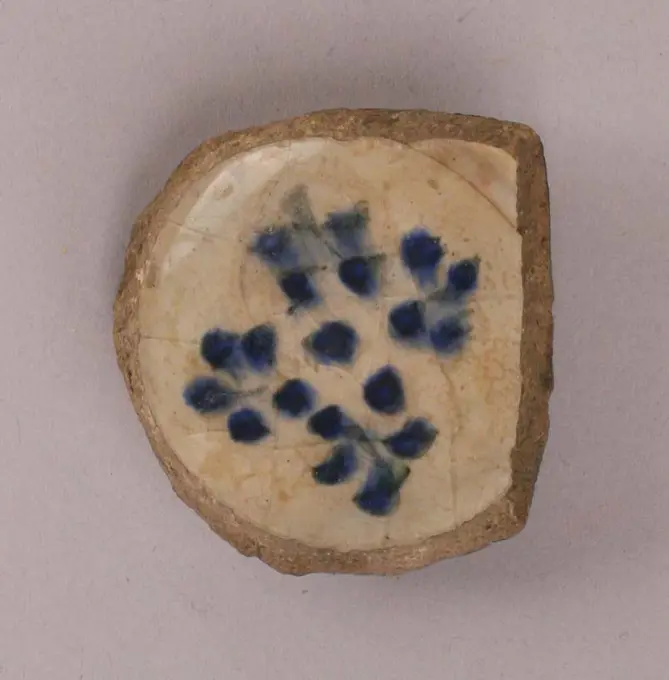
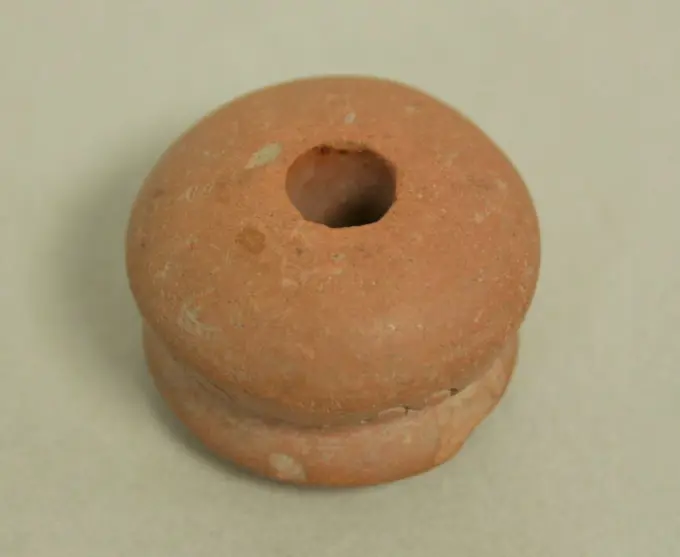
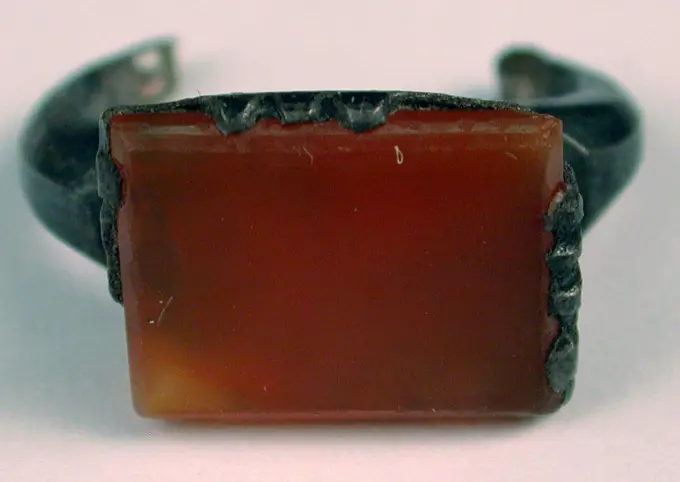
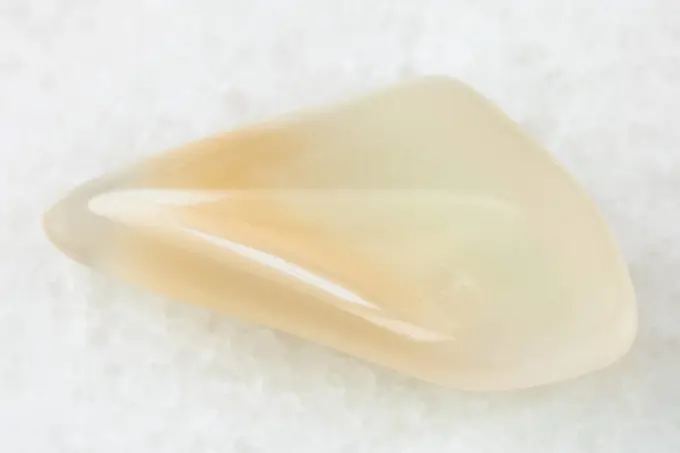
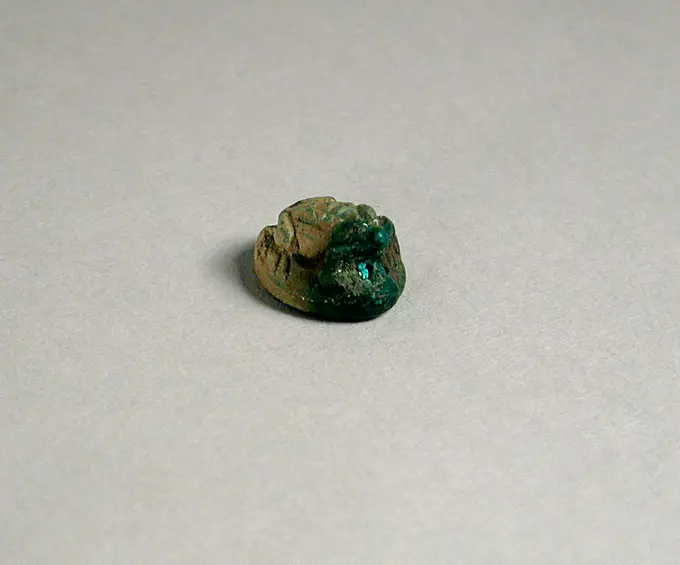
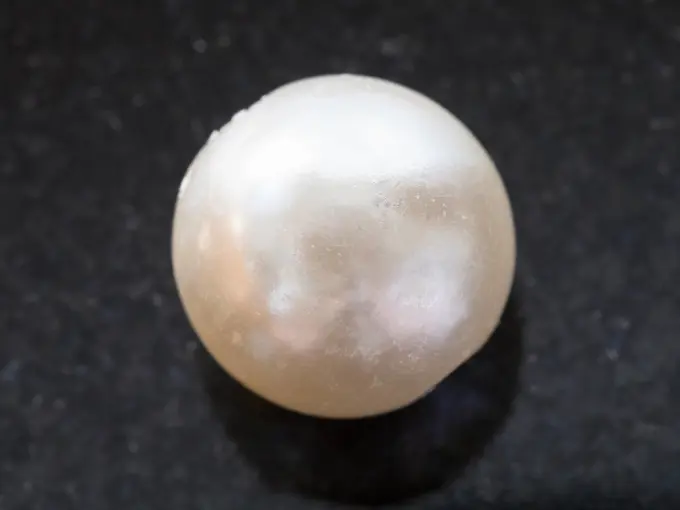
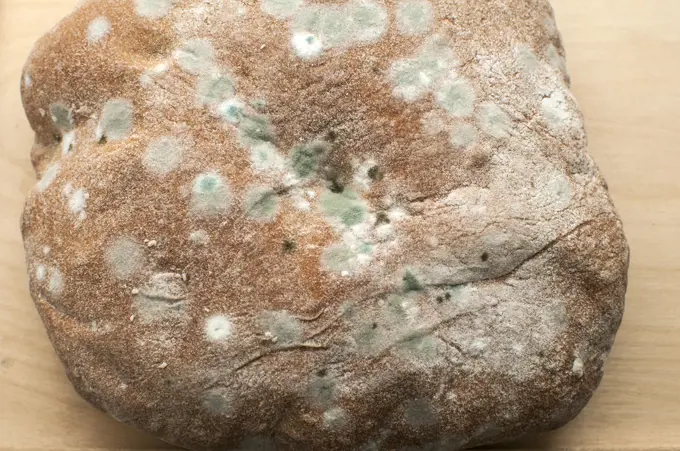
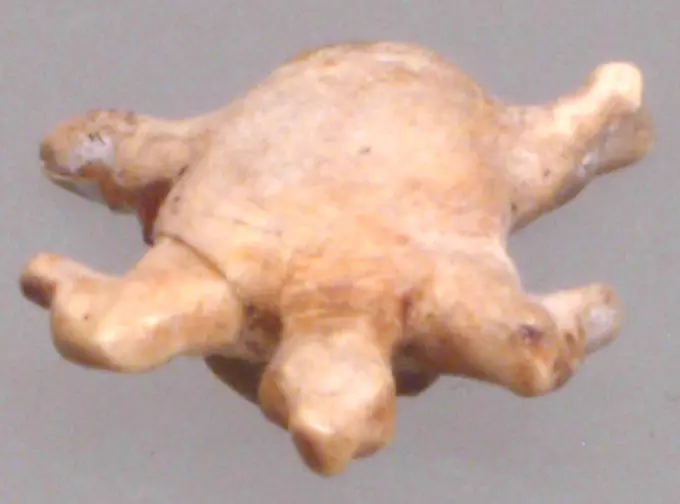
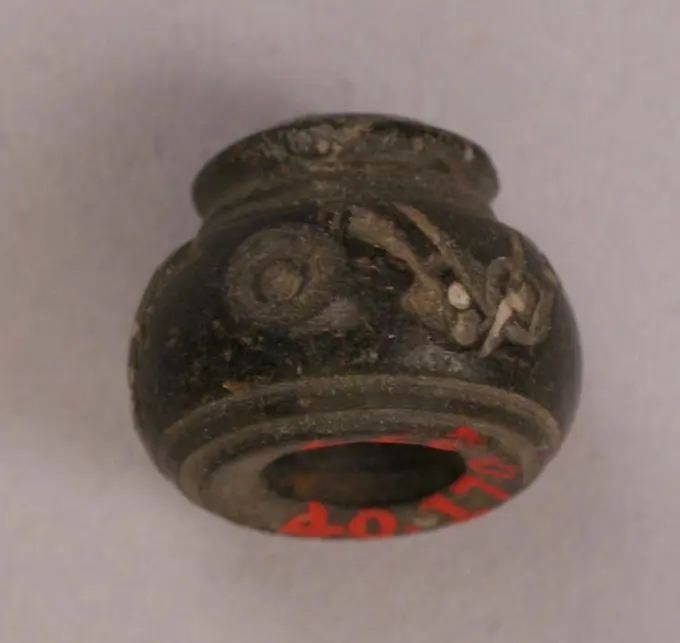
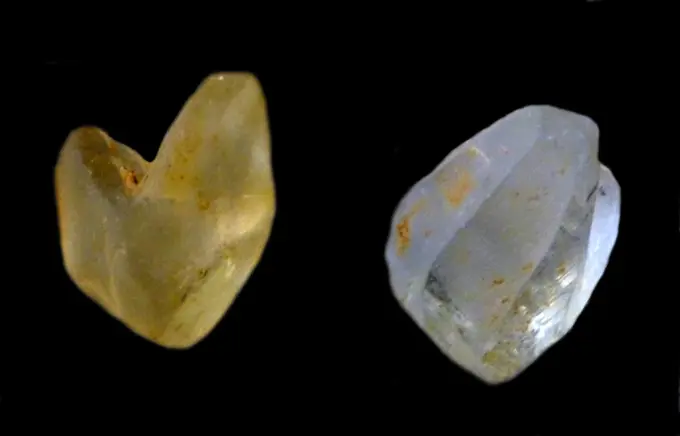
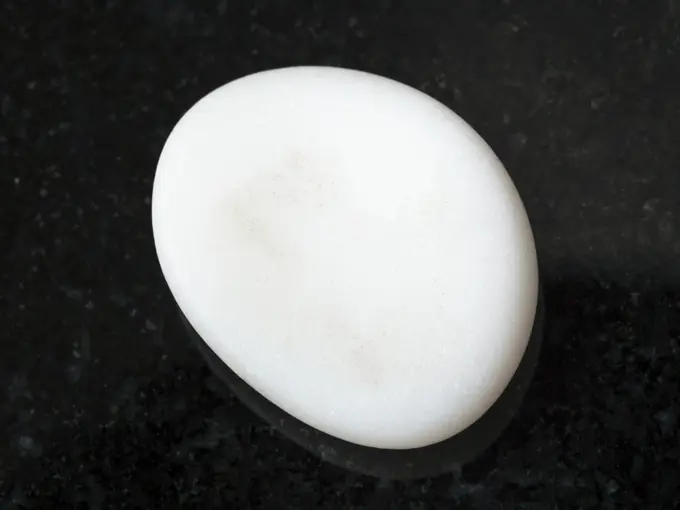
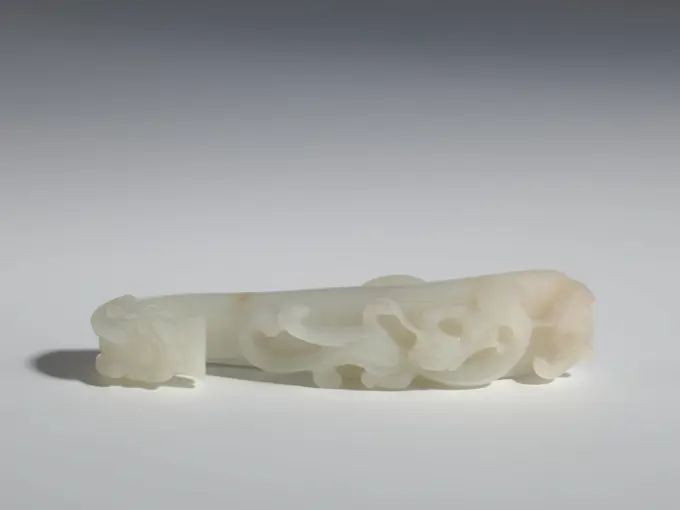
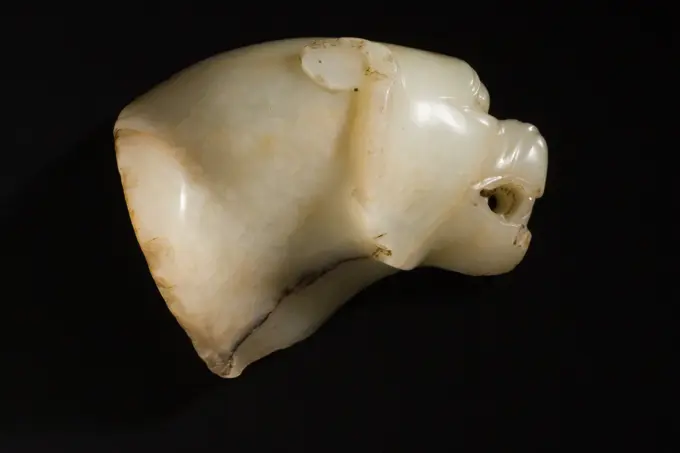
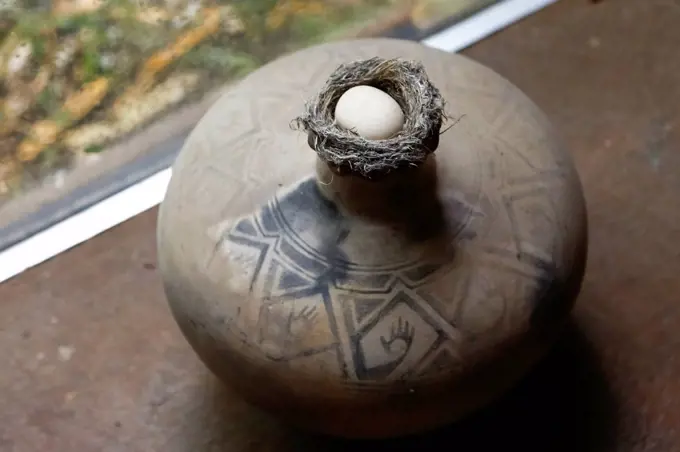
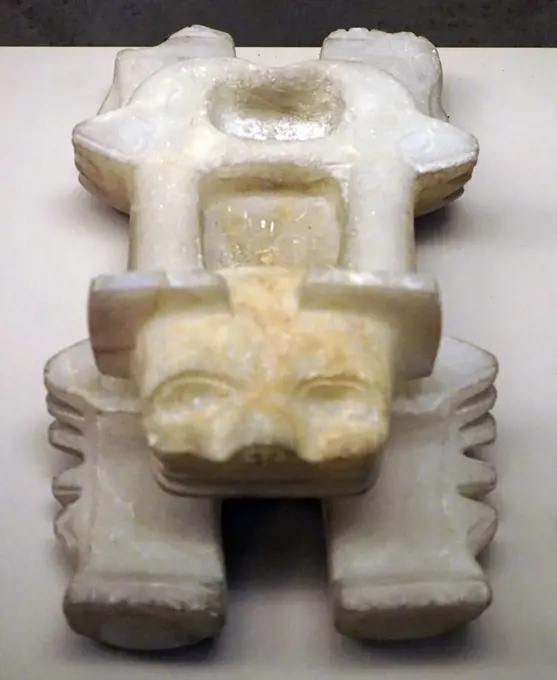
Tube 10th-4th century B.C. Olmec (). Tube. Olmec (). 10th-4th century B.C.. Stone. Mexico, Mesoamerica. Stone-ImplementsFragment ca. 1150-ca. 1250 European or Middle Eastern. Fragment 694325Bead 8th-13th century This object was excavated at Nishapur.Nishapur was a vital city in the early and middle Islamic periods, located along one of the main trajectories that connected Iran and West Asia Islamic lands with Central Asia and China. These itineraries are often referred to by the term Silk routes’ but were in fact crucial to the movement of constellations of materials and objects, as well as people and ideas. The diverse population of Nishapur and its surroundings, from the better-researched elite groups of merchants, land-owning aristocracy, and literates, to the less-known artisans, farmers, miners, and servants, were instrumental in adapting global cultural trends to create their own distinctive visual languages. This is seen in the material remains of everyday life in medieval Nishapur - from pots and pans to lighting devices, inkwells, textiles and trimmings, jewelry, games and toys, talismanic devices, weapons, coins, and architectural fragments.Nishapur lost its poFragment of a Small BowlA reddish-colored arrowhead at the Big Eddy, MO.Bead 8th-13th century This object was excavated at Nishapur.Nishapur was a vital city in the early and middle Islamic periods, located along one of the main trajectories that connected Iran and West Asia Islamic lands with Central Asia and China. These itineraries are often referred to by the term Silk routes’ but were in fact crucial to the movement of constellations of materials and objects, as well as people and ideas. The diverse population of Nishapur and its surroundings, from the better-researched elite groups of merchants, land-owning aristocracy, and literates, to the less-known artisans, farmers, miners, and servants, were instrumental in adapting global cultural trends to create their own distinctive visual languages. This is seen in the material remains of everyday life in medieval Nishapur - from pots and pans to lighting devices, inkwells, textiles and trimmings, jewelry, games and toys, talismanic devices, weapons, coins, and architectural fragments.Nishapur lost its poHand Pendant 1st-8th century Mezcala. Hand Pendant 317367Fragment of a Bowl 100 BCE-100 CE Roman Empire. In ancient Rome, there was a high demand for colorful glass that could dazzle banquet guests alongside the expensive silver and gold serving wares meant to impress. Fragments like this one would have once been a part of larger mosaic dishes. The mosaic pattern was made by sagging molten glass into bowl-shaped molds, a technique used on many of these fragments is similar to millefiori, ìthousand flowersî in Italian, a modern glass-making method in which tiny rods of colored glass are bundled together, wrapped in a sheet of glass, fused, and then thinly sliced to reveal swirls of a flower-like patterns. They were arranged side by side, sometimes together with bits of colored glass, and fused together with heat.. Glass, mosaic technique . Ancient RomanFragment blowjob and fragments blowjobs from the wreck of the East India Hollandia.Pipe, Bowl Without: Stamped Decoration; Fragm, Imprint illegible.Button or Bead 9th-10th century The dot-in-circle motif recalls designs presumed to be of magical significance, most likely an abstract eye to ward off the evil-eye, which serves an apotropaic function. Easily reproduced with a tool and visible in many cultures and times, this symbol may have lost its meaning, and become simply a decorative pattern, or may have one that we have not yet discovered. Button or Bead 455207polished Picture jasper gemstone on white marble macro shooting of natural mineral rock specimen - polished Picture jasper gemstone on white marble background from China Copyright: xZoonar.com/ValeryxVoennyyx 11947222raw talc stone on white macro shooting of natural mineral rock specimen - raw talc stone on white marble background from Irkutsk region Copyright: xZoonar.com/ValeryxVoennyyx 11951127Ax in pink jasper. Neolithic period. mali. 15.2cm.calcareous sandstone stone on white macro shooting of natural mineral rock specimen - calcareous sandstone stone on white marble background Copyright: xZoonar.com/ValeryxVoennyyx 11949873Round Plaque. Culture: Vicús. Dimensions: Diameter 1-7/8 in. (4.8 cm). Date: 3rd century B.C.-A.D. 2nd century. Museum: Metropolitan Museum of Art, New York, USA.cabeza de aguja de hueso con figura de Venus, , Museo-Centro de Interpretación del parque arqueológico de Segóbriga, Saelices, Cuenca, Castilla-La Mancha, Spain.polished charoite and Tinaksite gemstone on dark macro shooting of natural mineral rock specimen - polished charoite and Tinaksite gemstone on dark granite background from Murun Massif, Yakutia, Russia Copyright: xZoonar.com/ValeryxVoennyyx 11391880Beads 8th-13th century. Beads 450835Copper axes, Aztec, Mexico, AD 1300-1520.Ring: Figure of Serpent Uto () Wearing Crown of Lower Egypt. Egyptian. Date: 1390 BC. Dimensions: H. 1 cm (3/8 in.); diam. 2.2 cm (7/8 in.). Faience. Origin: Egypt. Museum: The Chicago Art Institute, Chicago, USA. Author: Ancient Egyptian.Gemstone carvings symbol of prestige of the Roman circus, given to the victorious charioteers (1 st - 3 rd CE ) - Roman period from archaeological site of Complutum in Alcalá de Henares ( Madrid ). SPAIN.Digit fragment ca. 1353-1336 B.C. New Kingdom, Amarna Period. Digit fragment 549854Bottle ca. 3rd-7th century A.D. Sasanian. Bottle 323039Button or Bead 9th-10th century This object was excavated at Nishapur.Nishapur was a vital city in the early and middle Islamic periods, located along one of the main trajectories that connected Iran and West Asia Islamic lands with Central Asia and China. These itineraries are often referred to by the term Silk routes’ but were in fact crucial to the movement of constellations of materials and objects, as well as people and ideas. The diverse population of Nishapur and its surroundings, from the better-researched elite groups of merchants, land-owning aristocracy, and literates, to the less-known artisans, farmers, miners, and servants, were instrumental in adapting global cultural trends to create their own distinctive visual languages. This is seen in the material remains of everyday life in medieval Nishapur - from pots and pans to lighting devices, inkwells, textiles and trimmings, jewelry, games and toys, talismanic devices, weapons, coins, and architectural fragments.Nishapur lFragment ca. 1150-ca. 1250 European or Middle Eastern. Fragment 695397Plastic Box with Piece of Burma Jadeite 20th century China. Plastic Box with Piece of Burma Jadeite 62101Belly stock bottle, 'horse's hoof', wine bottle holder bottle soil find glass, free blown and shaped glass application Circular (wine) bottle horse hoof in clear green glass. Pontil mark under raised bottom. Body with rejuvenated ascending wall to convex shoulders and rejuvenated (dm 6.0 - 2.8 cm) neck with imposed all-round flat glass wire and dilated flattened lip archeology Rotterdam Stadscentrum Stadsdriehoek Oudehaven packing Soil discovery Oude Haven 1980.Zapinka do pasa. unknown, craftsmanForm of handle in concretion from the wreck of the East Indians' t Vliegend Hart, c. 1700 - c. 1735 concretionary stone The concretion is orange-brown in color and has a ring-shaped structure. Probably it has been an iron handle.  concretionary stoneErosaria spurca shell from the wreck of the Dutch East India ship Witte Leeuw, before 1613  Shell from V.O.C. ship the 'Witte Leeuw'.  .   Sint-HelenaFragment 13th century Crusader. Fragment 475329SELLO DE LA PARROQUIA DE SANTIGO MILLAZ. Location: PALACIO EPISCOPAL-MUSEO DE LOS CAMINOS. ASTORGA. LEON. SPAIN.Fragment. Culture: European or Middle Eastern. Dimensions: L. 2 3/16 in. (5.6 cm). Date: ca. 1150-ca. 1250. Museum: Metropolitan Museum of Art, New York, USA.Sealing pistonStone Pulidor before 16th century Mexican. Stone Pulidor 317068Gray smooth boulder with round shape, tool kit soil find natural stone stone, Even stone oval and round has circular traces on both sides. Probably used as tombstone archeology Valckensteyn Poortugaal Albrandswaard natural stone knock hammering edit Soil discovery: castle Valckensteyn in Poortugaal now AlbrandswaardSpindle whorl 5th millennium B.C.. Spindle whorl 327840Scarab: Uninscribed. Egyptian. Date: 1985 BC-1773 BC. Dimensions: 0.6 × 1.4 × 1 cm (1/4 × 9/16 × 3/8 in.). Amethyst. Origin: Egypt. Museum: The Chicago Art Institute, Chicago, USA. Author: Ancient Egyptian.Fragment ca. 1150-ca. 1250 European or Middle Eastern. Fragment 695420Circular Bell 500 B.C.-A.D. 300 Thailand. Circular Bell. Thailand. 500 B.C.-A.D. 300. Bronze. Bronze and Iron Age period. MetalworkFrog amulet ca. 1295-1070 B.C. New Kingdom, Ramesside. Frog amulet. ca. 1295-1070 B.C.. Serpentinite. New Kingdom, Ramesside. From Egypt. Dynasty 19-20closeup of sample of natural mineral from geological collection - raw crystalline Petalite (castorite) rock isolated on white background. raw crystalline Petalite (castorite) rock isolatedStone Pulidor before 16th century Mexican. Stone Pulidor 317139Fragment 14th century. Fragment 452490Lingzhi mushrooms 18th century China. Lingzhi mushrooms 65088Amulet - Eye of HorusSpindle Whorl A.D.1-500 Peruvian; north coast (). Spindle Whorl 308914Medicine Bottle, medicine bottle bottle holder soil find glass, free blown and shaped Small (medicine) Bottle in clear light green glass. Pontil mark under raised bottom. Cylindrical body with convex shoulders short neck and funnel-shaped flared lip, archeology health care packaging pharmacyFragment of a Bowl 14th-15th century. Fragment of a Bowl 445381Fragment of a Bowl 13th-16th centuryFragment. Culture: European or Middle Eastern. Dimensions: L. 1 1/2 in. (3.8 cm). Date: ca. 1150-ca. 1250. Museum: Metropolitan Museum of Art, New York, USA.Couple of build, light blue. Couple of build, light blue. Nose of paper and nautical leather covered with a yellow silk hand; Made from layers of paper and pink corner leather and brown leather; Side with bottom.Blowjob from the wreck of the East Indieschief Hollandia. Pipes; Healmar 16: Tobacco's Brazier; 2HSM1, 2.Ring 9th-11th century In medieval Iran, carnelian is popularly found in jewelry owing largely to qualities such as its availability, toughness, and resistance to abrasion. According to al-Biruni, an eleventh-century polymath who wrote an important treatise on gemstones, carnelian was meant to provide courage in battle and cease hemorrhaging on the body. Excavated at Nishapur, this striking ring, therefore would have served as a talisman for its wearer.. Ring. 9th-11th century. Silver; set with carnelian. Excavated in Iran, Nishapur. Jewelrypolished yellow moonstone adularia gem on white macro shooting of natural mineral rock specimen - polished yellow moonstone adularia gemstone on white marble background Copyright: xZoonar.com/ValeryxVoennyyx 11950171Agate barrel. Culture: Greek. Dimensions: H.: 1 1/8 in. (2.9 cm). Date: 2nd half of the 5th century B.C..heron. Museum: Metropolitan Museum of Art, New York, USA.Fragment ca. 1150-ca. 1250 European or Middle Eastern. Fragment 695360Oil on cooking spoon, close-upPAN.Bliżej KulturyFrog Scaraboid. Egypt, 5th - 31st Dynasty (2513 - 333 BCE). Sculpture. Green faience or green-glazed steatitebead from white Pearl gemstone on dark macro shooting of mineral rock specimen - bead from white Pearl gemstone on dark granite background Copyright: xZoonar.com/ValeryxVoennyyx 11383917Moldy and musty round wheat bread on wooden backgroundTurtle amulet ca. 2150-1950 B.C. Late Old Kingdom-Early Middle Kingdom. Turtle amulet 555600polished simbircite gemstone on dark macro shooting of natural mineral rock specimen - polished simbircite gemstone on dark granite background from Ulyanovsk region, Russia Copyright: xZoonar.com/ValeryxVoennyyx 11392120tumbled hawks eye gemstone isolated macro shooting of natural mineral stone - tumbled hawks eye gemstone isolated on white background Copyright: xZoonar.com/ValeryxVoennyyx 9078362Ax ca. 500 B.C.-A.D. 300 Indonesia. Ax. Indonesia. ca. 500 B.C.-A.D. 300. Dark gray stone. Bronze and Iron Age period. SculptureButton or Bead or Spindle Whorl 8th-13th century The dot-in-circle motif recalls designs presumed to be of magical significance, most likely an abstract eye to ward off the evil-eye, which serves an apotropaic function. Easily reproduced with a tool and visible in many cultures and times, this symbol may have lost its meaning, and become simply a decorative pattern, or may have one that we have not yet discovered.. Button or Bead or Spindle Whorl 450054Twinned crystals. Ropp tin mines, Nigeria.Ring with Divided, Pointed Arc 8th-12th century Indonesia (Central Java). Ring with Divided, Pointed Arc 64319Pair of tassels 17th century Italian. Pair of tassels. Italian. 17th century. Linen. Textiles-Trimmingsmacro shooting of natural mineral rock specimen - pebble of magnesite stone on dark granite backgroundtumbled cacholong white opal gemstone on dark macro shooting of natural mineral rock specimen - tumbled cacholong white opal gemstone on dark granite background from Kazakhstan Copyright: xZoonar.com/ValeryxVoennyyx 11383833Waist clamp;  XVIII-XIX century (1701-00-00-1900-00-00);Miniature Round Basket, late 1800s-early 1900s. California, Pomo, late 19th-early 20th century. Plant materials; diameter: 0.8 cm (5/16 in.).Fitting (Shi) in the Form of a Lion's Head. China, Tang dyansty, 618-906. Sculpture. Abraded jadeRing Usermaatre-Setepenre (Ramesses II) 1279 BCE-1213 BCE Egypt. Faience . Ancient EgyptianRare Huge Wishing Stone with Beautiful Quartzite Line,  CavaleiroSharf of a glass from the wreck of the East Indians Hollandia, Anonymous, 1700 - in Or Before 1743 drinking glass Parts of artefacts; eroded fragments: materials; glass. Netherlands .   SecondPlate. UnknownMiser's Purse (France); silk, steel; L: 20.5 cm (8 1/16 in.)Egg in nest on vaseMarble. Egypt, 1st Dynasty (circa 3050 - 2850 BCE) (inscription likely modern). Tools and Equipment; marbles. MarbleFragment probably 12th century This object was excavated at Nishapur.Nishapur was a vital city in the early and middle Islamic periods, located along one of the main trajectories that connected Iran and West Asia Islamic lands with Central Asia and China. These itineraries are often referred to by the term Silk routes’ but were in fact crucial to the movement of constellations of materials and objects, as well as people and ideas. The diverse population of Nishapur and its surroundings, from the better-researched elite groups of merchants, land-owning aristocracy, and literates, to the less-known artisans, farmers, miners, and servants, were instrumental in adapting global cultural trends to create their own distinctive visual languages. This is seen in the material remains of everyday life in medieval Nishapur - from pots and pans to lighting devices, inkwells, textiles and trimmings, jewelry, games and toys, talismanic devices, weapons, coins, and architectural fragments.Nishapur lotumbled Moss Agate gemstone on dark macro shooting of natural mineral rock specimen - tumbled Moss Agate gemstone on dark granite background Copyright: xZoonar.com/ValeryxVoennyyx 11383575Spindle Whorl 9th-10th century Spindle whorls aided in the making of thread by maintaining the momentum of the spindle. This conical, flat-bottomed spindle whorl made from red-tinted bone was excavated at Nishapur. It is incised with scrolls, triangles, dots-in-circles. Hundreds of spindle whorls were excavated at Nishapur, providing further evidence that the city possessed a thriving textile industry. Their incised designs exhibit a wide variety of motifs ranging from geometric forms to zoomorphic figures.. Spindle Whorl 449217Portobello mushroom on a wooden surfaceEar Stud ca. 1295-1070 B.C. New Kingdom, Ramesside. Ear Stud. ca. 1295-1070 B.C.. Faience. New Kingdom, Ramesside. From Egypt. Dynasty 19-20A drop of cosmetic oil on a green background. High quality photo.Fragment. Culture: European or Middle Eastern. Dimensions: L. 2 in. (5.1 cm). Date: ca. 1150-ca. 1250. Museum: Metropolitan Museum of Art, New York, USA.Fragment. Dimensions: L 6cm x W 5 x H 2. Date: probably 8th-12th century. Museum: Metropolitan Museum of Art, New York, USA.Ocelot offering vessel from Teotihuacan. Dated 300 ADPedestal 19th century After Augustin Pajou French. Pedestal. After Augustin Pajou (French, Paris 1730-1809 Paris). French. 19th century. Marble. SculptureGaming or Chess Piece, Possibly a Pawn 8th-11th century. Gaming or Chess Piece, Possibly a Pawn 452351Fragment 11th-12th century. Fragment. 11th-12th century. Earthenware; thick, hard reddish body, glazed. Excavated in Iran, Nishapur. CeramicsTobaccoBoxBanded wedge shell (Donax vittatus)brebbia abstract   rusty brass brown knocker in a  door curch  closed wood italy  lombardy Falcon Amulet ca. 2150-1950 B.C. Late Old Kingdom-Early Middle Kingdom. Falcon Amulet 552062brake pad brake pads isolated on white ,model released, Symbolfoto Copyright: xZoonar.com/RuslanxNassyrovx 3541539 ,model released, Symbolfoto ,property released