Historical Artifacts

Includes fragments and lids from various cultures, showcasing ancient ceramics from Europe and the Middle East, emphasizing historical craftsmanship.

Dish, Deep 15th-16th century French. Dish, Deep 465897 French, Dish, Deep, 15th16th century, Earthenware, Overall: 1 1/2 x 4 in. (3.8 x 10.2 cm). The Metropolitan Museum of Art, New York. Gift of J. Pierpont Morgan, 1917 (17.194.2210)
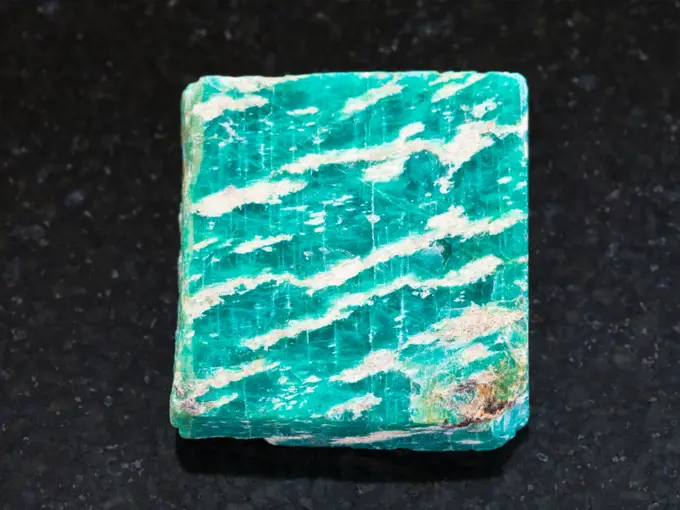
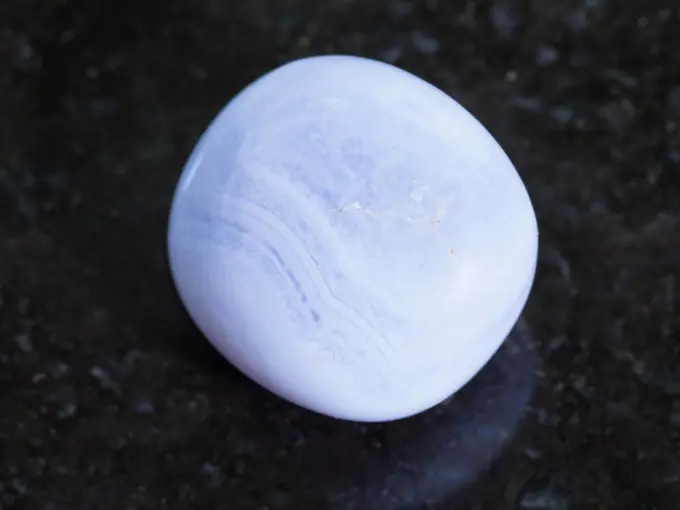
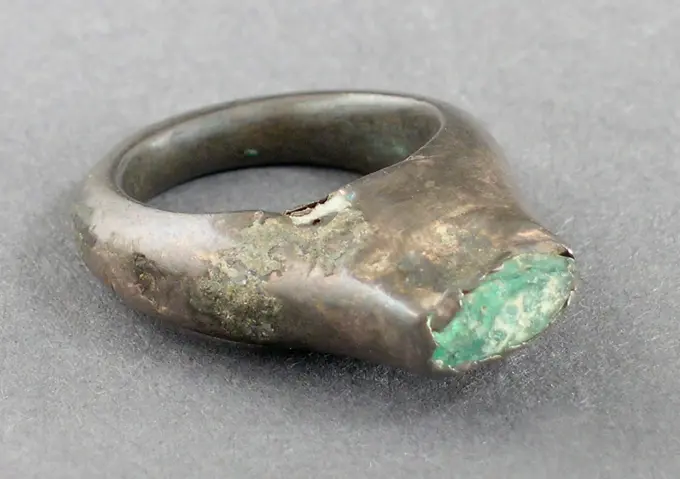
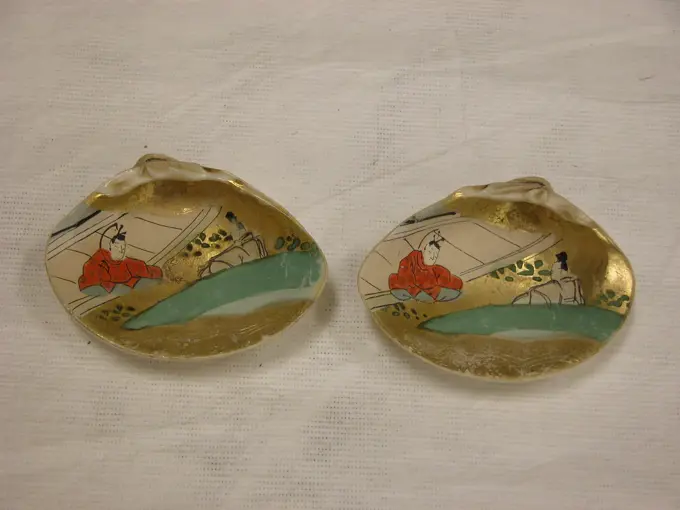
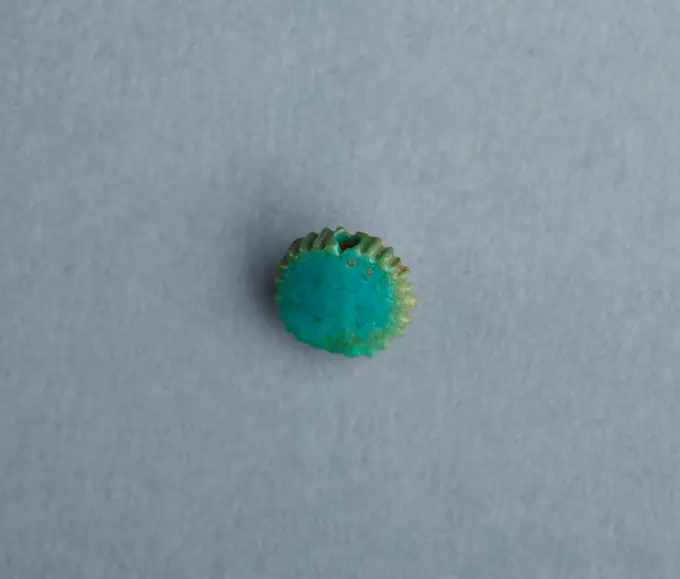
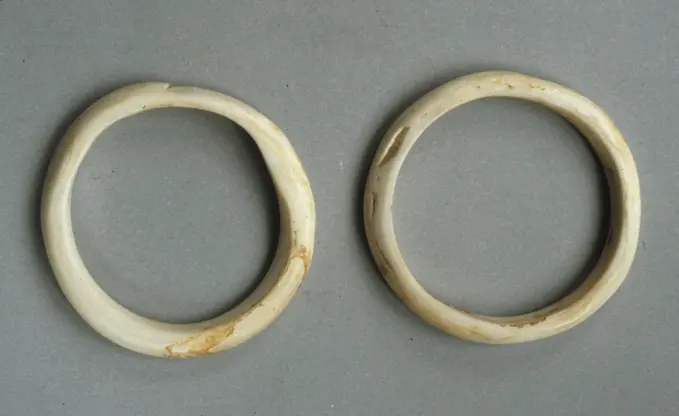
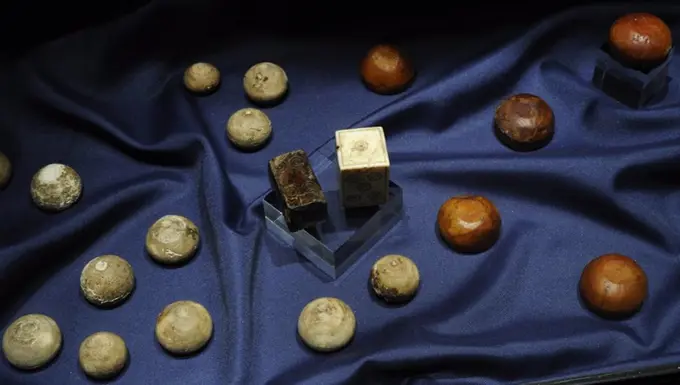
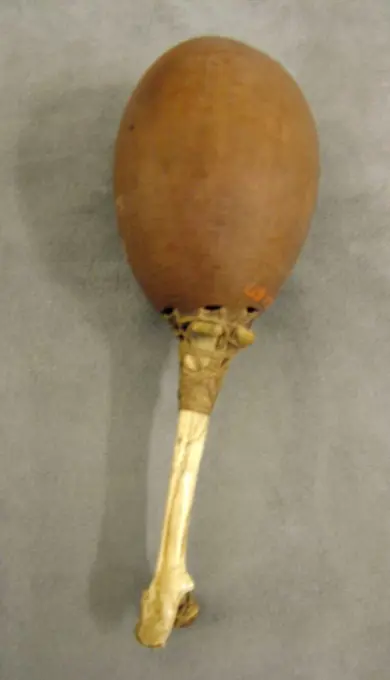
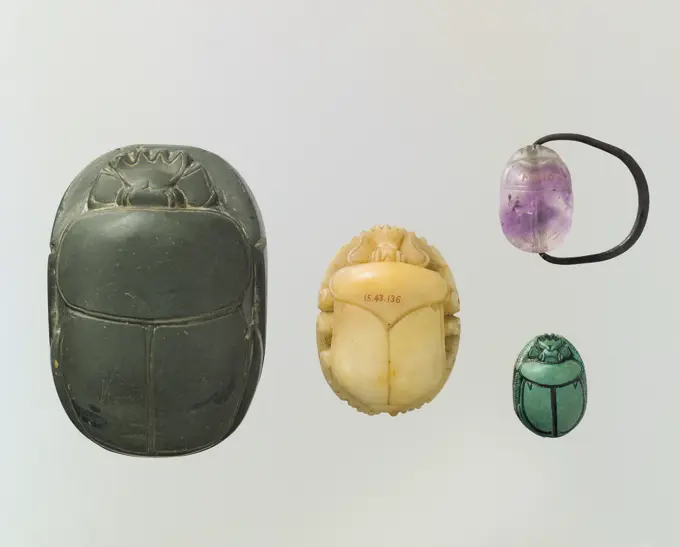
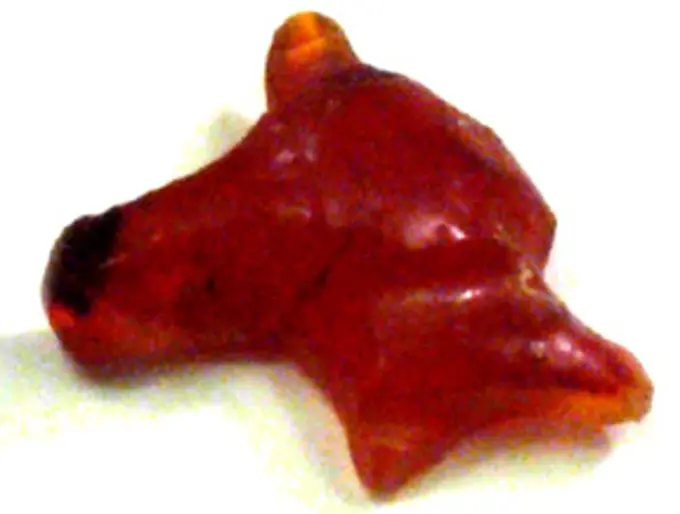
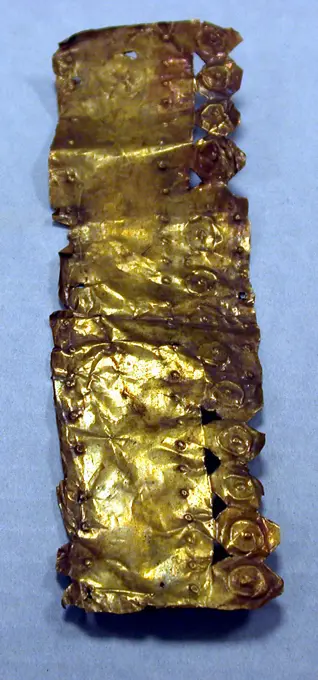
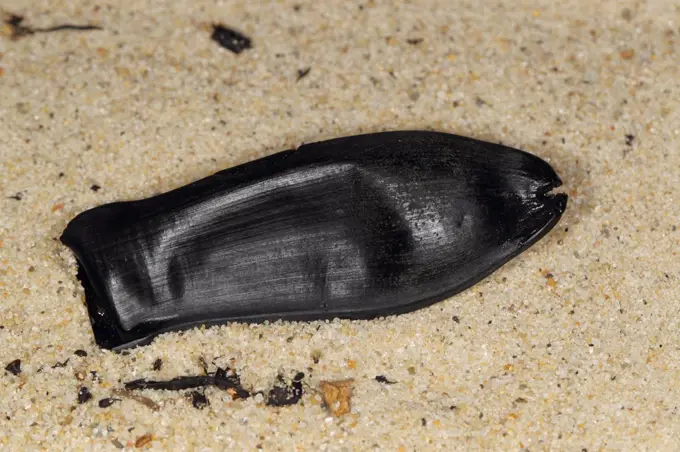
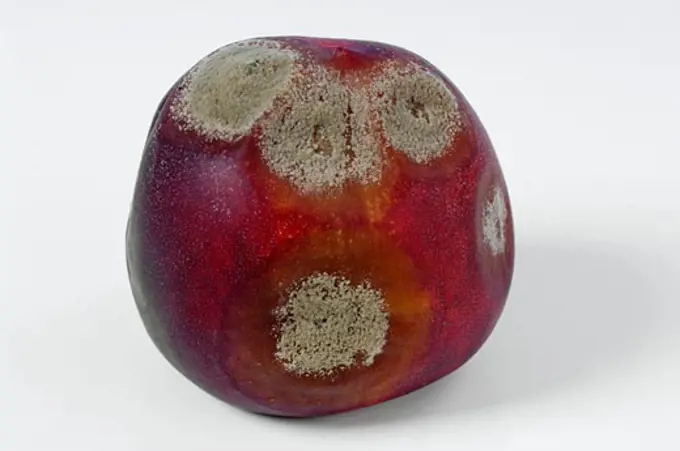
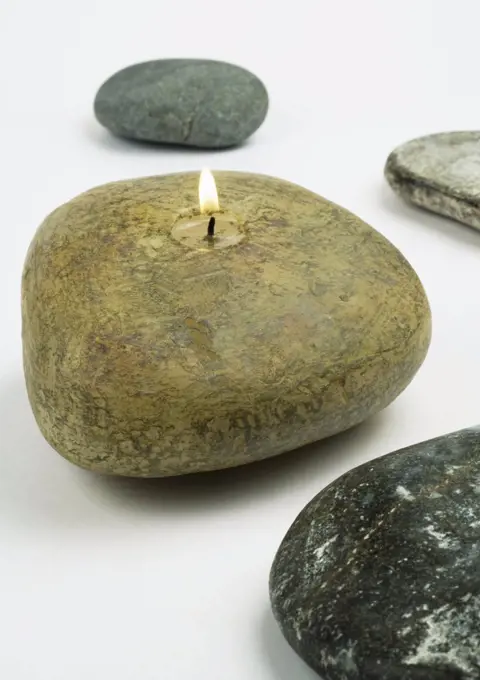
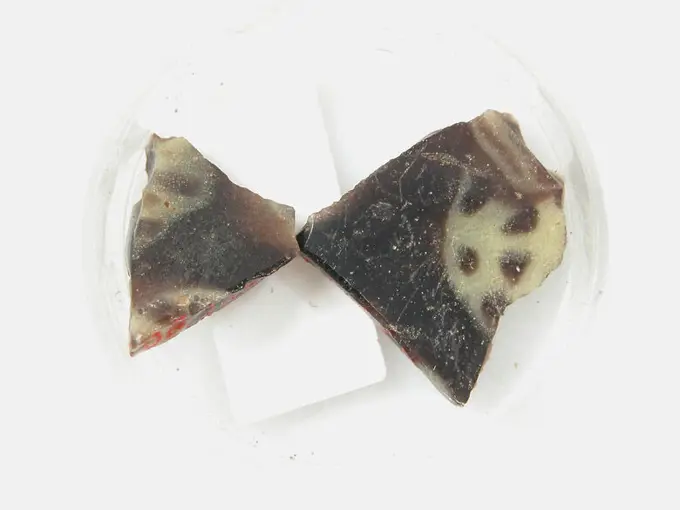
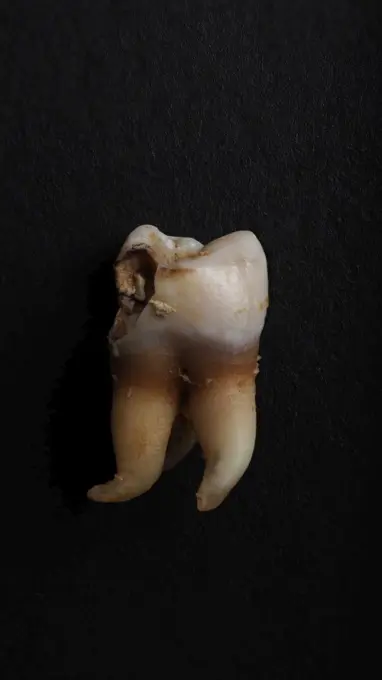
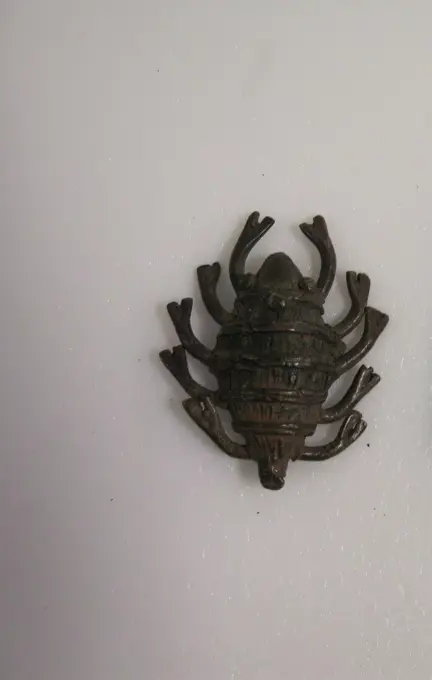
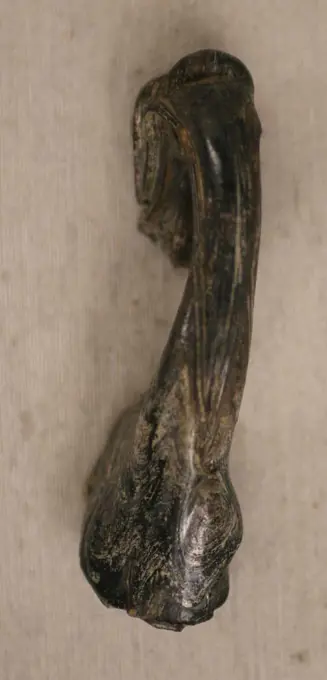
Handle 8th-9th century. Handle. 8th-9th century. Glass; tooled. Found/excavated Iraq, Ctesiphon. Glassmacro shooting of natural mineral rock specimen - rough amazonite stone on dark granite backgroundFragment. Culture: European or Middle Eastern. Dimensions: L. 3/4 in. (1.9 cm). Date: ca. 1150-ca. 1250. Museum: Metropolitan Museum of Art, New York, USA.Fragment of a vessel. A low curvature of the glass fragment and the resulting edge allow the assignment to a vessel, possibly a shell. The blue background pass several white stripes that are partly in spirals. For the production, different colored glasses were shaped to tubes and rods. These were compressed and heated, causing a long bar. The glass sliced now had different amorphous or floral patterns. Thereafter, several of these platelets were folded, heated again and pressed into a vascular shape. Burry for the elaborate manufacturing process and its fragility was one of the luxury articles of antiquity.Close-up of a conch shelltumbled blue chalcedony gemstone on dark macro shooting of natural mineral rock specimen - tumbled blue chalcedony gemstone on dark granite background Copyright: xZoonar.com/ValeryxVoennyyx 11380472Cylindrical sealLittle gold color pebble in the handRing. Afghanistan, 11th-12th century. Jewelry and Adornments. Silver, fabricated from sheet and set with glassStamp seal ca. 3rd-7th century A.D. Sasanian. Stamp seal. Sasanian. ca. 3rd-7th century A.D.. Chalcedony, tan. Sasanian. IranHammered Silver Miniature Drum 11th-mid-15th century Chimú or Chancay. Hammered Silver Miniature Drum 308974Shell Game (Kaiawase) Set 18th century Japan The shell game was a popular pastime in the Edo period. Sets like this one were often included in a daimyo bride's trousseau. To play the game, a number of shells are divided between two boxes. One group is taken out and then matched one at a time to the halves from the second box. Pairs of related scenes from the Tale of Genji and other romances are painted on the inside of the shells as clues.. Shell Game (Kaiawase) Set 44535Amulet - DiscusTree-Shaped Cookie Cutter in SnowA pair of earrings;  19th century (1801-00-00-1900-00-00);various animal feed on white surface. Resolution and high quality beautiful photo. various animal feed on white surface. High quality and resolution beautiful photo conceptZucchini and cardBangle ca. 3650-3300 B.C. Predynastic, Naqada II. Bangle 54734719 horn. Alaug vestre, Ringsaker k., Hedmark. Viking Age. Dies, 10th century and Viking Age. 8 amber gaming pieces. Ostby, Larvik k., Vestfold, Viking Age. Historical Museum. Oslo. Norway.Rock paper and scissorsBowl 9th-10th century This object was excavated at Nishapur.Nishapur was a vital city in the early and middle Islamic periods, located along one of the main trajectories that connected Iran and West Asia Islamic lands with Central Asia and China. These itineraries are often referred to by the term Silk routes but were in fact crucial to the movement of constellations of materials and objects, as well as people and ideas. The diverse population of Nishapur and its surroundings, from the better-researched elite groups of merchants, land-owning aristocracy, and literates, to the less-known artisans, farmers, miners, and servants, were instrumental in adapting global cultural trends to create their own distinctive visual languages. This is seen in the material remains of everyday life in medieval Nishapur - from pots and pans to lighting devices, inkwells, textiles and trimmings, jewelry, games and toys, talismanic devices, weapons, coins, and architectural fragments.Nishapur lost its poliRattle ca. 1873 probably Bribri. Rattle 501293Scarabs ca. 1981-1802 B.C. Middle Kingdom Scarab with the name of Hatshepsut, early Dynasty 18, reign of Hatshepsut, ca. 1473-1458 B.C.EgyptianGlazed steatiteRogers Fund, 1927 (27.3.206)Heart scarab of Ruru, Dynasty 18-20 (ca. 1550-1070 B.C.)EgyptianDark green stoneGift of Helen Miller Gould, 1910 (10.130.1650)Naturalistic scarab, Late Period-Ptolemaic Period (ca. 688-30 B.C.)EgyptianTravertine (Egyptian alabaster)Bequest of Mary Anna Palmer Draper, 1915 (15.43.136) The scarab (kheper) beetle was one of the most popular amulets in ancient Egypt because the insect was a symbol of the sun god Re. This association evolved from the Egyptians' misunderstanding of the scarab's life cycle. An adult beetle lays its eggs inside a ball of dung, which is then buried underground. When the young beetles hatch, the only portion of this process easily visible to an observer is the beetle emerging fully developed from a dung ball, a seemingly magical event. Thus, the Egyptian word for scarab translateBundle amulet ca. 2150-1950 B.C. Late Old Kingdom-Early Middle Kingdom. Bundle amulet 555585Bracelet probably 19th century Chinese This collection of largely ethnographic jewelry includes examples from cultures in South America, North America, Europe, Asia, and Africa and dates from the Pre-Columbian period to the twentieth century. Owned by renowned art collector and fashion enthusiast Muriel Kallis Newman, the collection represents her knowledge and appreciation of a wide range of jewelry design and making traditions. Numerous items in her collection are composite artifacts made from various cultures and time periods reappropriated as modern jewelry creations by or for Muriel. It is important to note that Newman wore many of the pieces in the collection, interpreting them to suit and express her own singular, often avant-garde style.. Bracelet 141709Gold Sheet Ornament A.D. 200-900 Peruvian. Gold Sheet Ornament. Peruvian. A.D. 200-900. Gold (hammered). Peru. Metal-OrnamentsBlackmouth Catshark (Galeus melastomus) 'Mermaid's Purse' eggcase, on beach strandline, Ireland, AprilHand holding pine cones on a canvas backgroundGlass head pendant 3rd-2nd century B.C. Phoenician or Carthaginian Translucent blue and opaque yellow.Oval with irregular flat back; vertical hole under chin. No trace of suspension loop at the top of the head.Round face with deep-set eye sockets and prominent nose.Broken around top of head, with weathered edges; dulling, pitting, and slight iridescent weathering.. Glass head pendant. Phoenician or Carthaginian. 3rd-2nd century B.C.. Glass; molded and rod-formed. Hellenistic. Glassorganic homemade herbal soap with lavender isolated on whiteseashell and starfish in white sand beach as summer vacation symbolsbutton on white backgroundA mouldy peachCandle and stonesGlass Fragments from a Vessel. Culture: Coptic. Dimensions: Storage (petri dish diam.): 1 3/8 in. (3.5 cm). Date: 4th-early 5th century. Museum: Metropolitan Museum of Art, New York, USA.Tooth decay on black background. Macro shot of a decayed teeth till root after extraction of dentist. Real tooth anatomy due lack of care. Top view of caries teeth texture on black paper. Dental care.Megalithic Temples of Malta. It is believed that during the construction of the temples megaliths may have been dragged to the construction sites on spherical stones. National Museum of Archaeology. Valletta. Malta.Snuff Bottle 19th century China. Snuff Bottle. China. 19th century. Porcelain. Qing dynasty (1644-1911). Snuff BottlesGoldweight Scorpion, 19th-20th century, 1/2 x 1 3/8 x 1 1/2 in. (1.27 x 3.49 x 3.81 cm), Brass, Ghana, 19th-20th centuryGuanaco jaw, Cabo Raso, Chubut, Argentina, South America