Historical Artifacts

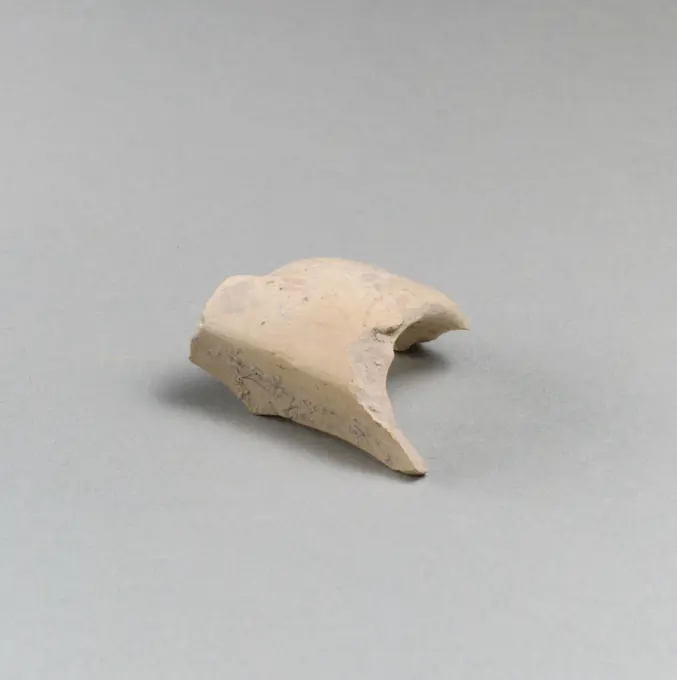
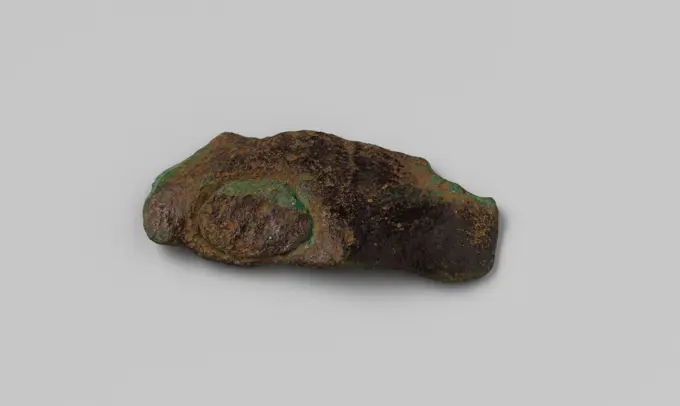
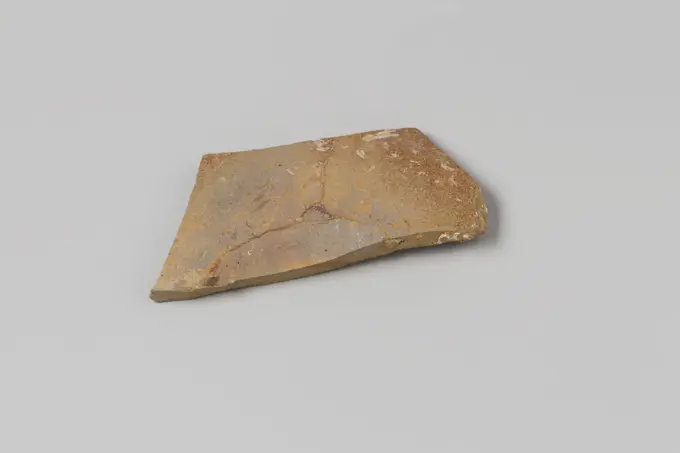
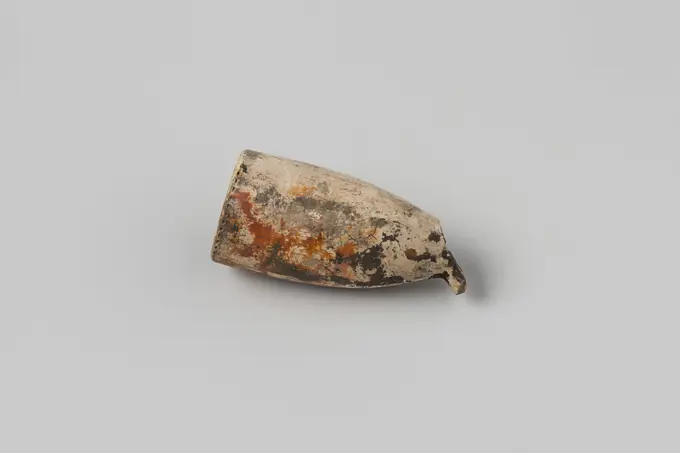
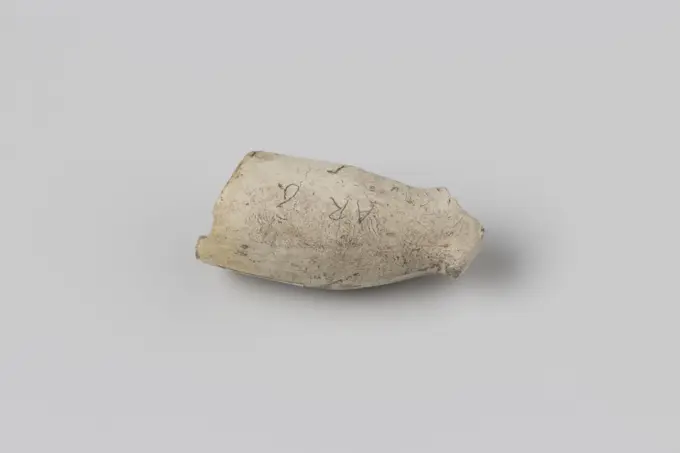
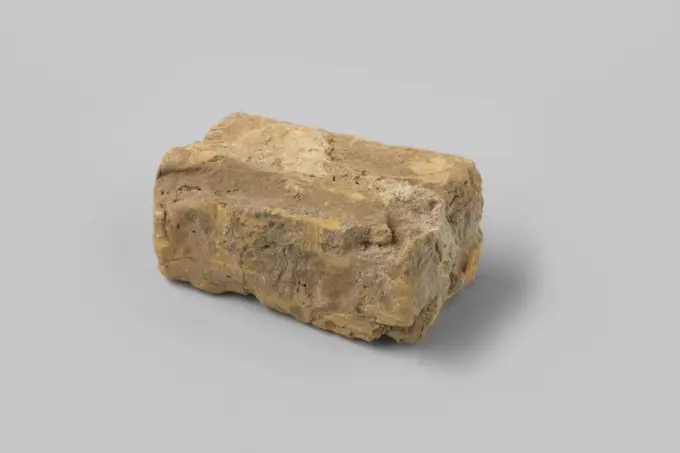
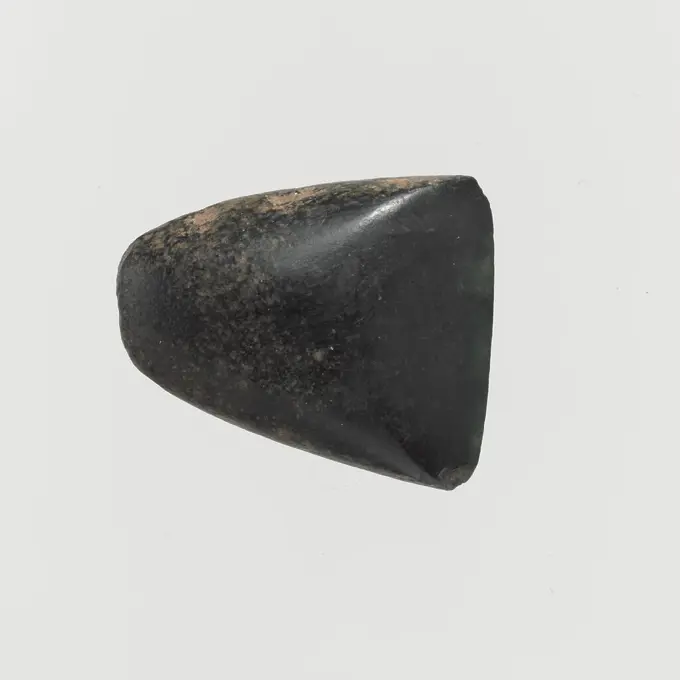
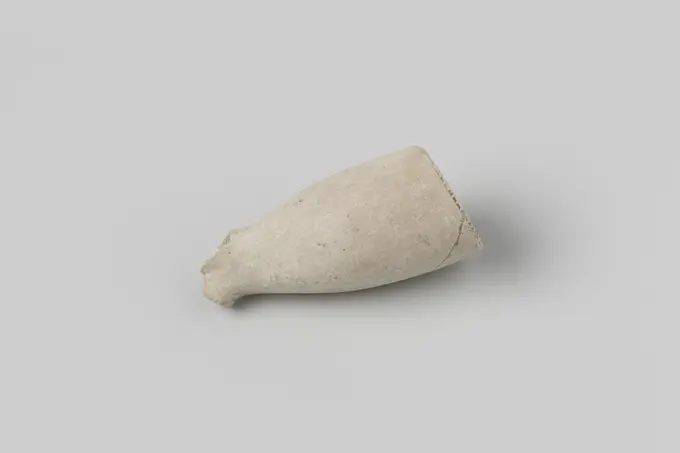
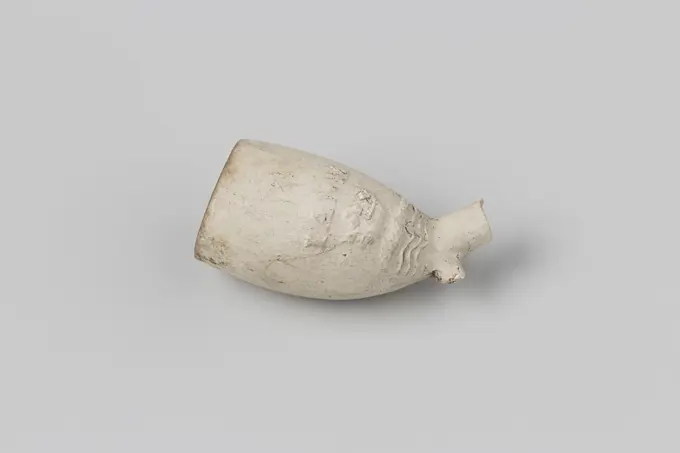
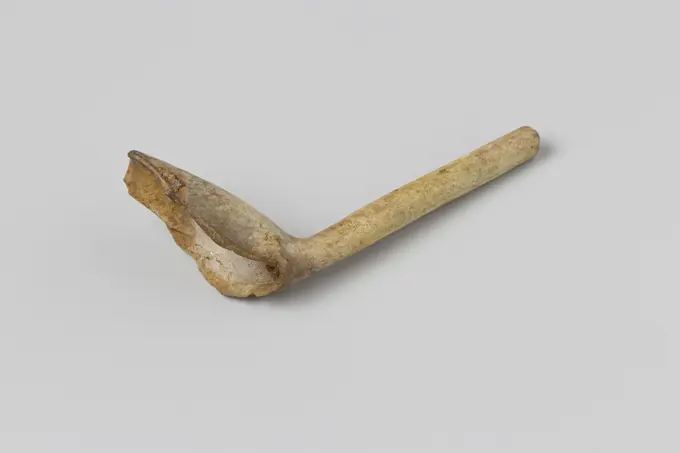
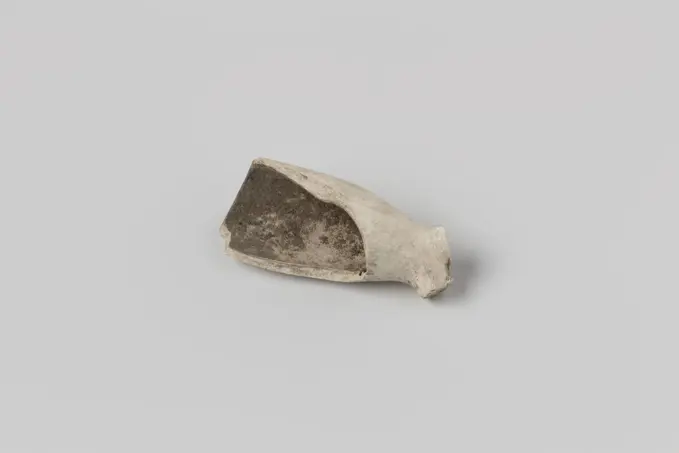
Fragments of historical pipe heads and pottery from excavations, showcasing various forms and materials, embodying archaeological significance.
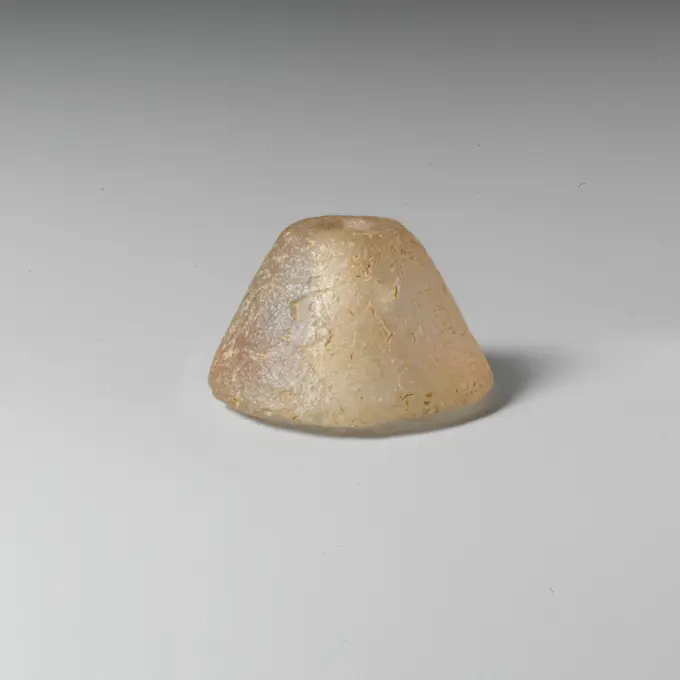
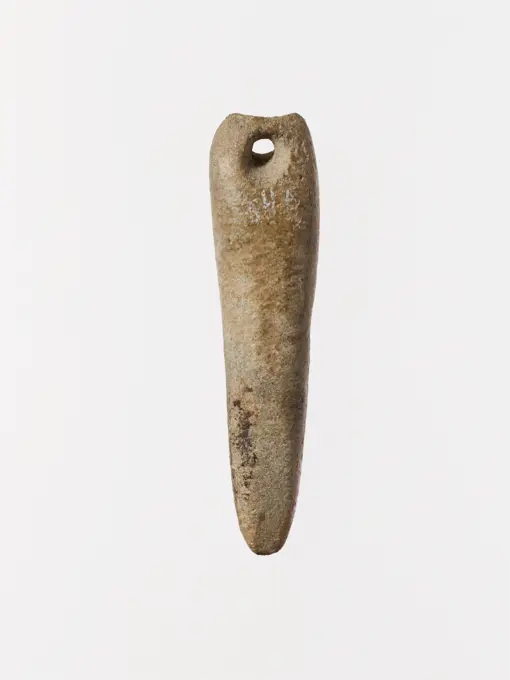
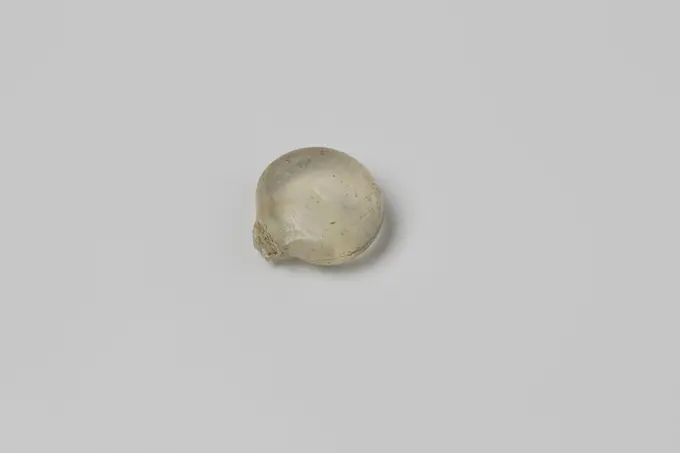
Rock crystal spindle whorl ca. 2200-1450 B.C. Minoan Spindle whorls aided in the making of cloth for garments and bedding. They were placed in tombs, perhaps so that the deceased could continue to spin wool in the afterlife.. Rock crystal spindle whorl 252328 Minoan, Rock crystal spindle whorl, ca. 22001450 B.C., Rock crystal, H. 9 mm.. The Metropolitan Museum of Art, New York. Bequest of Richard B. Seager, 1926 (26.31.400)
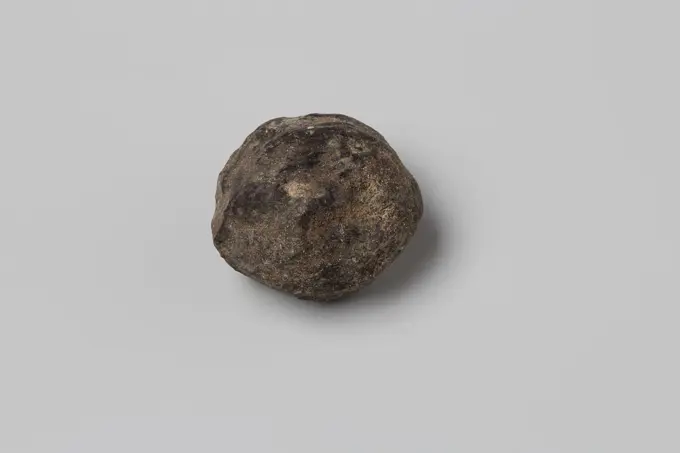
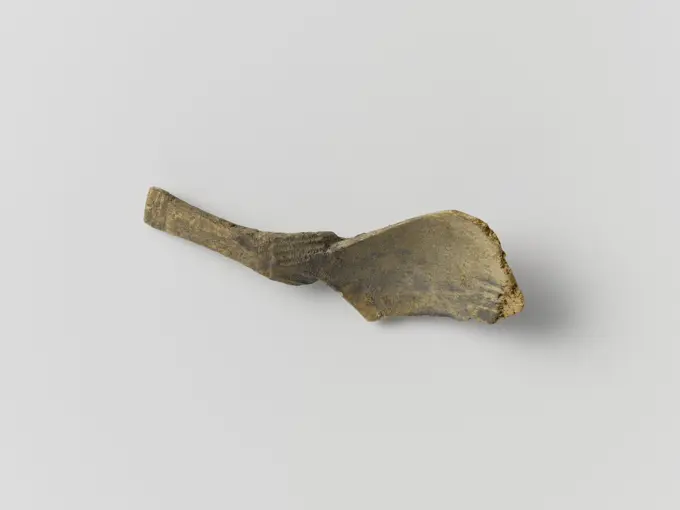
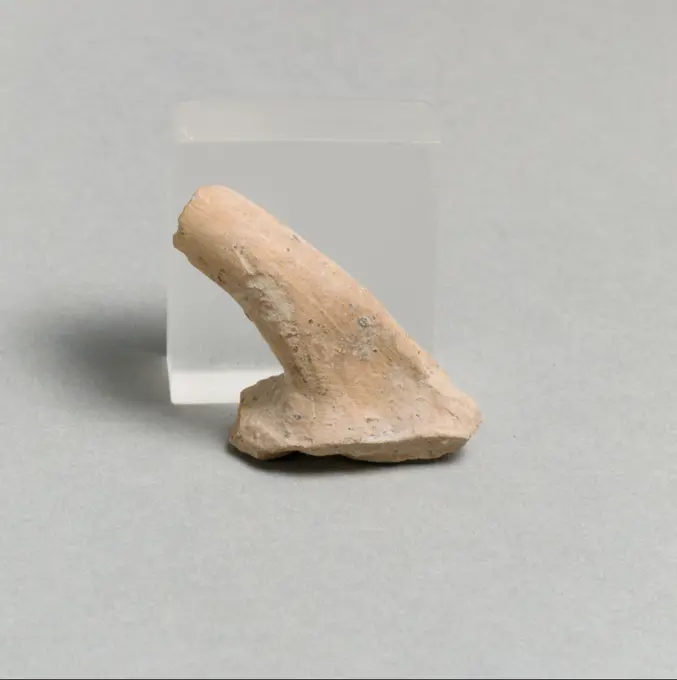
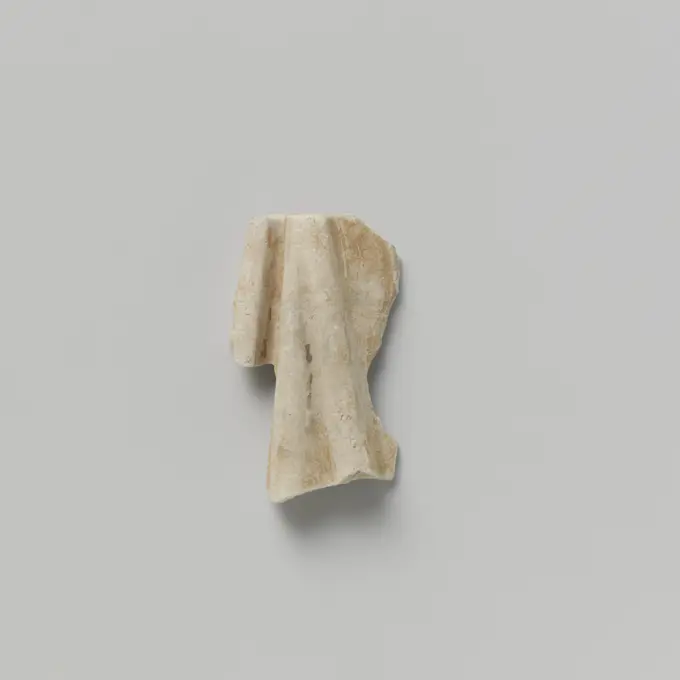
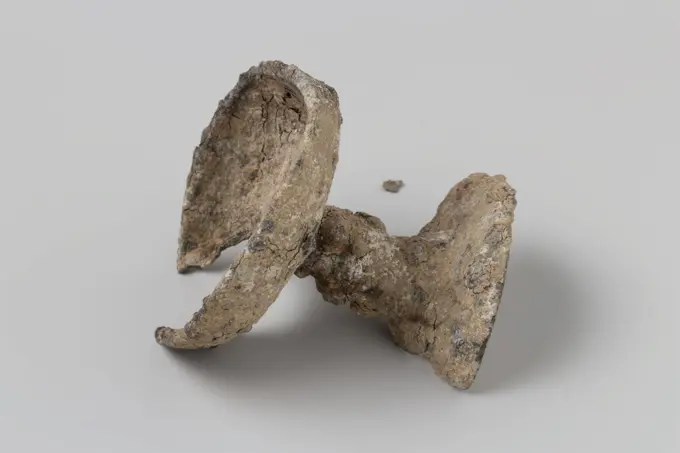
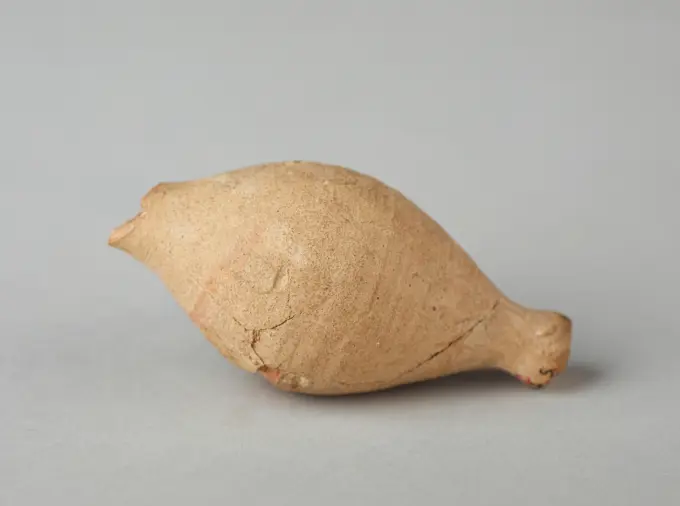
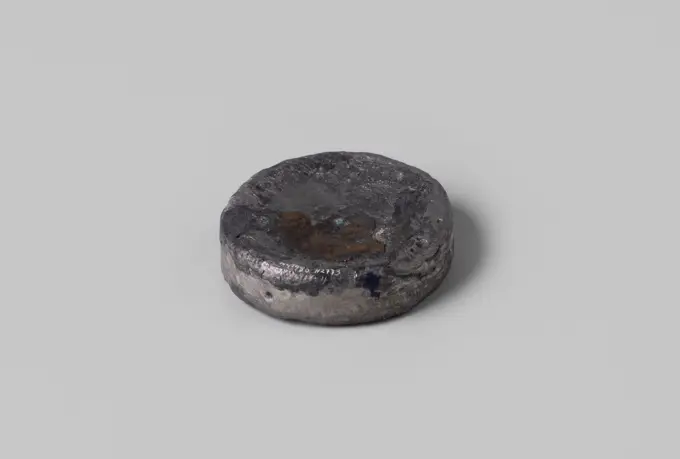
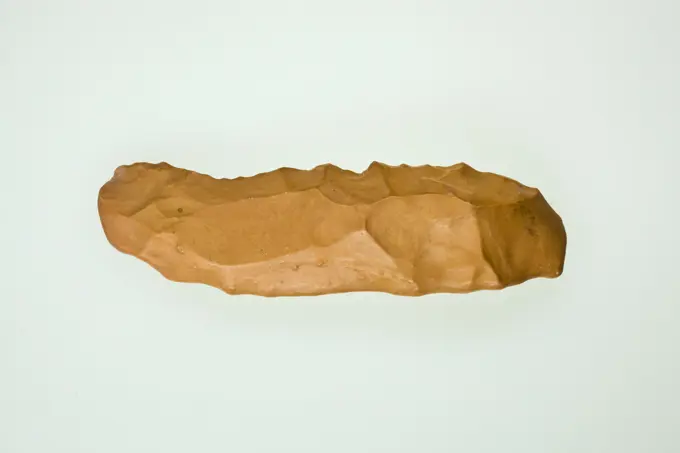
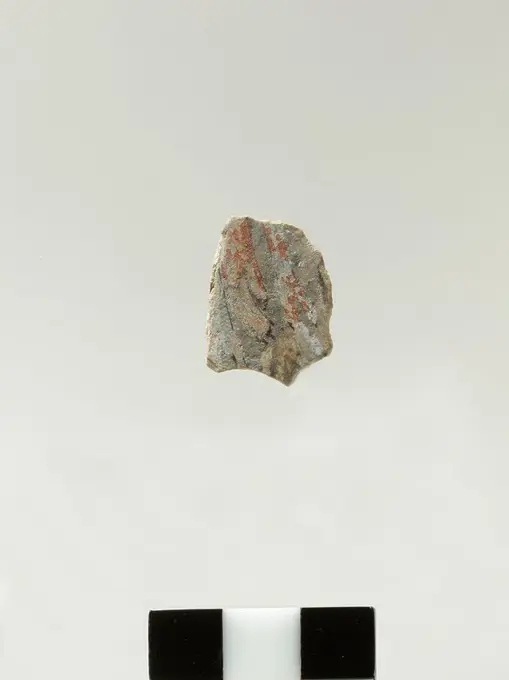
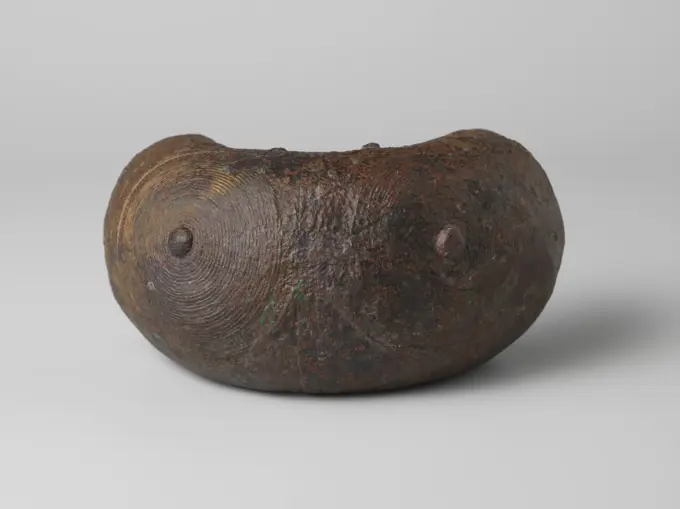
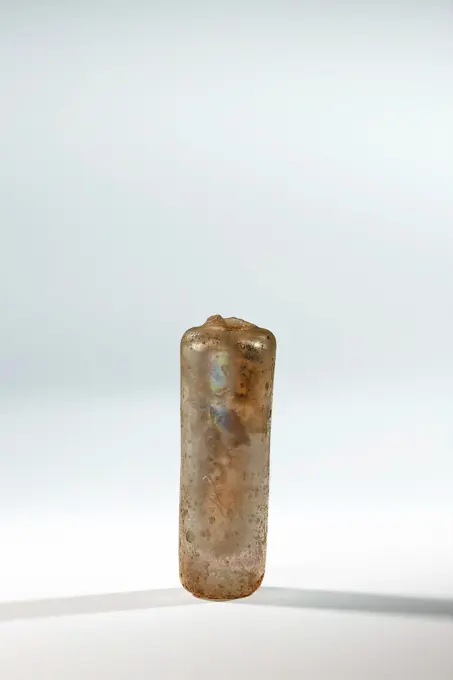
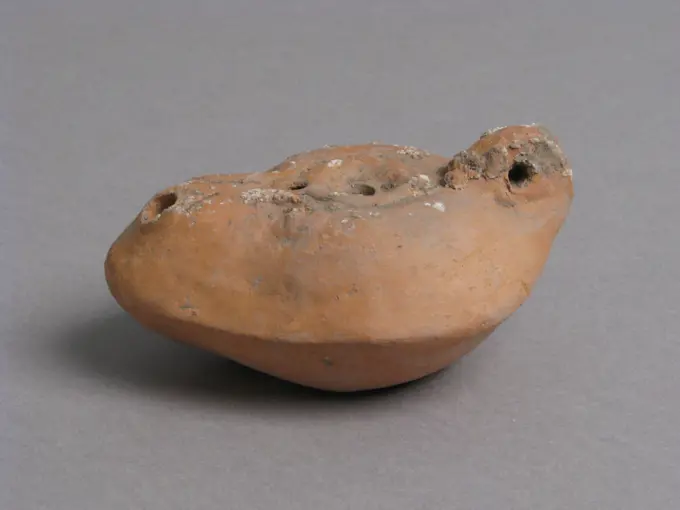
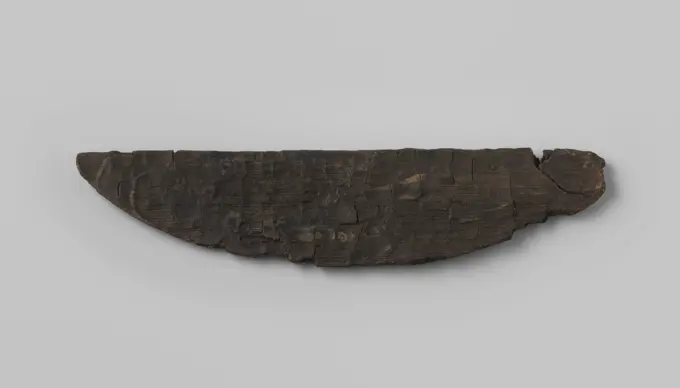
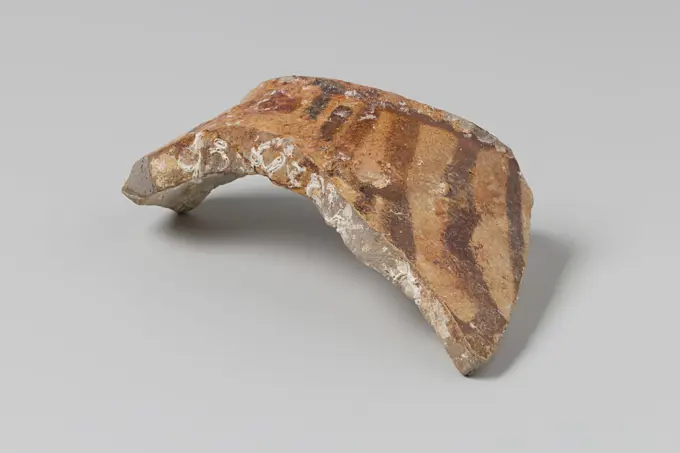
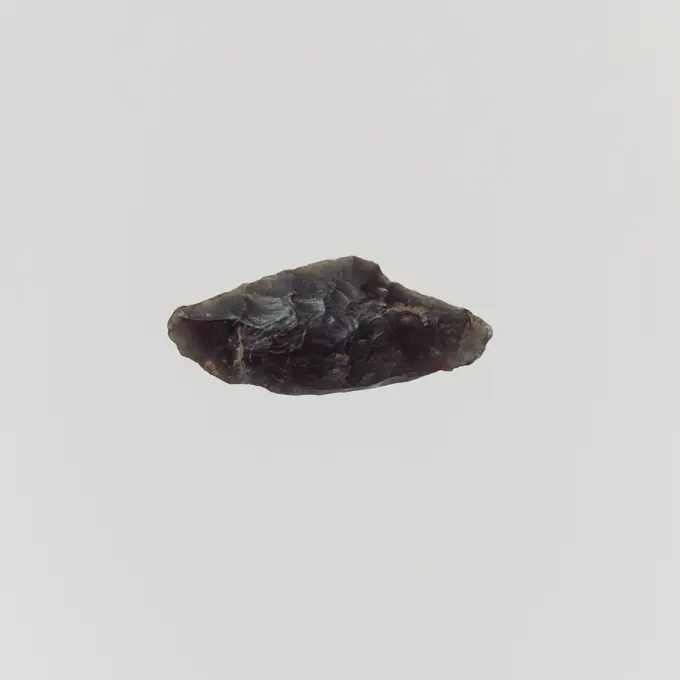
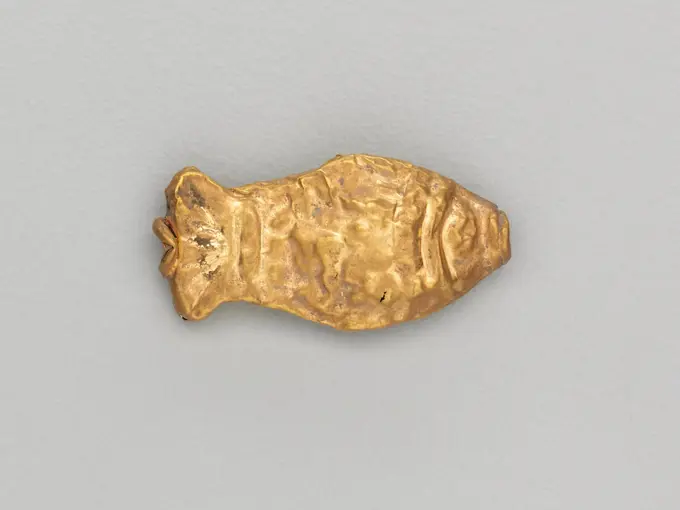
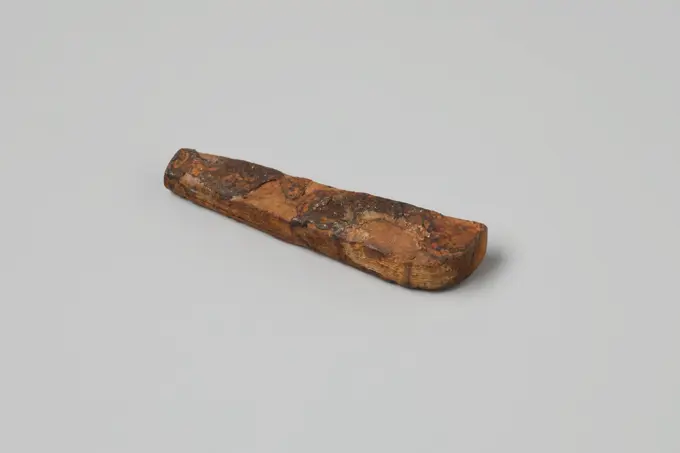
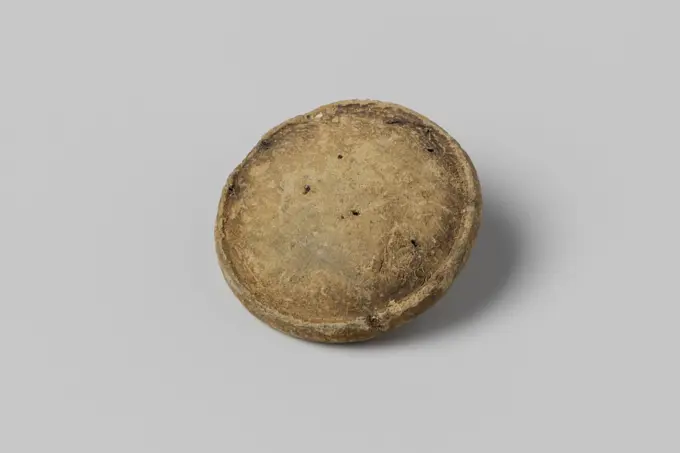
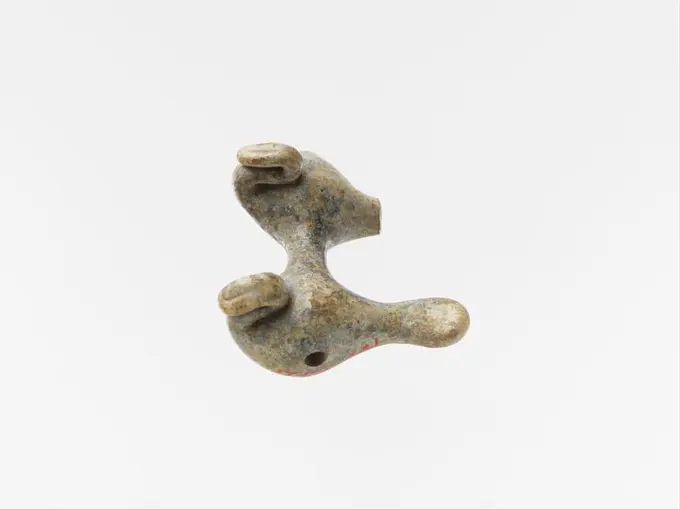
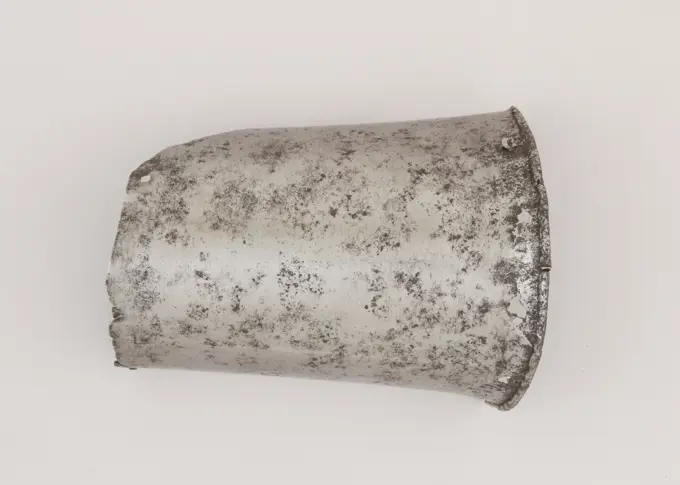
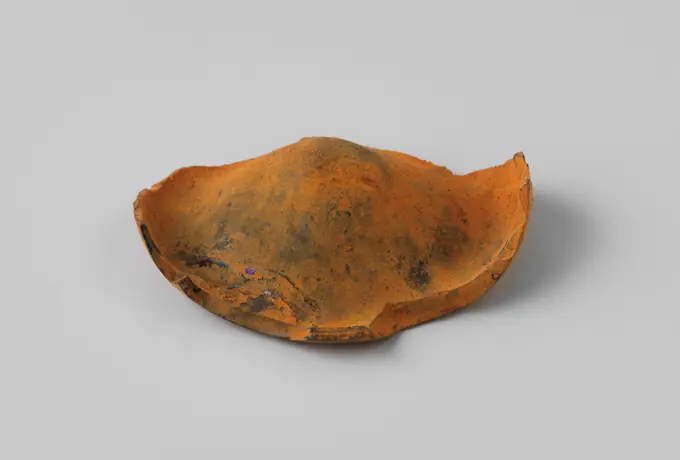
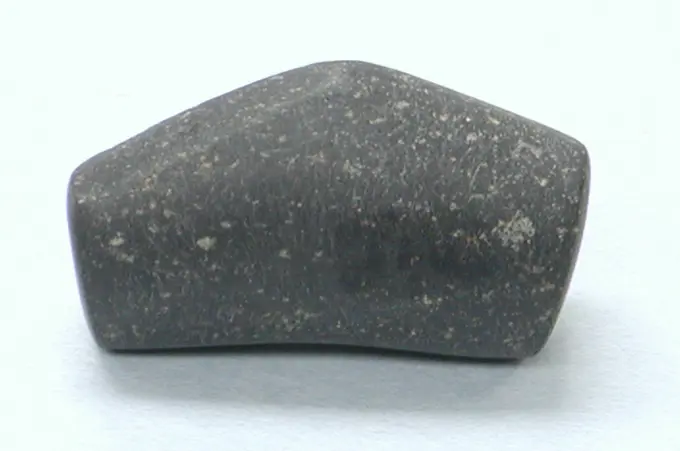
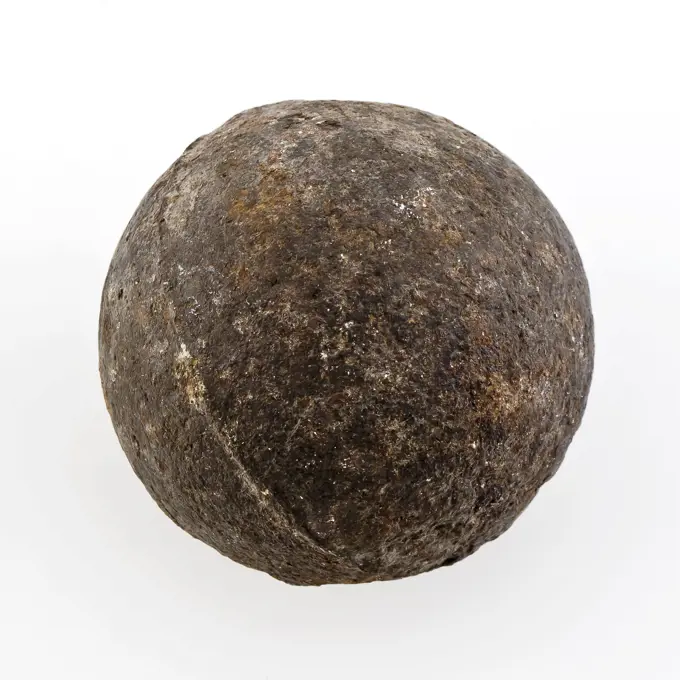
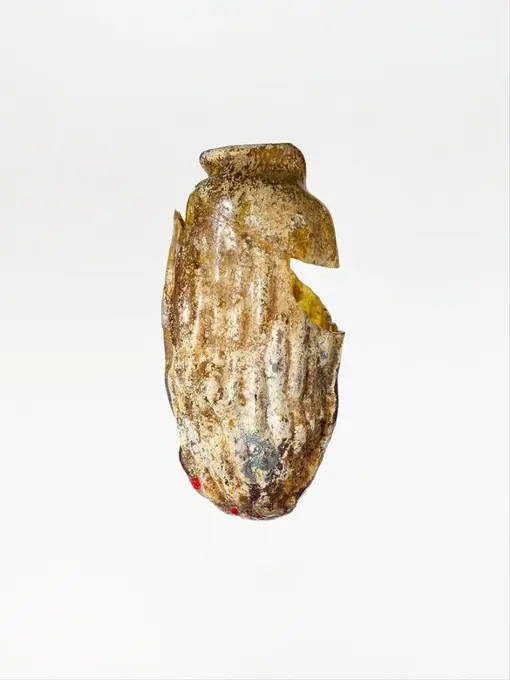
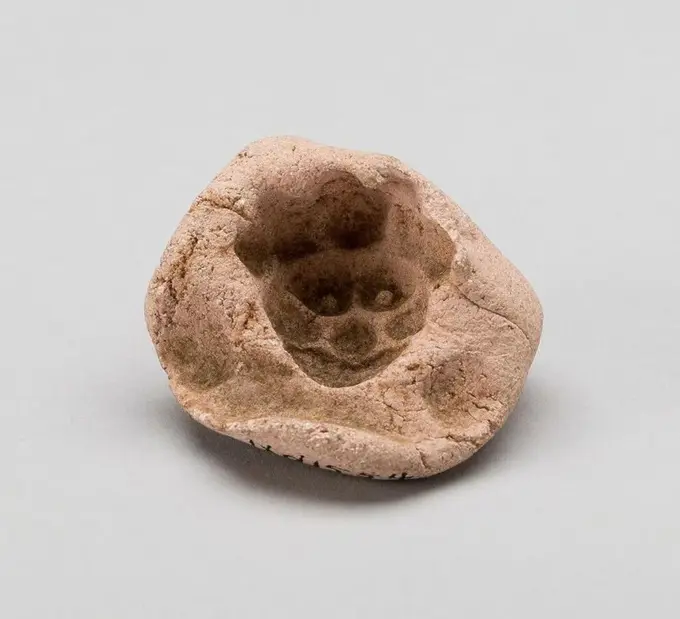
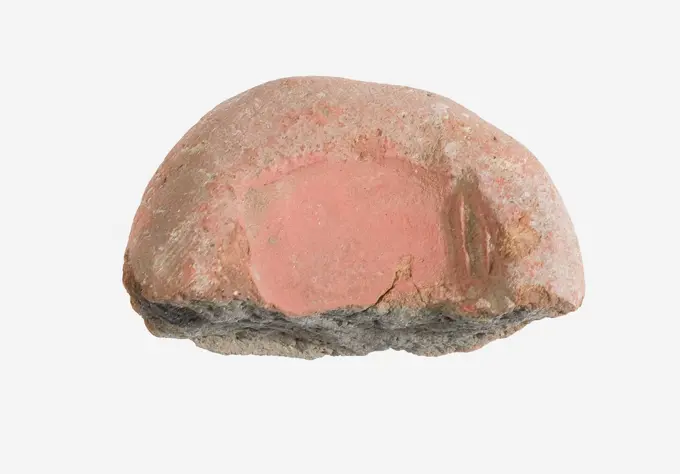
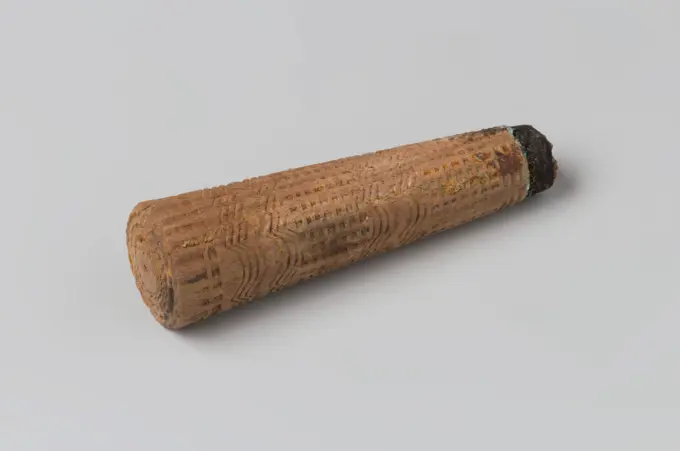
Fragment Pijpenkop, Anonymous, 1700 - 1799 Fragment Pijpenkop. Of the excavations on the Hofstede Arentsburg 1827-1831 under the supervision of Professor Reuvens. Netherlands pipe clay Fragment Pijpenkop. Of the excavations on the Hofstede Arentsburg 1827-1831 under the supervision of Professor Reuvens. Netherlands pipe clayPijpenkop from the wreck of the East Indians Hollandia, Anonymous, 1700 - in Or Before 1743  Pipe, bowl, heelmark: crowned 47; fragment, 2hsm1,2. Netherlands pipe clay   SecondKemirinoot from v.O.c.-ship the 'white lion'. Kemirinoot from v.O.c.-ship the 'white lion'.Fragment pipe head. Fragment pipe head. Of the excavations at the Hofstede Arentsburg 1827-1831 under the supervision of professor Reuvens.The plood out of the East India's wreck of Dutchia. Tools and Instruments, Navigation, Sounding Lead; Fragm, Octagonal Faceted, Cut Off At Both Ends.Brick from the wreck of the East Indied Flying Heart. Whole red brown brick, rectangular, oblong. BrickSling-Bullet. UnknownRock crystal spindle whorl ca. 2200-1450 B.C. Minoan Spindle whorls aided in the making of cloth for garments and bedding. They were placed in tombs, perhaps so that the deceased could continue to spin wool in the afterlife.. Rock crystal spindle whorl 252328 Minoan, Rock crystal spindle whorl, ca. 22001450 B.C., Rock crystal, H. 9 mm.. The Metropolitan Museum of Art, New York. Bequest of Richard B. Seager, 1926 (26.31.400)Button from the wreck of the East Indied Flying Heart. Button from wood.Figurine, Fragment of the Garment (), anonymous, anonymous, c. 1425 - c. 1550  Northern Netherlands pipe clay  Northern Netherlands pipe clayGold Foil on Wrist ca. 1981-1885 B.C. Middle Kingdom. Gold Foil on Wrist 557398Sealing ca. 7th century A.D. Sasanian. Sealing 323423Ear of one can be from the wreck of the East India Hollandia. Stoneware, rhenish, frechen-ware, jug; Fragm of Handle, with a raised rib Along Center.Pijpenkop, Anonymous, 1600 - 1699 Pipe. Of the excavations on the Hofstede Arentsburg 1827-1831 under the supervision of Professor Reuvens. Netherlands pipe clay Pipe. Of the excavations on the Hofstede Arentsburg 1827-1831 under the supervision of Professor Reuvens. Netherlands pipe clayear of a pot from the wreck of the East India Hollandia.Stoneware, Rhenish, Westerwald, Handle; Fragm, flat in Section, Slightly Curved, Flat Surface.Bronze arrowhead 6th-4th century B.C. or later Greek or Achaemenid With midrib and socket.. Bronze arrowhead 252856 Greek or Achaemenid, Bronze arrowhead, 6th4th century B.C. or later, Bronze, Other: 1 1/2 in. (3.8 cm). The Metropolitan Museum of Art, New York. Gift of The American Society for the Excavation of Sardis, 1926 (26.199.293)Spoon of wood, fragment, anonymous, c. 1590 - c. 1596 spoon. fragment Fragment of wooden spoon consisting of a short curved stem that has been bred in the longitudinal direction and a container with a flattened bottom. The short handle is complete. The container must have been drop -shaped. The end of the bin is missing. Description Historical FrameworkR: Typical medieval form, for the tablespoon we used for a long time.  wood (plant material) cutting  Nova Zembla. Saving HuysOil Lamp. Culture: Coptic. Dimensions: Overall: 1 13/16 x 4 1/16 x 3 3/8 in. (4.6 x 10.3 x 8.5 cm). Date: 4th-7th century. Museum: Metropolitan Museum of Art, New York, USA.Sealing ca. 7th century A.D. Sasanian. Sealing 323422Vase fragment ca. 3000-2200 B.C.. Vase fragment 251319 Vase fragment, ca. 30002200 B.C., Terracotta, 1 7/8 x 1 1/4in. (4.8 x 3.1cm). The Metropolitan Museum of Art, New York. Gift of Gisela M. A. Richter, 1923 (23.121.19)Kemirinoot from v.O.c.-ship the 'white lion'. Kemirinoot from v.O.c.-ship the 'white lion'Loden role from the wreck of the East Indiesman 't flying heart. To tube rolled lead plate. Silver gray in color. Lead role, roll or lead.Fragment of silver from the wreck of the East Indians Hollandia, 1700 - in or before 1743  Parts of artefacts; eroded fragments: materials; silver. Netherlands silver (metal)   SecondScherf of a storage jar from the wreck of the East Indians Hollandia, Anonymous, 1700 - in Or Before 1743  Stoneware, Rhenish, Langerwehe-ware, storage-jar; fragm of rim, sim. NG 1980-27H909: flat outer edge with engraved bands along. Cologne stoneware   Second. Each ship was fitted with carpentry tools for making repairs. On Nova Zembla, these tools came in handy for building the Safe House’. It is striking how little the tools have changed over the centuries; many of them can still be found in modern toolboxes.Vase fragment ca. 3000-2200 B.C.. Vase fragment 251323 Vase fragment, ca. 30002200 B.C., Terracotta, Overall with knobs: 1 1/8  1 7/16  5/8 in. (2.9  3.7  1.7 cm). The Metropolitan Museum of Art, New York. Gift of Gisela M. A. Richter, 1923 (23.121.23)Excerpt copper sheet metal with rivet from the wreck of the East Indians Hollandia, Anonymous, 1700 - in Or Before 1743 fragment Varied parts or fragments, sheet metal fragments: worked, with rivets; fragm, eroded, with 1 rivet, sim. 80H821. Netherlands copper (metal)   SecondLead Role from the wreck of the East Indies' t Vliegend Hart ,, 1700 - 1735 lead Tube rolled lead picture. Black-gray in color. Roll of Lead. Middelburg lead (metal)Scherf of a jug of the wreck of the East Indians Hollandia, Anonymous, 1700 - in or Before 1743  Stoneware, Rhenish, Frechen-ware, jug; fragm of body. Cologne stoneware   SecondFragment; (possibly) belonging to the Retable of Soest. .Fragment Pijpenkop, Anonymous, 1750 - 1780 Fragment pipe head with two windows in the form of 9 dots. Of the excavations on the Hofstede Arentsburg 1827-1831 under the supervision of Professor Reuvens. Netherlands pipe clay Fragment pipe head with two windows in the form of 9 dots. Of the excavations on the Hofstede Arentsburg 1827-1831 under the supervision of Professor Reuvens. Netherlands pipe clayBlowjob from the wreck of the East India Hollandia.Pipe, Bowl, Whole Market illegible; Fragment.Button from the wreck of the East India hollandia. Button. (1) Flat, Plain (1.8D, 0.3T), Key-Shank BrokenPijpenkop, Anonymous, 1670 - 1690 Blowjob head with leftover tinglaze. Of the excavations on the Hofstede Arentsburg 1827-1831 under the supervision of Professor Reuvens. Netherlands pipe clay Blowjob head with leftover tinglaze. Of the excavations on the Hofstede Arentsburg 1827-1831 under the supervision of Professor Reuvens. Netherlands pipe clayFragment lead from the wreck of the East Indians Hollandia, 1700 - in or before 1743 fragment Parts of artefacts; eroded fragments: materials; lead. Netherlands lead (metal)   SecondOrnament in the form of a lion Roman. Ornament in the form of a lion. Roman. Glass. GlassFragment crane from the wreck of the East Indieschief Hollandia. Tap, part or tap; Fragm, End, ID. NG 1979-521H.Figurine, Fragment of the Garment, anonymous, anonymous, c. 1425 - c. 1550  Northern Netherlands terracotta (clay material)  Northern Netherlands terracotta (clay material)Sandstone whetstone or polisher Cypriot Grinder.. Sandstone whetstone or polisher 243911Bowl on foot from v.o.c.-ship De 'Witte Leeuw', Before 1613  Back on foot from V.O.C. ship the 'Witte Leeuw'.  tin (metal)   Sint-HelenaVase fragment ca. 1600-1450 B.C. Minoan. Vase fragment. Minoan. ca. 1600-1450 B.C.. Terracotta. Late Minoan I. VasesFusiform ointmentMessenheft from the wreck of the East Indians Hollandia, Anonymous, 1700 - in Or Before 1743  Knife, handle, cylindrical: tapering; id. NG 1979-403H. Netherlands wood (plant material)   SecondDisc-shaped weight, lead, from the wreck of the Dutch East India ship Hollandia, anonymous, 1700 - in or before 1743 weight Disc-shaped weight, circular, concave top and underside, eroded, on surface fragm of hard, thin metal layer (coating). Netherlands lead (metal)   SecondDecorative batter from the wreck of the East Indies Hollandia, Anonymous, 1700 - in or Before 1743  Fitting, decorative fitting or fragment; fragm, central excutcheon and left scroll, id. NG 1980-27H1133, squashed, eroded. Netherlands lead (metal)   SecondTool ca. 90,000-5,000 B.C. Paleolithic to Neolithic. Tool. ca. 90,000-5,000 B.C.. Flint. Paleolithic to Neolithic. From Egypt, Western Desert; Kharga Oasis, Beledeh District, W and NW of Christian necropolis, surface find, MMA excavations, 1908-10Relief fragment from the tomb of Meketre. Dimensions: H. 1.7 cm (11/16 in.); W. 2.2 cm (7/8 in.); D. 0.5 cm (3/16 in.). Dynasty: Dynasty 12. Reign: reign of Amenemhat I, early. Date: ca. 1981-1975 B.C.. Museum: Metropolitan Museum of Art, New York, USA.Fragment Pijpenkop, Anonymous, 1600 - 1699 Fragment Pijpenkop. Of the excavations on the Hofstede Arentsburg 1827-1831 under the supervision of Professor Reuvens. Netherlands pipe clay Fragment Pijpenkop. Of the excavations on the Hofstede Arentsburg 1827-1831 under the supervision of Professor Reuvens. Netherlands pipe clayMessenheft from v.O.c.-ship the 'white lion'. Messenheft from v.O.c.-ship the 'white lion'.Brick from the wreck of the East Indians Princesse Maria, Anonymous, 1682 - 1686 brick (clay product) Brick from the wreck of the East Indians Princesse Mary. Netherlands brick (clay product)Armed playing TENGEN from the wreck of the East Indiesman Hollandia. Rectangular, Square, Flat, Engraved Diagonal Cross on One Side, Game token.Small jadeitite ax. Culture: Greek. Dimensions: L. 1 3/8 in. (3.4 cm). Date: 5th-3rd millennium B.C..Although bronze came into use, stone continued to be used for some tool types, such as axes, into the Bronze Age. Museum: Metropolitan Museum of Art, New York, USA.Copper shackle, part of dummy game, marked or decorated, nickel game soil find copper metal, cast Copper shackle Naturally shaped to the legs bickle bone from the leg of pig or sheep. Decorated with embossed wheel on one side archeology Aalst Belgium child child play game play flickering archaeological find in the soil Aalst Belgium.Pipes head. Pipes head. Of the excavations at the Hofstede Arentsburg 1827-1831 under the supervision of professor Reuvens.Fragments of stone with gothic profile. Three pieces of baked stones with gothic profiles.Loom Weight () ca. 1295-1070 B.C. New Kingdom, Ramesside. Loom Weight (). ca. 1295-1070 B.C.. Mud. New Kingdom, Ramesside. From Egypt, Memphite Region, Lisht North, Cemetery, MMA excavations, 1913-14. Dynasty 19-20Scherf from the wreck of the East Indies' t Vliegend Hart ,, 1700 - 1735  Lightly curved shard, speckled outside, inside lead gray. Stoneware. Netherlands stoneware. glazeFragment stop from crockery from the wreck of the East Indiesman Hollandia. Vessel part, stopper; Fragm, ID. NG 1979-527H, Finial.Pijpenkop.Blowjob head with a crown and letters I a maf image. Of the excavations at the Hofstede Arentsburg 1827-1831 under the supervision of professor Reuvens.Half of ankle strap, decorated with concentric circles. Half of ankle strap, decorated with concentric circles.Relief fragment from the tomb of Meketre. Dimensions: H. 3.3 cm ( 1 5/16 in.); W. 7.4 cm ( 2 15/6 in.); D. 7.3 cm ( 2 7/8 in.). Dynasty: Dynasty 12. Reign: reign of Amenemhat I, early. Date: ca. 1981-1975 B.C.. Museum: Metropolitan Museum of Art, New York, USA.Fragment Tobak Pipe, Unknown, 1735 - 1760 Fragment tobacco pipe with an arm and flower branch depicted. Of the excavations on the Hofstede Arentsburg 1827-1831 under the supervision of Professor Reuvens. Gouda pipe clay Fragment tobacco pipe with an arm and flower branch depicted. Of the excavations on the Hofstede Arentsburg 1827-1831 under the supervision of Professor Reuvens. Gouda pipe clayBottle. unknown, craftsmanKnife lift from the wreck of the East Indiesman Hollandia.knife, Handle, Cylindrical: tapering; ID. NG 1979-403H, Ferrules, ID. NG 1980-27H426.Oil Lamp 4th-7th century Coptic. Oil Lamp 478691Roundel, disk. Roundel, disk. Bone Excerpt lid of a barrel from the wreck of the East Indians Hollandia, Anonymous, 1700 - in or before 1743 lid Barrel, lid; fragm, eroded, oblong semicircular outline with bevelled edge, one straight side. Netherlands wood (plant material)   SecondShard of one can be from the wreck of the East India Hollandia.Stoneware, Rhenish, Frechen-Ware, Jug; Fragm or Base Originally, Drip-Traces of Glaze of the Exterior.Glass pendant in the form of a bunch of grapes late 2nd-1st century B.C. Greek, Eastern Mediterranean Translucent blue, with loop in translucent pale blue green.Pendant shaped like an elongated bunch of grapes; applied suspension loop trailed on at top with horizontal hole. Vertical mold seams visible at sides.Intact, but chipped at top of sides; dulling, weathering, and slight iridescence.. Glass pendant in the form of a bunch of grapes. Greek, Eastern Mediterranean. late 2nd-1st century B.C.. Glass; cast in a two-part mold and trailed. Late Hellenistic. GlassFlint arrowhead 5th-4th millennium B.C. Greek Neolithic Arrowhead.. Flint arrowhead. Greek Neolithic. 5th-4th millennium B.C.. Flint. Neolithic. Miscellaneous-StoneFragment blowjob from the wreck of the East Indieschief Hollandia. Pipe, Bowl.Fragment pipe from the wreck of the East India Hollandia.Pipe, Bowl Without: Stamped Decoration; Fragment, Imprint illegible.Cone-shaped lead weight, cord hanger, weight of gravity ground find lead metal h 3.5, cast Heptagon pyramid shaped metal object with through and through hole Probably rope hanger archeology Rotterdam rail tunnel weightening hoarse Soil discovery: route rail tunnel Rotterdam.Necklace Bead in the Form of a Fish, 185-72 BC. India, Sunga Period (185-72 BC). Gold repoussé with granulation;Messenheft from the wreck of the East Indians Hollandia, Anonymous, 1700 - in Or Before 1743  Knive, handle pistol-grip-shaped; flat, rectangular in section, tapering. Netherlands bone (material)   SecondGlass lid 2nd-3rd century A.D. Roman, Cypriot Colorless with greenish tinge.Knocked-off, inverted lip; rounded edge; broad, concave top.Intact, except for losses to part of lip; pinprick and large bubbles; deep weathering and brilliant iridescence; some red soil encrustation on inside under lip.. Glass lid 239818Plummet 300 B.C.-A.D. 300 Deptford. Plummet 319183Grain plague in an enclosure ". Terracotta with green lead glaze. Han dynasty (206 BC-220 AD). Paris, Cernuschi museum. Chinese art, Han dynasty, Han time, grain lamp, Chinese object, terracottaConcretion from the wreck of the East Indies Hollandia, 1700 - in or before 1743 concretionary stone Parts of artefacts; eroded fragments: materials; lump, containing hollow impression of nails. Netherlands concretionary stone   SecondButton from the wreck of the East India hollandia. Button. (1) SIM. NG 1980-27H1185 (1.9D, 0.5H)Pair of muars, lilac, anonymous, c. 1740 - c. 1760 Pair of Muilen, Lila. Nose of paper and chamois leather covered with a yellow silk hand; sole made of layers of paper and pink chamois leather and brown leather; side with the bottom. Amsterdam (possibly) paper. leather. wool Pair of Muilen, Lila. Nose of paper and chamois leather covered with a yellow silk hand; sole made of layers of paper and pink chamois leather and brown leather; side with the bottom. Amsterdam (possibly) paper. leather. woolArrowhead Japan. Arrowhead 62432Glass pendant ornament in the form of a pair of birds. Culture: Egyptian. Dimensions: Other: 1/2 x 1 5/16 in. (1.3 x 3.4 cm). Date: 14th-12th century B.C..Uncertain color, possibly pale greyish blue; opaque white trails.Double bead with central transverse hole, pierced through bodies and bridge from right to left, shaped as two birds, each tooled into S-shaped head and drawn out into a flattened broad tail, joined by a cylindrical bridge on side of body.Broad trail wound round each bird from head to tail.Tail of one bird missing, with weathered break; enamel-like weathering covering most of surfaces. Museum: Metropolitan Museum of Art, New York, USA.Upper Arm Defense (Rerebrace) ca. 1430-40 Italian This is part of a large find of medieval armor discovered in 1840 in the ruins of the fortress of Chalcis, on the Greek island of Euboea (then a Venetian colony called Negroponte). The fortress had been captured and destroyed by the Turks in 1470. Now divided largely between the Ethnological Museum, Athens, and The Metropolitan Museum of Art, the Chalcis hoard contains many rare and unusual elements of fourteenth- and fifteenth-century armor. Of particular importance are the variety of headpieces and the many fragments of brigandines (armor for the torso constructed of small plates riveted to layers of fabric), some of which retain portions of their original velvet covering. The Chalcis armor provides a unique picture of the armament used in the Aegean, one of the easternmost military outposts of the Venetian empire.. Upper Arm Defense (Rerebrace) 23123Decorative batter from the wreck of the East Indies Hollandia, Anonymous, 1700 - in or Before 1743  Fitting, decorative fitting or fragment; fragm, id. NG 1980-27H1051, squashed, eroded. Buste with head. Netherlands lead (metal)   SecondSoil fragment wine bottle from the wreck of the East Indians Hollandia, Anonymous, 1700 - in or before 1743  Onion-shaped bottle or bottle with vertical side, base, cs-kick-up. Continental production. Netherlands .   SecondGray grindstone, natural stone with curved, smooth sides, sharpening stone tool kit soil find natural stone stone slate, minced cut stone Elongated stone with two smooth sides irregularly rectangular in cross-section. Gray natural stone. Rupture planes at the ends archeology Valckensteyn Poortugaal Albrandswaard sharpening sharpening knife harvesting Soil discovery: castle Valckensteyn in Poortugaal now Albrandswaard 1961.rough gray Dolomite stone on white macro shooting of natural mineral rock specimen - rough gray Dolomite stone on white marble background Copyright: xZoonar.com/ValeryxVoennyyx 11951592Stone Pulidor before 16th century Mexican. Stone Pulidor 317153closeup of sample of natural mineral from geological collection - brown Tiger’s eye gemstone isolated on white background. brown Tiger’s eye gemstone isolated on whiteSmall iron cannon ball, lump and casting seam, cannonball projectile cast iron metal, cast Small iron cannonball Clear casting seam and cusp may be burr of casting or possibly rod or chain attached to this projectile militaria war shooting marine shippingBlack insole, c. 1400 - c. 1950  Black insole with an impression ribbon.  wool. felt (textile)   Zeeuwsche UytkyckGlass bottle shaped like a date. Culture: Roman. Dimensions: H.: 2 3/8 x 1 1/4 x 5/8 in. (6 x 3.2 x 1.6 cm). Date: mid-1st-early 2nd century A.D..Translucent yellowish brown.Thick, everted rim folded round and in, then tooled into a triangular mouth with spout; almost no neck; elongated body; uneven round bottom. One continuous mold seam around body.Body molded into the shape of a wrinckled date, with pattern of wavy ridges and hollows.Broken and repaired (some weathered edges to breaks), with two large holes in upper body; dulling, patches of creamy weathering, and brilliant iridescence. Museum: Metropolitan Museum of Art, New York, USA.Bird Pendant 1300 BCE-900 BCE China. Jade .Clock -shaped fragment of an unglazed object with a red -baking shard, with a clog of melted metal on the outside, c. 1500 - c. 1899 fragment   earthenware. glazeMold for Face of Figurine. Possibly Moche; Possibly north coast, Peru. Date: 100 AD-600 AD. Dimensions: 3.8 cm (1 1/2 in.). Ceramic. Origin: Peru. Museum: The Chicago Art Institute, Chicago, USA.Persia Fruit Mold ca. 1390-1353 B.C. New Kingdom. Persia Fruit Mold. ca. 1390-1353 B.C.. Pottery. New Kingdom. From Egypt, Upper Egypt, Thebes, Malqata, Palace of Amenhotep III, MMA excavations, 1910-11. Dynasty 18Excerpt lid of a barrel from the wreck of the East Indians Hollandia, Anonymous, 1700 - in or before 1743 lid Barrel, lid; fragm, sim. NG 1979-250H2247. Netherlands wood (plant material)   SecondMessenheft from the wreck of the East Indians Hollandia, 1700 - in or before 1743  Knife, handle, cylindrical: tapering; id. NG 1979-403H, ferrules, id. NG 1980-27H426. Netherlands wood (plant material). copper (metal)   SecondEuropean clam (Ruditapes decussatus, synonyms Tapes decussatus, Venerupis decussata). Radial and concentric sculptures with brown zigzag lines. Produced in farms, it is also picked up when fishing on foot on the beaches at the time of