Historical Artifacts

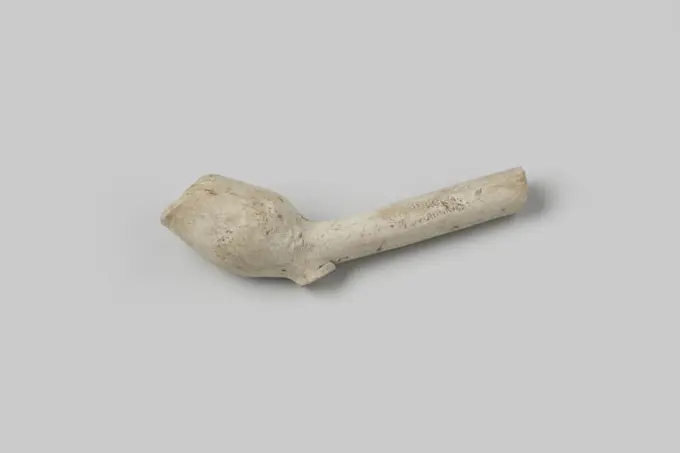
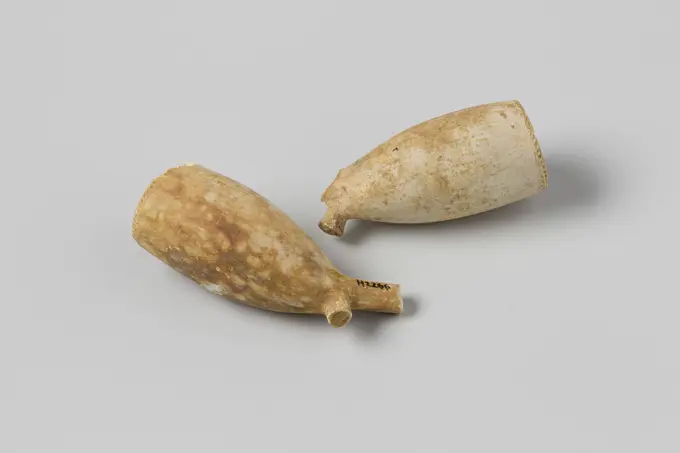
Fragments of historical pipe heads and pottery from excavations, showcasing various forms and materials, embodying archaeological significance.
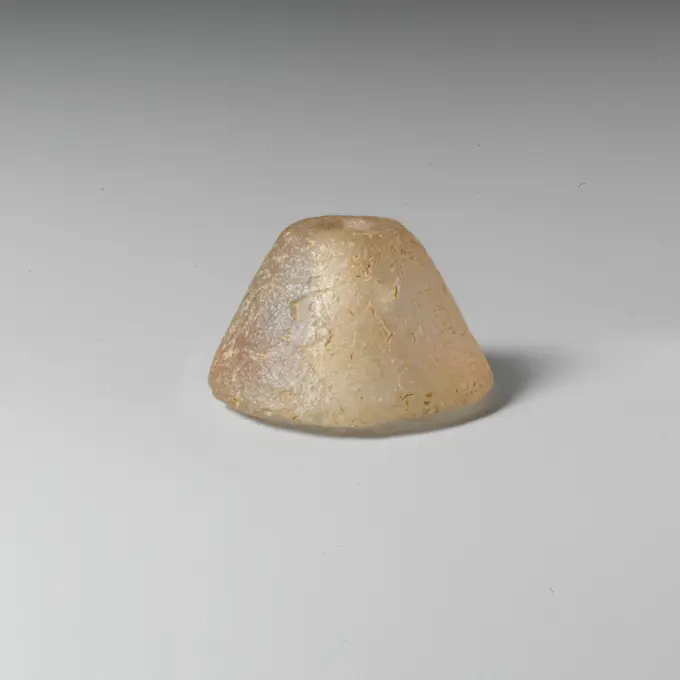
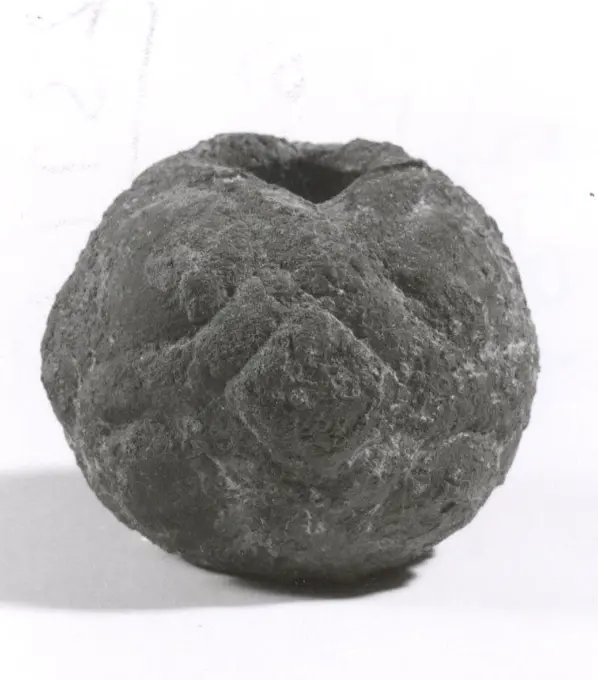
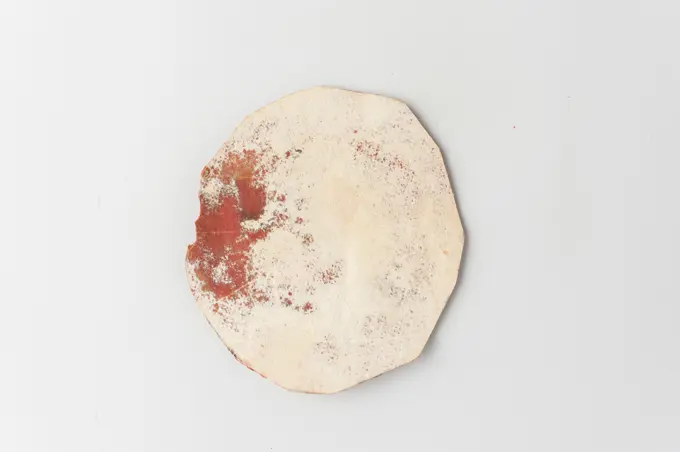
Rock crystal spindle whorl ca. 2200-1450 B.C. Minoan Spindle whorls aided in the making of cloth for garments and bedding. They were placed in tombs, perhaps so that the deceased could continue to spin wool in the afterlife.. Rock crystal spindle whorl 252328 Minoan, Rock crystal spindle whorl, ca. 22001450 B.C., Rock crystal, H. 9 mm.. The Metropolitan Museum of Art, New York. Bequest of Richard B. Seager, 1926 (26.31.400)
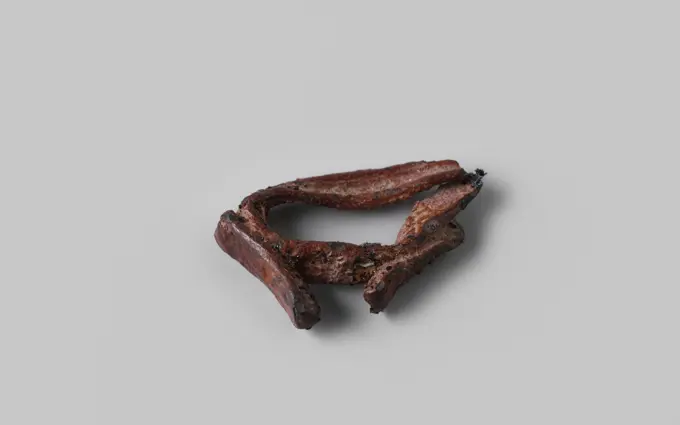
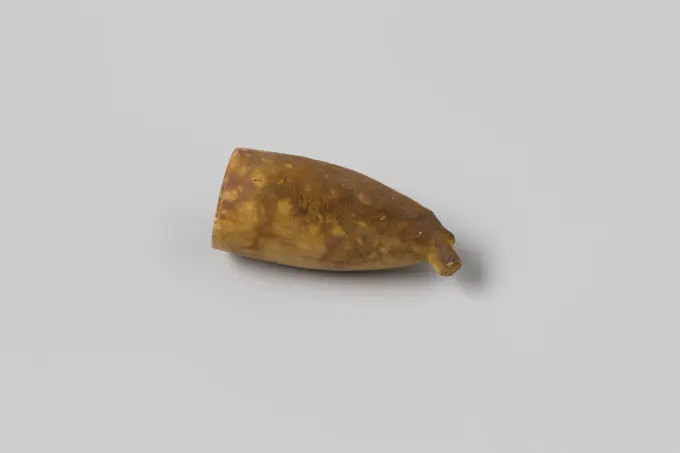
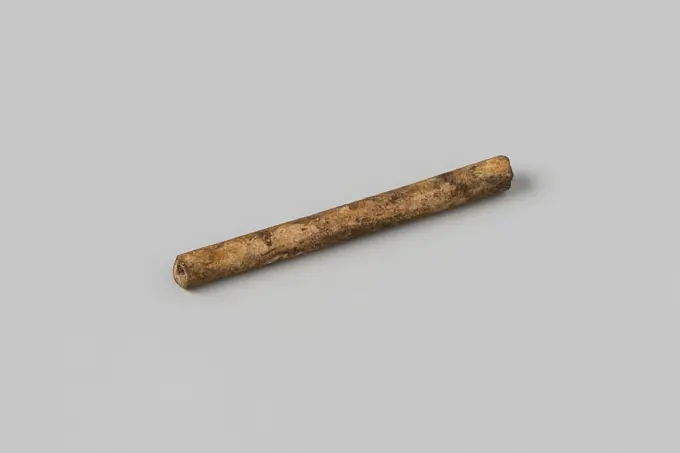
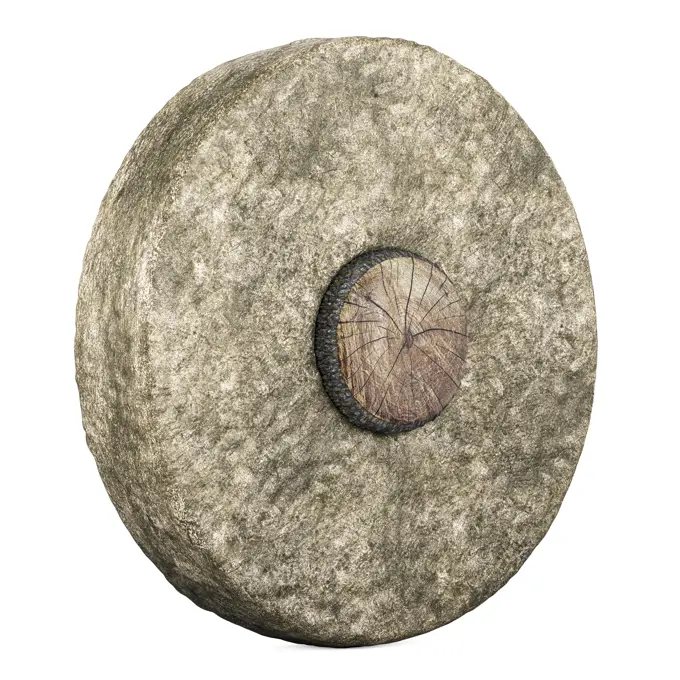
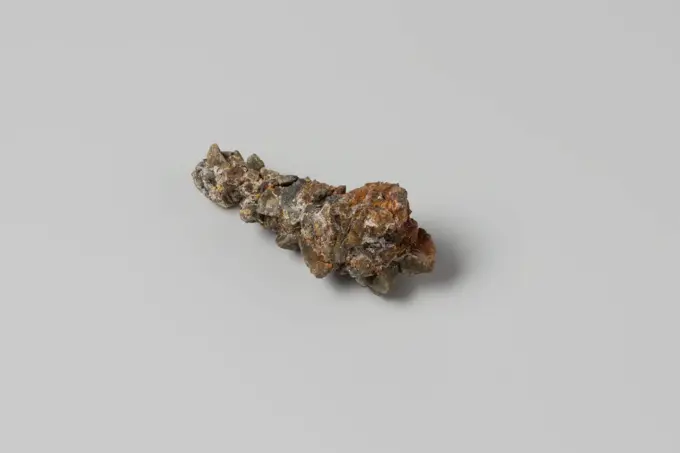
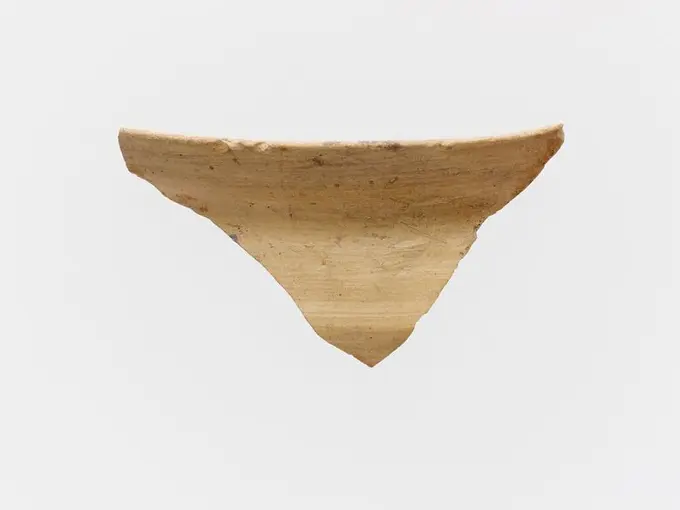
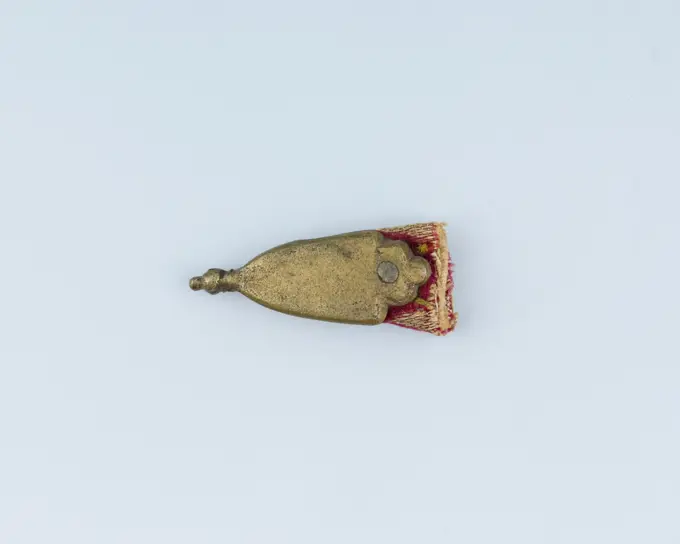
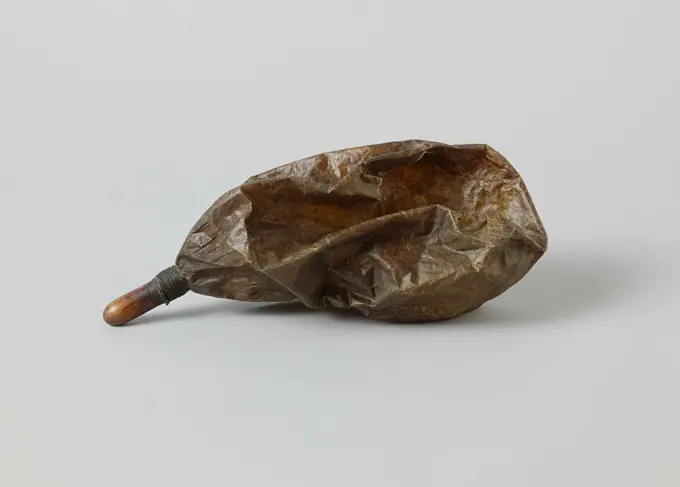
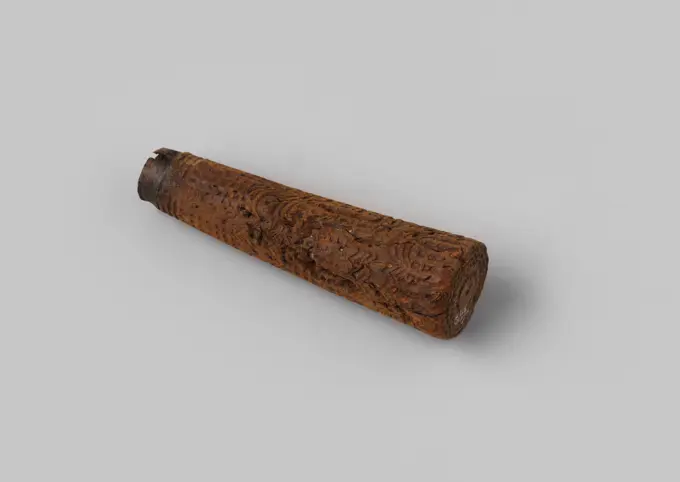
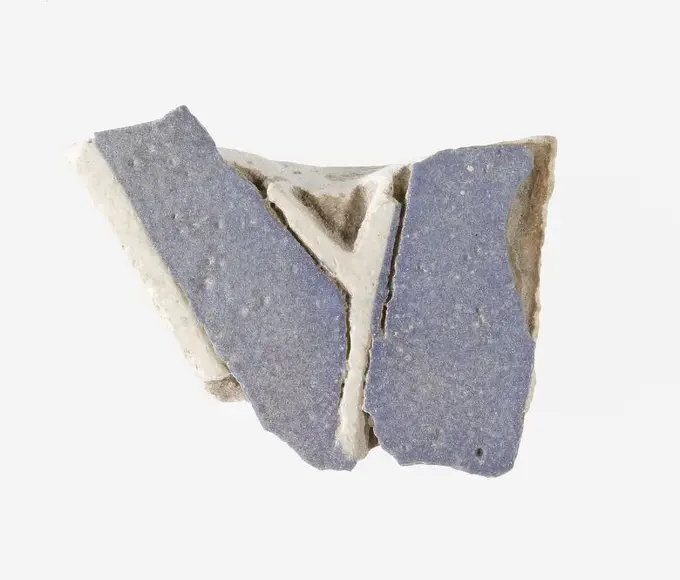
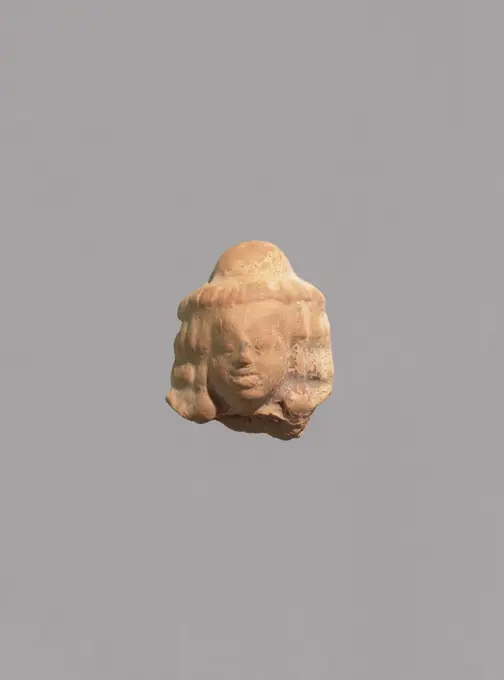
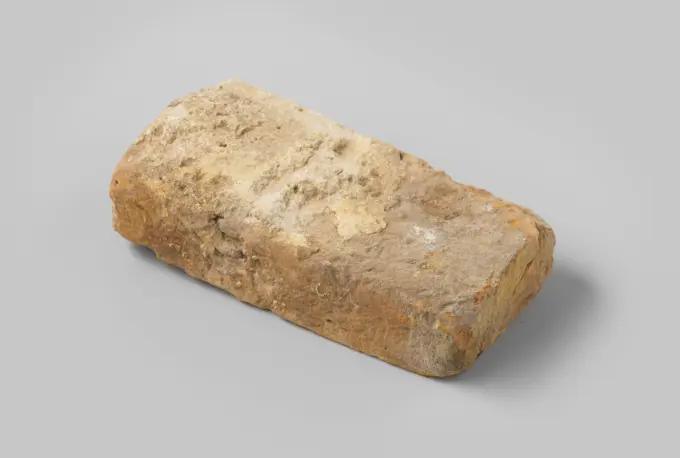
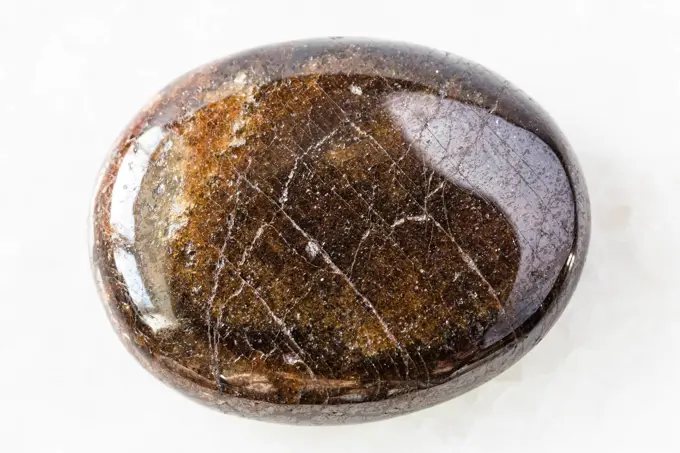
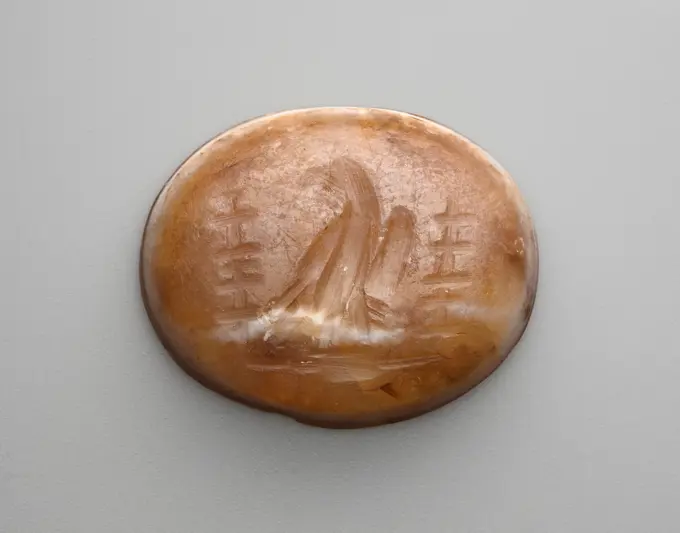
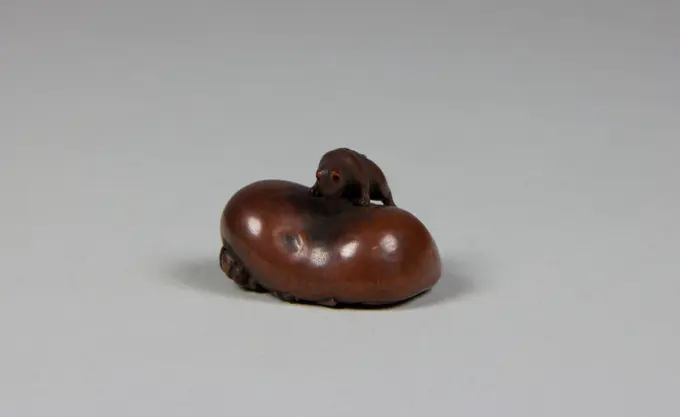
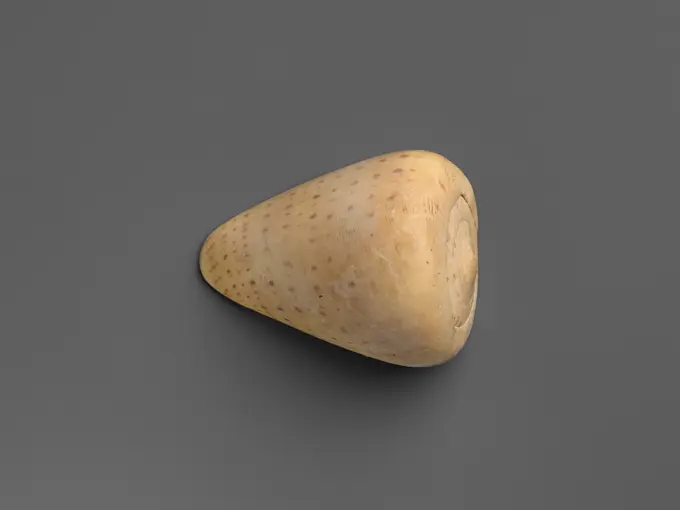
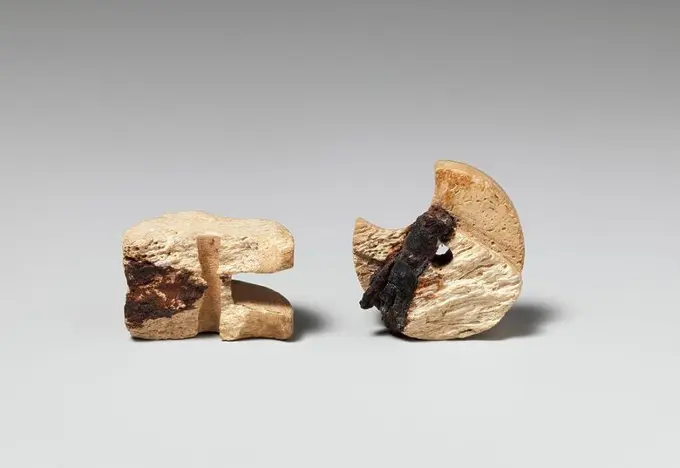
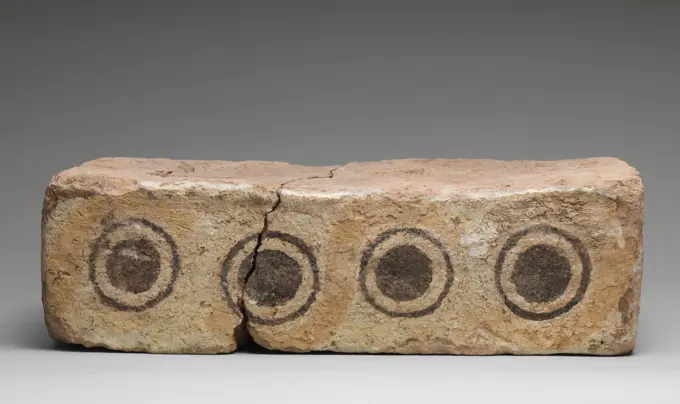
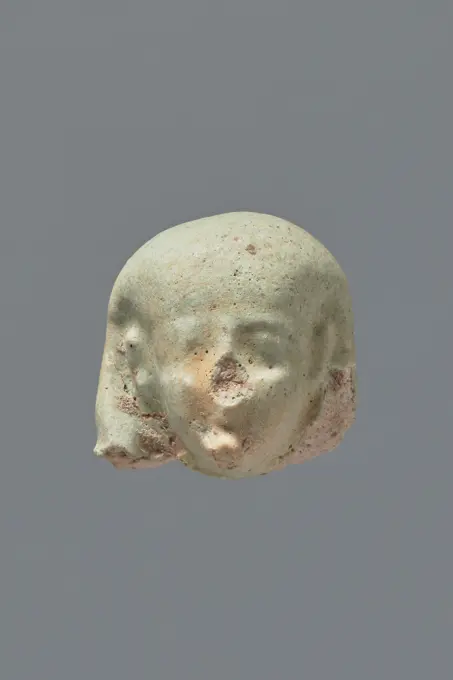
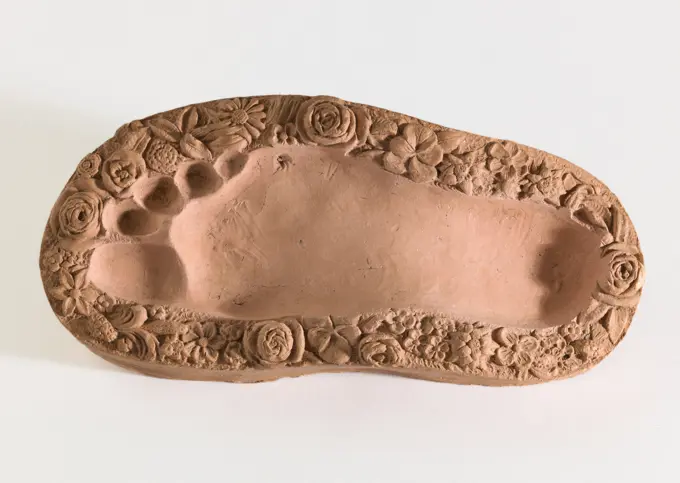
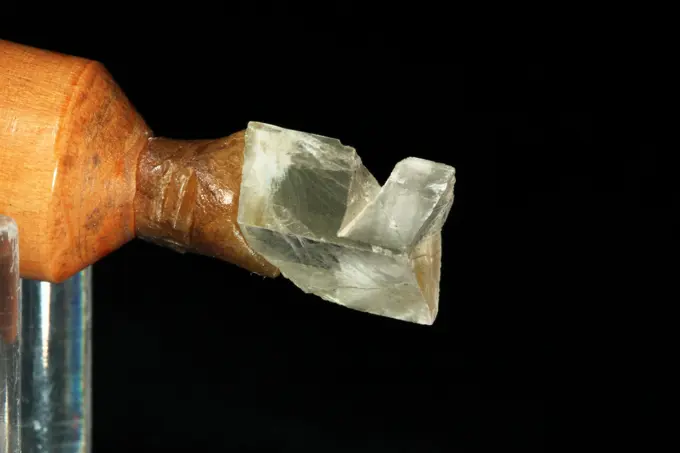
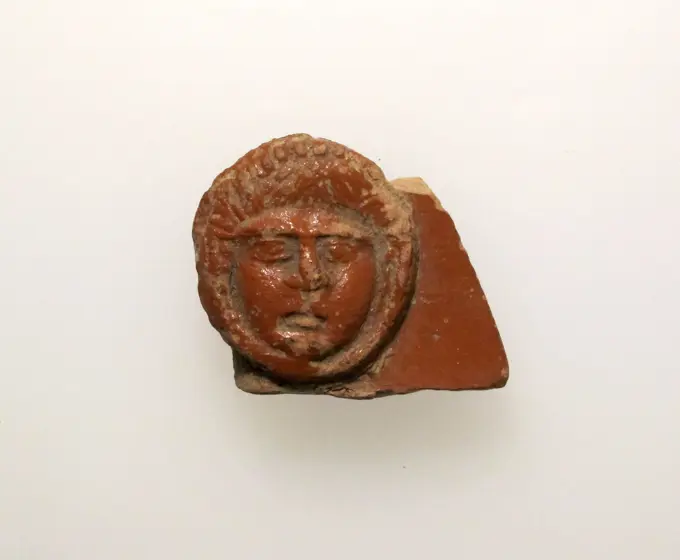
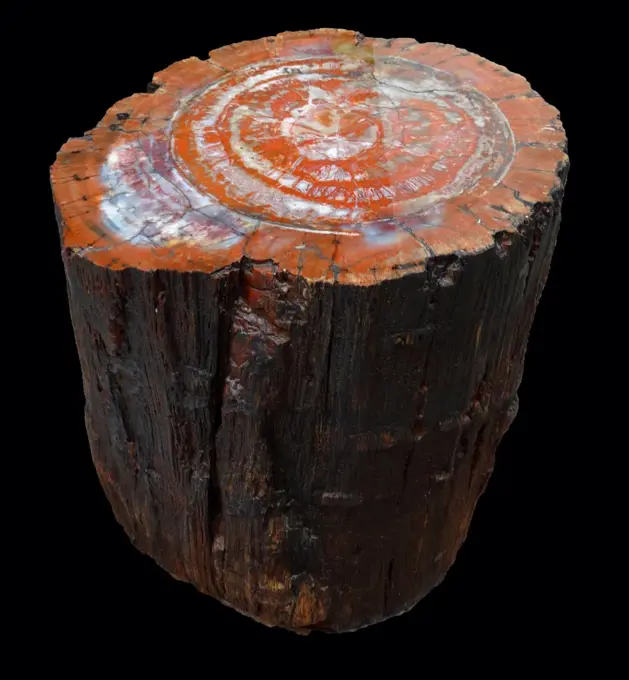
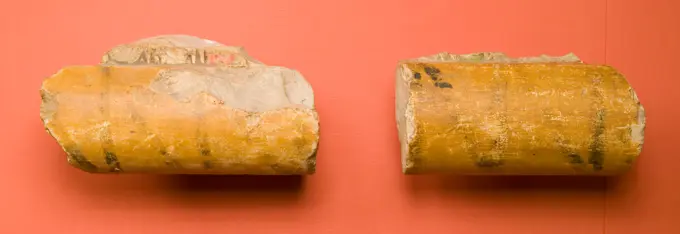
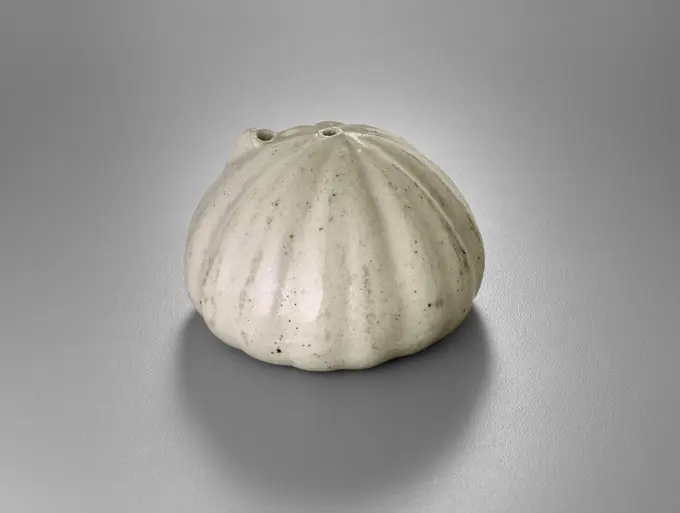
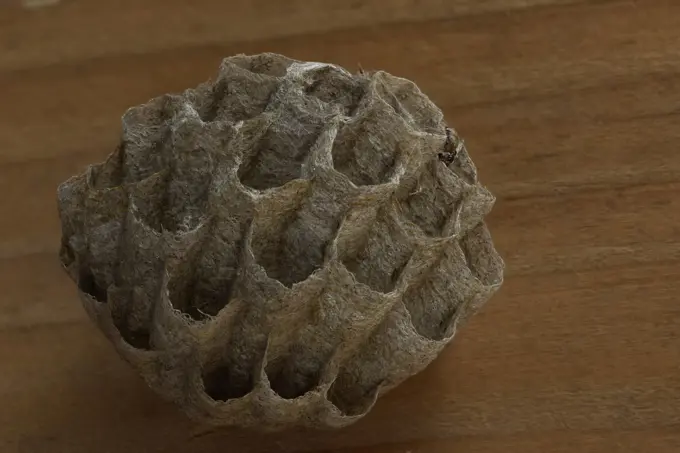
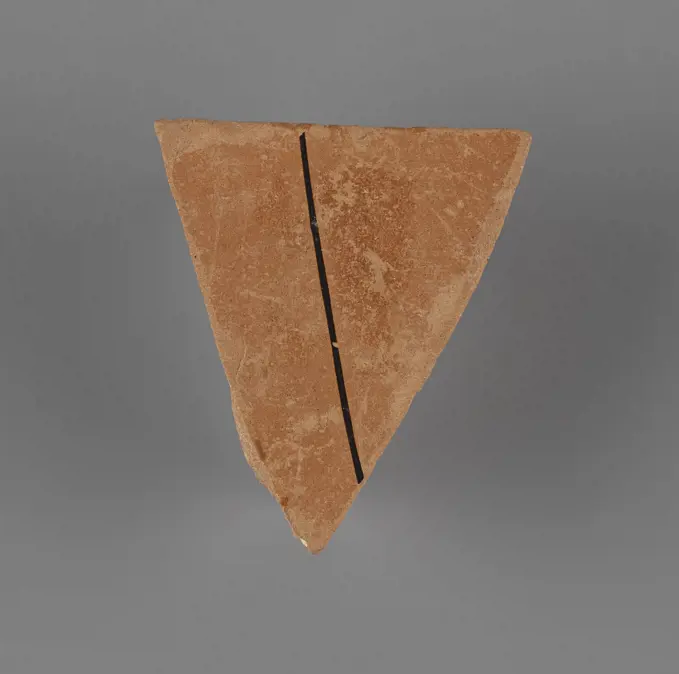
Attic Red-Figure Hydria Fragment; Berlin Painter (Greek (Attic), active about 500 - about 460 B.C.); Athens, Greece; about 480 B.C; Terracotta; 3.8 cm (1 1,2 in.)Lead Role from the wreck of the East Indies' t Vliegend Hart ,, 1700 - 1735 lead Two lead leads of plates. Black-gray in color. Roll of Lead. Middelburg lead (metal)Excerpt of copper from the wreck of the East Indians Hollandia, 1700 - in or before 1743 fragment Varied parts or fragments, strips and strip-shaped fragments; fragm. Netherlands copper (metal)   SecondGabbro mace head ca. 2500-1900 B.C. Cypriot Spherical with a hole through the center.. Gabbro mace head 243896Cork of a wine bottle from the wreck of the East Indians Hollandia, Anonymous, 1700 - in or before 1743 cork (stopper) Cork. Netherlands cork (bark)   SecondFragments of pipe stones and pipe heads from the wreck of the East Indiescher 't flying heart. Two broken heads of an earthen Gouda Pijp, Heel brand WS. Three pieces of stem. Everything blue and white. Fragments or bowls and votes.Pijpenkop from the wreck of the East Indians Hollandia, Anonymous, 1700 - in Or Before 1743  Pipe, bowl, heelmark: tobacco's brazier; 2hsm1,3. Netherlands pipe clay   SecondScherf of a wine bottle from the wreck of the East Indians Hollandia, Anonymous, 1700 - in Or Before 1743  Typologically not identifiable, belly, fragment. Netherlands .   SecondConus quinaicus shell from the wreck of the Dutch East India ship Witte Leeuw, before 1613  Shell from V.O.C. ship the 'Witte Leeuw'.  .   Sint-HelenaToy Stone for Grinding Grain, before 1929. Mexico, Valley of Mexico (), Aztec (). Pottery; overall: 4.8 x 5.4 cm (1 7/8 x 2 1/8 in.).Fragment blowjob from the wreck of the East Indieschief Hollandia.Pipe, voice; Fragments.Medallion, Fragment with a Man Wearing Pattens Against a Background of Vegetation, , c. 1400 - c. 1500  Utrecht pipe clay  Utrecht pipe clayTeardrop-Shaped Bead, Dynasty 12. Egypt, Middle Kingdom, Dynasty 12. Gold over calcite gesso core; average: 2.4 cm (15/16 in.).Vase fragment Neolithic, Gonia. Vase fragment 253265 Neolithic, Gonia, Vase fragment, Terracotta, length 15/16in. (2.4cm). The Metropolitan Museum of Art, New York. Anonymous Gift, 1930 (30.119.60)Messenheft from the wreck of the East Indians Hollandia, Anonymous, 1700 - in Or Before 1743  Knife, handle, cylindrical: tapering; id. NG 1979-403H, ferrule, id. NG 1980-27H426. Netherlands wood (plant material). copper (metal)   SecondAntikes Steinrad, 3D-Rendering Antique Stone Wheel, 3D rendering isolated on white background Copyright: xZoonar.com/natatravelx 22898722Grinding Stone 4th-7th century Coptic. Grinding Stone 478926Concretion from the wreck of the East Indies Hollandia, 1700 - in or before 1743 concretionary stone Parts of artefacts; eroded fragments: materials; lump, oblong. Netherlands concretionary stone   SecondTerracotta rim fragment. Culture: Helladic. Dimensions: Other: 3 1/16in. (7.8cm). Date: ca. 2000-1600 B.C..Yellow Minyan ware. Museum: Metropolitan Museum of Art, New York, USA.Mordant dated 1575 possibly German. Mordant. possibly German. dated 1575. Brass. Miscellaneous-Buckles & OrnamentMace head ca. late 3rd-early 2nd millennium B.C. Bactria-Margiana Archaeological Complex. Mace head 326787Fragment tobacco pipe, anonymous, 1645 - 1660 Fragment tobacco pipe. Of the excavations on the Hofstede Arentsburg 1827-1831 under the supervision of Professor Reuvens. Netherlands pipe clay Fragment tobacco pipe. Of the excavations on the Hofstede Arentsburg 1827-1831 under the supervision of Professor Reuvens. Netherlands pipe clayFloating Balloon. Balloon of oiled bladder, tied together at an end around a wooden tube, the nozzle, which is closed with a rounded wooden cap.Small Black Velvet Pillow on gray backgroundMessenheft from the wreck of the East Indians Hollandia, Anonymous, 1700 - in Or Before 1743  Knife, handle, cylindrical: tapering; id. NG 1979-403H, ferrules id. NG 1980-27H426. Netherlands wood (plant material)   Secondsunflower seeds on a white backgroundMessenheft from the wreck of the East Indians Hollandia, Anonymous, 1700 - in Or Before 1743  Knife, handle, cylindrical: tapering; id. NG 1979-403H, ferrules id. NG 1980-27H426. Netherlands wood (plant material). ring: copper (metal)   SecondYoke 7th-9th century Veracruz. Yoke 312643Fragment van een tabakspijp..Fragment of a tobacco pipe decorated with a rider and the Dutch lion.Fragment of Lotus Collar Terminals. Dimensions: L. 3.3 cm (1 5/16 in), w. 2.3 cm (7/8 in). Dynasty: Dynasty 18. Reign: reign of Amenhotep III. Date: ca. 1390-1353 B.C.. Museum: Metropolitan Museum of Art, New York, USA.Womans head - figurine fragment. unknown, craftsmanBrick from the wreck of the East Indians Princesse Maria, Anonymous, 1682 - 1686 brick (clay product) Brick from the wreck of the East Industrial Princesse Mary. Netherlands brick (clay product)Plaque. Egypt, Amarna, New Kingdom Period (circa 1569 - 1081 BCE). Sculpture. FaienceFragment of a hammer head from the wreck of the East Indians Hollandia, Anonymous, 1700 - in Or Before 1743 hammer Hammer, hammerhead, fragment; fragm of end, eroded, broken; rectangular in section, with one widened flat end, slightly curved. Netherlands iron (metal)   SecondMold for a Disk Ornament ca. 1390-1353 B.C. New Kingdom. Mold for a Disk Ornament. ca. 1390-1353 B.C.. Pottery. New Kingdom. From Egypt, Upper Egypt, Thebes, Malqata, Khor west of camp or E. side of S. Village, MMA excavations, probably 1911-12. Dynasty 18Fusiform ointmentBead ca. 1802-1640 B.C. Middle Kingdom. Bead 560887polished Pyrope garnet rock on white marble closeup of sample of natural mineral from geological collection - polished Pyrope garnet rock on white marble background from Brazil Copyright: xZoonar.com/ValeryxVoennyyx 16070242CUENCO DE MADERA. BRONCE S.V a.C. (DEPOSITO: MUSEO ARQUEOLOGICO NACIONAL).Carved Intaglio Gemstone with an Eagle between TwoStandardsEmpty wooden cutting board for preparing ingredients for preparing a delicious dish Empty wooden cutting board for preparing ingredients for preparing a delicious dish. Kitchen utensils Copyright: xZoonar.com/TetianaxChernykovax 21728467Funerary Cone of High Priest of Amun Djehuty ca. 1550-1525 B.C. New Kingdom. Funerary Cone of High Priest of Amun Djehuty 559228Fragment of an Ivory Handle with a Crouching Lion. UnknownLong-Necked Flask with Strap Handle and Lid (Lid), 1401-1353 BC. Egypt, New Kingdom, Dynasty 18, reign of Tuthmosis III to Amenhotep III, 1479-1353 BC. Travertine;Netsuke 19th century Japan. Netsuke. Japan. 19th century. Wood. Edo (1615-1868) or Meiji period (1868-1912). NetsukeVase fragment Minoan. Vase fragment 247694Shell ca. 2700-2600 B.C.. Shell. ca. 2700-2600 B.C.. Shell. Early Dynastic II. Mesopotamia, NippurTwo Crossbow Nuts. Culture: Western European or Near Eastern. Dimensions: 28.99.28: W. 3/4 in. (1.9 cm); Diam. 1 1/8 in. (2.9 cm); Wt.28 oz. (8 g); 28.99.29: W 5/8 in. (1.3 cm); Diam. 1 1/8 in. (2.9 cm); Wt.24 oz. (7 g). Date: before 1272. Museum: Metropolitan Museum of Art, New York, USA.One cloveEngraved Gem Inset Into a Ring; 1st century; Gem: carnelian; ring: silver; 1.5 × 1.3 × 0.5 cm (9,16 × 1,2 × 3,16 in.)straight-tusked elephant tusk (palaeoloxodon antiquus), La Garma A, Omoño, Ribamontan al Monte, Museum of prehistory and archeology (MUPAC), Santander, Cantabria, Spain.Wooden lid, stopper or bottom, slightly curved with sloping sidewall, lid closure part holder soil find wood, sawn turned Wood lid stop or bottom Slightly curved top and sloping sidewall Thin ring center over the sidewall Turned-out soul at the bottom archeology Rotterdam IJsselmonde indigenous woodwork close storage store package Soil discovery: Castle IJsselmonde from cesspit Rotterdam 1972.Hellebaard brush in the colors black and orange (), C. 1600 - c. 1800  Hellebaard brush (parent) in the colors black and oranaje (). 17th/ 18th century  textile materialsWeight Zhen in the shape of a winged lion in bronze, China ", Han dynasty (206 BC at 220 AP.J.-C.). Bronze and gold. Paris, Cernuschi museum. Chinese art, bronze, han dynasty, lion wing, gold, zhen weight, animalGrahal-Manzara. Carnavalet 2013-2016 collection sites. Numismatics.Tjes-Knot Amulet ca. 1479-1458 B.C. New Kingdom. Tjes-Knot Amulet. ca. 1479-1458 B.C.. Wood (ebony). New Kingdom. From Egypt, Upper Egypt, Thebes, Deir el-Bahri, Tomb of Senenmut (TT 353), Foundation deposit, MMA excavations, 1926-27. Dynasty 18Brick with guilloche design ca. 9th century B.C. Assyrian The Assyrian palaces were originally decorated with bright colors and elaborate patterns. Sadly, little of this polychromy survives. Small amounts of pigment remain visible on some reliefs but rarely on ivories, while images in art can also give some impression of textiles that have not survived. Perhaps the best sources for polychromy in the palaces are fragments of painted and glazed ceramic architectural elements. This six-sided brick consisting of two joined fragments provides an example in color of a guilloche pattern found in much Assyrian art.Painted and glazed brickwork is a major category in ancient Near Eastern art. Some of the most spectacular examples can be seen in Nebuchadnezzars Babylon, and at the palace of the Achaemenid Persian king Darius I at Susa.. Brick with guilloche design. Assyrian. ca. 9th century B.C.. Ceramic, glaze. Neo-Assyrian. Mesopotamia, Nimrud (ancient Kalhu)Fragment pipe head. Fragment pipe head with a horn. Of the excavations at the Hofstede Arentsburg 1827-1831 under the supervision of professor Reuvens.Fragment uszebti. unknown, authorGrahal-Manzara. Carnavalet 2013-2016 collection sites. Numismatics.Pipes from the wreck of the East Indieschief Hollandia. Pipe, Bowl, Healmar: Tobacco's Brazier; 2HSM2.Foot of a drinking glass, fragments of pipe heads and a pipe stalk from the wreck of the East Indians' t Vliegend Hart, Anonymous, 1700 - 1735 drinking glass Foot of a rounded glass of white matt glass with upright broken point. Three heads of earthen Goudse pipes with gray -blue discolouration and a piece of pipe stalk with brown discolorations.  pipe clay. glassAnonymous. "Footprint of the foot of Rachel (1821-1858), French actress. Terracotta. Paris, Museum of Romantic Life. 100539-2 Comedienne, French co-nomination, imprint-socle, terracotta, tragedian, 19th 19th 19th 19th 19th 19th century, footCalcite. mineralsThrow Stick New Kingdom ca. 1400-1295 B.C. Throw sticks like this one were used as counters, like dice, to determine the moves of board games such as senet and twenty squares. The throw sticks 19.2.19-27a, b are usually displayed with the game box of Taia. View more. Throw Stick. ca. 1400-1295 B.C.. Ivory (tinted). New Kingdom. From Egypt; Probably from Upper Egypt, Thebes. Dynasty 18, second halfFragment of a Mosaic Glass Vessel. Unknown 1st century A.D.Cherry Stone from a Tomb 500-600 Frankish. Cherry Stone from a Tomb 465427 Frankish, Cherry Stone from a Tomb, 500600, Cherry stone, Overall: 1/2 x 3/8 in. (1.3 x 1 cm). The Metropolitan Museum of Art, New York. Gift of J. Pierpont Morgan, 1917 (17.193.12)Vase Fragment 1st century B.C.-1st century A.D. Roman Mask.. Vase Fragment 250387Button from the wreck of the East Indians Princesse Maria, Anonymous, 1670 - 1686 button Tin tie without an eye, corroded. Netherlands tin (metal)Petrified forest - fossil tree trunk. The original wood has been replaced by the mineral agate. From ArizonaFragment of a torus molding from the shrine of a royal woman within the temple of Mentuhotep II ca. 2051-2030 B.C. Middle Kingdom A torus is a half-round or three-quarter round, tube-shaped molding that appears along the outer edges of a building, either horizontally or vertically. The torus may be a depiction of the wood framework of simple houses with the bindings for the attachment of reed mats. This torus originally sat horizontally, as indicated by small parts of the cavetto above it (a cavetto is a finishing element at the upper edge of a wall or door).. Fragment of a torus molding from the shrine of a royal woman within the temple of Mentuhotep II 659735Walnuts.Cosmetic Dish in the Shape of a Trussed Duck ca. 1353-1327 B.C. New Kingdom, Amarna Period. Cosmetic Dish in the Shape of a Trussed Duck. ca. 1353-1327 B.C.. Hippopotamus ivory (tinted). New Kingdom, Amarna Period. From Egypt. Dynasty 18Water dropper(suiteki)5 greenhouse or ½ penny from the VOC of Paliakate for Ceylon, United Oostindische Compagnie, 1650 - 1700 coin Copper mint. Front: monogram of the VOC, above which value-designation V. Down side: three-faced inscription in Arabic characters. Smooth edge. Paliact it copper (metal) striking (metalworking)Box (USA); opal matrix, diamonds, emeralds, gold, gilding, silverPebbles in the sandWespennest Wespennest, Wasps nest Copyright: xZoonar.com/GerdxHerrmannx 12114258Turmaline on green