Historical Artifacts

Artifacts from shipwrecks and historical items like bottle fragments and stamps, reflecting a blend of history and craftsmanship.

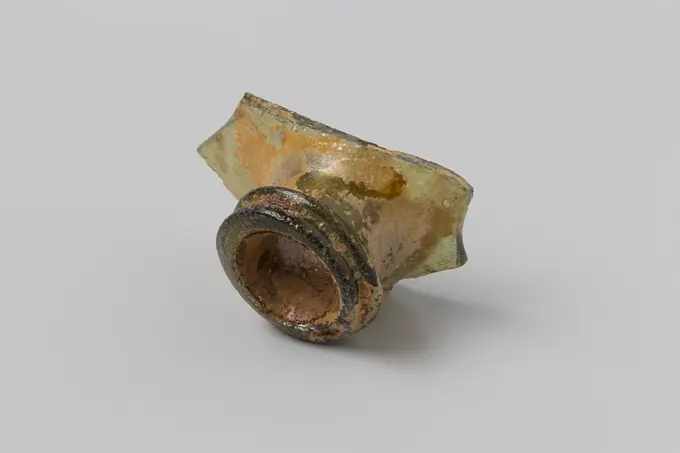
Fragment basement bottle from a shipwreck, anonymous, c. 1700 - c. 1735  Bottom of a basement bottle.  .
Fragment basement bottle from a shipwreck, anonymous, c. 1700 - c. 1735 Bottom of a basement bottle. .
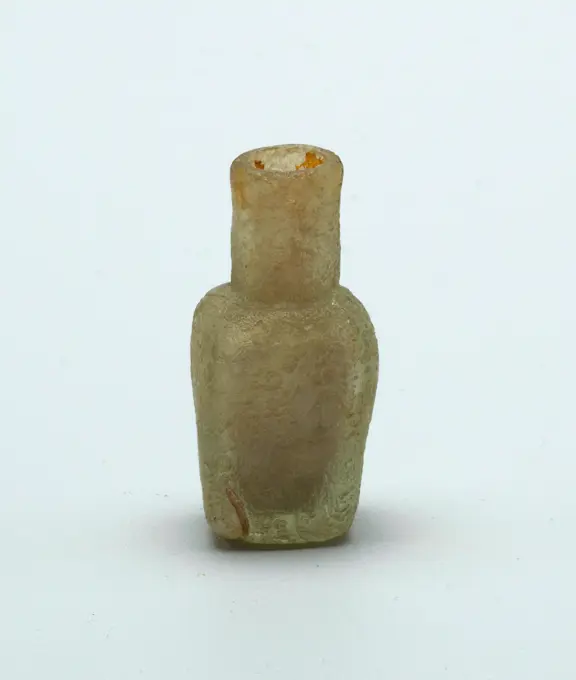
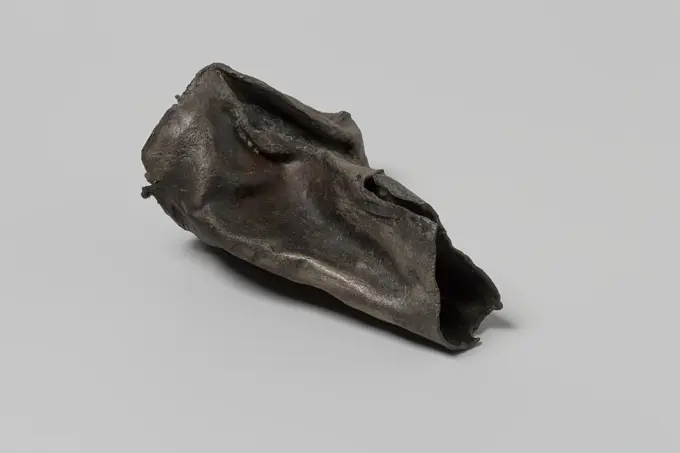
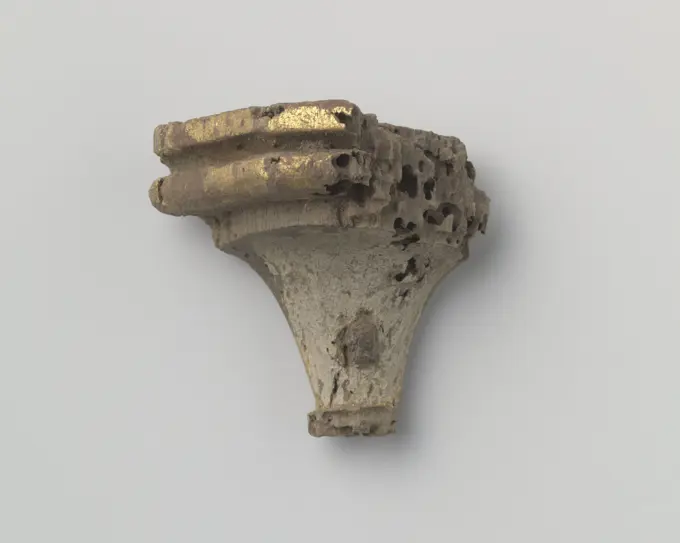
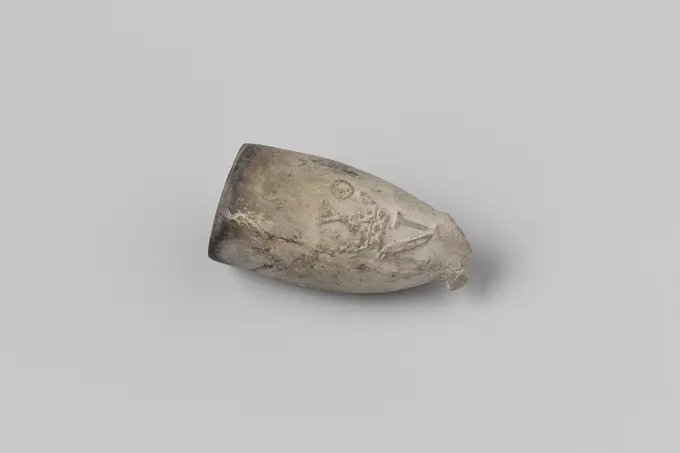
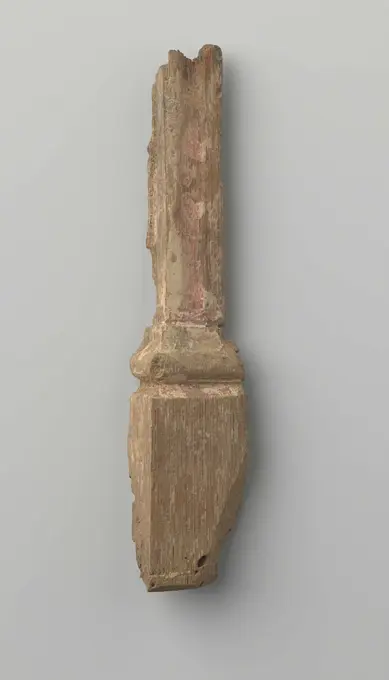
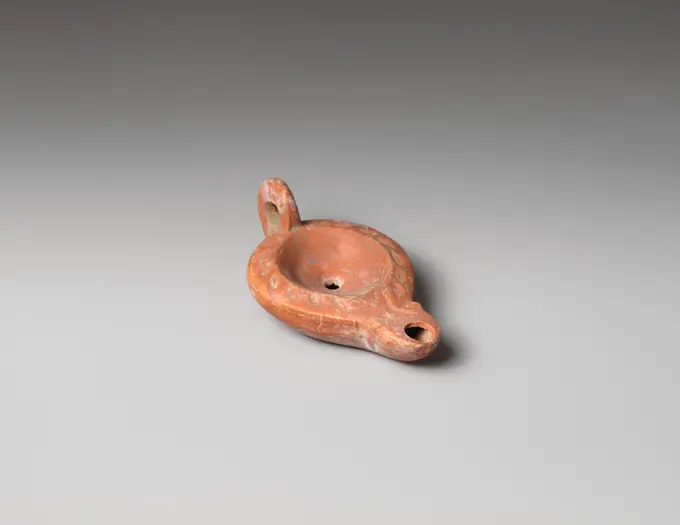
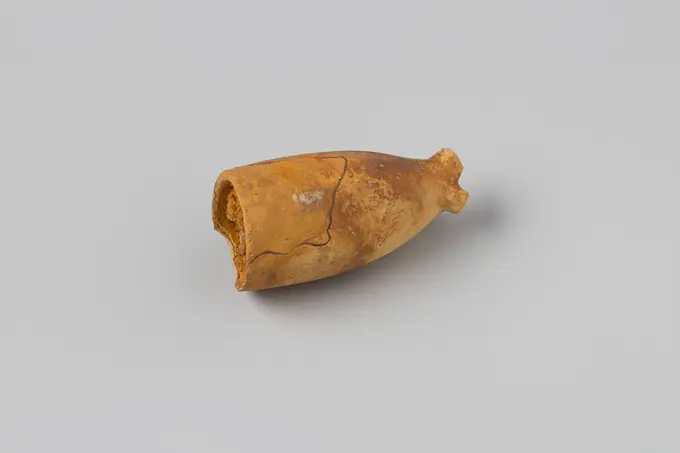
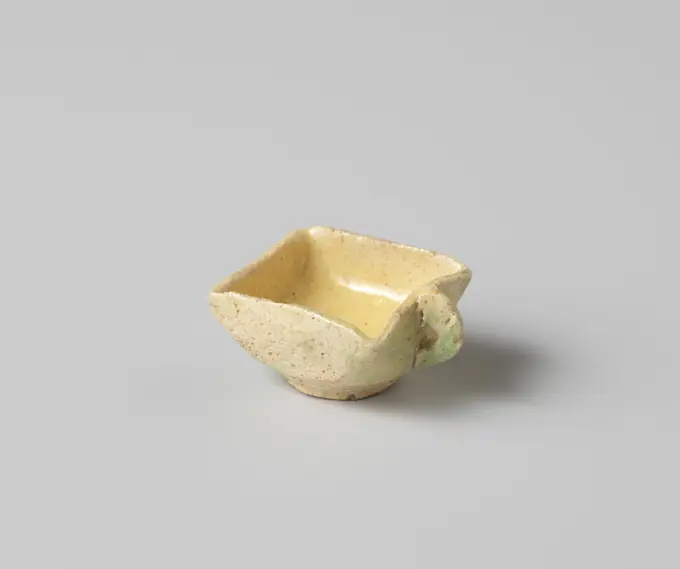
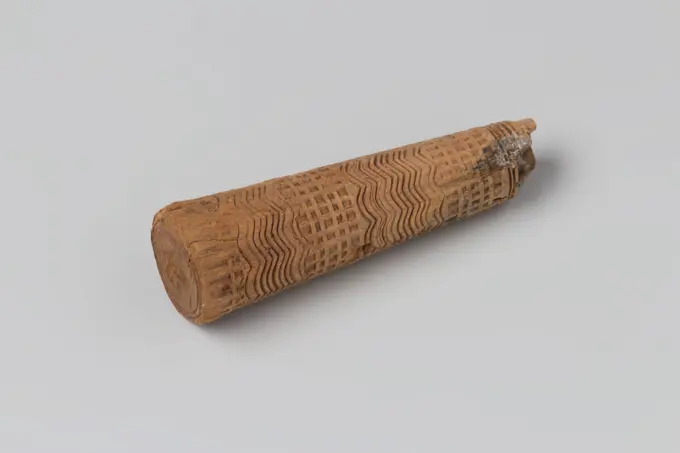
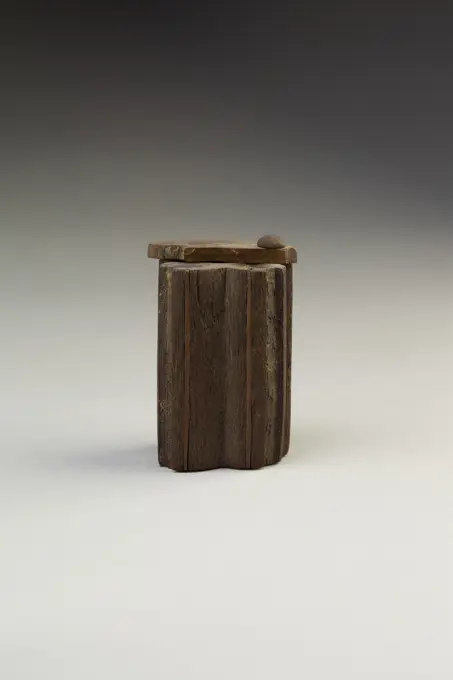
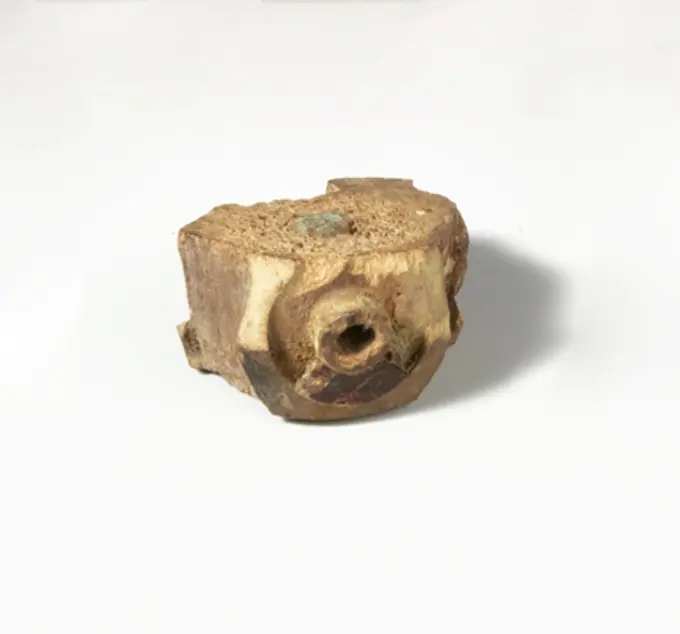
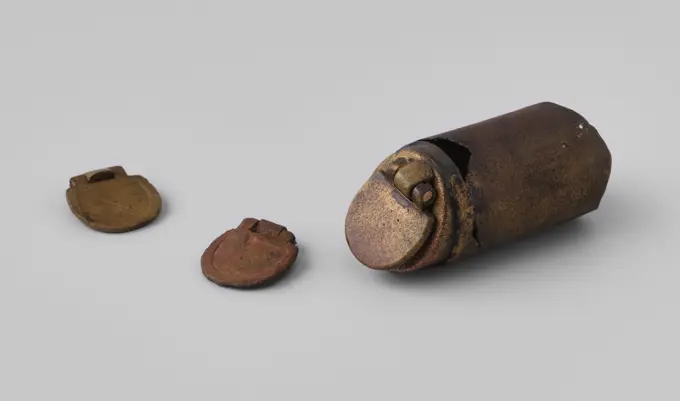
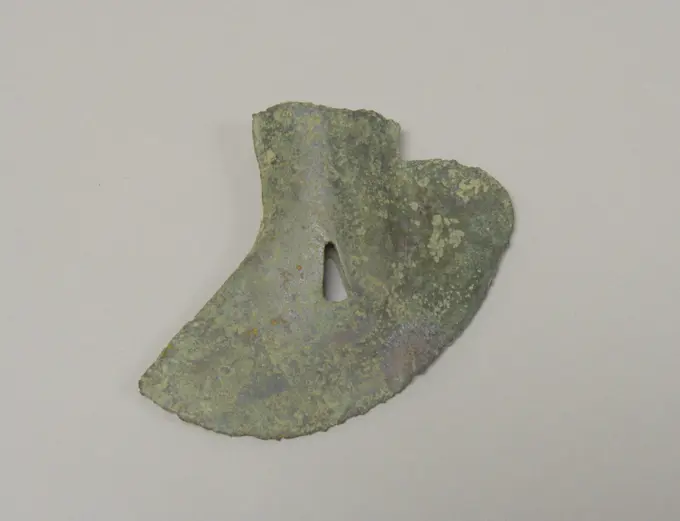
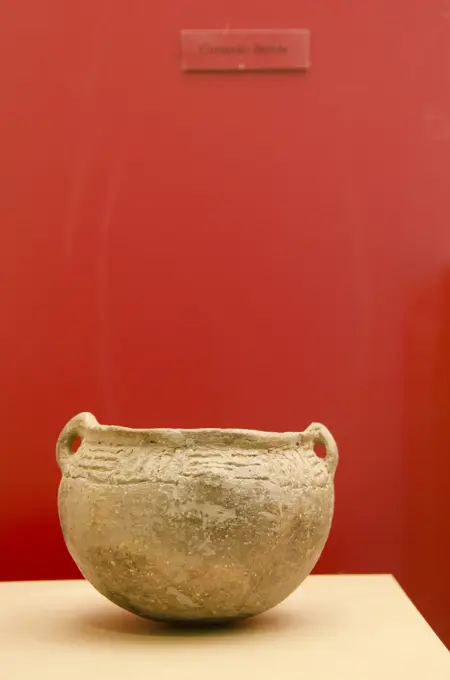
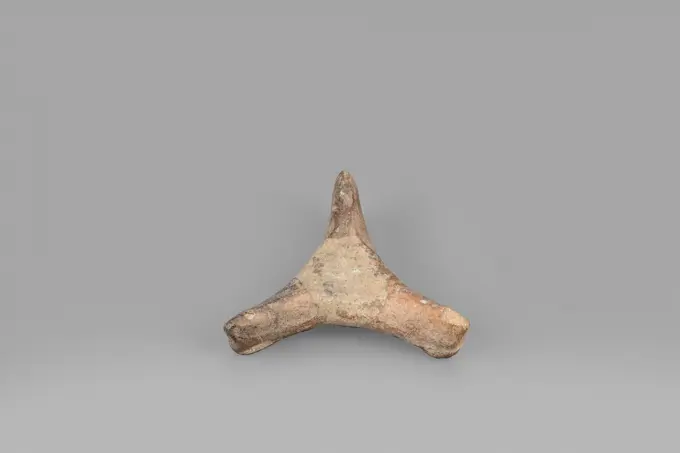
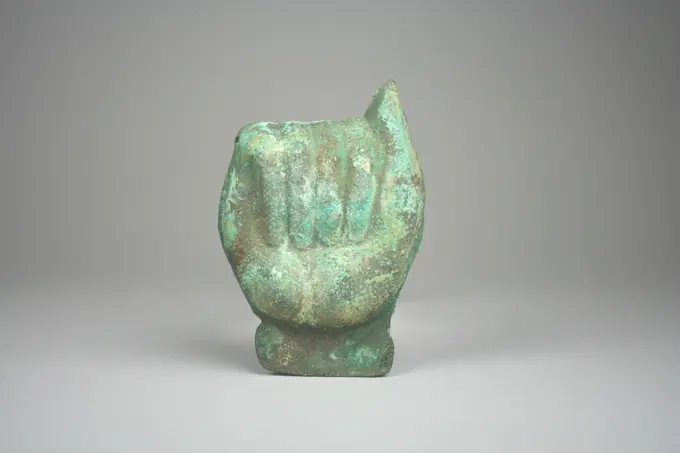
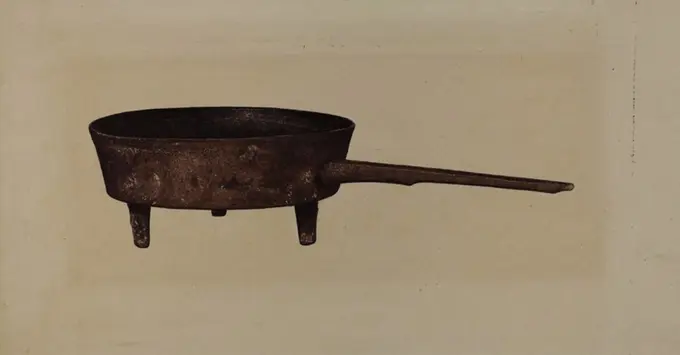
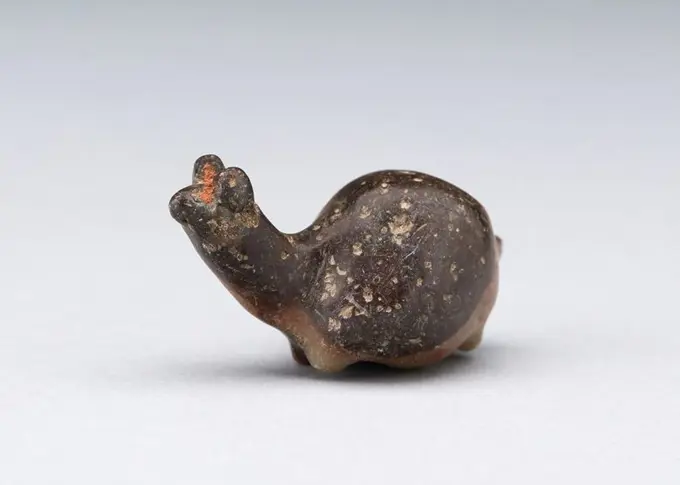
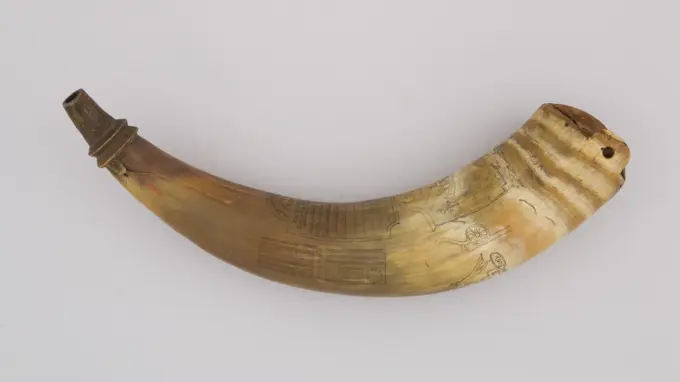
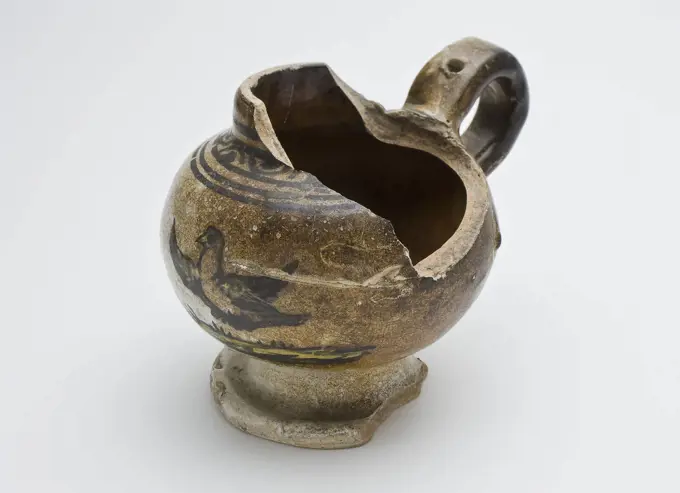
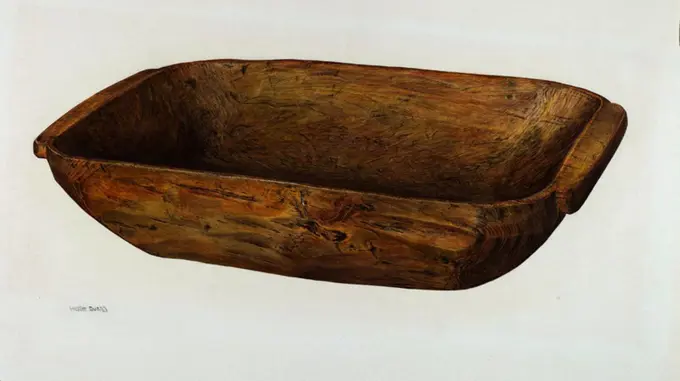
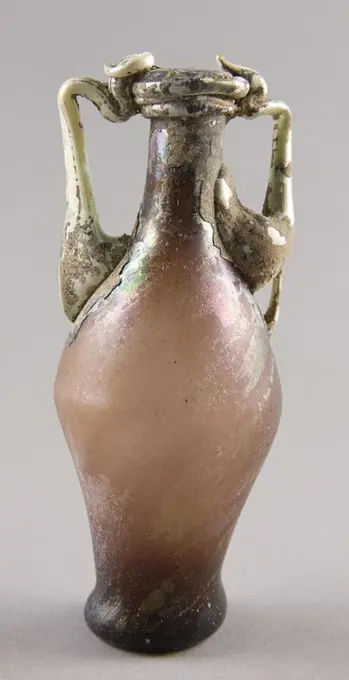
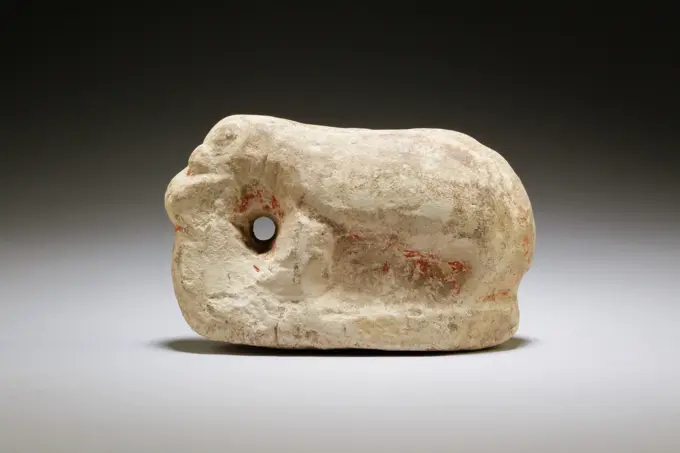
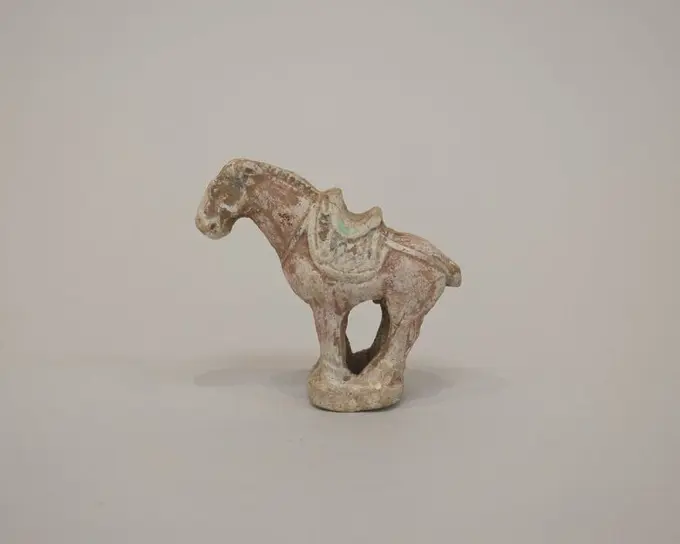
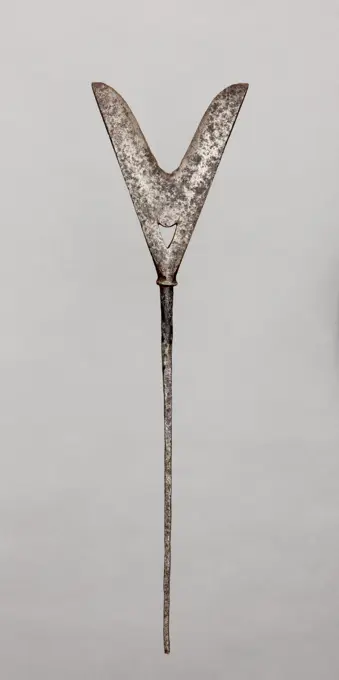
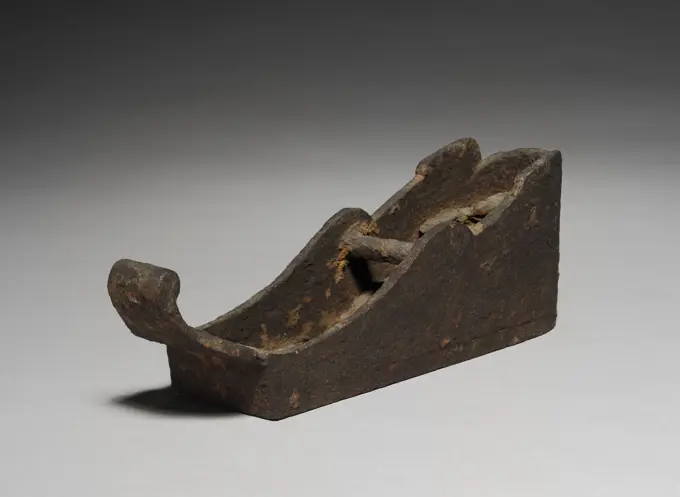
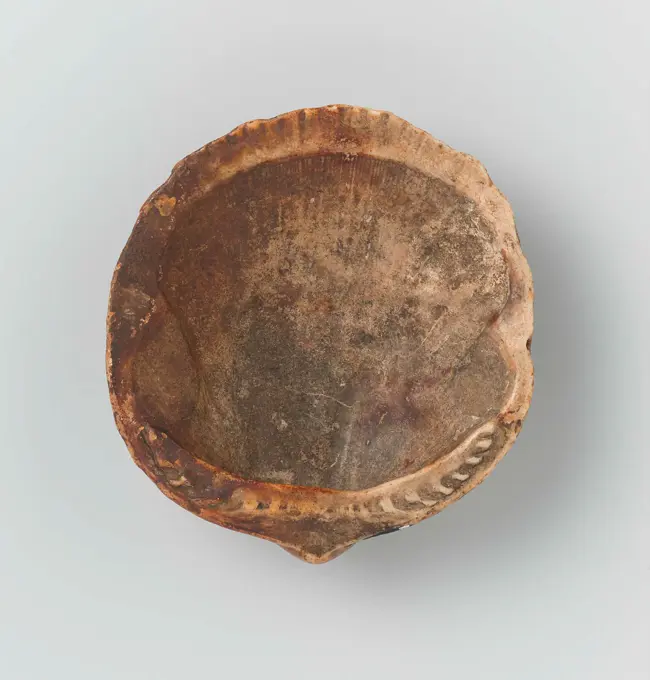
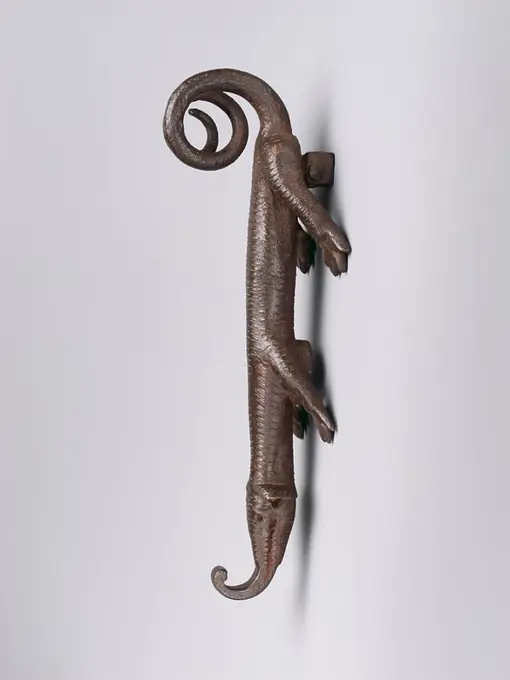
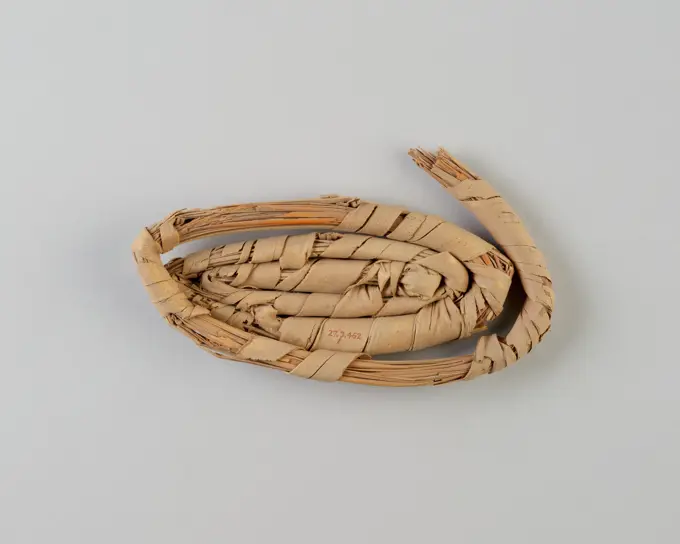
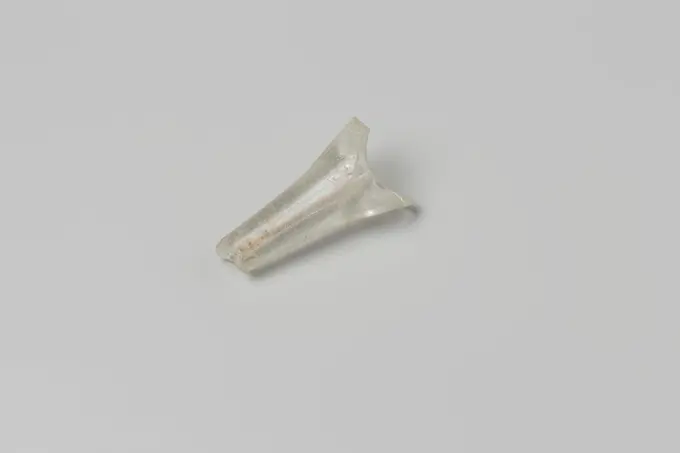
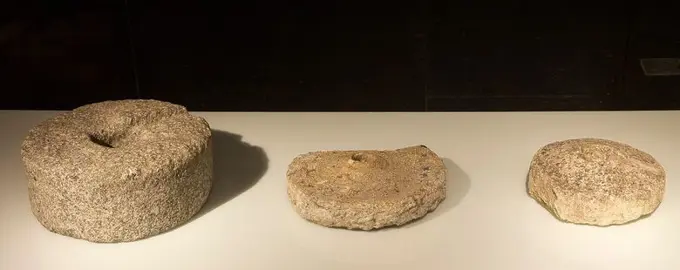
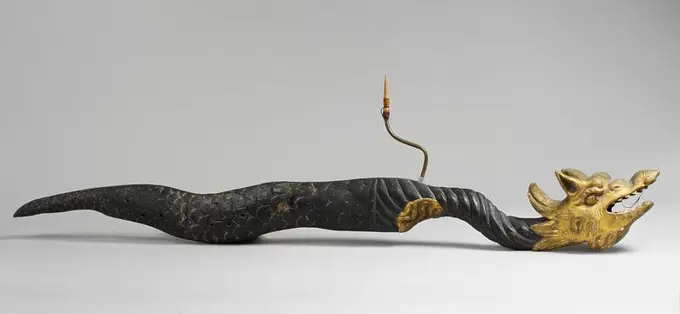
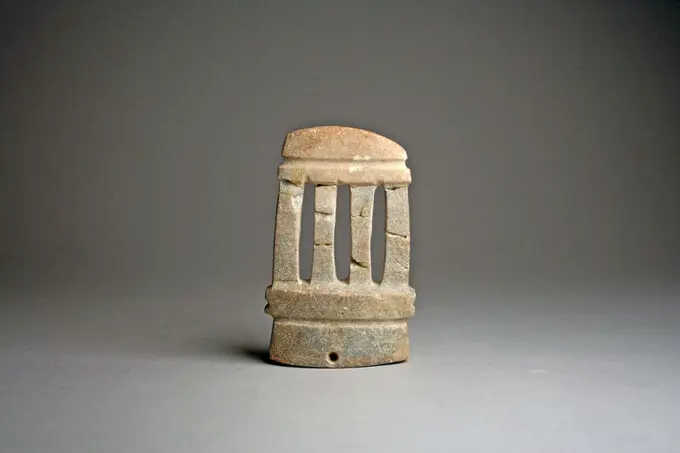
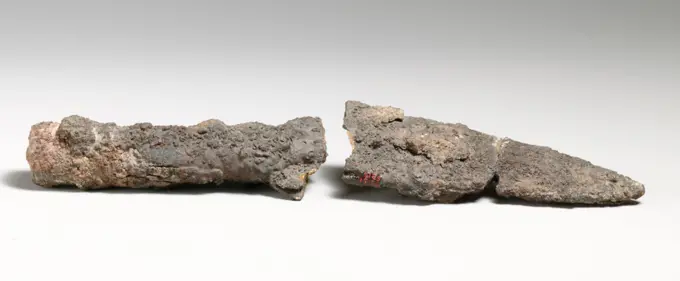
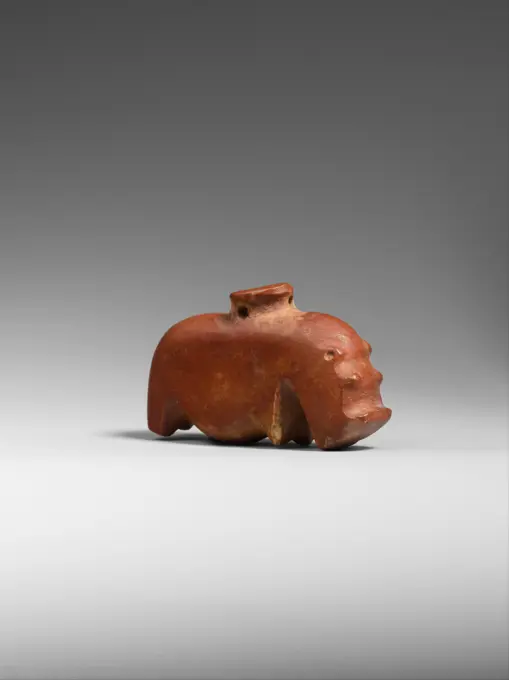
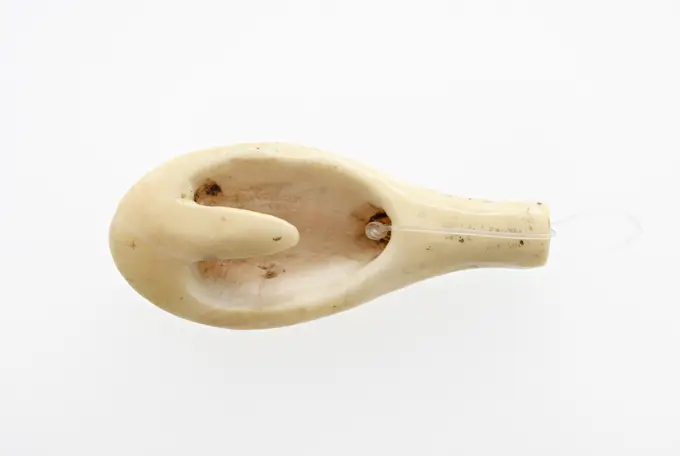
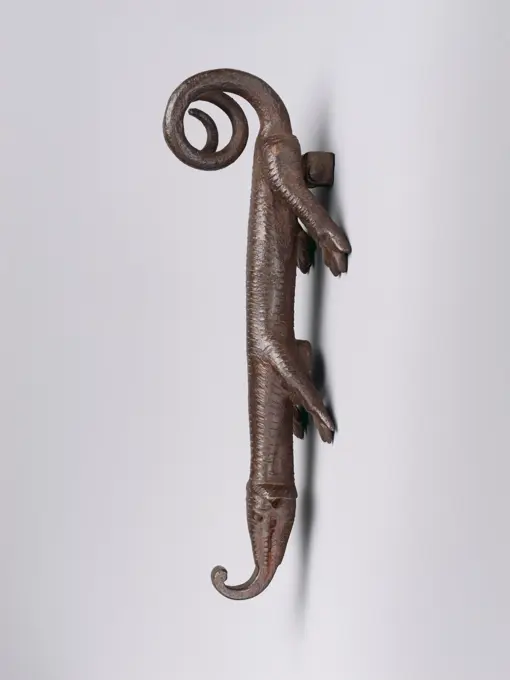
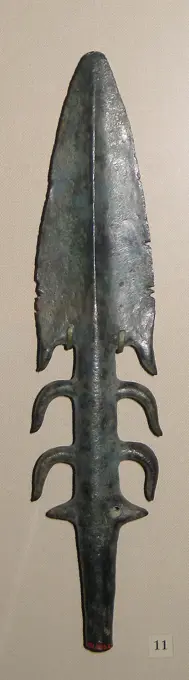
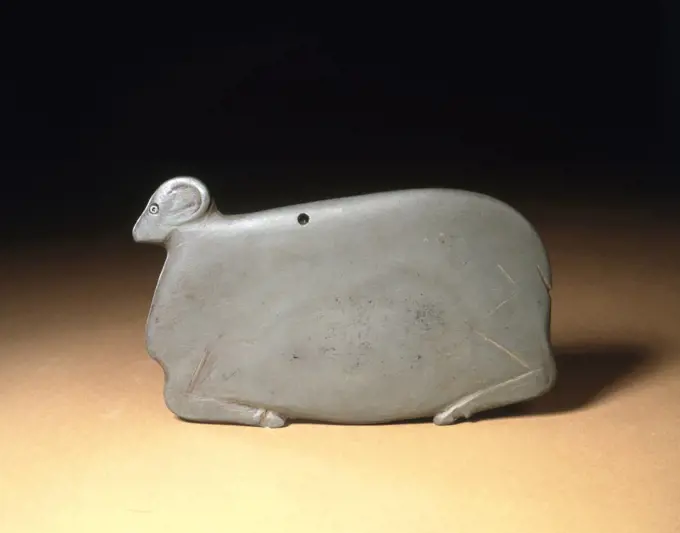
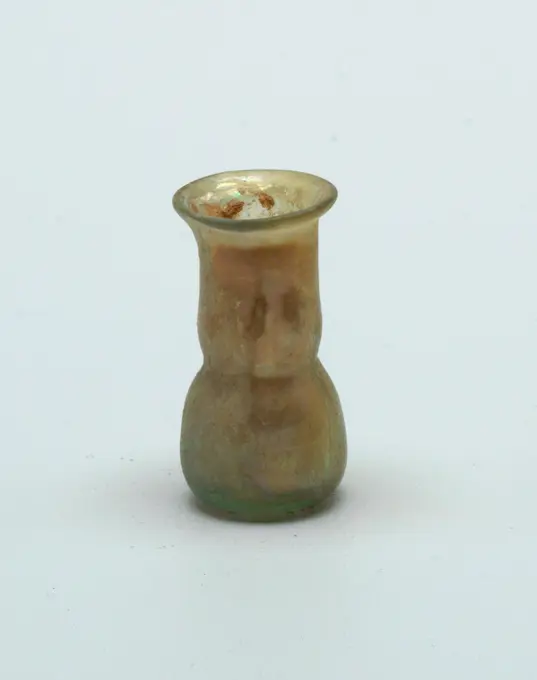
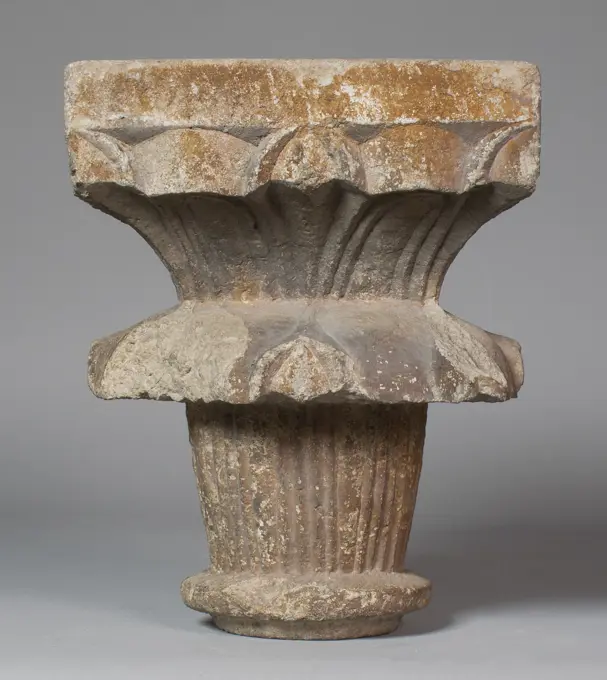
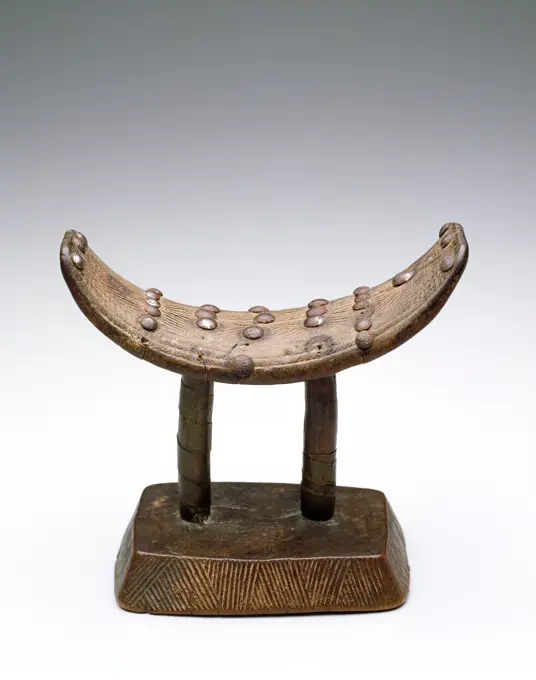
Fragment basement bottle from a shipwreck, anonymous, c. 1700 - c. 1735  Bottom of a basement bottle.  .Stamp of iron for the manufacture of Livreikknopen with the coat of arms of the Bijleveld family, Anonymous, c. 1880 Stamp of iron for the manufacture of Livreikknots of copper with the weapon of the Bijleveld family. Marked: Run *Dav * *RM4. Europe iron (metal) Stamp of iron for the manufacture of Livreikknots of copper with the weapon of the Bijleveld family. Marked: Run *Dav * *RM4. Europe iron (metal)Bottle; iridized glassKan uit het wrak van de Oost-Indiëvaarder Hollandia. Jug, fragm, squashed, handle and spout missing; conical, originally circular base, vertical rectangular indentation in rim where spout was fitted.Fragment (console of the altar cabinet); (possibly) belonging to the retable of Soest, c. 1475 - c. 1499   wood (plant material)   wood (plant material)Womans head - figurine fragment. unknown, craftsmanVial. unknown, craftsmanPijpenkop.Blowjob head with a crown and letter N shown. Of the excavations at the Hofstede Arentsburg 1827-1831 under the supervision of professor Reuvens.Pijpenkop, c. 1400 - c. 1950  Fragment of tobacco pipe.  pipe clay   Zeeuwsche UytkyckBronze saucer-shaped lamp 6th-5th century B.C.. Bronze saucer-shaped lamp. 6th-5th century B.C.. Bronze. Cypro-Archaic or Cypro-Classical. BronzesFragment (from the altar cabinet); (possibly) belonging to the retable of Soest ..Terracotta oil lamp 1st century A.D. Roman Loeschcke Type 4. Mold-made, with ring handle. Plain, deeply concave discus; a single filling hole at center and with a raised circle at edge of discus. On sloping shoulder, a pattern of impressed leaves. Volutes flanking nozzle. Impressed ring base, and a slightly uneven base, with an impressed O at center.Intact.. Terracotta oil lamp. Roman. 1st century A.D.. Terracotta. Early Imperial. TerracottasBlowjob with concretion from the wreck of the East India Hollandia.Pipe, Bowl, Whole Market illegible; No HSM.Cosmetic spoon with duck-head handle. Dimensions: L. 12 cm (4 3/4 in). Dynasty: Dynasty 18. Date: ca. 1550-1295 B.C.. Museum: Metropolitan Museum of Art, New York, USA.copper singing bowl and wooden clapper on a white table. Musical instrument for meditation, relaxation, various medical practices related to biorhythms, in yogaSpoonOil lamp. unknown, craftsmanOil lamp. unknown, craftsmanLighth test with green-filled glaze. Pottery lighthouse, whitened clay with green-filled lead glaze on the outside.Bowl;  1650 BC Until 1200 B.C.E. (-1650-00-00--1200-00-00);Needle . Needle  251906 Needle , Bronze, Other: 4 1/8 in. (10.5 cm). The Metropolitan Museum of Art, New York. Fletcher Fund, 1925 (25.78.126)Maniple;  18th century (1701-00-00-1800-00-00);Messenheft from the wreck of the East Indians Hollandia, Anonymous, 1700 - in Or Before 1743  Knife, handle, cylindrical: tapering; id. NG 1979-403H. Netherlands wood (plant material)   SecondQuatrefoil Kohl Tube of Baki ca. 1504-1447 B.C. New Kingdom. Quatrefoil Kohl Tube of Baki. ca. 1504-1447 B.C.. Ebony, ivory. New Kingdom. From Egypt, Upper Egypt, Thebes, Asasif, Tomb of Neferkhawet (MMA 729), east chamber, Burial of Baki (III), inside coffin near feet, MMA excavations, 1935-36. Dynasty 18, earlyBone and amber segment from a fibula (safety pin) 7th-6th century B.C. Etruscan Inlaid with bone or ivory and with a bronze pin through center.. Bone and amber segment from a fibula (safety pin). Etruscan. 7th-6th century B.C.. Amber, bronze, bone or ivory. Archaic. Miscellaneous-AmberFragment; (possibly) belonging to the retable of Soest, c. 1475 - c. 1499   wood (plant material)   wood (plant material)Clay Ring, 400-999, 1 3/8 x 1 1/4 in. (3.49 x 3.18 cm), Earthenware, Mexico, 5th-10th centuryRoman lamp. Museum: MUSEO DE MATARÓ.Goldweight Drum, 19th-20th century, 11/16 x 9/16 x 5/8 in. (1.75 x 1.43 x 1.59 cm), Brass, Ghana, 19th-20th centuryTube of a fire engine with valve from the wreck of the Dutch East India ship Hollandia, anonymous, 1700 - in or before 1743  Fire engine, firehose, valve; fragm: straight tube, on one end valve seating, circular with semicircular orifice and semicircular boss forming hinge pivot, and (flap)valve, consisting of a semicircular disc with 2 pierced arms fitting onto either side of hinge boss: (flap)valves, id. with hinge bosses in situ. Netherlands copper (metal)   SecondPlanets-manager. Cornalet Collection Sites 2013-2016. Numismatic.Covered Jar with Horn Handle (lid), AD 400s-500s. Korea, Silla (57 BC-935) or Kaya (AD 42-562) period. Red earthenware with applied red slip; diameter of mouth: 9.2 cm (3 5/8 in.); overall: 15.3 x 13.5 cm (6 x 5 5/16 in.).Asymmetric Pediform Hafted Ax 500 B.C.-A.D. 300 Vietnam (North). Asymmetric Pediform Hafted Ax. Vietnam (North). 500 B.C.-A.D. 300. Bronze. Bronze and Iron Age period. MetalworkBlade Made 2000 BCE-1001 BCE China. Jade .Fish-Shaped Vinaigrette. Possibly Joseph Willmore; Birmingham, England. Date: 1813-1823. Dimensions: 8.9 cm (3 1/2 in.). Silver and silver gilt. Origin: Birmingham. Museum: The Chicago Art Institute, Chicago, USA.Copper alloy spearhead ca. 2500-2000 B.C. Cypriot Leaf-shaped blade with a hooked tang.. Copper alloy spearhead 244153Makelaarsstokje by Willem Gideon Kleman Jr., broker in Amsterdam, widow H. de Groot, c. 1826  Twisted wooden stick, covered with silver on both ends; top: crowned coat of arms, flanked by two lions; on the side inscription; underside: monogram of letters M, K, R and S inside pearl edge; inscription Amsterdam silver (metal). ebony (wood) engraving  AmsterdamTerracotta oil lamp 1st century B.C.-1st century A.D. Roman Loeschcke Type 4. Mold-made. Discus: two dolphins, facing downward, flanking a vertical anchor; a single filling hole at center obscuring the top of the anchor, and a band of lines and grooves at edge. Small volutes flanking nozzle. Incised base ring, and slightly uneven base.Intact.. Terracotta oil lamp. Roman. 1st century B.C.-1st century A.D.. Terracotta. Early Imperial. TerracottasDisc from v.o.c.-ship the 'white lion'. Disc from v.o.c.-ship the 'white lion'.Single WineCupPion 7, Saar de Swart, 1923 - 1925 Male figure in gown. sculptor: Capricaster: Naples bronze (metal). patina: cuprous oxide casting Male figure in gown. sculptor: Capricaster: Naples bronze (metal). patina: cuprous oxide castingReduced housing model: feeder. Terracotta. Cernuschi Museum, Asia Museum of Asia in the city of Paris.Mineral water bottle, 'Hamilton', bottle holder soil found glass, in blown glass application Mineral water bottle in (thick) light green glass. Elongated oval body with egg-shaped bottom Narrow shoulders to cylindrical neck with convex flattened lip archeology packagingUSA, Mississippi, Greenville. Winterville Mounds, one of the largest Native American mound sites in the US, circa AD 1100. National Historic Landmark. Ancient pottery display.White clay pipe, unnoticed, with smooth handle and small decoration on the boiler, clay pipe smoking equipment smoke floor pottery ceramic pottery, pressed pressed baked White clay pipe unnoticed with smooth handle Pipe is made in uneven mold press seams still visible. Boiler carries on both sides decoration consisting of vague circular shape with an image. Image not recognizable archeology smoking tobaccoStand for firing ceramic vessels. unknown, craftsmanFist Ornament 6th-7th century Moche (Loma Negra). Fist Ornament 314710Skillet with Four Legs. Dated: 1935/1942. Dimensions: overall: 26.5 x 45.9 cm (10 7/16 x 18 1/16 in.) Original IAD Object: 9" in diameter; 3 3/4" high. Medium: watercolor, graphite, and pen and ink on paperboard. Museum: National Gallery of Art, Washington DC. Author: American 20th Century.Bronze spur Roman or later Although spurs seem to have been known to the Greeks, they came into regular use only with the Romans.. Bronze spur. Roman or later. Bronze. Imperial. BronzesRing. Ring 243479Wood Fragment 4th-7th century Coptic. Wood Fragment 478770Weight Representing a Llama. Inca; Probably vicinity of Cuzco, Peru. Date: 1450-1532. Dimensions: 3.8 x 3.2 cm (1 1/2 x 1 1/4 in.). Limestone with pigment. Origin: Peru. Museum: The Chicago Art Institute, Chicago, USA.Silver thimble, like a flat ring with wide nail protective upper part, anonymous, c. 1817 - c. 1820 Silver thimble, like a flat ring with wide nail protective upper part and a narrow sub -part; To make the first finger on the sewing freely. Brands: Zwaantje, for Groningen and W. S., W. Schutter. Groningen whole: Silver (Metal) forging Silver thimble, like a flat ring with wide nail protective upper part and a narrow sub -part; To make the first finger on the sewing freely. Brands: Zwaantje, for Groningen and W. S., W. Schutter. Groningen whole: Silver (Metal) forgingSpherical Fragment, 1200s. France (). Limestone; overall: 5.3 x 8 cm (2 1/16 x 3 1/8 in.).Powder Horn Horn, 18th to 19th century; engraving, late 19th to early 20th century American. Powder Horn 29561Opium Pipe, 1800s. China, Qing dynasty (1644-1911). Lacquer with silver and gold inlay; overall: 56.8 cm (22 3/8 in.).Majolica mustard pot, on which polychrome pigeon, mustard pot crockery holder soil find ceramic earthenware glaze tin glaze lead glaze, hand-turned baked painted glazed Majolica mustard pot Belly model on stand foot. Upright neck edge sausage ear. Hollow base Polychrome decor consisting of pigeon flying above ground White fond archeology serving serving mustard condimentShard of coffin from v.O.c.-ship the 'white lion'. Shard from coffin from v.O.c.-ship the 'white lion', green glass bottle neck with a yellow-brown attack.Chopping Bowl. Dated: c. 1941. Dimensions: overall: 32.7 x 46.1 cm (12 7/8 x 18 1/8 in.) Original IAD Object: 19 7/8" long; 13" wide; 4 1/4" high. Medium: watercolor and graphite on paperboard. Museum: National Gallery of Art, Washington DC. Author: Hester Duany.Flask. Roman; Levant or Syria. Date: 101 AD-300 AD. Dimensions: 14.3 × 6.4 × 6.4 cm (5 5/8 × 2 1/2 × 2 1/2 in.). Glass, blown technique. Origin: Syria. Museum: The Chicago Art Institute, Chicago, USA. Author: ANCIENT ROMAN.Figurine of hippopotamus ca. 1981-1640 B.C. Middle Kingdom. Figurine of hippopotamus. ca. 1981-1640 B.C.. Limestone, paint. Middle Kingdom. From Egypt, Memphite Region, Lisht North, Cemetery, MMA excavations, 1906-07. Dynasty 12-13Miniature Figure of a Horse. Culture: China. Dimensions: H. 3 3/4 in. (9.5 cm); W. 1 1/4 in. (3.2 cm); L. 3 in. (7.6 cm). Museum: Metropolitan Museum of Art, New York, USA.Lid. White proto-chip, ivory glaze. Cernuschi Museum, Asia Museum of Asia in the city of Paris.Kohl pot ca. 2030-1640 B.C. Middle Kingdom. Kohl pot. ca. 2030-1640 B.C.. Pottery: gulleh ware. Middle Kingdom. From Egypt, Upper Egypt, Thebes, Asasif, Tomb CC 41, MMA excavations, 1915-16. Dynasty 13Arrow Head, 1600s. Japan, Edo period (1615-1868). Iron; overall: 32.2 cm (12 11/16 in.).Vase fragment East Greek/Sardis, Lydian. Vase fragment 252816 East Greek/Sardis, Lydian, Vase fragment, Terracotta, Overall: 2 3/8 x 2 15/16in. (6 x 7.5cm). The Metropolitan Museum of Art, New York. Gift of The American Society for the Excavation of Sardis, 1926 (26.199.249)Carpenter's Plane, 1400s. Italy, 15th century. Wood; overall: 24.2 cm (9 1/2 in.).Shell or paint shell. Shell or paint shell.Door knocker in the shape of a lizard-like creature. Culture: Spanish. Dimensions: without tang: 11 13/16 × 3 7/8 × 4 1/8 in. (30 × 9.9 × 10.5 cm)Overall with mounting (tang): 11 13/16 × 3 7/8 × 5 7/8 in. (30 × 9.9 × 15 cm). Date: 15th or 16th century.The later Middle Ages was practically a second Iron Age, producing vast quantities of armor, weaponry and all manner of functional objects from nails to elaborate strap work hinges, ornate locks and household tools. A highly specialized craft, the best ironsmiths took pride in bringing decorative refinement to their works often elaborating surfaces that could not be seen and transfiguring the functional into the figural. These door knockers are fine examples of the wit, humor, and skill the best ironsmiths could bring to their products.This door knocker is in the form of a lizard-like creature with a long tail curled up into two concentric circles, legs with three-toed feet projecting forward, and a long snout that curls up in a flatteTray ca. 1479-1458 B.C. New Kingdom. Tray. ca. 1479-1458 B.C.. Straw and palm leaf. New Kingdom. From Egypt, Upper Egypt, Thebes, Deir el-Bahri, Tomb of Senenmut (TT 353), Foundation deposit 2, 5a, scattered, MMA excavations, 1926-27. Dynasty 18Straight steel of glass from the wreck of the East Indieschief Hollandia. Glass, Voice Glass, votes, Plain; Fragm, ID. NG 1980-27H798.Brick from the wreck of the East Indians Princesse Maria, Anonymous, 1682 - 1686 brick (clay product) Brick from the wreck of the East Industrial Princesse Mary. Netherlands brick (clay product)Terracotta oil lamp Roman ca. 40-100 CE Loeschcke Type 4. Mold-made. Discus: charioteer driving biga to right, holding reins in left hand and whip in right over his head; a single filling hole at right below horses' bodies; band of lines and grooves towards edge; narrow, undecorated shoulder. Volutes flanking large nozzle. Incised base ring, and flat base.Intact, except for small chip in front of nozzle. View more. Terracotta oil lamp. Roman. ca. 40-100 CE. Terracotta. Early Imperial. TerracottasAnonymous / "Wheels of hand mills", 2nd-5th centuries, Carving on different types of stone.Sea Dragon. Culture: Italian. Dimensions: Height: 54 1/2 in. (138.4 cm)Width: 8 in. (20.3 cm)Depth: 3 1/2 in. (8.9 cm). Date: 17th century.This and a similar dragon in The Cincinnati Art Museum are the only known instruments of this kind to survive. Used as a stage prop, it probably appeared in masquerades and theatrical scenes depicting the underworld. The instruments were capable of producing sounds and noises that supported onstage dramaturgical actions both visually and aurally. Made from two joined hollowed out lengths of wood, the dragon was then sculpted, painted a dark green and gilded on its head and fins. During the 19th century the body was partially re-painted black. The original mouthpiece and bocal are now missing. Museum: Metropolitan Museum of Art, New York, USA.Disc -shaped fragment from the wreck of the East Indians Hollandia, Anonymous, 1700 - in Or Before 1743 fragment Varied parts or fragments, discs and disc-shaped fragments; corroded, consisting of 2 circular, flat, discs, with central rivet. Netherlands tin (metal). lead (metal)   SecondEar Ornament 10th-15th century Taíno This bone ear ornament contains stylized motifs related to zemí imagery. Zemí (or cemí) is a term used by Taíno peoples, the diverse societies that inhabited the Antilles archipelago before European contact, that linguistically relates to a quality akin to sweetness. Zemí refers not to an object or image but to an immaterial, spiritual, and vital force pertaining to deities and ancestors. There are several known zemí identities recorded by the Spanish, some of which have been linked to archaeological images.. Ear Ornament. Taíno. 10th-15th century. Ceramic. Dominican Republic, Caribbean. Ceramics-OrnamentsFragments of a pipe head and pipe stalks from the wreck of the East Indians' t Vliegend Hart ,, 1700 - 1735  A fragment of the head of a Gouda earthen pipe and 7 fragments of cushion stems with caked metal remains. Gouda pipe clayStone Temple Model. Culture: Mezcala. Dimensions: H. 4 5/16 x W. 2 3/4 in. (11 x 7 cm). Date: 1st-8th century. Museum: Metropolitan Museum of Art, New York, USA.Spearhead ca. 1000-900 B.C. Cypriot. Spearhead 244194Old stone grinder on white background Copyright: xVirenxDesai/DinodiaxPhotoxHippopotamus amulet ca. 3700-3450 B.C. Predynastic, Naqada I-early Naqada II Egyptologists understand this figurine to be an amulet, which was designed to be suspended by a cord passing through the holes above its back. This type of hippo figurine is distinctive for three reasons: they were made from pink limestone, created in pairs, and depicted as pregnant females. This last observation is evident by from the swollen belly that nearly touches the ground; most hippo statuettes do not display this feature.. Hippopotamus amulet 547231Censer 7th century. Censer 446621Bronze statuette of a man working 5th century B.C. Greek. Bronze statuette of a man working 255388Clothing clasp -Cuff knot of Dutch silver coins, c. 1944 - c. 1950 Cuff knot of Dutch silver coins. The knot consists of a dime and a quarter with the sculptor of Wilhelmina. The penny is a stiff connecting piece that is linked to the dime. Rotterdam silver (metal) Cuff knot of Dutch silver coins. The knot consists of a dime and a quarter with the sculptor of Wilhelmina. The penny is a stiff connecting piece that is linked to the dime. Rotterdam silver (metal)Shu Amulet 664-332 B.C. Late Period Shu, god of the air, is associated with the principle of life. In the Heliopolitan creation myth, Shu initiated life by raising the sky to separate it from the earth. In amulets Shu kneels with arms raised to perform this feat. Very often a sun disk is shown over his head, alluding to the sky.. Shu Amulet 545347Lambis lambis shell from the wreck of the Dutch East India ship Witte Leeuw, before 1613  Shell from V.O.C. ship the 'Witte Leeuw'. One of five shells.  .   Sint-HelenaDoor knocker in the shape of a lizard-like creature 15th or 16th century Spanish The later Middle Ages was practically a second Iron Age, producing vast quantities of armor, weaponry and all manner of functional objects from nails to elaborate strap work hinges, ornate locks and household tools. A highly specialized craft, the best ironsmiths took pride in bringing decorative refinement to their works often elaborating surfaces that could not be seen and transfiguring the functional into the figural. These door knockers are fine examples of the wit, humor, and skill the best ironsmiths could bring to their products.This door knocker is in the form of a lizard-like creature with a long tail curled up into two concentric circles, legs with three-toed feet projecting forward, and a long snout that curls up in a flattened proboscis. The surface is textured with short parallel chiseled lines. The eyes are indicated by small holes pressed into the metal in its heated state and the mouth is oHarpoon 1500-500 B.C. India. Harpoon 50606Predynastic Slate Palette In The Form Of A Recumbent Ram C. 4000-3600 BC Artifacts(- ) Christie's Images, London, England Sealing with cylinder seal impressions ca. 2700-2600 B.C. Sumerian. Sealing with cylinder seal impressions. Sumerian. ca. 2700-2600 B.C.. Clay. Early Dynastic II. Mesopotamia, NippurVase; light olive glassCapital 15th century Spanish. Capital. Spanish. 15th century. Sandstone. Made in Spain. Sculpture-ArchitecturalReduced housing model: pavilions and walls of the right angle. Terracotta. Cernuschi Museum, Asia Museum of Asia in the city of Paris.Figurine of Chthonic ErosKnob ca. 8th century B.C. Assyrian This is one of a group of ivory knobs found in a storage room in the large building at Nimrud named Fort Shalmaneser by the excavators. Carved ivory was widely used in the production of elite furniture during the early first millennium B.C. Ivory plaques and strips were often inlaid into a wooden frame using joinery techniques and glue. Knobs such as these could have been used to mask dowel holes and nail heads in a finished piece of furniture. Built by the Assyrian king Ashurnasirpal II, the palaces and storerooms of Nimrud housed thousands of pieces of carved ivory. Most of the ivories served as furniture inlays or small precious objects such as boxes. While some of them were carved in the same style as the large Assyrian reliefs lining the walls of the Northwest Palace, the majority of the ivories display images and styles related to the arts of North Syria and the Phoenician city-states. Phoenician style ivories are distinguished by their use of iMouthpiece L. BERNSTEINHeadrest, 19th century, (15.7 x 15.7 x 8.9 cm), Wood, copper, Democratic Republic of the Congo, 19th century, The Luba use headrests to protect the elaborate coiffure that is important to their culture. The coiffure, a tradition seen in many African cultures, represents age, status, and gender and is typically adorned with metal, beads, and charms for spiritual power. In addition to the coiffure, scarification is also an important element in Luba tradition because it represents status and is often done to commemorate a rite of passage. On this headrest, the decorative metal tacks create a raised surface that leaves an imprint on the skin when the user sleeps on their side. These imprints represent the tradition of scarification in Luba culture called ntapo.Female Figurine. Anatolia, Syro-Hittite, 2000-1000 B.C.. Sculpture. Terracotta