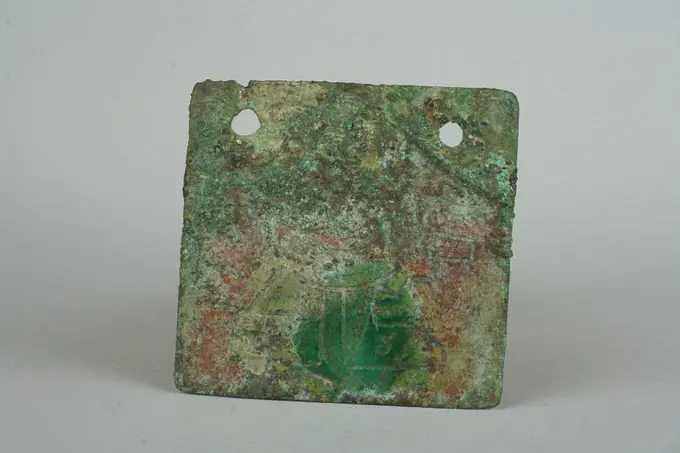
Historical Artifacts

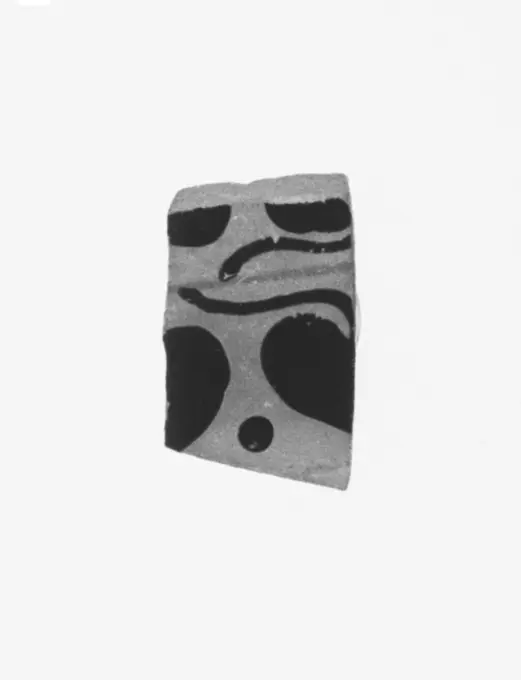
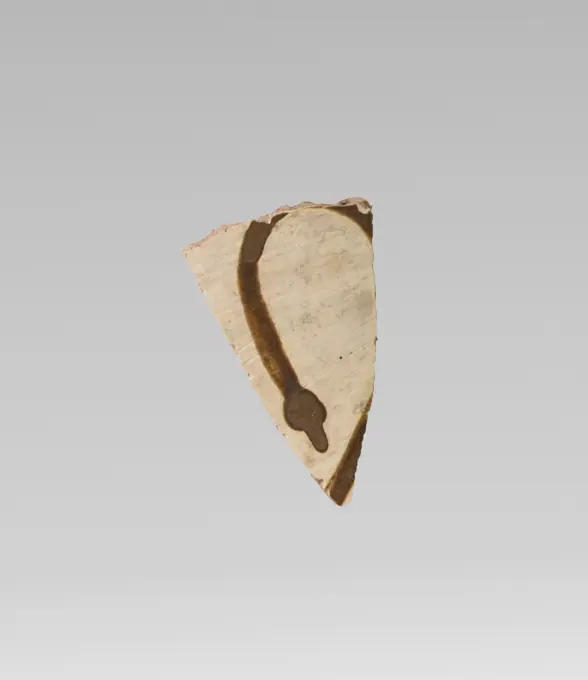
Fragments of ancient mosaics and ceramics with intricate designs, showcasing historical craftsmanship and unique cultural styles.

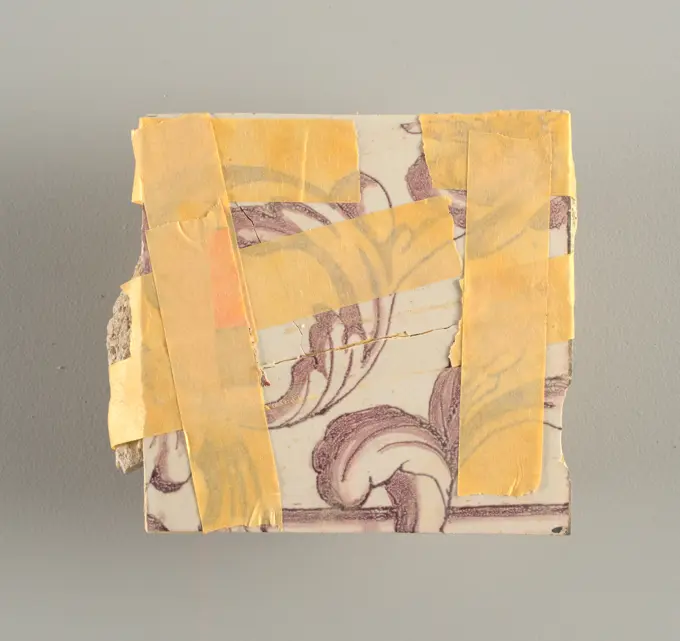
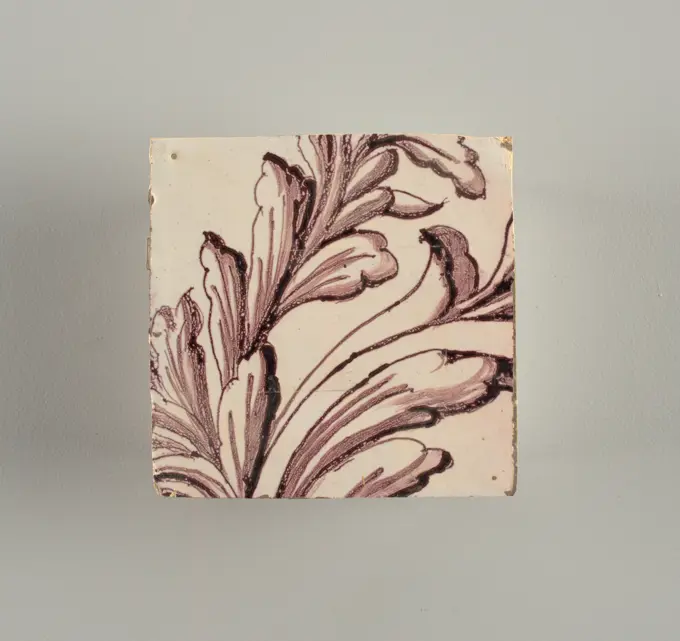
Sharf multicolored majolica, anonymous, 1500 - 1699  Majolic screen. Northern Netherlands earthenware. glaze
Sharf multicolored majolica, anonymous, 1500 - 1699 Majolic screen. Northern Netherlands earthenware. glaze
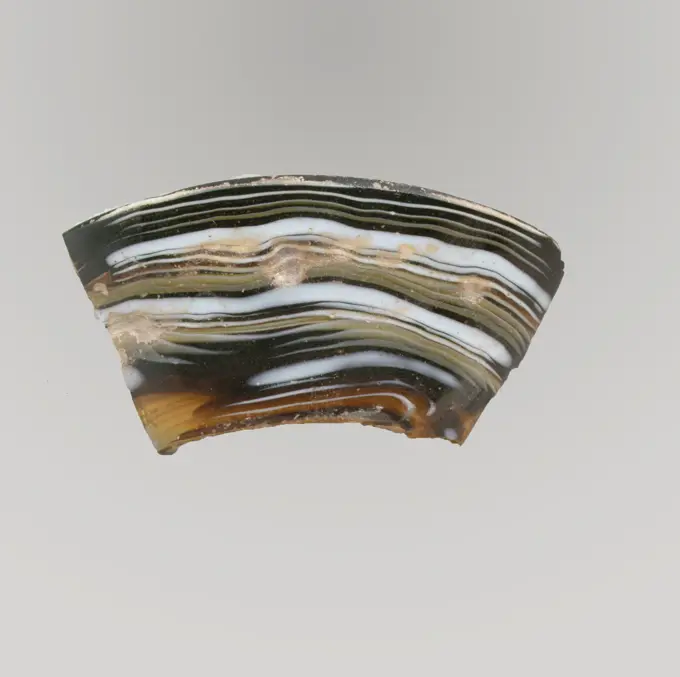
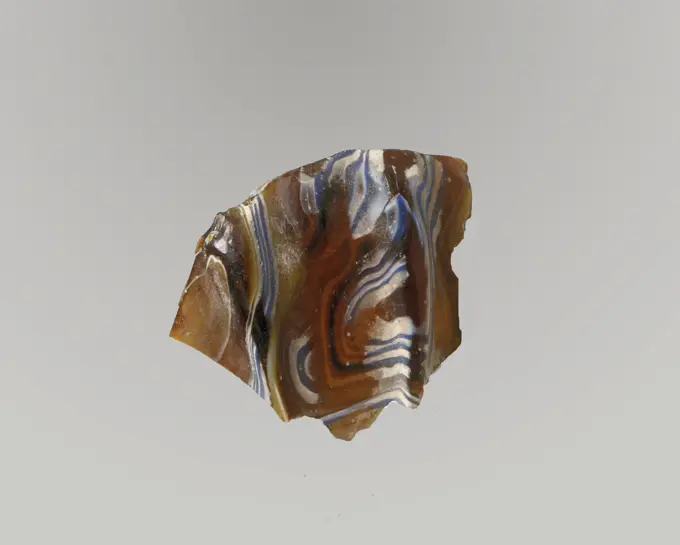
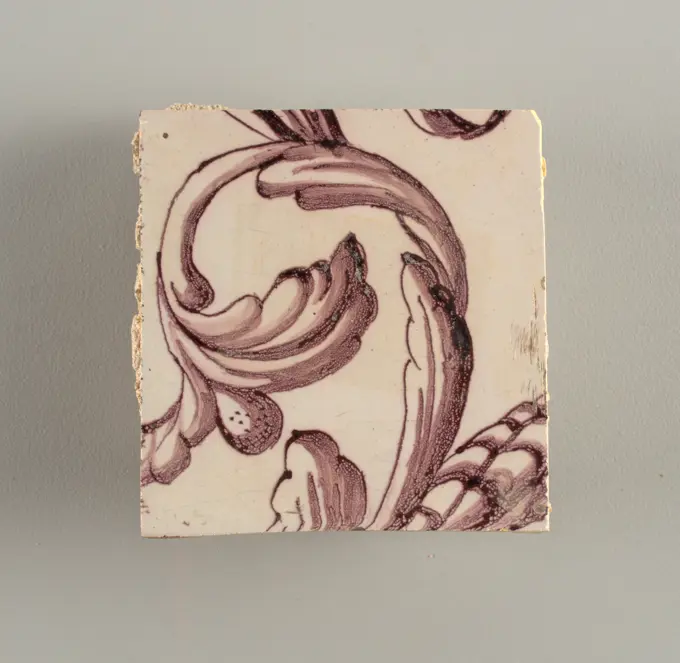
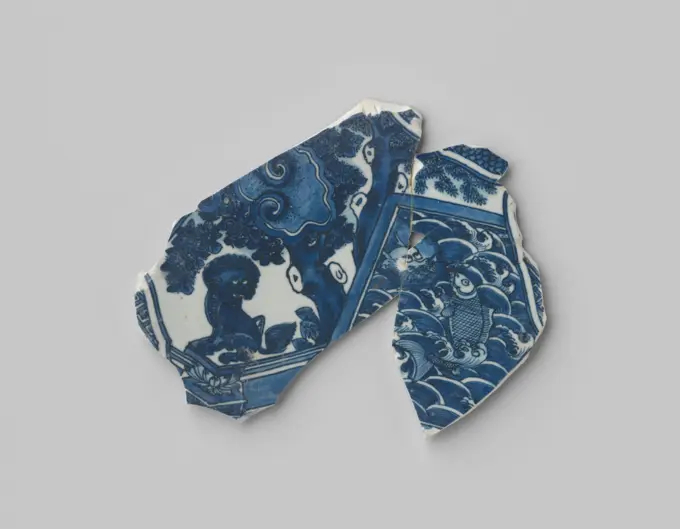
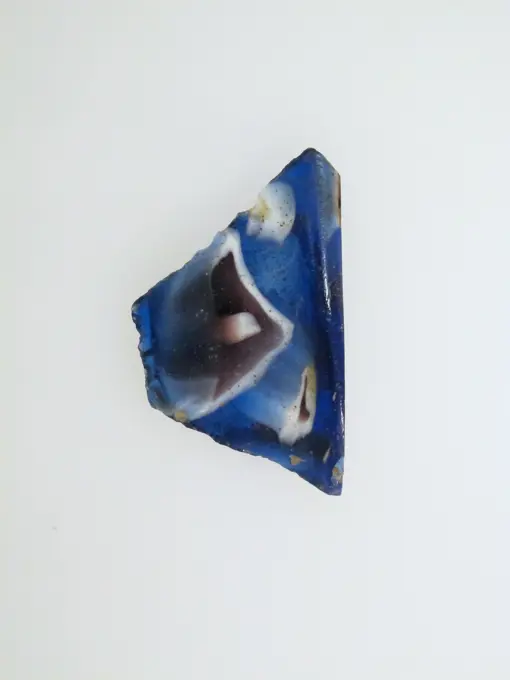
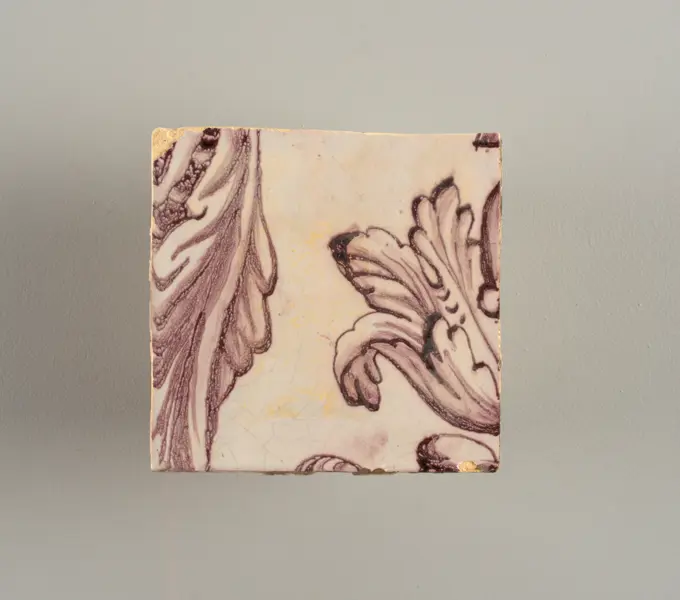
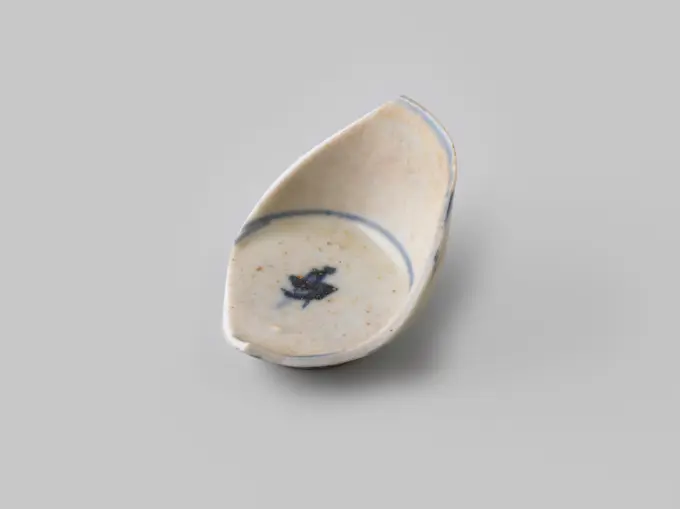
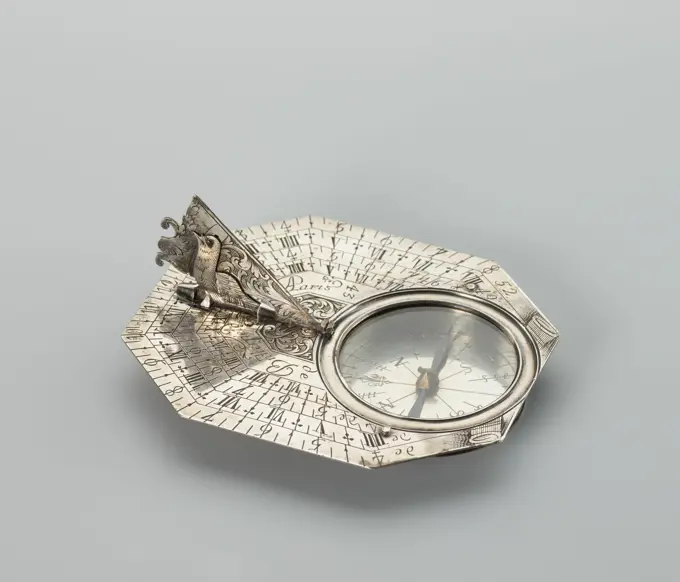
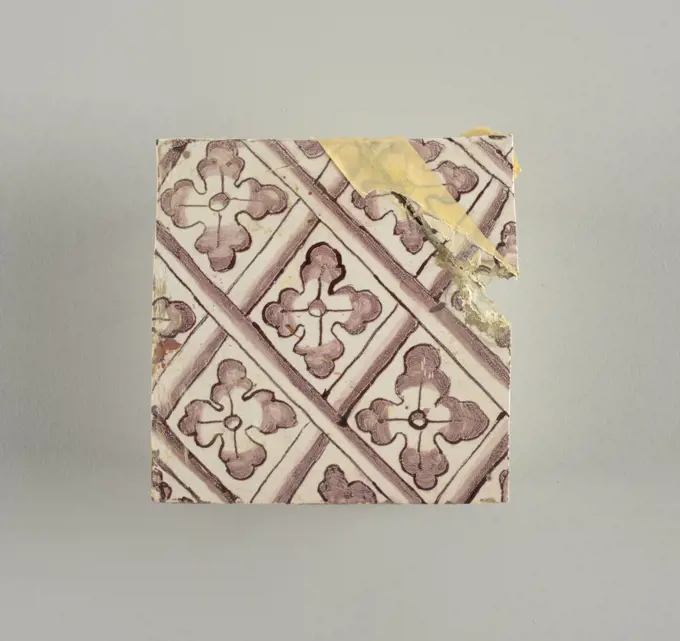
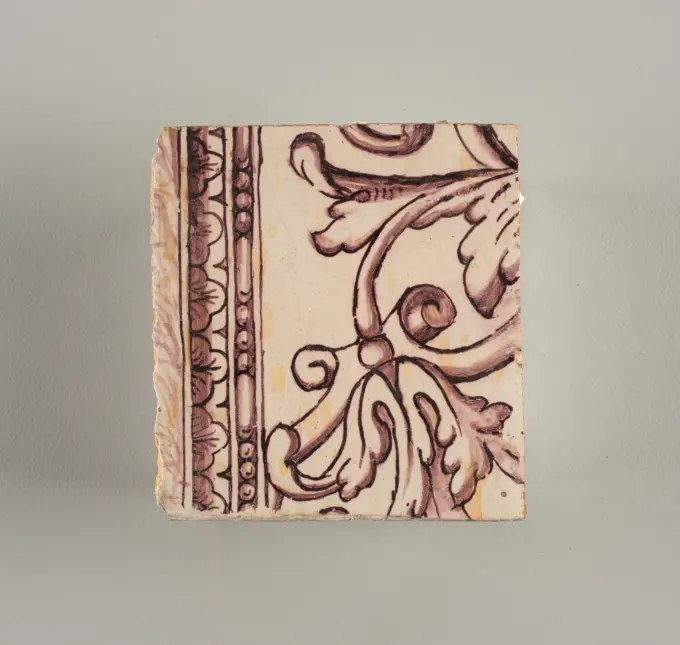
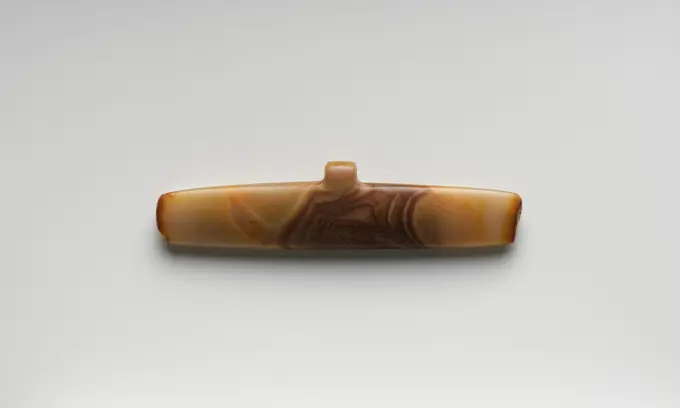
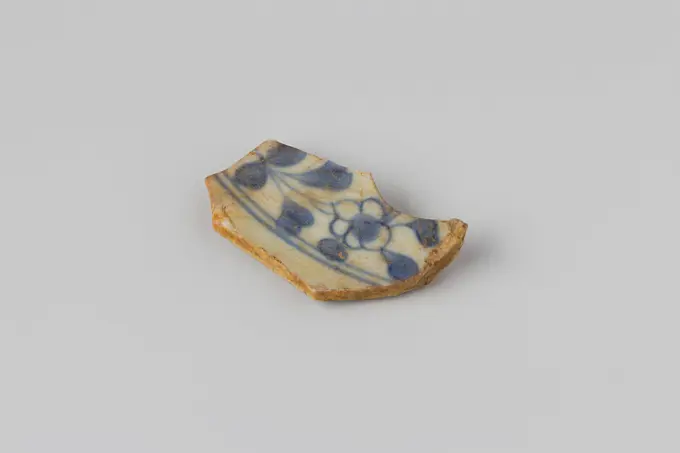
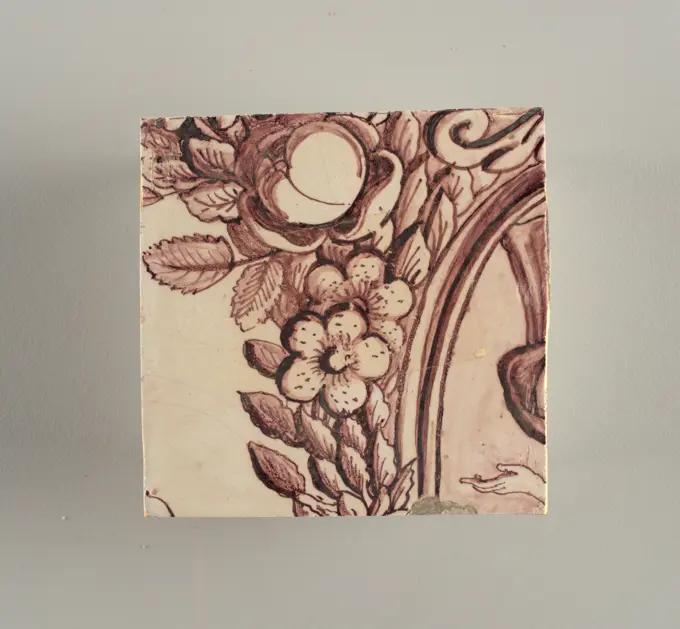
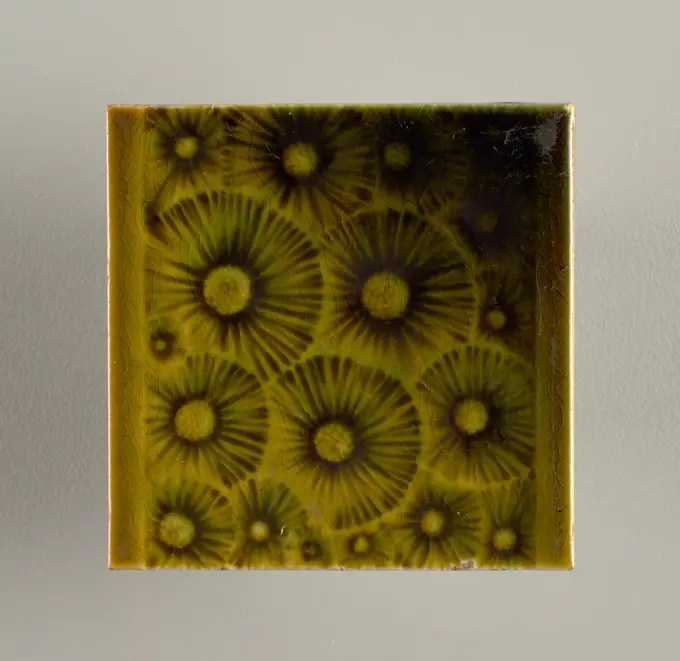
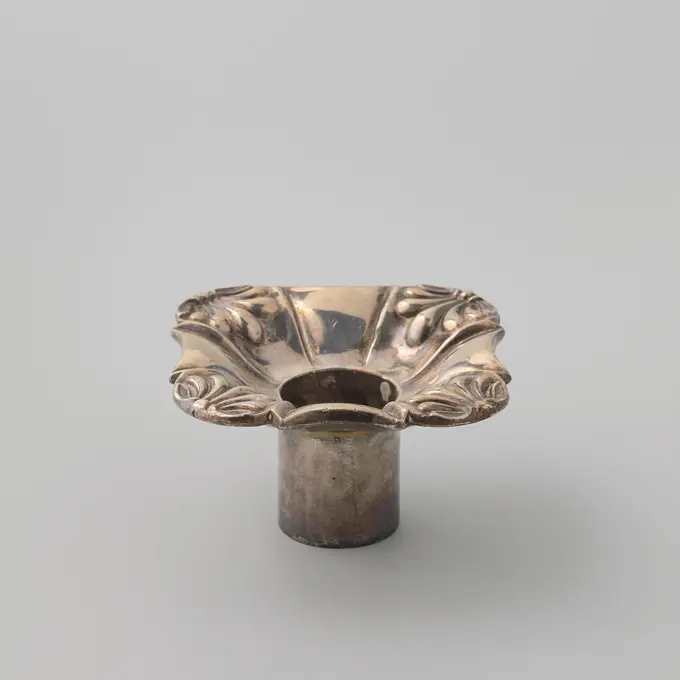
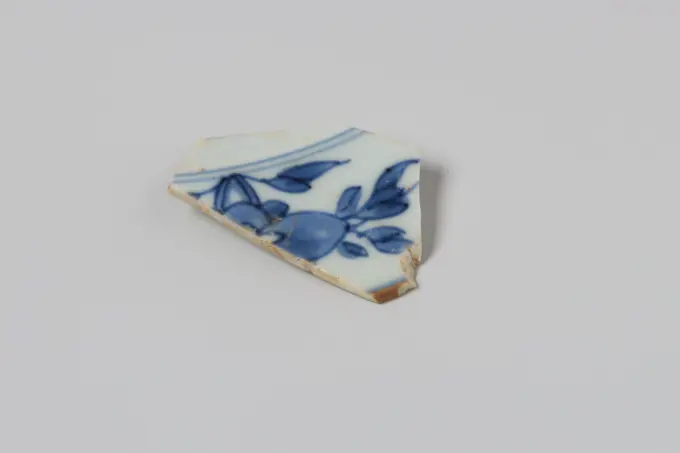
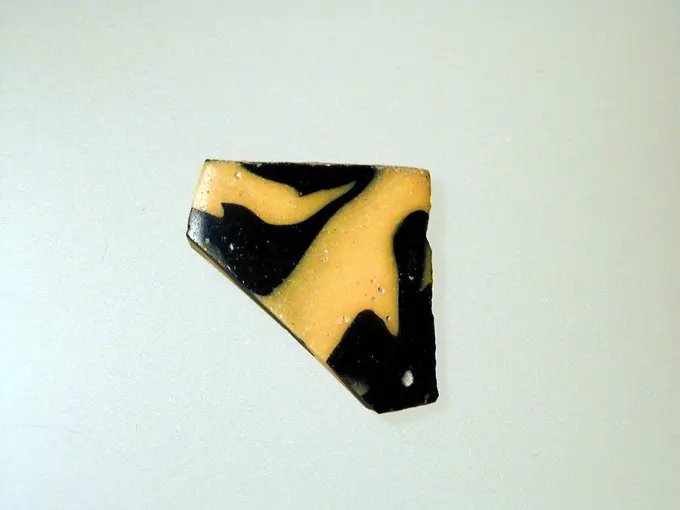
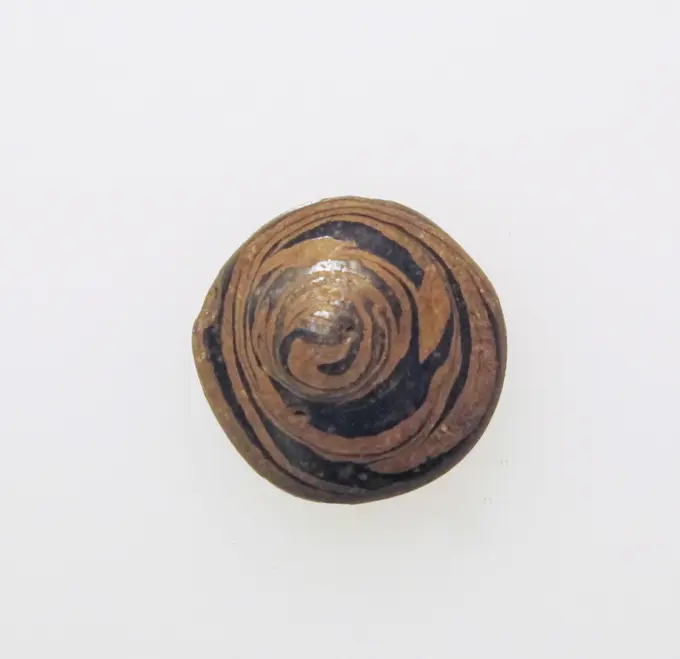
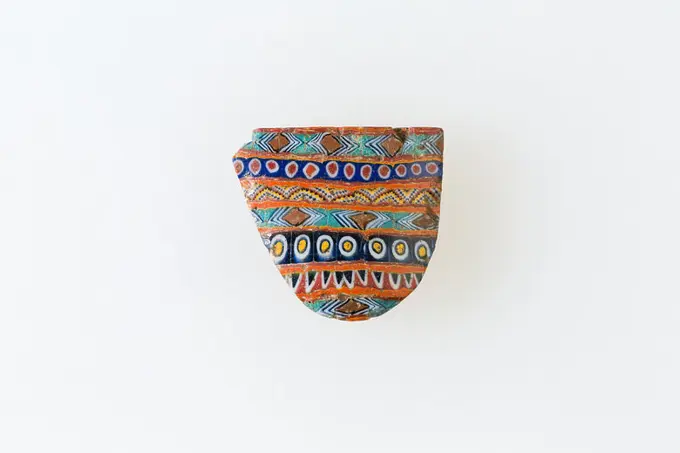
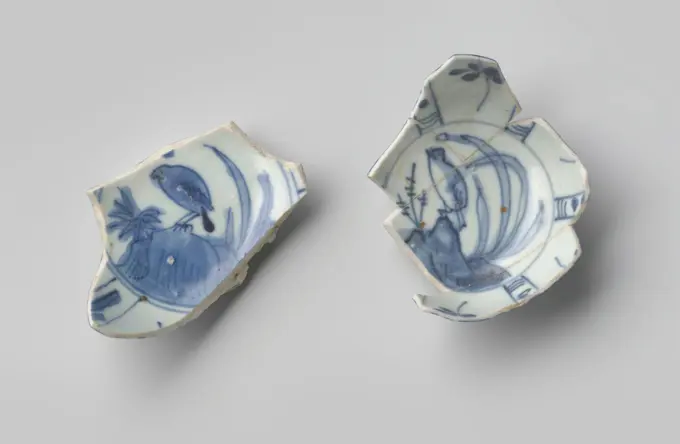
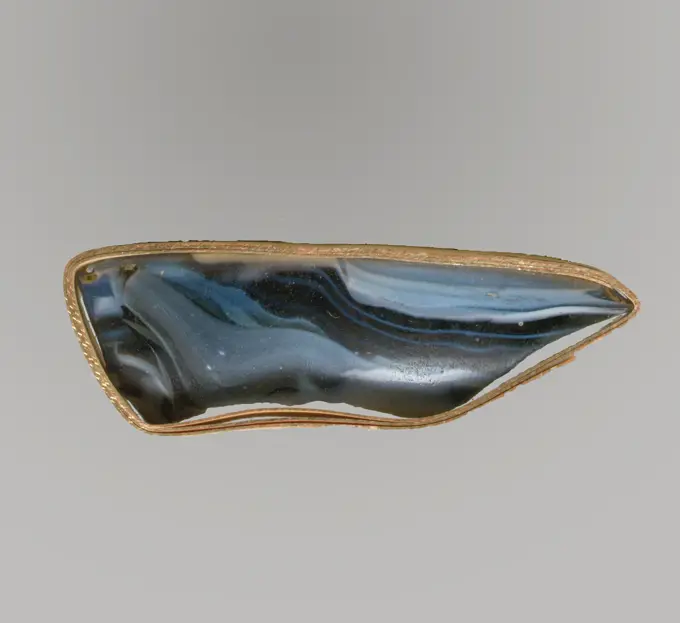
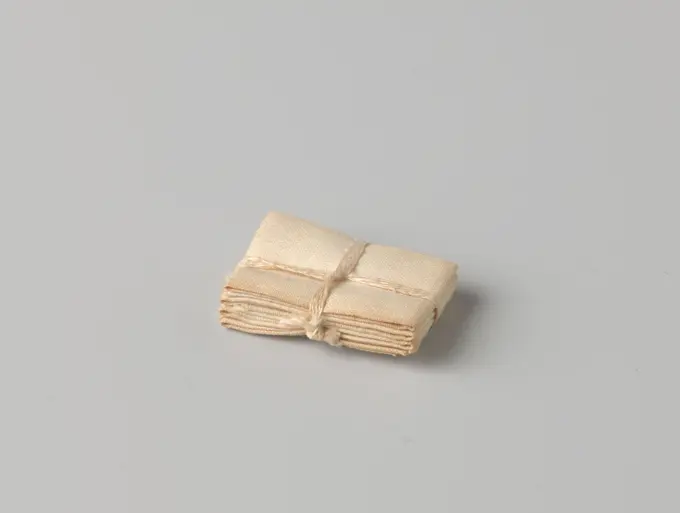
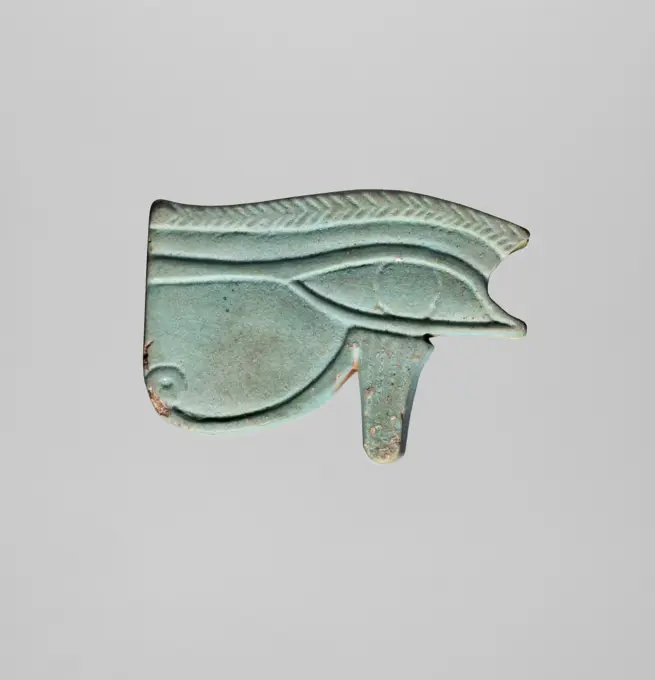
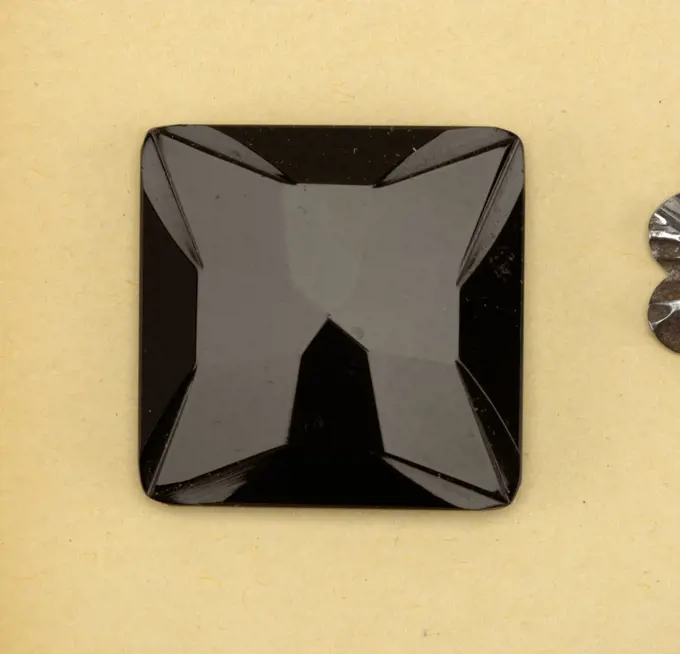
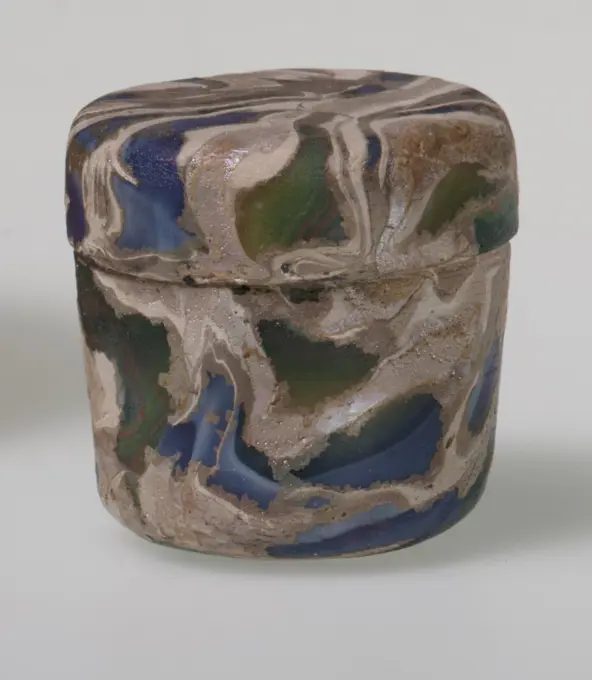
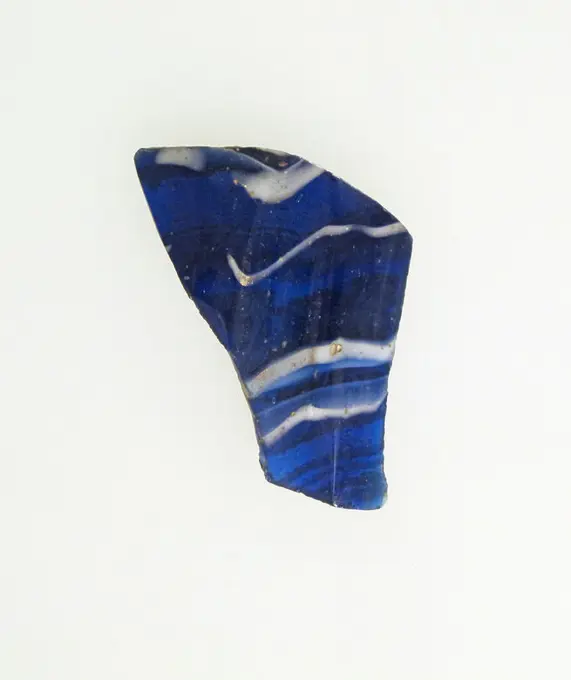
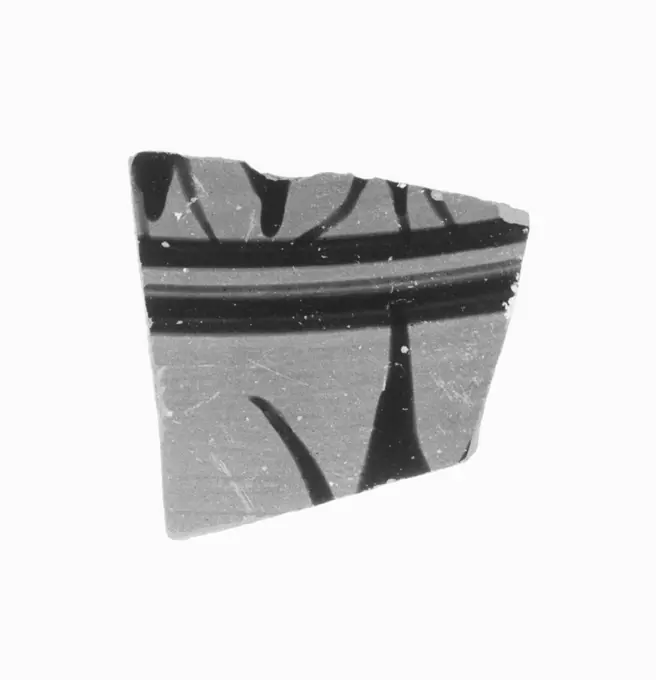
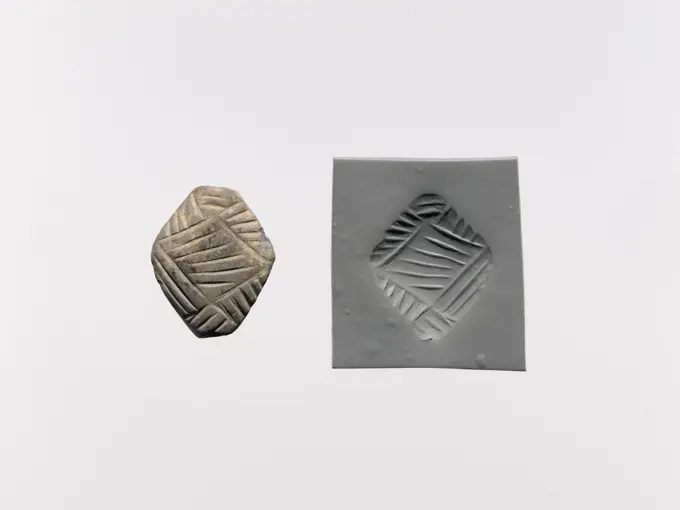
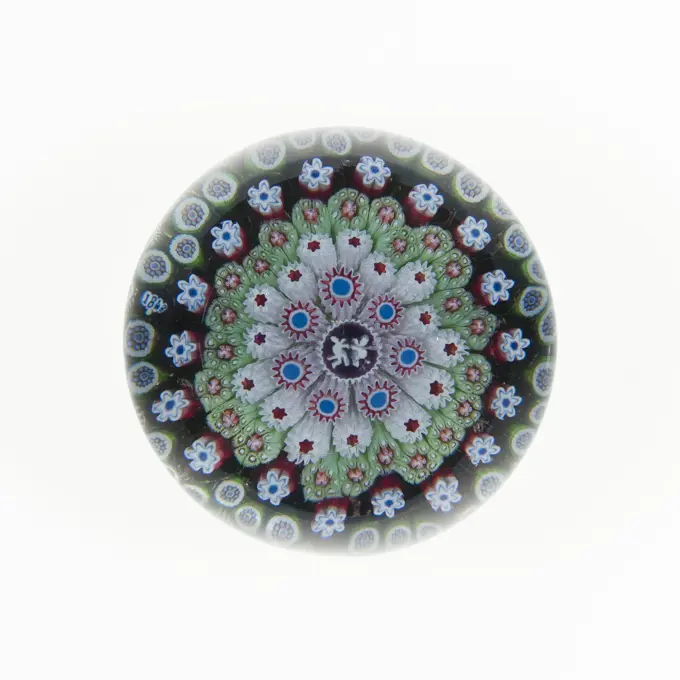
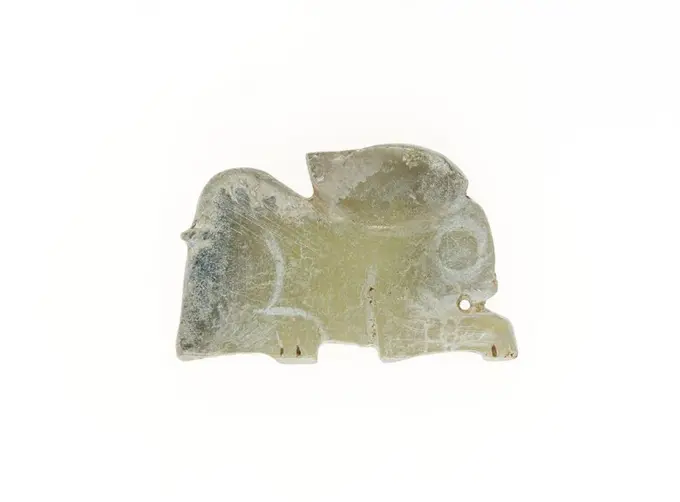
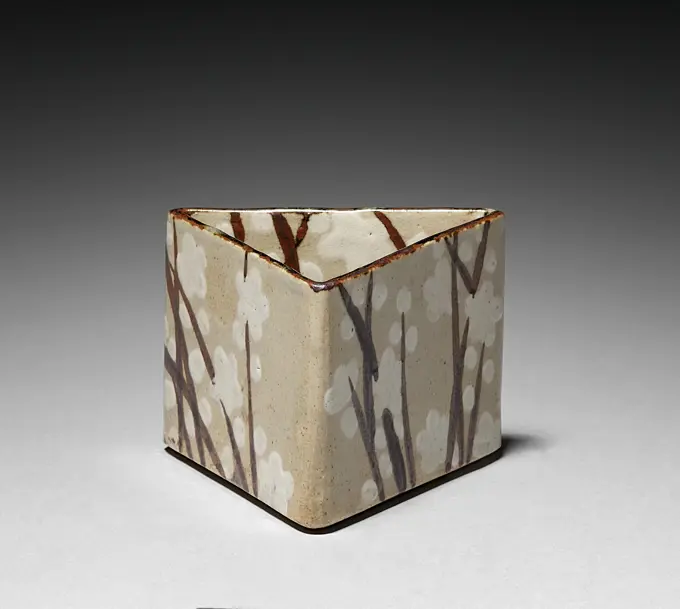
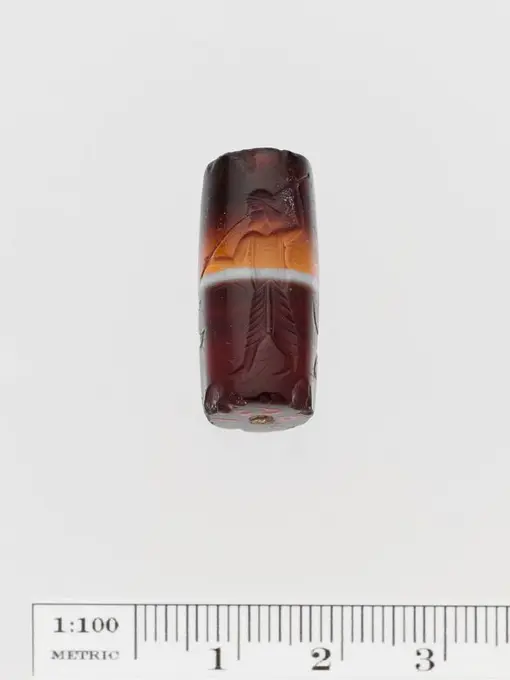
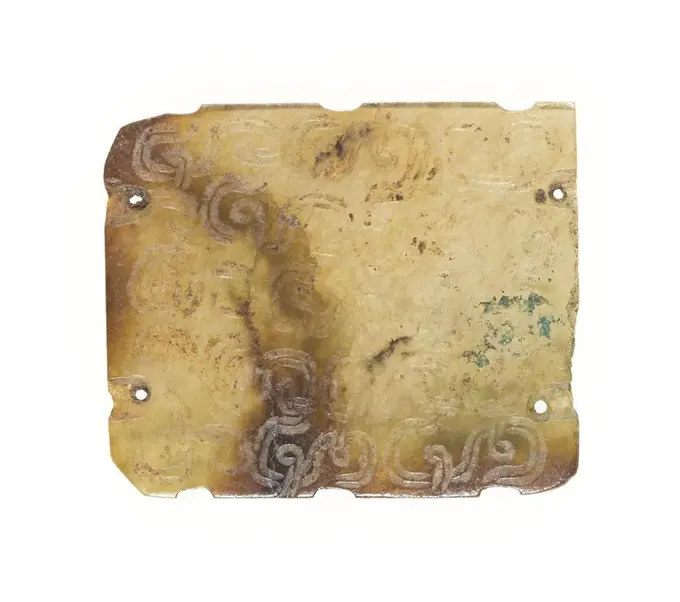
Glass mosaic vessel fragment. Culture: Roman. Dimensions: 13/16 × 1 1/4 × 1/16 in. (2 × 3.2 × 0.2 cm). Date: late 1st century B.C.-early 1st century A.D..Translucent blue, partially layered with opaque yellow and appearing dull green, opaque white and yellow, and colorless.Very shallow convex-curving side or bottom.Pattern formed from short irregular lengths of four canes: one in colorless, a second in yellow, a third in green outlined in yellow, and a fourth comprising a blue square outlined in white and blue.Broken into two conjoining pieces; polished on exterior, with some pitting of surface bubbles; pitting, dulling and iridescent weathering on interior and edges. Museum: Metropolitan Museum of Art, New York, USA.Wall Facing (Holland); tin-glazed earthenware, underglazeSharf multicolored majolica, anonymous, 1500 - 1699  Majolic screen. Northern Netherlands earthenware. glazeWall Facing (Netherlands); tin-glazed earthenware, underglazeGlass mosaic bowl fragment late 1st century B.C.-early 1st century A.D. Roman Translucent honey brown, deep purple appearing black, and opaque white.Tall, outsplayed base ring, with convex curving side on interior and rounded bottom edge; irregular small circular indents on exterior.Ribbon mosaic pattern formed from lengths of one or more canes in a purple and brown ground with fine white threads, partially appearing yellow, in parallel lines, set between broad white bands.Polished exterior; pitting of surface bubbles and weathering in indents on exterior; creamy weathering and some iridescence on interior and jagged edges.This fragment is part of a flaring base ring, probably belonging to a deep ribbed bowl.. Glass mosaic bowl fragment. Roman. late 1st century B.C.-early 1st century A.D.. Glass; cast. Early Imperial. GlassTile Wall Facing (Netherlands); tin-glazed earthenware, underglazeGlass mosaic ribbed bowl fragment late 1st century B.C.-early 1st century A.D. Roman Body fragment.Translucent honey brown, cobalt blue, and opaque white.Convex curving side, tapering in sharply.Spiral mosaic pattern formed from sections of a single cane in brown ground with irregular white and blue threads in parallel lines; on exterior, two vertical ribs, with flattened tops and rounded outer edges, tapering downward.Polished exterior; pitting of surface bubbles on exterior; dulling and creamy iridescent weathering on exterior and jagged edges.. Glass mosaic ribbed bowl fragment. Roman. late 1st century B.C.-early 1st century A.D.. Glass; cast. Early Imperial. GlassTile Wall Facing (Netherlands); tin-glazed earthenware, underglazeTile (Netherlands); glazed earthenwareSharf of red -baking earthenware, with blue glaze on the top with decoration of stripes and curls in brown, yellow, green and white, anonymous, 1600 - 1650  Northern Netherlands earthenware. glaze majolica  Northern Netherlands earthenware. glaze majolicaFragment dish from v.o.c.-ship De 'Witte Leeuw', Anonymous, Before 1613  Fragment dish from v.o.c. ship De 'Witte Leeuw', 15 present. The shard is glassy white. The glaze is blue tinted and has pinholes and small baking cracks on the corners of the lip edge. The bottom is unglazed. The foot ring is straight, faceted and stands inside. Little oven sand was found. Lampet dish. Three shards glued together. Jingdezhen bone china (material). glaze   Sint-HelenaTile Wall Facing (Netherlands); tin-glazed earthenware, underglazeGlass mosaic ribbed bowl fragment late 1st century B.C.-early 1st century A.D. Roman Body fragment.Translucent cobalt blue, purple, and opaque white.Convex curving side tapering downward.Marbled mosaic pattern formed from sections of a single cane in blue ground with irregular white and purple threads and streaks; on exterior, vertical rib, tapering and becoming deeper with rounded outer edge.Polished exterior and edge along rib; pitting of surface bubbles on interior; pitting and dulling on interior; some weathering on jagged edges.. Glass mosaic ribbed bowl fragment. Roman. late 1st century B.C.-early 1st century A.D.. Glass; cast and tooled. Early Imperial. GlassPaper;  the beginning of the 20th century (1900-00-00-1909-00-00);Bats, secession (style), tobacco (accessories), purchase (provenance)Stożek mozaikowy. nieznany warsztat sumeryjski, workshopTile, Lead-glazed earthenware, polychrome overglaze decoration, Square tile with portion of a larger decorative scheme, showing part of banderole with letters...USET..., VE...AX, and part of a hand in mailed glove grasping a sword. Outlines and letters in blue; objects in yellow shading into orange., Rouen (), France, ca. 1600, tiles, Decorative Arts, TileTile Wall Facing (Netherlands); tin-glazed earthenware, underglazeFragment Wijnkom from V.O.C. ship De 'Witte Leeuw', Before 1613  Fragment wijnkom. In the centre of this winecup a thin line and a small blotch are drawn. On the inside a scroll of stylized flowers and stems is drawn. Around the lip-rim is a single band and around the footring a double band.  porcelain   Sint-HelenaPijpenkop with piece of stem from the wreck of the East India Flying Heart. Cup with a piece of stem from an earthen Gouda pipe with heel brand crowned ws. Fragments or bowls and votes.Glass pendant in the form of a bulls head late 2nd-1st century B.C. Greek, Eastern Mediterranean Colorless.Solid, vertical pendant, with mold marks running up sides and top of head and over loop; on top of head, a small vertical suspension loop; flat back with tiny central hole.Head of bull, with horns and ears, prominent eyebrows, and bulging eyes; star rosette on forehead.Intact but chipped around edges; some pitting and faint iridescent weathering.. Glass pendant in the form of a bulls head 249695Pocket clock with business; Butterfield, Michael (1635-1724); 1684-87 (1684-00-00-1687-00-00);Wall facing, Tin-glazed earthenware, underglaze, Horizontal rectangle. Thirty-seven tiles wide and twenty-one high with opening for door or window nineteen and one-half tiles high and twelve wide. To left and right of opening, centered canopy above. Left, woman representing Hope, right, a sculputure urn. Centered above opening, a mascaron. Arabesque design of foliage., Possibly Delft, Netherlands, Possibly Rotterdam, Holland, ca. 1725, tiles, Decorative Arts, Wall facingPanel; tin-glazed earthenware, underglaze manganese decoration; Overall: H: 147.3 x W: 85.1 cm (58 x 33 1/2 in.)Tile Wall Facing (Netherlands); tin-glazed earthenware, underglazeTile Wall Facing (Netherlands); tin-glazed earthenware, underglazeWall Facing (Holland); tin-glazed earthenware, underglazeWinged Pendant 8th-12th century Coclé. Winged Pendant. Coclé. 8th-12th century. Agate. Panama, Coclé Province. Stone-OrnamentsSplit ring. Light green stone, gray veins. Provenance: Vietnam. Paris, Cernuschi museum. 78816-10 Ring, Archeological ObjectWall Facing (Netherlands); tin-glazed earthenware, underglaze; 5 tiles tall, various wideShard of a plate from the wreck of the East India Hollandia.Porcelain, Plate, Type 3; Fragm or base, sim. Or 1980-27H3202C.Wall Facing (Netherlands); tin-glazed earthenware, underglaze; 5 tiles tall, various wideTile Wall Facing (Netherlands); tin-glazed earthenware, underglaze. Rounded rectangular tsuba with slightly elevated edge; On the front in inserts with different colored metals (IRE Takazogan) a Shimenawa (holy cord), to which two lucky tickets, a yuzuri leaf and two fern leaves are hung; Signed "Kansai Katsumi" ().Tile (USA); Manufactured by J. & J. G. Low Art Tile Works; glazed stoneware; 10.5 x 10.5 x 1.1 cm (4 1/8 x 4 1/8 x 7/16 in. )Fatvanger Chervil with a candelabria, Anonymous, 1900 - 2000 Loose fat catcher hiring with a frame candelela. The fat catcher can be placed on the square foot to form a candlestick. Great Britain . Loose fat catcher hiring with a frame candelela. The fat catcher can be placed on the square foot to form a candlestick. Great Britain .Sharf of a sign from the wreck of the East Indians Hollandia, Anonymous, 1700 - in Or Before 1743 plate (dishes) Porcelain, plate, type 3; fragm of rim, sim. NG 1980-27H3202c. Netherlands porcelain   SecondGlass mosaic bowl fragment late 1st century B.C.-early 1st century A.D. Roman Deep purple appearing black and opaque yellow.Vertical rim with rounded edge; shallow convex curving side tapering downward.Marbled mosaic pattern in purple ground with irregular solid yellow bands.Polished exterior; pitting of surface bubbles; dulling and thick creamy weathering on interior, rim, and three edges, but long edge at bottom unweathered.. Glass mosaic bowl fragment 257085Pinhead. Pinhead. Glass. Glass. Fragment of the bottom of a saucer of quartz frying with greenish white glaze over a translucent black signing, consisting of the hull and parts of legs of an animal between flower drinks. Some blue dots.Paperweight 1848 Lunéville. The colorful geometric clusters embedded in this paperweight reflect the nineteenth-century European fascination with optical effects. Sir David Brewster invented the kaleidoscope in 1815, and its colorful and changing patterns brought great visual entertainment. Paperweights such as this example reformed this childlike pastime for a sophisticated adult audience. Depicted in glass were tiny glittering flowers, small black and blue cameos of figures, and even miniature bottlecaps. These were delicately arranged within the orb for the observant eye to discover.From the late 1840s to early 1860s, French manufacturers of fine glass and crystalósuch as Baccarat (Alsace), Clichy (Paris), and Saint-Louis (Lorraine)ócatered to the vast public enthusiasm for beautiful yet functional desk accessories. Paperweights, which were designed to secure loose papers against drafts, were among their most popular products.. Glass . Baccarat GlassworksSemi-eliptical inlay, pattern formed by fused bars of diamonds, circles, dentelations. Dimensions: H. 1.8 × W. 2 cm (11/16 × 13/16 in.). Date: 100 BC-100 AD.A mosaic glass technique allowed multiples of an image to be created: a figural or design composition was made by bundling colored glass canes, which were then drawn out into a long bar . The bar was then sectioned at right angles, probably by striking the bar with appropriate tools, to produce small inlay tiles. The tile would then be smoothed and polished on the face intended to appear outwards. Museum: Metropolitan Museum of Art, New York, USA.Shards of Kommen from V.O.C. ship De 'Witte Leeuw', Anonymous, Before 1613 bowl Shards Kraakporcelain from V.O.C. ship De 'Witte Leeuw'. Soil clips. Jingdezhen bone china (material)   Sint-HelenaTabakierka z łyżeczką i zatyczką. unknown, craftsmanVase fragment Roman Eros.. Vase fragment 250443Glass mosaic dish fragment late 1st century B.C.-early 1st century A.D. Roman Rim fragment.Translucent cobalt blue, opaque white, and deep purple appearing black.Outsplayed, rounded rim and concave curving neck.Marbled mosaic pattern in blue ground with irregular pattern of white and purple lines and streaks.Polished interior; pitting of surface bubbles on interior; dulling and iridescent weathering on exterior and edges.The dish was probably very large since its estimated rim diameter is 11 13/16 in. (30 cm).. Glass mosaic dish fragment. Roman. late 1st century B.C.-early 1st century A.D.. Glass; cast. Early Imperial. GlassWall Facing (Holland); tin-glazed earthenware, underglazeBanded agate cylinder seal ca. 450-400 B.C. Greek, Ionian Man and dog attacking boar.. Banded agate cylinder seal. Greek, Ionian. ca. 450-400 B.C.. Agate, banded. Classical. GemsStack of four patches, tied together with band, anonymous, c. 1750 - c. 1800 A pile of four folded and with linen band tied rags of cotton. Netherlands linen (material). cotton (textile) A pile of four folded and with linen band tied rags of cotton. Netherlands linen (material). cotton (textile)Shard of a plate from the wreck of the East India hollandiaia. Porcelain, plate, type 2; Fragm or Rim, SIM. NG 1980-27H2624H.Grahal-Manzara. Carnavalet 2013-2016 collection sites. Numismatics.Tile Wall Facing (Netherlands); tin-glazed earthenware, underglazeBead Roman. Bead. Roman. Glass. GlassAmulet - oko udżat. unknown, authorScherf Majolica with decoration in blue, anonymous, 1500 - 1699  Majolic screen. Northern Netherlands earthenware. glazeDisk 6th-5th century B.C. Flat on one side and rounded on the other; pierced in the centre.. Disk. 6th-5th century B.C.. Amber. Archaic. Miscellaneous-AmberButton, Jet with metal shanks, square buttons with surfaces slightly raised and cut in facets; metal shnks., On Cooper Union Exhibition card 2, USA, 1900-10, costume & accessories, Decorative Arts, ButtonGrahal-Manzara. Carnavalet 2013-2016 collection sites. Numismatics.Bliżej KulturyShabti of Siptah ca. 1194-1188 B.C. New Kingdom, Ramesside. Shabti of Siptah 559269Glass mosaic pyxis with lid 1st half of 1st century A.D. Roman Both lid and pyxis in translucent cobalt blue, green, yellow, and turquoise blue, with opaque white.Flat lid with rounded edge to vertical cylindrical sides; plain rim, tapering on inside, with fine ground bottom edge. Vertical rim to pyxis, tapering upward, with recessed band below to receive lid; slightly everted shoulder line; cylindrical side, tapering slightly downwards, with rounded edge to flat bottom.Marbled mosaic pattern formed from serpentine lengths of canes in different colors with streaks of white, some overlapping to give different shades and colors.Intact, but one small crack in edge of lid; dulling, pitting of surface bubbles, iridescence, and patches of thick creamy weathering; some silt-like encrustation on interior of lid and pyxis.Rotary grinding marks on interior and exterior of pyxis. The lid fits perfectly on the raised ledge below the rim of the pyxis.Small bottles and lidded pyxides (boxes) in mosaGlass mosaic ribbed bowl fragment. Culture: Roman. Dimensions: 1 3/4 × 1 7/16 × 3/16 in. (4.5 × 3.6 × 0.5 cm). Date: late 1st century B.C.-early 1st century A.D..Body fragment of ribbed bowl.Translucent cobalt blue and opaque white.Convex curving side.Marbled mosaic pattern with sections of a single cane in a blue ground with irregular white stripes. On exterior, vestiges of two broad ribs.Exterior polished; some pitting of surface bubbles on exterior; dulling, pitting, and patches of creamy weathering on interior; slight weathering on jagged edges. Museum: Metropolitan Museum of Art, New York, USA.Glass Fragment 13th century French. Glass Fragment. French. 13th century. Pot metal glass, vitreous paint. Glass-Stainednapkin at cutting board on white backgroundAttic Black-Figure Amphora Fragment. UnknownPommel inlaid with Malachite 300 BCE-200 BCE China. Jade .Cylinder Seal or Bead ca. 1981-1295 B.C. Middle Kingdom-Early New Kingdom. Cylinder Seal or Bead. ca. 1981-1295 B.C.. Blue faience. Middle Kingdom-Early New Kingdom. From Egypt, Memphite Region, Lisht North, Cemetery, MMA excavations, 1920-22. Dynasty 12-18Leib board with wooden edge, anonymous, c. 1700 - c. 1799 Leib board with a wooden border, rectangular with curved top line, in which a hole with a string. Amsterdam (possibly) slate (rock). wood (plant material) Leib board with a wooden border, rectangular with curved top line, in which a hole with a string. Amsterdam (possibly) slate (rock). wood (plant material)Glass striped mosaic fragment late 1st century B.C.-early 1st century A.D. Roman Body fragment.Translucent blue, turquoise blue and opaque yellow appearing dull green, opaque yellow, white, and colorless.Convex curving side.Decorated with parallel bands in blue, yellow, colorless with double spiral yellow threads, green, white, blue, and colorless glass with yellow spiral thread.Pinprick bubbles; exterior polished, with slight pitting of surface bubbles; dulling and pitting on interior; iridescent weathering on jagged edges.. Glass striped mosaic fragment 257338Basket;  Mielów (faience and porcelain factory; 1804-); after. 19th century (1800-00-00-1900-00-00);Bottle. unknown, craftsmanLight blue side in satin binding, anonymous, 1650 - 1700 Hat made of light blue silk in satin binding. This girl's hat has two side pieces and one of the neck to the forehead continuous center track. The edges are trimmed with light blue silk strap with woven zigzag motif and loops; On the left, this strap runs into a spot band. See also: BK-NM-5448-7-B. With regard to the bands Compare with the blankets of the Pophuis of P. Dunois and BK-NM-5448, BK-14656-246 and BK-14656-242-A/B.  silk Hat made of light blue silk in satin binding. This girl's hat has two side pieces and one of the neck to the forehead continuous center track. The edges are trimmed with light blue silk strap with woven zigzag motif and loops; On the left, this strap runs into a spot band. See also: BK-NM-5448-7-B. With regard to the bands Compare with the blankets of the Pophuis of P. Dunois and BK-NM-5448, BK-14656-246 and BK-14656-242-A/B.  silkAmulet - serce ib. unknown, authorBag in rectangular model of unadorned blue Ripszijde, the edge of which is deposited with a gold -colored cord, anonymous, c. 1900 - c. 1920 Bag in rectangular model of unadorned blue, rugged ripszijde (eighteenth century), Of which the edge with a twisted gold cord is deposited. The handle is also made of turned gold -colored cord. In the fold of the valve there is an ivory side strip, an elongated plastic reinforcement, so that the model of the bag is preserved. The bag is unlined. The bag is made by hand. Paris (possibly) whole: Silk. cord:. Tunnel: Linen (Material) Bag in rectangular model of unadorned blue, rugged ripszijde (eighteenth century), Of which the edge with a twisted gold cord is deposited. The handle is also made of turned gold -colored cord. In the fold of the valve there is an ivory side strip, an elongated plastic reinforcement, so that the model of the bag is preserved. The bag is unlined. The bag is made by hand. Paris (possibly) whole: Silk. cord:. Tunnel: Linen Carinated rhomboid seal ca. 4500-3600 B.C.. Carinated rhomboid seal. ca. 4500-3600 B.C.. Stone, gray. Ubaid-Early Uruk. Mesopotamia, NippurPrison Cell Entrance Matchsafe; painted and varnished cardboard, thread, sandpaper; 6.6 x 3.8 x 1.7 cm (2 5/8 x 1 1/2 x 11/16 in. )Attic Black-Figure Nicosthenic Amphora Fragment. UnknownGrahal-Manzara. Carnavalet 2013-2016 collection sites. Numismatics.Grahal-Manzara. Carnavalet 2013-2016 collection sites. Numismatics.Paperweight 1801-1900 Saint-Louis. This paperweight uses a traditional glass-making technique called millefiori to great effect. Italian for ìone thousand flowers,î millefiori was first developed in fifteenth-century Venice. In the nineteenth century, French glassmakers revived the technique with a cultural twist. Arranged to evoke traditional French gardens such as the Tuileries in Paris, paperweights like this example brought a little of this landscaping magic indoors.From the late 1840s to early 1860s, French manufacturers of fine glass and crystalósuch as Baccarat (Alsace), Clichy (Paris), and Saint-Louis (Lorraine)ócatered to the vast public enthusiasm for beautiful yet functional desk accessories. Paperweights, which were designed to secure loose papers against drafts, were among their most popular products.. Glass . Compagnie de Saint Louisempty shell of slit snail isolated on white empty shell of slit snail isolated on white background Copyright: xZoonar.com/ValeryxVoennyyx 15083656Shards of signs from V.O.C. ship De 'Witte Leeuw', Before 1613 plate (dishes) Shards of signs from V.O.C. ship De 'Witte Leeuw'. Jingdezhen bone china (material)   Sint-HelenaPrinting Seal (Costa Rica); baked clayCompact, High Tide”.  Manufacturer: Volupte, 20th centuryFragment of a Figurine, anonymous, anonymous, c. 1425 - c. 1550  Northern Netherlands pipe clay  Northern Netherlands pipe clayIvory die ca. 1st-3rd century A.D. Roman Dice were popular throughout antiquity for playing games and gambling. In addition, some cities in Roman Pisidia (southern central Turkey) had dice oracles, set up on stelae in the main square or forum, where citizens by the throw of the dice could gain advice from the gods about their public or private affairs.. Ivory die 246446Hare Pendant. China. Date: 1100 BC-900 BC. Dimensions: 1 3/8 × 7/8 × 1/8 in. Jade. Origin: China. Museum: The Chicago Art Institute, Chicago, USA.Attic Black-Figure Vase Fragment. UnknownBird Plaque Ornament. Culture: Vicús. Dimensions: H. 2 x W. 2 in. (5 x 5 cm). Date: 3rd century B.C.-A.D. 2nd century. Museum: Metropolitan Museum of Art, New York, USA.Shards of soils and lids of porcelain from v.O.c.-ship the 'white lion'. Shards of soils and lids of porcelain from v.O.c.-ship the 'white lion'. Type 3.8.One of Five Serving Bowls (Mukozuke) with Prunus Design, 1700s to mid-1800s. School of Ogata Kenzan (Japanese, 1663-1743). Kyoto Ware: stoneware with underglaze iron oxide and slip decoration; overall: 6.9 cm (2 11/16 in.); each side: 9 cm (3 9/16 in.). Note the rough, tan, clay bodies of these bowls with their deliberate irregularities. The design of branches was first painted in a black iron oxide, then the blossoms and buds in a white slip, followed by the application of a very thin transparent overglaze.Banded agate cylinder seal. Culture: Greek, Ionian. Dimensions: L. 2.5 cm. Date: ca. 450-400 B.C..Man and dog attacking boar. Museum: Metropolitan Museum of Art, New York, USA.Kylix, eye-cup fragments ca. 540-530 B.C. Greek, Attic Interior, ships; exterior, warrior between eyes.. Kylix, eye-cup fragments. Greek, Attic. ca. 540-530 B.C.. Terracotta; black-figure. Archaic. VasesPlaque with Interlinked Scrolls. China. Date: 700 BC-600 BC. Dimensions: 7/8 × 1 1/16 × 1/16 in. Jade. Origin: China. Museum: The Chicago Art Institute, Chicago, USA.Hand guard, Munemasa Shinoda (possibly), 1800 - 1900 Irregularly shaped tsuba with surface in wood imitation, around which a silver snake winds; On both sides climbing professions in gold-infunction; Signed "Munemasa". Japan iron (metal). gold (metal). silver (metal) Irregularly shaped tsuba with surface in wood imitation, around which a silver snake winds; On both sides climbing professions in gold-infunction; Signed "Munemasa". Japan iron (metal). gold (metal). silver (metal)Bust of a warriorBuckle 15th-17th century European. Buckle. European. 15th-17th century. Steel gilt. Miscellaneous-Buckles & OrnamentBead ornament, bell-shaped. Bead ornament, bell-shaped. Gold. Gold and SilverVase fragment 7th century B.C. East Greek Chalice fragment with tail.. Vase fragment. East Greek. 7th century B.C.. Terracotta. Archaic. VasesCore-Formed Vessel Fragment. Unknown 6th-5th century B.C. Dark blue opaque with turquoise thread in a zig-zag pattern. Yellow thread.Scherf of a bowl from V.O.C. ship De 'Witte Leeuw', Before 1613 bowl Scherf of a bowl from V.O.C. ship the 'Witte Leeuw'.  porcelain   Sint-Helena