Historical Artifacts

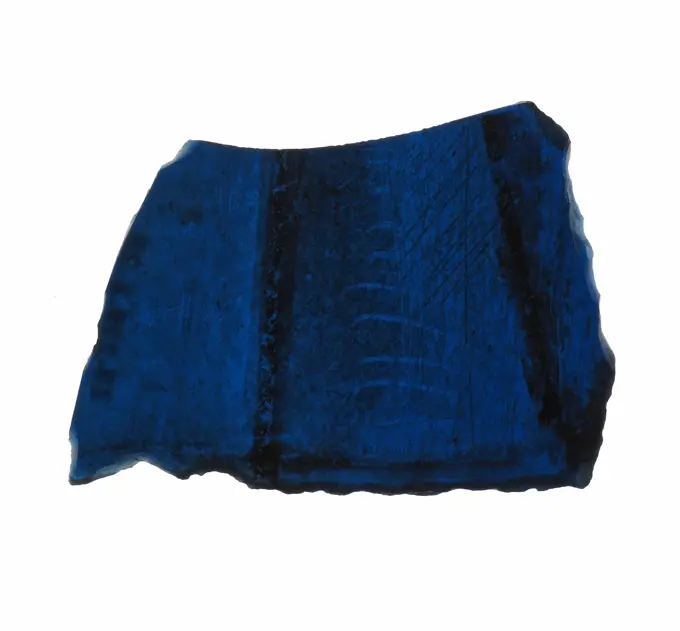
Fragments of ancient mosaics and ceramics with intricate designs, showcasing historical craftsmanship and unique cultural styles.

Sharf multicolored majolica, anonymous, 1500 - 1699  Majolic screen. Northern Netherlands earthenware. glaze
Sharf multicolored majolica, anonymous, 1500 - 1699 Majolic screen. Northern Netherlands earthenware. glaze
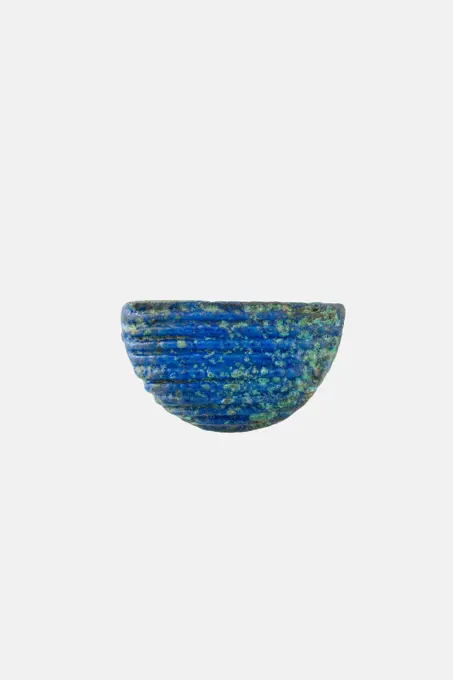
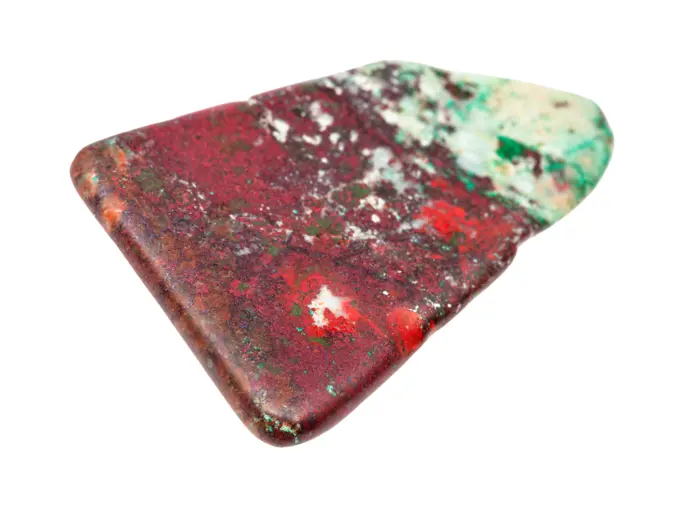
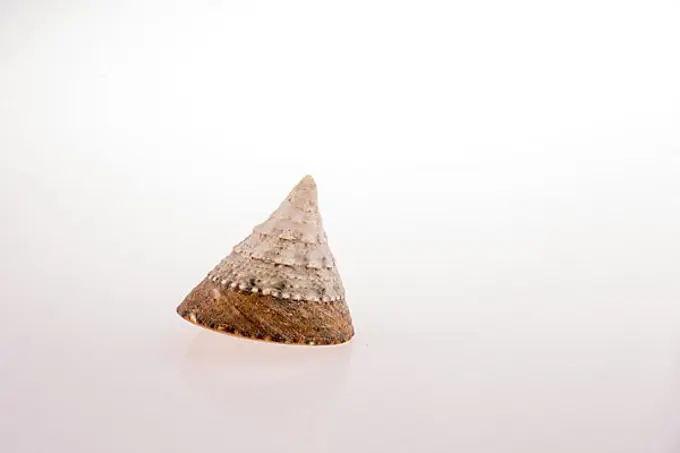
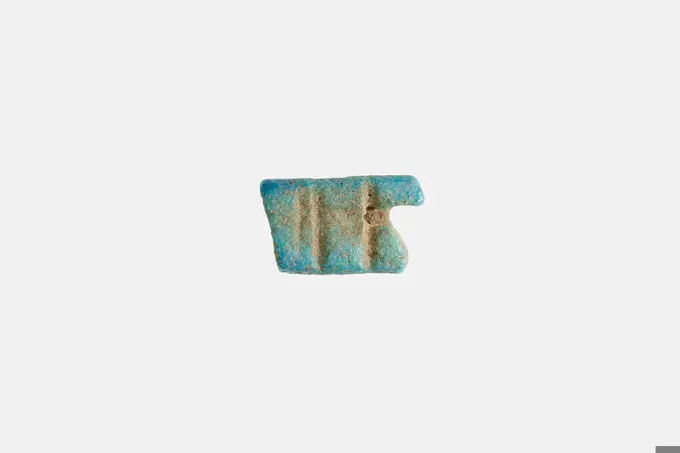
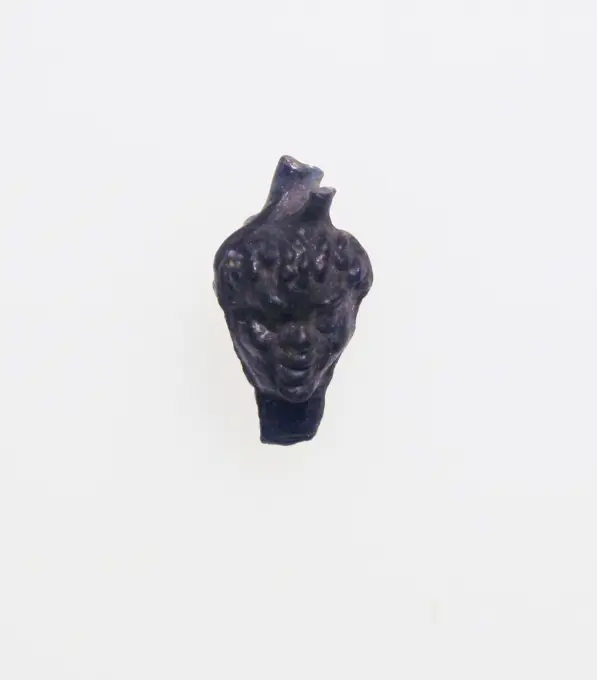
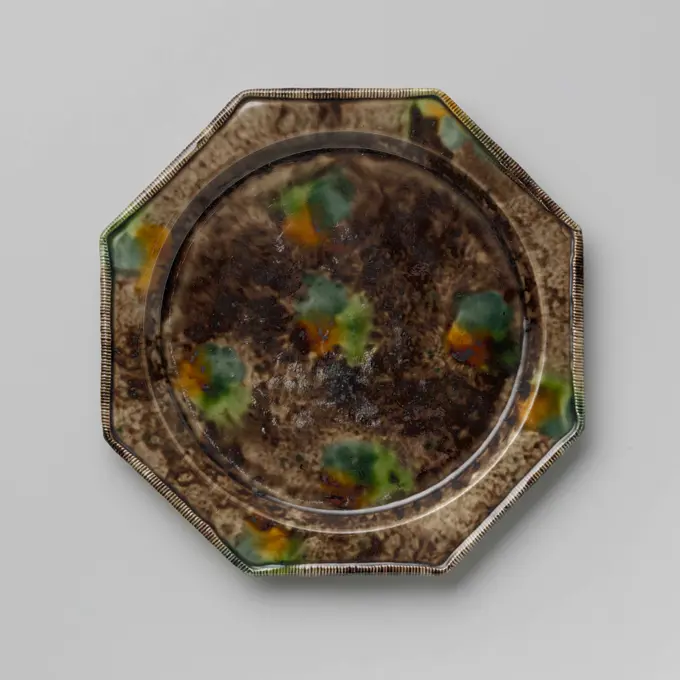
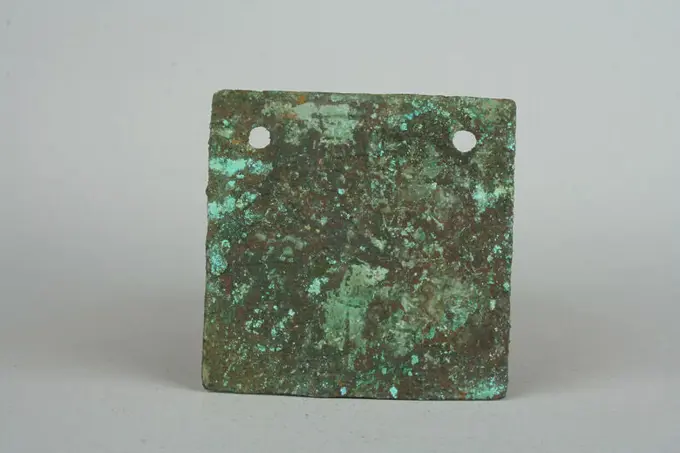
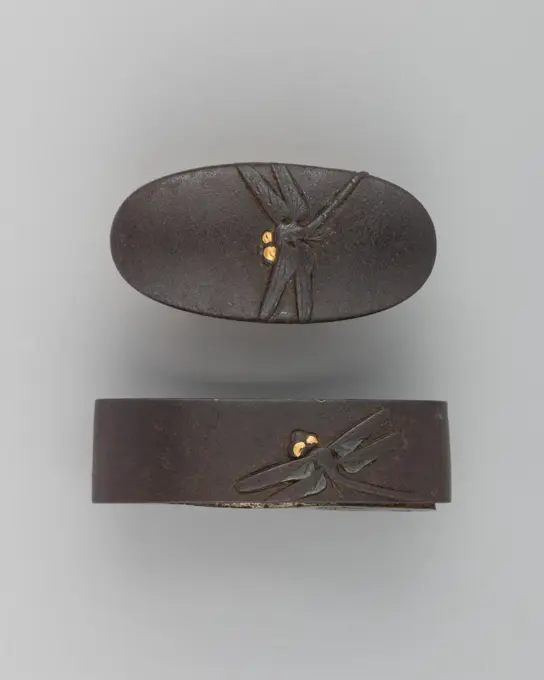
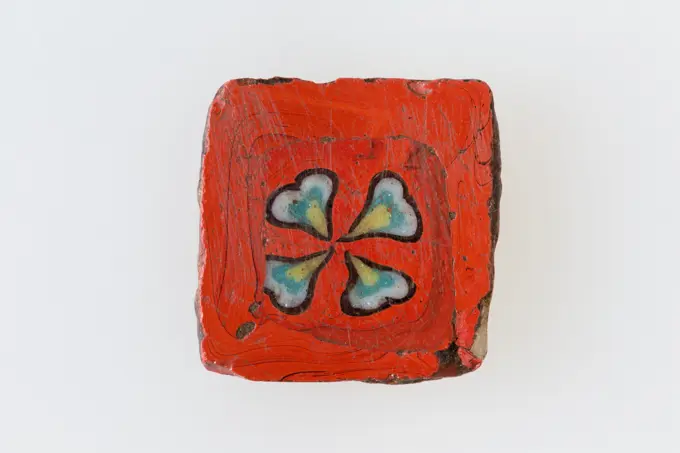
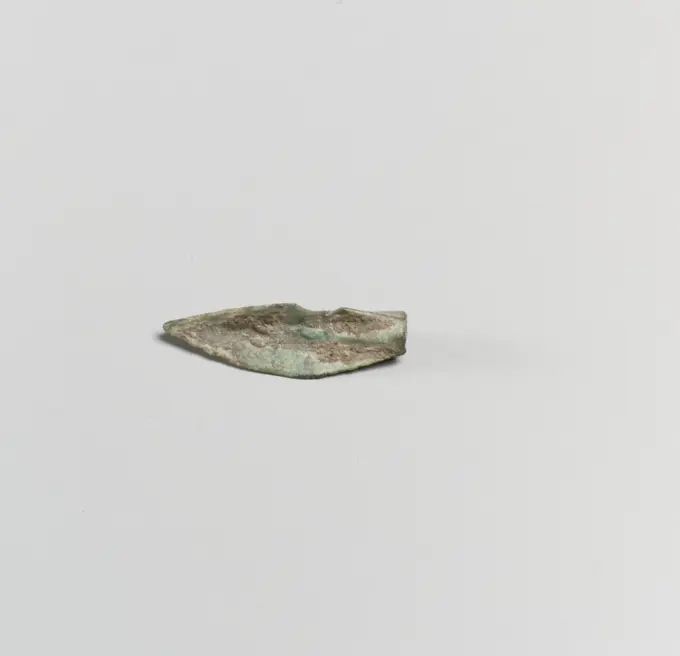
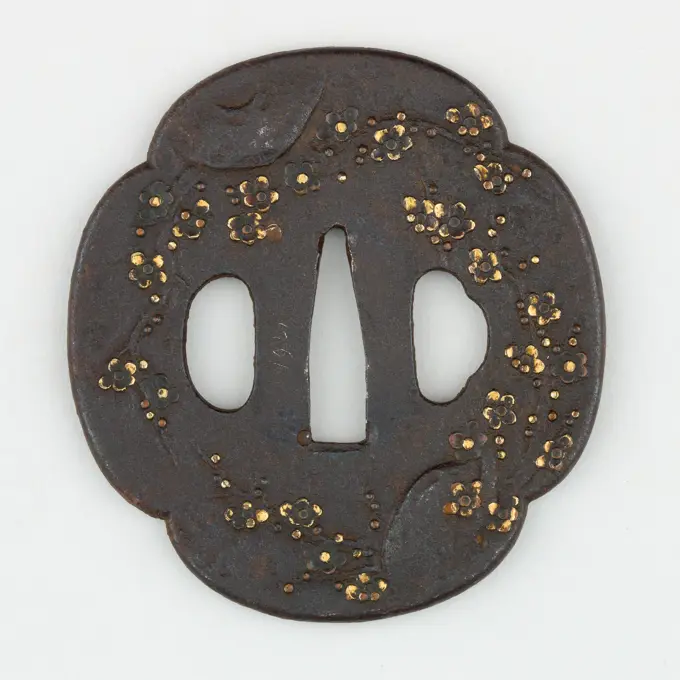
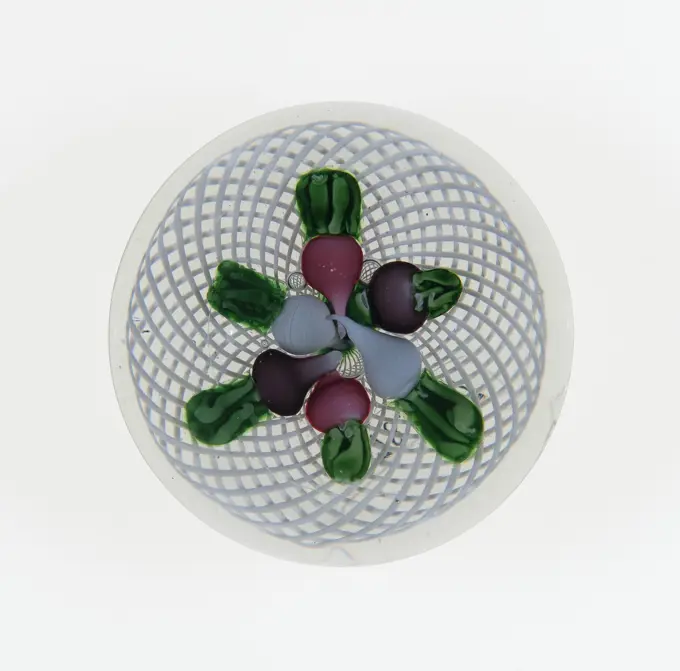
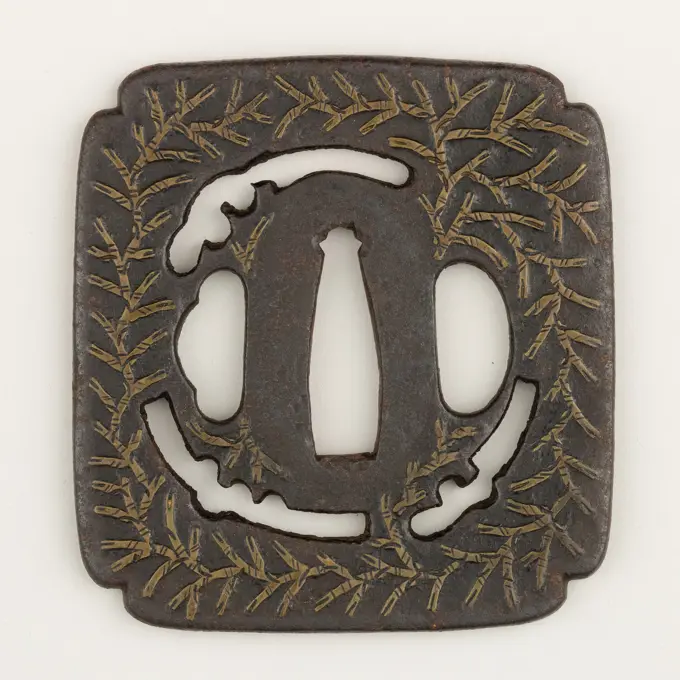
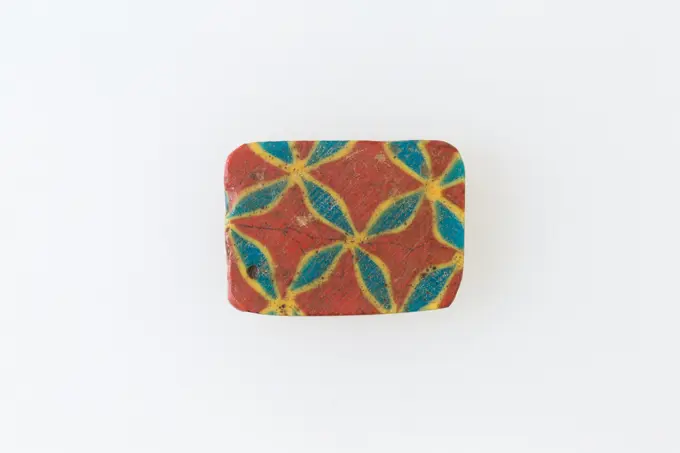
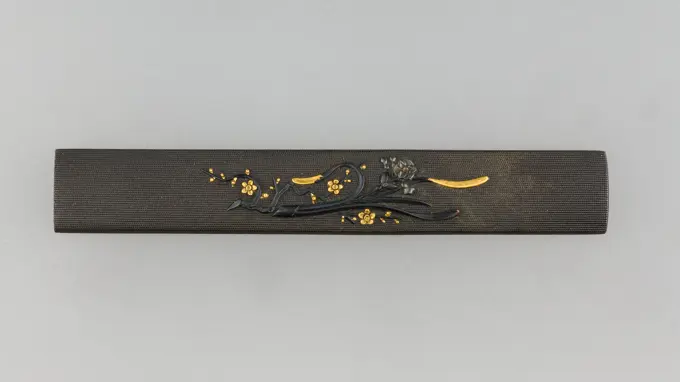
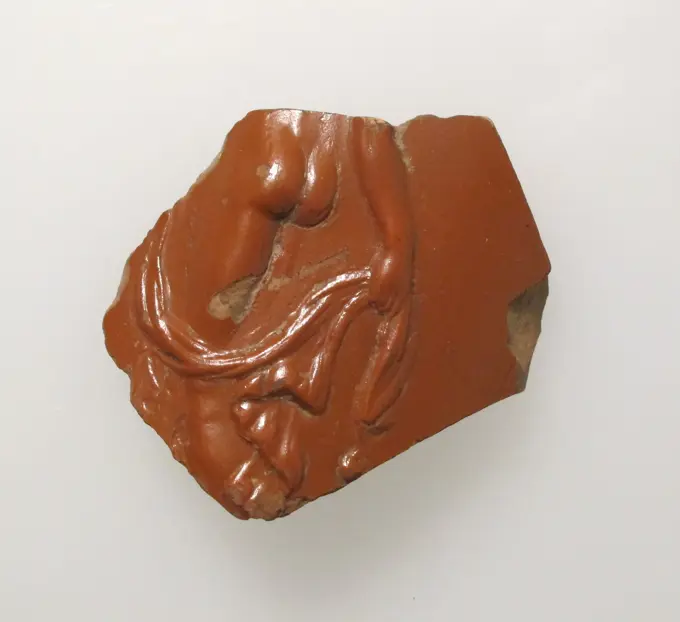
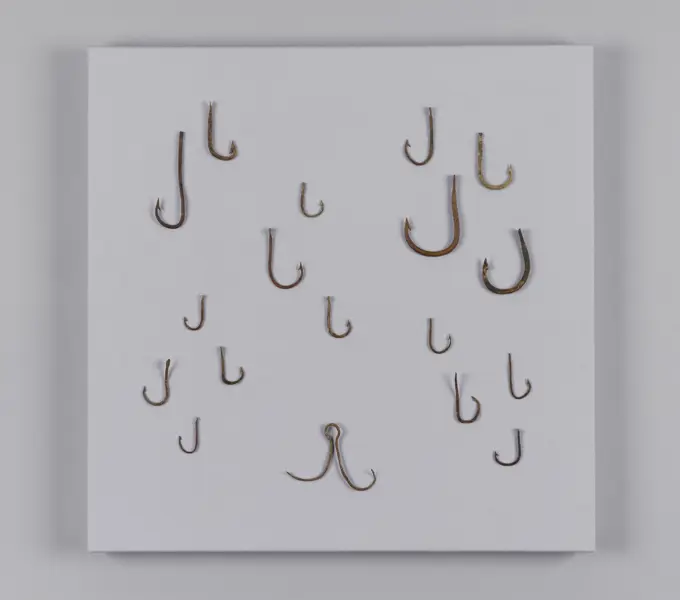
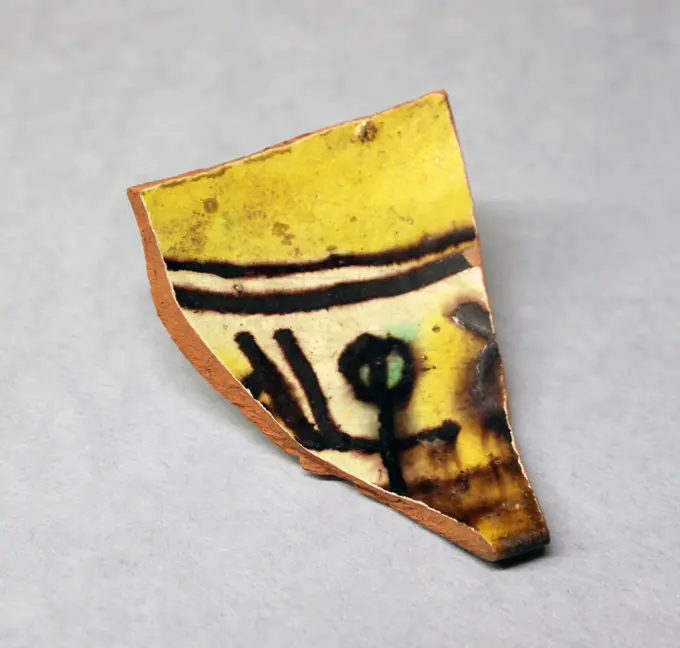
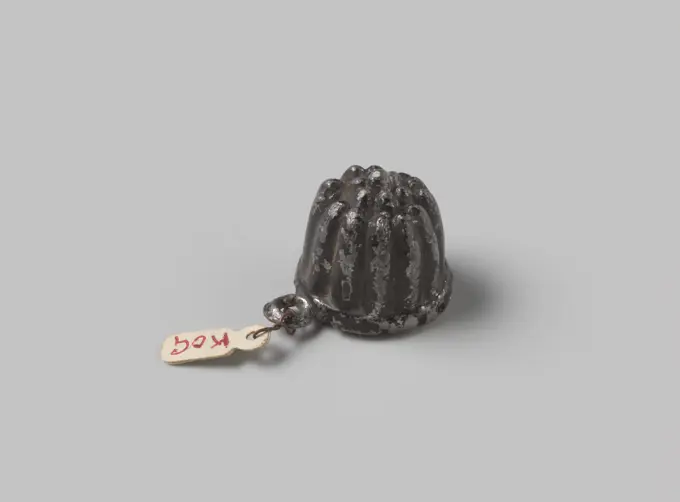
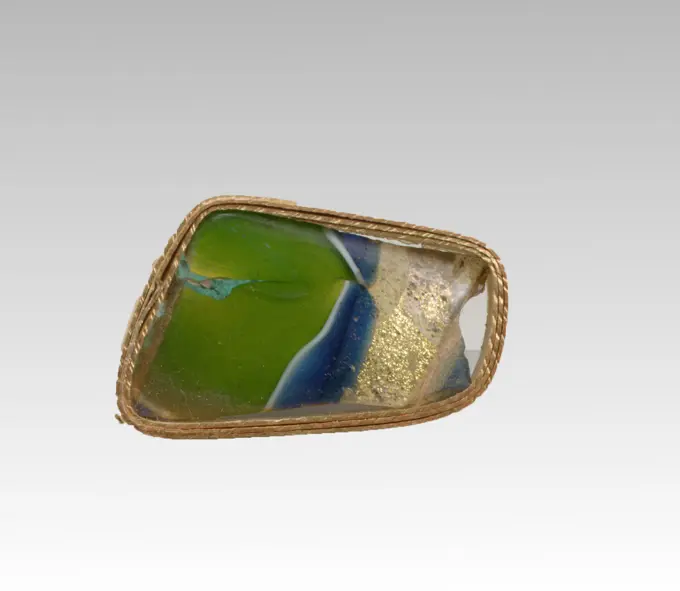
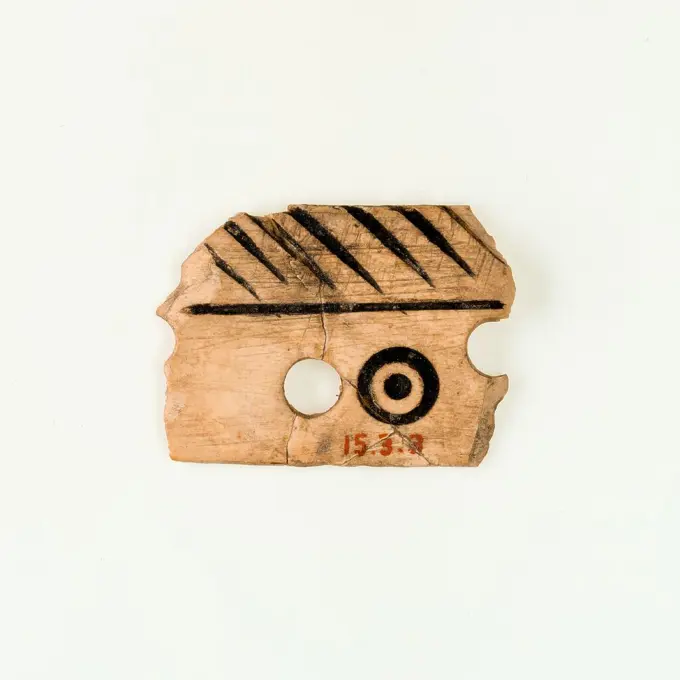
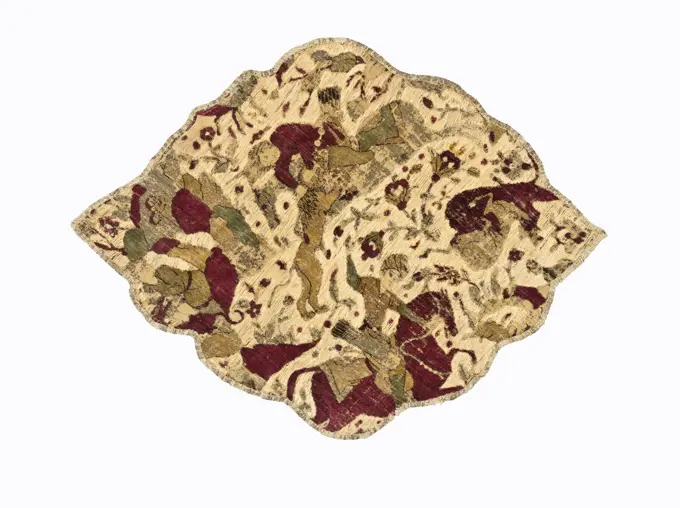
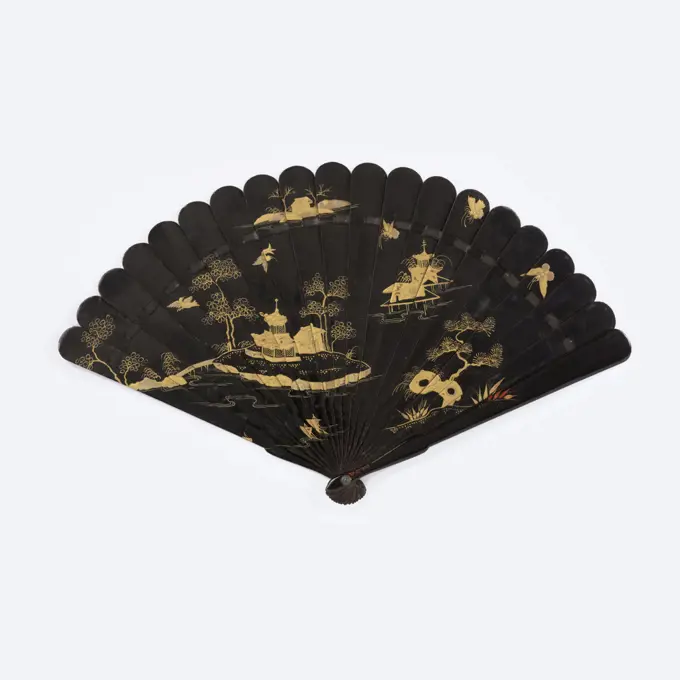
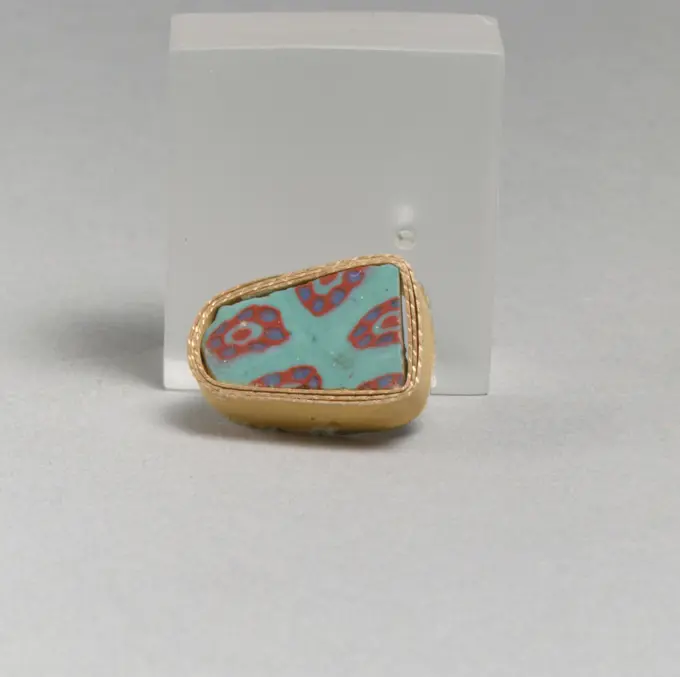
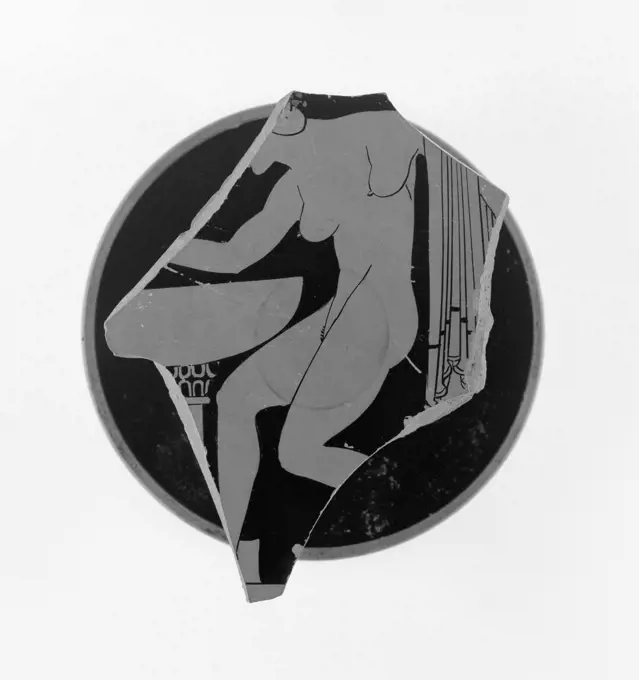
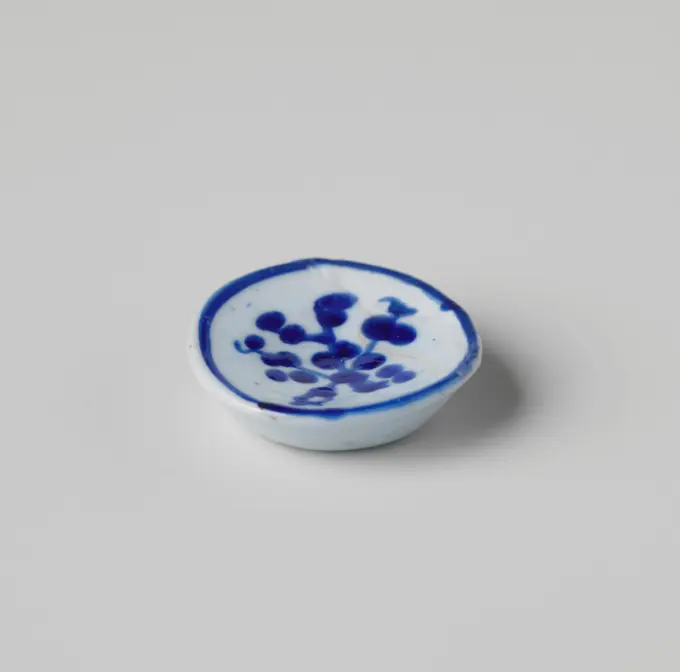
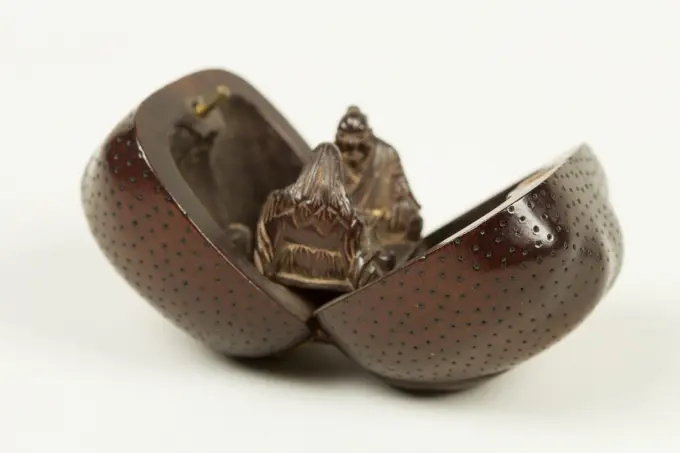
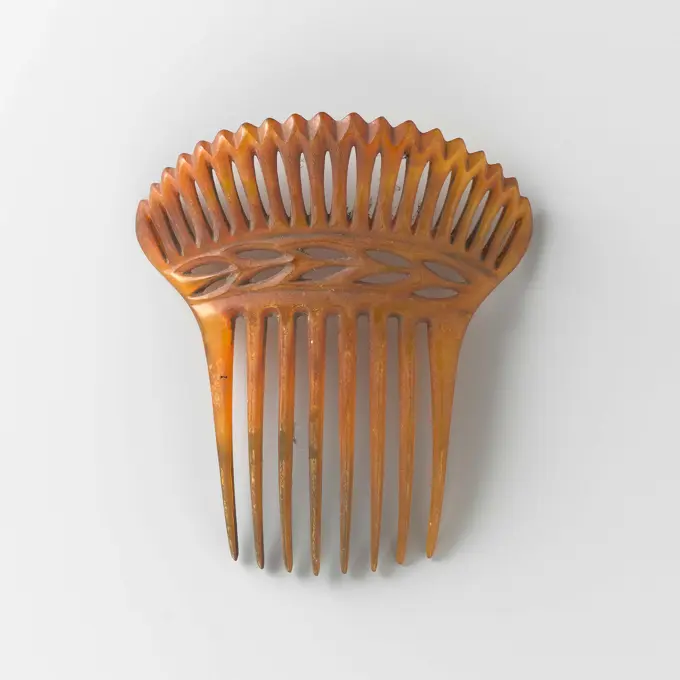
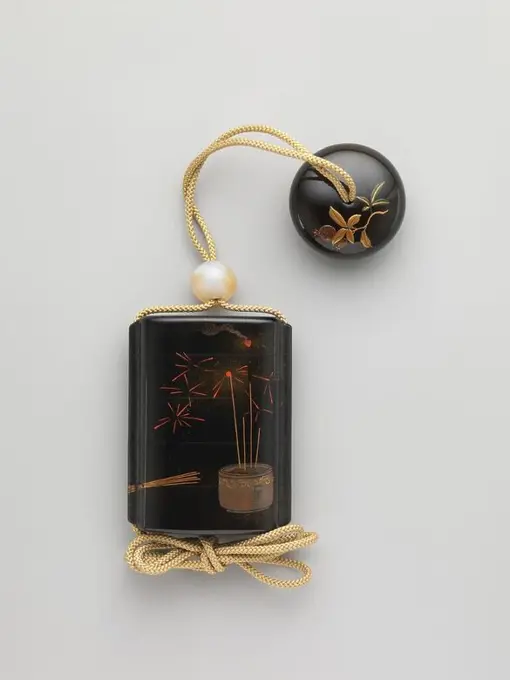
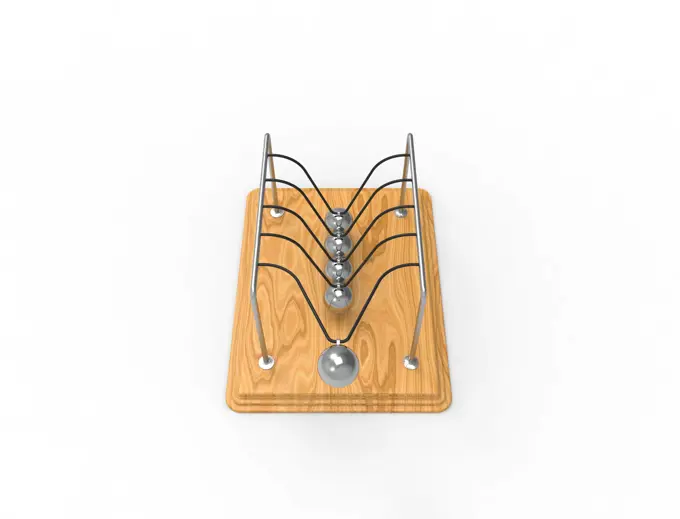
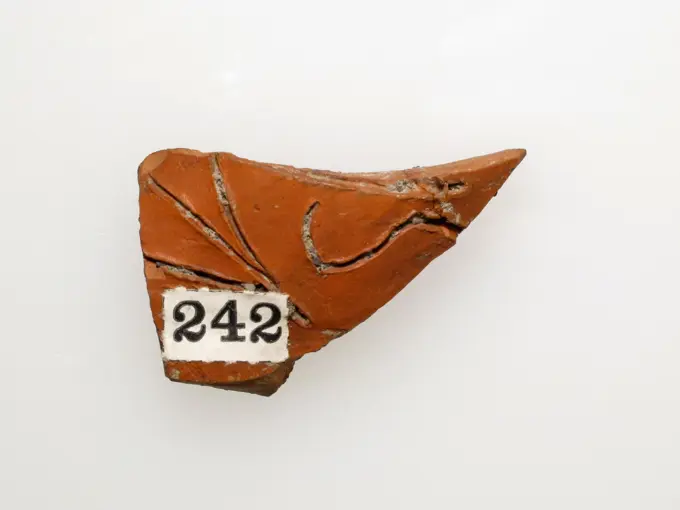
Conical Bowl with Peony Scroll 1100-1199 China. Yaozhou ware; stoneware with underglaze molded decoration .Vase of colorless glass, with convex belly and slightly flared neck, anonymous, c. 1700 - c. 1799 Vase originally made of clear, colorless glass, now seriously affected by glass disease. Bolle belly with wide neck above slightly running out, slightly hollow bottom. Holland glass Vase originally made of clear, colorless glass, now seriously affected by glass disease. Bolle belly with wide neck above slightly running out, slightly hollow bottom. Holland glassBird Plaque Ornament. Culture: Vicús. Dimensions: H. 2 x W. 2 in. (5 x 5 cm). Date: 3rd century B.C.-A.D. 2nd century. Museum: Metropolitan Museum of Art, New York, USA.Inlay, hieroglyph 664-610 B.C. Late Period, Saite A quantity of faience hieroglyphs and border elements was found in the tomb or courtyard of Nespekashuty. These are displayed in galleries 127 and 130. They are of similar size and manufacture, so seem to have belonged to a single object, likely of wood. Some of the signs belong to the standard offering formula, others mention Osiris and Anubis, so they certainly suggest an item of funerary furniture - a box, a screen, or a coffin although coffins are not usually inlaid in faience and remnants of Nespekashuty's were painted.Unfortunately, there are no signs indisputably pointing to Nespekashuty's names or titles. Although it seems likely that the fairly elaborate piece of equipment to which they testify belonged to the main burial of this tomb, and not to the Third Intermediate Period burials found in the courtyard or to the material apparently cleared from the Hathor Shrine at Deir el Bahri or to the other sets of late shabtis found inTile Wall Facing (Netherlands); tin-glazed earthenware, underglazepolished Cuprite and Chrysocolla stone isolated closeup of sample of natural mineral from geological collection - polished Cuprite and Chrysocolla stone isolated on white background Copyright: xZoonar.com/ValeryxVoennyyx 14986289Inlay, feather pattern. Dimensions: H. 3.3 × W. 3.5 cm (1 5/16 × 1 3/8 in.). Date: 200 BC-100 AD.A mosaic glass technique allowed multiples of an image to be created: a figural or design composition was made by bundling colored glass canes, which were then drawn out into a long bar. The bar was then sectioned at right angles, probably by striking the bar with appropriate tools, to produce small inlay tiles. The tile would then be smoothed and polished on the face intended to appear outwards. Museum: Metropolitan Museum of Art, New York, USA.Fragment, Floral, late 18th century; wood, gildedPaperweight 1840-1865 France. Technological improvements to optical scientific instruments in the mid-nineteenth century spurred a veritable obsession across Europe with identifying and classifying the natural world. Amateur botanists were eager to collect and preserve floral specimens, which they intently researched and catalogued. In response to this broad appeal, French glassmakers made paperweights that portrayed the very botanical subjects that were so enthusiastically sought. Many weights represented specimens with horticultural correctness, but others were entirely fanciful creations. Paperweights like this example speak to the periodís fascination with taxonomic systems.From the late 1840s to early 1860s, French manufacturers of fine glass and crystalósuch as Baccarat (Alsace), Clichy (Paris), and Saint-Louis (Lorraine)ócatered to the vast public enthusiasm for beautiful yet functional desk accessories. Paperweights, which were designed to secure loose papers against drafts, weBeautiful sea shell on a white backgroundBead, broken. Dimensions: L. 1.5 (9/16 in.); W. 0.9 cm (3/8 in.). Dynasty: Dynasty 19-20. Date: ca. 1295-1070 B.C.. Museum: Metropolitan Museum of Art, New York, USA.Glass pendant in the shape of an Africans head 2nd-1st century B.C. Greek, Eastern Mediterranean Translucent cobalt blue.Solid, vertical pendant, with mold marks running up sides and top of head, and under his neck; suspension loop on top of head pierced through from proper right to proper left side.Shaped like the head of an African, with prominent brows, cheeks and chin, broad nose, large lips, tightly curled hair, and a long neck.Complete, except for top half of suspension loop; dulling and slight weathering.. Glass pendant in the shape of an Africans head. Greek, Eastern Mediterranean. 2nd-1st century B.C.. Glass; cast in a two-part mold. Hellenistic. GlassTile. Tile, painted in blue, turquoise, orange, yellow and manganese. Diagonally placed flower. In the corner of rosette parts, half a leaf in the middle of two sides.Octagonal plate of multicolored hard-baked pottery; Staffordshire .. octagonal plate of multicolored hard-baked pottery. The plate is covered with a manganese-brown spotted lead glaze with stains in blue, green and tan. The back is slightly lighter in color. The edge is ribbed.Bird Plaque Ornament. Culture: Vicús. Dimensions: H. 2 x W. 2 in. (5 x 5 cm). Date: 3rd century B.C.-A.D. 2nd century. Museum: Metropolitan Museum of Art, New York, USA.Writing box with decoration of seven deer in autumn grasses 19th century Japan. Writing box with decoration of seven deer in autumn grasses. Japan. 19th century. Gold maki-e, inlaid mother-of-pearl, and lead on black lacquer. Edo period (1615-1868). LacquerSword-Hilt Collar and Pommel (Fuchigashira) early 19th century Japanese A fuchigashira is a pair of matching sword fittings comprising the fuchi (collar at the base of the grip of the sword hilt) and kashira (pommel cap at the end of a sword hilt).. Sword-Hilt Collar and Pommel (Fuchigashira). Japanese. early 19th century. Iron, gold, silver. Sword Furniture-Fuchi-KashiraGiant Day Gecko - foot magnified to show suction pads - controlled conditions (Phelsuma grandis)Buckle 1st-3rd century Spanish. Buckle. Spanish. 1st-3rd century. Bronze. Miscellaneous-Buckles & OrnamentPaperweight 1840-1865 France. Glass .Sharf of white -baking earthenware, with blue glaze at the top, decorated with a painted flower shape in brown, filled with white, anonymous, 1600 - 1650  Northern Netherlands earthenware. glaze majolica  Northern Netherlands earthenware. glaze majolicaA stock photograph of a red box photographed against a white background. Melbourne Australia.  Shield (Dhàl). Culture: Indian. Dimensions: Diam. 11 1/2 in. (29.2 cm); D. 2 in. (5.1 cm); Wt. 1 lb. 8.6 oz. (697.4 g). Date: 18th-19th century. Museum: Metropolitan Museum of Art, New York, USA.Inlay, square, floral design 1st-3rd Century A.D. Roman Period A mosaic glass technique allowed multiples of an image to be created: a figural or design composition was made by bundling colored glass canes, which were then drawn out into a long bar. The bar was then sectioned at right angles, probably by striking the bar with appropriate tools, to produce small inlay tiles. The tile would then be smoothed and polished on the face intended to appear outwards.. Inlay, square, floral design. 1st-3rd Century A.D.. Mosaic glass. Roman Period. From EgyptBronze arrowhead 6th-4th century B.C. or later Greek or Achaemenid With socket; three flanged.. Bronze arrowhead 252861 Greek or Achaemenid, Bronze arrowhead, 6th4th century B.C. or later, Bronze, Other: 1 3/16 in. (3 cm). The Metropolitan Museum of Art, New York. Gift of The American Society for the Excavation of Sardis, 1926 (26.199.298)Red condomGreen mud mask swatch on a white background. Close up from cosmetics product smear, concealer, kaolin or green tea mask. Thick texture isolated on white. Green mud mask swatch on a white background. Close up from cosmetics product smear, concealer, kaolin or green tea mask. Thick texture isolated on white.Scarab. Dimensions: L. 0.6 cm (1/4 in). Dynasty: Dynasty 12-18. Date: ca. 1981-1295 B.C.. Museum: Metropolitan Museum of Art, New York, USA.Glass Fragment 15th-16th century French. Glass Fragment. French. 15th-16th century. Pot metal glass. Glass-StainedSword Guard (Tsuba) Depicting Plum Tree (樹図鐔) ca. 1615-1868 Japanese The obverse of this tsuba is almost entirely occupied by blossoming branches of a plum tree whereas the reverse is left undecorated with the exception of a single plum branch. Plum blossoms and buds are highlighted via gold and copper iroe.. Sword Guard (Tsuba) Depicting Plum Tree (樹図鐔) 25691Paperweight 1843-1860 Saint-Louis. Glass . Compagnie de Saint LouisPaperweight 1840-1865 France. Glass . Clichy GlasshouseSword Guard (Tsuba) 17th century Japanese A tsuba is a sword guard and part of a sword mounting. It is mounted between the swords blade and grip to protect the users hands.. Sword Guard (Tsuba) 26315Green ribbon for a festive decor, isolated on a white background Green ribbon for a festive decor, isolated on a white background Copyright: xZoonar.com/OleksandrxKostiuchenkox 10044620Lavender soap bouquet spaInlay fragment, net design 1st-3rd Century A.D. Roman Period A mosaic glass technique allowed multiples of an image to be created: a figural or design composition was made by bundling colored glass canes, which were then drawn out into a long bar. The bar was then sectioned at right angles, probably by striking the bar with appropriate tools, to produce small inlay tiles. The tile would then be smoothed and polished on the face intended to appear outwards.. Inlay fragment, net design. 1st-3rd Century A.D.. Glass. Roman Period. From EgyptKnife Handle (Kozuka) 18th century Japanese A kozuka is a handle of a by-knife that is part of a sword mounting. It is kept in a slot on the reverse of a katana scabbard, often with a matching kgai (hairdressing tool).. Knife Handle (Kozuka). Japanese. 18th century. Copper-gold alloy (shakud), gold, silver. Sword Furniture-KozukaVase Fragment 1st century B.C.-1st century A.D. Roman Hetaira.. Vase Fragment 250396Brooch with silhouette Portrait of a woman. Silhouette portrait of a woman. Bust to the left. Part of the portrait miniaturen collection.Igloo plate Trzewik Drost, Eryka, Economic Huta Z BkowiceGlass Fragment 14th century European. Glass Fragment. European. 14th century. Pot metal glass. Glass-StainedGold ornament with cloisons 3rd-4th century A.D. or later Roman Oblong bead ornament.. Gold ornament with cloisons. Roman. 3rd-4th century A.D. or later. Gold. Late Imperial or Late Antique. Gold and SilverBox in the form of a lemon ca. 1750-55 Meissen Manufactory German. Box in the form of a lemon 205294Taweret amulet 100 BC-100 AD Ptolemaic or Roman Period. Taweret amulet 570509Hare Pendant 1300 BCE-900 BCE China. Jade .Paperweight 1841-1860 Saint-Louis. Glass . Compagnie de Saint LouisWater vessel in the shape of a marriage cup China 18th century The marriage cup, which derives its name from the shape of two joined rhombuses, signifies the ideal union of two individuals. On one side of the cup are two small boys, one holding a ruyi scepter and the other wearing a vest decorated with coin shapes. Their companions on the other side hold a peach and a vase filled with coral. While the accessories in their hands stand for happiness, wealth, and longevity, the boys themselves allude to the proliferation of offspring as the hopeful result of a marriage. View more. Water vessel in the shape of a marriage cup. China. 18th century. Jade (nephrite). Qing dynasty (1644-1911). JadeFragment Kraaikop from V.O.C. ship De 'Witte Leeuw', Anonymous, Before 1613 bowl Fragment Kraaikop from V.O.C. ship the 'Witte Leeuw'. Jingdezhen bone china (material)   Sint-HelenaA stock photograph of a colour condom.Fish Hook. UnknownDouble Fish Hook. Unknowngrilled eggplant oubergine on a fork grilled eggplant oubergine on a fork macro close up Copyright: xZoonar.com/FracescoxPerrex 6473938Paperweight 1840-1865 France. This paperweight uses a traditional glass-making technique called millefiori to great effect. Italian for ìone thousand flowers,î millefiori was first developed in fifteenth-century Venice. In the nineteenth century, French glassmakers revived the technique with a cultural twist. Arranged to evoke traditional French gardens such as the Tuileries in Paris, paperweights like this example brought a little of this landscaping magic indoors.From the late 1840s to early 1860s, French manufacturers of fine glass and crystalósuch as Baccarat (Alsace), Clichy (Paris), and Saint-Louis (Lorraine)ócatered to the vast public enthusiasm for beautiful yet functional desk accessories. Paperweights, which were designed to secure loose papers against drafts, were among their most popular products.. Glass . Clichy GlasshousePaperweight 1840-1860 France. The colorful geometric clusters embedded in this paperweight reflect the nineteenth-century European fascination with optical effects. Sir David Brewster invented the kaleidoscope in 1815, and its colorful and changing patterns brought great visual entertainment. Paperweights such as this example reformed this childlike pastime for a sophisticated adult audience. Depicted in glass were tiny glittering flowers, small black and blue cameos of figures, and even miniature bottlecaps. These were delicately arranged within the orb for the observant eye to discover.From the late 1840s to early 1860s, French manufacturers of fine glass and crystalósuch as Baccarat (Alsace), Clichy (Paris), and Saint-Louis (Lorraine)ócatered to the vast public enthusiasm for beautiful yet functional desk accessories. Paperweights, which were designed to secure loose papers against drafts, were among their most popular products.. Glass . Compagnie de Saint LouisFragment of a Bowl 9th-10th century. Fragment of a Bowl. 9th-10th century. Earthenware; red body, white slip, slip decoration in yellow, green and brown-black under glaze. Excavated in Iran, Nishapur. CeramicsDish, white, painted in blue, anonymous, c. 1675 - c. 1699 Saucer of milk glass with blue email paint painting; Double layer and hollow on the inside. Amsterdam (possibly)Haarlem (possibly) glass Saucer of milk glass with blue email paint painting; Double layer and hollow on the inside. Amsterdam (possibly)Haarlem (possibly) glassthread spool, wood, Tartanware, Scotland for export, ca. 1880-1900, appliances & tools, Decorative Arts, thread spoolPaperweight 1840-1865 France. Technological improvements to optical scientific instruments in the mid-nineteenth century spurred a veritable obsession across Europe with identifying and classifying the natural world. Amateur botanists were eager to collect and preserve floral specimens, which they intently researched and catalogued. In response to this broad appeal, French glassmakers made paperweights that portrayed the very botanical subjects that were so enthusiastically sought. Many weights represented specimens with horticultural correctness, but others were entirely fanciful creations. Paperweights like this example speak to the periodís fascination with taxonomic systems.From the late 1840s to early 1860s, French manufacturers of fine glass and crystalósuch as Baccarat (Alsace), Clichy (Paris), and Saint-Louis (Lorraine)ócatered to the vast public enthusiasm for beautiful yet functional desk accessories. Paperweights, which were designed to secure loose papers against drafts, weMiniature baking tin Horend with a dollhouse, anonymous, c. 1400 - c. 1950 Minature baking tin, spiral -wise of iron.  iron (metal) Minature baking tin, spiral -wise of iron.  iron (metal)Mosaic glass fragment. The small glass fragment shows several flowers in Millefiori technology on light green reason. A red dot with white border is the core of a flower whose leaves form smaller white dots with dark violation border. In Roman times, it used colored, ornamented glass for vessels, mosaics, wall decorations, and furniture ornaments. For the production of different colored glasses to tubes and rods shaped. These were compressed and heated, causing a long bar. The glass sliced now had a wide variety of amorphous or floral patterns.Sword-Hilt Collar (Fuchi). Culture: Japanese. Dimensions: H. 1 5/16 in. (3.3 cm); Wt. 0.8 oz. (22.7 g). Date: ca. 1615-1868. Museum: Metropolitan Museum of Art, New York, USA.Glass gold-band mosaic bowl fragment late 1st century B.C.-early 1st century A.D. Roman Body fragment.Translucent blue, turquoise blue and yellow appearing green, opaque white, and colorless enclosing gold leaf.Convex curving side.Gold-band mosaic pattern formed from sections of layered canes in bands of blue, colorless glass with gold leaf, blue, white, and turquoise blue and yellow.Pinprick bubbles; polished exterior; slight pitting of surface bubbles on exterior; dulling and creamy weathering on interior and edges.. Glass gold-band mosaic bowl fragment. Roman. late 1st century B.C.-early 1st century A.D.. Glass; cast. Early Imperial. GlassInlay fragment. Dimensions: l. 2.6 cm (1 in). Dynasty: Dynasty 12-13. Date: ca. 1981-1640 B.C.. Museum: Metropolitan Museum of Art, New York, USA.Paperweight 1801-1900 Saint-Louis. Glass . Compagnie de Saint LouisTent Decoration with Hunting Scenes. Khwaja Ghiyath Ad-din Ali (Iran, Yazd, active 16th century). Iran, Safavid period, 16th century. Textiles. Cut and voided silk velvet, metal thread groundBrisé fan, Lacquered and gilded wood sticks, Brisé fan of black lacquered wood with gilt decoration. On the obverse, an island with houses and a pagoda. On the reverse, islands with houses and a small bridge., Japan, mid- 19th century, costume & accessories, Brisé fanDish ca. 2750-2649 B.C. Early Dynastic Period. Dish 551046Glass mosaic fragment late 1st century B.C.-early 1st century A.D. Roman Body fragment.Greyish blue, opaque light turquoise blue, and red.Very shallow curving side.Mosaic pattern formed from sections of a single cane in a turquoise blue ground with a hollow rosette pattern in red with blue dots and a central red rod.Polished exterior; pitting of surface bubbles on exterior; dulling and faint iridescent weathering on interior and edges.The color scheme and the pattern are both unusual.. Glass mosaic fragment 257371Marie Fanny Tranchau, Geboren Petit d'Arthez, Louis Eugène Mouchon, 1895  Unilateral silver rectangular medal. Front: breastpiece woman; Cut: Inscription. Reverse: Blanco Paris silver (metal) castingFlower upholstery Floral upholstery texture with clipping path included Copyright: xZoonar.com/Baloncicix 7274581Attic Red-Figure Kylix Fragment; Attica, Greece; about 510 B.C; Terracotta; 9.5 cm (3 3,4 in.)Crumpled candy wrapper and small piece of chocolateNetsuke. Culture: Japan. Dimensions: H. 1/2 in. (1.3 cm); Diam. 2 in. (5.1 cm). Date: 18th century. Museum: Metropolitan Museum of Art, New York, USA.Plate, white, painted in blue, anonymous, c. 1675 - c. 1699 Two plates of milk glass with blue email paint painting; Double layer, hollow on the inside. Amsterdam (possibly) glass Two plates of milk glass with blue email paint painting; Double layer, hollow on the inside. Amsterdam (possibly) glassRed, green and blue by Claes Oldenburg, sculpture, born 1929Knife Handle (Kozuka). Culture: Japanese. Dimensions: L. 3 13/16 in. (9.7 cm); W. 9/16 in. (1.4 cm); thickness 1/4 in. (0.6 cm); Wt. 1.1 oz. (31.2 g). Date: 19th century. Museum: Metropolitan Museum of Art, New York, USA.Netsuke in Shape of a Biwa Fruit containing Court Figures Playing Game of Go early 19th century Japan. Netsuke in Shape of a Biwa Fruit containing Court Figures Playing Game of Go 59621. Hair comb of horn, with eight teeth and an ajour worked back with vertical openings ending in a zigzag list"Nub" sign inlay Third Intermediate Period-Late Period ca. 1070-343 B.C. View more. "Nub" sign inlay. ca. 1070-343 B.C.. Black stone. Third Intermediate Period-Late Period. From Egypt, Upper Egypt, Thebes, Southern Asasif, Unfinished Temple Site, MMA excavations, 1920-22. Dynasty 21-30Symbol big stone made on black background in frame.String of Beads and Bes Amulet Third Intermediate Period-Late Period ca. 1070-343 B.C. View more. String of Beads and Bes Amulet. ca. 1070-343 B.C.. Faience. Third Intermediate Period-Late Period. From Egypt, Upper Egypt, Thebes, Deir el-Bahri, Middle Terrace, Late Dynastic intrusive burials, MMA excavations. Dynasty 21-30Tile, Press-molded glazed terra cotta (red earthenware), Press-molded low relief decoration in earth color against a yellow background. The first tile depicts a mermaid., Boston, Massachusetts, USA, ca. 1905, tiles, Decorative Arts, TileGlove of dark brown glacé leather, c. 1900 Right glove of dark brown glacé leather. Decorated on the back with five black lines. At the wrist a split with four metal buttons. With extra slender fingers. West-Europa (possibly) whole: Leather. whole:. whole: Metal Right glove of dark brown glacé leather. Decorated on the back with five black lines. At the wrist a split with four metal buttons. With extra slender fingers. West-Europa (possibly) whole: Leather. whole:. whole: MetalCase (Inro) with Design of Fireworks (obverse); Design of Fan (reverse). Culture: Japan. Dimensions: H. 2 13/16 in. (7.2 cm); W. 2 1/8 in. (5.4 cm); D. 7/8 in. (2.3 cm). Date: 19th century. Museum: Metropolitan Museum of Art, New York, USA.3D rendering of a Newton cradle isolated on white studio background 3D rendering of a Newton cradle isolated on white studio background. Copyright: xZoonar.com/HugoxKurkx 13872025Women's court shoes. Witoszyński, Wincenty (Warszawa ; pracownia szewska ; ca 1840-ca 1850), authorTwo stacked functional brown leather square seat cushions on white Two functional brown leather square seat cushions for comfortable rest on bench or floor arranged in stack on white background. Stylish handcrafted interior items Copyright: xZoonar.com/NazarovxSergeyx 21311314Anonymous. Octagonal dish. Porcelain. 18th century. Museum of Fine Arts of the City of Paris, Petit Palais. 122742-30Torn pastel pastel yellow paper isolated on green Torn pastel pastel yellow paper isolated on green Copyright: xZoonar.com/AnaxMariaxSerranox 13780014Textile with bead embroidery, Medium: cotton, glass beads Technique: plain weave foundation with bead embroidery, Fragment of cloth with two panels showing landscapes worked in colored beads., Mexico, 19th century, embroidery & stitching, Textile with bead embroideryMummy label of Pleni, age 60 Roman Period A.D. 3rd century  View more. Mummy label of Pleni, age 60. A.D. 3rd century . Wood, ink. Roman Period. Possibly from Upper Egypt, Thebes; From Egyptlittle planet - little urban planet in rainy clouds isolated on white backgroundSewing white rubber on a reel on white backgroundFragment dish from v.o.c.-ship De 'Witte Leeuw', Anonymous, Before 1613  Fragment dish from V.O.C.-ship De 'Witte Leeuw', together with NG-1978-127-1-B-W 40 present. The shard is white and has little ingrained dirty. The glaze is blue -tinted. The bottom is unglazed and has a faceted foot ring. No oven sand was found. The lip is scooped. Lampet dish. Eighteen fragments glued together. Jingdezhen bone china (material). glaze   Sint-HelenaVase fragment Roman, Gaul Tendrils.. Vase fragment 250345Broche, obra de Joaquim Capdevila, siglo XX. Colección privada.Portrait of Marie-Antoinette, Queen of France, Manufacture de Sèvres, c. 1780 - C. 1795 Portrait of porcelain in Biscuit. The portrait shows Marie-Antoinette, Queen of France (1755-1793). Sèvres porcelain Portrait of porcelain in Biscuit. The portrait shows Marie-Antoinette, Queen of France (1755-1793). Sèvres porcelainSword Guard (Tsuba) 18th century Japanese A tsuba is a sword guard and part of a sword mounting. It is mounted between the swords blade and grip to protect the users hands.. Sword Guard (Tsuba) 34952Votive Fish. UnknownVotive Fish. Unknown