Historical Artifacts

Fragments of ancient mosaics and ceramics with intricate designs, showcasing historical craftsmanship and unique cultural styles.

Sharf multicolored majolica, anonymous, 1500 - 1699  Majolic screen. Northern Netherlands earthenware. glaze
Sharf multicolored majolica, anonymous, 1500 - 1699 Majolic screen. Northern Netherlands earthenware. glaze
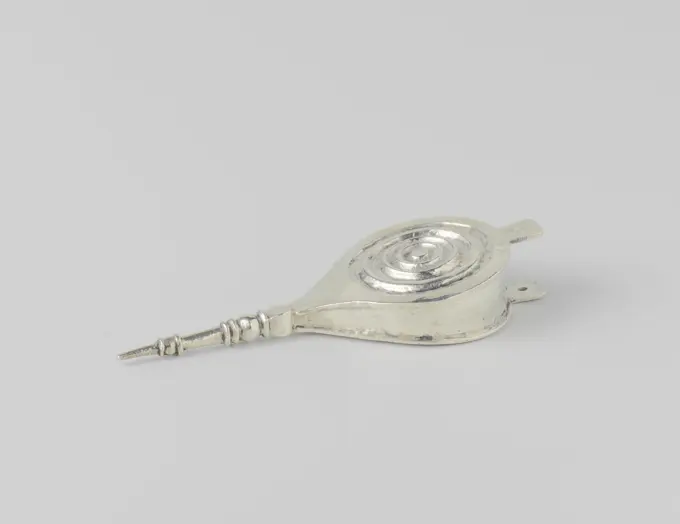
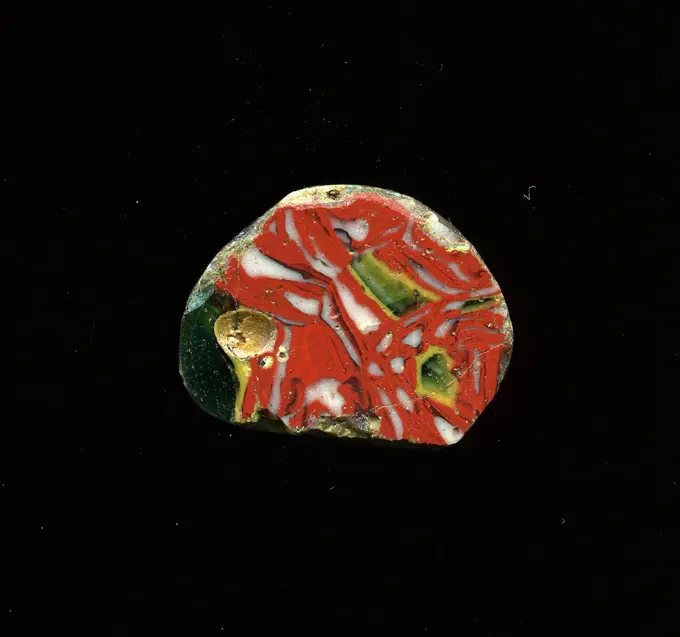
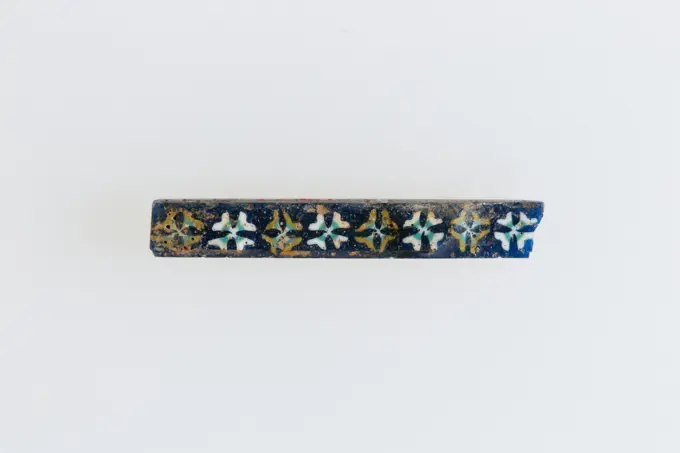
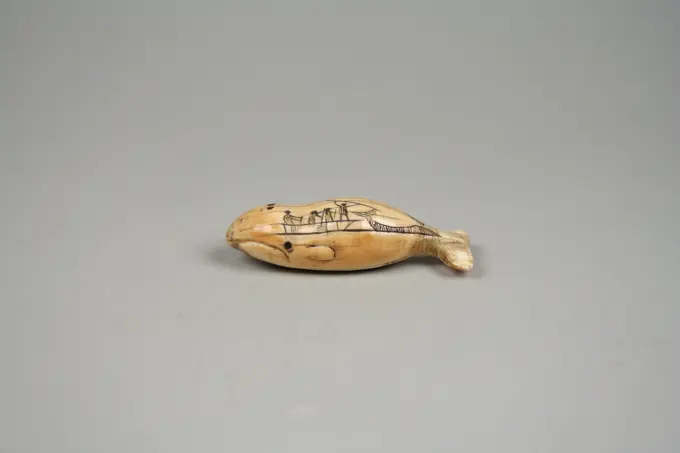
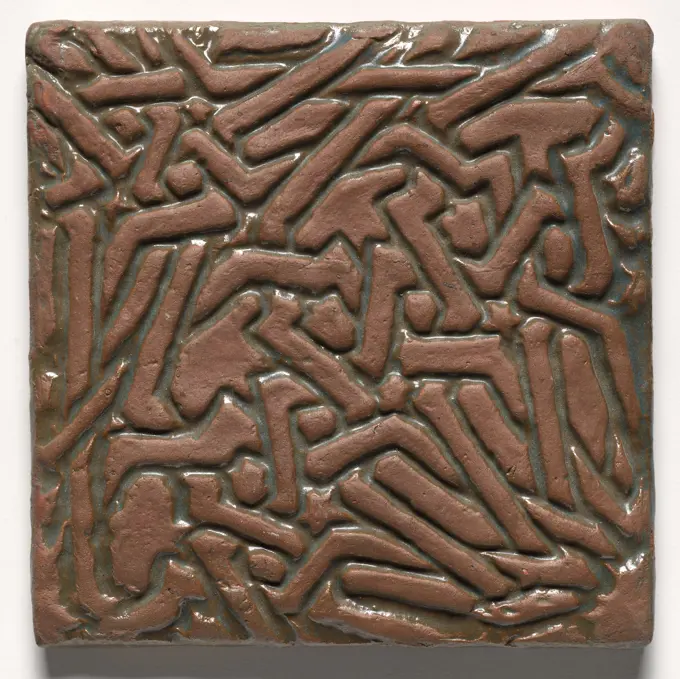
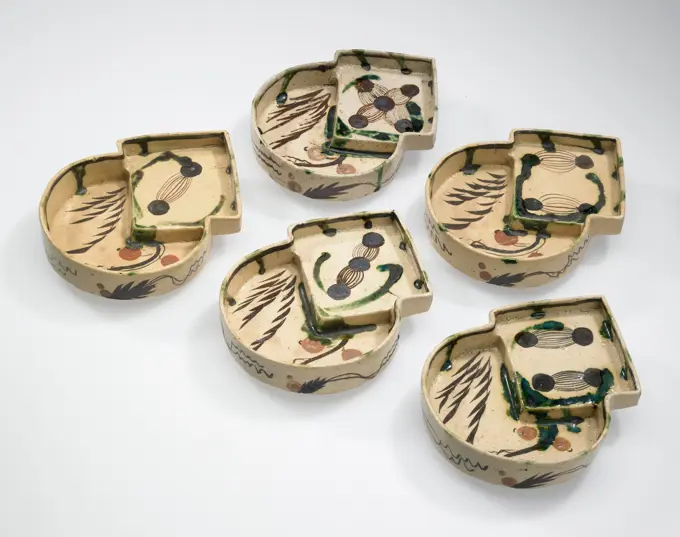
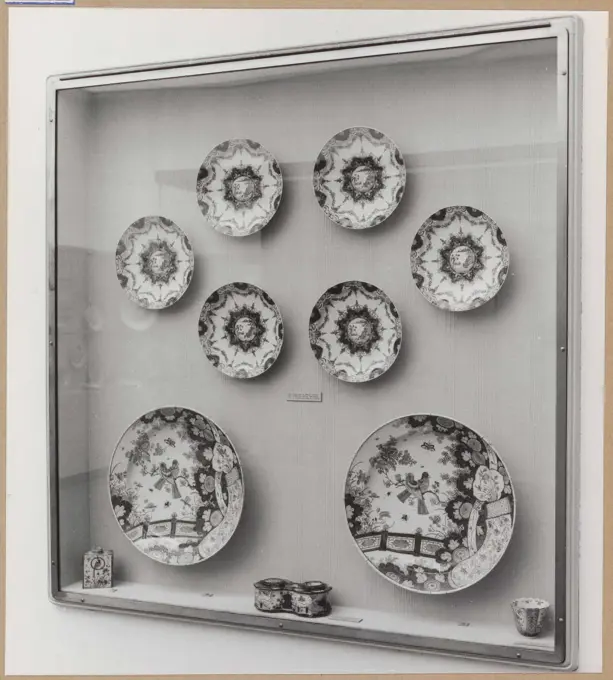
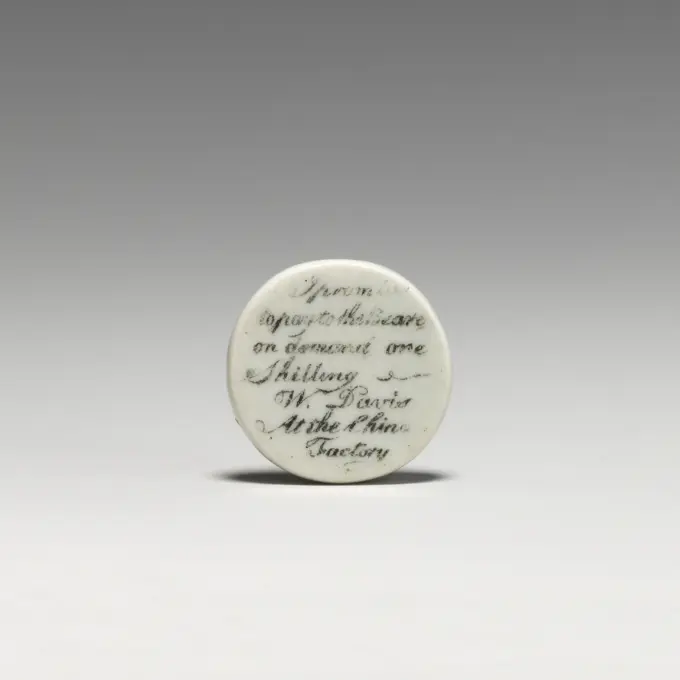
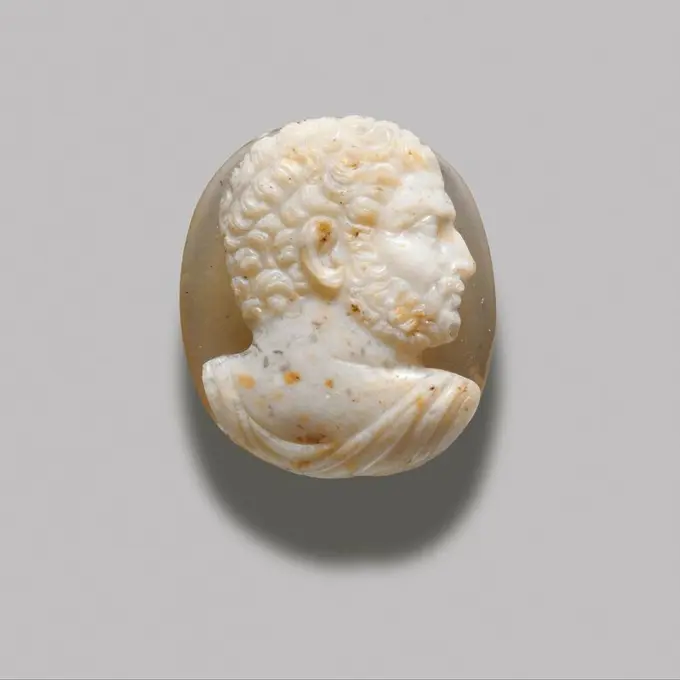
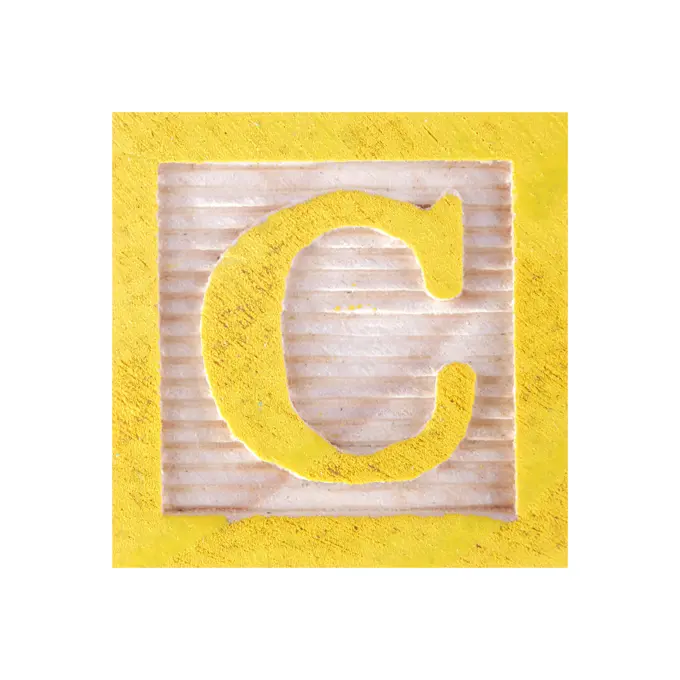
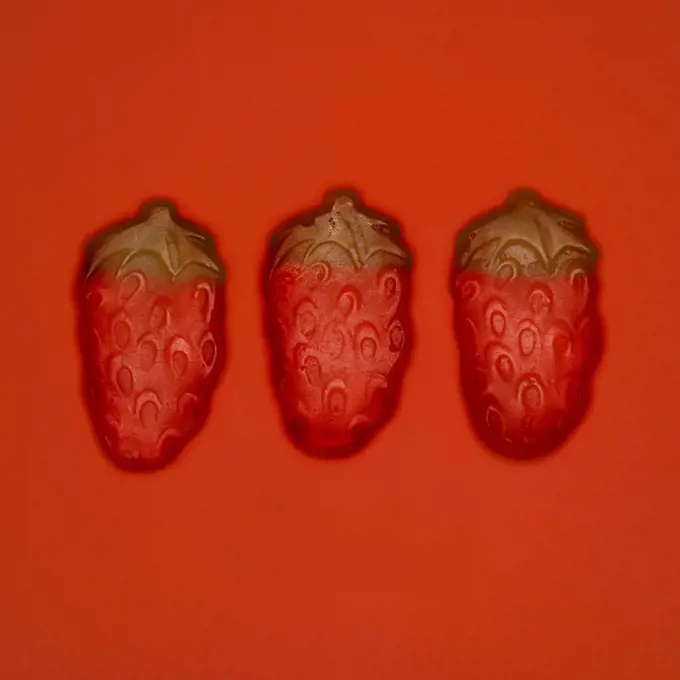
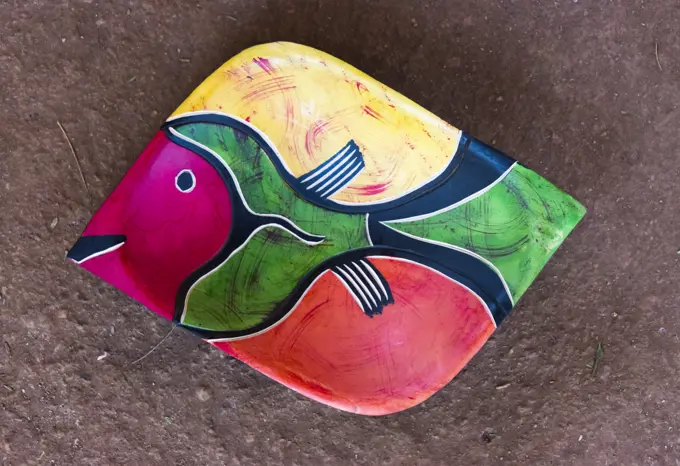
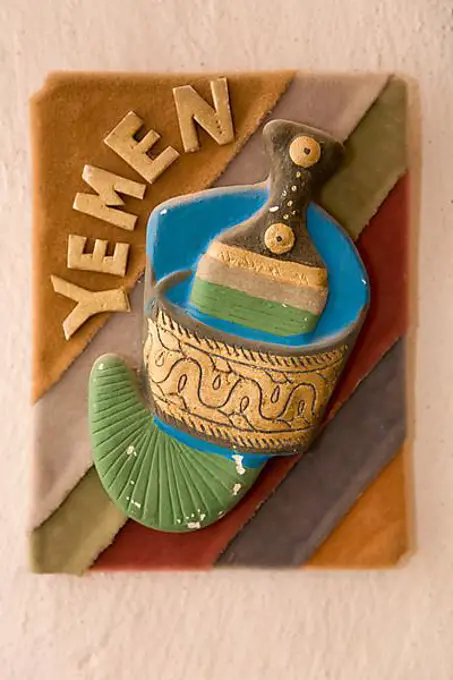
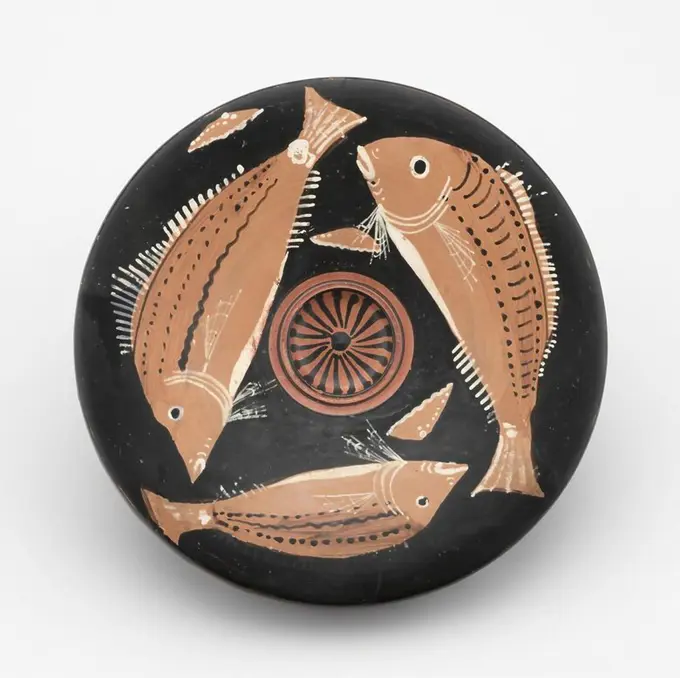
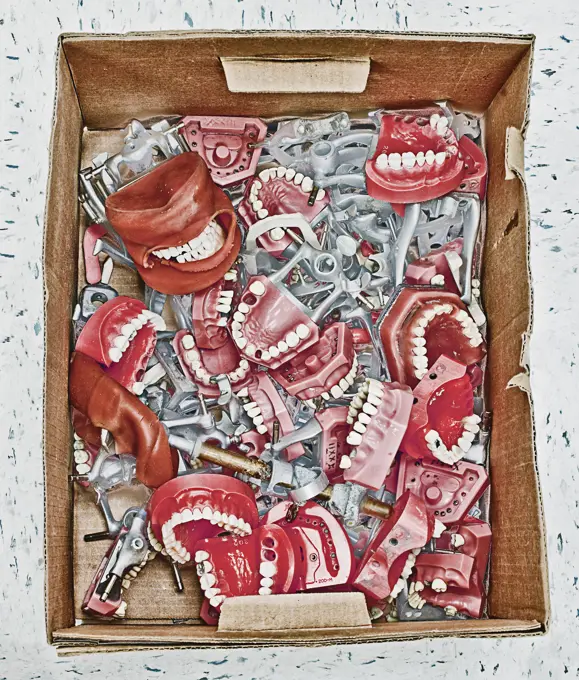
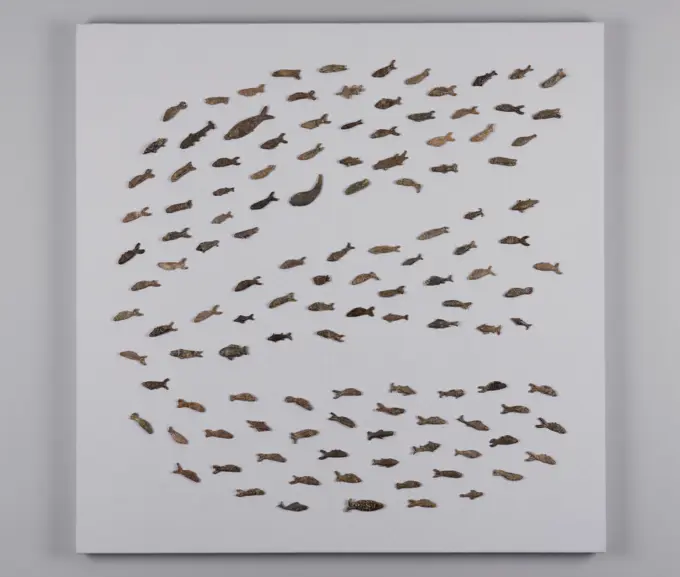
Votive Fish. UnknownVotive Fish. UnknownVotive Fish. UnknownGrahal-Manzara. Carnavalet 2013-2016 collection sites. Numismatics.Tray 19th century Japan. Tray. Japan. 19th century. Lacquer. Edo (1615-1868) or Meiji period (1868-1912). LacquerJuliana, Princess of the Netherlands, Anonymous, 1930 - 1940  Silver one -sided, rectangular plaque with rounded corners; At the top two and an elongated opening on the bottom, almost over the width of plaque, so that the Orange ribbon is stabbed with pin. Front: in medallion: breastpiece woman, in profile to right inside change; around it flower in every corner of medal. Reverse: Blanco. Netherlands silver (metal). textile materials striking (metalworking) / sewingOrnament, Christmas Tree (USA); sugar and cottonPinhead. Pinhead. Glass. GlassBeads ca. 9th century B.C. Iran. Beads 325325Stone wall letters Letter E 3D stone wall letters Letter E 3DRetro cartoon illustration. On plain white background.Bracelet (Bangle) Fragment ca. 3100-2649 B.C. Early Dynastic Period Flint bangles such as this one are mainly found in burials. The deceased often wore multiple bangles together, on one or both forearms. These items were in use for a relatively short time, only during the Early Dynastic period, and most examples date specifically to the First Dynasty. They were made through a combination of flaking and grinding. Flint bangles were extremely difficult to produce and demonstrate the exceptionally high degree of expertise achieved by Egypts flint knappers. They also show that Ancient Egyptians used flint for personal adornment and display, not just to make implements needed for utilitarian and subsistence purposes.. Bracelet (Bangle) Fragment. ca. 3100-2649 B.C.. Flint. Early Dynastic Period. From Egypt, Northern Upper Egypt, Abydos, Umm el-Qaab, Tomb of Djer, Egypt Exploration Fund excavations. Dynasty 1Paperweight. Baccarat; France, founded 1764. Date: 1825-1850. Dimensions: Diam. 7.6 cm (3 in.). Glass. Origin: Baccarat. Museum: The Chicago Art Institute, Chicago, USA. Author: Baccarat Glassworks.. Powerboard board, painted with the pattern "loose" in the colors blue, yellow, green, brown, pink and purple. Design Colenbrander. Signature: 27 with part sign including a c.; Factory stamp; "LOS" and G.B.; 27 (reduction) and 1559.Flower Spring Button Sticker IconRosette ca. 9th-7th century B.C. Assyrian. Rosette 324777Still life of big red Christmas bow.Red Gift Tag, old-style vectorLiquid pill with beads Transparent pill containing clear liquid with blue beads Copyright: xZoonar.com/YannxPoirierx 16432452Roll with white ribbon with one frayed side and three purple horizontal stripes, c. 1930 Roll with white ribbon with one frayed side and three purple horizontal stripes. Nijmegenfrance textile materials. cardboard. paper Roll with white ribbon with one frayed side and three purple horizontal stripes. Nijmegenfrance textile materials. cardboard. paperMoney Origami snowflake. snowflake origami made of banknotes rubles. HandmadeShards of a sign from V.O.C. ship De 'Witte Leeuw', Before 1613 plate (dishes) Shards of a sign from V.O.C. ship the 'Witte Leeuw'. Jingdezhen bone china (material)   Sint-HelenaBLOW BALL, JOHANNES OF SUMMER WIL (i) (attributed to), 1761 Bladderball with a profiled mouthpiece and concentric circles on the bellows. The bottom of the bladder ball is smooth, has three holes and a bearing eye. The bladder ball was marked: stk. = Amsterdam, Jrl. = B (1761), Mt. = Voet 443, crowned o and an ax. Amsterdam silver (metal) Bladderball with a profiled mouthpiece and concentric circles on the bellows. The bottom of the bladder ball is smooth, has three holes and a bearing eye. The bladder ball was marked: stk. = Amsterdam, Jrl. = B (1761), Mt. = Voet 443, crowned o and an ax. Amsterdam silver (metal)Mosaic glass fragment. The small glass fragment shows on a red background an abstract pattern of white, yellow and green. In Roman times, it used colored, ornamented glass for vessels, mosaics, wall decorations and furniture ornaments. For the production, different colored glasses were molded into tubes and rods. These were compressed and heated, causing a long bar. The glass sliced now had a wide variety of amorphous or floral patterns.Earth in treasure chestOrnaments, 14 Greek, Laconian. Ornaments, 14 251706 Greek, Laconian, Ornaments, 14, Lead, Height: 1 3/16 in. (3 cm). The Metropolitan Museum of Art, New York. Gift of A. J. B. Wace, 1924 (24.195.140)Inlay with row of rosettes 200 BC-100 AD Ptolemaic Period-Roman Period A mosaic glass technique allowed multiples of an image to be created: a figural or design composition was made by bundling colored glass canes, which were then drawn out into a long bar. The bar was then sectioned at right angles, probably by striking the bar with appropriate tools, to produce small inlay tiles. The tile would then be smoothed and polished on the face intended to appear outwards.Such elements could also be used side by side to create repeating patterns.. Inlay with row of rosettes. 200 BC-100 AD. Glass. Ptolemaic Period-Roman Period. From EgyptA pile of chalkboard erasersWhale 1830-60 Inuit. Whale 312731Paperweight 1841-1860 Lunéville. Glass . Baccarat GlassworksJue Disc with Slit Opening, 480-221 BCE, 1/8 x 2 3/16 in. (0.24 x 5.56 cm), Green jade with brown clouds and dark green moss, China, 5th-3rd century BCEChristmas tree isolated on a white background.Tile- Islamic Pattern, before 1921. Moravian Pottery and Tile Works. Glazed ceramic; overall: 13.7 x 13.7 cm (5 3/8 x 5 3/8 in.).Retro cartoon with texture. Isolated on White.Set of serving dishes (mukōzuke) with design of willow boughs, gourds, and geometric patterns, c. 1615-1630, Unknown Japanese, 1 5/8 x 6 13/16 x 5 3/8 in. (4.13 x 17.3 x 13.65 cm), Mino ware, Yashichida-Oribe type; stoneware with copper-green glaze, red slip, and underglaze iron oxide, Japan, 17th centuryWall Facing (Netherlands); tin-glazed earthenware, underglaze; 5 tiles tall, various wideStone wall letters Letter x 3D stone wall letters Letter X 3DVitrine met objecten van keramiek, waaronder borden; Vitrines kunstnijverheid.This is the device of the display case before emptying in October 1959. At the top of six plates of multi-colored faience, by an anonymous Delft manufacturer.Token money ca. 1780 Worcester factory. Token money. British, Worcester. ca. 1780. Soft-paste porcelain. Worcester factory (British, 1751-2008). Ceramics-PorcelainWall fragment with tiles and tile fragments in blue on white ground, wall tile tile visual material earthenware ceramic earthenware glaze tin glaze 28,0 w 28,5 glazed baked Wall fragment with tiles and tile fragments in blue on white background. At the rear there are remains of bricks. Presentation of the whole tile: child's play consisting of two figures who are engaged in game Corner motif: spin archeology Rotterdam Overschie Delftweg Voorom archaeological find in the soil: Overschie November 28, 1985 Voorom Delftweg at demolition of old foundations.Wall Facing (Holland); tin-glazed earthenware, underglazePiece of painted note paper on a linen canvasvector set: vintage labels with flowersOnyx cameo bust of Caracalla. Culture: Roman. Dimensions: H.: 1 1/16 x 15/16 in. (2.7 x 2.4 cm). Date: ca. A.D. 211-217.Caracalla succeeded to the imperial throne when his father, Septimius Severus, died in Eburacum (modern York, England) in A.D. 211. After disposing of his brother and co-emperor, Geta, Caracalla embarked on a number of military campaigns that took him to the Rhine and Danube frontiers. In A.D. 216, he launched a major expedition against Parthia, but he died in mysterious circumstances near Carrhae (modern Harran, Turkey) the following year. Museum: Metropolitan Museum of Art, New York, USA.Bliżej KulturyBuchstaben C Kinderholzblock auf weiß mit Clippingpfad A Letter C child s wood block on white with clipping path LicenseRF Copyright: xZoonar.com/NigelxStripex 17048201New Year s and Christmas ornaments, isolated on white background New Year s and Christmas ornaments, isolated on white background Copyright: xZoonar.com/OleksandrxKostiuchenkox 9756636Gumdrops, elevated viewTile Wall Facing (Netherlands); tin-glazed earthenware, underglazeComb late 18th century American. Comb. American. late 18th century. tortoiseshellColorful painted plate, Mantenga Cultural Village, SwazilandTile with shepherd, anonymous, c. 1680 - c. 1730 Tile with a purple painted shepherdin with sheep in a circle frame that is connected to the corners by wide tires. Between the circle and the tires, sprinkled purple. Holland earthenware. tin glaze majolica Tile with a purple painted shepherdin with sheep in a circle frame that is connected to the corners by wide tires. Between the circle and the tires, sprinkled purple. Holland earthenware. tin glaze majolicaFish wrapped in newspaperOrnamament, curved dagger, San a , Unesco World Heritage Site, Yemen, Middle East, AsiaWall Facing (Holland); tin-glazed earthenware, underglazeVintage Photograph. A still life of a bunch of radishes.Concrete block. Under construction 3d vector iconFish Plate. Greek; Tarentum, Apulia, Italy; Attributed to the Perrone-Phrixos Group. Date: 340 BC-320 BC. Dimensions: 4.2 × 20.4 × 20.4 cm (1 5/8 × 8 1/16 × 8 1/16 in.). Terra-cotta, decorated in the red-figure technique. Origin: Tarentum. Museum: The Chicago Art Institute, Chicago, USA. Author: ANCIENT GREEK.Box of Dental EquipmentAnonymous insignia Reichsmütterdienst (Reich mothers service) (title awarded), 1934. Glass. Metal. Museum of the Liberation of Paris - General Leclerc Museum - Jean Moulin Museum.Wall Facing (Holland); tin-glazed earthenware, underglaze