Historical Artifacts

Photographs of historical artifacts, including a tobacco pipe fragment and bronze lamp, highlighting craftsmanship from various ancient periods.

Fragments of stone with Gothic profile, c. 1400 - c. 1950 Three pieces of fried stones with gothic profiles.  . Three pieces of fried stones with gothic profiles.  .
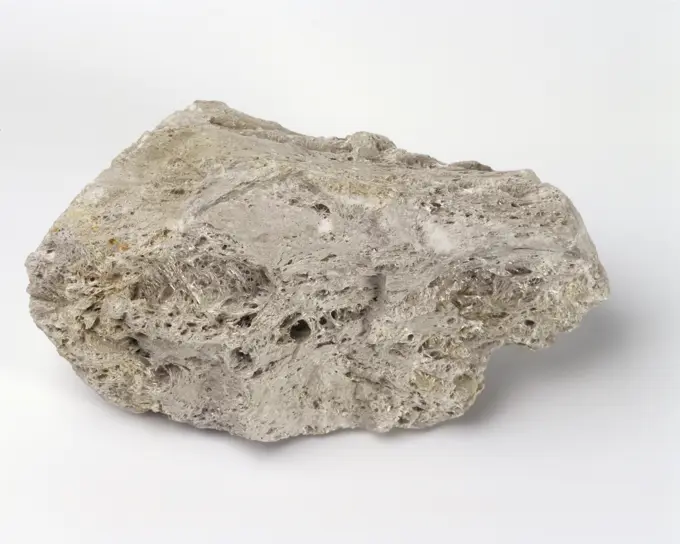
Fragments of stone with Gothic profile, c. 1400 - c. 1950 Three pieces of fried stones with gothic profiles. . Three pieces of fried stones with gothic profiles. .
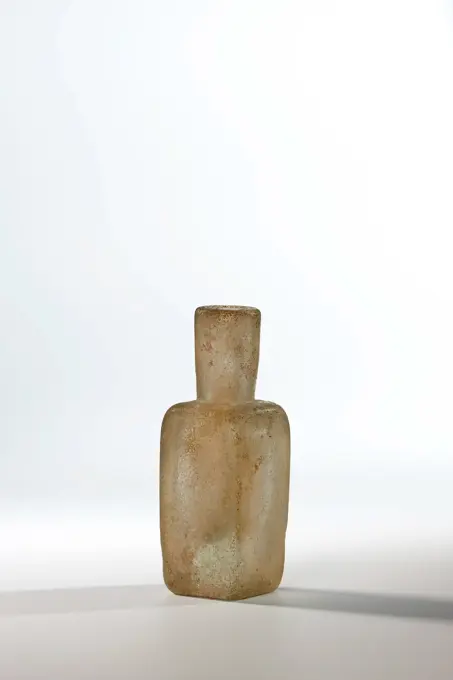
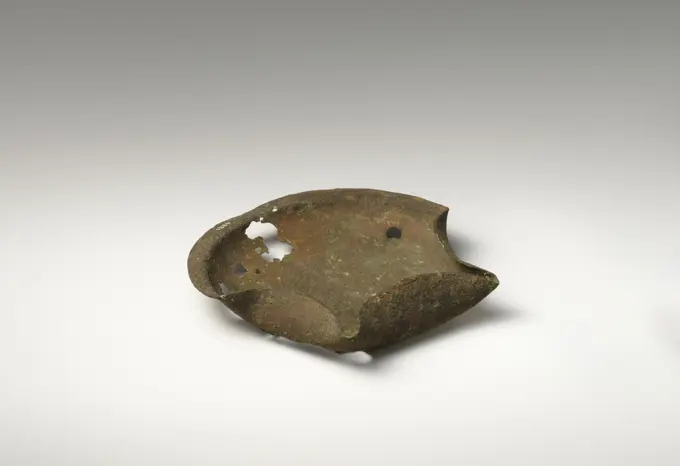
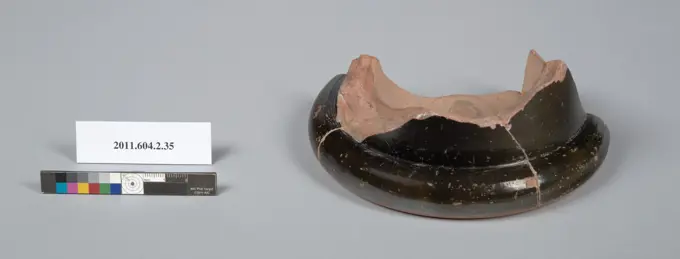
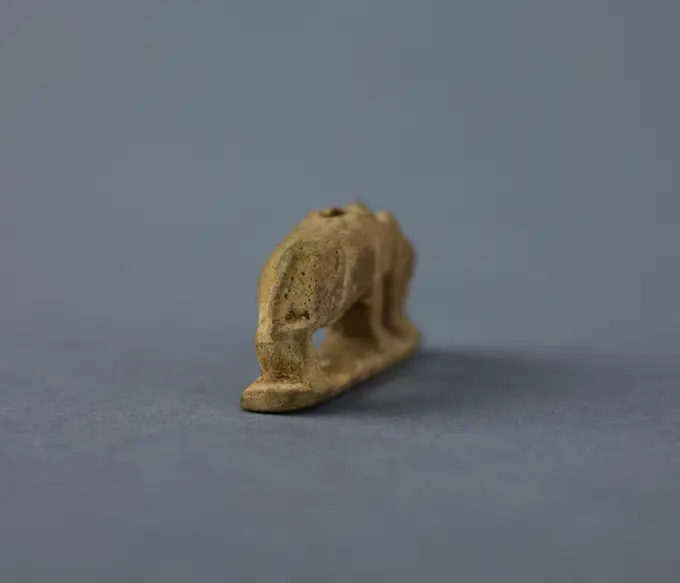
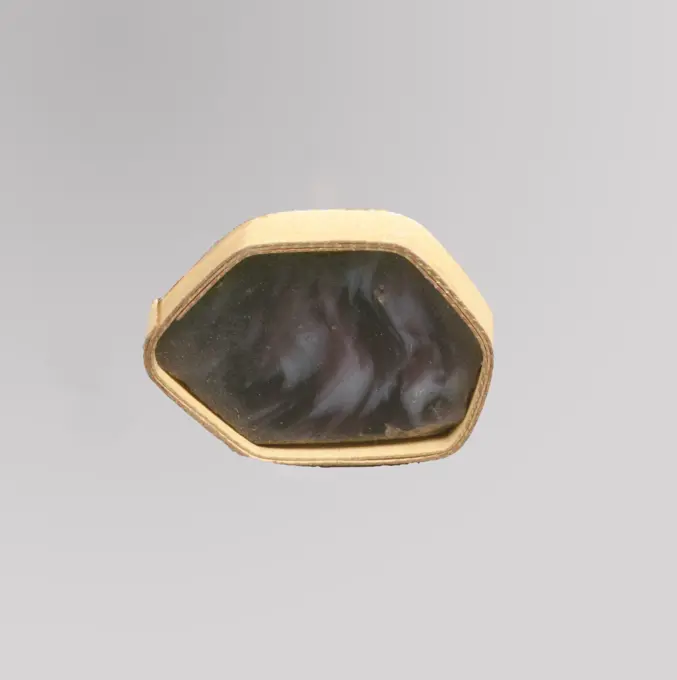
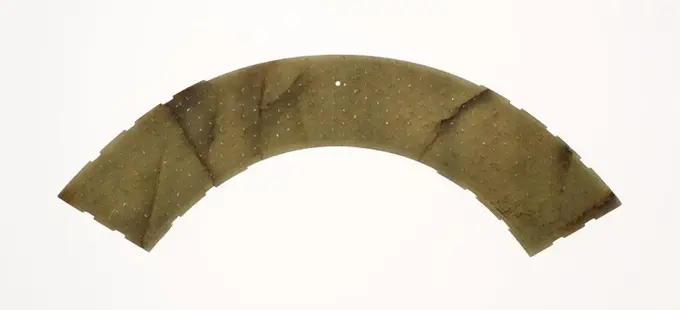
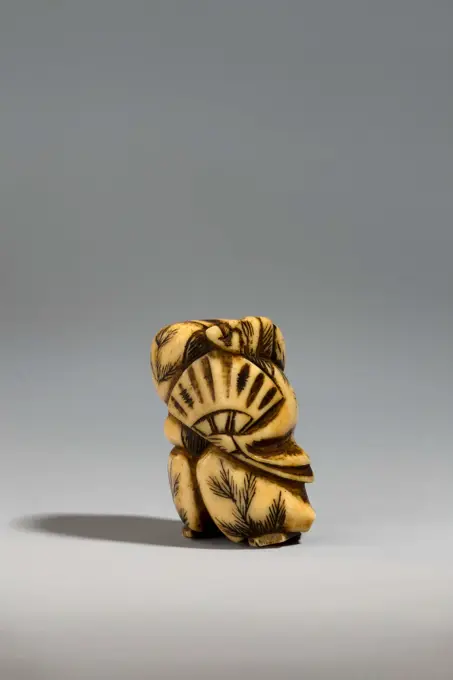
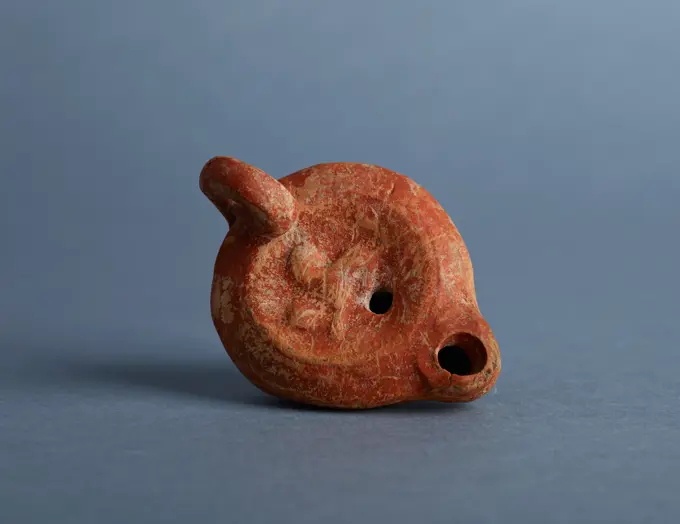
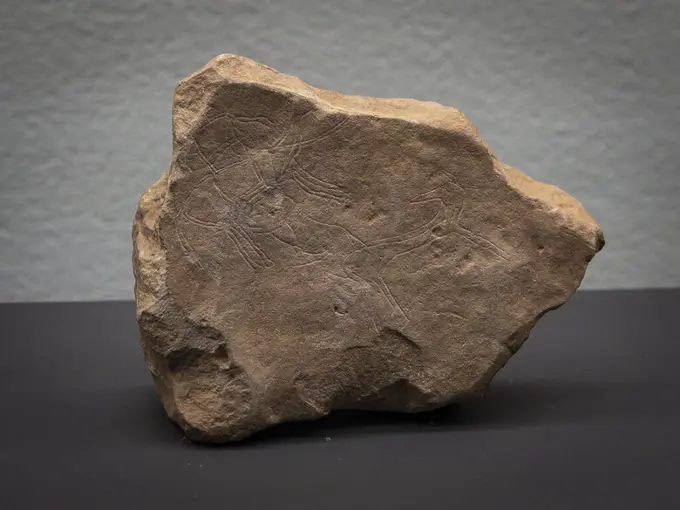
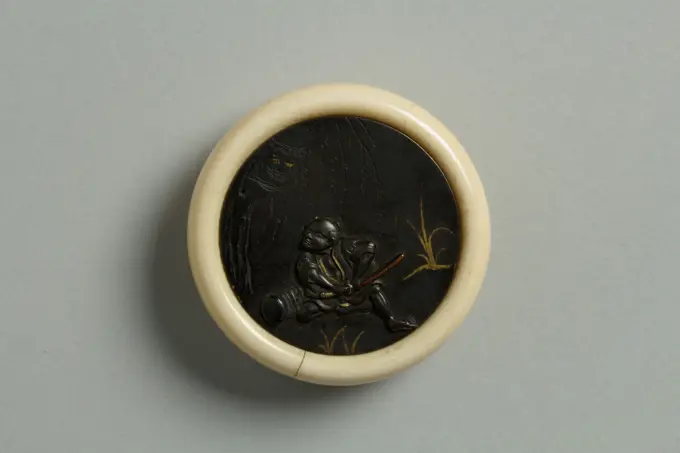
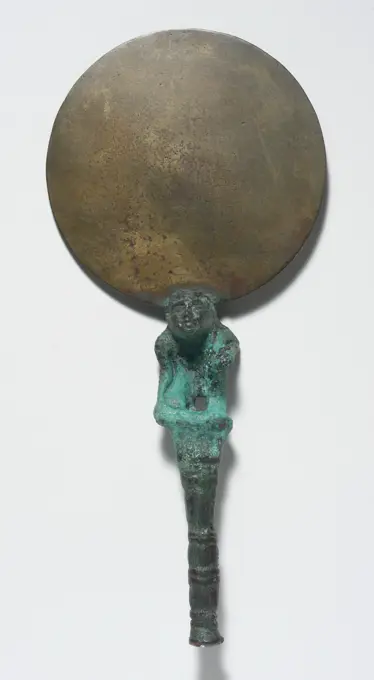
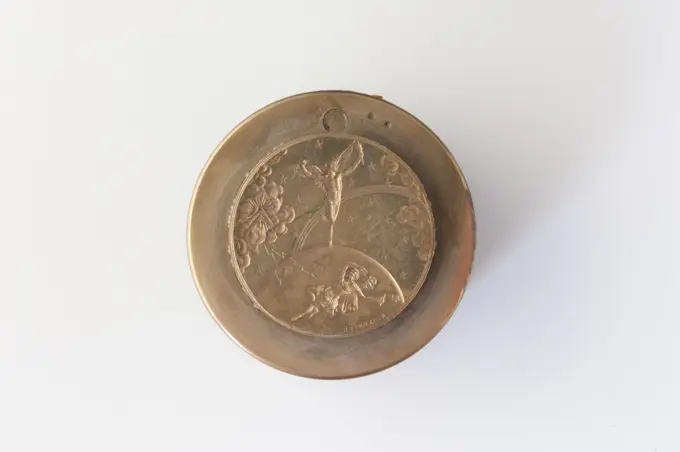
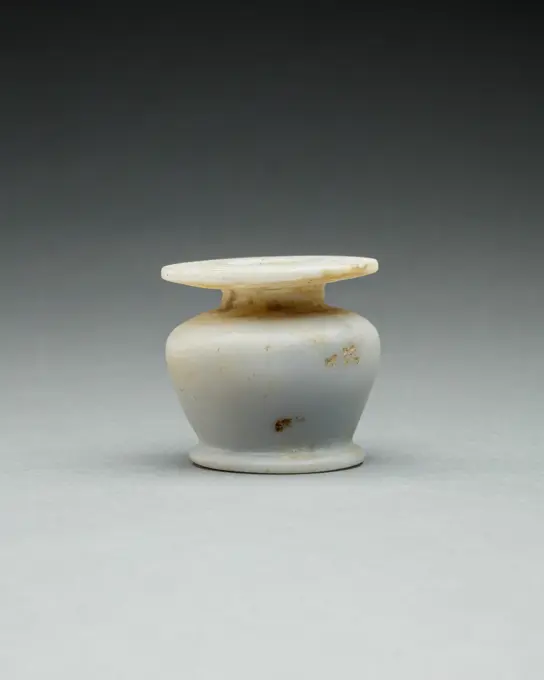
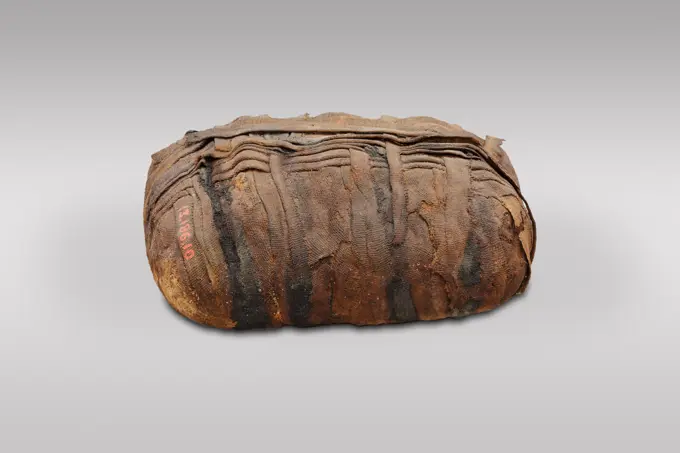
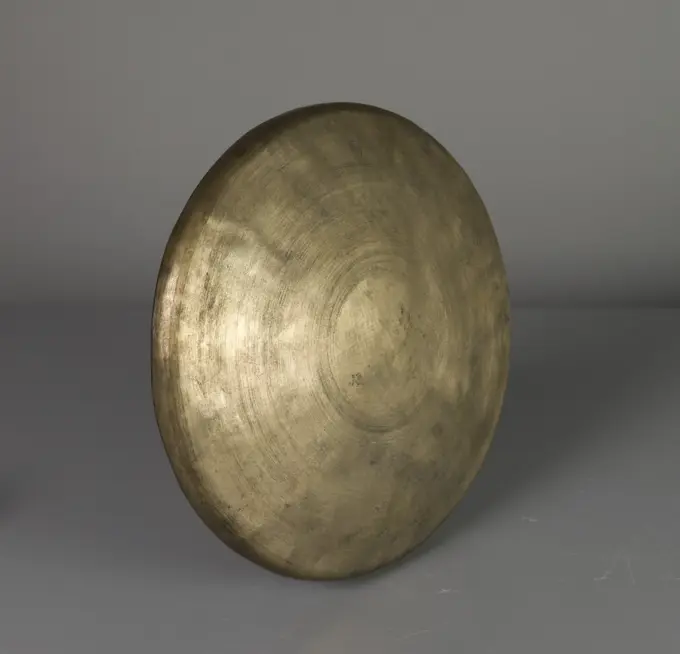
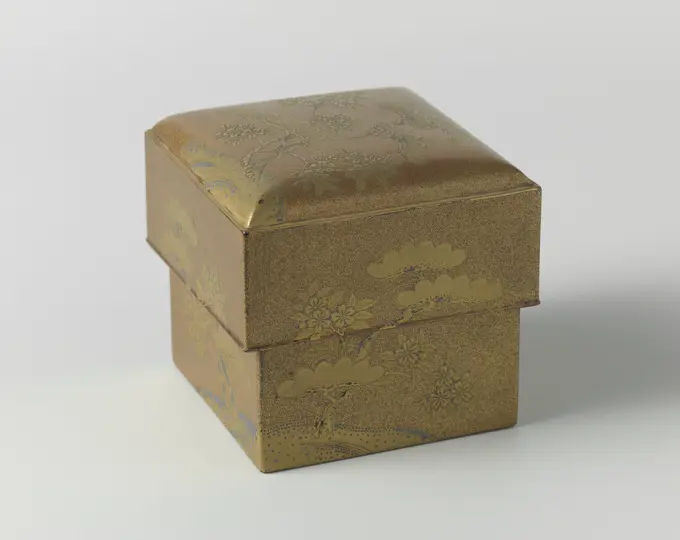
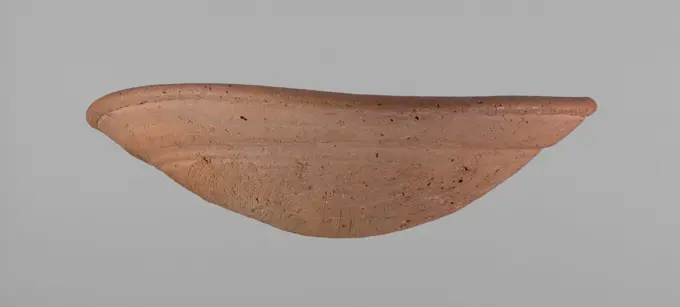
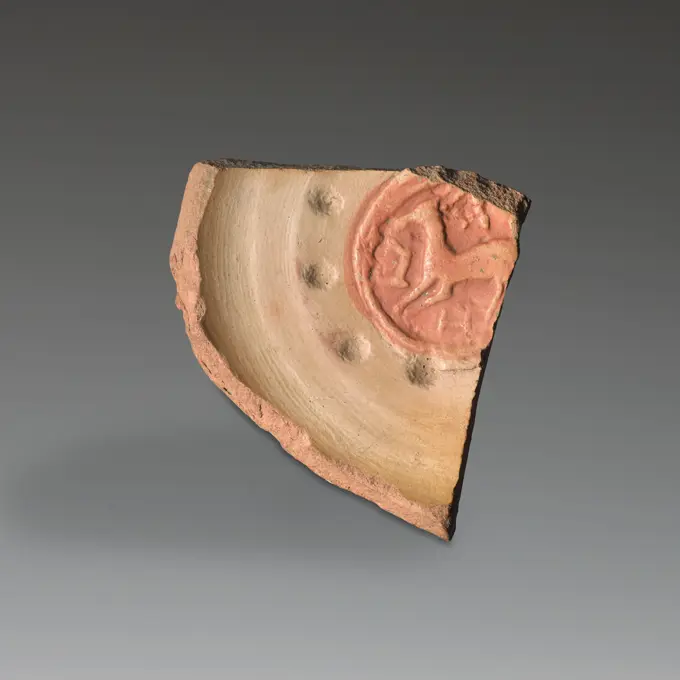
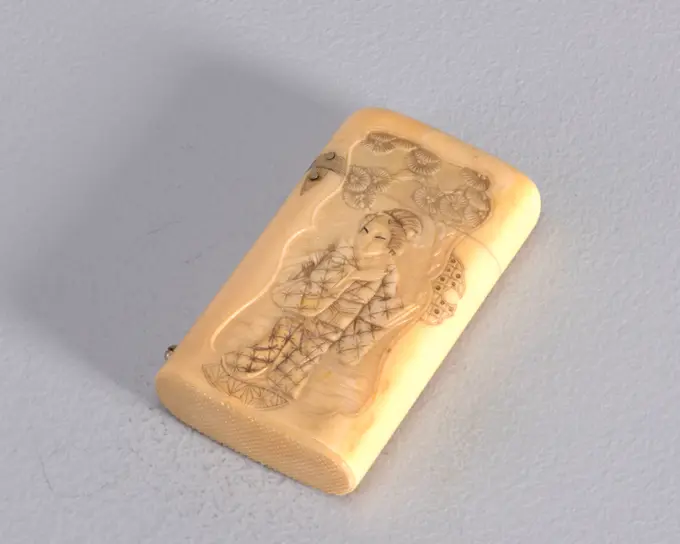
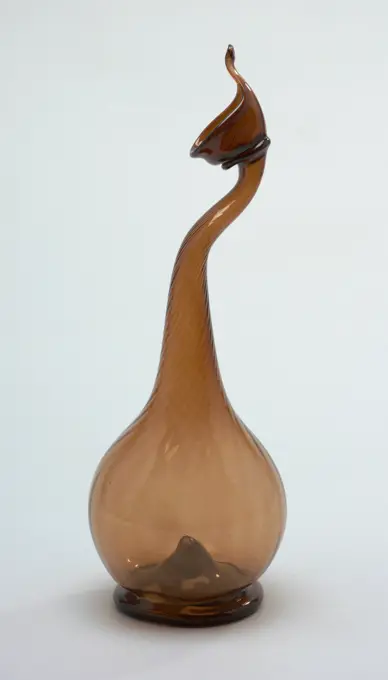
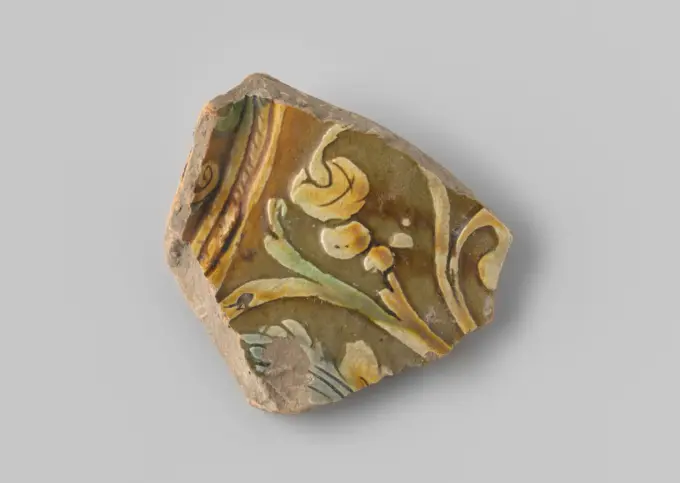
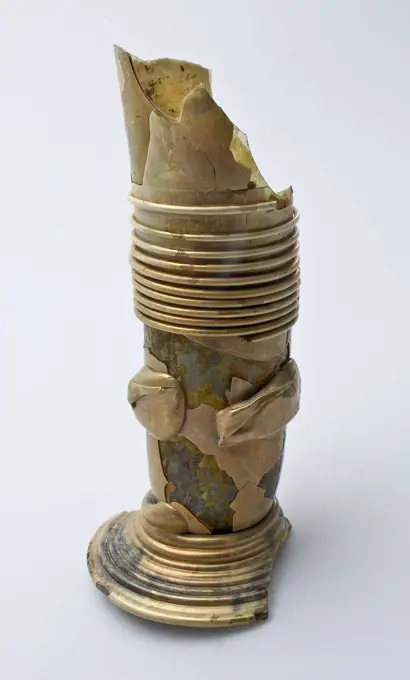
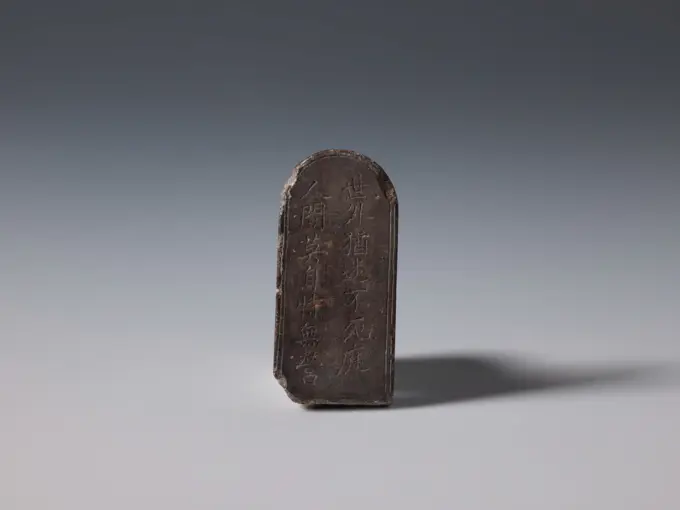
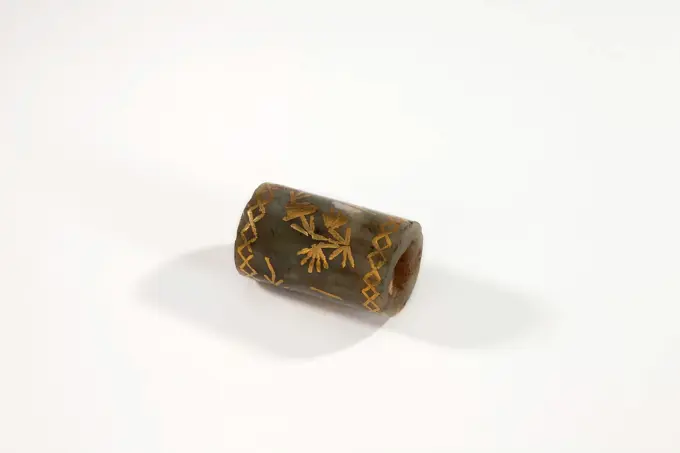
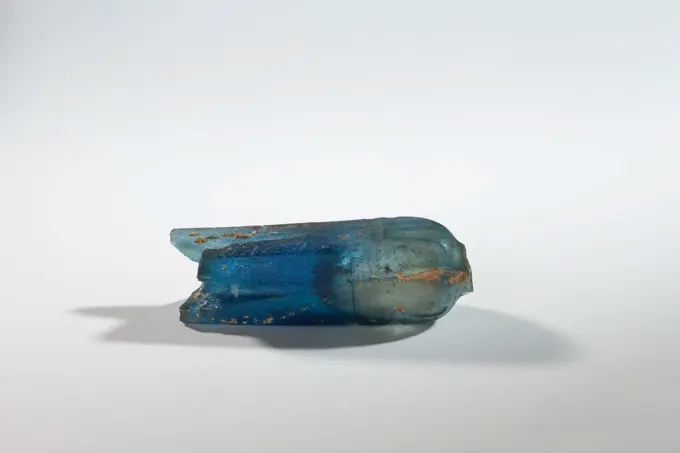
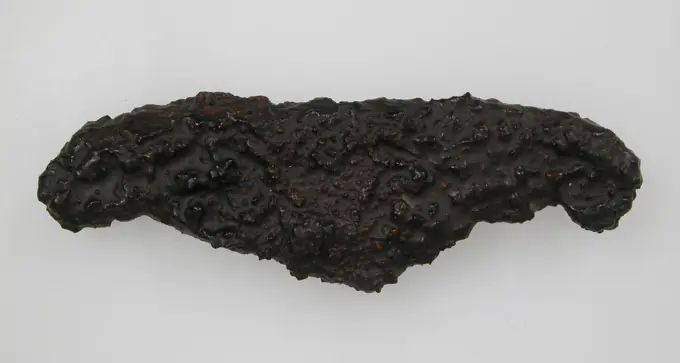
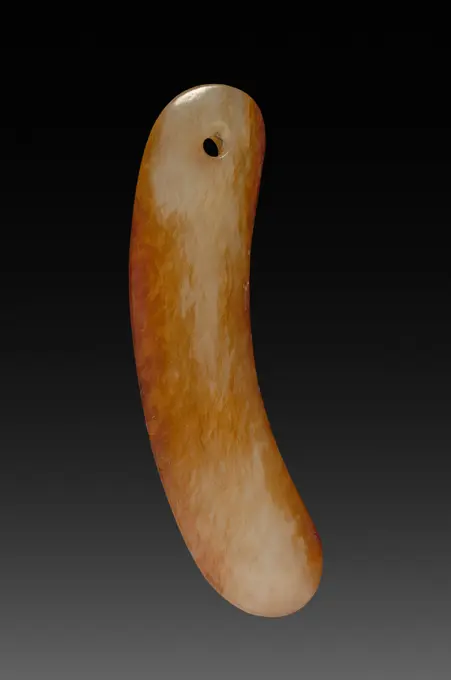
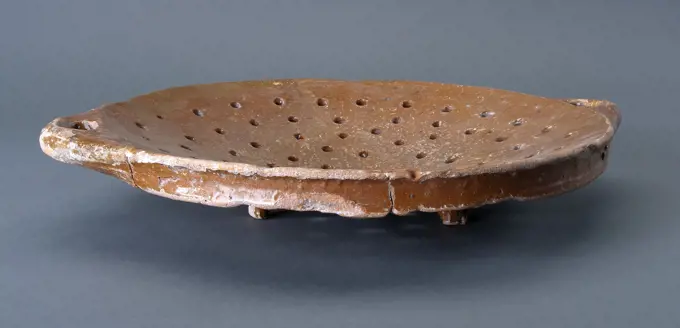
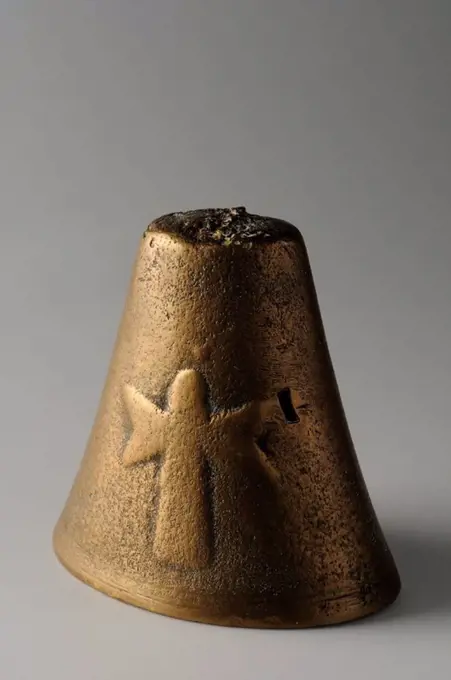
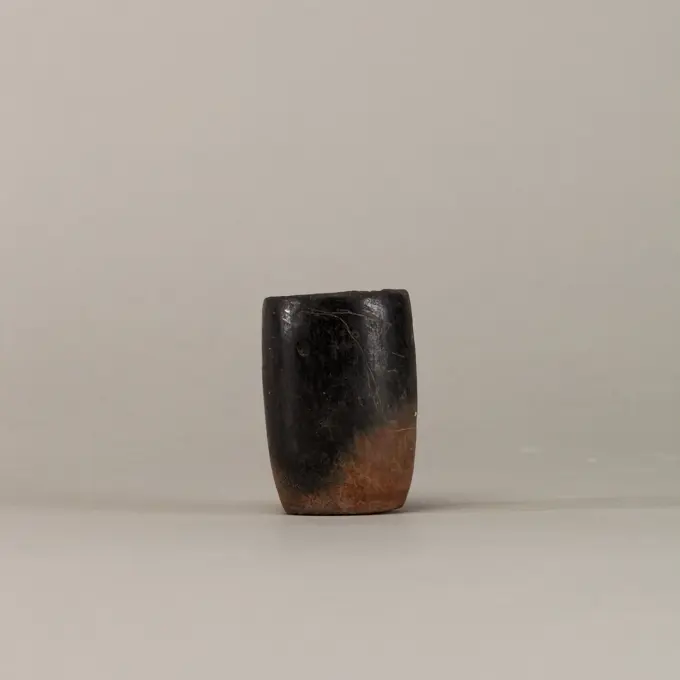
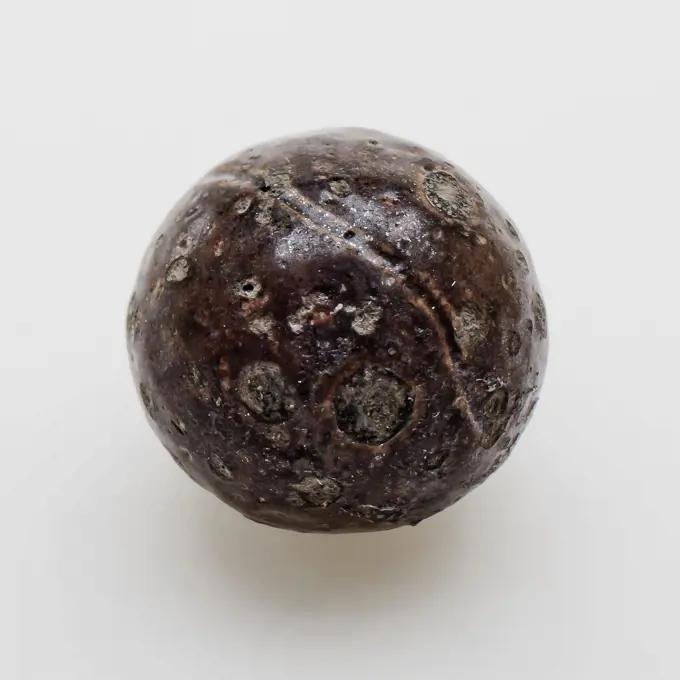
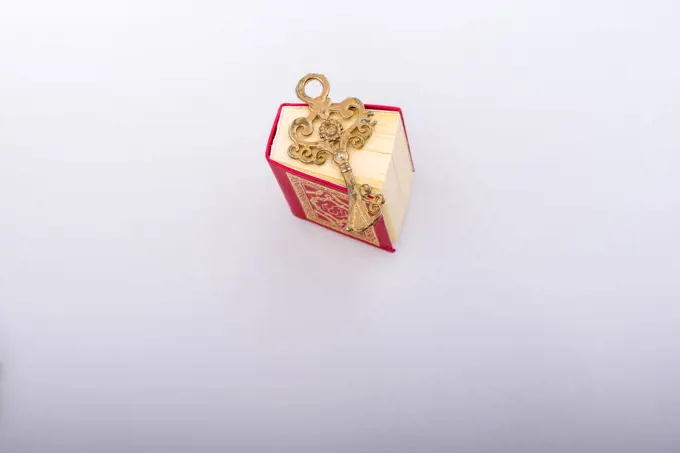
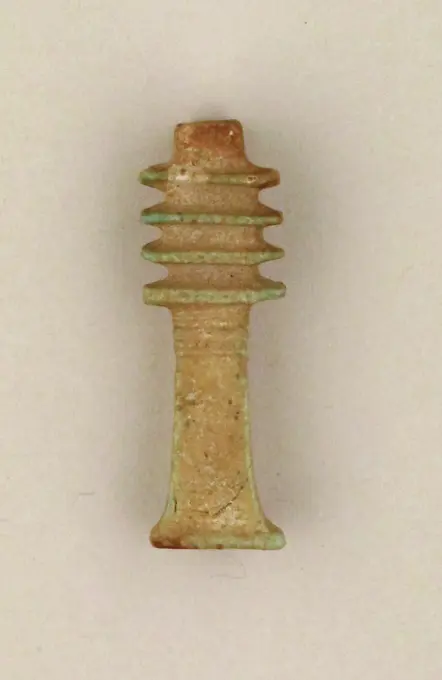
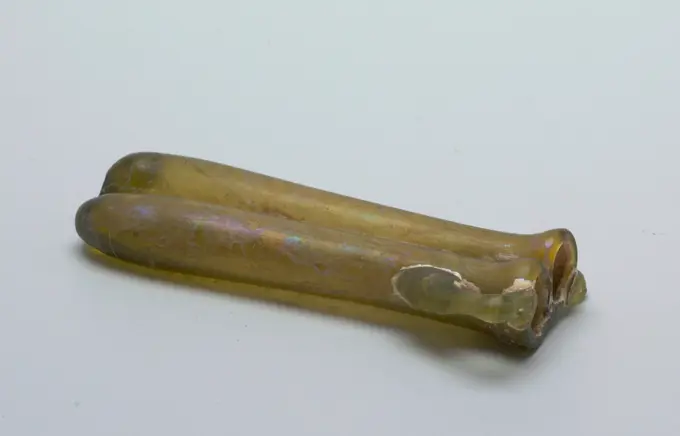
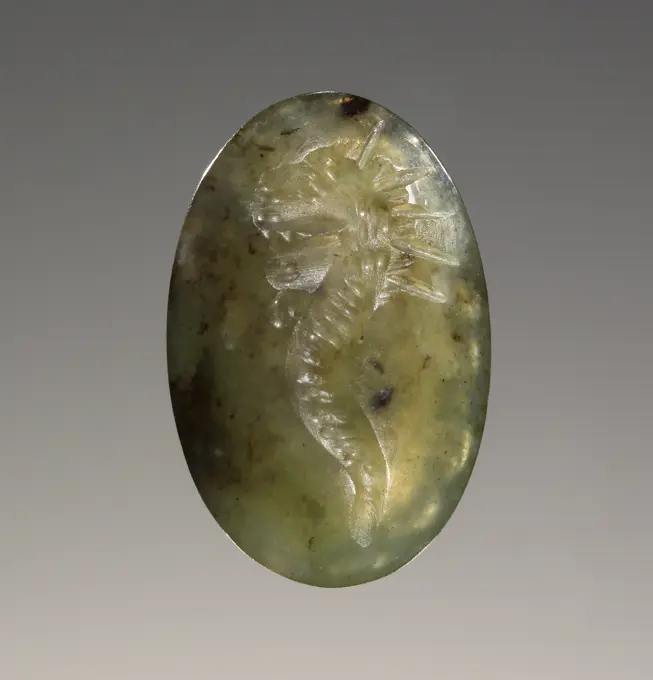
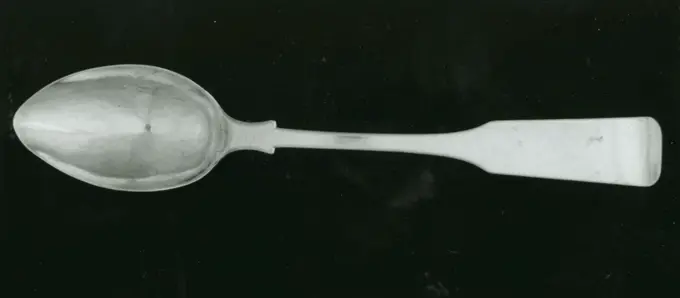
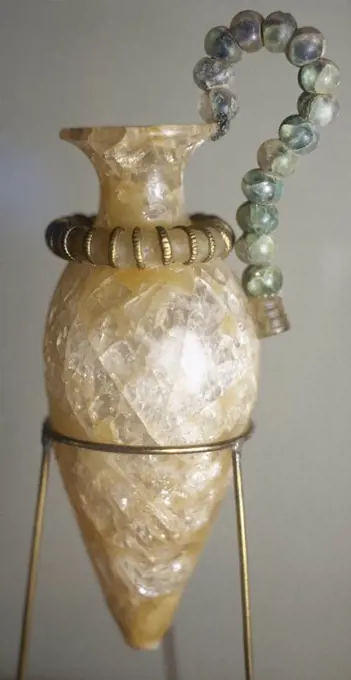
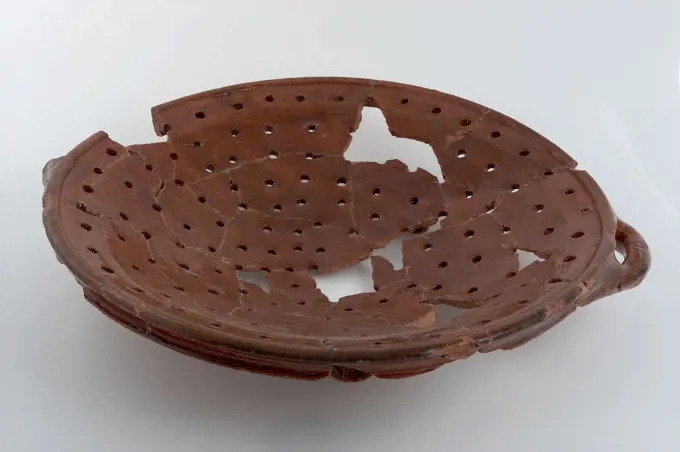
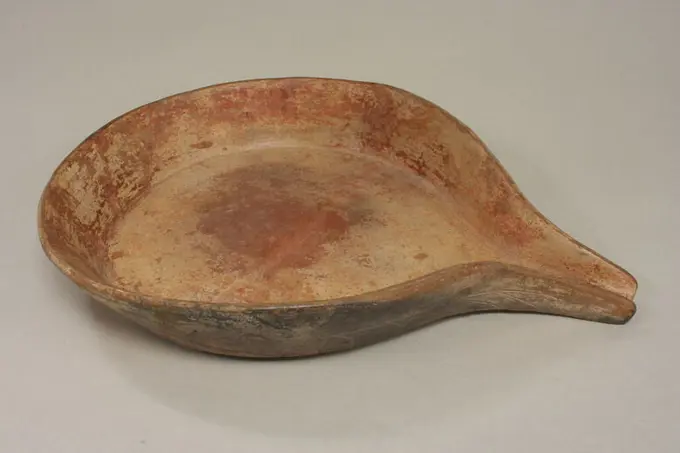
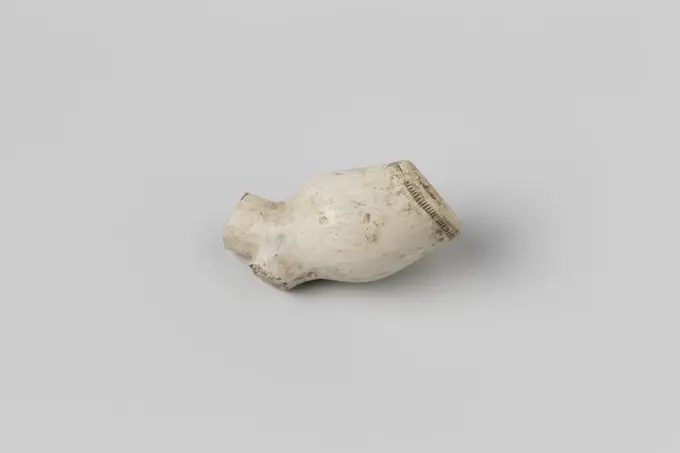
Fragment of a tobacco pipe., Anonymous, c. 1600 - c. 1699 A fragment of a small white tobacco pipe. Marked: hs. Note: burned out.  pipe clay A fragment of a small white tobacco pipe. Marked: hs. Note: burned out.  pipe clayBottle. unknown, craftsmanBronze saucer-shaped lamp 6th-5th century B.C. Cypriot. Bronze saucer-shaped lamp. Cypriot. 6th-5th century B.C.. Bronze. Cypro-Archaic or Cypro-Classical. BronzesHammer of iron with a flat end and a tip that excludes in a curl. Hammer from iron whose one end is flattened and the other excludes in a curl. Hammer heard (perhaps) at timepiece NM-7687.Carnavalet Museum, Medals CollectionTerracotta fragment of a psykter (vase for cooling wine) late 6th century B.C./early 5th century B.C. Greek, Attic Part of the foot and base of a psykter. Terracotta fragment of a psykter (vase for cooling wine). Greek, Attic. late 6th century B.C./early 5th century B.C.. Terracotta; red-figure. Archaic. VasesHand grenade from the wreck of the East Indians Princesse Maria, Anonymous, 1682 - 1686 hand grenade Cast iron hand grenade, round hollow ball that was filled with powder and a round opening in which a tube was caught with flammable material. The grenade was bound to keep the tube in place. Hand limit. Middelburg iron (metal). wood (plant material). rope   Scilly IslandsAmulet - PigRattleFragments of stone with Gothic profile, c. 1400 - c. 1950 Three pieces of fried stones with gothic profiles.  . Three pieces of fried stones with gothic profiles.  .Cast model for a weight of 25 kg. Cast model for a conical weight of 25 kg. Marked and v.z.v. label.Goldweight Knot, 19th-20th century, 5/8 x 1 3/16 in. (1.59 x 3.02 cm), Brass, Ghana, 19th-20th centuryTooth of an ox Cypriot. Tooth of an ox. Cypriot. BoneMusketkogel from the wreck of the East Indians' t Vliegend Hart ,, c. 1700 - c. 1735  Lead spherical bullet that was fired from a musket. The bullet is dark gray in color. The bullet is immersed for conservation in beeswax. Identic to NG-1984-2 to 4. Musket Caliber. Middelburg lead (metal)Cuff of a maming from V.O.C. ship De 'Witte Leeuw', Before 1613  Cuff from a maming from V.O.C. ship the 'Witte Leeuw'.  leather   Sint-HelenaPin from the wreck of the East Indies Hollandia, Anonymous, 1700 - in Or Before 1743  Tools and instruments, sewing and sailmaking, pin; fragm of shaft, id. NG 1980-27H3265. Netherlands copper (metal)   SecondFragment Pijpenkop with piece of stem from the wreck of the East Indians Hollandia, Anonymous, 1700 - in Or Before 1743  Pipe, bowl, bowlmark: sentry; fragm, 2hsm1. Gelijmd. Netherlands pipe clay   SecondLobedDishIvory hunting hornFragment of silver from the wreck of the East Indians Hollandia, 1700 - in or before 1743  Parts of artefacts; eroded fragments: materials; silver. Netherlands silver (metal)   SecondGlass mosaic inlay fragment late 1st century B.C.-early 1st century A.D. Roman Translucent deep purple, appearing black, and opaque white.Flat, irregular hexagon, with one long rounded edge.Marbled mosaic pattern in a black ground with white threads and swirls.Polished upper side; pitting of surface bubbles on upper side; dulling, pitting and patches of weathering on underside and edges.This small piece of marbled mosaic glass is roughly shaped as a lozenge or hexagon, suggesting that it was an inlay in a larger opus sectile panel of geometric design.. Glass mosaic inlay fragment. Roman. late 1st century B.C.-early 1st century A.D.. Glass; cast. Early Imperial. GlassPlasterer's Float, 1980-1648 BC. Egypt, Middle Kingdom, Dynasty 12 -13. Travertine;Arc-shaped pendant (huang). China. Date: 410 BC-290 BC. Dimensions: 26.9 × 4.4 × 0.6 cm (10 5/8 × 1 3/4 × 1/4 in.). Jade. Origin: China. Museum: The Chicago Art Institute, Chicago, USA.Sambaso dancer; netsuke. Tama (Gyoku) (fl. ca 1790 - 1840), sculptorRubbing Stone () ca. 1479-1458 B.C. New Kingdom. Rubbing Stone (). ca. 1479-1458 B.C.. Gritstone. New Kingdom. From Egypt, Upper Egypt, Thebes, Deir el-Bahri, Tomb of Senenmut (TT 353), Foundation deposit 3-5a, MMA excavations, 1926-27. Dynasty 18Oil LampPinangnut from V.O.C. ship De 'Witte Leeuw', Before 1613 nut (plant material) Pinangnut from V.O.C. ship De 'Witte Leeuw'.  nut (plant material)   Sint-HelenaHandrails. Small plane with slightly roaming sole. The heel has a half circle shape. The front is incoming curled. Two semicircular cutouts in the front shaved hole on the front.Boarding Node from the wreck of the East Indians Hollandia, Anonymous, 1700 - in Or Before 1743  Board node, open worked. Stud; Circular Conical Top, Hollow, Setting or Openwork Star Motif. Netherlands copper (metal)   SecondCeltiberian plaque with hunting scene on horseback, La Custodia, Viana, Museum of Navarra, Pamplona, Navarra,Spain.Prism-shaped engraved seal. UnknownExcerpt bowl of a flute glass from the wreck of the East Indians Hollandia, Anonymous, 1700 - in Or Before 1743 drinking glass. bowl Glass, stem glass, bowl; fragment of base, circular, with everted side, over angular knop, stem broken off. Netherlands glass   SecondRound plate. Round plate of tin. The thin edge has turned. Small pewter on the bottom.Nautilus pompilius shell from the wreck of the Dutch East India ship Witte Leeuw, before 1613  Schelp from V.O.C. ship De 'Witte Leeuw', Nautiluschelp.  .   Sint-HelenaFibula, boat-shaped type 8th-6th century B.C. The bow os hollow and open on the underside. The outside is decorated with incised patterns.. Fibula, boat-shaped type 246342Empty round wooden plate on gray cement table background, banner with copy space, Blank wood tray for food display montage, template, mock up, top view, flat layBlowjob from the wreck of the East Indieschief Hollandia. Pipe, Bowl, Healmar: Tobacco's Brazier; 2HSM1.2.Igneous rock , PumiceRelief fragment from a procession of attendants - see 31.3.1-1 ca. 2051-2030 B.C. Middle Kingdom. Relief fragment from a procession of attendants - see 31.3.1-1. ca. 2051-2030 B.C.. Limestone, paint. Middle Kingdom. From Egypt, Upper Egypt, Thebes, Deir el-Bahri, Tomb of Neferu (TT 319, MMA 31), MMA excavations, 1930-31. Dynasty 11Bakemono Toro (lantern Bakemono) 19th century Japan. Bakemono Toro (lantern Bakemono). Japan. 19th century. Ivory with bronze disk inlaid with gold. Edo (1615-1868) or Meiji period (1868-1912). NetsukeMirror on Handle with a Human Figure. Egypt, Greco-Roman Period (200 BCE - 200 CE) or modern. Tools and Equipment; mirrors. BronzeCarnavalet Museum, Medals CollectionCopper Cachet on which the image of freedom, 1775 - 1825 stamp Oval stamp with wooden handle with flattened head. On the stamp the Dutch Virgin, standing in profile to the right (on the stamps to the left), in the right hand the staff with freedom hat, the left hand based on the ax. Randschrift: director de l 'en registrand et des Domaines. O.: Republique Francaise No. 2. Netherlands wood (plant material). copper (metal) engraving / striking (metalworking)  Batavian RepublicCosmetic Vessel ca. 1980-1550 B.C. Middle Kingdom-Second Intermediate Period Small jars in anhydrite, a pale blue stone, were used during the Middle Kingdom and the Second Intermediate Period to store cosmetics, ointments and perfumed oils. Like many possessions used in everyday life, they became part of the burial equipment in order to provide for the needs of the deceased in the afterlife.. Cosmetic Vessel. ca. 1980-1550 B.C.. Anhydrite. Middle Kingdom-Second Intermediate Period. From Egypt. Dynasty 12-Dynasty 17Brick from the wreck of the East Indians' t Vliegend Hart ,, 1700 - 1735 brick (clay product) Very red -brown brick, rectangular, oblong. Brick. Netherlands brick (clay product)Sacred animal mummy bundle containing shrews ca. 400 B.C.-100 A.D. Late Period-Roman Period Animal cults The Egyptians considered certain individual animals to be living manifestations of a god, such as, since earliest times, the Apis bull. Those individuals were duly mummifed when they died and buried for eternal life, then replaced by another single living manifestation. During the first millennium BC, many multiples of animals associated with certain gods were specially raised in temple precincts as simultaneous avatars of that god and then mummified in large contingents and deposited in catacombs for eternal life. The ancient perception of these multiples, the evolution of the practice in this direction, and variations within the practice are not easily accessible to us. But the hundreds of thousands of often elaborately prepared animal mummies found in catacombs and other locales testify to its ancient resonance. Animal mummies Research on animal mummies has shown that the majoritXiao Luo (锣) 19th century Chinese. Xiao Luo (锣) 500585Square box, with pine trees and cherry blossom in Makie on a Nashiji ground, Anonymous, 1700 - 1800 High square box with skipping, and somewhat sphere lid. On the sides of the box, continuously on the sides of the lid, flowering cherry trees and pine trees in Makie on a Nashiji base. Black inside. Japan whole: Wood (plant material). whole: Lacquer (coating). Gold (Metal) lacquering High square box with skipping, and somewhat sphere lid. On the sides of the box, continuously on the sides of the lid, flowering cherry trees and pine trees in Makie on a Nashiji base. Black inside. Japan whole: Wood (plant material). whole: Lacquer (coating). Gold (Metal) lacqueringBowl;  around 2686- 2181 BC; Old PABowl, fragment; Dongola workshop IX-X century; Classic Christian period (851-00-00-950-00-00);Old Dongola (Sudan), inscribed ceramics, nubian ceramics, figural decorations, imprinted decorations, medallions, bowls, nubian vessels, Polish excavations in Old DongoGeisha Holding Fish on Platter Matchsafe; Japan; ivory, pigment; 5.5 x 3.1 x 1 cm (2 3/16 x 1 1/4 x 3/8 in. )Shell or paint shell, anonymous, c. 1590 - c. 1596  Shell or paint shell.  .   Nova Zembla. Saving HuysEwer (Iran); clear amber glassFalist dish cervical;  around 1550 1069 BC ; New PAExcerpt with red shard, with a decoration of floral shapes in blue, yellow and green at the top, anonymous, 1200 - 1899  Italy earthenware  Italy earthenwareS-Volute belonging to a porch, Anonymous, 1687 S-Volute belonging to a porch. Northern Netherlands wood (plant material). oak (wood). linden S-Volute belonging to a porch. Northern Netherlands wood (plant material). oak (wood). lindenPunch-Marked Coin, 400-300 BC. India, Rajasthan, Maurya Period (322-185 BC). Silver; overall: 1.4 x 1.2 cm (9/16 x 1/2 in.). Indigenous Indian coinage was cut to weight from sheets of silver or copper and punch-marked, instead of die-cast. Each punch-marked coin had a unique combination of symbols.Two fragments of foot, soil and stem of roemer or drinking glass, roemer drinking glass drinking utensils tableware holder soil find glass, h 6,3, free blown and formed glass application Fragment, of base of soil and stem of rummer in clear light green glass. Foot constructed from nine-wire glass wire. Pontil mark under raised bottom. Cylindrical trunk adorned with four diagonally placed roughly applied flat studs Trunk fragment, wound around by ten times around narrow glass wire Wrapped glass wire is released from the underground archeologyTabliczka w kształcie steli. unknown, craftsmanFragment straight steel of glass from the wreck of the East Indians Hollandia, Anonymous, 1700 - in Or Before 1743 drinking glass Glass, stem glass, stems, plain; fragm, sim. NG 1980-27H750. Netherlands glass   SecondCuff knot of Dutch silver coins, c. 1944 - c. 1950 Cuff knot of Dutch silver coins. The knot consists of a dime and a quarter with the sculptor of Wilhelmina. The penny is a stiff connecting piece that is linked to the dime. Rotterdam silver (metal) Cuff knot of Dutch silver coins. The knot consists of a dime and a quarter with the sculptor of Wilhelmina. The penny is a stiff connecting piece that is linked to the dime. Rotterdam silver (metal)Fragment of eye paint container (mukhula). unknown, craftsmanNetsuke of Group of Animals. Culture: Japan. Dimensions: H. 1 1/8 in. (2.9 cm); W. 1 5/8 in. (4.1 cm); D. 1 5/8 in. (4.1 cm). Date: 19th century. Museum: Metropolitan Museum of Art, New York, USA.Bottle. unknown, craftsmanFermoir 6th and 7th centuries Frankish. Fermoir 465552 Frankish, Fermoir, 6th and 7th centuries, Iron, Overall: 3 15/16 x 1 3/8 x 1/2 in. (10 x 3.5 x 1.3 cm). The Metropolitan Museum of Art, New York. Gift of J. Pierpont Morgan, 1917 (17.193.230)Bean-Shaped Bead, 206 BC - AD 220. China, Han dynasty (202 BC-AD 220). Jade; overall: 6.9 cm (2 11/16 in.).Single blueberryStirrup. Culture: German or West Slavic. Dimensions: H. 5 1/2 in. (14 cm); W. 4 1/4 in. (10.8 cm); D. 1 in. (2.5 cm); Wt. 3.5 oz. (99.2 g). Date: 10th-11th century.This triangular stirrup was used in the eastern part of the Baltic, where Viking and West Slavic populations were cohabitating.Horses had a great societal importance in Germanic and Slavic cultures, in both social and religious aspects. Equestrian equipment, like stirrups, spurs and bits, are regularly found in their burials, among the goods warriors wanted to bring with them to the afterlife. The elite would sometimes even be accompanied by sacrificed horses, a meaningful practice at that time, considering the high economic value of horses. Museum: Metropolitan Museum of Art, New York, USA.Button from the wreck of the East India hollandia.knoop. (1) ID. NG 1980-27H1185 (2.9D)Fragment pipes stem and fragment blowjob from the wreck of the East Indieschief Hollandia. Pipe, voice; fragment.Pottery colander on three legs, two horizontal hook ears, colander kitchenware utensils earth discovery ceramics earthenware glaze lead glaze, hand turned glazed baked Red earthenware colander brown glazed with three legs Heavy outer edge with collar archeology Valckensteyn Poortugaal Albrandswaard indigenous pottery seven drains kitchen nutrition food cooking food preparation Soil discovery: canal at kitchen castle Valckensteyn at Poortugaal now Albrandswaard 1961.Ancient bronze bell with cross decoration. Height 7.8 cm Base 8, 1 x 5, 4 cm. Province of Guadalajara. SPAIN.Beads of vitreous paste. Blue ; Diameter 0.8 cm Thickness 0.3 cm Red ; Diameter 0, 8cm Width 0.7 cm - Medieval period from the archaeological site of " La Magistral " in Alcala de Henares - " Burgo de Santiuste Museum " (Madrid). SPAIN.Netsuke of Two Men Wrestling 19th century Japan. Netsuke of Two Men Wrestling 59125Zapinka do pasa. unknown, craftsmanLadle, 11th century BCE, 2 1/8 × 8 5/16 × 1 11/16 in., 0.2 lb. (5.4 × 21.11 × 4.29 cm, 0.1 kg), Bronze, China, 11th century BCE, A ladle like this would have been part of an elaborate set of ritual wine vessels of the Western Zhou. It would have been used to spoon wine into smaller vessels such as a jue. The handle is divided into three sections: a taotie (composite animal) mask just behind the bowl; a band of lozenges with a plain, narrow central ridge midway along the handle; and a rather elaborate arrangement of dragons at the end of the handle. The animal forming the final curve of the spoon is a dragon; its body bends violently to the left before rising vertically, its leg and claw on the outside of the handle.Cloth, fragment, and a piece of knitted wool taken from the grave of Cornelis Evertsen, Anonymous, 1600 - 1699  Sheet, fragment, yellowish in color, faded, irregular in shape. Netherlands cloth   NetherlandsBlack-topped red ware cylindrical jar ca. 3850-2960 B.C. Predynastic Period. Black-topped red ware cylindrical jar. ca. 3850-2960 B.C.. Pottery. Predynastic Period. From EgyptAn empty used condomClay candle, brown glazed, marble toy relaxant soil find ceramic stoneware glaze salt glaze, hand-turned glazed fried Round marble. Salt glaze. brown archeology Rotterdam City center Stadsdriehoek Kralingen-Crooswijk Struisenburg Admiralty quay for indigenous pottery import play child marbles child's play Soil discovery: Admiraliteitskade Rotterdam 1982-03-16.Retro Key and Islamic Holy Book Quran in mini sizeAmulet pendant, djed sign Symbolic objects used for amulets include a menat-pendant, the djed-sign, a papyrus capital are all common in Egyptian architecture. Also, a pectoral, such as is used on mummies, a bunch of grapes, or other clusters of fruit, and an inscribed bead are common shapes.. Amulet pendant, djed sign. Clay, glazed. Gold and SilverBaby's Cap (France); silk, metal thread, linenBox. Culture: probably British. Dimensions: Overall: 1 7/8 × 1 7/8 × 2 3/4 in. (4.8 × 4.8 × 7 cm). Date: early 18th century.This box is inlaid with silver and mother-of-pearl (piqué incrusté) and has decorative piqué point-d'or borders. Museum: Metropolitan Museum of Art, New York, USA.Kemirinot from V.O.C. ship De 'Witte Leeuw', Before 1613 nut (plant material) Kemirinot from V.O.C. ship De 'Witte Leeuw'.  nut (plant material)   Sint-HelenaVase; olive glassEngraved Gem. UnknownTablespoon.   Maker: Black, Parker and Black, Canadian, active ca. 1810 - 1812Kaper of blue and red changeant taf side (discolored), lined with ivory moiré side, anonymous, c. 1775 - c. 1800  Kaper of blue and red changeant taf side (discolored), lined with ivory moiré side. The front is finished with a two -tone cord. The head covering is very stiff; The shoulder cover is formed by sloping jobs. At the bottom two blue silk ribbons with hook and eye. Part of Zaans costume. Zaanstreek silkRound box with flowering plans, flower sprays and an erotic scene, anonymous, c. 1720 - c. 1740 Round box of Soft-Paste Porcelain (Pâte Tendre), painted in underlaze blue. Flower branches on the wall. The flat lid with a flowering plant (prunus), two birds and an insect with a rock in a double circle. On the underside of the lid an erotic scene of two naked loved ones on a bed, the woman with bound feet. Blue White. China porcelain. soft-paste porcelain. glaze. cobalt (mineral) painting / vitrification Round box of Soft-Paste Porcelain (Pâte Tendre), painted in underlaze blue. Flower branches on the wall. The flat lid with a flowering plant (prunus), two birds and an insect with a rock in a double circle. On the underside of the lid an erotic scene of two naked loved ones on a bed, the woman with bound feet. Blue White. China porcelain. soft-paste porcelain. glaze. cobalt (mineral) painting / vitrificationVase in the form of a bird ca. 3200-2000 B.C. Cypriot Incised patterns.. Vase in the form of a bird. Cypriot. ca. 3200-2000 B.C.. Terracotta. Early Bronze Age. VasesARTE MINOICO. GRECIA. RITON DE CRISTAL DE ROCA (1500-1450 a. C.). El anillo de cristal de la base del cuello está adornado con láminas de marfil bañado en oro y las cuentas del asa están unidas con un hilo de cobre. Procede del palacio de Zakros. Museo Arqueológico de Heraklio. Creta.Tłok pieczętny. unknown, craftsmanBowl Korea. Bowl 48812Pottery colander on three legs, two lying ears, red shard, fully glazed, colander kitchen equipment earthquake ceramic earthenware glaze lead glaze, hand-twisted glazed baked Large earthenware colander on three legs Two lying ears along the edge hanging slightly. Holes unevenly placed Red shard completely covered with lead glaze Deep cup-shaped bin archeology Rotterdam City triangle New port indigenous pottery drying draining food preparation nutrition fish kitchen Soil discovery: New Haven 1st round cesspitSpouted Bowl. Culture: Tlatilco. Dimensions: H x W x D: 1 3/4 x 9 3/4 x 12 5/8 in. (4.5 x 24.8 x 32.1 cm). Date: 12th-9th century B.C.. Museum: Metropolitan Museum of Art, New York, USA.Rock podium on the black background. Stone podest for product, cosmetic presentation. Creative mock up. Pedestal or platform for beauty products. Rock podium on the black background. Stone podest for product, cosmetic presentation. Creative mock up. Pedestal or platform for beauty products.Battle of Waterloo, in honor of Willem Frederik George Lodewijk, Erfprins of the Netherlands, Anonymous, 1815 live Copper medal with hole in it on a pale yellow ribbon. Front: rider on horseback with drawn sword inside. Reverse: inscription between palm and olive branches England copper (metal) striking (metalworking)  WaterlooFigurine of Rakan (Buddhist saint);  19th/20th century (1891-00-00-1910-00-00);Bone and dried leaf on table against white background