Historical Artifacts

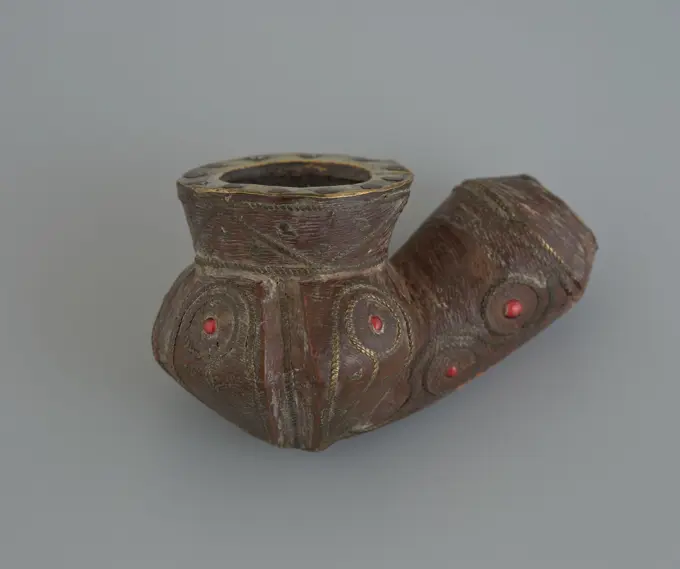
Photographs of historical artifacts, including a tobacco pipe fragment and bronze lamp, highlighting craftsmanship from various ancient periods.

Fragments of stone with Gothic profile, c. 1400 - c. 1950 Three pieces of fried stones with gothic profiles.  . Three pieces of fried stones with gothic profiles.  .
Fragments of stone with Gothic profile, c. 1400 - c. 1950 Three pieces of fried stones with gothic profiles. . Three pieces of fried stones with gothic profiles. .
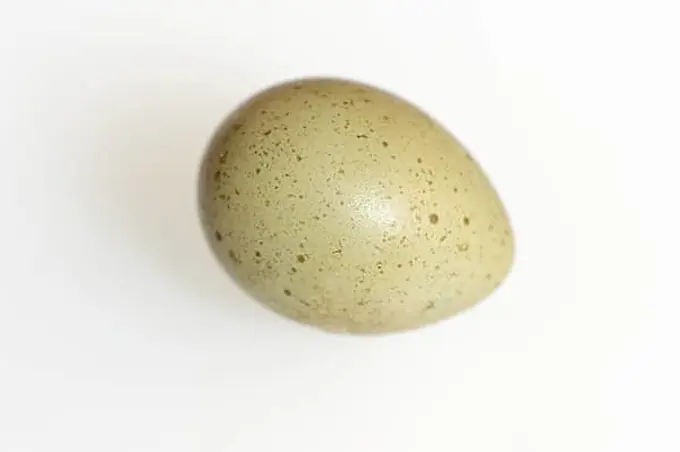
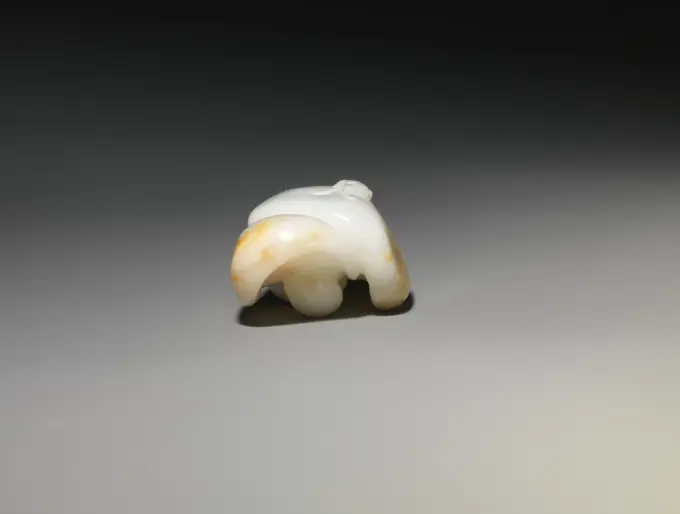
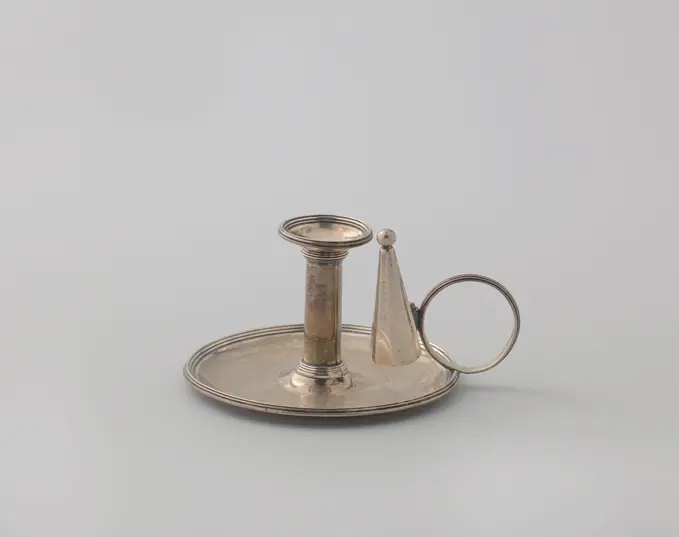
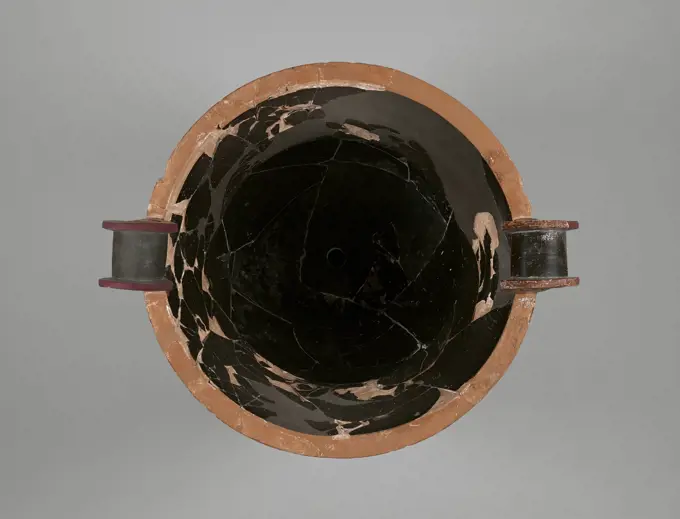
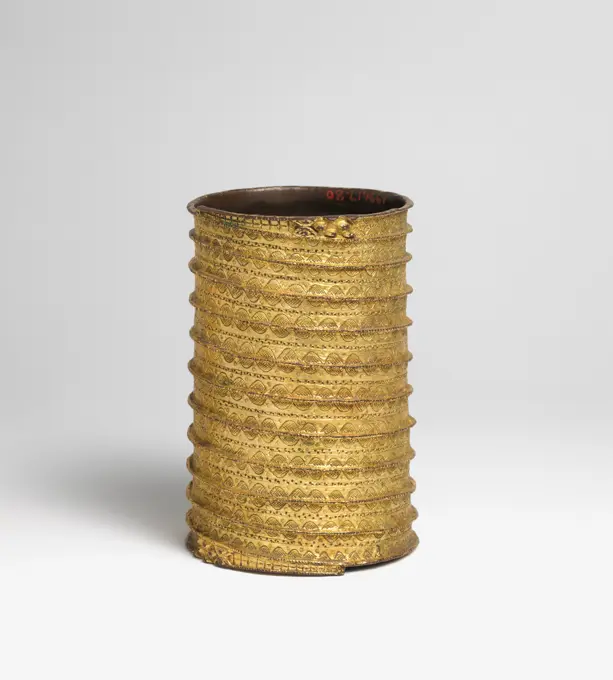
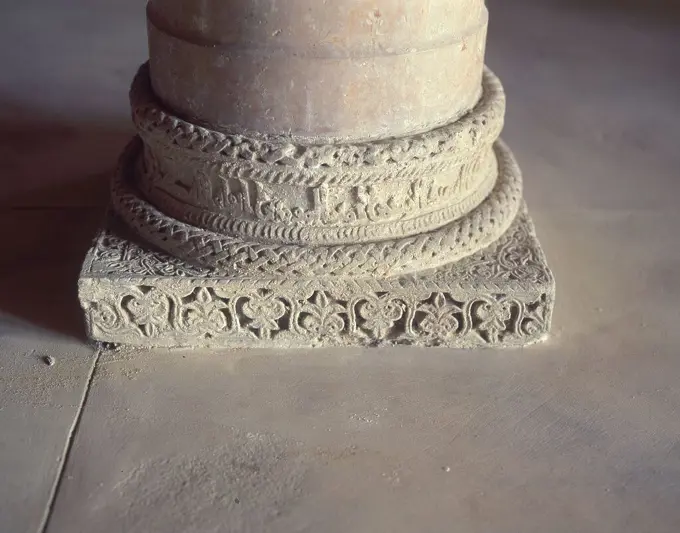
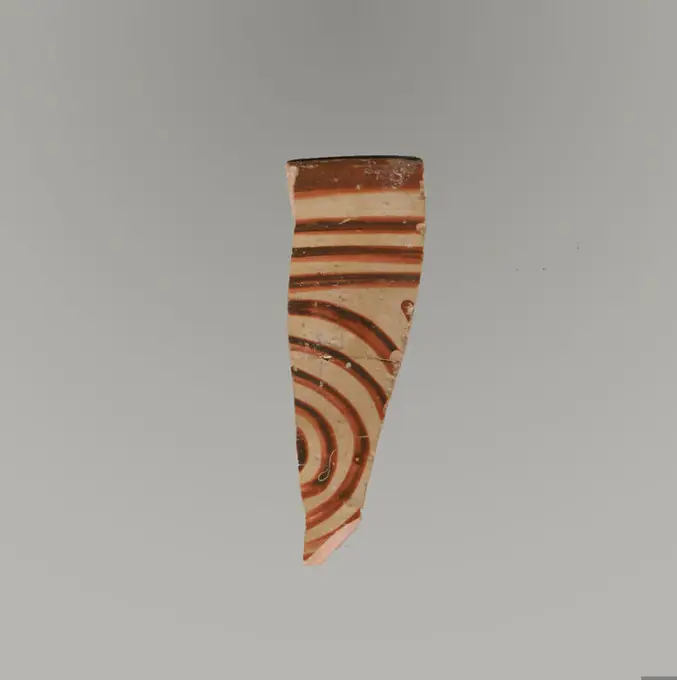
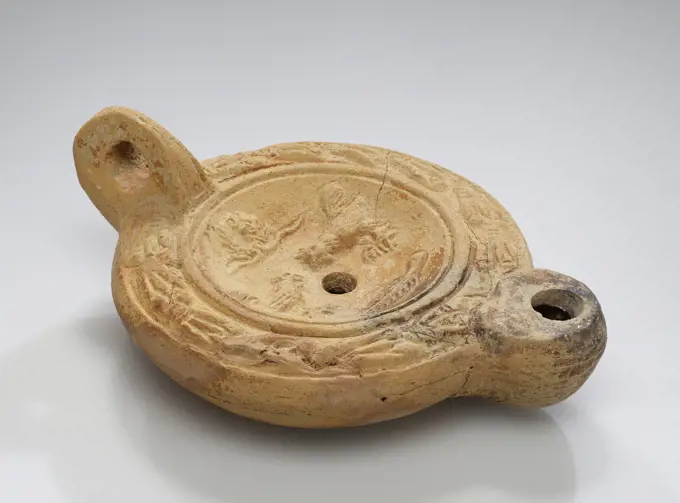
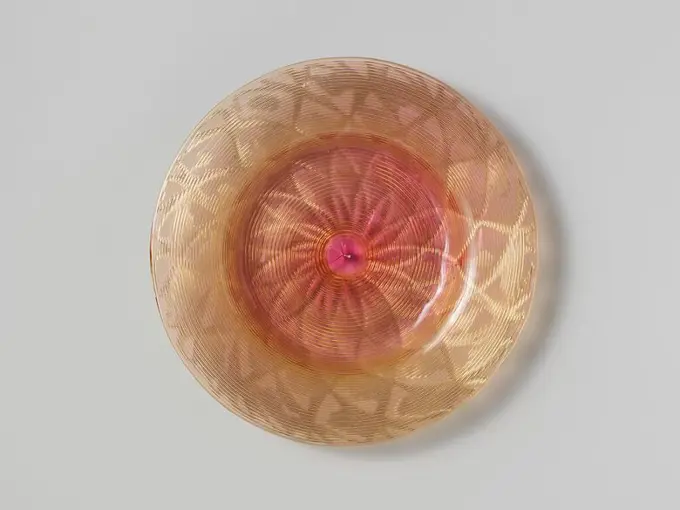
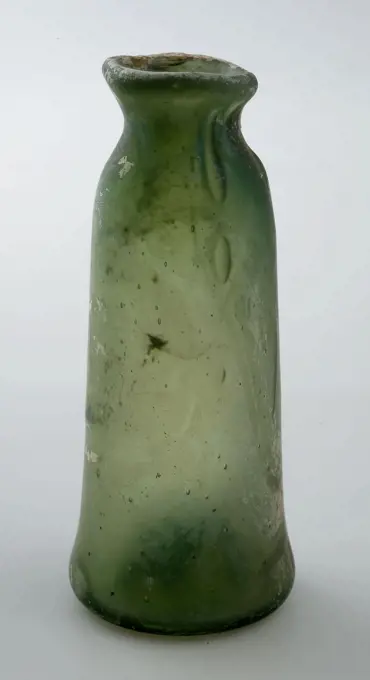
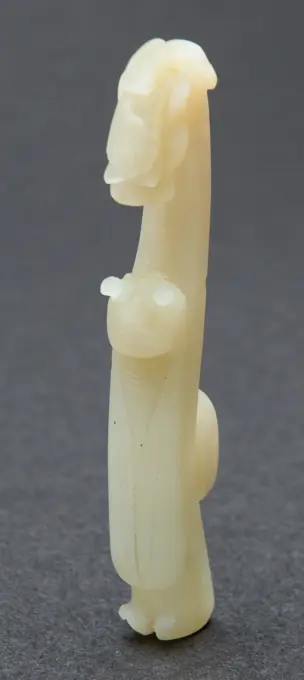
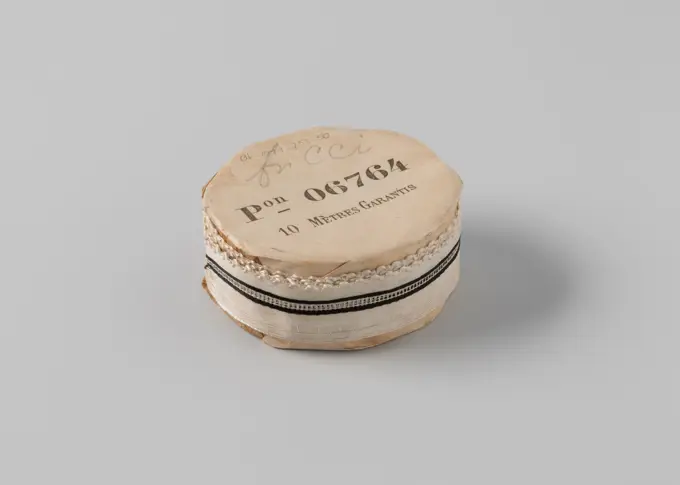
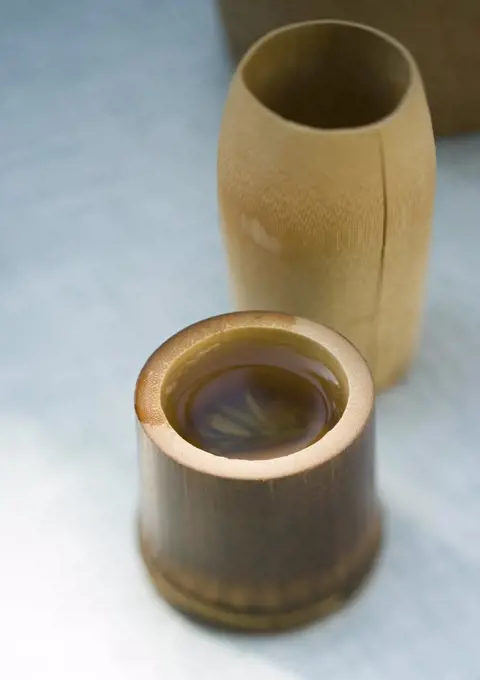
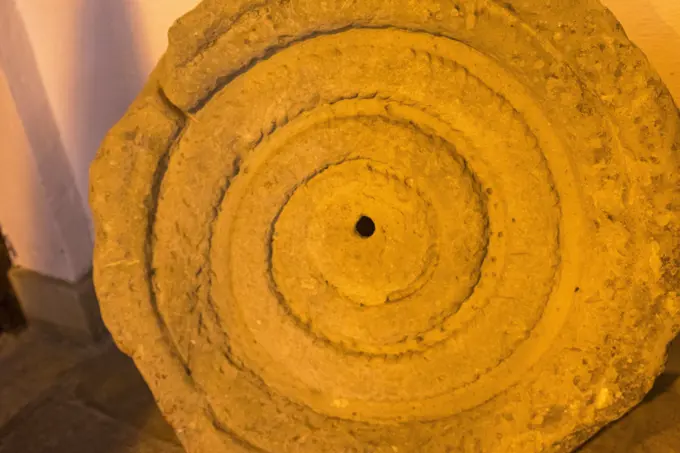
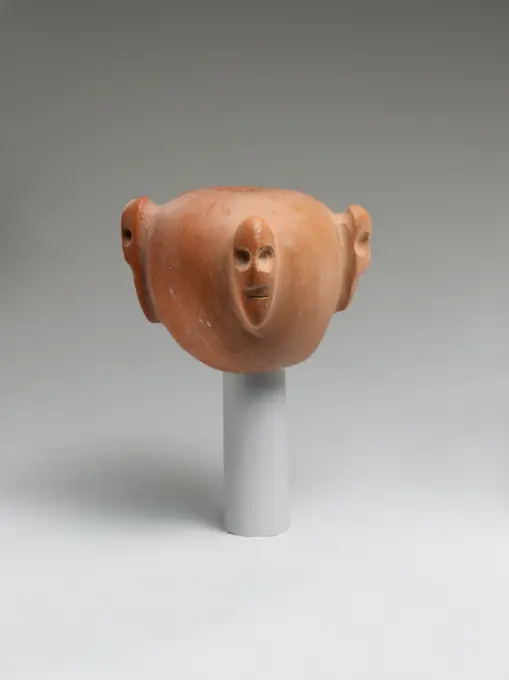
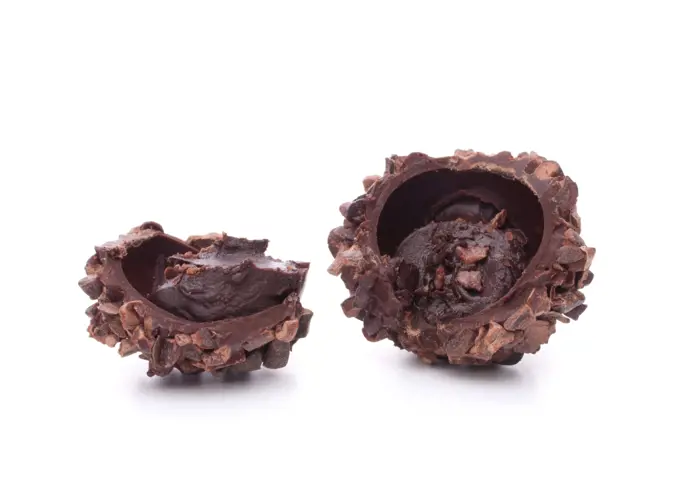
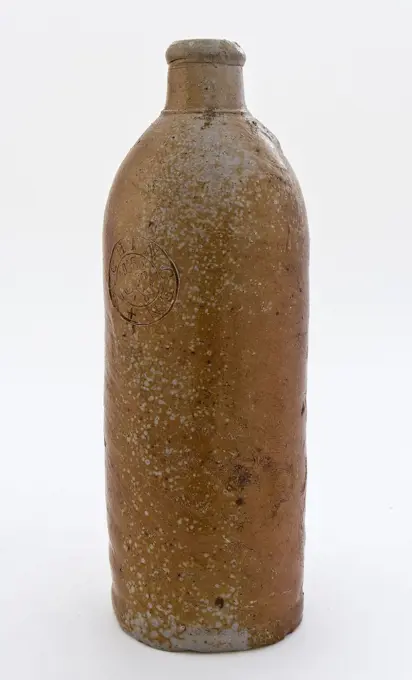
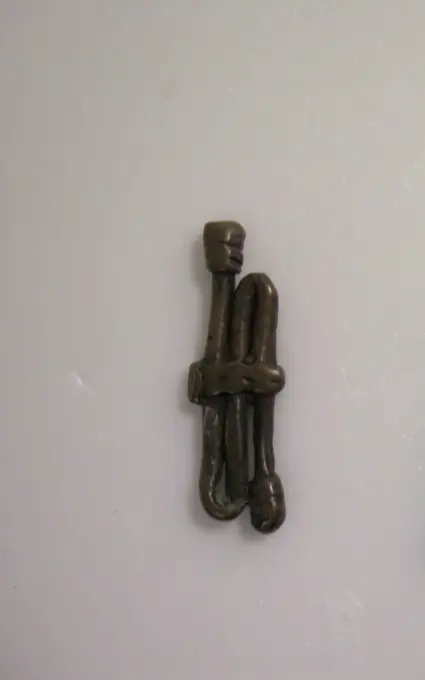
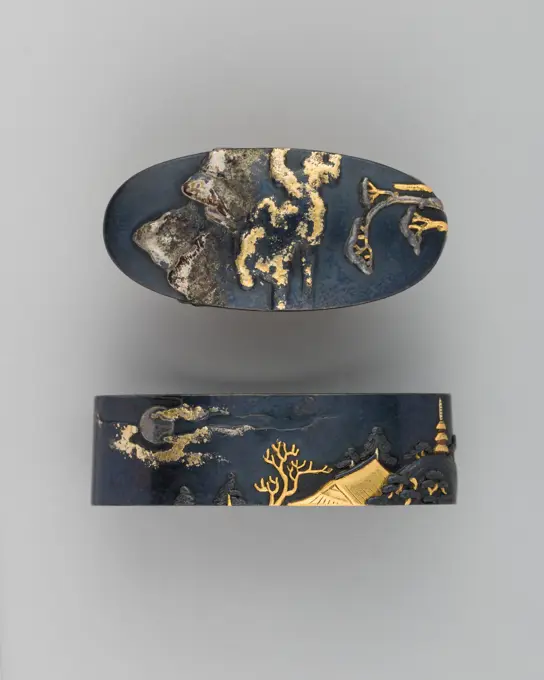
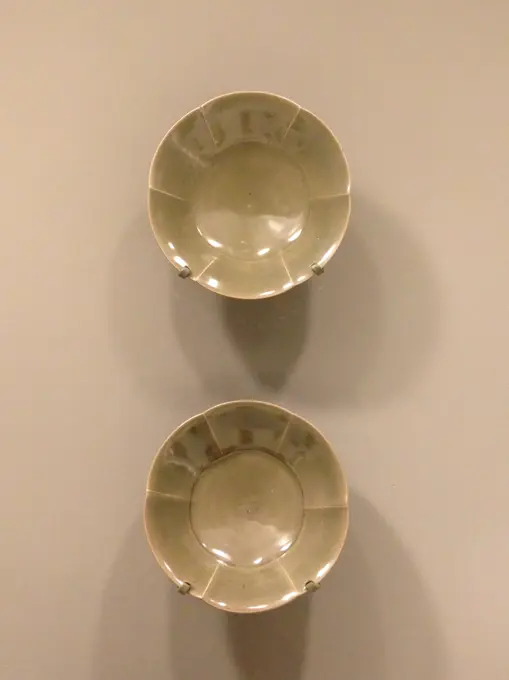
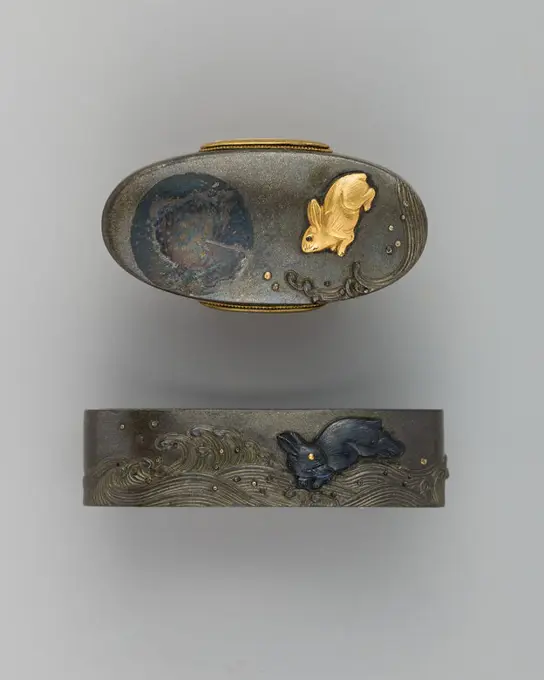
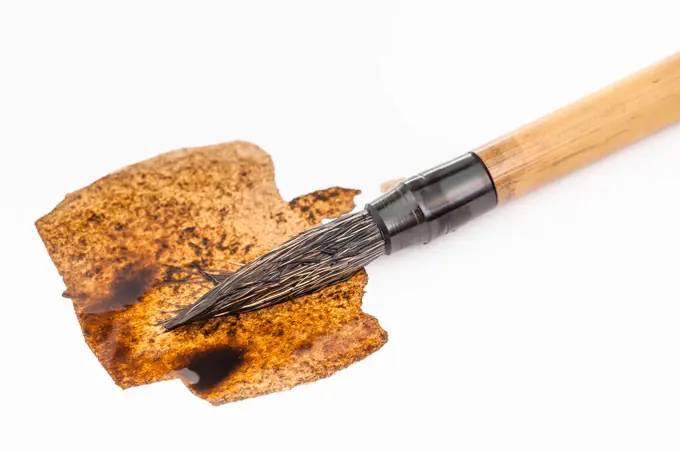
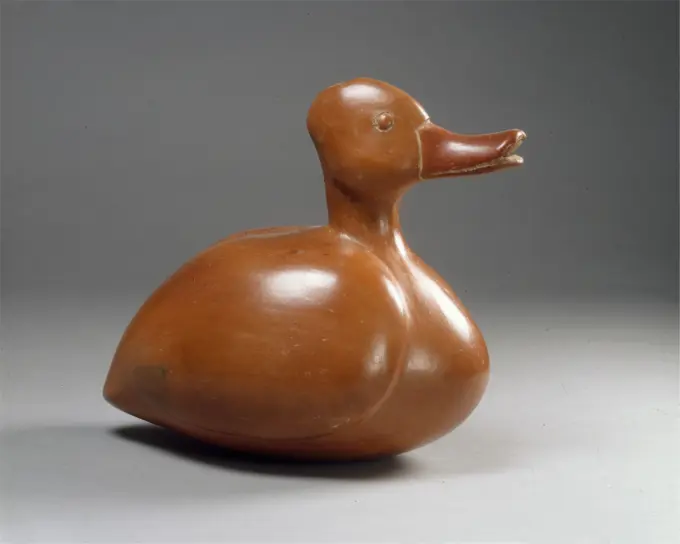
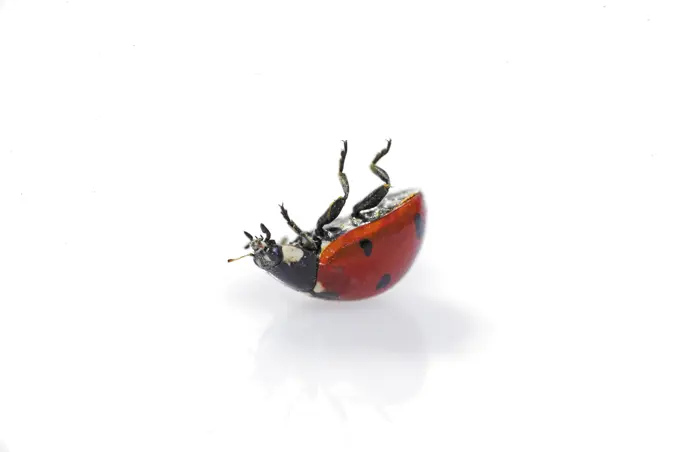
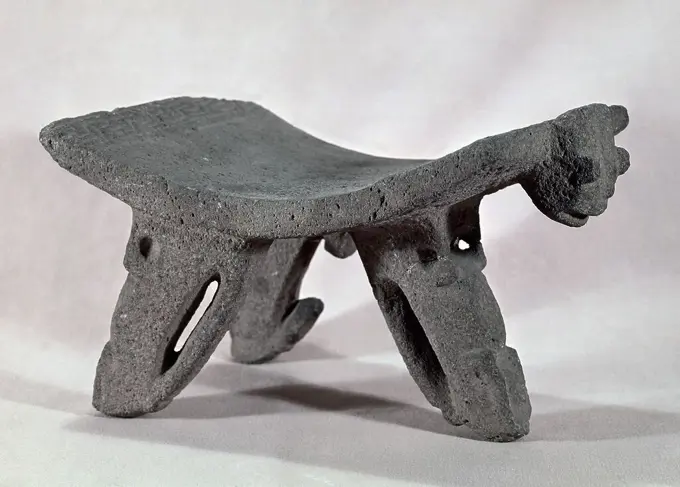
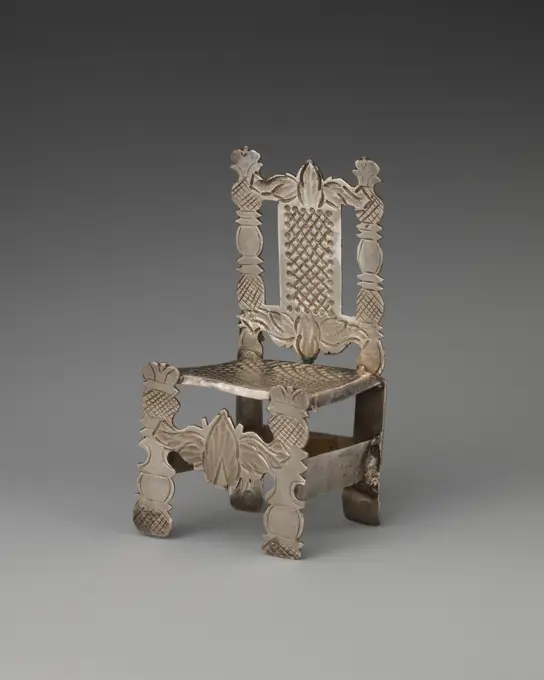
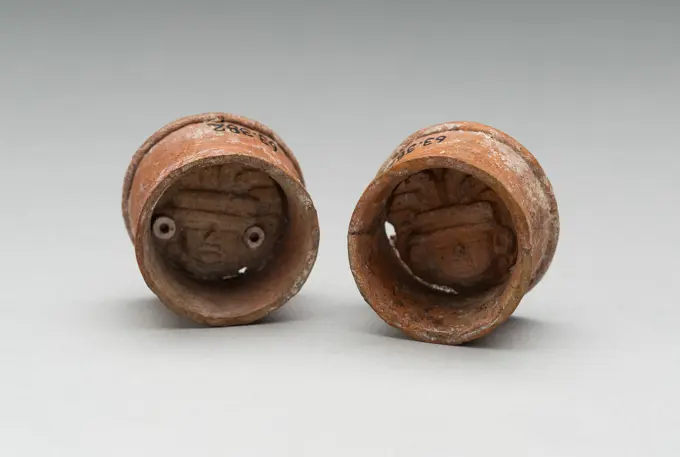
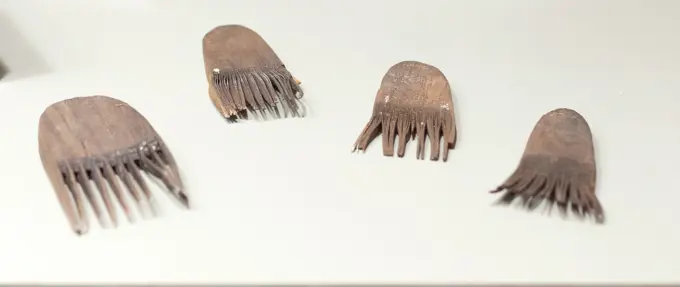
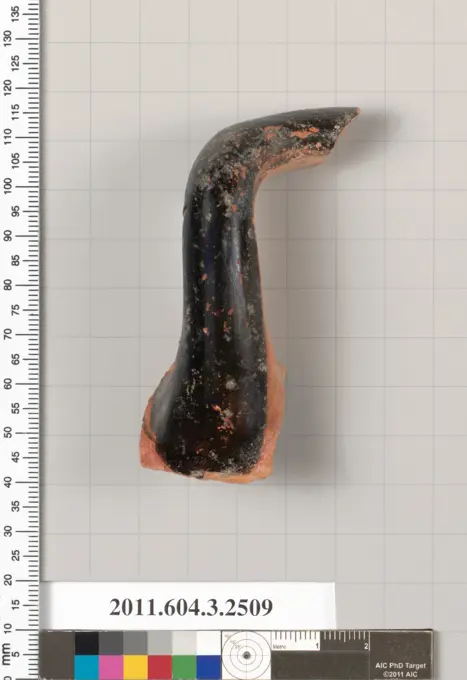
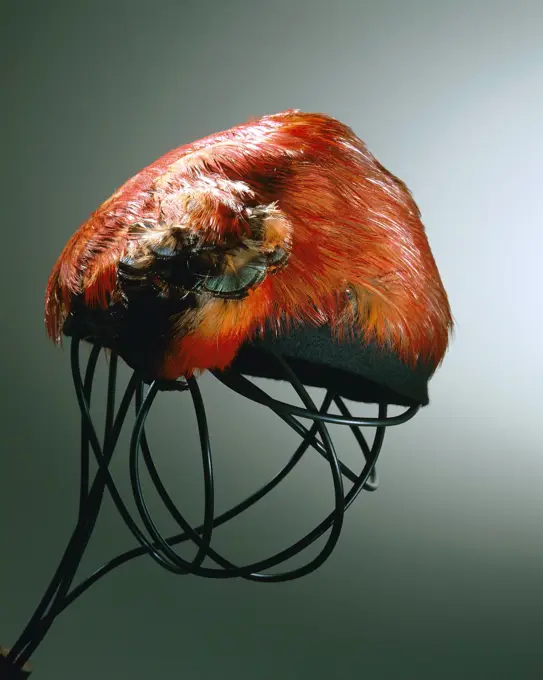
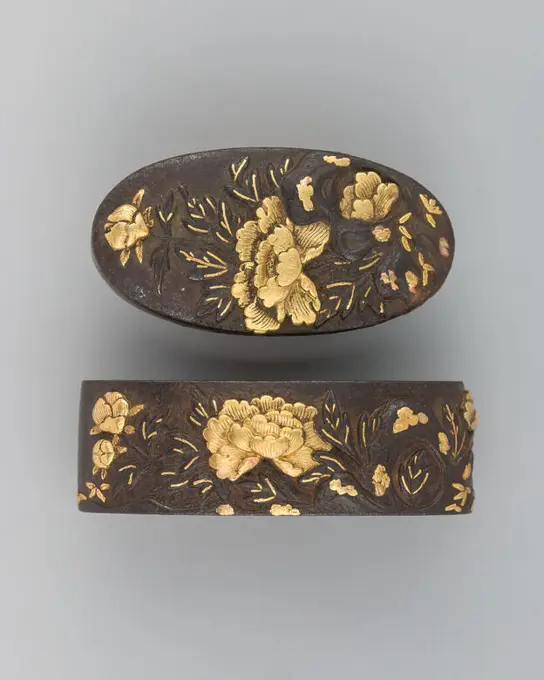
Pearl Button, 1790-1800. .Chinese dwarf quail (Synoicus chinensis, Coturnix chinensis), egg, quail egg on white backgroundPitcherTwo mushrooms 18th century China. Two mushrooms. China. 18th century. Jade (nephrite). Qing dynasty (1644-1911). JadeBlaker with damper of silver. The high cylindrical candle holder rests on a round, slightly arched leaf. The conical damper is with a hook and an eye on the handle., Elizabeth Jones, 1809 Blaker with damper of silver. The high cylindrical candle holder rests on a round, slightly arched leaf. The conical damper is attached by means of a hook and an eye on the handle of the Blaker. London blaker: silver (metal). vetvanger: silver (metal). domper: silver (metal) Blaker with damper of silver. The high cylindrical candle holder rests on a round, slightly arched leaf. The conical damper is attached by means of a hook and an eye on the handle of the Blaker. London blaker: silver (metal). vetvanger: silver (metal). domper: silver (metal)Hat. Culture: probably German. Date: 1720-50.The flat and grandiose cartwheel, firmly secured to the head, was the favored hat type of the second quarter of the eighteenth century. Few survive; this is an exceptionally fine example. Museum: Metropolitan Museum of Art, New York, USA.Prism-shaped engraved seal; Crete, Greece; about 1850 B.C. - 1700 B.C; Steatite; 1.2 × 1.3 cm (1,2 × 1,2 in.)PILLOWS - 1996-1997. Author: JOSE MARIA SICILIA. Location: PRIVATE COLLECTION.Red-Figure Volute Krater; Attributed to Kleophrades Painter (Greek (Attic), active 505 - 475 B.C.); Athens, Greece; 500 - 480 B.C; Terracotta; 56.9 × 46.9 cm (22 3,8 × 18 7,16 in.)Tassel 17th century Italian. Tassel. Italian. 17th century. Linen. Textiles-TrimmingsEuropean Mandrake (Mandragora officinarum), SeedsCosmetic Box. Culture: Japan. Dimensions: H. 2 3/8 in. (6 cm); W. 3 3/4 in. (9.5 cm). Date: late 19th century. Museum: Metropolitan Museum of Art, New York, USA.Kop, multicolored painted with water landscapes in saved four passes in an Oranjerode Fond, Meissener Porzellan Manufaktur, c. 1735 Head without ear, from painted porcelain. The head is covered with an Oranjerode Fond, in which accolade -shaped four passes are saved with (water) landscapes with European figures, sometimes with bales and ships. The head is marked. Float porcelain Head without ear, from painted porcelain. The head is covered with an Oranjerode Fond, in which accolade -shaped four passes are saved with (water) landscapes with European figures, sometimes with bales and ships. The head is marked. Float porcelainNet fragment ca. 1295-1070 B.C. New Kingdom, Ramesside. Net fragment. ca. 1295-1070 B.C.. String. New Kingdom, Ramesside. From Egypt, Memphite Region, Lisht North, Cemetery, MMA excavations, 1913-14. Dynasty 19-20CondimentDish. Retailer: Shreve and Company, American, founded 1852The aperture of a helmet shellIron, anonymous, c. 1700 - c. 1800 The object made from plate has a wall, which is cut at three places. The lid can be folded up and fixed with a hook. Netherlands brass (alloy). handvat: wood (plant material) striking (metalworking) / cutting The object made from plate has a wall, which is cut at three places. The lid can be folded up and fixed with a hook. Netherlands brass (alloy). handvat: wood (plant material) striking (metalworking) / cuttingWall surf, the rectangular back plate painted with flowers. Wall-bleaker of can, red painted on the back; On the front green painted with a painted motif of yellow white flowers and dark leaves in the middle oval. With curved arm and candle holder.Plate 1880-88 Possibly Boston & Sandwich Glass Company. Plate 6433A computer mouse wrapped in brown paperBracelet: Crocodile Heads Edo peoples 17th-19th century The oba and chiefs of Benin wear pairs of ornate bracelets at palace festivals. Long and cylindrical, these cufflike ornaments may be made of either ivory or brass and display imagery reflecting the exalted status of their bearers. The spiral bands of incised, crosshatched half-ovals and dotted lines, set within raised, striated borders, terminate at either end in elongated crocodile heads. The artist has taken great care to evoke the appearance and character of these animals. Perpendicular lines along the snouts, as well as rows of bumps on the forehead, suggest the distinctive texture of crocodile skin, while the close-set eyes with contrasting pupils evoke the watchful gaze of this dangerous animal. The depictions of crocodiles, as with other forms of aquatic imagery, associates the ruler with Olokun, god of the sea. The ocean was conceived of as a major source of wealth and prosperity for the Benin kingdom, which benefited froSALON RICO-BASA FUNDACIONAL CON DECORACION. Location: MEDINA AZAHARA / MADINAT AL-ZAHRA. PROVINCIA. CORDOBA. SPAIN.Terracotta rim and upper body fragment with concentric circles (or spiral) and bands. Culture: Minoan. Dimensions: 2 7/16 × 13/16 × 3/16 in. (6.2 × 2 × 0.5 cm). Date: ca. 1400-1200 B.C..Dark lines and concentric circles on light ground. Museum: Metropolitan Museum of Art, New York, USA.Empty bowl on dark background with copy spaceLamp, North Africa; 1st - 4th century; Terracotta; 2.6 x 8.4 x 11.5 cm (1 x 3 5,16 x 4 1,2 in.)Statuette representing a boar, goldMorocco, Marrakech, arts and crafts, metal plateTop view of wooden cutting board on a gray marble background with space for text.Container in the shape of a Buddhas hand 18th century China. Container in the shape of a Buddhas hand 44106Candlestick of silver with trunk in the form of a winding tree trunk with three winding branches with oval leaves and candle holder in flower crown., Jan Kemaer (Possible), 1784 Silver candlestick. A winding tree trunk rises from a leaf rosette, which divides into three winding branches with oval leaves. The candle holder is caught in a flower crown. Dordrecht silver (metal) Silver candlestick. A winding tree trunk rises from a leaf rosette, which divides into three winding branches with oval leaves. The candle holder is caught in a flower crown. Dordrecht silver (metal)Carnavalet museum, tokens collectionPlate. Culture: American. Dimensions: Diam. 6 5/16 in. (16 cm). Maker: Possibly Boston & Sandwich Glass Company (American, 1825-1888, Sandwich, Massachusetts). Date: 1880-88. Museum: Metropolitan Museum of Art, New York, USA.mushrooms on the kitchen tableLadle (France); silver; L x W x D: 14.8 x 10.5 x 5 cm (5 13/16 x 4 1/8 x 1 15/16 in.)StampVase, 1662-1722, 7 7/8 in. (20 cm), Porcelain with peach bloom glaze, China, 17th-18th centuryNecklace probably 19th century African This collection of largely ethnographic jewelry includes examples from cultures in South America, North America, Europe, Asia, and Africa and dates from the Pre-Columbian period to the twentieth century. Owned by renowned art collector and fashion enthusiast Muriel Kallis Newman, the collection represents her knowledge and appreciation of a wide range of jewelry design and making traditions. Numerous items in her collection are composite artifacts made from various cultures and time periods reappropriated as modern jewelry creations by or for Muriel. It is important to note that Newman wore many of the pieces in the collection, interpreting them to suit and express her own singular, often avant-garde style.. Necklace 141555Small conical bottle with raised soul and folded lip, medicine bottle bottle holder soil find glass, free blown Small cylindrical bottle in clear green glass Lightly lit bottom with pontilemark sagged on foot. Light conical rejuvenated body with small shoulders and funnel-shaped flattened and folded down lip archeology health care pharmacy care handicraft transportBelt fastener with a dragon and cicada motif unknownOlive lamp;  IV/V century (390-00-00-410-00-00);Wrestler. Japan, 18th century. Costumes; Accessories. WoodBumpRibbon on roll, white satin with a line of ajour work contained in the middle between two stripes of black, one side is scooped and trimmed with a wavy border in white, c. 1890 - c. 1935 Ribbon on roll, white satin with a line of ajour work contained in the middle between two stripes of black, one side is scooped and trimmed with a wavy border in white. NijmegenFrance (possibly) textile materials. cardboard. paper Ribbon on roll, white satin with a line of ajour work contained in the middle between two stripes of black, one side is scooped and trimmed with a wavy border in white. NijmegenFrance (possibly) textile materials. cardboard. paperTea in bamboo cupfountain fountain, Convent of La Coronada, Archeological Museum. Úbeda, Jaén province, Andalusia, Spain Copyright: xZoonar.com/BartomeuxBalaguerxRotgerx 21702834SIN TITULO - SIGLO XX. Author: EVA LOOTZ. Location: GALERIA JUANA DE AIZPURU. MADRID. SPAIN.Paperweight in the shape of aquarium fish. unknown, craftsmanBox (common name), 1800. SEOmber patina bronze, gold and silver. Cernuschi Museum, Asia Museum of Asia in the city of Paris.Piriform macehead with male faces ca. 3650-3100 B.C. Predynastic, Naqada II-Naqada III. Piriform macehead with male faces. ca. 3650-3100 B.C.. Limestone (pink), organic material. Predynastic, Naqada II-Naqada III. From EgyptBOLA DE PIEDRA - JUEGO DE BOLOS - CANTABRIA. Location: PRIVATE COLLECTION. MADRID. SPAIN.Heart iron with a decoration consisting of the bust of a woman and a sphere, anonymous, c. 1625 - c. 1650 The objects each consist of a four wrought -iron rods tied together, on which the wood can be laid and to which the decorated and engraved decoration of yellow copper is intended in five parts. This consists of a base, a reinforcement within the trunk, a trunk, a sphere and a button. The base, whose profile is sharp, has two feet decorated with engraved rosettes and is decorated in the middle with the bust of a woman. The profiled tribe has a nodus. The ball is smooth. The richly profiled button has a nodus and a baluster. The decorative components are mounted separately at A. At B a piece of the base, the right foot has been renewed, and the soldered button and tribe may also have been renewed. Northern Netherlands brass (alloy). iron (metal) casting / forging The objects each consist of a four wrought -iron rods tied together, on which the wood can be laid and to which the decoraPIEZA DE JOYERIA, CUENTA DE COLLAR DE VIDRIO VERDE (EN EL MUSEO DE SANTA CRUZ).Chocolate candies isolated on white background cutoutLambis Lambis from v.O.c.-ship the 'white lion'. Shell from v.o.c.-ship the 'white lion'. One of five shells.Still life of single brown mushroom.Stoneware mineral pitcher, cylindrical with round shoulder, sausage ear and short neck, mineral water pitcher jar product packaging container soil find ceramic stoneware glaze salt glaze approx., hand turned glazed baked Stoneware mineral pitchers cylindrical with round shoulder short neck and sausage ear. Stand area with traces of deduction and soul. Glazed. Marked under the ear and marked on the front with medallion Medallion in the medallion: FACHINGEN in the midfield left clawing lion archeology Rotterdam Kralingen-Crooswijk Struisenburg Oostmaaslaan Boslaan Buizengat advertising indigenous pottery import drinking water drinking medicine packaging Soil discovery: Buizengat Oostmaaslaan Boslaan Rotterdam an old landfill of urban waste.Goldweight Knot, 19th-20th century, 1 3/4 x 9/16 x 3/16 in. (4.45 x 1.43 x 0.48 cm), Brass, Ghana, 19th-20th centuryStem;  19th century (1801-00-00-1900-00-00);Portrait Head of a Man, Probably Germanicus. UnknownDecorative style filament light bulbs in viewSword-Hilt Collar and Pommel (Fuchigashira) early 19th century Japanese A fuchigashira is a pair of matching sword fittings comprising the fuchi (collar at the base of the grip of the sword hilt) and kashira (pommel cap at the end of a sword hilt).. Sword-Hilt Collar and Pommel (Fuchigashira). Japanese. early 19th century. Copper-gold alloy (shakud), gold, silver. Sword Furniture-Fuchi-KashiraRounded wastepaperSheet ca. 1492-1473 B.C. New Kingdom. Sheet 564812Three Easter eggs art concept with striped black golden decoration in close-up against grey background with copy spacewooden mortar and pestle isolated on white backgroundFoliate Rim Bowl, one of a pair, 10th-11th century, 2 x 7-3/16 x 7-3/16 in. (5.1 x 18.3 x 18.3 cm), Yaozhou ware Porcelaneous stoneware with celadon glaze, China, 10th-11th century, The Yaozhou kilns in northern Shanxi province became famous for a high fired, olive-green celadon produced between the tenth and twelfth centuries that is popularly known as northern celadon. These small, hand-formed, foliate rim bowls combine a simple, elegant shape with a monochromatic glaze that exemplifies the understated aesthetic of classic Song ceramics. Celadon is a descriptive rather than technical term. While commonly used in the West, the Chinese do not use the term, preferring instead 'greenware.'Gem Engraved with a Lion; Greece; early 5th century B.C; Carnelian; 0.9 × 1.3 × 1.1 cm (3,8 × 1,2 × 7,16 in.)Sword-Hilt Collar and Pommel (Fuchigashira). Culture: Japanese. Dimensions: Fuchi (a); H. 1 1/2 in. (3.8 cm); Wt. 0.7 oz. (19.8 g); kashira (b); H. 1 5/16 in. (3.3 cm); Wt. 0.4 oz. (11.3 g). Date: ca. 1615-1868. Museum: Metropolitan Museum of Art, New York, USA.brown colored tip of paintbrush in blot close up brown colored tip of paintbrush for sumi-e  suibokuga painting in blue blot on white paper close up Copyright: xZoonar.com/ValeryxVoennyyx 13808109Duck 2nd century B.C.-A.D. 3rd century Comala. Duck 318963seven-spot ladybird - lying on back, coccinella septempunctataMETATE - CULTURA CHOROTEGA COSTA RICA - PIEDRA PARA MOLER MAIZ Y PARA CEREMONIAS. Location: MUSEO DE AMERICA-COLECCION. MADRID. SPAIN.Miniature chair (one of four) (part of a set) 1690-91 Probably George Manjoy British. Miniature chair (one of four) (part of a set). British, London. 1690-91. Silver. Metalwork-Silver-MiniatureFlower-Shaped Clothing Plaque. Culture: China (Xinjiang Autonomous Region, Central Asia). Dimensions: Diam. 1 1/4 in. (3.2 cm). Date: 7th-9th century.The nomadic communities of Central Asia used such plaques to embellish clothing and horse trappings. As these nomadic cultures herded animals and were constantly moving, their artistic production was expressed in portable objects that marked the wearer's status and wealth. The outstanding preservation of these fragile ornaments suggests they were used in conjunction with burials, where the body was aggrandized with valuable textiles and augmented with gold. Although it is difficult to date and place these objects geographically, their presence in Central Asia and has a long, established history. Museum: Metropolitan Museum of Art, New York, USA.Pair of Ear Plugs with Face of Figure in Interior 300 CE-750 CE México. Ceramic with shell . TeotihuacanPlatinum. mineralsComb, c. 100 BCE - c. 200 CE, 2-1/16 x 1-1/4 x 1/4 in. (5.2 x 3.2 x 0.6 cm), Wood, China, 2nd century BCE - 3rd century CETassel (Spain); silk, metal thread, wooden coreTerracotta fragment of a kylix (drinking cup) 6th/5th centuries B.C. Greek, Attic Left half of a kylix handle. Terracotta fragment of a kylix (drinking cup). Greek, Attic. 6th/5th centuries B.C.. Terracotta; black-figure. Archaic. VasesGoldweight Peanut Shell, 19th-20th century, 1 7/8 x 11/16 in. (4.76 x 1.75 cm), Brass, Ghana, 19th-20th centuryClose-up of stones on a person´s back3D rendering of a human fist isolated in white background 3D rendering of a human fist isolated in white studio background Copyright: xZoonar.com/HugoxKurkx 14136785MessageGold colorl candle stick in hand on a white backgroundA baking tin and eggshells, close-up.White Bird by Pablo Picasso, painted ceramic, 1881-1973Miniature mask, 1500 BCE, Earthenware, Mexico, Pre-ClassicChicken and ostrich eggs isolated on white. Cap of black woolen jersey completely decorated with various types of red and brown feathers.Sword-Hilt Collar and Pommel (Fuchigashira). Culture: Japanese. Dimensions: Fuchi (a); H. 1 9/16 in. (4 cm); Wt. 1.2 oz. (34 g); kashira (b); H. 1 3/8 in. (3.5 cm); Wt. 0.5 oz. (14.2 g). Date: 18th century. Museum: Metropolitan Museum of Art, New York, USA.Shiitake Mushrooms isolated on white backgroundEmpty rectangular wooden cutting board on dark concrete background Empty rectangular wooden cutting board on dark concrete background. Cooking at home Copyright: xZoonar.com/TetianaxChernykovax 21692343FaaMence butter fleet in the form of an artichoke, anonymous, c. 1740 - c. 1775 Butter fleet of green colored faience in the form of an artichoke. Delft earthenware. tin glaze. Butter fleet of green colored faience in the form of an artichoke. Delft earthenware. tin glaze.Shell ca. 2900-2350 B.C.. Shell. ca. 2900-2350 B.C.. Shell. Early Dynastic. Mesopotamia, Nippurwine corks and bottle with corkscrewCarnavalet museum, medal collection Right a horse on the left; Reverse on a radiant background, a smooth accosted medallion, on the left, by a branch of bay leaf and a branch of oak leaves.Muff, anonymous, c. 1900 - c. 1945 Mof van Mollenbont lined with silk. Round and short model, with a wrinkled, slightly excellent edge of aubergine -colored side around the ends. Lined with the same fabric. Netherlands silk. Mof van Mollenbont lined with silk. Round and short model, with a wrinkled, slightly excellent edge of aubergine -colored side around the ends. Lined with the same fabric. Netherlands silk.Walnut with shell, close upPyxis and lid with handle in the form of three terracotta horses, ca. 750 BC. Offering from a woman's grave in the family burial ground, to the south of the Tholos of Athens. Late Geometric Period. Museum of the Ancient Agora. Athens, Greece.top view clay powder mixture 2