Historical Artifacts

Photographs of historical artifacts, including a tobacco pipe fragment and bronze lamp, highlighting craftsmanship from various ancient periods.

Fragments of stone with Gothic profile, c. 1400 - c. 1950 Three pieces of fried stones with gothic profiles.  . Three pieces of fried stones with gothic profiles.  .
Fragments of stone with Gothic profile, c. 1400 - c. 1950 Three pieces of fried stones with gothic profiles. . Three pieces of fried stones with gothic profiles. .
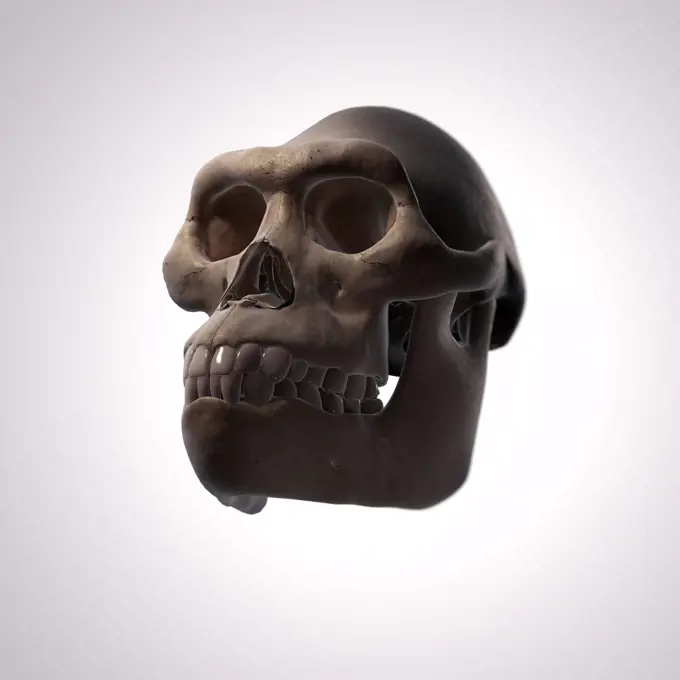
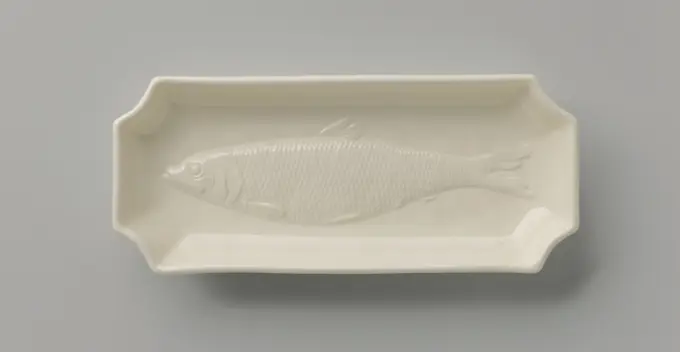
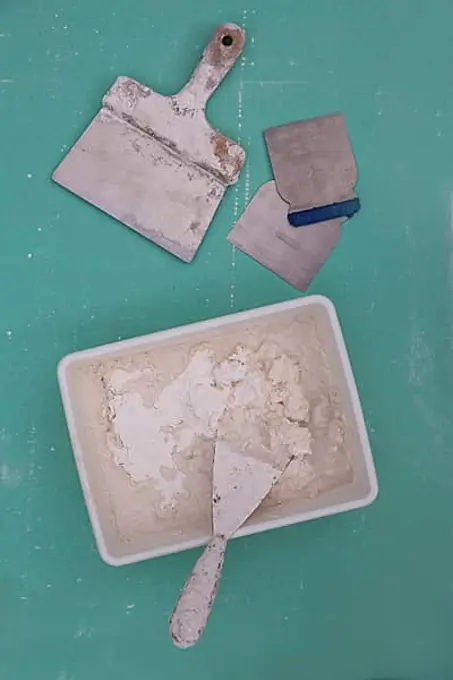
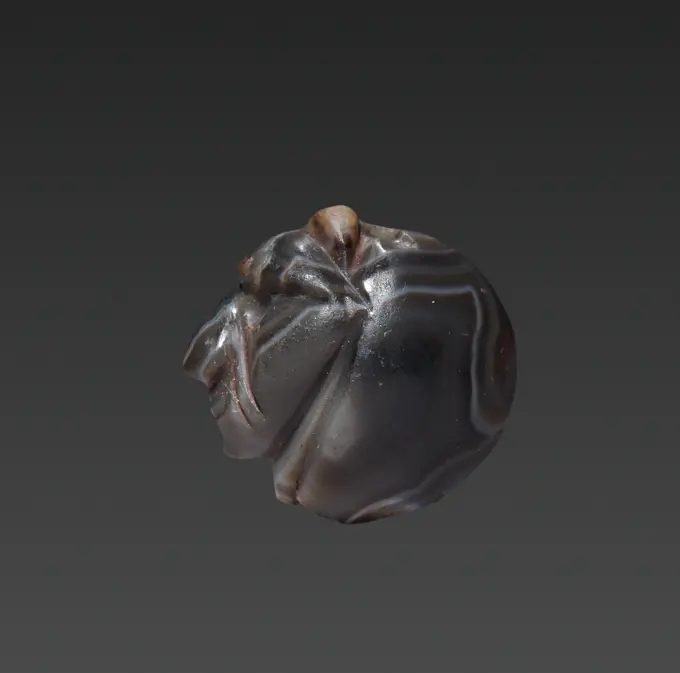
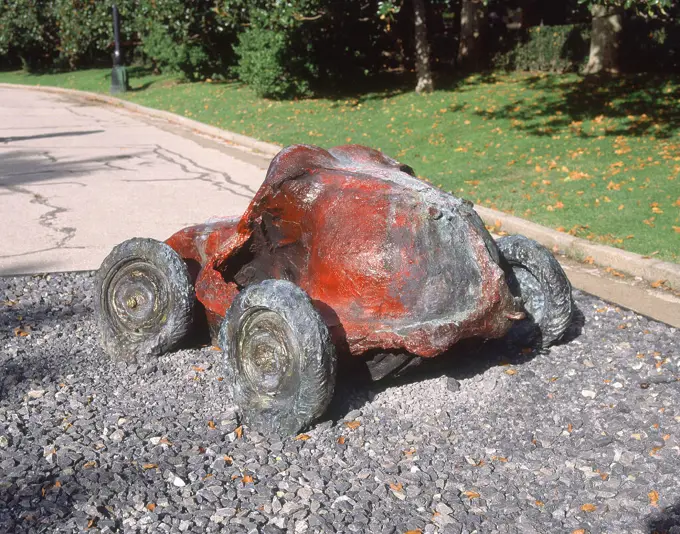
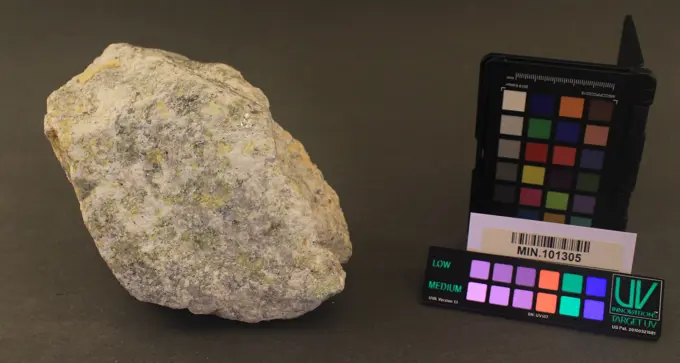
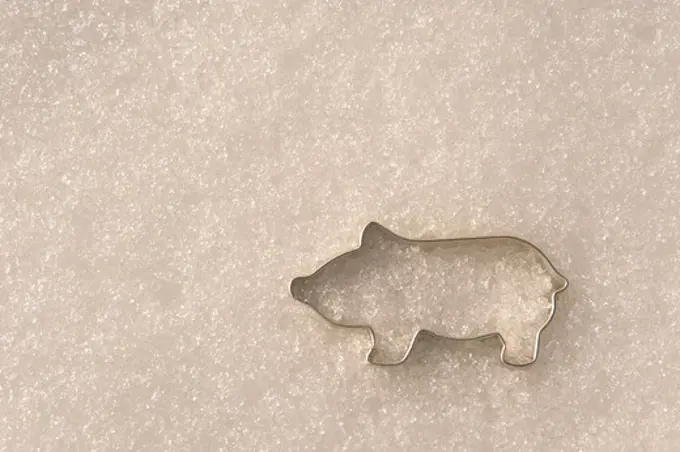
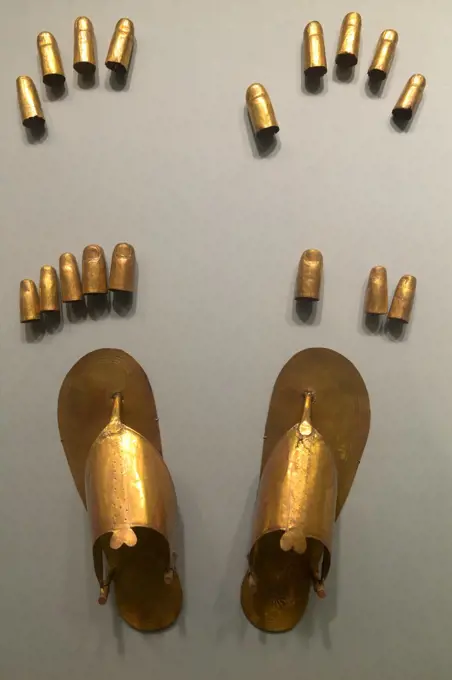
Creatively painted chicken and quail Easter eggs with natural hibiscus dye, look like sea stones in bowl on a gray background. Happy Easter DIY concept. Soft slective focus. Flat lay.Netsuke of Two Rats. Artist: Okatori. Culture: Japan. Dimensions: H. 1 in. (2.5 cm); W. 1 9/16 in. (4 cm). Date: early 19th century. Museum: Metropolitan Museum of Art, New York, USA.Belt Hook China. Belt Hook 61187Washing dishes. Closeup of kitchen sink with foam sponge. Housework. Real.Australopithecus SkullZircon. minerals. North America; USA; North Carolina; Burke CountyHerring scale, with a herring in relief, Peter Regout, c. 1860 - c. 1890 Haring scale of cream -colored earthenware, rectangular with swiveled corners. On the bottom a herring in relief. Maastricht . vitrification Haring scale of cream -colored earthenware, rectangular with swiveled corners. On the bottom a herring in relief. Maastricht . vitrificationFrance, Aquitaine Region, Dordogne Department, Castelnaud-la-Chapelle, Chateau des Milandes, former home of dancer Josephine Baker, famous banana skirt worn by Josephine BakerBead ca. 1st century B.C.-1st century A.D. Parthian This spherical frit bead was excavated at Shahr-i Qumis in northern Iran, which has been identified as the ancient city of Hecatompylos, established by the Parthians as their capital by about 200 B.C. In Greek Hecatompylos means a hundred gates,’ suggesting that the city was quite large. Indeed, the modern archaeological site includes several mounds, only a few of which have been excavated, and a vast area covered with potsherds. This bead was found in a large building at Site V, which has been tentatively identified as an elite residence. This building was completely filled with dirt sometime in the late 1st century B.C. or early 1st century A.D., perhaps when the Parthian capital was moved elsewhere and the city’s elite residents left with it.The excavations at Shahr-i Qumis by the British Institute of Persian Studies in 1967 were co-sponsored by the Metropolitan Museum of Art. However, this bead was not discovered until 1971, and Right Knee BonesFILM HISTORY: EFECTOS ESPECIALES. Special effects in cinema.Dried flower, thistle in natural blue tone on rusty background, still lifePlatering tools for plaster like plaste trowel spatula on green drywall plasterboardSeal Amulet in the form of a Lion's Head, 3800-3500 BC. Iraq, southern Mesopotamia, 3800-3500 BC. Agate; diameter: 2.8 x 2.7 x 0.9 cm (1 1/8 x 1 1/16 x 3/8 in.).MOBILI - 2001 - EXPOSICION DE ESCULTURA ESPAÑOLA CONTEMPORANEA EN PASEO DE COCHES DEL RETIRO. Author: MIQUEL BARCELO 1957-. Location: RETIRO, EL. MADRID. SPAIN.Norbergite. minerals. North America; USA; New Jersey; Sussex County; Ogdensburg; Sterling Hill MinePig-Shaped Cookie Cutter in SnowBliżej KulturyAsian and Oriental painted toy from burnt clay in the form of a camel on a black background. colored toy from clayDagger Hilt with Floral Designs 1701-1800 India. Jade .Funerary Equipment Belonging to Three Foreign Wives of Thutmose III, Metropolitan Museum of Art, Manhattan, New York City, USA, North America