Historical Artifacts

A collection of historical objects including a wooden printing block, a Qur'an case, pilgrim's badges, and ceramics, showcasing diverse cultural craftsmanship from various periods.
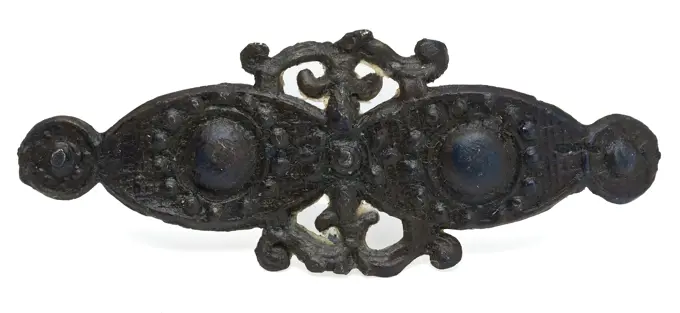
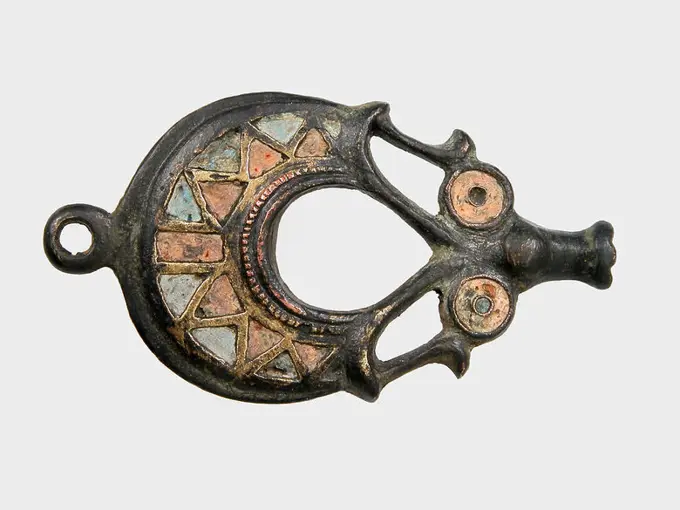
Pewter ornamental brooch, elongated two ovals with ball in the middle, brooch ornamental pin jewelry clothing accessory clothing soil find tin iron metal, cast Pewter brooch or fragment of tin fittings Elongated consisting of two connected ovals In the middle two spheres with remains blue paint . Curves in the middle archeology Rotterdam Stadscentrum Stadsdriehoek Spaarbankstraat Markt Binnenrotte adornment Soil discovery Inner rotte between former Spaarbank and Markt hoek Spaarbankstraat.
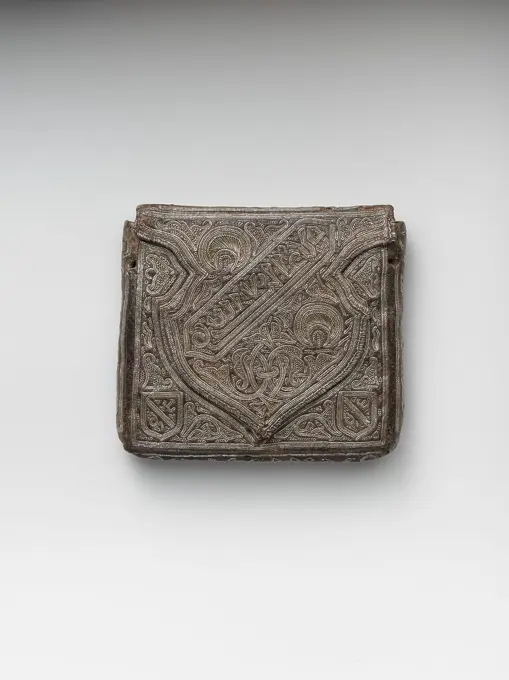
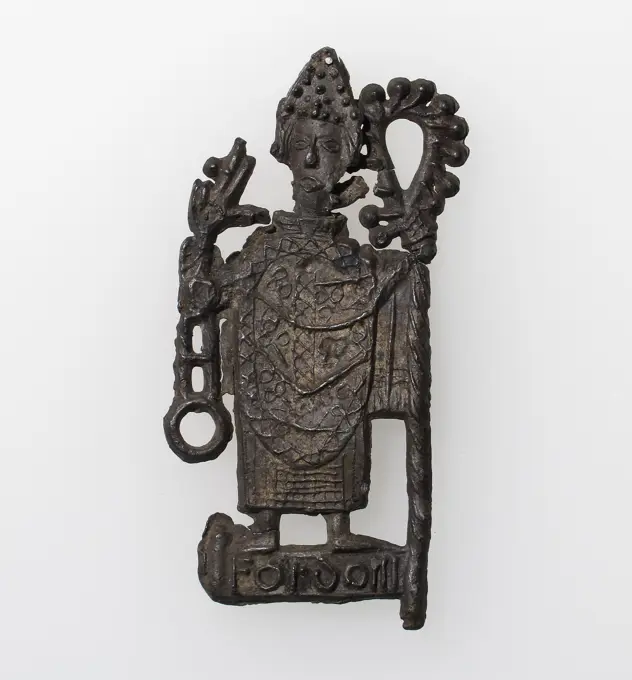
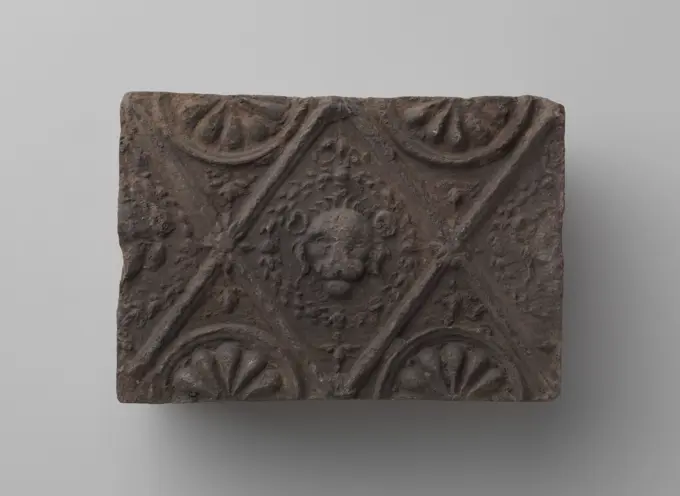
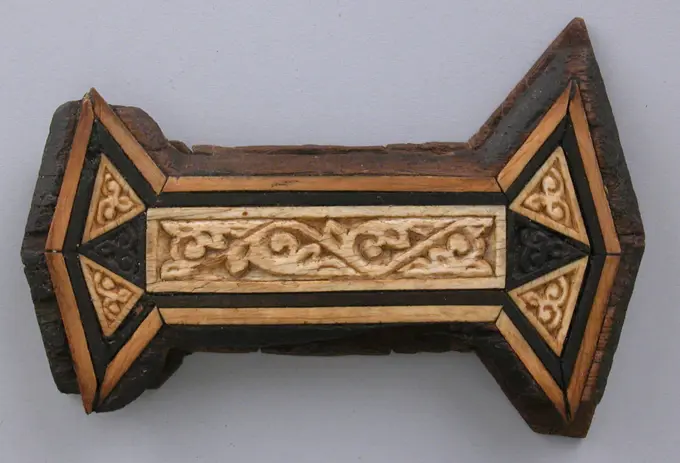
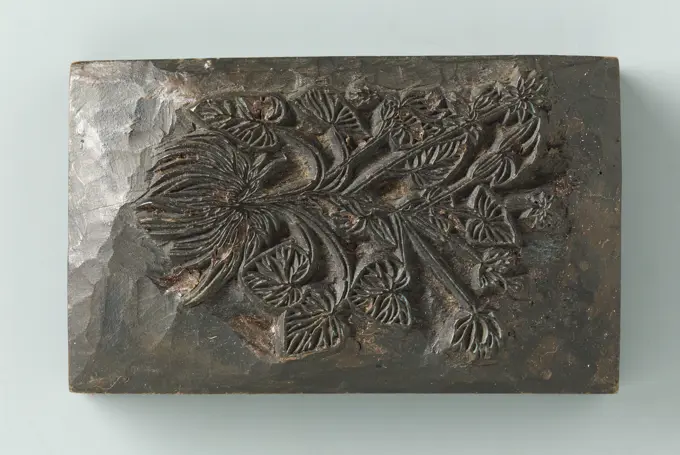
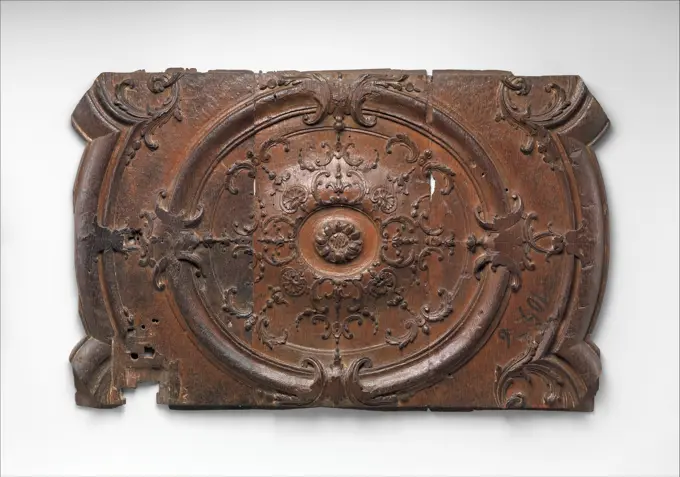
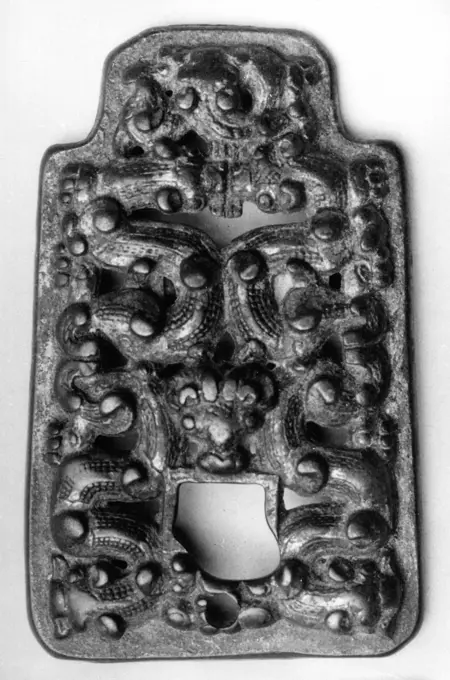
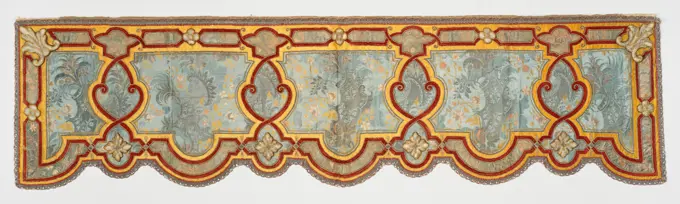
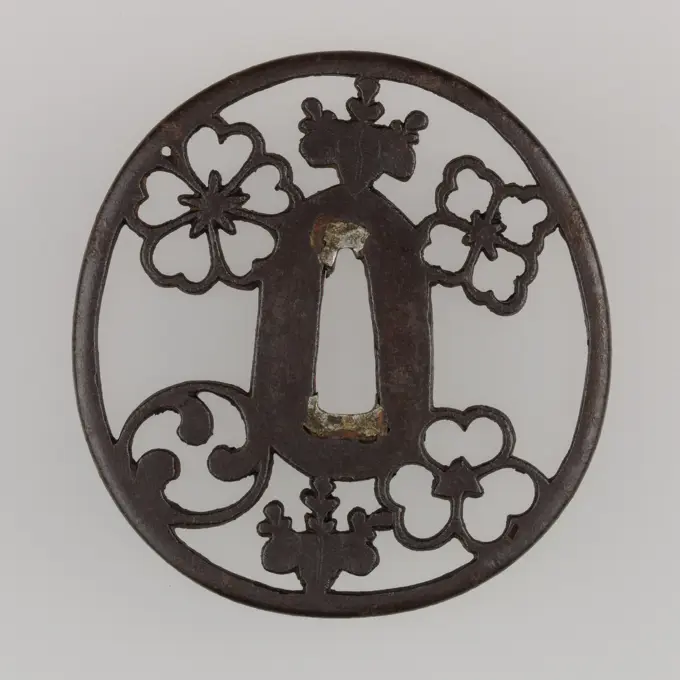
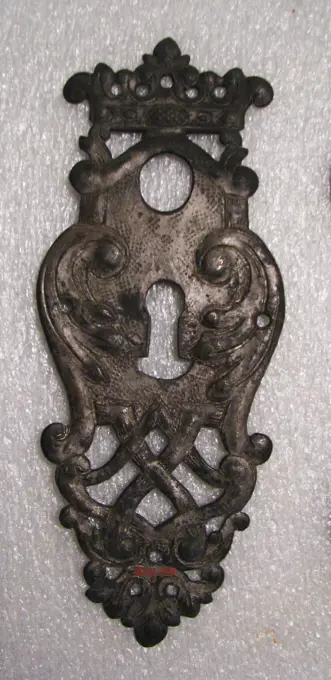
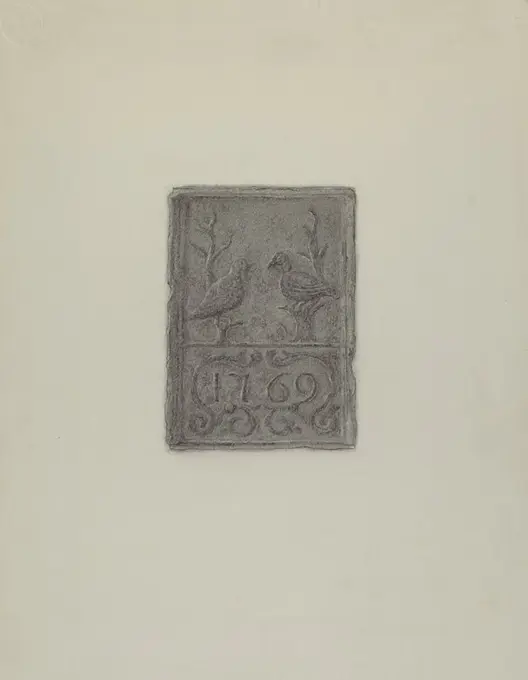
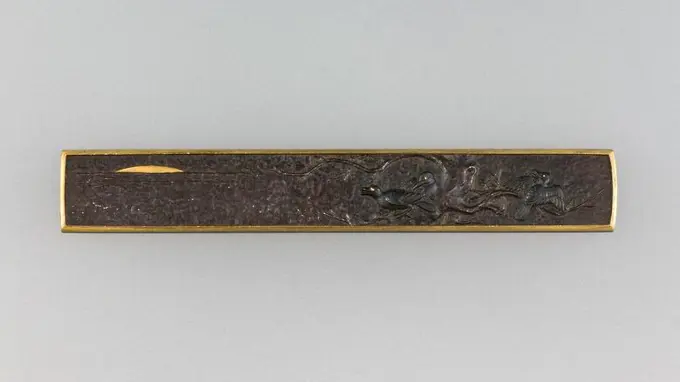
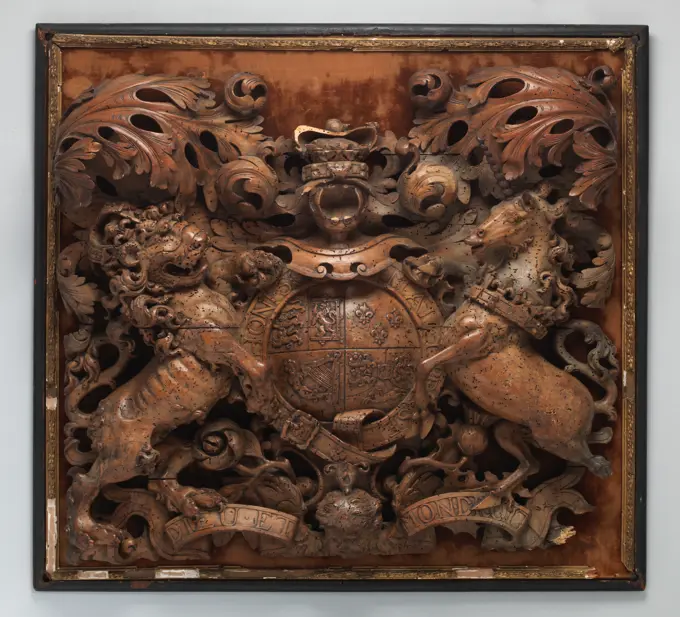
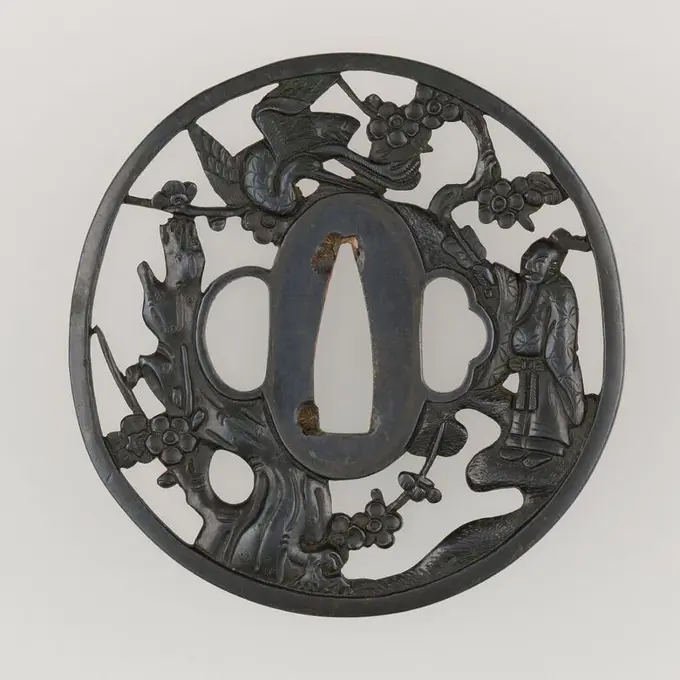
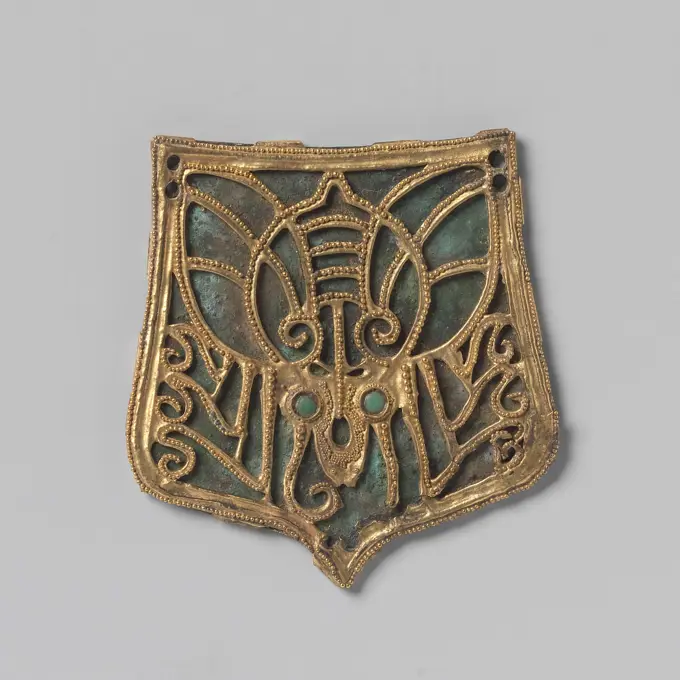
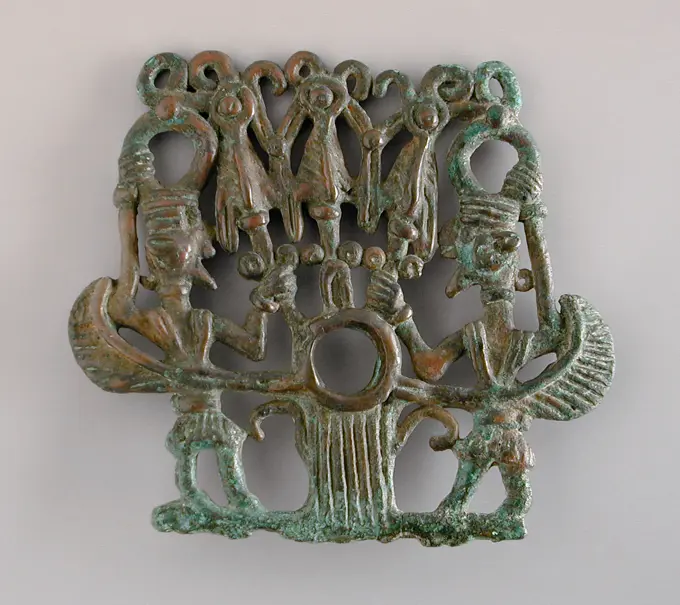
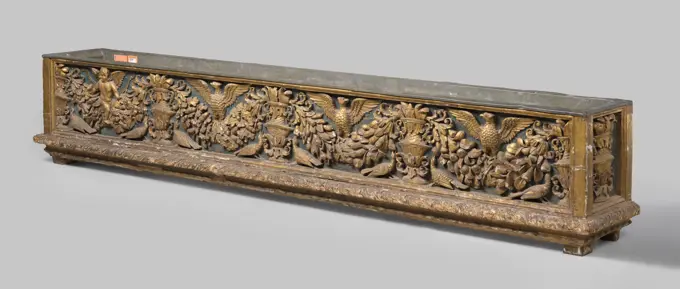
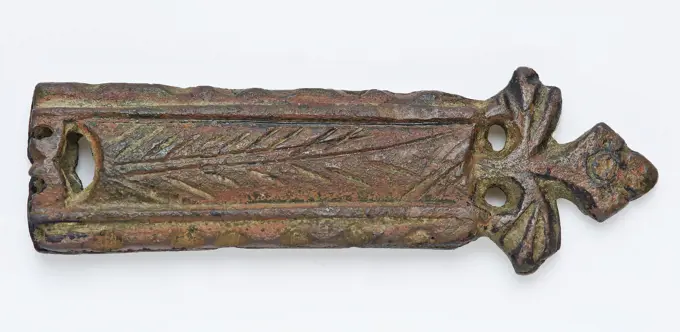
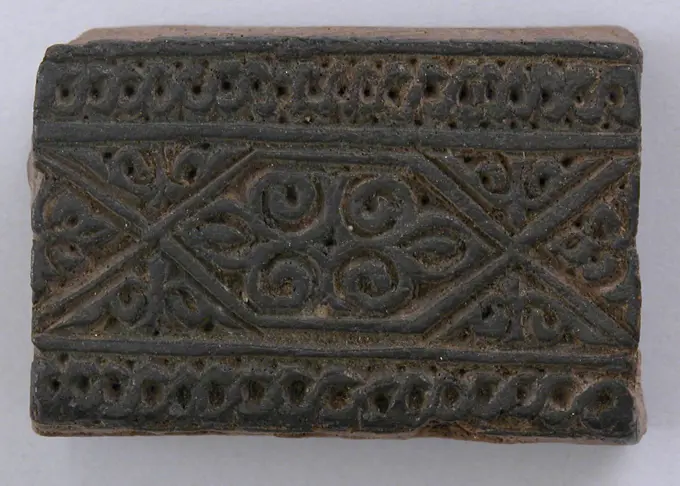
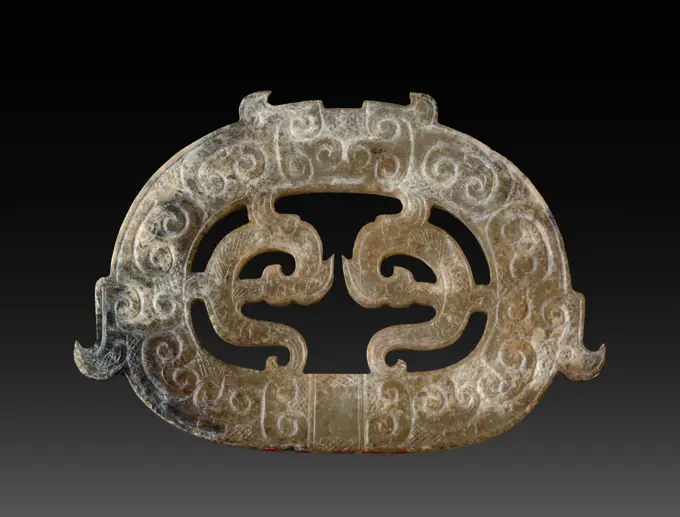
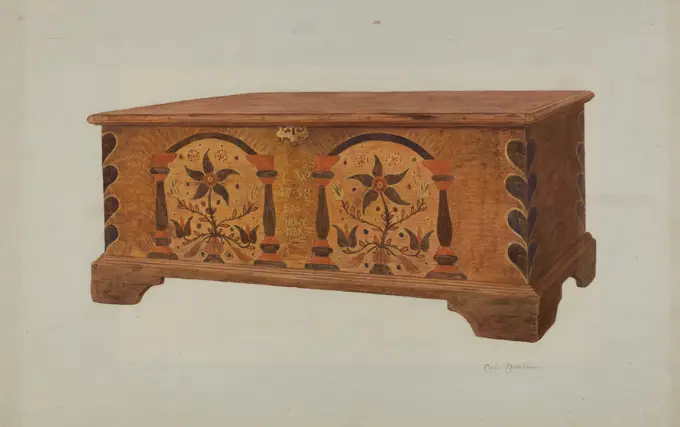
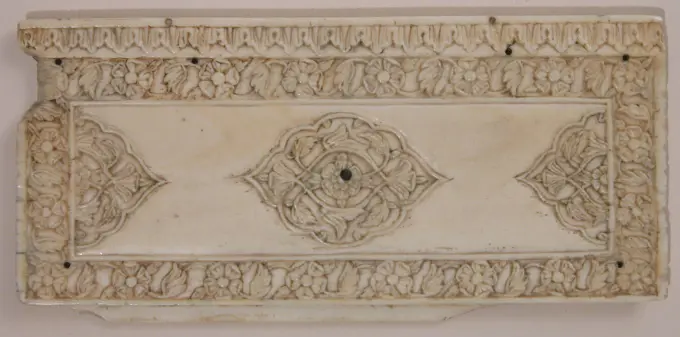
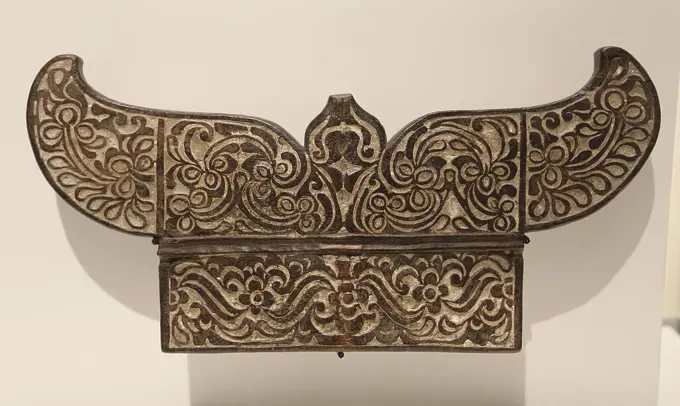
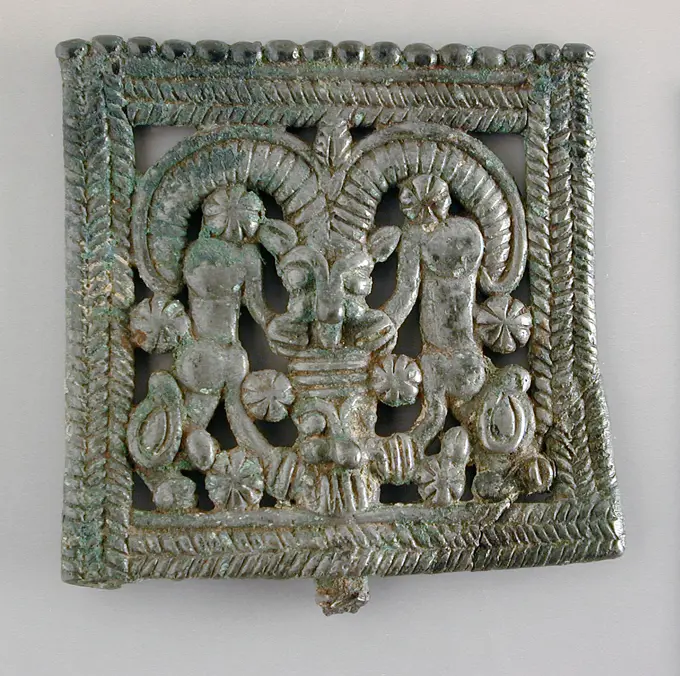
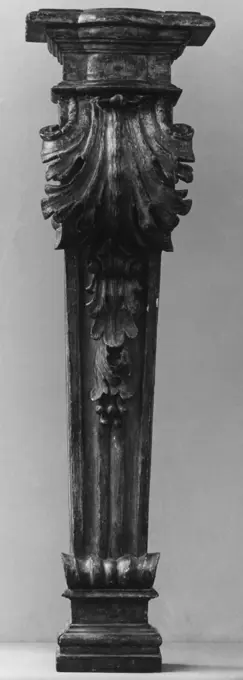
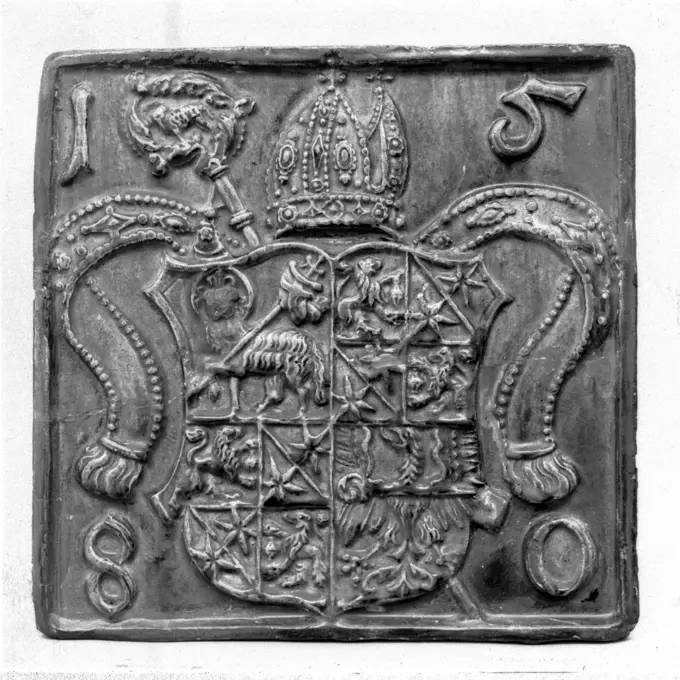
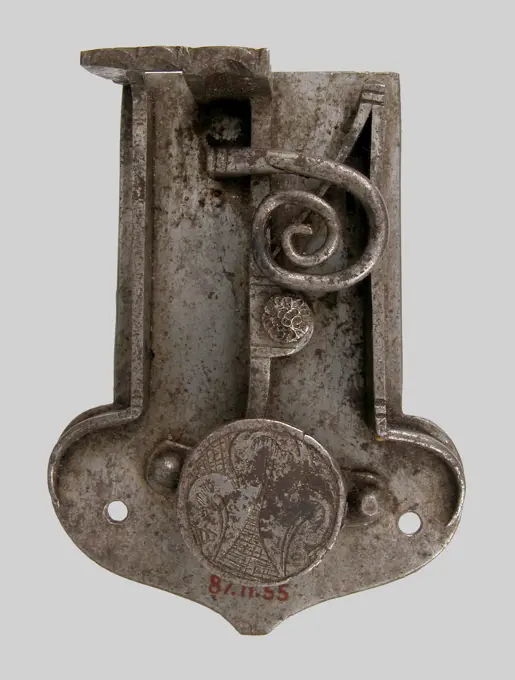
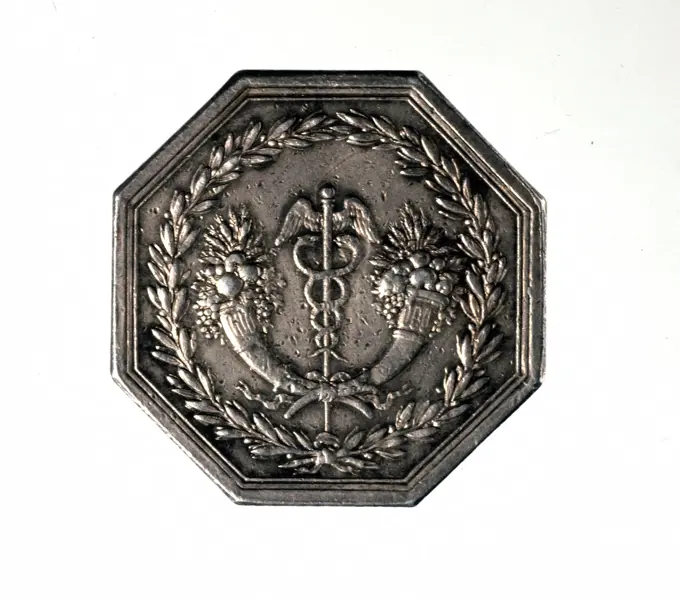
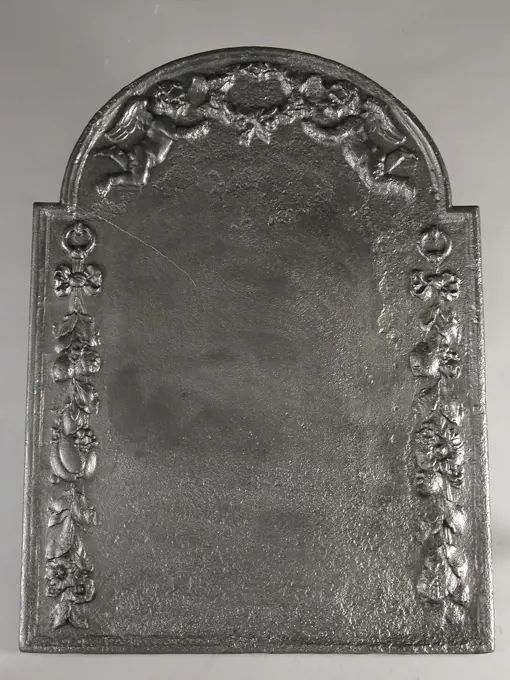
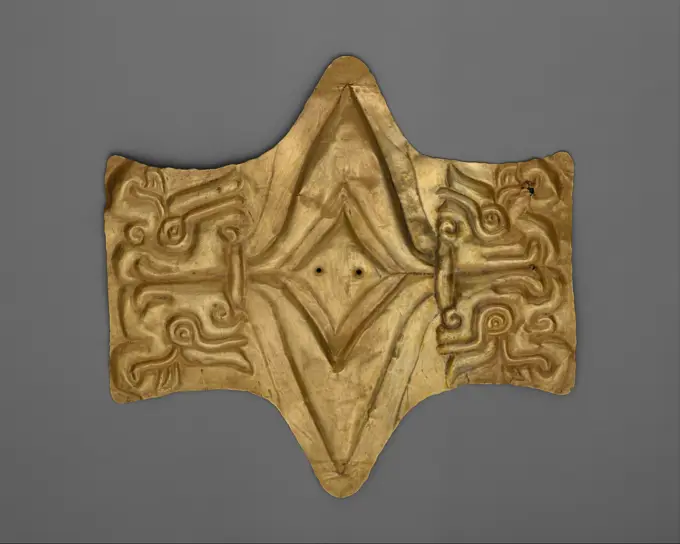
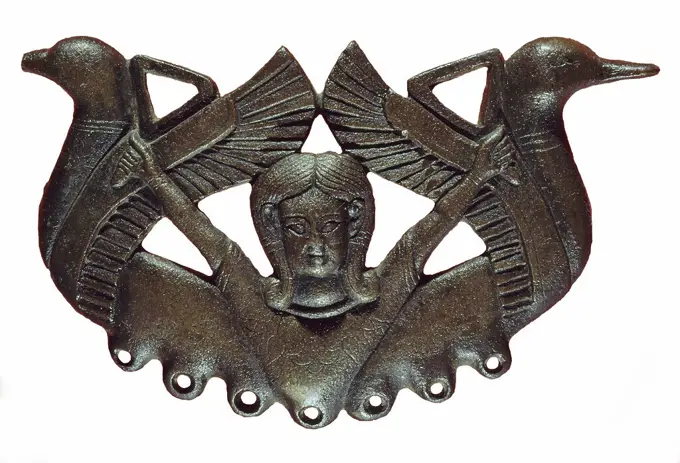
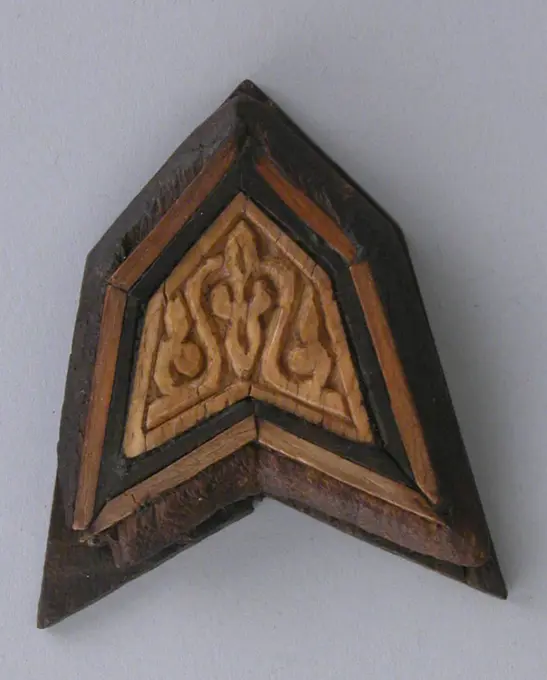
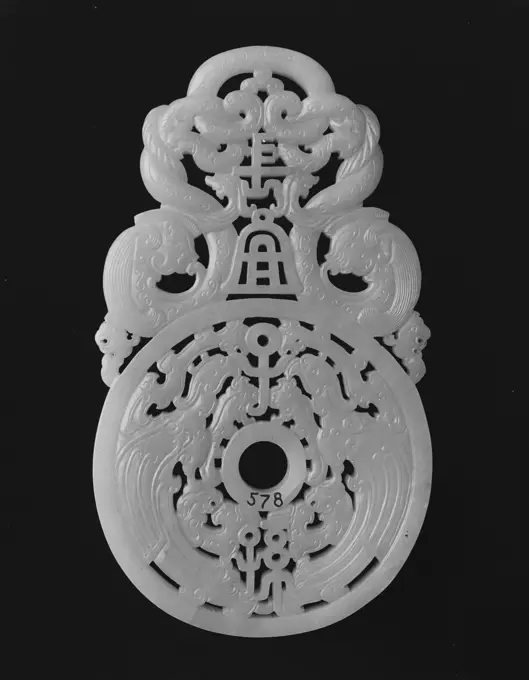
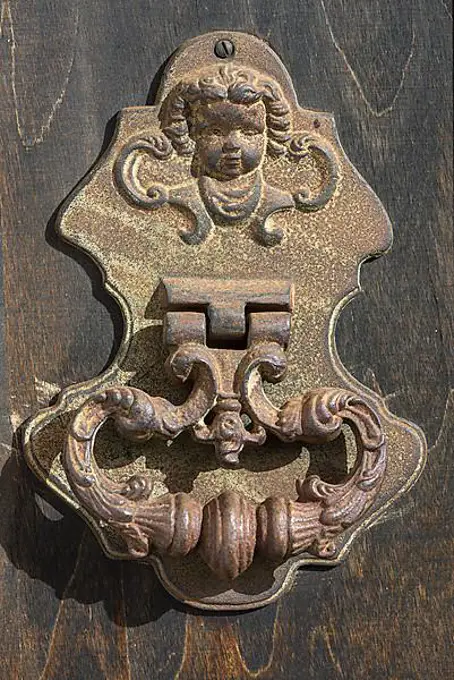
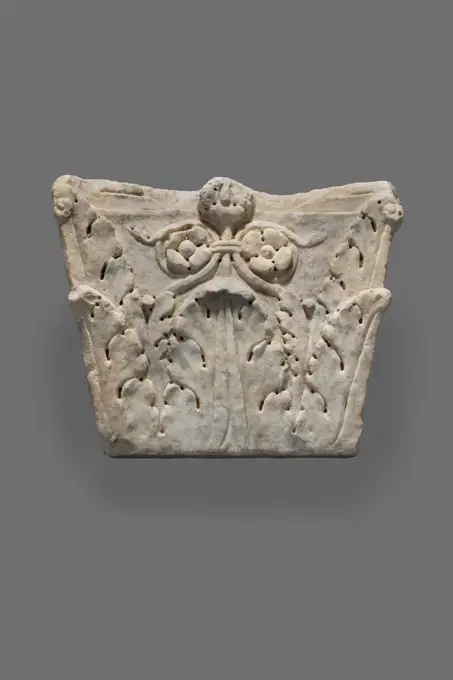
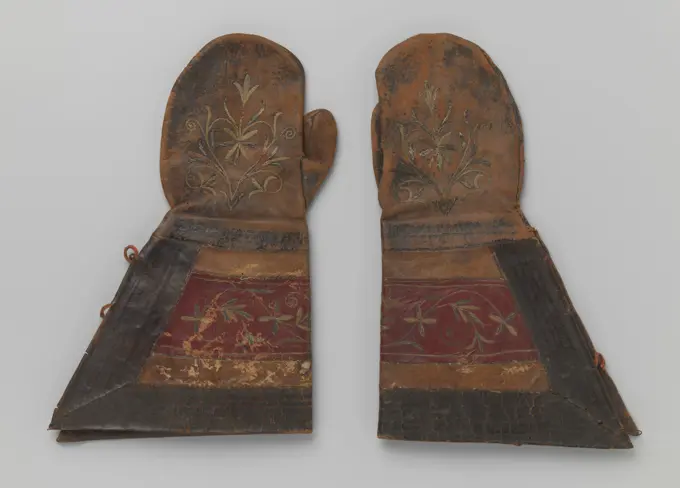
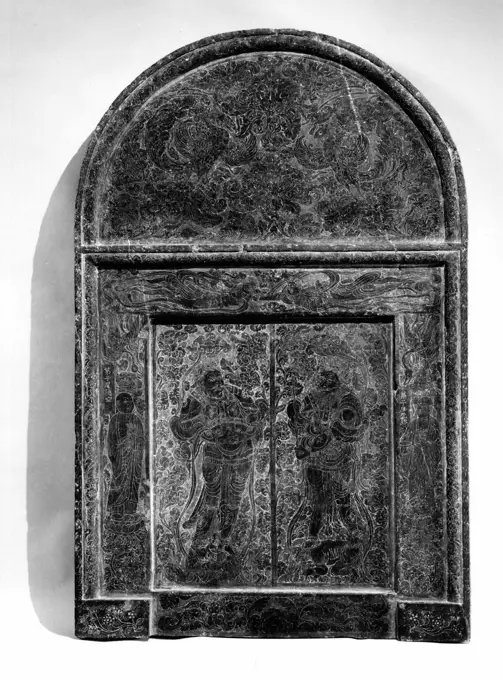
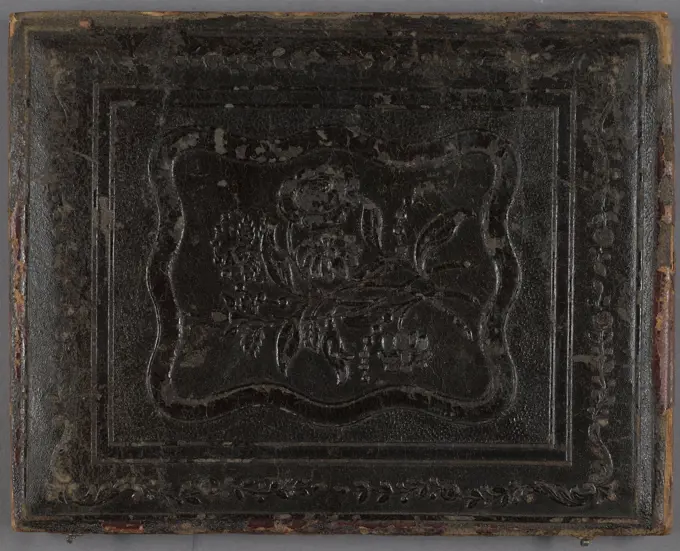
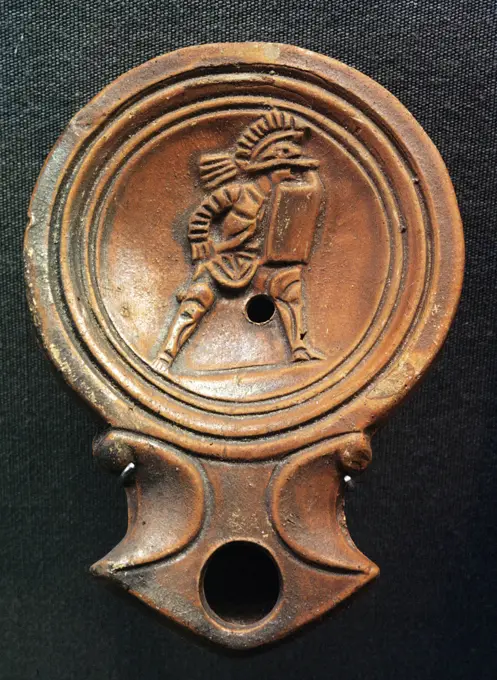
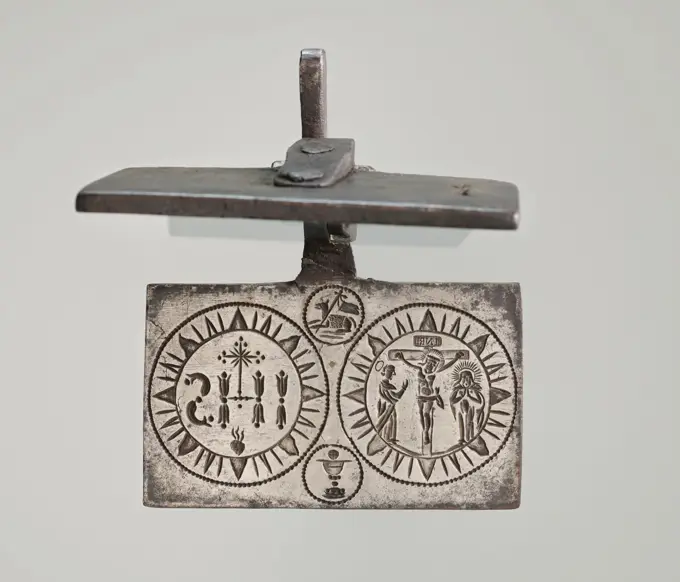
Printing Block (India); woodQur'an Case. Dimensions: 4 1/4 x 4 7/8 in. (10.8 x 12.4 cm). Date: second half 15th century.This pouch, decorated with the Nasrid shield and motto, "There is no Victor but God," may have held a section of a small Qur'an. A French inscription on a piece of paper found inside the pouch at the time of purchase claimed that it belonged to the last sultan of Granada, Muhammad XII, known in Europe as Boabdil (r. 1486-92). Museum: Metropolitan Museum of Art, New York, USA.Pilgrim's Badge with Saint Leonard 15th century British or French Badges and souvenirs of this kind were sold across Europe during the Middle Ages, at sites where saints had been martyred, their relics were housed, and miracles had occurred. Outside of Rome, Santiago de Compostela in northwestern Spain, where the relics of Saint James the Greater were preserved, was the preeminent pilgrimage destination in Europe. Canterbury Cathedral, where Thomas Becket was martyred, was foremost in England. Badges associated with each holy place offered proof that the wearer had made the pilgrimage. The sale of souvenirs was a major source of income for religious foundations. Lead alloy was also used for secular objects including buttons, badges, rings, as well as toys.. Pilgrim's Badge with Saint Leonard. British or French. 15th century. Lead and tin alloy. Metalwork-LeadHearing stone with an octagonal cartouche, anonymous, c. 1575 - c. 1600 Hearing stone with octagonal cartouche with a rosette in it. Southern Netherlands earthenware Hearing stone with octagonal cartouche with a rosette in it. Southern Netherlands earthenwareAbruzzo, L'Aquila, Celano, Museum, Italy, 20th century, photo, photography, EuropeMirror;  VIII century (701-00-00-800-00-00);Pewter ornamental brooch, elongated two ovals with ball in the middle, brooch ornamental pin jewelry clothing accessory clothing soil find tin iron metal, cast Pewter brooch or fragment of tin fittings Elongated consisting of two connected ovals In the middle two spheres with remains blue paint . Curves in the middle archeology Rotterdam Stadscentrum Stadsdriehoek Spaarbankstraat Markt Binnenrotte adornment Soil discovery Inner rotte between former Spaarbank and Markt hoek Spaarbankstraat.Hearing stone with lion's head in profiled diamond, c. 1575 - c. 1625 Hearing stone with a representation of Leeuwenkop in Lauwerkrans, placed in profiled diamond, which motif repeated itself in the half windows on the sides. The Hale windows at the top and bottom are filled with half medallions with star motif. Southern Netherlands earthenware Hearing stone with a representation of Leeuwenkop in Lauwerkrans, placed in profiled diamond, which motif repeated itself in the half windows on the sides. The Hale windows at the top and bottom are filled with half medallions with star motif. Southern Netherlands earthenwarePanel 13th century. Panel 445096Candlestick supported by three female demi-figures (pair with .1379) ca. 1600 or later Italian, Venice. Candlestick supported by three female demi-figures (pair with .1379) 461460Plant with heart -shaped leaves, c. 1600 - c. 1699    wood (plant material)Door fragment late 17th-early 18th century French. Door fragment 189449 French, Door fragment, late 17thearly 18th century, Oak, wax-polished, Overall (confirmed): 22 1/4 x 34 1/4 x 1 3/8 in. (56.5 x 87 x 3.5 cm). The Metropolitan Museum of Art, New York. Gift of J. Pierpont Morgan, 1906 (07.225.171)Fitting China. Fitting 61153Bellows, 1500-1600. Pair of Italian, ornately carved walnut and bronze bellows, made in the sixteenth century. Bellows were needed to pump air into the embers to coax the fire to life. Most of them were plain and ordinary objects. However, some bellows, especially from Italy and France were elaborately carved by master craftsmen. The deeply carved winged figures, together with the grotesque carvings of the satyr's head on the bellow's handles, were popular features on carvings in the second half of the 16th century... Purchased from Edward H Pinto, 1965. .Fragment in the form of a four-pass; (possibly) belonging to the Retable of Soest. .Fireback biblical performance Emmaus goers, hob cast iron, cast Rectangular bow at the top. On top of large ball leaf decoration and two bulbs on the corners. On the sides wide edge between two frames decorated with floral branches In the middle picture of landscape with three travelers, the outer two of which are in 17th century clothing pointing to city in the distance residential environment interior heating Jesus Emmaus walking bible Christianity religionHarness Pendant 13th-early 15th century possibly Spanish Heraldry, or coat-of-arms, were vitally important in Europe throughout the Middle Ages and the Renaissance. Heraldic emblems were used to identify noble families, cities, regions, and even countries. In addition to being displayed on shields and flags, heraldry was incorporated into architectural decoration on the interior and the exterior of buildings, on furniture, works of art, clothing, and horse equipment. Harness pendants, like this example, would have been attached to a headstall, bridle, or other straps making up the tack of a horse ridden by a nobleman or noblewoman, or a member of their household. Many harness pendants also have decoration that is simply ornamental, or have symbols that are not specifically heraldic in nature.. Harness Pendant 25517Tile with rosette. Tile decorated with a rosette surrounded by double pointed ovals. Two corners with a quarter rosette.Upper outer proper right valence. UnknownCarnavalet museum, medal collection Otto von bismarck head on the left on a field of plant patterns.Excerpt in the form of a four pass; (possibly) belonging to the retable of Soest, c. 1475 - c. 1499   wood (plant material)   wood (plant material)Mitre ca. 1830 French. Mitre 227307Sword Guard (Tsuba) late 18th-early 19th century Japanese A tsuba is a sword guard and part of a sword mounting. It is mounted between the swords blade and grip to protect the users hands.. Sword Guard (Tsuba). Japanese. late 18th-early 19th century. Iron, copper. Sword Furniture-TsubaPlanets-manager. Cornalet Collection Sites 2013-2016. Numismatic.Escutcheon 17th century French or Flemish. Escutcheon 186907 French or Flemish, Escutcheon of lock, 17th century, Iron, 6 5/8 x 2 3/4 in. (16.8 x 7.0 cm). The Metropolitan Museum of Art, New York. Gift of Henry G. Marquand, 1887 (87.11.334)Pa. German Stove Plate. Dated: c. 1936. Dimensions: overall: 35.5 x 27.9 cm (14 x 11 in.) Original IAD Object: 15" high; 21" wide. Medium: graphite on paper. Museum: National Gallery of Art, Washington DC. Author: Elmer G. Anderson.Quillwork Sconce 1825-50. Quillwork Sconce. 1825-50. Paper, mica, wireKnife Handle (Kozuka). Culture: Japanese. Dimensions: L. 3 13/16 in. (9.7 cm); W. 9/16 in. (1.4 cm); thickness 1/4 in. (0.6 cm); Wt. 1.2 oz. (34 g). Date: first half 19th century. Museum: Metropolitan Museum of Art, New York, USA.Panel 1296. Panel 445052. Panel made of walnut (from a cupboard), Inserted into relief with a cherub between two dolphins within an exploded rectangle, which flows into leaf raft. There is above a shield, at the bottom a shaking, in voluntary leaf edge with a rosette in the middle.Fireback archangel Michael with dragon, hob plate cast iron, cast Rectangular with curved upper side. On top of shell flanked by two dolphins Wide border with plant garlands between two parallel running lists. In the middle landscape with clouds and trees in which the archangel Michael with shield and cross subjects dragon living environment interior heating religion Christianity Bible MichaelRoyal Arms of George I early 18th century British. Royal Arms of George I. British. early 18th century. Limewood. Woodwork4 -lock lock lock;  18th century (1701-00-00-1800-00-00);Sword Guard (Tsuba). Culture: Japanese. Dimensions: Diam. 3 1/4 in. (8.3 cm); thickness 3/16 in. (0.5 cm); Wt. 3.5 oz. (99.2 g). Date: 18th century. Museum: Metropolitan Museum of Art, New York, USA.Clothing rang. Applique, A-jour edited and decorated in granulation technique.Appliqué Plaque with a Tree and Four Birds. Dimensions: H. 2 1/2 in. (6.4 cm)W. 2 9/16 in. (6.5 cm)D. 1/16 in. (0.2cm). Date: 12th century.This small but powerfully rendered plaque depicting heraldic birds highlights the varied uses of brass in the medieval Islamic world. The perforations in the bodies and wings of the birds indicate that this object once functioned as an appliqué, perhaps ornamenting leather horse trappings or a belt. Museum: Metropolitan Museum of Art, New York, USA.Lock. Culture: European. Dimensions: Overall (a.): 5 1/2 x 4 1/2 in. (14 x 11.4 cm)Overall (b.): 2 3/4 in. (7 cm). Date: 15th-16th century.The decoration of Gothic iron locks and keys was often elaborate and of the highest standard of workmanship. The motifs were frequently drawn from Gothic architecture, reproducing on a miniature scale complicated tracery patterns and even tiny statuettes. A number of these tiny locks were compound, with some of the mechanisms concealed from view, and required two or even three keys used in sequence to open them. It has been suggested that the greatly expanded use of locks on doors, or coffrets and other types of storage chests was a result of the increasing urbanization of life and the new emphasis on material wealth and private ownership which developed in the late Middle Ages. Museum: Metropolitan Museum of Art, New York, USA.fragment of old metal candlestick macro closeup fragment of old metal candlestick macro closeup Copyright: xZoonar.com/SofiiaxPotaninax 21425490Cheekpiece from a Horse Bit. Iran, Luristan, Luristan bronzes, circa 1000-650 B.C.. Tools and Equipment; horse trappings. Bronze, castRectangular bowl of gilded wood on a blue stock, later entertained into a flower box, anonymous, 1500 - 1600 Rectangular container of gilded wood on a blue stock. On the front, sheet wreaths have been applied to stabbed -up, on which eagles with spread wings and on the left a sitting putto. The flower wreaths are attached to stylized vases that are flanked by birds. The sides also show vases. The container was entertained into a flower box later. Italy wood (plant material). gilding (material) gilding Rectangular container of gilded wood on a blue stock. On the front, sheet wreaths have been applied to stabbed -up, on which eagles with spread wings and on the left a sitting putto. The flower wreaths are attached to stylized vases that are flanked by birds. The sides also show vases. The container was entertained into a flower box later. Italy wood (plant material). gilding (material) gildingCoat of arms with fish, Anonymous, 1881  Oval wooden weapon board. The weapon is divided into three: left two quarters of which the upper one shows white tilting on red, the bottom a black twill with three red lion heads. The right half of the weapon carries a naturally colored fish on red soil.  panel  armorial bearing, heraldryOpenwork pendant ca. A.D. 1st-2nd century. Openwork pendant. ca. A.D. 1st-2nd century. Bronze (low lead). TranscaucasiaBelt tongue or batter plate with decoration, belt tongue fittings clothing accessories clothing soil find tin metal, cast riveted Double fitting plate. Belt tongue belonging to belt buckle or belt hanger. Die-cast decoration consisting of flower strongly resembling violet., chessboard decor with 64 subjects archeology Rotterdam rail tunnel attaching hanging fastening carrying along Soil discovery: trajectory rail tunnel Rotterdam.Brass tongue with floral decoration and button-shaped end, fitting belt clothing accessory clothing soil find copper bronze metal, archeology Rotterdam City Triangle Botersloot Binnenrotte Soilfound deposit Binnenrotte backside Botersloot (savings bank) from medieval layer.Printing Block . Printing Block 448512Sword Guard (Tsuba) 17th century Japanese A tsuba is a sword guard and part of a sword mounting. It is mounted between the swords blade and grip to protect the users hands.. Sword Guard (Tsuba) 29968Plate Ceramic Horend with a chimney from the house of Dentz van Schaick, c. 1900 - c. 1905 Signed: "Rozenburg". Fect. The plate belongs to a chimney that is part of a paneling for the house of Mr Th.G. Dentz van Schaick on Frederiksplein in Amsterdam 50-52. The Hague earthenware Signed: "Rozenburg". Fect. The plate belongs to a chimney that is part of a paneling for the house of Mr Th.G. Dentz van Schaick on Frederiksplein in Amsterdam 50-52. The Hague earthenwarePresentation shield. unknown, authorEscutcheon first half 17th century German. Escutcheon 186941 German, Escutcheon of lock, first half 17th century, Iron, 5 1/2 x 2 3/4 in. (14 x 7 cm). The Metropolitan Museum of Art, New York. Gift of Henry G. Marquand, 1887 (87.11.420)Wood Block (France); wood, brass; 63 x 23 x 4 cm (24 13/16 x 9 1/16 x 1 9/16 in.); Purchase in memory of Mrs. Lloyd S. Bryce; 1956-164-2Double Dragon Plaque, 475-221 BC. China, Eastern Zhou dynasty (771-256 BC), Warring States period (475-221 BC). Nephrite; overall: 4.4 cm (1 3/4 in.).Carl Strehlau, Pa German Chest, c 1940 Pa. German ChestFragment of a Box 17th century. Fragment of a Box. 17th century. Ivory: carved. Attributed to India. Ivories and BoneBelt plate (common name). Silver damask iron. Carnavalet museum, history of Paris.Textile Fragment 4th centurySnuff Tablet, Recuay style (1-650). Peru, North Highlands, Recuay style (1-650). Wood with gold foil; overall: 12.4 x 3 x 1.1 cm (4 7/8 x 1 3/16 x 7/16 in.). Both of these objects feature a creature known as the "Recuay feline," although it could also refer to a fox, dog, or viscacha (a rodent). Whatever its identity, the prominent crest on its head ties it to the supernatural realm, a connection underlined by the deity head that also appears on the dipper and by the ritual function of snuff tablets, which were used to inhale hallucinogenic snuffs during religious ceremonies.Watch early 19th century Watchmaker: Modge. Watch 193390Zoomorphic Brooch. Culture: Roman. Dimensions: Overall: 2 5/8 x 1 7/16 x 1/2 in. (6.6 x 3.6 x 1.2 cm). Date: 100-300.Small brooches, often in whimsical animal forms, were worn both by Roman soldiers stationed in the provinces and by the native population. Though brooches in these forms appear throughout the Roman world, the distribution of finds and the archaeological remains of workshops suggest that the major centers of production were Britain and Gaul. Museum: Metropolitan Museum of Art, New York, USA.Paduan 16th Century, A Box, c 1500 A BoxWall light (Bras appliqué) late 18th century French. Wall light (Bras appliqué) 194997Sword Guard (Tsuba) late 17th century Japanese A tsuba is a sword guard and part of a sword mounting. It is mounted between the swords blade and grip to protect the users hands.. Sword Guard (Tsuba) 30057Gikosz, Loom backrest. Elaboratelly decorated and painted wood. Lanao lake, Mindanao. Phillippines. First half of 20 th Century.Funeral Child of the Corn Meter Guild Amsterdam, Johannes Lutma (I), 1633Panel 14th-15th century. Panel 445081Border Tile 1881 J. and J. G. Low Art Tile Works. Border Tile. American. 1881. Earthenware. Made in Chelsea, Massachusetts, United StatesOpenwork PinheadMetal Object, with Initials "PR", for Church second half 19th century Anonymous, British, 19th century British. Metal Object, with Initials "PR", for Church 386664Daalder, emergency coin from Zierikzee, beaten during the siege, Anonymous, 1576 coin. siege coin Unilateral, diamond -shaped emergency coin from the siege of Zierikzee. Front: three stamps above each other; From bottom to top: state weapon: coat of arms within oval edge of the pearl; city coat of arms: coat of arms in Cartouche in pearl edge; year in cartouche; In the left and right corner: decorative motifs; On the inscription. Reverse: Blanco Netherlands silver (metal) striking (metalworking) / engraving  ZierikzeeSet of Fire Linings, c. 1770-1780. France, style of Louis XVI, 18th Century. Cast iron; average: 93.4 x 134.6 x 44.5 cm (36 3/4 x 53 x 17 1/2 in.); panel: 79.1 x 81.9 x 2.9 cm (31 1/8 x 32 1/4 x 1 1/8 in.).Escutcheon of lock first half 18th century German. Escutcheon of lock 186880 German, Escutcheon of lock, first half 18th century, Iron, 13 1/2  7 in. (34.3  17.8 cm). The Metropolitan Museum of Art, New York. Gift of Henry G. Marquand, 1887 (87.11.248)Wall pedestal (one of a pair) second half 17th century Italian. Wall pedestal (one of a pair) 238002Tile 1580 probably Italian, Brixen (now Bressanone). Tile 191371Rim of lock 16th century German The decoration of Gothic iron locks and keys was often elaborate and of the highest standard of workmanship. The motifs were frequently drawn from Gothic architecture, reproducing on a miniature scale complicated tracery patterns and even tiny statuettes. A number of these tiny locks were compound, with some of the mechanisms concealed from view, and required two or even three keys used in sequence to open them. It has been suggested that the greatly expanded use of locks on doors, or coffrets and other types of storage chests was a result of the increasing urbanization of life and the new emphasis on material wealth and private ownership which developed in the late Middle Ages.. Rim of lock 468852Anonymous token: Caisse des Complete established in 1776 (reverse) Bank, token, Revolution (1789-1799)Fireback putti with laurel wreath and fruit-eaters, fire place, cast Rectangular arch at the top. In the arch two putti holding laurel wreath. On the sides, heat rings with fruit receiversCharles Von Urban, Pa German Stove Plate, c 1942 Pa. German Stove PlateCard Case (USA); brass, silver washPectoral 10th-5th century B.C. Chavín Gold objects in the Chavín style are the earliest significant works in gold known from Peru. The style is associated with the north, particularly the Jequetepeque and Lambayeque valleys and adjacent highlands, where impressive gold objects have been found in burials of high-ranking individuals. Primarily personal ornaments of longstanding use in the area, they include adornments for the neck, chest, ears, and nose. This pectoral, of generalized cross shape, was probably attached to a backing through the paired holes in the center. It is made of hammered sheet gold and features repoussé profile bird heads in mirror image on the horizontal projections. When rotated ninety degrees, the profile heads, with their strongly curved beaks, become a single frontal image of a broad-nosed, jawless creature. Multiple readings of designs and the sharing of design components are characteristic of Chavín art. Fanged faces, referring to felines and snakes, and elemBrooch early 20th century (original dated 8th or 9th century) Scottish. Brooch 463586Sculpture model, anonymous, 1800 - 1900 Sculpture model: cutting, trial model or example of a garland, hanging in the middle on a tied ribbon. Cutting van Lindenhout, on pine plank. Netherlands linden. pine (wood) cutting / gluing Sculpture model: cutting, trial model or example of a garland, hanging in the middle on a tied ribbon. Cutting van Lindenhout, on pine plank. Netherlands linden. pine (wood) cutting / gluingBand Fragment 10th-15th century Peruvian; central coast (). Band Fragment 307458ASA DE SITULA CON DIOSA PROTECTORA - BRONCE DE CARRIAZO - S VII AC - ARTE FENICIO - TURDETANO. Location: MUSEO ARQUEOLOGICO-COLECCION. Sevilla. Seville. SPAIN.Plate. Culture: China. Dimensions: Diam. 5 5/8 in. (14.3 cm). Date: late 18th-first half of the 19th century. Museum: Metropolitan Museum of Art, New York, USA.Floor platePrinting block - Grinchuckle, cover page John Henry Walker (1831-1899) Dominion Type Foundry Dominion Type FoundryPanel 14th-15th century. Panel 445119Charles Henning, Tray, c 1941 TrayDisk with antiquarian theme 18th century China. Disk with antiquarian theme. China. 18th century. Jade (nephrite). Qing dynasty (1644-1911). JadeDoor knocker from the 19th century, Bavaria, Germany, EuropeKoryntyzujący kapitel pilastra. unknown, authorSection of a Coffin Platform: Horizontal Panel, 550-577. China, Northern Qi dynasty (550-577). Limestone; overall: 45.7 x 211.4 x 10.8 cm (18 x 83 1/4 x 4 1/4 in.); panel: 25.4 x 64.8 x 10.8 cm (10 x 25 1/2 x 4 1/4 in.).Two knife lifting; Knife lifts with leaf refints, flowers and birds. Two of three knife lifting leases, the middle lifts has been awarded a button. The right lift is missing.Because of leather with colored and embroidered hoods, c. 1600 - c. 1650 Left lantern of leather with the hood set with red and brown leather pieces. Decorated on the back and the hood with embroidered flower pattern in silver thread. Along the hood decorated with processed leather with Roman text. The hood is open on the side and has a trens and a bell -shaped knot. West-Europa geheel: leather. silver thread embroidering Left lantern of leather with the hood set with red and brown leather pieces. Decorated on the back and the hood with embroidered flower pattern in silver thread. Along the hood decorated with processed leather with Roman text. The hood is open on the side and has a trens and a bell -shaped knot. West-Europa geheel: leather. silver thread embroideringPanel in the Shape of a Sarcophagus Door early 8th century China. Panel in the Shape of a Sarcophagus Door 49540Door Knocker. Culture: European. Dimensions: Handle: L: 5 5/8in. (12.7cm); W: 5in.(12.7cm)Plate: H: 7in.(17.8cm); W: 7in.(17.8cm). Date: 15th-16th century. Museum: Metropolitan Museum of Art, New York, USA.Stone-constructed Gothic Revival House; American; about 1851; DaguerreotypeRoman period oil lamp with gladiator, Germany.Double -sided gingerbread form: two performancesOval guild medal of the painters and artists or St. Lucas in Rotterdam, guild penny penny identification bearer brass, w 4,7 F: An ox's head with the St. Lucasschild in the mouth between two laurel branches, no Rotterdam guild St. Luke's guildForm for options;  k. XVII-18th century (1651-00-00-1800-00-00);