Historical Artifacts

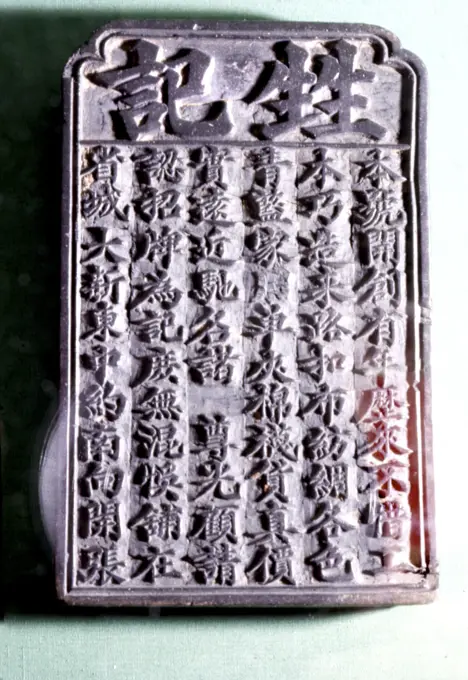
A collection of historical objects including a wooden printing block, a Qur'an case, pilgrim's badges, and ceramics, showcasing diverse cultural craftsmanship from various periods.
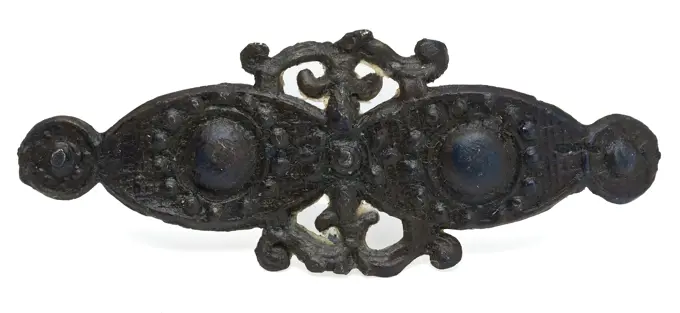
Pewter ornamental brooch, elongated two ovals with ball in the middle, brooch ornamental pin jewelry clothing accessory clothing soil find tin iron metal, cast Pewter brooch or fragment of tin fittings Elongated consisting of two connected ovals In the middle two spheres with remains blue paint . Curves in the middle archeology Rotterdam Stadscentrum Stadsdriehoek Spaarbankstraat Markt Binnenrotte adornment Soil discovery Inner rotte between former Spaarbank and Markt hoek Spaarbankstraat.
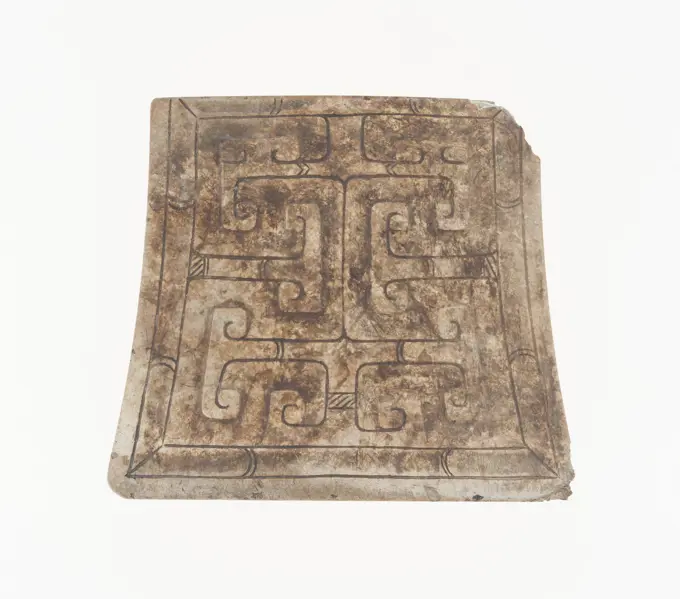
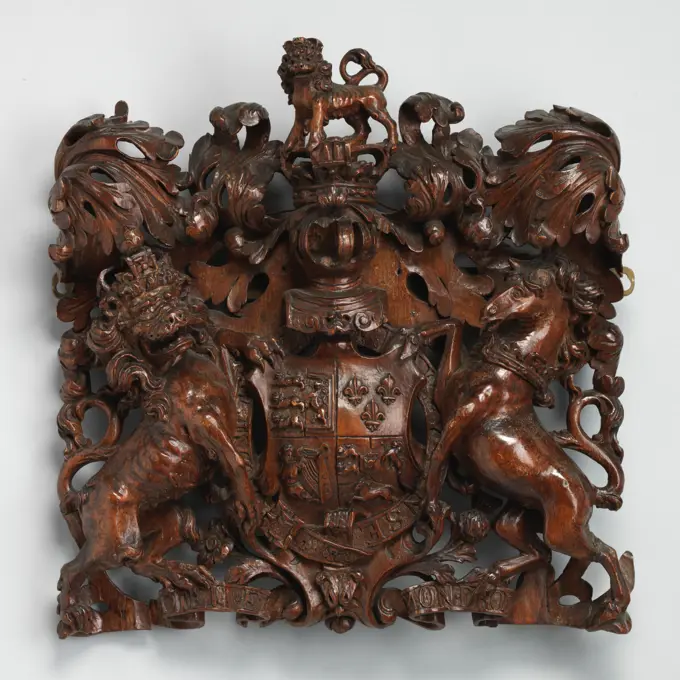
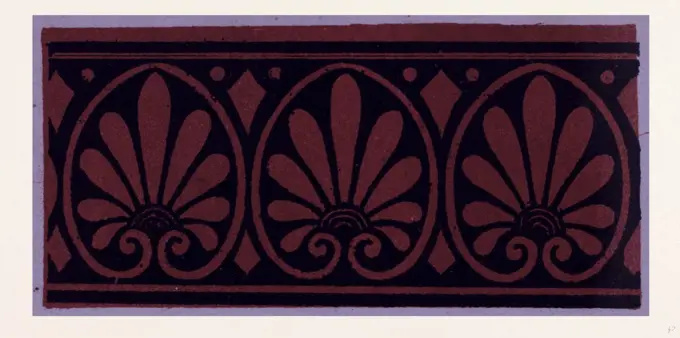
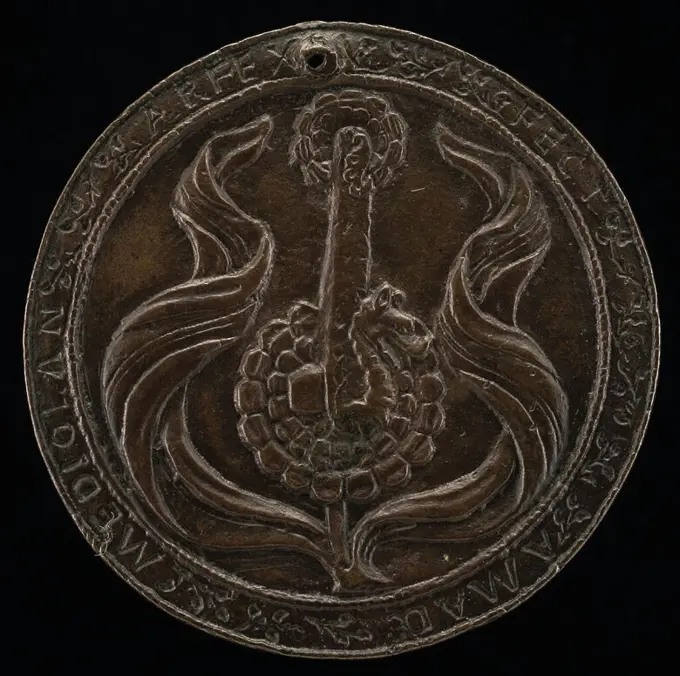
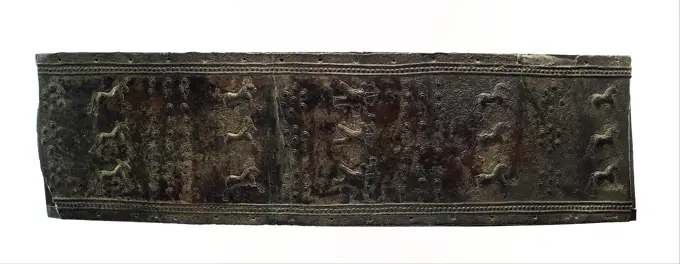
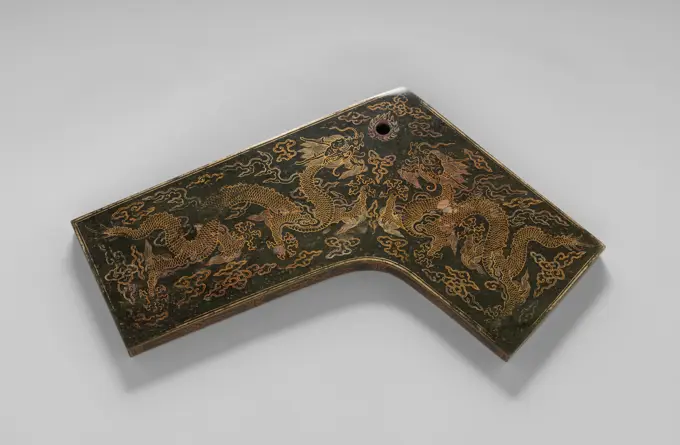
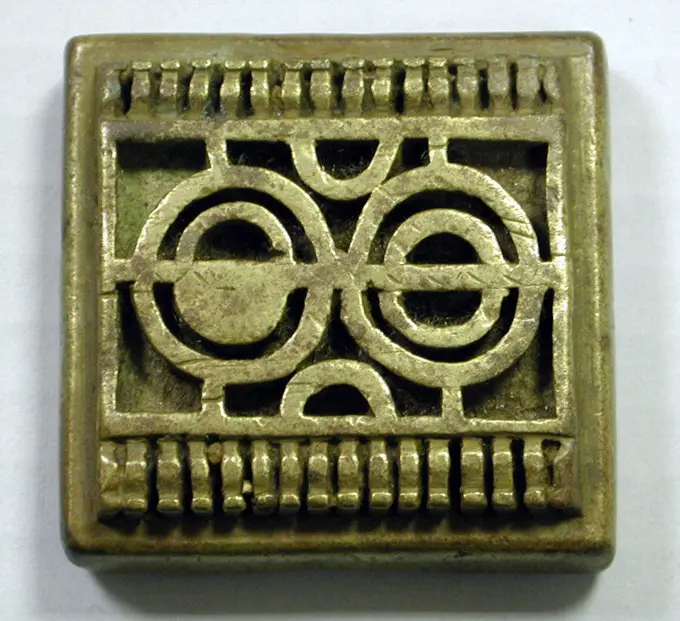
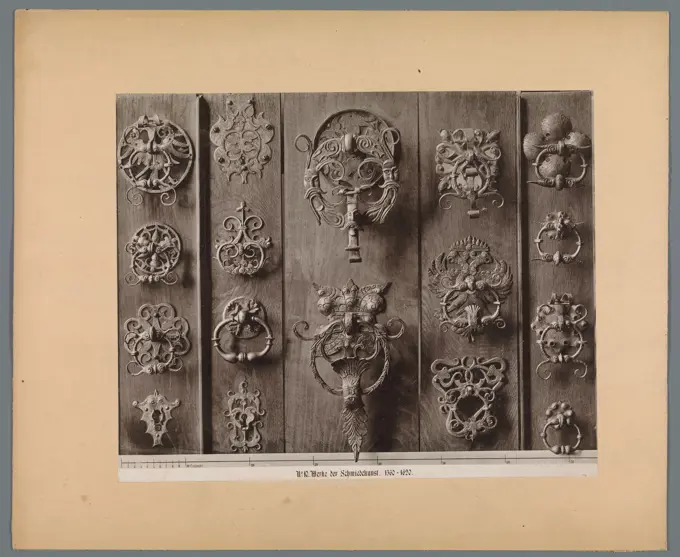
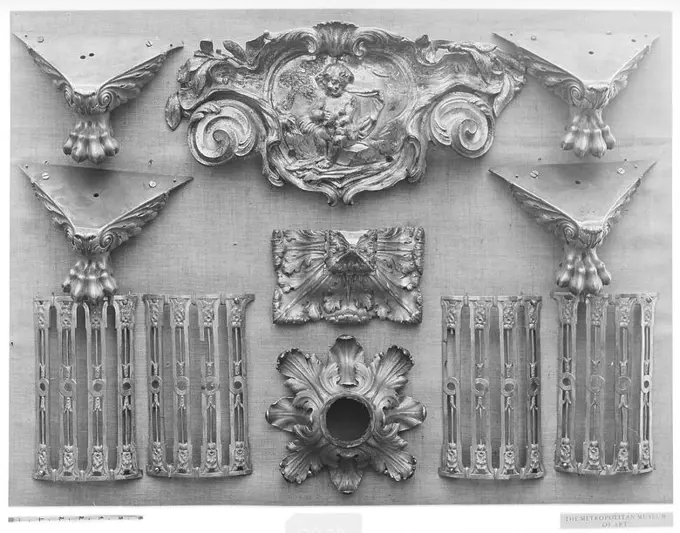
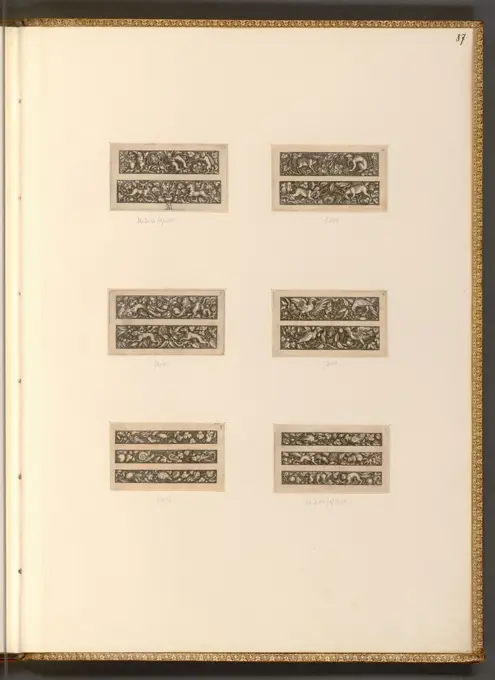
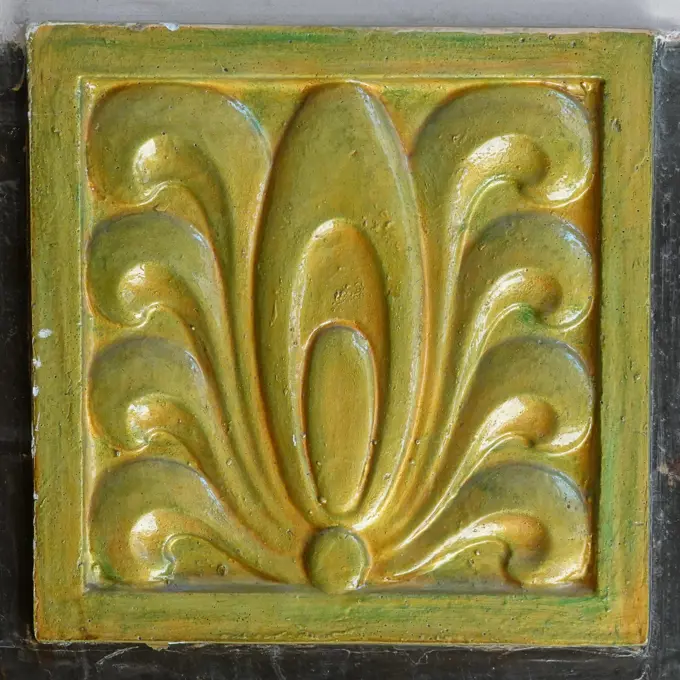
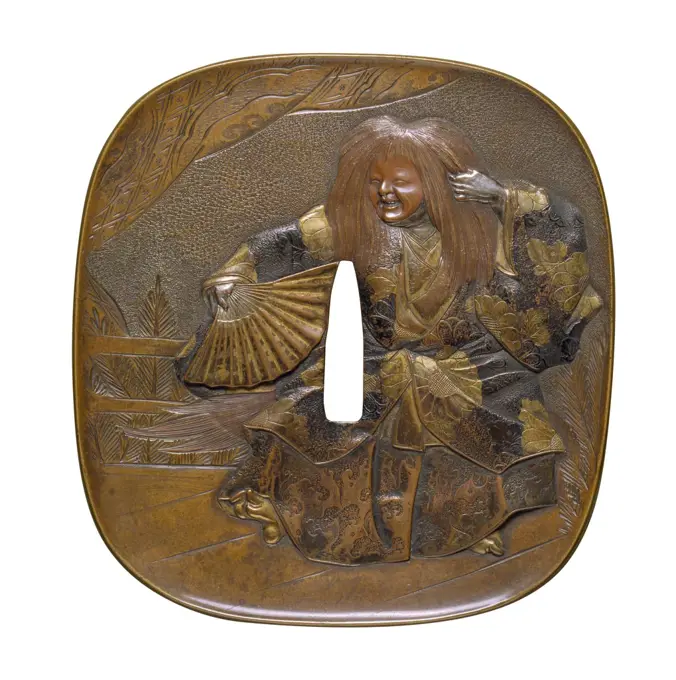
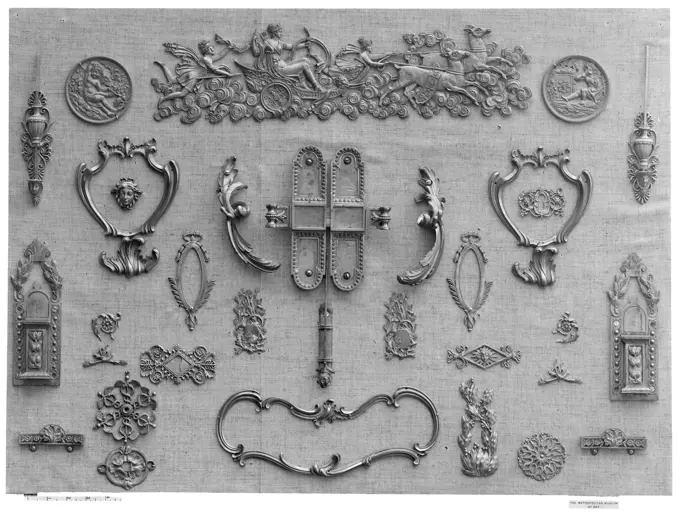
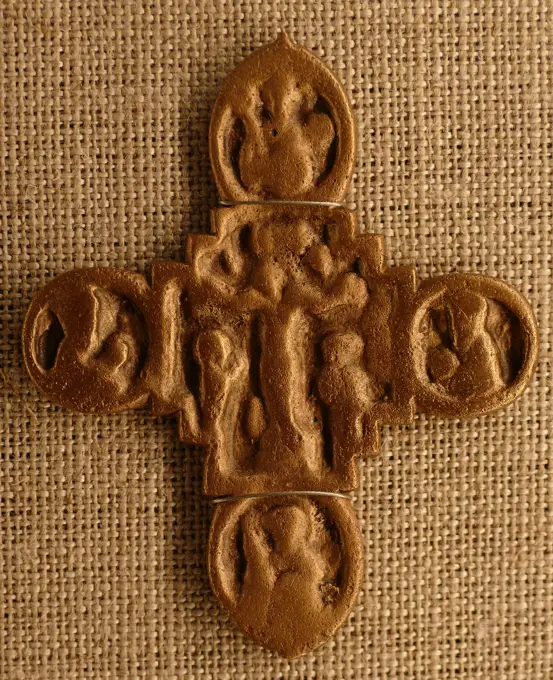
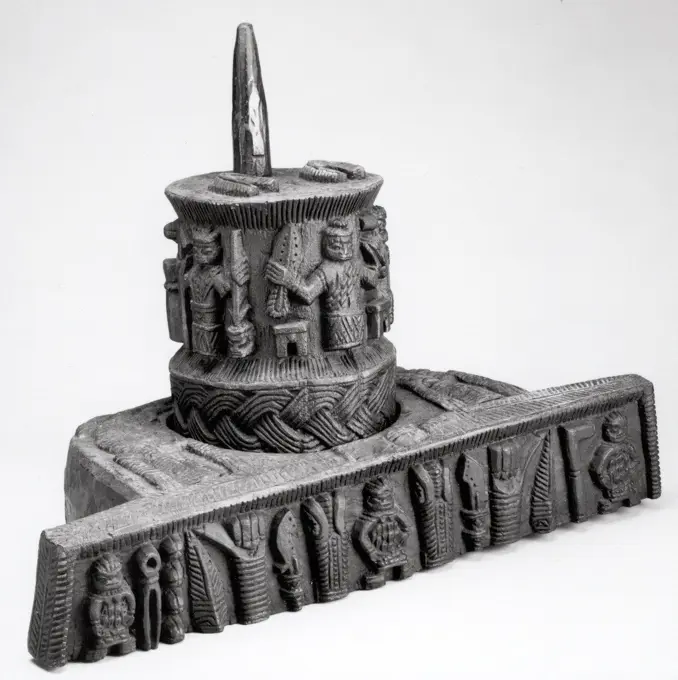
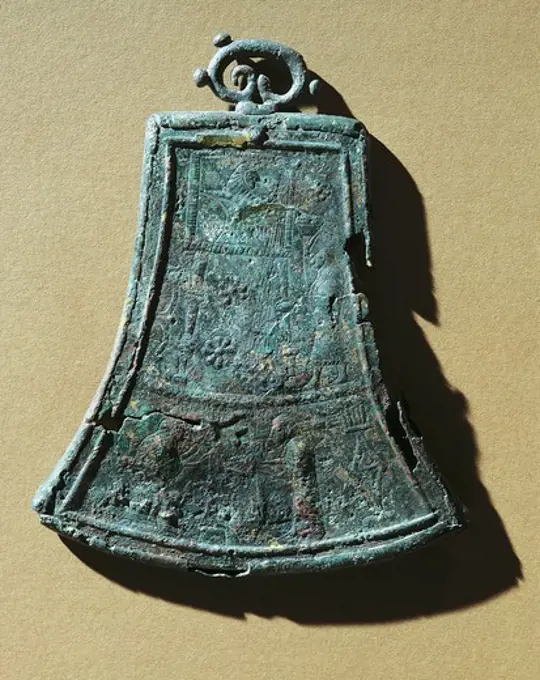
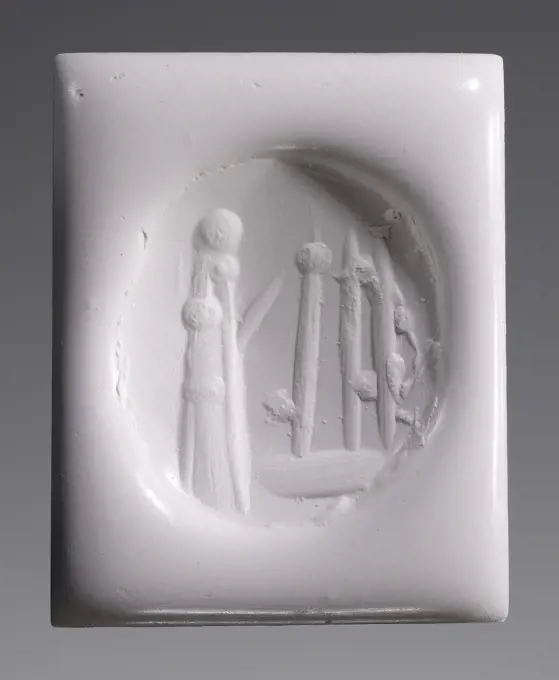
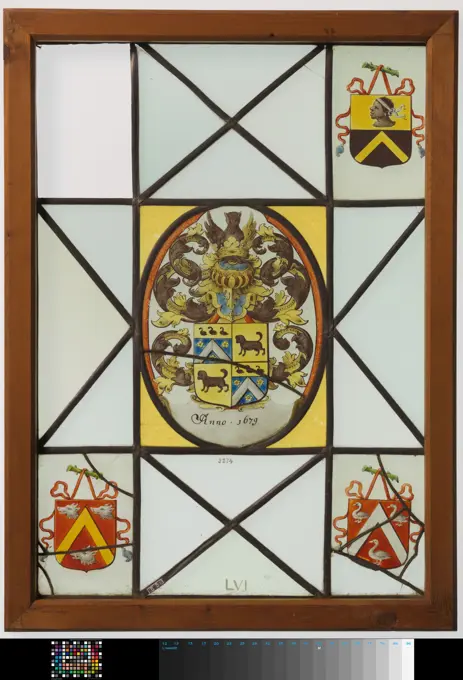
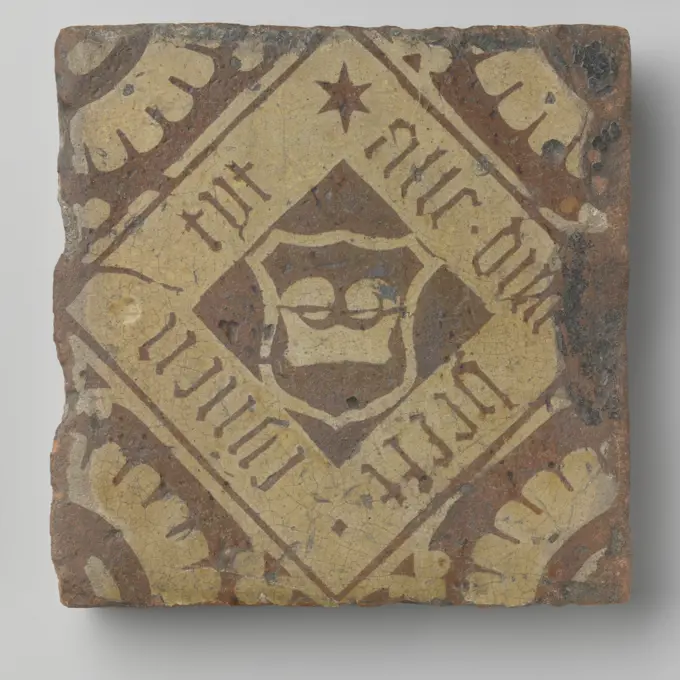
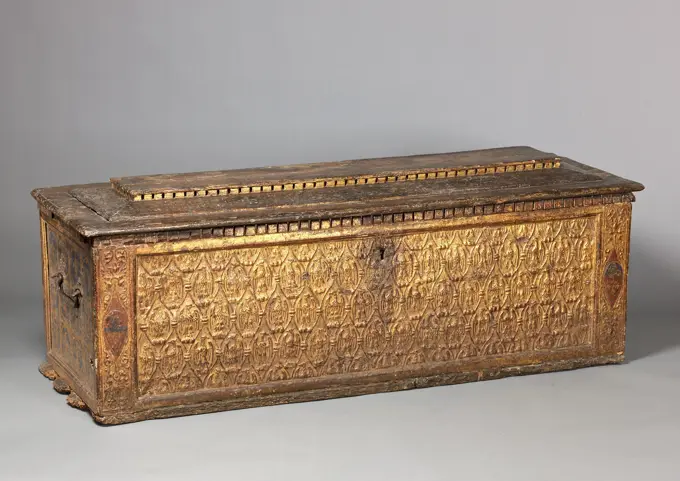
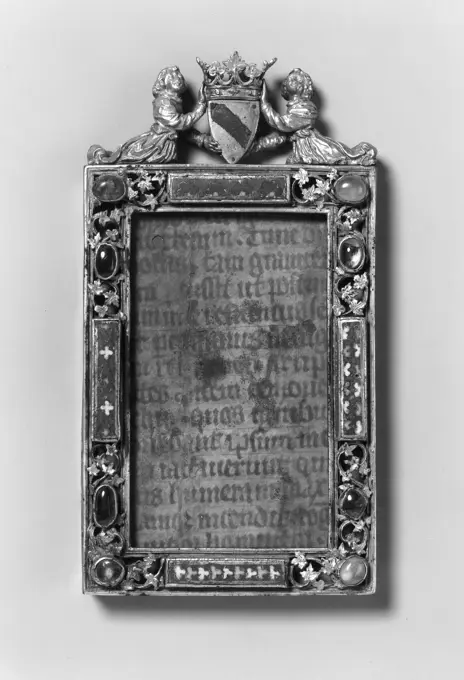
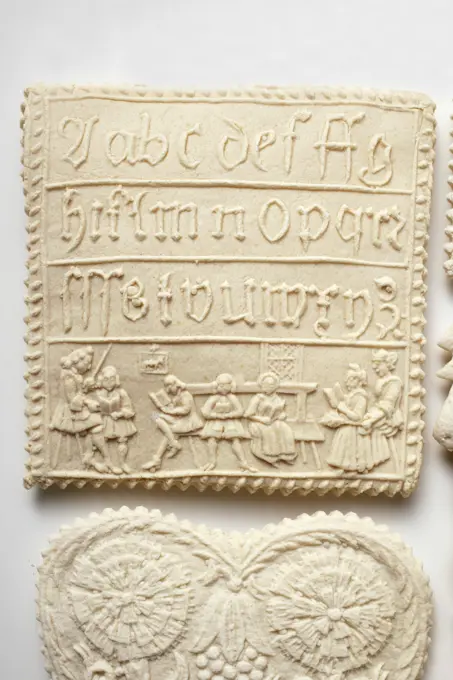
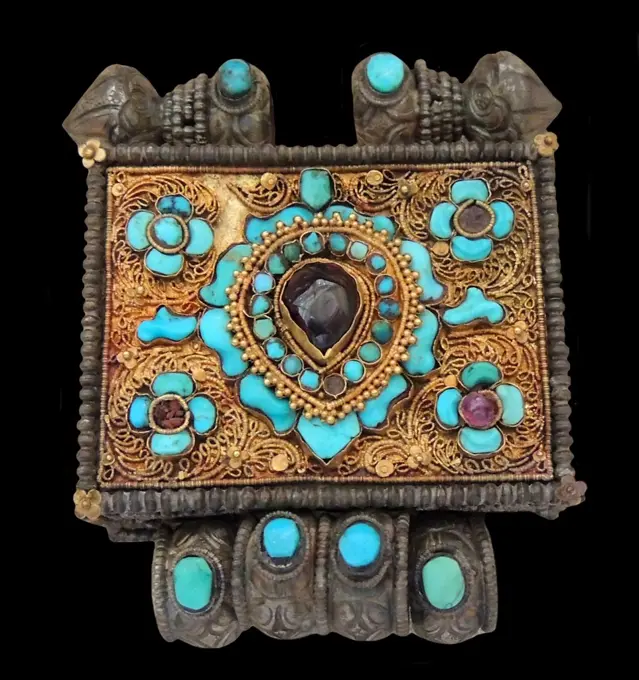
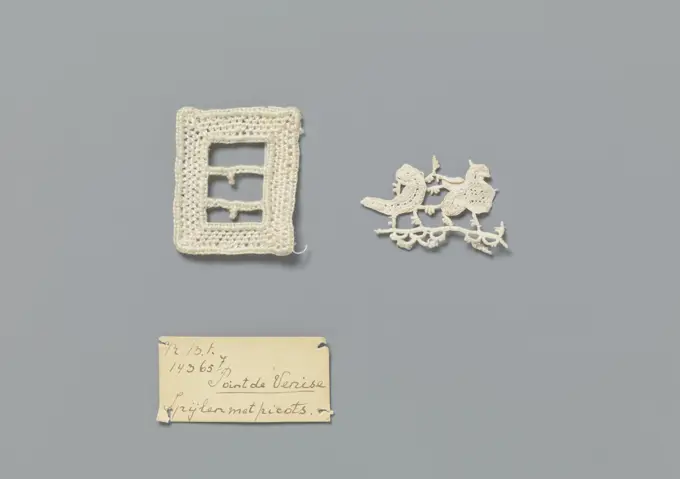
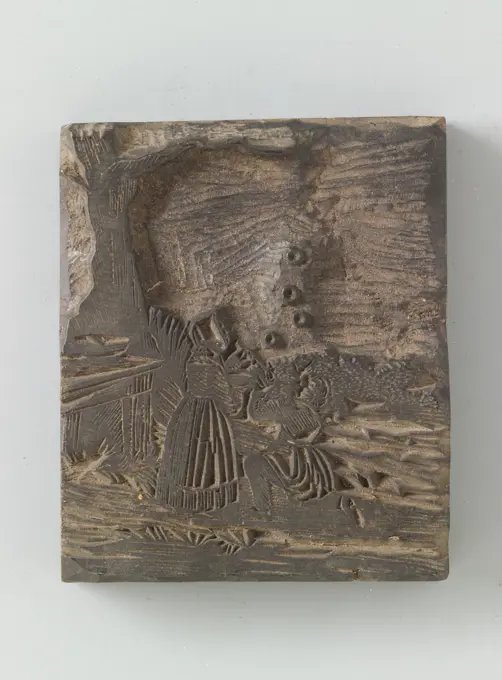
Two children balls, c. 1700 - c. 1899    wood (plant material)Plaque of the participant of the Shooting Championships of the Swiss Military Medical Chamber Huguenin Frères & CoScabbard Chape 206 BCE-9 CE China. Jade .Bird Ornament 6th-10th century Tiwanaku. Bird Ornament. Tiwanaku. 6th-10th century. Gold. Peru. Metal-OrnamentsBible illustrations, c. 1550 - c. 1699    wood (plant material)Printing block- wooden. JAPAN.Collar; silk, metal, linenPurse, Medium: silk and metal thread embroidery over paper on silk foundation Technique: embroidered in stem and knotting stitches and couching over paper on damask foundation, Small sheild-shaped purse of yellow silk satin damask embroidered in design of arabesques worked in silver thread with flowers in pink, blue and green silk, with the same design on both sides. Lined with pink silk and mounted on a hinged frame of engraved steel., France, early 18th century, costume & accessories, PurseItalian 16th Century, Door Knocker, 16th century Door KnockerTile with heart. Tile decorated with a heart surrounded by a double pointed oval. In two corners, a quarter of rosette.Armorial panel ca. 1730 British. Armorial panel. British. ca. 1730. Limewood. Woodwork-FurnitureDetail of Early Cutter. Dated: c. 1938. Dimensions: overall: 23.5 x 50.6 cm (9 1/4 x 19 15/16 in.) Original IAD Object: 72" long; 21" high. Medium: watercolor and graphite on paperboard. Museum: National Gallery of Art, Washington DC. Author: Dorothy Brennan.Box 1674 German. Box 198841Mount, Gilt bronze, Cornucopia, Europe, late 19th century, metalwork, Decorative Arts, MountGreek Ornament and Etruscan OrnamentMarigold and Doorknocker reverse. Dated: c. 1441. Dimensions: overall (diameter): 5.14 cm (2 in.) gross weight: 48.48 gr (0.107 lb.) axis: 12:00. Medium: bronze. Museum: National Gallery of Art, Washington DC. Author: Amadio da Milano.Loop.Pilgrim's Badge 14th-16th century French. Pilgrim's Badge. French. 14th-16th century. Lead. Metalwork-LeadPair of feet French 17th-18th century View more. Pair of feet. French. 17th-18th century. Gilt bronze. Metalwork-Gilt BronzeCoat of arms with empty field, anonymous, after Michiel le Blon, c. 1611 - c. 1625 print  Amsterdam (possibly) paper engravingBelt fragment ca. 7th century B.C. Urartian This is but one of hundreds of Urartian belts known to exist, all decorated with a variety of sceneshunts, animals, deities, etc. Here, in panels divided by patterns, lions and bulls are hunted by otherworldly winged creatures. Joining fragments of this belt exist in two other museums. The pieces were dispersed almost a century ago, when a Russian scholar claimed the belt along with other Urartian material derived from a site at Gushi on the northwestern shore of Lake Urmia in northwest Iran. The belt may have been made in the seventh century B.C.. Belt fragment 324242Chime (Qing) for Linzhong (8th note in the 12-note scale) dated 1716 China The manufacture of sonorous stones for decoration or music from carved or cut jade may be traced to the end of the late Eastern Zhou period (ca. 771-221 B.C.) and followed in a tradition of L-shaped stone chimes known from about 1700 B.C. The great importance of sonorous substances such as wood and stone among the percussion instruments of East Asia stems from the religious belief that, through this vibrating matter, nature itself speaks to the human ear. Highly polished slabs were decorated with tiger, lion, or dragon motifs.. Chime (Qing) for Linzhong (8th note in the 12-note scale). China. dated 1716. Jade with incised gilded design. Qing dynasty (1644-1911), Kangxi period (1662-1722). JadeIron Stand. Dated: c. 1938. Dimensions: overall: 50.7 x 38 cm (19 15/16 x 14 15/16 in.). Medium: graphite on paperboard. Museum: National Gallery of Art, Washington DC. Author: Roy Weber.Gold Weight: Geometric 18th-19th century Akan peoples. Gold Weight: Geometric. Akan peoples. 18th-19th century. Brass. Ghana. Metal-ImplementsDecorative door boss and nail, Wrought iron, Square pierced and shaped mount, hammered and wrought lines at four corners to form quadrated designs of leaf-like elements. Nail with notched square head and square shank., Spain, ca. 1550-1700, metalwork, Decorative Arts, Decorative door boss and nailSilver -plated coffin metal sheet with the Lubicz coat of arms from the collection of Mathias Bersohn, then from the Zdzis Awa Wolski collection, in the collections of the National Museum in Warsaw since 1916;  Not after 16.05.1922 (1920-00-00-1922-00-00);Indian ornamentBorder (Germany); embossed, die cut; 45 x 35.5 cm (17 11/16 x 14 in.)Wrought iron door fittings, c. 1875 - c. 1900 photograph  Germany cardboard. paper. printing ink collotype door-knocker, doorbell. metalwork of a door GermanyOrnament. Culture: French. Dimensions: Diameter: 9 in. (22.9 cm). Date: 18th century. Museum: Metropolitan Museum of Art, New York, USA.Fragment of a Pulpit. Dimensions: H. 47 1/2 in. (120.7 cm)W. 12 3/8 in. (31.4 cm)D. 3 1/4 in. (8.3 cm)Wt. 20 lbs. (9.1 kg). Date: dated A.H. 546/A.D. 1151.This fragment comes from a minbar, or pulpit, from which announcements and Friday sermons were delivered to the Muslim community. This section with part of a Qur'anic verse inscribed on it would have formed part of the minbar's side. The patron of the minbar, Abu Bakr b. Muhammad, was related to Sultan Sanjar. Museum: Metropolitan Museum of Art, New York, USA.Etching by Michiel le Blond from 1600-1650 showing decorative ornaments with stylized floral and geometric elements.England, London, Tower of London, The White Tower, Display of Medieval Bronze Cannons and Guns, Carving DetailBelt Buckle with Animal Combat Scene 3rd-2nd century B.C. China. Belt Buckle with Animal Combat Scene. China. 3rd-2nd century B.C.. Bronze. MetalworkBudapest, Wohnhaus Goldmann, Dozsa György ut 17 von Gyula Karvaly 1911 // Budapest, Goldmann Apartment House Dozsa György ut 17 by Gyula Karvaly 1911 *** Budapest, Goldmann Apartment House, Dozsa György ut 17 by Gyula Karvaly 1911 Budapest, Goldmann Apartment House Dozsa György ut 17 by Gyula Karvaly 1911Recto, Front Tsuba (Hand Guard for Sword), 1800-1900 Recto, In relief, a Shojo dancer (Verso- A sake jar, cup and ladle.), Applied Arts, Asia, Arms, Armour, Sword, Metal, Resin, JapanPair of clock ornaments French 18th century View more. Pair of clock ornaments. French. 18th century. Gilt bronze. Metalwork-Gilt BronzeAlfred Parys, Tavern Sign, c 1940 Tavern SignKnocker 1775-1800Shrine with a Seated Male Deity, 1300s-1400s. South India, Kerala Style, c. 14th-15th century. Bronze ; overall: 53.5 x 23 x 21.5 cm (21 1/16 x 9 1/16 x 8 7/16 in.).Enkolpian Russian Orthodox, Veliky Novgorod, cross. Cast bronze, 14th-16th centuryEsquila, cencerro pequeño, Marqués del Collar. Museu Català de les Arts i Tradicions Populars.Altar to the Hand (Ikegobo) 19th century Edo peoples In the royal kingdom of Benin, cylindrical "altars to the hand," or ikegobo, are created to celebrate a person's accomplishments and successes. Ikegobo are dedicated to the hand, the aspect of an individual's being associated with action and the initiation of change which is at the root of one's achievements. Depending on a patron's wealth and place within the hierarchy of the kingdom, these objects are made of brass, wood, or clay.. Altar to the Hand (Ikegobo) 316581SACRA EN PLATA CINCELADA PUNZON TOLEDANO. Location: CONVENTO DE SAN CLEMENTE-MUSEO. Toledo. SPAIN.Villanovian civilization, bronze bell with reliefs of female activities from Arsenale Militare necropolis, Bologna, ItalyShrine of St. Patrick's Bell. Front View,Pair of pilaster capitals. Culture: French. Dimensions: Overall (each): 9 × 19 in. (22.9 × 48.3 cm). Date: 18th century. Museum: Metropolitan Museum of Art, New York, USA.Faceted Pendant Stamp; Europe; 20th century; Chalcedony; 2 x 1.4 x 1.5 cm (13,16 x 9,16 x 5,8 in.)Window with weapons of Boudaen and Courten, Anonymous, 1679 One oval window and four small windows with weapons from Boudaen and Courtes.  glass. lead (metal). One oval window and four small windows with weapons from Boudaen and Courtes.  glass. lead (metal).A channel with an eagle shaped jewel  a nave vault, Basilica. Assumption of the Virgin Mary (Mariacki), KrakówGlass Fragment 14th century European. Glass Fragment. European. 14th century. Pot metal glass. Glass-StainedFloor tile: all Dinc-Heft sijnen-Tijt, Anonymous, 1500-1560 Floor tile decorated with a squared with a weapon around which the inscription: all Dinc-Heeft-sijnen-Tijt. In the corners, a quarter rosette. Netherlands earthenware. lead glaze Floor tile decorated with a squared with a weapon around which the inscription: all Dinc-Heeft-sijnen-Tijt. In the corners, a quarter rosette. Netherlands earthenware. lead glazeButton Kras AwFamily album with 47 photos from Dutch to this.Decorative element wearing republican symbols, 1848 (dummy title) Anonymous. Decorative element wearing republican symbols, 1848 (obverse).Cassone ca. 1425-50 Italian (Tuscany, Florence or Siena) Cassone is the term given to large decorated chests made in Italy from the fourteenth to the sixteenth centuries. Next to the marriage bed, cassoni were cherished in wealthy Renaissance households, for they held clothing, precious fabrics, and other valuables. Often commissioned by the groom in marriage, a cassone was prominently carried in the nuptial procession, laden with the dowry of his new bride. In the fifteenth century, whole workshops were given over to the manufacture and decoration of cassoni.Italian Renaissance workshops produced cassone front panels painted with episodes from classical or biblical history and mythology, evidently felicitous narratives for the newly married. Other cassone designs featured ornamental and figural carvings and inlays of various kinds, as in this splendid example from the Robert Lehman Collection. This cassone is embellished with a pattern of facing eagles, two armorial shields referencinOld bookes. Old bookes cover isolated on White.. Copyright: xZoonar.com/MikhailxPogosovx 15242471Wall Tile 15th century Spanish. Wall Tile 463185Bundle of wiresEnamelled frame with angels holding coat-of-arms 13th century, second half French. Enamelled frame with angels holding coat-of-arms 460600Old vintage key skeletons set. Vector sketch style. Isolated on white background. Old vintage key skeletons setLookingglassSword Guard (Tsuba) 19th century Japanese A tsuba is a sword guard and part of a sword mounting. It is mounted between the swords blade and grip to protect the users hands.. Sword Guard (Tsuba) 34422Double-Sided Ivory Liturgical Comb with Scenes of Henry II and Thomas Becket. Culture: British. Dimensions: Overall: 3 3/8 x 3 3/8 x 1/2 in. (8.6 x 8.6 x 1.2 cm). Date: ca. 1200-1210.Liturgical combs were used by priests before celebrating mass. This comb with two scenes of the life of Saint Thomas Becket-one showing Henry II naming him archbishop of Canterbury, the other of his martyrdom-is remarkable for the accuracy of the events portrayed. The classicizing naturalism of the figures and floral ornament are important features of the Gothic style of English art around 1200. Museum: Metropolitan Museum of Art, New York, USA.Assorted Springerle cookiesGrahal-Manzara. Carnavalet 2013-2016 collection sites. Numismatics.Shield of Don Juan from Austria. Part of travel album with recordings of artworks, people and sights in Spain.Amulet case from Tibet, 18th century AD. These carried a clay image or part of a sacred text.Steel needle side with coarse wire made as an example of bars with picots as used in Venetian needle side, anonymous, c. 1925 - c. 1929 sample Steel natural -colored needle side. Rectangular model. Two parallel -running bars were made in a rectangular frame, with feston stitches on a ban and one picot on each bar. The frame also consists of feston stitches, where the stitches at the inner and outer edge are worked for a wire. The indoor and outer edge thus form slight relief contour lines. The steel is made with coarse wire as an example of bars with picots as used in Venetian needle side. The steel includes a fragment side in which this technique is used. Netherlands (possibly) linen (material) Venetian needlepointGlass Fragment 15th-16th century European. Glass Fragment. European. 15th-16th century. Glass, silver stain. Glass-Stained