Historical Artifacts

Fragments of ancient artifacts including wood and pottery, showcasing historical craftsmanship and details.

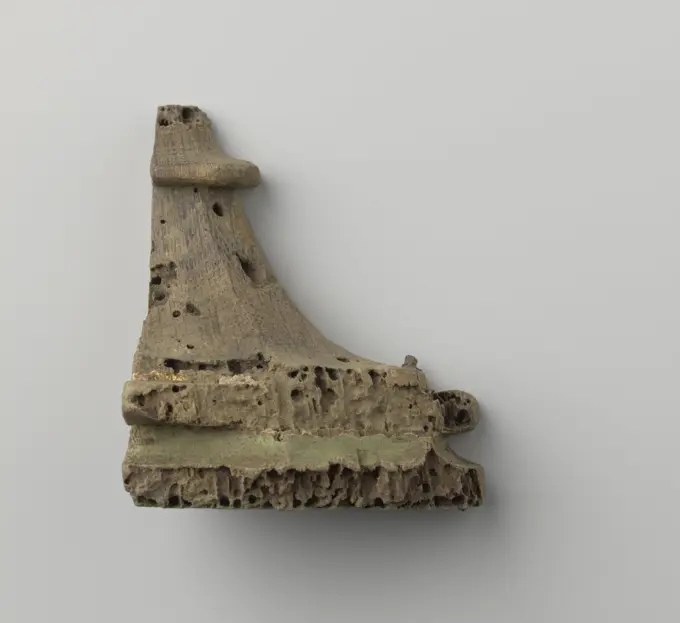
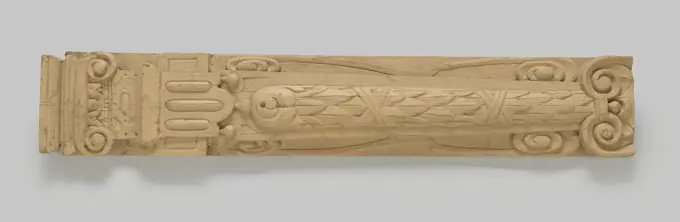
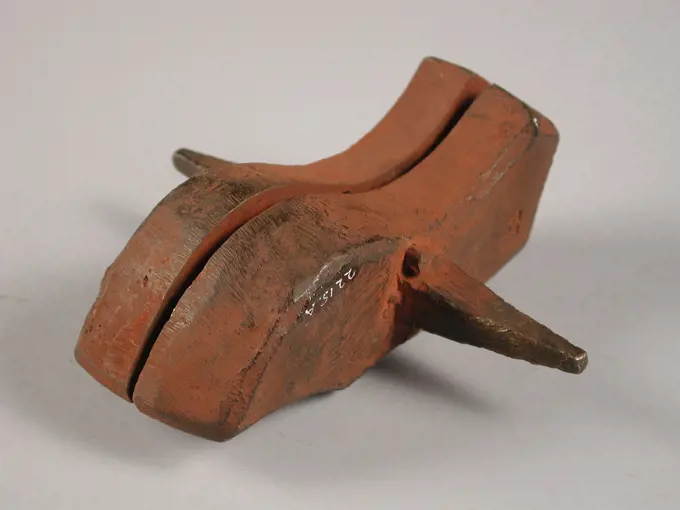
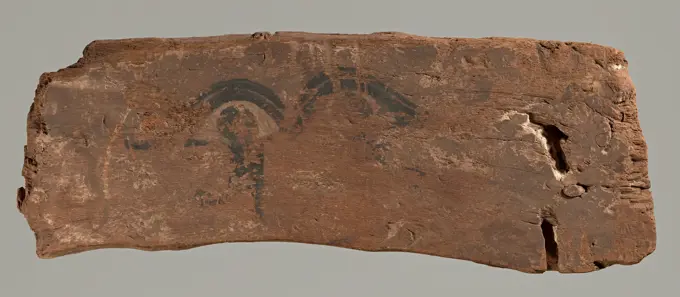
Fragment; (possibly) belonging to the retable of Soest, c. 1475 - c. 1499   wood (plant material)   wood (plant material)
Fragment; (possibly) belonging to the retable of Soest, c. 1475 - c. 1499 wood (plant material) wood (plant material)
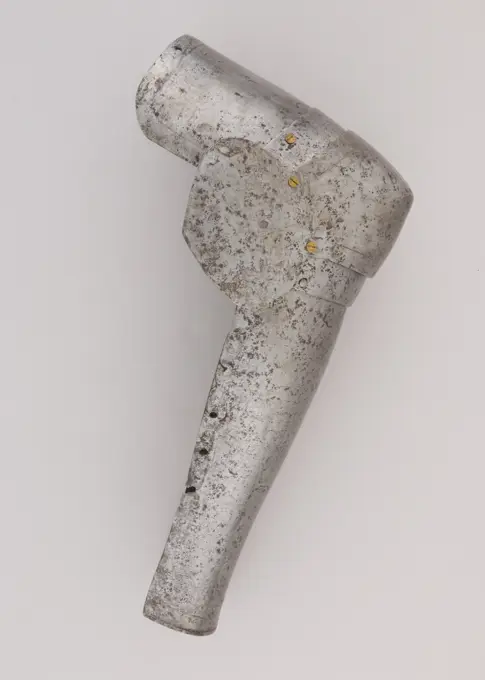
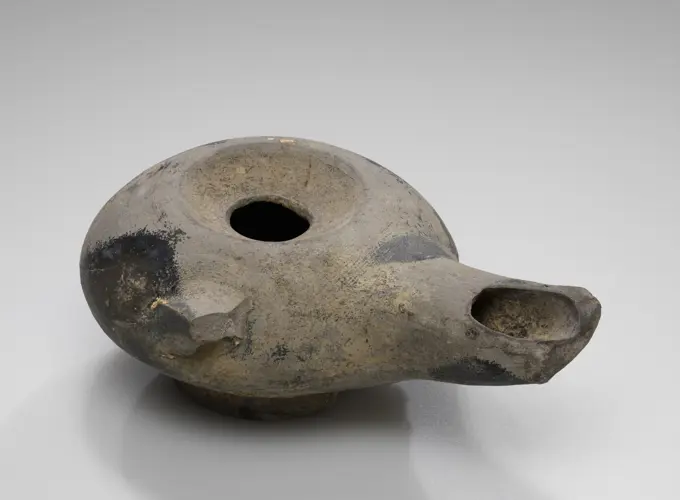
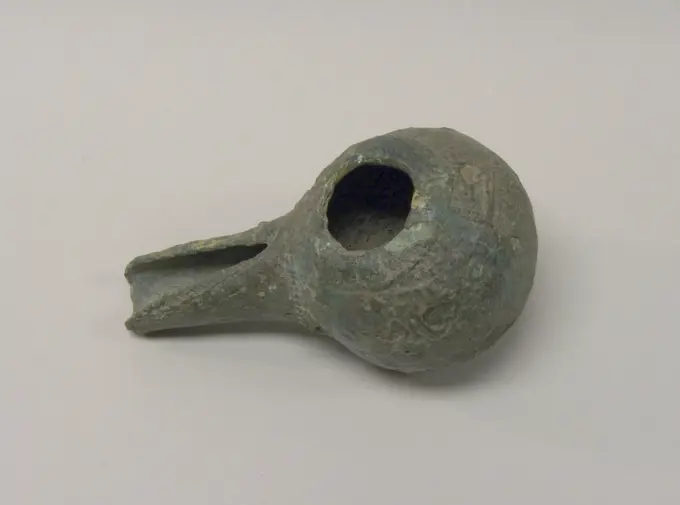
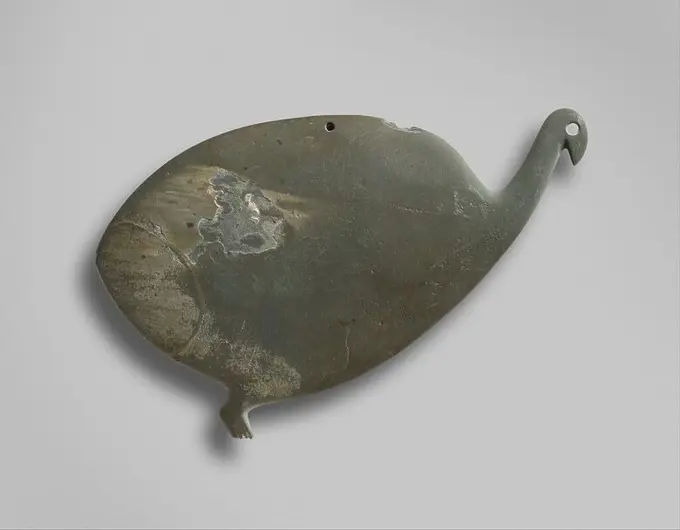
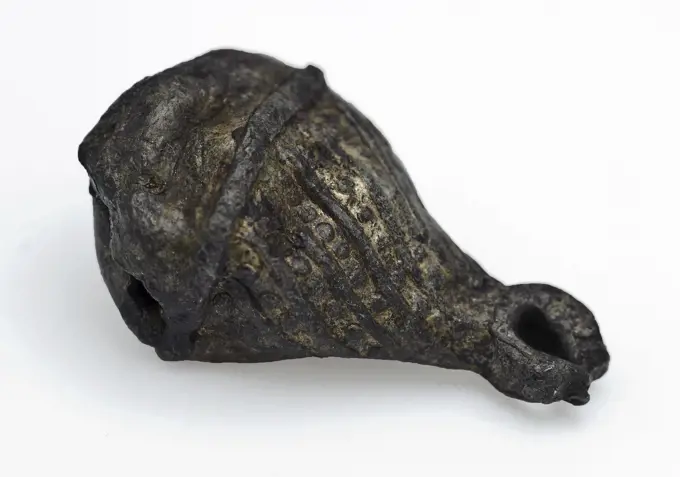
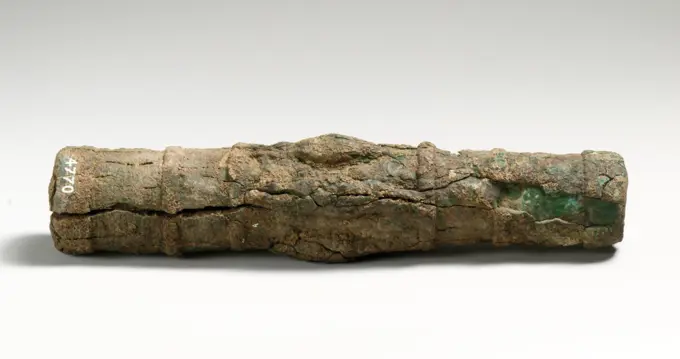
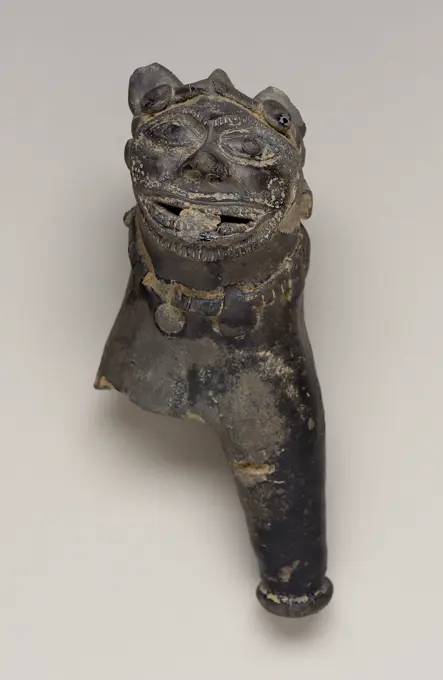
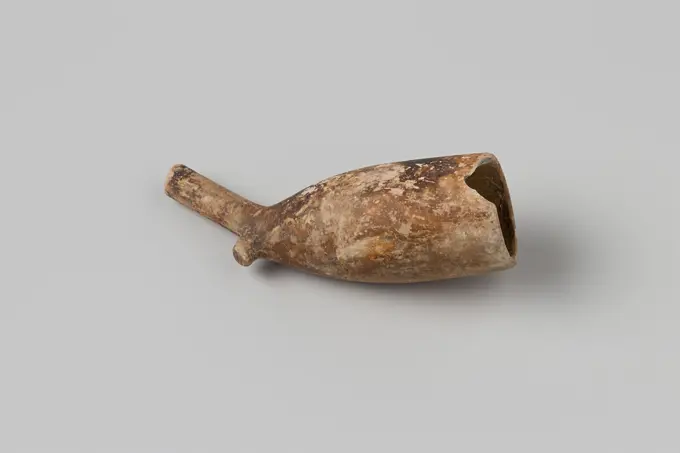
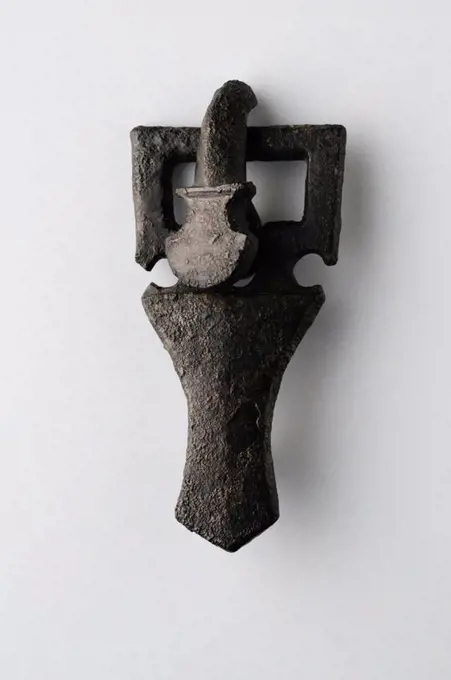
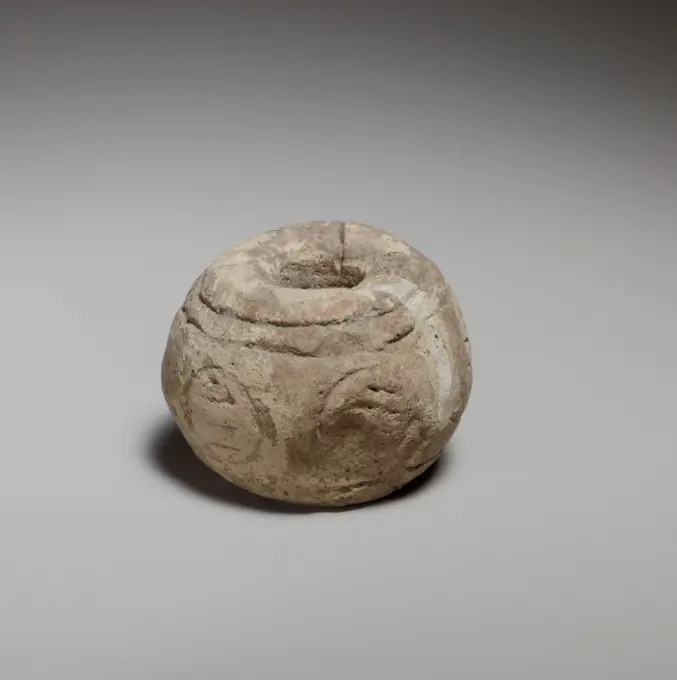
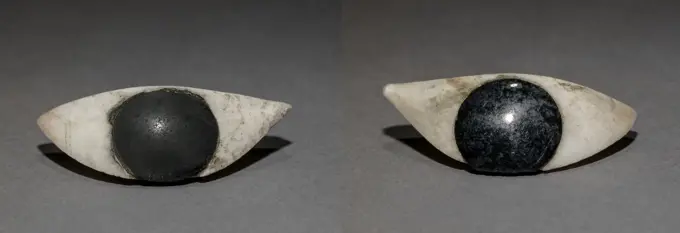
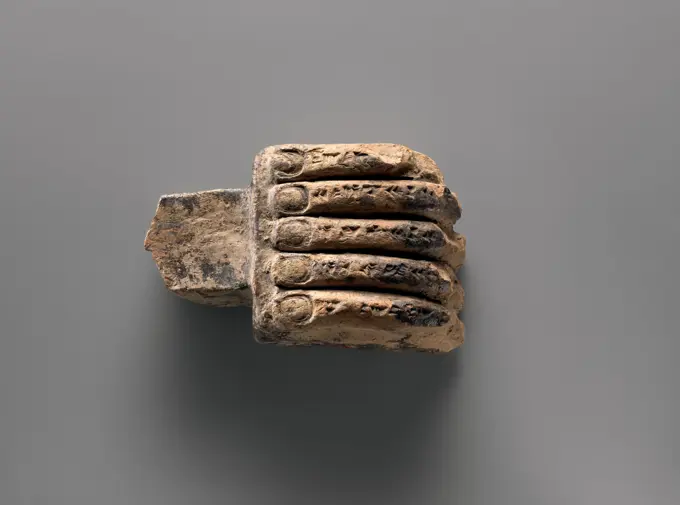
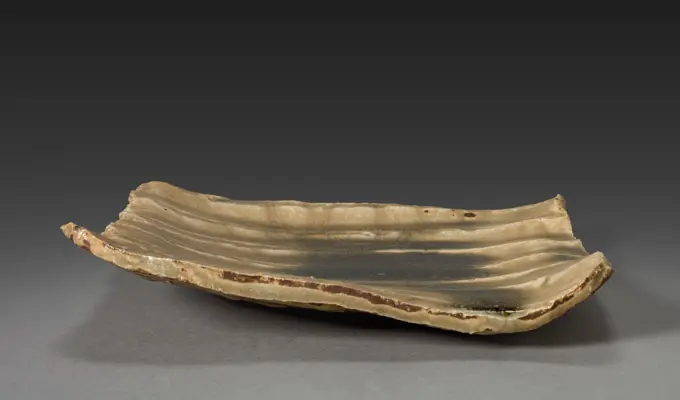
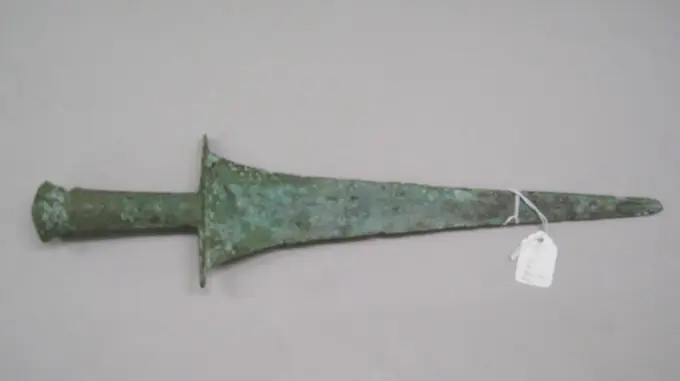
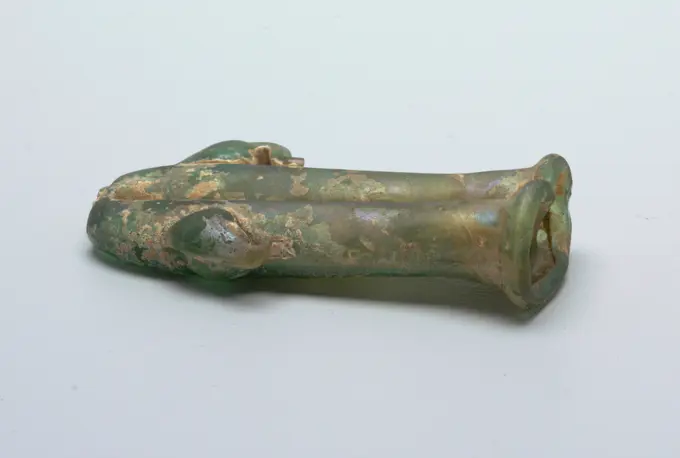
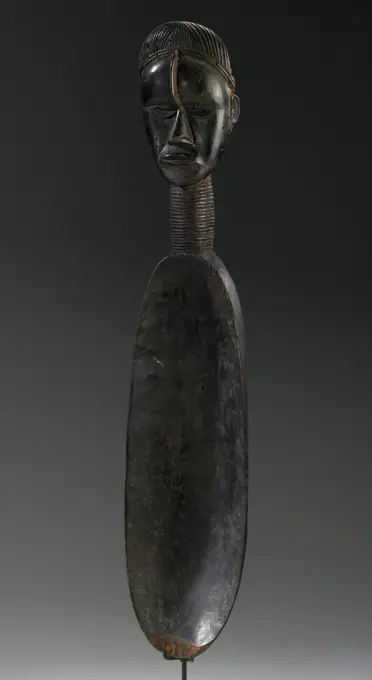
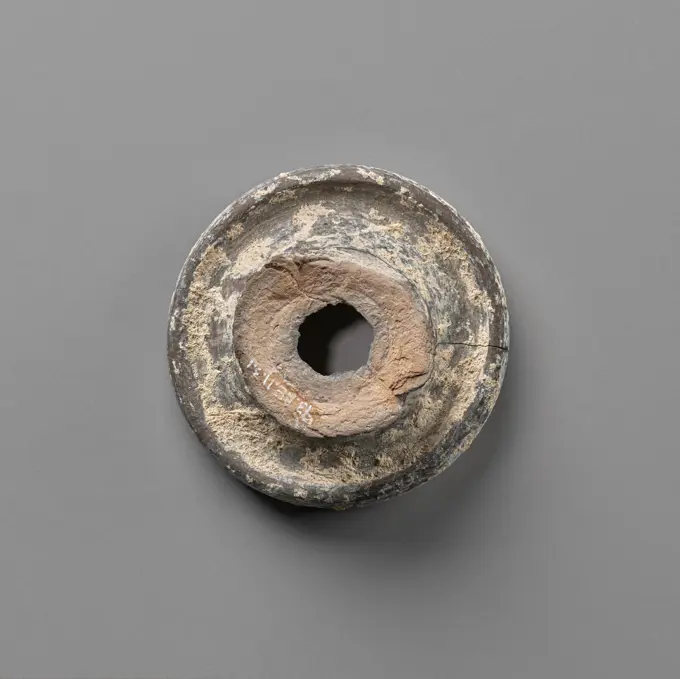
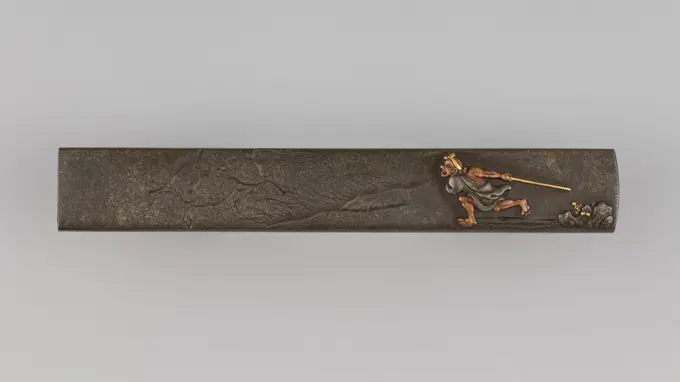
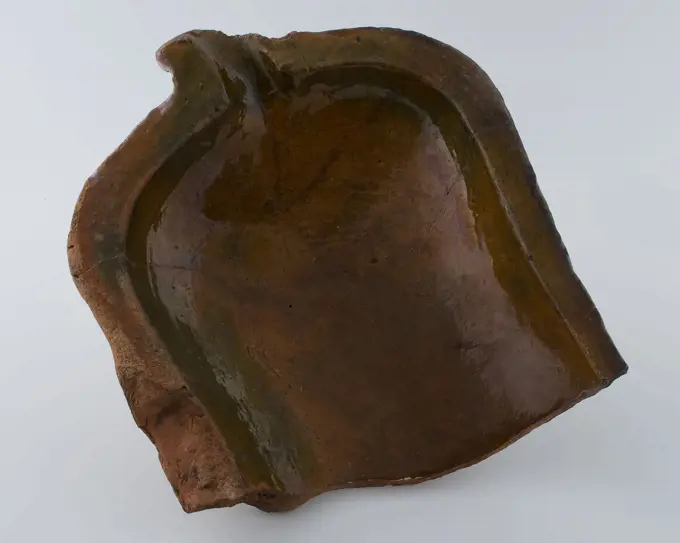
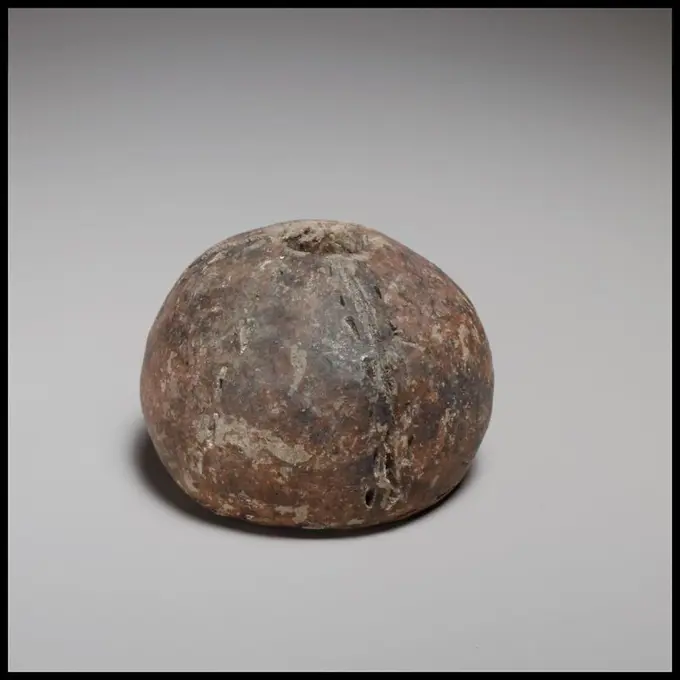
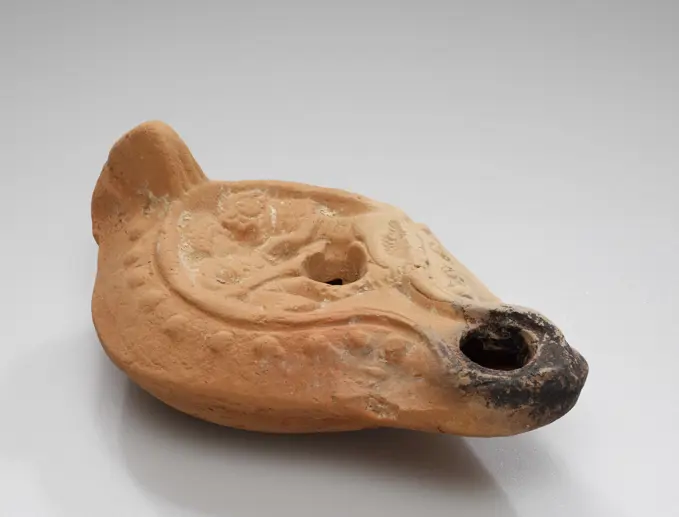
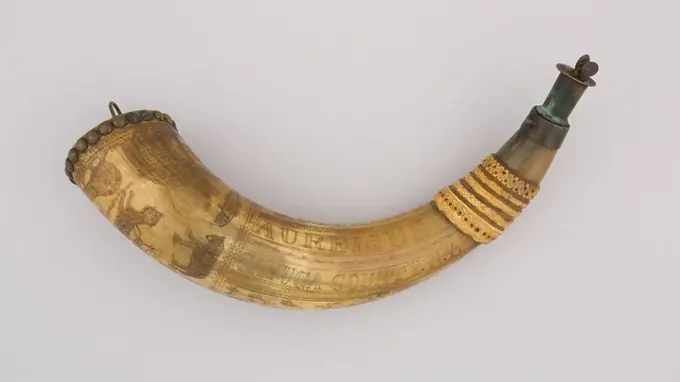
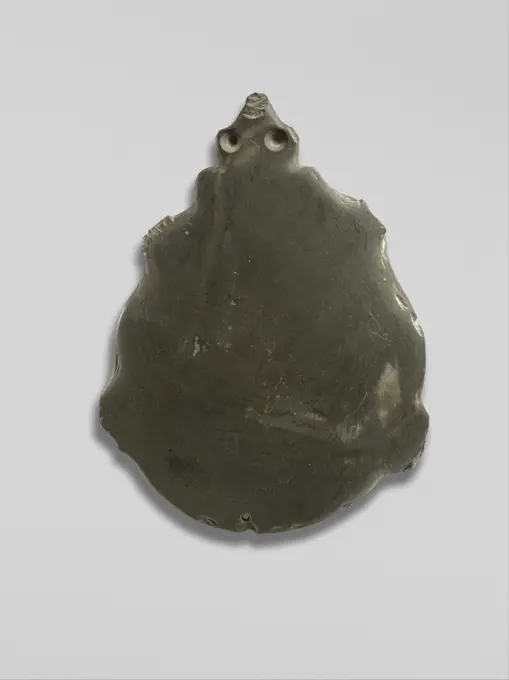
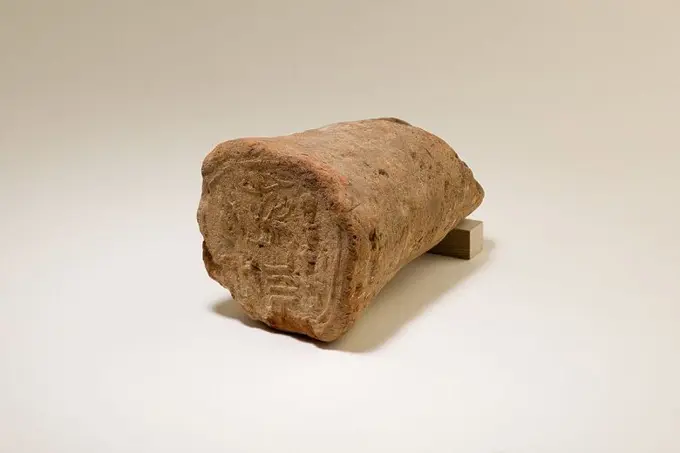
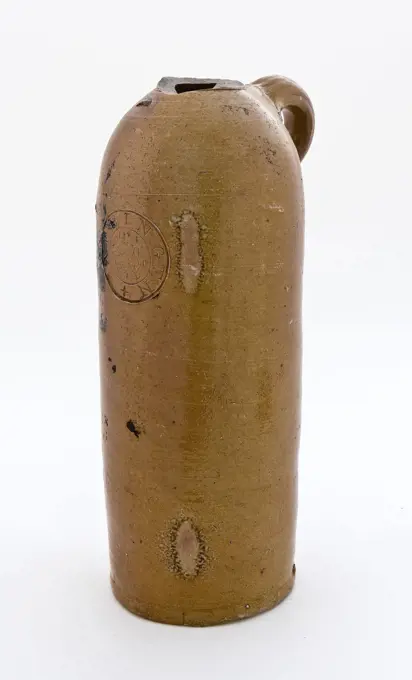
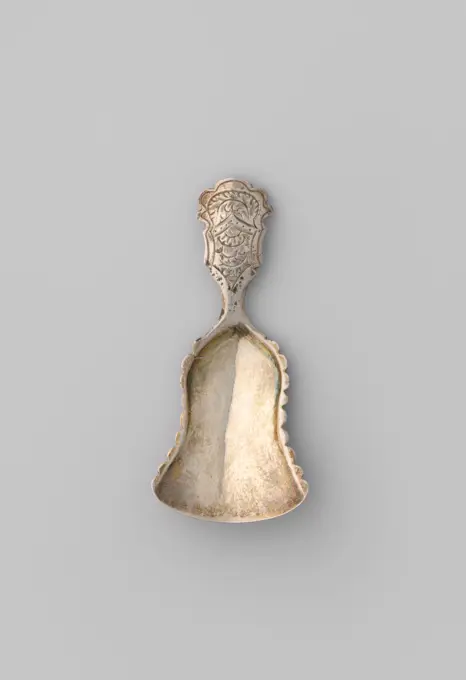
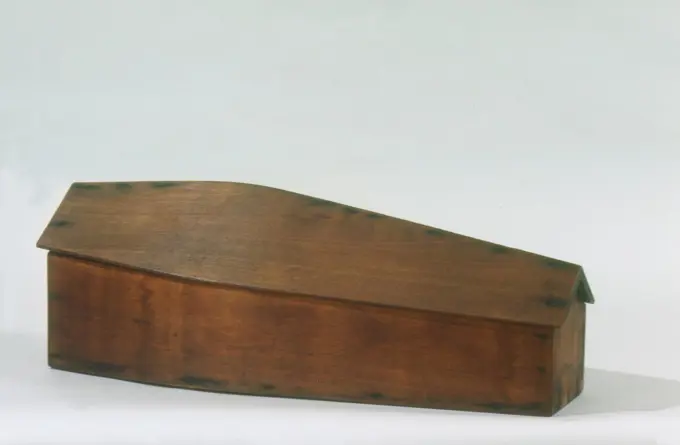
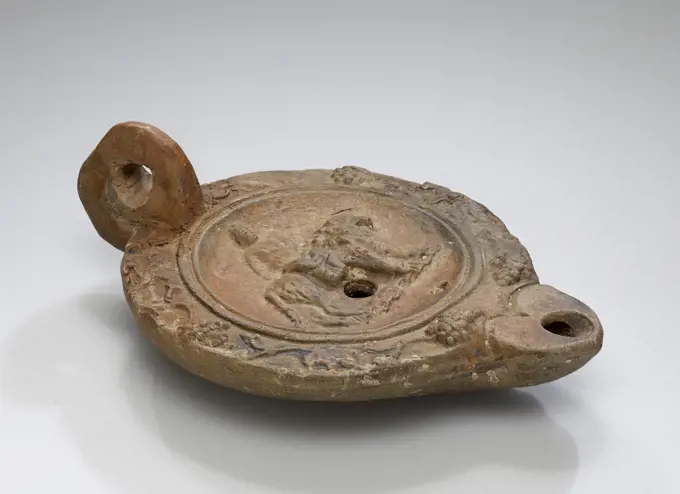
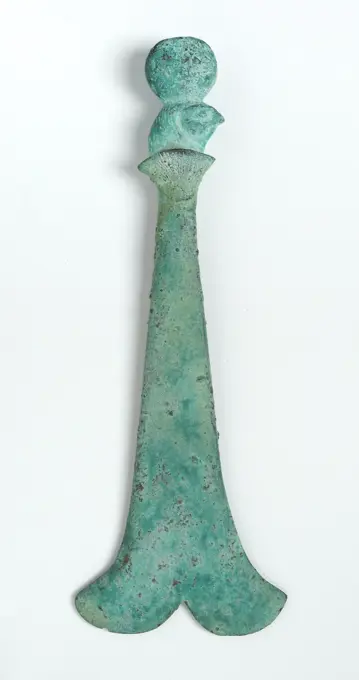
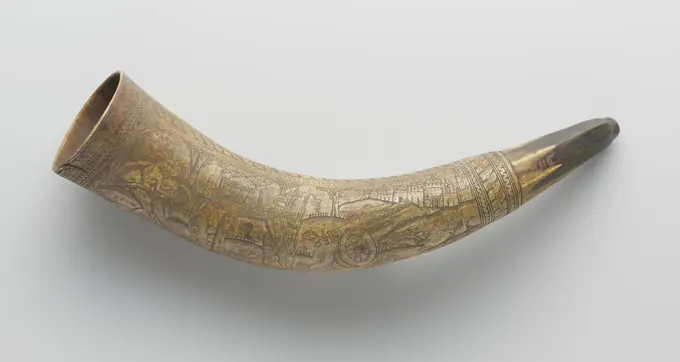
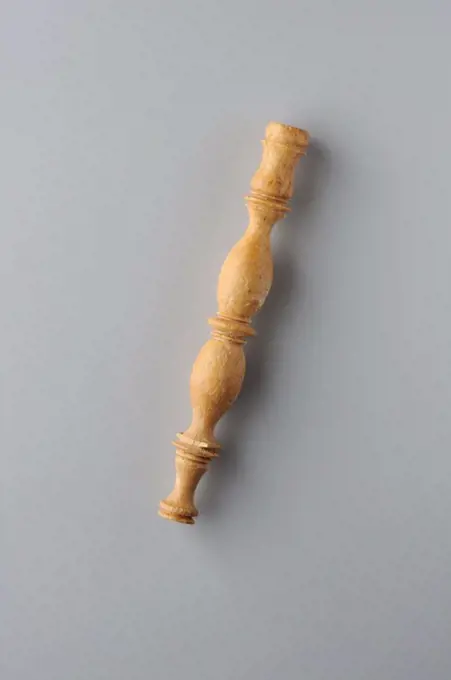
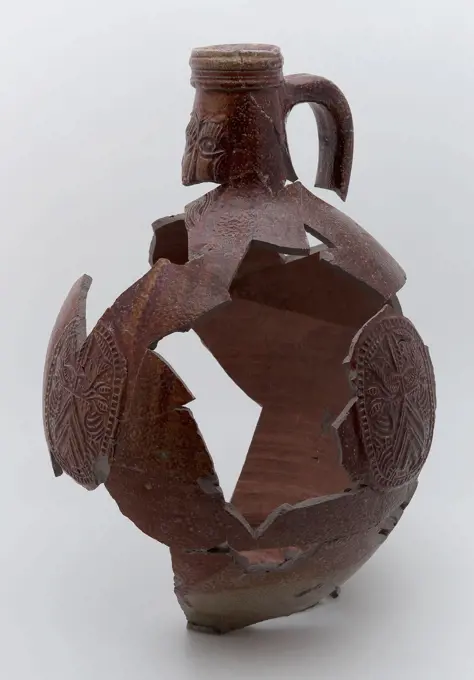
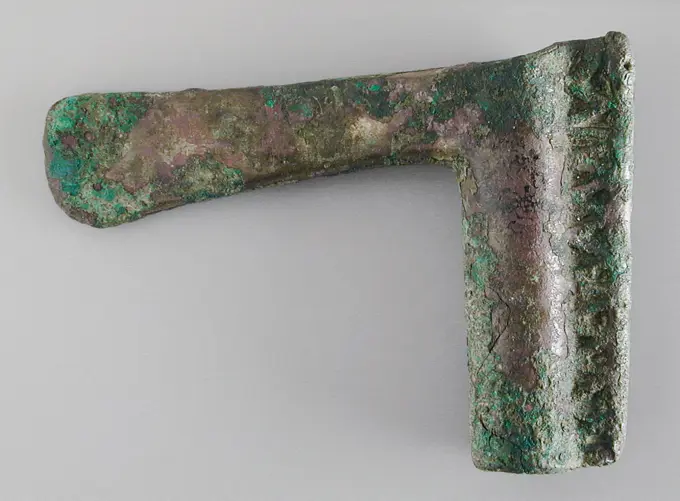
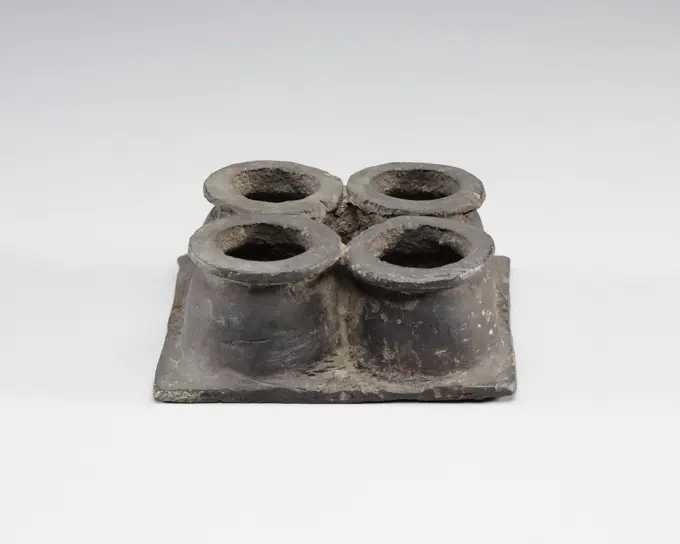
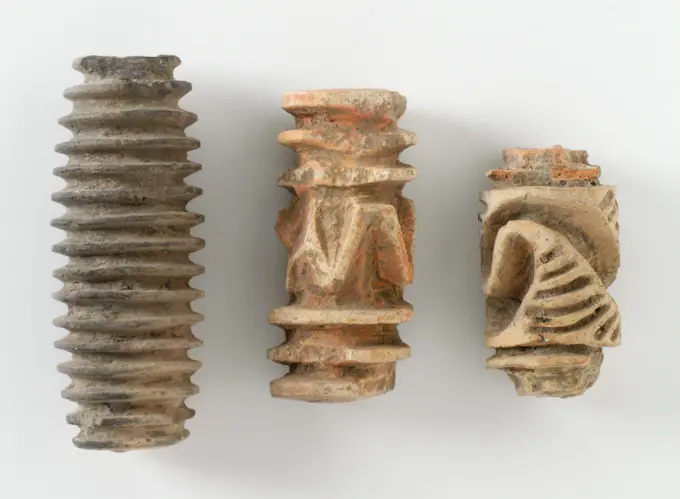
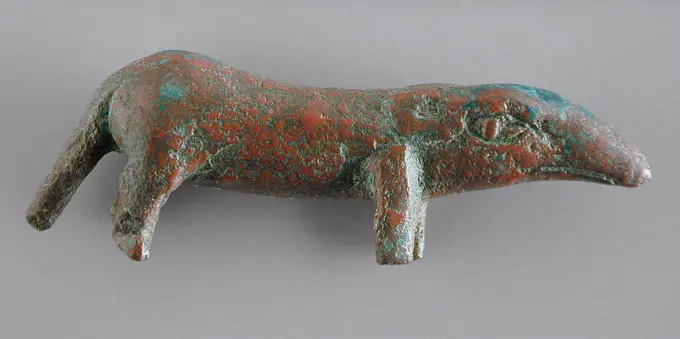
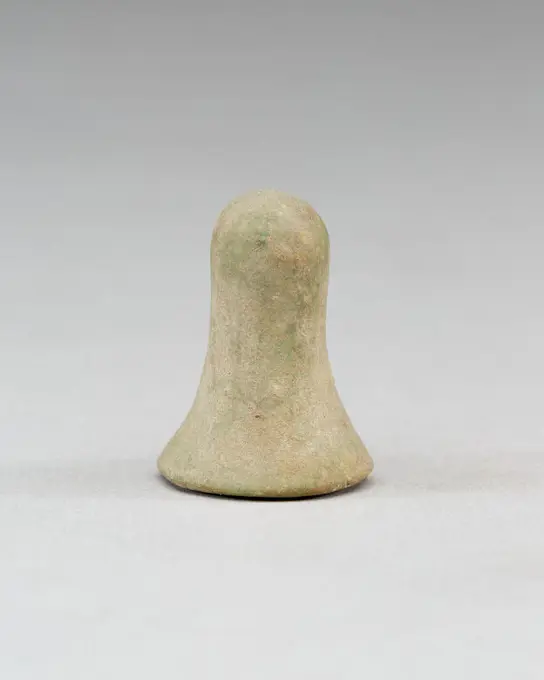
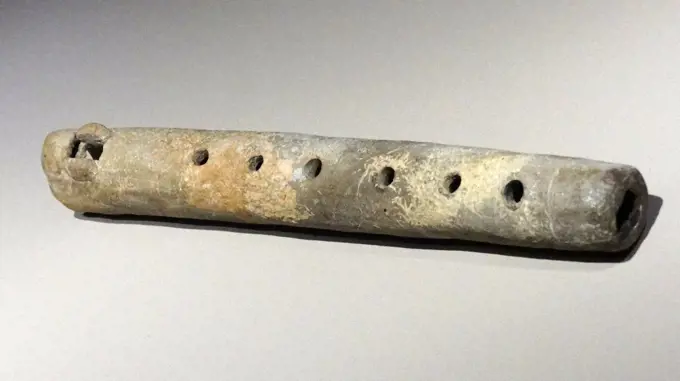
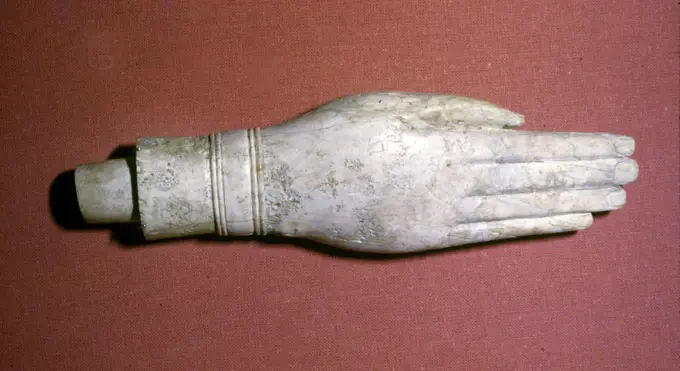
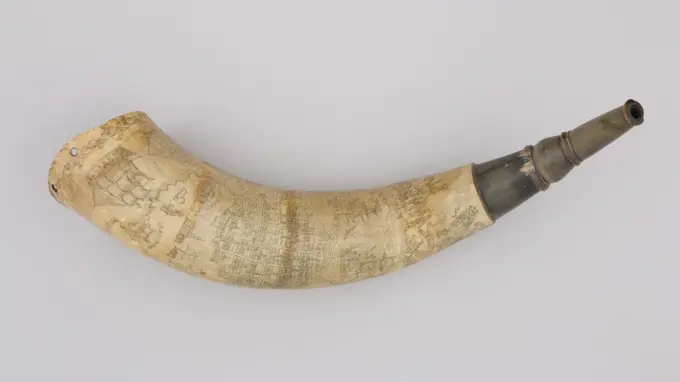
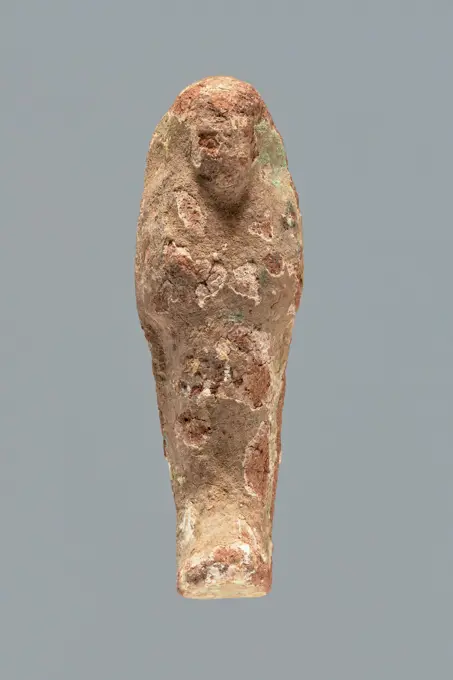
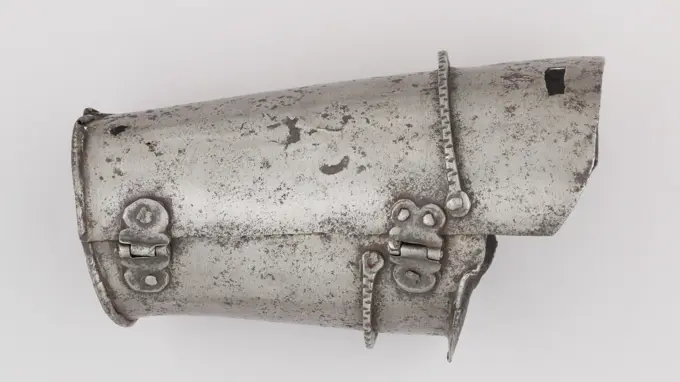
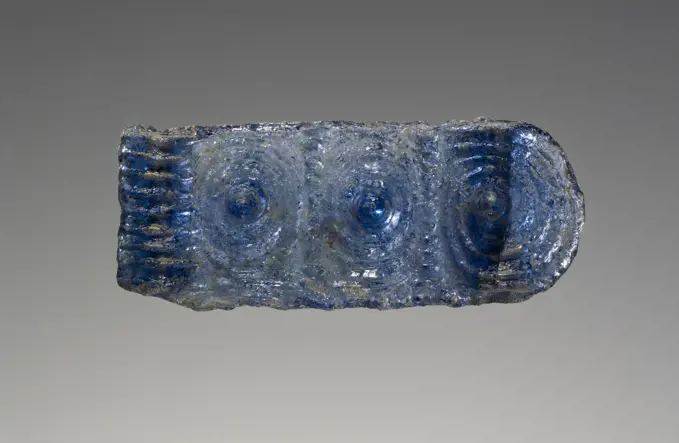
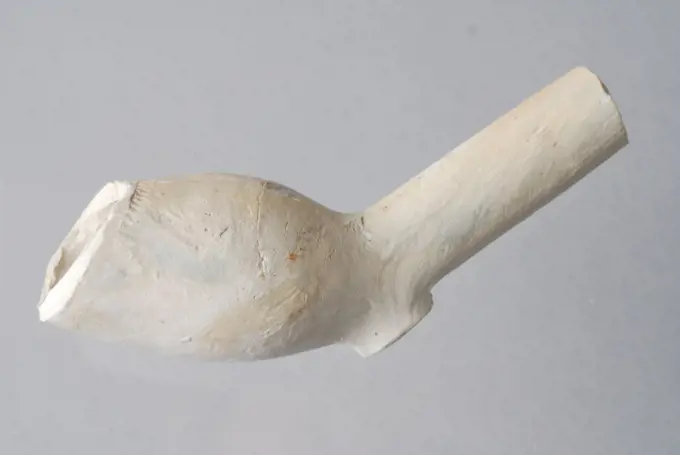
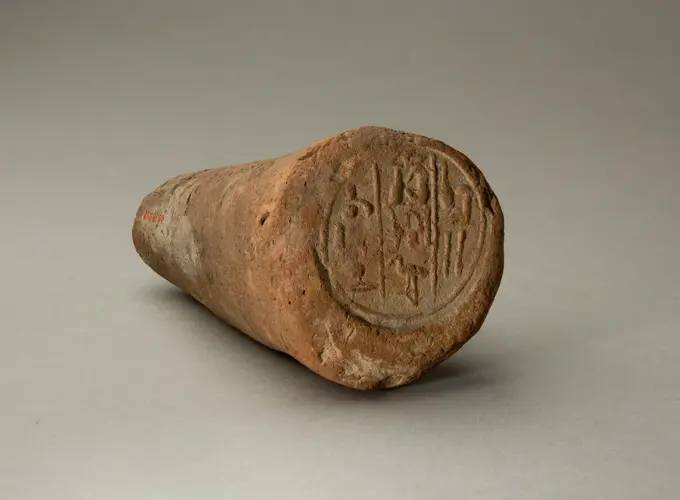
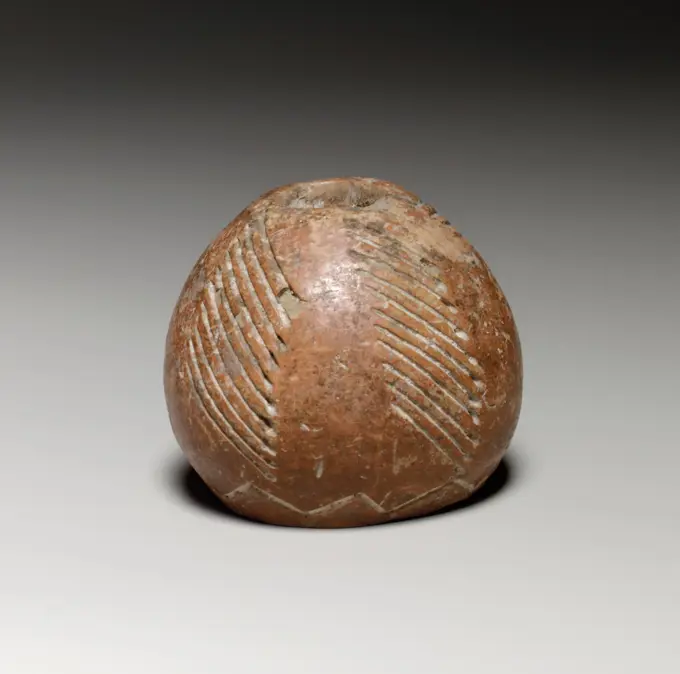
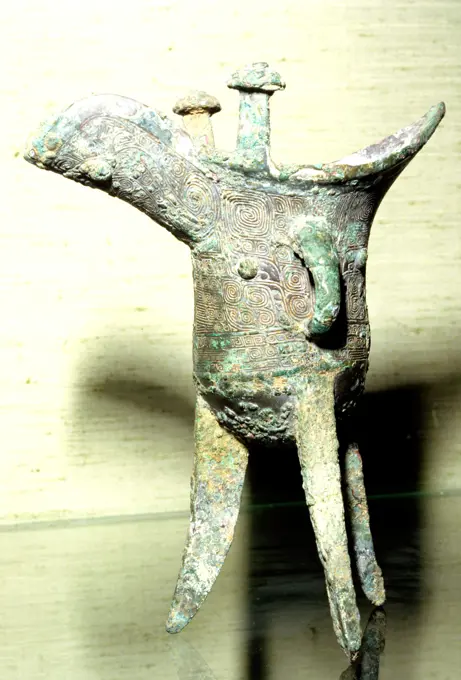
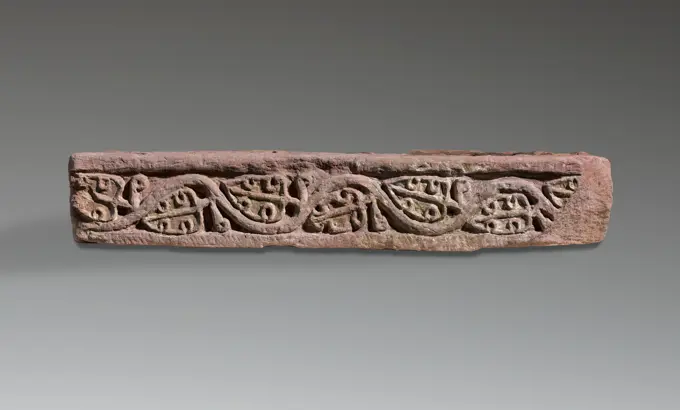
Excerpt wooden board with concretion from the wreck of the East Indians' t Vliegend Hart, 1700 - 1735  Fragment wood with concretion with the print of a shell is sitting and fragment with rope print.  wood (plant material). concretionary stonePot Fragment 4th-7th century Coptic. Pot Fragment 478919Boutdrift with flattened head. Bolt handle, thick of shape with flattened head. The tip has been demolished.Arm Defense ca. 1450-70 Italian This is part of a large find of medieval armor discovered in 1840 in the ruins of the fortress of Chalcis, on the Greek island of Euboea (then a Venetian colony called Negroponte). The fortress had been captured and destroyed by the Turks in 1470. Now divided largely between the Ethnological Museum, Athens, and The Metropolitan Museum of Art, the Chalcis hoard contains many rare and unusual elements of fourteenth- and fifteenth-century armor. Of particular importance are the variety of headpieces and the many fragments of brigandines (armor for the torso constructed of small plates riveted to layers of fabric), some of which retain portions of their original velvet covering. The Chalcis armor provides a unique picture of the armament used in the Aegean, one of the easternmost military outposts of the Venetian empire.. Arm Defense. Italian. ca. 1450-70. Steel. Armor PartsFragment; (possibly) belonging to the retable of Soest, c. 1475 - c. 1499   wood (plant material)   wood (plant material)Lamp. UnknownSpearhead. B12. Cernuschi Museum, Asia Museum of Asia in the city of Paris.Serpentine blossom bowl. Culture: Minoan. Dimensions: H. 3 7/8 in. (9.8 cm.)Diameter 6 3/4 in. (17.2 cm.). Date: ca. 1750-1450 B.C..High shouldered blossom bowl carved with ribs and grooves. Museum: Metropolitan Museum of Art, New York, USA.Fragment of a Dipper 500 B.C.-A.D. 300 Vietnam (North). Fragment of a Dipper. Vietnam (North). 500 B.C.-A.D. 300. Bronze. Bronze and Iron Age period. MetalworkTerracotta stamped amphora handle. Culture: Greek, Rhodian. Dimensions: Other: 4 5/16 in. (11 cm). Date: ca. 220-180 B.C..The rectangular stamp bears the name Menothemios, with a double cornucopia to its left and an axe below. Museum: Metropolitan Museum of Art, New York, USA.Palette shaped like a guinea fowl. Dimensions: Longest Length (head to tail) 19.3 x H. 14.8 x Th. 0.15 cm (7 5/8 x 5 13/16 in.). Date: ca. 3500-3300 B.C.. Museum: Metropolitan Museum of Art, New York, USA.Drop-shaped bell of rattle with eye, toys relaxant musical instrument sound-absorbing bubble ground find copper silver metal, Drop-shaped bubble of rattle Possible silver Decorated with revolving lines and studs archeology music child toddler rattling playScepter, shaft  6th century B.C. Cypriot. Scepter, shaft  244448Forepart of an Animal. India, Uttar Pradesh, Mathura, 3rd century B.C.. Sculpture. Gray-black terracottaPijpenkop with piece of stem from the wreck of the East India Hollandia.Pipe, Bowl, Healmar: Crowned 47; 2HSM1.Hinge Cypriot. Hinge. Cypriot. Bronze. BronzesFragment pipe head. Fragment pipe head with a crown and the letter N shown. Of the excavations at the Hofstede Arentsburg 1827-1831 under the supervision of professor Reuvens.Bronze belt buckle tongue stiff. 65 mm x 29 mm. Average thickness of the tongue 3 mm. Second quarter of the sixth century to second quarter of the seventh century AD - Visigoth period, from the "Afflicted Necropolis "- Archaeological site of Complutum in Alcalá de Henares ( Madrid ). SPAIN.Spearhead. Bronze. Cernuschi Museum, Asia Museum of Asia in the city of Paris.Spherical spindle-whorl with broad top and base ca. 2000-1725 B.C. Cypriot Spindle whorls aided in the making of cloth for garments and bedding. They were placed in tombs, perhaps so that the deceased could continue to spin wool in the afterlife.. Spherical spindle-whorl with broad top and base 240506Fragment (console of the altar cabinet); (possibly) belonging to the retable of Soest, c. 1475 - c. 1499   wood (plant material)   wood (plant material)Pair of Inlay Eyes, 1980-1801 BC. Egypt, El-Haraga, cemetery E, tomb 614, excavated in 1914, Middle Kingdom, Dynasty 12, 1980-1801 BC. Travertine and obsidian; overall: 2.2 cm (7/8 in.).Copper alloy dagger blade ca. 2500-1050 B.C. Cypriot Leaf-shaped blade with tang and three rivet-holes, two in the base of the blade.. Copper alloy dagger blade 244175Fragment of a miniature vase. Culture: Greek, Laconian. Dimensions: H. 1 3/16 in. (3 cm).Fragment of a miniature vase, mottled black glaze. Museum: Metropolitan Museum of Art, New York, USA.Olive lamp;  2. PO. VII-VIII century (651-00-00-800-00-00);Arabic (culture), olive lamps, Islamic artBottle. Culture: China. Dimensions: H. 2 3/8 in. (6 cm); W. 1 1/2 in. (3.8 cm). Museum: Metropolitan Museum of Art, New York, USA.Sample of Telegraph Cable for Mines.Copper wire of seven wires in a thick insulating layer of a black plastic and paper.Equal-Arm Brooch ca. 650-750 Frankish. Equal-Arm Brooch 465660 Frankish, Equal-Arm Brooch, ca. 650750, Copper alloy, Overall: 1 5/8 x 9/16 x 9/16 in. (4.1 x 1.5 x 1.4 cm). The Metropolitan Museum of Art, New York. Gift of J. Pierpont Morgan, 1917 (17.193.324)Miniature corbel in the shape of a hand ca. 883-859 B.C. Assyrian The interiors of Assyrian palaces were richly decorated, with reliefs on the stone slabs lining the thick mud brick walls, giant standing statues representing mythological figures as gatekeepers, and colored glazed tiles and painted decorative motifs running along the walls above the stone reliefs. Also found in the palace rooms were intriguing clay objects in the shape of hands.Assyrian clay hands were first discovered in the mid-nineteenth century by British and French archaeologists in the remains of palaces and temples of major Assyrian cities in northern Iraq. These architectural devices were mainly employed in the Assyrian capitals of Ashur, Nimrud, Khorsabad, and Nineveh, but similar objects were also excavated at Zincirli, capital of the Aramaean kingdom of Samal in north-western Syria.This object represents a hand in the shape of a clenched fist, with five distinct fingers and fingernails carefully outlined. TheTerracotta loom weight East Greek/Sardis, Lydian Loom weight.. Terracotta loom weight 252655 East Greek/Sardis, Lydian, Terracotta loom weight, Terracotta, length 5 1/4 in. (13.3 cm). The Metropolitan Museum of Art, New York. Gift of The American Society for the Excavation of Sardis, 1926 (26.199.85)Schop.An iron shovel belonging to Talkamp.Chalcedony scaraboid. Culture: Greek. Dimensions: width 1 3/16 in. (3 cm). Date: ca. 525-500 B.C..Scaraboid gem engraved of a ship with steersman, oarsmen and warriors. Museum: Metropolitan Museum of Art, New York, USA.Shabti and CoffinPlate, early to mid-1900s. Kitaōji Rosanjin (Japanese, 1883-1959). Stoneware (Iga style); overall: 23.5 x 22.5 cm (9 1/4 x 8 7/8 in.).Dagger with Figural Images on Handle Dian. Dagger with Figural Images on Handle, 481-221 B.C.E. Bronze, 1 x 5 3/16in. (2.5 x 13.1cm).   Asian Art 481-221 B.C.E.Fragment (from an altar cabinet); (possibly) belonging to the retable of Soest, c. 1475 - c. 1499   wood (plant material)   wood (plant material)Part of a sculpted style of oak, from the so -called house of Alva, Warmoestraat in Amsterdam, c. 1500 - c. 1699 Part of sculpted oak style (belonging to BK-KOG-754-7), from the so-called Huis van Alva, Warmoestraat in Amsterdam. In total it concerns six painted styles (see BK-KOG-754-1 to 5 & 7). See also BK-KOG-755-A to H, these are two capitals and six styles of untreated oak that come from the same house.  oak (wood). paint (coating) Part of sculpted oak style (belonging to BK-KOG-754-7), from the so-called Huis van Alva, Warmoestraat in Amsterdam. In total it concerns six painted styles (see BK-KOG-754-1 to 5 & 7). See also BK-KOG-755-A to H, these are two capitals and six styles of untreated oak that come from the same house.  oak (wood). paint (coating)Fragment; (possibly) belonging to the retable of Soest, c. 1475 - c. 1499   wood (plant material)   wood (plant material)Attic Red-Figure Column Krater Fragment. Attributed to the Dokimasia Painter (Greek (Attic))Vase; glassTwo parts of three-piece bronze mold for spout of jug, mold casting tool tools equipment base metal bronze, cast Three-piece bronze mold for casting an S-shaped spout for jug Rotterdam tin casting tin tin pourer Meeuws Druy craft Shapes are from the originally 18th-century Rotterdam tinnegieter J Druy. The large molds that were not signed or dated were the property of the tinker guild and were rented to the small tin caster.Fragment of a Figure 4th-7th century Coptic. Fragment of a Figure 478553Spoon, 20th century, 25 1/2 x 5 3/16 x 3 7/16 in. (64.8 x 13.2 x 8.7 cm), Wood, Côte d'Ivoire, 20th century, The Bassa are a cultural group related to the better known Dan people who reside along the coastal areas of Liberia and Cote d'Ivoire. They typically live in farming villages of about 200 residents and raise staple crops of rice and cassava. As in many traditional African societies, the Bassa and Dan cultures celebrate important religious and social occasions in a communal fashion with rituals, dancing and feasting. The people of the village are responsible for entertaining their guests and providing food for them. Women who have earned a reputation for their unselfish support of these events are often presented with a spoon of this type, known as a 'most generous woman spoon.' The women then use them to serve rice and other grain dishes to people at public festivities.Fragment Tobacco Pipe, Willem Ketel, 1630 - 1660 Fragment tobacco pipe. Of the excavations on the Hofstede Arentsburg 1827-1831 under the supervision of Professor Reuvens. Delft pipe clay Fragment tobacco pipe. Of the excavations on the Hofstede Arentsburg 1827-1831 under the supervision of Professor Reuvens. Delft pipe clayFragmentary Bucchero Plate (Comprosed of Six Joined Fragments). UnknownStone Temple Model. Culture: Mezcala. Dimensions: Height 3-11/16 in.. Date: 1st-8th century. Museum: Metropolitan Museum of Art, New York, USA.White clay pipe, unnoticed, stem decorated with fleur de lis stamp, clay pipe smoking equipment smoke floor ceramics pottery, lb stem 4.6 pressed finished baked white clay pipe unnoticed with decorated handle Decoration consists of fleur de lis stamp archeology smoking tobaccoGoldweight Mankala Board, 19th-20th century, 1 x 3 1/16 x 13/16 in. (2.54 x 7.78 x 2.06 cm), Brass, Ghana, 19th-20th centuryOlive lamp; Unknown German workshop; I/II century AD (0-00-00-400-00-00);Knife Handle (Kozuka) early 19th century Ichijosai Hironaga (Hirotoshi) Japanese A kozuka is a handle of a by-knife that is part of a sword mounting. It is kept in a slot on the reverse of a katana scabbard, often with a matching kgai (hairdressing tool).. Knife Handle (Kozuka). Japanese. early 19th century. Copper-silver alloy (shibuichi), copper, gold. Sword Furniture-KozukaFragment of earthenware grease trap with gutter, grease trap baking utensil holder soil find ceramic earthenware glaze lead glaze, hand shaped molded glazed baked earthenware grease trap or spit dish Large fragment. Elongated model with rounded corners Flat and outstanding top edge. Red shard internally glazed Attachment of one leg with three finger impressions still present. Thick black soot. Restoration is repainted archeology underground pit Rotterdam Stadscentrum Stadsdriehoek Blaak Groenendaal indigenous pottery roasting grilling hearth kitchen cooking food preparation oil oil lamp Soil discovery: underground pit Groenendaal direction Blaakstation 1977.06.02.Vase fragment East Greek/Sardis, Lydian. Vase fragment 252669 East Greek/Sardis, Lydian, Vase fragment, Terracotta, Overall: 2 3/4 x 2 9/16in. (7 x 6.5cm). The Metropolitan Museum of Art, New York. Gift of The American Society for the Excavation of Sardis, 1926 (26.199.101)Weighing down device (fish net sinker) ca. 1295-1070 B.C. New Kingdom, Ramesside. Weighing down device (fish net sinker). ca. 1295-1070 B.C.. Limestone. New Kingdom, Ramesside. From Egypt, Memphite Region, Lisht North, Cemetery, MMA excavations, 1913-14. Dynasty 19-20Spherical spindle-whorl with flat base. Culture: Cypriot. Dimensions: H. 1 1/2 in. (3.8 cm). Date: ca. 2000-1725 B.C..Spindle whorls aided in the making of cloth for garments and bedding. They were placed in tombs, perhaps so that the deceased could continue to spin wool in the afterlife. Museum: Metropolitan Museum of Art, New York, USA.Lamp. UnknownPowder Horn. Culture: American, Aurelius, Cayuga County, New York. Dimensions: L. 12 3/8 in. (31.4 cm); Diam. 3 in. (7.6 cm); Wt. 10.7 oz. (303.3 g). Date: 1813. Museum: Metropolitan Museum of Art, New York, USA.Flask 201 CE-300 CE Syria. Glass, blown technique . Ancient RomanLance or ax point. Bronze. Cernuschi Museum, Asia Museum of Asia in the city of Paris.Palette in the form of a mud turtle ca. 3650-3500 B.C. Predynastic, Naqada II. Palette in the form of a mud turtle 547369Gunners powder horn, anonymous, 1580 powder horn The Kruithoorn is made of an almost complete, honey -colored cow horn, with a transparent layer that is cut and engraved in relief. The wide, round part is from the narrower, polygonal part separated by a sliced laurel wreath; The narrower part continues, with a first layer engraved like the scales of a fish; The wider part has two cartouches in the form of laurel wreaths: one with a dragon and the other with the year 1580; Between the cartouches is a pot with a large flower in it; On the other side, representations are depicted that refer to the use of the Kruithoorn: a cannononier with a wick with a heavy field cannon with a ribbon with the text underneath: as.ick.beginne.te.schiten.dat.sal.Man n  ich.ma n. dedrete; Below that follows a forest landscape with a deer on the run for two dogs and a hunter blows on a horn with an empty coat of arms above it. Netherlands horn (animal material) cutting / engraving firearms: cannon NetherlandsCheese, around, from which a point has been cut. Round cheese with piece out, of clay substance, remains of yellow-brown painting.Funerary Cone of the Royal Seal-Bearer and Priest Iaiefib. Dimensions: Preserved L. 13.2 cm (5 3/16 in.); Diam. 8.4 cm (3 5/16 in.). Dynasty: Dynasty 18. Date: ca. 1550-1295 B.C.. Museum: Metropolitan Museum of Art, New York, USA.Stoneware mineral pitcher, cylindrical with round shoulder, sausage ear and short neck, mineral water pitcher jar product packaging container soil find ceramic stoneware glaze salt glaze approx., hand turned glazed baked Stoneware mineral pitchers cylindrical with round shoulder short neck and sausage ear. Stand area with traces of deduction and soul. Glazed. Marked under the ear and marked on the front with medallion Medallion in the medallion: FACHINGEN in the midfield left clawing lion archeology Rotterdam Kralingen-Crooswijk Struisenburg Oostmaaslaan Boslaan Buizengat advertising indigenous pottery import drinking water drinking medicine packaging Soil discovery: Buizengat Oostmaaslaan Boslaan Rotterdam an old landfill of urban waste.Silver sugar scoop, A.H. Derkinderen, 1850 Silver sugar scoop, with a coal shovel, and engraved with initials Fa. Brands: Lion with 2. Helmde Kop, Q (1850), Master sign: among each other DK-44 Den Bosch 1850. Ah of the children. the Bosch silver (metal) Silver sugar scoop, with a coal shovel, and engraved with initials Fa. Brands: Lion with 2. Helmde Kop, Q (1850), Master sign: among each other DK-44 Den Bosch 1850. Ah of the children. the Bosch silver (metal). Women's milk, from carmine red velvet, decorated with silver thread and spangles. Model: Without heels and with narrow tapered forefoot, ending in a square nose. Lined with leather with punched decoration at the place of the heel. Netherlands, second or third quarter 19th century.Coffin for aBabyLamp, North Africa (); 1st - 4th century; Terracotta; 2.2 x 9 x 12 cm (7,8 x 3 9,16 x 4 3,4 in.)Ritual Knife with Falcon Head. Egypt, Late Period-Ptolemaic Period, 664-30 B.C.. Arms and Armor; knives. BronzeCow cut with war trophies, 1604 powder horn Cut cow with war trophies, an artillerist at a cannon, mars and venus.  horn (animal material)  Mars and Venus as lovers. firearms: cannonLamp. UnknownTooth-Form Pendant 10th-4th century B.C. Olmec. Tooth-Form Pendant 317366Sculpted style of oak, from the so -called house of Alva, Warmoestraat in Amsterdam, Anonymous, c. 1500 - c. 1699 Carryed oak style without finish from the so -called Huis van Alva, Warmoestraat in Amsterdam. In total it concerns two consoles, three wide and three narrow styles (BK-KOG-755-B to H). See also BK-KOG-754-1 to 7, these are 6 painted styles that come from the same house. Northern Netherlands (possibly) wood (plant material). oak (wood) Carryed oak style without finish from the so -called Huis van Alva, Warmoestraat in Amsterdam. In total it concerns two consoles, three wide and three narrow styles (BK-KOG-755-B to H). See also BK-KOG-754-1 to 7, these are 6 painted styles that come from the same house. Northern Netherlands (possibly) wood (plant material). oak (wood)Handle turning into bone for boudoir tool.Longitud 83 mm Width 10 mm. (3rd - 4 th Ce) - Roman period, from the " Villa del Val " - Archaeological site of Complutum in Alcalá de Henares (Madrid). SPAIN.Fragmentary jar ". Terracotta. Vietnam-Xe-Xive s. Paris, Cernuschi museum. 72185-37 Fragmentary jar, Vietnamese object, terracottaFragments of stoneware Bartmann jug, also called Bellarmine jug, dark brown, on stand, beardmug tableware holder soil find ceramic stoneware glaze salt glaze, hand-turned glazed fired Jug (and one bottom shard) with ovoid belly pronounced neck closure ear on the belly ending in tail. brown mottled glaze underside abdominal gray glaze gray shard archeology Rotterdam railway tunnel indigenous pottery import donate store drink Soil discovery: rail tunnel Rotterdam.Shaft-hole Axehead. Iran, Luristan, circa 2600-2350 B.C.. Arms and Armor; axes. Bronze, castIntegrated vessel model with four jars 664-610 B.C. Late Period, Saite Integrated model vessels, that is, several small vessels on a slab created as a unit, were found in tombs of Dynasty 26 and perhaps early Dynasty 27 tombs. The vessels on a given slab were of one type, but different slabs or tables might hold different types of vessels, from beakers, to rounded nemset jars, to others. These heavy-bottomed jars of lead may represent deshret jars; these normally had rounded bottoms but may have been flattened here to fit on a slab. Faience is the most frequent material, but stone and a few other metal examples are known. Although long mysterious and variously classified and named, a recent study has collected these integrated model vessels and proposes that they are models invented in the Late Period to represent the sets of jars that are visible in representations of Opening of the Mouth ceremonies in New Kingdom tomb paintings (see Pairy's painting 35.101.3, far left of the lower reRoller Stamps. Thailand, Korat Plateau, circa 300 B.C.-A.D. 200. Tools and Equipment; stamps. Modeled earthenware with carved decorationFragment bocznej ściany sarkofagu skrzyniowego kobiety. unknown, authorOil LampCase, Leather, silk, Irregular shaped tapering leather case, lid attached to body with a silk cord., probably Italy, late 17th century, cutlery, Decorative Arts, CaseFigurine of a Wild Pig. Egypt, Ptolemaic - Roman Period (323 - 30 BCE). Sculpture. BronzeConical Gaming Piece from Neferkhawet's Tomb. Dimensions: H. 2.5 cm (1 in.); Diam. 1.9 cm (3/4 in.). Dynasty: Dynasty 18, early. Reign: reign of Thutmose I-early sole Thutmose III. Date: ca. 1504-1447 B.C..A family tomb, belonging to a man named Neferkhawet, was excavated by the Egyptian Expedition of the Metropolitan Museum of Art in 1935. One of the last people buried in the tomb was a woman whose name was not recorded on any of the objects in the tomb. Inside her wooden coffin was a set of ten gaming pieces, five conical like this one and five spool-shaped. These would have been used to play the games senet and 20-squares. No trace of an accompanying game box was recorded by the excavators. The coffin itself was badly damaged by rot and insects, so remains of a wooden game box may have been indistinguishable from the coffin.The five conical game pieces are quite uniform in shape, size, and color. Four of the spool-shaped pieces are also quite simiilar, but the fifth is different eMayan ceramic flute, Mexico 600-900 ADAsia, Israel. Ivory hand, 1325-1230. BC, Israel.Inlay. Culture: Old Assyrian Trading Colony. Dimensions: 0.71 x 0.55 x 0.14 in. (1.8 x 1.4 x 0.36 cm). Date: ca. 18th century B.C.. Museum: Metropolitan Museum of Art, New York, USA.Unidentified object ca. late 4th millennium B.C.. Unidentified object. ca. late 4th millennium B.C.. Limestone, black. Uruk. Mesopotamia, NippurPowder Horn ca. 1765 Colonial American This powder horn is engraved with a view of Havana, Cuba, which was captured by British forces in 1762.. Powder Horn 24650Uszebti. unknown, authorForearm Defense (Vambrace) ca. 1400 Italian This is part of a large find of medieval armor discovered in 1840 in the ruins of the fortress of Chalcis, on the Greek island of Euboea (then a Venetian colony called Negroponte). The fortress had been captured and destroyed by the Turks in 1470. Now divided largely between the Ethnological Museum, Athens, and The Metropolitan Museum of Art, the Chalcis hoard contains many rare and unusual elements of fourteenth- and fifteenth-century armor. Of particular importance are the variety of headpieces and the many fragments of brigandines (armor for the torso constructed of small plates riveted to layers of fabric), some of which retain portions of their original velvet covering. The Chalcis armor provides a unique picture of the armament used in the Aegean, one of the easternmost military outposts of the Venetian empire.. Forearm Defense (Vambrace) 23109Cast Pendant; Greece; about 14th century B.C; Glass; 2.5 cm (1 in.)Hendrick Jansz., Clay pipe, unnoticed, from the waste from Rotterdam pipe making, clay pipe smoking equipment smoke floor earthenware ceramic pottery, pressed finished baked Clay pipe unnoticed from the waste of Rotterdam pipe maker Misbaksel; boiler is cracked during baking archeology Rotterdam Hillegersberg-Schiebroek Hillegersberg Noord Hillegersberg Zuid Judge Rottekade indigenous pottery craft workshop smoking tobacco Hendrick Jansz archaeological find in the soil: Judge Rottekade Rotterdam at number 71 in 1976.Funerary Cone of Djehutynefer ca. 1550-1352 B.C. New Kingdom Used as architectural decoration, funerary cones were probably arranged in rows along the upper edge of private tomb facades. The cones were made of clay and the flat end was stamped with the name and titles of the tomb owner before the cone was fired. This cone was made for a royal scribe named Djehutynefer.. Funerary Cone of Djehutynefer. ca. 1550-1352 B.C.. Pottery. New Kingdom. From Egypt, Upper Egypt, Thebes, Sheikh Abd el-Qurna. Dynasty 18Terracotta conical-hemispherical spindle-whorl with flat base ca. 2000-1725 B.C. Cypriot Spindle whorls aided in the making of cloth for garments and bedding. They were placed in tombs, perhaps so that the deceased could continue to spin wool in the afterlife.. Terracotta conical-hemispherical spindle-whorl with flat base 240526Shang bronze ritual vessel. 11-13th cent. BC. China.venus from El Pendo, Upper Paleolithic (Solutra period), deer antler figurine, San Pantaleón cave, Escobedo, Museum of prehistory and archeology (MUPAC), Santander, Cantabria, SpainCorpse Plug. China, Han dynasty, 206 B.C.-A.D.220. Tools and Equipment; plugs. Abraded jadeA fragment of a hairstyle from apse and cathedral, a block of hairstyle from apse and cathedral; Unknown Nubian workshop; 1. W. VII century (601-00-00-625-00-00), 2. PO. VII century (651-00-00-700-00-00);Faras (Sudan), Florous decorations, relief decorations, frieze, Nubian art, Nubian crafts, vine, Polish excavations in Faras (Sudan)Shrine Figure (Ikenga), Early 1900s. Guinea Coast, Nigeria, Igbo, early 20th century. Wood; overall: 49.5 cm (19 1/2 in.).Animal Pendant. Culture: International or Initial Style. Dimensions: Height 4-3/4 in.. Date: 5th-10th century. Museum: Metropolitan Museum of Art, New York, USA.