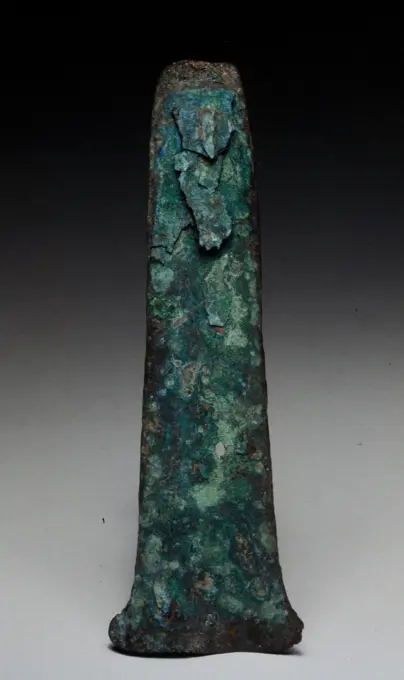
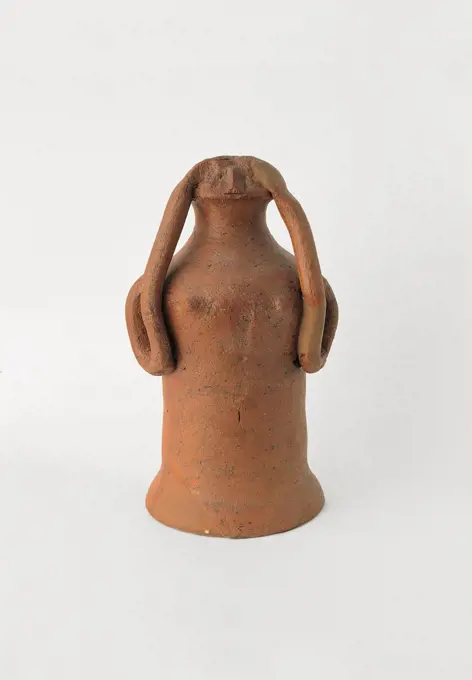
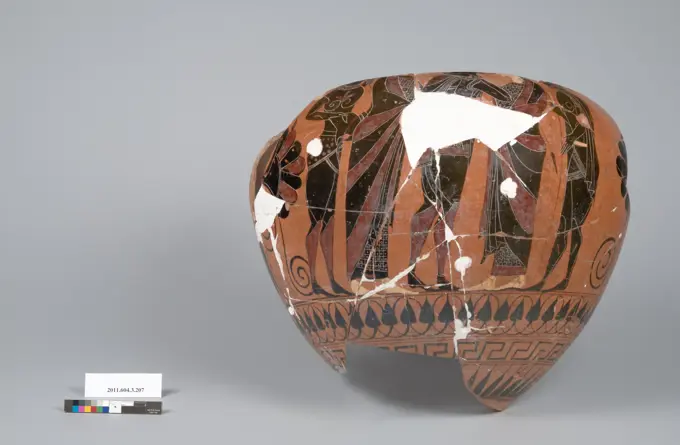
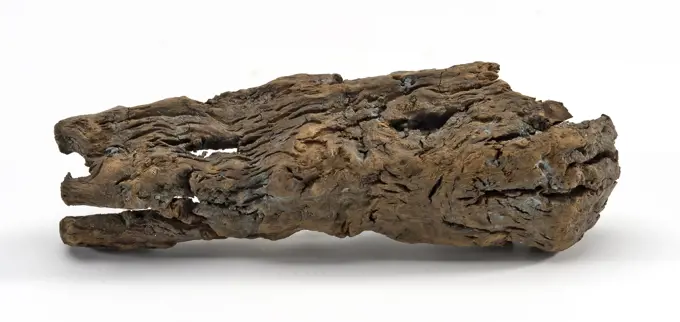
Historical Artifacts

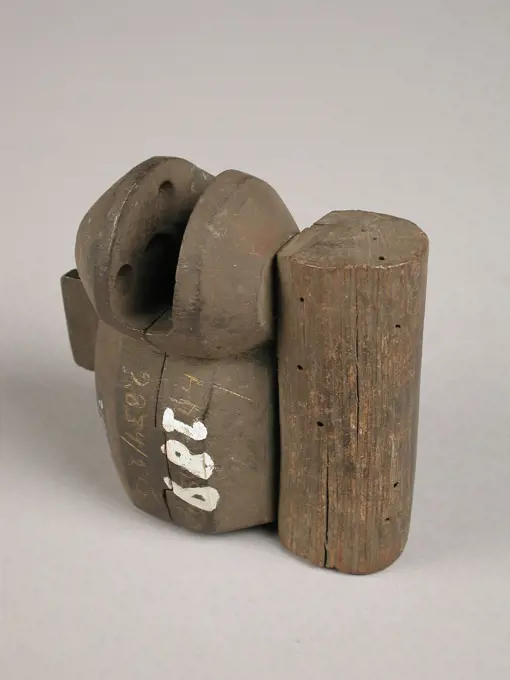
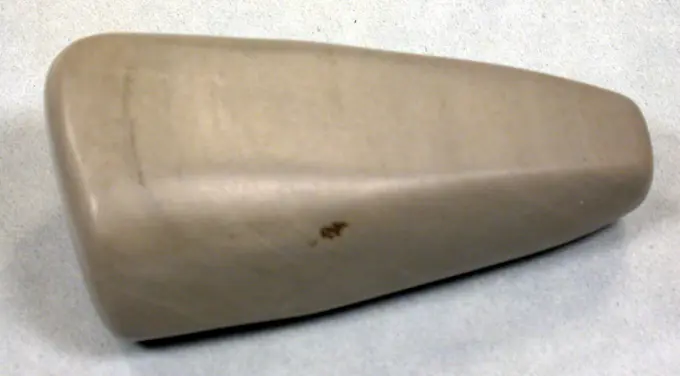
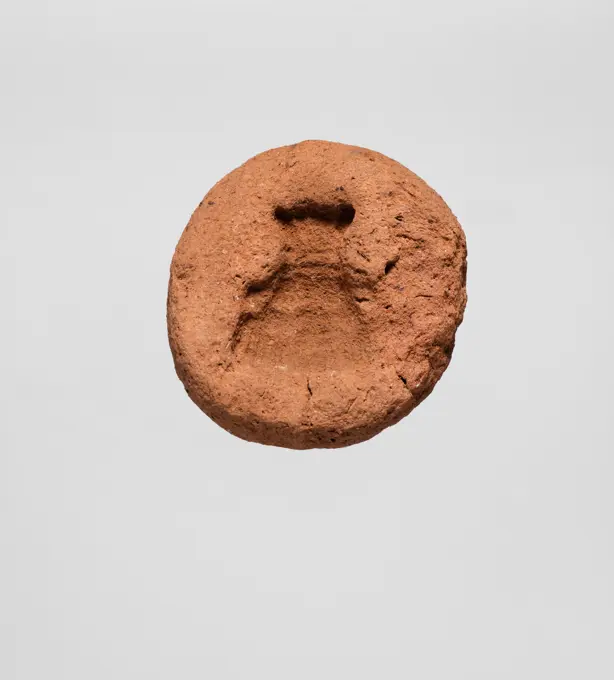
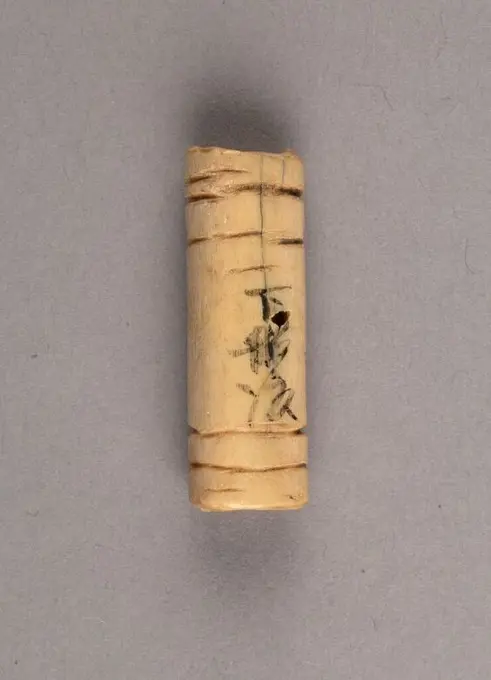
Fragments of ancient artifacts including wood and pottery, showcasing historical craftsmanship and details.

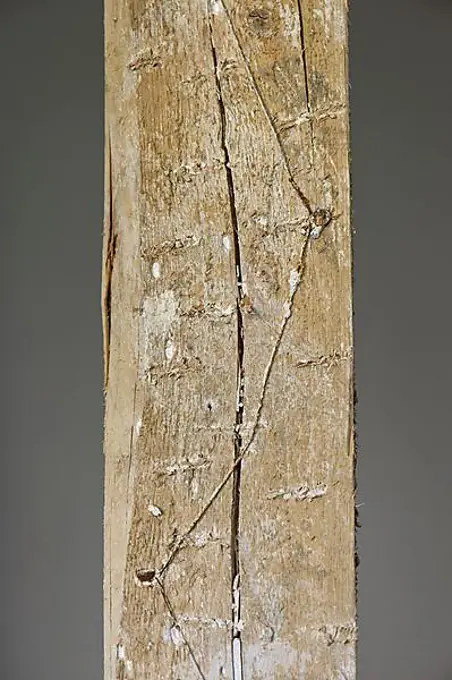
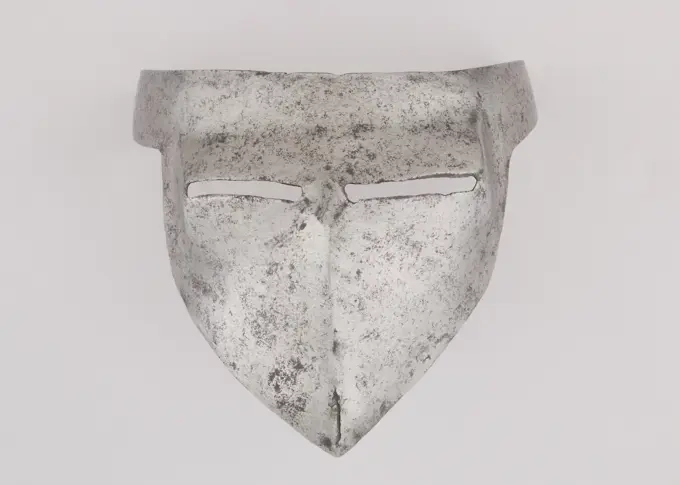
Fragment; (possibly) belonging to the retable of Soest, c. 1475 - c. 1499   wood (plant material)   wood (plant material)
Fragment; (possibly) belonging to the retable of Soest, c. 1475 - c. 1499 wood (plant material) wood (plant material)
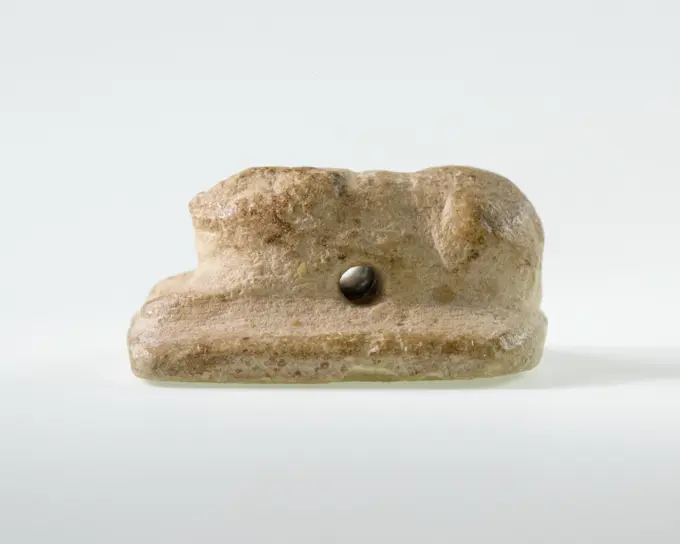
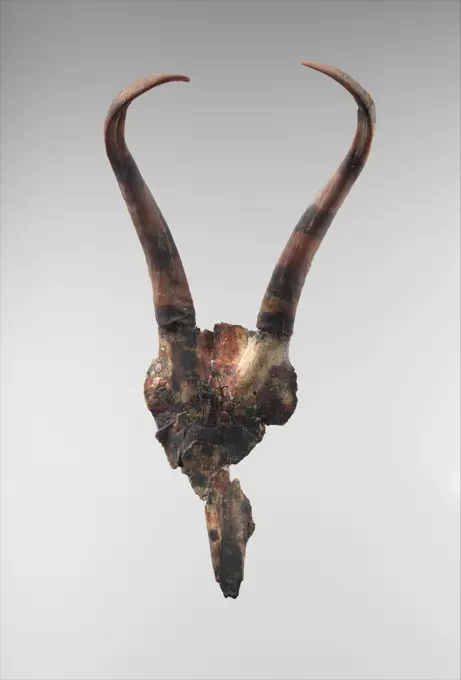
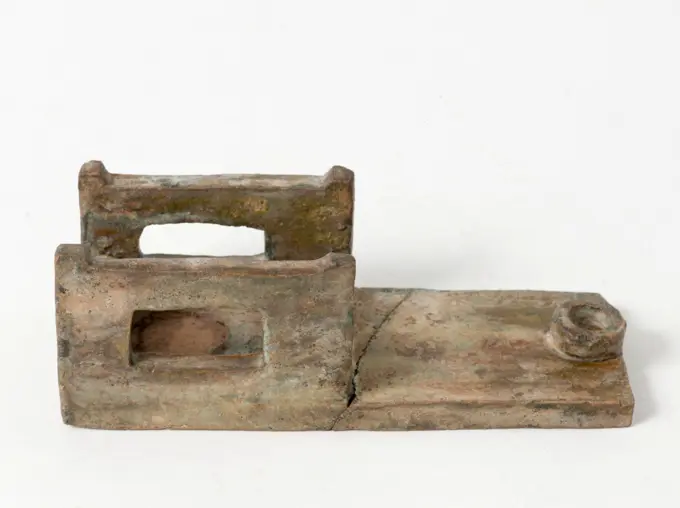
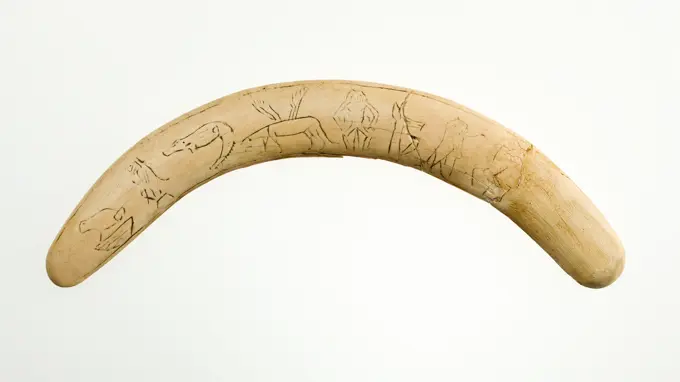
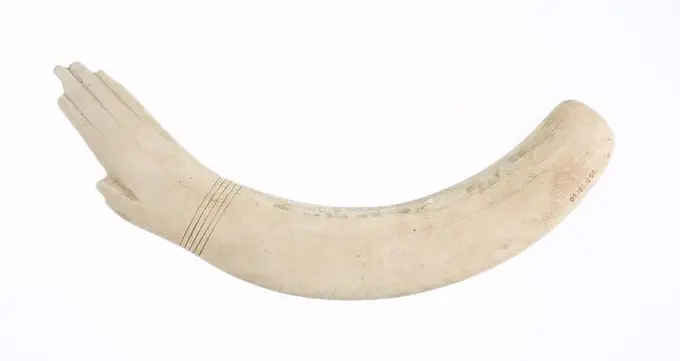
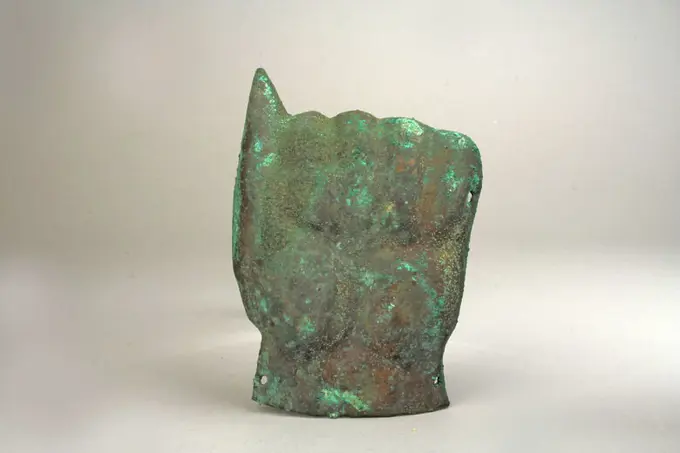
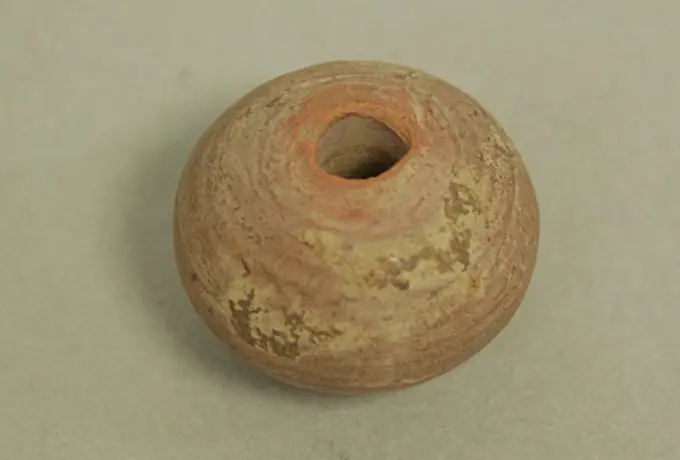
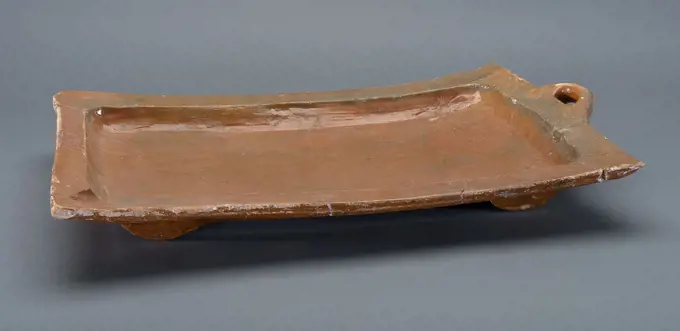
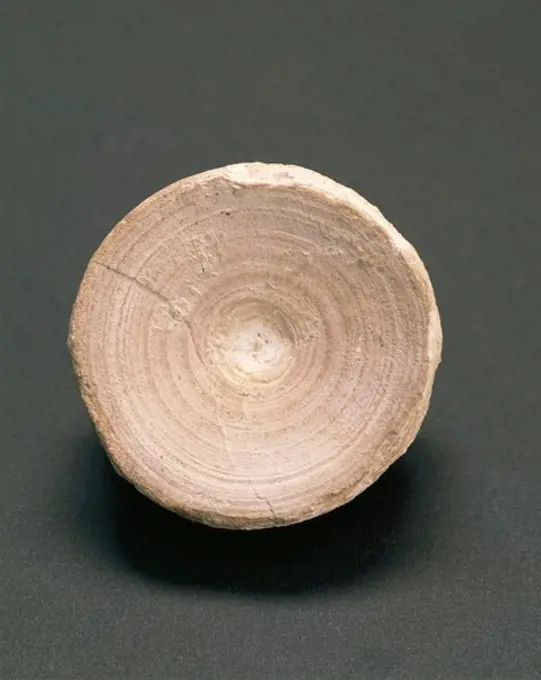
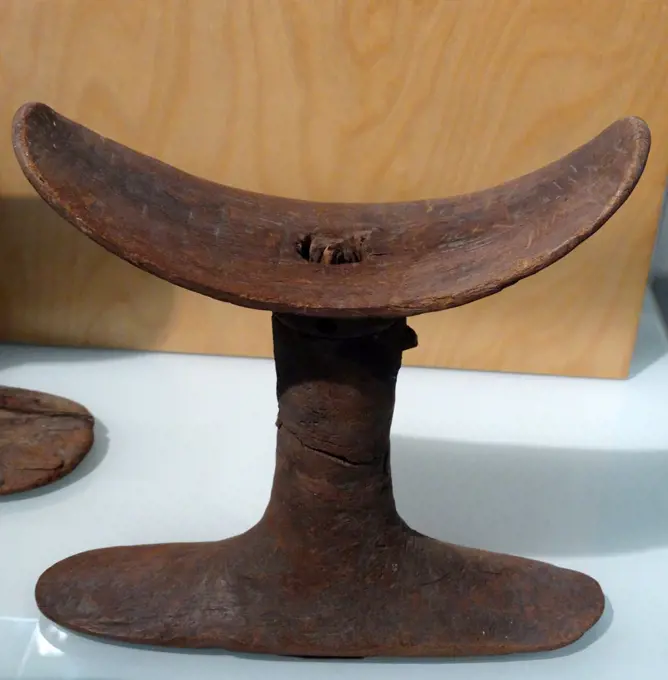
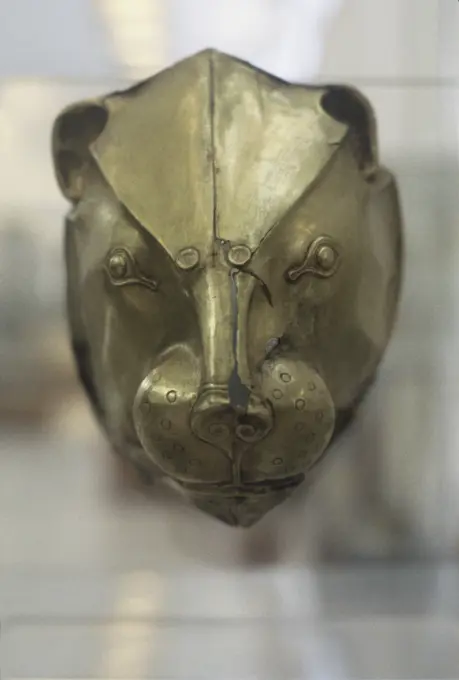
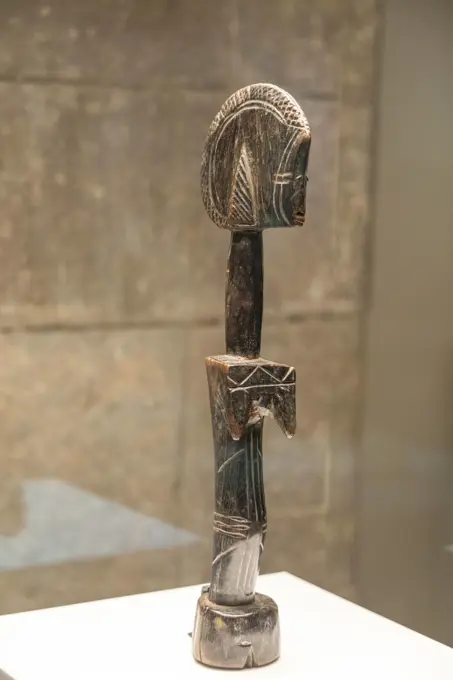
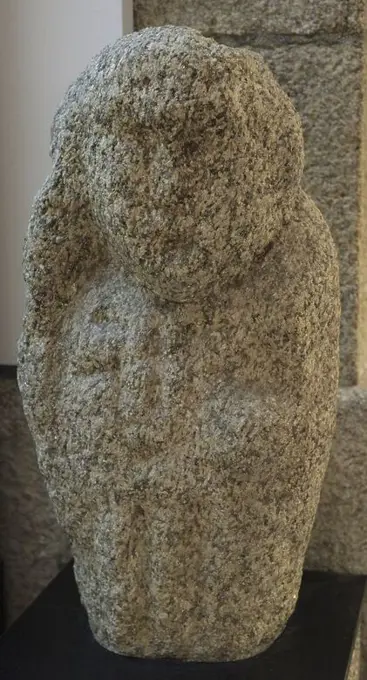
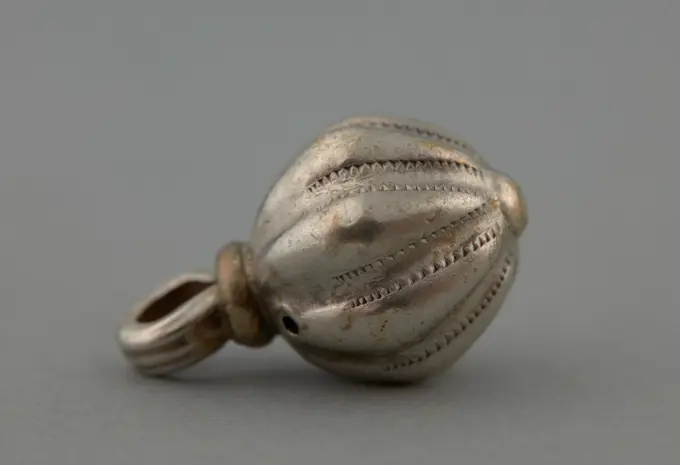
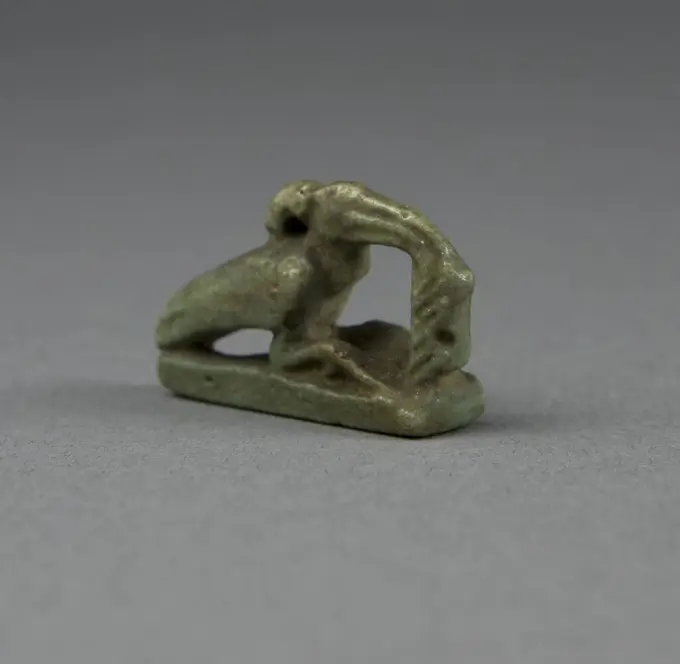
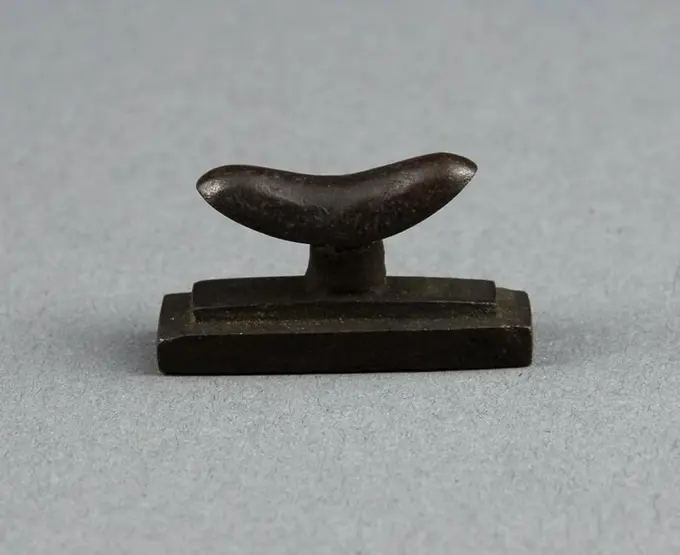
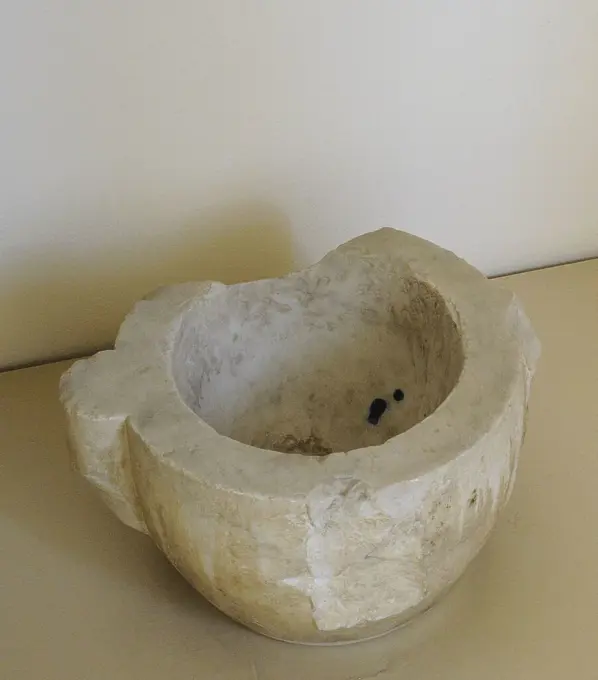
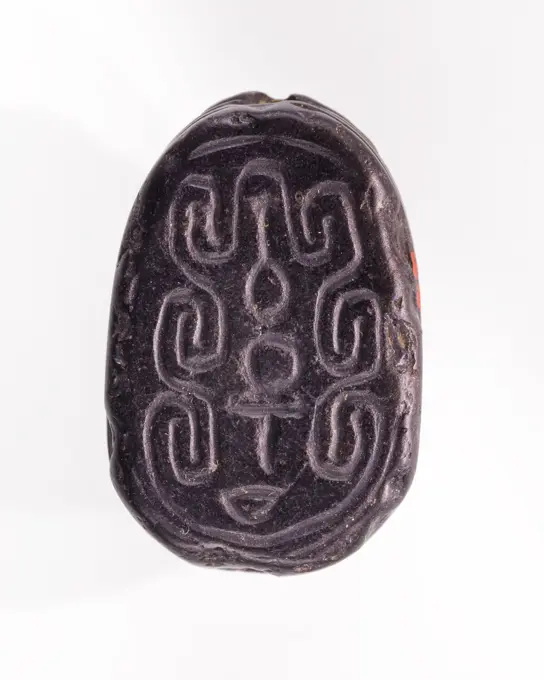
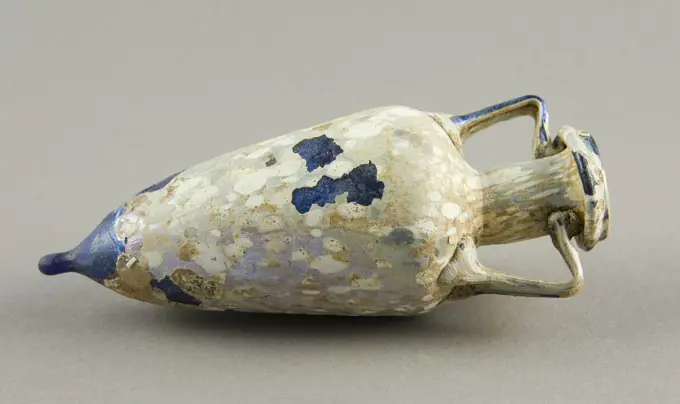
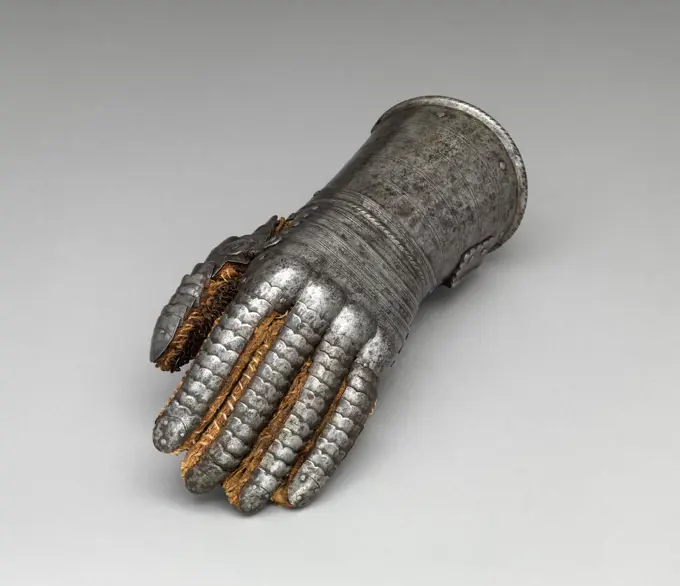
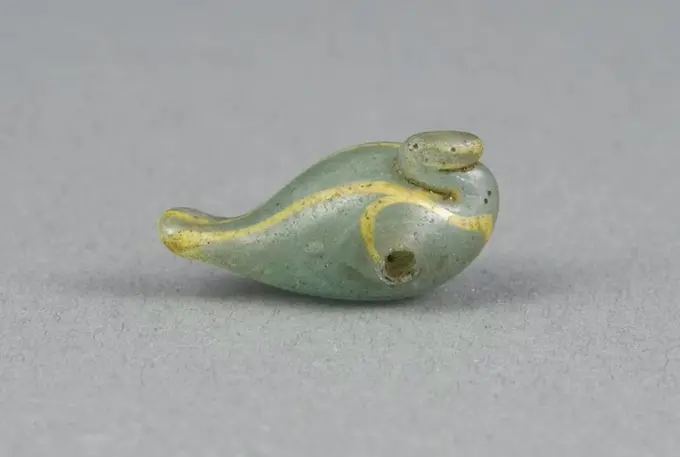
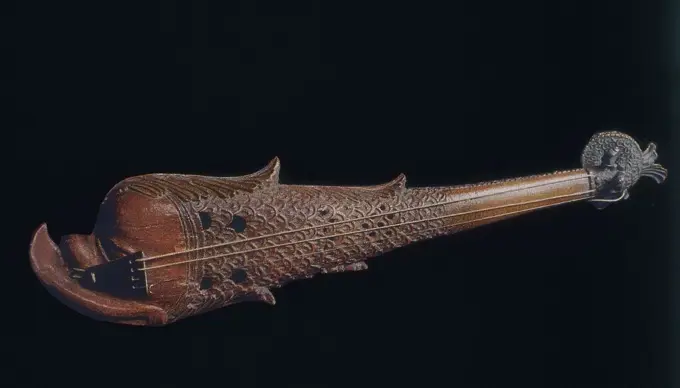
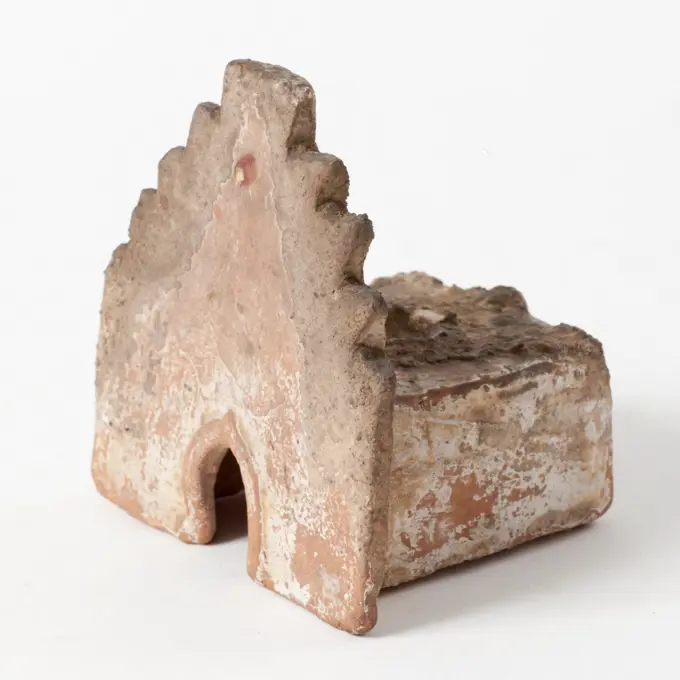
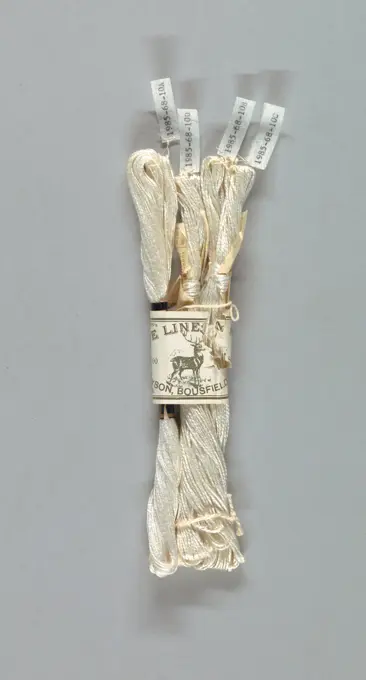
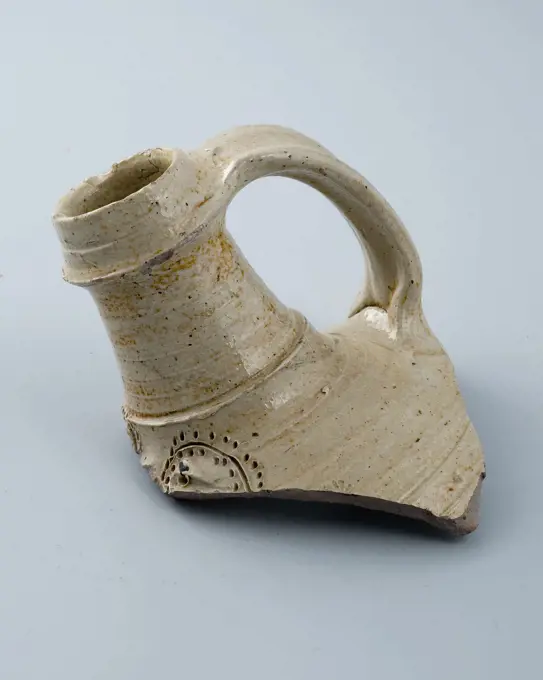
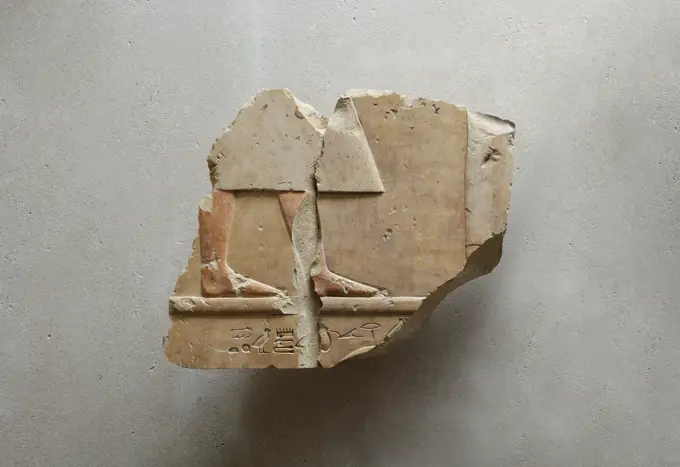
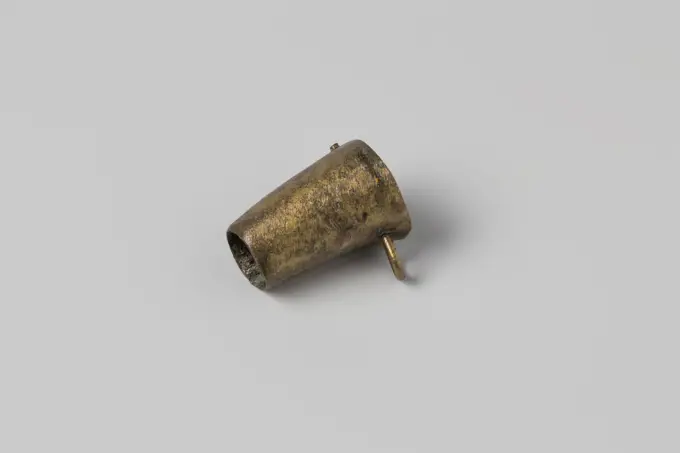
Fragment Steel van Fork or Spoon from the wreck of the East Indians Hollandia, Anonymous, 1700 - in Or Before 1743 spoon Cutlery, fragment: stem of fork or spoon; fragm, flat, widening, corroded. Netherlands tin (metal)   SecondLion-shaped stamp seal with name of Amenemhat II ca. 1859-1813 B.C. Middle Kingdom. Lion-shaped stamp seal with name of Amenemhat II. ca. 1859-1813 B.C.. Faience. Middle Kingdom. From Egypt, Memphite Region, Lisht North, Cemetery, debris, MMA excavations, 1920-22. Dynasty 12Bucranium ca. 1640-1550 B.C. Second Intermediate Period. Bucranium. ca. 1640-1550 B.C.. Antler, bone, paint. Second Intermediate Period. From Egypt and Sudan, Nubia, Found in Egypt. Dynasty 14-17Terracotta spindle whorl ca. 1900-1725 B.C. Cypriot Engraved decoration, filled with lime; around the body is a large zigzag made up of oblique lines with dots along one side and rows of short parallel strokes along the other; in the open spaces are small groups of parallel horizontal strokes; on the base is a ring of zigzag lines around a ring containing parallel strokes.This spindle-whorl may come from the northern coast of Cyprus (Lapithos or Vounous, or possibly Dhenia). (VK). Terracotta spindle whorl. Cypriot. ca. 1900-1725 B.C.. Terracotta; hand-made. Middle Cypriot I-IIWater Buffalo 13th-11th century B.C. China One of the innovations of Shang jade carving was the creation of figures in the round. The artists further ornamented this water buffalo with spirals that recall bronze decorative motifs. They created the illusion of the patterns being raised by engraving the surface with two slightly beveled parallel lines. A hole piercing the figures mouth and lower lip suggests it was probably worn as an ornament or a talisman.. Water Buffalo. China. 13th-11th century B.C.. Jade (nephrite). Shang dynasty (ca. 1600-1046 B.C.). JadeMingqi: Grain plague ". Terracotta with green lead glaze. Han dynasty (206 BC-220 AD). Paris, Cernuschi museum. Chinese art, Han dynasty, Han time, grain Fleau, Mingqi, Chinese object, Funeral substitute, terracottaMagic Wand ca. 1850-1640 B.C. Middle Kingdom-Early New Kingdom This curved object made from a hippopotamus tusk is incised with the figures of a frog, the goddess Taweret, a crocodile, a winged feline, the daimon Bes, a jackal head, an upright lion and a baboon. It belongs to a group of such objects, all of late Middle Kingdom date, which have a similar shape: curved with one end slightly rounded, the other flat. Based on the presence of the goddess Taweret, who was in charge of birth, and the daimon Bes, who was a protector of the newly born, as well as inscriptions on some of these objects mentioning children, the group is usually understood as having been associated with magical practices concerning the birth and early life of infants. The deposition of such objects in tombs could be explained by the idea that a deceased Egyptian wished for rebirth in the afterlife.. Magic Wand. ca. 1850-1640 B.C.. Ivory. Middle Kingdom-Early New Kingdom. From Egypt, Egyptian Antiquities Service/MasThrow stick ca. 1981-1640 B.C. Middle Kingdom. Throw stick. ca. 1981-1640 B.C.. Wood. Middle Kingdom. From Egypt, Memphite Region, Lisht North, Cemetery, MMA excavations, 1920-22. Dynasty 12-13Ceremonial Blade, 7 x 2 1/4 in. (17.78 x 5.72 cm), Copper, MexicoTerracotta Female Idol, VII- Century, terracotta,Fragment of a bowl;The collection of ancient EgyptLamp with seven burners in arowTerracotta fragment of neck-amphora (jar) third quarter of the 6th century B.C. Greek, Attic Obverse, warrior to right wearing a cuirass, chitoniskos, and greaves, holding his helmet in his right hand and a spear in his left; draped woman to right wearing a patterned peplos and a red and black himation; helmeted warrior to right, with his right arm bent, wearing a chitoniskos, chlamys, and greaves; woman to left, wearing a patterned peplos, and a red and black himation, with her himation draped over her head; helmeted warrior to left, wearing a cuirass, chlamys, and greaves, holding a spear in his right hand; part of a palmette with tendrils and a lotus bud; Reverse, warrior wearing a red tunic to left; palmettes with red and black fronds, tendrils, and a lotus bud; below the figures; two black glaze lines, a band of upright lotuses; two black glaze lines; a rightward meander; two black glaze lines; a band of rays. Terracotta fragment of neck-amphora (jar). Greek, Attic. third quarter Vase fragment Roman Mouth and handle of a jug, with green glaze inside and out.. Vase fragment. Roman. Terracotta. VasesFragment stemplowanego imadła i wylewu amfory. unknown, potter's workshopKey Handle 1st-7th century Roman. Key Handle 462938Winged Pendant 10th-16th century Tairona. Winged Pendant 317444Perfume Bottle. probably Iran, 10th century. Glass. Glass, mold-blown, cutLifts dagger, dagger knife stab weapon weapon part soil find wood metal, forged Lifting angled and cut in planes towards the button fanning out the baffle is completely gone, just like the rest of the knife archeology clogged dagger dagger dagger ball dagger decoration status symbol personal equipment defense clothing accessory militariaWire mesh for fixing plaster on timbered beams, old building, Stuttgart, Baden-Wuerttemberg, Germany, EuropeBronze handle of a vessel ca. 550-490 B.C. Greek or Etruscan. Bronze handle of a vessel 247981Nuragic civilization. Bronze figure of a warrior. From Sardinia Region.Clapper. Dimensions: L. 18.7 × W. 7.2 × Th. 0.7 cm (7 3/8 × 2 13/16 × 1/4 in.). Dynasty: Dynasty 15-18, early. Date: ca. 1640-1500 B.C.. Museum: Metropolitan Museum of Art, New York, USA.Belt Closure Fragment. UnknownFlask 101 CE-300 CE Syria. Glass, blown technique . Ancient RomanPart of a trophy from the meeting room of Admiralty of Amsterdam, in the form of a gun, c. 1665  North Netherlands wood (plant material)   Amsterdam  North Netherlands wood (plant material)   AmsterdamOrnament. Culture: Moche (Loma Negra). Dimensions: H. 3 3/8 x W. 4 11/16 x D. 1 in. (8.6 x 11.8 x 2.5 cm). Date: 390-450. Museum: Metropolitan Museum of Art, New York, USA.Spindle Whorl A.D.1-500 Peruvian; north coast (). Spindle Whorl 308868Earthenware grease trap on four fin legs, with ear and pouring gutter, grease trap baking utensil holder soil find ceramic earthenware glaze lead glaze, hand-formed glazed baked grease trap rectangular tray of red earthenware with flat edge one small ear pouring tray stands on four fins of which two restoration in plaster entire bin brown glazed. Curved silk archeology Valckensteyn Poortugaal Albrandswaard indigenous pottery fat oil baking frying food preparation lighting Soil discovery: canal east side castle Valckensteyn in Poortugaal now Albrandswaard 1961-1962.Figurine of Chthonic ErosArchitectural ModelCastro culture. Treasure of Elvia. Articulated and pendant necklace. Gold. From the Castro of Elvia. La Corua (Galicia, Spain). Archaeological and History Museum (San Anton Castle). A Corua, Galicia, Spain.Carved Tube, c. 1200-1519. Mexico, Oaxaca, Mixtec, 13th-16th century. Bone; diameter: 2.6 cm (1 in.); overall: 15.1 cm (5 15/16 in.).Burin -Fossils, vertebra ptychodus latissimus from Mount Loffa, Veneto Region, ItalyAncient Egyptian Headrest made from wood (New Kingdom, 1540-1070 BC).Cong. China, probably Zhejiang or Jiangsu province. Date: 3000 BC-2000 BC. Dimensions: 25.0 × 6.7 × 6.7 cm (9 7/8 × 2 5/8 × 2 5/8 in.). Jade. Origin: China. Museum: The Chicago Art Institute, Chicago, USA.Greece, Delphi, Delphi Museum. A small, bronze head of a lion stares menacingly through its glass display case.Stone Temple Model. Culture: Mezcala. Dimensions: Height 6-3/8 in.. Date: 1st-8th century. Museum: Metropolitan Museum of Art, New York, USA.Biiga Biiga, female figure, Mossi - Burkina Faso, 20th century, carved woodMEB, Barcelona, Catalonia, Spain LicenseRF Copyright: xZoonar.com/Tolox 23171172Manufacture Imperiale de Tabacs in Amsterdam, carrying sign, worn by one of the employees, with no. F 4, Anonymous, 1811 - 1813  One -sided copper octagonal carrying sign on bearing eye. Front: French eagle above letter D and inscription No. 4 Inside Covering. Reverse: Blanco. Amsterdam copper (metal) engraving  AmsterdamSickle Blade, 1980-1801 BC. Egypt, Middle Kingdom, Dynasty 12. Flint; overall: 5 cm (1 15/16 in.).Scherf Porcelain from V.O.C.-ship De 'Witte Leeuw', Before 1613  Scherf Porcelain from V.O.C. ship De 'Witte Leeuw', from a Martavaan. Consisting of three fragments glued together. Jingdezhen porcelain   Sint-HelenaOffering Group: Large Shell, c. 800-1200(). Mexico, Guerrero(), San Jerónimo de Juárez, Xochicalco style. Shell, red pigment; overall: 12 cm (4 3/4 in.).Legs made spinklos from ball joint, spinklos soil found leg, sawn drilled Legs spinklos or speareen Made from legged ball joint Hemisphere model with hole through the middle. Bottom internal bone structure archeology Poortugaal Albrandswaard indigenous spinning wool wool processing textile clothing archaeological find in the soil Poortugaal Hofterrein Terp 2. 1970.Fragment Tobacco Pipe, Jan Nieuwveld, 1740 - 1780 Fragment Pijpenkop, round bottom model, with grunts in outline (floral sinking motif), ending at the top in arcs in which alternating stylized floals and lilies and a row of flowers above the arches. Of the excavations on the Hofstede Arentsburg 1827-1831 under the supervision of Professor Reuvens. Gouda pipe clay Fragment Pijpenkop, round bottom model, with grunts in outline (floral sinking motif), ending at the top in arcs in which alternating stylized floals and lilies and a row of flowers above the arches. Of the excavations on the Hofstede Arentsburg 1827-1831 under the supervision of Professor Reuvens. Gouda pipe clayAnonymous / 'Case for agate vase with a central band of cameos'. After 1688. Wood, Metal, Silk. Museum: Museo del Prado, Madrid, España.Vase fragment Greek, Laconian. Vase fragment 251291 Greek, Laconian, Vase fragment, Terracotta, 2 1/2 x 2 3/16in. (6.4 x 5.6cm). The Metropolitan Museum of Art, New York. Gift of A. J. B. Wace, 1923 (23.119.15)Celtic phallic idol. From Paderne (La Corua province, Galicia, Spain). Archaeological and History Museum (San Anton Castle). A Corua, Galicia, Spain.Goldweight Camel, 19th-20th century, 1 3/8 x 3/4 x 3 3/16 in. (3.49 x 1.91 x 8.1 cm), Brass, Ghana, 19th-20th centuryBumpPlanets-manager. Cornalet Collection Sites 2013-2016. Numismatic.Spindle Whorl, 700s - 900s. Iran, early Islamic period, 8th - 10th century. Bone, incised; overall: 1 x 1.7 x 1.7 cm (3/8 x 11/16 x 11/16 in.).Tube ca. 9th century B.C. Iran. Tube 326180Collection of Norse and Celtic artefacts worn by woman of the Settlement Age.Powder Horn. Culture: Colonial American, Fort Stanwix, Rome, New York. Dimensions: L. 14 3/4 in. (37.5 cm); Diam. 3 1/4 in. (8.3 cm); Wt. 16.7 oz. (473.4 g). Date: 1761.This powder horn is engraved with pictorial maps of portions of New York and Canada, St. Paul's Cathedral in London, and the royal arms of Great Britain. Museum: Metropolitan Museum of Art, New York, USA.Kiln Firing Tray(Tonban)Amulet of the God Thoth. Egyptian. Date: 1070 BC-656 BC. Dimensions: 3.5 × 1.9 × 1 cm (1 3/8 × 3/4 × 3/8 in.). Faience. Origin: Egypt. Museum: The Chicago Art Institute, USA. Author: Ancient Egyptian.Amulet of a Headrest. Egyptian. Date: 1070 BC-656 BC. Dimensions: 1.75 × 3 × .75 cm (11/16 × 1 1/8 × 1/4 in.). Hematite. Origin: Egypt. Museum: The Chicago Art Institute, Chicago, USA. Author: Ancient Egyptian.Dagger-Axe with Figural Decoration Dian. Dagger-Axe with Figural Decoration, 5th century B.C.E.-early 1st century C.E. Bronze, 10 1/2 x 3 5/8 in. (26.7 x 9.2 cm).   Asian Art 5th century B.C.E.-early 1st century C.E.Roman era. Mortar. Forum of the Colony. 1st-3rd century AD. Stone of Santa Tecla. Tarragona. National Archaeological Museum. Tarragona. Catalonia, Spain.Conch Shell Trumpet Melanesian (Solomon Islands) late 19th centuryScarab Inscribed with Hieroglyphs in a Scroll Border ca. 1802-1640 B.C. Middle Kingdom The majority of design scarabs of the late Middle Kingdom (late Dynasty 12-Dynasty 13, ca. 1850 -1640 B.C.) are decorated with symmetric compositions of protective hieroglyphs and/or scrolls. These signs are not meant to form words but are chosen for their positive, protective meaning. This scarab shows the sign for good and beautiful (nefer), the sign of life (ankh) and the basket (nb), surrounded by a decorative border of scrolls. Middle Kingdom scroll borders enclose one or more hieroglyphs, usually including the nefer-sign.. Scarab Inscribed with Hieroglyphs in a Scroll Border 557095Stirrup. Culture: Peruvian. Dimensions: H. 5 in. (12.7 cm); W. 4 3/4 in. (12.1 cm); D. 9 3/4 in. (24.8 cm); Wt. 2 lb. 4.1 oz. (1023.4 g). Date: 19th or early 20th century.This slipper stirrup, cast in bronze, mimics in metal the shape, the aspect and decoration of a traditional leather boot.Introduced to South America by the Spaniards in the 16th century, horses soon became an important element in the lives of many local populations, of both colonial and native origin. As a horse would be highly valued by its owner, the latter would likely cover it with beautiful and elaborated tack, especially during festivals or other celebrations. Close stirrups, or regular stirrups covered with a leather hood called a tapadero, are still regularly used in South America, as they protect the rider's feet when riding in the bushes. . Museum: Metropolitan Museum of Art, New York, USA.Visor for a Bascinet ca. 1400 Italian This is part of a large find of medieval armor discovered in 1840 in the ruins of the fortress of Chalcis, on the Greek island of Euboea (then a Venetian colony called Negroponte). The fortress had been captured and destroyed by the Turks in 1470. Now divided largely between the Ethnological Museum, Athens, and The Metropolitan Museum of Art, the Chalcis hoard contains many rare and unusual elements of fourteenth- and fifteenth-century armor. Of particular importance are the variety of headpieces and the many fragments of brigandines (armor for the torso constructed of small plates riveted to layers of fabric), some of which retain portions of their original velvet covering. The Chalcis armor provides a unique picture of the armament used in the Aegean, one of the easternmost military outposts of the Venetian empire.. Visor for a Bascinet 27653Two terracotta bulls or oxen, Chanhu-daro, Sind, 2500-2300 BC. The larger animal has holes drilled at the neck, suggesting it was fitted to a model cart.A cacao podGoldweight Cluster of Three Seed Pods, 19th-20th century, 1 5/8 x 3/4 x 1/2 in. (4.13 x 1.91 x 1.27 cm), Brass, Ghana, 19th-20th centuryConus textile shell from the wreck of the Dutch East India ship Witte Leeuw, before 1613  Shell from V.O.C. ship the 'Witte Leeuw'.  .   Sint-HelenaTiger Figure 13th-11th century B.C. China. Tiger Figure. China. 13th-11th century B.C.. Bone. Shang dynasty (ca. 1600-1046 B.C.). BoneFish Flask; Roman Empire; 3rd century A.D; Glass; 7.9 × 22 × 2.3 cm (3 1,8 × 8 11,16 × 7,8 in.)Terracotta fragment of a skyphos (deep drinking cup) 490-480 B.C. Greek, Attic Right hand and lower body of a woman to running to right wearing a chiton and himation; part of the lower body of a woman running to right, wearing a chiton and himation, holding a fish; an altar with blood; lower drapery and feet of a woman to left, wearing a chiton; part of a scaly figure to left; below the figures, a ground line; the outer edge of the foot is sheared off; the underside of the foot has miltos and black glaze concentric circles. Terracotta fragment of a skyphos (deep drinking cup). Greek, Attic. 490-480 B.C.. Terracotta; red-figure. Late Archaic. VasesShoes 1780-90 American or European. Shoes 112678Ivory lion. Ivory lion, sliced from a tooth from a walrus.Amulet of the God Osiris-Canopus. Roman. Date: 101 AD-200 AD. Dimensions: 3.8 × 1.1 × 1 cm (1 1/2 × 7/16 × 3/8 in.). Steatite. Origin: Egypt. Museum: The Chicago Art Institute, Chicago, USA. Author: ANCIENT ROMAN.Empty wooden cutting board with cracks and scuffs located on a dark concrete backgroundWooden dishes found during excavations in the street of Lutèce (island of the city). Medieval spoon n ° 4, in the handle finished by five rings and four streaks, back. Paris, Carnavalet museum. 71124-16 Spoon, wooden spoon, medieval time, archeological excavations, cite island, rue lutece, dishesFish-shaped palette ca. 3300-3100 B.C. Predynastic, Naqada III. Fish-shaped palette. ca. 3300-3100 B.C.. Greywacke. Predynastic, Naqada III. From Egypt, Southern Upper Egypt, Hierakonpolis (Nekhen), Fort Cemetery (Hk 27), Tomb 23, MMA excavations, 1934-35Amphora (Storage Jar) 1 CE-200 CE Syria. Glass, blown technique . Ancient RomanLeft-Hand Duelling Gauntlet ca. 1550-75 Italian. Left-Hand Duelling Gauntlet. Italian. ca. 1550-75. Steel, leather, textile. Armor Parts-GauntletsFish carriers of Amsterdam, Anonymous, c. 1800 - c. 1875  Brass bearing sign in the form of solid fish with head to the right, with a bearing eye on the back, a place of mouth and one in place of tail fin. Front: fish. Reverse: Blanco. Amsterdam brass (alloy) casting  AmsterdamAmulet of a Duck. Egyptian. Date: 1550 BC-1069 BC. Dimensions: 2.5 × 1.3 × 1.3 cm (1 × 1/2 × 1/2 in.). Glass. Origin: Egypt. Museum: The Chicago Art Institute, Chicago, USA. Author: Ancient Egyptian.Fragment of an Inlay Headdress, c. 1353-1295 BC. Egypt, New Kingdom, late Dynasty 18 (1540-1296 BC). Lavender blue faience with deep blue overglaze; overall: 6.7 x 7.7 x 2.8 cm (2 5/8 x 3 1/16 x 1 1/8 in.).Three or four-piece bronze mold for pot or pot, mold casting tool tools equipment raw metal bronze, cast turned Three or four-piece bronze mold for casting leg for jug or pot Rotterdam tin foundry tin pewter Meeuws Druy craft Molds come from the originally 18th century Rotterdam tinnegieter J Druy. The large molds that were not signed or dated were the property of the tinker guild and were rented to the small tin caster.INSTRUMENTO MUSICAL DE CUATRO CUERDAS. Location: PRIVATE COLLECTION. MADRID. SPAIN.Vase, miniature Cypriot Miniature vase with pointed bottom and small pierced handles, of unpainted clay.. Vase, miniature. Cypriot. Terracotta. VasesSchijf from V.O.C. ship De 'Witte Leeuw', Before 1613  Schijf from V.O.C. ship the 'Witte Leeuw'.  wood (plant material)   Sint-HelenaPrehistory, Italy, Bronze Age. Terramare culture. Archaeological finds from Monte Venera, province of Reggio Emilia.small canteen with painted decoration, XIII AD, Bollullos Par del Condado, islamic period, Huelva Museum, Huelva, Andalusia, Spain.Mingqi: Fourneau ". Terracotta, traces of coating. Han dynasty (206 BC-220 AD). Paris, Cernuschi museum. Cernuschi. Chinese art, Han dynasty, Han time, stove, mingqi, Chinese object, funeral substitute, terracottaSkeins Of Yarn (Scotland); linen, paper labelAncient hunters of the grasslands. Early Stone Age. Hand-axes.Neck fragment of stoneware jug with pointed nose on the shoulder, Bartmann jug, also called Bellarmine jug, beard masonry vessel holder soil find ceramic stoneware glaze salt glaze, hand-turned decorated baked glazed Neck-ear-shoulder fragment of gray stoneware jug. Point nose Whole with turning rings Tapered neck archeology Rotterdam City triangle Groenendaal underground pit indigenous pottery import drink store transport serving serving Soil discovery: underground pit Rotterdam Groenendaal at 195 m from Mariniersweg 2,5 m -NAP found: 1975.10.07.Pulidor (polishing stone) () before 16th century Peruvian (). Pulidor (polishing stone) () 317631France, Brittany, Rennes, Spring 2015. Creative illustration photography in the studio. Photography by Martin Bertrand.France, Bretagne, Rennes, Printemps 2015. Photographie d'illustration cretive en studio. Photographie de Martin Bertrand.Fragments Pipes heads from the wreck of the East India Hollandia. Pipe, Bowl, Healmar: Coat of Arms of the City of Amsterdam; Fragm, 2HSM2, 1HSM2.Forma do wyrobu amuletu - maski Besa. unknown, authorRelief from the tomb of Queen Neferu: parts of one female and one male attendant (see 26.3.353-1) ca. 2051-2030 B.C. Middle Kingdom. Relief from the tomb of Queen Neferu: parts of one female and one male attendant (see 26.3.353-1). ca. 2051-2030 B.C.. Limestone, paint. Middle Kingdom. From Egypt, Upper Egypt, Thebes, Deir el-Bahri, Tomb of Neferu (TT 319, MMA 31), MMA excavations, 1923-25. Dynasty 11Arrowheads, needles, hooks and harpoons. Culture: Japan. Dimensions: W. 3/8 in. (1 cm); L. 1 1/8 in. (2.9 cm). Museum: Metropolitan Museum of Art, New York, USA.Part of a powderhorn from the wreck of the Dutch East Indiaman Hollandia, anonymous, 1700 - in or before 1743 powder horn. fragment Powderhorn, nozzle; id. NG 1979-52/53H636 with 1 copper wire screw eye with complete shaft. Netherlands copper (metal)   Second