Historical Artifacts

Fragments of ancient artifacts including wood and pottery, showcasing historical craftsmanship and details.

Fragment; (possibly) belonging to the retable of Soest, c. 1475 - c. 1499   wood (plant material)   wood (plant material)
Fragment; (possibly) belonging to the retable of Soest, c. 1475 - c. 1499 wood (plant material) wood (plant material)
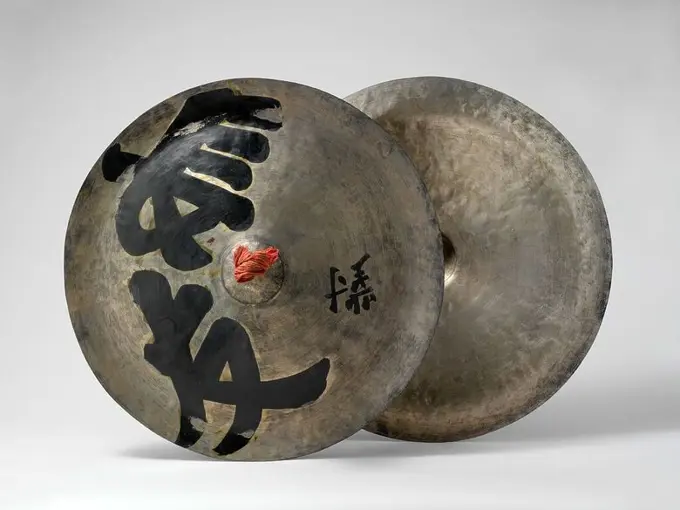
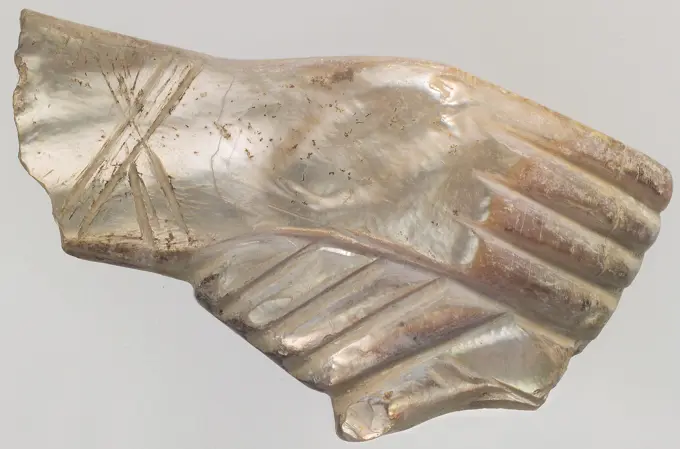
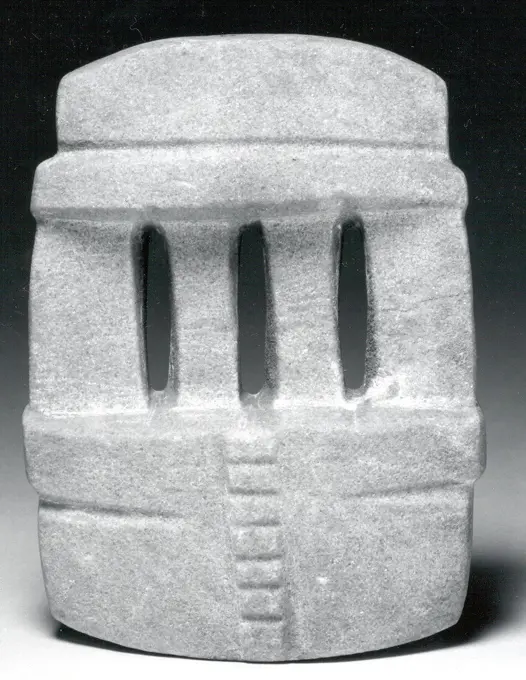
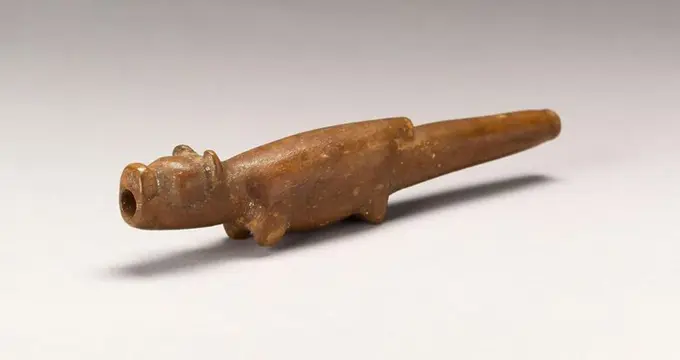
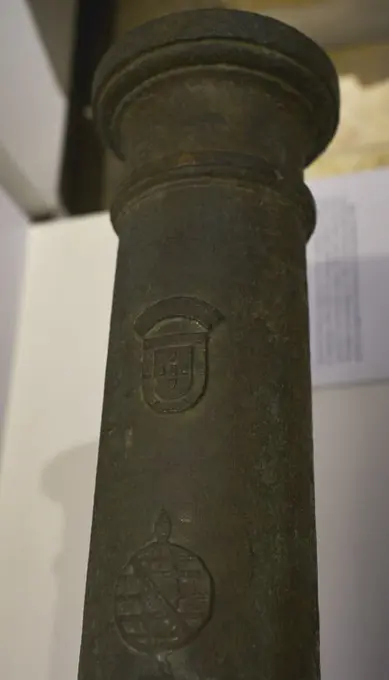
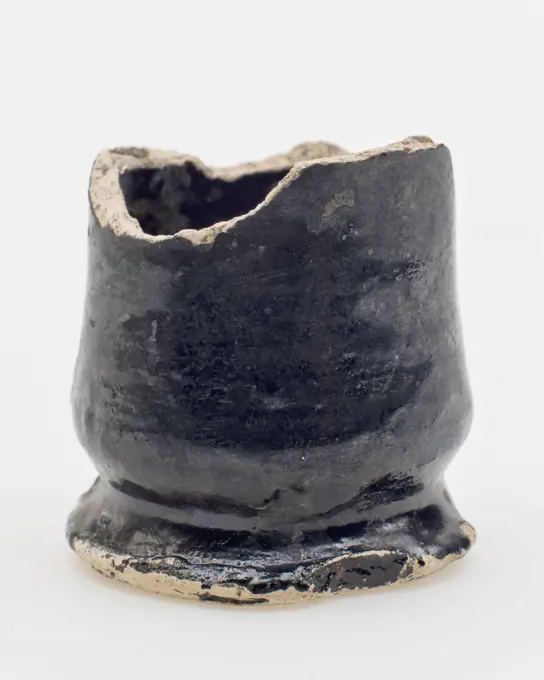
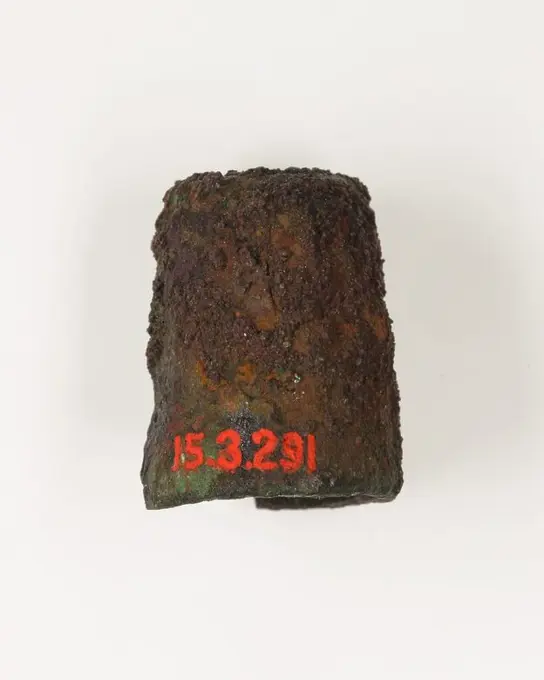
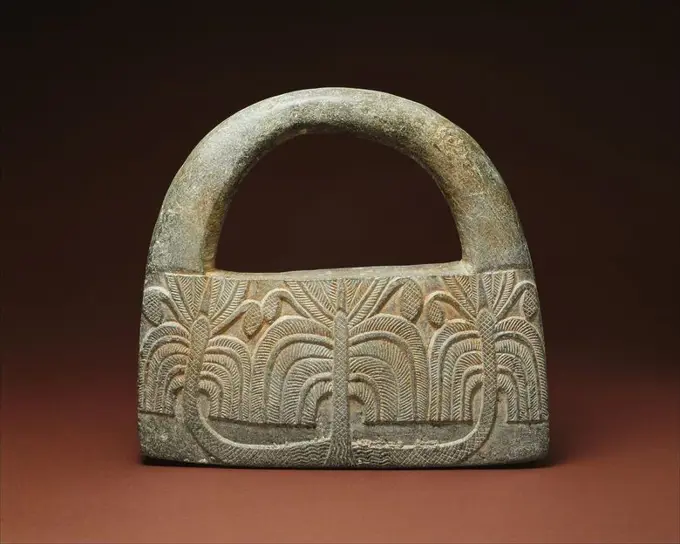
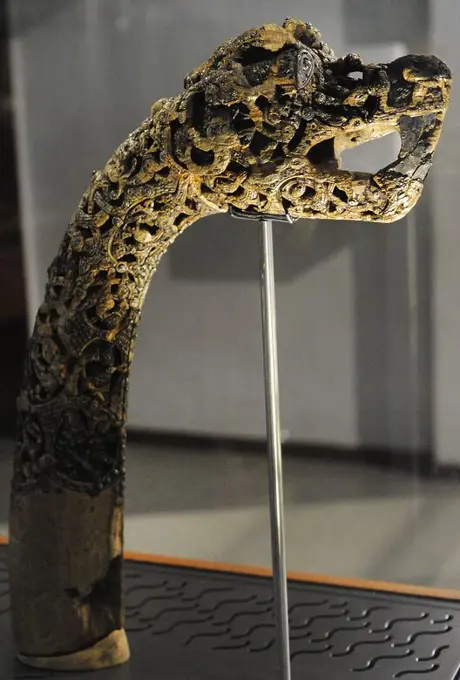
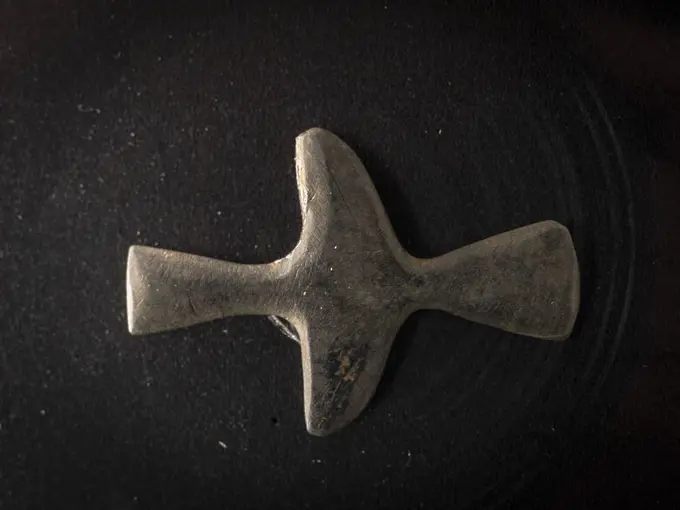
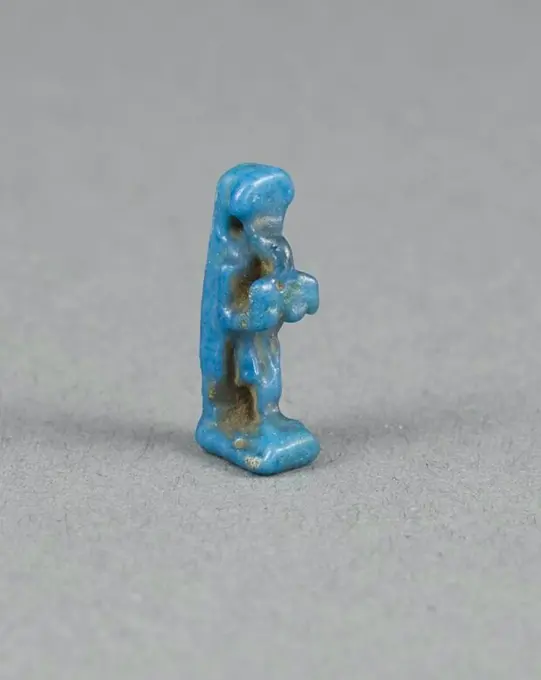
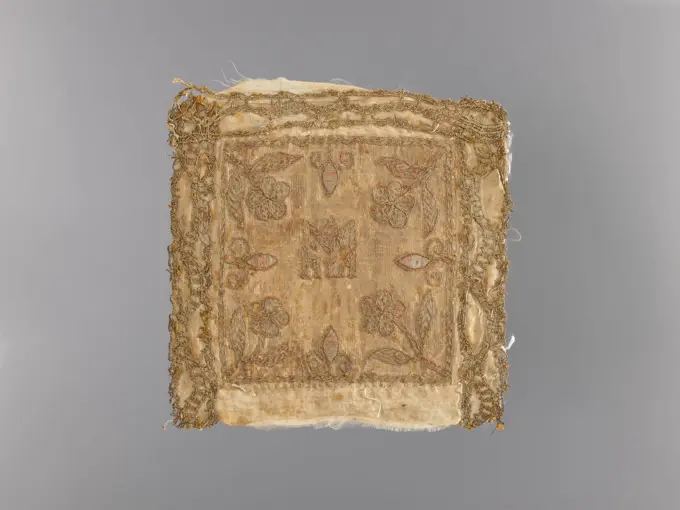
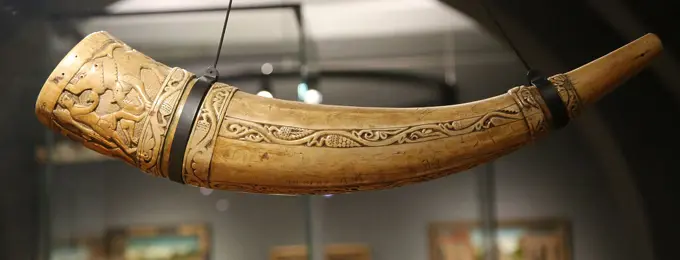
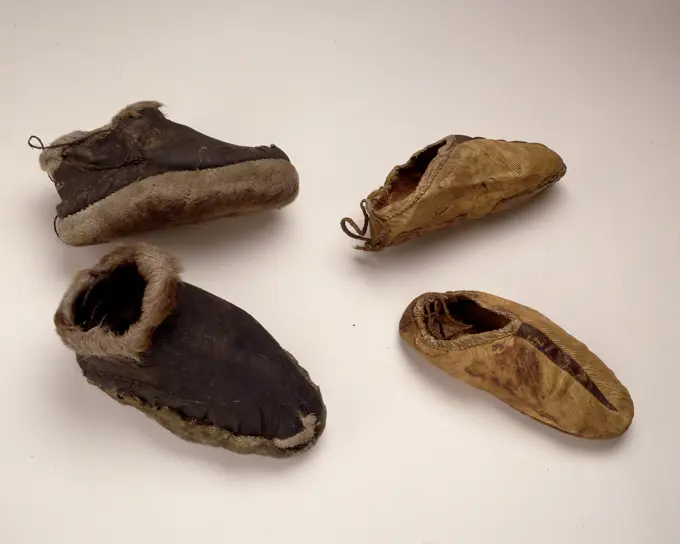
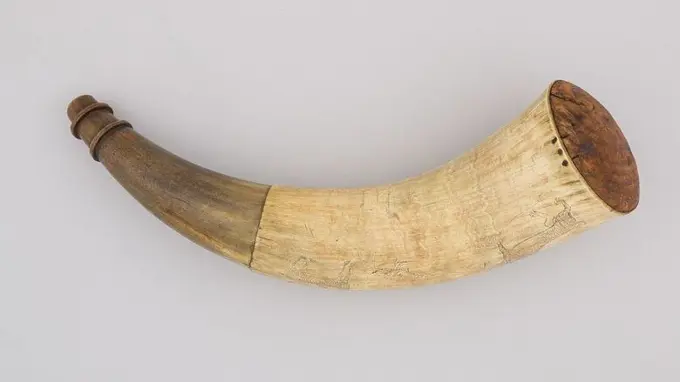
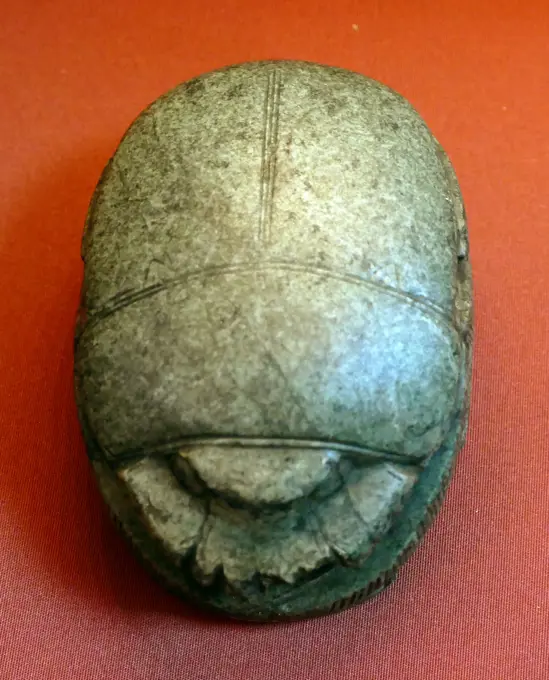
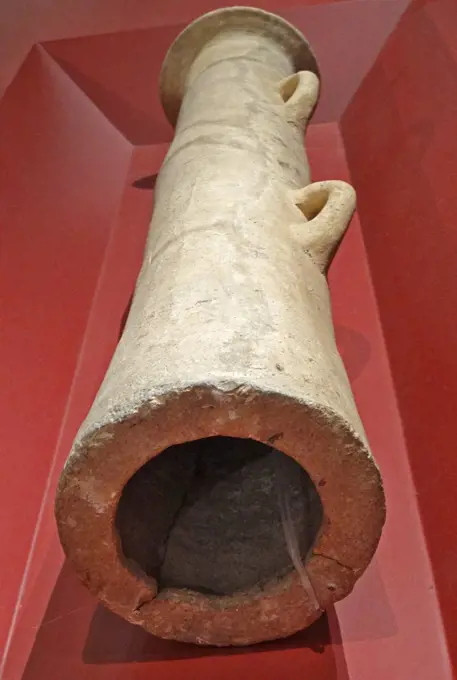
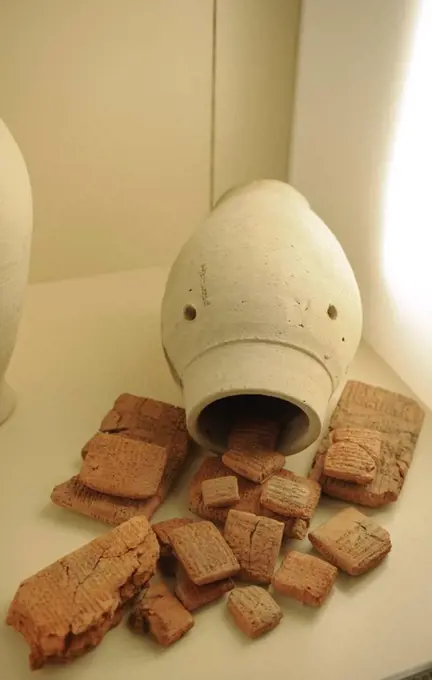
Po. Culture: Chinese. Dimensions: Diam.: 56.5 cm (22-¼ in.). Date: 19th century. Museum: Metropolitan Museum of Art, New York, USA.Inlay ca. 2600-2500 B.C. Sumerian. Inlay 325448Marula (Sclerocarya birrea) seed, Gorongosa National Park, MozambiqueRitual dager (Ko) jade blade. Shang Period. 12-11 cent. BC.Temple Model 1st-8th century Mezcala. Temple Model 315068Long Tube, Possbly for Lime, in the Form of an Animal. Inca; South coast or southern highlands, Peru. Date: 1450-1532. Dimensions: 13.7 x 2.7 cm (5 3/8 x 1 1/16 in.). Wood. Origin: Peru. Museum: The Chicago Art Institute, Chicago, USA.Scarab. UnknownVase fragment Roman Standing nude male.. Vase fragment 250441Falconet. Cast-bronze, breech loading naval gun, from the period of king Sebastian of Portugal (1557-1578). It belonged to the Portuguese carrack "Santiago", wrecked on the shallows of Judia (Indian Ocean), on its way to India in 1585. It was recovered in 1985. Detail. Maritime Museum. Lisbon, Portugal.Fragment of ointment jar on stand, ointment jar pot holder soil find ceramic earthenware glaze tin glaze lead glaze hh 4,4, hand-turned glazed baked Straight wall above the foot. Pink-white shard original white color of the glaze has become completely black by staying in the ground or by smothering in the oven underside rotational spores and unglazed archeology Rotterdam railroad tunneling indigenous pottery sales store craft packaging Soil discovery: trajectory rail tunnel Rotterdam.Ferrule of stick. Dimensions: l. 2.4 cm (15/16 in). Dynasty: Dynasty 12, late-early 13. Date: ca. 1850-1750 B.C.. Museum: Metropolitan Museum of Art, New York, USA.vessels, III BC, El Moro tomb, Niebla, Huelva Museum, Huelva, Andalusia, Spain.Object with a handle, perhaps a weight; palm trees and guilloche. Dimensions: H. 22.9 cm; W. 25.1 cm; D. 4.6 cm. Date: ca. mid- to late 3rd millennium B.C.. Museum: Metropolitan Museum of Art, New York, USA.Two rolls of wick in bodies belonging to arms rack of Cornelis tromp.two rolls wick in Fods. Red Lacquered Wood Painted With Floral Motifs in Gold and Black.A pair of sealing pistons;  XVIII-XIXW. (1701-00-00-1900-00-00);Animal-head post carved in wood. Found in the Tomb of the Boat of Oseberg, Norway. 9th century. Viking Ship Museum. Oslo. Norway.cruciform idol, slate, 2500-2000 BC, Los Gabrieles 6, Valverde del Camino, Huelva Museum, Huelva, Andalusia, Spain.Amulet of the God Thoth Holding an Offering Table (). Egyptian. Date: 664 BC-332 BC. Dimensions: 1.6 × 0.5 × 0.6 cm (5/8 × 3/16 × 1/4 in.). Faience. Origin: Egypt. Museum: The Chicago Art Institute, Chicago, USA. Author: Ancient Egyptian.ContainerOrnament, Christmas tree, Dough, A loop with two black sugar pearls., USA, 1850-99, Decorative Arts, Ornament, Christmas treeStick;  18th century (1701-00-00-1800-00-00);Skull 16th century or later Tibet. Skull. Tibet. 16th century or later. Bone. BoneFragment of a powderhorn from the wreck of the Dutch East Indiaman Hollandia, anonymous, 1700 - in or before 1743 powder horn Powderhorn; two fragments: curved, tapering horn, lower end eroded, nozzle consisting of conical copper band with 2 circular holes and 1 copper wire screw eye; wood base, circular, flat with 1 copper wire screw eye. Netherlands bone (material)   Secondtongue-shaped plate, 7th century, Visigoth - early medieval, Valladolid Museum , Castile and Leon, Spain.Bracelet probably 14th-15th century The earliest known examples of this type of seamless mosaic glass bracelet are from the late thirteenth century; it continued to be produced well into the nineteenth century at Hebron, in Palestine. This bracelet, together with thirty-three others in the collection, comes from UpperEgypt and was probably made during the Mamluk period.. Bracelet 446043Hunting horn. Southern Italy, 11th century. Elephant tusk. Decorated with hunting scenes, around the wide end are two hunters attacking wild animals. Rijksmuseum. Amsterdam. Netherlands.Fragment European or Middle Eastern ca. 1150-ca. 1250 View more. Fragment. European or Middle Eastern. ca. 1150-ca. 1250. Glass, ceramic. Glass-VesselsAncient Greek bronze kothon on a tripod stand. Dated 500 BCTassel, Medium: linen, silk on linen core, Skirt of gold-colored silk partly covered by a trellis of same colored twisted threads. Collar of cut threads topped by a knob covered with silk threads in twill pattern. Cord of braided silk threads., Spain, 17th century, trimmings, TasselOvershoe -Cutlery with children playing, Anonymous, 1675 - 1700 In front of a stump on which flower guilrandes hang, there is a boy that pees; The upward -facing right hand, he holds an alternated child against the leg, who sits above him on the stump, next to a second child, who embraces it. An iron pin sticks in the handle. Germany ivory In front of a stump on which flower guilrandes hang, there is a boy that pees; The upward -facing right hand, he holds an alternated child against the leg, who sits above him on the stump, next to a second child, who embraces it. An iron pin sticks in the handle. Germany ivoryPowder Horn. Culture: Colonial American, Ticonderoga, New York. Dimensions: L. 13 5/8 in. (34.6 cm); Diam. 3 1/2 in. (8.9 cm); Wt. 10.1 oz. (286.3 g). Date: 1759.This powder horn is decorated with a dragon, among other animals and birds. Museum: Metropolitan Museum of Art, New York, USA.Scarabs were amulets and impression seals in Ancient Egypt. For reasons that are not clear (although no doubt connected to the religious significance of the Egyptian god Khepri), amulets in the form of scarab beetles had become enormously popular in Ancient Egypt by the early Middle Kingdom (approx. 2000 BCE) and remained popular for the rest of the pharaonic period and beyond. During that long period the function of scarabs repeatedly changed.Plaque. Egypt, New Kingdom (circa 1569 - 1081 BCE). Sculpture. FaienceCylinder seal ca. 18th-16th century B.C.. Cylinder seal 328768Stamp Seal, Hemispheroid. Western Iran, about 4th millennium B.C.. Tools and Equipment; seals. White marbletongue -shaped plate tongue -shaped plate copyright: xzoonar.com/tolox 22568951Drain pipes; palace at Knossos; Crete 1800-1400 BCCartoon money bag with eyes, arms and mouth cartoon money bags with eyes, arms and mouth copyright: xzoonar.com/dr.xnorberbertxlangex 14429180Jar containing clay tablets written in cuneiform. 8th century. Pergamon Museum. Berlin. Germany.