Historical Artifacts

Collection of antique items such as linstocks and door beaters, highlighting unique metalwork and historical significance.

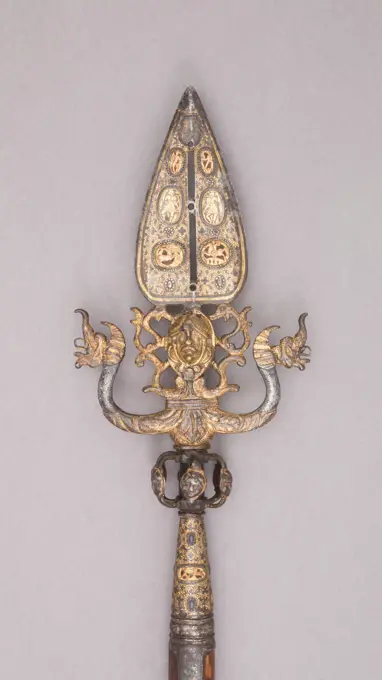
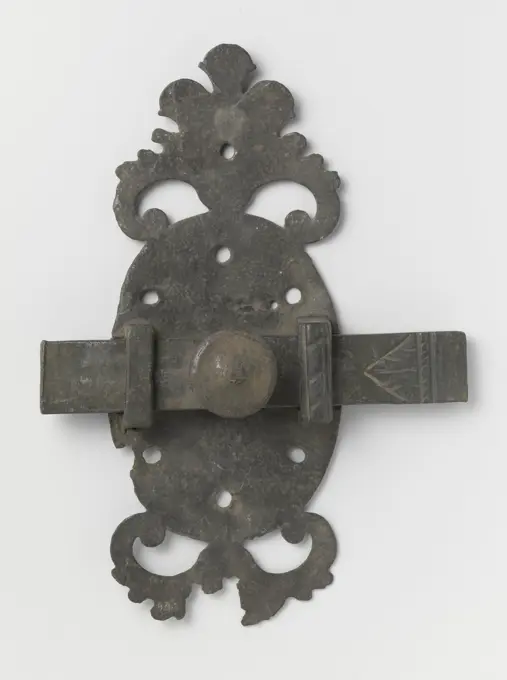
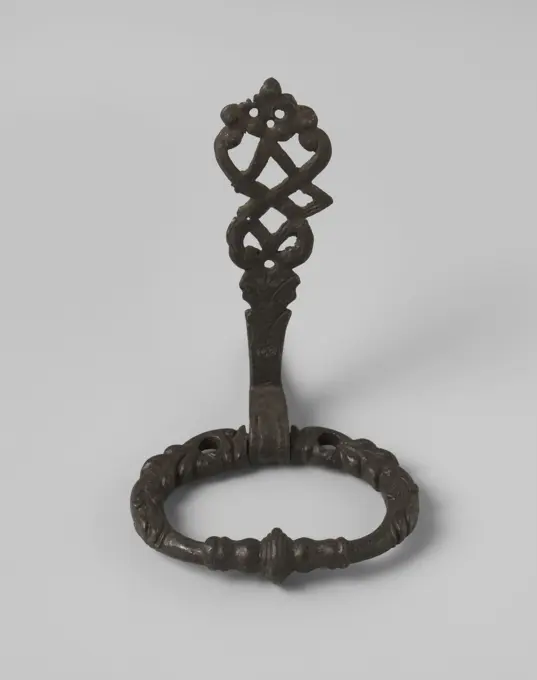
Door beater., 1500 - 1600 An iron door beater. Coming from the D. van der Kellen collection.  iron (metal) An iron door beater. Coming from the D. van der Kellen collection.  iron (metal)
Door beater., 1500 - 1600 An iron door beater. Coming from the D. van der Kellen collection. iron (metal) An iron door beater. Coming from the D. van der Kellen collection. iron (metal)
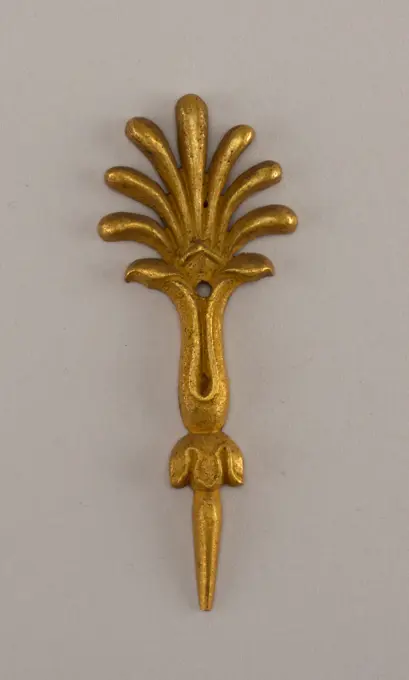
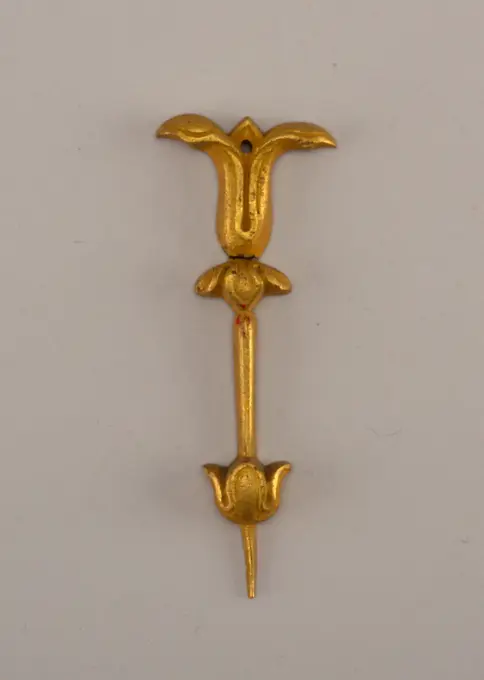
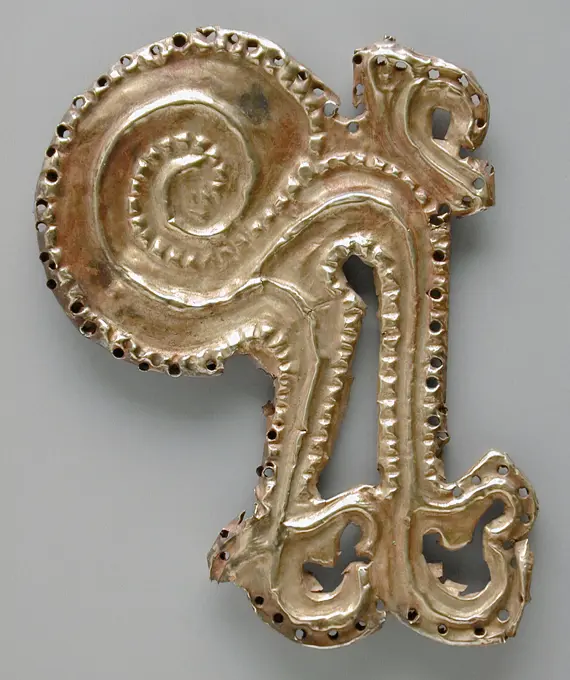
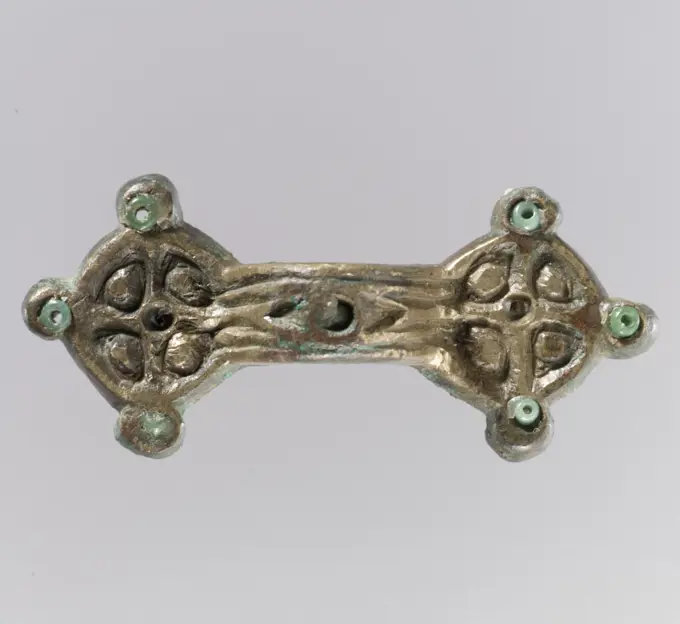
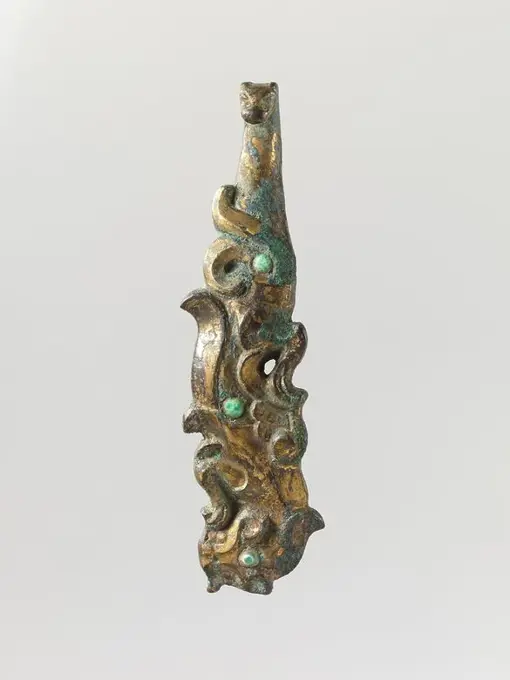
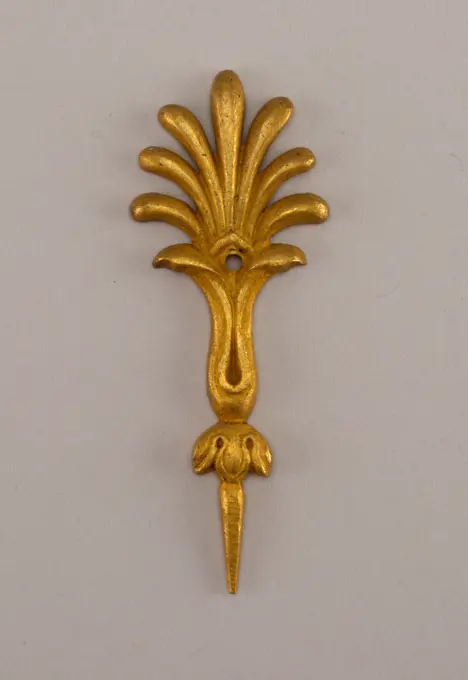
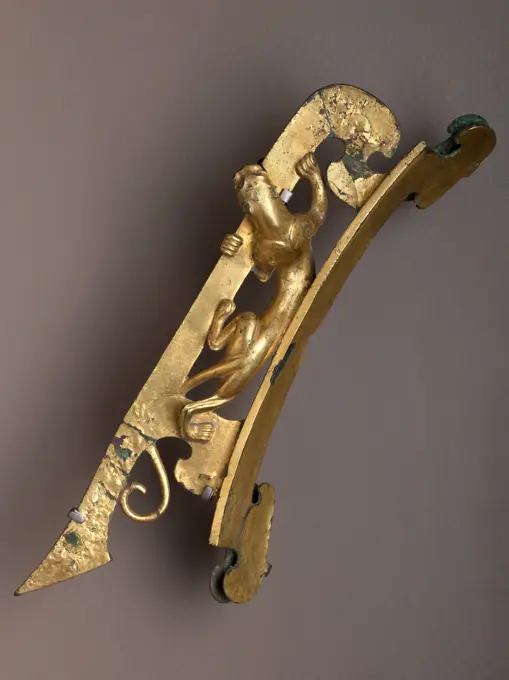
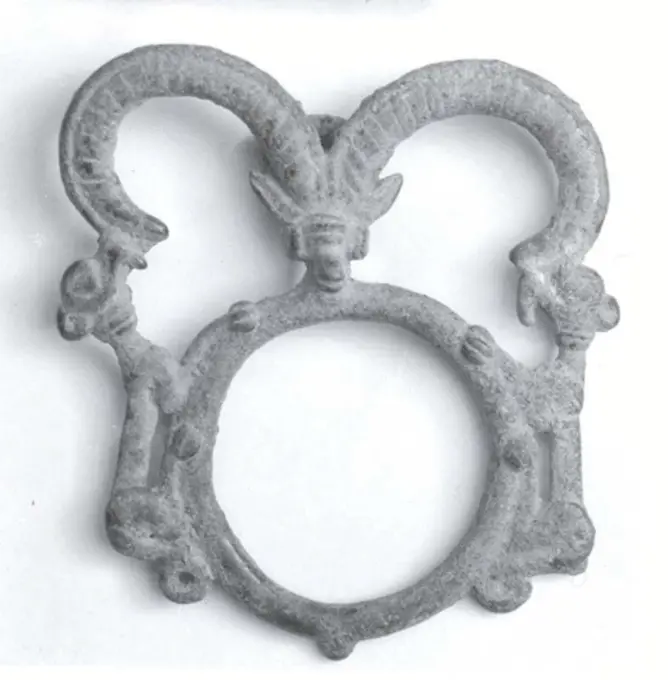
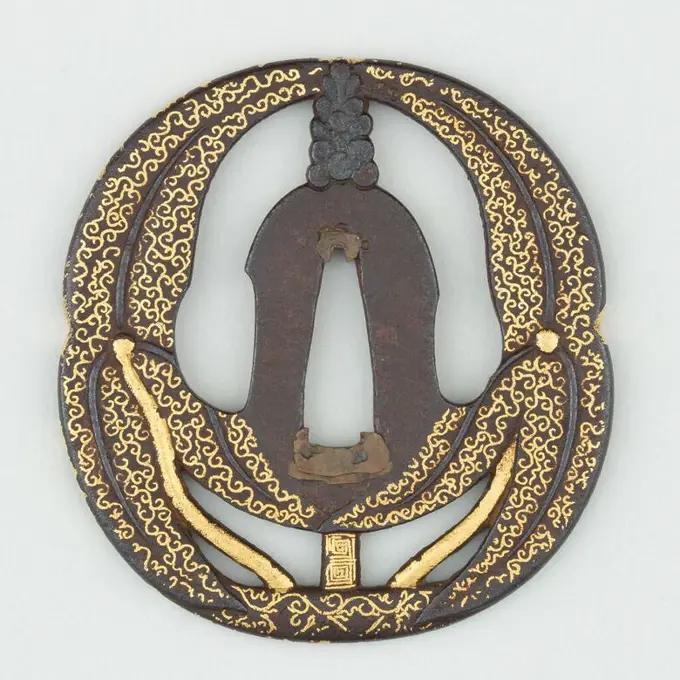
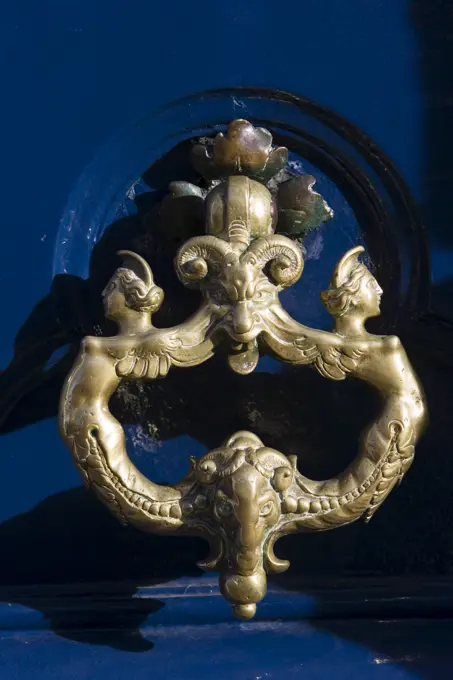
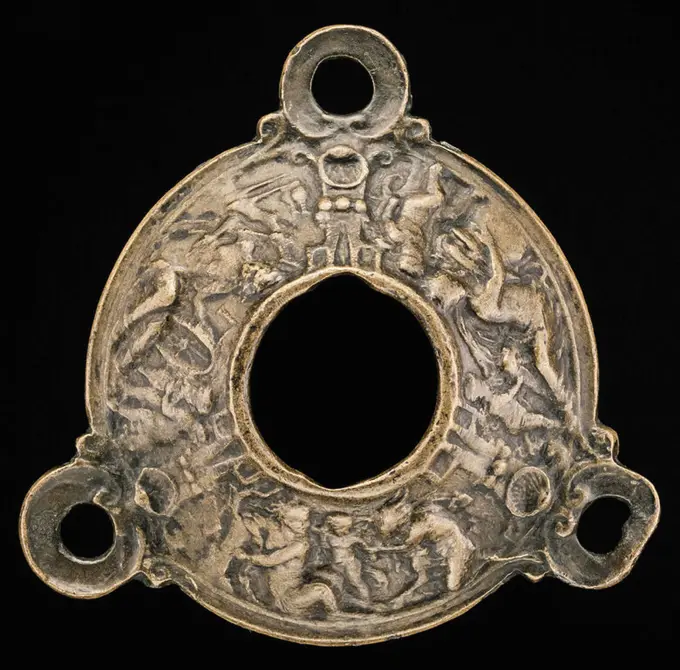
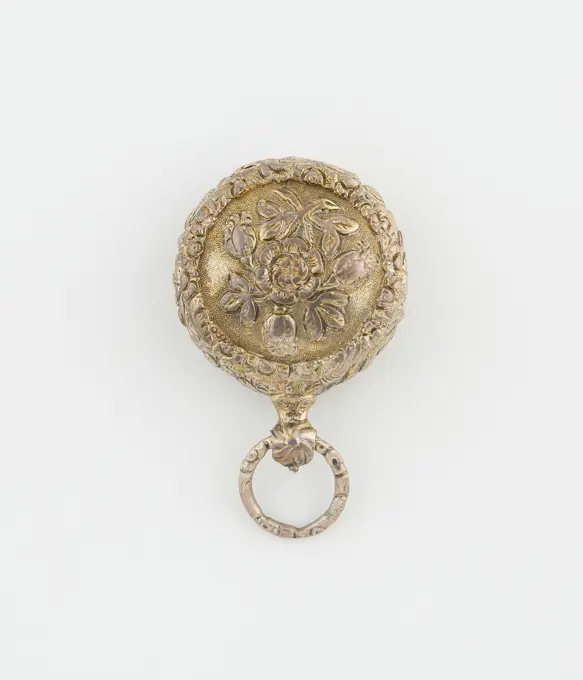
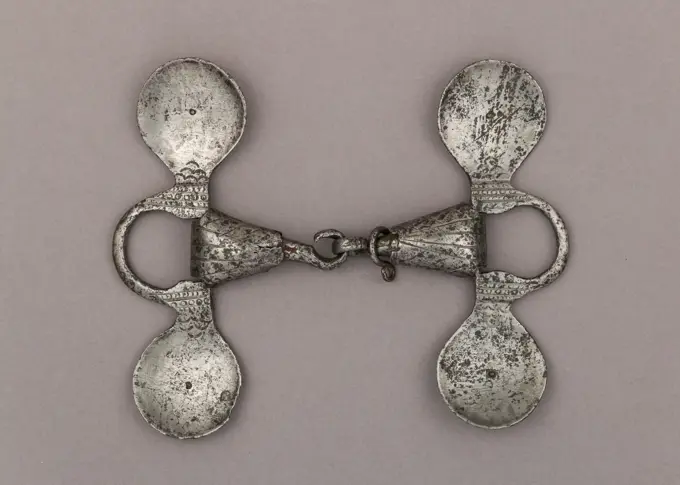
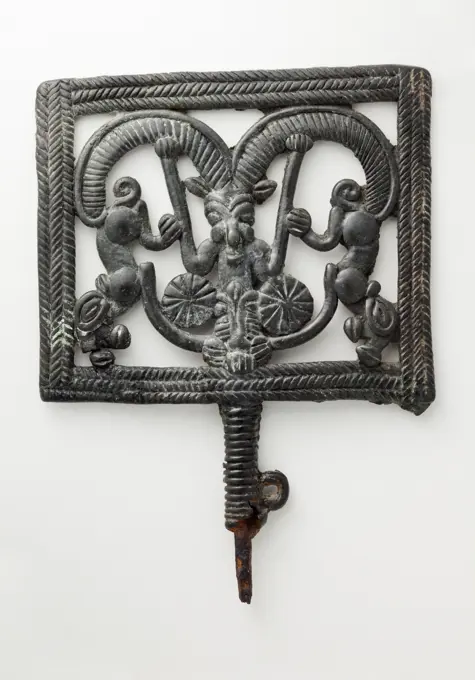
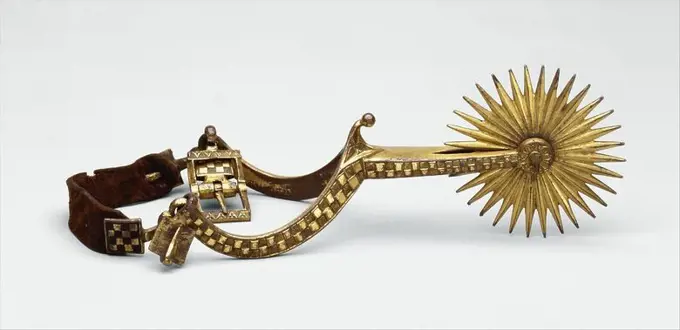
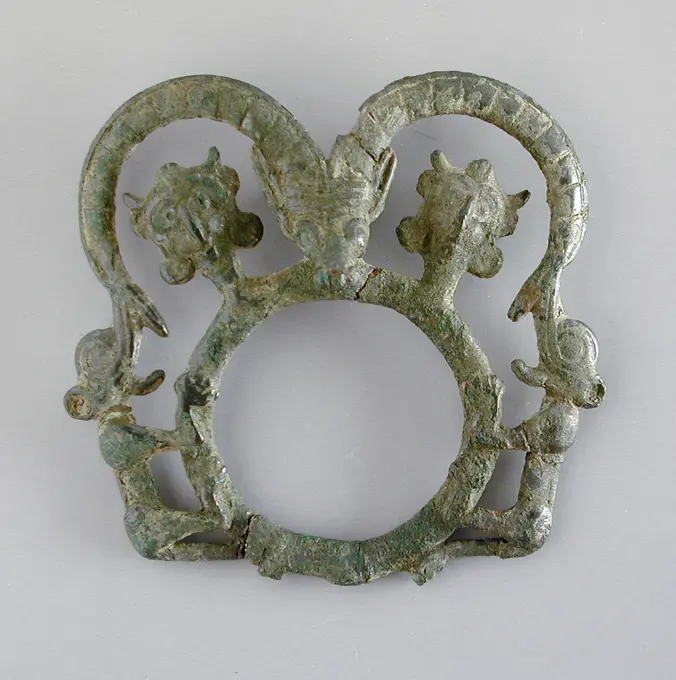
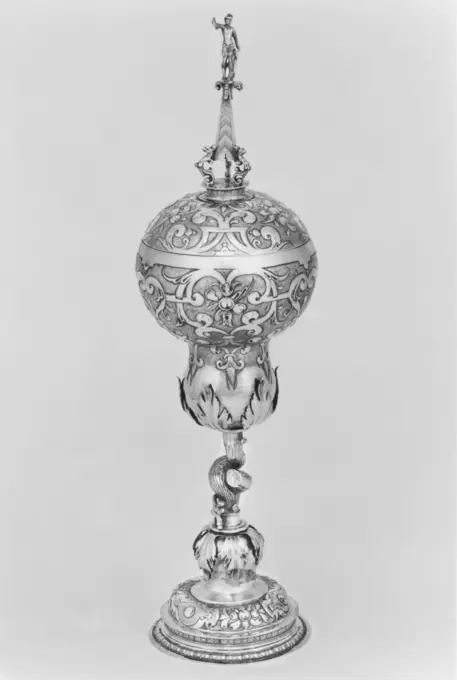
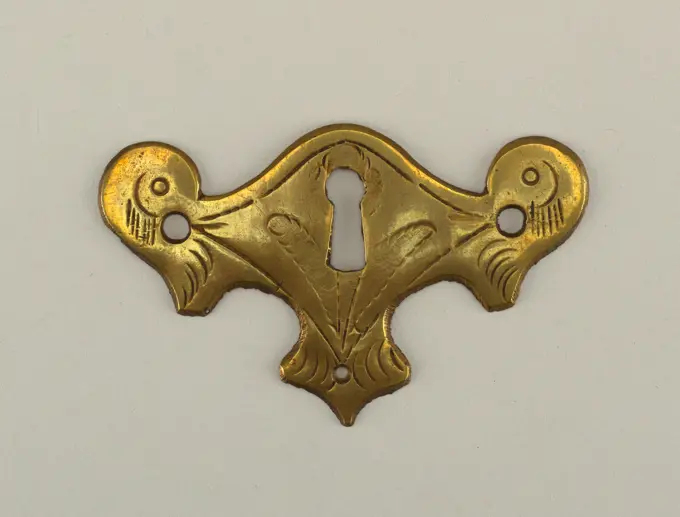
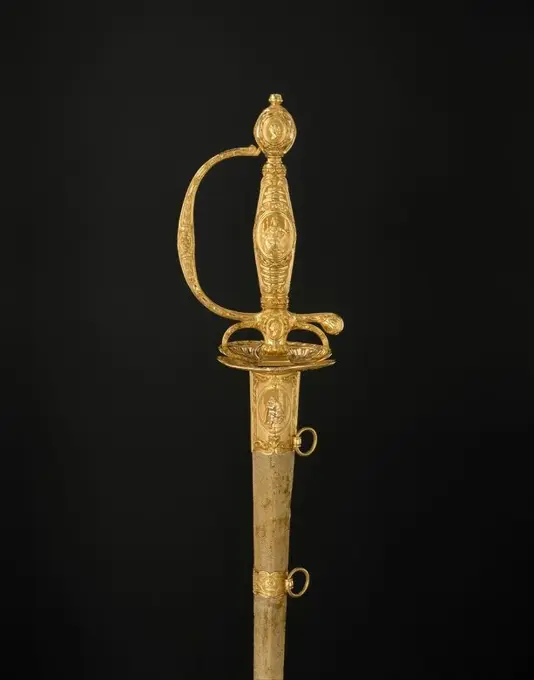
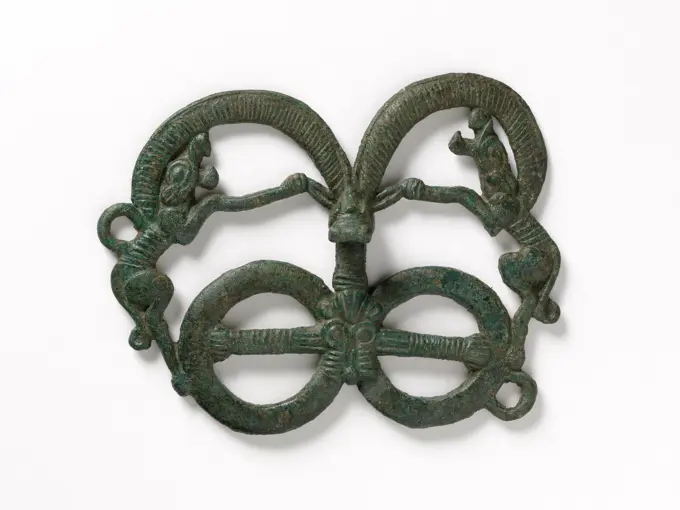
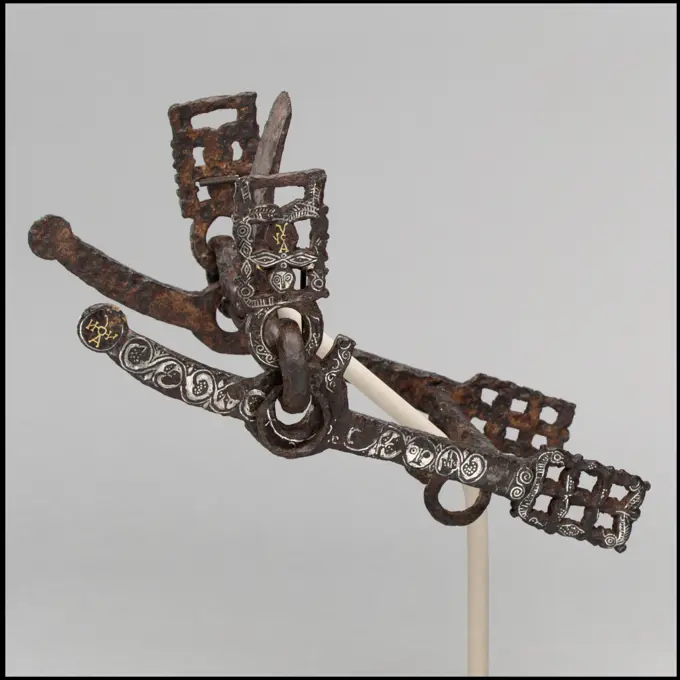
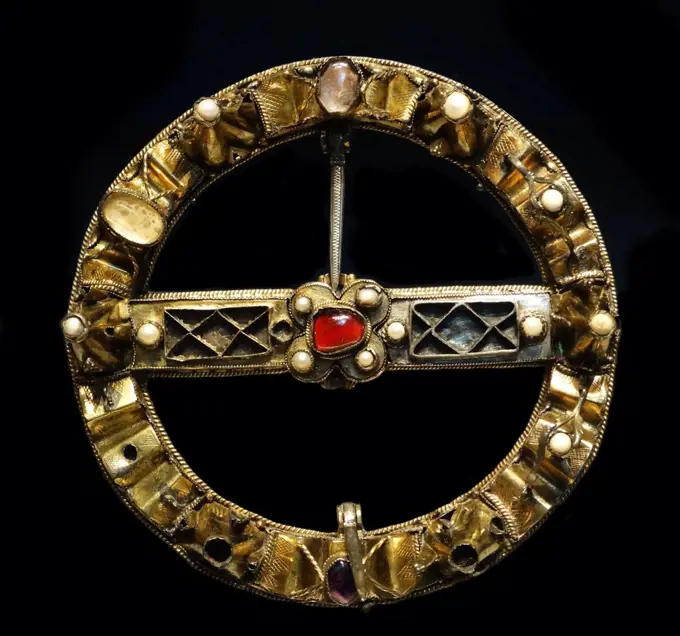
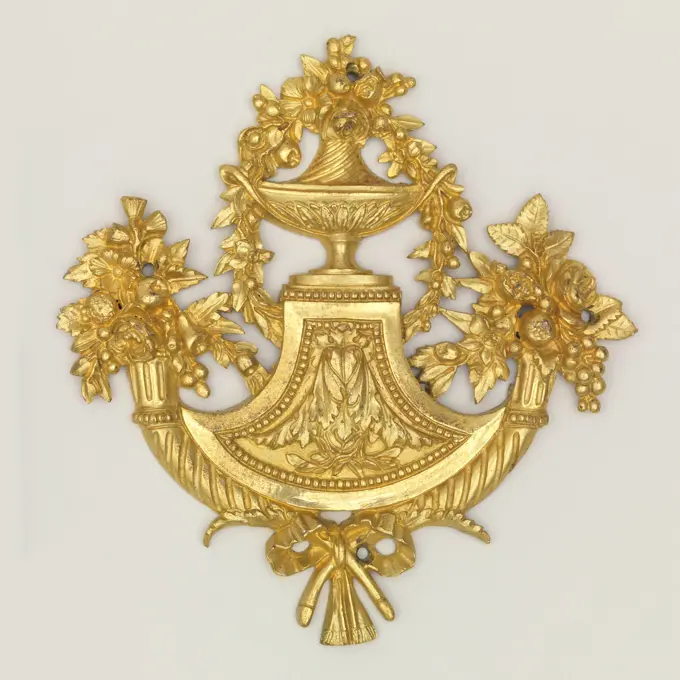
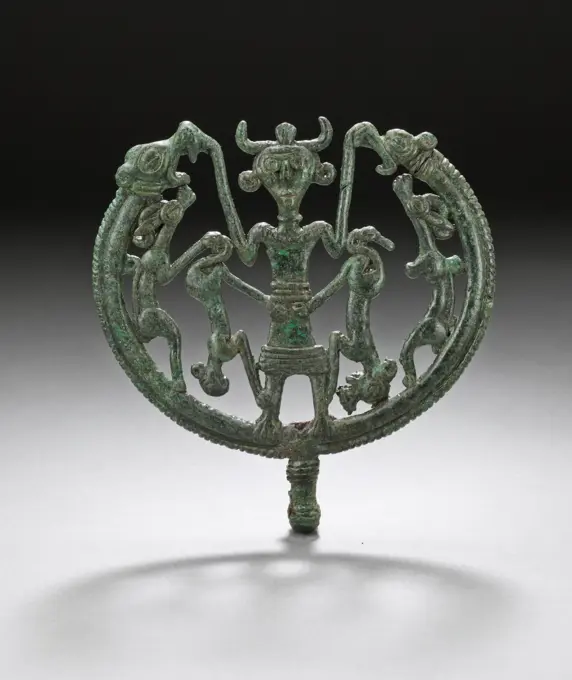
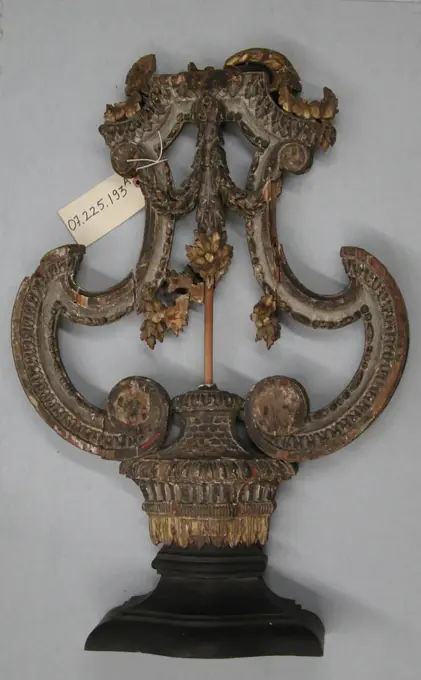
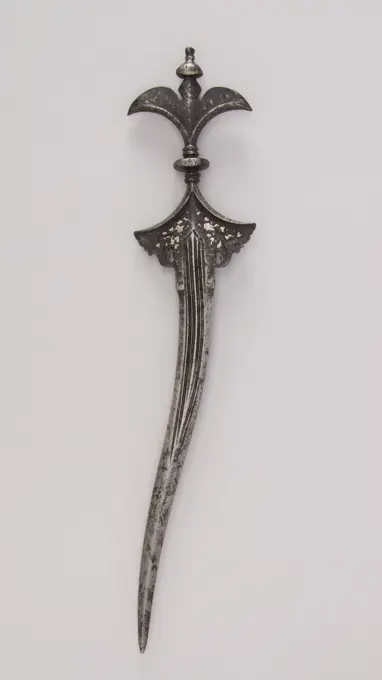
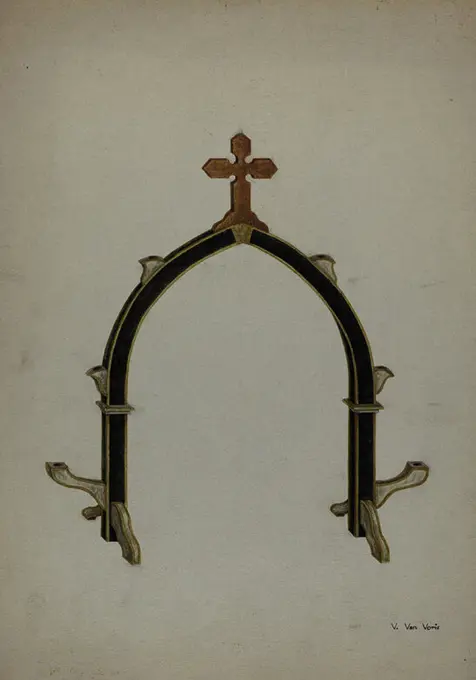
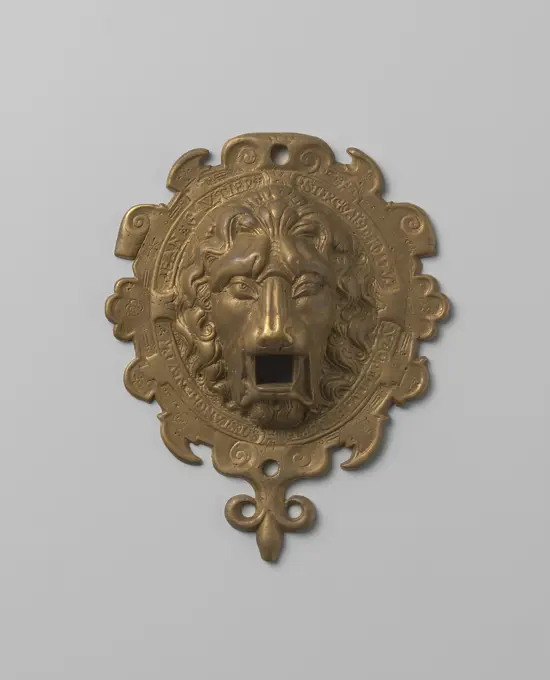
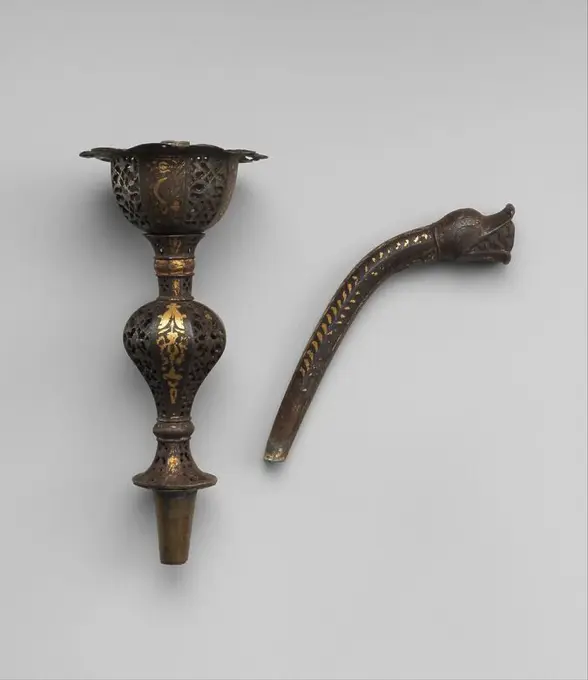
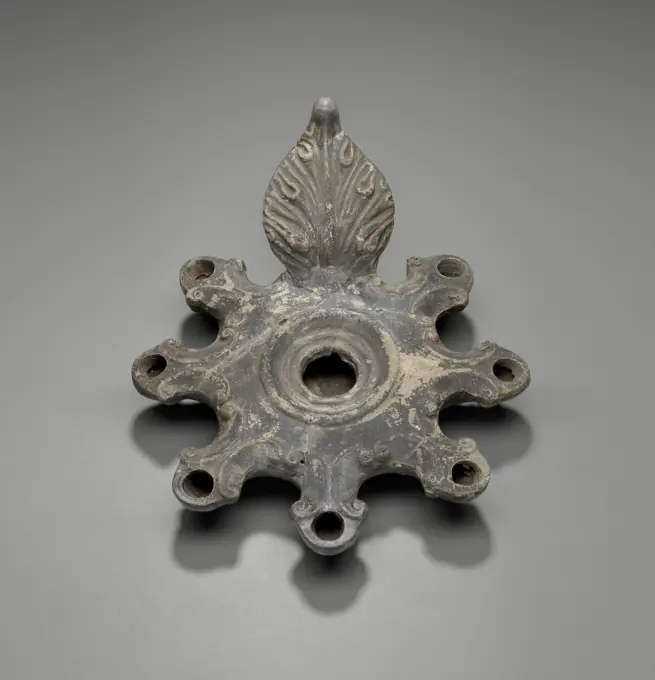
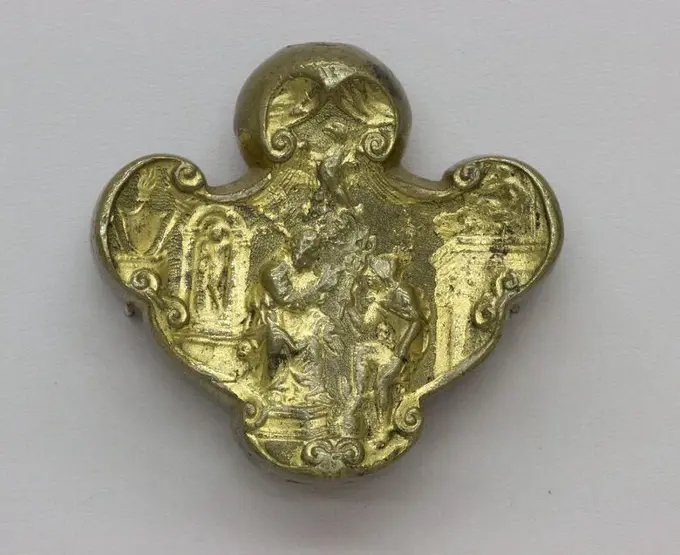
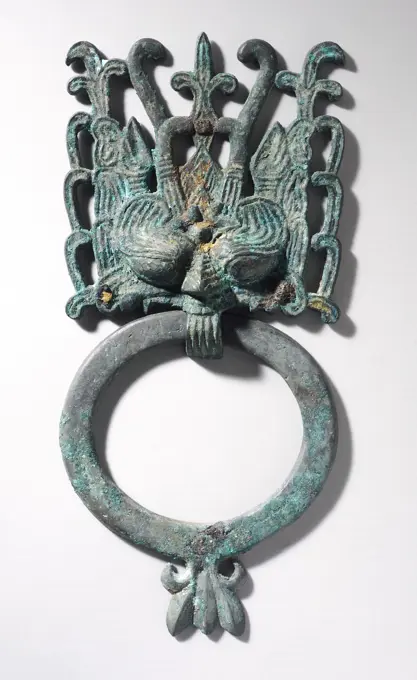
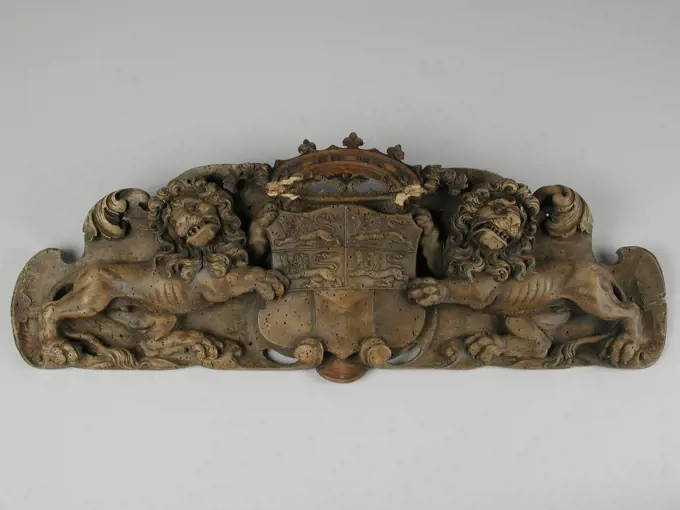
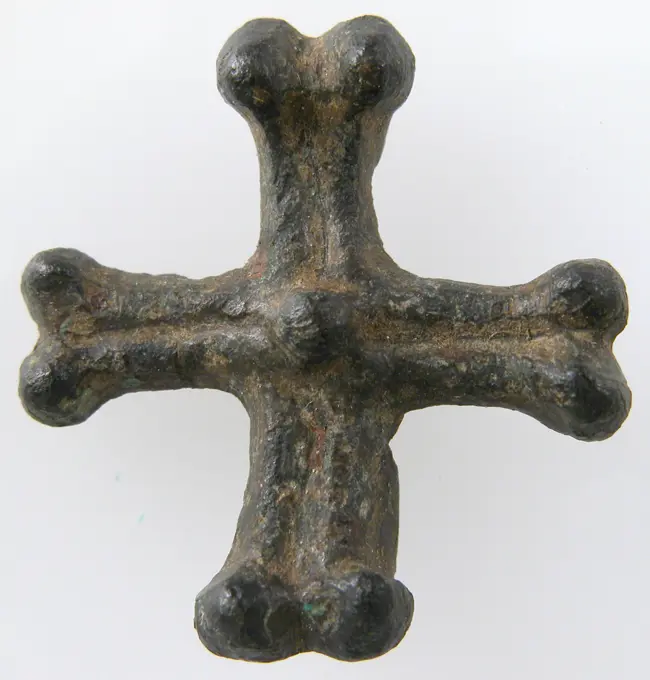
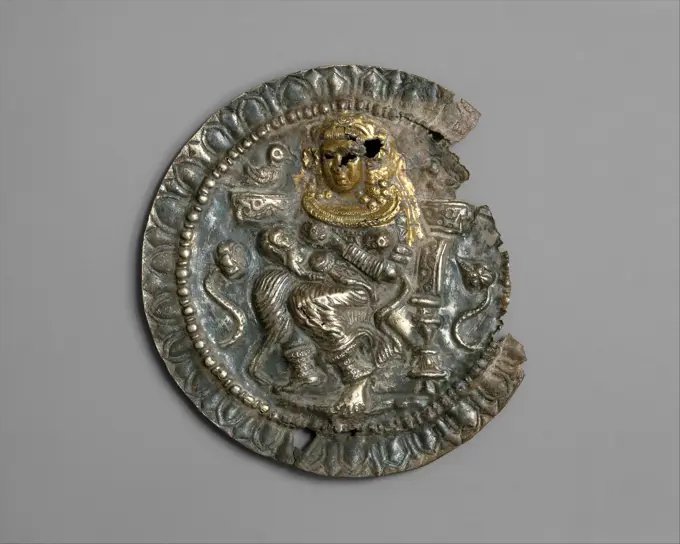
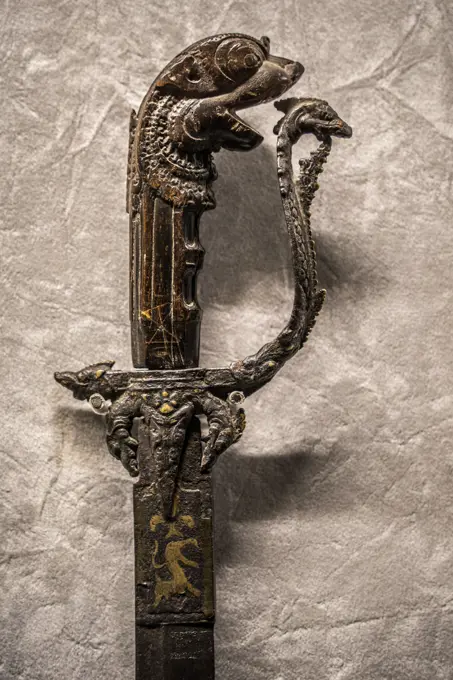
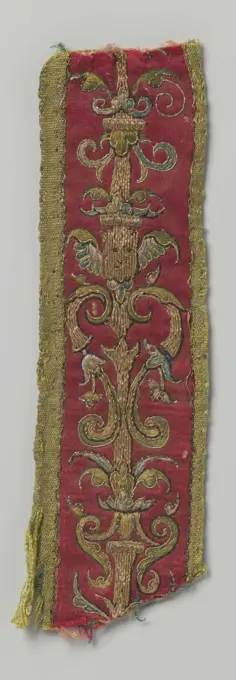
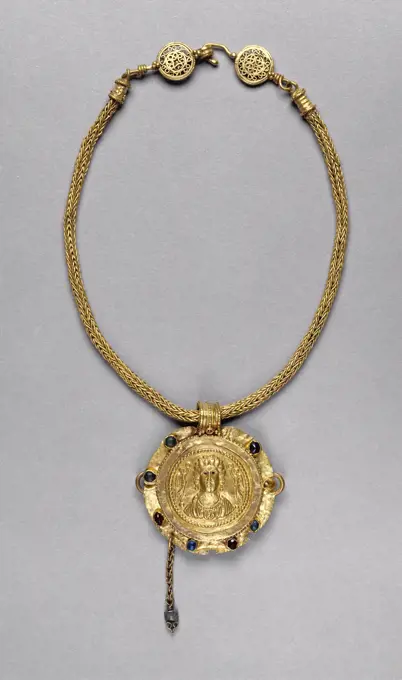
Linstock ca. 1600 Italian. Linstock 25078Door beater., 1500 - 1600 An iron door beater. Coming from the D. van der Kellen collection.  iron (metal) An iron door beater. Coming from the D. van der Kellen collection.  iron (metal)MountBliżej Kultury unknownBrooch -MountMountGold Ornament with Embossed Decoration. China, 700 B.C.-A.D. 200. Sculpture. GoldDagger (Katar) Model late 18th-19th century Indian. Dagger (Katar) Model 31526Ear versions of gold. Ear version of the naassers. See also NG-NM-7106-2.Equal-Arm Brooch 7th-8th century Frankish. Equal-Arm Brooch. Frankish. 7th-8th century. Copper alloy, glass beads, wax. Made in Northern France (). Metalwork-Copper alloyOpenwork pin ca. 8th-7th century B.C. Iran. Openwork pin 322879Book lock of silver. Book lock of silver. Signature: Ar.A shed or slide with plate, anonymousTraditional Tibetan Vajra ritual object Traditional Tibetan Vajra ritual object Copyright: xZoonar.com/DANKOxNx 22898631Openwork PinheadStand for Candelabrum (Torchère) 1685-1690 France. Carved, gessoed, and gilded oak .Harness Pendant ca. 1400 possibly French Heraldry, or coat-of-arms, were vitally important in Europe throughout the Middle Ages and the Renaissance. Heraldic emblems were used to identify noble families, cities, regions, and even countries. In addition to being displayed on shields and flags, heraldry was incorporated into architectural decoration on the interior and the exterior of buildings, on furniture, works of art, clothing, and horse equipment. Harness pendants, like this example, would have been attached to a headstall, bridle, or other straps making up the tack of a horse ridden by a nobleman or noblewoman, or a member of their household. Many harness pendants also have decoration that is simply ornamental, or have symbols that are not specifically heraldic in nature.. Harness Pendant. possibly French. ca. 1400. Copper alloy. Miscellaneous-BadgesBrooch -Bow Brooch first half 6th century Frankish The bow brooch was a component of many Germanic women's dress. In Frankish territory brooches were generally worn in pairs, as decorative elements on a strap hanging from the belt. The bow refers to the bend or curve that links two terminals.. Bow Brooch 465198 Frankish, Bow Brooch, first half 6th century, Silver-gilt, garnets, Overall: 1 15/16 x 3 1/4 x 1/2 in. (5 x 8.2 x 1.2 cm). The Metropolitan Museum of Art, New York. Gift of J. Pierpont Morgan, 1917 (17.192.140)Pendant. Iran, circa 150 B.C.-A.D. 225. Jewelry and Adornments; pendants. Bronze, castHand guard, anonymous, 1600 - 1900 Oval tsuba with an openwork decoration of two dragons between stylized tiflines on either side of a flaming jewel; Around the central opening European characters: "rdams-e-tanky". Japankanton iron (metal). gold (metal) Oval tsuba with an openwork decoration of two dragons between stylized tiflines on either side of a flaming jewel; Around the central opening European characters: "rdams-e-tanky". Japankanton iron (metal). gold (metal). Irregular tsuba formed consisting of two C 's with the open side; These are filled with a wide-worked decoration of dragons in the middle of stylized tendrils; on the edge above and below the central opening and left and right faces of strange creatures; The VOC monogram has been processed on both sides.Keyhole escutcheon, Tin, Pierced and repoussé plate with foliage motifs and scrollwork., France, ca. 1680, metalwork, Decorative Arts, Keyhole escutcheonV-Shaped Brooch 3rd century Roman. V-Shaped Brooch 465197 Roman, V-Shaped Brooch, 3rd century, Champlev enamel, bronze-gilt, Overall: 1 15/16 x 1 3/8 x 9/16 in. (5 x 3.5 x 1.4 cm). The Metropolitan Museum of Art, New York. Gift of J. Pierpont Morgan, 1917 (17.192.14)Mount, bronze, Furniture mount in the form of a pierced rosette, composed of lotus buds., France, ca. 1820, metalwork, Decorative Arts, MountBelt Hook. Culture: China. Dimensions: W. 1 9/16 in. (4 cm); L. 5 9/16 in. (14.1 cm). Date: 3rd-1st century B.C.. Museum: Metropolitan Museum of Art, New York, USA.Door beater, 1500 - 1600 An iron door beater, driven and engraved.  iron (metal) engraving An iron door beater, driven and engraved.  iron (metal) engravingMountWall Bracket 1765-90 American. Wall Bracket. American. 1765-90. Pine, gilt gesso. Made in United StatesFeline -shaped handle. Golden bronze. Paris, Cernuschi museum. 51555-10 Bronze gilded, fellin, gripGilt-wood rococo-style mirror by 18th-century Venetian craftsmen, Venetian drawing room, Villa San Michele, previously owned by Axel Munthe, Anacapri, Capri, Campania, Italy.MountHarness ring ca. 8th-7th century B.C. Iran. Harness ring 322575Sword Guard (Tsuba). Culture: Japanese. Dimensions: H. 2 13/16 in. (7.1 cm); W. 2 5/8 in. (6.7 cm); thickness 3/16 in. (0.5 cm); Wt. 3.4 oz. (96.4 g). Date: 17th century. Museum: Metropolitan Museum of Art, New York, USA.Anonymous, Short sword handle (common name), 0771. CERUNUSCHI Museum, Museum of Arts in Asia in the city of Paris.Door knocker, Boulevard Saint Germain, Paris, FranceEar pendant of black iron, Fer de Berlin ,, 1800 - 1900 Ear pendant of black iron, Fer de Berlin. At the top a hand with a key on which a threaded ornamental piece hangs. Germany iron (metal) casting Ear pendant of black iron, Fer de Berlin. At the top a hand with a key on which a threaded ornamental piece hangs. Germany iron (metal) castingLamp, Upper Portion. Dated: c. 1800/1899. Dimensions: overall (outer lip of cup to opp. circum.): 10.5 cm (4 1/8 in.) overall (depth): 2.9 cm (1 1/8 in.). Medium: gilt bronze. Museum: National Gallery of Art, Washington DC. Author: called Riccio after Andrea Briosco.Watch-Shaped Vinaigrette 1824-1825 Birmingham. Silver and silver gilt .Bliżej Kultury unknownSnaffle Bit late 16th - early 17th century German This kind of bit was used in the German lands for horses carrying litters and pulling sleighs.The snaffle bit is the simplest type of horse bit, and it has an effect on the bars (part of the horses jaw without teeth) and the corners of the lips. The scatches, the flattened triangular elements composing this mouthpiece, were slightly stronger in their effect and more resistant than the traditional conical canons also used at the time. The rings on the sides would serve to hang the bit on the headstall and attach the reins, while the spoon-like extensions would to help to hold the mouthpiece in place and would press the sides of the mouth when reins are pulled.. Snaffle Bit. German. late 16th - early 17th century. Iron alloy, tin. Equestrian Equipment-BitsOpenwork Pinhead. Iran, Luristan, Iron Age II-III (circa 1000-650 B.C.). Jewelry and Adornments; pins. BronzeMount, Gilt bronze., Garlands of lowers over acanthus swags surrounding female heads., France, ca. 1785, metalwork, Decorative Arts, MountFrame, Cast and gilt bronze, cast iron, Roccoco frame with scrolls and cherub heads., Italy, mid -18th century, metalwork, Decorative Arts, FrameFrame, wood (pine), carved and gilded, In the scheme of an altar retable. The inner frame has a shield shape. Shells rise over its top scrolls. Acanthus leaves cover it at the lower sides. An attic pediment rises in the middle, formed by two pilaster panels supporting two cornices which are connected by an acathus leaf. The bowl is shaped as a shell. It projects beneath the inner frame, and is laterally supported by scrolls., Italy Possibly Spain, ca. 1720, containers, Decorative Arts, FrameHandle with Kala Head. Indonesia, Eastern Java, 13th century. Tools and Equipment; handles. Copper alloyAn elaborate door knocker in the suburbs of Paris, FranceLoop .Rowel Spur. Culture: French or Spanish, Catalonia. Dimensions: L. 7 1/4 in. (18.42 cm); L. of neck, 3 in. (7.62 cm); Diam. of rowel, 2 7/8 in. (7.03 cm); Wt. 7 oz. (198.45 g). Date: ca. 1400.This luxurious spur made of gilded copper alloy, holding a large rowel shaped as a sunburst, is engraved all over with a chequy pattern and some trefoils. The tabs with hooks holding the straps are enameled in black and white or light blue. The chequy may refer to the heraldry of its original owner, in this case possibly a member of the French Dreux or the Catalan Urgell family. However, the variety of colors of the enameled tabs also suggests that this pattern may be only ornamental.As a knight's status was closely related to his horse, spurs became one of the symbols of chivalry, and one of the tokens given to him during his knighting. The wealthy knights and princes would sometimes commission rich examples, gilded, engraved, enameled, or even inlaid with pearls and precious stones. The first MountHarness RingSteeple cup possibly 1608-9 British, London and German, Nuremberg. Steeple cup 204930Designs for Jewelry 19th century Anonymous, French, 19th century French. Designs for Jewelry. Anonymous, French, 19th century. 19th century. Gouache, graphite, pen and black inkClasp c 1720-1750 New York City. Gold . Henricus BoelenEscutcheonSmallsword with Scabbard. Culture: French, Paris. Dimensions: L. with scabbard 38 1/2 in. (97.8 cm); L. without scabbard 38 1/8 in. (96.8 cm); W. 4 in. (10.2 cm); D. 2 7/8 in. (7.3 cm); Wt. 1 lb. 13 oz. (822.1 g); Wt. of scabbard 2.7 oz. (76.5 g). Sword maker: Master GG (French, active Paris, ca. 1774). Date: hallmarked 1773-74.An example of the highest quality Parisian goldsmiths' work, the hilt is decorated with figures of the Classical deities Mars, Minerva, Jupiter, and Hercules, and the personifications of Justice and Prudence. Museum: Metropolitan Museum of Art, New York, USA.Seal (England); gold, citrine; Overall: 4.6 x 3.7 x 3.2 cm (1 13/16 x 1 7/16 x 1 1/4 in.); Bequest of Joan W. Leidesdorf; 1997-62-16Plate formed by two rings surmounted by a ibex head. Bronze. LURISTAN. The 1st-Dri millennia av. Paris, Cernuschi museum. 35388-5 Ring, ibex, two, head, animal, plateHorse Bit 7th-9th century Visigothic or Byzantine This elaborately decorated bit, resembling the spade bit used by some (Western-style) riders today, has a large projecting tongue, or port, that would have been inserted into the horses mouth. The bridle was attached to the moveable rectangular plaques, while the reins were strung through the rings on the straight bar, beneath the horses jaw. The severity of the bit implies both a well-schooled horse and a skilled rider; a misstep by either would inflict great pain on the beast. The rich inlaid decoration includes Greek monograms, human faces, animal heads, and vine scrolls. Perhaps copied from or inspired by Byzantine art, the Greek monogram likely indicated the importance of the horses owner.. Horse Bit. Visigothic or Byzantine. 7th-9th century. Iron inlaid with copper alloy, gold, and silver. Made in Andalusia, Spain. Metalwork-IronThe Glenlyon Brooch used inscriptions and magical gems to protect the wearer. The inscription on the back of this brooch includes the names of the three wise men who came to worship the Christ child. Their names were recited as a charm against epilepsy and their shrine at Cologne, Germany. The brooch takes its name from its historic home of Glerilyon in Scotland. About 1500-30 Scotland. Silver-gilt, pearl, amethyst, rock-crystal and garnetMount (France); gilt bronzeOpenwork Pinhead. Iran, Luristan, Luristan bronzes, circa 1000-650 B.C.. Jewelry and Adornments; pins. BronzeCoat of arms 1672. Cartouche () With coat of arms and the year 1672. Above the cartouche () A lion's head. Probably it is a fragment of a vessel.EarringDoor beater, c. 1400 - c. 1950 A door beater.  iron (metal) A door beater.  iron (metal)Fragment of a Processional Cross, c. 1050. Byzantium, Constantinople, Byzantine period, 11th century. Silver gilt, niello; overall: 32.3 x 44.8 x 5.7 cm (12 11/16 x 17 5/8 x 2 1/4 in.).S-Shaped Brooch late 6th century Langobardic The S-shape of this brooch is in fact the body of a fantastic animal with a birds head at either end.. S-Shaped Brooch 464897 Langobardic, S-Shaped Brooch, late 6th century, Silver-gilt, garnets with patterned metal foil backings, Overall: 1 1/8 x 1 7/16 x 3/8 in. (2.9 x 3.6 x 1 cm). The Metropolitan Museum of Art, New York. Gift of J. Pierpont Morgan, 1917 (17.191.199)Gold nose cover. Goldsmith art. Scythian Civilization, 4th Century BC.Smallsword hilt, possibly India; blade, possibly European possibly 1790 By the early seventeenth century, the rapier, a long slender thrusting sword, began to dominate as the gentlemans weapon of choice. During the course of the century, however, as civilian fencing techniques became more specialized and refined, the rapier developed into a lighter, trimmed-down weapon known by about 1700 as the smallsword. Smallswords, often richly decorated, remained an integral part of a gentlemans wardrobe until the wearing of swords in civilian settings went out of fashion at the end of the eighteenth century, at which time pistols were replacing swords as arms most frequently used in personal duels. The majority of smallsword hilts are made of silver or steel, but many also employ a wide variety of luxurious materials, such as gold, porcelain, and enamel. At their best, smallswords combine the crafts of swordsmith, cutler, and jeweler to create an elegant weapon that was also a wearable work of aPatriot pipe toddler, in honor of Hendrik Danielsz. Hooft, mayor of Amsterdam. Elongated pipe toddler, consisting of oval medallion, crowned with openwork bow and hanging with garlands; in medallion: Breast piece man; Below: bird with spread wings, cut-away heart and long pen, of which upper part has on four silk opening and in which bullet is, middle part is rotated and lower part ends in point.Top for standard ca. 8th-7th century B.C. Iran. Top for standard 326650Pair of balusters 18th century French. Pair of balusters. French. 18th century. Wood, painted and gilt. WoodworkDouble Cordiform Pendant, One of a Pair late 19th-early 20th century Group of Turkman Ornaments, nos. 2018.922.1-.6a, .6b These bold silver ornaments come from the world of the Turkman tribes of Central Asia. Some of the forms such as the lozenge shaped amulet holder or Quran box relate to the styles of jeweled arts of the courts and urban centers. But most of these large and vibrant ornaments are a final expression of the unique sensibility of the Turkman people as their nomadic life gives way to modernity.. Double Cordiform Pendant, One of a Pair 455399Dagger (Chilanum) 17th century South Indian. Dagger (Chilanum) 31731Paper Cut-Out 10th century. Paper Cut-Out 452902Carved Wooden Candleholder. Dated: c. 1939. Dimensions: overall: 35.3 x 24.3 cm (13 7/8 x 9 9/16 in.) Original IAD Object: 49 1/2"high; 44"wide. Medium: watercolor, colored pencil, and graphite on paperboard. Museum: National Gallery of Art, Washington DC. Author: Vera Van Voris.Electrum pendant, from Kamiro, RhodesWall plate with lion's head for a wall refuge. The molded and topped plate has the shape of a lion's head with a beaked beak, in which a square hole. Therefore a saying tape shared with the name and inscription .sterck.alden.leev. / Verssictich.voort. / .Tslanghen.vier. / .Jean.gavtier. Around it a rollerwork ornament, which ends at the bottom of a reverse French lily. Various decorations are punched on the frame, O.A. four-leaved roses. Two holes were applied upper and bottom.Water Pipe Part. Dimensions: H. 4 3/4 in. (12.1 cm)W. 1 1/4 in. (3.2 cm)D. 5/8 in. (1.6 cm)Wt.1.9 oz. (53.87 g). Date: probably 18th century. Museum: Metropolitan Museum of Art, New York, USA.Locket ca. 1875 American. Locket 124363MountStirrup with bells 18th century possibly Mongolian. Stirrup with bells 504423Chinese coinLampBliżej Kultury unknownSword Pommel. Culture: Italian. Dimensions: H. 2 3/8 in. (6 cm); W. 2 1/2 in. (6.5 cm); D. 7/8 in. (2.2 cm); Wt. 8 oz. (224 g). Date: 16th century. Museum: Metropolitan Museum of Art, New York, USA.Pull; 1904-21-18-a,bMask Mounts (Huan) with Ring Handles. China, Six Dynasties period, 317-581. Jewelry and Adornments; masks. Cast bronzeIron vintage design element Iron vintage design element Copyright: xZoonar.com/StanislavxRishnyakx 2960412Carved city coat of arms of Rotterdam, two lions holding crowned coat of arms, coat of arms information form carvings sculpture sculpture wood, broken fragment) cut Carved city coat of arms of Rotterdam two lions holding crowned coat of arms, with broken fragment of crown, . Has been part of the mantelpiece in the boardroom of the Gasthuis Rotterdam City Center Stadsdriehoek Hoogstraat heraldiek Regentenkamer Gasthuis Hoogstraat Rotterdam.Bliżej Kultury unknownCross 8th-9th century Merovingian or Carolingian. Cross. Merovingian or Carolingian. 8th-9th century. Copper alloy, champlevé enamel. Metalwork-Copper alloyNose Ornament. Culture: Colombia (). Dimensions: Height 1-1/4 in. (3.2 cm). Date: 10th-16th century. Museum: Metropolitan Museum of Art, New York, USA.Rondel with the Goddess Hariti ca. 1st century Pakistan (ancient region of Gandhara) The goddess Hariti is shown nursing a child and sitting on a throne flanked by lotuses and surmounted by auspicious geese (hamsa), the Buddhas messengers. Stylistically this roundel can be related to first-century finds from the Taxila city of Sirkap, a dating that would make it one of the earliest known representations of Hariti. Buddhist texts tell us that Hariti originally stole and devoured children, but with the Buddhas intervention she became their protector.. Rondel with the Goddess Hariti 38221Kastane, 18th century, Sri Lanka, Álava Armory Museum, Vitoria, Basque Country, SpainEarring 11th-13th century. Earring. 11th-13th century. Gold. Attributed to probably Iran. JewelryFragment van een geborduurde praetexta en aurifries van een dalmatiek ()..Fragment of an embroidered praetexta and aurifries of a dalmatics. The fragment consists of red satin on a linen lining. The embroidery has rinceaux of gold and silk in the colors yellow and green. The fragment belongs to two fragments with Invnrs. BK-NM-1239-B-1 and BK-NM-1239-B-3.Anonymous, to the star (II). Brassor's brand (), Paris (dummy title), 1715. Cut and postponed iron. Carnavalet museum, history of Paris. An eight -branch star placed in a songwrité setting, composed of shell fragments. The bits are openwork. Executed on both sides.Necklace with Relief Pendant; Roman Empire; 250 - 400; Gold, garnet, emerald, glass; 6.4 cm (2 1,2 in.)