Historical Artifacts

Collection of antique items such as linstocks and door beaters, highlighting unique metalwork and historical significance.

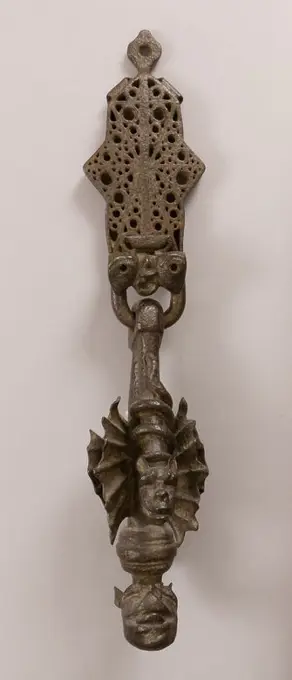
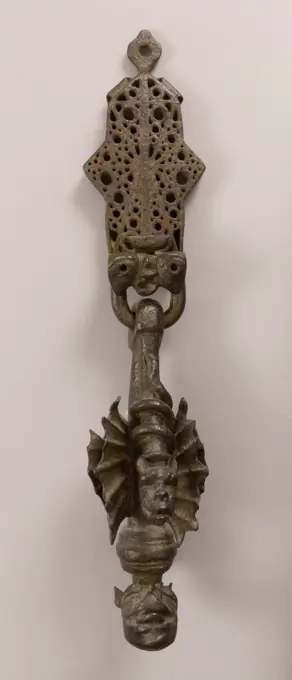
Door beater., 1500 - 1600 An iron door beater. Coming from the D. van der Kellen collection.  iron (metal) An iron door beater. Coming from the D. van der Kellen collection.  iron (metal)
Door beater., 1500 - 1600 An iron door beater. Coming from the D. van der Kellen collection. iron (metal) An iron door beater. Coming from the D. van der Kellen collection. iron (metal)
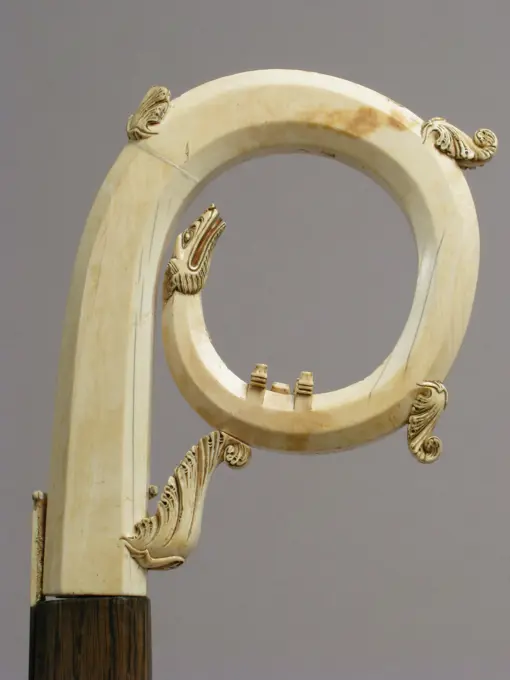
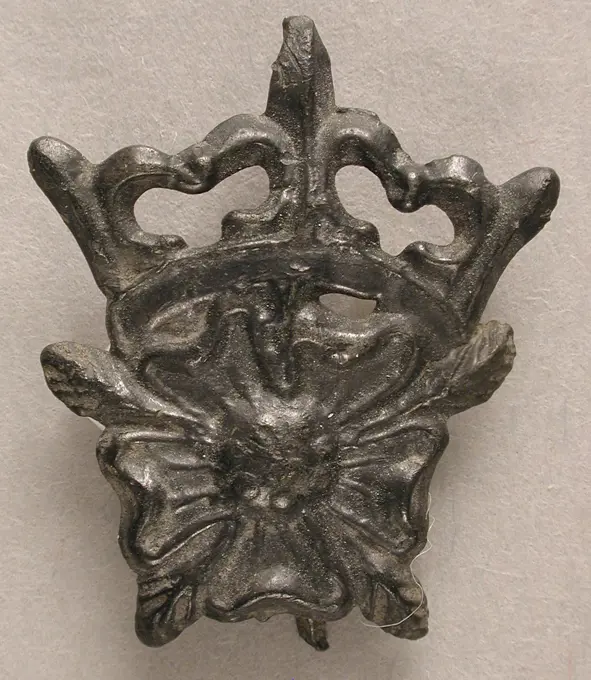
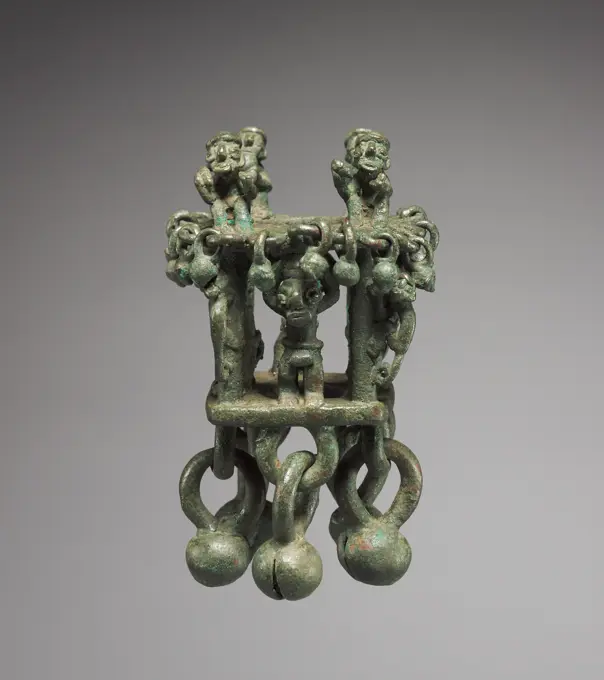
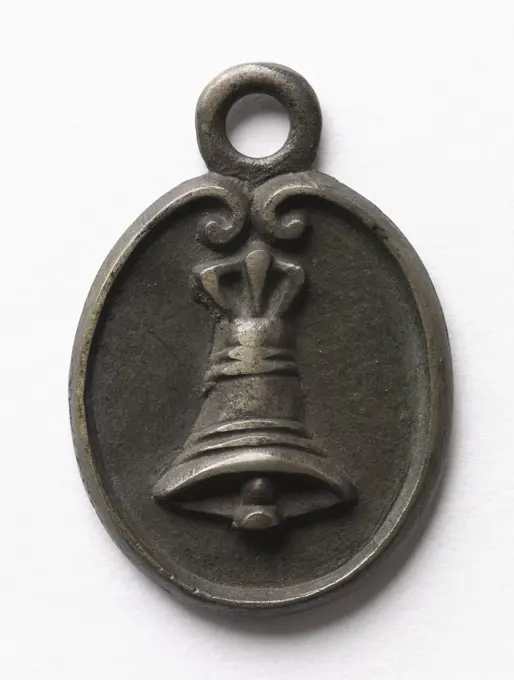
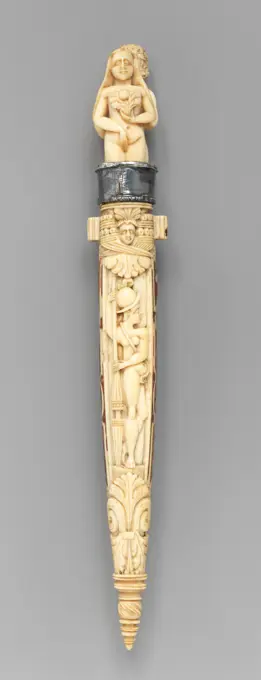
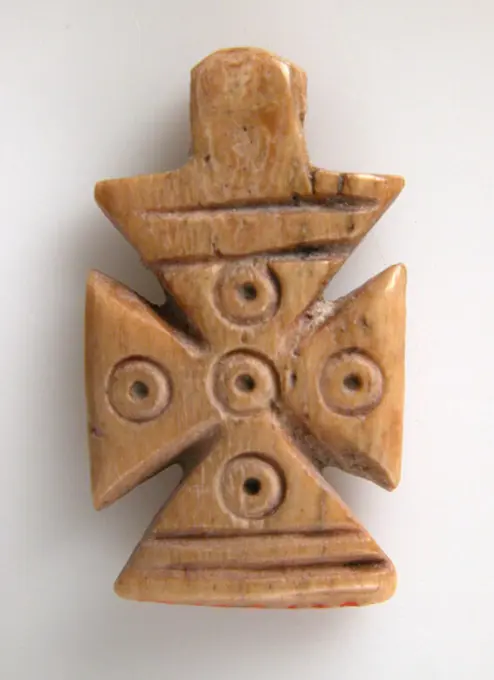
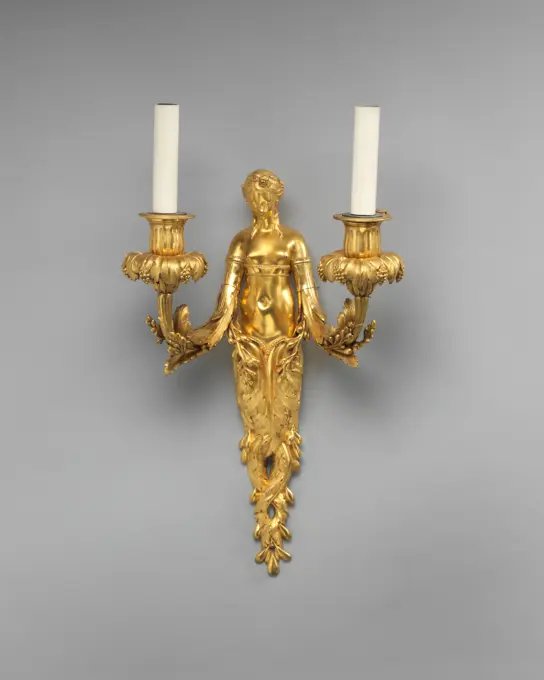
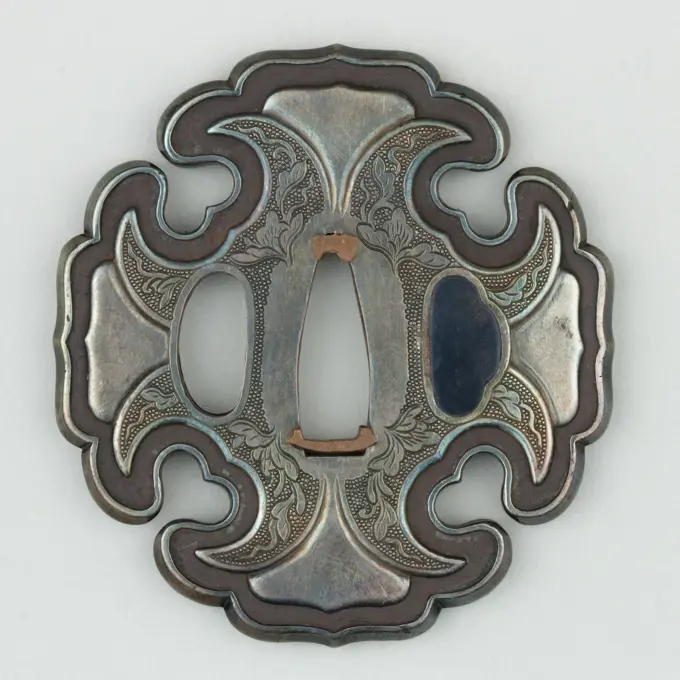
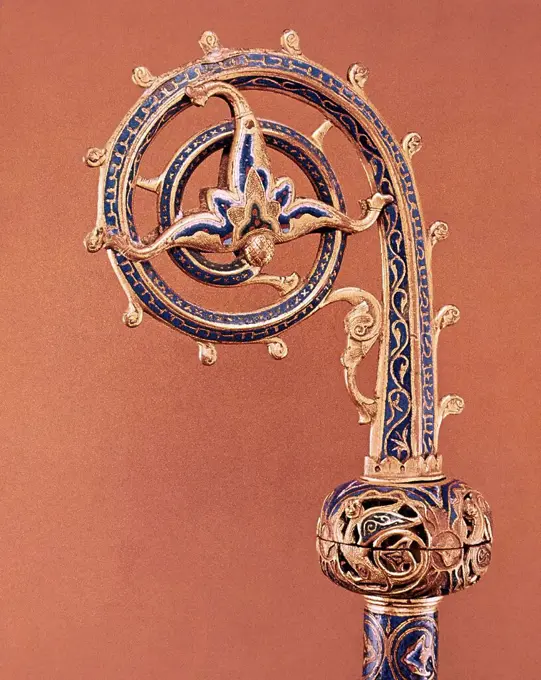
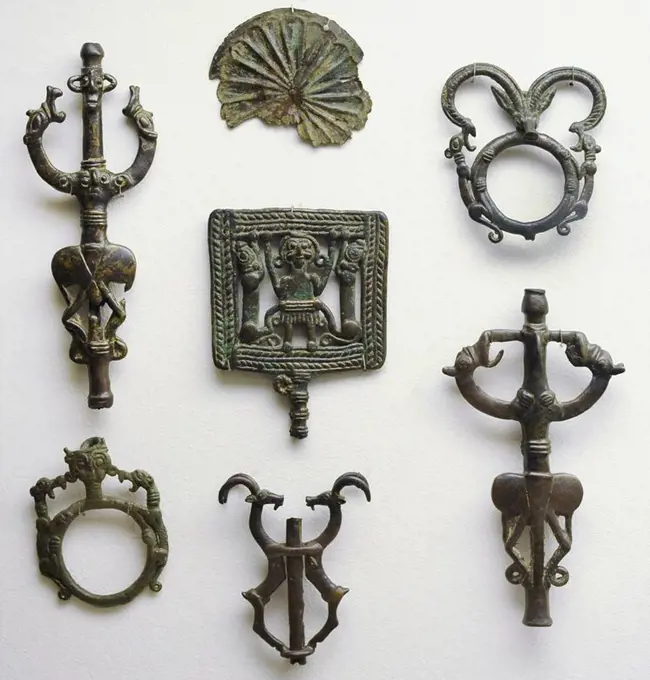
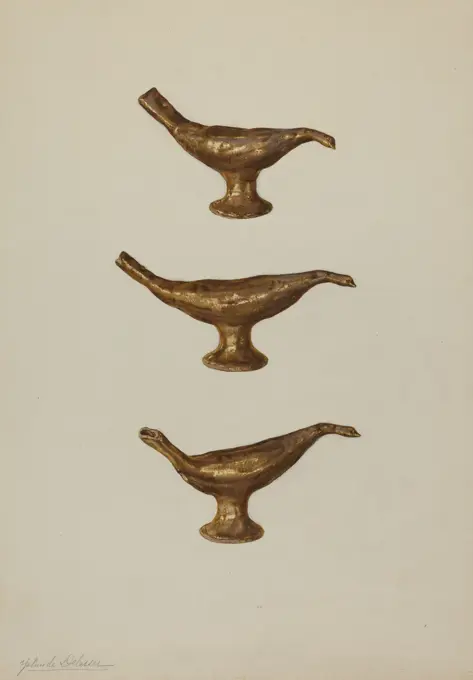
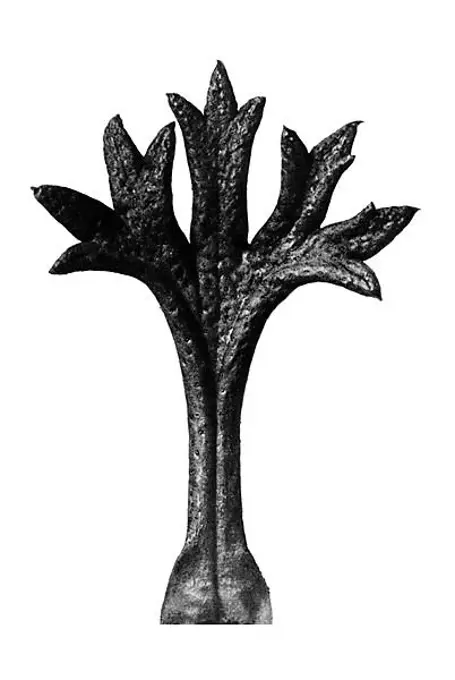
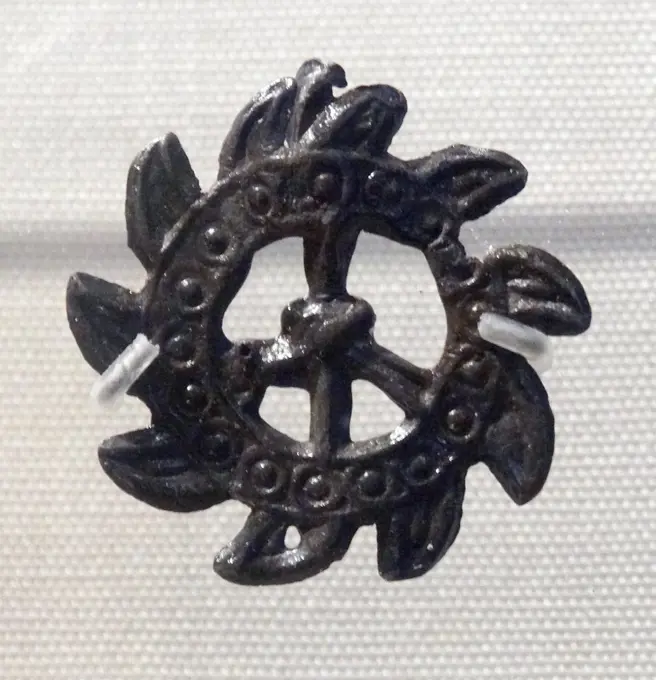
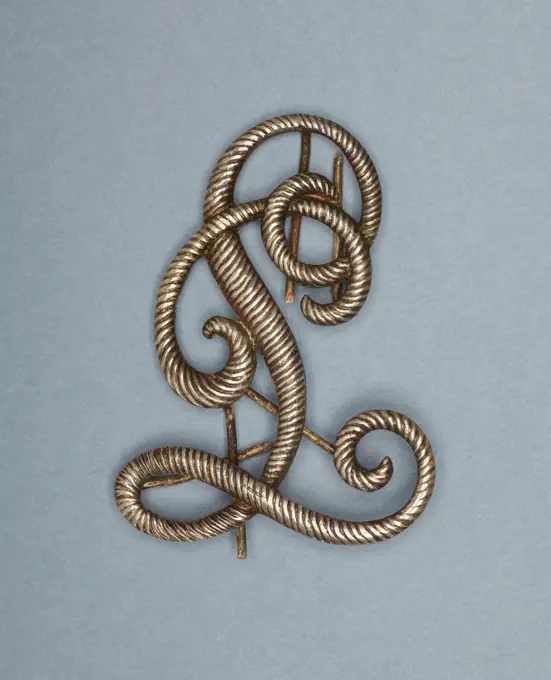
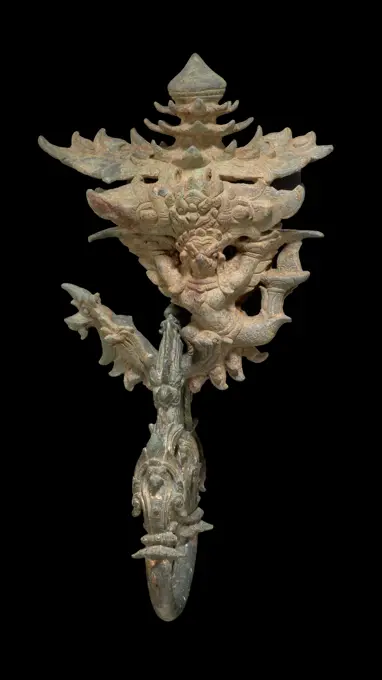
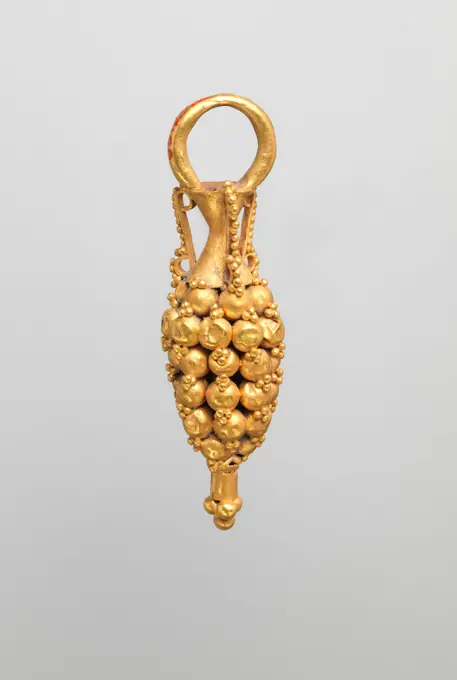
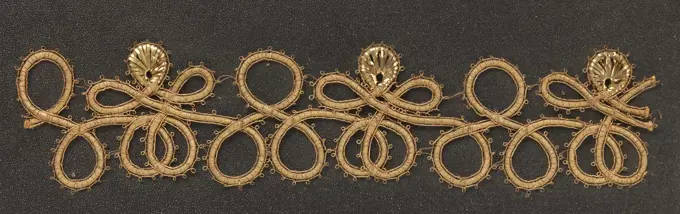
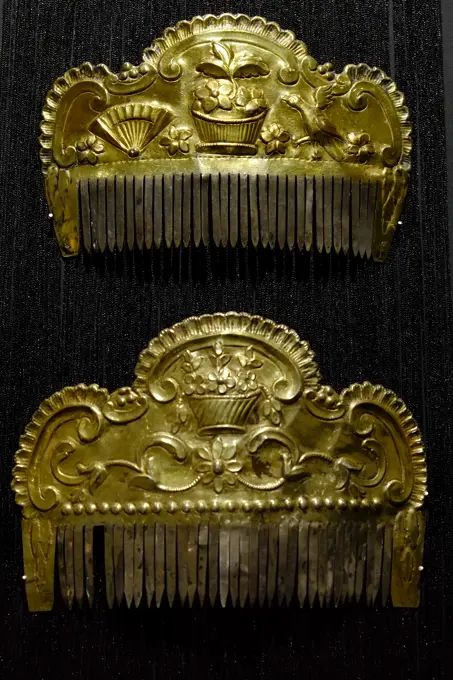
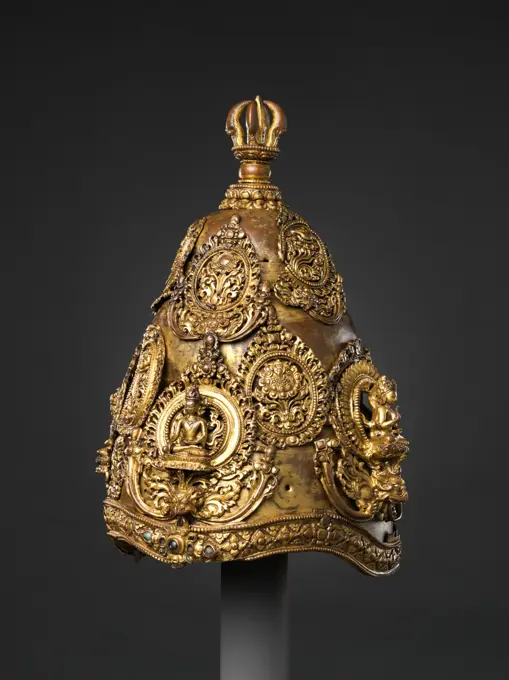
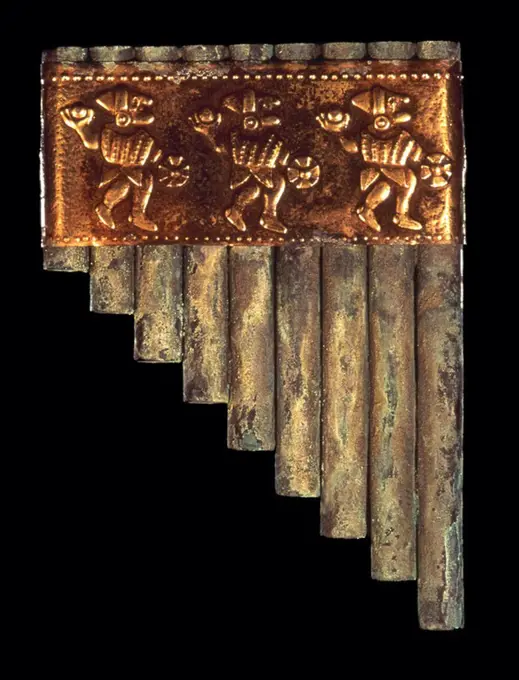
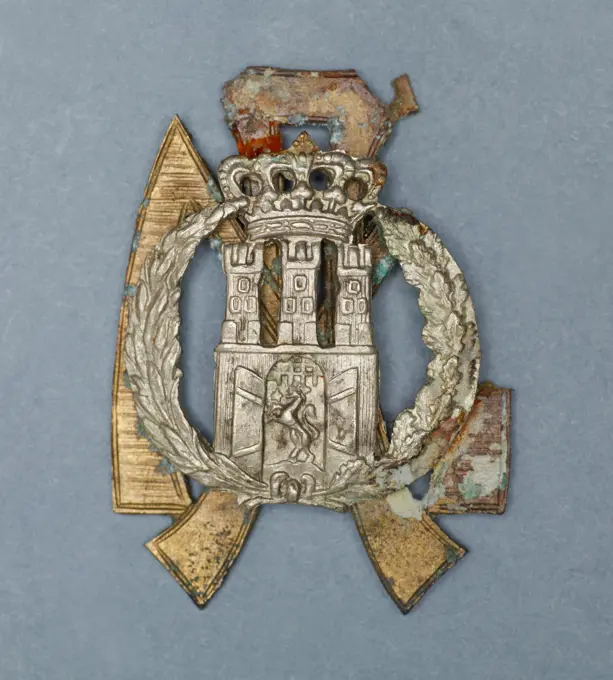
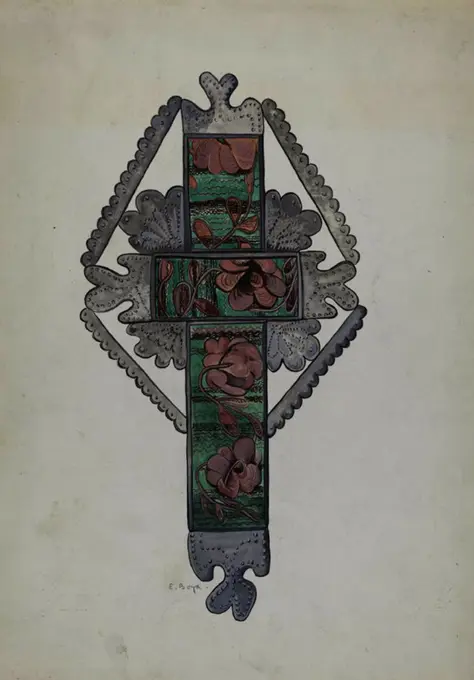
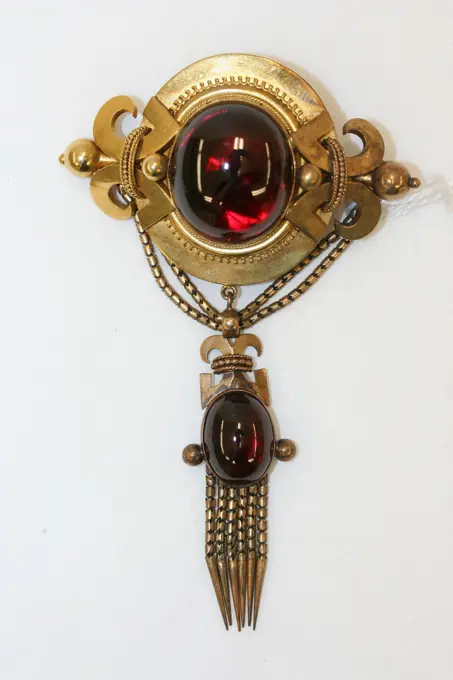
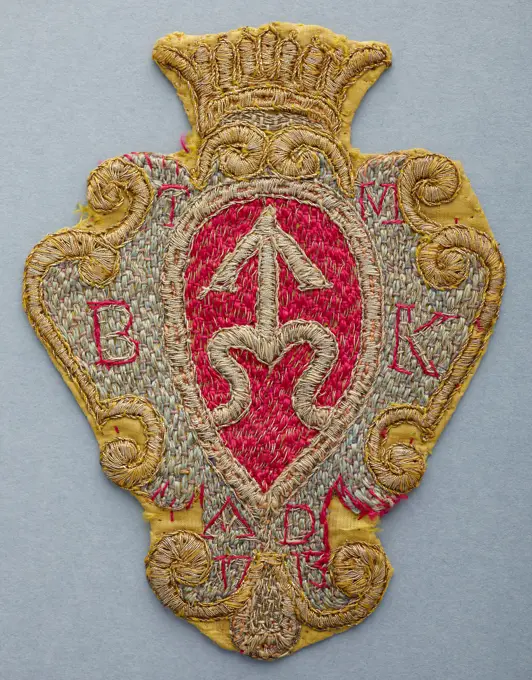
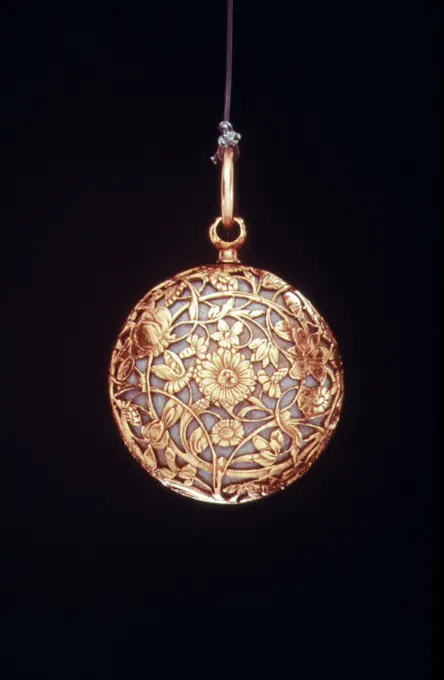
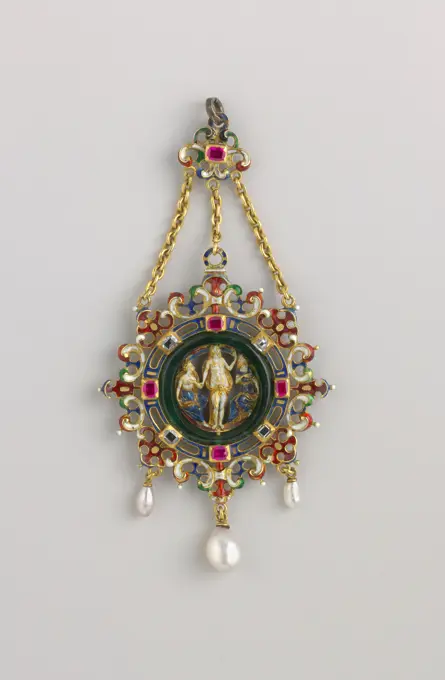
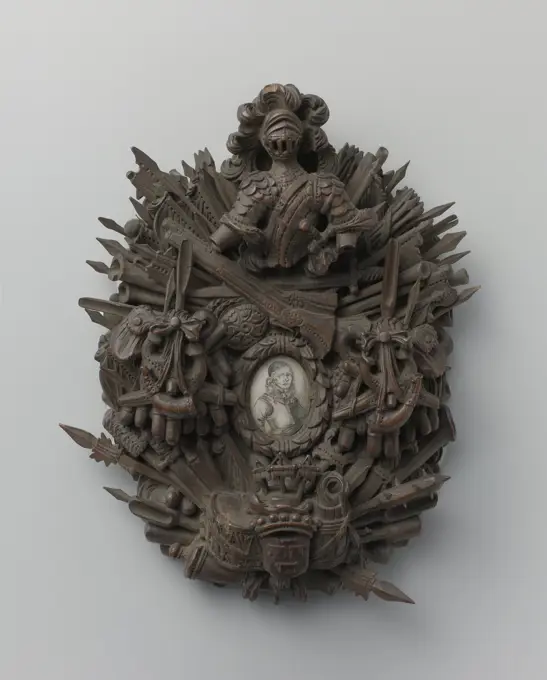
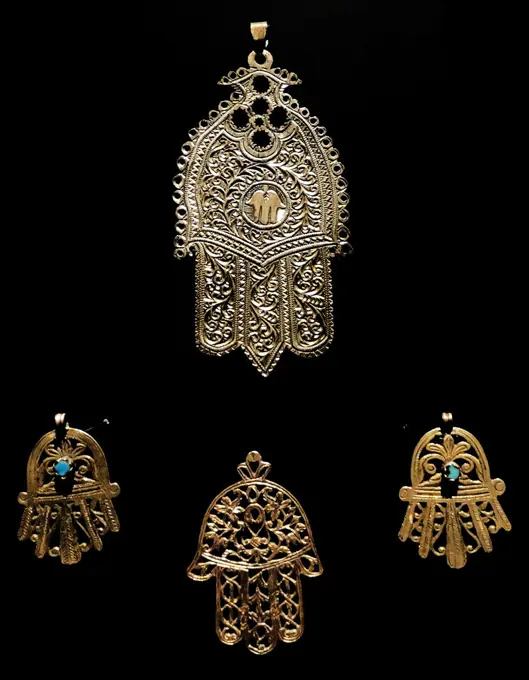
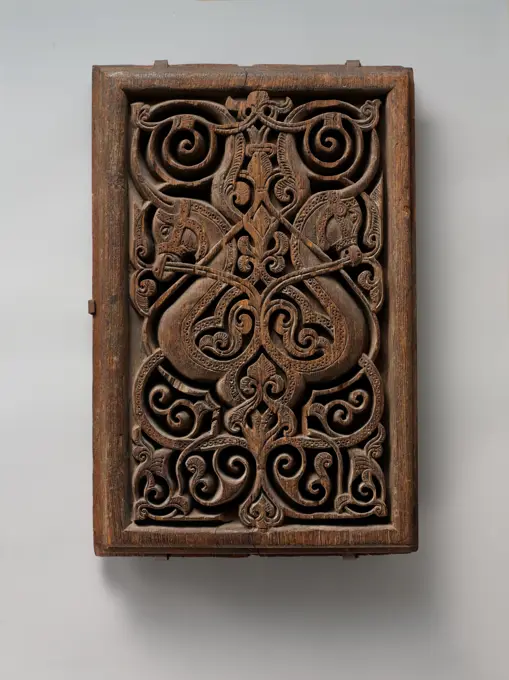
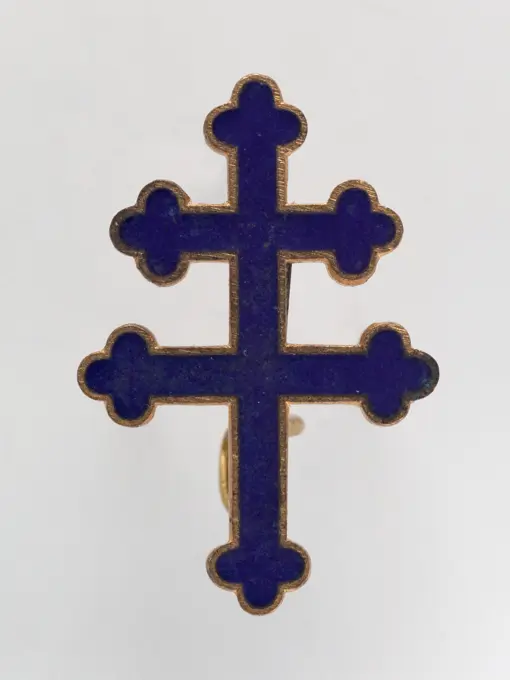
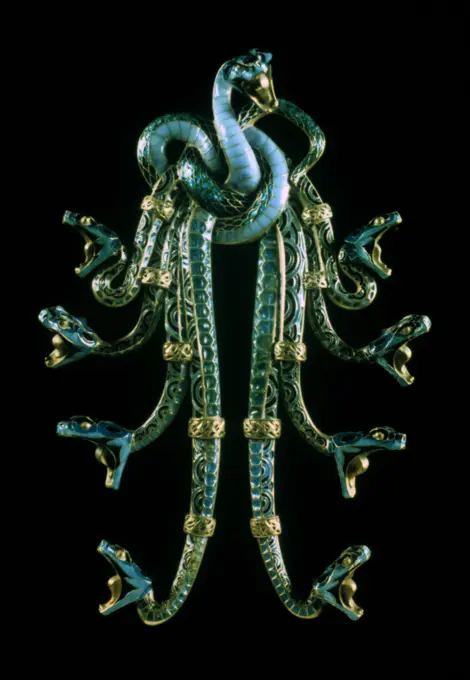
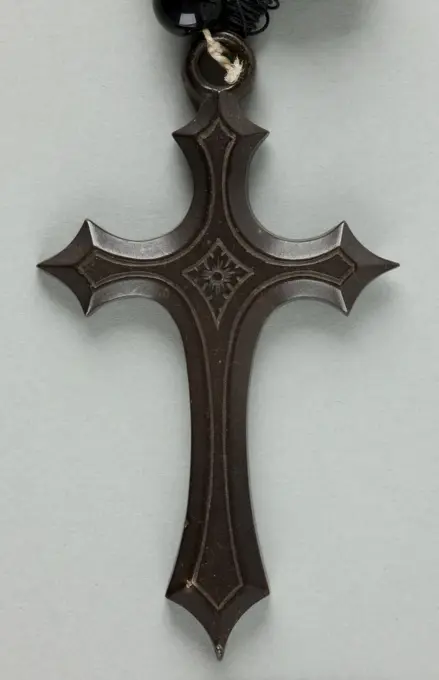
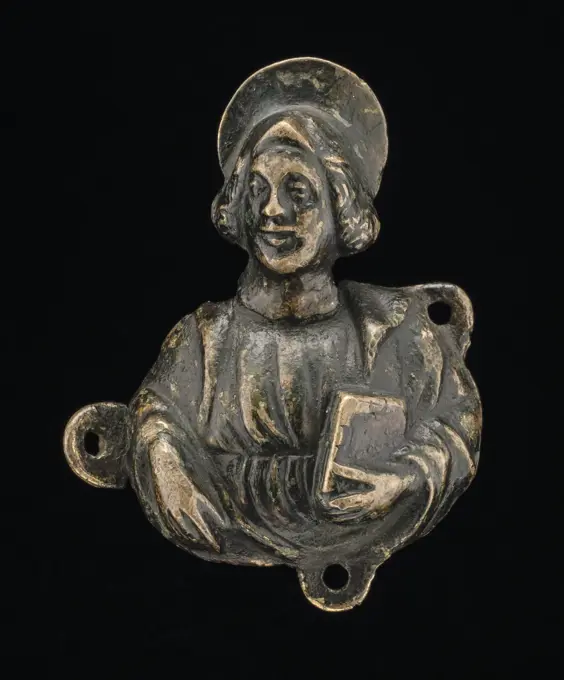
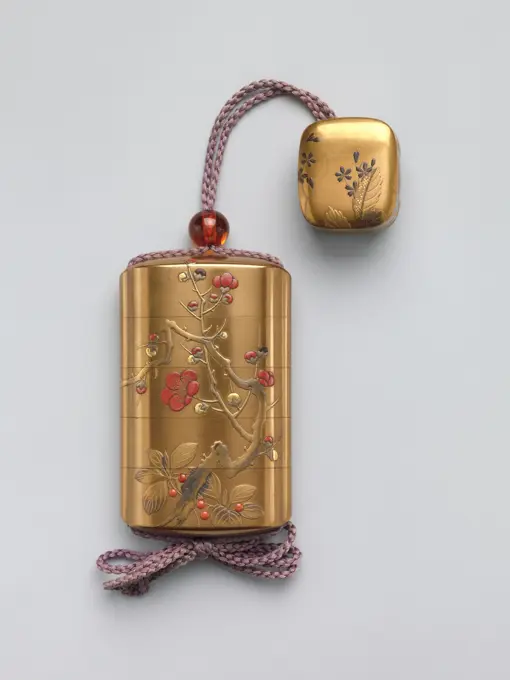
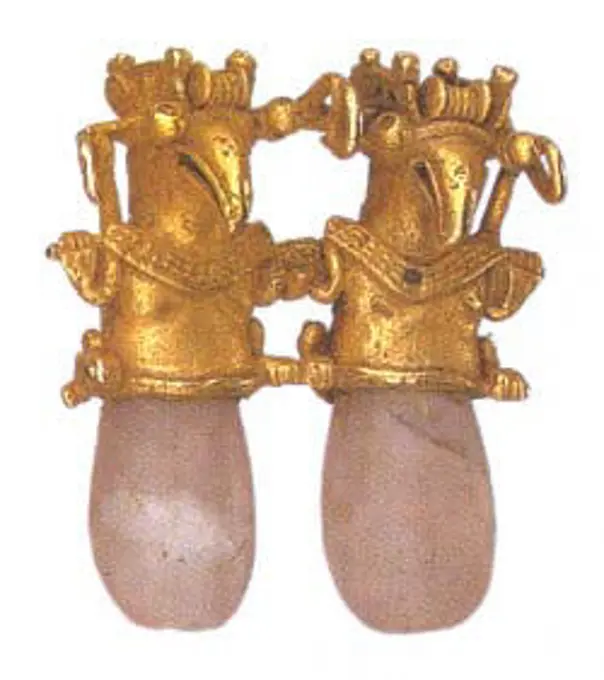
Door Knocker. Culture: European. Dimensions: installed: 19 1/4 × 4 1/16 × 5 1/2 in. (48.9 × 10.3 × 14 cm)with tang: 19 1/4 × 4 1/16 × 9 1/16 in. (48.9 × 10.3 × 23 cm). Date: 15th-16th century. Museum: Metropolitan Museum of Art, New York, USA.Head of a Crozier ca. 1175-1225 South Italian Shaped like a shepherds crook, a crozier is carried by bishops and abbots as an emblem of their authority and their role in guiding the faithful.. Head of a Crozier. South Italian. ca. 1175-1225. Ivory, traces of polychromy and gilding. IvoriesBadge with Tudor Rose 15th century British. Badge with Tudor Rose 474371Finial of a Staff, Chimú style (900-1470). Peru, North Coast, Chimú style (900-1470). Cast copper alloy; overall: 11.8 x 6.8 cm (4 5/8 x 2 11/16 in.).Bat-Nosed Figure Pendant. Culture: Diquís. Dimensions: H. 3 1/16 in. (7.8 cm). Date: 13th-16th century.Among the many Precolumbian gold pendants from the Isthmian region depicting a wide range of animals and composite beings are those that feature bat imagery. They form a sizable group and usually have human bodies with faces that have an upswept, leaflike nose. The nose leaf, here shown as a stylized, projecting loop, is part of the sensing apparatus of leaf-nosed bats which locate their food primarily by sound reflected off their prey, often as small as insects. In addition to the nose leaf, the most characteristic feature on human-bat figures, strongly protruding eyes depicted on stalks, is also associated with bat imagery.On this rare, carefully cast pendant, the bat-headed figure is adorned with ornamental leg bands, a necklace, and a crown of feathers, and is shown sitting with raised hands above what resembles an entrance to an architectural structure, as if guarding it. Four toPanel ornament 18th century French. Panel ornament 190226 French, Panel ornament, 18th century, Gilt bronze, Overall (confirmed): 1 7/8  4 1/8  3/8 in. (4.8  10.5  1 cm). The Metropolitan Museum of Art, New York. Gift of J. Pierpont Morgan, 1906 (07.225.510.488)Button with Curled Griffin (Harness Ornament). UnknownSilver Pin 15th-16th century Inca. Silver Pin 315614Cast Copper Figure on Standing on Crescent 16th-17th century () Peruvian. Cast Copper Figure on Standing on Crescent 309285Pricket candlestick 16th century Italian, Venice. Pricket candlestick. Italian, Venice. 16th century. Bronze. Sculpture-BronzePurse Strap, 1500s. Italy, 16th century. Chiseled steel; overall: 16.3 x 12.7 cm (6 7/16 x 5 in.).Planets-manager. Cornalet Collection Sites 2013-2016. Numismatic.Hammered Silver Mirror Back () 11th-mid-16th century Peru; north or central coast (). Hammered Silver Mirror Back () 309205Badge 19th century, after 16th century original British, after Hungarian original This electrotype is after a sixteenth-century original in the National Museum, Budapest, at the time of reproduction.. Badge 191101Close-up of door handle, Zona Centro, San Miguel de Allende, Guanajuato, MexicoPendant brooch in the form of a Gothic Cross. Culture: British, London. Dimensions: Overall (confirmed): 2 3/8 x 2 3/8 x 9/16 in. (6.1 x 6.1 x 1.4 cm). Maker: Carlo Giuliano (Italian, active England, ca. 1831-1895). Date: ca. 1880.This object and the group to which it belongs (see also 2014.713.1-.10) reflect the keen interest in historical styles in nineteenth-century Europe. Artists and designers looked to various artistic periods for forms and motifs. There was also an interest in reproducing works of art from earlier epochs with historical accuracy--an approach that is particularly evident in the taste for so-called archaeological jewelry (jewelry based on excavated examples from antiquity), which reached its zenith in the middle of the century.The jewelry made during this period encompassed Etruscan, ancient Roman, early Christian, Byzantine, and medieval styles. The firm of Castellani in Rome both pioneered and dominated the production of archaeological jewelry. Founded by FortBarnabite Bell Foundry Badge, 1791 (Title Title) Badge of the Barnabite Bell Currency Foundry. Bronze, 1791.Wedding knife, fork and sheath third quarter 17th century Ephraim How. Wedding knife, fork and sheath. British or Dutch. third quarter 17th century. Ivory, steel, silver, aggregate inlay. Metalwork-SteelMedieval mirrors from the Eastern Islamic world, made from cast copper alloy. Dated 11th CenturyChristmas boots with gifts, decorative element, isolated on white background Christmas boots with gifts, decorative element, isolated on white background Copyright: xZoonar.com/OleksandrxKostiuchenkox 9757532Pendant Cross. Dimensions: H. 1 1/8 in. (2.9 cm) W. 5/8 in. (1.6 cm). Date: 5th-8th century.This small cross would haven been strung on a necklace or string and worn around the neck. It is decorated with a pattern of incised circles. Similar patterns of concentric circles are found throughout early Byzantine art. These circles may have represented the reflective qualities of mirrors, which in the ancient and early Byzantine world were believed to deflect evil.Crosses were everywhere in the early Byzantine world. They marked religious, secular, and domestic buildings, public works, clothes and jewelry, and objects in the home. The cross was a sign of Christ's triumph over death and the hope of eternal life and was frequently ascribed apotropaic, or protective, powers by the faithful. Museum: Metropolitan Museum of Art, New York, USA.Wall light (bras de lumière) (one of a pair) ca. 1775 Possibly by Robert Joseph Auguste The female figures evolving from acanthus leaves which form the stem of these wall brackets are so-called grotesque figures inspired by the fanciful wall decoration found in Roman houses. Reintroduced during the Renaissance, the grotesque quickly became fashionable throughout Europe.. Wall light (bras de lumière) (one of a pair). French, Paris. ca. 1775. Gilded bronze. Metalwork-Gilt BronzeSword Guard (Tsuba) 18th century Japanese A tsuba is a sword guard and part of a sword mounting. It is mounted between the swords blade and grip to protect the users hands.. Sword Guard (Tsuba) 34920. Irregular lobby tsuba with raised edge; On both sides two shishi and a peony in relief with blue, gray and yellow opaque email; Along the outer edge, the ryo-Hitsu and the Seppadai driven edges.Smallsword. Crossguard and Pommel: attributed to Gottfried Christian Leygebe; German, Nuremberg, 1630-1683; Blade: French, early 18th century; Grip: German. Date: 1645-1665. Dimensions: Overall L. 81.5 cm (32 1/8 in.)Blade L. 67.3 cm (26 1/2 in.)Wt. 1 lb. 6 oz. Steel with gilding and iron. Origin: Nuremberg. Museum: The Chicago Art Institute, Chicago, USA.BACULO DE EMALTE DE LIMOGES - SIGLO XII. Location: ABADIA DE SAN MAURICIO. Valais. Switzerland.Cross 9th-12th century Byzantine. Cross 477360Luristan bronze. Abput 1000-650 BC. West-Central Iran. Early Iron Age. Pieces of horses-harness, decorations. The State Hermitage Museum. Saint Petersburg. Russia.Harness RingSword Guard (Tsuba). Culture: Japanese. Dimensions: H. 3 in. (7.6 cm); W. 2 3/4 in. (7 cm); thickness 3/16 in. (0.5 cm); Wt. 4.8 oz. (136.1 g). Date: ca. 1615-1868. Museum: Metropolitan Museum of Art, New York, USA.Girdle Clasp 18th-19th century View more. Girdle Clasp. 18th-19th century. Silver; gilded and filigreed with enamel and stones. Attributed to Turkey. JewelryLluís Masriera / Aguja de corbata, 1916. Colección privada. Author: LLUÍS MASRIERA I ROSÉS.Yolande Delasser, Pa German Whistle, c 1939 Pa. German WhistleHistorical photograph, Willkomm's saxifrage (Saxifraga willkommiana), from: Karl Blossfeldt, Art Forms in NatureSmall Cross - Christ Crucified (Single Armed) unknownGold, beryl, and garnet earring with head of a dolphin 2nd-1st century B.C. Cypriot These earrings, found on Cyprus, reflect the style and taste prevalent throughout the Hellenistic world, notably in the use of animal figures. Constructed of twisted gold wire, they are embellished with beryl and garnet beads, and finials in the shape of dolphin heads.. Gold, beryl, and garnet earring with head of a dolphin. Cypriot. 2nd-1st century B.C.. Gold, beryl, garnet. Hellenistic. Gold and SilverAmpulla, religious badge worn by English, medieval Christian pilgrims in the 13th centuryLP initial (Puławy Legion) on the shoulder straps of the gala uniformGoldweight Shield, 19th-20th century, 1 5/8 x 1 3/16 x 3/8 in. (4.13 x 3.02 x 0.95 cm), Brass, Ghana, 19th-20th centuryPalanquin Hooks, 12th-13th century, Bronze with traces of gilding, Cambodia, 12th-13th century, At the height of the Khmer Empire (802-1437 CE), royalty and aristocracy traveled in handheld carriages, or palanquins. Transported on poles shouldered by humans, the carriage was suspended from decorative bronze hooks. Rich in imagery, the top ring consists of stylized lotuses, symbolizing purity, surmounted by a bud. Beneath is a kirtimukha, a fierce-faced monster motif intended to ward off evil spirits, which is lifted by Garuda, a mythical bird often depicted carrying the Hindu god Vishnu through the sky. Underscoring Khmer ideas of divine kingship, Garuda is also a conqueror of serpents (nagas), which form the loops hanging from its tail. As seen in the waterpot (kendi) on the left, Hindu theology arrived from India, but the combination of such elements into a luxurious, utilitarian bronze is distinctly Khmer.Standard surmounted by a ram. Bronze. Northwestern Iran. Late 2nd millennium B.C.Cloisonné Strap Mount first half 6th century Frankish The creation of garnet cloisonné work demands great skill. The garnet must be split into thin slices, after which the hard and brittle mineral is shaped with a high-speed wheel. Frankish workshops specializing in garnet jewelry were both prolific and accomplished.. Cloisonné Strap Mount 468366Ear Ornament with Kala Motif early 9th-14th century Indonesia (Java). Ear Ornament with Kala Motif 50435Door Knocker 15th-16th century European. Door Knocker. European. 15th-16th century. Iron. Metalwork-IronPendant icon. From Ethiopia, made from wood, leather and pigments.Earring ca. A.D 1st-2nd century Parthian This pair of exquisitely crafted gold earrings take the form of scroll-handled vases composed of hollow balls designed to resemble grape clusters and soldered together with granules. The vases themselves are soldered to large rings, and hollow cylindrical bases at their bottom tips each have four additional hollow balls soldered to them. Parthian wealth obtained through lucrative trade networks resulted in substantial patronage of the arts and luxury goods including jewelry. In addition to surviving examples, representations of earrings, necklaces, bracelets, and frontal bands appear in funerary portraits from Palmyra and statuary from Hatra.. Earring. Parthian. ca. A.D 1st-2nd century. Gold. Parthian. Mesopotamia or IranBelt ornament in the form of a bird demon ca. late 8th-7th century B.C. Urartian. Belt ornament in the form of a bird demon. Urartian. ca. late 8th-7th century B.C.. Bronze. Iron Age III. UrartuFragment goudgalon.Fragment gold galon, decorated with garlands with flowers and a branch with leaves and flowers.Vintage ethnic silver toothpick and ear cleaner set, pushkar, rajasthan, india, asia Copyright: xAnilxDave/DinodiaxPhotoxValencia, Spain, Europe Antique Royal Spanish Hair Mantilla combs.Przeszo PrzyszociTassel French 19th century View more. Tassel. French. 19th century. Cotton, silk and metal thread. Textiles-TrimmingsYellow hearts isolated on white background. Valentine’s Day. Romance.. Yellow hearts isolated on white background. Valentine’s Day.Vajracarya Priest's Crown ca. 13th century Nepalese This handsome crown features a pronounced towering summit, which echoes one seen in the Ajanta mural painting (a reproduction of which is also displayed in Crowns of the Vajra Masters: Ritual Art of Nepal). The openwork medallions are particularly refined and display the skill of Newar artists in working sheet copper. The lotus bloom and stem openwork panels are also exceptional for their quality of execution and point to an early date in the chronology of these crown types. They can be understood as directly descending stylistically from the earliest known example, dated by inscription to 1145.. Vajracarya Priest's Crown. Nepalese. ca. 13th century. Copper, gold, crystal, turquoise. HelmetsInca Panpipe made of copper and gold dating from 400 A.D. Lima, Gold Museum COL MUJICA. Peru. Location: MUSEO DEL ORO COL MUJICA. Lima. PERU.Hook in the form of a man figure, anonymous, c. 1400 - c. 1500 The object that has a whole cast a whole and Wambuis represents a man who stands on a lion's head. Two eyes under the lion's head, to confirm possibly a pouch. At the back a long narrow vertical part, to be able to hook the whole on a belt. Nuremberg brass (alloy) casting The object that has a whole cast a whole and Wambuis represents a man who stands on a lion's head. Two eyes under the lion's head, to confirm possibly a pouch. At the back a long narrow vertical part, to be able to hook the whole on a belt. Nuremberg brass (alloy) castingMunicipal excise officer badge of Lviv Unger, Eugeniusz (Fl. 1900 1950)Roman dragonesque brooch. Artist: UnknownHand drawing old street lamp in Moscow (Russia) vector isolated illustration Pair of three-light sconces (bras de lumière). Culture: French, Paris. Dimensions: H. 11 1/2 x W. 19 1/2 x D. 12 1/2 in. (29.2 x 49.5 x 31.8 cm). Date: ca. 1775.These wall lights are shaped with great naturalism to resemble lily stalks tied together with a large bow. They are not a proper pair, as their ribbons do not complement each other but flow in the same direction; therefore, they were most likely part of a larger set. The unknown chaser and gilder made clear contrasts between such highly burnished areas as the opened blooms and those given a matte finish, such as the buds. Lilies are strongly scented flowers that were very popular during the Neoclassical period, and a number of contemporary references to sconces in the shape of sprays of lilies are known. The successful bronze worker Pierre Gouthière, for instance, made a pair composed of three lily branches for Madame du Barry, mistress of Louis XV, for which he charged 2,500 livres. Horace Walpole reported in a letter of SeptCruz procesional del siglo XIV. Punxó de Tarragona. Museum: VICTORIA AND ALBERT MUSEUM, NAPOLES, UK.Tin and Painted Glass Cross, Church or Home Use. Dated: c. 1936. Dimensions: overall: 35.5 x 24.4 cm (14 x 9 5/8 in.) Original IAD Object: 21"x11" (exact). Medium: watercolor, gouache, colored pencil, and graphite on paper. Museum: National Gallery of Art, Washington DC. Author: E. Boyd.Brooch 1860-79 British. Brooch 104864Cartouche with a coat of arms, embroidered - the Odrowąż coat of arms unknownThe original gem preserved in the Debruges collection in Paris, vintage engraved illustration. Magasin Pittoresque 1846Antique mirror frame on white backgroundPalatina-style oval frame late 18th century Italian, Tuscany, perhaps Florence. Palatina-style oval frame. Italian, Tuscany, perhaps Florence. late 18th century. Walnut. FramesEarrings 18th century-19th century European, Eastern. Earrings 90377Watch ca. 1630 Watchmaker: Daniel Le Clerc. Watch 194208Pendant 16th century, with 19th century additions Frame based on a design by Reinhold Vasters German. Pendant 198737Portrait of Frederik Maurits van Hammersteijn, Anonymous, 1625 - 1675 frame In mother -of -pearl, oval portrait of male, breastpiece, in a cut wooden frame in the form of a martial trophy: lavishly edited, made up of weapons and armor pieces. Put on the downside, glued by four stamps of the same weapon as the front. Rendability on the label (practically illegible): Frierik (...) von Ste (...) Rsteijn Groot Vaader van H (...) Gruter (Grubter). Uncertainty about the name. Can also be Hammerstein. The mother -of -pearl portrait is of a martial superior. Netherlands (possibly)Germany (possibly) wood (plant material). mother of pearl. metal. sealing wax. paper engraving / writing (processes)Pair of Wall Lights.Gold palm shaped amulet, known as, the Hamsa throughout the Middle East and Africa. Dated 18th CenturyPanel with Horse Heads 11th century This panel, probably from a wooden door, is deeply carved with two symmetrical horse heads in relief. Attention to detail is evident in the beaded bands and bridles amid arabesques. The piece was carved to different depths in order to produce a pleasing chiaroscuro effect, a technique mastered by Fatimid woodworkers. A companion piece, almost certainly from the same door, is in the Museum of Islamic Art, Cairo. Listen to experts illuminate this artwork's story Listen Play or pause #6697. Panel with Horse Heads 00:00 / 01:29 Supported by Bloomberg Philanthropies We're sorry, the transcript for this audio track is not available at this time. We are working to make it available as soon as possible.. Panel with Horse Heads. 11th century. Wood (teak); carved. Made in Egypt. WoodAltar Cross. German, probably Brunswick (Braunschweig). Date: 1320-1330. Dimensions: H: 19.7 cm (7 3/4 in.). Silver gilt over a wooden core; foot: copper gilt. Origin: Brunswick. Museum: The Chicago Art Institute, Chicago, USA.War 1939-1945. Treflated Lorraine's Cross -shaped Pin. Enamelled metal. 1944-1945. General Leclerc Museum of Hauteclocque and the Liberation of Paris, Jean Moulin Museum. Pin, war 1939-1945, war 39-45, Second World WarKneeling Figure 19th century Northern European This heavy cast is possibly a nineteenth-century adaptation of a standing figure of Saint John the Evangelist from a Crucifixion scene, or a kneeling donor.. Kneeling Figure 460721Hand drawing old street lamp in front of Opera Garnier in ParisRingStar shaped EarOrnament, mid-7th to 10thcentury, Gold; cast with carving, 1.935 × 1.93 cm, 2.428 g (3/4 × 3/4 in., 2.428g), Made in Java, Indonesia, Java, Early Classic Period(700-1000), JewelryOrnate keys on a white backgroundPectoral, late 19th/20th century by Rene Lalique. From the Museu Calouste Gulbenkian, Lisbon, Portugal. CrossEgyptians rings: Divine bird of the king and king in front of gods. Gold. Neues Museum. Berlin. Germany.Motif of colored bobbin with the lion of Flanders, Anonymous, c. 1914 - c. 1915  Motif of natural and colored bobbin: War Lace. The motif concerns the climbing lion of Flanders, which holds a flagpole with the Belgian flag with the colors black, yellow and red (brown red) in vertical tracks. De Leeuw stands on a messing around 'pedestal', a yellow strap with a black border and the dating in red (brown) 1914-15. Belgium linen (material) bobbin lace armorial bearing, heraldry. beasts of prey, predatory animals. flag, colours (as symbol of the state, etc.)North Italian 16th Century, John the Evangelist, c 1500 John the Evangelistin the sky an iron fence prospective and abstracr backgroundVintage decorative keys with ornamental bows, adorned by swirls and forged elements. Sketch style. Sketch of vintage keys with curly elementsPendant, 11th-16th century, 1 1/2 x 1 x 1/4 in. (3.81 x 2.54 x 0.64 cm), Gold, Nicaragua, 11th-16th centuryInr with Design of Blossoming Plum Tree 19th century Hara Yysai Japanese. Inr with Design of Blossoming Plum Tree. Hara Yysai (Japanese, 1772-1845). Japan. 19th century. Sprinkled gold lacquer with gold, silver, and red makie, takamakie, and coral inlayOjime: bead; tortoiseshell Netsuke: box with decoration of violets; gold makie lacquer with gold and silver makie. Edo period (1615-1868). InrObjects for Ecclesiastical Use by E.C. Trioullier, Paris', 1893.  Artist: Robert Dudley.Amulet with a bearded face, Monographic Museum of Conimbriga, city of the Conventus Scallabitanus, district of Coimbra, Portugal.Chinese knotHammered Gold Ornamental Disk 12th CenturyOrnamental Brooch, c. 100-300. Gallo-Roman or Romano-British, Migration period, 2nd-3rd century. Bronze and enamel; overall: 3.9 x 3.8 x 1.9 cm (1 9/16 x 1 1/2 x 3/4 in.).CRUZ VOTIVA EN ESMALTE. Location: VICTORIA AND ALBERT MUSEUM. LONDON. ENGLAND.Double Bird Pendant 8th-12th century Coclé (Macaracas). Double Bird Pendant. Coclé (Macaracas). 8th-12th century. Gold, rose quartz. Panama, Cocle Province, Rio Parita region. Metal-OrnamentsBa-bird amulet 664-380 B.C. Late Period. Ba-bird amulet 561525Figure Pendant 11th-16th century Chiriqui (). Figure Pendant 309119Votive Offering in the Shape of aFlower