Historical Artifacts

Collection of antique items such as linstocks and door beaters, highlighting unique metalwork and historical significance.

Door beater., 1500 - 1600 An iron door beater. Coming from the D. van der Kellen collection.  iron (metal) An iron door beater. Coming from the D. van der Kellen collection.  iron (metal)
Door beater., 1500 - 1600 An iron door beater. Coming from the D. van der Kellen collection. iron (metal) An iron door beater. Coming from the D. van der Kellen collection. iron (metal)
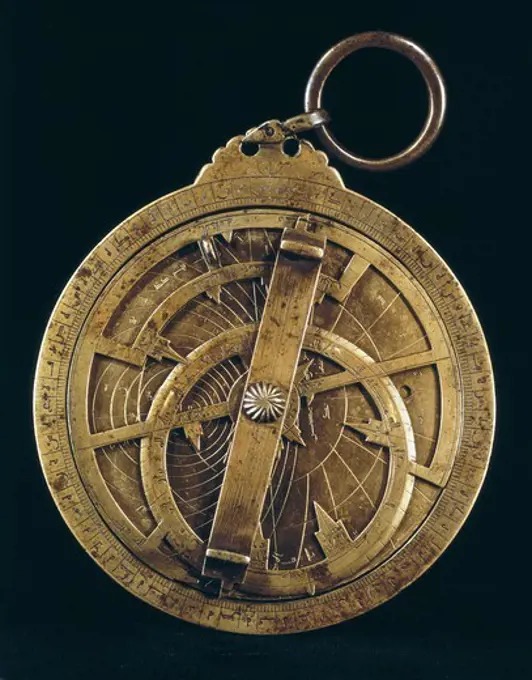
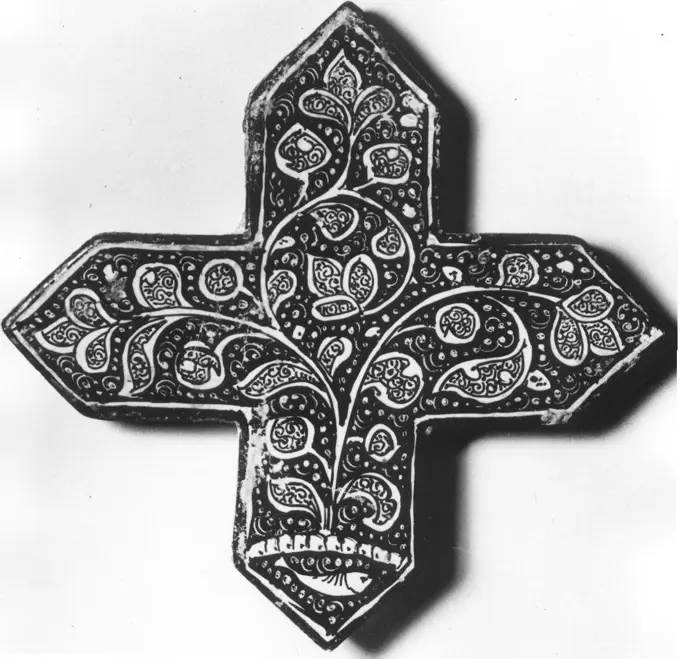
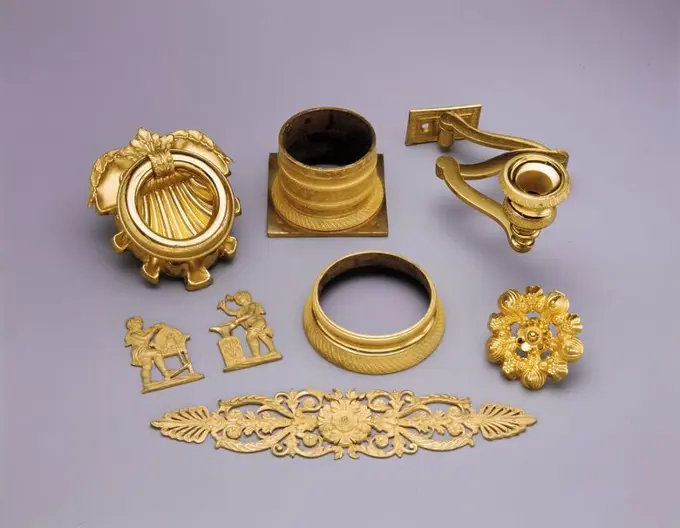
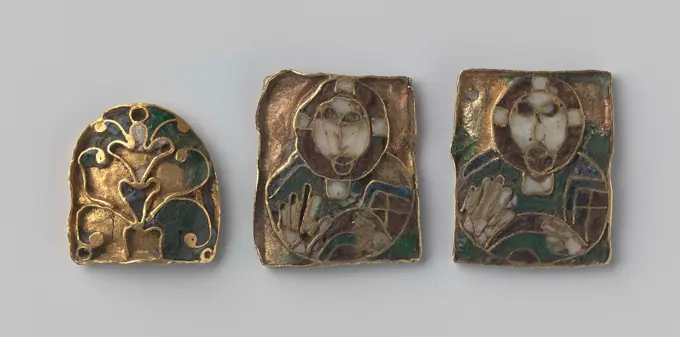
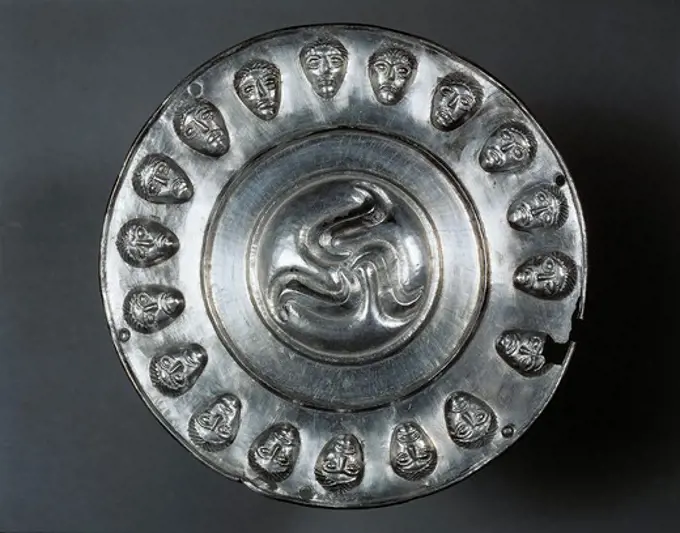
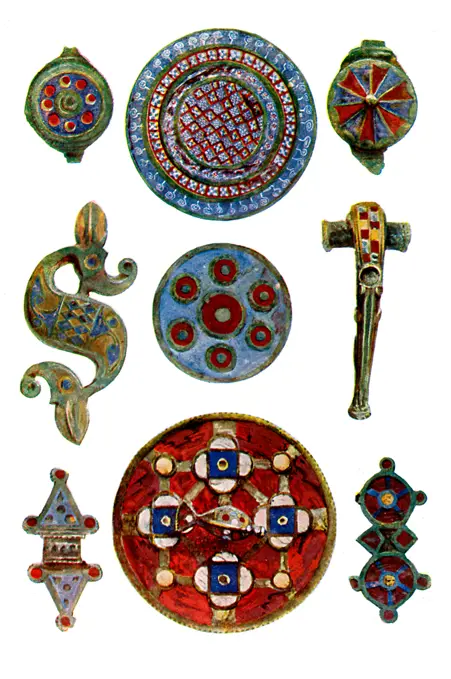
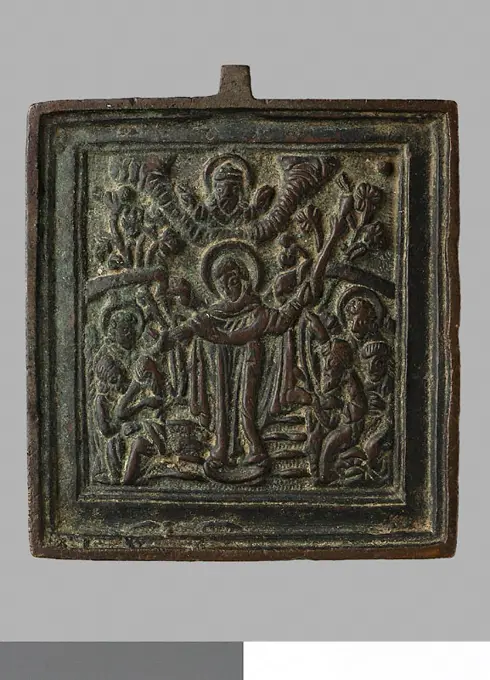
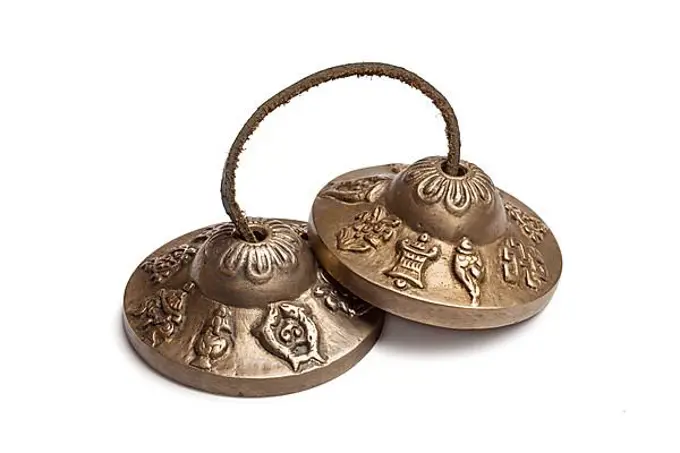
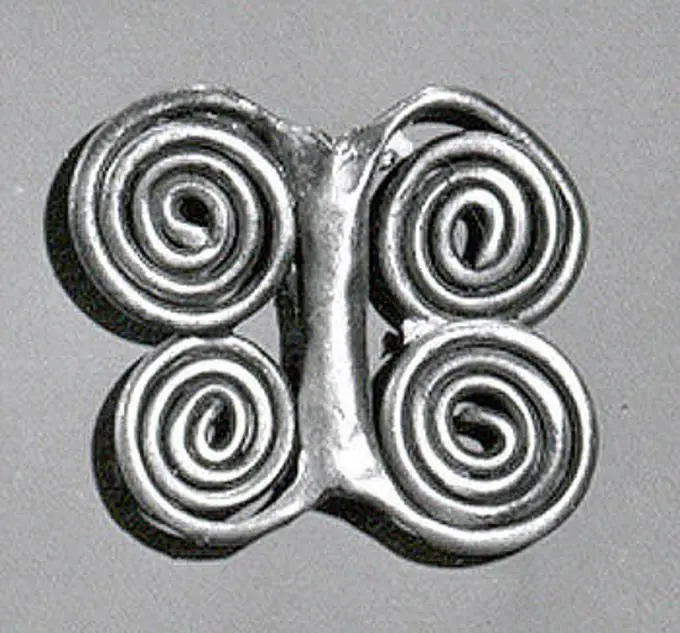
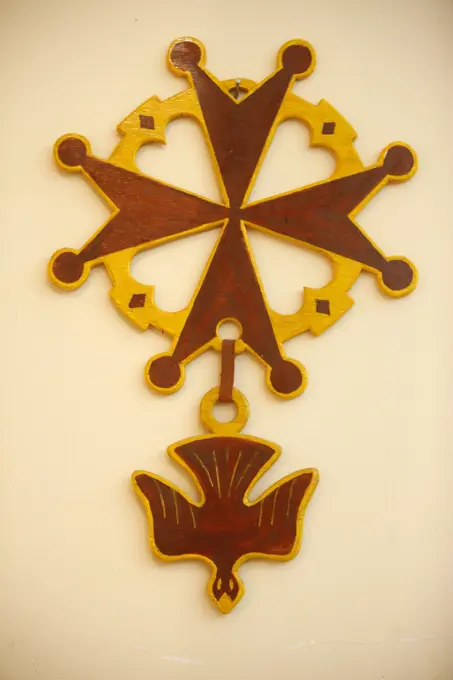
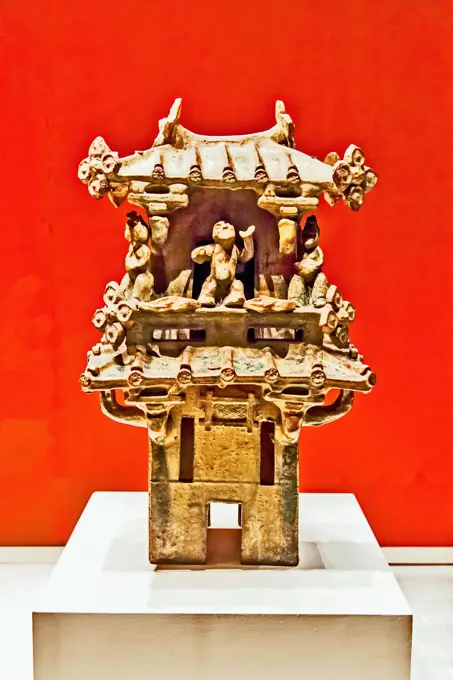
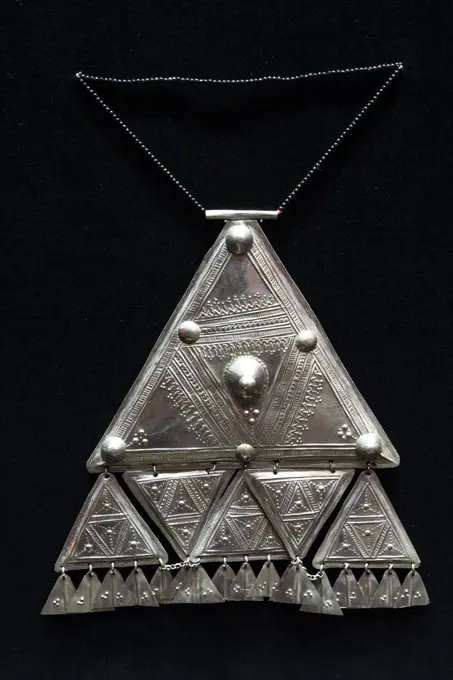
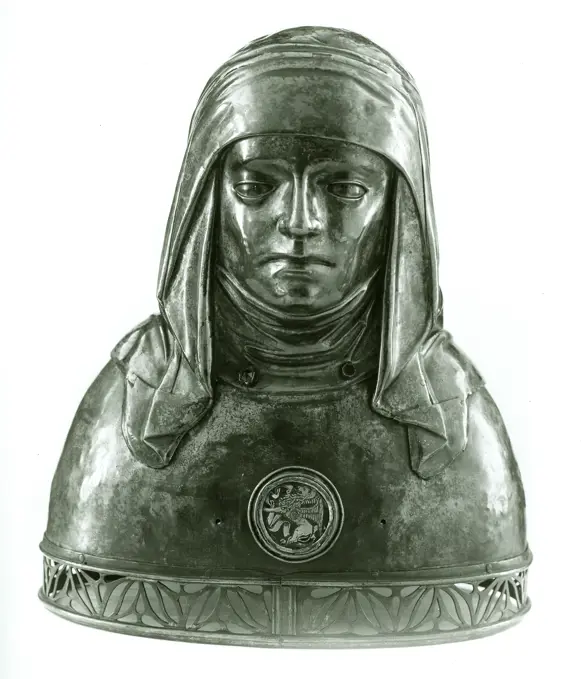
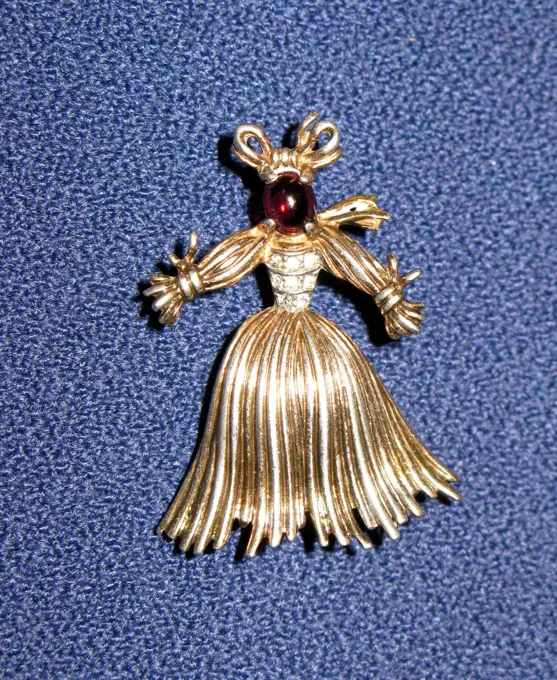
Abruzzo L'Aquila Sulmona Museo Civico9. Hutzel, Max 1960-1990 Museo Civico Treasures: these objects (Tesoro del Pio Istituto della SS. Annunziata and Tesoro della Cattedrale) are now housed in the security vault of a bank, not in the Museo Civico, as noted in Hutzel's photo campaign notes of August 1984. Views of the treasures include: a silver processional cross (14th century); gold, silver and enamel chalice (13th century), gold and silver crosier with sculpted figures depicting the Annunciation (13th century), a silver and gold reliquary with glass (13th century), a silver diadem (13th century), and a box-like silver and gold reliquary (15th century). German-born photographer and scholar Max Hutzel (1911-1988) photographed in Italy from the early 1960s until his death. The result of this project, referred to by Hutzel as Foto Arte Minore, is thorough documentation of art historical development in Italy up to the 18th century, including objects of the Etruscans and the Romans, as welAmulet of a Cobra with Lioness Head 400 BCE-400 CE Egypt. Glass . Ancient Egyptianheraldry lilyFlat Arabian astrolabe from 16th c.Commemorative crossWoman's Belt Buckle. England, 1770-1790. Costumes; Accessories. Paste stones and metalStill life of vintage Nazi  officer's uniform pin.Door-ring second half 19th century Anonymous, British, 19th century British. Door-ring 386691Bird Bead, c. 900-1550. Colombia, Muisca style, 10th-16th century. Cast gold; Muisca metalwork divides into two categories: ornaments to be worn, such as these, and offering figurines, in the case to the right. The elaborate bird pendant features delicate herringbone moldings, openwork patterns, and wing details-all part of the wax model from which the pendant was cast (see nearby computer animation). The dangles were attached after casting.Cross-Shaped Tile 13th century. Cross-Shaped Tile 450450Furniture Hardware. Dimensions: 9 1/2 x 2 3/16 in. (24.1 x 5.6 cm). Retailer: Henry Kellam Hancock (1816-1851). Date: 1820-30. Museum: Metropolitan Museum of Art, New York, USA.Copper Bird before 15th century Peruvian. Copper Bird 315666Royal lily, element for scrapbooking, isolated on a white background, with clipping path Royal lily, element for scrapbooking, isolated on a white background, with clipping path Copyright: xZoonar.com/OleksandrxKostiuchenkox 9747063Foedraal met drie plaatjes, twee met voorstellingen van een heilige, de ander met ornament.Infant in which two square plates and a picture with rounded top. On the two square plates a representation in email cloisonné van a saint with a hand in blessing attitude. On the other an ornament.Embossed silver phalera, part of equestrian gear from Manerbio, Lombardy region, Italy, Celts, Italic civilizationRomano-British enamelled ornaments, 1st- 2nd century AD. Artist: UnknownIkona: Matka Boska "Pocieszenie wszystkich strapionych". nieznany warsztat rosyjski (1700-1970), factoryTibetan Buddhist tingsha cymbals isolated on whiteSpiral bead ca. late 3rd-early 2nd millennium B.C. Iran This silver bead consists of a central tube with four coils emerging from it. It was excavated at Tepe Nush-i Jan, an Iron Age hilltop site about 60 km sound of Hamadan in western Iran. Nush-i Jan was occupied in the 7th and 6th centuries B.C., and its occupants are generally thought to be the Medes, an Iranian people known from Assyrian, Achaemenid and Biblical sources. Though the textual sources portray them as a powerful empire, archaeological evidence for the Medes has yet to sustain this impression. Rather, they seem to have lived in scattered fortified sites in western and central Iran, without any clear capital. Nush-i Jan, one of the best known of these sites, features two temples, a columned hall, and a fort, where the bead was found.The bead was discovered in a bronze bowl containing 231 pieces of silver, including jewelry, ingots and scraps. At the time coins were not yet in use in Iran, and silver bullion was the primaPendant, 5 1/4 x 5 3/16 x 5/16 in. (13.34 x 13.18 x 0.79 cm), Silver, ChinaFrance, Gard, Anduze, Protestant huguenot crossAntique Hand Watch Tower from China, CSMVS Museum, Mumbai, Maharashtra, India, Asia India Copyright: xDuttagupta/DinodiaxPhotox -Amazigh pectoral Amazigh pectoral, Sahara desert,Corral del Carbón , al-fundaq al-yadida, 14th century, Granada, Andalusia, Spain Copyright: xZoonar.com/TOLOxBALAGUERx 21956950OrnamentationReliquary Bust of a Woman 19th century in 15th century style French. Reliquary Bust of a Woman 461329Nenette” Figural Pin.  Designer Alfred Philippe, American, born France, 1900-1970 Manufacturer: Trifari, American, founded 1925