Historical Artifacts

Fragments of ancient artifacts including a bottle, horse remains, oil lamp, and vase pieces, showcasing relics from various historical periods.
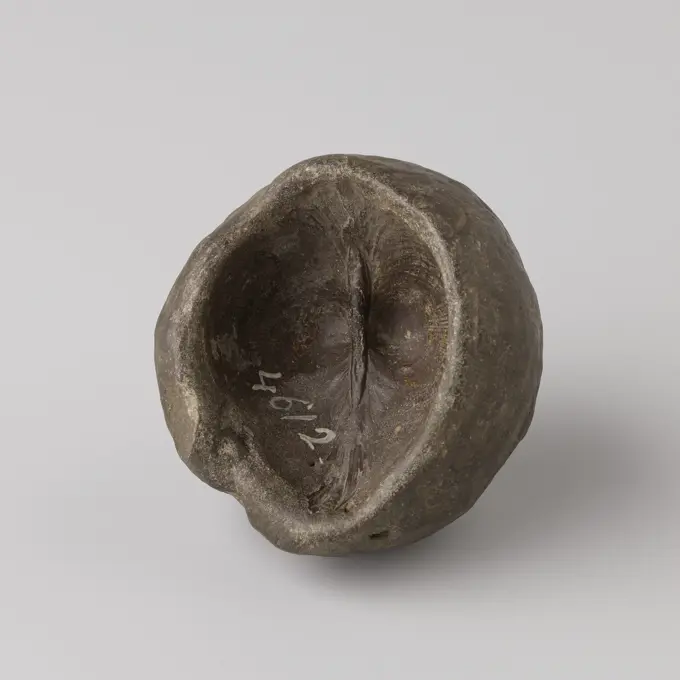
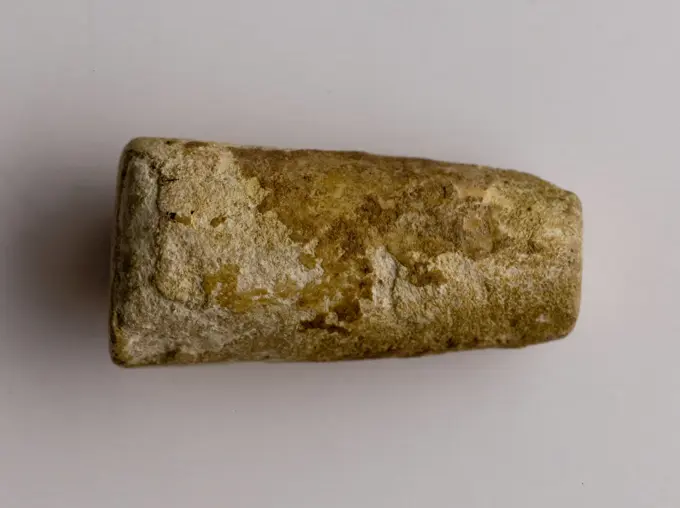
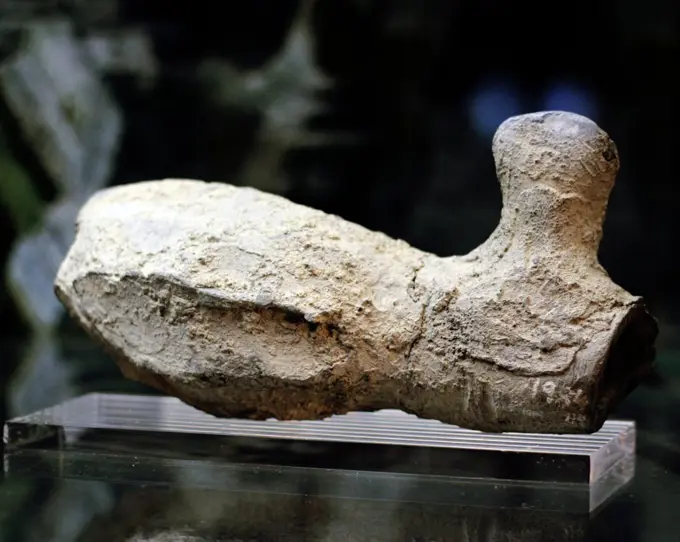
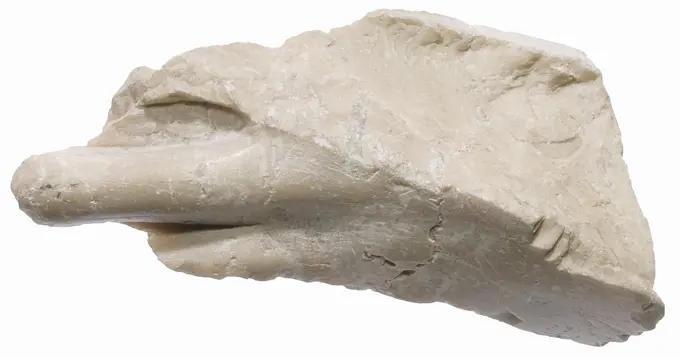
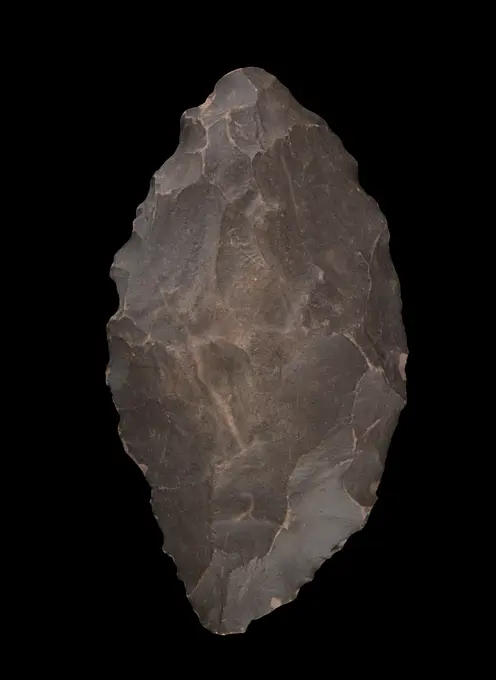
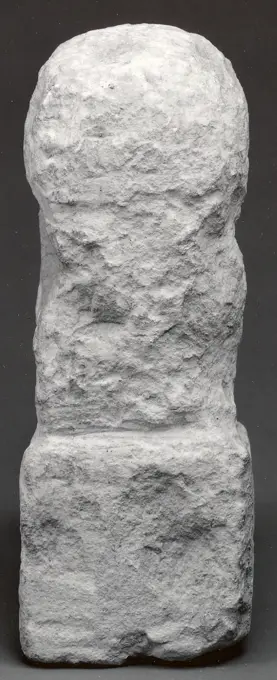
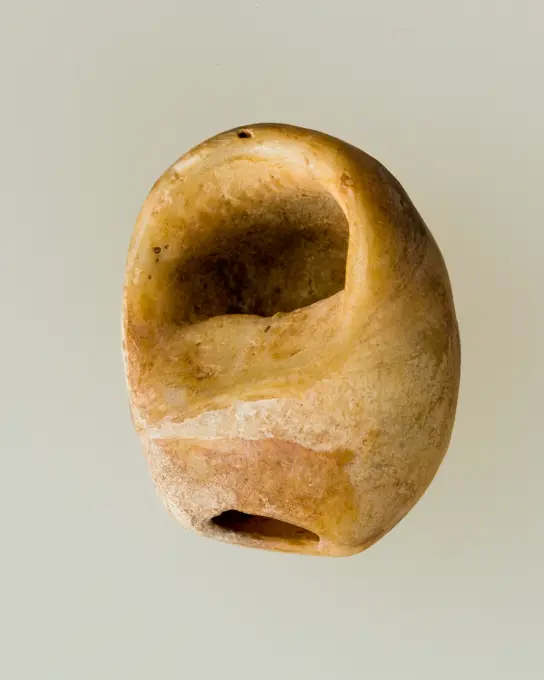
Bullet -shaped stone with print shell, not applicable, -5000 --2300  Bullet -shaped stone with hollowing, in which the print of open bin -valve shell. The stone is almost certainly a phosphorite sandstone concretion, perhaps from the Pliocene but more likely from the Miocene. (5-23 million years ago.) In and around the Netherlands, such concretions occur in the Achterhoek and Twente, as well as in Flanders. The shell may be a glycymeris species. (Determined based on photo by Frank Wesselingh, Naturalis)  .
Bullet -shaped stone with print shell, not applicable, -5000 --2300 Bullet -shaped stone with hollowing, in which the print of open bin -valve shell. The stone is almost certainly a phosphorite sandstone concretion, perhaps from the Pliocene but more likely from the Miocene. (5-23 million years ago.) In and around the Netherlands, such concretions occur in the Achterhoek and Twente, as well as in Flanders. The shell may be a glycymeris species. (Determined based on photo by Frank Wesselingh, Naturalis) .
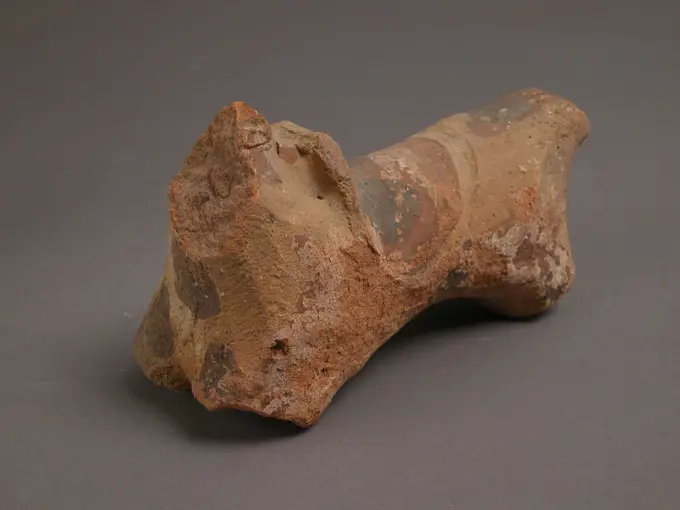
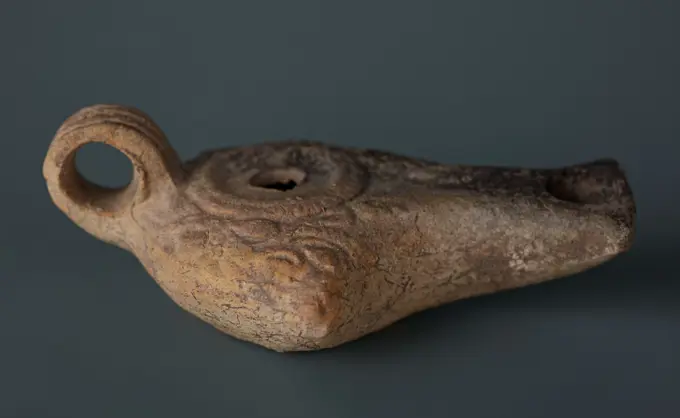
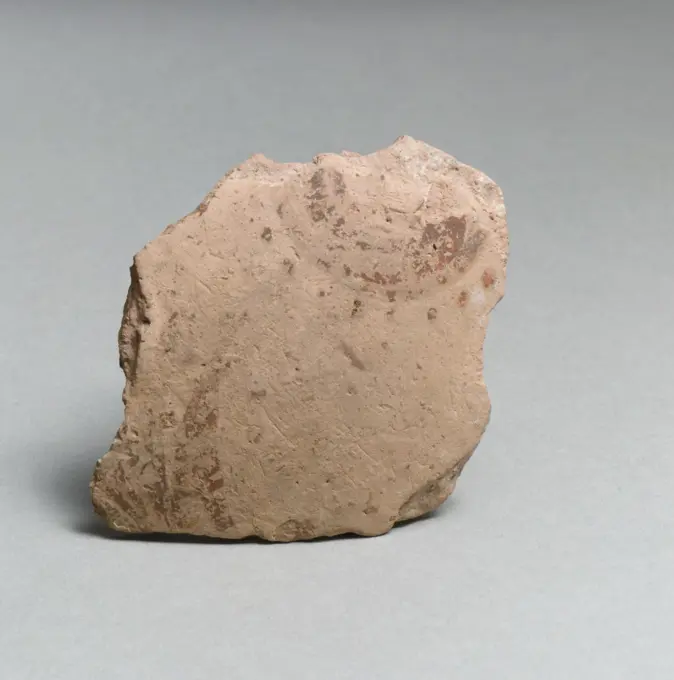
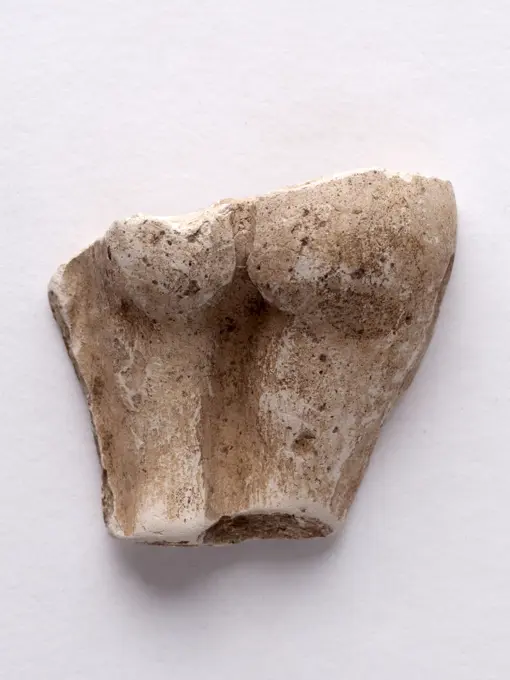
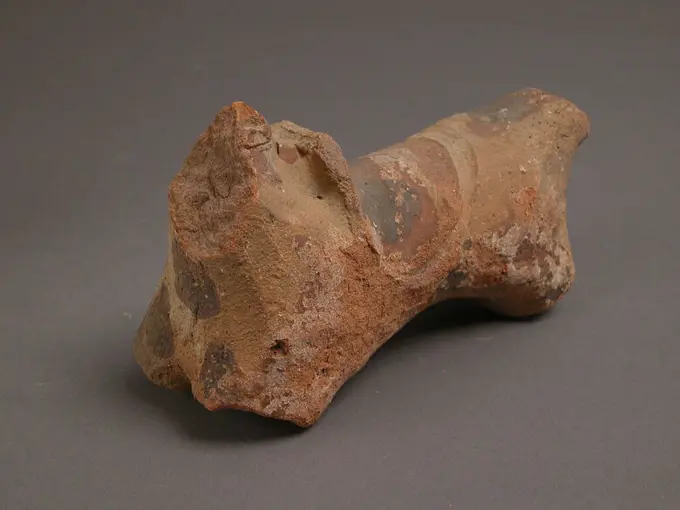
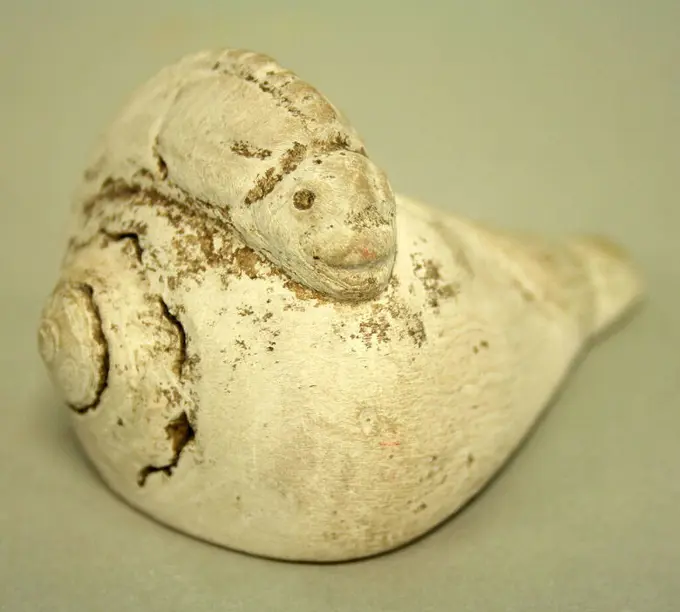
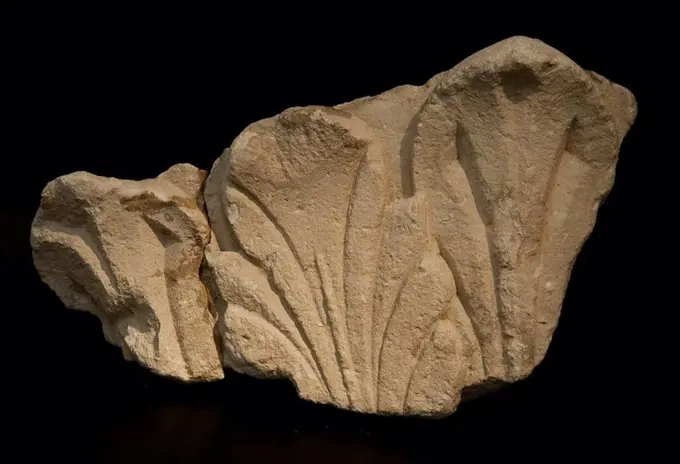
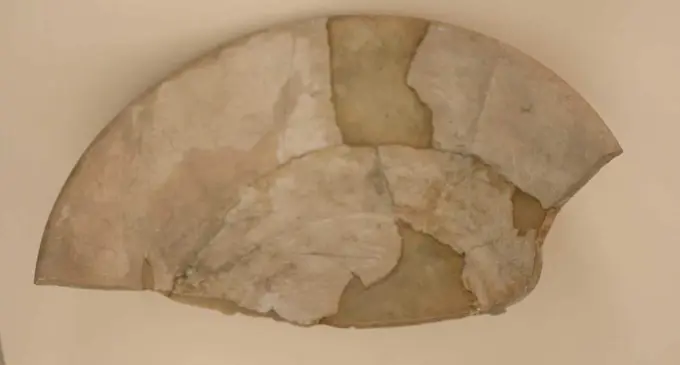
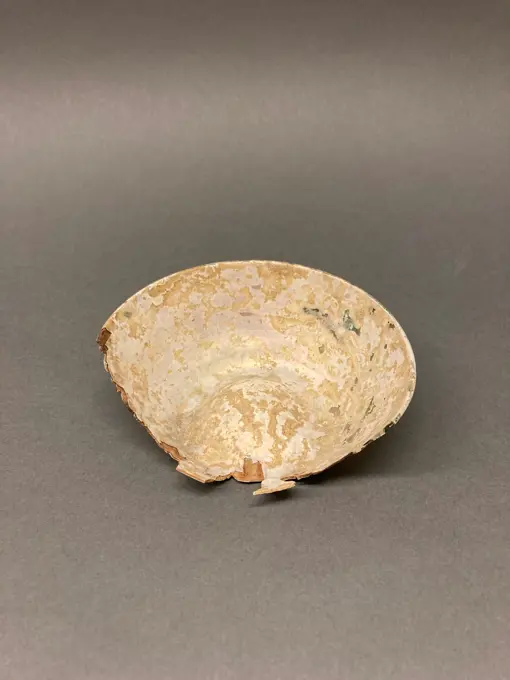
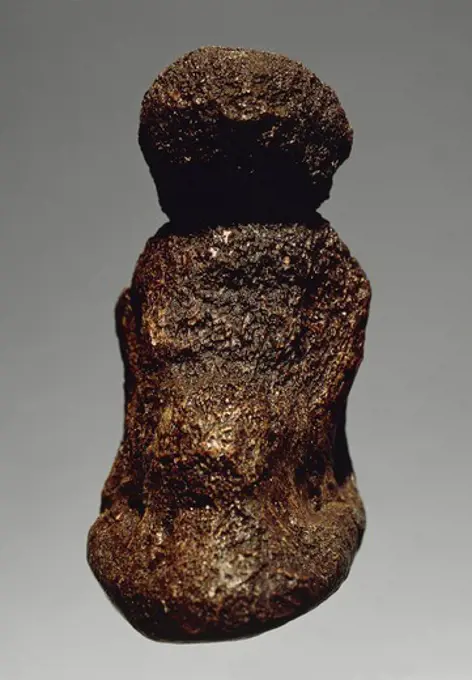
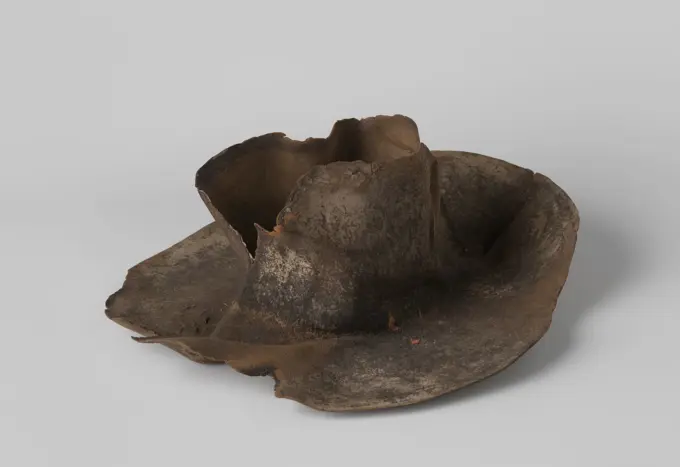
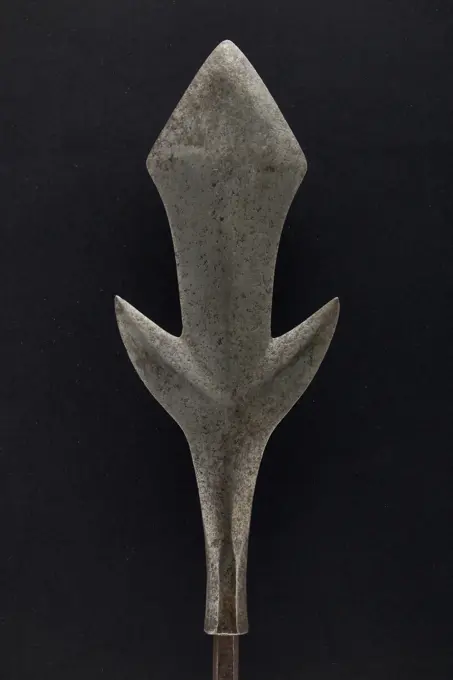
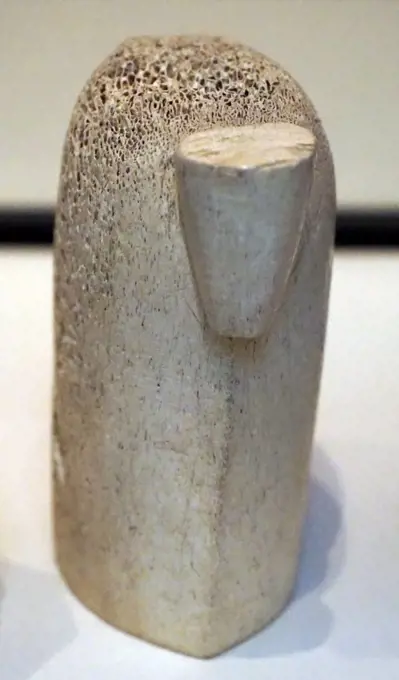
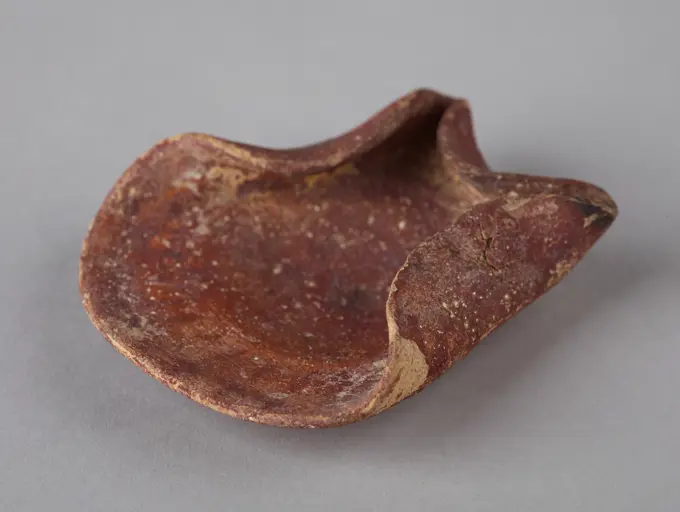
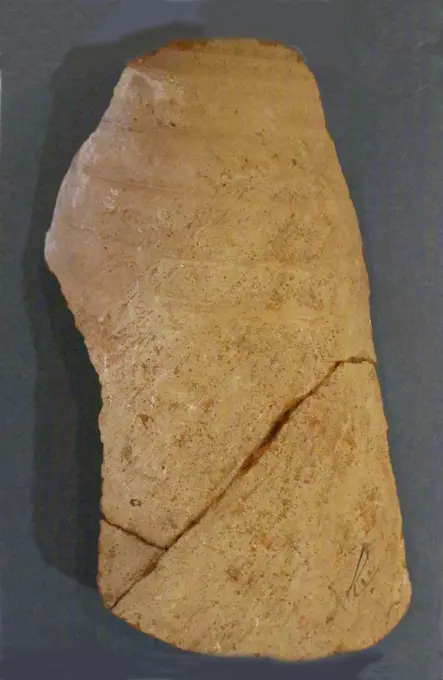
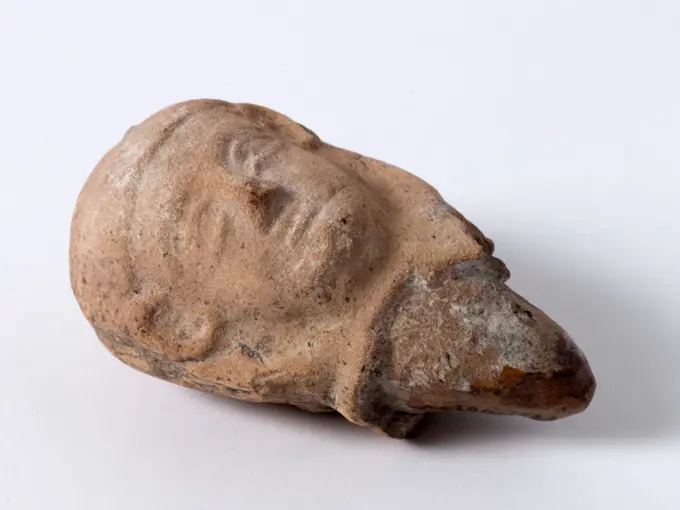
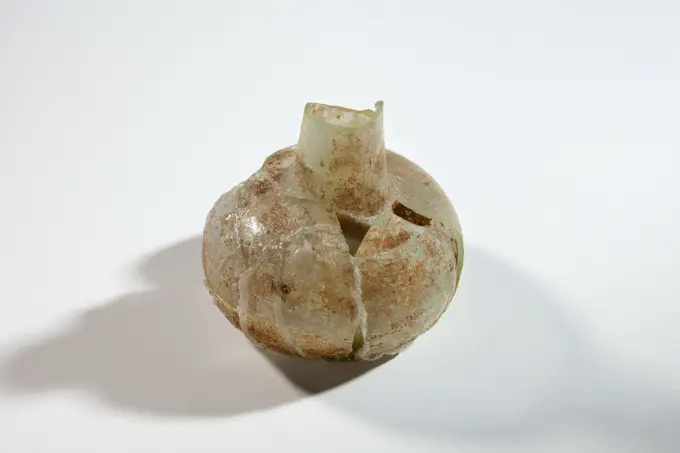
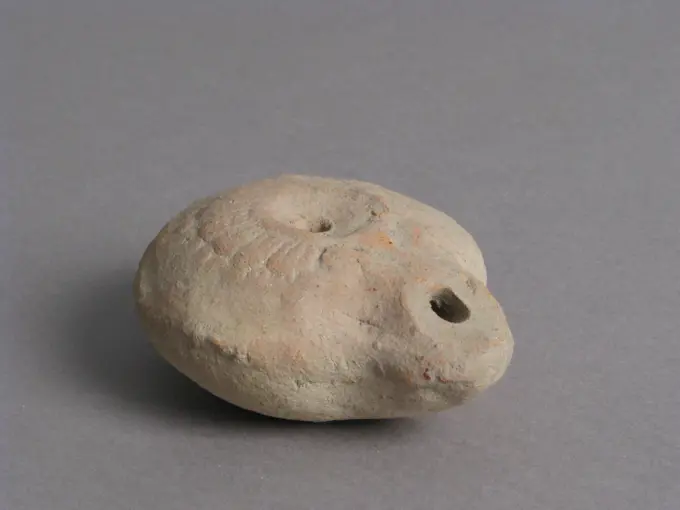
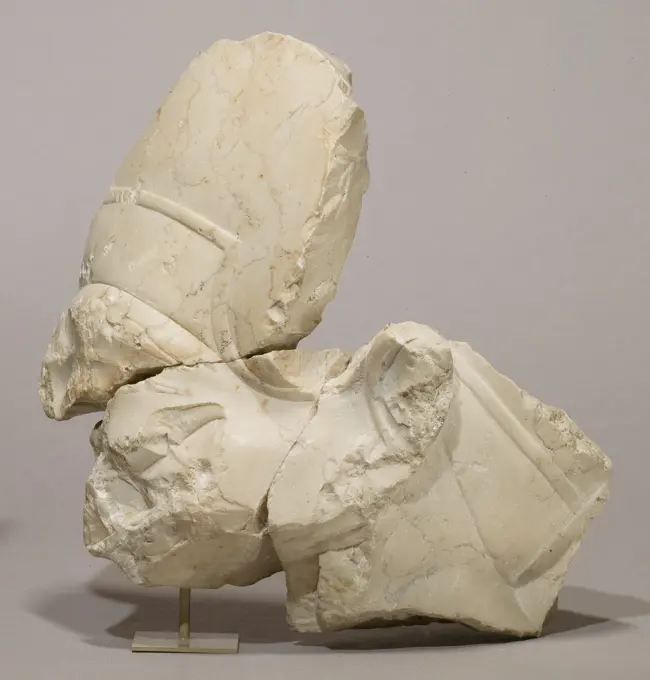
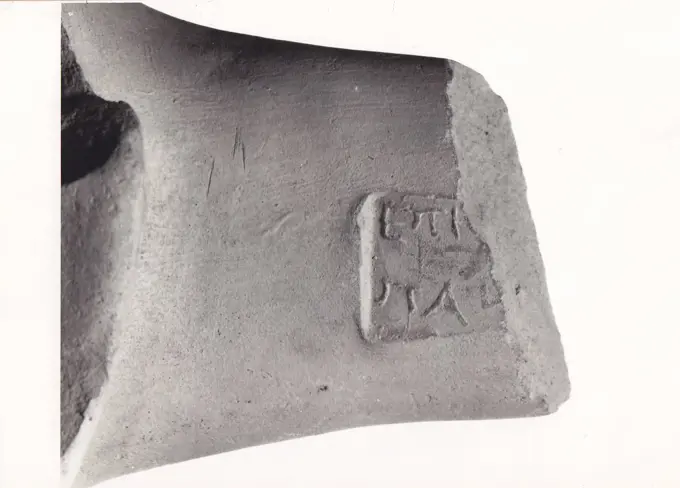
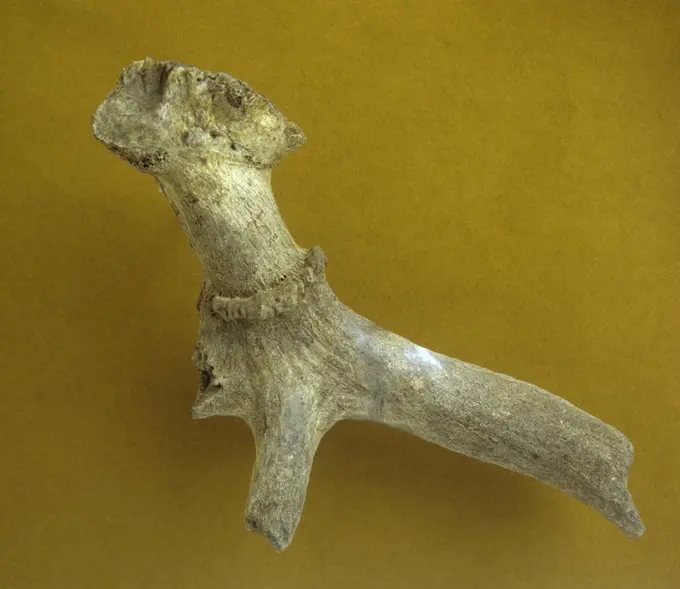
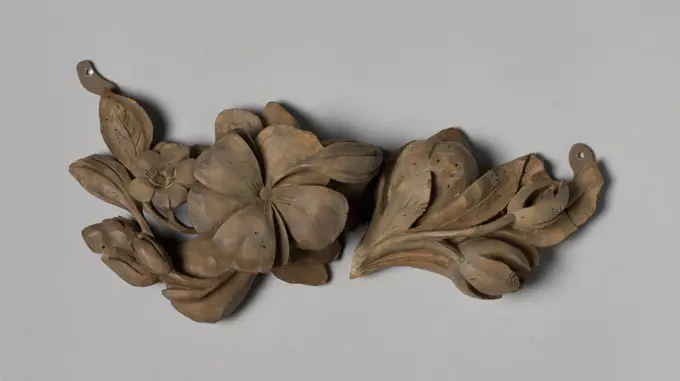
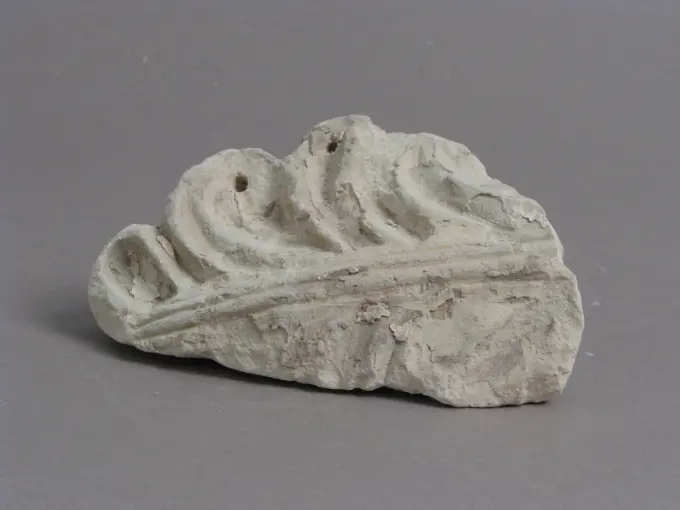
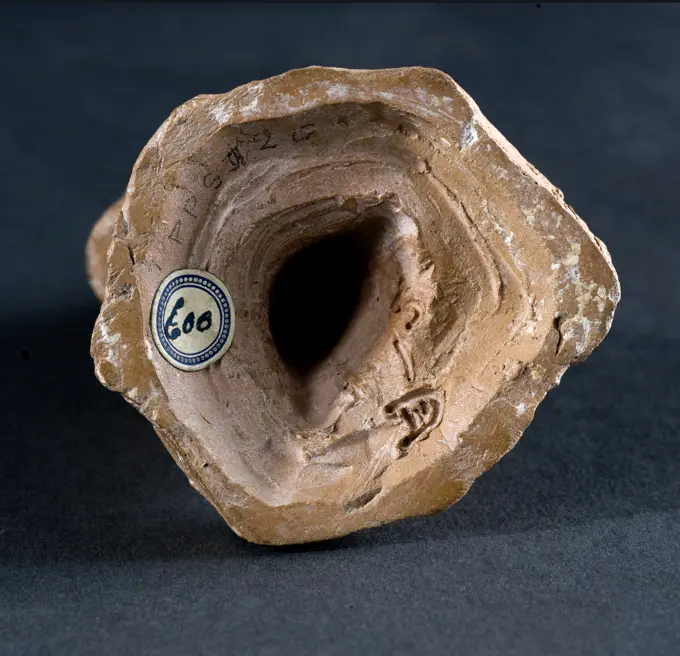
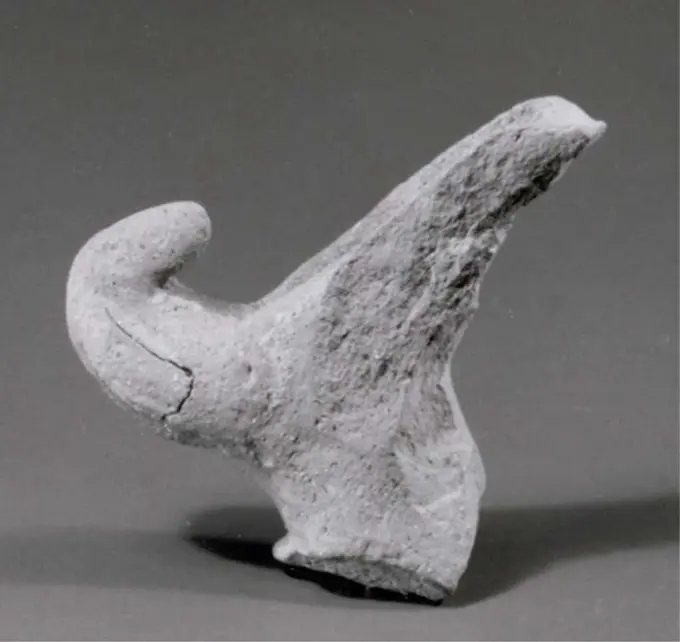
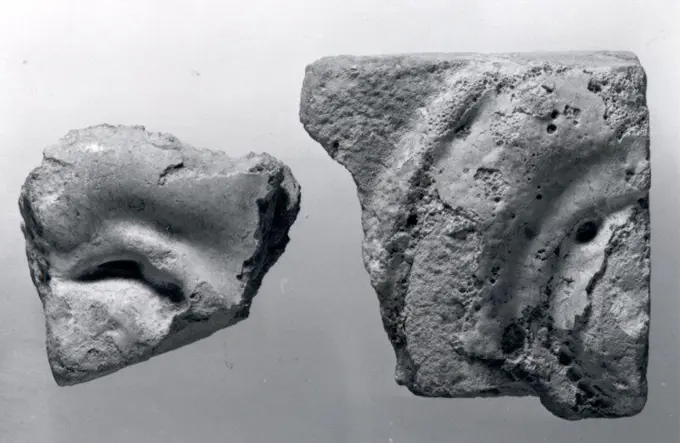
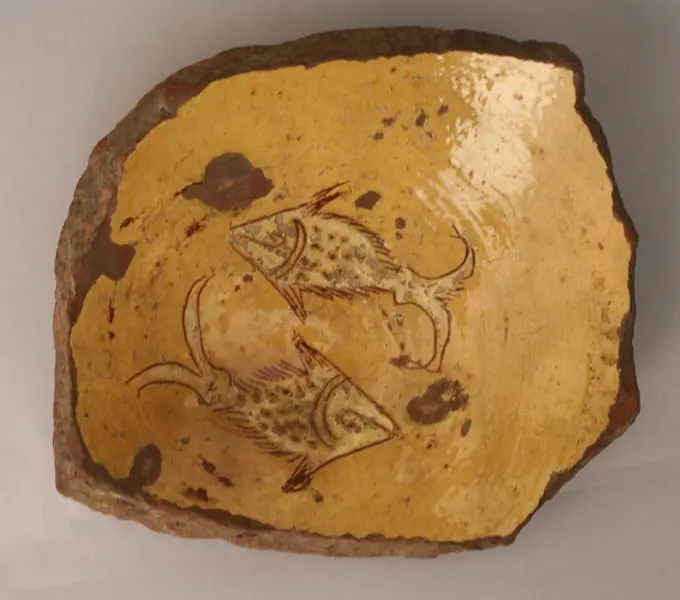
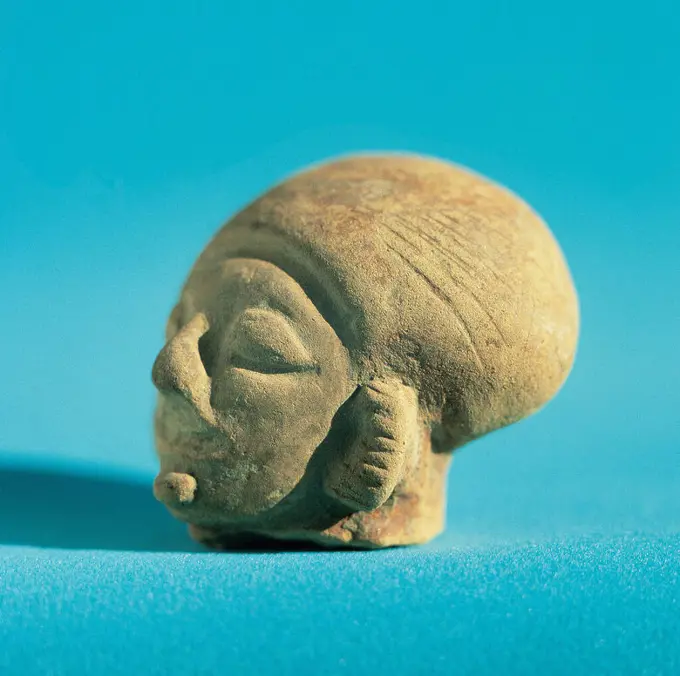
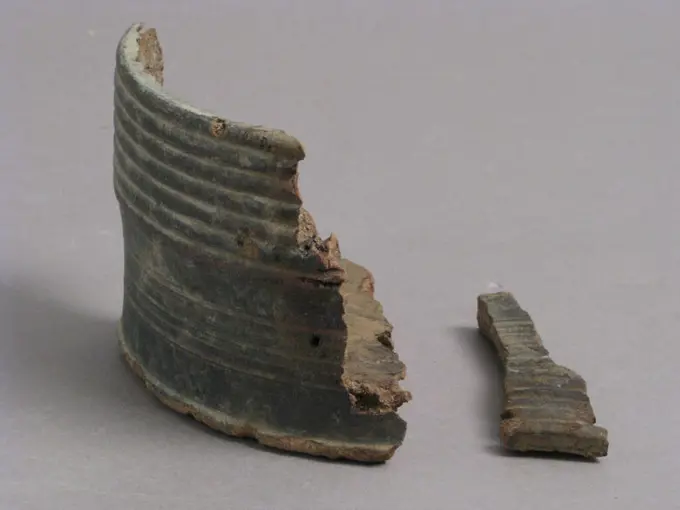
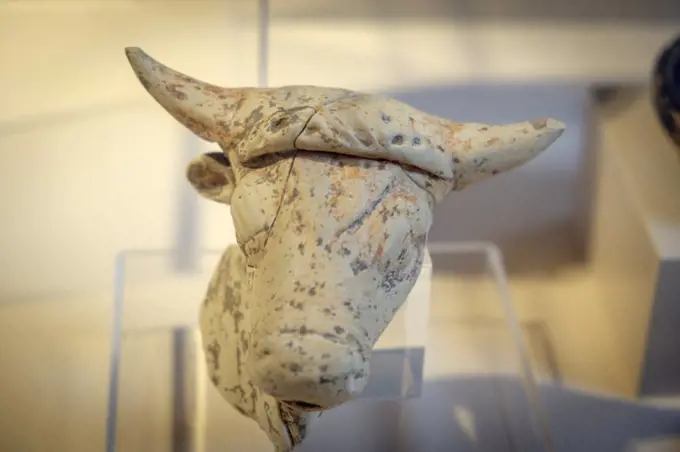
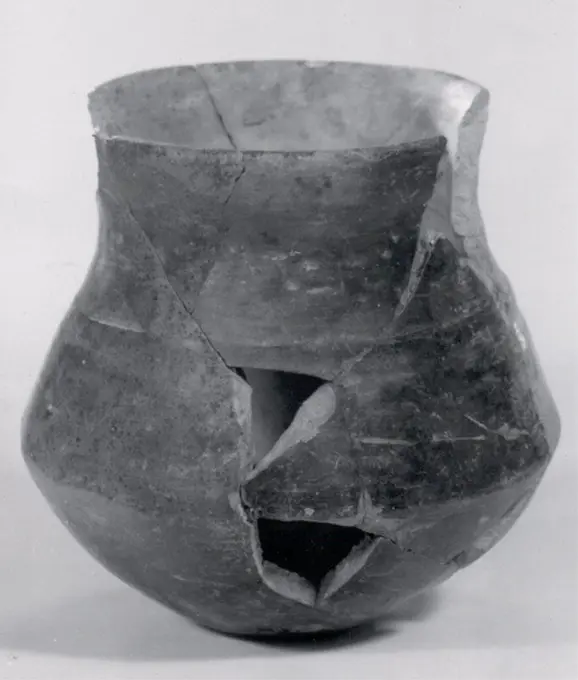
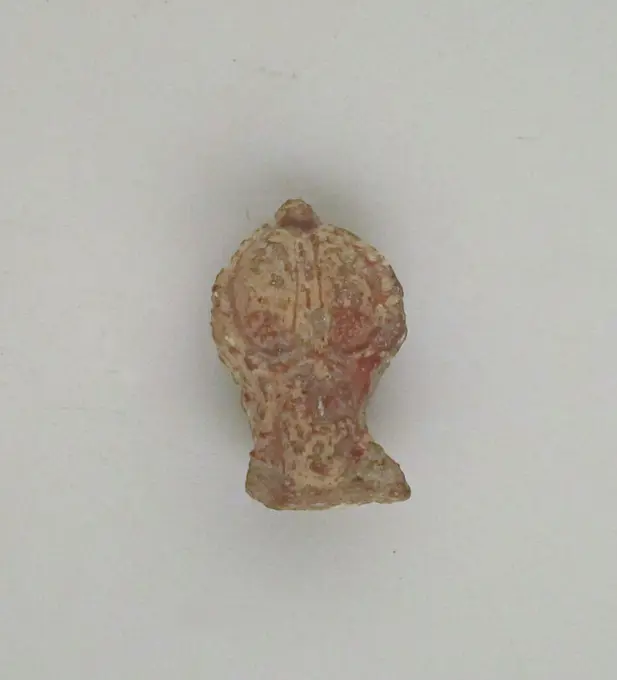
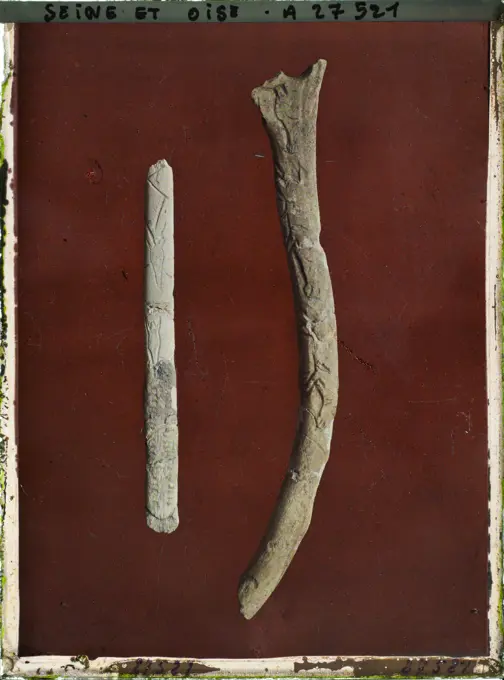
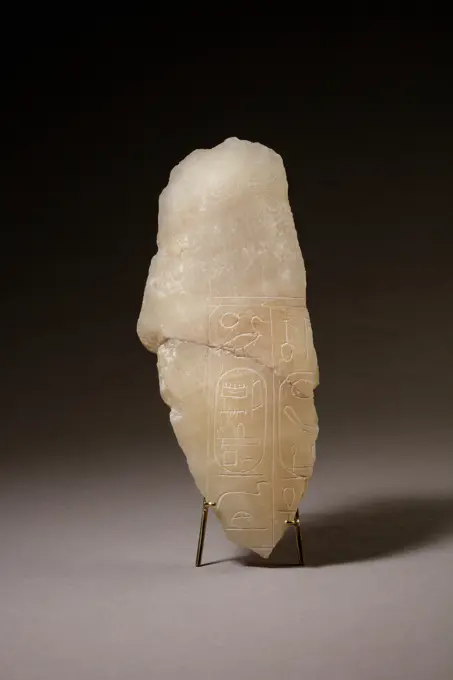
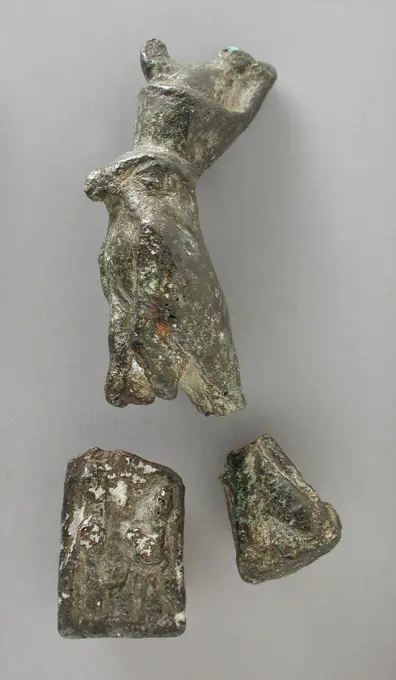
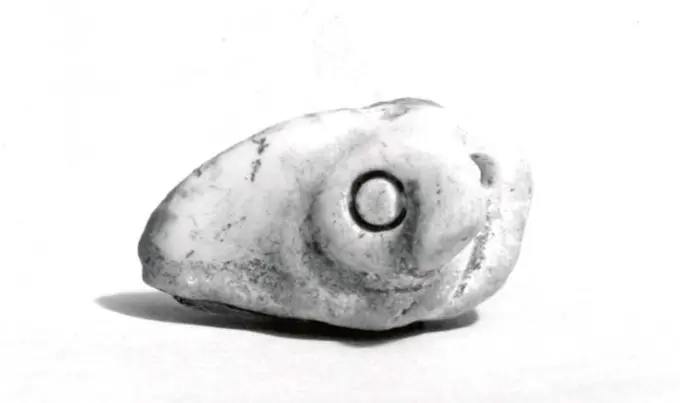
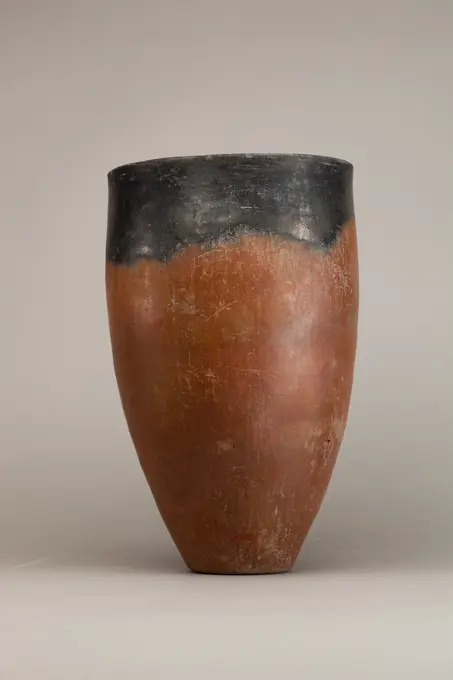
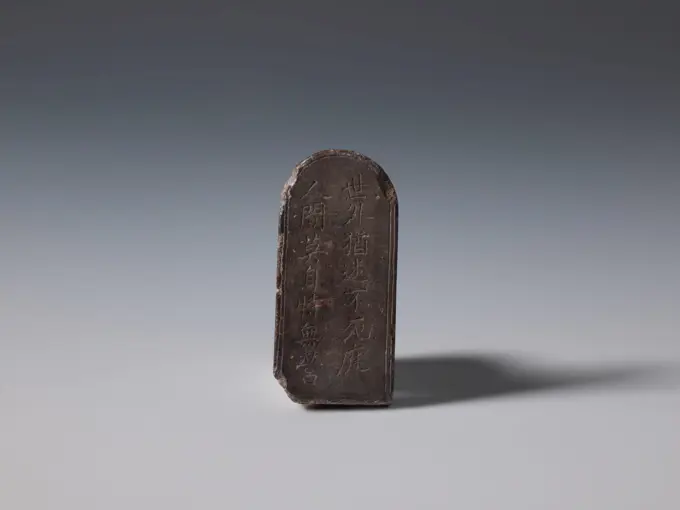
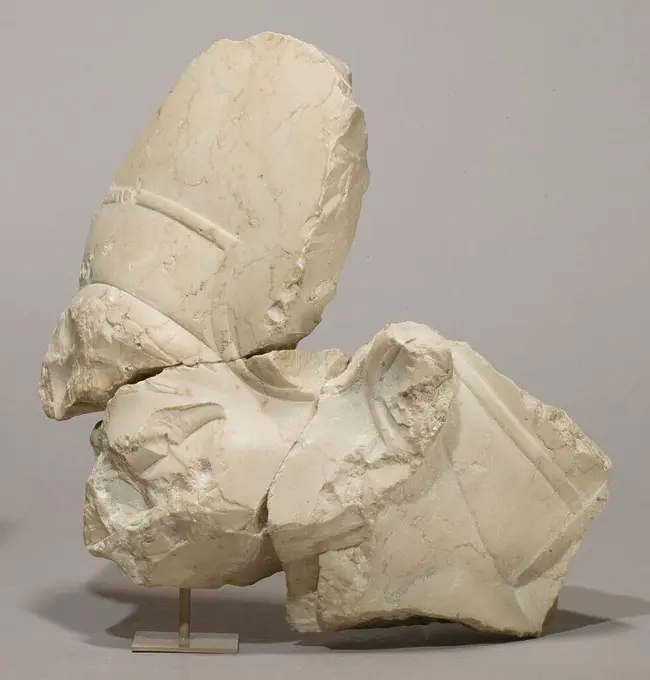
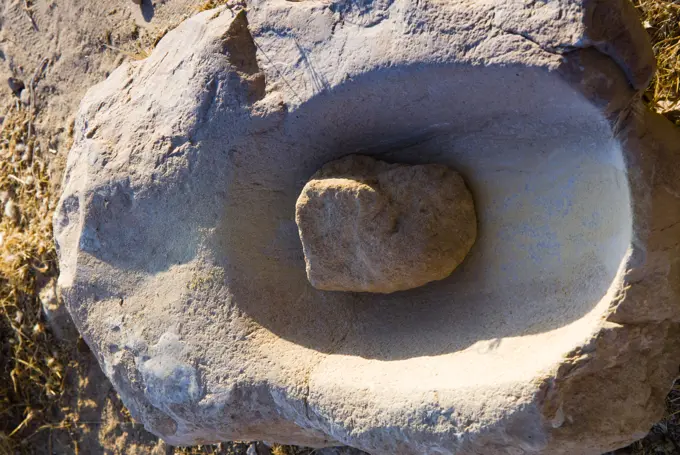
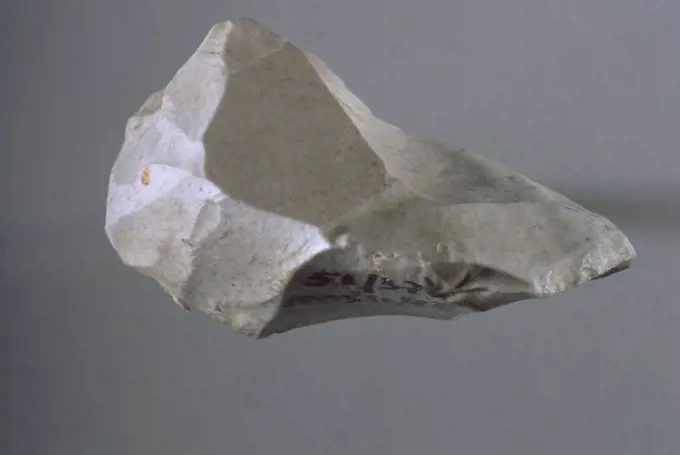
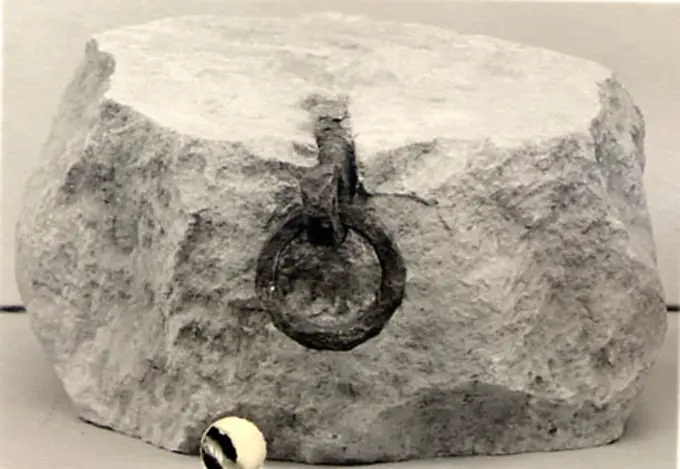
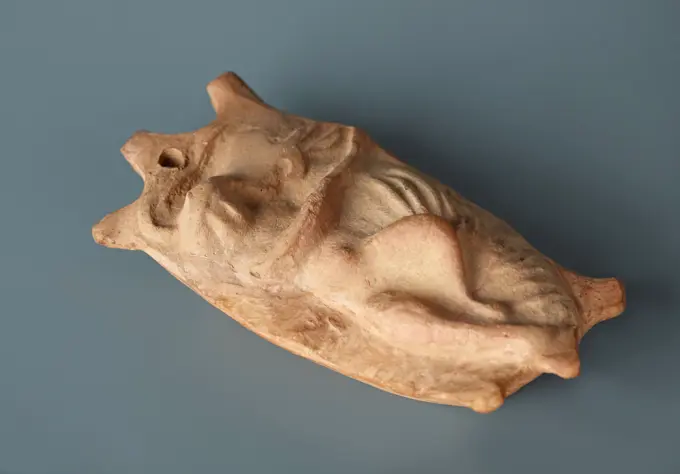
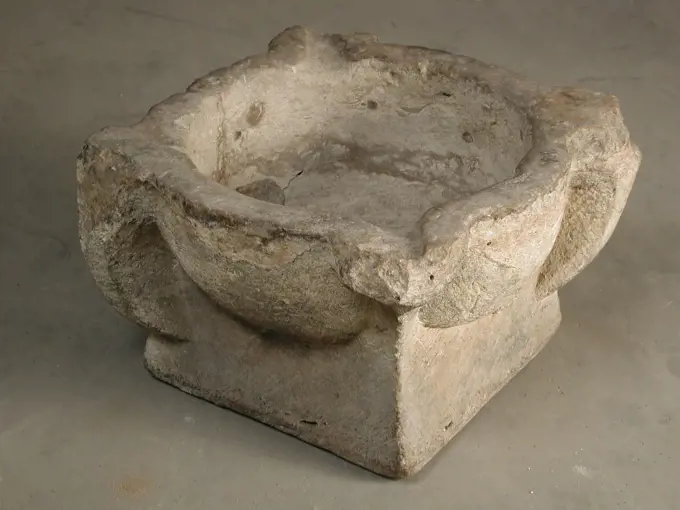
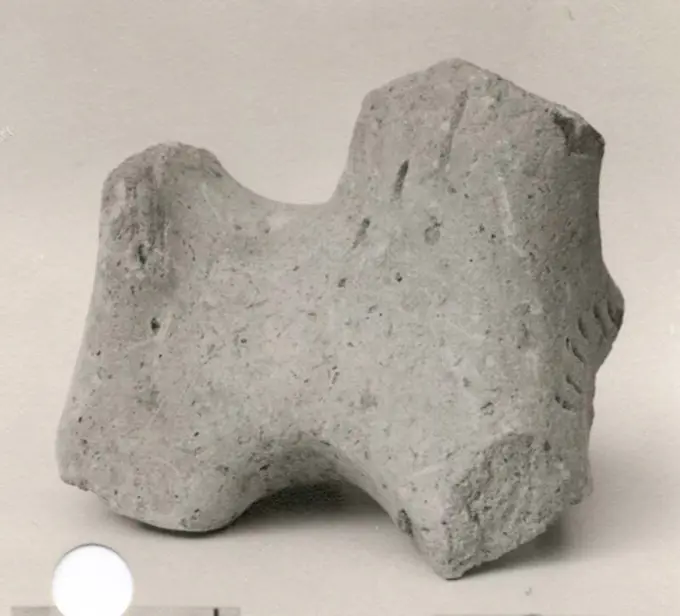
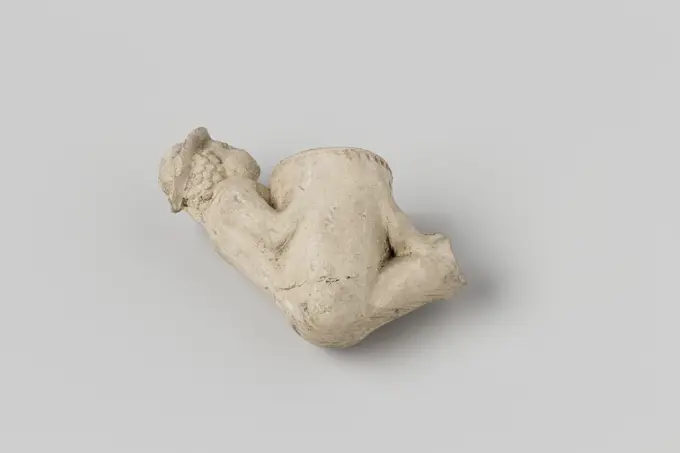
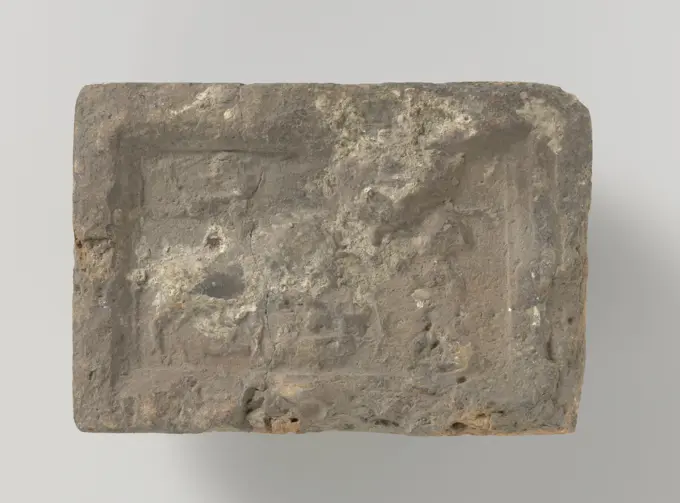
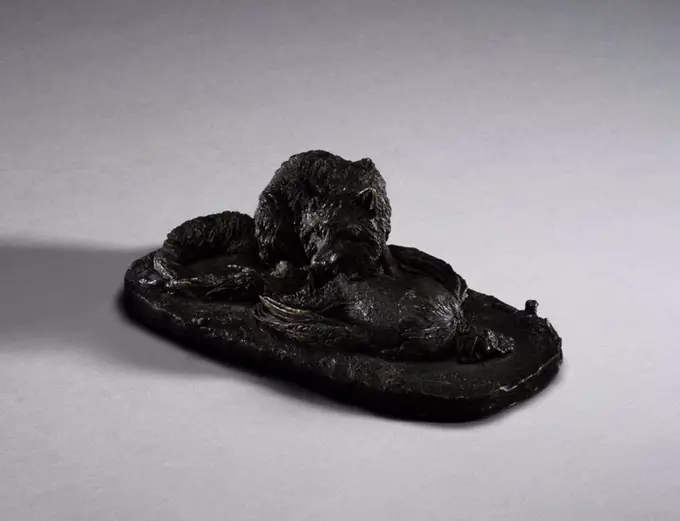
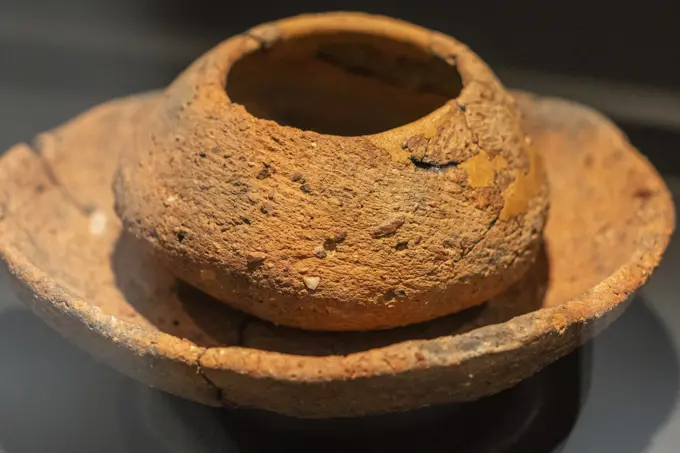
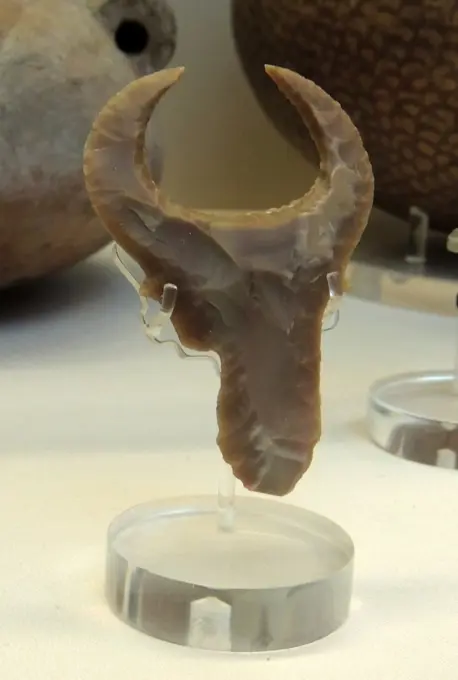
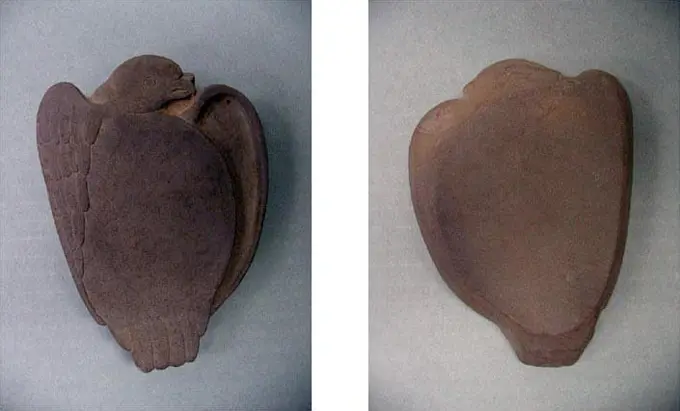
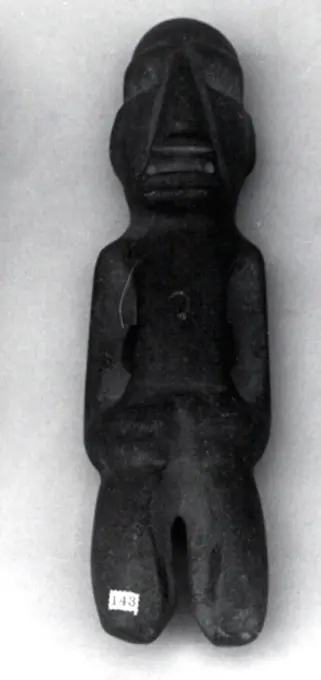
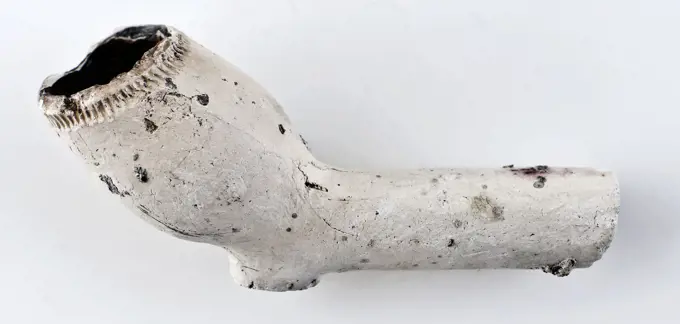
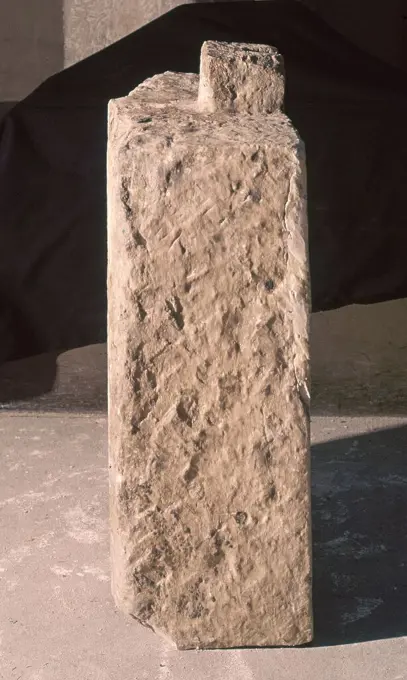
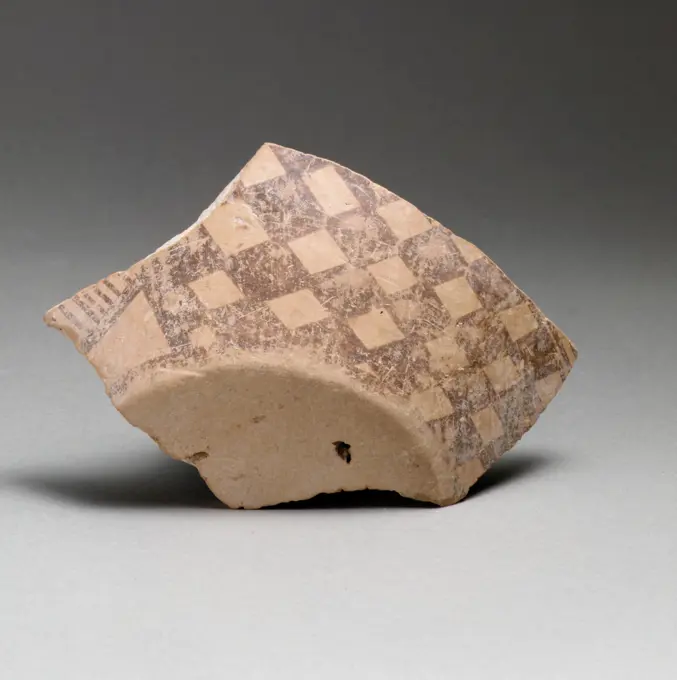
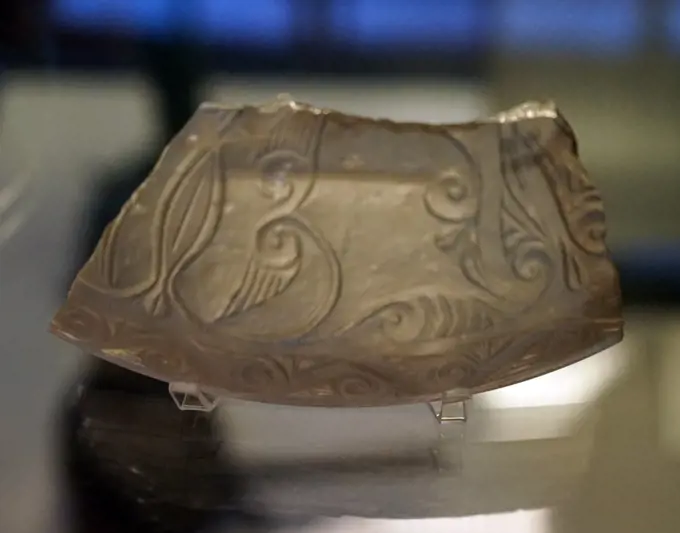
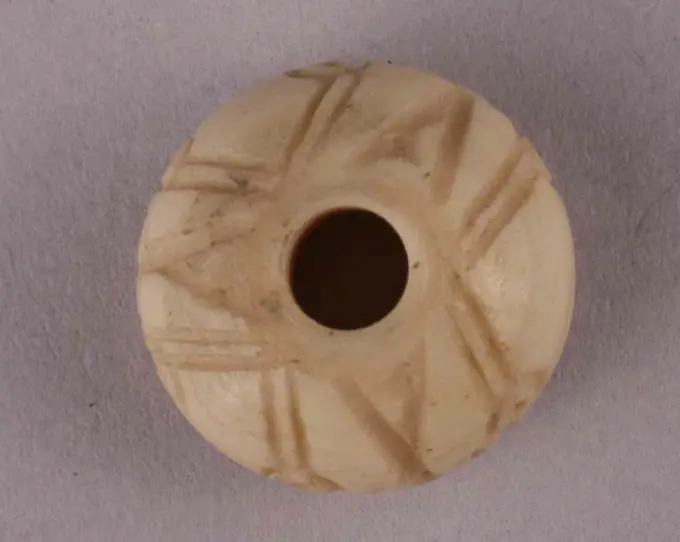
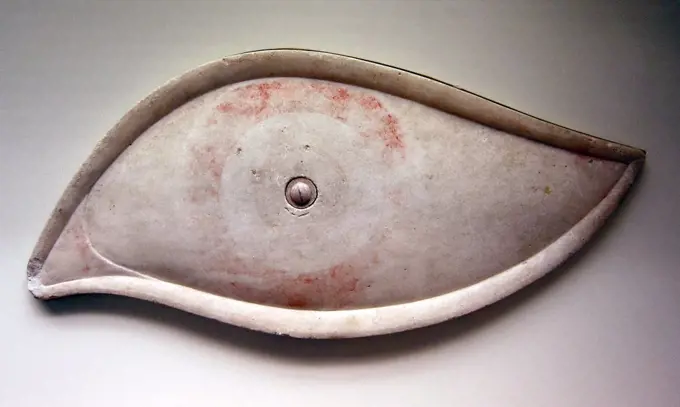
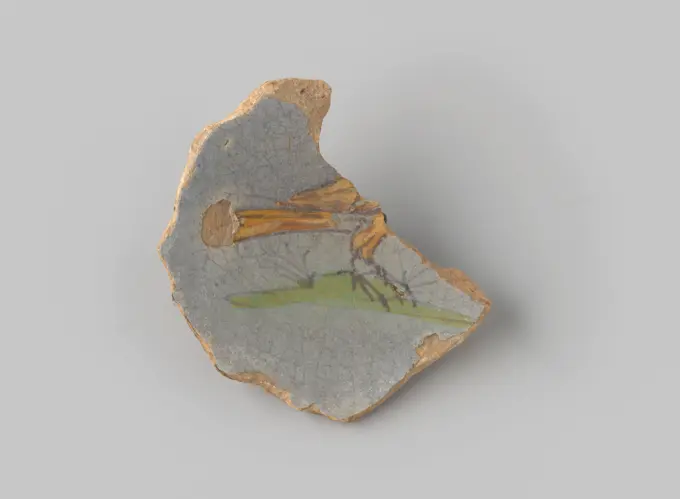
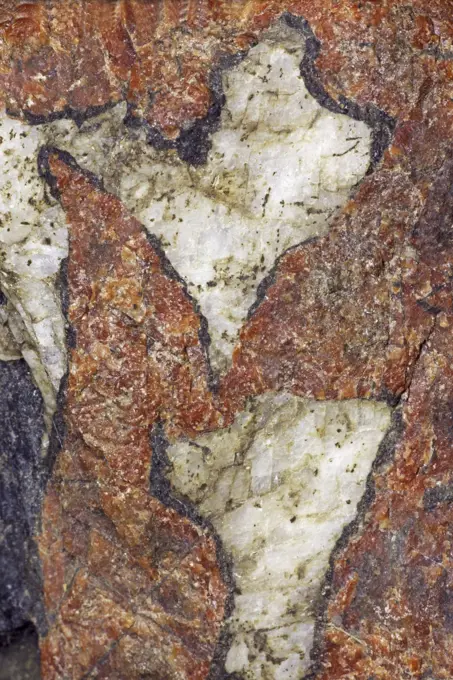
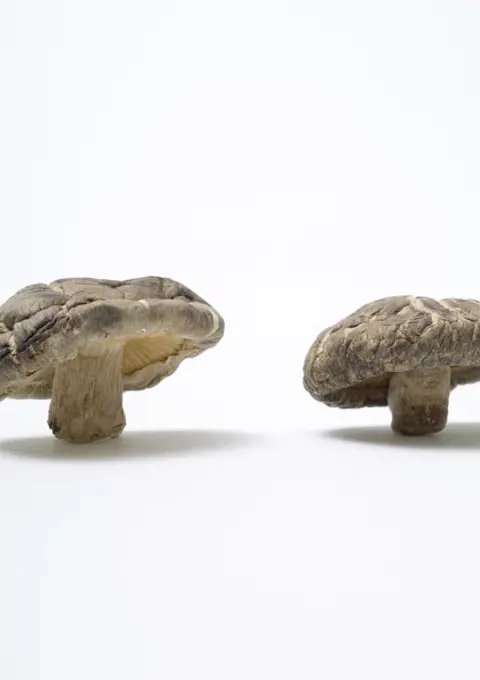
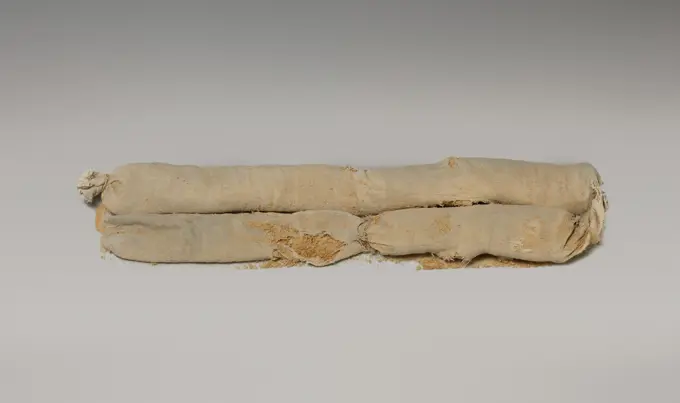
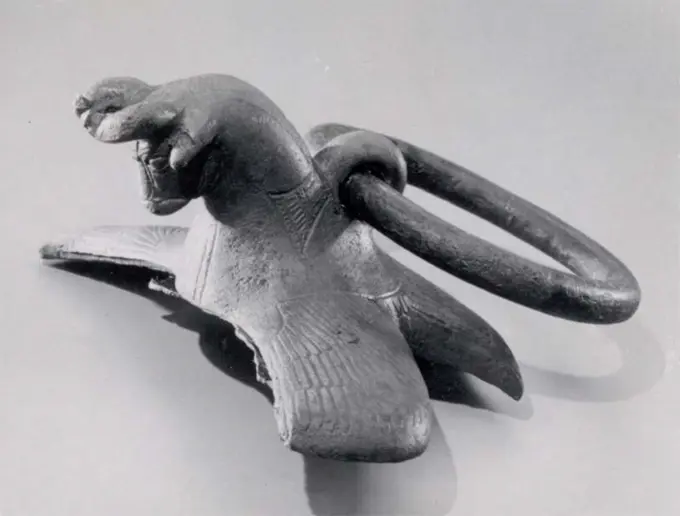
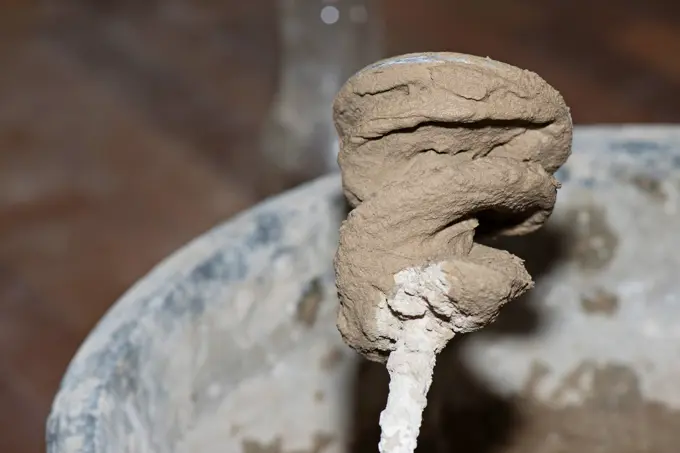
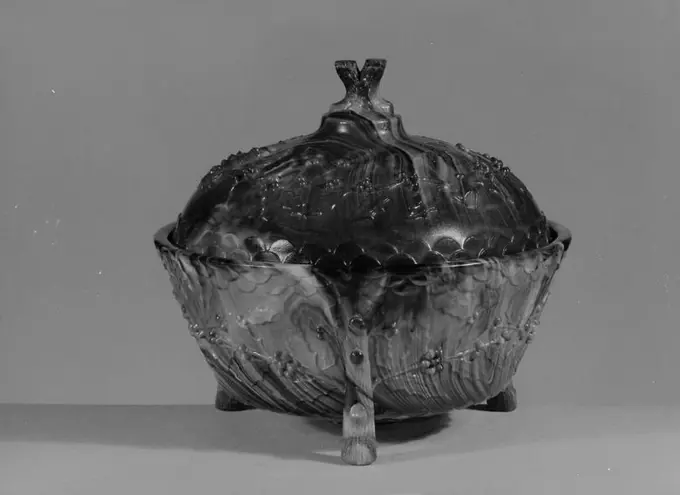
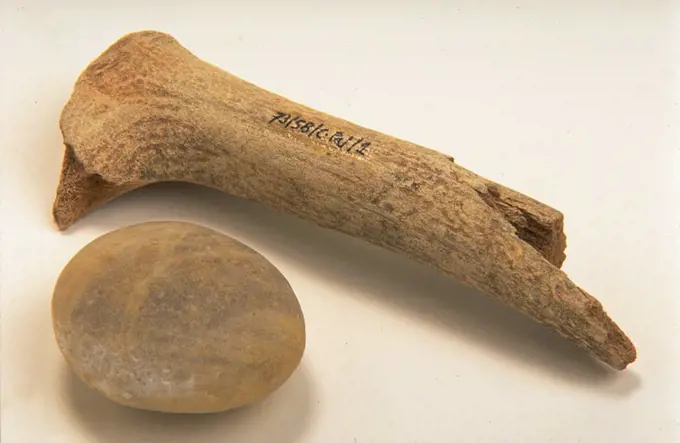
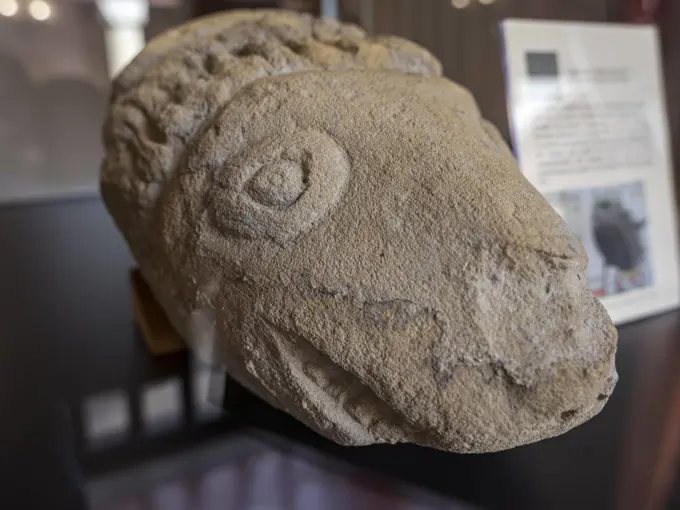
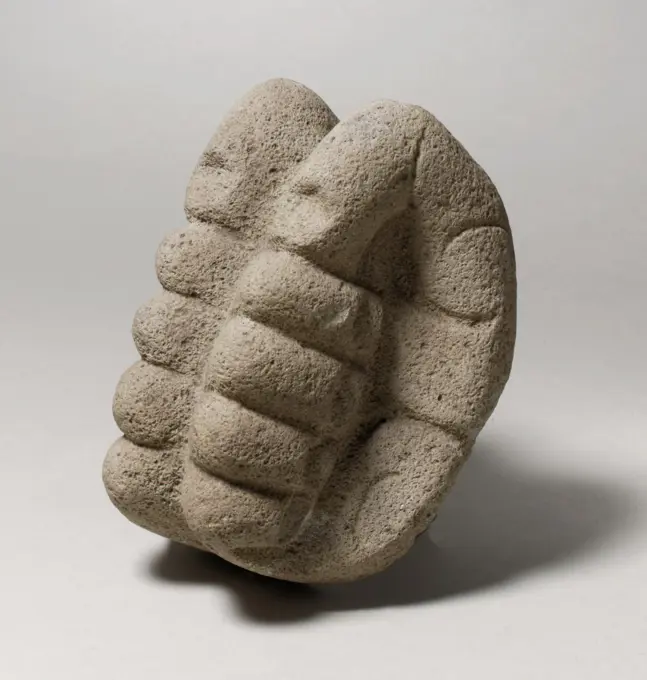
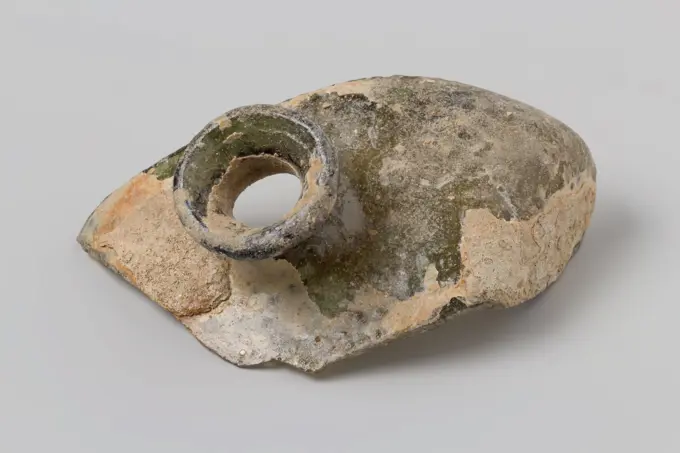
Scherf van Kist bottle from V.O.C. ship De 'Witte Leeuw', Before 1613  Sharf of chest bottle from V.O.C. ship De 'Witte Leeuw', Bottles of green glass with beigegele and coral-like attack.  .   Sint-HelenaFragment of a Horse 4th-7th century Coptic. Fragment of a Horse 478427Oil LampVase fragment ca. 1600-1450 B.C. Minoan. Vase fragment 247728Bullet -shaped stone with print shell, not applicable, -5000 --2300  Bullet -shaped stone with hollowing, in which the print of open bin -valve shell. The stone is almost certainly a phosphorite sandstone concretion, perhaps from the Pliocene but more likely from the Miocene. (5-23 million years ago.) In and around the Netherlands, such concretions occur in the Achterhoek and Twente, as well as in Flanders. The shell may be a glycymeris species. (Determined based on photo by Frank Wesselingh, Naturalis)  .Fragment; (possibly) belonging to the retable of Soest, c. 1475 - c. 1499   wood (plant material)   wood (plant material)Statuette. Coll. Piketty. Terracotta. High Empire. Paris, Carnavalet museum. 50056-11 High-Empire, statuette, terracottaVessel 4th-7th century Coptic. Vessel 478475Fragment of a Horse. Culture: Coptic. Dimensions: Overall: 3 1/8 x 9/16 x 2 5/16 in. (7.9 x 1.4 x 5.9 cm). Date: 4th-7th century. Museum: Metropolitan Museum of Art, New York, USA.Shell Lime Container in the Shape of a Lizard. Culture: Chorrera or Bahia. Dimensions: H. 2 x W. 3 in. (5.1 x 7.6 cm). Date: 2nd century B.C.-A.D. 3rd century. Museum: Metropolitan Museum of Art, New York, USA.Fragment of Roman capital, 1st century BC, in the Roman Villa of Torre Llauder or Can Llauder, Mataró, Barcelona, Catalonia, Spain. Museum: Museo de Mataró, Mataró, Barcelona, Cataluña, España.Fragment of a Bowl with White Glaze 8th-9th century This bowl was excavated at Ctesiphon, the Sasanian metropolis and administrative capital conquered by Arab Muslim armies in 637. The city was known in Arabic as al-Madain, or "the cities", for its extended area. Arab historians indulge in describing al-Madain/Ctesiphons grand monuments, which obsessed Muslim rulers and may have acquired a symbolic meaning related to its imperial past. This was the case of the Taq-i Kisra, an impressively-sized ivan (a vaulted hall with one side open) partially dismantled to reuse its bricks in caliphal buildings in the new capital Baghdad. Finds like this fragment, which was excavated at a site named Selman Pak V, attest to the continued occupation of Ctesiphons urban area in the early Islamic period. Similar ceramics count amongst the advances achieved by Iraqi potters in the 9th century. Beside technical innovations, such as the development of a range of opacifying techniques for glazes and the Small cone. Glass, China, Han dynasty (206 BC AP.J.-C.). Paris, Cernuschi museum. Asian art, Chinese art, han dynasty, glassAntique glass 1898, Middle EastFragment of a Bowl 10th-11th century This glass fragment was excavated at the site of Tepe Madrasa in Nishapur. Nishapur was a vital city in the early and middle Islamic periods, located along one of the main trajectories that connected Iran and West Asia Islamic lands with Central Asia and China. These itineraries are often referred by the term Silk routes but were in fact crucial to the movement of constellations of materials and objects, as well as people and ideas. The diverse population of Nishapur and its surroundings, from the better-researched elite groups of merchants, land-owning aristocracy, and literates, to the less-known artisans, farmers, miners, and servants, were instrumental in adapting global cultural trends to create their own distinctive visual languages. This is seen in the material remains of everyday life in medieval Nishapur  from pots and pans to lighting devices, inkwells, textiles and trimmings, jewelry, games and toys, talismanic devices, weapons, coins, anPrehistory, Czech Republic, Paleolithic. Female idol representing pregnant venus, carved out of a mammoth phalanx. From Predmosti.Hat of felt, dark brown to black, anonymous, c. 1610 - c. 1670 hat Hat of felt, dark brown to black, almost complete. With an impression of the hat ribbon, there are still vegetable fiber residues present at this location.  leather   Spitsbergen. Svalbard. SmeerenburgArrowhead (Yanone) 18th century Japanese Although today Japanese warriors are renowned most for their swordsmanship, archery, especially from horseback, has been an essential part of samurai warfare and culture for centuries. Arrows were fitted with heads of varying shape according to their intended use in war, the hunt, or target practice. Arrowheads made for use on the battlefield incorporated different designs intended for specialized purposes such as the piercing of armor or to cause maximum damage to horses and unarmored personnel.Large arrowheads, pierced and elaborately chiseled with landscapes, birds, flowers, dragons, and Buddhist divinities, were created to be admired for the beauty of their metalwork and design rather than for use in archery. Such highly elaborate examples may have been made for presentation or as a votive offerings to a shrine.. Arrowhead (Yanone). Japanese. 18th century. Steel. Archery Equipment-ArrowheadsWhalebone chess pieces from Anglo-Saxon England. Dated 9th CenturyPendant with Monster Mask 1300 BCE-1000 BCE China. Jade .Oil LampInscribed Pot Fragment ca. 1580-1479 B.C. Second Intermediate Period-Early New Kingdom. Inscribed Pot Fragment. ca. 1580-1479 B.C.. Pottery, ink. Second Intermediate Period-Early New Kingdom. From Egypt, Upper Egypt, Thebes, Southern Asasif, unfinished temple area, Pit MMA 1017, embalming cache, MMA excavations, 1920-22. Dynasty 17-18Statuette. Coll. Piketty. Terracotta. High Empire. Head. Paris, Carnavalet museum. 50056-10 High-Empire, statuette, terracotta, headBottle. unknown, craftsmanOil Lamp 4th-7th century Coptic. Oil Lamp 478702Head of Akhenaten in the Blue Crown, Sign Traces Behind Neck ca. 1353-1336 B.C. New Kingdom, Amarna Period At some point after the end of the Amarna period, statues from the sanctuary of the Great Aten Temple at Amarna were demolished and their fragments left in the area of the sanctuary or in a dump outside the south temenos wall originally used for expendable material that had been used in the cult.The sanctuary and dump areas were excavated in 1891-92 by Howard Carter working for Flinders Petrie. When Petrie received almost all his finds from the Egyptian government, he allotted these sculpture fragments to Lord Amherst who had funded Carter's work. The Museum subsequently accquired most all of this important corpus, some four hundred fragments. Many joins have been made by curators over the decades, and the fragments are now being studied for the information they provide about the statuary that stood in the Aten Temple.In this instance, three fragments of fine marble-like induratedFragmentary gaming board: game of 58 holes ca. 18th century B.C. Old Assyrian Trading Colony This fragment belongs to a group of carved ivories, mostly furniture elements, probably found at the site of a palace at Acemhöyük in central Anatolia. Like another piece in the Metropolitan Museums collection (36.70.37g), it was originally part of a gaming board for playing an ancient game known today as the game of fifty-eight holes. The game was played as a race between two players with game pieces in the form of pegs that were inserted into the holes making up each players track, as in the modern game of cribbage, although the two games are not related. Since the earliest gaming boards for the game of fifty-eight holes come from Egypt, such as an example from Thebes which still has its animal-headed pegs (Department of Egyptian Art, 26.7.1287), the game itself may have originated there. More than forty examples of boards of this type are known from Egypt and the Near East, including an adFragment wylewu i imadła amfory ze stemplem. unknown, potter's workshoproman helmet, Monographic Museum of Pollentia, Alcudia, Mallorca, Balearic Islands, Spain.PALEOLITHIC FAUNA BONE REMAINS: HORN OF DEER, FROM THE VALLE DEL MANZANARES (LOCATION: NATIONAL ARCHEOLOGICAL MUSEUM).Carving from an Overmantel, c. 1675-1677. Grinling Gibbons (British, 1648-1721). Lindenwood; See cover record.Fragment large flowerpot in red earthenware, unglazed, flower pot holder earth discovery ceramic earthenware, hand-turned baked Border fragment of enormous flowerpot. Unglazed red shard Attachment of lying upwards bent sausage ear is still present. Rectangular holes in the upper edge on the underside are not cut. Coarse twisted feathers over the outside. Oblique sidewall with bend at the level of the arch archeology metropolis Rotterdam Stadscentrum Stadsdriehoek Groenendaal indigenous pottery cultivation flower garden plant care soil discovery: underground pit Groenendaal 1977.06.13.Acanthus Leaf Fragment 4th-7th century Coptic. Acanthus Leaf Fragment 478945Circular mill. Granite. From the Roman Villa of O Cantn Grande. La Coru–a, Galicia, Spain. Archaeological and History Museum (San Anton Castle). A Coru–a, Galicia, Spain.Aimé-Jules Dalou (1838-1902). "Milk carrier". Terracotta, between 1889 and 1898. Museum of Fine Arts of the city of Paris, Petit Palais. Below, label, inscription, inventory number, milk carrier, base, terracottaBeak spout ca. 7th century B.C. Iran This beak spout was originally part of a ceramic pitcher made of red clay. Both the end of the beak and the neck that attached to the vessel are broken off. A curl sits on top of the beak at the back.This object was excavated at Tepe Nush-i Jan, an Iron Age hilltop site about 60 km sound of Hamadan in western Iran. Nush-i Jan was occupied in the 7th and 6th centuries B.C., and its occupants are generally thought to be the Medes, an Iranian people known from Assyrian, Achaemenid and Biblical sources. Though the textual sources portray them as a powerful empire, archaeological evidence for the Medes has yet to sustain this impression. Rather, they seem to have lived in scattered fortified sites in western and central Iran, without any clear capital. Nush-i Jan, one of the best known of these sites, features two temples, a columned hall, and a fort. This spout was discovered in the East Court,’ an open area next to the fort.Spouted pitchers are a wellBrick ca. 6th century B.C. Babylonian. Brick 322029Fragment 14th-15th century. Fragment 445433LampPre-Columbian Art. Ecuador. Pre-Inca Period. Period of Regional Development. Jama-Coaque Culture. Coast of Ecuador (500BC-500AD). ceramic head. 300-200 BC-700-800 AD. Ecuador.Shell Pendant or Bead 3rd millennium B.C. Valdivia. Shell Pendant or Bead 314210Box Fragments. Culture: Coptic. Dimensions: Overall (a): 2 11/16 x 2 1/2 x 4 5/16 in. (6.9 x 6.4 x 10.9 cm)Overall (b): 2 13/16 x 13/16 x 3/8 in. (7.2 x 2.1 x 1 cm). Date: 4th-7th century. Museum: Metropolitan Museum of Art, New York, USA.cabeza de toro, talaiotico, años 650 - 123 a.C. , Museu Municipal de Ciutadella,. Bastió de sa Font, Ciutadella, Menorca,balearic islands, Spain.Jar ca. 9th century B.C. Iran. Jar 326189Lead pipe joints, from the Roman city of Bath in England. Wouldve originally been mined in the Mendip hills by slaves. Circa 1st-2nd century AD.Cup handle. Dimensions: length 3.51 cm..Bearded head surmounted by two ovules. Museum: Metropolitan Museum of Art, New York, USA.Foot fragment ca. 1353-1336 B.C. New Kingdom, Amarna Period. Foot fragment 549850SasanianhelmetJar rim sherd ca. late 3rd millennium B.C.. Jar rim sherd 325262VENUS DE BRASSEMPOUY - ESTATUILLA PALEOLITICA TALLADA EN MARFIL - 30.000 AÑOS DE ANTIGÜEDAD - 3,5 cm -. Location: MUSEO DE ANTIGÜEDADES. SAINT-GERMAIN-EN-LAYE. France.Shards of porcelain from V.O.C. ship De 'Witte Leeuw', Before 1613  Three shards of porcelain from a martavan from V.O.C.-ship the 'Witte Leeuw'. Jingdezhen porcelain   Sint-HelenaSaint-Germain-en-Laye, France , 1921 - Seine -et -Oise - Auguste Léon - (June) (French - Saint-Germain-en-Laye , France). Museum, picking , hunting, archaeological vestige, sculpture, prehistory, weapon, carved decor, Economic activity, Habitat , Architecture, Art, France, St Germain-en-Laye, Limeuil: propellant stick, flat bone with headJar fragment, cartouches New Kingdom ca. 1525-1504 B.C. View more. Jar fragment, cartouches. ca. 1525-1504 B.C.. Travertine (Egyptian alabaster). New Kingdom. From Egypt, Upper Egypt, Thebes, Dra Abu el-Naga, Tomb AN-B, Carnarvon/Carter excavations. Dynasty 18Figurine of Horus, Lord of the Two Lands. Egypt, Late Period - Ptolemaic Period (664 - 30 BCE). Sculpture. BronzeScraper. North Africa. 7.8cm.Brassai, the wind, 1960, stone, collection of the Musée National d'Art Moderne - Centre d'Art Georges Pompidou, France.Amulet 3rd millennium B.C. Iran. Amulet 324425Black-topped Red Ware Beaker ca. 3850-2960 B.C. Predynastic Period. Black-topped Red Ware Beaker. ca. 3850-2960 B.C.. Pottery. Predynastic Period. From EgyptPlate in the shape of a stele;  19th century (1801-00-00-1900-00-00);Head of Akhenaten in the Blue Crown, Sign Traces Behind Neck. Dimensions: H. 22 × W. 13.5 × D. 20 cm (8 11/16 × 5 5/16 × 7 7/8 in.). Dynasty: Dynasty 18. Reign: reign of Akhenaten. Date: ca. 1353-1336 B.C..At some point after the end of the Amarna period, statues from the sanctuary of the Great Aten Temple at Amarna were demolished and their fragments left in the area of the sanctuary or in a dump outside the south temenos wall originally used for expendable material that had been used in the cult.The sanctuary and dump areas were excavated in 1891-92 by Howard Carter working for Flinders Petrie. When Petrie received almost all his finds from the Egyptian government, he allotted these sculpture fragments to Lord Amherst who had funded Carter's work. The Museum subsequently accquired most all of this important corpus, some four hundred fragments. Many joins have been made by curators over the decades, and the fragments are now being studied for the information they provide about the stNeolithic grindstone, Al Beidha Neolithic Village, Jordan.PERFORADOR . PALEOLITICO. (DEPOSITO: MUSEO ARQUEOLOGICO NACIONAL).Block 13th century () French or German (). Block. French or German (). 13th century (). Stone (in two pieces). Metalwork-IronTerracotta RattleCeramic lamp with sexual motifs, Iberian period three hundred and fifty to fifty BC, Huesca museum, Aragon community, Spain.Limestone mortar, auger equipment limestone stone cement, mince Round limestone mortar on flat square base. Opposite each other along the side: two vertical round bulges and two gutters at the top edge. The bulges probably served as handlesCopper thimble molded with groove at the top, thimble sewing kit soil find copper metal h 1,9, cast Copper molded thimble with round holes in lines on the top with groove changing into the shaft with wheel punch and with blank board with two grooves archeology Rotterdam rail tunnel seamstress tailor sewing textile processing clothing needle and thread repair Soil discovery: rail tunnel Rotterdam.Animal figurine ca. 3rd-7th century A.D. Sasanian. Animal figurine 322829Fragment pipe head. Fragment blowjob with a half excellent man with a hat and curls. Of the excavations at the Hofstede Arentsburg 1827-1831 under the supervision of professor Reuvens.Hearing stone with representation of Sint Joris on horseback, who kills the dragon, c. 1525 - c. 1550 Hearing stone with representation of Sint Joris on horseback, who kills the dragon, with the princess on the right. Southern Netherlands earthenware Hearing stone with representation of Sint Joris on horseback, who kills the dragon, with the princess on the right. Southern Netherlands earthenwareStatuette of seated man ca. 1981-1900 B.C. Middle Kingdom. Statuette of seated man 546735Fragment of a Bowl 14th-15th century. Fragment of a Bowl 455192Tile. Algeria, Qal'at bani Hammad (), second half of 11th century. Ceramics. Earthenware, glazed and luster-paintedPrehistory. Temple Period (4000 to 2500 BC). Malta. Alabaster fragment with serrated edges. From Mnajdra. National Museum of Archaeology. Valletta. Malta.A Fox Holding a Dead Rooster. Dated: 19th century. Dimensions: overall: 8.9 × 25.4 × 12.1 cm (3 1/2 × 10 × 4 3/4 in.). Medium: wax. Museum: National Gallery of Art, Washington DC. Author: PIERRE-JULES MENE.ceramic plate and bowl ceramic plate and bowl, Los Gabrieles dolmen complex, III BC, Valverde del Camino, Huelva Museum, Huelva, Andalusia, Spain Copyright: xZoonar.com/BartomeuxBalaguerxRotgerx 21733710Funerary Cone of the Royal Seal-Bearer and Priest Iaiefib ca. 1550-1295 B.C. New Kingdom. Funerary Cone of the Royal Seal-Bearer and Priest Iaiefib 559213Flint Head of a Bull 3258 B.C. EgyptPrinting Block (USA); wood, copper, brass; 1941-87-1-gInkstone in the Form of a Bird China. Inkstone in the Form of a Bird. China. Stone. Song dynasty (960-1279). InkstoneStanding Figure 1st-8th century Guerrero. Standing Figure 319244Shell pendant or bead ca. 3850-2960 B.C. Predynastic Period. Shell pendant or bead 571031Clay pipe, marked, with smooth handle, clay pipe smoking equipment smoke floor foundry pottery, pressed finished baked Clay pipe marked with smooth handle. Radiator ring under lip top edge along the entire circumference boiler. Heel mark. heel mark: IR after the letters dot in pearl edge archeology Rotterdam City Center Cool Schiedamse Vest Mainland City Triangle Runway indigenous pottery smoking tobacco craft Soil discovery: Vasteland-Baan Schiedamse Vest Rotterdam complex of materials from pastry shop and pipe making and house waste from the 17th century.MESA DE OFRENDA. CALCAREA. PROCEDE DE HERAKLEOPOLIS MAGNA. PRIMER PERIODO INTERMEDIO 2170-2002 AC. Location: EGYPTIAN MUSEUM. KAIRO. EGYPT.Vase fragment ca. 4000-3000 B.C. Neolithic, Thessaly. Vase fragment 253237 Neolithic, Thessaly, Vase fragment, ca. 40003000 B.C., Terracotta, length 3 3/4in. (9.5cm). The Metropolitan Museum of Art, New York. Anonymous Gift, 1930 (30.119.32)Divine images in clay and stone. Goddess figurines from Sha'ar Hagolan made from clay and pigments and pebble figurines from Sha'ar Hagolan and Munhata made from limestone and basalt. From the Yarmukian culture over 8,000 years ago.Fragment of unpolished rock and crystal bowl. Dated 13th CenturyButton or Bead 9th-10th century This object was excavated at Nishapur.Nishapur was a vital city in the early and middle Islamic periods, located along one of the main trajectories that connected Iran and West Asia Islamic lands with Central Asia and China. These itineraries are often referred to by the term Silk routes’ but were in fact crucial to the movement of constellations of materials and objects, as well as people and ideas. The diverse population of Nishapur and its surroundings, from the better-researched elite groups of merchants, land-owning aristocracy, and literates, to the less-known artisans, farmers, miners, and servants, were instrumental in adapting global cultural trends to create their own distinctive visual languages. This is seen in the material remains of everyday life in medieval Nishapur - from pots and pans to lighting devices, inkwells, textiles and trimmings, jewelry, games and toys, talismanic devices, weapons, coins, and architectural fragments.Nishapur lProtective eye from the bows of a trireme, an ancient Greek sailing vessel, Archaeological Museum, Piraeus, Greece.Sharf of yellowish pottery, with blue glaze at the front, with a painting of the lower body and the tail of a yellow bird, standing on the green bottom, anonymous, 1600 - 1650 on the flat  Northern Netherlands earthenware. glaze majolica  Northern Netherlands earthenware. glaze majolicaWillemite (red) and Calcite (white. Franklin New Jersey  - Taken under normal light - USA.Dried shiitake mushroomsCylindrical bag of sawdust from Tutankhamun's Embalming Cache ca. 1336-1327 B.C. New Kingdom, Amarna Period In December 1907 Theodore M. Davis, a wealthy American who was funding excavations in the Valley of the Kings, discovered a small pit near the tomb of Seti I. Inside the pit were approximately a dozen large sealed whitewashed storage jars (09.184.1). Among other things, the jars contained bags of natron (a kind of salt), pieces of linen with hieratic inscriptions dated to Years 6 and 8 of a king named Tutankhamun (throne name Nebkheperure). At the time, almost nothing was know about Tutankhamun, and Davis declared that he had discovered the king's tomb.Davis received a number of the jars and their contents in the division of finds and, in 1909, he gave most of his share to the Metropolitan Museum. It was only later that Herbert Winlock, the field director of the Museum's excavations at Thebes, realized that the natron and linen were embalming refuse from the mummification of TutaCauldron attachment: winged bull's head ca. 8th-7th century B.C. Iran. Cauldron attachment: winged bull's head 325880Concrete mixer during the work Concrete mixer during the work with plaster Copyright: xZoonar.com/AnnaxMaloverjanx 8044510Covered Bowl. Dimensions: H. 4 3/4 in. (12.1 cm); Diam. 5 1/4 in. (13.3 cm). Date: 1880-90. Museum: Metropolitan Museum of Art, New York, USA.PERCUTOR DE CUARCITA Y PERCUTOR DE HUESO. PALEOLITICO INFERIOR. (DEPOSITO: MUSEO ARQUEOLOGICO NACIONAL).Lentoid Bottle ("New Year's Bottle") Late Period 664-332 B.C. Faience flasks of this type, often inscribed with good wishes and apparently filled with water from the Nile, were given as presents at the New Year. This example is missing its neck. View more. Lentoid Bottle ("New Year's Bottle"). 664-332 B.C.. Faience. Late Period. From Egypt. Dynasty 26-30Griffin s head Griffin s head, 16th century, probably originating from the Renaissance Chirinos Palace, Archeological Museum. Úbeda, Jaén province, Andalusia, Spain Copyright: xZoonar.com/BartomeuxBalaguerxRotgerx 21702700Hacha in the Shape of Bound Hands 4th-7th century Veracruz This sculpture, made of volcanic stone, takes the form of two larger-than-life-size hands with clenched fists. The hands are placed back to back, with fingers facing outward. On each side, fingers descend to the palm in an even line, while incised lines delineate the pad of the palm and the joints of the thumb. Although the hands look naturalistic, the artist has chosen to stress uniformity and symmetry rather than depict the irregularities of human hands; the pinkies and thumbs, for example, bend toward the palms in an exaggerated U” shape rather than at distinct joints. This work is an hacha,” a type of sculpture associated with the ballgame in ancient Mesoamerica. Named after the Spanish term for axe,” hachas are representations of gear worn in the ballgame. Imagery from Veracruz and the Maya area depicts ballplayers wearing hachas on top of yokes, U-shaped stone objects worn around the waist (see MMA 1979.206.423 and MMA