Historical Artifacts

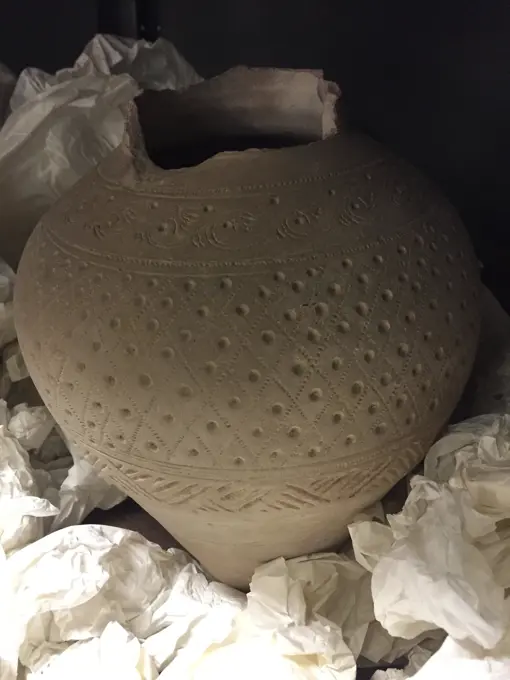
Fragments of ancient artifacts including a bottle, horse remains, oil lamp, and vase pieces, showcasing relics from various historical periods.
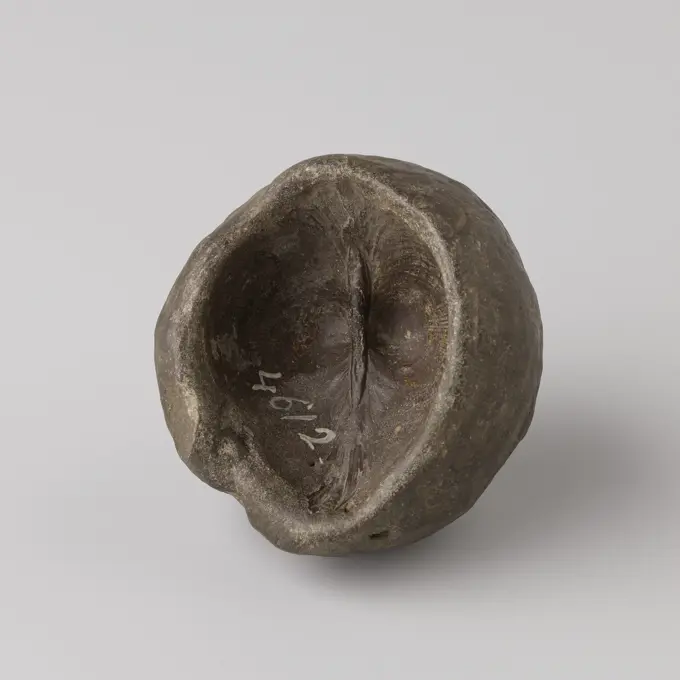
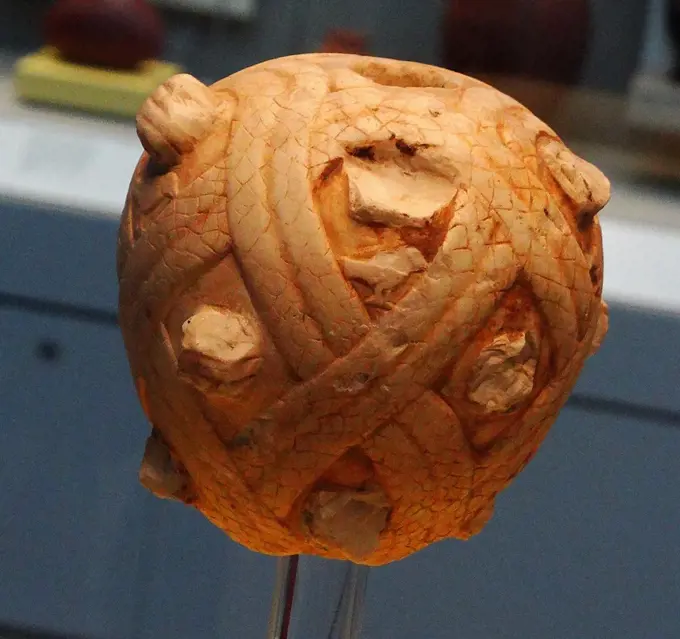
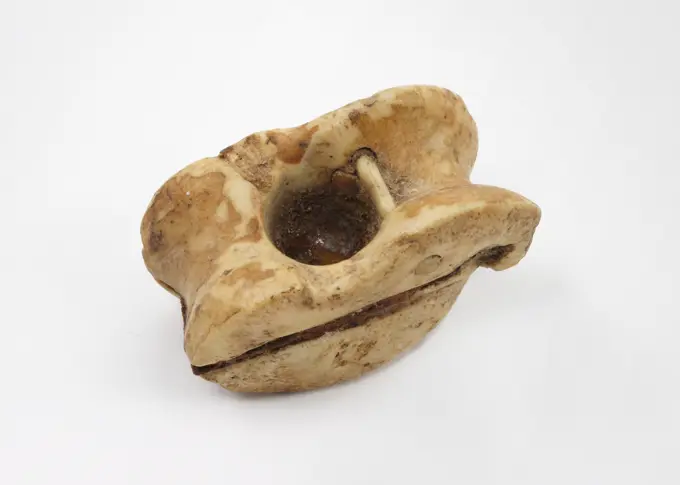
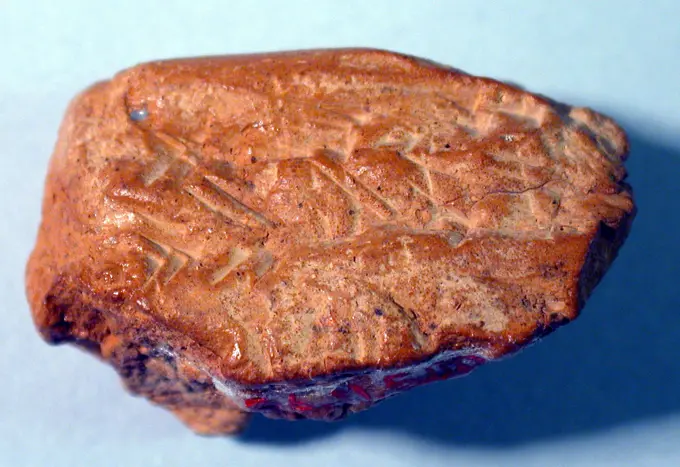
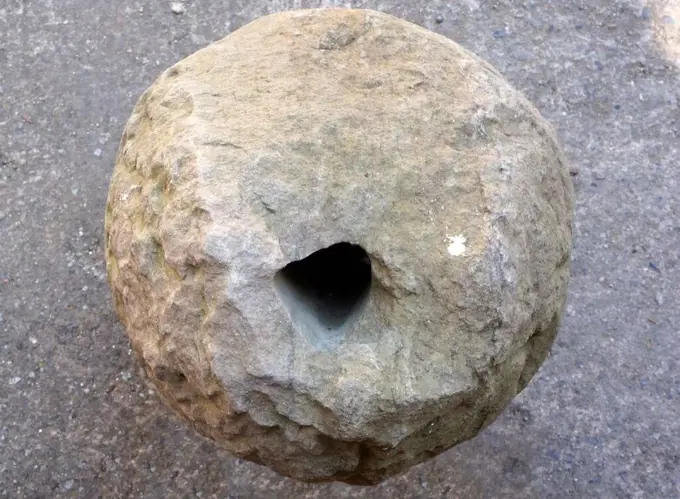
Bullet -shaped stone with print shell, not applicable, -5000 --2300  Bullet -shaped stone with hollowing, in which the print of open bin -valve shell. The stone is almost certainly a phosphorite sandstone concretion, perhaps from the Pliocene but more likely from the Miocene. (5-23 million years ago.) In and around the Netherlands, such concretions occur in the Achterhoek and Twente, as well as in Flanders. The shell may be a glycymeris species. (Determined based on photo by Frank Wesselingh, Naturalis)  .
Bullet -shaped stone with print shell, not applicable, -5000 --2300 Bullet -shaped stone with hollowing, in which the print of open bin -valve shell. The stone is almost certainly a phosphorite sandstone concretion, perhaps from the Pliocene but more likely from the Miocene. (5-23 million years ago.) In and around the Netherlands, such concretions occur in the Achterhoek and Twente, as well as in Flanders. The shell may be a glycymeris species. (Determined based on photo by Frank Wesselingh, Naturalis) .
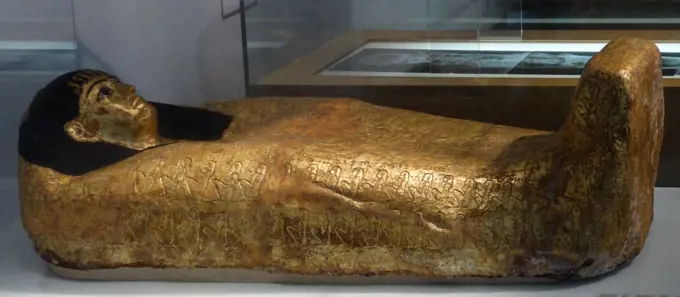
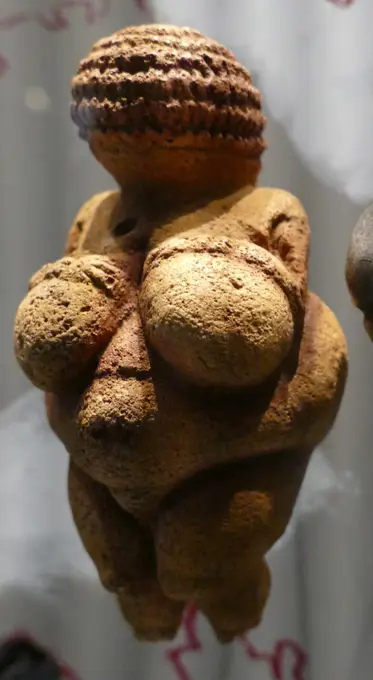
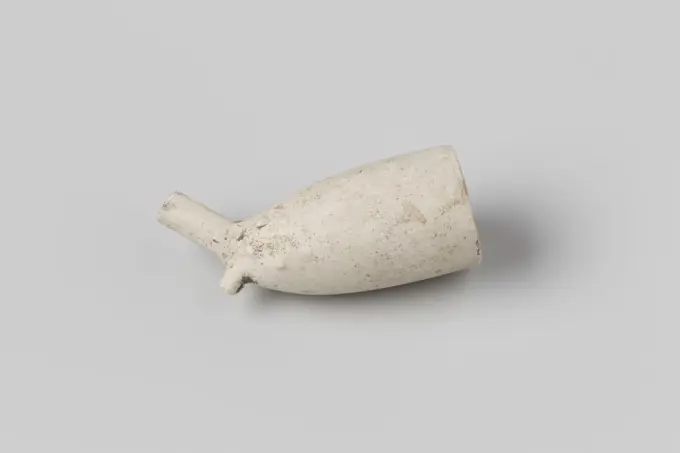
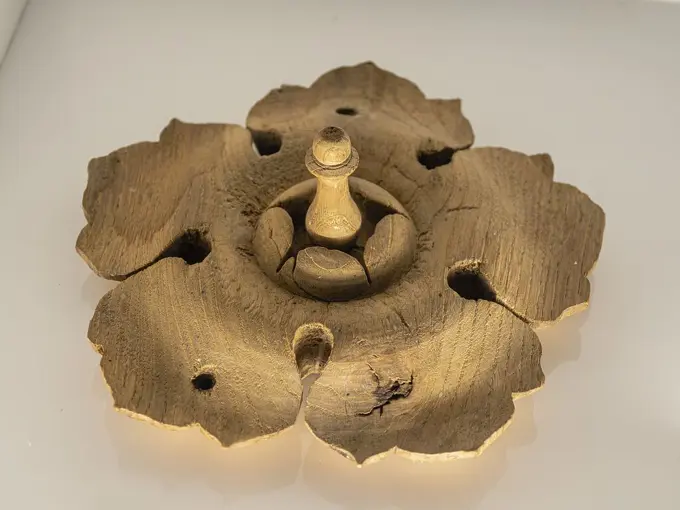
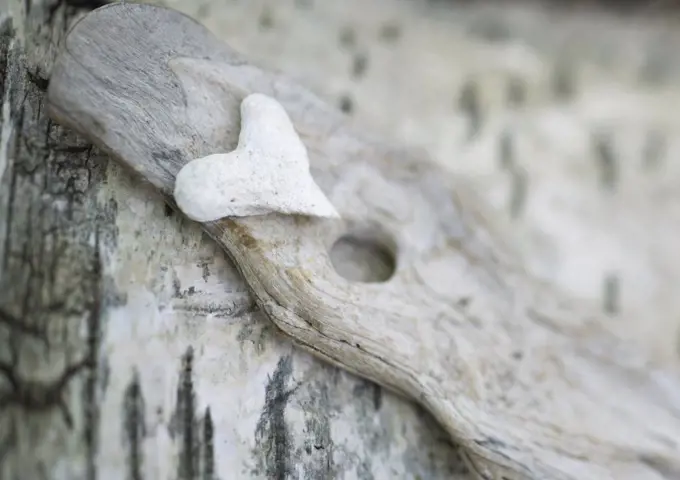
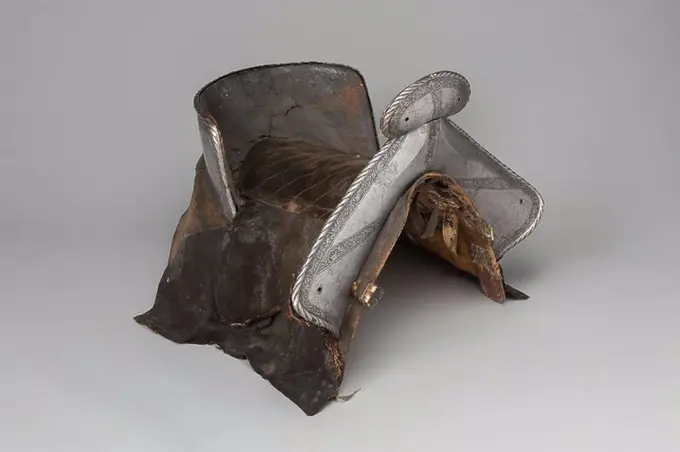
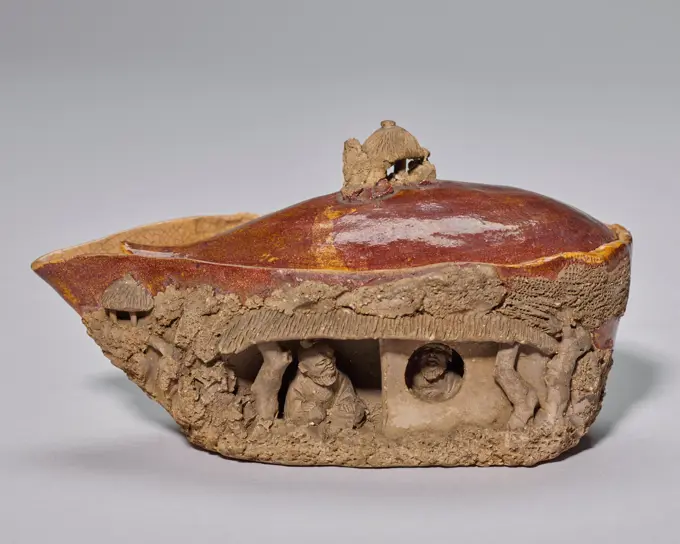
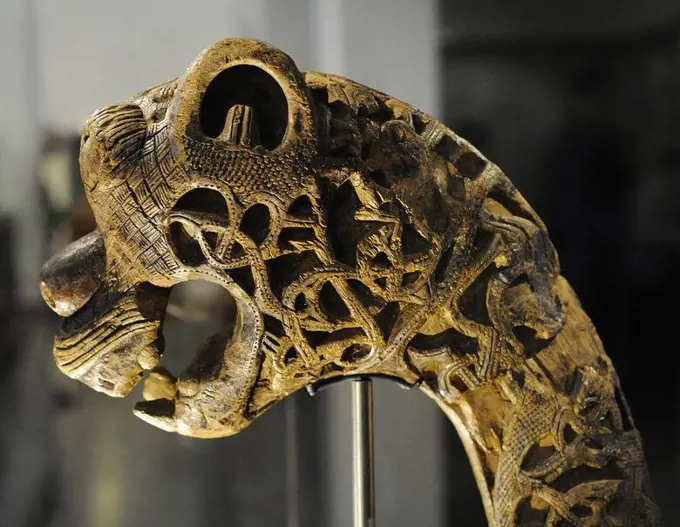
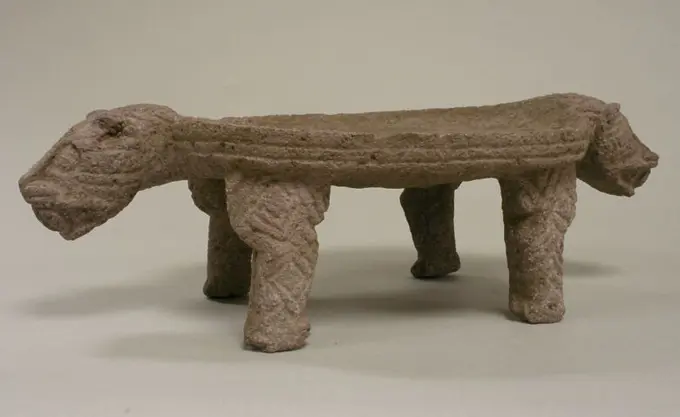
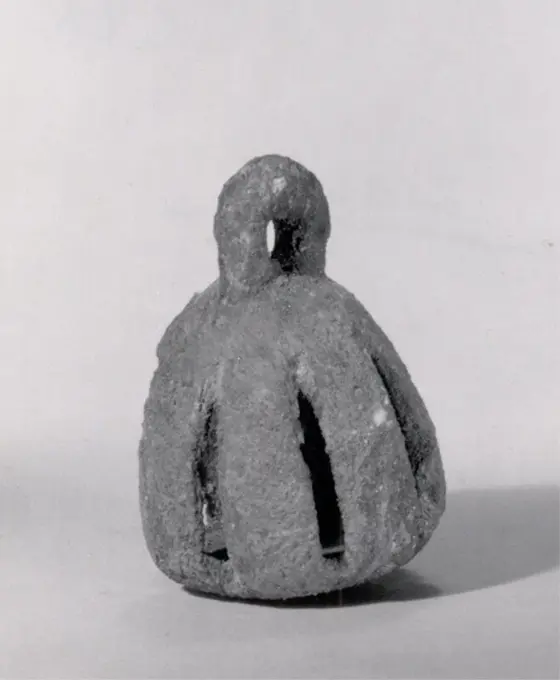
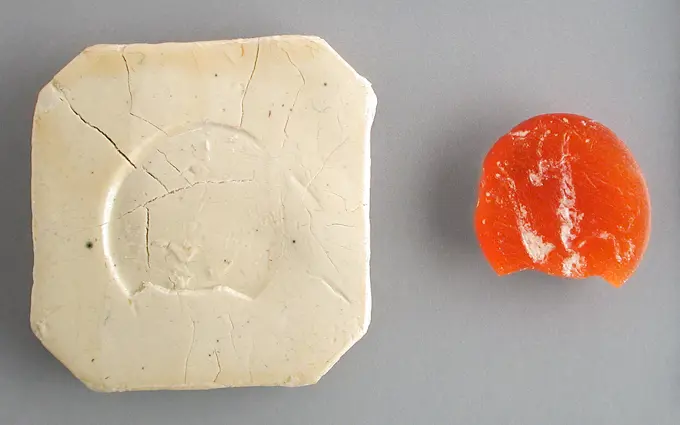
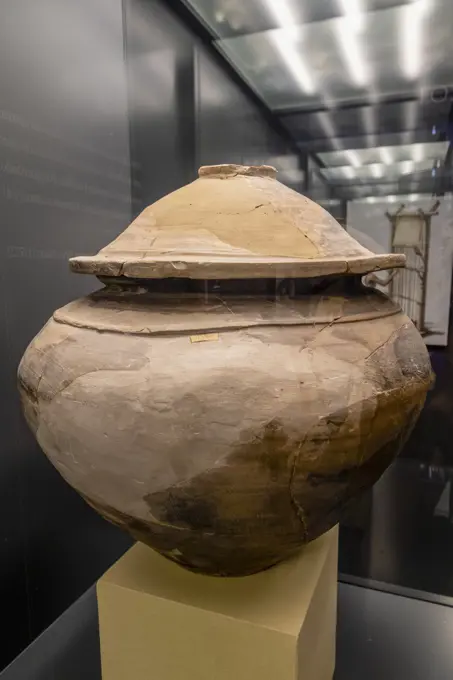
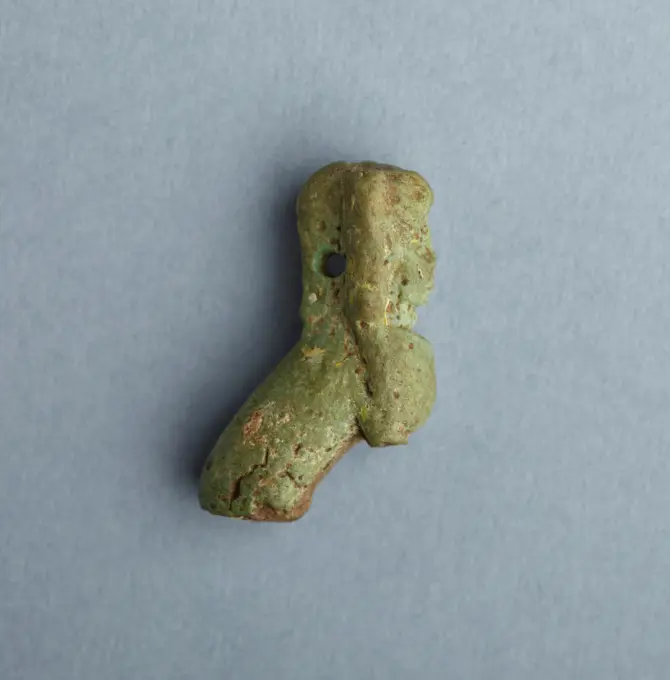
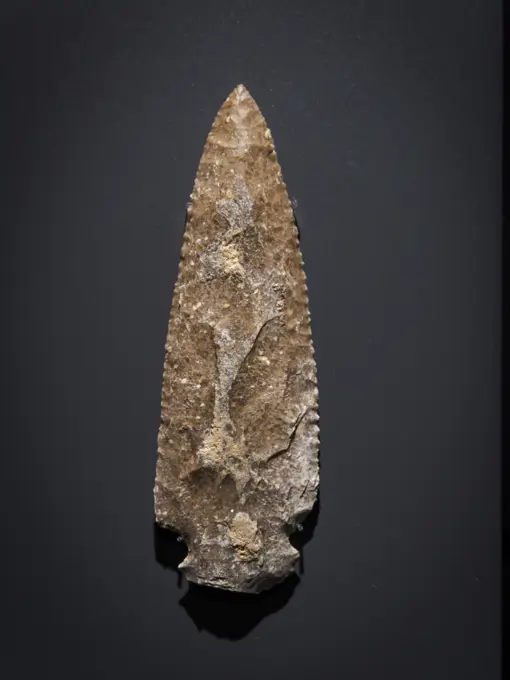
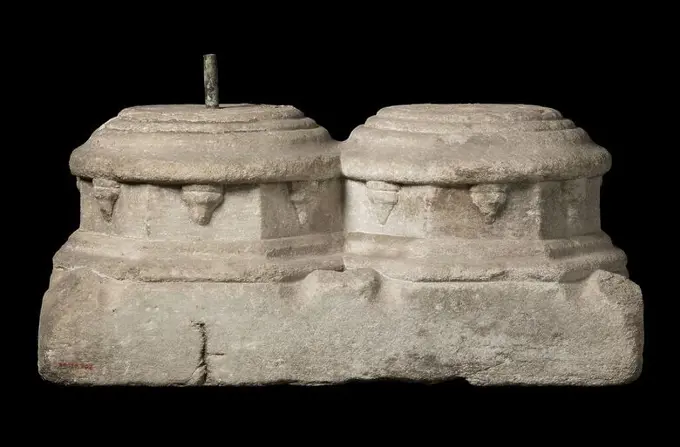
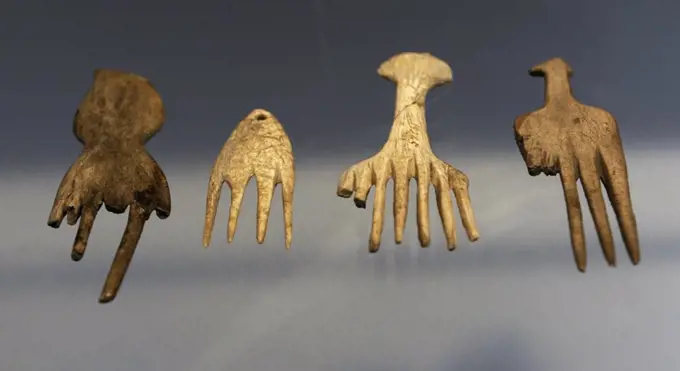
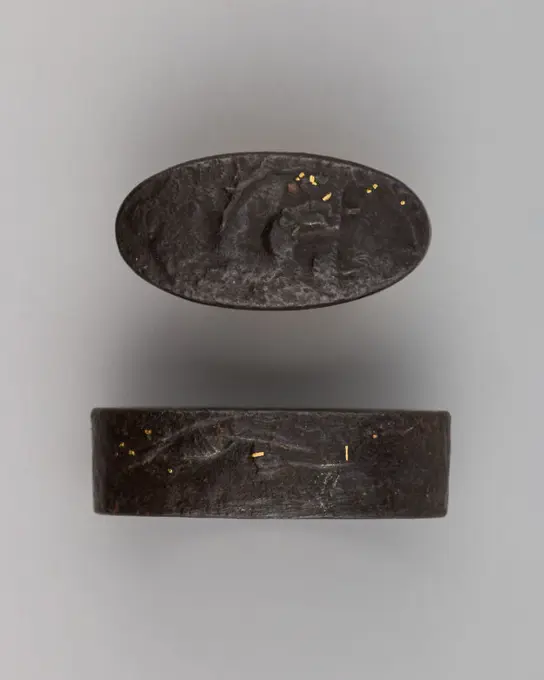
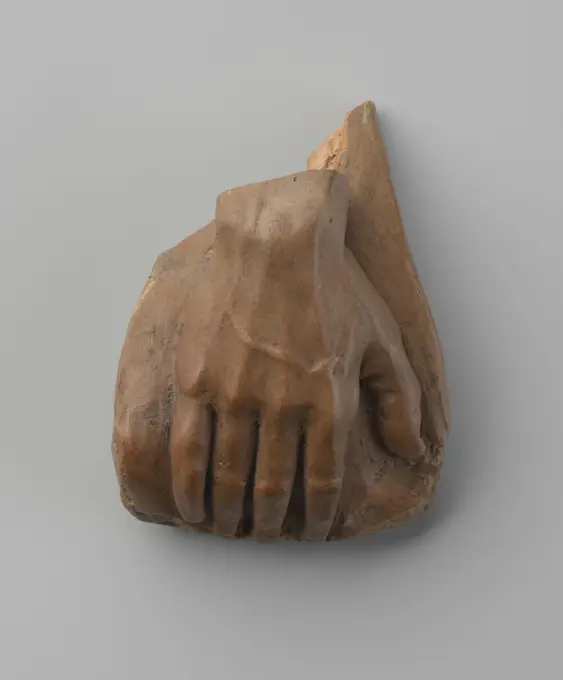
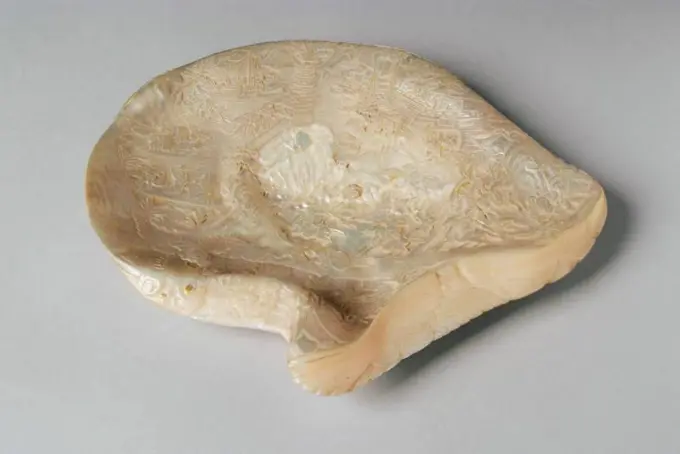
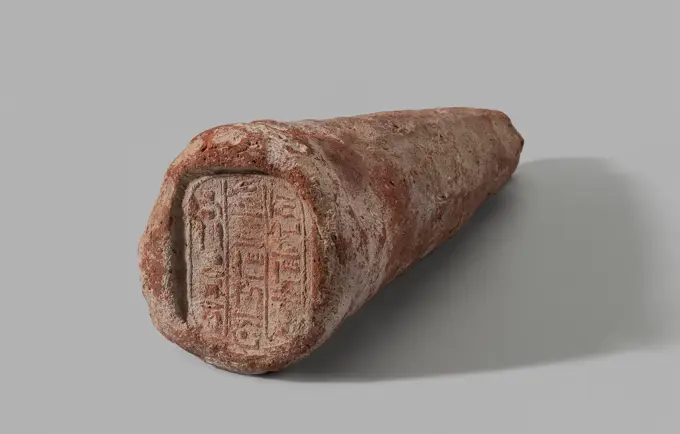
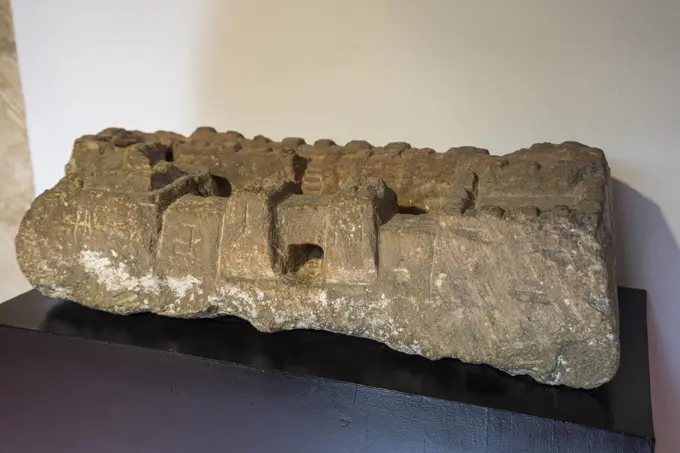
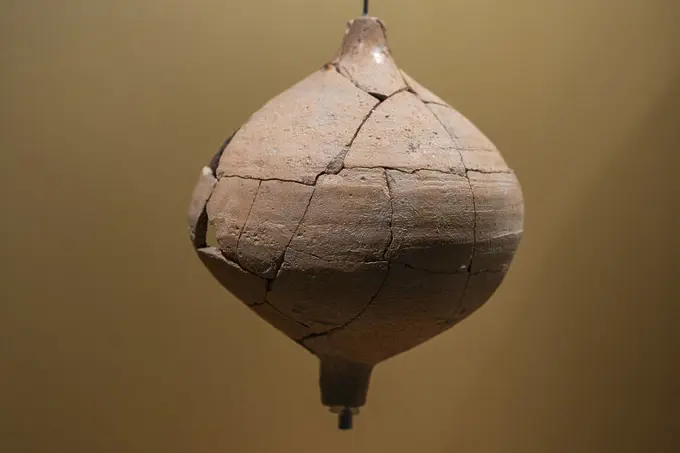
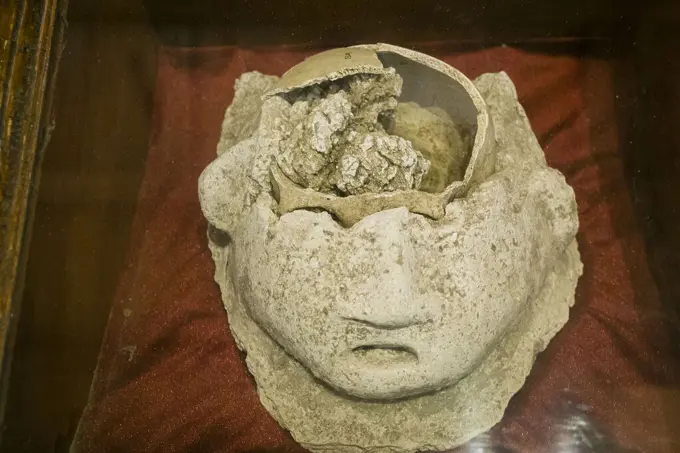
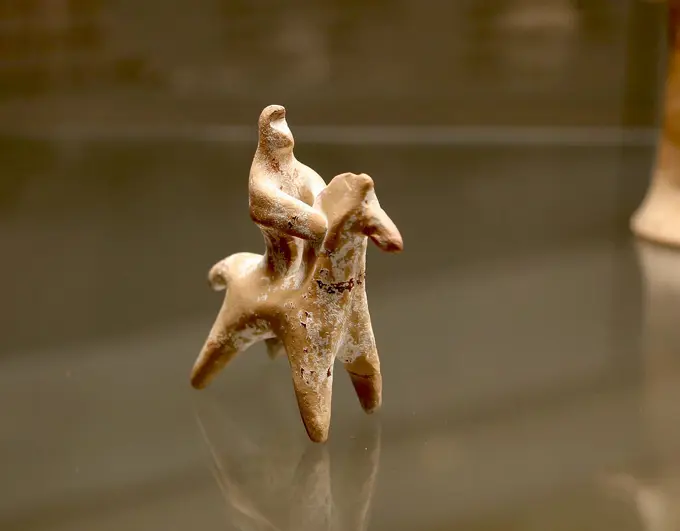
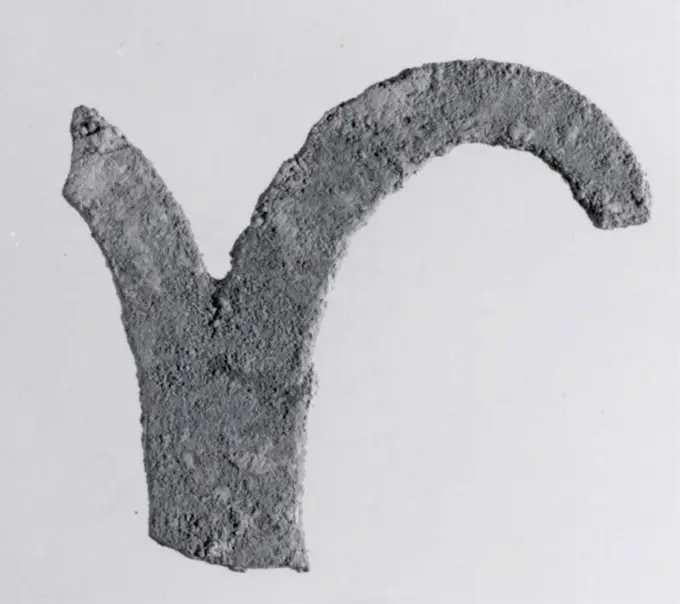
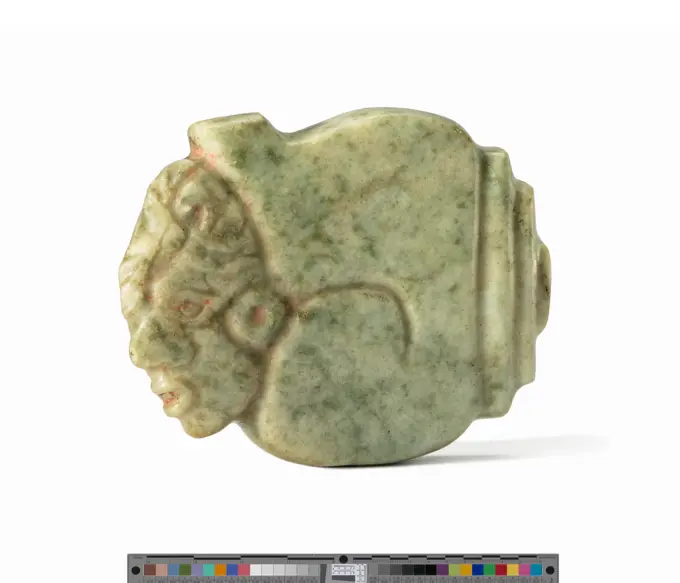
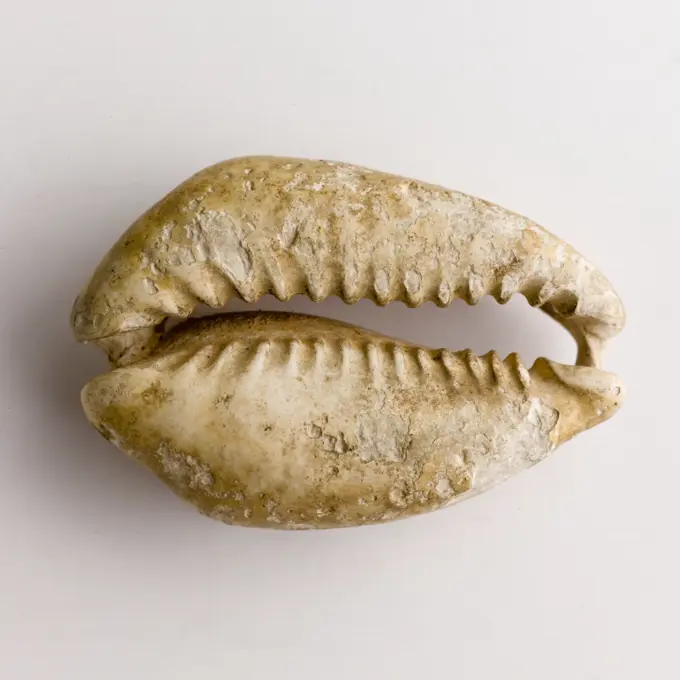
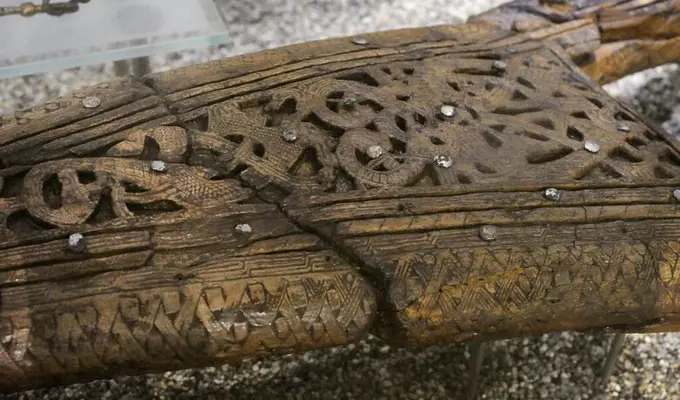
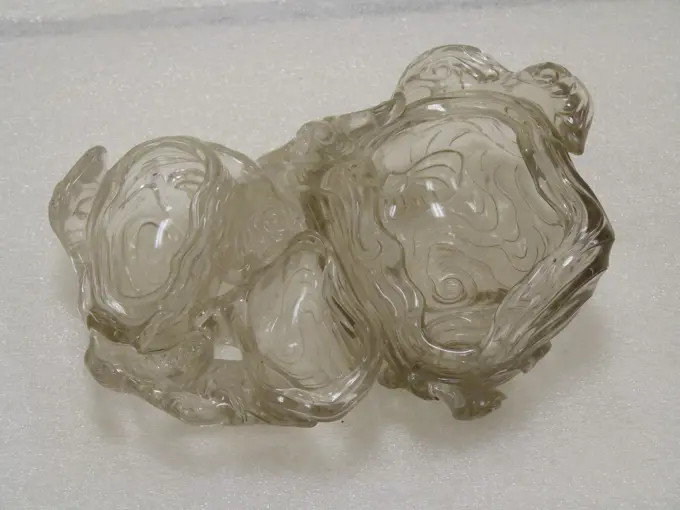
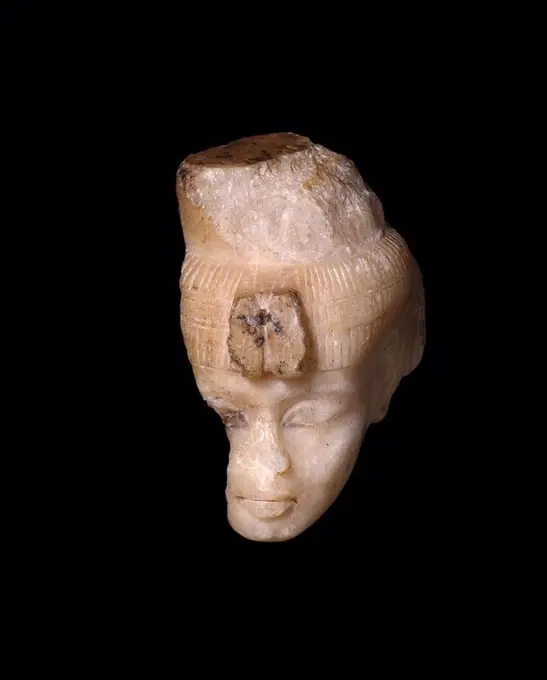
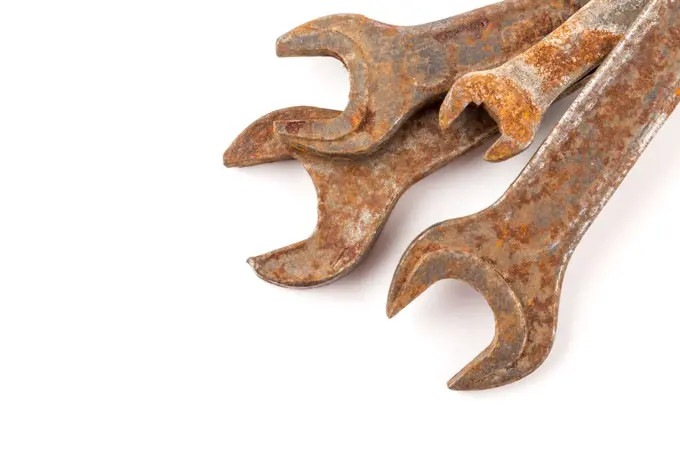
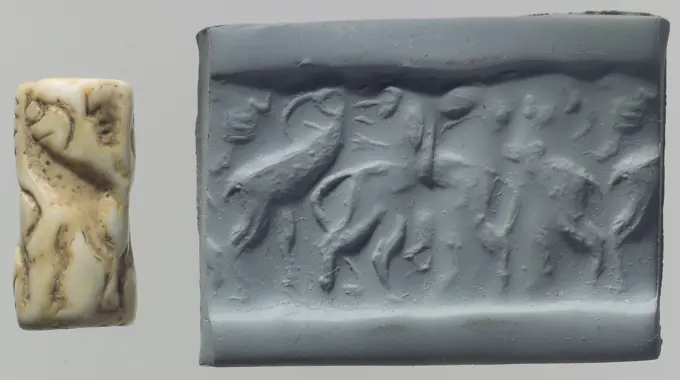
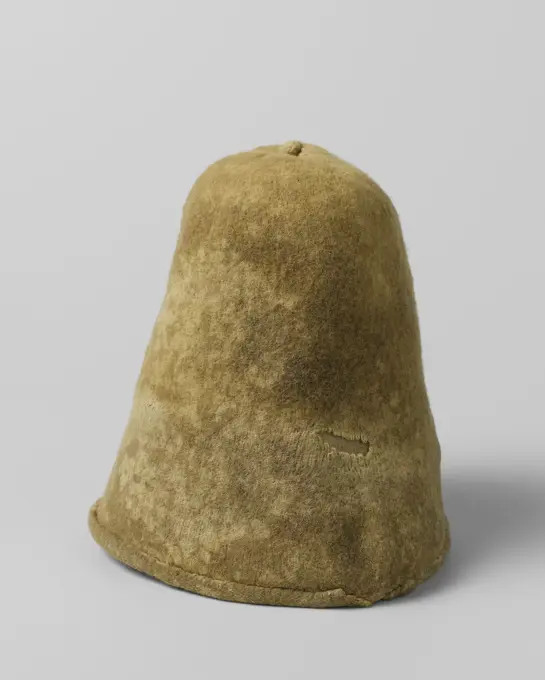
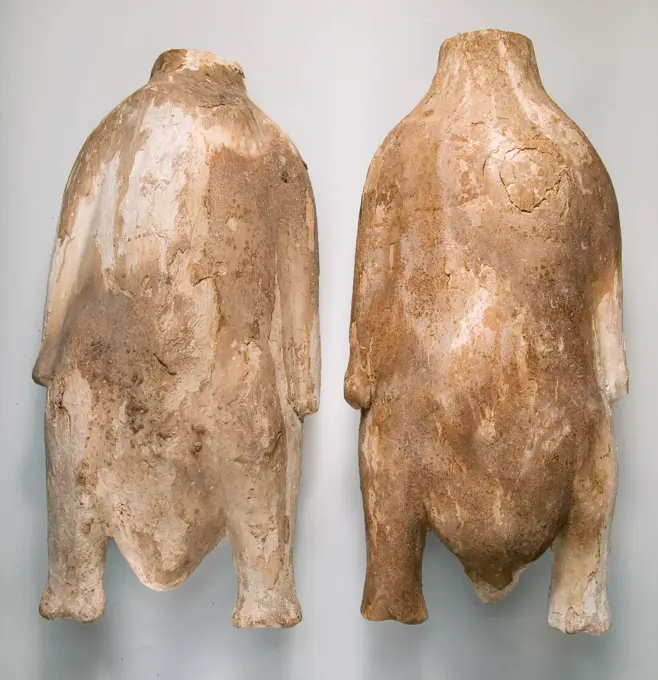
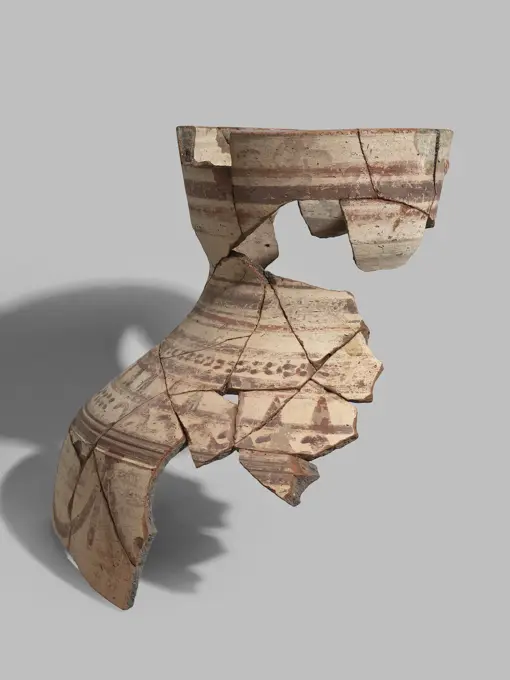
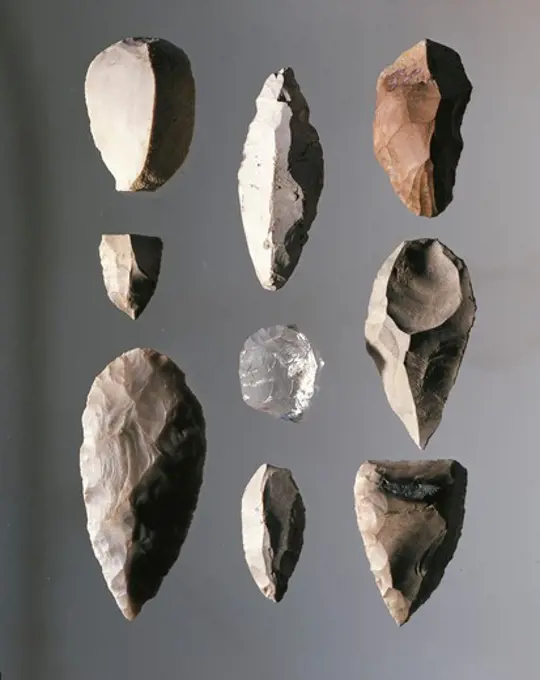
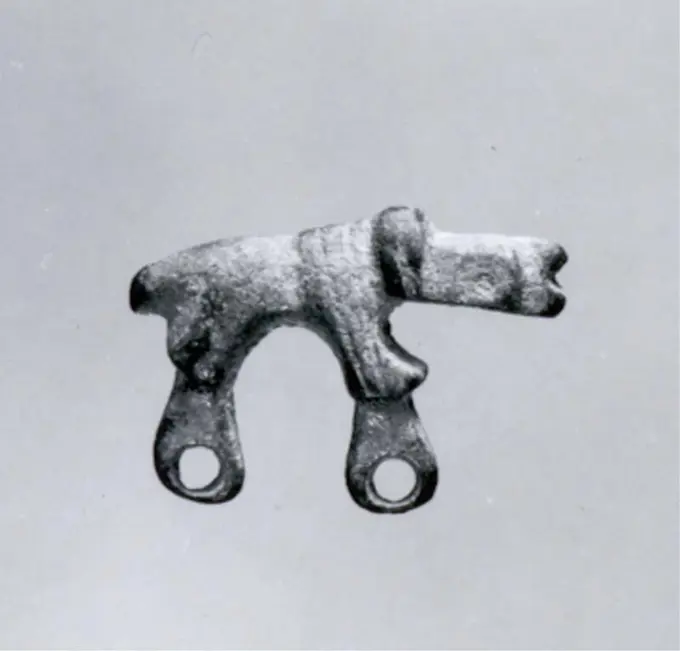
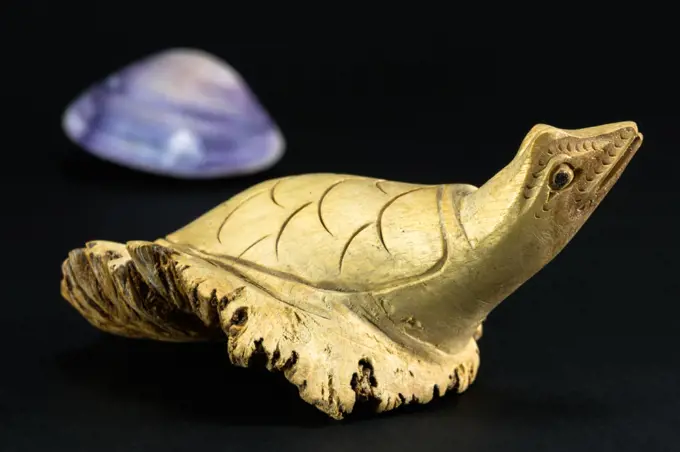
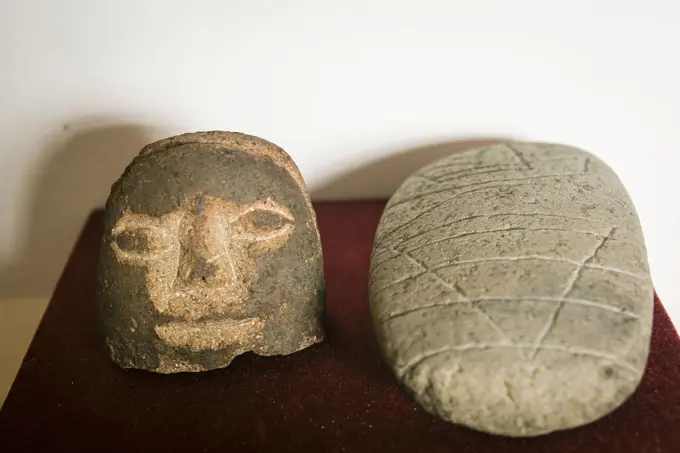
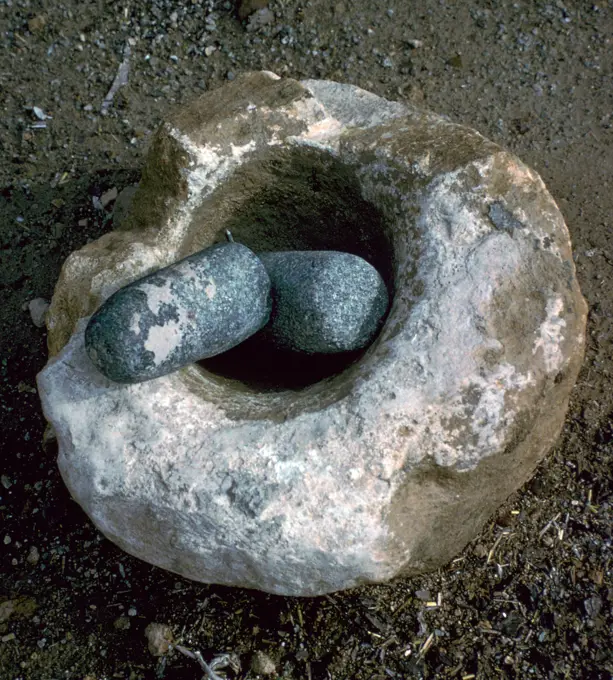
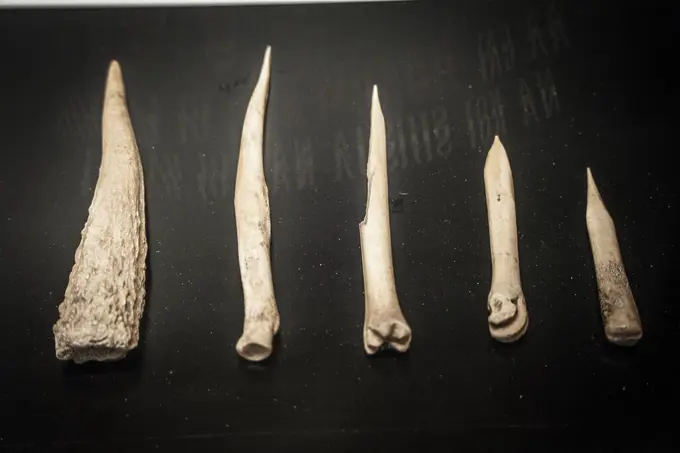
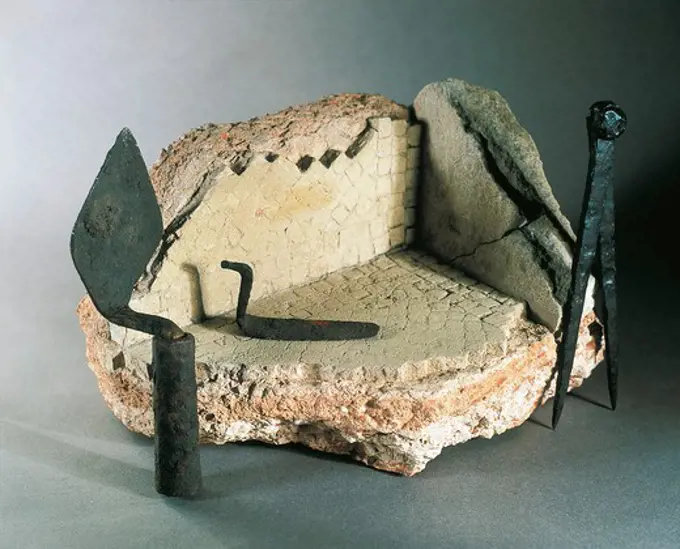
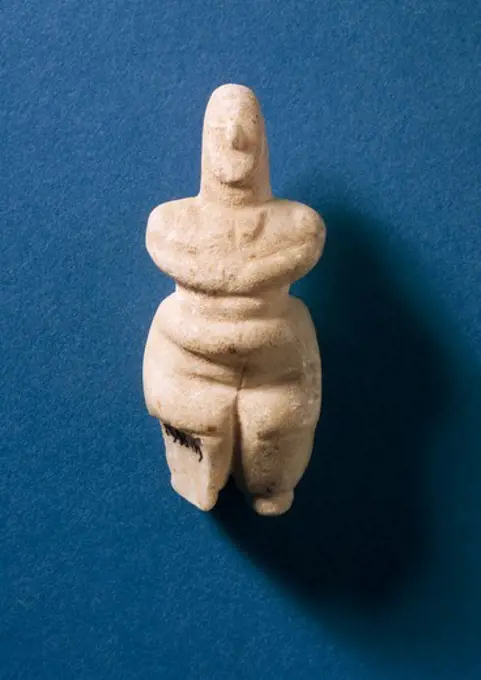
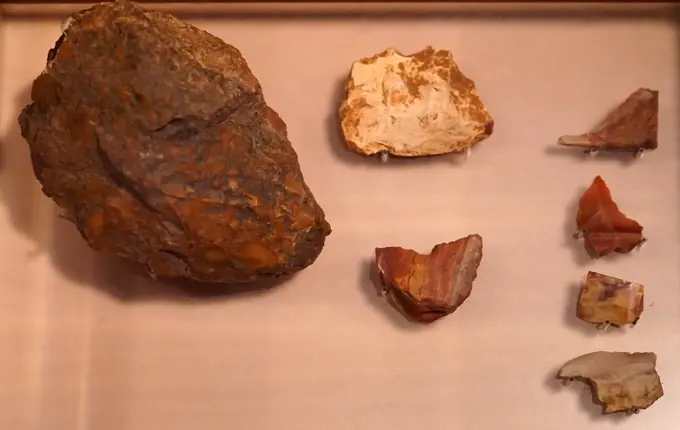
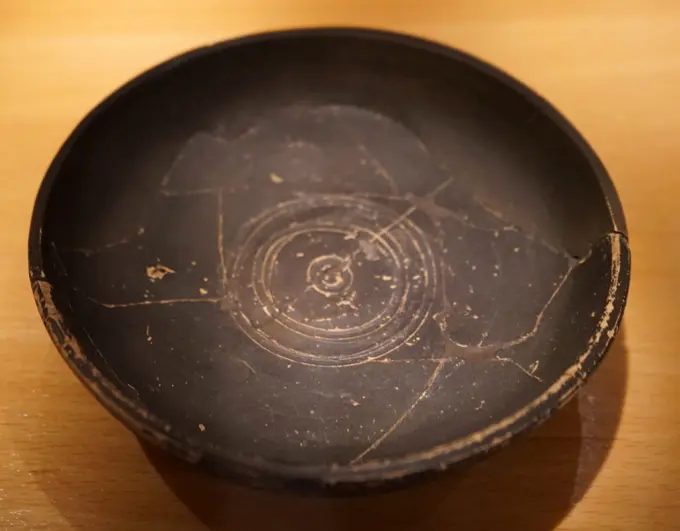
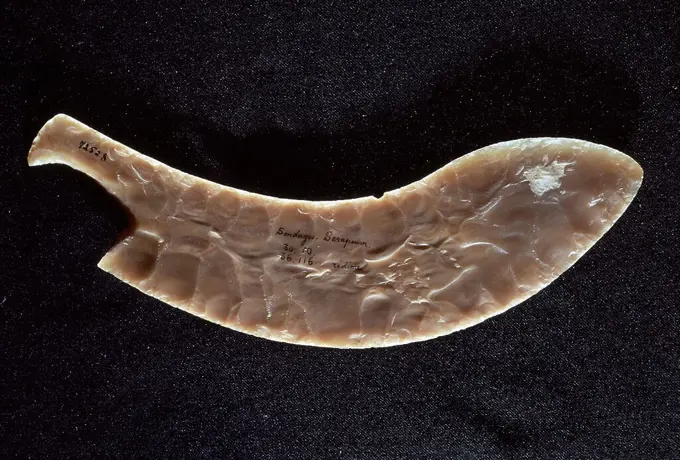
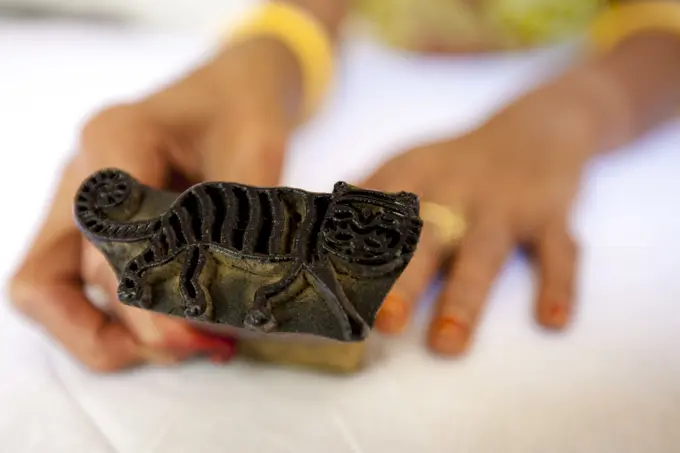
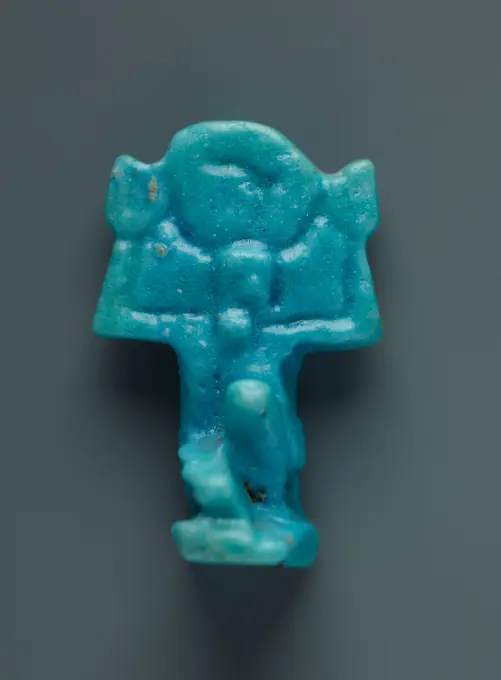
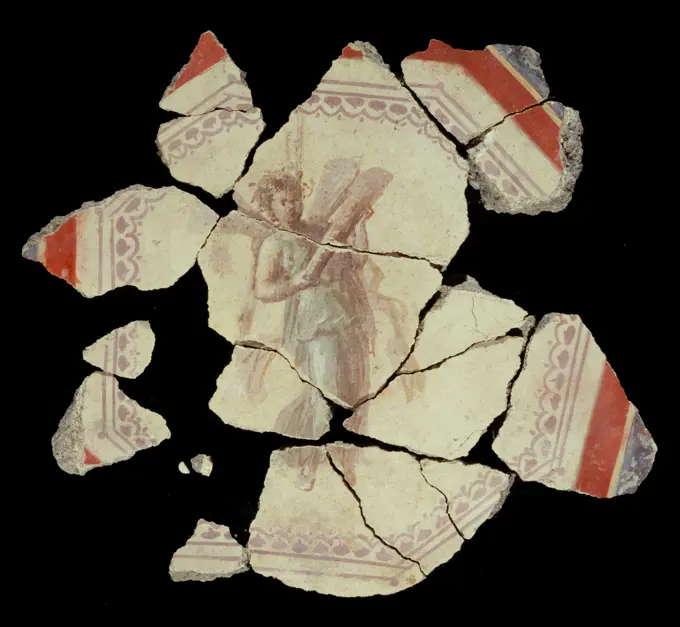
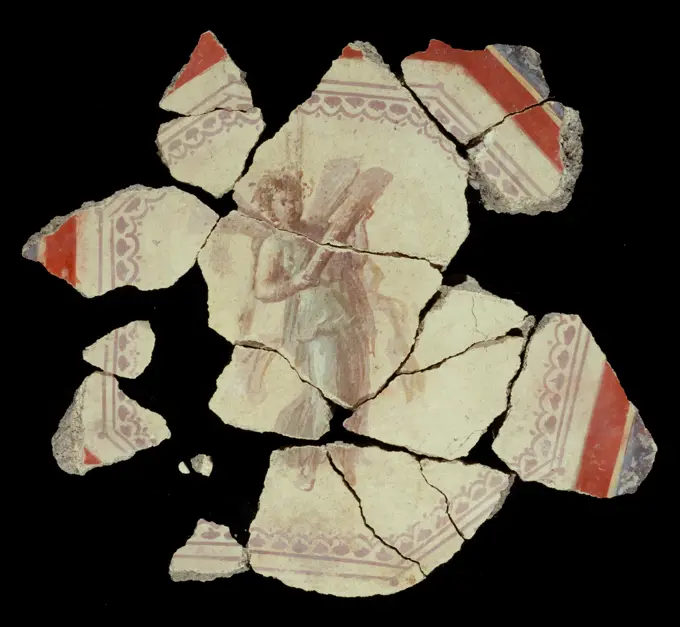
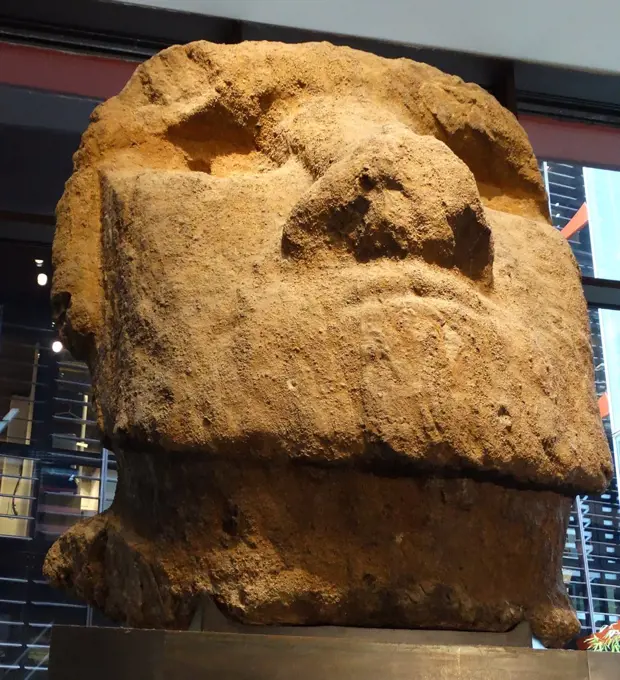
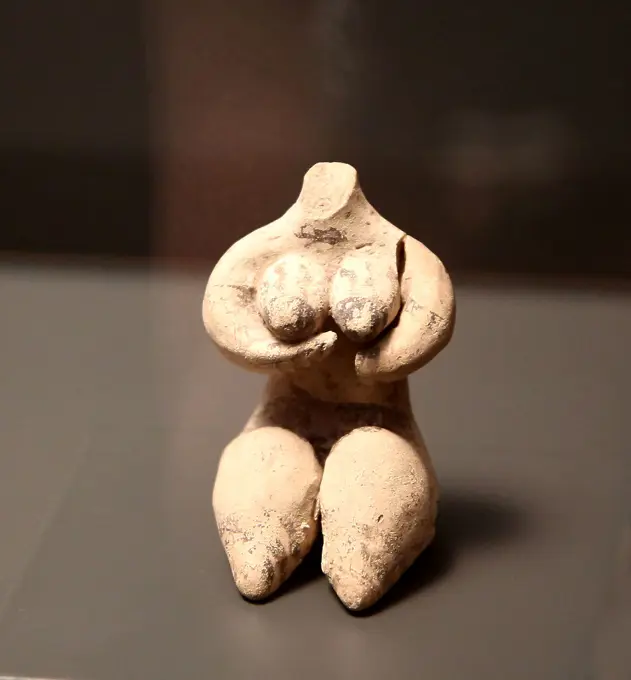
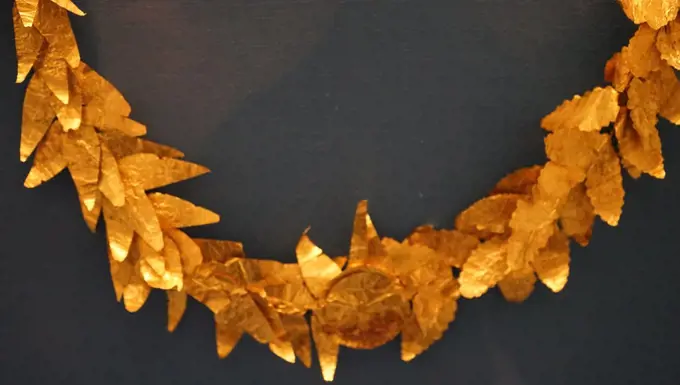
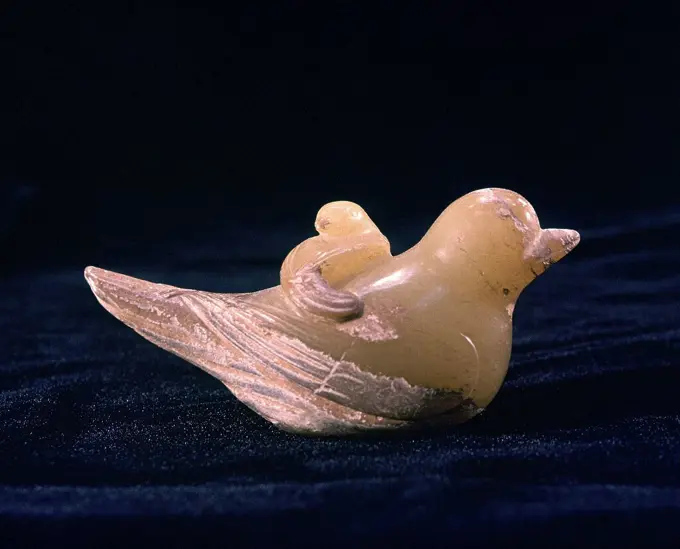
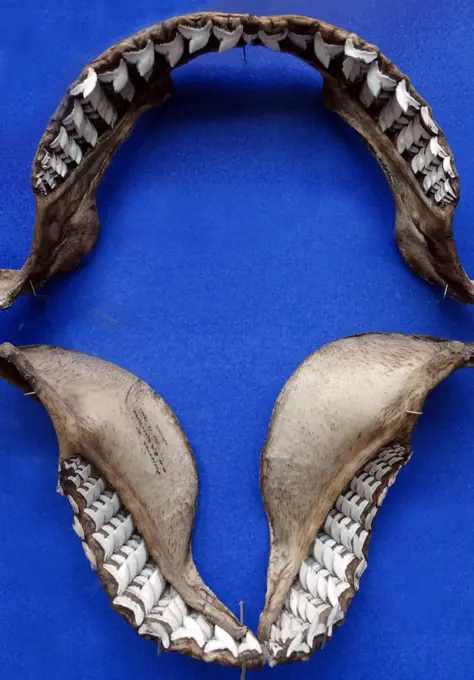
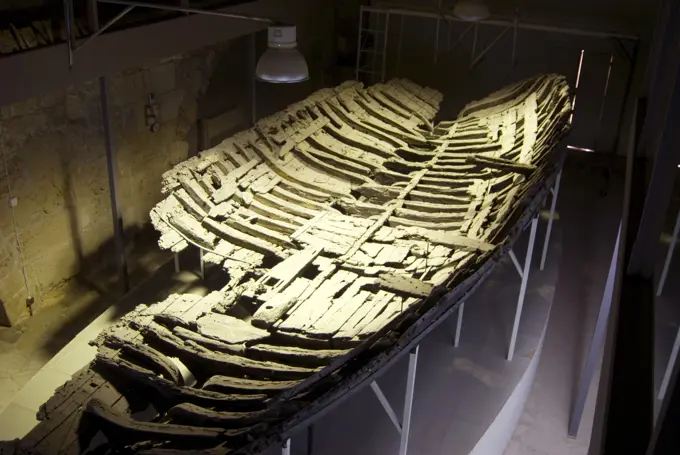
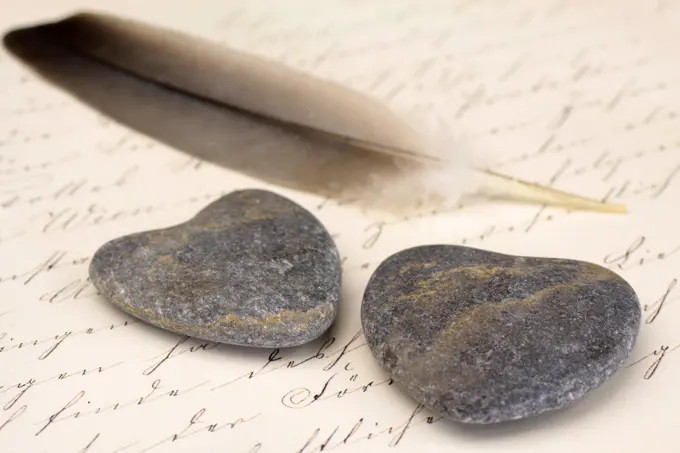
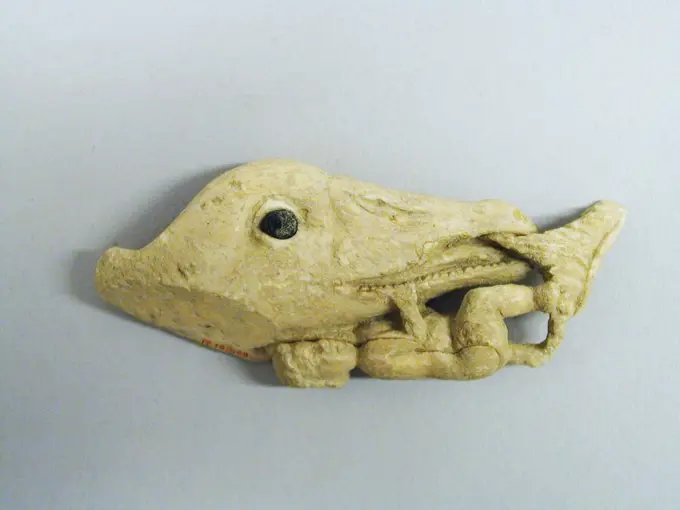
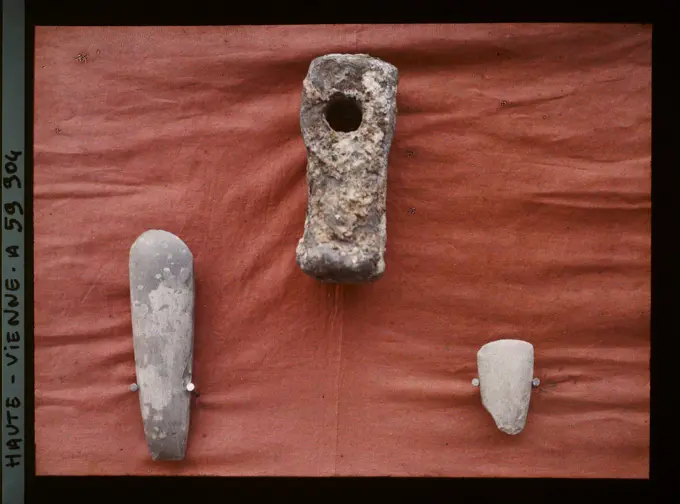
Ivory furniture attachment early 1st century A.D. Roman These reliefs once decorated a dining couch. They would have been attached to the two ends of the fulcrum (headrest), with the head of Cupid in a roundel at the lower end and the ducks head, with a glass insert for the eye, forming the curving upper end.. Ivory furniture attachment 249181Decorated mace head. Clenched fists of the enemies trapped in the coils of the large snake. carved onto this limestone mace head. Late Predynastic (Naqada III), 3300-3100 BC, EgyptFragment Tobacco Pipe, Anonymous, 1740 - 1770 Fragment tobacco pipe with two dotted flowers. Of the excavations on the Hofstede Arentsburg 1827-1831 under the supervision of Professor Reuvens. Netherlands pipe clay Fragment tobacco pipe with two dotted flowers. Of the excavations on the Hofstede Arentsburg 1827-1831 under the supervision of Professor Reuvens. Netherlands pipe clayroseta de madera perteneciente al techo de la iglesia, Monasterio de San Juan de Caaveiro, parque natural Fragas del Eume, provincia de La Coruña, Galicia, Spain.Heart shaped stone on wood backgroundSaddle with Four Saddle Plates. Southern German. Date: 1530-1550. Dimensions: . Steel with gilding, leather, and wood. Origin: Southern Germany. Museum: The Chicago Art Institute, Chicago, USA.Falcon Amulet ca. 2150-2100 B.C. Late Old Kingdom. Falcon Amulet. ca. 2150-2100 B.C.. Green feldspar. Late Old Kingdom. From Egypt; Said to be from Southern Upper Egypt, Aswan (Syene)Satsuma tea pot, c. 1900, Unknown Japanese, 3 1/2 x 3 1/2 x 5 1/2 in. (8.9 x 8.9 x 13.97 cm), Satsuma ware; glazed stoneware, Japan, 19th centuryAnimal-head post carved in wood. Found in the Tomb of the Boat of Oseberg, Norway. 9th century. Viking Ship Museum. Oslo. Norway.Raised relief fragment 664-610 B.C. Late Period, Saite see 23.3.468. Raised relief fragment 548113Relief with royal male wearing gold of honor. Dimensions: h. 20.9 cm (8 1/4 in); w. 53.3 cm (21 in). Dynasty: Dynasty 18. Reign: reign of Akhenaten. Date: ca. 1353-1336 B.C.. Museum: Metropolitan Museum of Art, New York, USA.Bow drill mouthpiece -Metate. Culture: Guanacaste-Nicoya. Dimensions: Height 4-3/4 in.. Date: 1st-5th century. Museum: Metropolitan Museum of Art, New York, USA.Bell ca. 9th century B.C. Iran. Bell 326204Intaglio. Eastern Mediterranean, Roman, 332 B.C.-A.D.395. Tools and Equipment; seals. StoneCeltibera Aufbewahrungsgefäß Celtibera storage jar, cooked clay, Contrebia Leucade, Aguilar del Rio Alhama, Museo de la Romanización, Calahorra, La Rioja , Spain, Europe Copyright: xZoonar.com/BartomeuxBalaguerxRotgerx 22946198Close up hand holding clayMESA DE OFRENDA. CALCAREA. PROCEDE DE HERAKLEOPOLIS MAGNA. PRIMER PERIODO INTERMEDIO 2170-2002 AC. Location: EGYPTIAN MUSEUM. KAIRO. EGYPT.Fragment of an Amulet - SphinxNeolithic dagger, La Garma, Ribamontan al Monte, Museum of prehistory and archeology (MUPAC), Santander, Cantabria, SpainNative Indian carved anthropomorphic object; Bone. decorated, Eskimo, (Inuit). Canada 1909Double Column Base. Culture: French. Dimensions: Overall: 21 x 9 1/4 x 11 1/4 in. (53.3 x 23.5 x 28.6 cm). Date: late 13th-early 14th century. Museum: Metropolitan Museum of Art, New York, USA.Arrowhead 2500-1500 B.C.; A.D. 400-700 Frankish. Arrowhead. Frankish. 2500-1500 B.C.; A.D. 400-700. Flint. Made in Northern France. Stone-FlintBone combs from Ertebolle, Mejlgard and Brabrand in Jutland. 5000-4500 BC. National Museum of Denmark. Copenhagen. Denmark.Ivory bracelet with incised decoration of parallel lines, final bronze, Huelva Museum, Huelva, Andalusia, Spain.Romanesque carving Romanesque carving Copyright: xZoonar.com/TOLOxBALAGUERx 22593073Sword Pommel (Kashira). Culture: Japanese. Dimensions: H. 1 5/16 in. (3.3 cm); Wt. 0.4 oz. (11.3 g). Date: late 18th-early 19th century. Museum: Metropolitan Museum of Art, New York, USA.Pipes from the wreck of the East Indieschief Hollandia. Pipe, Bowl, Healmar: Coat of Arms of the City of Amsterdam; Fragm, 1HSM1, 1HSM2, 2HSM1.2.Cuneiform tablet: fragment ca. 404-338 B.C. Achaemenid. Cuneiform tablet: fragment 321872Study Models of Parts of the Body. This group of small models of parts of the body are carefully copied after famous sculptures, in particular by Michelangelo, in Florence and Rome. They came from the workshop of the Nijmegen sculptor Johan Gregor van der Schardt, who had a successful career in Italy, Nuremberg, and Copenhagen. They are extremely rare examples of the, in part autograph, study material of a 16th-century sculptor.Pair of Chinese Carved Oyster Shells,  Qing Dynasty, possibly 18th centuryA hundred funeral nachta;  around 1400-1390 BC ; New PANacht (CA 1400-1390 A.C.), Tawa (CA 1400-1390 A.C.), Hieroglyphs, Purchase (provenance)stone model of a medieval castle stone model of a medieval castle, found in the wall of La Cava de Úbeda, Archeological Museum. Úbeda, Jaén province, Andalusia, Spain Copyright: xZoonar.com/BartomeuxBalaguerxRotgerx 21702808Narrow-mouthed carved drinking vessel (ipu) in wood ..., February 1933, Wellington, by Leslie Adkin. Gift of Adkin Family, 1997.Iberian clepsydra, 6th century BC, Cerro de la Atalaya, Cazalilla, Iberian Museum of Jaén, Andalusia, Spain.craneo humano con estuco, museo de la plaza central, Chichicastenango ,municipio del departamento de El Quiché, Guatemala, Central America.Pendant, 1900s. Africa, West Africa, Côte d'Ivoire, probably Baule-style goldsmith. Gold; overall: 3.6 x 7.7 cm (1 7/16 x 3 1/16 in.). Gold objects, always cast using the lost-wax method, are the only Baule art forms associated with ancestor spirits. Usually hidden in pots or suitcases, gold adornments are displayed on important occasions such as funerals. They are laid out around the corpse before burial. A widow will wear them on a chain around her neck or attached to her hair at the ceremony signaling the end of mourning.Saint-Yrieix, Haute-Vienne, France Roman mass and flint axes , 1929 - French provinces - Stéphane Passet - (March 26 -May 18) (French - Saint-Yrieix , Haute-Vienne , France Masse romaine et haches de silex). Mineral resources, archaeological vestige, antiquity, Nature , Environment, Habitat , Architecture, Art, France, Chen, Roman mass and flint axesHorseback rider. Votive figurines of terracotta. 6th century BC. Boeotia, greece. hand-modelled and painted. Greek Culture.Ellora caves, a UNESCO World Heritage Site in Maharashtra, India. Cave 21. LingamFoundation peg ca. 2600-2350 B.C. Sumerian. Foundation peg 325485Pendant with God N Emerging from Shell. Guatemala or Mexico, Maya, 600-900 CE. Stone. Jadeite with pigmentCauris Marin (11). Shell, bone, wood, china, zhou dynasty (11th century BC Paris, Cernuschi museum. Cauris, Asian civilization, Chinese civilization, zhou dynasty, currencyFragment of the chapel;Polish excavations in Tell ATRIB (Egypt)Item from a selection of ossuary's, burial containers and incense burners from a burial cave from Peking over 6,500-5,500 years ago. Made from painted pottery.Ceremonial Viking sleigh, detail. Found on the burial chamber of the Tomb of the Oseberg Ship. 9th century. Viking Ship Museum. Oslo. Norway.Roman corn-mill, 1st century. Artist: UnknownZapinka do pasa. unknown, craftsmanTriple Dish 18th century China. Triple Dish. China. 18th century. Rock crystal. Qing dynasty (1644-1911). HardstoneHead From a Shabti (Funerary Figurine) of Queen Tiye. Egyptian. Date: 1353 BC-1336 BC. Dimensions: 7.6 × 5.8 × 2.6 cm (3 × 2 1/4 × 1 in.). Egyptian alabaster and pigment. Origin: Egypt. Museum: The Chicago Art Institute, Chicago, USA. Author: Ancient Egyptian.old rusty spanners isolated on white backgroundCylinder seal ca. 2600-2350 B.C. Sumerian. Cylinder seal 323886Woollen caps worn by Dutch whalers, anonymous, c. 1650 - c. 1700  Hat, light brown and finely knitted with turned around and a small sphere at the top. Turned around in Tricot stitch.  wool   Spitsbergen. Zeeuwsche UytkyckCase for a Goose ca. 1550-1479 B.C. New Kingdom. Case for a Goose. ca. 1550-1479 B.C.. Wood, stucco, bitumen. New Kingdom. From Egypt, Upper Egypt, Thebes, Royal Cache Valley, Burial of Prince Amenemhat (MMA 1021), inside or near entrance, MMA excavations, 1918-19. Early Dynasty 18Fragments (54) vessels, hydria;  Ptolemean period (-332-00-00--30-00-00);Staurolite. minerals. North America; USA; Virginia; Patrick CountyPrehistory, Czech Republic, Paleolithic. Arrow points, spear heads and scrapers from the excavations at Lisen and Ondranice.Ornament ca. 5th-4th century B.C.. Ornament 325108decorative marquetry wooden turtle on black backgroundRefused grinding arm, classic , museum of the central square, Chichicastenango, municipality of the department of El Quiché, Guatemala, Central America.Panneaux hemp wool insulation for atticQuern for grinding corn, Neolithic. Artist: UnknownOne mushroom,Agaricus bisporusRoman Empire. Spain. Catalonia. Ascia Rastrum. Iron hoe. Used to work in vineyard. 1st c. AD. City History Museum. Barcelona. Catalonia. Spain.Neolithic awls, Moro de Olvena Cave, La Puebla de Castro, Huesca museum, Aragon community, Spain.A stone saddle Quern and Muller from Rakhigarhi, or Rakhi Garhi, a village in Hisar District in the state of Haryana in India, the site of an Indus Valley Civilisation settlement. Dated 2600 BCFrance, Vertillum, Instruments used for mosaic works: trowel, calipers and a fragment of mosaicMarble idol from Naxos Island, GreeceNeolithic or New Stone Age stone tools, found near Barcelona, Spain circa 9000 BCRoman bowl, found in Catalan region, Spain 2nd century ADCUCHILLO LARGO DE SILEX BLANCO. PROCEDE DE SAQQARA. DINASTIA I. Location: EGYPTIAN MUSEUM. KAIRO. EGYPT.Blühende gelbe Teerose auf rotem Hintergrund Beautiful blooming yellow tea rose on a red background. Flower head close-up Copyright: xZoonar.com/SerhiixZarevx 22397913Dried leaves of the medicinal plant verbena (Verbena officinalis)ARA EGIPCIA. Location: EGYPTIAN MUSEUM. KAIRO. EGYPT.Indian tiger motif handblock printing at Dastkar women's craft co-operative, Ranthambore Artisan Project, Rajasthan, IndiaAmulet  shuFresco Fragment. UnknownFresco Fragment. UnknownLarge stone head of Maoi ancestor from Cook Bay, Easter Island. 1872Head of a marble Aphrodite statuette 3rd century B.C. Greek. Head of a marble Aphrodite statuette. Greek. 3rd century B.C.. Marble, Parian . Hellenistic. Stone SculptureFired clay figurine. Woman holding out her breasts. Seated. Culture Halaf. Chagar Bazar. Middle East. 6000 BC-5000 BC. British Museum.Gope Board, 20th century, 54 x 27 in. (137.16 x 68.58 cm), Wood, pigment, Papua New Guinea, 20th centuryGold laurel wreath with two types of leaves. Dated 300 BCCeramic Fragment. Egypt, Fayyumi, 10th-11th century. Ceramics. Earthenware, underglaze-paintedPAJARO DE JADE EN REPOSO ( DINASTIA TANG 618/907). Location: MUSEO REAL ARTE CHINO. STOCKHOLM.Skeletons bleach in the sun in a cemetery dating from A.D. 500-700 in PeruBib (Switzerland); linen, silkIron projectiles from the 17th century. Used as ammunition in a culverin of the least size, so called because they do not reach the caliber of the ordinary ones. Maritime Museum. Lisbon, Portugal.Honduras, Maya, Royal Crypt, Copan, Jade, Oyster Shell, Sub-Jaguar, Tomb, 6th centuryGunpowderStrombus pugilis Shell on Driftwood with Black BackgroundGreenland, Nuuk, Greenland National Museum, 15th century Greenlandic MummiesJaw of the Galeocerdo arcticus (Tiger shark) species of requiem shark and the only member of the genus Galeocerdo. Dated 1837MONASTERIO DE SANTA MARIA DE VERUELA: PESA DE PIEDRA DE UN RELOJ (POSIBLEMENTE EL ANTIGUO RELOJ MECANICO) . VERUELA, ZARAGOZA, ESPAÑA.Cyprus, Girne (or Kyrenia), Museum, Ancient shipwreck sank 2300 years agoStone hearts with letter Two stone hearts with feather and old letter Copyright: xZoonar.com/ChristianxMueringerx 3757835Egyptian mummy case (Coffin) designed to contain the entire contour of the body of its deceased owner. dated to the Roman Period (1s-2nd centuries ADPhotograph of the Venus of Willendorf, an 11.1-centimetre-high (4.4 in) Venus figurine ; made between about 28,000 and 25,000 BCE. It was found in 1908 by a workman named Johann Veran during excavations conducted by archaeologists Josef Szombathy, Hugo Obermaier and Josef Bayer at a Palaeolithic site near Willendorf, a village in Lower Austria near the town of Krems. carved from an oolitic limestone that is not local to the area, and tinted with red ochre.Jar 11th century. Jar 450768Children's cap;  XIX/XXW. (1891-00-00-1910-00-00);