Historical Artifacts

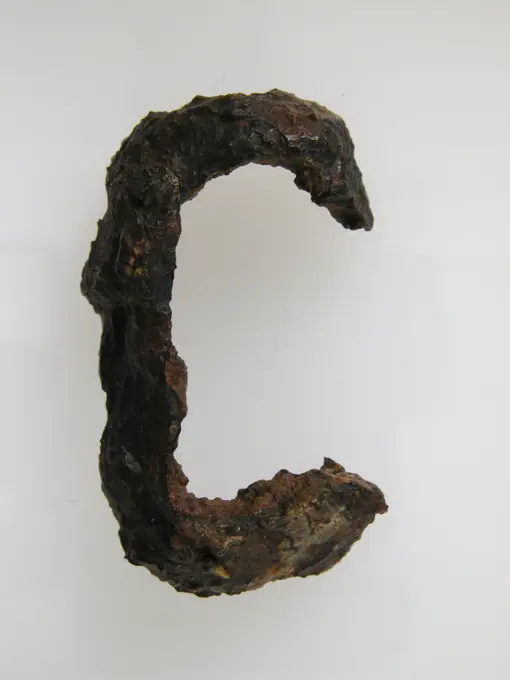
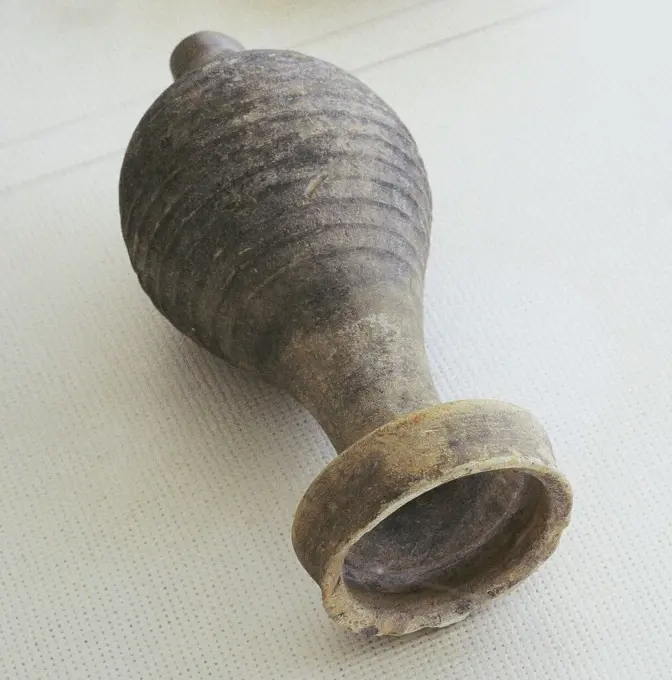
Ancient artifacts including harness elements and stone objects, representing historical craftsmanship and design from various cultures.

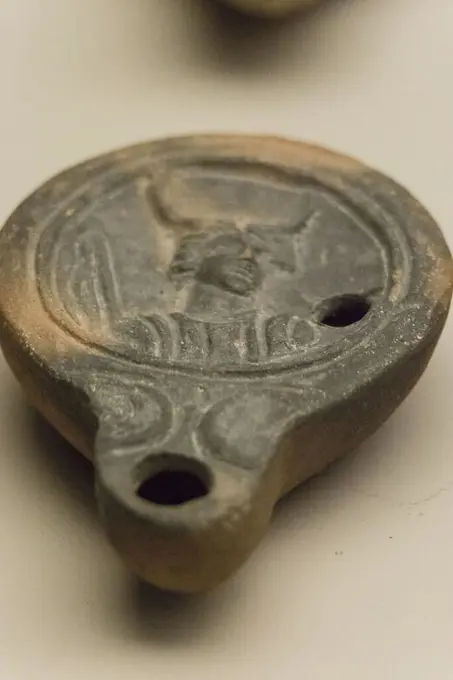
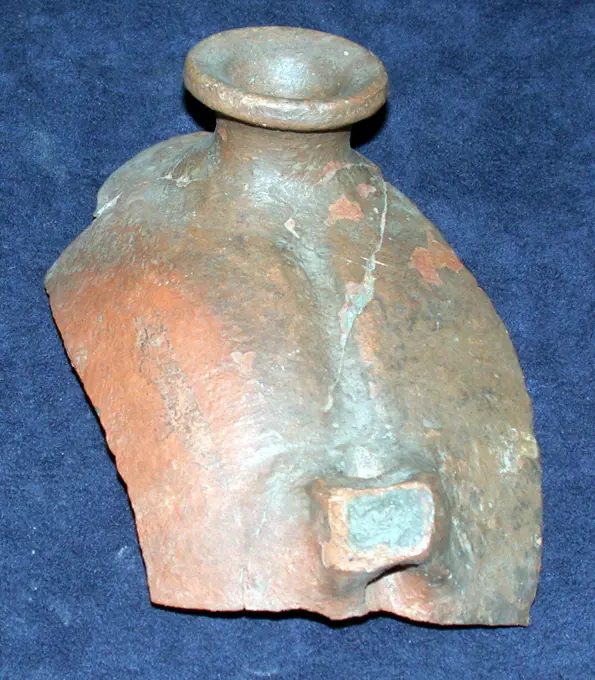
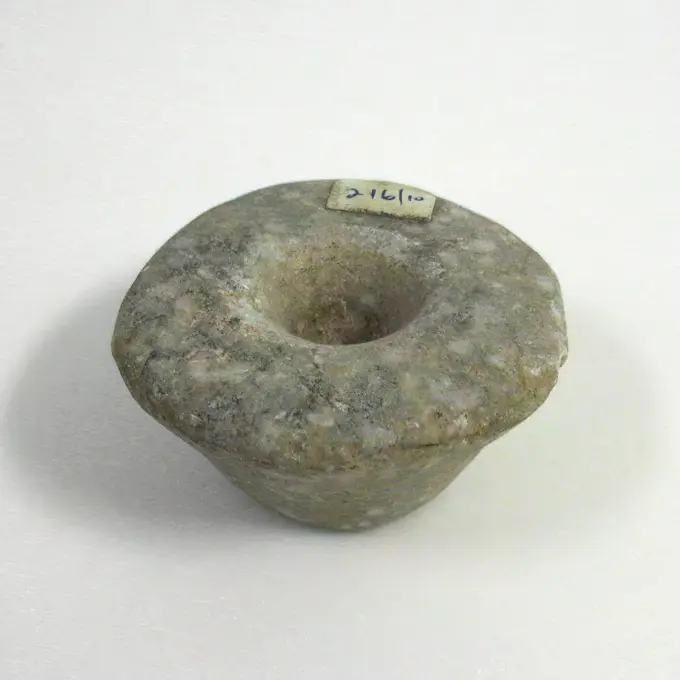
Lamp, Italy; 2nd - 1st century B.C; Terracotta; 3.7 × 5.6 × 8.5 cm (1 7,16 × 2 3,16 × 3 3,8 in.)
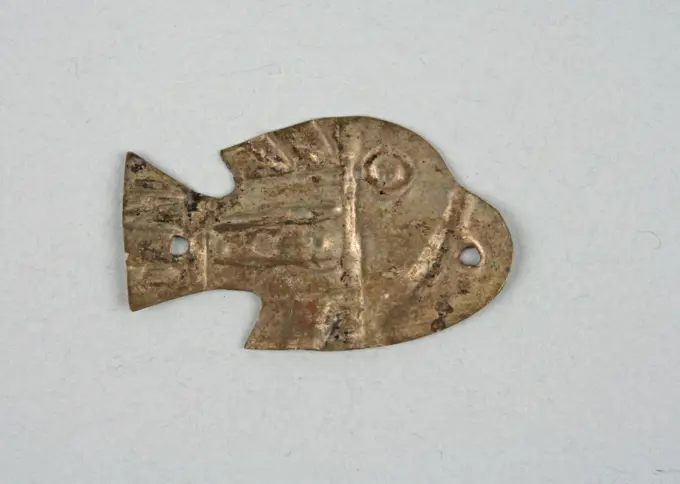
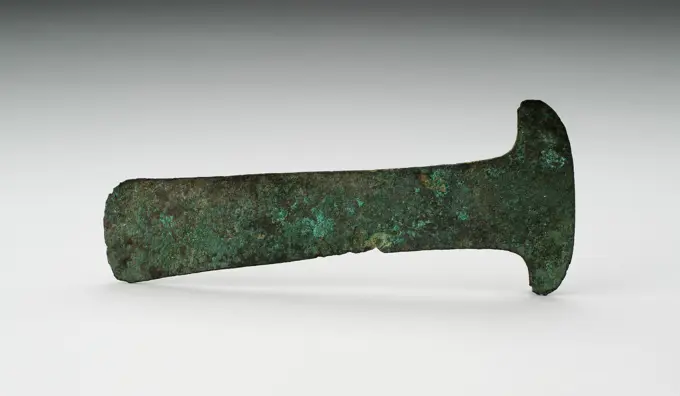
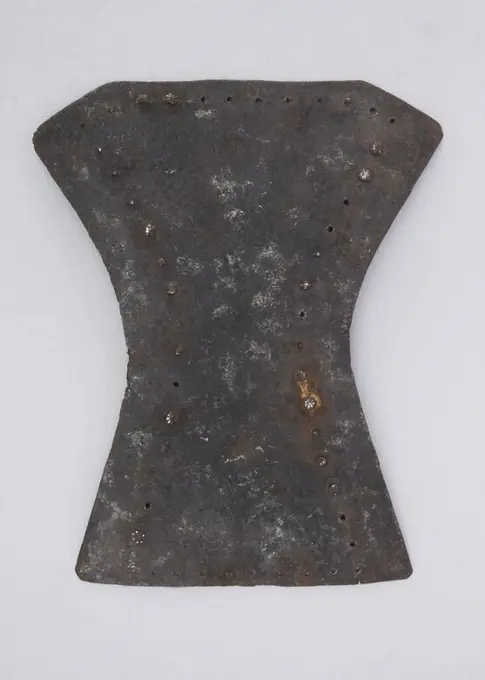
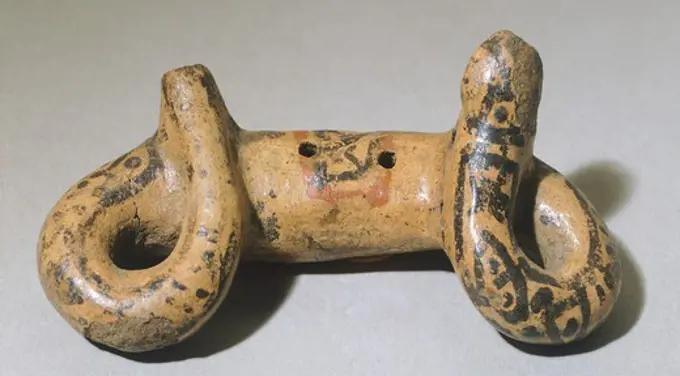
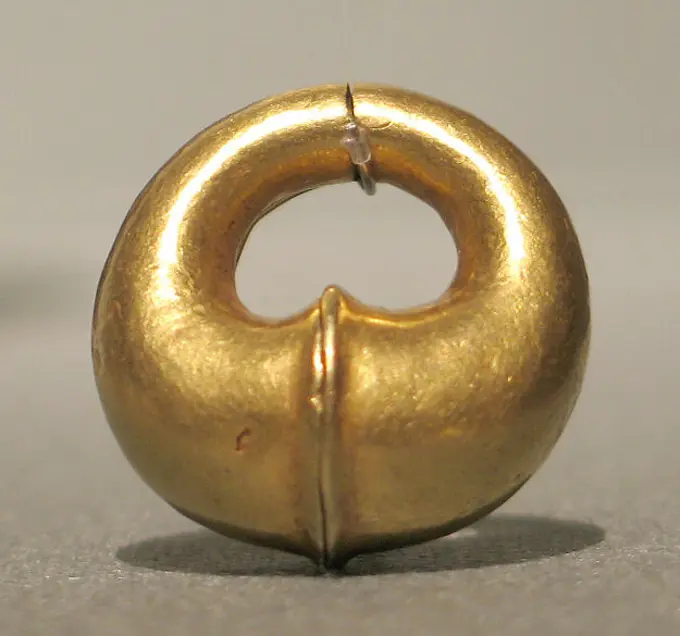
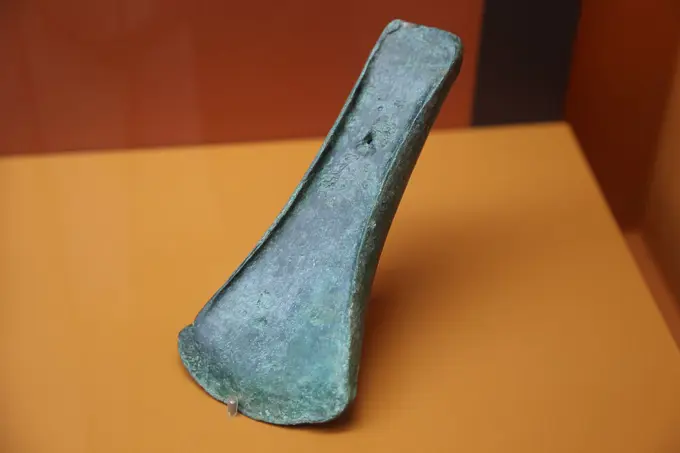
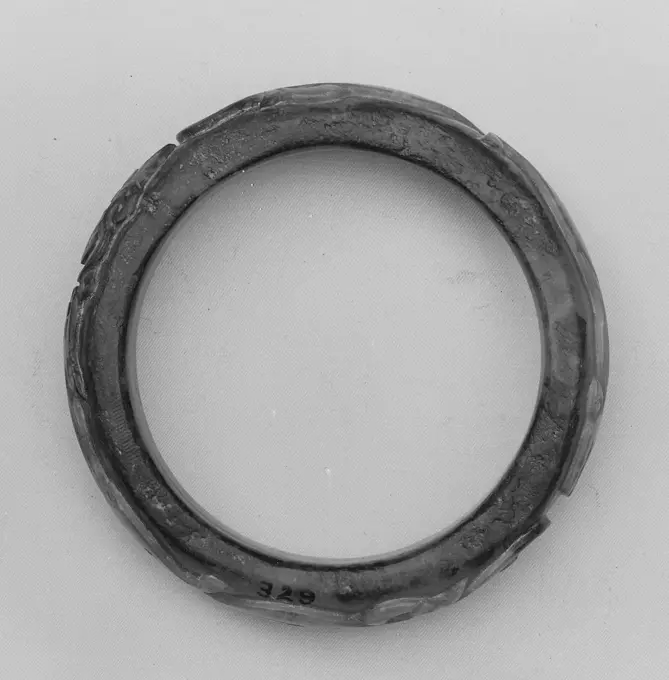
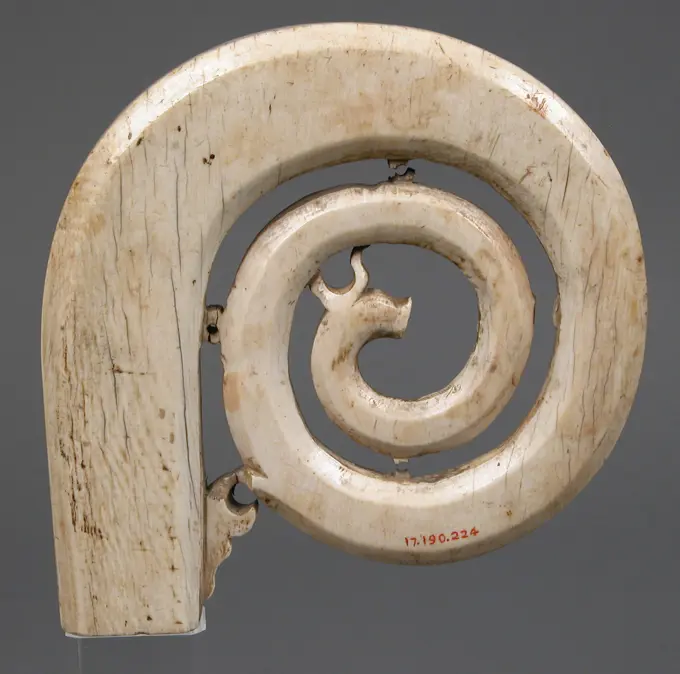
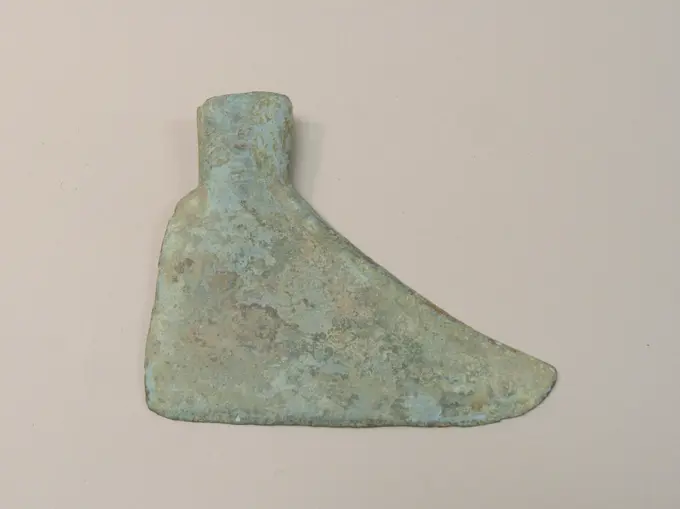
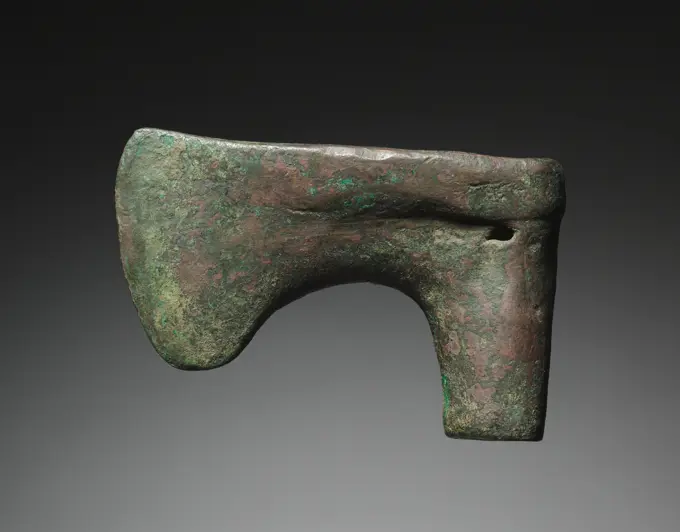
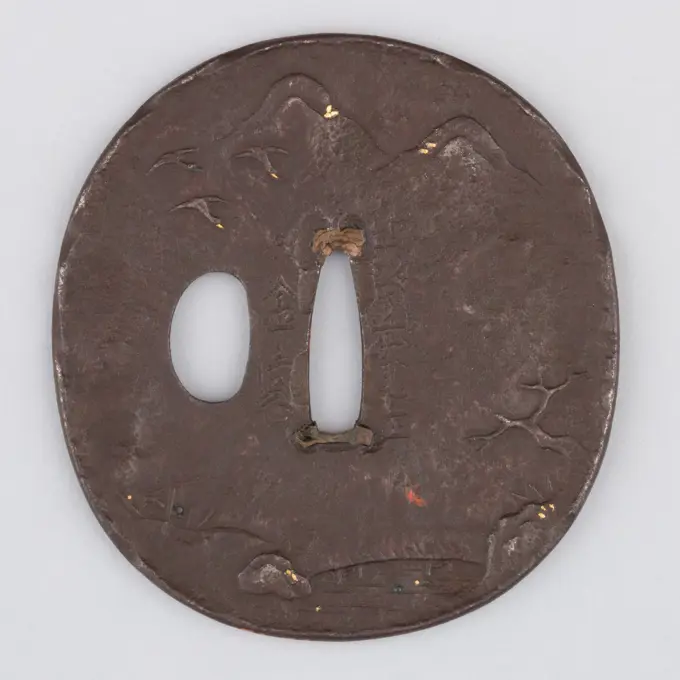
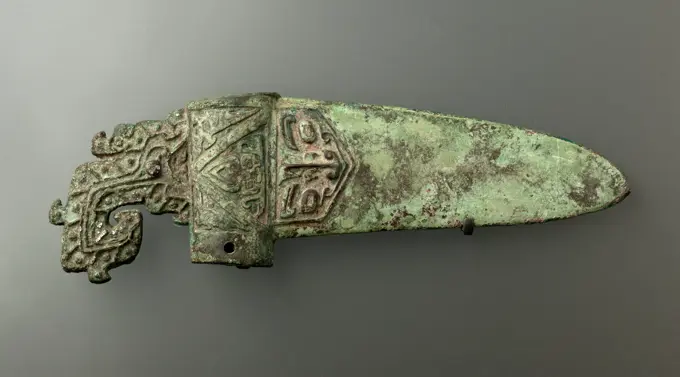
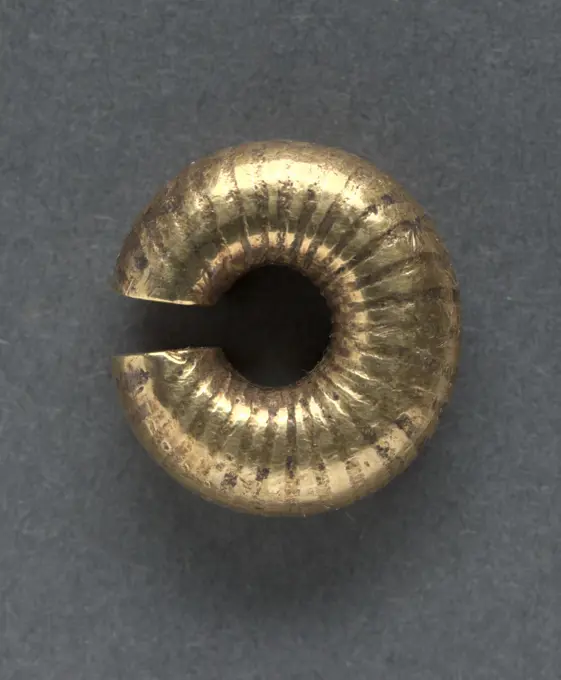
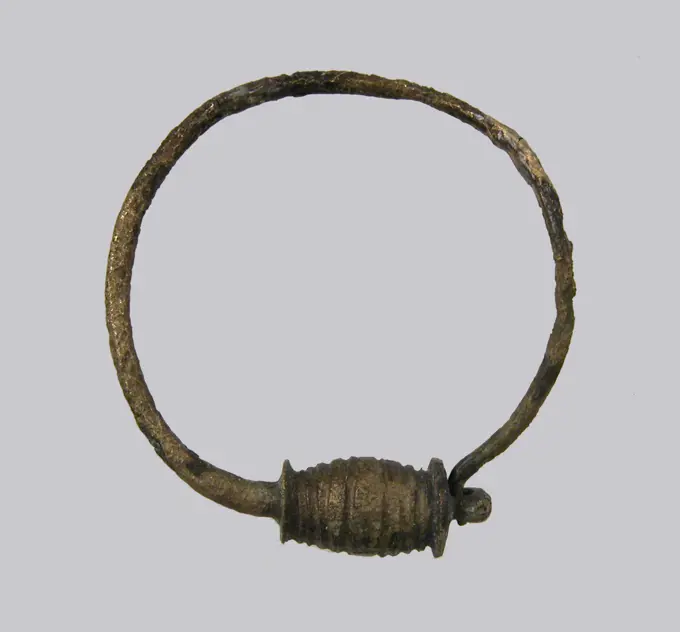
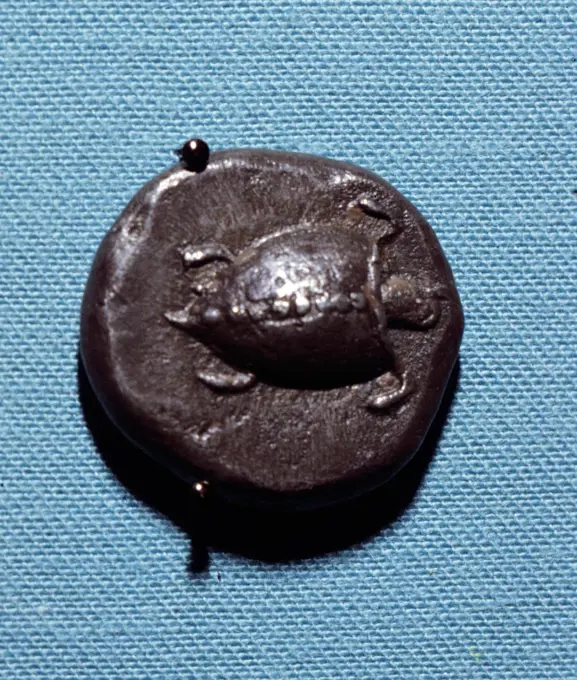
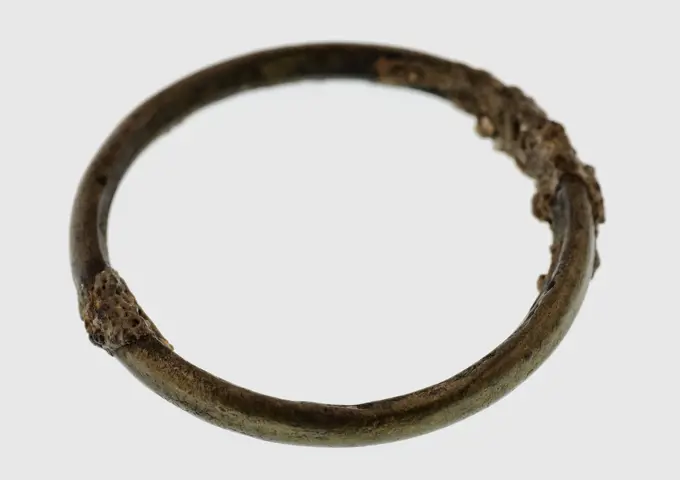
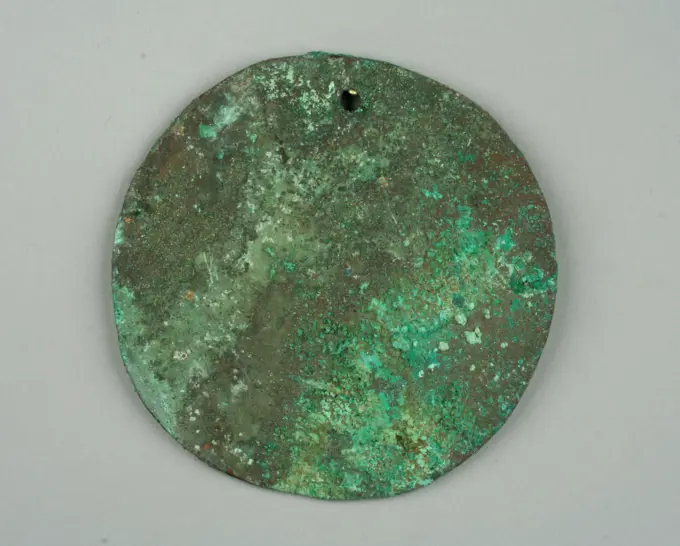
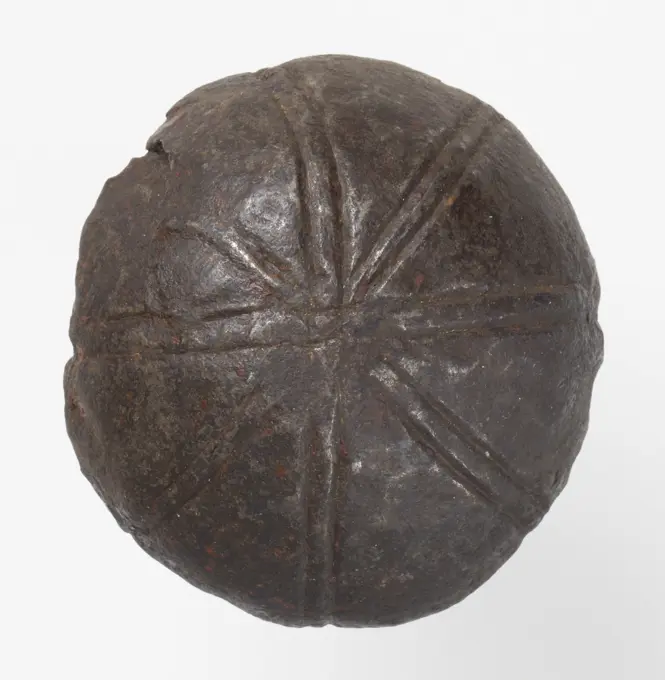
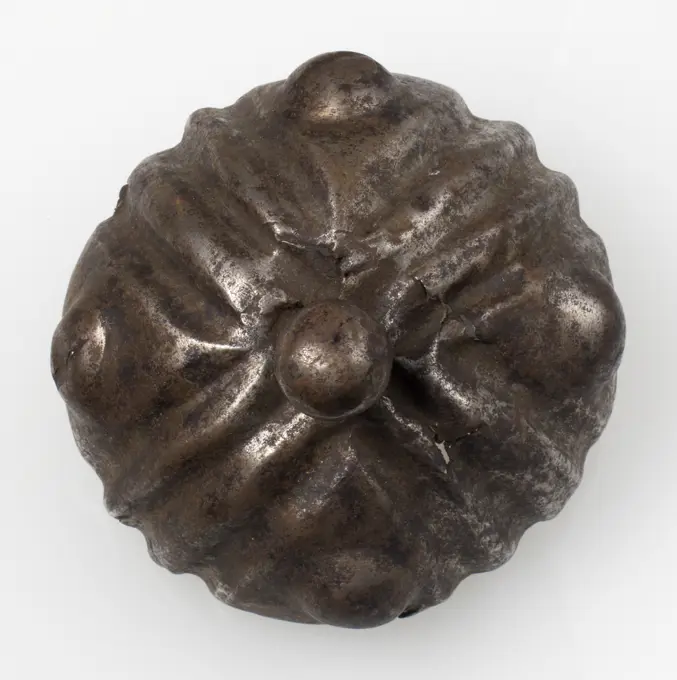
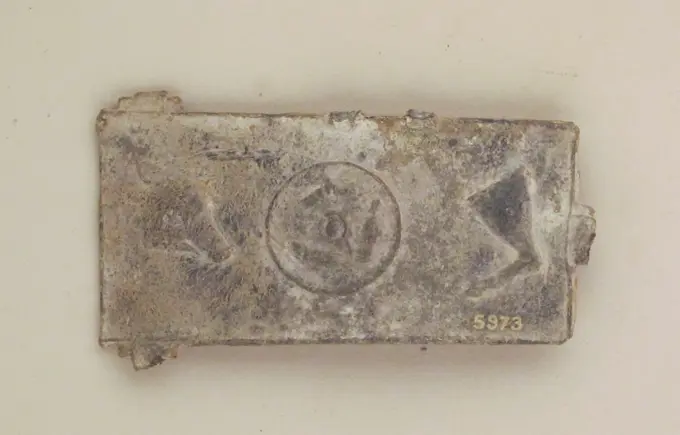
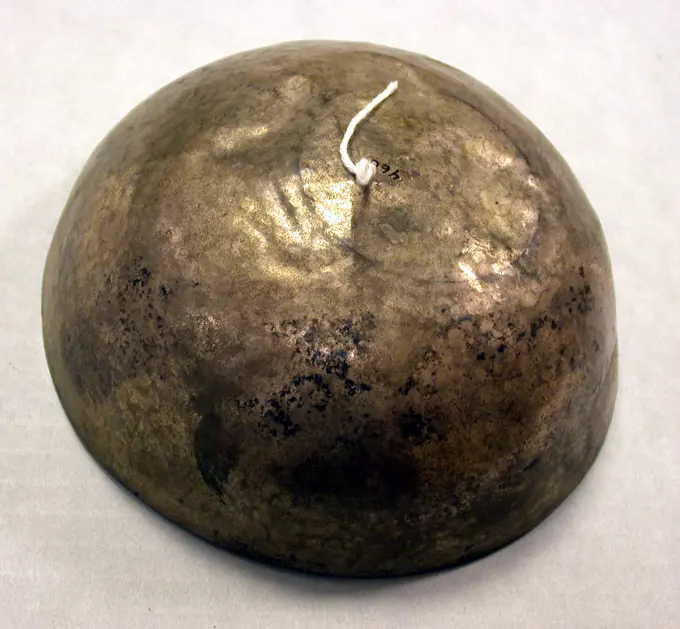
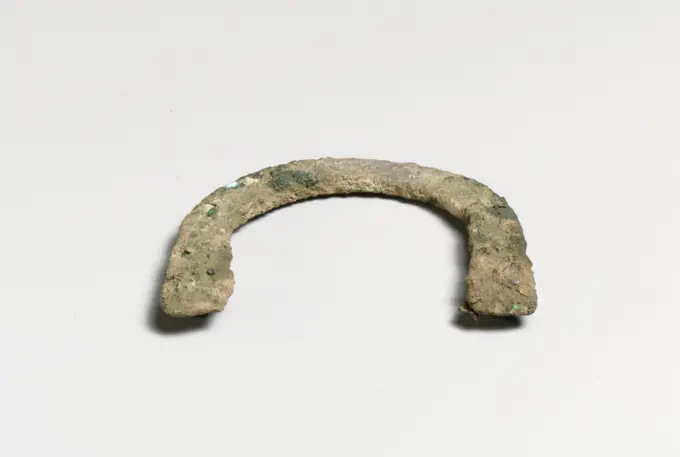
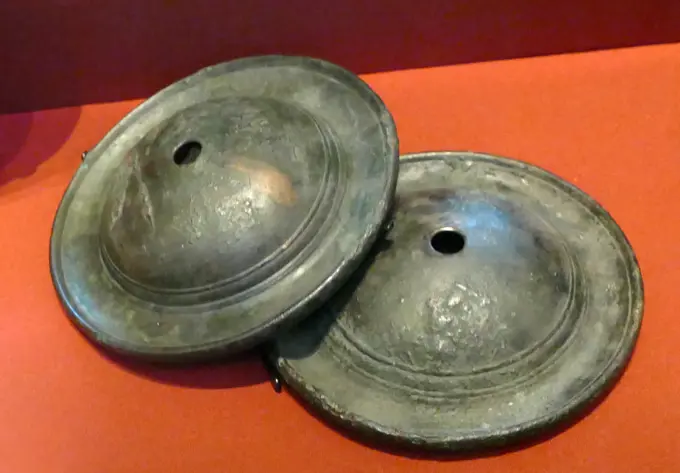
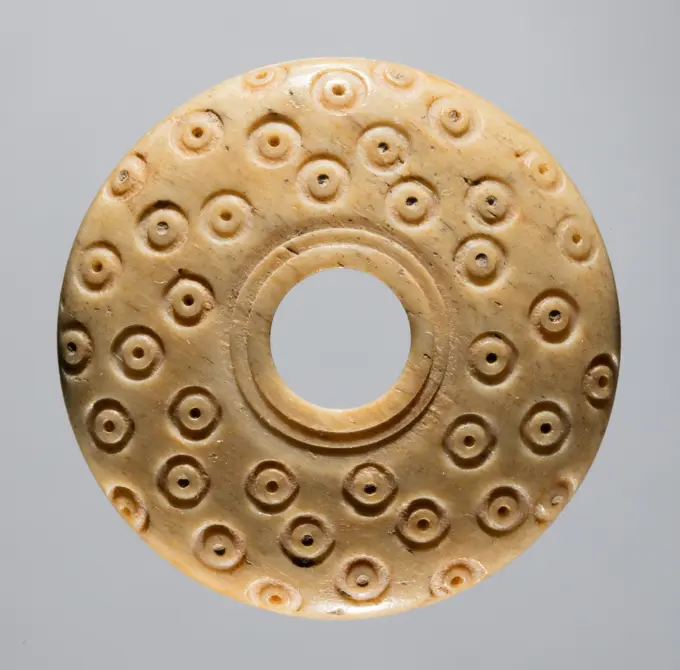
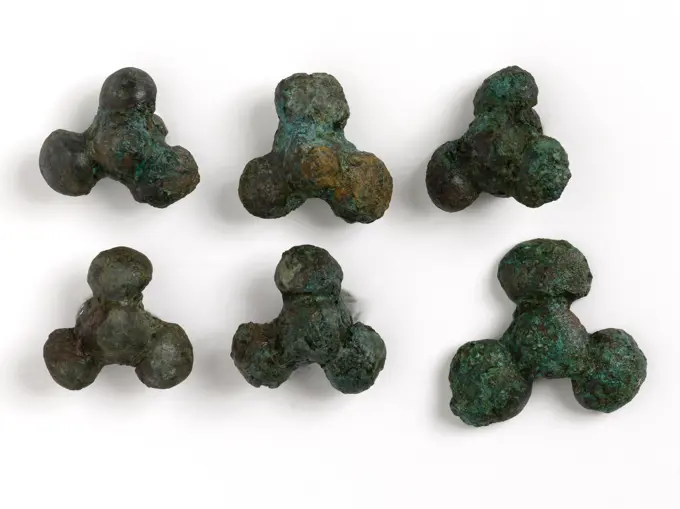
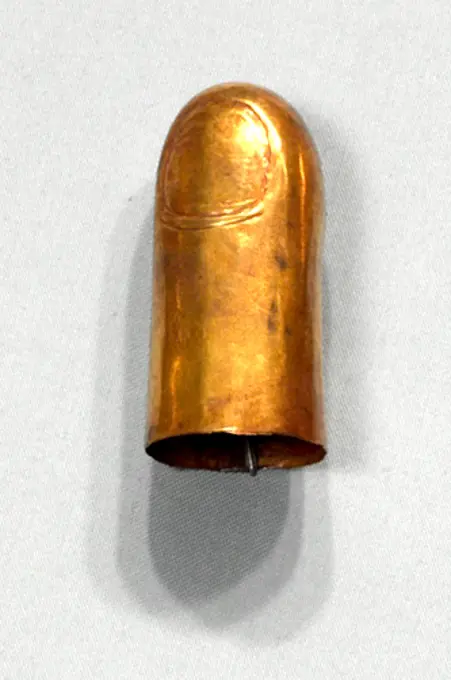
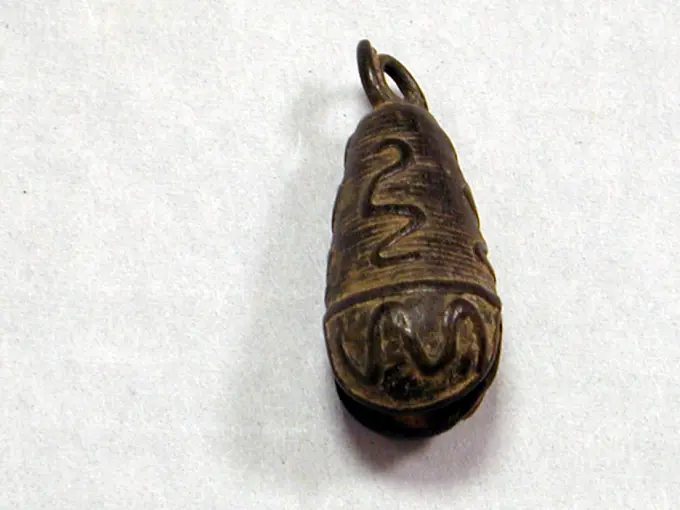
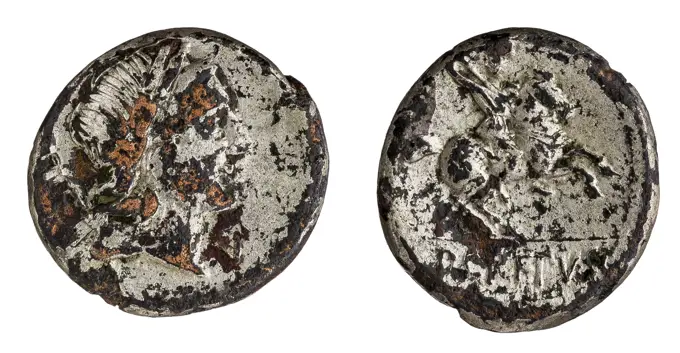
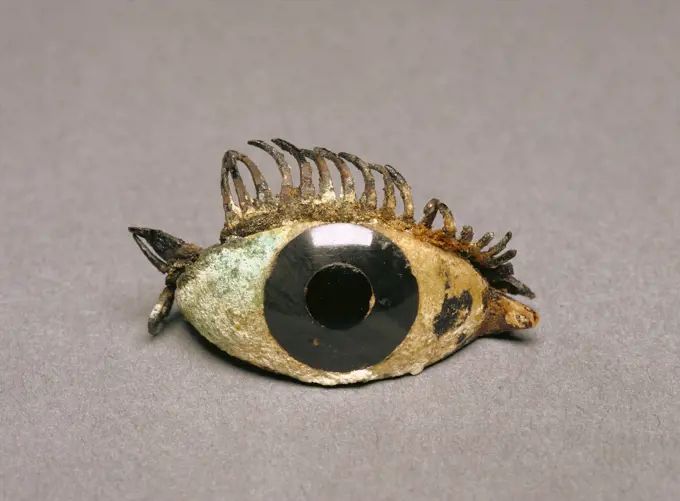
Spindle Whorl 9th-15th century Mexican. Spindle Whorl 315840Ceremonial jade axe-head. Shang, 12-10th cent. BC. China.Fragments steal from fork or spoon from the wreck of the East Indians Hollandia, Anonymous, 1700 - in Or Before 1743 spoon Cutlery, fragment: stem of fork or spoon; fragm ends, flat, curved, sim. NG 1980-27H3366. Netherlands copper (metal)   SecondBowl. UnknownCopper Axe with Head 5th-15th century Peruvian. Copper Axe with Head 315652Sword Guard (Tsuba) ca. 1615-1868 Japanese A tsuba is a sword guard and part of a sword mounting. It is mounted between the swords blade and grip to protect the users hands.. Sword Guard (Tsuba) 33453Decorative Door Boss And Nail; steel-plated wrought ironCostume Ornament 11th-12th century Central coast (). Costume Ornament 308790Ceremonial Knife (Tumi) 1000-1470 Peru. Bronze . ChimúBrigandine Plate. Culture: Italian. Dimensions: H. 8 3/16 in. (20.8 cm); W. 6 3/4 in. (17.1 cm); Wt. 13 oz. (368.5 g). Date: 1400-1450. Museum: Metropolitan Museum of Art, New York, USA.Planets-manager. Cornalet Collection Sites 2013-2016. Numismatic.Ocarina flute from Costa Rica. Pre-Colombian Civilization.Seal Impression 8th-10th century. Seal Impression 450118Earring 8th-early 9th century or earlier Indonesia (Java). Earring 50082PectoralPilgrim's Badge in the form of a Ring brooch 14th and 15th century French. Pilgrim's Badge in the form of a Ring brooch. French. 14th and 15th century. Lead. Metalwork-LeadPunic Carthaginian axe, c3rd-4th Century AD. Located in the Bardo Museum, Tunis.Decorative door boss and nail, Decorative door boss and nail, Square type, pierced and embossed with wrought lines. Quadrant leaf design based on old examples; leaves separated by drop-shaped wrought markings. Nail with faceted square head on a square shank., Spain, 16th-17th century, metalwork, Decorative Arts, Decorative door boss and nailBoss and Nail. Culture: European. Dimensions: Overall: 3 5/8 x 8 in. (9.2 x 20.3 cm). Date: 15th-16th century. Museum: Metropolitan Museum of Art, New York, USA.Vase fragment ca. 4000-3000 B.C. Neolithic, Thessaly. Vase fragment 253222 Neolithic, Thessaly, Vase fragment, ca. 40003000 B.C., Terracotta, length 3 1/2in. (8.9cm). The Metropolitan Museum of Art, New York. Anonymous Gift, 1930 (30.119.17)Finger Ring. Western Iran, circa 550-330 B.C.. Jewelry and Adornments; rings. Bronze, castClosing from the wreck of the East Indies Hollandia, Anonymous, 1700 - in or before 1743 cap Fitting, cover; fragm of flat circular rim, short vertical outer rim, central circular opening with short vertical rim, one circular hole. Netherlands copper (metal)   SecondBronze axe. Early Bronze Age. Between 2300-1800 BC. Olopte cave. Isovol. Catalonia, Spain. Archaeology Museum of Catalonia. Barcelona. Spain.Point polyhedral ring. Copper alloy. 1st century Paris, Carnavalet museum. Copper alloy, ring, antiquity, point, polyhedrique, ancientRound Plaque. Culture: Vicús. Dimensions: Diameter 2-11/16 in. (6.8 cm). Date: 3rd century B.C.-A.D. 2nd century. Museum: Metropolitan Museum of Art, New York, USA.Fragments Pijpenkop and Fragment Pijpensteel from the wreck of the East Indians Hollandia, Anonymous, 1700 - in Or Before 1743  Pipe, bowl, whole market; Fragm, 1hSM1. Netherlands pipe clay   Second. Mokko-shaped tsuba with plum blossoms in silver-relief and twigs in gold on both silk; The Ryo-Hitsu are filled with gold, which is shaded.Armlet China. Armlet. China. Nephrite. Han dynasty (206 B.C.-A.D. 220). JadeRing of Metal from V.O.C. ship De 'Witte Leeuw', Anonymous, 1613  Metal ring.  metalAnimal Ornament 6th-7th century Moche (Loma Negra). Animal Ornament. Moche (Loma Negra). 6th-7th century. Gilded copper. Peru. Metal-OrnamentsCrozier Head 12th-13th century Italian. Crozier Head. Italian. 12th-13th century. Ivory. IvoriesFinial 10th-12th century. Finial 452506Boat-Shaped Hafted Ax 500 B.C.-A.D. 300 Vietnam (North, Dong Song Culture). Boat-Shaped Hafted Ax. Vietnam (North, Dong Song Culture). 500 B.C.-A.D. 300. Bronze. Viet-Han period. MetalworkDomestic Axe-Head, 2nd-1st Millenium BC. Iran, Luristan (), 2nd-1st Millenium BC. Bronze; overall: 5.2 x 8.5 x 2.8 cm (2 1/16 x 3 3/8 x 1 1/8 in.).Round Plaque 3rd century B.C.-A.D. 2nd century Vicús. Round Plaque 315536Bandbox, Block-printed paper, pasteboard support, Pasteboard bandbox lid only, top covered with two pieces of machine printed wallpaper, green background, face-like white pattern with bands formed of closely spaced white lines. Rim and interior of top covered with machine printed wallpaper with white background, striped patterns in green and brown of leaves on vines, flower-like configurations of dots., USA, 1850-60, Wallcoverings, BandboxFragment blowjob from the wreck of the East Indieschief Hollandia. Pipe, bowl, healermark illegible; fragment.Tile. Egypt, early Dynastic Period (about 2920 - 2640 BCE). Architecture; Architectural Elements. FaiencePays: on the left: rooster singing with deployed wings, Paris silver second title 1809-1819. 20th: Losange: Master hallmark: J P Brahy Insultation in 1809. Head: Paris 1809-1819 Average guaranteed. Flat strip decorated with flower garlands.lampara de aceite,museo monografico de Conimbriga, ciudad del Conventus Scallabitanus, provincia romana de Lusitania, cerca de Condeixa-a-Nova, distrito de Coimbra, Portugal, europa.Mirror with Frame 301 CE-700 CE Egypt. Alabaster and glass . Ancient EgyptianSword Guard (Tsuba) ca. 1615-1868 Japanese A tsuba is a sword guard and part of a sword mounting. It is mounted between the swords blade and grip to protect the users hands.. Sword Guard (Tsuba) 33470Pointe de Hallebarde ". Bronze. China, XIV-XIE S. AV.J.-C. Paris, CERUNUSCHI MUSEUM. 72199-37 Weapon, bronze, shang dynasty, hallebarde, pointRing Money, c. 100-50 BC. England (Ancient Britain), 1st century B.C.. Gold; diameter: 1.8 cm (11/16 in.). Used in the ancient world from c. 1600 BC, gold ring money was also in general use in Ireland around 100-50 BC. It was used in Britain as well but not to the same extent. This piece was found at Norman Leighton, Warwickshire, almost the central county of England. As a means of exchange, gold was scarce in Britain until successive waves of invaders from the mainland, fleeing the expanding power of the Romans, brought with them degraded staters, an ancient gold coin of the Greeks.It's lying. Crystal of roches. Provenance: Vietnam. Par musée musée malée. 78816-7 Ring, Archeological ObjectFielding straightening the linen (attributed title). Full glass, flow, flattened, opaque gray-black in color. Carnavalet museum, history of Paris. Fragment of Smoking (). Concentric grooves on the irregular concave side.Earring 7th century Frankish. Earring 465777 Frankish, Earring, 7th century, Copper alloy, Overall: 1 3/16 x 1 1/8 x 1/4 in. (3 x 2.8 x 0.6 cm) bead: 3/8 x 1/4 in. (0.9 x 0.6 cm). The Metropolitan Museum of Art, New York. Gift of J. Pierpont Morgan, 1917 (17.193.58)Hammered Silver Spoon 8th-mid-16th century Peru; north coast (). Hammered Silver Spoon 308962Greek coin, turtle on early coin of Aegina, 500 BC.Thin ring, copper or bronze, ring part soil find copper bronze metal, d 0,3 Thin copper or bronze ring Oval cross section. Not finished on the inside archeology Rotterdam connecting the railway tunnel Tomb discovery: Railway tunnel 1988-1993.Goldweight with a Geometric Design 1700-1899 Ghana. This rectangular gold weightís surface composition consists of two ìcombî motifs facing opposite directions. These motifs are separated by a generous gap with deeply incised lines running through the middle of the weight. The use of the ìcombî design suggests that this piece was made sometime between 1700 and 1900. Brass-cast gold weights were used to measure gold dust, the local currency in the Akan-speaking regions of southern Ghana and the Ivory Coast between the 15th and 20th centuries. The gold weightsómade of a copper alloyóenabled merchants to carry out trade within towns of the West African Sahel, North Africa, and later with the Portuguese and the Dutch. Gold weights ceased being used at the beginning of the 20th century, when gold was replaced by bank notes and coinage. However, they continued to be made for sale to tourists.ñPermanent Collection Object Description. Copper alloy . AsanteAmulet of a Shilbe Fish 664 BCE-332 BCE Egypt. Bronze . Ancient EgyptianPilgrim flask ca. 3rd century B.C.-1st century A.D. Seleucid or Parthian. Pilgrim flask 323237Hand guard, Kunishige (possibly), 1700 - 1800 Irregularly lobed tsuba with an increased edge; On both sides two shishi and a peony in relief with blue, gray and yellow opaque enamel; Along the outer edge, the Ryo-Hitsu and the Seppadai edges. Japan copper (metal). Irregularly lobed tsuba with an increased edge; On both sides two shishi and a peony in relief with blue, gray and yellow opaque enamel; Along the outer edge, the Ryo-Hitsu and the Seppadai edges. Japan copper (metal).Round Plaque 3rd century B.C.-A.D. 2nd century Vicús. Round Plaque 315538Breastplate of a Trilobate Cuirass. UnknownRing probably 19th century African This collection of largely ethnographic jewelry includes examples from cultures in South America, North America, Europe, Asia, and Africa and dates from the Pre-Columbian period to the twentieth century. Owned by renowned art collector and fashion enthusiast Muriel Kallis Newman, the collection represents her knowledge and appreciation of a wide range of jewelry design and making traditions. Numerous items in her collection are composite artifacts made from various cultures and time periods reappropriated as modern jewelry creations by or for Muriel. It is important to note that Newman wore many of the pieces in the collection, interpreting them to suit and express her own singular, often avant-garde style.. Ring 141556Water Filter 10th-12th century. Water Filter 447437Petal-Shaped Bead, c. 1391-1353 BC. Egypt, New Kingdom, Dynasty 18, reign of Amenhotep III. Faience; overall: 3 x 1 cm (1 3/16 x 3/8 in.).Coin Weight 12th-14th century. Coin Weight 443195Cash of the Keizerrijk China of Keizer Hsuan Tsung under the government name Tao -Kuang, 1821 -1850 from Kuang in Kwangtung ,, 1821 -1850 coin Copper mint. Front: Inside wide raised edge around square recess in the middle four cross -way Chinese signs, two of which are meaning: Tao Kuang. Reverse: within wide raised edge on either side of square recess in the middle two Chinese signs, where the right sign with the meaning: Kuang, in the province of Kwangtung  copper (metal) castingHals with cork of a wine bottle and a glass shard from the wreck of the East Indians Hollandia, Anonymous, 1700 - in Or Before 1743  Wine bottle, continental production, neck, onion-shaped bottle or bottle with vertical side; f-string rim, projecting cork Netherlands .   SecondStone Earflare before 16th century Mexican. Stone Earflare 317331Nail 15th-16th century European. Nail. European. 15th-16th century. Iron. Metalwork-IronExcerpt from musket size for musket bandelier, anonymous, c. 1590 - c. 1596  Musket size for musket bandelier, fragment consisting of brass Huls and one earphone. Leather upholstery is missing. Standard description musket size: brass lined with leather. Equipped with two eyes on the side to put a cord through which held the lid and the buddy was hung on the bandelier. A musketti band had twelve powder buddies and a bag of bullets. The powder buddies contain a carefully adjusted amount of gunpowder for one shot.  brass (alloy) striking (metalworking)  Nova Zembla. Saving HuysBelt Buckle Loop Fragment 4th-7th century Frankish. Belt Buckle Loop Fragment 469813Roman amphora sealing system. Use of an amphorae (small amphora modeled in clay. Also used as a liquid measurement system). National Archaeological Museum. Tarragona. Spain.Boss and Nail 15th-16th century European. Boss and Nail. European. 15th-16th century. Iron. Metalwork-IronCross 3rd-12th century. Cross 446056Table offerings Roman Head of a boar, leg of an animal, shellfish() and a human figure standing on the edge.. Table offerings. Roman. Lead. Miscellaneous-LeadHammered Copper Half Dome 8th-mid-16th century Peru; north coast (). Hammered Copper Half Dome 309030Falcon head amulet ca. 2150-1950 B.C. Late Old Kingdom-Early Middle Kingdom. Falcon head amulet 555603Handle of a bowl Cypriot. Handle of a bowl 244325Fish Ornament. Culture: Peru; central coast (). Dimensions: L. 1 3/8 in. (3.5 cm). Date: 11th-12th century. Museum: Metropolitan Museum of Art, New York, USA.Bronze cymbals from Charles Townley's Cista Mystica a collection of (Greek and Roman antiquities given to the British Museum in 1805Spindle Whorl, 700s - 900s. Iran, early Islamic period, 8th - 10th century. Bone, incised; overall: 0.5 x 2.4 x 2.4 cm (3/16 x 15/16 x 15/16 in.).Pins, ornaments. Bronze. Caucasus. Second half of the 1st millennium BC. Paris, Cernuschi museum. 35407-8 Spindle, bronze, ornamentFinger stall ca. 1479-1425 B.C. New Kingdom. Finger stall 547648Bell 11th-16th century West Mexico or Valley of Mexico Metalworkers in West Mexico or in the Valley of Mexico fabricated this pear-shaped bell between the 11th and 16th centuries. It is likely made of a copper alloythat is, copper chemically mixed with another elementbased on the analysis of similar bells (Hosler 2014; Schulze 2008). The bell was made by lost-wax casting, and most of it shows a cast filigree design. It features six motifs that could be interpreted as lightning rods or snakes. At top, the bell includes a circular loop that would have allowed it to be worn or suspended. The majority of the bell is constituted by a resonator, an open chamber that at one time may have contained a free-floating clapper made of metal, stone, or ceramic, but which has not preserved. The clapper would have helped produce sound by hitting the resonator’s walls. Of course, the bell is also capable of making sound by striking other bells or objects. Approximately two-thirds of the resonator hasdenarius (subaeratus). Crepusius, P. (fl. 82 a.C.), monetary officer, Republika Rzymska, issuerAxe Head Dian. , 5th century B.C.E.-early 1st century C.E. Bronze, 5 1/2 x 3 15/16 in. (14.0 x 10.0 cm).   Asian Art 5th century B.C.E.-early 1st century C.E.Copper molded sewing ring with thickened bottom edge, thimble sewing kit soil find copper metal, cast Copper cast sewing ring with thickened bottom edge and twisted thinned upper edge archeology Rotterdam Kralingen-Crooswijk Kralingsche Bos Kralingse Plas dressmaker tailor sewing textile repair clothing needle and thread repair archaeological find in the soil Kralingse Plas.cruciform idol, slate, 2500-2000 BC, Los Gabrieles 6, Valverde del Camino, Huelva Museum, Huelva, Andalusia, Spain.Sword Guard, early 1800s. Japan, Edo period (1615-1868). Iron with gold inlay (Kyoto type); average: 5.8 x 4.5 cm (2 5/16 x 1 3/4 in.).Anthropomorph with Leg Broken Off 1500-500 B.C. India. Anthropomorph with Leg Broken Off 50586Costume ornament 8th-mid-16th century Peru; north or central coast (). Costume ornament 308950Earring ca. 1400-1295 B.C. New Kingdom. Earring 548632Fragments of a Bottle probably 18th-19th century. Fragments of a Bottle 443138Collection of inscribed plaques and tagsHammered Silver Panpipe 8th-mid-16th century Peru; north coast (). Hammered Silver Panpipe 309153Ceramic fragment. Date: 8th-12th century. Museum: Metropolitan Museum of Art, New York, USA.Greek civilization, Ostraka, sherds of broken pots re-used as voting 'ballots' cast by AtheniansCeramic fragment. Dimensions: Base D. 3.6 x D 5.5 x H 2.4 cm. Date: 8th-12th century. Museum: Metropolitan Museum of Art, New York, USA.Earplug, one of 15, 15th century, 13/16 x 1 1/2 in. (2.06 x 3.81 cm), Jade, Mexico, 15th centuryEye from a Bronze Statue; 5th - 2nd century B.C; Marble, obsidian, glass, and copper; 2.1 × 4.9 cm (13,16 × 1 15,16 in.)Hammered Silver Cone Ornament 8th-mid-16th century Peru; north coast (). Hammered Silver Cone Ornament 308994Bronces, siglos VIII-VII aC., procedentes de Llavorsí. Museu d'Història de Catalunya.Fish Ornament. Culture: Peru; central coast (). Dimensions: L. 1 5/8 in. (4.1 cm). Date: 11th-12th century. Museum: Metropolitan Museum of Art, New York, USA.