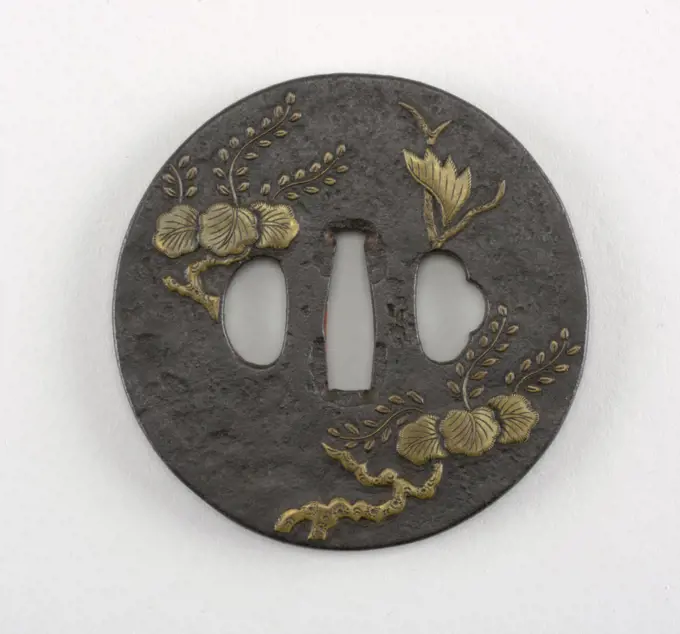
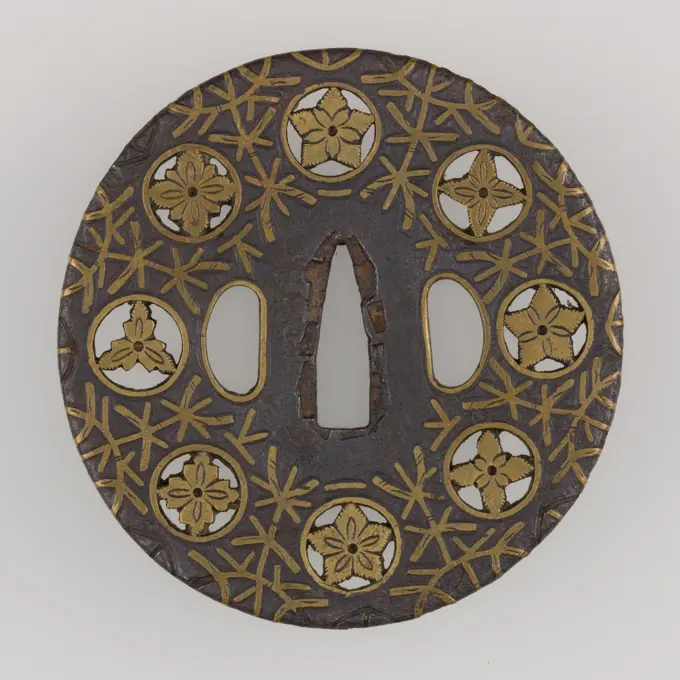
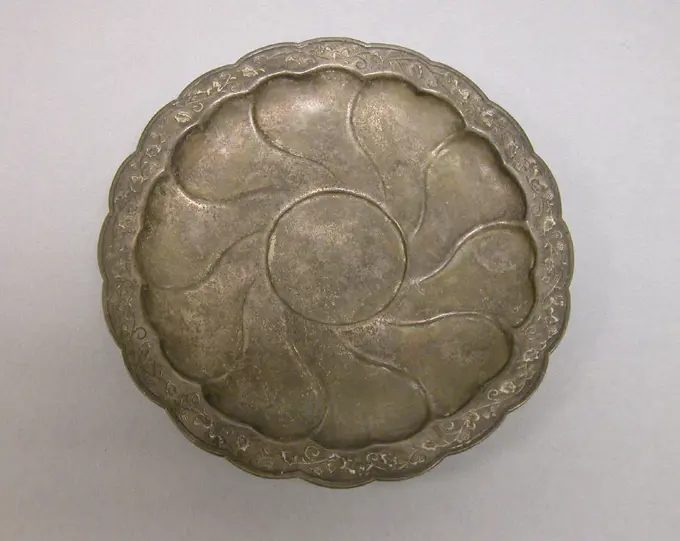
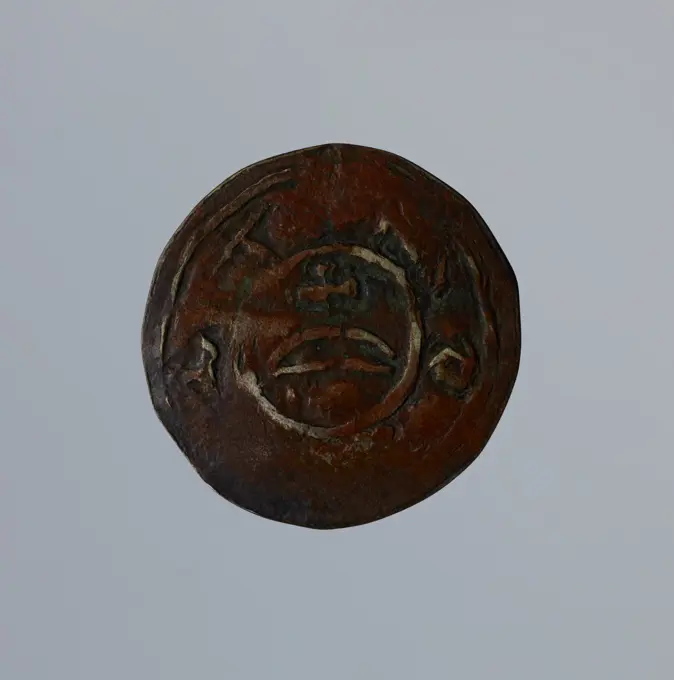
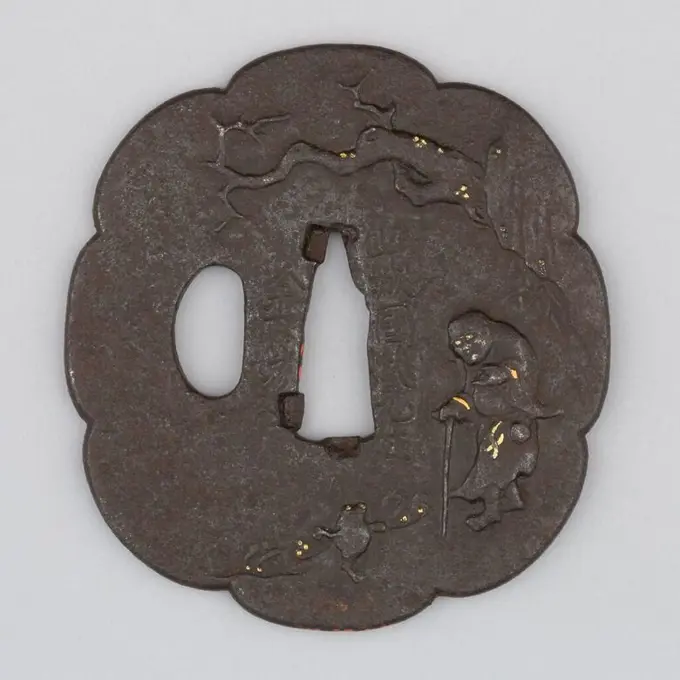
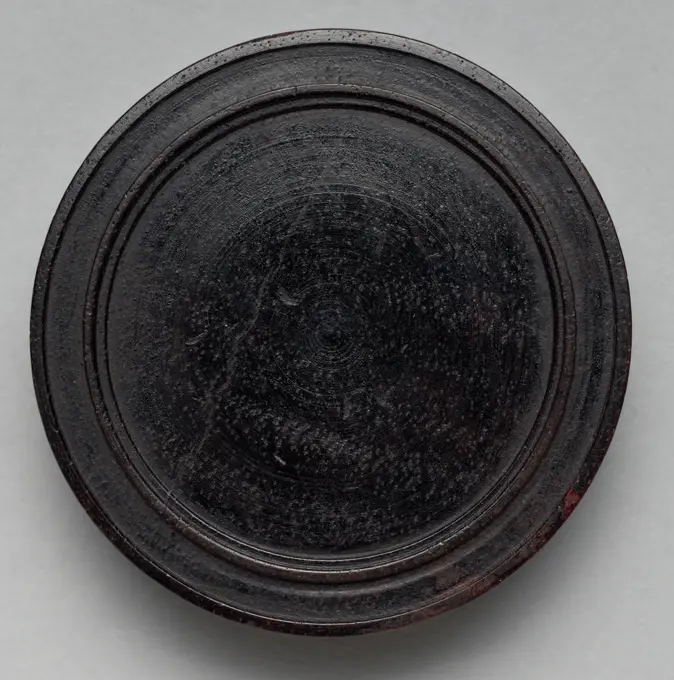
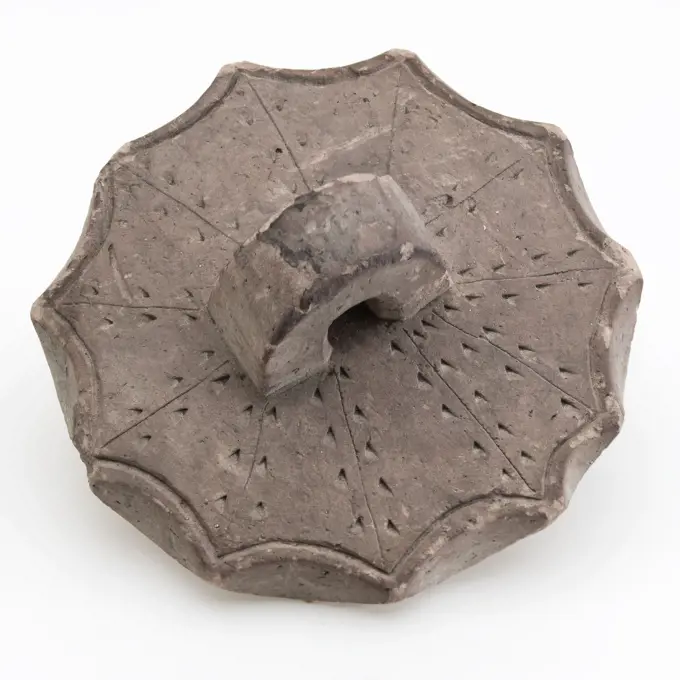
Historical Artifacts and Coins

A selection of ancient coins and bronze mirrors depicting intricate designs, showcasing historical craftsmanship and cultural significance.
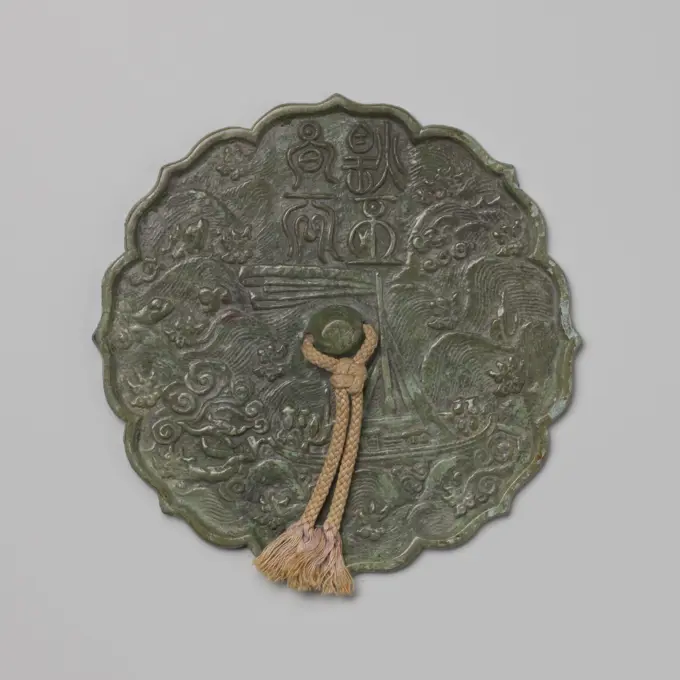
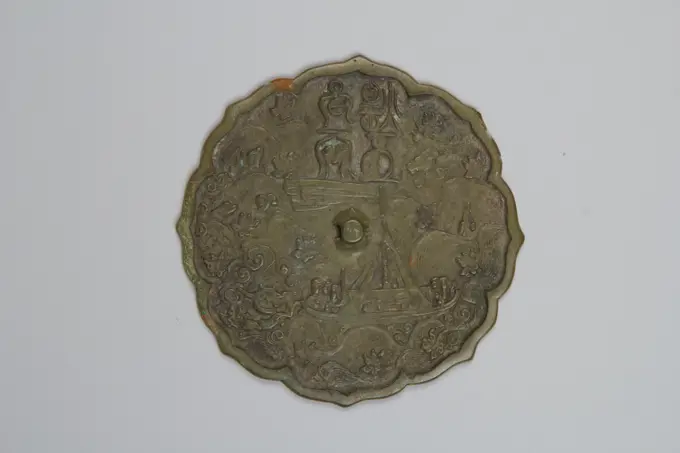
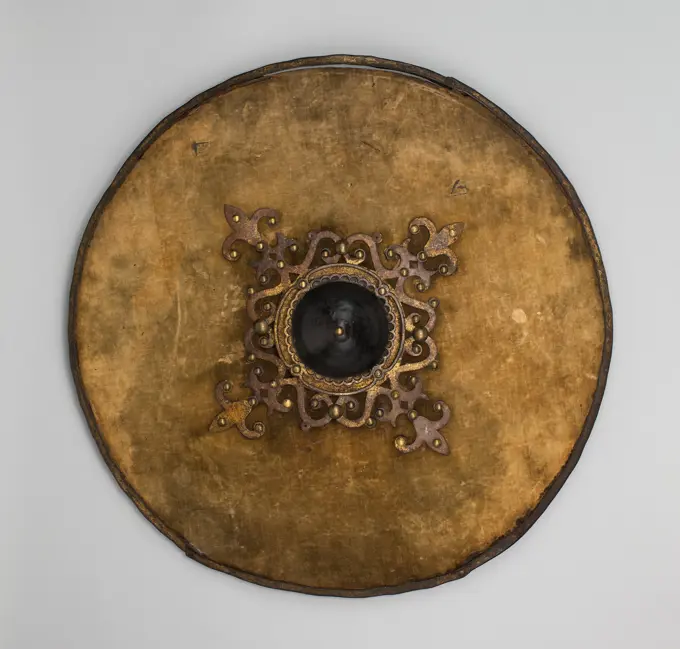
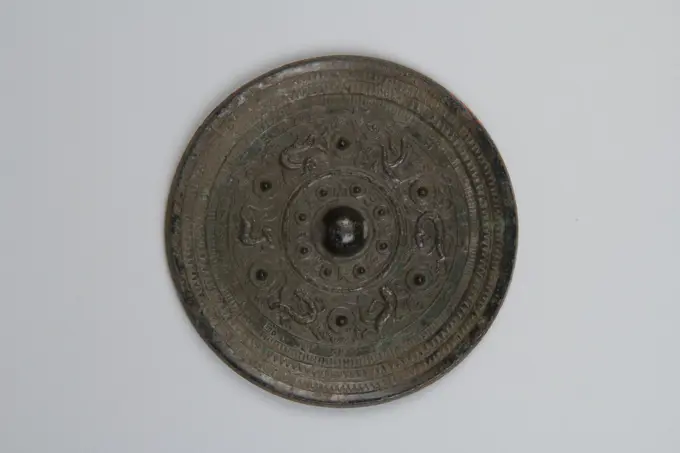
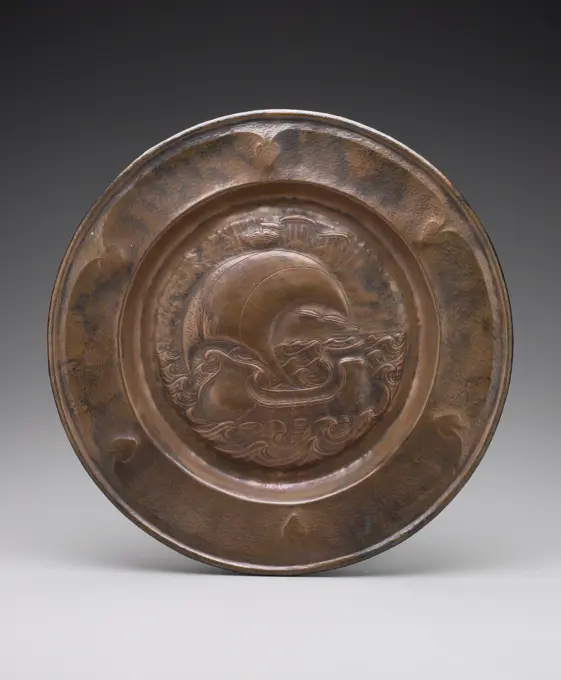
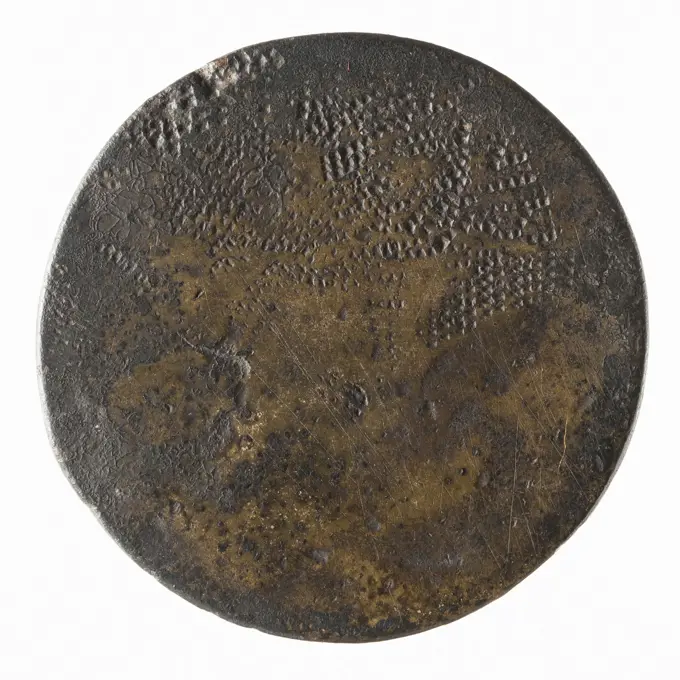
Bronze mirror depicting sea waves and a boat with inscription, anonymous, c. 1200  Korea bronze (metal)  Korea bronze (metal)
Bronze mirror depicting sea waves and a boat with inscription, anonymous, c. 1200 Korea bronze (metal) Korea bronze (metal)
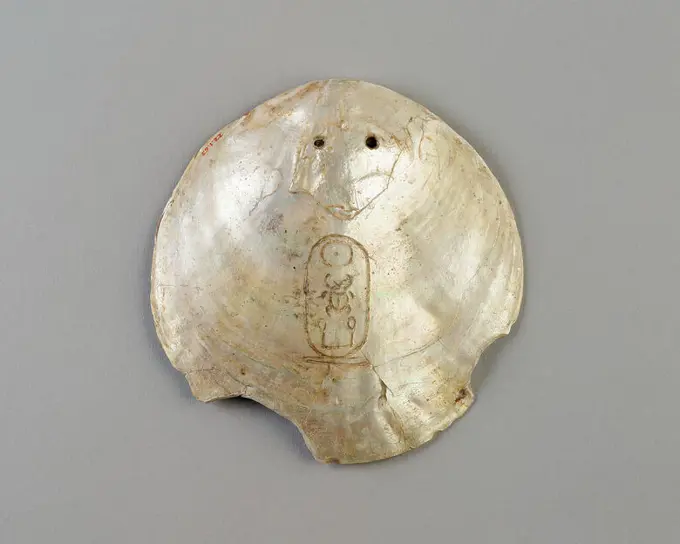
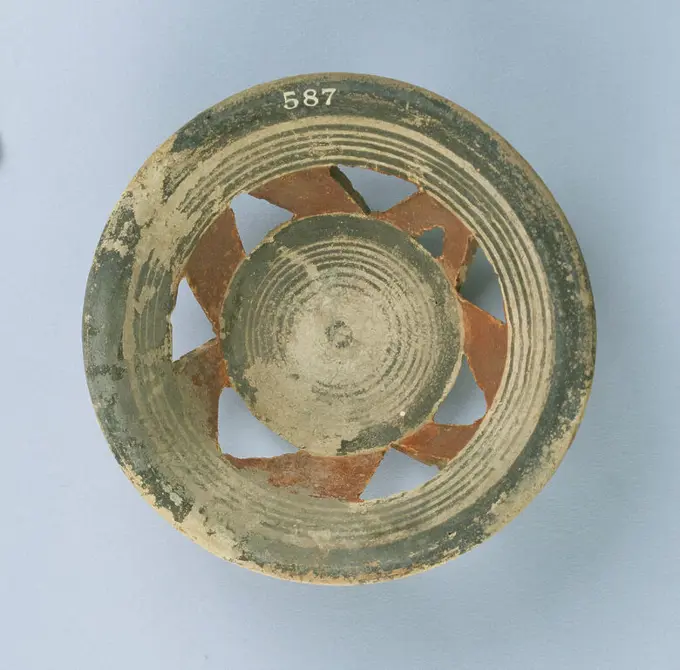
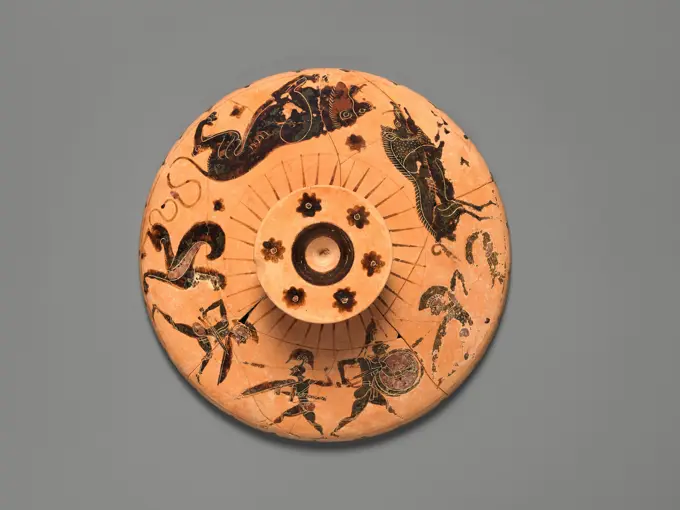
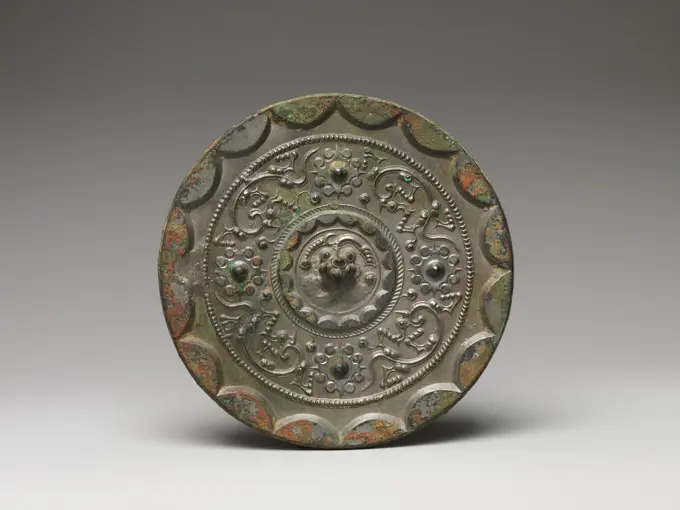
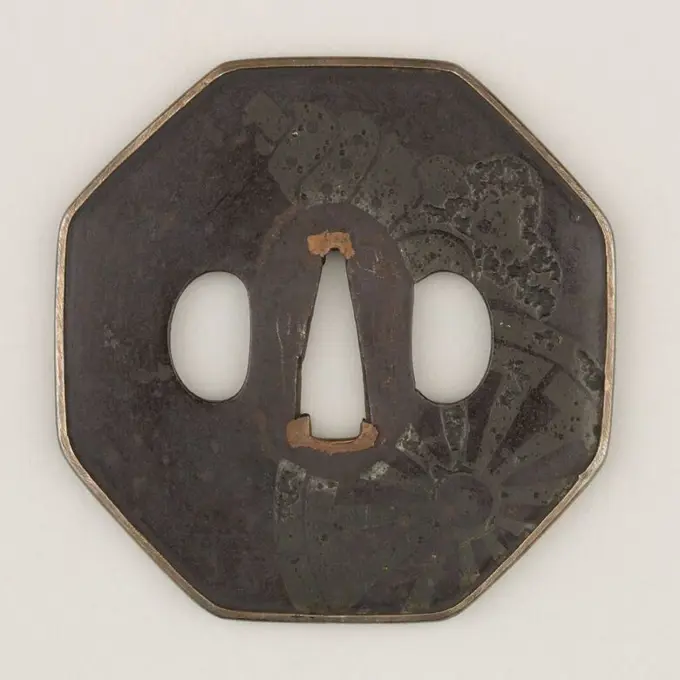
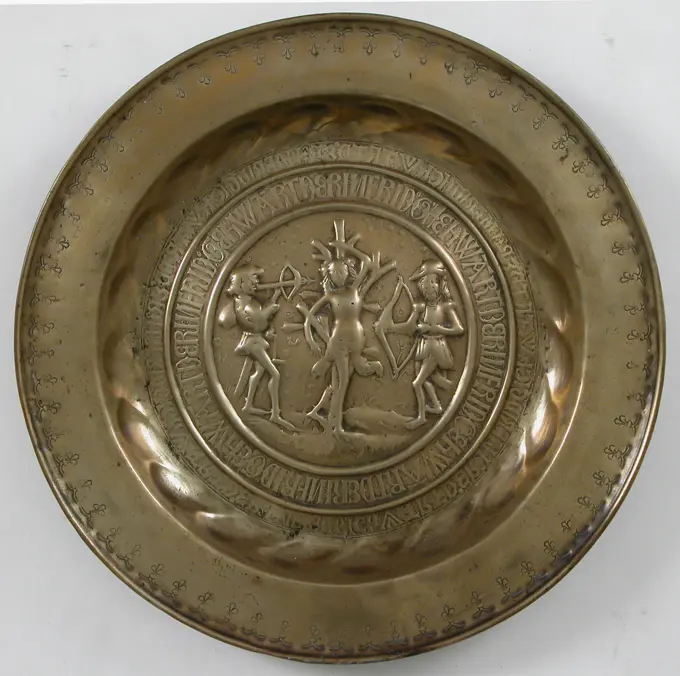
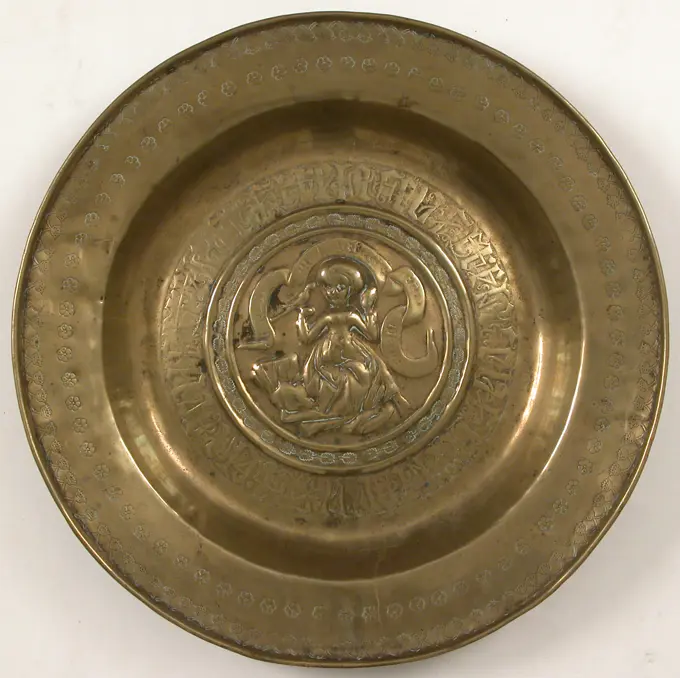
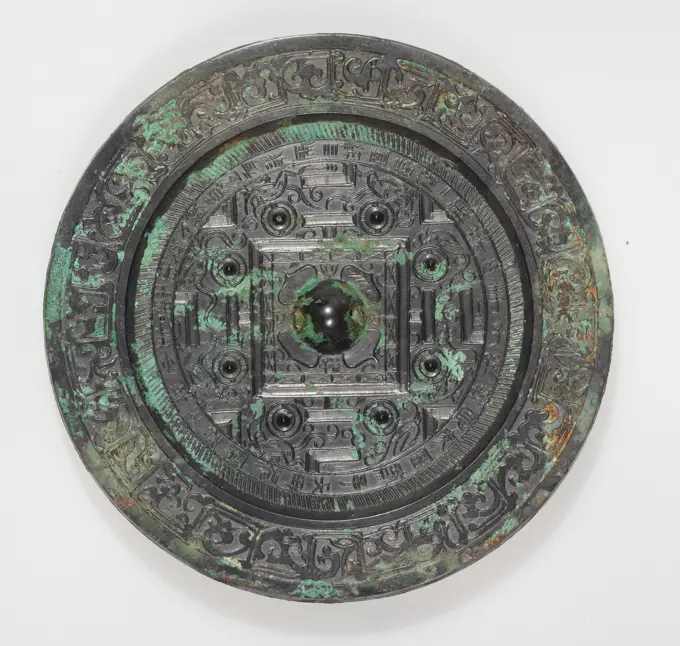
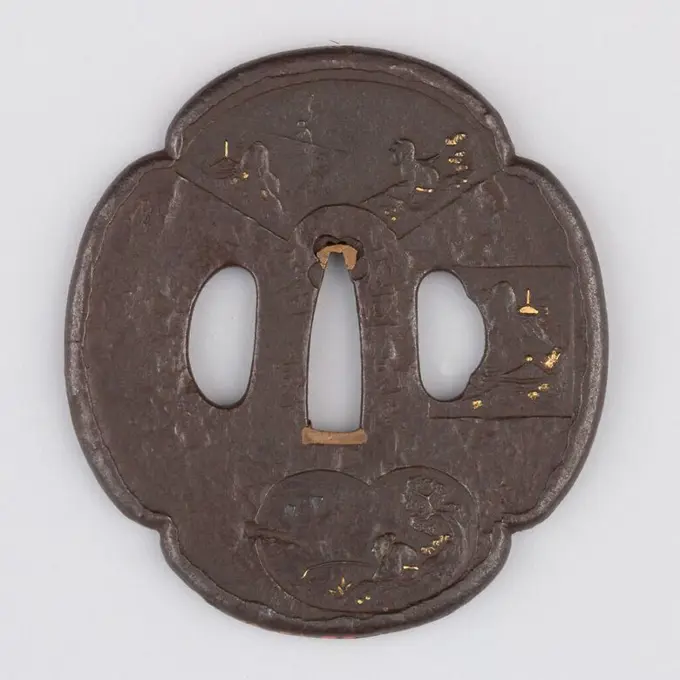
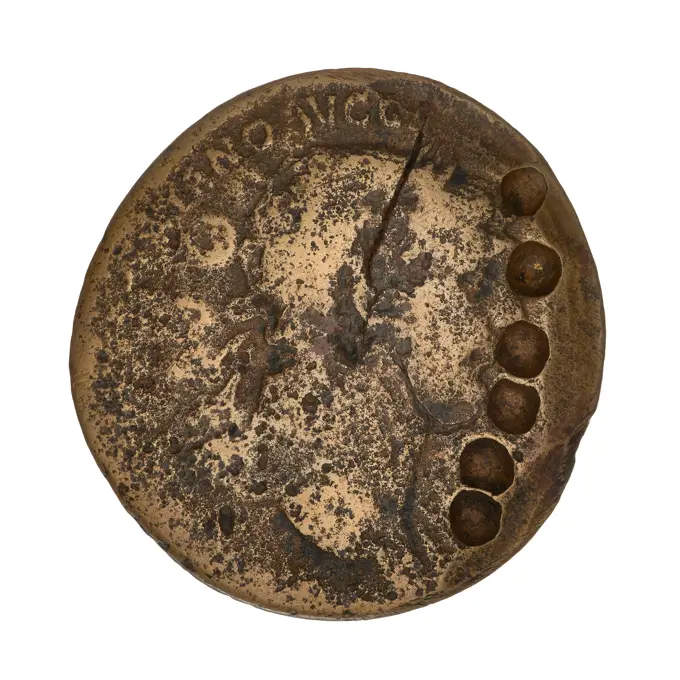
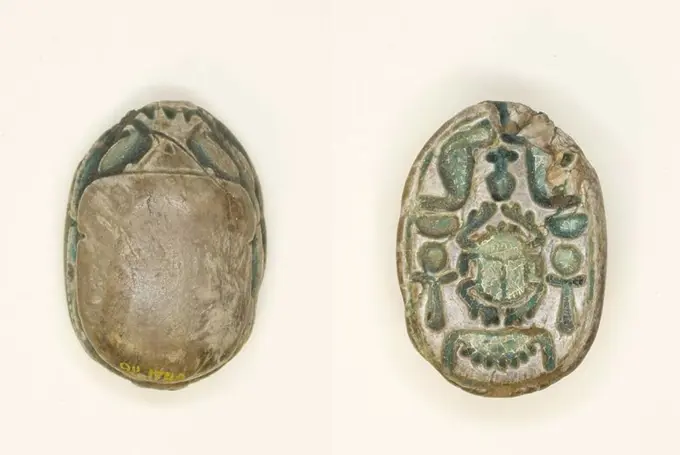
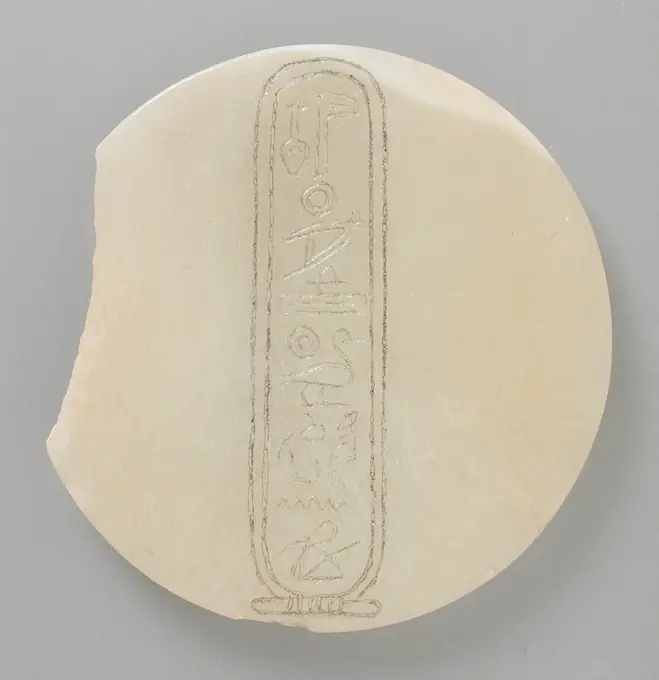
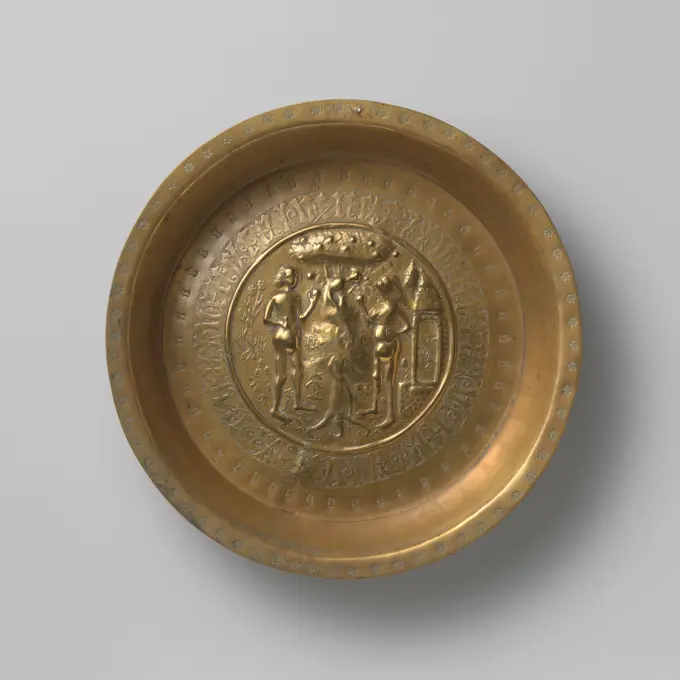
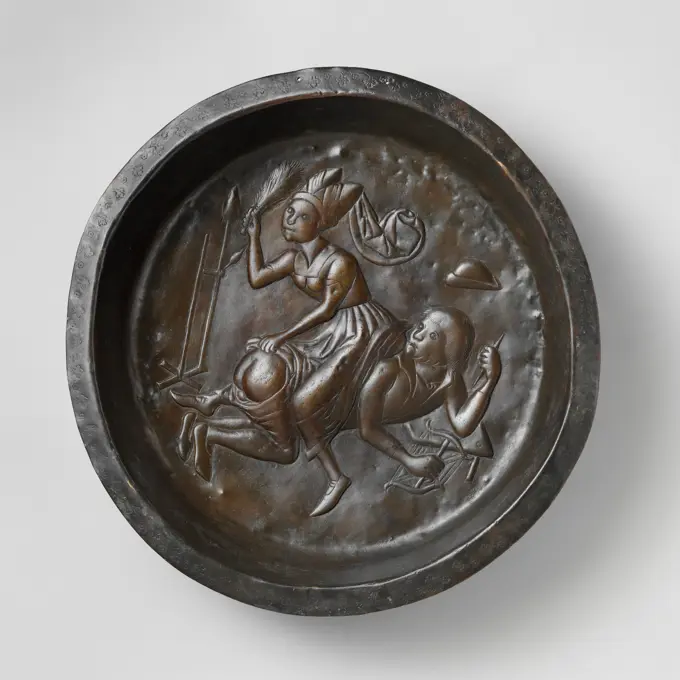
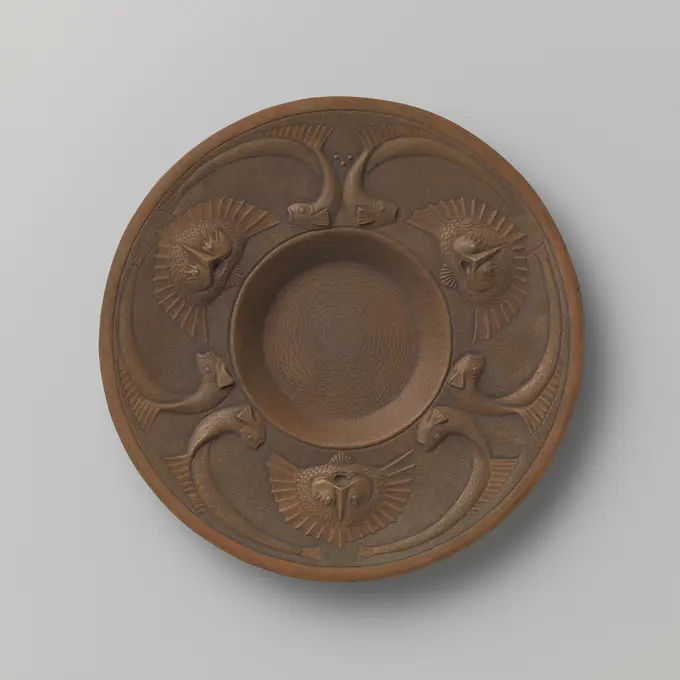
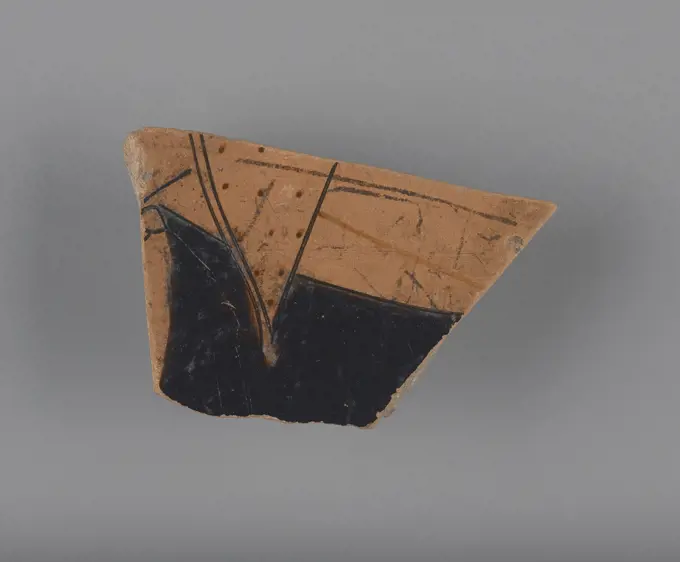
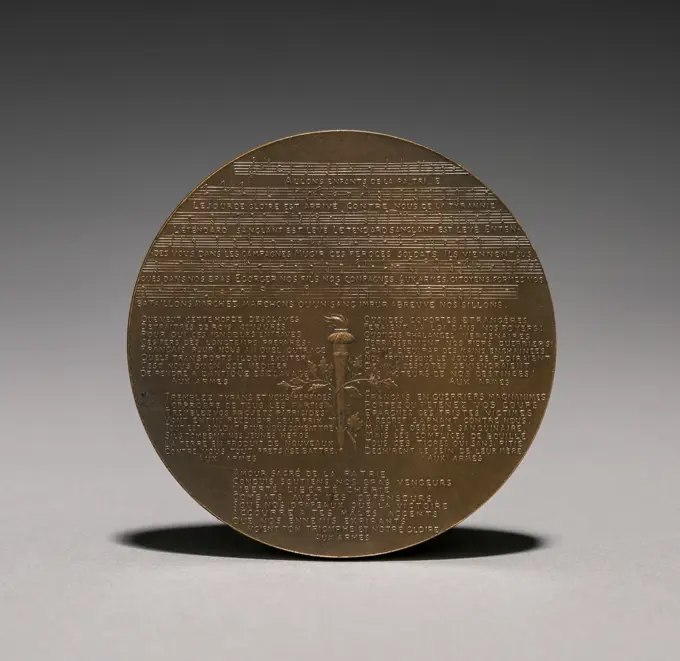
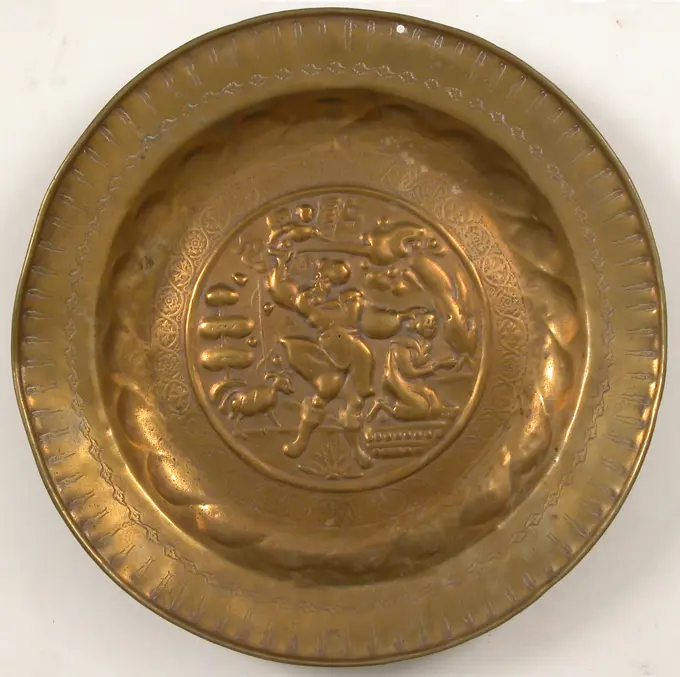
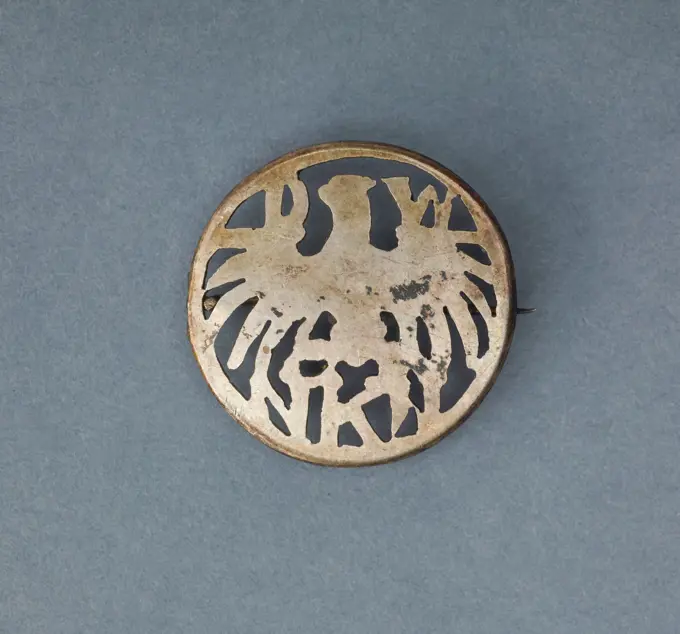
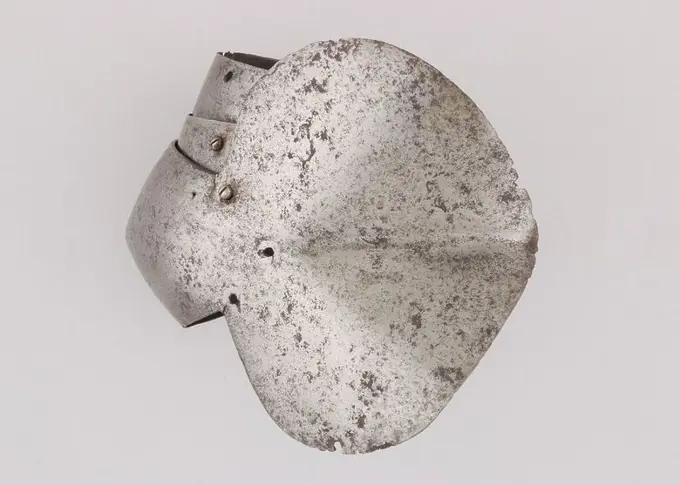
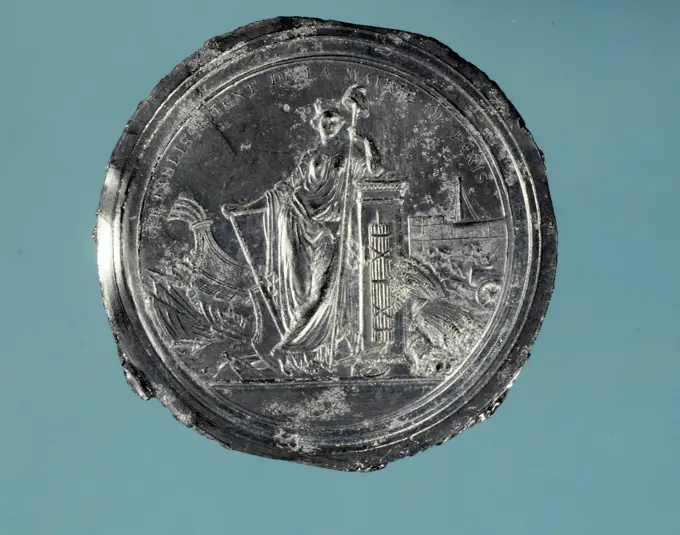
Bronze mirror depicting sea waves and a boat with inscription, anonymous, c. 1200  Korea bronze (metal)  Korea bronze (metal)Planets-manager. Cornalet Collection Sites 2013-2016. Numismatic.Shell Inscribed with the Cartouche of Senwosret I. Dimensions: L. 12.5 × W. 12 cm (4 15/16 × 4 3/4 in.). Dynasty: Dynasty 12. Reign: reign of Senwosret I or later. Date: ca. 1961-1917 B.C. or later.Polished down to its inner layer of nacre (mother of pearl), this iridescent oyster shell has been pierced with two holes so that it could be strung and hung around the neck. The royal name Senwosret has been incised into the surface. It is one of about fifty such shells known, most inscribed, like this example, with the nomen (birth name) Senwosret, or with the prenomen (throne name) Kheperkare. Since Kheperkare is the throne name of Senwosret I, it is generally assumed that it is this king (rather than another of the monarchs with the same name) who is meant here.Although few of these shells have archaeological contexts, several of those that do are connected with military personnel, and therefore may have been worn primarily by soldiers. However, there was no clear evidence of a militarMirror Korea Goryeo dynasty (918-1392) View more. Mirror. Korea. Bronze. Goryeo dynasty (918-1392). MirrorsMirror Korea. Mirror. Korea. Bronze. Goryeo dynasty (918-1392). MirrorsCarnavalet Museum, Medals CollectionBowl. Culture: Cypriot. Dimensions: 1 3/4in. (4.5cm)Other: 5 9/16in. (14.1cm). Date: 750-600 B.C..Decorated with triangular red openings and concentric circles in black. Museum: Metropolitan Museum of Art, New York, USA.Terracotta lid of a lekanis (lidded bowl) late 6th century B.C. Greek, Chalcidian The lid is decorated with battling foot soldiers flanked by animals.. Terracotta lid of a lekanis (lidded bowl). Greek, Chalcidian. late 6th century B.C.. Terracotta; black-figure. Archaic. VasesTsuba, Iron, engraved brass inlay, Tsuba are disk-shaped metal sword guards that prevent the palm of the hand from slipping past the hilt and onto the blade. This tsuba was made during the Keicho period (1596-1615), a time when metalsmiths were beginning to transition from the production of Kyoto swords (old swords in traditional vernacular styles), and began to produce Shinto swords (new swords)., This iron tsuba is shinmaru gata (a true circle) in shape, has a migaki (smooth) surface, and is decorated with an inlaid brass design of a kakiwaki kiri (branch of the paulownia tree) with parted foliage., The inlay technique known as tetsu was a specialty of the Heianjo school of brass inlay in a region of which Kyoto is the center. The suemon taka zogon inlay is high relief with thin, linear carving lines resembling hair., At the center is the nakago-ana, an opening through which the sword passes. On either side are ryo-hitsu, openings for the kozuka (utility knife) and the kogai (skewer Sword Guard (Tsuba) possibly 17th century Japanese A tsuba is a sword guard and part of a sword mounting. It is mounted between the swords blade and grip to protect the users hands.. Sword Guard (Tsuba) 30077Sword Guard (Tsuba) 17th century Japanese A tsuba is a sword guard and part of a sword mounting. It is mounted between the swords blade and grip to protect the users hands.. Sword Guard (Tsuba) 26319Half of Dam disk with portrait: LuCius Septimus Severus ,, 1525 - 1575 L.Septimivs. Severvs. Stubborn. Imp. (Septimius Severus, Romeins Keizer van 193-211). Nuremberg boxwood L.Septimivs. Severvs. Stubborn. Imp. (Septimius Severus, Romeins Keizer van 193-211). Nuremberg boxwoodSaucer with Floral Scrolls late 12th century China. Saucer with Floral Scrolls. China. late 12th century. Silver with chased and repoussé decoration. Southern Song dynasty (1127-1279). MetalworkButton from the wreck of the East India hollandia. Button. (1) Concentric Molding (1.6D, 0.3T)K coin. siege coin diamond -shaped. Front: two stamps: large, round stamp: crowned eagle; Below that: rectangular stamp with year. Reverside: sitting figure in the car without horses holds a branch in the left hand against the body and an opened book opened in her right hand with the show of radiant sun on the left page and on the right -hand page half moon; above her head six -pointed star; Links inscription "Marcvrivs Match silver (metal) striking (metalworking) / engraving  DeventerHalf of Damschijf with portrait: Judith, 2nd wife of Lodewijk de Vrome ,, 1525 - 1575 Ivdith. Lodowici. PILL. Imp. Vxor (Judith, 2nd wife of Lodewijk de Vrome) Nuremberg boxwood Ivdith. Lodowici. PILL. Imp. Vxor (Judith, 2nd wife of Lodewijk de Vrome) Nuremberg boxwoodFalse Coin, Penny, 1013 1025, Mieszko II (1025 1031)Carnavalet museum, medal collectionSword Guard (Tsuba). Culture: Japanese. Dimensions: Diam. 3 3/8 in. (8.6 cm); thickness 3/16 in. (0.5 cm); Wt. 6.2 oz. (175.8 g). Date: late 18th century. Museum: Metropolitan Museum of Art, New York, USA.Mystic Chase of the Unicorn late 15th century German. Mystic Chase of the Unicorn. German. late 15th century. Brass. Metalwork-BrassCarnavalet Museum, Medals CollectionAnnouncement of Poland's independence Raszka, Jan (1871 1945)Sword Guard (Tsuba) 18th century Japanese A tsuba is a sword guard and part of a sword mounting. It is mounted between the swords blade and grip to protect the users hands.. Sword Guard (Tsuba) 26274Mirror with dragons and knob and swirl design 1st century B.C. China. Mirror with dragons and knob and swirl design 74427Bowl. Iraq, 10th century. Ceramics. Earthenware, overglaze luster-paintedSword Guard (Tsuba). Culture: Japanese. Dimensions: H. 3 1/8 in. (7.9 cm); W. 3 1/8 in. (7.9 cm); thickness 3/16 in. (0.5 cm); Wt. 5.3 oz. (150.3 g). Date: late 17th century. Museum: Metropolitan Museum of Art, New York, USA.Plate ca. 1500 German. Plate 468659Plate, Woman Holding Bird and Inscription 15th century Netherlandish. Plate, Woman Holding Bird and Inscription 465979Panel 14th-15th century. Panel 445057Mirror, 1st-2nd century, 6 in. (15.24 cm), Bronze, China, 1st-2nd century, The back of this mirror is decorated with 'TLV' motifs that relate to Han astrological instruments (shi-pan), as well as to the animals of the four directions: dragon, phoenix, tiger, and tortoise with snake. In addition, there are two inscriptions; the first consists of a standard Han wish to be blessed forever with dutiful sons and grandsons, the second verse reads:The bright reflection of this mirror is a reminder that in heaven the dragon and tiger of the four directions protect and bring happiness to the two parents and ensure that sons and grandsons on earth are prosperous and comfortable. The Heavenly Mother will protect your lordship and keep all misfortunes away.Sword Guard (Tsuba) late 17th century Japanese A tsuba is a sword guard and part of a sword mounting. It is mounted between the swords blade and grip to protect the users hands.. Sword Guard (Tsuba) 30056Sword Guard (Tsuba). Culture: Japanese. Dimensions: H. 3 3/8 in. (8.6 cm); W. 3 1/8 in. (7.9 cm); thickness 1/4 in. (0.6 cm); Wt. 5.2 oz. (147.4 g). Date: ca. 1615-1868. Museum: Metropolitan Museum of Art, New York, USA.Sword Guard (Tsuba) with Snail and Gourd, c. 1615-1868. Japan, possibly Edo period (1615-1868). Iron with lead inlay; average: 7.7 x 8.6 cm (3 1/16 x 3 3/8 in.).Powder Flask German ca. 1670-80 This flask combines several techniques for working ivory. The main surfaces are lathe-turned in concentric circles, the center carved in low relief, and the edges carved in high relief with hunters and their prey. View more. Powder Flask. German. ca. 1670-80. Ivory, copper alloy. Firearms Accessories-Flasks & PrimersDenier in Silver from Louis VII (1137-1180) with the bishop of Laon, Roger de Rosoi (1174-1201), 1174-1180 (dummy title) Anonymous. Denier in silver from Louis VII (1137-1180) with the bishop of Laon, Roger de Rosoi (1174-1201), 1174-1180.sesterce; Trajan (53-117; Roman emperor 98-117); 98-117 (112-00-00-117-00-00);Felicitas (personification), heads, abundance horns, laurel wreathsDish early 16th century German. Dish 467586Buckler 1630-1650 Italy. This buckler was intended for use with a rapier. A steel collar around the rim reinforces the plywood core from sword cuts. At the front, a raised ring around the central steel boss was designed to catch and bind the needle-like point of an opponentís blade.. Wood, iron, brass, gilding, silk velvet, and silk damask .Scarab: Scarab Beetle with Hieroglyphs (cobras, anx-signs, nbw-sign). Egyptian. Date: 1950 BC-1773 BC. Dimensions: 2.2 × 1.6 × 1 cm (7/8 × 5/8 × 3/8 in.). Glazed steatite. Origin: Egypt. Museum: The Chicago Art Institute, Chicago, USA. Author: Ancient Egyptian.Mirror with deities and mythical creatures 1st century B.C. China. Mirror with deities and mythical creatures. China. 1st century B.C.. Bronze. Western Han dynasty (206 B.C.-A.D. 9). MirrorsLobed Mirror with Birds, Insects, and Floral Sprays. China. Date: 700 AD-799 AD. Dimensions: Diam. 17.7 cm (7.0 in.); Thickness: 0.7 cm (0.3 in.). Bronze. Origin: China. Museum: The Chicago Art Institute, Chicago, USA.Jar Lid with Name of Thirteenth Dynasty King Mery-hotep-Re Ini. Egypt, Middle Kingdom, 13th Dynasty, reign of Mery-hotep-Re Ini, circa 1700-1698 B.C.. Furnishings; Serviceware. CalciteMirror (Jing) with Mountains, Phoenixes, and Clouds. China, Middle Tang dynasty, about 700-800. Furnishings; Accessories. Cast bronzeDish with Renaissance boss stopped by Hermen. In the flat of the saucer, which has the center point in the middle, stamp forms are punched: a recruited Renaissance dediment with a lid, which is ceased by a male and a female Herm, as well as four times the inscription arranged on shaded background Der in Frid Gehwahrt. Furthermore, along the edge, which has been driven by means of iron wire, a punched ornament of cross flowers. The hanging ring on the back and the hole in the edge are arranged later. The center point has become a small opening.Bowl with Fish, c. 1000-1150. Southwest, Mogollon, Mimbres, Pre-Contact Period, 11th-12th century. Pottery; overall: 10.5 x 24.5 cm (4 1/8 x 9 5/8 in.).Sword Guard (Tsuba), c. 1615-1868. Japan, possibly Edo period (1615-1868). Iron;Batter of a Missaalband, Anonymous, c. 1450 - c. 1500 Ten fittings of a missal band, from brass. The ten volumes are cut from copper plate, driven, engraved and sponed. A copper button with seven facets has sounded on each of them. They are equipped with holes on the corners or along the edge to be able to stock nails, with which they were contested on the book band. Four corner pieces have a rim turned backwards on two sides. The remaining four have that only on the top or bottom (these were placed against the back of the book). Two sides of each corner piece are trimmed with an open edge of cross flowers. The field in the middle is taken by three stilled tiflines. The ornament on the center pieces consists of a plant with three leaves and two flowers in a pot on the corners. The four parts in between are taken by fantasy drugs. Germany (possibly) brass (alloy) cutting / engraving Ten fittings of a missal band, from brass. The ten volumes are cut from copper plate, driven, engraved anSword Guard (Tsuba). Culture: Japanese. Dimensions: H. 2 3/4 in. (7 cm), W. 2 1/2 in. (6.4 cm); thickness 1/4 in. (0.6 cm); Wt. 4.3 oz. (121.9 g). Date: 18th century. Museum: Metropolitan Museum of Art, New York, USA.Sword Guard (Tsuba), 1615-1868. Japan, Edo period (1615-1868). Iron; diameter: 8 cm (3 1/8 in.).Fragment 14th-15th century. Fragment 455193Bliżej Kultury AdrianBatter of a Missaalband, Anonymous, c. 1450 - c. 1500 Ten fittings of a missal band, from brass. The ten volumes are cut from copper plate, driven, engraved and sponed. A copper button with seven facets has sounded on each of them. They are equipped with holes on the corners or along the edge to be able to stock nails, with which they were contested on the book band. Four corner pieces have a rim turned backwards on two sides. The remaining four have that only on the top or bottom (these were placed against the back of the book). Two sides of each corner piece are trimmed with an open edge of cross flowers. The field in the middle is taken by three stilled tiflines. The ornament on the center pieces consists of a plant with three leaves and two flowers in a pot on the corners. The four parts in between are taken by fantasy drugs. Germany (possibly) brass (alloy) cutting / engraving Ten fittings of a missal band, from brass. The ten volumes are cut from copper plate, driven, engraved anOval intaglio. UnknownPlate, Glazed and lustered earthenware, Shallow bowl with slightly flared rim; central impression at inside bottom of the bowl, not visible from reverse; circular foot ring. Decorated in copper red; small animal and two stylized birds to the left and right above, amid profusion of intricate, stylized palmette and fern motifs, set off by a circle. Five-pointed pattern, vaguely reminiscent of a star, encircles the center. Reverse decorated with concentric circles., probably Manises, Spain, late 17th century, ceramics, Decorative Arts, PlateSword Guard (Tsuba) late 18th century Japanese A tsuba is a sword guard and part of a sword mounting. It is mounted between the swords blade and grip to protect the users hands.. Sword Guard (Tsuba) 29536Charger.  Maker: Laurin Hovey Martin, American, 1875-1939Fragment of a Dish 15th century. Fragment of a Dish. 15th century. Stonepaste; polychrome underglaze painted under colorless glaze. Attributed to Egypt. CeramicsBowl No decoration.. Bowl. Silver. Gold and SilverNational Punlet War Manufacture Ronnet in Sedan, French Revolution National Car Weapon Manufacture of Poncelet Ronnet in Sedan, French Revolution . Brass, Revers.Elbląg, bracteate; the 2nd half of the 15th century Kazimierz Jagiello Czyk (1447 92)Pelvic with Adam and Eva and the year 1611, Anonymous, 1500 - 1600 In the flat of the dish, which has the center point in the middle, a representation of Adam and Eva in paradise (Genesis 3, 1-8) and a piece of edge with the text Art al Zeit are punched with the help of stamp shapes on Arated background, which has been repeated four times. A punched ornament has been applied around the letter edge with a sole water bucket as the motif. Rosettes are punched on the board, the private label and the year are engraved and a hole has been drilled. Neurenberg (possibly) brass (alloy) casting / engraving In the flat of the dish, which has the center point in the middle, a representation of Adam and Eva in paradise (Genesis 3, 1-8) and a piece of edge with the text Art al Zeit are punched with the help of stamp shapes on Arated background, which has been repeated four times. A punched ornament has been applied around the letter edge with a sole water bucket as the motif. Rosettes are punched onOvale on -board node of Niellozilver decorated with seven stars, 1900 - 1925 Oval on -board node of Niellozilver decorated with seven stars. West-Europa silver (metal). Niello (technique) Oval on -board node of Niellozilver decorated with seven stars. West-Europa silver (metal). Niello (technique)Marsh-Bowl of Rennefer ca. 1504-1447 B.C. New Kingdom This and a second bowl (35.3.78) were found with the burial of a woman named Rennofer in the tomb of her husband, Neferkhawt. Like many faience bowls of early Dynasty 18, this one is decorated on the inside with lotus blossoms and buds growing from a pond which is painted like a checker board.. Marsh-Bowl of Rennefer. ca. 1504-1447 B.C.. Faience, paint. New Kingdom. From Egypt, Upper Egypt, Thebes, Asasif, Tomb of Neferkhawet (MMA 729), west chamber A, Burial of Rennefer (II), in coffin, near head, MMA excavations, 1935-36. Dynasty 18, earlyBox of copper with portrait of Gustaaf II Adolf van Sweden, after 1631 - c. 1650 Octagonal box of copper. The lower half goes up in a sharp line via an octagonal surface in reverse, after which the upper half with a sharp bend runs conically. The top is closed with an octagonal lid with the Gustaaf II Adolf van Sweden portrait on it in an oval medallion. On the underside, a standing lion in an oval medallion is depicted with shield and sword. A text is installed on the sides in the midst of a few flowers. Northern Netherlands copper (metal) casting / engraving Octagonal box of copper. The lower half goes up in a sharp line via an octagonal surface in reverse, after which the upper half with a sharp bend runs conically. The top is closed with an octagonal lid with the Gustaaf II Adolf van Sweden portrait on it in an oval medallion. On the underside, a standing lion in an oval medallion is depicted with shield and sword. A text is installed on the sides in the midst of a few flowers. NorBol ". GRS Covered Verdtre. VII-IXME SICLE. Paris, MUSE CERUNUSCHI. Asian art, extreme-East art, Vietnamese art, bowl, ceramic, gres, dishesCarnavalet Museum, Medals CollectionFive Hand Guards (TSUBA), Kunihiro, 1800-1900 Rounded rectangular tsuba with raised edge; image in sunken relief of the "demonstrator" Shoki who chases a devil through one of the Ryo-Hitsu; some details in gold, silver, copper and shibuichi; Signed "Kunihiro". Japan iron (metal). gold (metal). silver (metal). copper (metal) Rounded rectangular tsuba with raised edge; image in sunken relief of the "demonstrator" Shoki who chases a devil through one of the Ryo-Hitsu; some details in gold, silver, copper and shibuichi; Signed "Kunihiro". Japan iron (metal). gold (metal). silver (metal). copper (metal)Grahal-Manzara. Carnavalet 2013-2016 collection sites. Numismatics. Brezin 1792.Mount; 1904-21-38-a,bHalles and Markets of Paris: Beaussier, Ancien Régime Halles and Markets of Paris: Beaussier, Ancient Diet ". Bronze.Vamplate Belonging to an Armor for Field and Tournament Made for Duke Nikolaus "The Black" Radziwill (1515-1565), Duke of Nesvizh and Olyka, Prince of the Empire, Grand Chancellor and Marshal of Lithuania. Armorer: Kunz Lochner (German, Nuremberg, 1510-1567). Culture: German, Nuremberg. Dimensions: D. 8 1/2 in. (33.3 cm); H. 4 7/8 in. (12.4 cm); Diam. 13 1/8 in. (33.3 cm); Wt. 3 lb. 3 oz. (1454 g). Date: ca. 1555; probably repainted later. Museum: Metropolitan Museum of Art, New York, USA.André Metthey (1871-1920). Flat. Sandstone. Museum of Fine Arts of the City of Paris, Petit Palais. Art Menager, GRES, dishes, 19th 19th 19th 19th 19th 19th century, dishPlate with Wife Beating Husband ca. 1480 Netherlandish The scene on this copper plate is usually thought to represent Aristotle being ridden by Phyllis, but it may be more accurately identified as a general depiction of a womans tyrannical rule. Spinning has throughout the ages been considered the work of women. By the time this plate was made, a relatively sophisticated type of spinning wheel had been developed, as seen in an illustration in Das Mittelalterliche Hausbuch of about 1480. The object to the left in this plate represents the method of spinning wool by hand from a fixed distaff (which had the advantage of leaving both hands free, one to rotate the spindle and the other to draw out the fibers). The yarn spun onto the spindle, however, could not be slipped off but had to be wound off with a cross-reel such as that held by the men on this plate. The fact that a man could be reduced to hank winding would alone have been quite amusing to Medieval viewers, but that he has been rHand Guard, GOTO MITSUYOSHI, 1800-1830 Oval tsuba with a box in the form of a dog (inubariko) and some cherry blossoms at the front in Iroe Takazogan; At the rear a cherry blossom and two shells; Signed "Goto Mitsuyoshi". Japan silver (metal). gold (metal) Oval tsuba with a box in the form of a dog (inubariko) and some cherry blossoms at the front in Iroe Takazogan; At the rear a cherry blossom and two shells; Signed "Goto Mitsuyoshi". Japan silver (metal). gold (metal)Namban type tsuba  fish and dragons in waves and flashes unknownCopper scale decorated with fish. The driven dish has a deep mirror surrounded by a wide edge, on which a driven decoration is embossed, consisting of a long-tailed fishing cup surrounded by two fishing head that can be seen straight from the front. This motif is repeated three times. The surface of this decoration has been nuanced with different punch stamps, the details are engraved as the scales are engraved. An eye with screws is arranged at the rear to attach to the wall. The screws are visible at the front.Attic Red-Figure Fragment; Attributed to the Berlin Painter (Greek (Attic), active about 500 - about 460 B.C.); Athens, Greece; 5th century B.C; Terracotta; 3.9 cm (1 9,16 in.)Medal of Claude Joseph Rouget de L'Isle (1760-1836) (reverse), 1911. Alfred Borrel (French, 1836-1927). Bronze; overall: 5.8 x 0.5 cm (2 5/16 x 3/16 in.). The French sculptor and medalist Alfred Borrel (1836-1927) created this portrait medal to commemorate the 75th anniversary of Rouget de L'Isle's death in 1836, the same year in which the sculptor was born.Sword Guard (Tsuba) late 18th century Inscribed by Bairyūken Kiyotatsu Japanese This tsuba features a design of a six-fold screen.. Sword Guard (Tsuba) 34456Disk Brooch 6th century Frankish. Disk Brooch 465056 Frankish, Disk Brooch, 6th century, Silver-gilt on iron core, garnet, mother of pearl, Overall: 15/16 x 1/4 in. (2.4 x 0.6 cm). The Metropolitan Museum of Art, New York. Gift of J. Pierpont Morgan, 1917 (17.191.34)bracteate denarius. Zakon krzyżacki (1190-), issuerDish early 16th century German. Dish 467583Military Department Badge N.K.N.Rembrandt-Penning, 1988, Vincent Pieter Semeyn Esser, 1988 history medal Bronze medal. Front: Rembrandt's head. Reverse: the letter R. bisquit of this is also present. Netherlands Brazier: Haarlem bronze (metal)Kuchenplatte van Tin with engraved representation of the crucifixion, anonymous, 1525 - 1575 Tin round plaque, a so -called coughplatte, with engraved representation of the crucifixion. Central is Christ on the cross with the inscription Inri against a background with clouds. Next to him Maria and Johannis. At the far left and right, some structures are depicted. Germany tin (metal) casting / engraving Tin round plaque, a so -called coughplatte, with engraved representation of the crucifixion. Central is Christ on the cross with the inscription Inri against a background with clouds. Next to him Maria and Johannis. At the far left and right, some structures are depicted. Germany tin (metal) casting / engravingElbow Defense (Couter). Culture: Italian. Dimensions: H. 6 in. (15.2 cm); W. 5 3/4 in. (14.6 cm); D. 7 in. (17.8 cm); Wt. 12.7 oz. (360 g). Date: ca. 1430-40. Museum: Metropolitan Museum of Art, New York, USA.Fragrance Box (lid), 1700s. China, Qing dynasty (1644-1911). Tortoiseshell; diameter: 8.6 cm (3 3/8 in.).Bord, anonymous, c. 1550 - c. 1600 Round plate of multi -colored painted majolica. On the flat, the letters IHS are painted in concentric circles (the H forms a cross), surrounded by spirals in blue. A blue band with comma-like signs is painted on the edge. Netherlands earthenware. tin glaze. lead glaze majolica Round plate of multi -colored painted majolica. On the flat, the letters IHS are painted in concentric circles (the H forms a cross), surrounded by spirals in blue. A blue band with comma-like signs is painted on the edge. Netherlands earthenware. tin glaze. lead glaze majolicaMirror with Linked Arcs and Kui Dragons, 2nd century. China, Eastern Han dynasty (25-220). Bronze; diameter: 12.5 cm (4 15/16 in.); overall: 1.3 cm (1/2 in.); rim: 0.4 cm (3/16 in.).Cameo Gem with a Hand pinching an Ear. UnknownKnoop, Anonymous, 1775 - 1800 button Round button with eccentric concentric lines in the middle, deposited by a narrow border with drop ornaments. The quoted middle part suggests an Oranjezoon. Back Numbered 773. Netherlands copper (metal) cutting  NetherlandsEstablishment of the Paris town hall. Uniface test Augustin Dupr� (1748-1833). Medal: Establishment of the Paris City Hall (1789); Uniface test. Etain, 1789.Bowl with Leaf Calyx Medallion. Unknown. Completed rectangular tsuba with front side in Katakiri-Bori on the red-brown front side in Katakiri-Bori; a chestnut twig and a few leaves on the yellow-brown tinted back; Signed "Kanaya GorosaBuro so" ().Copper Disk Ornament 3rd century B.C.-A.D. 2nd century Vicús (). Copper Disk Ornament 315234Sword Guard (Tsuba). Culture: Japanese. Dimensions: H. 2 7/8 in. (7.3 cm); W. 2 11/16 in. (6.8 cm); thickness 3/16 in. (0.5 cm); Wt. 3.7 oz. (104.9 g). Date: 18th century. Museum: Metropolitan Museum of Art, New York, USA.Gaming Piece (reverse), c.1700. Martin Brunner (German, 1659-1725). Wood; diameter: 6.1 cm (2 3/8 in.); overall: 1.3 cm (1/2 in.).Daalder, emergency coin from Zierikzee, later exit of an emergency coin during the siege, Anonymous, 1576 coin. siege coin Diamond -shaped emergency coin of a descendant of the siege of Zierikzee. Front: three stamps above each other; From bottom to top: state weapon: coat of arms within oval edge of the pearl; city coat of arms: coat of arms in Cartouche within pearl edge and engraved display; year in cartouche; around it: engraved ornament. Reverse: Helmde Mars, representing Willem I, Prince of Orange with spear in the left and shield in the right hand; In the background: hilly landscape and church inside. Netherlands silver (metal) striking (metalworking) / engraving  ZierikzeePottery dover, damper decorated with carving, tunnel-shaped handle, domper fireplaces earthenware ceramic pottery, hand turned hand shaped baked carved earthenware dover domper rose red shard unglazed with handle. Nickel trim on the top. Tunnel-shaped handle Round model at the top ten curved surfaces and eleven points Decoration consists of series of mespoints running along lines. On the underside is rectangle notched archeology indigenous pottery hearth room heatingJelec (Tsuba);  18th century (1701-00-00-1800-00-00);