Historical Artifacts and Collectibles

Unique historical items including a snuffbox, votive fragments, and decorative pottery, showcasing intricate detailing and cultural significance from various eras.

Discount Scherf of earthenware with a flower drawing in a circle, in underly glaze blue, anonymous, 1500 - 1799   earthenware. glaze   earthenware. glaze
Discount Scherf of earthenware with a flower drawing in a circle, in underly glaze blue, anonymous, 1500 - 1799 earthenware. glaze earthenware. glaze
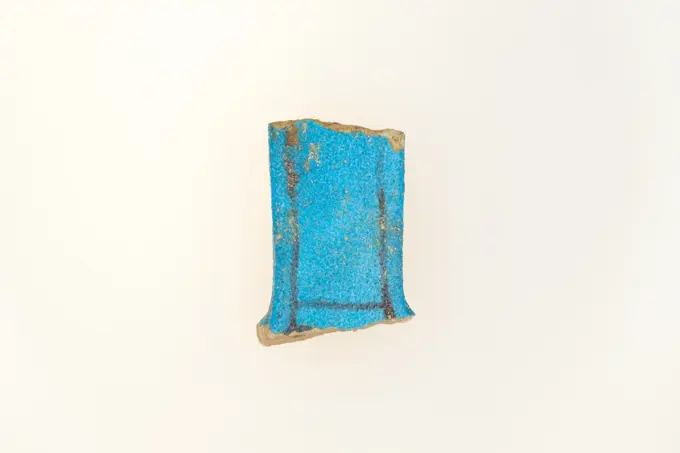
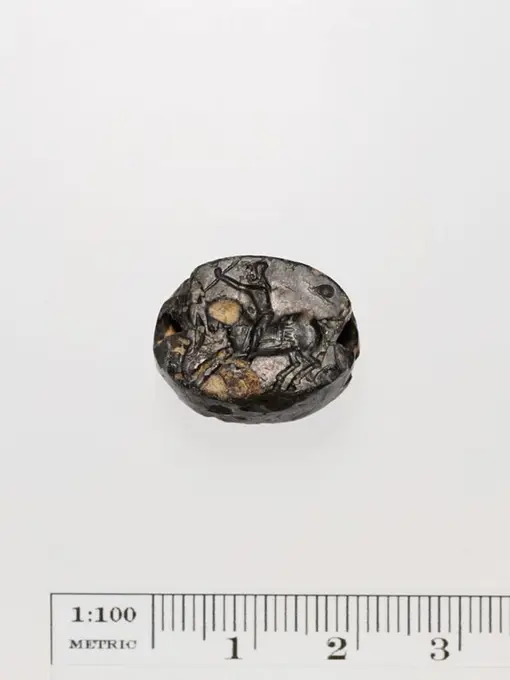
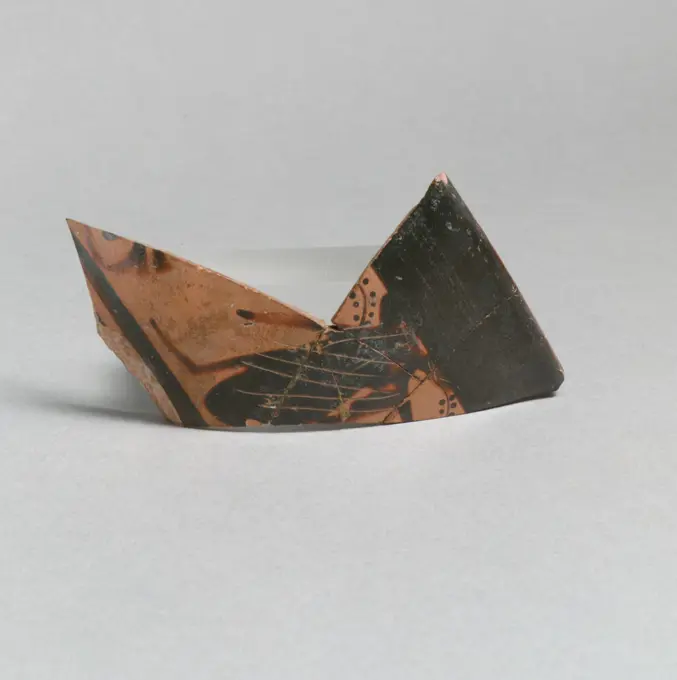
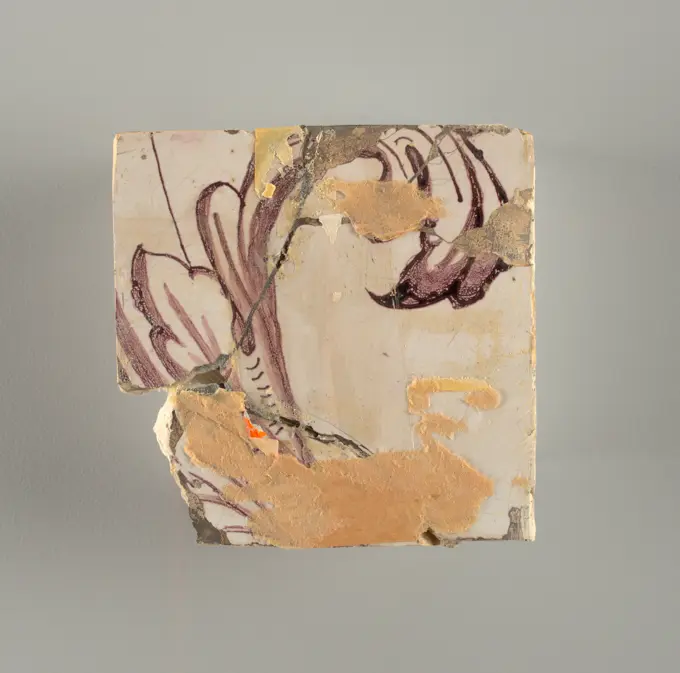
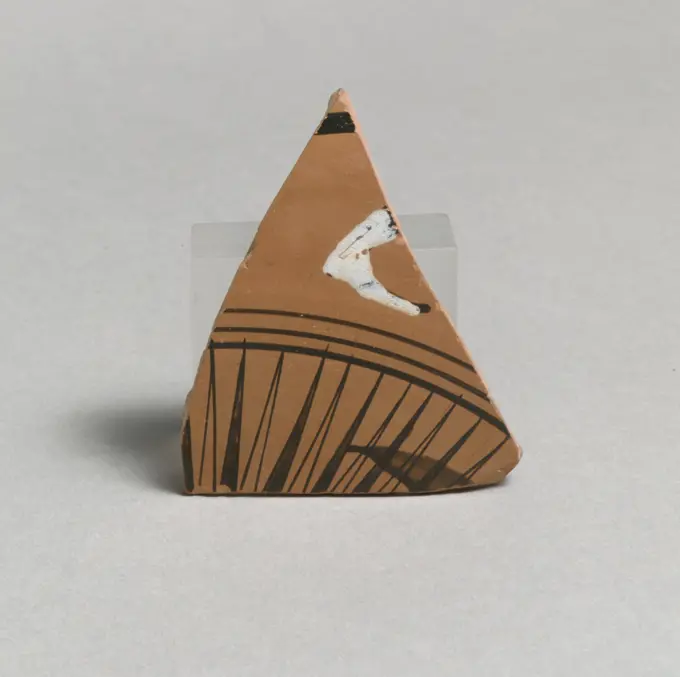
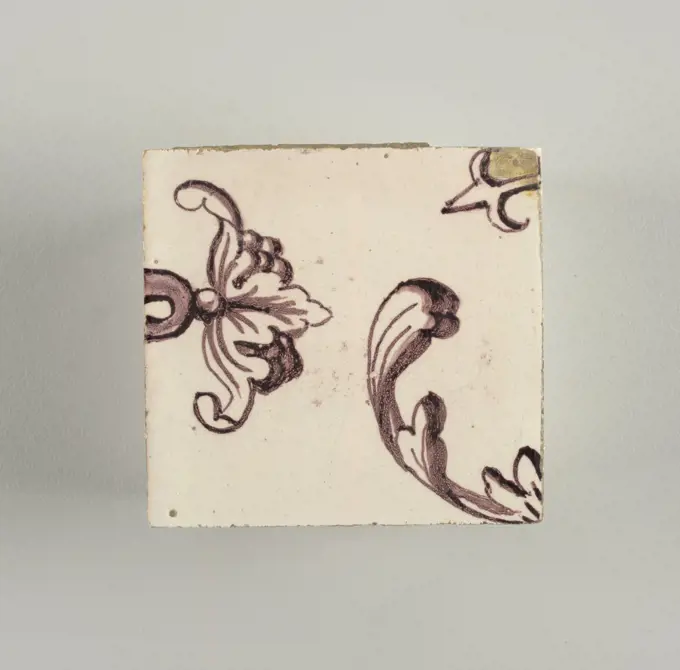
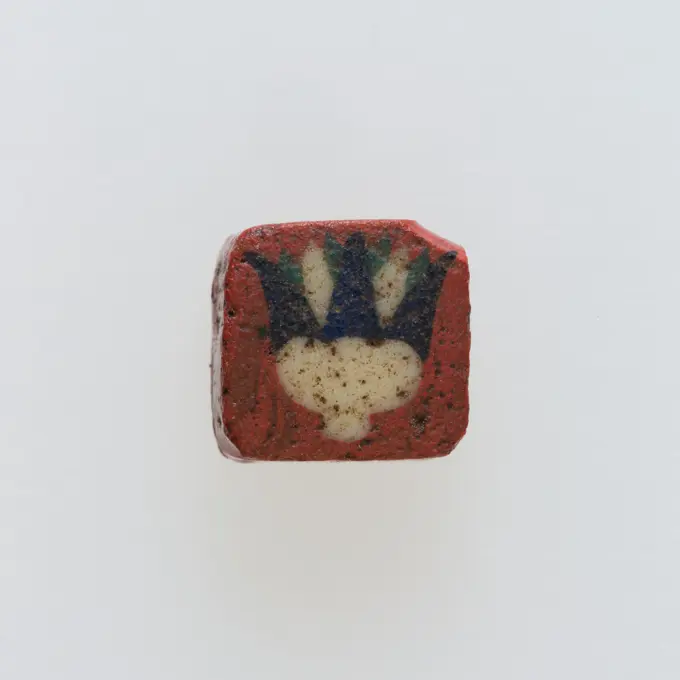
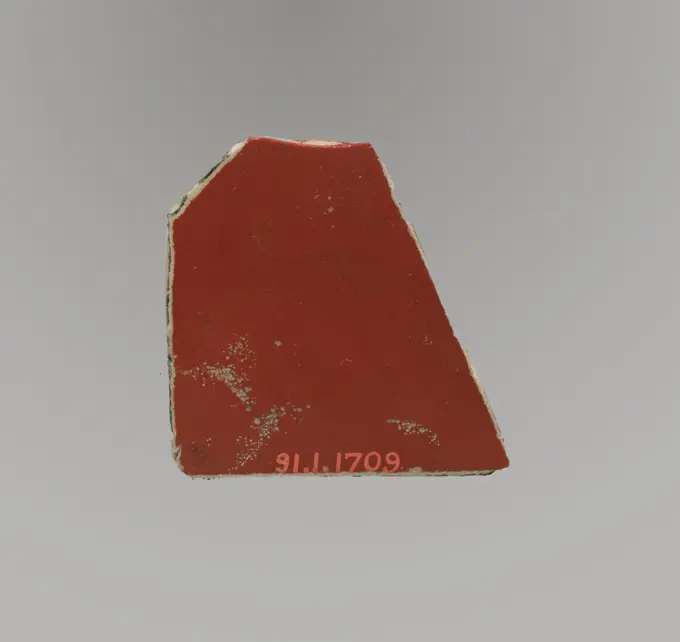
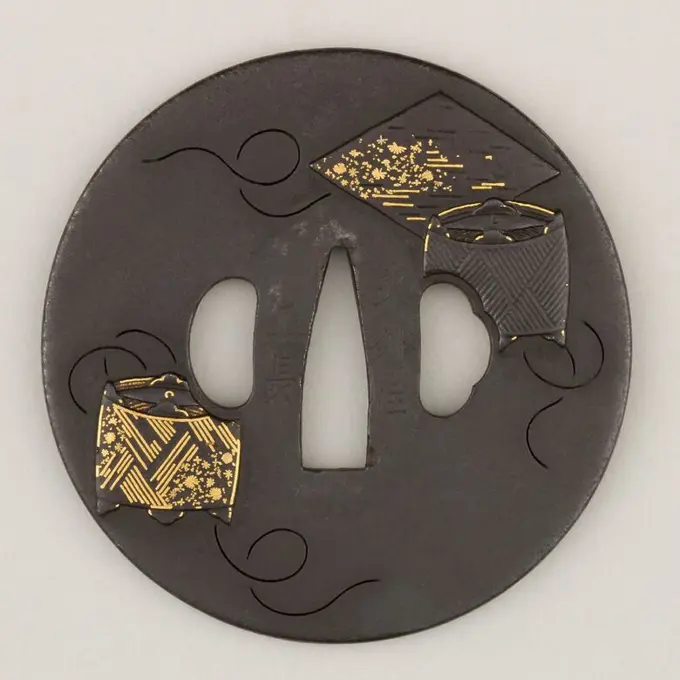
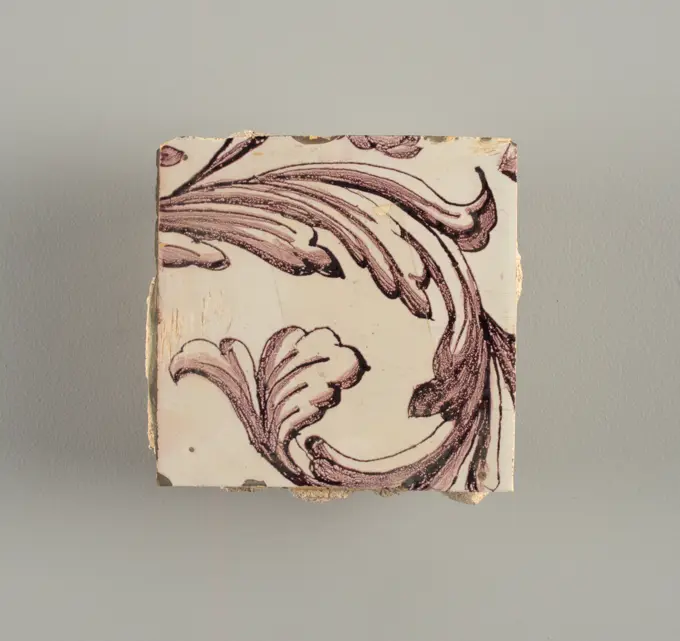
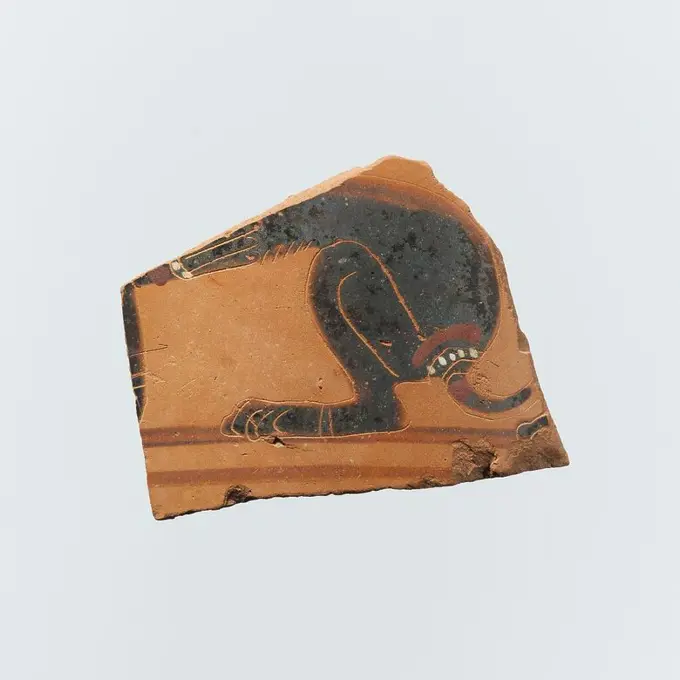
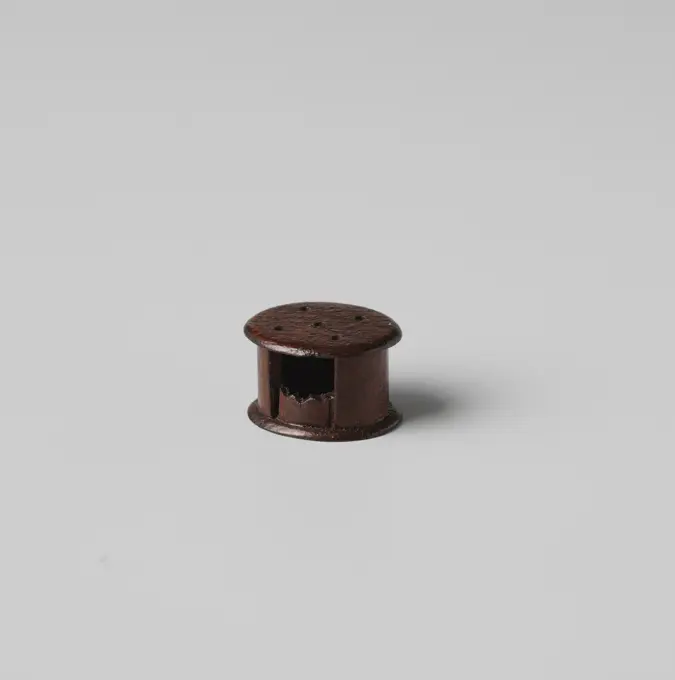
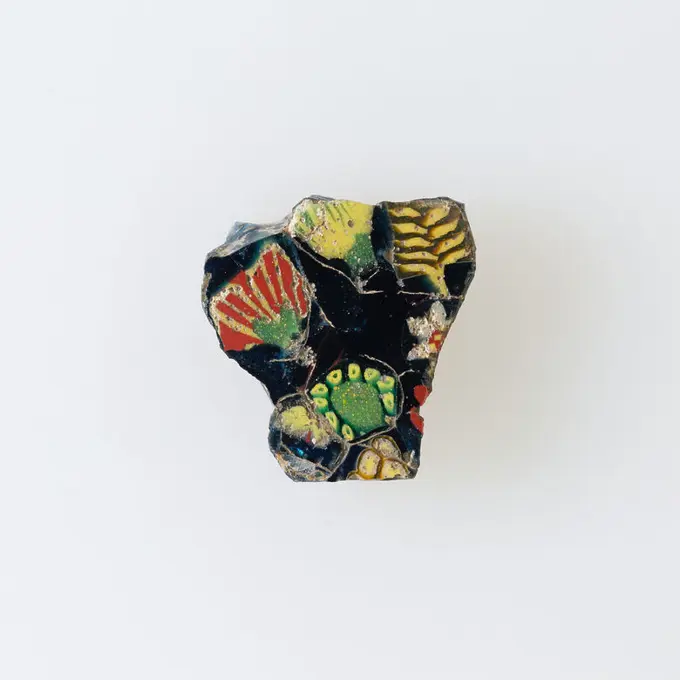
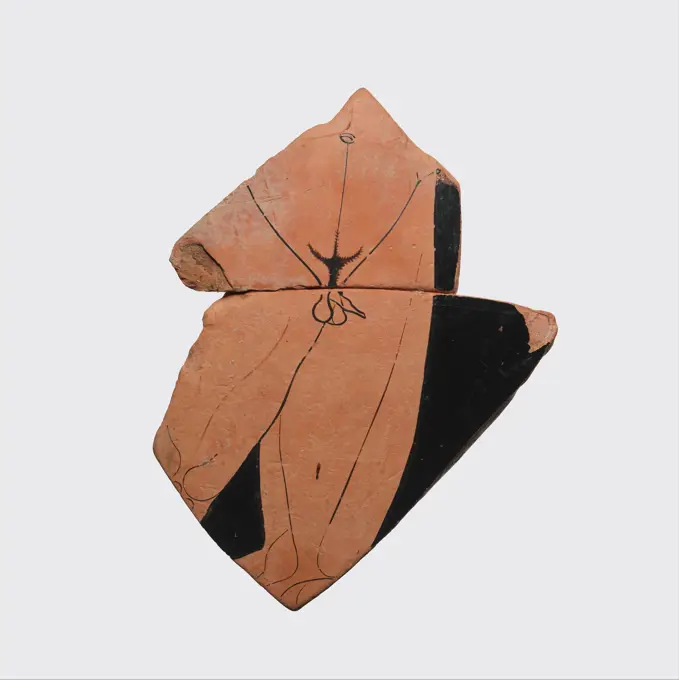
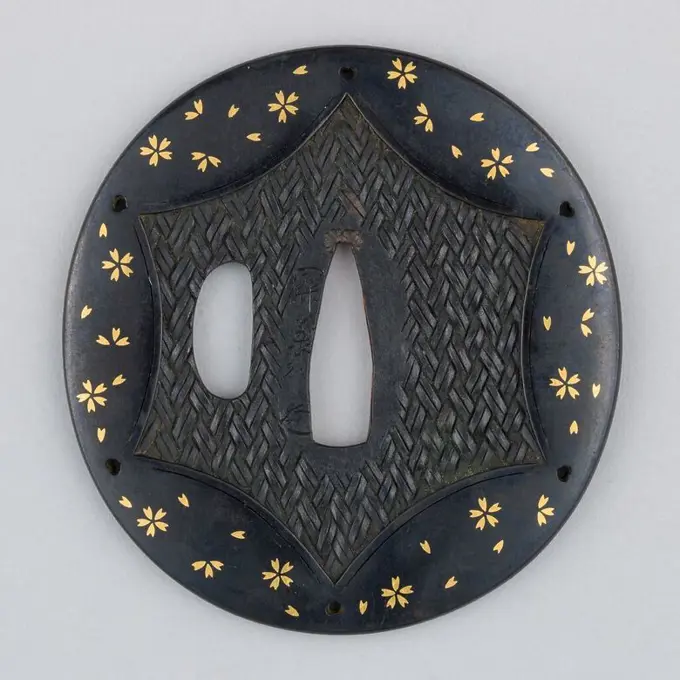
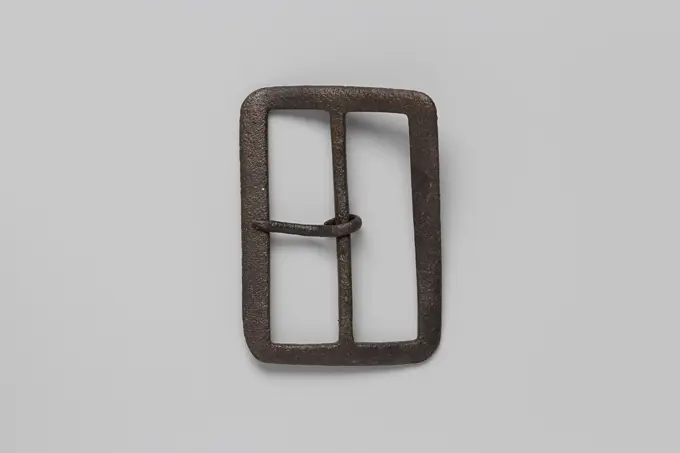
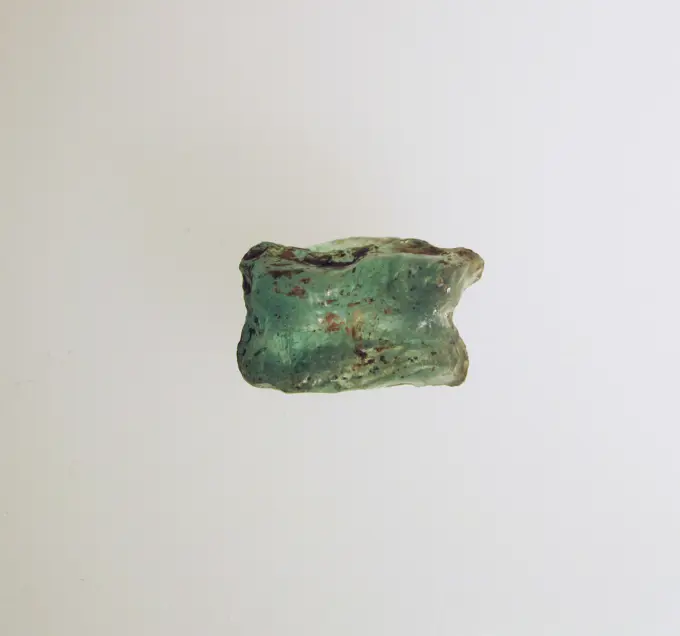
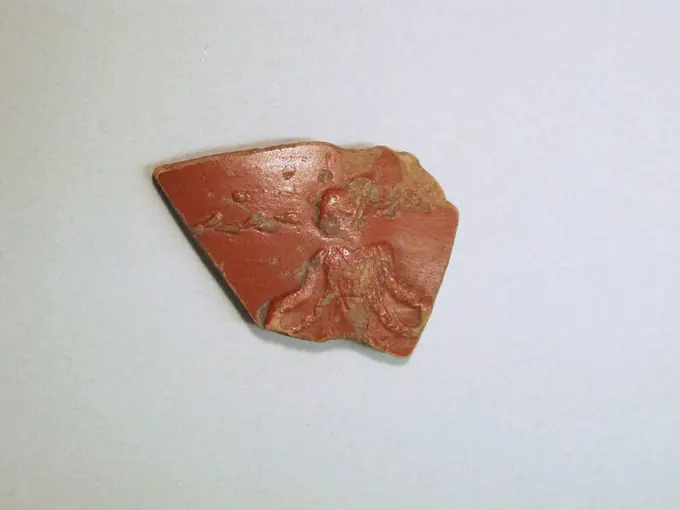
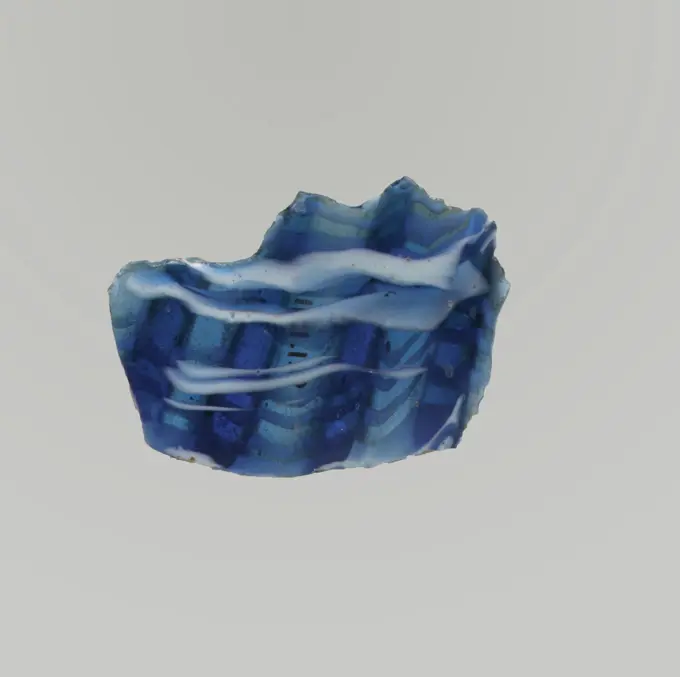
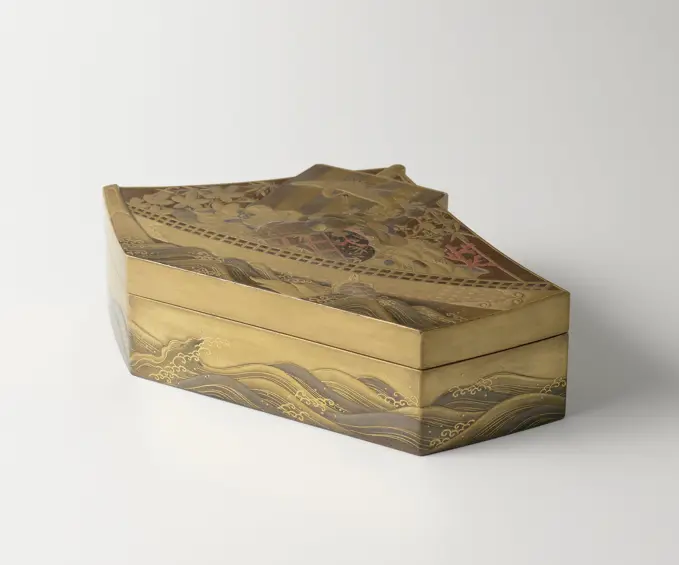
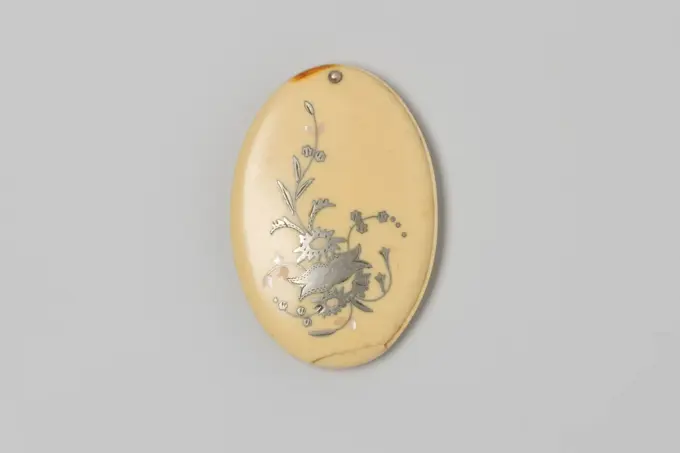
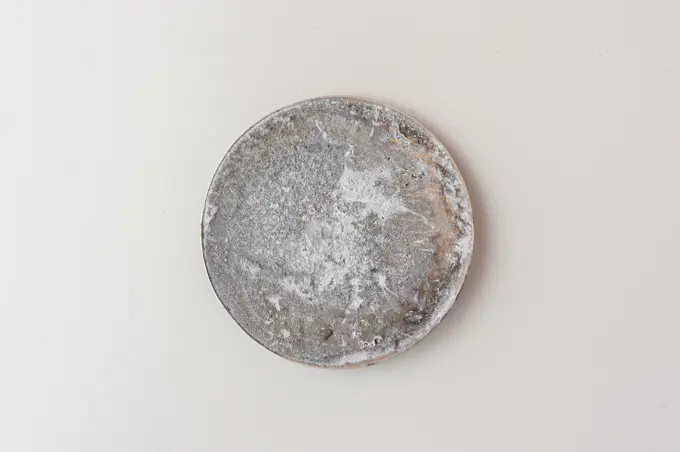
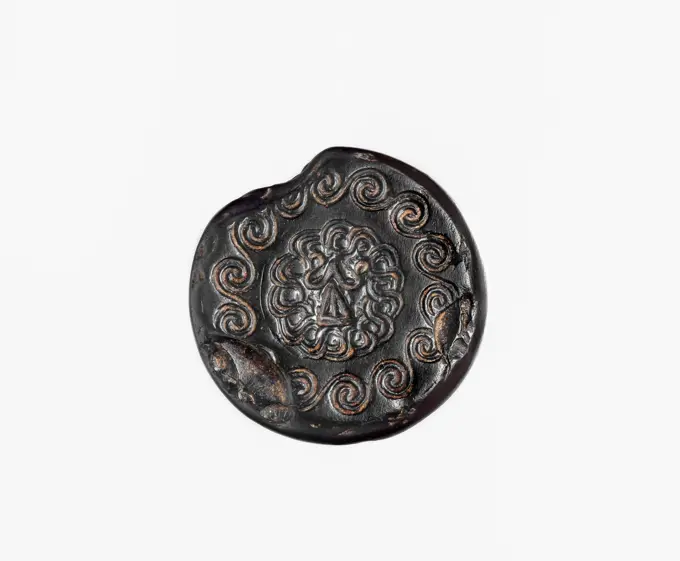
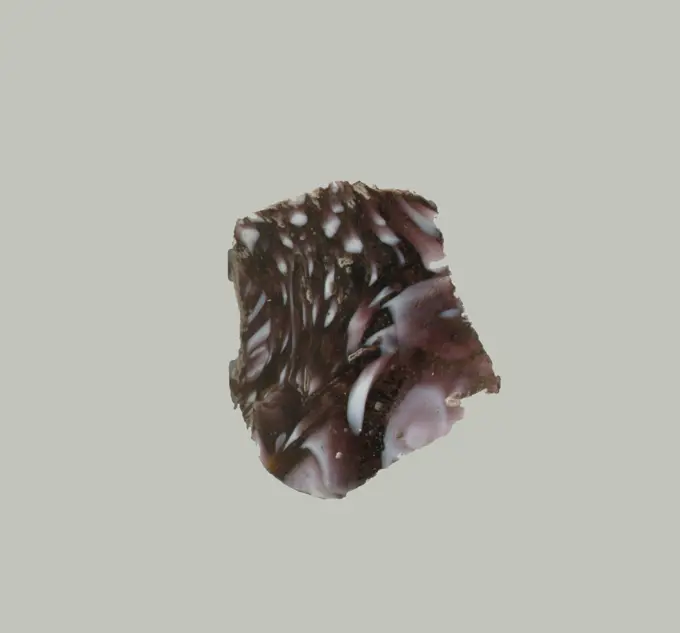
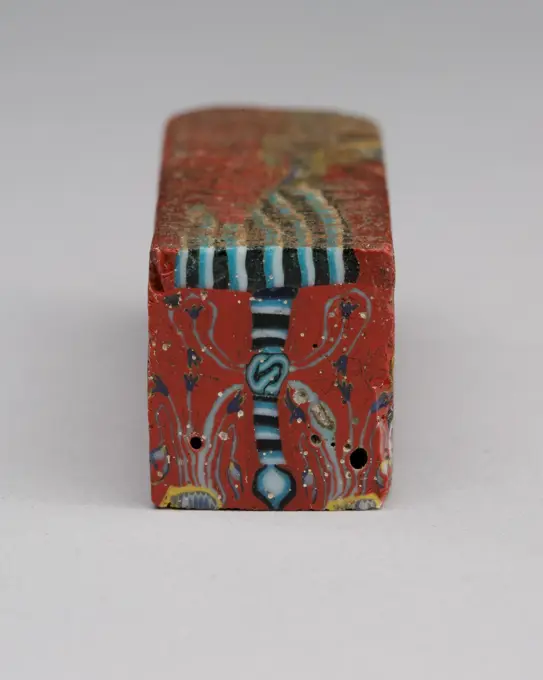
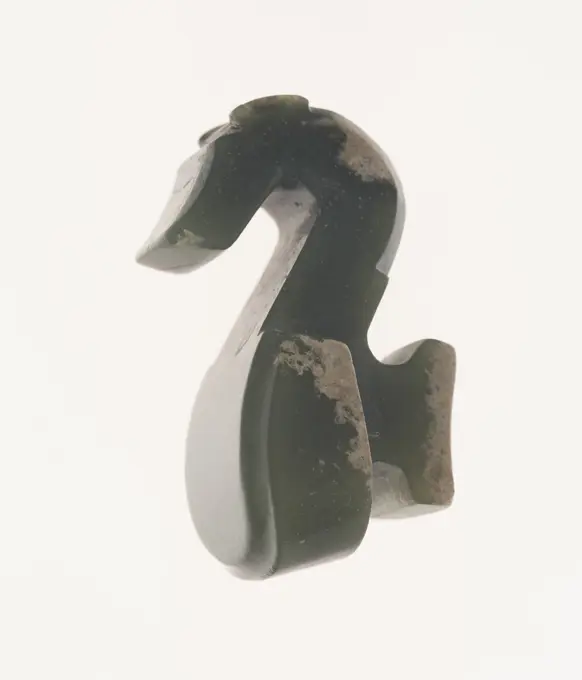
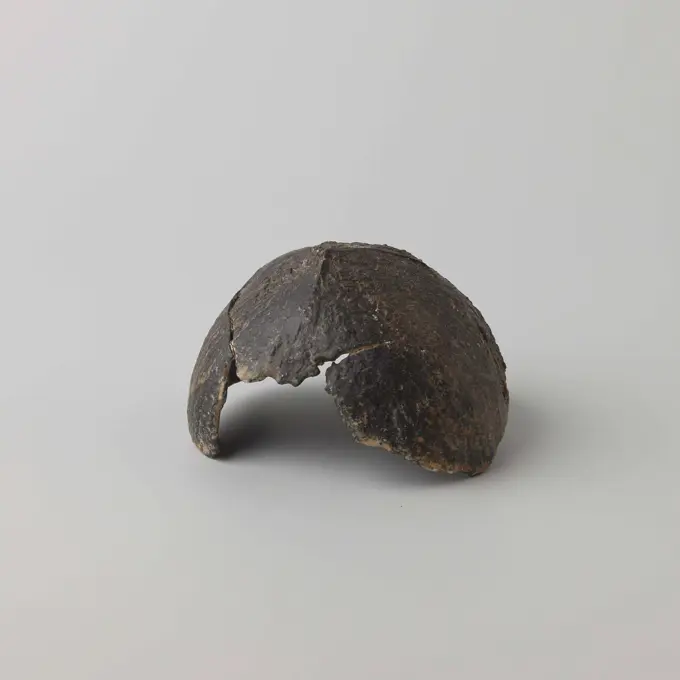
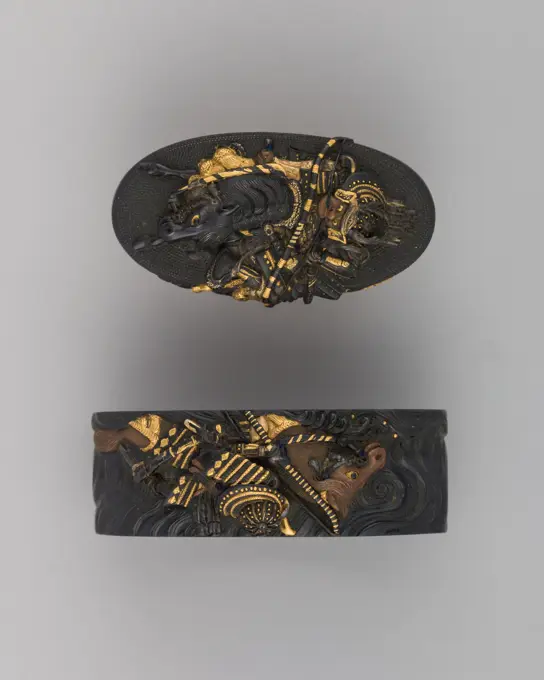
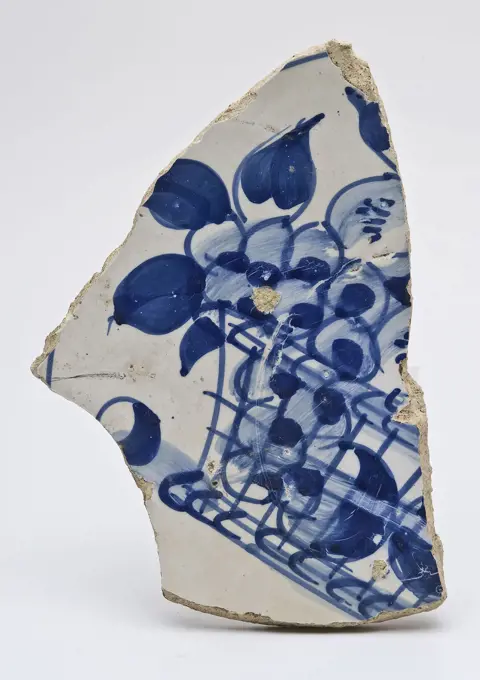
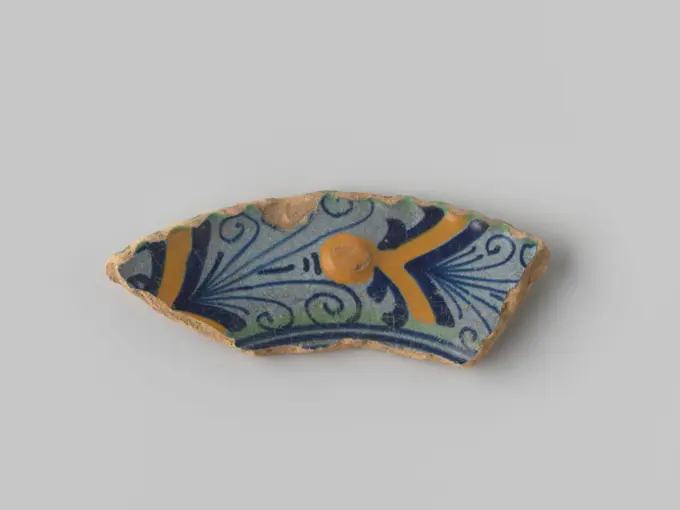
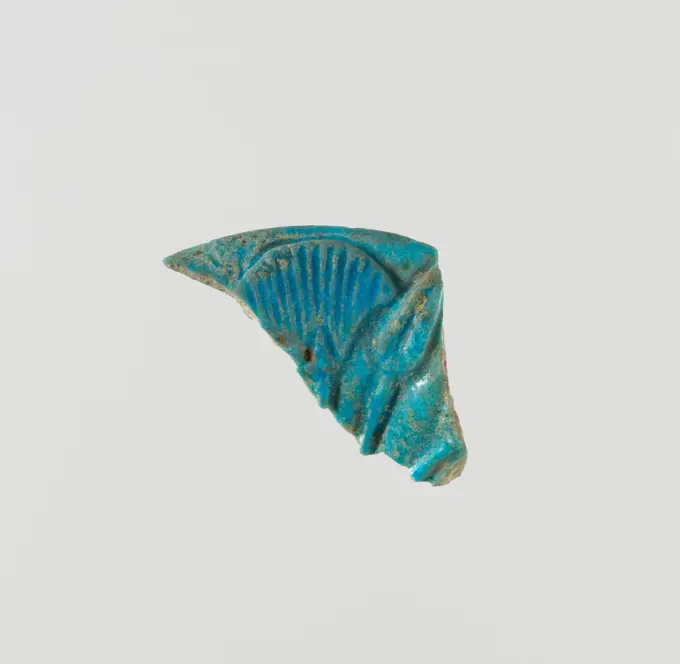
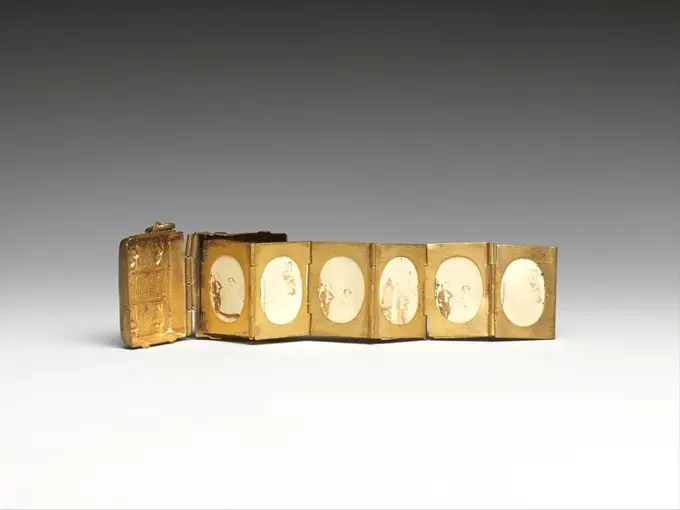
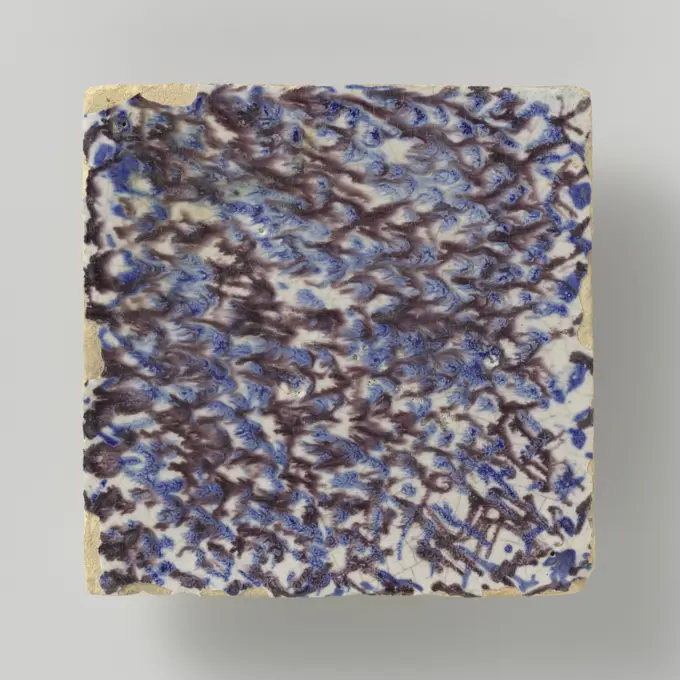
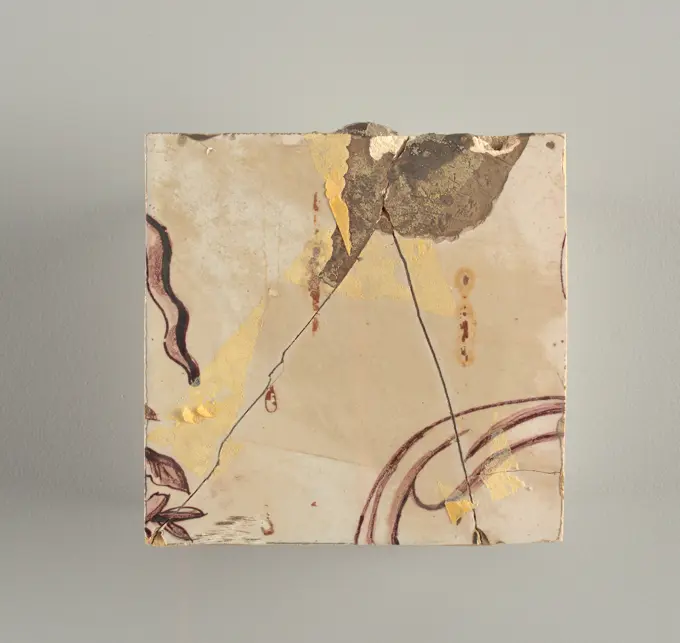
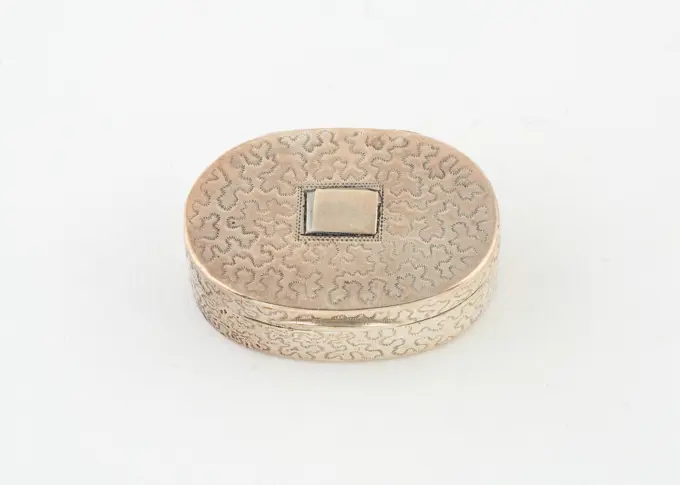
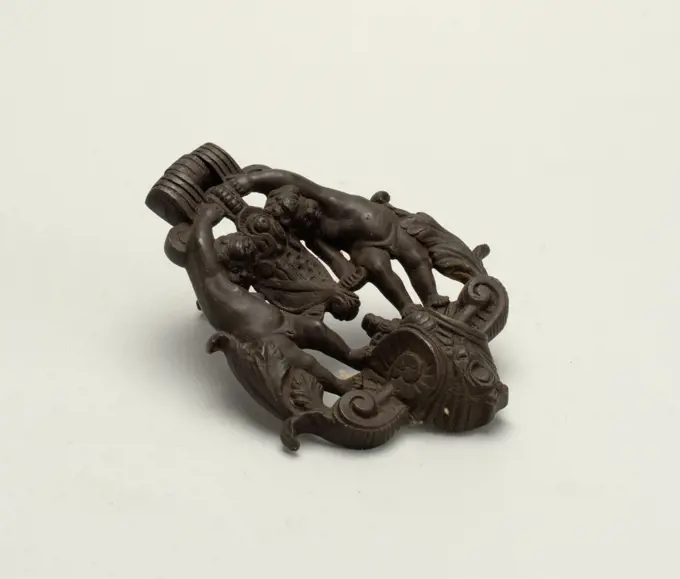
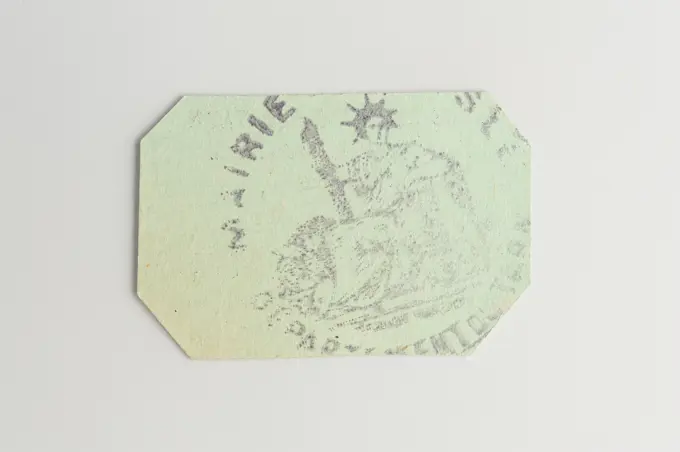
Snuffbox. Continental Europe, possibly Netherlands. Date: 1835-1845. Dimensions: 3.5 × 2.5 cm (1 3/8 × 1 in.). Burled wood. Origin: Europe. Museum: The Chicago Art Institute, Chicago, USA.Votive Menat fragments ca. 1479-1458 B.C. New Kingdom. Votive Menat fragments. ca. 1479-1458 B.C.. Faience. New Kingdom. From Egypt, Upper Egypt, Thebes, Deir el-Bahri, Hatshepsut Hole, Hathor Shrine, MMA excavations, 1922-23. Dynasty 18Carnavalet museum, Sceaux collectionDiscount Scherf of earthenware with a flower drawing in a circle, in underly glaze blue, anonymous, 1500 - 1799   earthenware. glaze   earthenware. glazeInkwell Stand (Philippines); metal, applied wireWall Facing (Holland); tin-glazed earthenware, underglaze; 5 tiles tall, various wideCorner piece of a book fittings (). Corner piece of a book fittings () Of brass.Black jasper scaraboid seal. Culture: Greek, Ionian. Dimensions: L. 2 cm. Date: 2nd half of the 5th century B.C..Persian horseman spearing a Greek foot soldier. Museum: Metropolitan Museum of Art, New York, USA.Menat fragment ca. 1479-1458 B.C. New Kingdom. Menat fragment. ca. 1479-1458 B.C.. Faience. New Kingdom. From Egypt, Upper Egypt, Thebes, Deir el-Bahri, Hatshepsut Hole, MMA excavations, 1922-23. Dynasty 18Wall Facing (Netherlands); tin-glazed earthenware, underglaze; 5 tiles tall, various wideSkyphos fragments, 4 ca. 500-475 B.C. Greek, Attic Four joined fragments of a dancing woman among vines.. Skyphos fragments, 4 252596 Greek, Attic, Skyphos fragments, 4, ca. 500475 B.C., Terracotta, H. 3 in. (7.6 cm). The Metropolitan Museum of Art, New York. Gift of The American Society for the Excavation of Sardis, 1926 (26.199.250, .251)Wall Facing (Netherlands); tin-glazed earthenware, underglazeKylix, eye-cup fragment 3rd quarter of the 6th century B.C. Greek, Attic. Kylix, eye-cup fragment 256789Sharf of ross -baking earthenware, with blue glaze at the top, painted with part of a bush flowers in earth, in yellow, orange, white and brown, anonymous, 1600 - 1650  Northern Netherlands earthenware. glaze majolica  Northern Netherlands earthenware. glaze majolicaPanel, Tin-glazed earthenware, underglaze manganese decoration, Tile from upright rectangular panel of tiles; dark purple (manganese) on white ground showing arched framework; oval cartouche bearing double monogram (probably Lubert Adolf Torck), supported by pair of nude amors; pair of small amors holding crown above, borne by pair of female terms; surrounded by leafscrolls and foliations, with pair of flower-filled urns; top center, lunetted amor's head pendented with rosetted lattice cartouche., To be used in Rozendaal Castel. Intended to be viewed inset into a wall- indicated by the inclusion of a trompe-l'oeil marbleized edge that surrounds three sides of the panel., Possibly Rotterdam, Holland, Possibly Delft, Netherlands, ca. 1725, tiles, Decorative Arts, PanelWall Facing (Holland); tin-glazed earthenware, underglazeTile from the castle of Breda, Anonymous, c. 1500 - c. 1550 Floor tile with a multicolored (blue, green and orange) decoration of a radical motif. Antwerp earthenware. earthenware. tin glaze majolica  Breda Floor tile with a multicolored (blue, green and orange) decoration of a radical motif. Antwerp earthenware. earthenware. tin glaze majolica  BredaInlay, lotus 100 BC-100 AD Ptolemaic Period-Roman Period A mosaic glass technique allowed multiples of an image to be created: a figural or design composition was made by bundling colored glass canes, which were then drawn out into a long bar. The bar was then sectioned at right angles, probably by striking the bar with appropriate tools, to produce small inlay tiles. The tile would then be smoothed and polished on the face intended to appear outwards.. Inlay, lotus. 100 BC-100 AD. Glass. Ptolemaic Period-Roman Period. From EgyptFragment of a terracotta architectural tile 6th century B.C. Lydian Wedge-shaped pattern, from a roof.. Fragment of a terracotta architectural tile 252777 Lydian, Fragment of a terracotta architectural tile, 6th century B.C., Terracotta, Overall: 5 3/4 x 2 1/8 in. (14.6 x 5.4 cm). The Metropolitan Museum of Art, New York. Gift of The American Society for the Excavation of Sardis, 1926 (26.199.210)Glass monochrome inlay fragment 1st half of 1st century A.D. Roman Fragment of revetment plaque.Opaque red.Flat inlay, square or rectangular, with two straight edges.Polished upper side; pitting of surface bubbles on upper side; gritty encrustation and thick green weathering on underside; similar weathering on all but one broken edge.. Glass monochrome inlay fragment. Roman. 1st half of 1st century A.D.. Glass; cast. Early Imperial, Julio-Claudian. GlassPanel; tin-glazed earthenware, underglaze manganese decoration; Overall: H: 147.3 x W: 85.1 cm (58 x 33 1/2 in.)Sword Guard (Tsuba). Culture: Japanese. Dimensions: Diam. 3 1/8 in. (7.9 cm); thickness 1/4 in. (0.6 cm); Wt. 5.3 oz. (150.3 g). Date: 18th century. Museum: Metropolitan Museum of Art, New York, USA.Wall Facing (Holland); tin-glazed earthenware, underglazeTile, Anonymous, 1600 - 1800 Tile painted in yellow and purple with star pattern. Morocco (Possible) Tunisia (Possibly) earthenware. tin glaze majolica Tile painted in yellow and purple with star pattern. Morocco (Possible) Tunisia (Possibly) earthenware. tin glaze majolicaWall Facing (Netherlands); tin-glazed earthenware, underglazePin cushion with the initials PD and the year 1676, Anonymous, 1676 Pin cushion, fond of complex tissue of light blue silk with a geometric pattern of gilded silver thread, the pillow is finished and sewn with feston stitches, a trens has been made at the top. In the top, pins have been put that the initials PD, from Petronella Dunois, forms and the year 1676.  silk. silver thread. metal Pin cushion, fond of complex tissue of light blue silk with a geometric pattern of gilded silver thread, the pillow is finished and sewn with feston stitches, a trens has been made at the top. In the top, pins have been put that the initials PD, from Petronella Dunois, forms and the year 1676.  silk. silver thread. metalFragment Come from V.O.C. ship De 'Witte Leeuw', Before 1613 bowl Fragment come from V.O.C. ship De 'Witte Leeuw'. Jingdezhen porcelain   Sint-HelenaFragment of a terracotta neck-amphora (jar). Culture: East Greek, Clazomenian. Dimensions: H. 2 1/8 in. (5.4 cm). Date: 6th century B.C..SphinxThe use of white dots for articulation is characteristic of Clazomenian vase-painting. Museum: Metropolitan Museum of Art, New York, USA.Vase fragment 7th century B.C. East Greek Vase fragment with part of incised rosette.. Vase fragment. East Greek. 7th century B.C.. Terracotta. Archaic. VasesBird Plaque Ornament 3rd century B.C.-A.D. 2nd century Vicús. Bird Plaque Ornament 315413Tile Wall Facing (Netherlands); tin-glazed earthenware, underglazeTile; tin-glazed earthenware, underglaze manganese decorationGlass striped mosaic vessel fragment. Culture: Roman. Dimensions: 2 5/16 × 2 3/16 × 1/16 in. (5.9 × 5.6 × 0.2 cm). Date: late 1st century B.C.-early 1st century A.D..Thin-walled body fragment.Translucent purple, light blue appearing semi-opaque green, opaque honey yellow and white, and colorless.Convex curving side.Striped quadripartite pattern formed from lengths of at least six different canes: one cane in colorless enclosing a white layer; a network cane in blue with purple spiral thread; a length of purple with a central white line; another network cane in blue with purple spiral thread; a yellow length enclosing a white layer; a blue length enclosing a yellow layer; a colorless network cane with a spiral thread; and a colorless length enclosing a white layer.Dulling and iridescent creamy weathering on both surfaces and jagged edges. Museum: Metropolitan Museum of Art, New York, USA.Pedestal of hard-baked pottery, Leeds. Square pedestal from white, hard-baked pottery. The base is on the bottom wide and runs up narrow with hollow walls. Along the lower and upper edge a band runs acanthus leaves and in the middle part of festivals from draperies and brushes.Fragment 9th century. Fragment 451560Stew, oval, with five holes in the top. Stew from mahogany, oval with five holes in the top, the opening for the fire test is finished with a scalloped rule.Floral plaque. Dimensions: H. 2.4 × W. 3 cm (15/16 × 1 3/16 in.). Date: 100 BC-100 AD. Museum: Metropolitan Museum of Art, New York, USA.Relief fragment from the tomb of Meketre ca. 1981-1975 B.C. Middle Kingdom. Relief fragment from the tomb of Meketre 668877Glass shard of a wine glass from the wreck of the East Indies Fleet in 1735 't Vliegend Hart, c. 1700 - c. 1735  The thin glass fragment is transparent and transparent. It is an edge fragment and probably it was part of a wine glass. Wineglass.ansparant  glass blow moldingFragment of a terrracotta neck-amphora (jar) ca. 520-510 B.C. Attributed to Euphronios Diskos thrower.. Fragment of a terrracotta neck-amphora (jar) 255784Sword Guard (Tsuba). Culture: Japanese. Dimensions: H. 3 in. (7.6 cm); W. 2 7/8 in. (7.3 cm); thickness 3/16 in. (0.5 cm); Wt. 4.6 oz. (130.4 g). Date: mid-19th century. Museum: Metropolitan Museum of Art, New York, USA.Belt buckle from the wreck of the East Indiesman Hollandia.RiemSp. Rectangular, 1 Ring (C.4.7x6.7, 0.6-0.7W, 0.3t) with Spindle and Tongue or Flat Wire, Belt Buckle.Glass astragal (knucklebone) 3rd-2nd century B.C. Greek Translucent blue green.Shaped like the knucklebone of a sheep or goat. Solid with continuous mold seam along sides and ends.Intact; pinprick bubbles, dulling and patches of soil encrustation.In antiquity, one of the most popular games of chance was played with astragaloi, knucklebones of sheep and goats. They could be used like dice or like jacks, thrown in the air and caught on the back of the hand. Knucklebones have been found in tombs where they must have been intended to help the deceased while away endless time.. Glass astragal (knucklebone). Greek. 3rd-2nd century B.C.. Glass; cast in a two-part mold. Hellenistic. GlassVase fragment. Culture: Roman. Dimensions: 1 5/16 × 1 11/16 × 1/4 in. (3.3 × 4.2 × 0.6 cm). Date: 1st century B.C.-1st century A.D..Dancer. Museum: Metropolitan Museum of Art, New York, USA.Tile, Tin-glazed earthenware, underglaze manganese decoration, Tile from upright rectangular panel of tiles; dark purple (manganese) on white ground showing arched framework; oval cartouche bearing double monogram (probably Lubert Adolf Torck), supported by pair of nude amors; pair of small amors holding crown above, borne by pair of female terms; surrounded by leafscrolls and foliations, with pair of flower-filled urns; top center, lunetted amor's head pendented with rosetted lattice cartouche., To be used in Rozendaal Castel. Intended to be viewed inset into a wall- indicated by the inclusion of a trompe-l'oeil marbleized edge that surrounds three sides of the panel., Possibly Rotterdam, Holland, Possibly Delft, Netherlands, ca. 1725, tiles, Decorative Arts, TileGlass mosaic ribbed bowl fragment late 1st century B.C.-early 1st century A.D. Roman Body fragment.Translucent cobalt blue and opaque white.Slightly convex curving side, tapering downward.Ribbon mosaic pattern formed from lengths of a single cane in a blue ground with wavy, horizontal bands of white threads in parallel lines; on exterior, part of four vertical ribs with rounded exteriors, tapering downward.Polished interior; pitting of surface bubbles on interior; dulling, pitting, and faint weathering on exterior and jagged edges.. Glass mosaic ribbed bowl fragment. Roman. late 1st century B.C.-early 1st century A.D.. Glass; cast and tooled. Early Imperial. GlassBox in the Shape of the Treasure Ship, anonymous, c. 1800 - c. 1900 Lacquer box in the form of a treasure ship (Takarabune) in gold and red lacquer. Japan wood (plant material). lacquer (coating) Lacquer box in the form of a treasure ship (Takarabune) in gold and red lacquer. Japan wood (plant material). lacquer (coating)Disc for packaging from v.O.c.-ship the 'white lion'. Disc for packaging from v.O.c.-ship the 'white lion'. The disc has a square hole in the middle. The disc is split in two.Pocket mirror in an ivory pouch, anonymous, c. 1860 Zak mirror in oval ivory penny with insert of silver and mother -of -pearl in the form of a flower branch. West-Europa ivory. mother of pearl. silver (metal) inlay (process) Zak mirror in oval ivory penny with insert of silver and mother -of -pearl in the form of a flower branch. West-Europa ivory. mother of pearl. silver (metal) inlay (process)Grahal-Manzara. Carnavalet 2013-2016 collection sites. Numismatics.Folding Lance Rest 1575-1600 Germany. Iron .Bottle;  IX-X century () (801-00-00-1000-00-00);Semerau-Siemianowski, Władysław (1849-1938), Semerau-Siemianowski, Władysław (1849-1938)-collection, gift (provenance), Islam (culture), art of IslamPieczęć stemplowa. nieznany warsztat starohetycki, workshopPortlight, anonymous, c. 1832 portlight A patent glass in a wooden porthole. It has a round glass with the convex, matte side to the outside excellent; On the inside it is fixed in the conical opening in the wood with a copper ring. A horseshoe -shaped batter is indicated outside with scratches. Similar to MC-237-1. Netherlands wood (plant material). glass. cardboard. iron (metal). copper (metal). putty (sealing compound)Glass mosaic bowl fragment late 1st century B.C.-early 1st century A.D. Roman Rim fragment, thin-walled.Translucent purple and opaque white.Vertical rim; convex curving side, tapering downward, becoming slightly thicker.Body decorated with marbled mosaic pattern formed from irregular sections of a single cane in purple ground with white rods and streaks.Exterior polished, with pitting of surface bubbles; pitting and iridescent weathering on rim, interior, and edges.. Glass mosaic bowl fragment. Roman. late 1st century B.C.-early 1st century A.D.. Glass; cast. Early Imperial. GlassMosaic glass rod with a sema tawy sign 100 BC-100 AD Ptolemaic Period-Roman Period A mosaic glass technique allowed multiples of an image to be created: a figural or design composition was made by bundling colored glass canes, which were then drawn out into a long bar like this partially preserved example. The bar was then sectioned at right angles, probably by being struck with appropriate tools, to produce small inlay tiles. The tile would then be smoothed and polished on the face intended to appear outwards.. Mosaic glass rod with a sema tawy sign. 100 BC-100 AD. Mosaic glass. Ptolemaic Period-Roman Period. From EgyptGarment Hook 400 BCE-200 BCE China. Jade .Half coconut from v.o.c.-ship the 'white lion'. Half coconut from v.o.c.-ship the 'white lion'. Roughly the entire top.Tile from the castle of Breda, Anonymous, c. 1500 - c. 1550 Floor tile with a multicolored (blue, green and orange) decoration of a radical motif. Antwerp earthenware. earthenware. tin glaze majolica  Breda Floor tile with a multicolored (blue, green and orange) decoration of a radical motif. Antwerp earthenware. earthenware. tin glaze majolica  BredaSword-Hilt Collar and Pommel (Fuchigashira) 19th century Japanese A fuchigashira is a pair of matching sword fittings comprising the fuchi (collar at the base of the grip of the sword hilt) and kashira (pommel cap at the end of a sword hilt).. Sword-Hilt Collar and Pommel (Fuchigashira). Japanese. 19th century. Copper-gold alloy (shakud), copper-silver alloy (shibuichi), gold, copper. Sword Furniture-Fuchi-KashiraDish (usual name), 1615. Sandstone coated with polychrome enamels. Cernuschi Museum, Asia Museum of Asia in the city of Paris.Fragment majolica dish on stand ring with fruit basket in blue, dish plate board plate soil find ceramic earthenware glaze tin glaze lead glaze, ring 11,0 majolica baked 2x painted glazed hand-turned Mirror fragment of majolica dish. Monochrome decor blue fruit basket of woven material that includes bunch of grapes. underside yellow lead glaze Yellow shard. Wood-baked archeology Rotterdam Stadscentrum Stadsdriehoek Schielandshuis indigenous pottery food serving table room serve Soil discovery: Schielandshuis during restoration.Wall Facing (Holland); tin-glazed earthenware, underglazeStew, oval, with five holes in the top, anonymous, c. 1740 - c. 1760 Stew of mahogany, oval with five holes in the top, the opening for the fire test is finished with a scalloped front line. Amsterdam mahogany (wood) Stew of mahogany, oval with five holes in the top, the opening for the fire test is finished with a scalloped front line. Amsterdam mahogany (wood)Attic Black-Figure Neck Amphora Fragment (comprised of 6 Joined Fragments). Unknown about 510 B.C.Four Petals from a Lotus Base Second half of the 8th-second half of the 10th century Indonesia (Java). Four Petals from a Lotus Base 49691Dishes of yellow -baking earthenware, with blue glaze on the top, on which a painting curls and stripes in green, blue and orange, anonymous, 1600 - 1650  Northern Netherlands earthenware. glaze majolica  Northern Netherlands earthenware. glaze majolicaStew, oval, with five holes in the top. Stew from mahogany, oval with five holes in the top, the opening for the fire test is finished with a scalloped rule.Wall Facing (Netherlands); tin-glazed earthenware, underglazeBatter from the wreck of the East Indians Hollandia, Anonymous, 1700 - in or before 1743  Fittings, bands and bracing, flat; id. NG 1980-27H3053. Netherlands copper (metal)   SecondRim of chalice foot decorated with papyrus Third Intermediate Period or later ca. 1070-664 B.C. View more. Rim of chalice foot decorated with papyrus. ca. 1070-664 B.C.. Faience. Third Intermediate Period or later. From Egypt. Dynasty 21-25Tile. Tile painted in yellow and purple with star pattern.'Marienbad', Lacquer inlaid with mother-of-pearl and various stones, Rectangular, rounded corners, in book form, featuring central oval reserve with various inlaid stones, inscribed horizontally 'Marienbad'; reserve framed by mother-of-pearl floral decoration; book spine or bottom side embellished with mother-of-pearl decorative motif; reverse features mother-of-pearl floral sprig . Flip-top lid on simple metal pin on right side. Striker on top and left sides., Europe, late 19th century, containers, Decorative Arts, Matchsafe, MatchsafeNetusuke in the Shape of a Knotted Letter, with Problems Written on and Tied to Branches. Culture: Japan. Dimensions: H. 1 in. (2.5 cm); W. 1 5/8 in. (4.1 cm). Date: 19th century. Museum: Metropolitan Museum of Art, New York, USA.Attic Black-Figure Droop Cup Fragment. UnknownMiniature Wedding Album of General Tom Thumb and Lavinia Warren. Dimensions: Overall: 1 1/16 × 13/16 × 3/8 in. (2.7 × 2 × 1 cm)Images: 7/8 × 13/16 in. (2.3 × 2 cm), each. Person in Photograph: General Tom Thumb (American, 1838-1883); Lavinia Warren (American, 1841-1919). Photography Studio: Mathew B. Brady (American, born Ireland, 1823?-1896 New York). Date: ca. 1863. Museum: Metropolitan Museum of Art, New York, USA.Button of faceted transparent press glass with a button of lilac cloud glass in the middle, a metal eye at the back, c. 1905 - c. 1925 Button of faceted transparent press glass with a Lila Cloud glass button in the middle, a metal eye on the back. Europe glass. metal Button of faceted transparent press glass with a Lila Cloud glass button in the middle, a metal eye on the back. Europe glass. metalCylindrical pendant ca. 1700-1425 B.C. Second Intermediate Period-early Dynasty 18. Cylindrical pendant. ca. 1700-1425 B.C.. Silver. Second Intermediate Period-early Dynasty 18. From Egypt, Upper Egypt, Thebes, Wadi Gabbanat el-Qurud. Dynasty 18Tile, blue and manganese, with flamed decoration., Anonymous, 1700 - 1750 Tile with a blue and manganese, flamed decoration. Netherlands earthenware. tin glaze majolica Tile with a blue and manganese, flamed decoration. Netherlands earthenware. tin glaze majolicaWall Facing (Netherlands); tin-glazed earthenware, underglaze; 5 tiles tall, various wideVinaigrette 1797-1808 London. Silver and silver gilt .Banded agate cylinder seal Greek, Ionian ca. 450-400 BCE Man and dog attacking boar. View more. Banded agate cylinder seal. Greek, Ionian. ca. 450-400 BCE. Agate, banded. Classical. GemsGlass mosaic fragment ca. 2nd century B.C. Greek, Eastern Mediterranean Thin-walled body fragment.Translucent cobalt blue, opaque yellow and white, and colorless.Slightly curving side.Mosaic pattern formed from polygonal sections of a single cane in a colorless ground with numerous fine radiating yellow spokes around and blue circle and central rod of uncertain color; on one corner, a small white patch (from rim coil).Polished exterior; pitting of surface bubbles and deep weathering of central rod on exterior; pitting and creamy weathering on interior and parts of edges.The cane pattern resembles that found on Hellenistic bowls and dishes.. Glass mosaic fragment 257372Wall Facing (Holland); tin-glazed earthenware, underglaze; 5 tiles tall, various wideDoor knocker, Bronze, Floral form., Italy, 1550-1650, metalwork, Decorative Arts, Door knockerBuckle from gitten. Buckle from gitten. Rectangular closed model, filled with a gowns four-pointed star, which is concentrically surrounded by smaller gaps.Amulet - bogini Toeris. unknown, authorprice tag label at paper textured backgroundPlanets-manager. Cornalet Collection Sites 2013-2016. Numismatic.Excerpt (foot) with yellowish shard, with lanes, stripes and surfaces in blue and yellow on a white surface at the top, anonymous, 1200 - 1899  Italy earthenware  Italy earthenwareBeurs, consisting of two hearts of sheet silver, anonymous, c. 1620 - c. 1640 Beurs, consisting of two hearts of thin sheet silver in which driven representation of two put each other and "desired battle Combat Heureux", connected to green silk and gold thread. Model: Two plates silver, pierced all around with holes, so that with silk yarn green silk passement and green sides are fabric connected to each other. The plates are lined with green silk that protrudes to both sides. Two round holes were drilled in the tip of one of the plates. Decoration: In the middle of the heart, a scratched circle in which two driven putti. The putto on the left carries a arrow sleeve on a cord diagonally over the shoulder, while with both hands he focuses a tense bow with an arrow on the right putto. The right putto has lifted his right arm with bow and is hit by an arrow in his armpit. He also has a arrow sleeve on a cord diagonally over the shoulder. Around the show a double -sized circle within whichFragment of Vase. Dimensions: H. 3.4 cm (1 5/16 in); w. 3.2 cm (1 1/4 in). Dynasty: Dynasty 18. Reign: reign of Amenhotep III. Date: ca. 1390-1353 B.C.. Museum: Metropolitan Museum of Art, New York, USA.Planets-manager. Cornalet Collection Sites 2013-2016. Numismatic.Clock and gunpowder horn. This clock was originally intended as merchandise for sale or as a gift. It was hung up in the Save House’ as the only means of providing a sense of time during the long, polar nights. On 3 December 1596, it froze. Barentsz and Van Heemskerck shoved a parting letter into the gunpowder horn when they left. Three centuries later, the horn was rediscovered with the letter still inside. The letter cannot be exhibited due to its fragility.Fire clock, fragment of a toy, with ear, decorated in relief with double glans and human heads, anonymous, c. 1580 - c. 1630 Fragment of a toy fire clock made of lead glaze pottery, with an ear. The clock is covered with a yellow sludge layer that has been saved in a few places. On the clock, a double glans, human heads and ornaments have been applied in relief and a tower in relief (weapon of Alkmaar). Some reliefs are covered with green lead glaze. North Holland earthenware. lead glaze Fragment of a toy fire clock made of lead glaze pottery, with an ear. The clock is covered with a yellow sludge layer that has been saved in a few places. On the clock, a double glans, human heads and ornaments have been applied in relief and a tower in relief (weapon of Alkmaar). Some reliefs are covered with green lead glaze. North Holland earthenware. lead glazeSword Guard (Tsuba) With the Motif of Dragonfly in Grapevine (萄に勝虫図鐔) probably 18th-19th century Japanese The obverse of this tsuba shows towards the top a dragonfly (kachimushi) that is enirely highlighted in gold. The surface is finished with hammerblows and shows grapevine, with the veins of one leaf of the obverse being inlaid in gold. At the other leaves, the veins are carved in kebori, but all grapes, on the obverse as on the reverse, are gilded. The outline of the washer seat (seppa-dai) has an uncommon gear wheel shape.. Sword Guard (Tsuba) With the Motif of Dragonfly in Grapevine (萄に勝虫図鐔) 25768Sword Guard (Tsuba) 18th century Japanese A tsuba is a sword guard and part of a sword mounting. It is mounted between the swords blade and grip to protect the users hands.. Sword Guard (Tsuba) 34921Sword Guard (Tsuba) ca. 1615-1868 Japanese A tsuba is a sword guard and part of a sword mounting. It is mounted between the swords blade and grip to protect the users hands.. Sword Guard (Tsuba) 34408Beads, 6. Dimensions: Other: 2 1/8 in. (5.4 cm)Diameter (Largest bead): 9/16 in. (1.5 cm)Diameter (Smallest bead): 3/8 in. (1 cm). Museum: Metropolitan Museum of Art, New York, USA.Hand Guard, Yoshinaga, 1600-1699 Rounded square tsuba with plum blossoms stylized on both sides in circles (mon) Amid tibs in insert; The Ryo-Hitsu are filled with bronze with a stylized flower pattern at one and a spiral-running line in the other; Signed "Yama Shiro Kuni Ju Yoshinaga Saku Japan iron (metal). bronze (metal). silver (metal) Rounded square tsuba with plum blossoms stylized on both sides in circles (mon) Amid tibs in insert; The Ryo-Hitsu are filled with bronze with a stylized flower pattern at one and a spiral-running line in the other; Signed "Yama Shiro Kuni Ju Yoshinaga Saku Japan iron (metal). bronze (metal). silver (metal)